
La Paz malecón, Baja California Sur, Mexico
La Paz malecón, Baja California Sur, Mexico
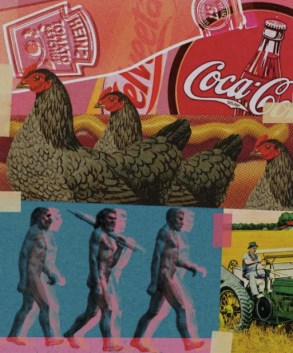
Illustration by Tim Robinson.
Sometimes one recommendation is not enough, so here is one of the environmental writers we feature most frequently giving us a second look at Junk:
Mark Bittman’s history of why we eat bad food.
Mark Bittman writes the way he cooks: The ingredients are wholesome, the preparation elegantly simple, the results nourishing in the best sense of the word. He never strains; there’s no effort to impress, but you come away full, satisfied, invigorated.
From his magnum opus, How to Cook Everything, and its many cookbook companions, to his recipes for The New York Times, to his essays on food policy, Bittman has developed a breeziness that masks the weight of the politics and economics that surround the making and consuming of food. In Animal, Vegetable, Junk, his latest book, he offers us his most thoroughgoing attack on the corporate forces that govern our food, tracking the evolution of cultivation and consumption from primordial to modern times and developing what is arguably his most radical and forthright argument yet about how to address our contemporary food cultures’ many ills. But it still goes down easy; the broccoli tastes good enough that you’ll happily go for seconds. Continue reading
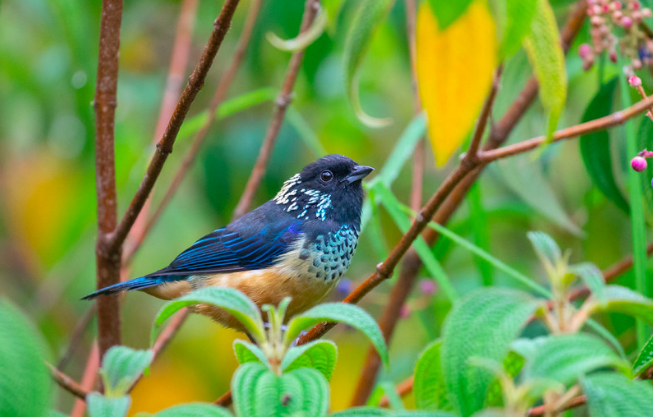
San Gerarda de Dota, Costa Rica

Gouldian Finches, named for Elizabeth Gould, from The Birds of Australia. Illustration: Elizabeth Gould/Public Domain
When we think of birds and illustrations, most frequently the work of John James Audubon comes to mind. But there were others:
Meet Elizabeth Gould, the Gifted Artist Behind Her Husband’s Famous Bird Books
John Gould’s ornithology books were hugely popular and cemented his name in history. But his wife’s illustrations were a big reason why.
In 1830, when English taxidermist John Gould was keen to publish his first volume of bird species, his wife Elizabeth asked him who would create the illustrations. She knew her unartistic husband wouldn’t be up to the task. Continue reading
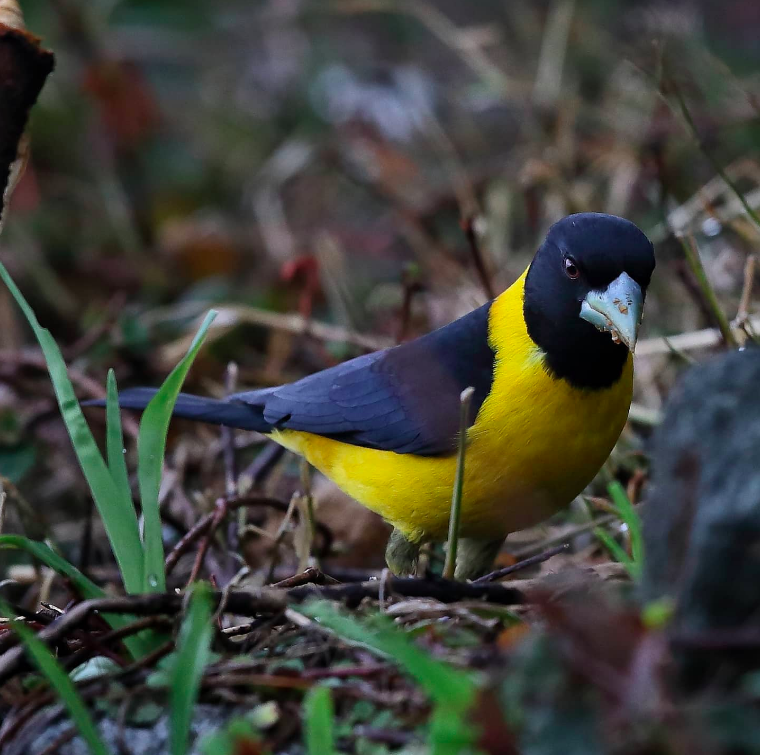
Mishmi Hills, Arunachal Pradesh

ExxonMobil, the owner of this Louisiana oil refinery, has adopted a tobacco-industry strategy to protect its business model. Photograph by Barry Lewis / Getty
This is a question we ask, rhetorically, all the time. But we normally neither seek the actual answer nor come across the answer; but today is different, thanks to Bill McKibben’s weekly newsletter:
The Particular Psychology of Destroying a Planet
What kind of thinking goes into engaging in planetary sabotage?
Two weeks ago, I looked at the question of the anxiety that the climate crisis is causing our psyches. But, if you think about it, there’s an equally interesting question regarding the human mind: How is it that some people, or corporations, can knowingly perpetuate the damage? Or, as people routinely ask me, “Don’t they have grandchildren?” Continue reading
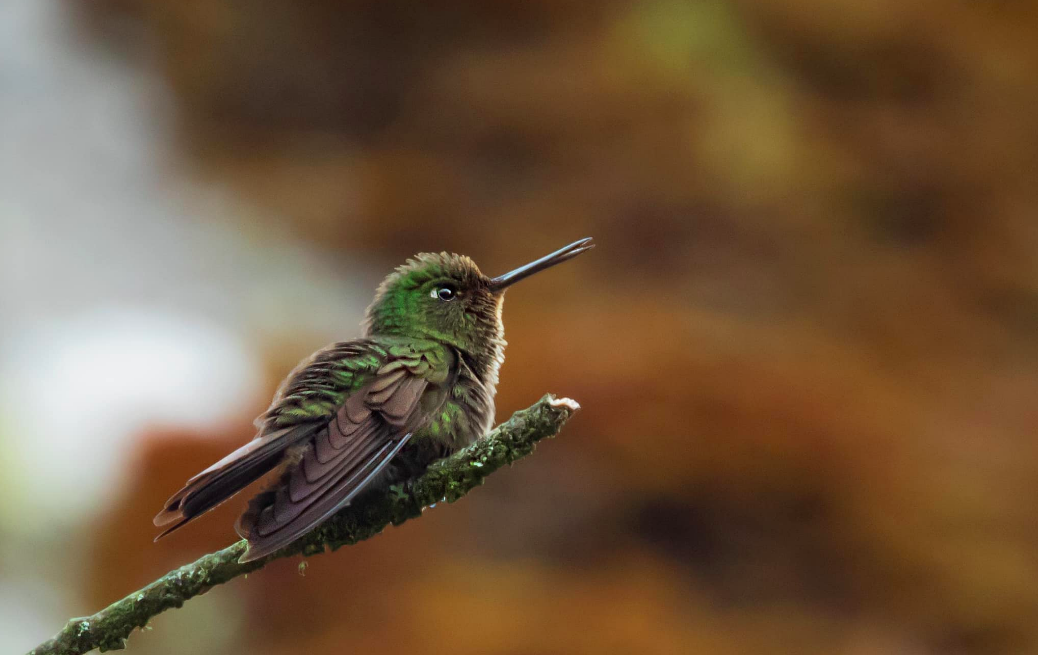
Cochabamba Cloud Forest, Bolivia
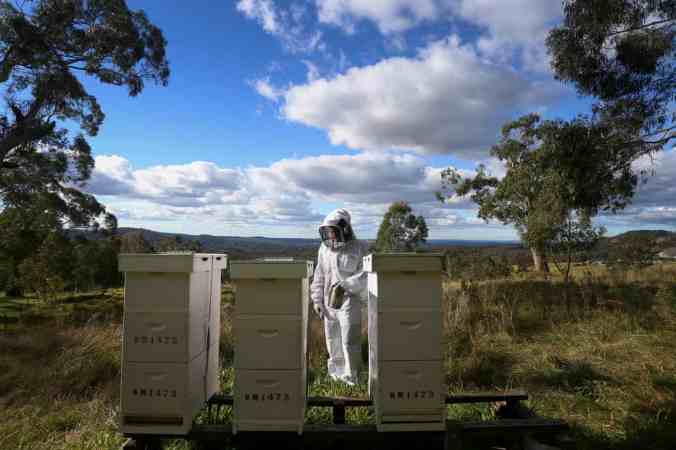
Apiarist Darryn McKay of Bowral Bees inspects hives in Bowral. McKay is a ‘farm to gate’ beekeeper with a number of hives hosted in the southern highlands. He also provides bee swarm collection and runs workshops.
Thanks to the Guardian:
City buzz: how urban beehives and artificial insemination are protecting Australia’s bees – in pictures
Apiarist Vicky Brown inspects hives with resident manager Kieron Hunt at the Shangri-La Hotel in Sydney, Australia. Photograph: Lisa Maree Williams/Getty Images
Bee populations around the world are under significant threat from extreme climate events, destruction of natural habitat, intensive farming practices, pests and disease. Australian apiarists and scientists are developing innovative solutions to protect the country’s bee population, increase genetic diversity and increase numbers
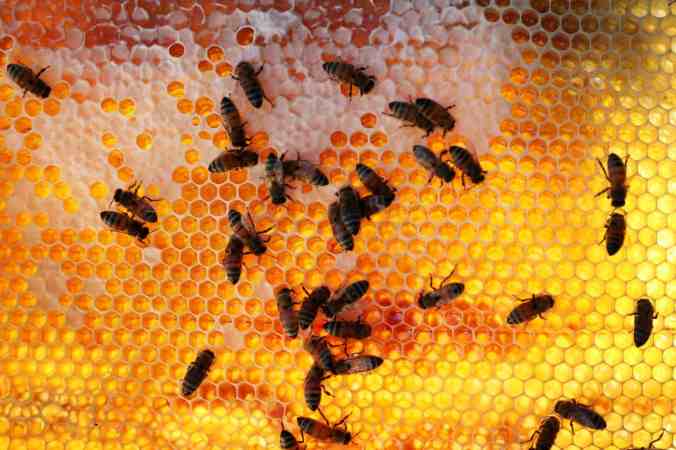
Bees on a honeycomb cell at the Urban Beehive rooftop site in Woolloomooloo in Sydney, Australia. Apiarists Vicky Brown and Doug Purdie established the enterprise, which places beehives around Sydney, to boost natural pollination, to help maintain genetic diversity and to guard against the varroa destructor parasite and colony collapse disorder, which have decimated bee populations around the world but have so far not been found in Australia.
See the entire collection of images here.
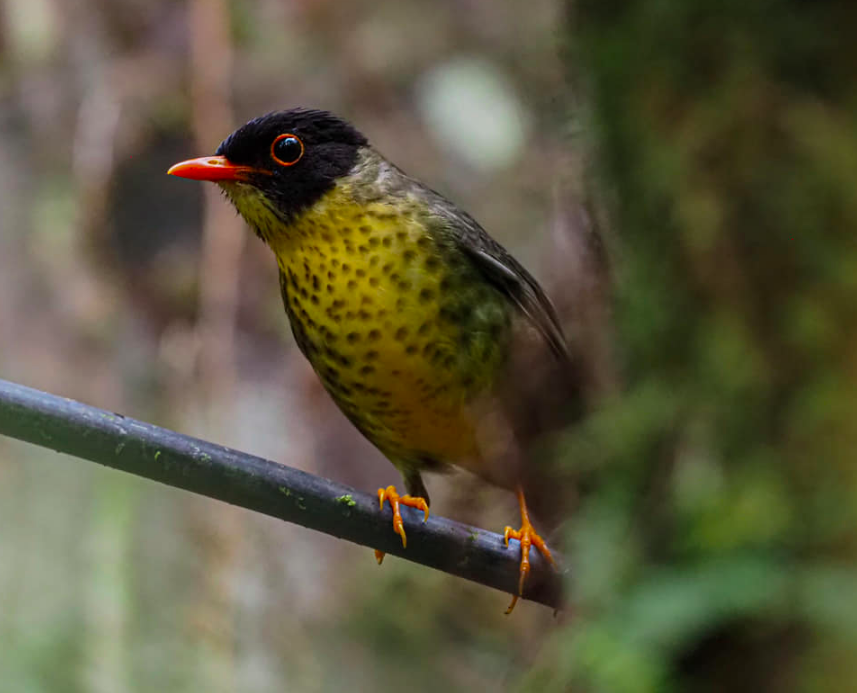
Reserva Natural Ranchitos del Quetzal, Guatemala
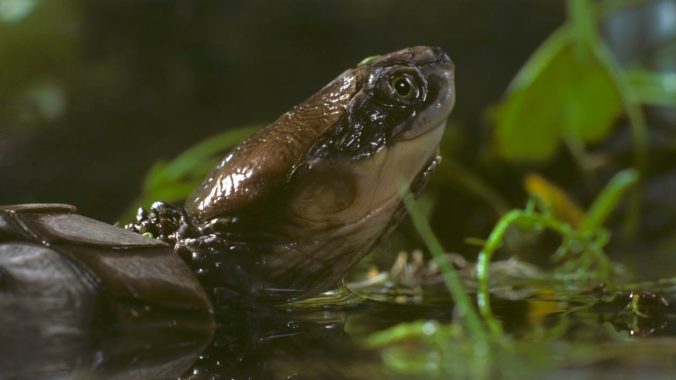
The endangered western swamp turtle, which scientists have reintroduced into its native habitat in Australia. AUSCAPE/UNIVERSAL IMAGES GROUP VIA GETTY IMAGES
Thanks to Yale e360 for this:
Amid Climate Pressures, a Call for a Plan to Move Endangered Species
The conservation community has fiercely debated whether to help species move as climate change and habitat loss threaten more extinctions. Now, scientists are calling on an upcoming international conference to set guidelines for this complex – and potentially risky – challenge. Continue reading

Madera Canyon, AZ
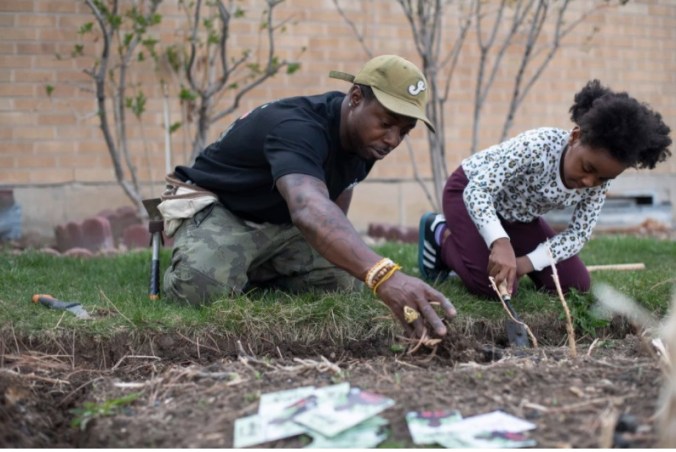
Ietef “DJ Cavem Moetavation” Vita plants seeds with daughter Libya LeaDonvita in the garden at their home outside Denver. Vita is among a growing list of Black gardening enthusiasts-turned-entrepreneurs across the country who’ve launched seed businesses during the pandemic-inspired gardening boom. Rachel Woolf for KHN
Urban farming was an early and has been a frequent topic on this platform, and we have covered it from multiple angles and elevations. In the last year we have focused on a few acres of urbanized land to regenerate bird habitat. So when I scan daily for a story to share, this has been a top-of-mind topic for years. Thanks to National Public Radio (USA) for another:
Black Entrepreneurs Sow Seeds Of Healthier Eating During Pandemic Gardening Boom
Vita, a vegan rapper, wants to encourage people of color to eat healthier by growing their own vegetables. He sells his own line of kale, beet and arugula seeds. Rachel Woolf for KHN
Ietef Vita had planned to spend most of 2020 on the road, promoting Biomimicz, the album he had released on his #plantbasedrecords label in January. But the pandemic cut those plans short, says Vita, known to his fans as “DJ Cavem Moetavation” and “Chef Ietef.”
He was playing in Berkeley, Calif., on Feb. 29, and “literally got out of town right before they shut the whole country down,” recalls the 34-year-old vegan rapper, who has performed for the Obamas and is known as the father of eco-hip-hop. “It was scary.”
Suddenly sidelined at his metro Denver home with his wife, Alkemia Earth, a plant-based lifestyle coach, and three daughters, Vita struggled to pivot. Eventually, he accepted that he would need to stay put and, as the saying goes, bloom where he was planted.
Vita has mailed out more than 20,000 packets of his kale, beet and arugula seeds to urban farmers across the country. Rachel Woolf for KHN
He and his wife launched an impromptu campaign: mailing out thousands of the more than 42,000 packets of kale, beets and arugula seeds that he’d planned to sell at his shows, all emblazoned with his likeness and the QR code to hear his digital album. Continue reading

Bellary , Karnataka

If we’re going to deal with the climate crisis, electric cars are a crucial part of the task. Photograph by Rebekah Zemansky / Shutterstock
In his weekly newsletter Bill McKibben shares an illuminating anecdote, titled Your Electric Vehicle Can’t Get There from Here—At Least, Not Without a Charge, about driving his electric car in New England that explains
Why we need to build a national network of charging stations fast.
I pulled into a Whole Foods parking lot in Bedford, New Hampshire, hoping against hope—but no, someone was already there, their Chevy Bolt plugged into the fast charger. Continue reading
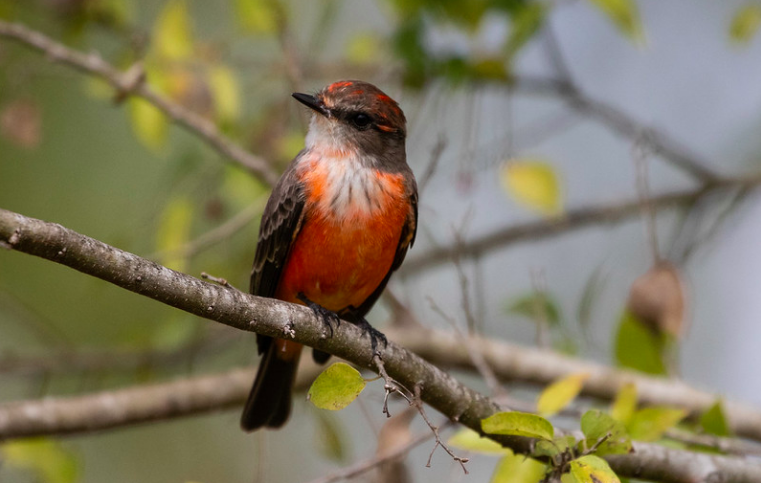
Rio Grande Valley, TX
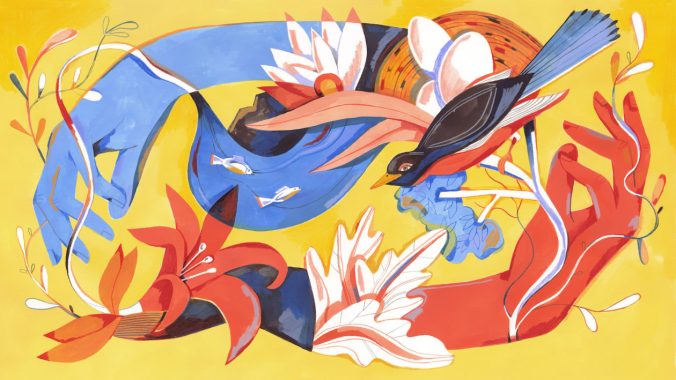
LUISA RIVERA
Michelle Nijhuis is one of several science writers who have made our pages better in the 10 years since we started this platform. This essay is in good company:
Species Solidarity: Rediscovering Our Connection to the Web of Life
As climate change intensifies and human activity impacts every corner of the planet, repairing our world increasingly means realizing that our fate is intertwined with that of other animal and plant species — not separate from theirs — and that we must think and act accordingly. Continue reading
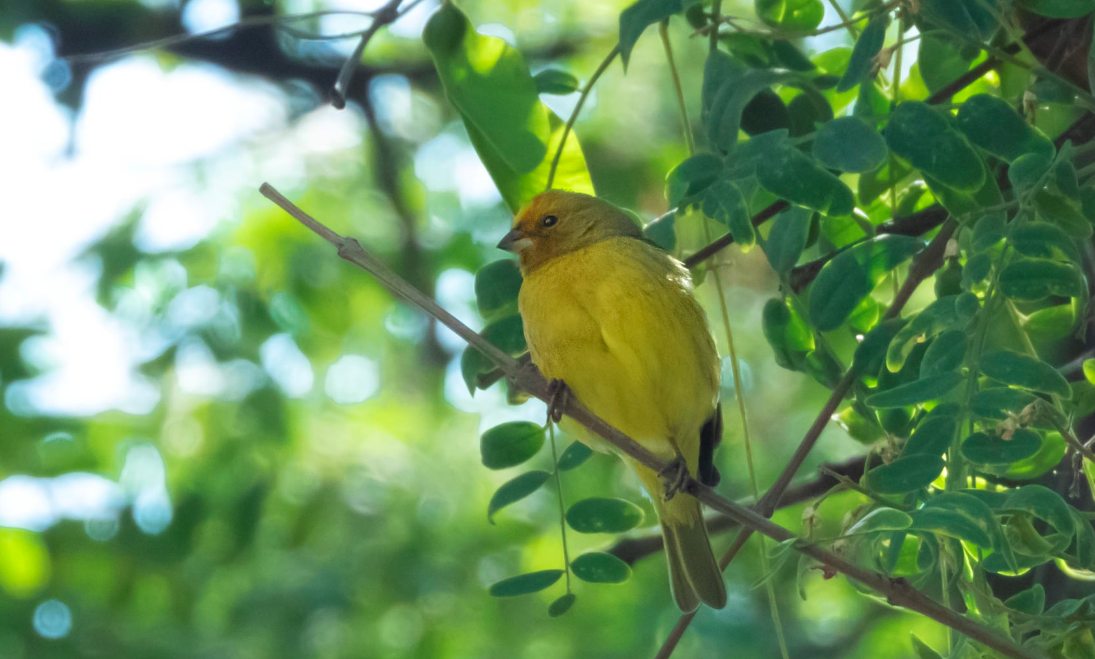
Cochabamba, Bolivia
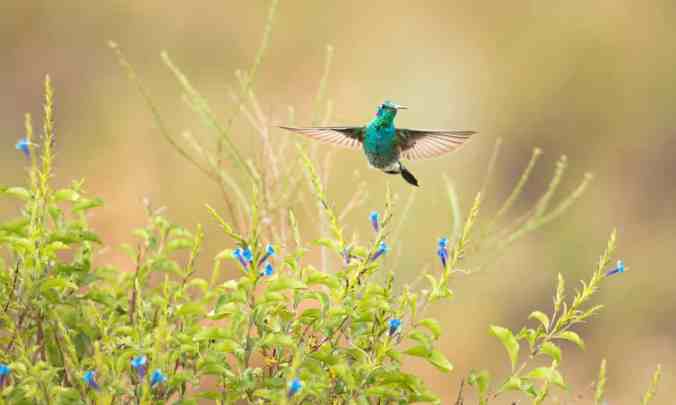
A white-vented violetear hummingbird feeds on the nectar of the flowers of a Stachytarpheta glabra
Thanks to Augusto Gomes for bringing this region, unknown to us, to our attention:
Life on the rocks in Brazil’s campo rupestre
In a little-known region that calls to mind Tolkien’s Middle-earth, photojournalist Augusto Gomes marvels at one of the oldest, harshest, most biodiverse – and most threatened – ecosystems on the planet
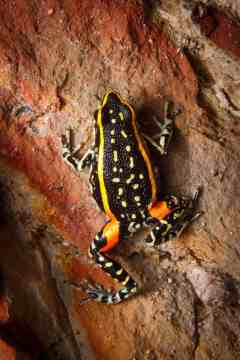
Lutz’s poison frog, which feeds primarily on ants
When I was a child, my family would drive three hours from our home in Belo Horizonte to visit my grandfather’s ranch near the town of Santana dos Montes. On the way, we would cross the Espinhaço mountain range, which runs north to south in the central-eastern portion of Brazil.
Espinhaço means “spine” in Portuguese, and the name could not be more apt. The range spans 1,200km (750 miles), its bony peaks reach as high as 2km, and the thriving, humid Atlantic Forest drops away to the east, foggy and dense with evergreens, ferns, mosses and bromeliads, the air bursting with the strange songs of birds you never see. On the west side of the mountains, the arid, savannah-like Cerrado stretches flat and exposed, with golden grasslands and small, twisted trees. Continue reading

Nainital, Uttarakhand
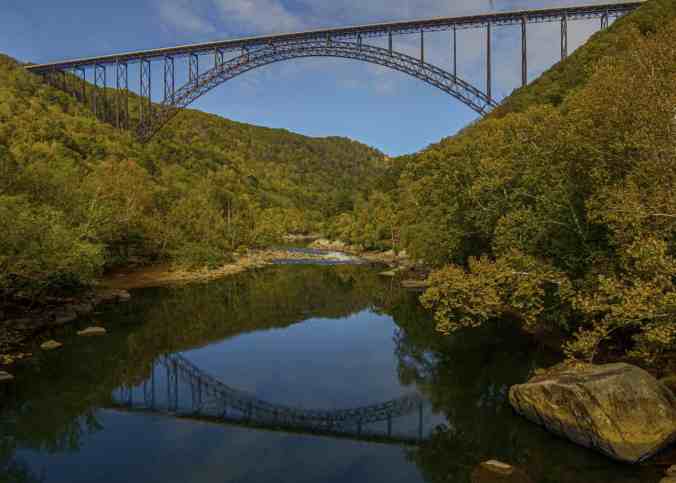
The New River Gorge Bridge, seen from Fayette Station, was once the world’s longest single-span arch bridge. Photograph: F Brian Ferguson/AP
A park is born. Challenges, yes, but opportunity too:
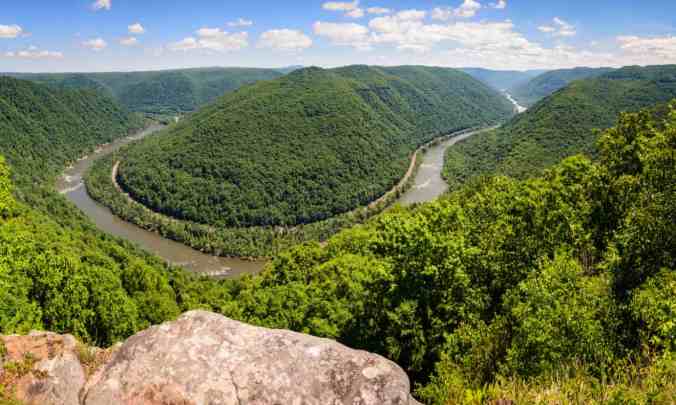
The New River Gorge in West Virginia: millions of years in the making; now a national park. Photograph: Alamy Stock Photo
America has a new national park but not all the locals are happy about it
The New River Gorge in West Virginia offers stunning views, rock climbing and rafting but some worry it is unprepared for an influx of visitors
The New River has spent millions of years carving a bucolic gorge in West Virginia. It is now home to one of the most biodiverse forests on the continent. And while humans have tracked prey along its jagged cliffs for thousands of years, now most people come to the gorge to find adventure. Continue reading


 Organikos