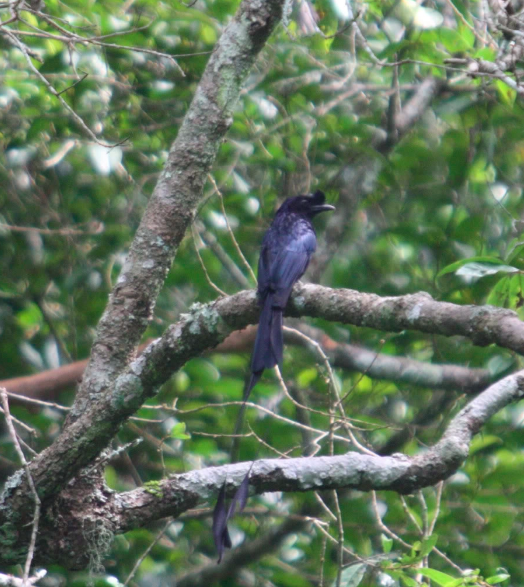
Periyar Tiger Reserve, Kerala
Periyar Tiger Reserve, Kerala
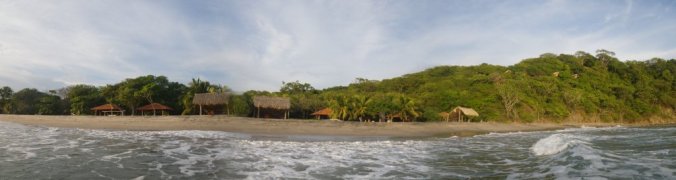
The email yesterday was brief:
Back in MR, what a treat! There is wifi in the reception area, don’t remember that from last time… 😉
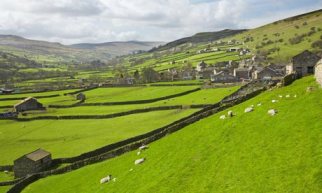
Our rivers and natural resources are to be valued and commodified, a move that will benefit only the rich, argues George Monbiot. Photograph: Alamy
Click the image to the left to go to the editorial opinion of one of The Guardian‘s environmentally-oriented writers. It starts with a quotation from Jean Jacques Rousseau; not shabby:
‘The first man who, having enclosed a piece of ground, bethought himself of saying ‘This is mine’, and found people simple enough to believe him, was the real founder of civil society. Continue reading
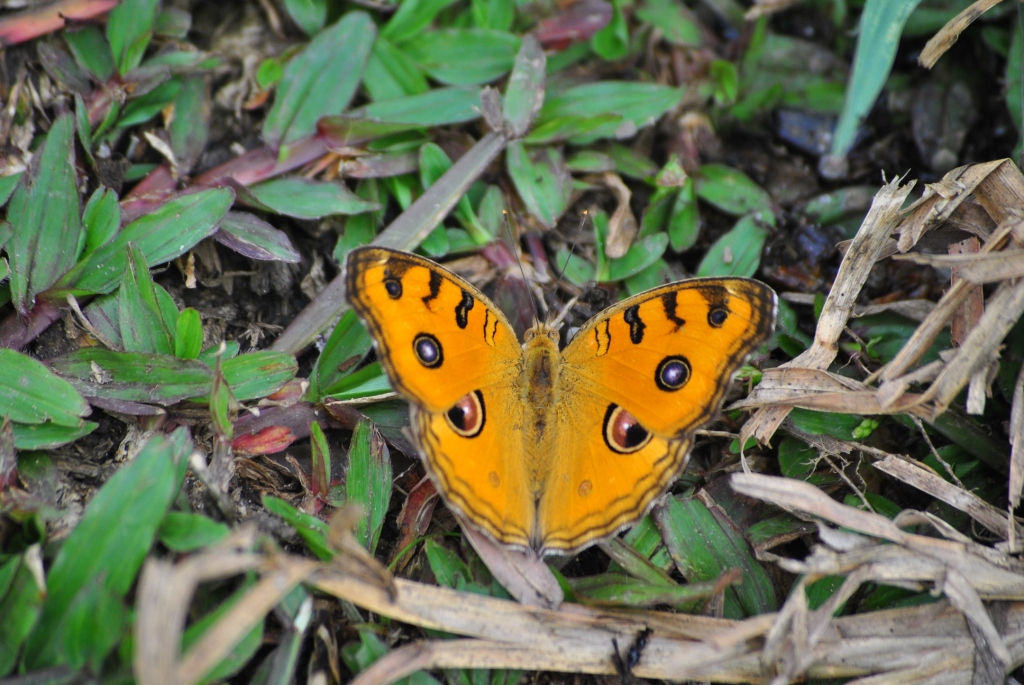
Peacock Pansy Butterflies are frequently found in an around lakesides, grass lands and semi-evergreen patches of the Western Ghats, especially in the Periyar Tiger Reserve, basking in sunny patches in the early part of the day. This beautiful butterfly has pale yellow and orange coloured wings with large eyes spots on the upper side of its hind wings and smaller ones on the forewings. Females of this species are usually larger. Lantana and ixora flowers are the favorite for these butterflies.
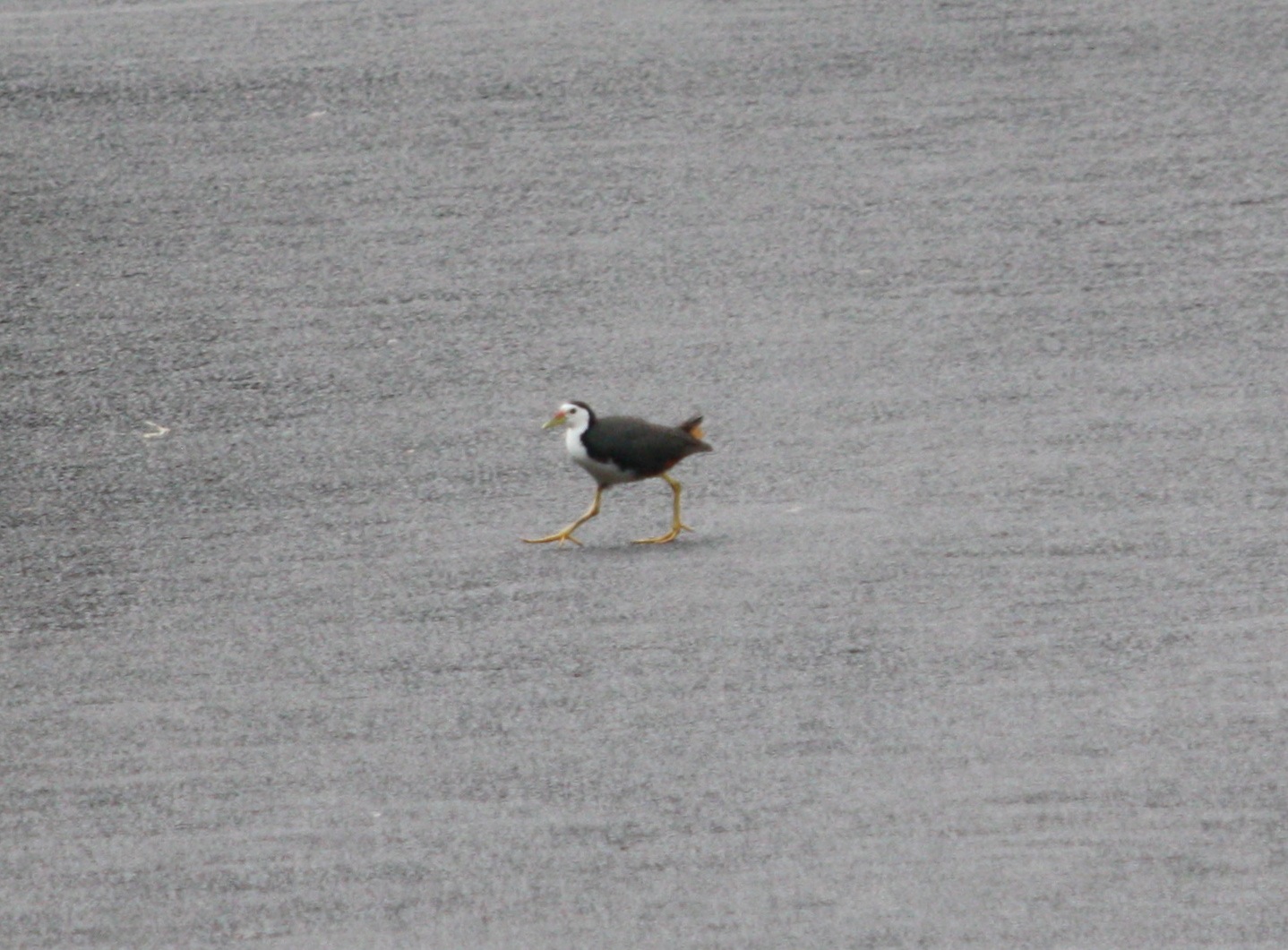
Periyar Tiger Reserve, Kerala
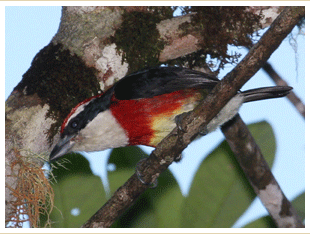
Sira Barbet by Michael G. Harvey
What happens when a group of “newly minted” Cornell ornithologists go on a birding expedition in the high Peruvian Andes and the team discovers a new species of bird?
They name it after the Cornell Lab of Ornithology executive director Dr. John W. Fitzpatrick whose fieldwork in Peru during the 1970s and 1980s led to numerous discoveries of course!
I just got back from Isabela Island, where I was able to snorkel with a sea lion as playful as the ones in this video (taken, once again, by the ScubaIguana guide Quike Morán), and play with it alone in the relatively shallow waters of Tintoreras (named for the reef sharks that can often be seen there; tinto is red in Spanish; you get the point).
I tried to mimic the swirling, bubble-blowing, and alternating fast and slow approaches as I played with the juvenile sea lion, and was rewarded with a dance even longer than that seen in the video. Continue reading

A deeply disturbing story, one among seemingly countless opportunities for any of us to jump in and build an opposition, brought the above organization to our attention. Gold and copper, not to mention jobs, and concession revenues in a developing nation, are all important. Up to a point. But so is the marine ecosystem that will suffer the consequences. The mining company and its shareholders gain if the operation is profitable; plus the livelihoods of all those working on the technology and the mining jobs to carry out these operations; plus what the PNG government earns; and then some. It sure looked valuable enough to whomever was involved in granting the concession.
But who did the calculation on the other end of this equation? The ecosystem valuation side. Click the image above to see in detail (download the report) what is at stake and what might be done about it, as also reported here in The Guardian:
Nautilus alone has around 524,000 sq km under licence, or pending licence, in PNG, Tonga, New Zealand and Fiji. Continue reading
Zinnia flowers are commonly naturalized in the Western Ghats of India. These flowers are popular for their beautiful and wide range of attractive colors. In Kerala, these are commonly grown as ornamental flowers in home and butterfly gardens.
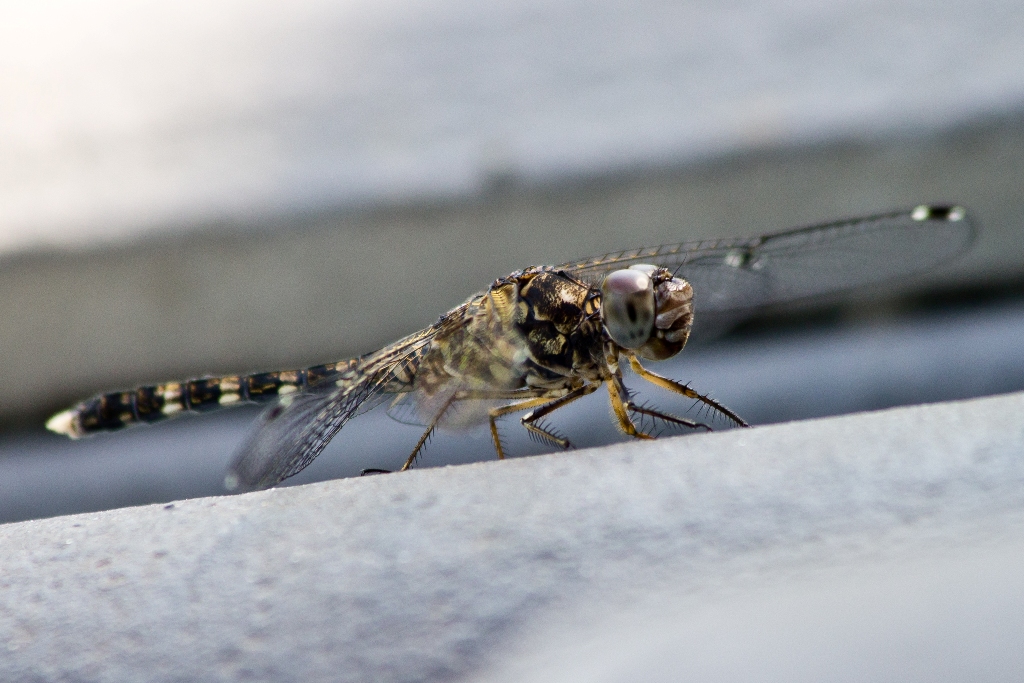
As the monsoons blow through Kerala, the native dragonfly and damselfly populations in the area appear to wax and wane along with the water levels. A sunny day by any water body guarantees sighting at least one species, but as is only so common during the season, overcast days dominate the calendar. Nevertheless, Kerala’s entomological biodiversity remains as strong as the summers, during which dozens of Odonate species whizz back and forth teritorially over their little stretch of pond-shore or riverbank. The main reason that these insects are not out in force as frequently as the rest of the year is that they are most active in hot and dry climates, particularly in direct sunlight. Contrarily, monsoons traditionally offer respite to natives, being wet and (slightly) cooling. When they’re not visibly hunting or mating, dragonfly and damselfly populations are probably strongest in the larval stage – extraordinarily aggressive aquatic predators. I got lucky a few days ago on a sunny day on the backwaters when I saw a Granite Ghost – in my books a rarer species of dragonfly that I’ve only sighted once in Goa.
Beautiful, environmentally valuable natural areas increasingly seem to fit the definition of luxury, based on their scarcity and the quality of the pleasure they provide. Golf, also, is often defined as a luxury. Can golf and pristine wilderness both be defined, correctly, as luxuries? Linguists, please weigh in.
Meanwhile, above, a promo clip on a new documentary about a beautiful place, Trumped (talk about misdefining luxury!). Thanks to the Green blog at the New York Times website, this story which even an avid golfer might wince at:
On July 15, Trump International Golf Links finally opened. But not everyone was delighted to see one of Britain’s last stretches of coastal wilderness transformed into a putting green. Continue reading

Native to Sri Lanka and the Western Ghats of India, Spiral Ginger is a gregarious herb seen along sheltered gravelly slopes in warm, moist, forested regions. This succulent herb has leaves growing spirally around the stem and flowers year-round. The rhizome of the plant is used in ayurvedic medicine.
In case you missed my earlier post on the topic, you may want to listen to that podcast before reading this more straightforward “business wunderkind” story in today’s Sunday New York Times. Still, the closing paragraphs of the story circle around to why this fellow has our attention. Great food interests us, yes; entrepreneurship, yes; but even more so this sense of community:
He often seeks interaction with the broader community, whether at his restaurants, through the Internet, or on his daily subway ride. In Harlem, he has held free cooking classes for children and has helped expand the farmer’s market in the area. More than 70 percent of Red Rooster employees are local residents, many of whom had little experience with fine dining. The restaurant hired additional managers to get the employees up to speed.“When you look at strategy, it’s not set up to be a pure moneymaking machine,” says Derek Evans, the media adviser for the Marcus Samuelsson Group. “It’s a passion machine.”
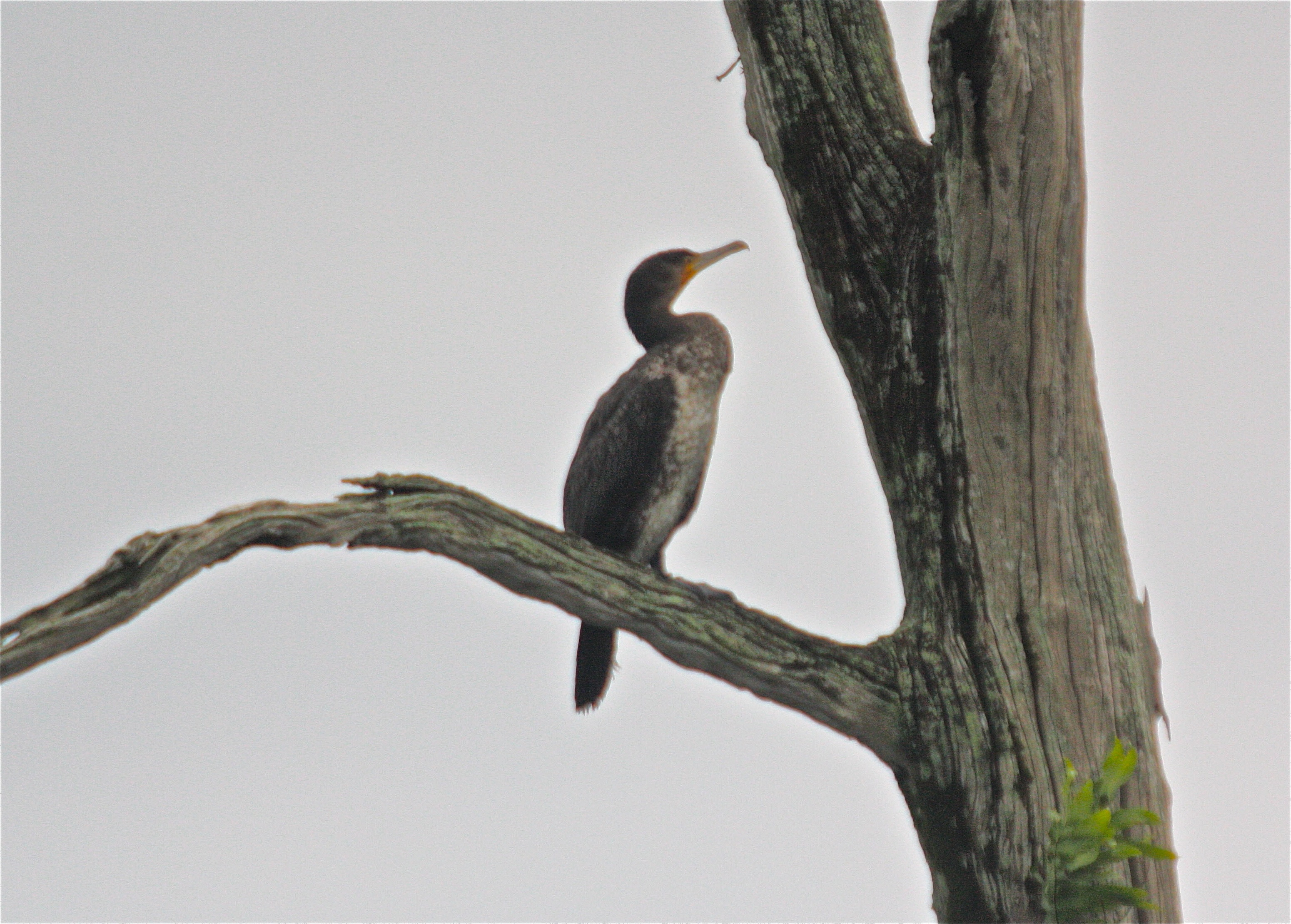
Periyar Tiger Reserve, Kerala
One minute ago, I opened my laptop to begin writing this blogpost, seated at gate 3 in Cochin International Airport.
One hour ago, I was in line waiting to enter the airport without a print out (evidently, an iPhone picture of my flight itinerary is not the same idea).
Two hours ago, I was frantically transcribing my “I miss you” letters in Bangla onto elephant dung paper as I ate my last dinner with the interns. It was chicken and “Indian-style salad.”
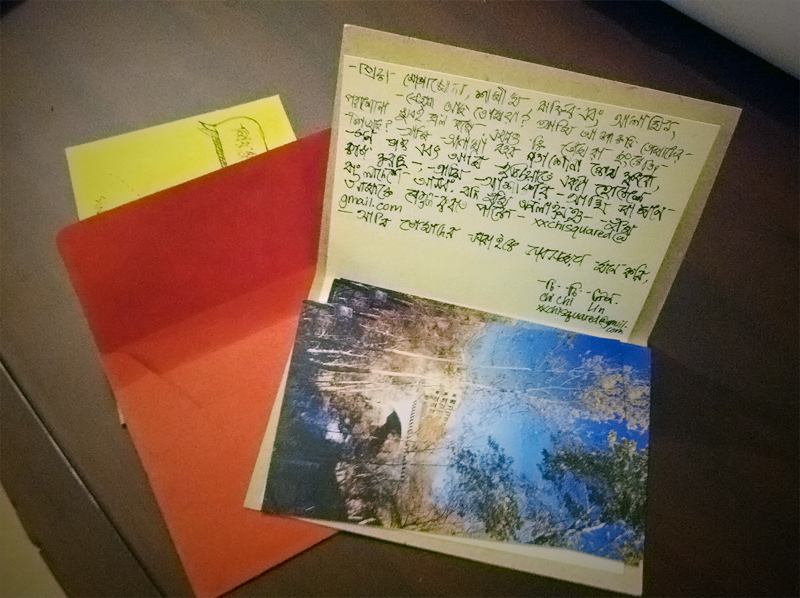
Transcribed letters, thank you to Marfy (the F&B Management trainee from Panigram) for the translation!
Three years ago, I was in the same position. I was in South Asia, I had just finished an internship at an eco resort, and I was already contemplating how I would come back. I sat in Bangladesh’s major international airport thinking about how my past two months at Panigram (which, coincidentally is being developed and will be operated by La Paz Group, the organization responsible for Raxa Collective) were so wonderful, enriching, eye-opening, and everything in between and that I had to come back to see the boutique resort completed. Would it be just an emotional return? Maybe getting a tattoo in Bangla script? Would I come back for my “I’m done with undergrad” senior trip?
Spending two months in Bangladesh with three hotelies afforded me everlasting friendships and a fondness for South Asia. Jonathon and I, specifically, tag-teamed each other around the world. We would meet in exotic cities all around the globe, any city was fine, just not Jessore, Bangladesh. We had a pact for that: “we’re going back to Panigram together, okay?”

The Nutmeg Tree is an evergreen aromatic which usually grows up to a height of 15-20 meters. Nutmeg and mace are two distinctly different spices produced from the same tree- the nutmeg being the actual interior nut, while mace is the red lacy covering beneath the outer shell. Although it is now cultivated throughout most of the south Indian states, the tree is a native of Moluccas, an island in the Indonesian archipelago. It thrives in hot and moist climates at low elevations.
Guest Author: Robert Frisch

In the summer between the first and second years of nearly every MBA program, students are tasked with finding themselves a three-month internship. Some advise trying to round out your resume by focusing on your weaknesses. Others say to shoot for a well-known company that will lend you credibility. For me, I knew that I wanted to spend my time doing something that I love and feel passionate about. A position in the realm of sustainable hospitality, land conservation, or eco-tourism was what I was looking for. I had a few interviews for a sustainability position in a hotel real estate investment trust (REIT), talked to a conservation focused management firm based in India, and a for-profit land conservation company based in Chile. I would have never guessed it, but I ended up accepting a position as a summer consultant to the National Parks Service in San Francisco. Continue reading

Newport Bay, CA
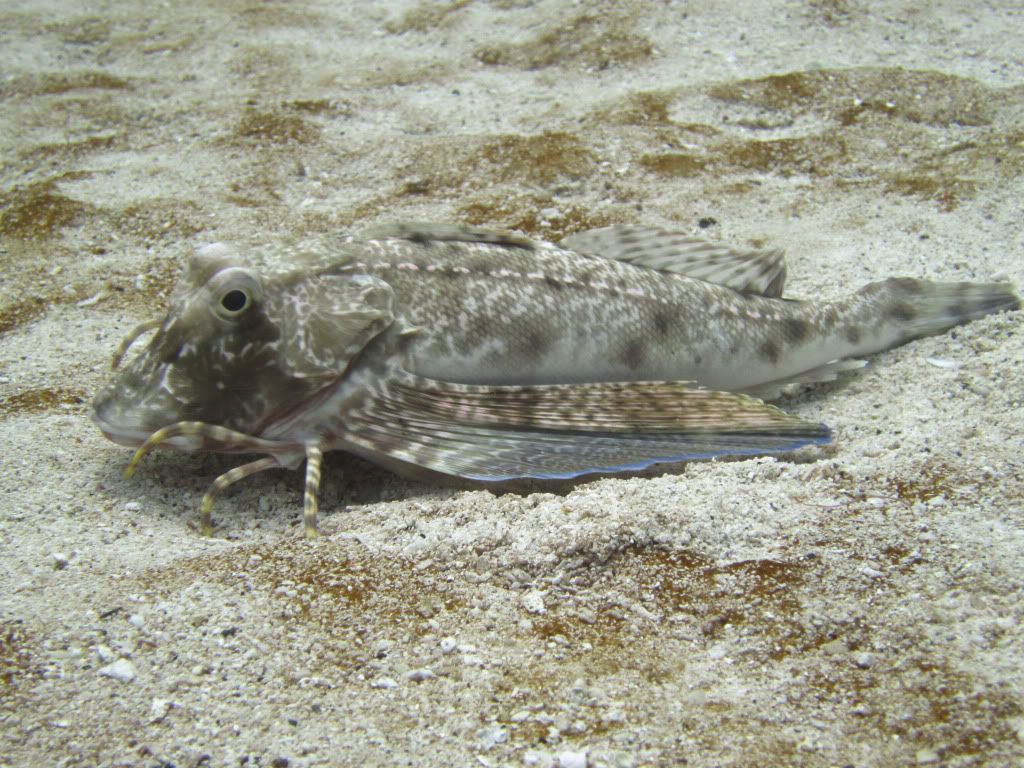
Six legs and two sail-like fins! What?!
My last post shared a video of some of my scuba trips and a few images of two absolutely bizarre ocean species: the Red-lipped Batfish and the Galápagos Searobin. I had no clue that any such creatures existed in nature, or at least not under the light of the sun no more than 15 meters below surface level. Once again, Quike Morán of Scuba Iguana took the pictures and video with a point-and-shoot digital camera in a plastic waterproof case, and the two dives featured here were at Seymour Island and Mosquera Island, north of Santa Cruz.
 The images after the jump are from here and first came to our attention in the Guardian story (click the headline image to the left), which follows a recent interest we have taken in these mercilessly misunderstood and under appreciated wild creatures. Seth’s recent post begins a new vein in our conversation about marine conservation (for
that wait for 2/2 in that series).
 Organikos