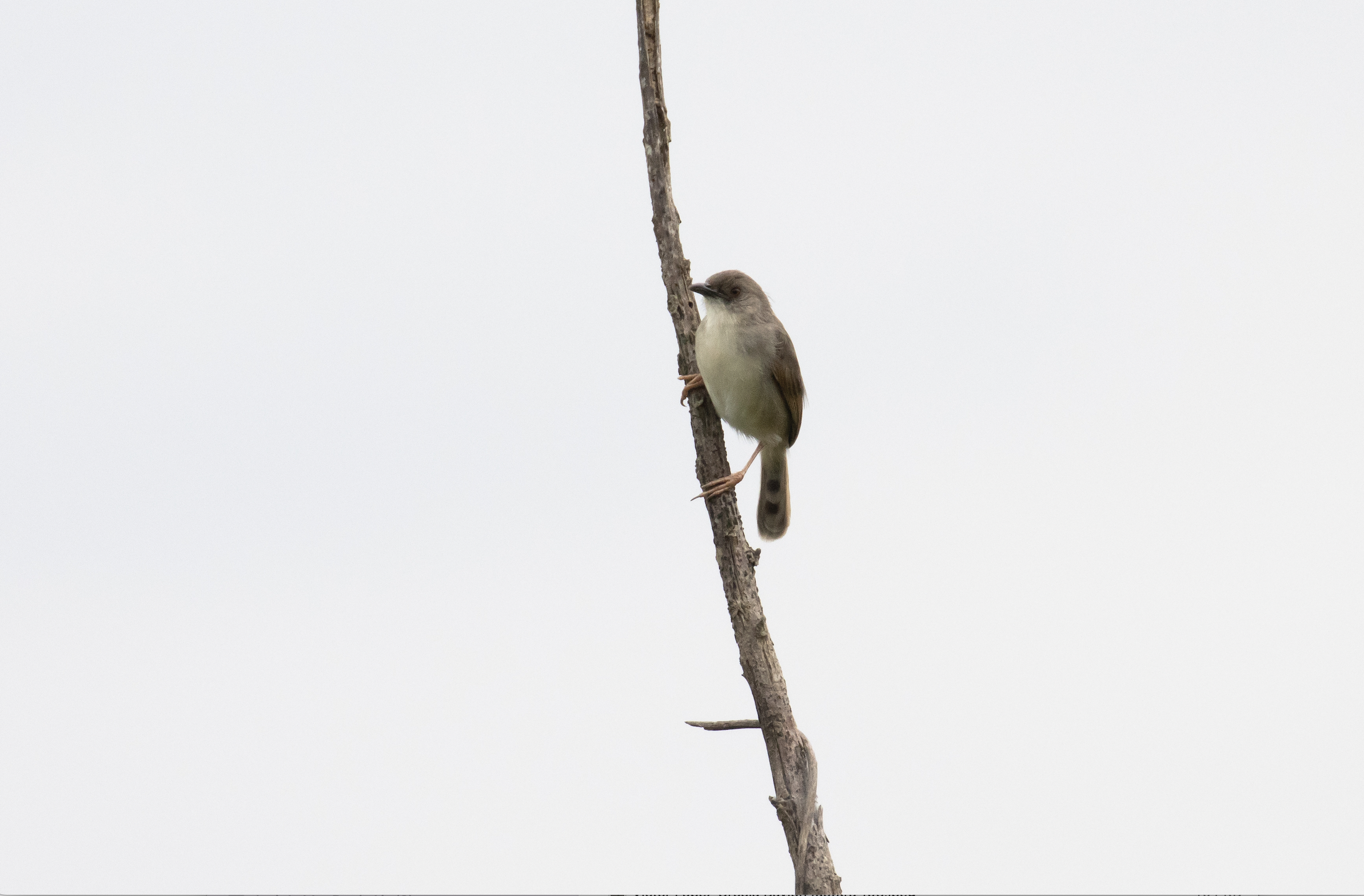
Nguila, Cameroon
Nguila, Cameroon

A reason that the breakthrough is causing such hoopla is that it implicitly promises that we could use fusion to run the world in almost its current form. Photograph courtesy Lawrence Livermore National Laboratory
Without the expertise to fully appreciate the science, the hoopla can be overlooked too easily. McKibben’s comment helps clarify:
The Fusion Breakthrough Suggests That Maybe Someday We’ll Have a Second Sun
In the meantime, we need to use the sun we’ve already got.
On Tuesday, the Department of Energy is expected to announce a breakthrough in fusion energy: according to early reports, scientists at the government’s Lawrence Livermore National Laboratory, in California, have succeeded for the first time in making their complex and expensive machinery produce more power than it uses, if only for an instant. Continue reading

Vijayapura, Karnataka
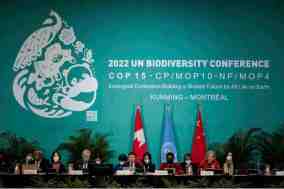
The opening plenary of the U.N. biodiversity conference in Montreal. Photograph by Andrej Ivanov / AFP / Getty
We continue, as a species, to document our impact on other species. The warning signs keep getting clearer. It is not pleasant reading, but it is documented for a reason; it is about us. It is about our responsibilities. Our thanks, as always, to Elizabeth Kolbert:
Can the U.N. Save the World from Ecological Collapse?
At this week’s summit, delegates will consider ambitious new conservation targets—even though the old ones have yet to be achieved.
The Red List of Threatened Species might best be described as a lack-of-progress report. Continue reading
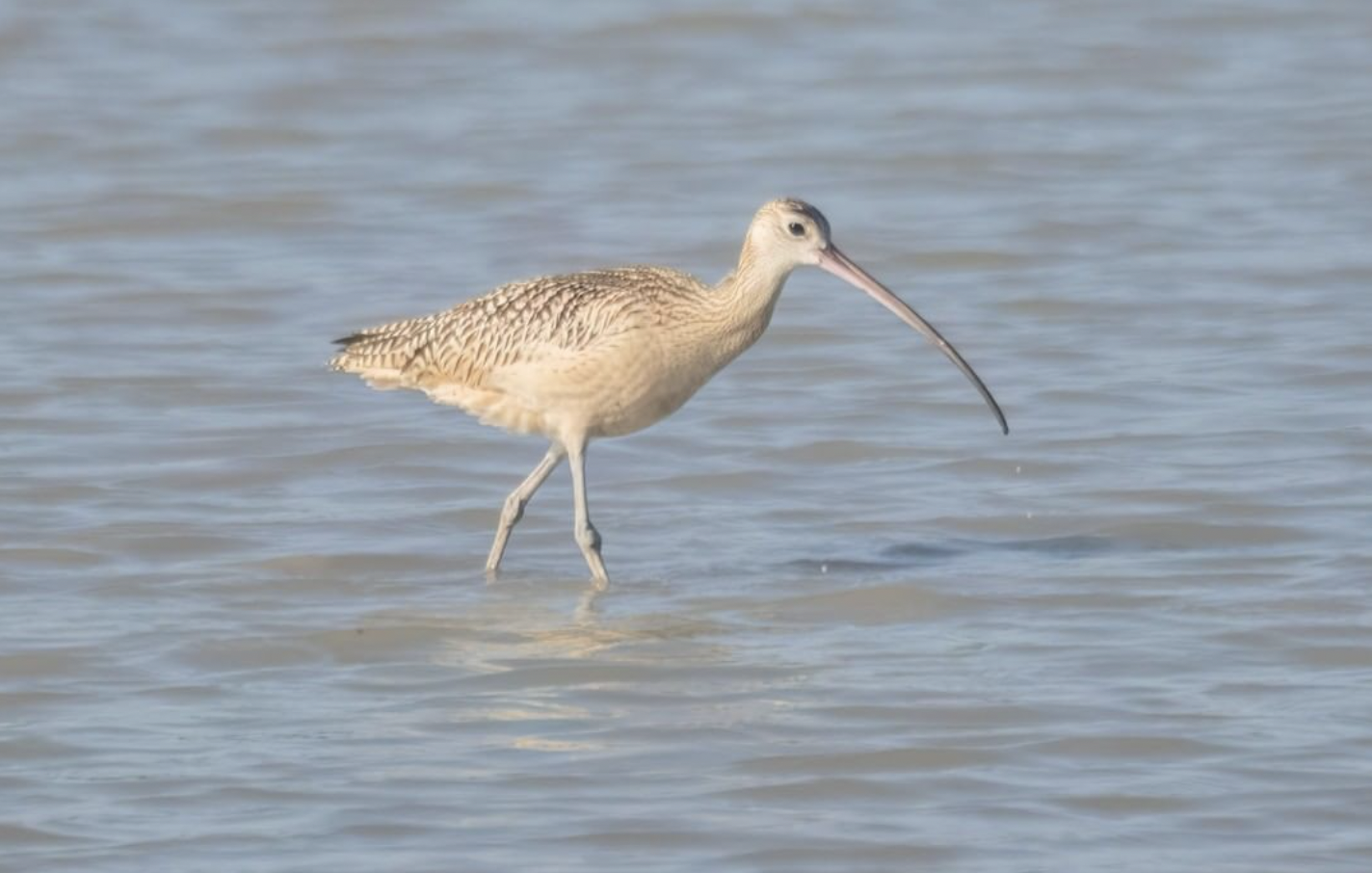
Willis Creek Wildlife Area, TX
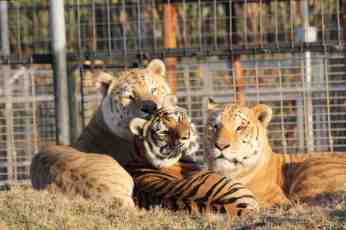
Big cats at the Greater Wynnewood Exotic Animal Park, a private sanctuary featured in the Netflix documentary series Tiger King. FIGHT4ANIMALRIGHTS VIA WIKIPEDIA
Big cats do not belong in cages, and certainly do not deserve to be treated as domestic pets. We assumed there were already clear and strict rules in place:
U.S. to Curb Private Ownership of Big Cats
The U.S. is set to enact a new law that prohibits private citizens from obtaining lions, tigers, jaguars, leopards, and other big cats as pets. Continue reading

Puerta del Cielo, Huehuetenango, Guatemala
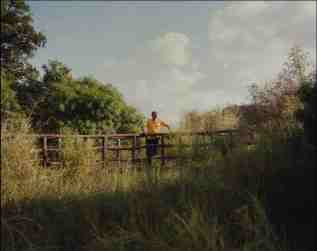
When Pradip Krishen began creating Jaipur’s Kishan Bagh Desert Park, it was a wasteland of dunes and bald hillocks, strewn with trash. Looking at the landscape, he said, “Now, this is something I’d love to work on. ”Photographs by Bharat Sikka for The New Yorker
If I had to bet, based on our period living in India from 2010 to 2017, I would bet on the prime minister winning. That implies the country making less progress on conservation, if any, and more on development. As Dorothy Wickenden‘s article implies, it may be a zero sum game:
The Promise and the Politics of Rewilding India
Ecologists are trying to undo environmental damage in rain forests, deserts, and cities. Can their efforts succeed even as Narendra Modi pushes for rapid development?
Krishen’s first major restoration job was reclaiming the landscape around Mehrangarh Fort, in the Thar Desert.
On May 12, 1459, the Rajput warrior ruler Rao Jodha laid the first foundation stone of an impregnable fort, atop a jagged cliff of volcanic rock in the Thar Desert of Marwar. He called the citadel Mehrangarh, or “fort of the sun”—and, legend has it, he insured a propitious future by ordering a man buried alive on its grounds. Over time, as the royal clan secured its power, the compound grew to colossal proportions, with soaring battlements, ornately furnished palaces, and grand courtyards enclosed by intricate sandstone latticework. Four hundred feet below, the capital city of Jodhpur became a flourishing trade center. Continue reading
Vijayapura, Karnataka
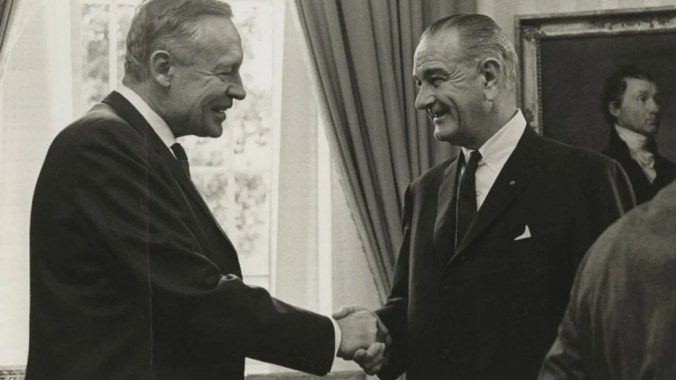
Scientist Roger Revelle, an adviser who warned Lyndon Johnson about climate change in 1965, greets the president in the Oval Office. Roger Revelle papers/Special Collections Archives/UC San Diego
In keeping with a theme–that the science of climate risk has been around for a couple generations now–we have linked to each time there are new revelations:
What Big Oil Knew About Its Products’ Climate Risks—and When
A long-forgotten report sheds light on a high-stakes liability question.
Carroll Muffett began wondering in 2008 when the world’s biggest oil companies had first understood the science of climate change and their product’s role in causing it. Continue reading
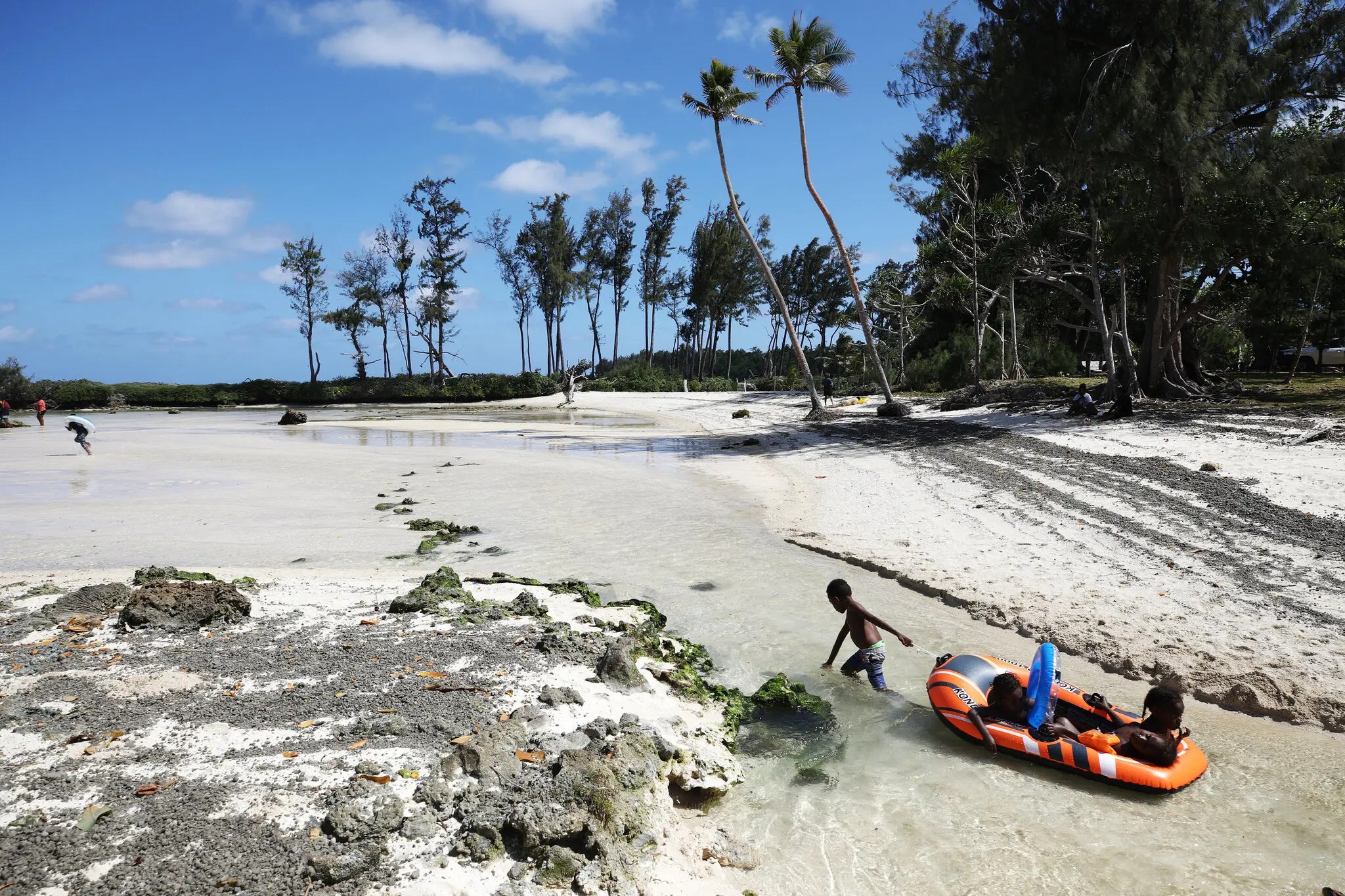
The atoll nation of Vanuatu is threatened by rising seas. “We had to learn how to manage our unimportance,” its president said. Mario Tama/Getty Images
This story has a familiar ring to it, if you are familiar with the history of Costa Rica going back to colonial times. Never a particularly “important” part of the empire, it thereby avoided many pitfalls typical of other countries in Latin America, and evolved into a stable democracy with progressive ideas and goals and achievements. We wish this little country in the Pacific comparable success by thinking outside the box, as its president says:
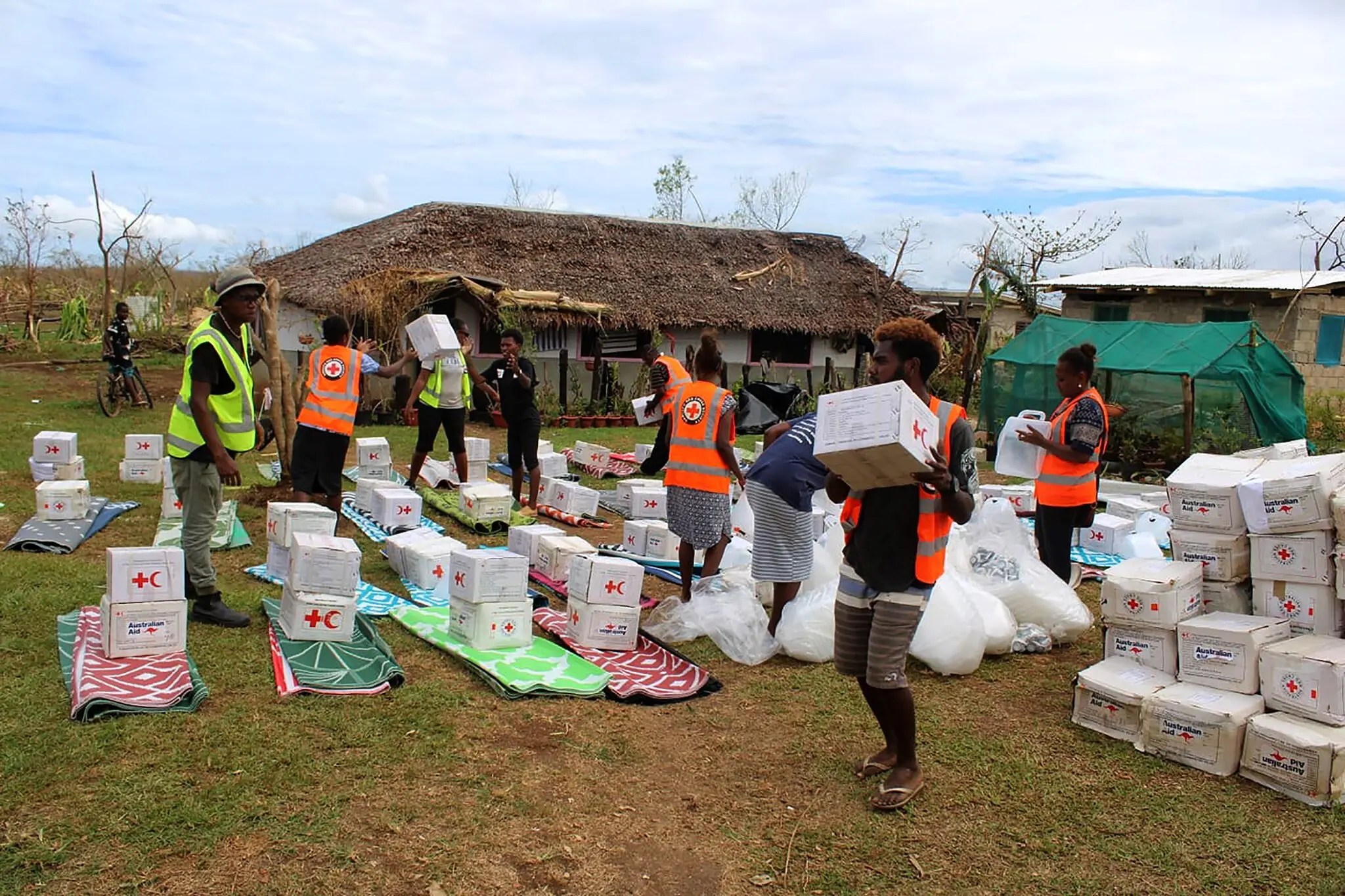
Emergency supplies being distributed after Cyclone Harold in 2020. International Federation of Red Cross, via Agence France-Presse — Getty Images
Tiny Vanuatu Uses Its ‘Unimportance’ to Launch Big Climate Ideas
It wants a top international court to weigh in on whether nations are legally bound to protect against climate risks.
Nikenike Vurobaravu presides over a tiny country with a large hand in climate diplomacy.
Rising sea levels threaten the very existence of his Pacific Island nation of Vanuatu and its population of just over 300,000 people. Its best defense, he says, it to raise its voice creatively in international diplomatic talks. Continue reading
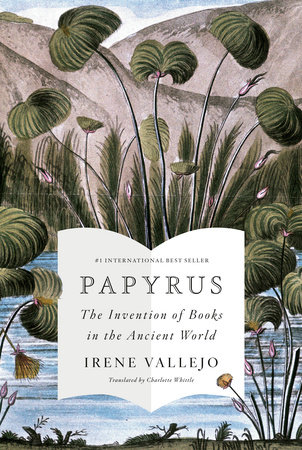 We are happy to have reason to return to our love of books, reading, as well as the history and importance of libraries.
Our thanks to Kathryn Hughes at the Guardian for giving us a look into the most recent work of Irene Vallejo:
Papyrus by Irene Vallejo review – how books built the world
From Alexandria to Oxford, a kaleidoscopic history of the written word
Reading between the lines … Tianjin Binhai Library in China.
What do you give the queen who has everything? When Mark Antony was wondering how to impress Cleopatra in the run-up to the battle of Actium in 31BC, he knew that jewellery would hardly cut it. The queen of the Ptolemaic kingdom of Egypt had recently dissolved a giant pearl in vinegar and then proceeded to drink it, just because she could. In the face of such exhausted materialism, the Roman general knew that he would have to pull out the stops if he was to win over the woman with whom he was madly in love. So he arrived bearing 200,000 scrolls for the great library at Alexandria. Continue reading
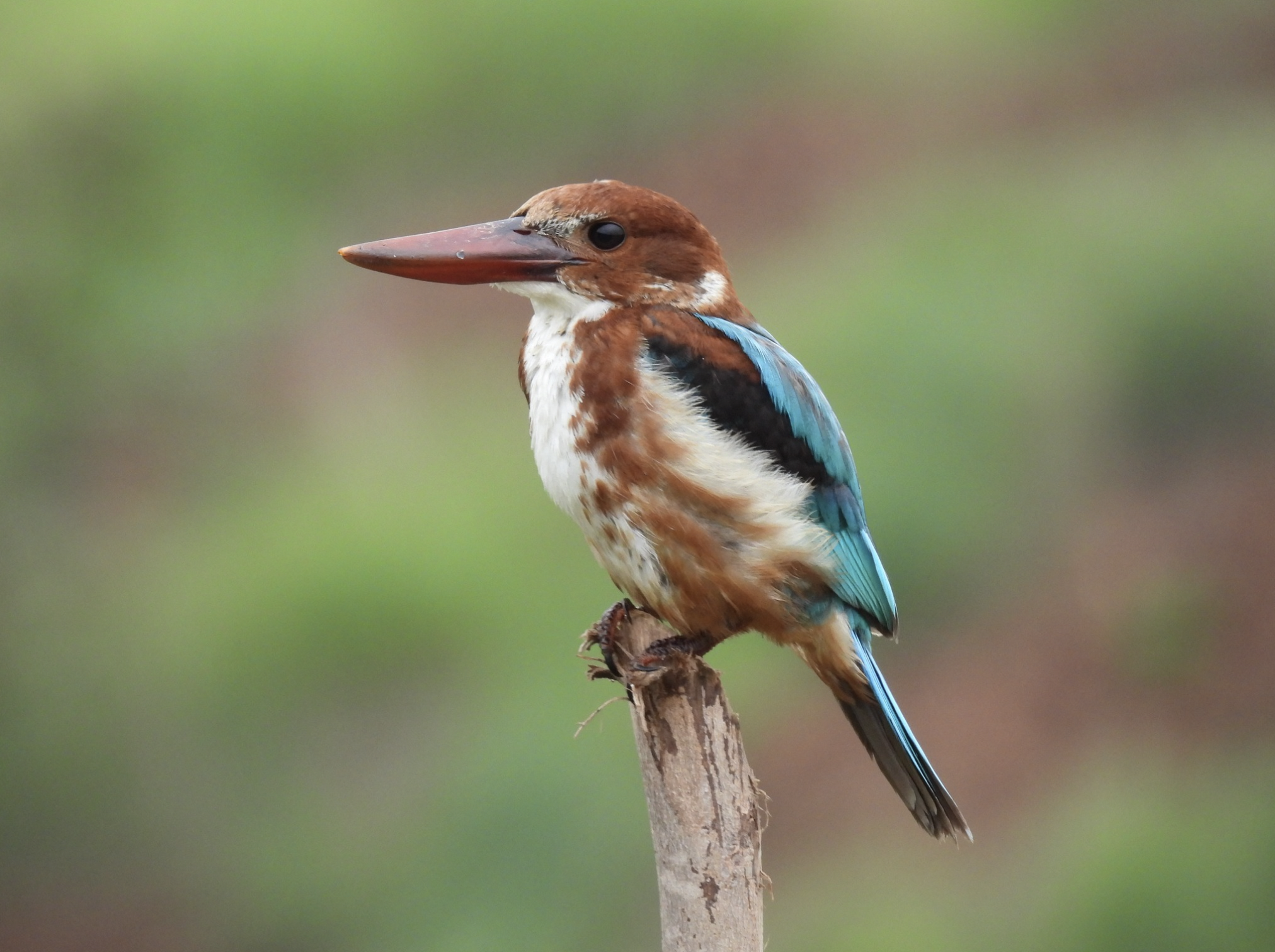
Savalsang Grassland, Vijayapura
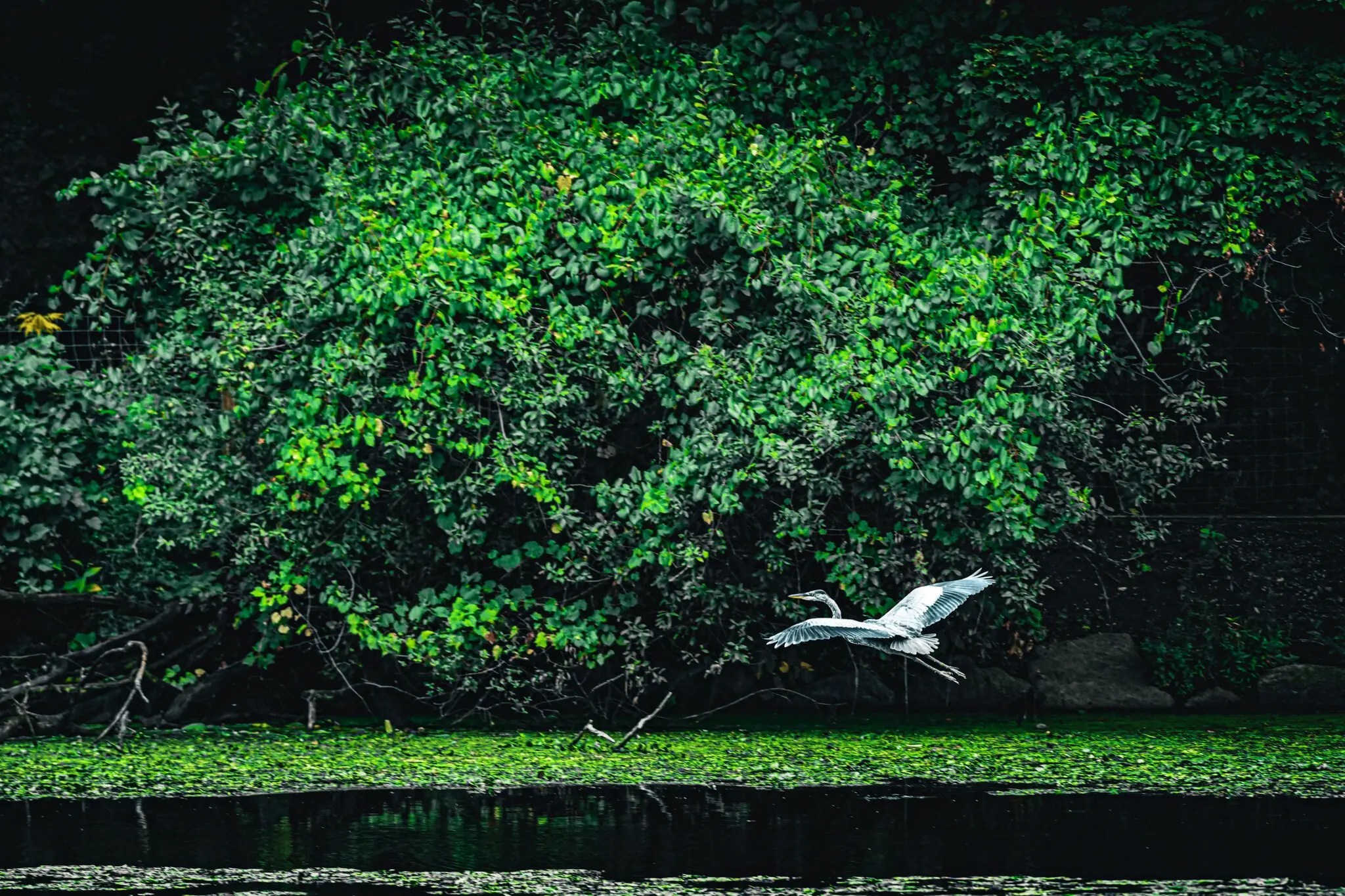
Van Cortlandt Lake, one of the many places popular with birds — and those who watch them.
Early in our life together, in the early/mid-1980s, Amie and I lived in two of the five boroughs that make up New York City. We never lived in the one that today, we learn, has had the most nature all along (we thank David Gonzalez for both the photographs and text of this article).
While we are not giving up the greener pastures we chose decades ago to be our home base, we are happy to know that The Bronx is so green, and can even picture making a special trip to visit this often unheralded part of New York City:
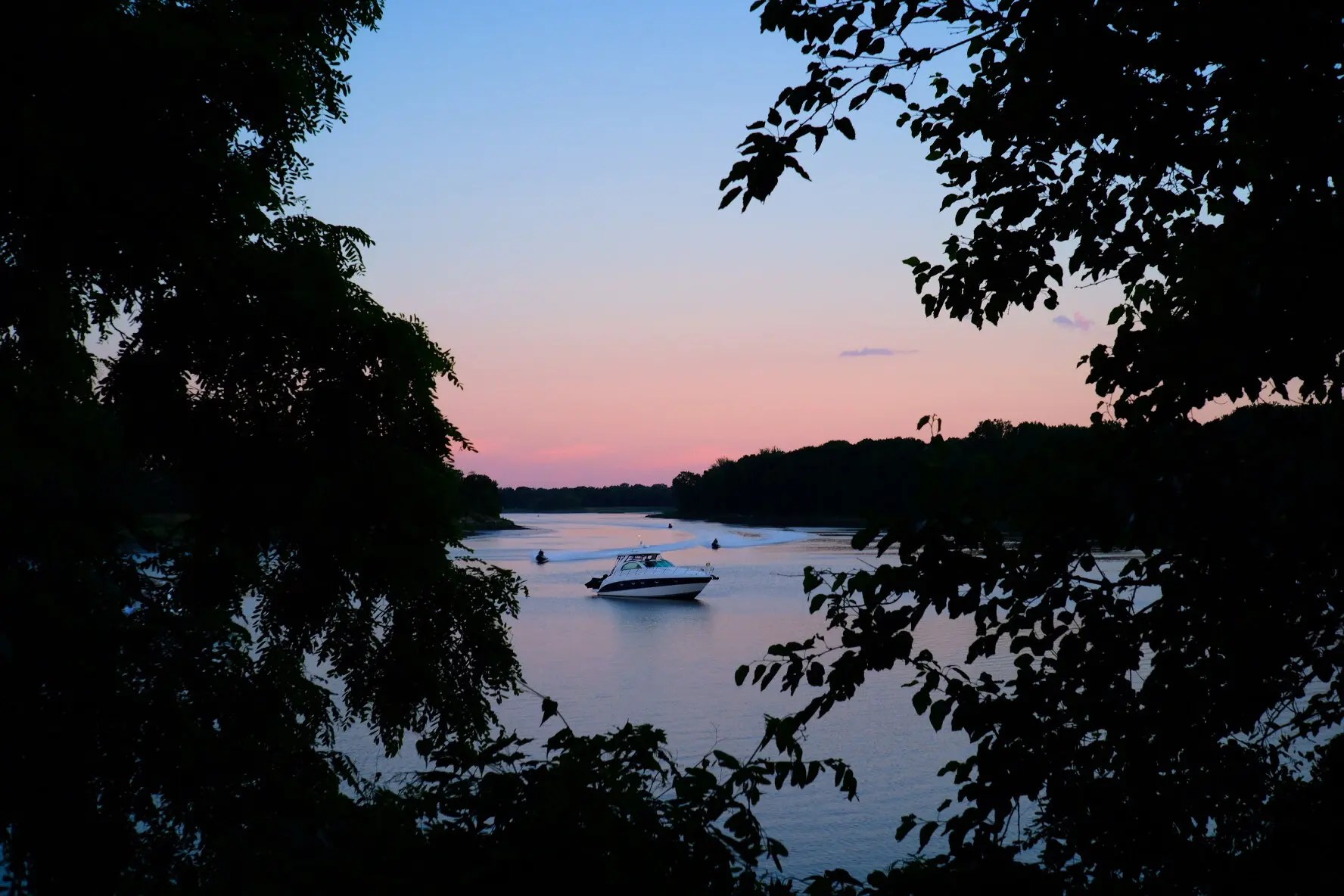
The lagoon at Pelham Bay Park.
Soundview Park
What Is New York’s Greenest Borough? Probably Not the One You Think.
If you said Brooklyn, Manhattan, Staten Island or Queens, guess again.
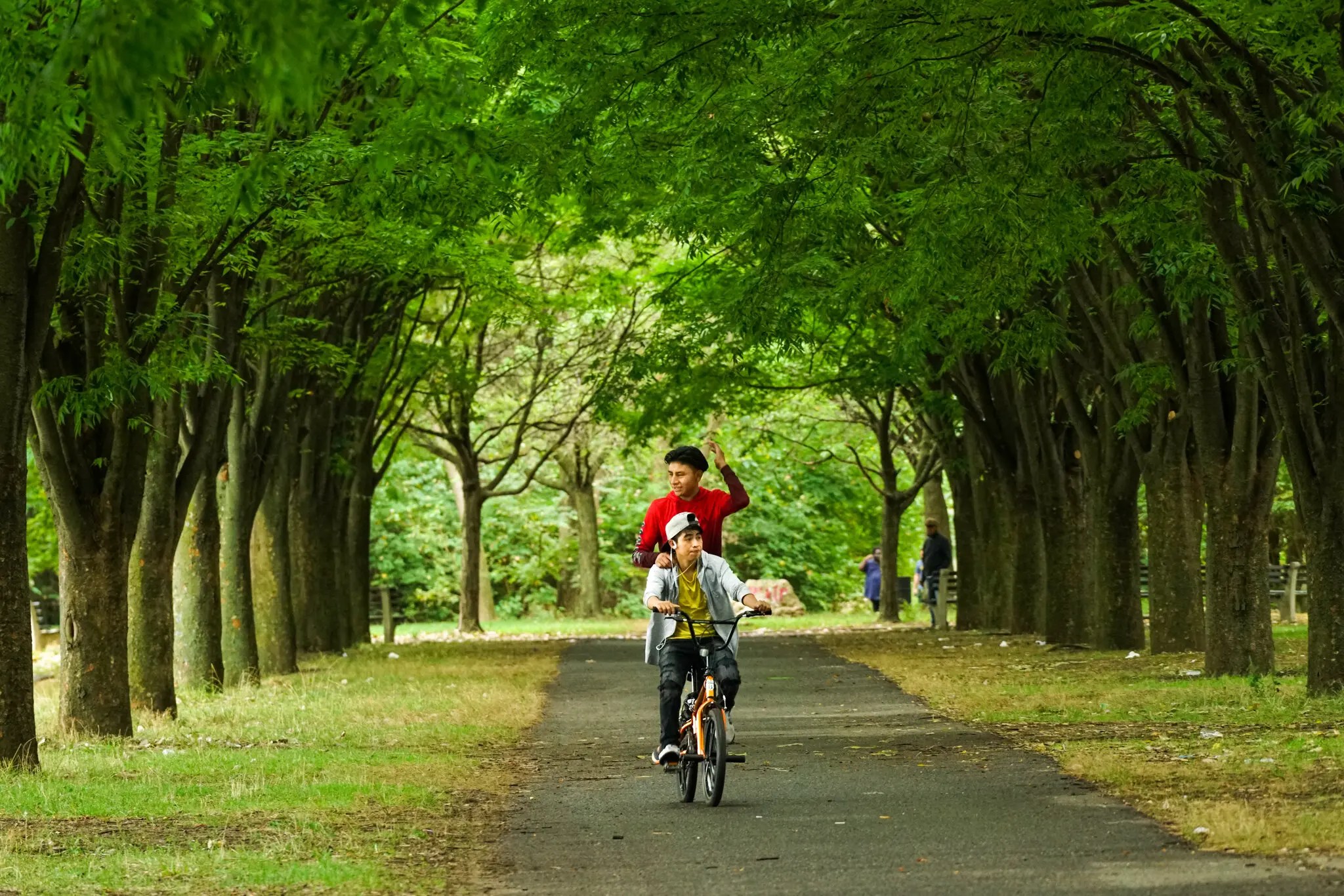
From hidden coves tucked along the Orchard Beach marshes to wide promenades covered by regal arches of trees in Soundview, there is a lot more green to the Bronx than the zoo or the infield at Yankee Stadium. The pastoral vibe might make you think you’re upstate, but as they said in the classic ’80s hip-hop movie “Beat Street,” this is the Bronx. Continue reading
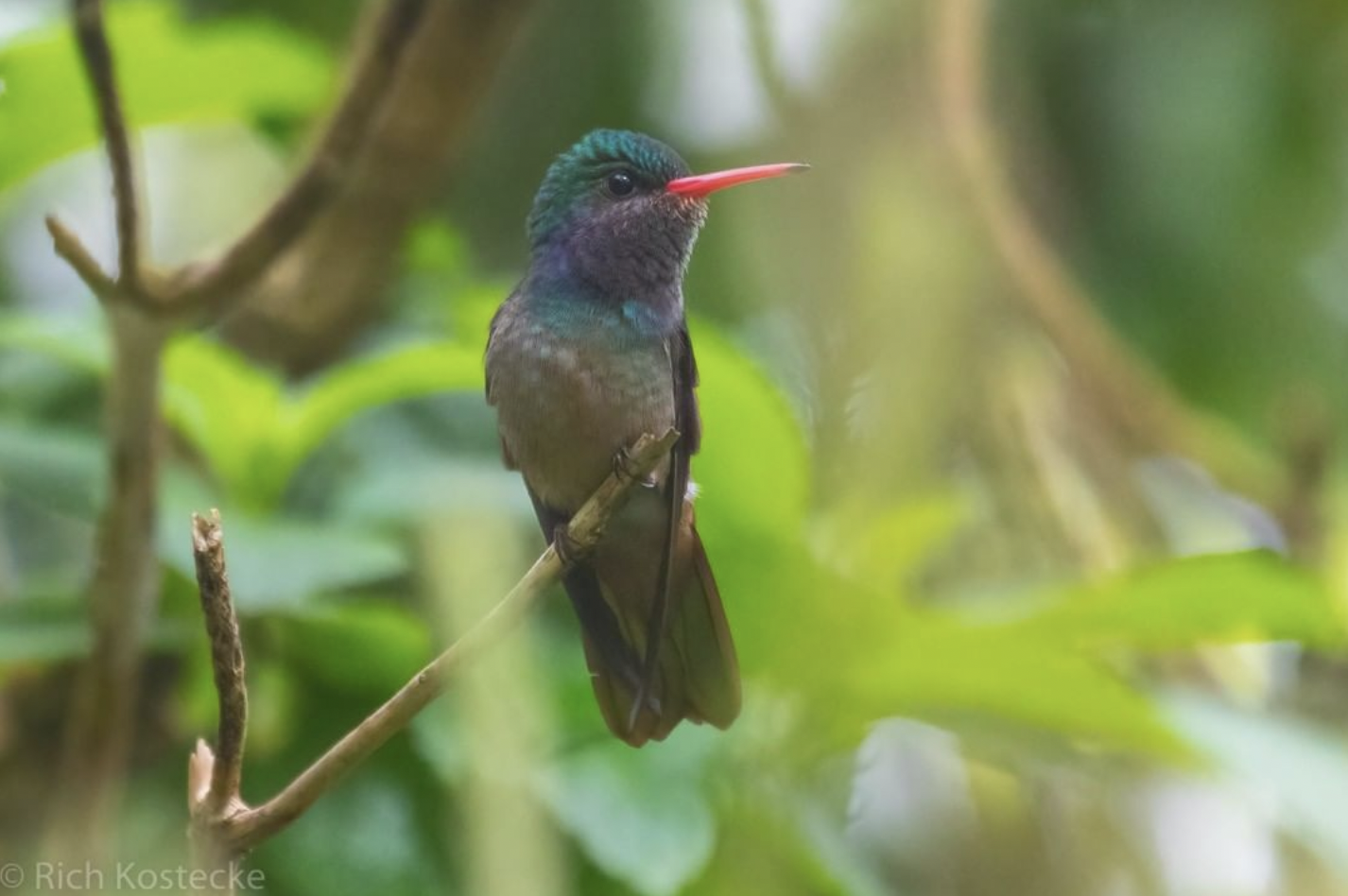
Bijagua, Costa Rica
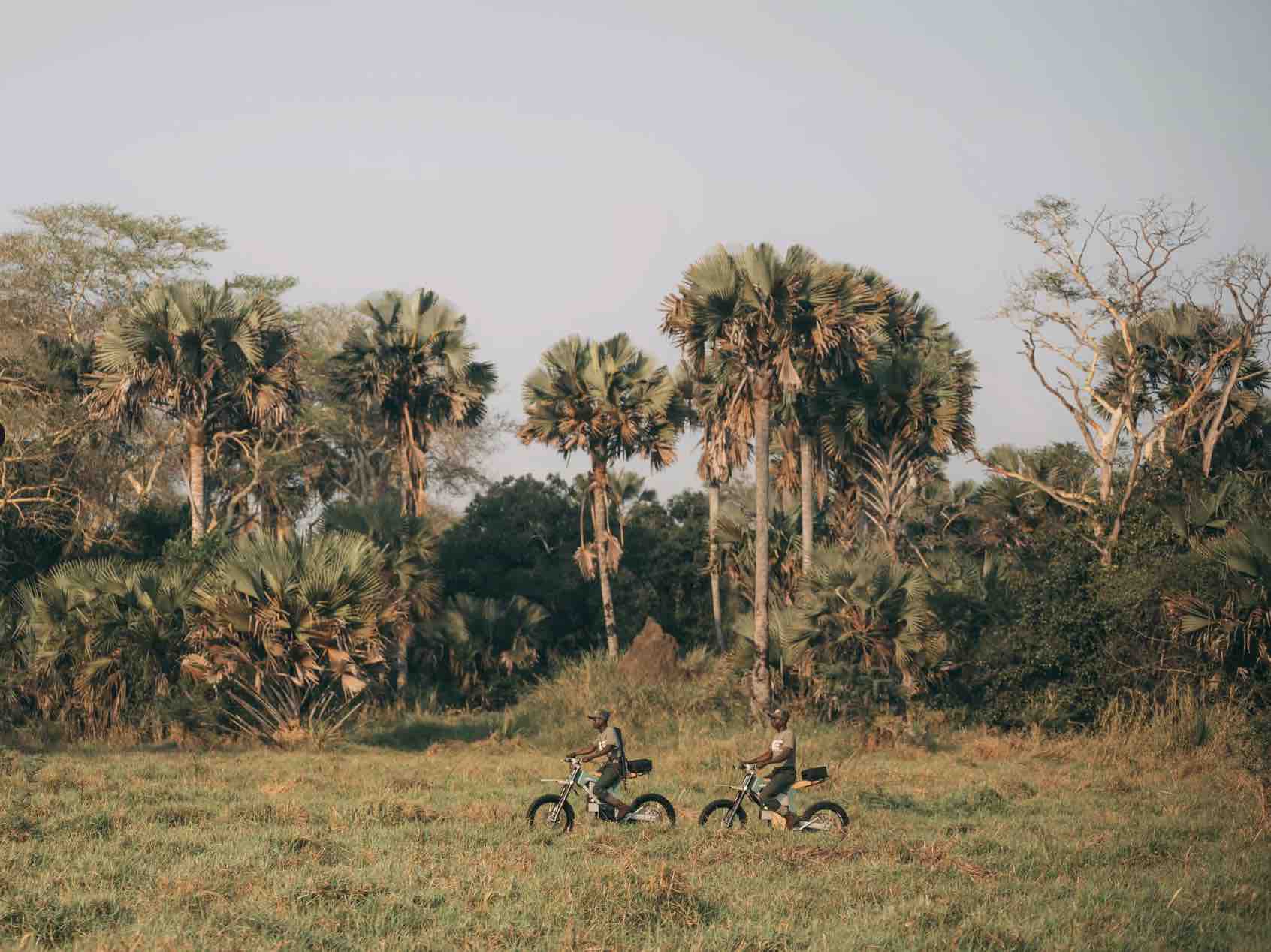
PHOTOGRAPH: JUSTIN SULLIVAN/CAKE
We have always had a soft spot for creative approaches to reducing, if not ending, poaching. And now this, thanks to Andy Jones at Wired:
Park Rangers Are Using Silent Ebikes to Catch Poachers
A Swedish electric bike is helping Mozambique’s park rangers protect game and reducing the need for fossil fuel infrastructure in Africa’s remotest areas.
AT THE END of 2021, a group of night poachers in a Mozambique national park—using torchlight to blind antelopes—were suddenly the ones left stunned in the dark. Continue reading


Cruise ship tourism is unfortunately not disappearing as we might have hoped. Are the ships evolving to be more environmentally and socially responsible? Our thanks to Maria Cramer for asking and attempting to answer the question:
How Green is Your Cruise?
As cruise companies head into their busiest season, they say they have ambitious plans to curb greenhouse emissions and find cleaner sources of fuel. But critics say the progress is too slow.
In the Caribbean, many cruise companies have bought islands and turned them into private resorts for the exclusive use of cruise passengers who cavort in enormous wave pools, rush down 135-foot water slides with names like Daredevil’s Peak, and zip-line across wide beaches. Continue reading


 Organikos