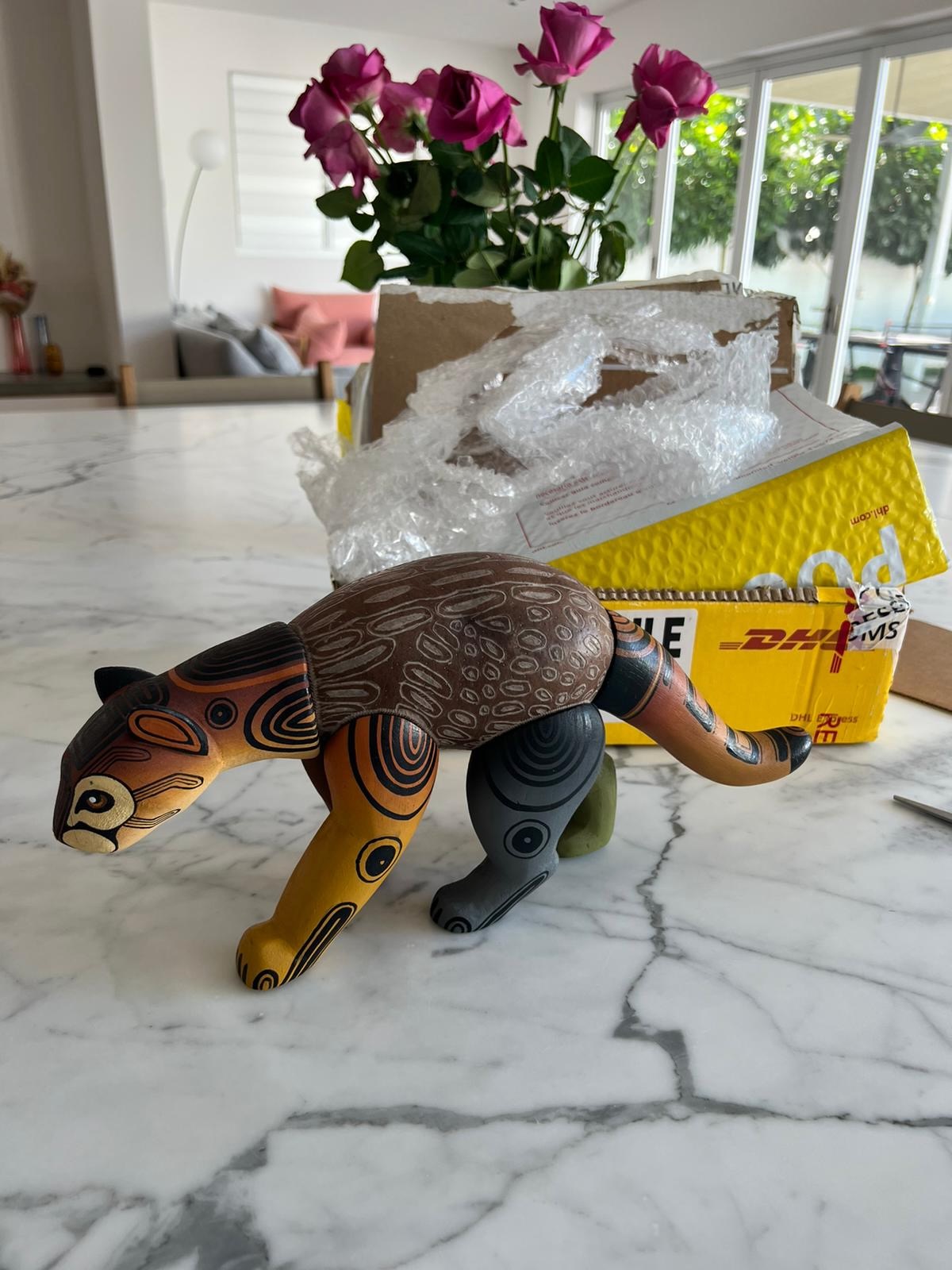
Jaguar, Doña Loly
Today, a photo from Australia, where one of my personal favorite items carried in the Authentica shops arrived recently. A guest purchased it, we shipped it to his wife, and she kindly confirmed that it arrived safely.
Jaguar, Doña Loly
Today, a photo from Australia, where one of my personal favorite items carried in the Authentica shops arrived recently. A guest purchased it, we shipped it to his wife, and she kindly confirmed that it arrived safely.

 I first heard an interview with Andreas Malm last year, and listening to more on the subject I found his argument understandable, and compelling enough to read a bit further. But, I did not read the book. I let it go, the way one lets any taboo thought recede from memory. His book came back to my attention today with this essay. And I realize that by not sharing on this platform I was denying what is compelling about his basic argument. At the very least, I can share what the publisher says about the book:
Why resisting climate change means combatting the fossil fuel industry
The science on climate change has been clear for a very long time now. Yet despite decades of appeals, mass street protests, petition campaigns, and peaceful demonstrations, we are still facing a booming fossil fuel industry, rising seas, rising emission levels, and a rising temperature. With the stakes so high, why haven’t we moved beyond peaceful protest? Continue reading
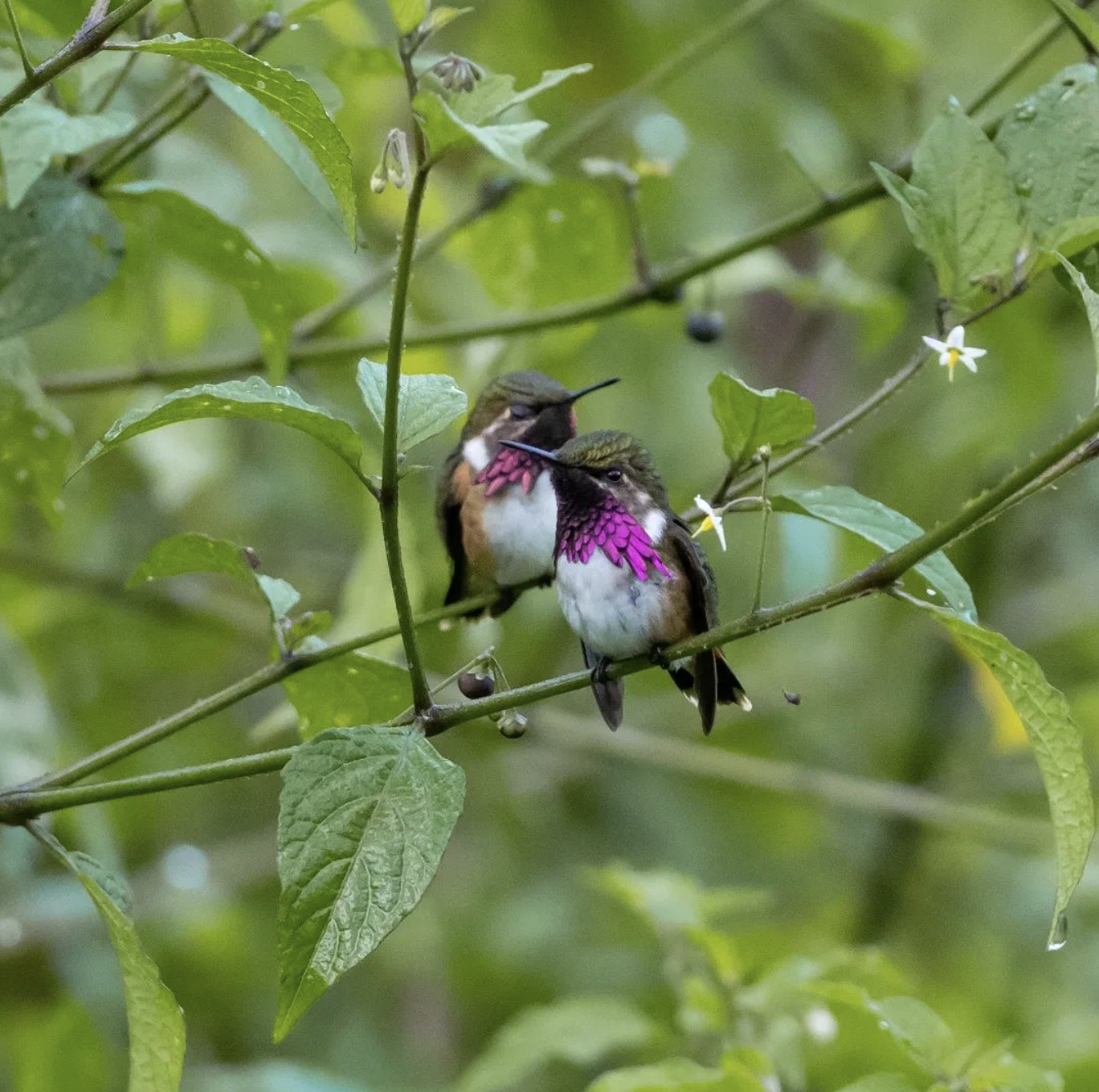
Volcán Atitlán Guatemala
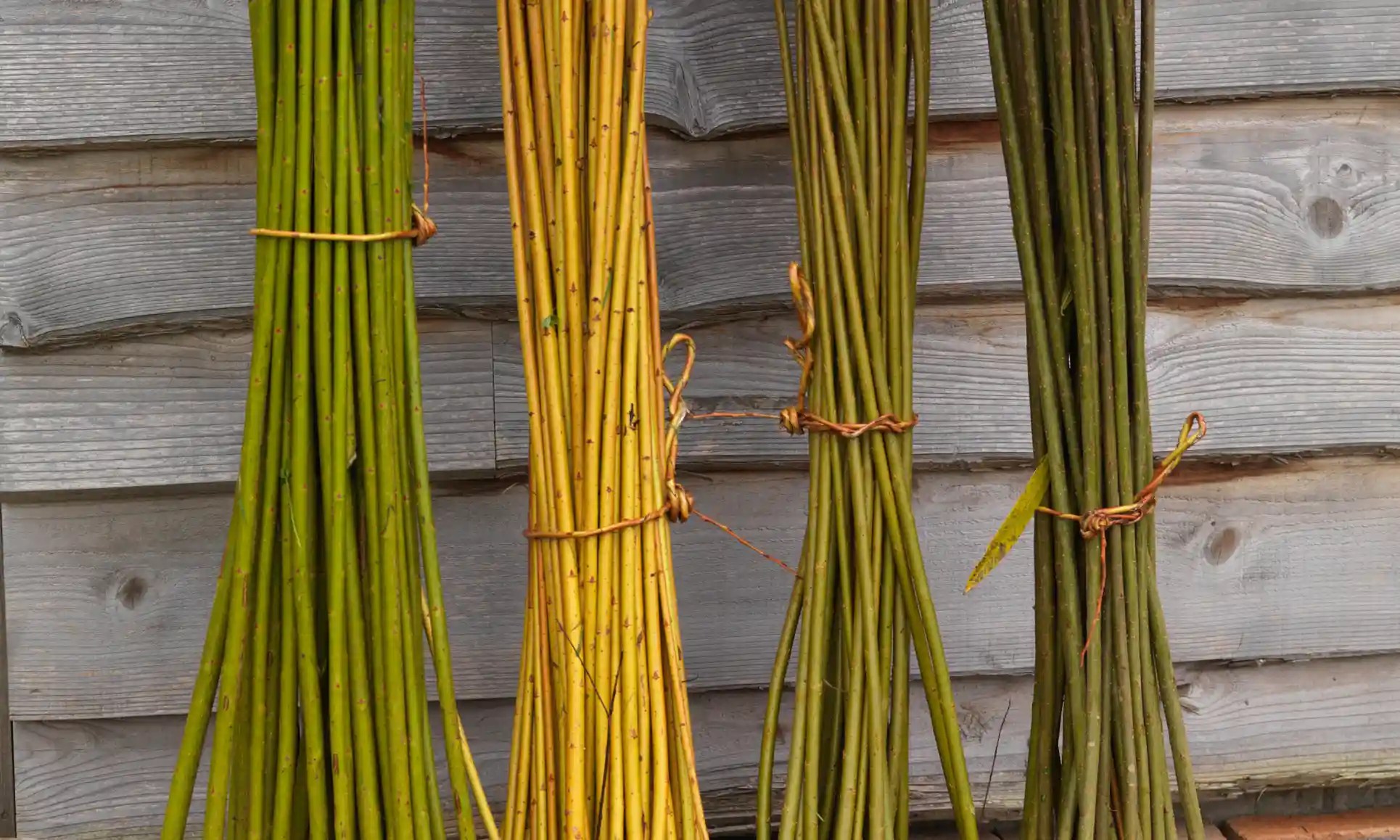
Bundles of newly coppiced Salix viminalis – willow stems harvested during late autumn and winter each year, to create living willow structures and woven items. Photograph: Compulsory Credit: GAP Photos/Nicola Stocken
In the tropics we use coppice to make berms that support new growth and channel water, while in Wales they do other practical things; thanks to the Guardian‘s Alys Fowler (long time no see) for pointing the latter out to us:
Coppicing is great for your garden – and gives you lots of material to play with willow stems
Apart from the enjoyment of making household items out of stems, coppicing trees and shrubs has aesthetic and eco benefits for gardens
Back in late spring when we got the keys to our new house in Wales, I quickly coppiced a huge hazel to let some light into the back of the house. Continue reading
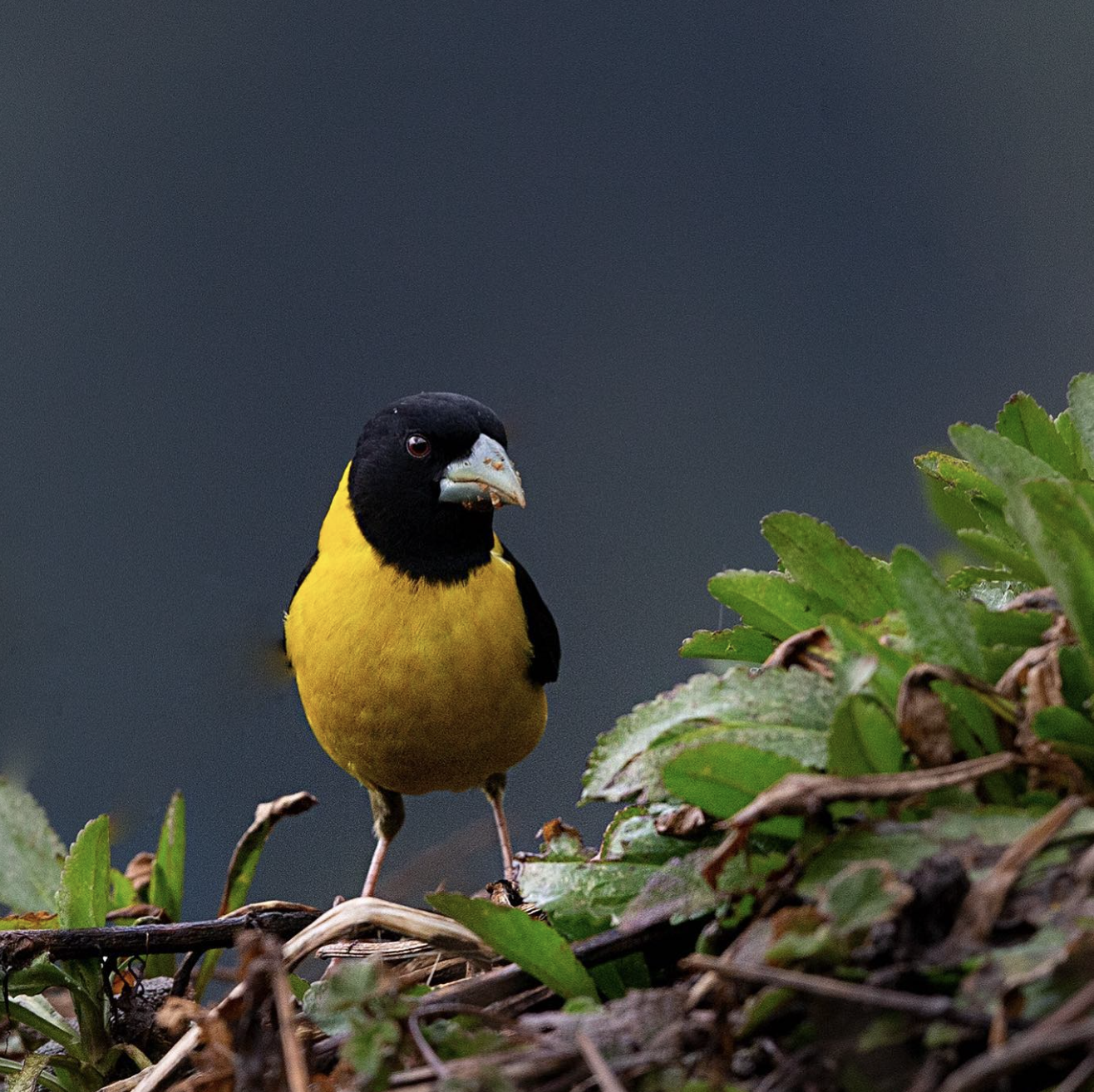
Mishmi Hills, Arunachal Pradesh
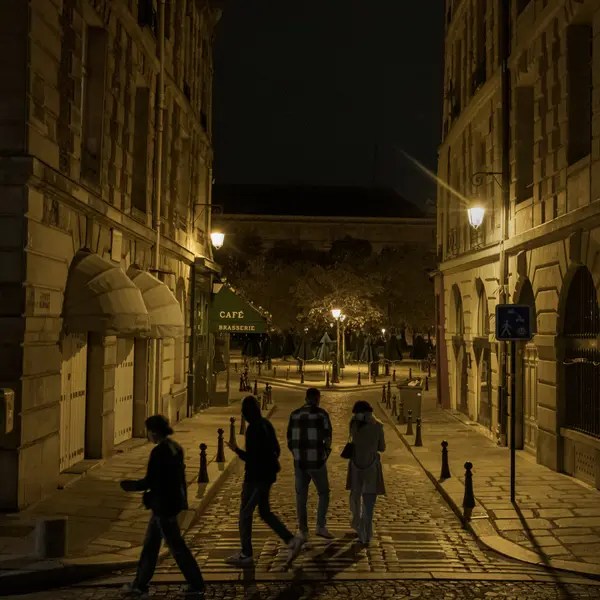
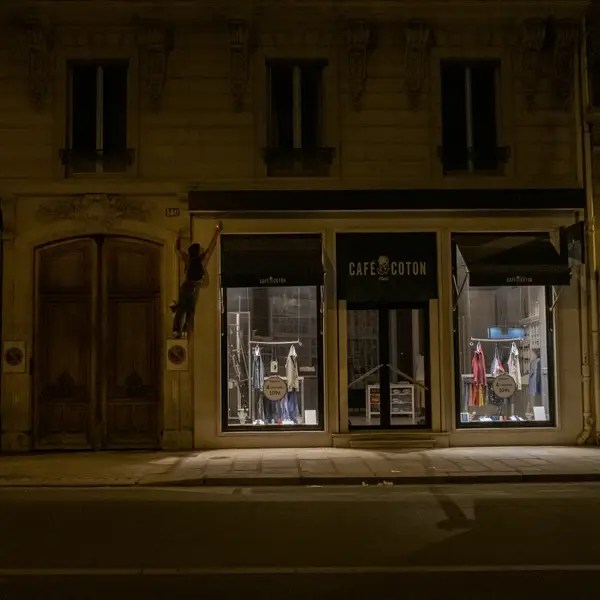
As an energy crisis looms, Paris officials have taken steps to reduce nighttime lights, as have conservation-minded Parkour practitioners. Mauricio Lima for The New York Times
We cannot presume to cheer this type of mischief anywhere else, but considering the origin story of parkour, and the incentives for activism, it seems fitting for the City of Lights:
With Leaps and Bounds, Parkour Athletes Turn Off the Lights in Paris
As an energy crisis looms, nimble young activists are using superhero-like moves to switch off wasteful lights that stores leave on all night.
Kevin Ha extinguishing a store’s lights last month. Mauricio Lima for The New York Times
Paris— After taking a few steps back to get a running start, Hadj Benhalima dashed toward the building, pushed against its wall with his foot, propelled himself upward and stretched out his arm.
At the peak of his leap, he flipped off a light switch, more than 10 feet off the ground. A click sound rang out, and the bright lights of a nearby barbershop went off instantly.
“Oooh,” his friends cheered, as Mr. Benhalima, a thin 21-year-old dressed all in black, landed back on the sidewalk. It was the second store sign he had turned off on a recent nighttime tour across Paris’s upscale neighborhoods. Many more would follow as he soared up and dropped back down across the city. Continue reading
Val Gardena, Dolomites, Italy
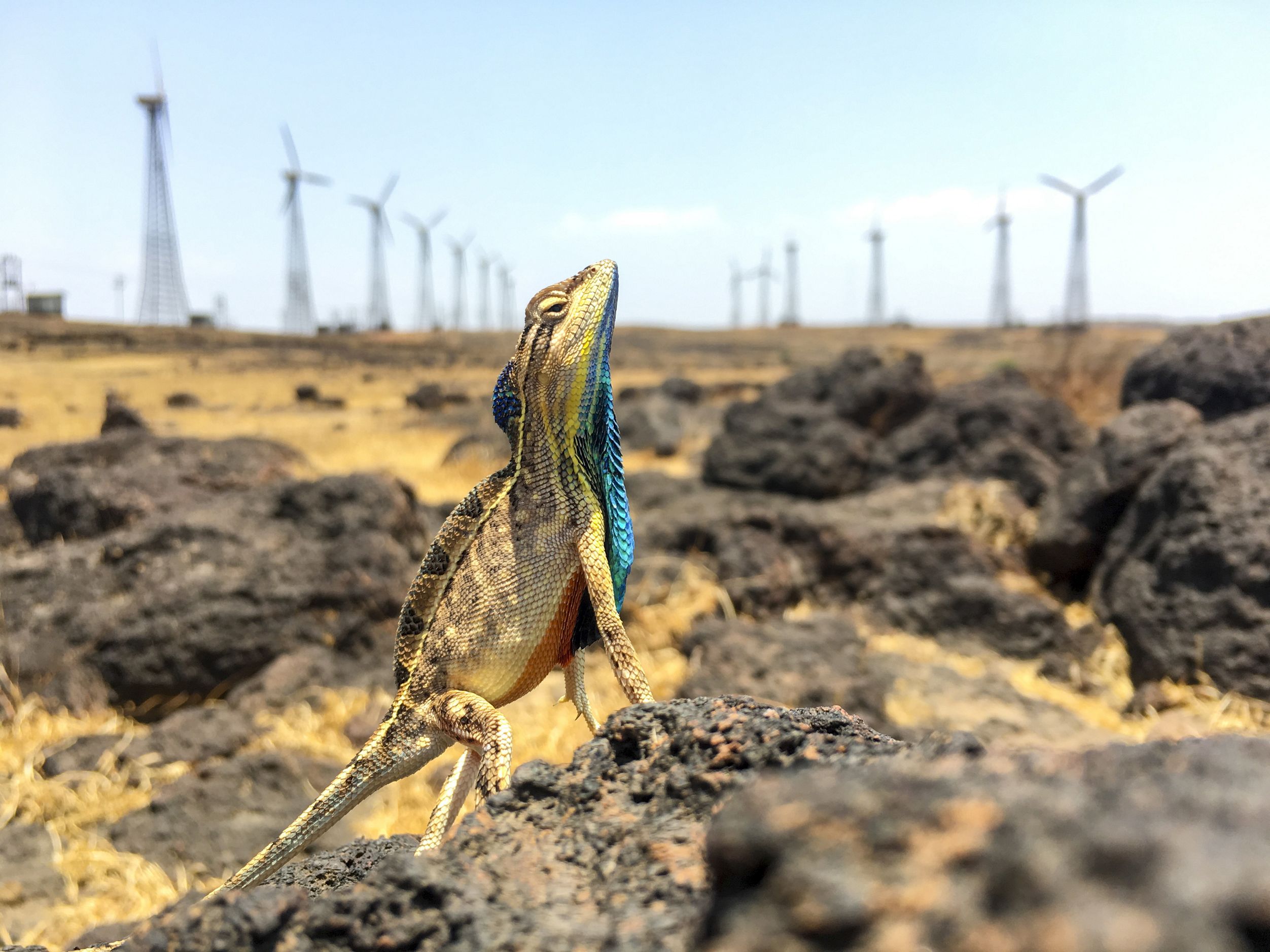
LIZARDS AND WINDMILLS A Fan-throated Lizard stands guard over his territory. Photographed in Satara’s Chalkewadi plateau, which is the site of one of the largest wind farms in this region. © Sandesh Kadur/TNC Photo Contest
Thanks to the contestants for the visual journeys they provide us in various categories:
The Nature Conservancy is pleased to share the top images selected by our judges for the 2022 Photo Contest! Check below to see the images that amazed us the most.
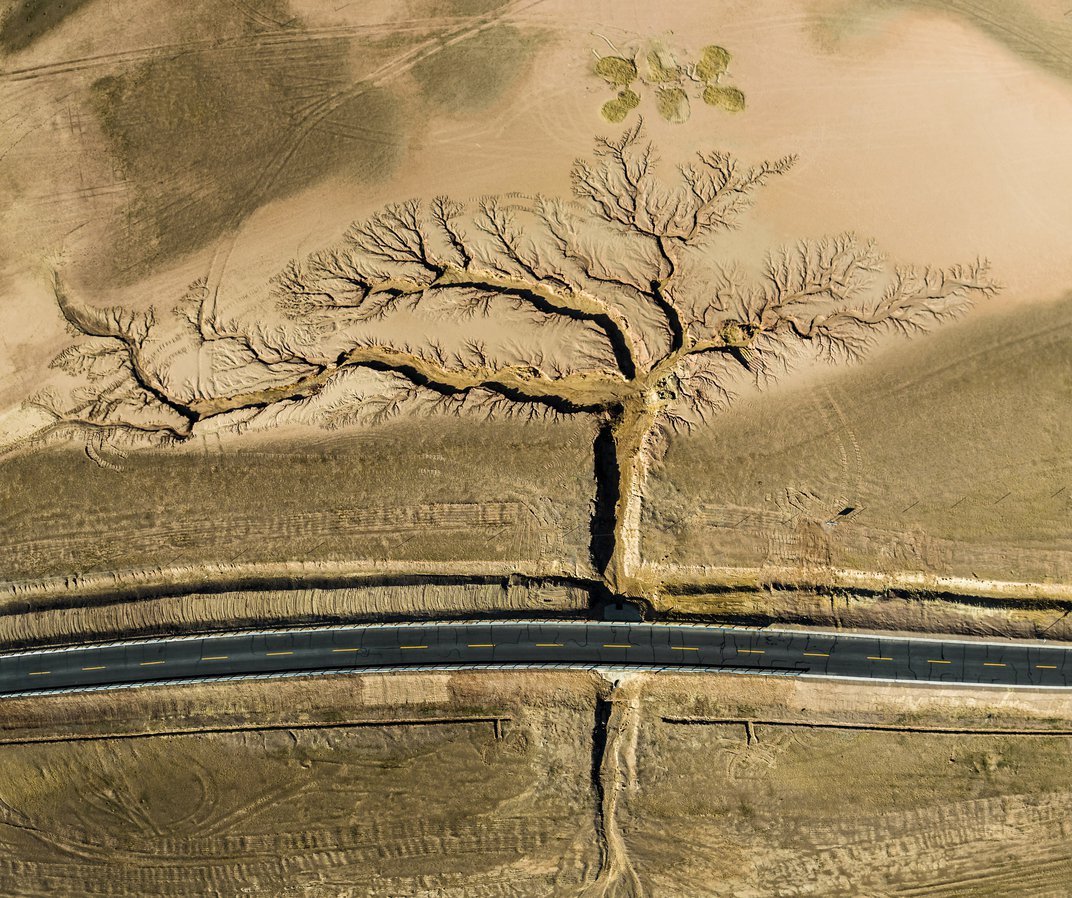
BRANCHING OUT On either side of a highway, gullies formed by rainwater erosion span out like a tree in Tibet, an autonomous region in southwest China. © Li Ping/TNC Photo Contest 2022
Tomorrow, back to the news; today, only a sampling of photos:
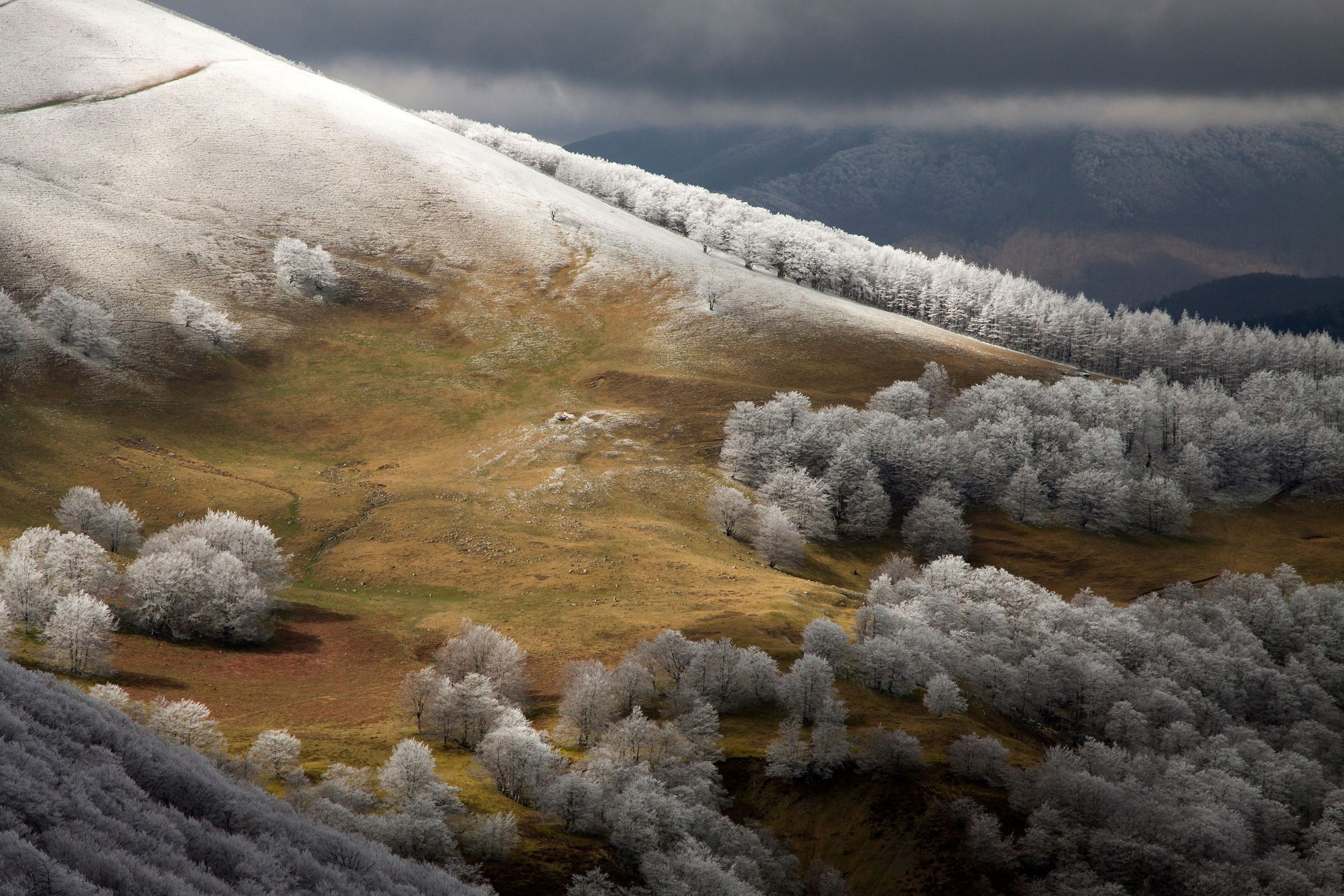
ADI Slope of Mount Adi, in Navarra. © Francisco Javier Munuera González/TNC Photo Contest
See the entire group of winners here.
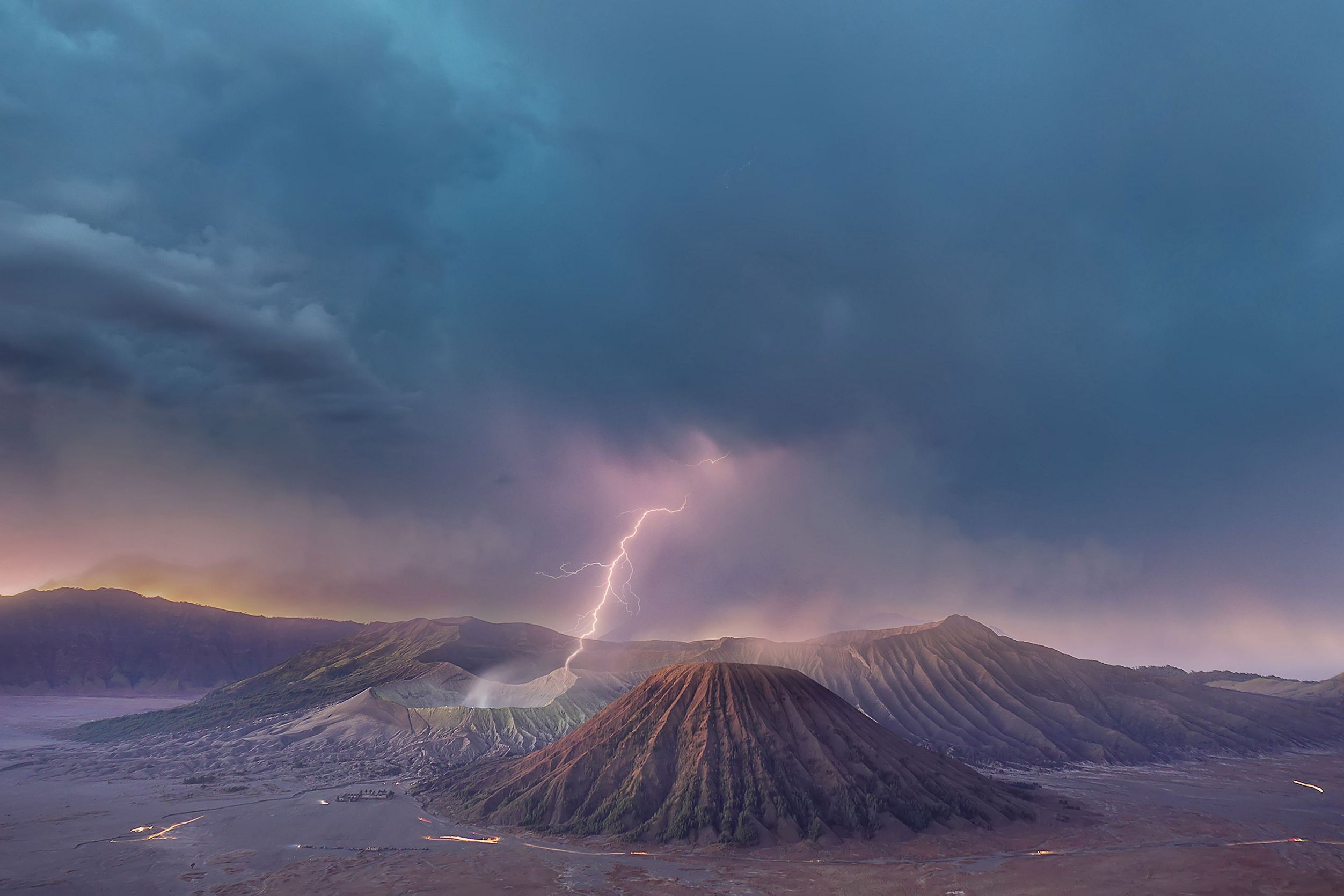
MYSTICAL BROMO Bromo Tengger Semeru National Park (TNBTS) is one of the 10 priority tourist destinations in Indonesia. © Hendy Wicaksono/TNC Photo Contest
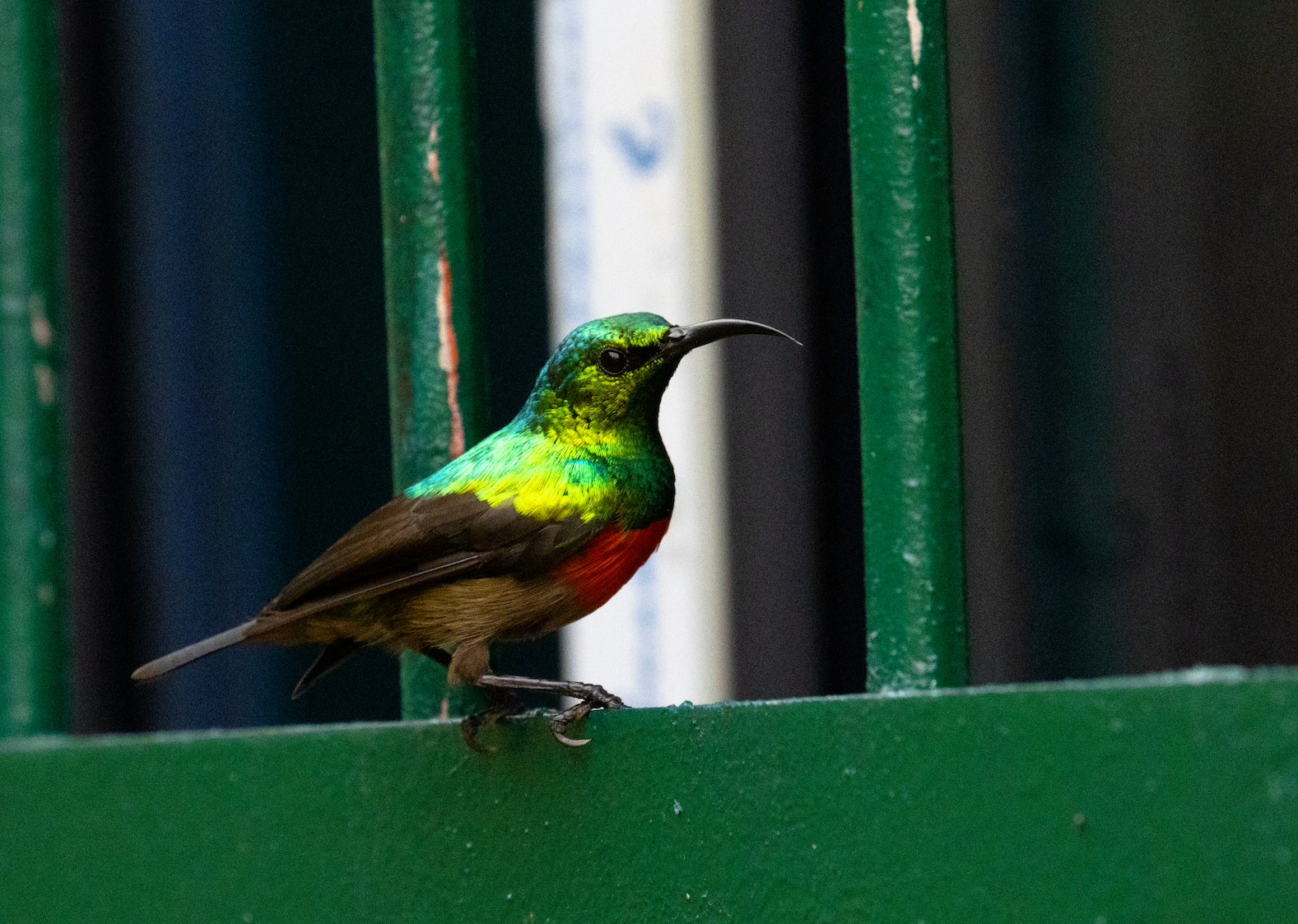
Nguila, Cameroon
:no_upscale()/cdn.vox-cdn.com/uploads/chorus_asset/file/24082399/Psychropotes_semperiana__aka_blue_gummy_squirrel_5000_m_W_CCZ__DeepCCZ_Project.jpg)
Another type of gummy squirrel found on an expedition in the CCZ called Psychropotes semperiana. DeepCCZ Project
We have linked to articles concerned about mining deep sea locations for the materials needed in electric vehicle batteries, and other articles featuring deep sea creatures we had no previous knowledge of. Now it is time to combine the two topics more explicitly, and we thank Benji Jones at Vox for this article:
/cdn.vox-cdn.com/uploads/chorus_image/image/71476547/Relicanthus_sp._4200_m_in_the_CCZ___Diva_Amon_and_Craig_Smith.0.jpeg)
Relicanthus daphneae, an anemone-like organism in the CCZ, stuck on top of the stalk of a dead sea sponge. Its tentacles can extend several feet long. Diva Amon and Craig Smith/University of Hawaiʻi
These spectacular deep-sea creatures live in a potential mining hot spot
The world needs more metals for batteries to fight climate change. Should it come at the cost of these animals?
Metallic nodules recovered from the Clarion-Clipperton Zone. Abyssline Project
If you were to dive to the bottom of the ocean somewhere between Hawaii and Mexico, you might see a field of sunken treasure. Here, in what’s called the Clarion-Clipperton Zone (CCZ), much of the seafloor is covered with fist-sized rocks that contain valuable metals like cobalt, manganese, and nickel. Continue reading
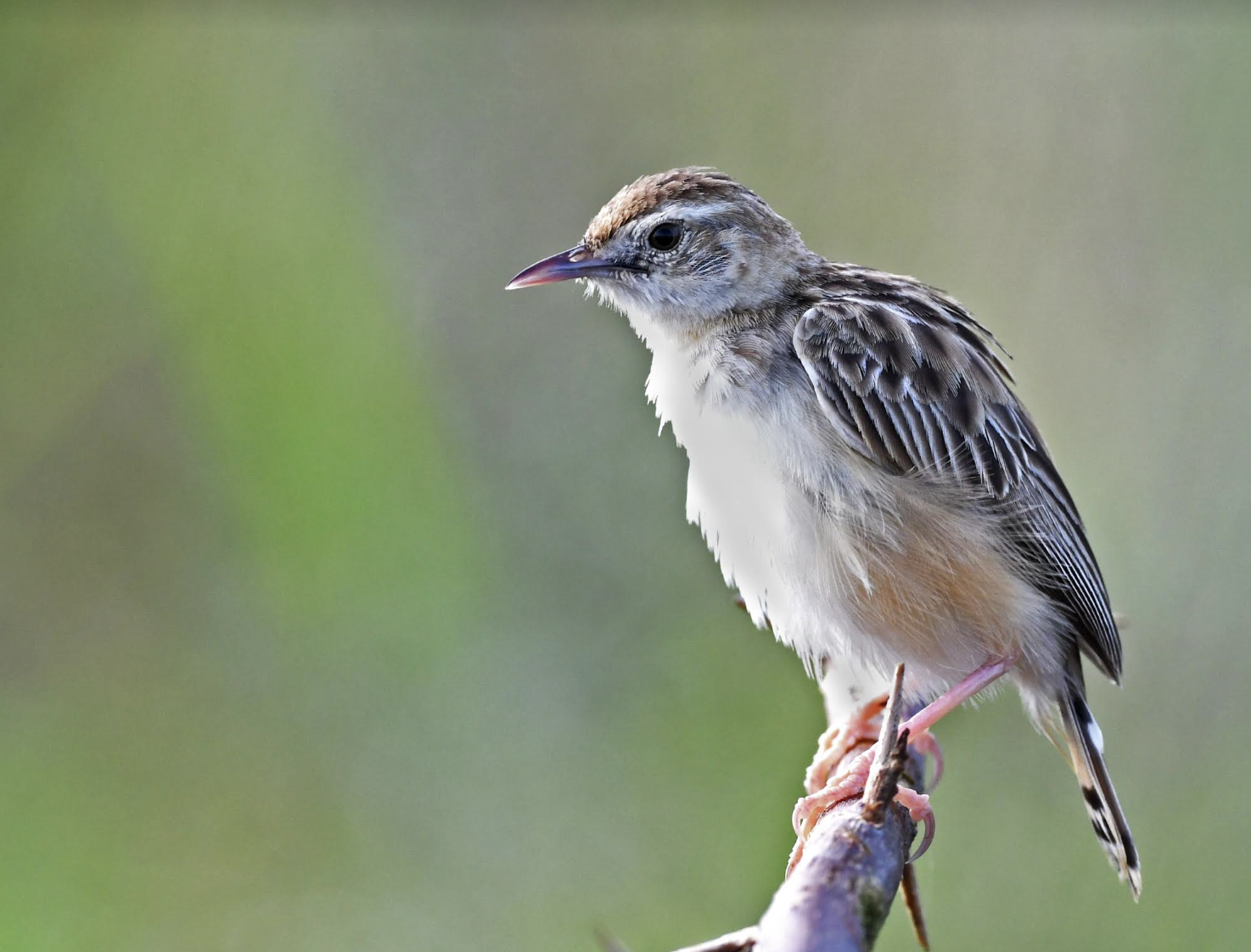
Cochin Outskirts, Kerala
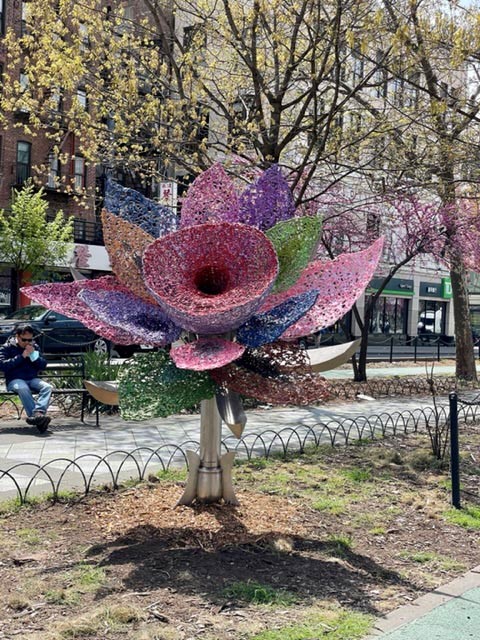
Installed in several locations on the Allen Street Malls between Broome and Hester Streets, this group exhibition features four artworks by five artists addressing themes of nature. Artists include Elizabeth Knowles and Eric David Laxman, Elaine Lorenz, Judith Peck, and Michael Wolf.
While at Cornell University last month I got my fill of early autumn florals and educational signage. While in the Botanic Gardens I was struck by a floral sculpture, a type of art I am not often moved by. But that one worked. And so, looking through the Art in the Parks section of the New York City Department of Parks & Recreation website, the image to the right caught my attention. And scrolling further through that collection I saw the image below, which on a day after hurricane-driven rains in Costa Rica, with the morning sky clear of clouds, hits the spot:
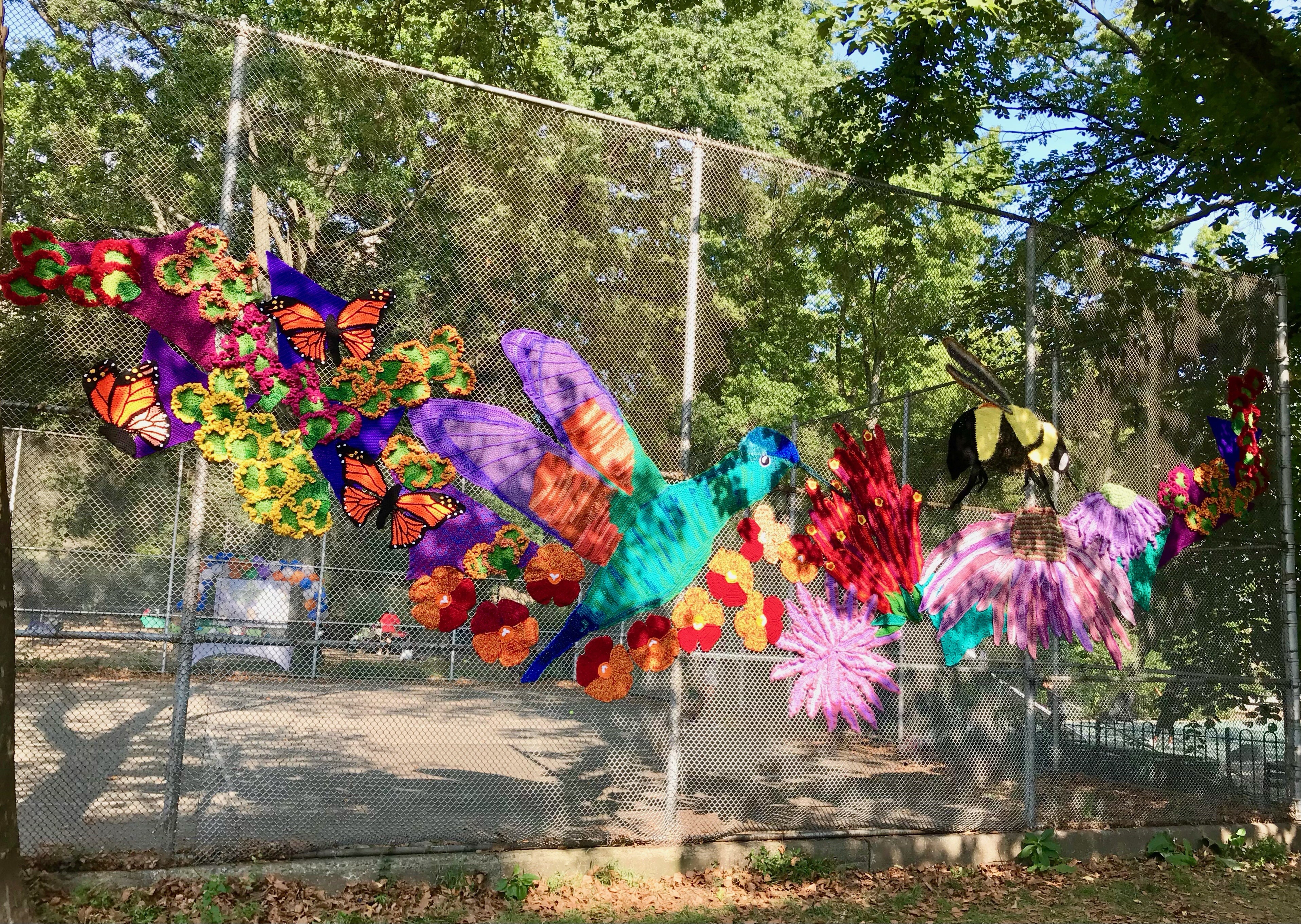
Naomi Lawrence, Tierra Fragil
September 25, 2022 to September 10, 2023
Morningside Park, ManhattanDescription:Tierra Fragil, depicts endangered insects and birds with the flowers and plants imperative to their survival. The mural informs and encourages the preservation of familiar species whose presence we may have taken for granted.
Tierra Fragil is made possible in part with public funds from Creative Engagement a regrant program supported by the New York City Department of Cultural Affairs in partnership with the City Council and the New York State Council on the Arts with support of the office of the Governor and the New York State Legislature, UMEZ Arts Engagement a regrant program supported by the Upper Manhattan Empowerment Zone Development Corporation and administered by LMCC. Additional funding was provided by the Friends of Morningside Park.

Canopy San Luis, Costa Rica
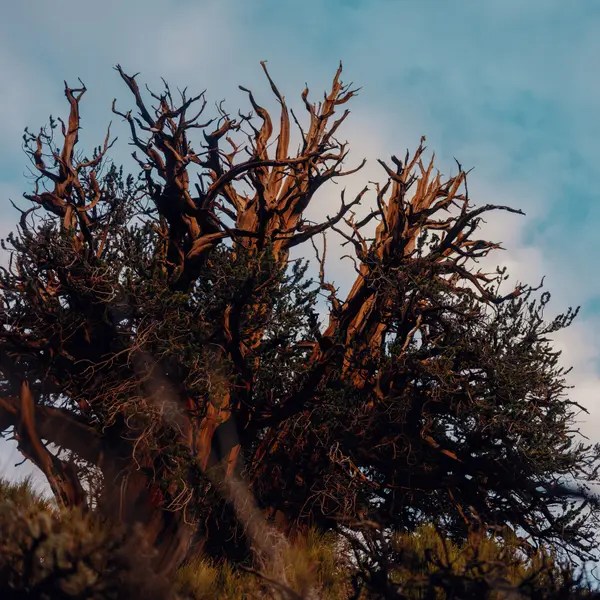
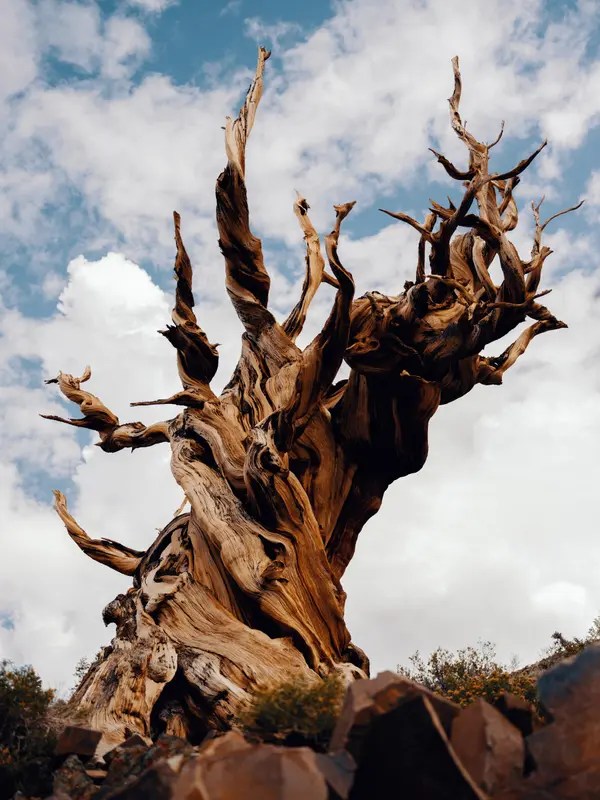
The trees, according to the ecologist Constance Millar, give you a “sense of infinity.” Photo by Adam Perez
We know that getting to a trillion trees is a stretch, but we might be able to sense infinity from a certain species of tree, according to Soumya Karlamangla in the New York Times article we link to here. Photos by Adam Perez help alot.
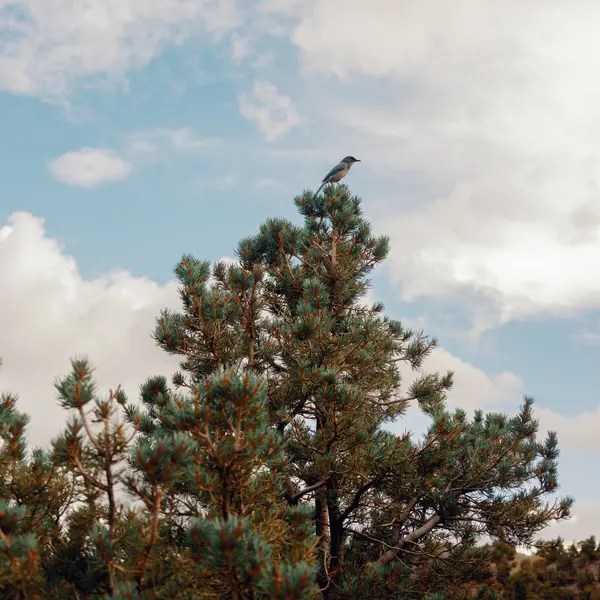
Bristlecone pines can live and reproduce even with only one branch of needles. Photo by Adam Perez
Historically I have worked to find my personal sense of infinity deep within tropical forests, but reading this and seeing the photos of these trees in a totally different type of ecysystem I can be convinced that it is elsewhere also:
In California, Where Trees Are King, One Hardy Pine Has Survived for 4,800 Years
In a harsh alpine desert, the Great Basin bristlecone pines abide amid climate change. Among them is the oldest tree on Earth (if you can find it).
Great Basin bristlecone pine trees endure in harsh conditions that other vegetation cannot withstand. Photo by Adam Perez
BISHOP, Calif. — Before the Egyptians built the Pyramids, before Jesus Christ was born, before the Roman Empire formed or collapsed, the trees were here.
Ten thousand feet up in the White Mountains of central California, in a harsh alpine desert where little else survives, groves of gnarled, majestic Great Basin bristlecone pines endure, some for nearly 5,000 years. Their multicolor trunks bend at gravity-defying angles, and their bare branches jut toward the sky, as if plucked from the imaginations of Tim Burton or J.K. Rowling.
These ancient organisms, generally considered the oldest trees on Earth, seem to have escaped the stringent laws of nature. Continue reading
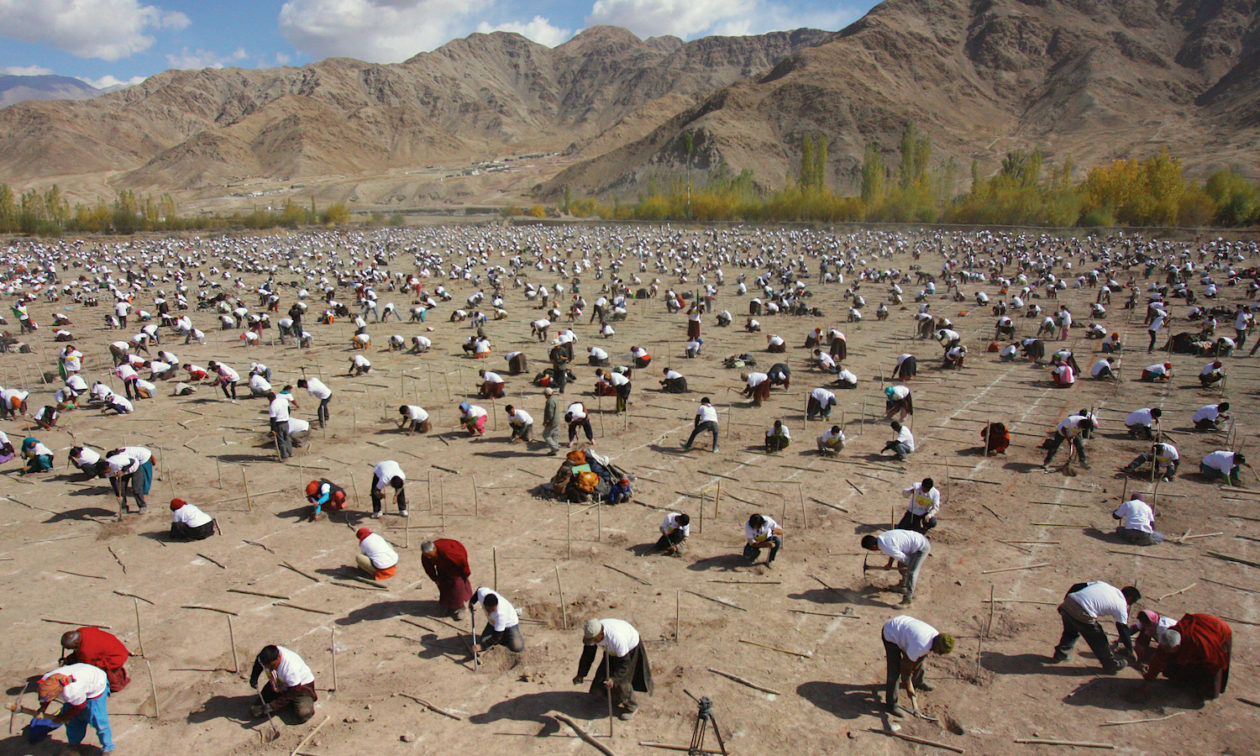
More than 9,000 people in Leh, India planted more than 50,000 tree saplings in under an hour on October 10, 2010. DRUKPA PUBLICATIONS VIA WIKIPEDIA
Fred Pearce has helped us understand the complexity in the relationship between trees and climate change, and this new story takes it to a logical extreme:
Phantom Forests: Why Ambitious Tree Planting Projects Are Failing
High-profile initiatives to plant millions of trees are being touted by governments around the world as major contributions to fighting climate change. But scientists say many of these projects are ill-conceived and poorly managed and often fail to grow any forests at all.
It was perhaps the most spectacular failed tree planting project ever. Certainly the fastest. Continue reading
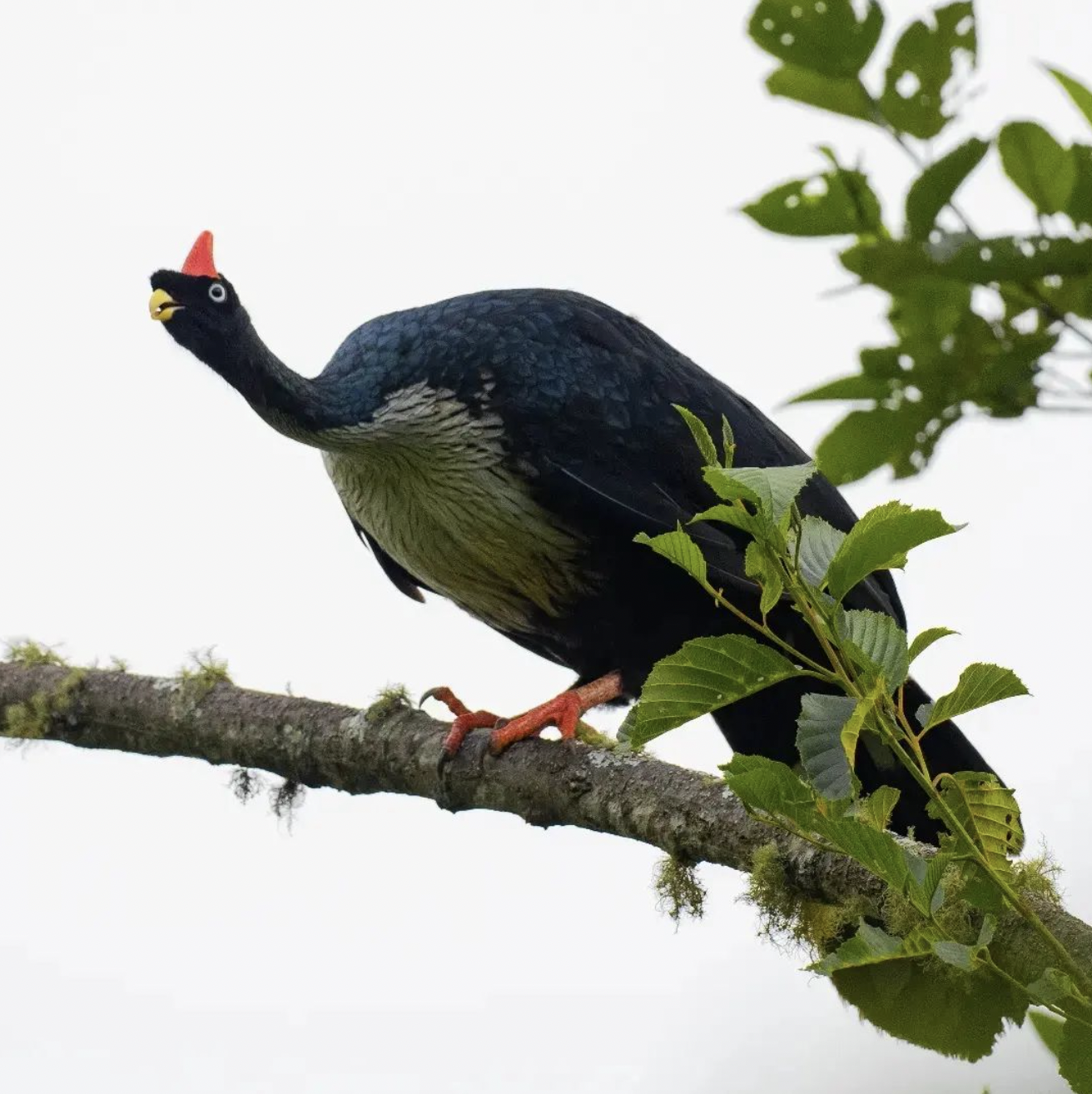
Volcán Atitlán Guatemala
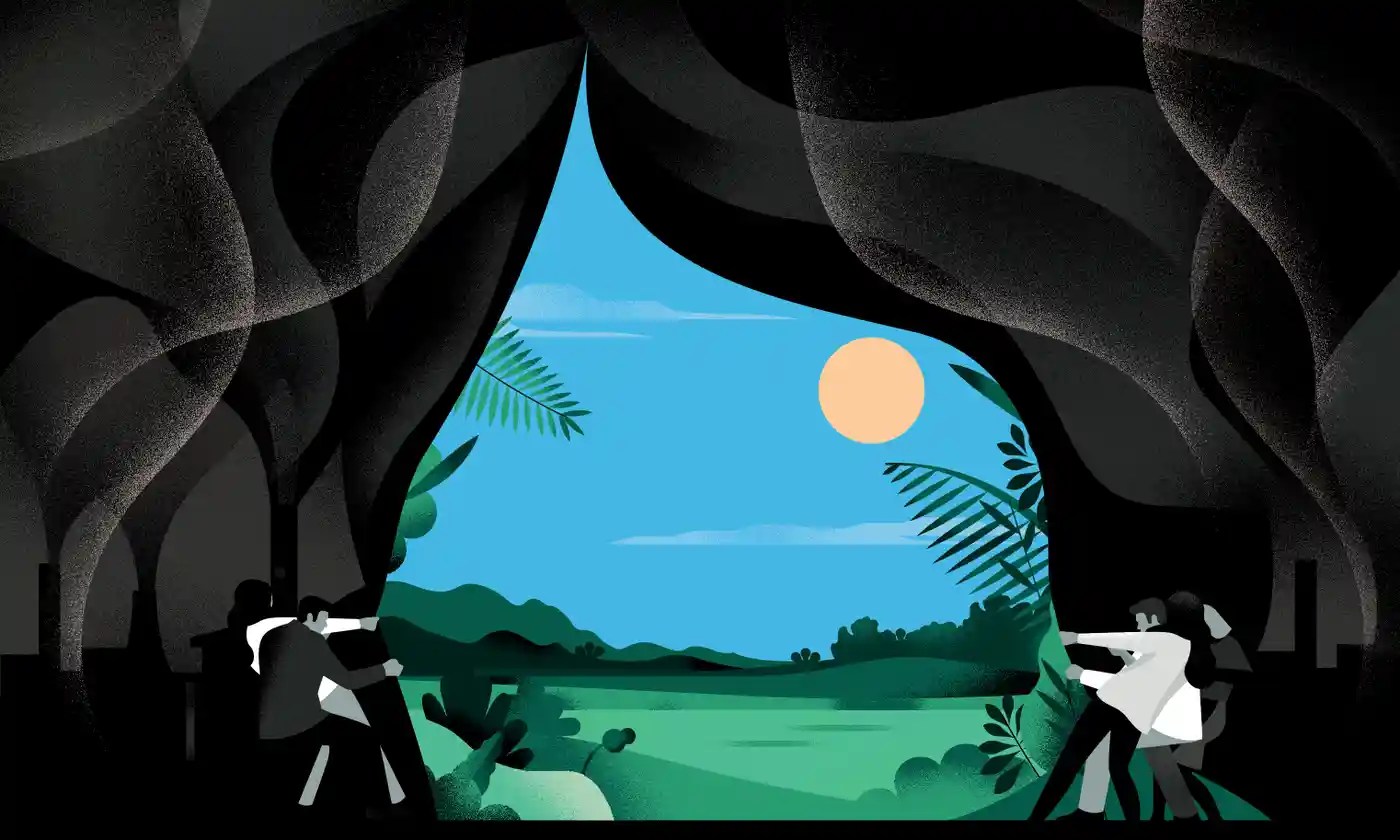
Bernice Lee, an expert on climate politics at Chatham House, says: “Good results at a global level are built on strong domestic, local and regional action.” Illustration: Nathalie Lees
Thanks to the Guardian’s Environment editor, Damian Carrington, as always, for reminding us which horse to bet on:
Hope amid climate chaos: ‘We are in a race between Armageddon and awesome’
Renewables, decarbonisation, activism, cooperation … The challenge is immense, but the situation is far from hopeless
Every one of us will love someone who is still alive in 2100, says climate campaigner Ayisha Siddiqa. That loved one will either face a world in climate chaos or a clean, green utopia, depending on what we do today.
It’s a powerful reason for action, providing hope that the will for transformative change can be found. Continue reading
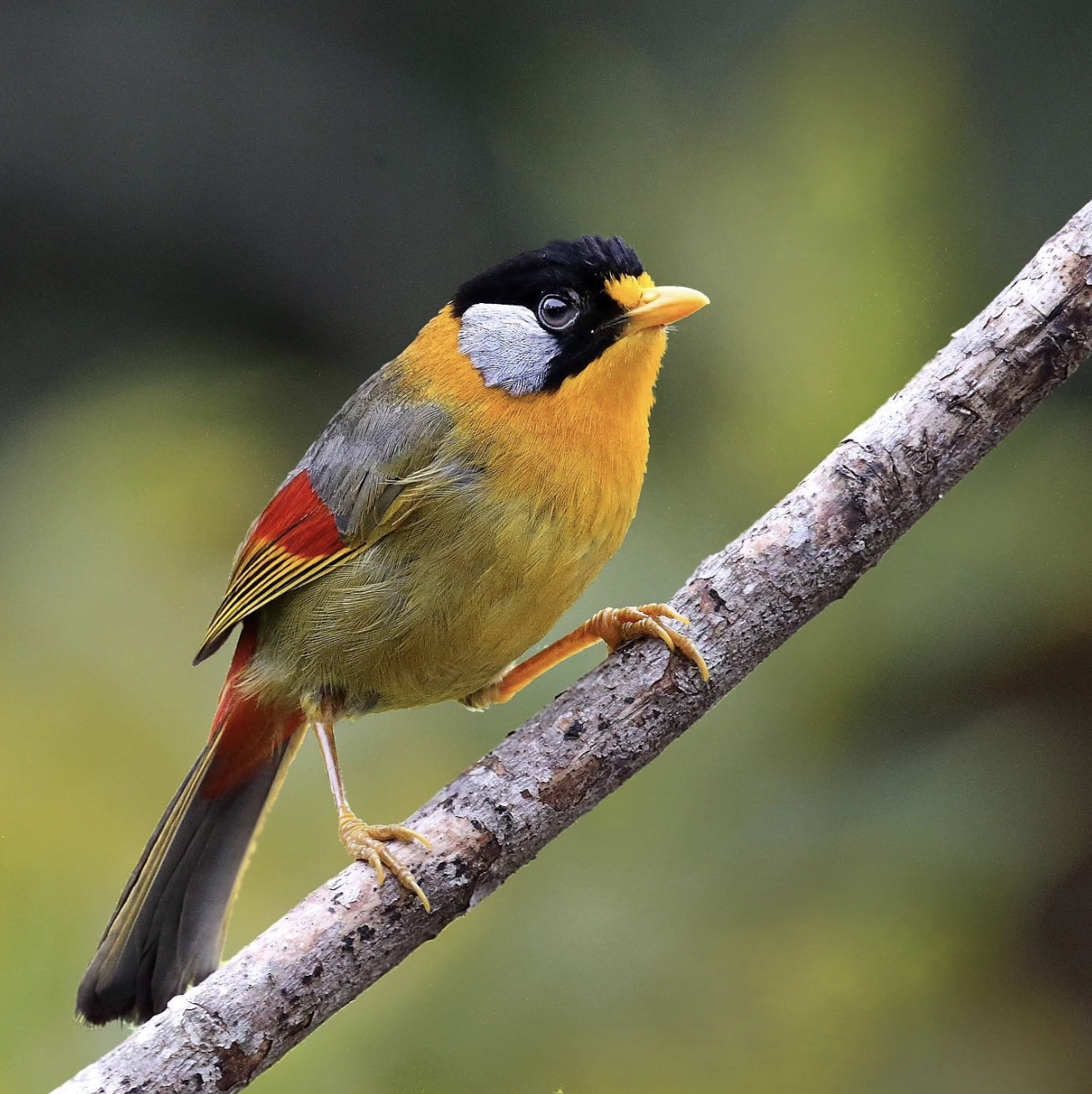
Leimhakong, Manipur

:no_upscale()/cdn.vox-cdn.com/uploads/chorus_asset/file/24082364/Nodules_recovered_from_box_core_sample_from_4200_m_depth_in_eastern_CCZ___ABYSSLINE_Project.JPG)
 Organikos