Previously Unheralded Climate Policy Good News

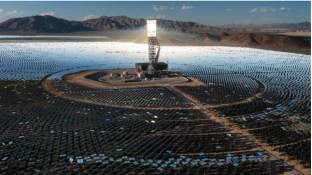
(David McNew / Getty)

Robinson Meyer‘s newsletter this week is the most positive in its history, so if only for that read it and click the banner above to sign up:

America’s Climate Bill Looks Even Better Than Before

Late last month, analysts at the investment bank Credit Suisse published a research note about America’s new climate law that went nearly unnoticed. The Inflation Reduction Act, the bank argued, is even more important than has been recognized so far: The IRA will “will have a profound effect across industries in the next decade and beyond” and could ultimately shape the direction of the American economy, the bank said. Continue reading

Reducing Emissions & Living Well

Gauchos at the Pintado wind farm in Corral de Piedra, Uruguay.

Gauchos at the Pintado wind farm in Corral de Piedra, Uruguay. Alessandro Cinque for The New York Times

We normally think of Costa Rica to answer this question, but it is in good company:

No greater challenge faces humanity than reducing emissions without backsliding into preindustrial poverty. One tiny country is leading the way.

Let’s say you live in the typical American household. It doesn’t exist, not in any sense except in a data set, but it’s easy enough to imagine.

“We learn to live with less here,” says a former bank analyst, Ignacio Estrada, who had decided to take a 75 percent pay cut to return home. “And it’s made my life better.”

“We learn to live with less here,” says a former bank analyst, Ignacio Estrada, who had decided to take a 75 percent pay cut to return home. “And it’s made my life better.” Alessandro Cinque for The New York Times

Maybe it’s your aunt’s, or your neighbor’s, or a bit like your own. Since more than half of us live outside big cities, it’s probably in a middle-class suburb, like Fox Lake, north of Chicago.

Uruguay’s national director of energy, Ramón Méndez, at home in Montevideo.

Uruguay’s national director of energy, Ramón Méndez, at home in Montevideo. Alessandro Cinque for The New York Times

You picked it because it’s affordable and not a terrible commute to your job. Your house is about 2,200 square feet — a split-level ranch, perhaps. You’re in your mid-30s and just welcomed your first child. Together with your partner you make about $70,000 a year, some of which goes toward the 11,000 kilowatts of electricity and 37,000 cubic feet of natural gas you use to heat the house, play video games and dry your clothes. You take six or seven plane flights a year, to visit your mom after her surgery or attend a conference, and drive about 25,000 miles, most of which you barely register anymore, as you listen to Joe Rogan or Bad Bunny. Maybe twice a month you stop at Target and pick up six or seven things: double-sided tape, an extra toothbrush, an inflatable mattress. Continue reading

I Will Not Panic Over Leafminers

Charley Eiseman, a naturalist who conducts biodiversity surveys for conservation groups, became interested in leaf mines because of patterns like this one. It’s the handiwork of the moth Phyllocnistis populiella in a quaking aspen leaf (Populus tremuloides).

As soon as the sun is up, most days, I am outside. Even after 22 years working on this property I find surprises constantly. When Margaret Roach writes, I read; when she offers visual cues to complement her clear writing, all the better:

Leaf mines on columbine (Aquilegia) can be serpentine squiggles or blotches. Larvae of flies in the genus Phytomyza make these familiar markings when they feed between a leaf’s epidermal layers. Margaret Roach

Don’t jump to the conclusion that those mysterious marks are evidence of disease. They may be leaf mines or galls — and that’s a good thing.

During the early days of the coronavirus pandemic, some of us mastered bread-baking (if we could get our hands on flour) or devoted ourselves to nurturing some new mail-order houseplant. Continue reading

Really, England?

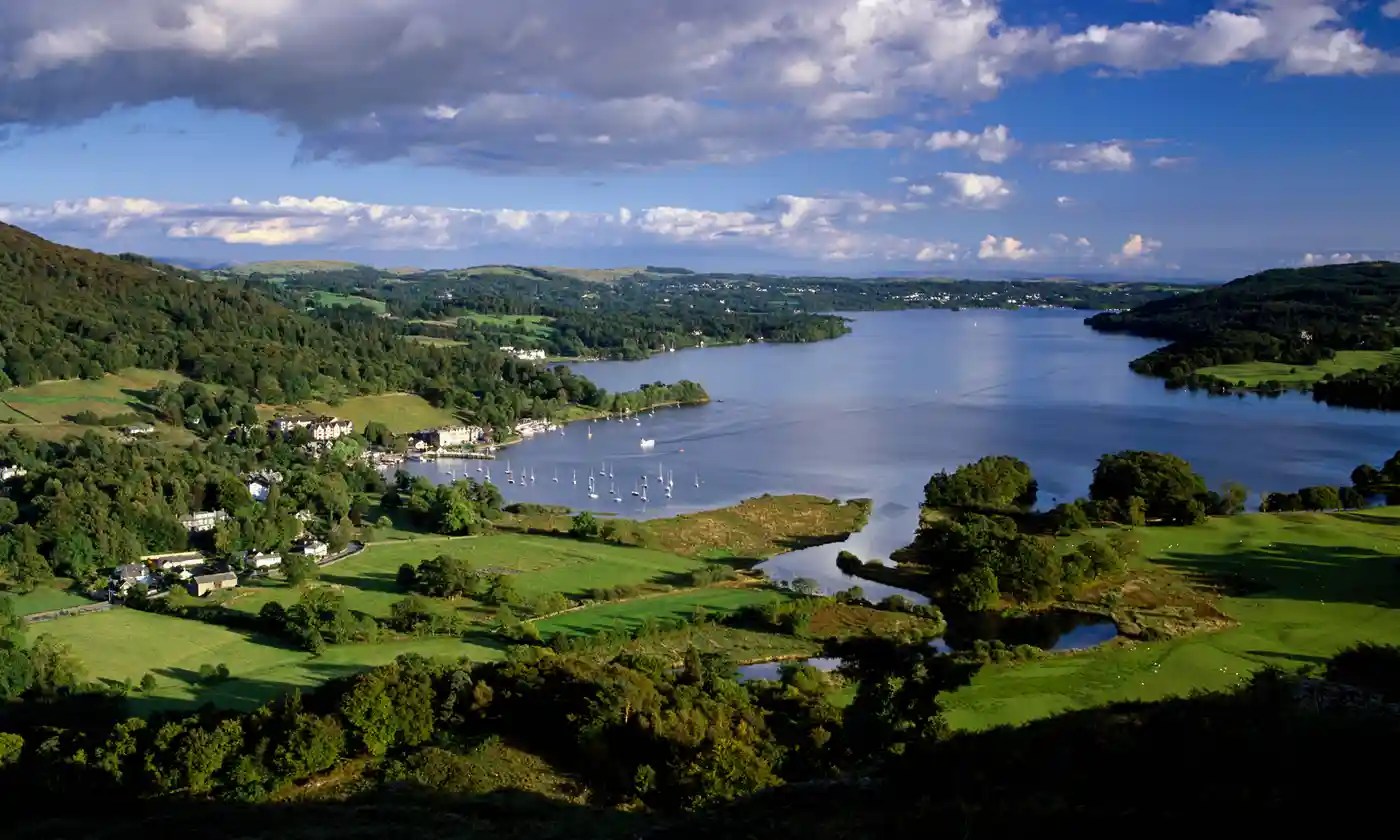
The Lake District national park. Councils can apply for zones in national parks, areas of outstanding natural beauty, sites of special scientific interest and green belt land. Photograph: Ashley Cooper/Getty Images

National parks, one of those rare great ideas, were never as safe as we might have hoped, anywhere. They need protection from liberalization, not indulgence in the very things we protected those spaces from in the first place:

Investment zones could be allowed in England’s national parks

Documents show zones with ‘liberalised’ planning laws could get go-ahead even in the most environmentally protected areas

Investment zones with “liberalised” planning laws to accelerate development could be designated within national parks and in the most environmentally protected areas of the UK, government documents reveal. Continue reading

Oysters & Rescue Plans

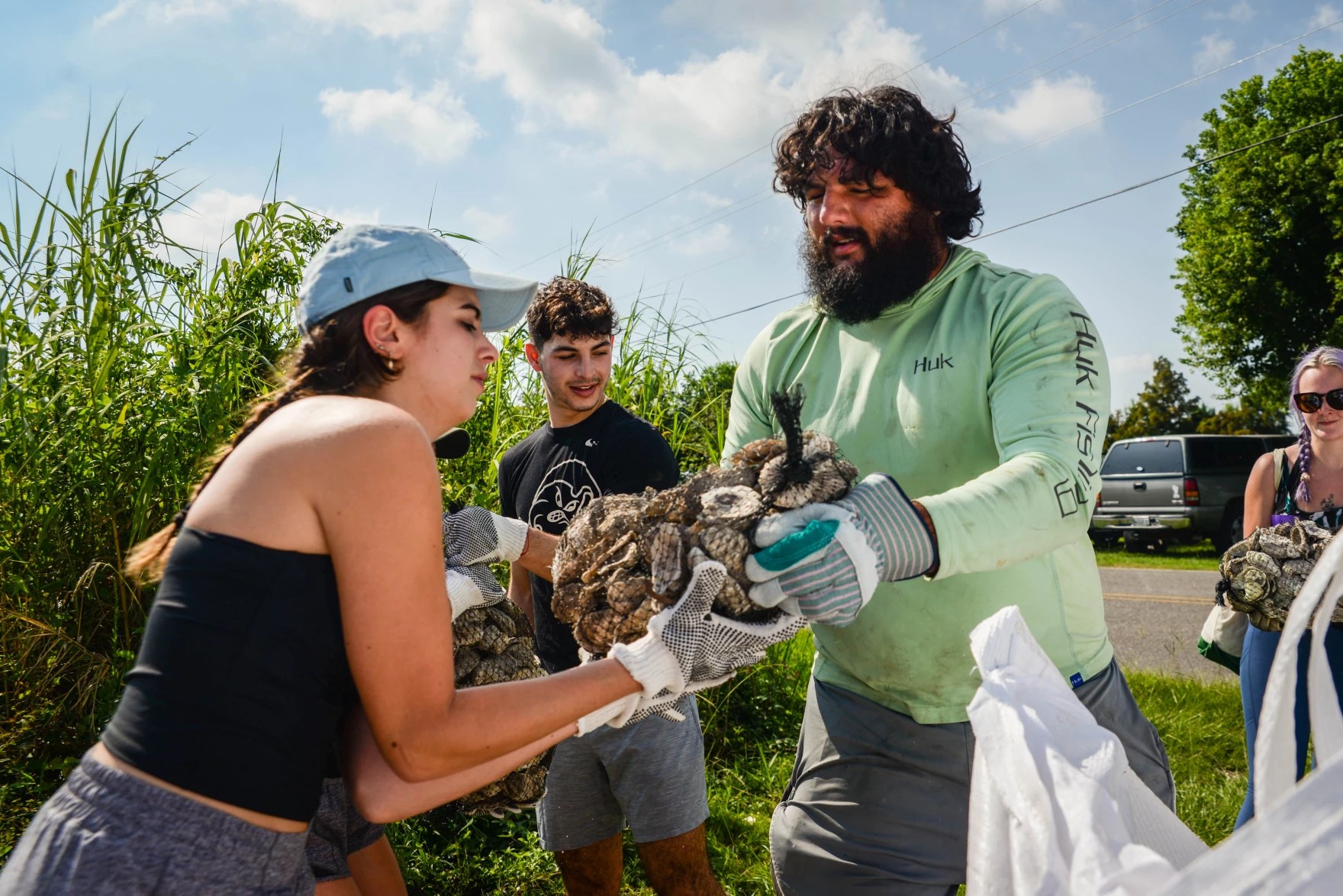
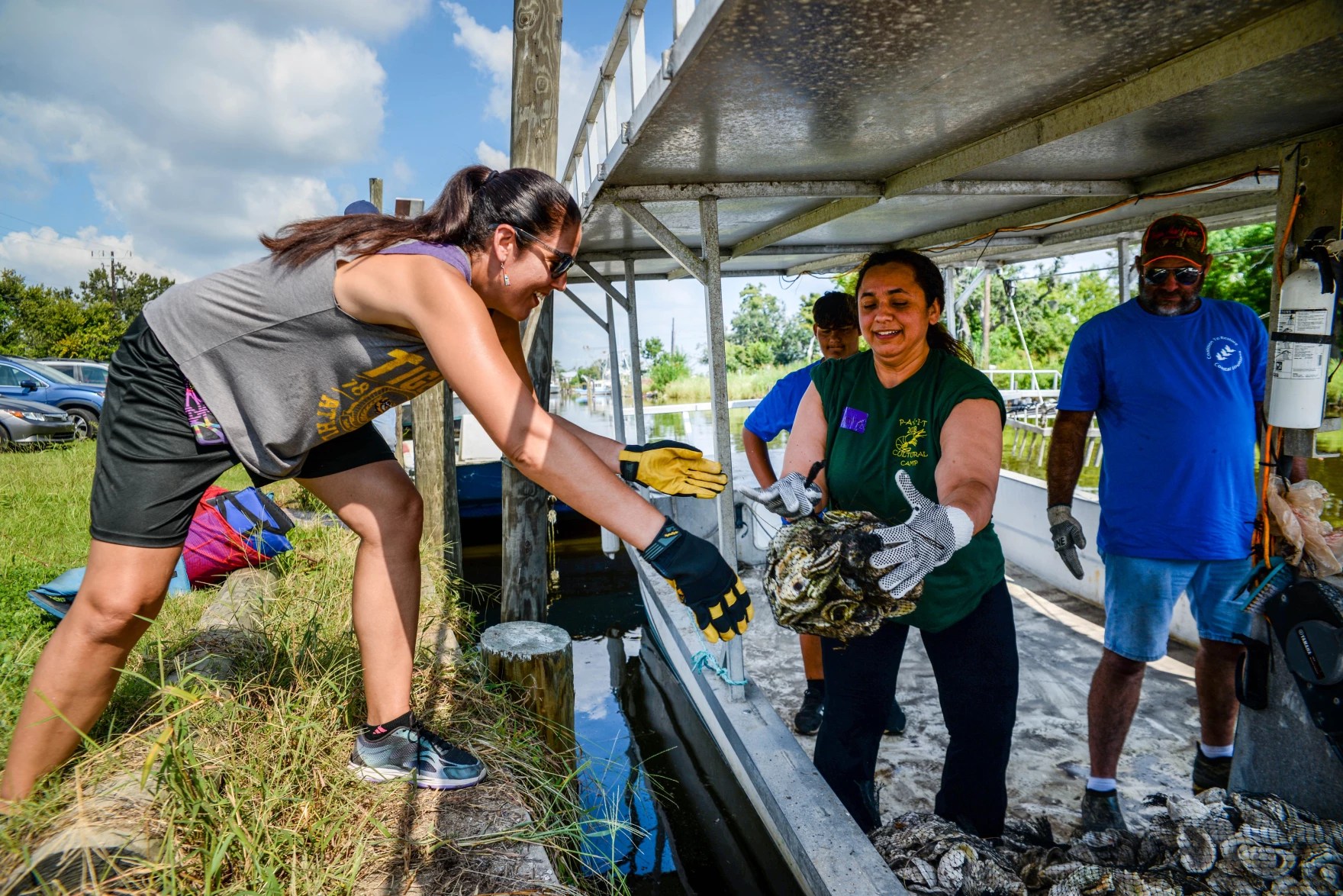
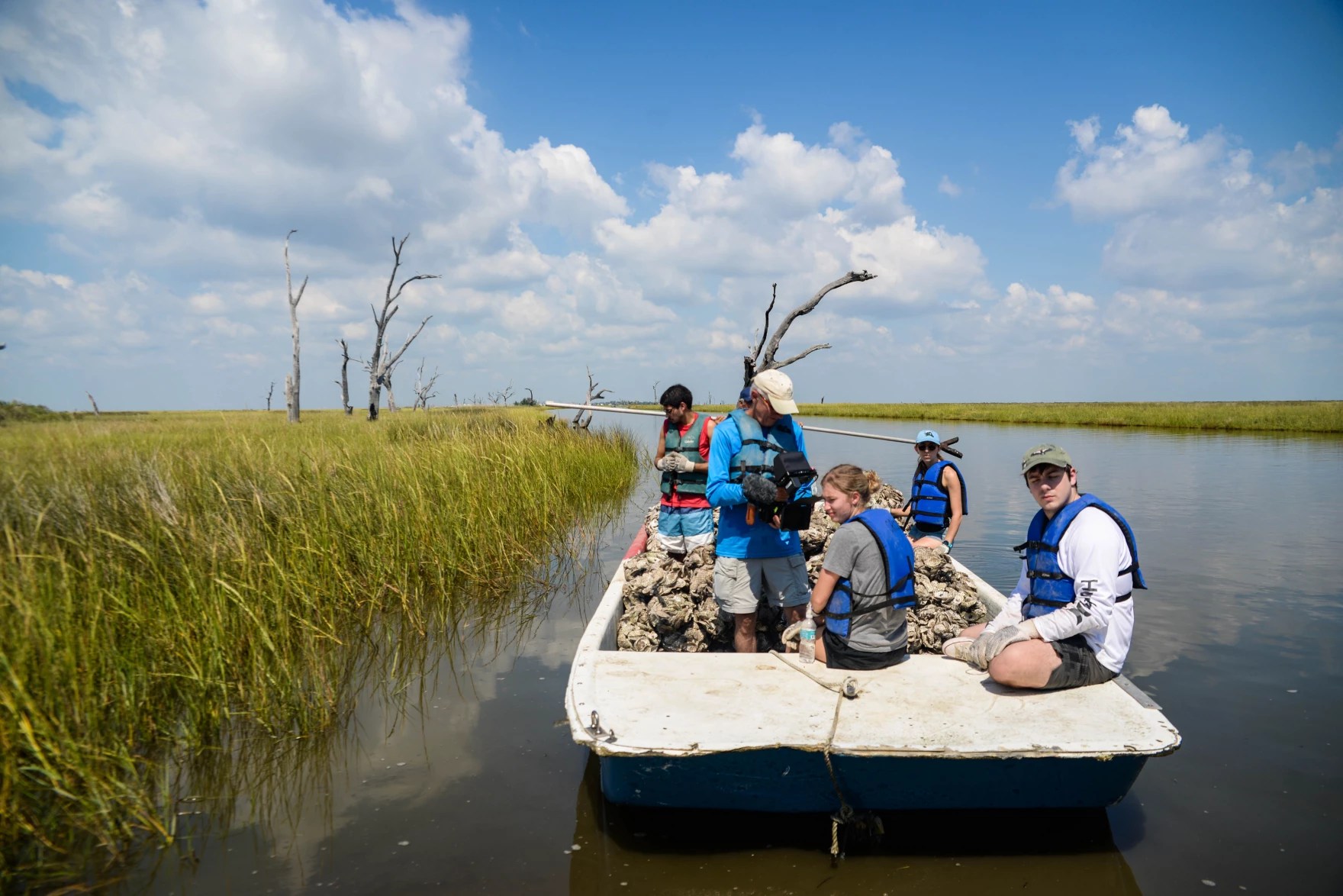
Halle Parker/WWNO. Pointe-au-Chien Indian Tribe member Pete Lebeouf works with volunteers to load bags of oyster shells onto a boat on Saturday, Sept. 24, 2022.

We have enjoyed every instance of oysters being treated with respect, beyond culinary. When indigenous knowhow is part of the story, even better. Our thanks to Halle Parker and WWNO (National Public Radio, USA) for this story:

Halle Parker/WWNO.  Pointe-au-Chien Indian Tribe citizens Patty Ferguson-Bohnee and Lori Stewart pass bags of oyster shell and pile it on a boat for transport during a volunteer event on Saturday, Sept. 24, 2022.

A Louisiana tribe is losing cultural sites to coastal erosion. Oyster reefs could help.

For the past six years, the Pointe-au-Chien Indian Tribe has battled to stop its historic earthen Indian mounds from slipping into the sea, looking to the power of oyster shells to protect them. Now, they’ve expanded that effort.

Halle Parker/WWNO. Volunteers boat down to Bernard’s Mound, one of the Pointe-au-Chien Indian Tribe’s historic mounds, to build a new oyster reef that will help slow erosion during an event on Saturday, Sept. 24, 2022.

The tribe has lived in the area for centuries, forced south as Louisiana was colonized, and the mounds that past members built have a range of uses. Some might’ve held homes, others were used for ceremonies and some were burial sites, said Lori Stewart, a member of the tribe.

“The mounds are really significant because we do have some of our ancestors that are buried there, and so we don’t want to see that washed away,” she said. “That’s sacred to us.” Continue reading

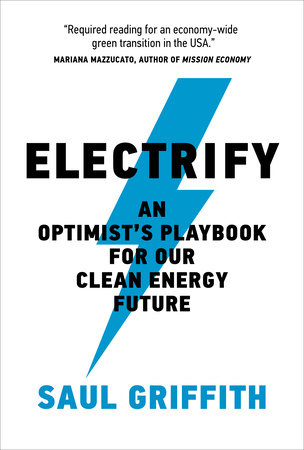
Electrify, The Book

Thanks to MIT Press for this preview:

How to Fix Climate Change (A Sneaky Policy Guide)

We may already have a “miracle” fix for climate change: Electrify everything.

Climate change is a planetary emergency. We have to do something now — but what? Saul Griffith, an inventor and renewable electricity advocate (and a recipient of a MacArthur “genius” grant), has a plan. In his book “Electrify,” Griffith lays out a detailed blueprint for fighting climate change while creating millions of new jobs and a healthier environment. Griffith’s plan can be summed up simply: Electrify everything. He explains exactly what it would take to transform our infrastructure, update our grid, and adapt our households to make this possible. Billionaires may contemplate escaping our worn-out planet on a private rocket ship to Mars, but the rest of us, Griffith says, will stay and fight for the future. Continue reading

Pushing Decarbonizing Technology Via Industrial Policy

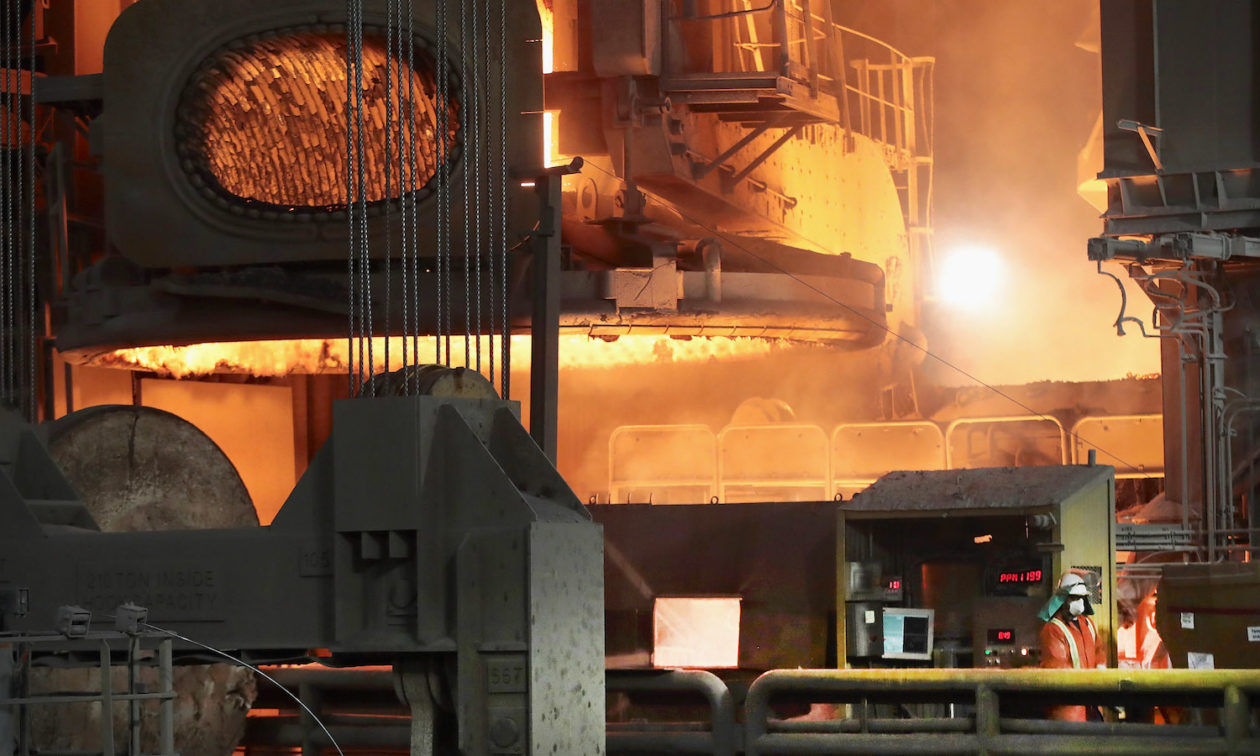
The NLMK mill in Portage, Indiana, which uses a furnace powered by electricity and produces steel from recycled scrap. SCOTT OLSON / GETTY IMAGES

Thanks to Yale e360:

Beyond Biden’s Climate Plan, a New Industrial Revolution Is Needed

The new U.S. climate plan is historic and will pump billions of dollars into advancing the transition away from fossil fuels. But a more far-reaching, innovative approach is needed to push forward the radically new technologies that will be required to decarbonize the economy.

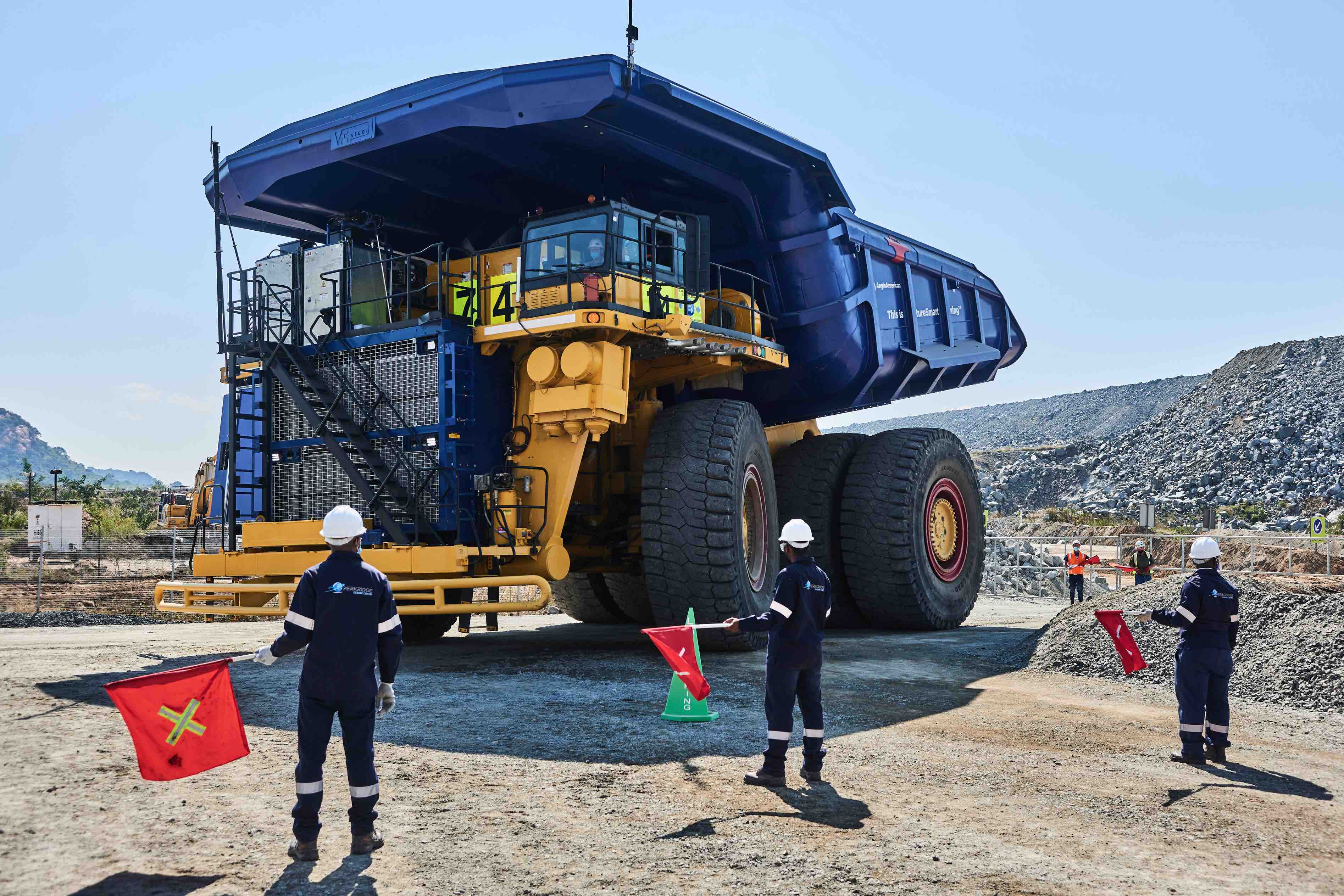
Workers guide a hydrogen-powered truck, part of Anglo American Plc’s NuGen carbon-neutral project, during a moving demonstration at the Anglo American Platinum Ltd. Mogalakwena platinum mine in Mogalakwena, South Africa, on Friday, May 6, 2022. Anglo American unveiled the worlds biggest green-hydrogen powered truck at a platinum mine in northeast South Africa where it aims to replace a fleet of 40 diesel-fueled vehicles that each use about a million liters of the fossil fuel every year. Photographer: Waldo Swiegers/Bloomberg

For all the great news in the Biden administration’s massive new climate spending plan, the hardest work of transforming the economy to stop global warming lies ahead. That’s because nearly all the money in the $369 billion plan will be spent on technologies that American companies already know how to deploy, such as solar farms, making buildings more efficient, and developing networks of electric vehicle charging systems.

Doing a lot more of the same will undoubtedly bring down emissions faster. But deep decarbonization requires a transformation of the American economy that will demand a much more active effort to push the technological frontier and build new industries so emissions can be driven to zero. Continue reading

Bee Bus Spots

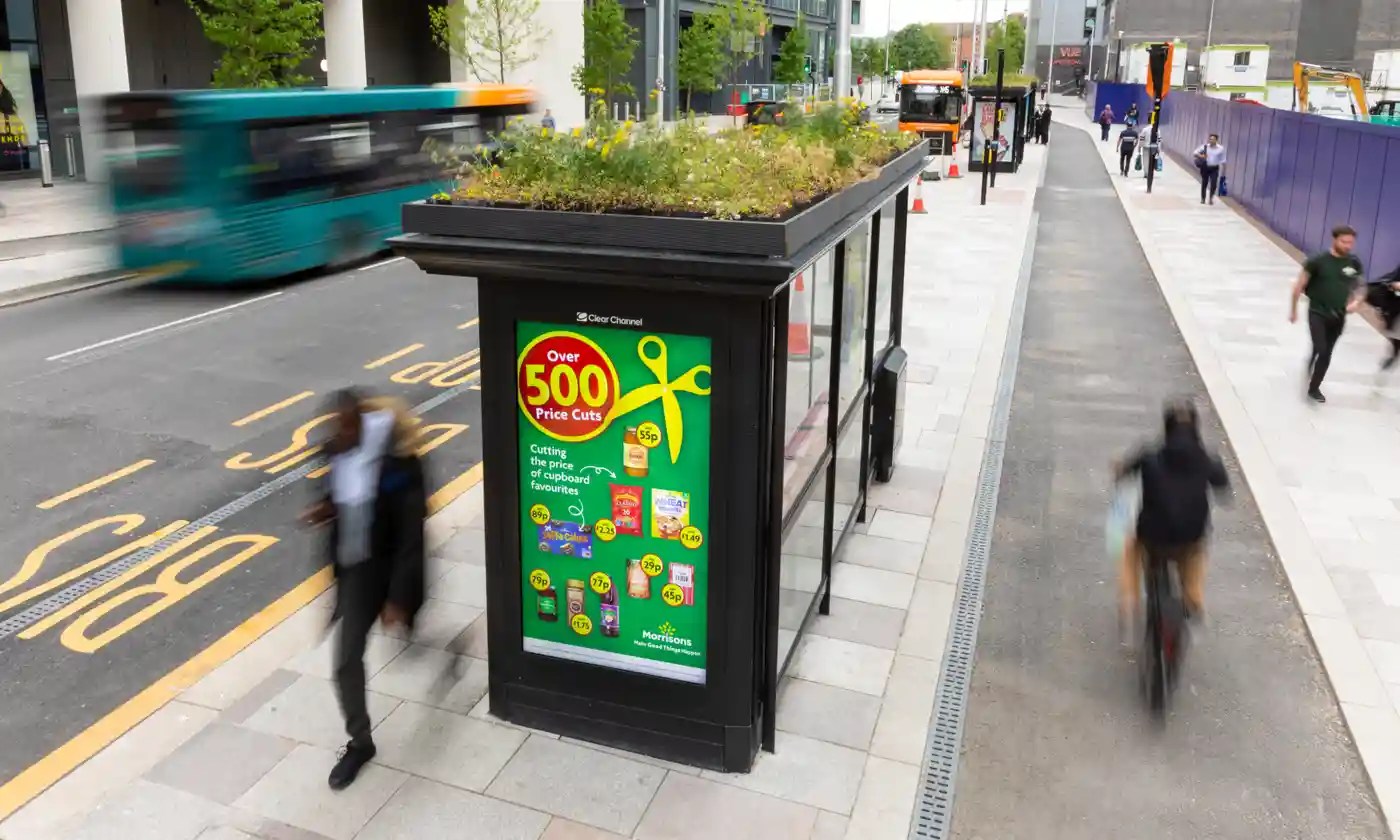
A living roof in Cardiff planted with pollinator friendly plants. Photograph: Clear Channel

Phoebe Weston brightens our day with this story:

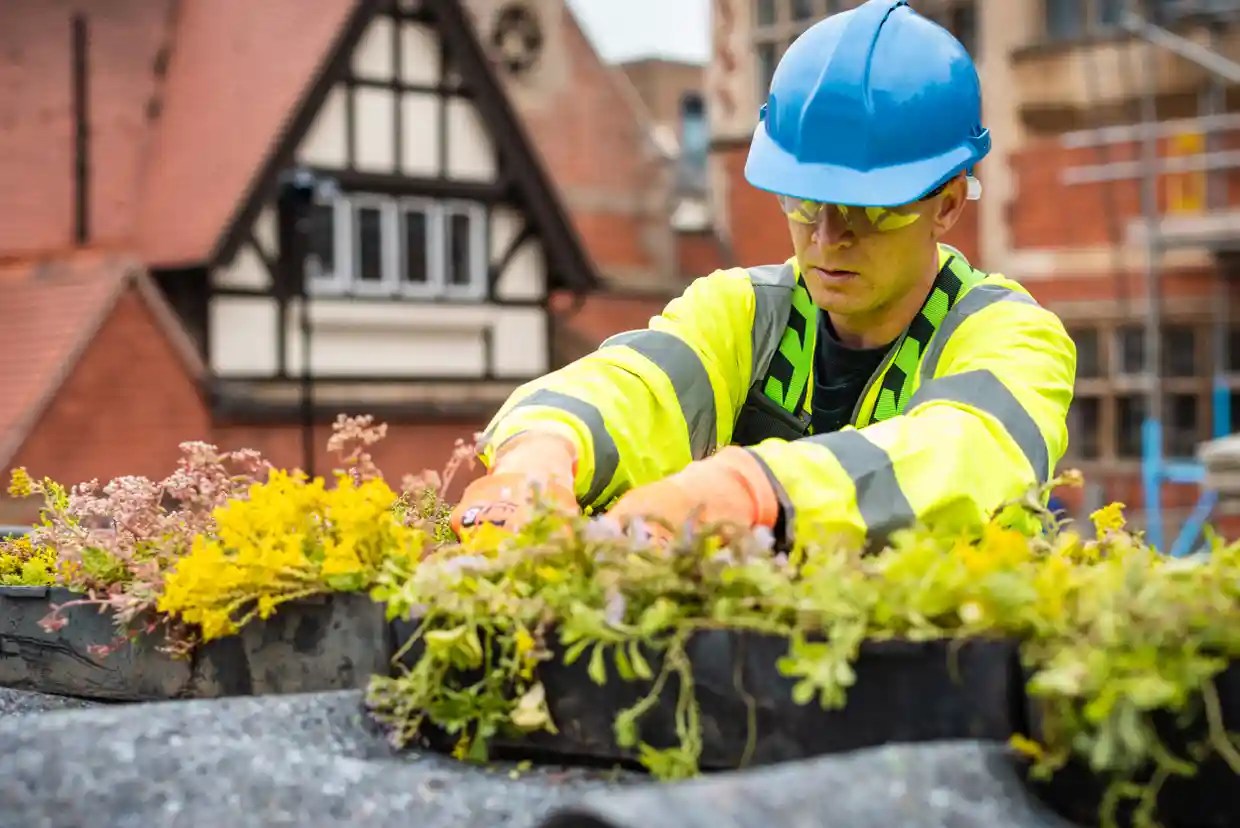
Planting at one of 30 bee bus stops in Leicester. Photograph: Clear Channel

Buzz stops: bus shelter roofs turned into gardens for bees and butterflies

Bee bus stops first appeared in the Dutch city of Utrecht. Now the UK is planning for more than 1,000 and there is growing interest across Europe and in Canada and Australia

Butterflies and bees are getting their own transport network as “bee bus stops” start to pop up around UK cities and across Europe. Humble bus shelter roofs are being turned into riots of colour, with the number of miniature gardens – full of pollinator-friendly flora such as wild strawberries, poppies and pansies – set to increase by 50% in the UK by the end of this year. Continue reading

Tree Core Samples & Age Estimations

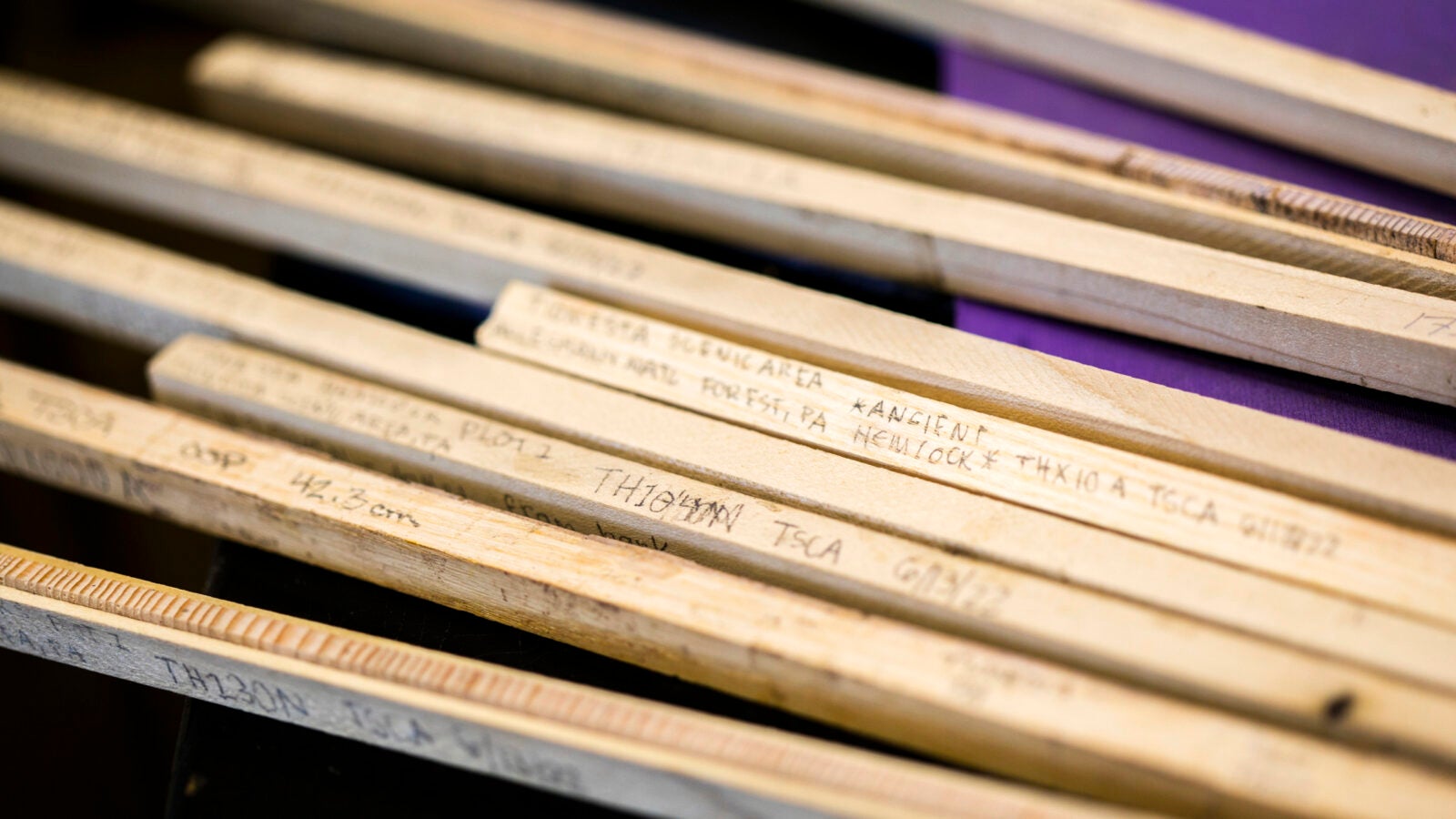
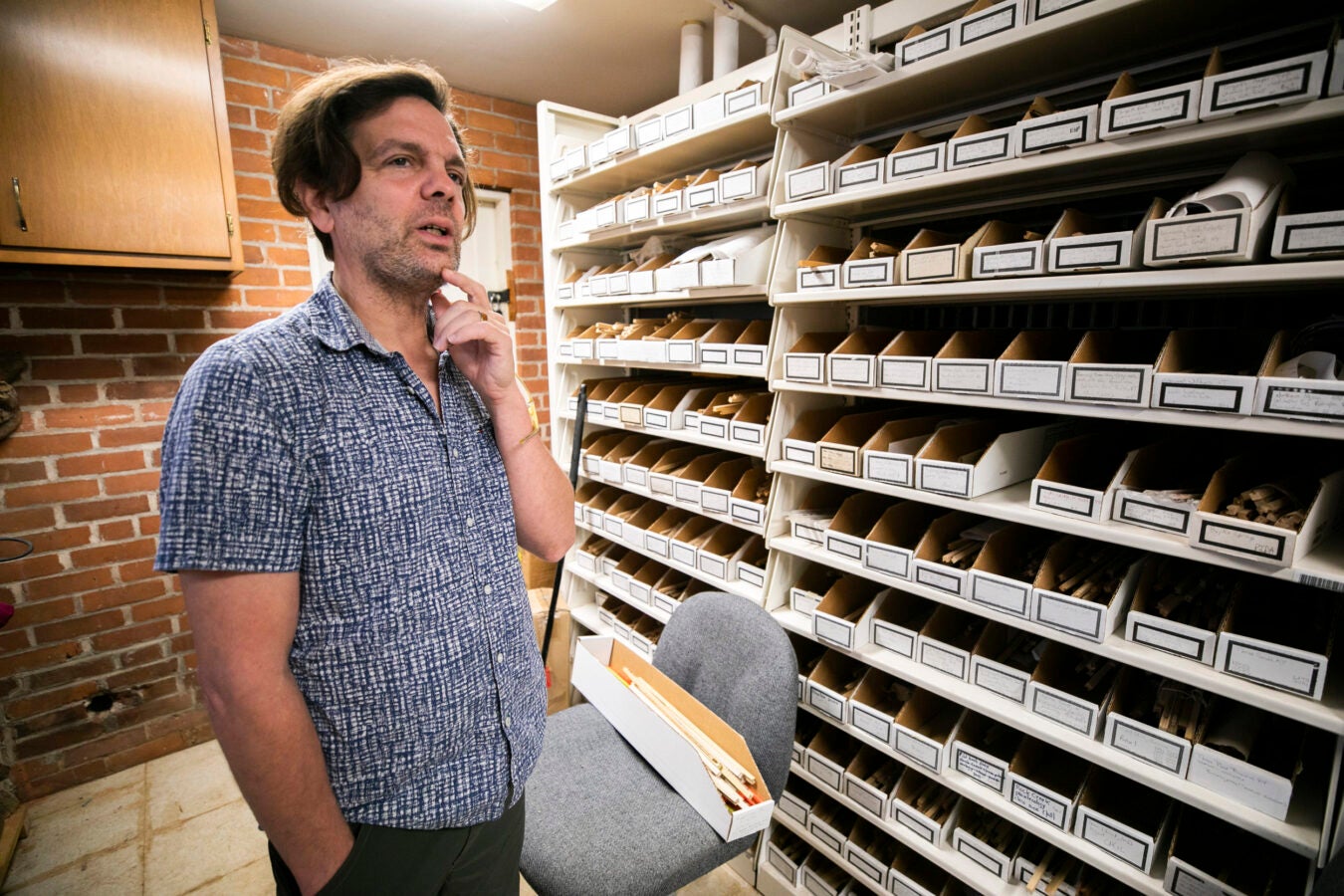
Tree cores Harvard Forest

Core samples may hold clues to a forest’s response to climate change. Photos by Stephanie Mitchell/Harvard Staff Photographer

Juan Siliezar, staff writer for the Harvard Gazette asks and answers a question that we never tire of:

Want to know how cold it was in 1490? Ask a tree

Harvard Forest Senior Ecologist Neil Pederso

“We use tree cores to extract what I’ve been leaning toward calling the memory of the tree,” said Neil Pederson in the lab alongside core samples.

Sometimes getting to where you want to go is a matter of finding the right guide.

Four teams of researchers, led by Harvard Forest ecologists, searched for a patch of ancient trees deep in the woods of western Pennsylvania this summer as part of a project to study how climate changes affected trees over the centuries. One of the scientists had come across them 40 years earlier, but they appeared to have vanished. Just as the group was about to give up and move on they came across someone who gave them a valuable clue. Continue reading

Fishing Endgame

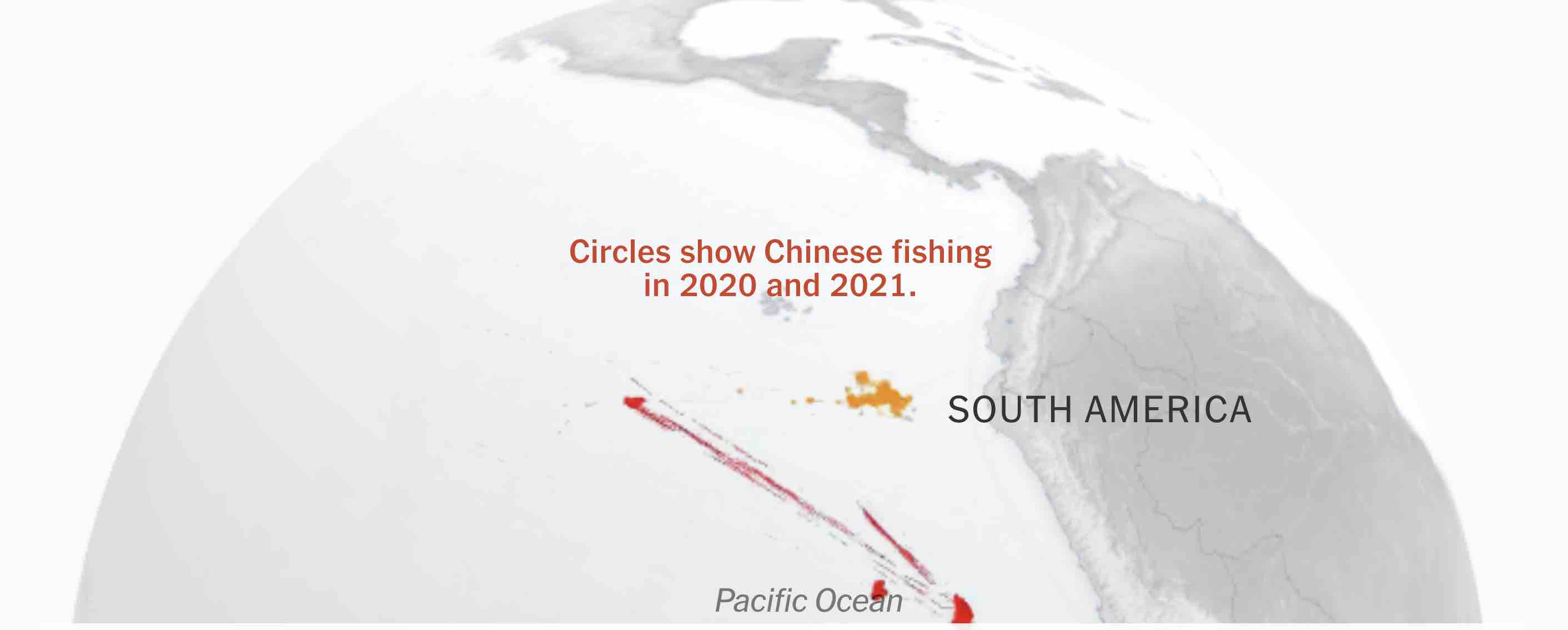
Note: Data for 2020 is from June 2020 through May 2021; for 2021, it is from June 2021 through May 2022.

Overfishing and potential solutions have received lots of attention in our pages over the years. It is not a new problem. And yet, we now have better metrics for how serious the problem is and who is responsible, currently, for making the problem worse. The screenshot to the left does not capture the full value of the dynamic illustration accompanying this article. Click the image to go to the source:

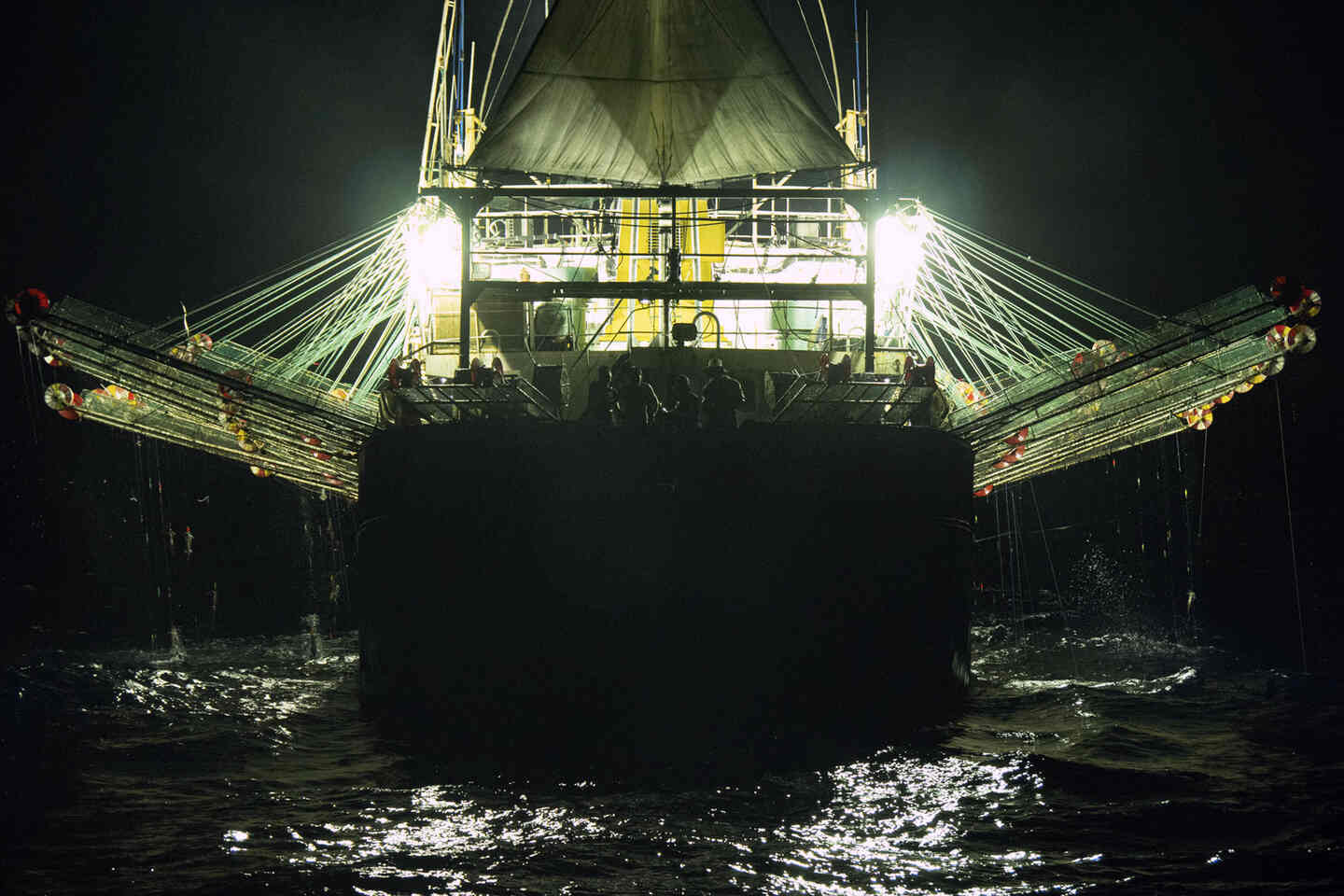
A Chinese ship fishing for squid off the west coast of South America in July 2021. Isaac Haslam/Sea Shepherd via Associated Press

How China Targets the Global Fish Supply

With its own coastal waters depleted, China has built a global fishing operation unmatched by any other country.

Rich and ecologically diverse, the waters around the Galápagos Islands have attracted local fishermen for centuries. Now, these waters face a much larger, more rapacious hunter: China. Continue reading