Purpose-built sustainable communities can boost energy efficiency and support an ageing population.
By 2050, nearly 7 out of 10 people in the world will live in cities, up from just over half in 2020. Urbanization is nothing new, but an effort is under way across many high-income countries to make their cities smarter, using data, instrumentation and more efficient resource management. Continue reading →
Our gratitude to Eliza Griswold, writing in the New Yorker this week, for a look at research hinting at a potential solution to myriad challenges, that has the ring of alchemy to it:
Acid mine drainage has long been a scourge in Appalachia. Recent research suggests that we may be able to simultaneously clean up the pollution and extract the minerals and elements needed to power green technologies.
On a recent afternoon, near the headwaters of Deckers Creek, in West Virginia, Paul Ziemkiewicz, the biological scientist who directs the Water Research Institute at West Virginia University, squatted by a blood-red trickle seeping from a hillside. Continue reading →
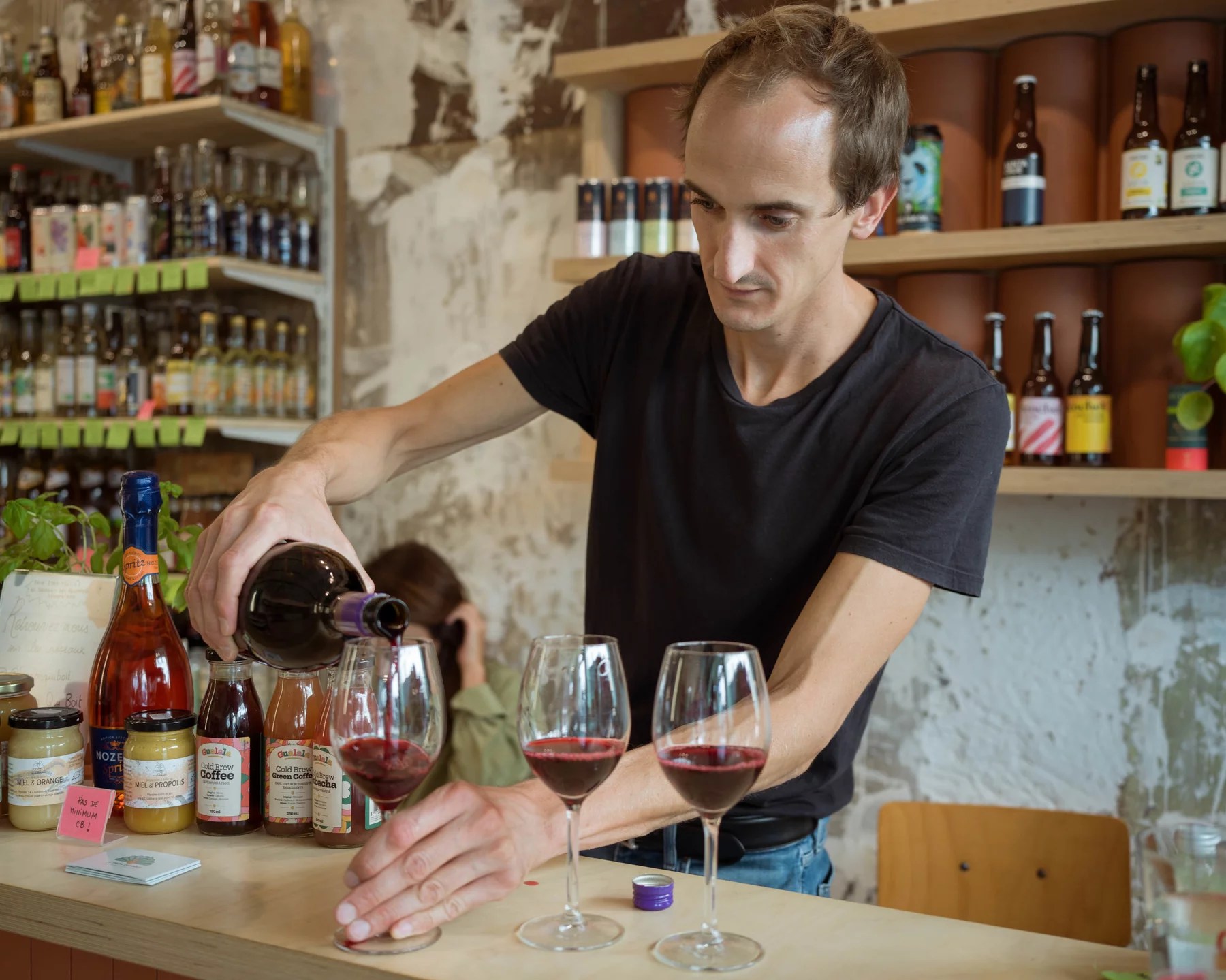
Augustin Laborde pouring a glass of non alcoholic wine at Le Paon Qui Boit in Paris on Aug. 26. Matthew Avignone for NPR
Our thanks to Rebecca Rosman for this story from Paris. Here is another case where authenticity (which we care about enough to name our work for it) and traditional “taste of place” products can take a back seat to creativity and innovation. For those who have gone dry(er) and have been passionate about wine for reasons other than alcohol content, this story is for you:
A customer grabs a non-alcoholic drink at Le Paon Qui Boit in Paris on Aug. 26. Matthew Avignone for NPR
PARIS — Augustin Laborde quit drinking during the early stages of the pandemic two years ago. Butwhen things finally opened up, he says meeting up with friends in bars quickly became a frustrating experience.
“My only options were basically sugary soda or fruit juice,” he says.
So Laborde, a lawyer with a passion for side projects, started doing some internet research. Continue reading →
The Treefest walks are part of a £14.5m research quest investigating how to secure public benefits from forested landscapes. Photograph: Fabio De Paola/The Guardian
Research project aims to discover how age, size and shape of woodlands affect people’s happiness and wellbeing
Miles Richardson is gathering data from the Treefest research walks to examine how biodiverse spaces benefit wellbeing. Photograph: Fabio De Paola/The Guardian
How happy do you feel right now? The question is asked by an app on my phone, and I drag the slider to the space between “not much” and “somewhat”. I’m about to start a walk in the woods that is part of a nationwide research project to investigate how better to design the forests of the future.
Volunteers are being sought to record their feelings before and after eight walks on a free app, Go Jauntly, which could reveal what kind of treescapes most benefit our wellbeing and mental health. Continue reading →
Before we compromise further on planet earth, the question Really? is often a good place to start. Let’s be sure our revered journalists and the publications they work for call apples as apples, and oranges as oranges, says Bill McKibben:
Either before or after reading the article below, please click on the image to the right. If it is early morning where you are, it will get you started on the right foot. If it is the middle of the day, the website will refresh you. And if it is night time, sweet dreams will almost certainly follow.
Our coffee CSA, combined with our regenerative activities, are only a couple of reasons why this article is of personal interest to me. Work in Yakutia increased my wanting to visit Alaska, which started with the fact that my wife Amie was born there. Most of all, it is Alaska! The reasons are compounding, but time is not. Many thanks to Yasmin Tayag for this article in the New Yorker:
In a place where the summer sun shines for twenty-one hours a day, climate change is helping to turn frozen ground into farmland.
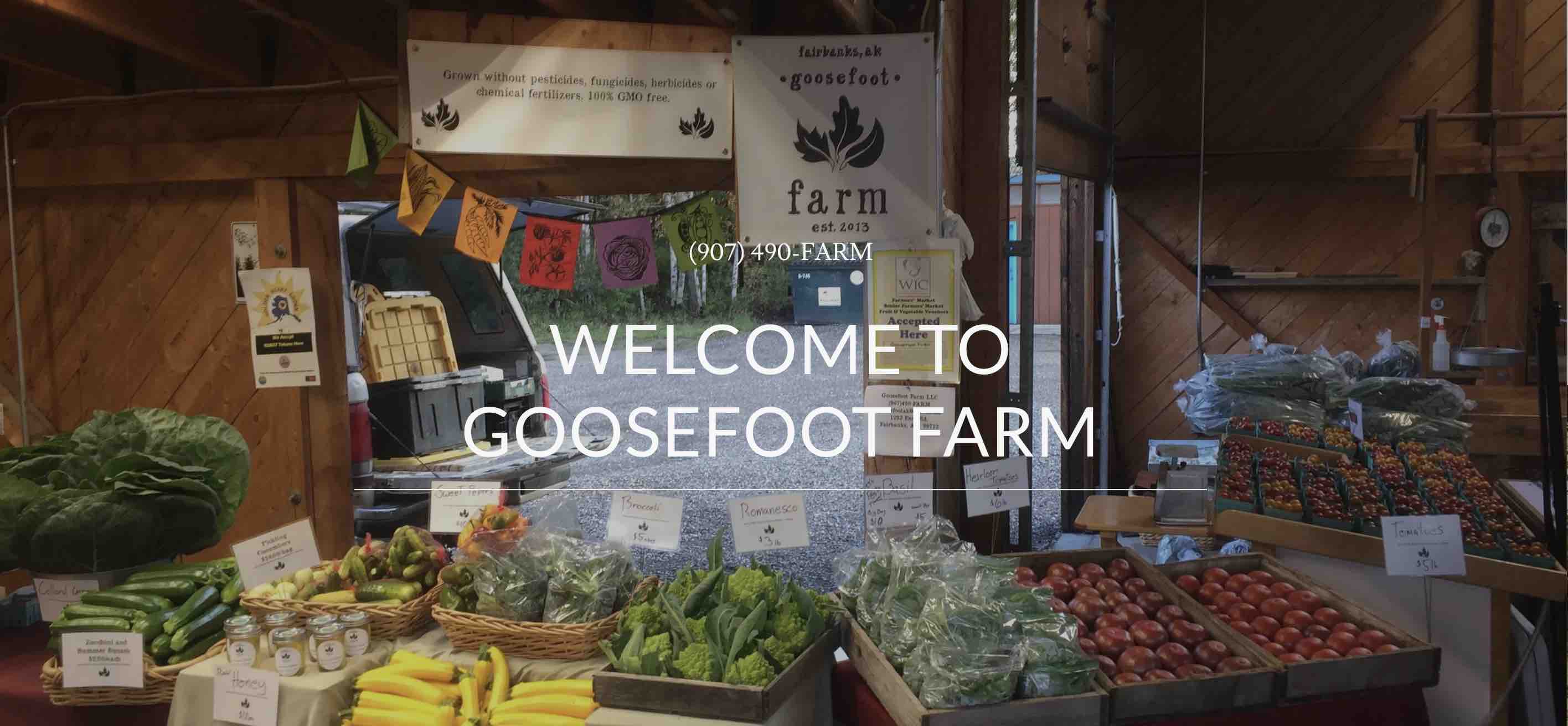
In 2010, Brad St. Pierre and his wife, Christine, moved from California to Fairbanks, Alaska, to work as farmers. “People thought we were crazy,” Brad said. “They were, like, ‘You can grow things in Alaska?’ ” Their new home, not far from where Christine grew up, was as far north as Reykjavík, Iceland, and receives about sixty inches of snow each year. Continue reading →
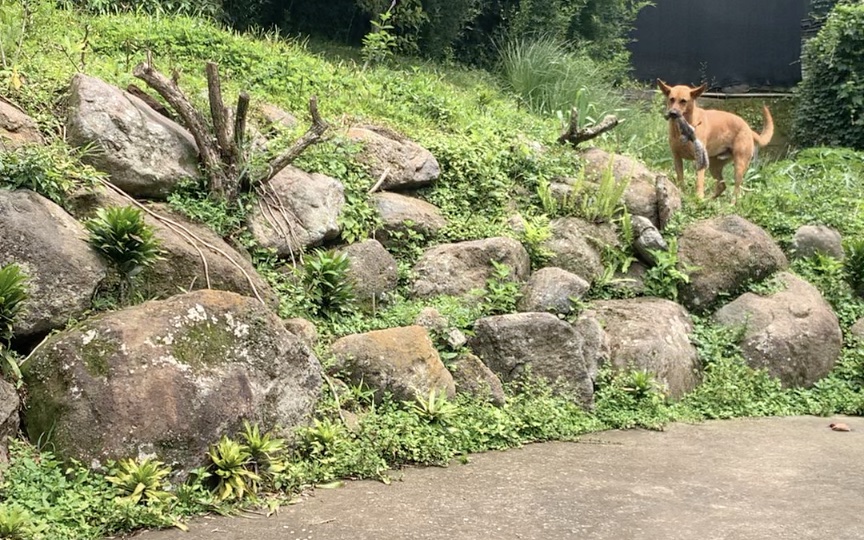
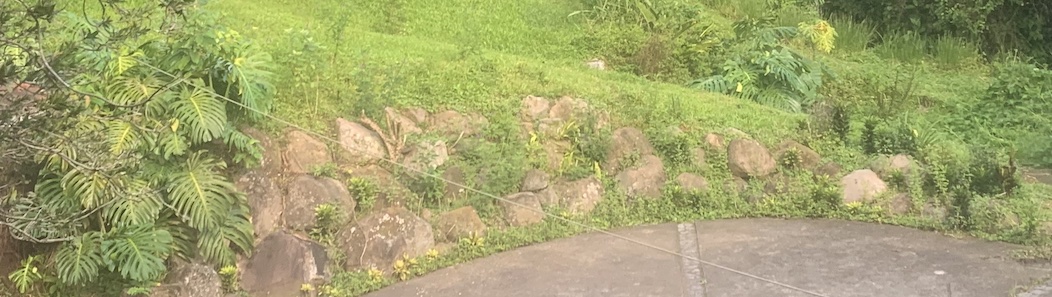
14 months ago the pandemic still allowed, which is to say forced, creative use of abundant time and limited budget, so I took a day or so to rethink this pile of rocks. It curves around where we park our car and had been covered by a gigantic bush.
build back better
That bush produced spines abundantly and flowers sparingly. While spines may offer ecosystem services I have not yet learned about (other than self-protection for the plant itself), we are focused on regenerating bird habitat, so flowers count more in our calculus. In June, 2021 I cut the bush back to the short branches seen in these photos above.
Spearmint, which can be seen growing straight up on the lower right side of this photo, is for scent, and then for tea; the rest is for the winged folk.
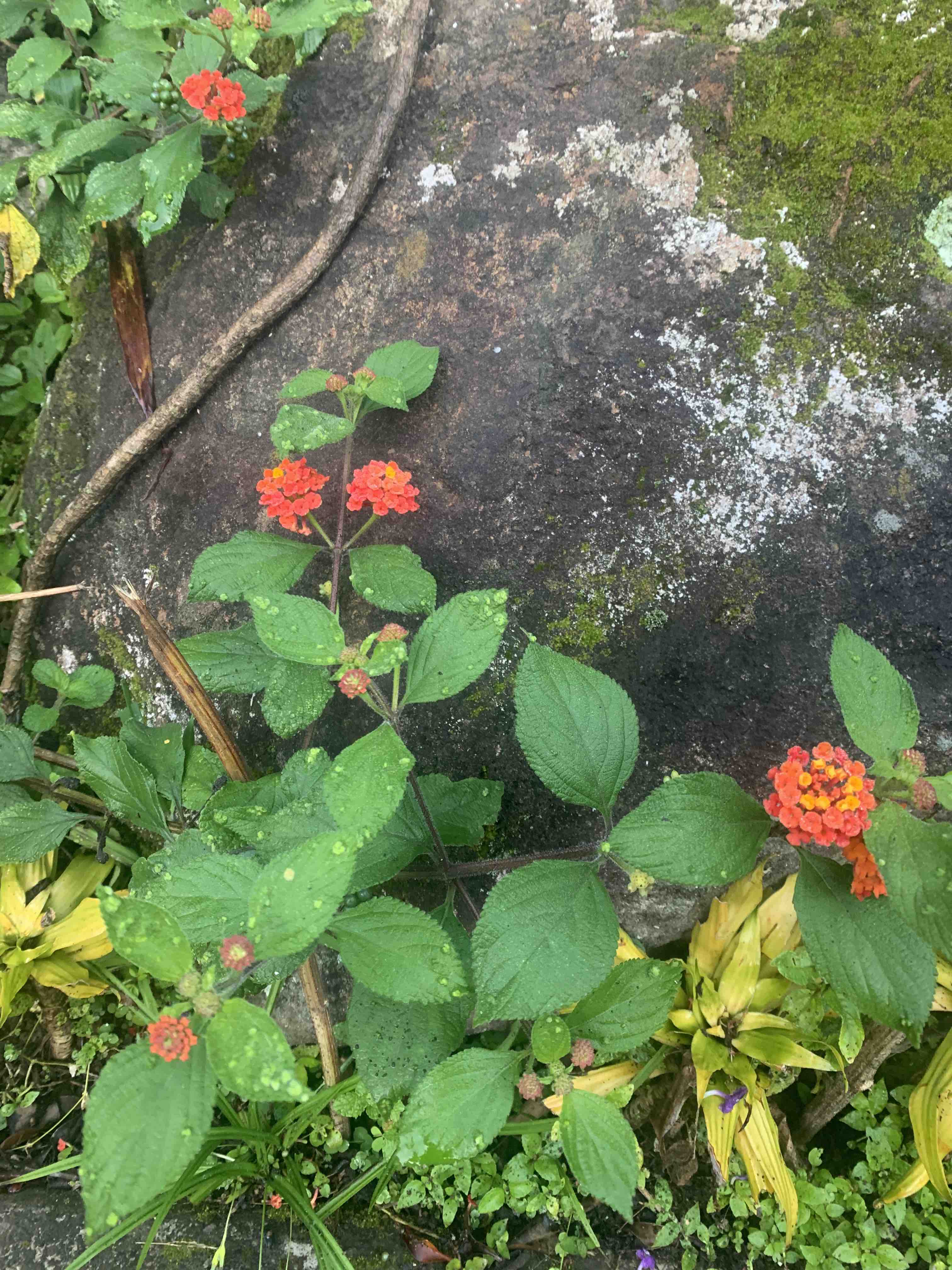
The treachery removed, the slate was blank, and the opportunity to build back better was clear. Hummingbirds and butterflies focus on the bushy abundance covering most of the area.
The bushes producing these orange flowers are slower to fill in
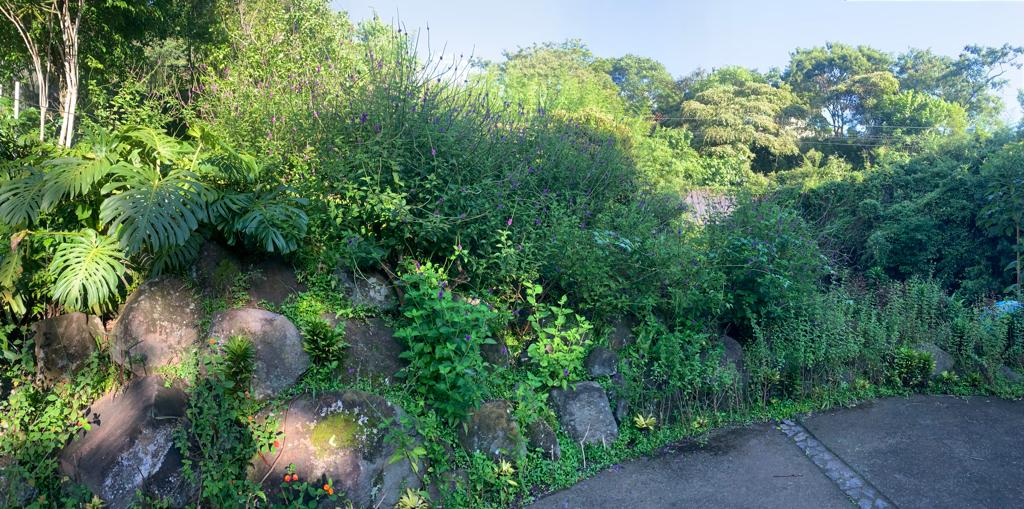
I went through the exercise that Ari described yesterday, trimming back a couple of bushes that hummingbirds and butterflies favor. I cut the branches into one foot long stalks and stuck about 100 of them into the soil in between all those rocks. 14 months later, here is what we have. Difficult to see from the macro view, flowers are constantly available for the pollinators. Every day, dozens of hummingbirds and numerous species of butterflies can be seen in these flowers. With a camera phone I am not well equipped to capture good photos of those, but when someone else does so we will share here.
The moment I first stepped foot in the natural rustic paradise that is the Inman abode, any doubts that the next few weeks would prove to be a new fruitful adventure were immediately swept away in the calm afternoon breeze. Chirping birds and a little stream flowing smoothly down a hill nearby were, needless to say, far more pleasant sounds to wake up to than the polluting sputter of truck engines and concoction of beeps and honks that were native to my home city of New York.
However, for all that an atmosphere can do to bring peace to the mind, for one to truly find purpose in an unfamiliar environment one must give back to what has given you a fresh opportunity in a new world. Fortunately for me, I did not have to look far to find fulfilling work aiming at giving back as the Inmans were well armed with brilliant ideas for new projects and ventures to toss at me.
My first task initially appeared innocent enough: trim plant stems and branches to shorter foot long sticks. However, with my limited knowledge of much to do with planting and growing flora, the justification for the performing of a task that became odder and odder the more I did it was something that kept eluding me as the hours passed. And then, just as my doubts had become to start crawling back, there was Crist, there to reveal to me what would immediately blow my mind, as, I would find out, it had done to his when I first found it out—for this specific type of plant, one did not need to plant seeds and wait for a sapling to grow in perfect conditions as most other plants would need, as all that was necessary was to find a good sturdy stick around 1 foot long and stick it firmly in the ground for massive growth to follow. This baffled me, and yet, when he showed me a group of massively overflowing plants with long vines and an abundance of beautiful purple flowers and revealed to me that he had planted them only 1 year previous, every chop of a branch that I had done in the hours preceding this moment were no longer empty contractions of my hand devoid of meaning, they were now a source of pride and appreciation for the magnificence of nature.
Mealworms, the larval form of the yellow mealworm beetle, have been cooked with sugar by researchers who found that the result is a meat-like flavoring. Photograph: image BROKER/Alamy
Flavorings made from mealworms could one day be used on convenience food as a source of protein
Insects can be turned into meat-like flavors, helping provide a more environmentally friendly alternative to traditional meat options, scientists have discovered. Continue reading →
With all the problems created by the status quo business practices and economic models, alternatives for organizing business are worthy of our consideration. Nick Romeo offers a look into the challenges facing the most important worker-owned company in the world:
In Spain, an industrial-sized conglomerate owned by its workers suggests an alternative future for capitalism.
Jorge Vega Hernández, a mechanical engineer working in northwestern Spain, returned from a business trip and started to feel sick. It was March, 2020—the beginning of the pandemic—and so he called a government help line. Continue reading →












 Organikos