Rwanda’s Cold Chain Challenge

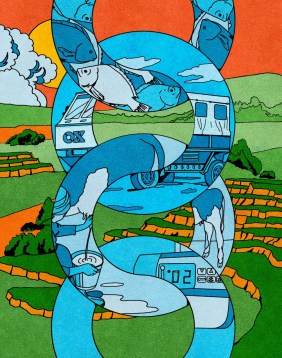
A “cold chain” protects food as it makes its way from farm to table. Illustration by María Jesús Contreras

A five year gap since the last time we linked to a Nicola Twilley story is not a sign of anything; back with a story on an African nation we have had our eyes on, we are gratified by her latest:

Africa’s Cold Rush and the Promise of Refrigeration

For the developing world, refrigeration is growth. In Rwanda, it could spark an economic transformation.

At one in the morning, several hours before fishing boats launch, François Habiyambere, a wholesale fish dealer in Rubavu, in northwest Rwanda, sets out to harvest ice. In the whole country, there is just one machine that makes the kind of light, snowy flakes of ice needed to cool the tilapia that, at this hour, are still swimming through the dreams of the fish farmers who supply Habiyambere’s business. Flake ice, with its soft edges and fluffy texture, swaddles seafood like a blanket, hugging, without crushing, its delicate flesh. Continue reading
Ominous Humongous Fungus

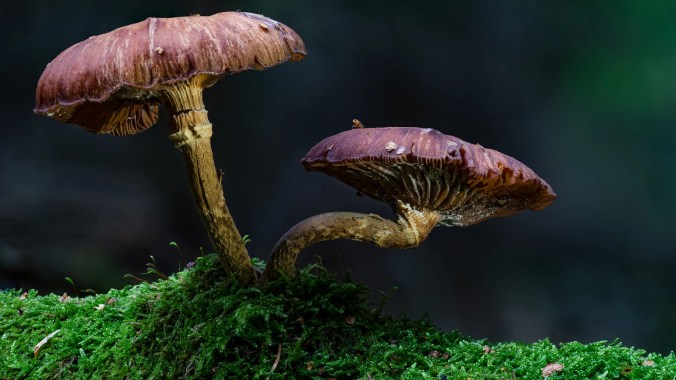
The mushrooms of Armillaria ostoyae (or Armillaria solidipes), the species of honey mushroom that makes up Humongous Fungus (Getty)

We have linked to one Katherine J. Wu article in the past, and that was to share good news; and we linked to stories about humongous fungus a couple of times–not so much news as fascinating; this time there is an ominous implication to the fungus:

The Bigger This Fungus Gets, the Worse We’re Doing

Human actions have turned a usually beneficial fungus into a bringer of death.

Deep in the loamy soil of forests around the world, there exists a fungus called the honey mushroom that makes its living on death. A parasite that preys on weak trees, it sucks its victims dry of nutrients, then feasts on their postmortem flesh. Continue reading

Almost Missed

I have missed plenty of good articles, books and other sources of news and analysis that relate to our goals with this platform. When I am late to see something important, like the book to the right, no regrets. Especially when it comes to my attention through an essay like this one by Daniel Sherrell:

The Democrats’ climate bill is a historic victory. But we can’t stop here

Passage of the Inflation Reduction Act filled me with joy and rage, relief and apprehension, exhaustion and vigilance. We must celebrate, but also mourn, rage and organize

I was at a Mets game when news broke that the climate bill had enough votes to pass in the Senate. It was the bottom of the eighth, and Edwin Díaz had just struck out the heart of the Braves’ lineup. The crowd at Citi Field was feeling good. Everyone could sense a win was at hand.

I read the push notification then sat there stunned for several minutes, watching the Mets clinch the game, waiting for the world-shaping news to register. Continue reading
Olive Trees Thriving In England?

A sheep rests under a tree in Oxfordshire. Trees planted for biodiversity also supply shade for livestock. Photograph: Geoffrey Swaine/Rex/Shutterstock

There is no photo of the olive trees mentioned in this article, but we will take the Helena Horton’s word for it, preposterous as it sounds:

Soil healing and olive growing: how UK farms are coping with looming drought

Some farmers are attempting to mitigate worst effects of dry weather by adopting nature-friendly methods

Across the UK, farmers are looking at the sky and begging for rain. Continue reading
50 Years Protecting The Longest Cave

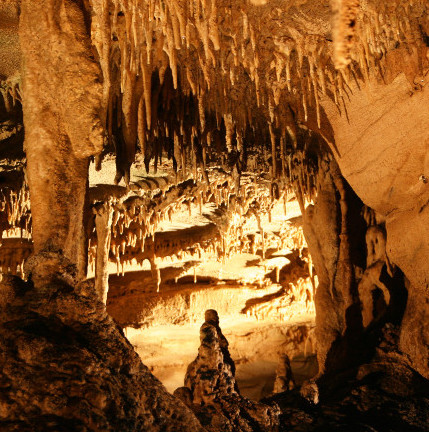
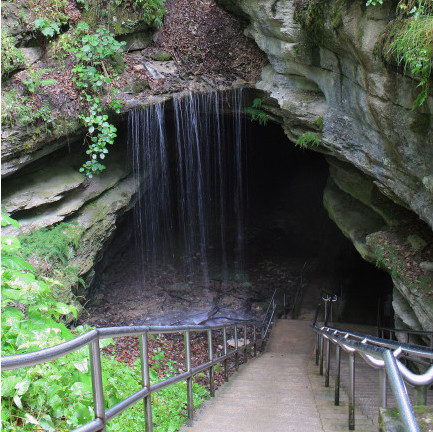
Stalactites and stalagmites line the floors and ceilings of Mammoth Cave. (Credit: NPS)

National parks, sometimes called the greatest idea and always best thought of as the gifts that keep giving, have been well covered in our pages.

Protecting them, beyond what their legal status provides has been a sub-theme. Today, a story with a different niche of a sub-theme, pointing to the longest cave system in the world, protected by park status:

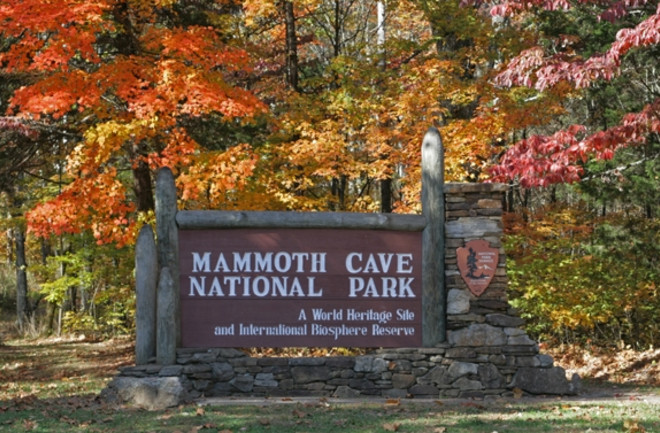
(Credit: NPS)

50 Years Ago, Cavers Connected Mammoth Cave and Flint Ridge

The half-century anniversary marks the connection that established Mammoth Cave as the longest cave in the world.

Mammoth Cave’s historic entrance is a natural opening that has been used by humans for 5,000 years. (Credit: NPS)

It was the summer of 1972, and Tom Brucker was in a tight spot two generations in the making. His father Roger had created a nonprofit dedicated to the research of caves (aptly named the Cave Research Foundation) alongside colleagues who were exploring the Floyd Collins Crystal Cave in the 1950s — one of the main gateways to the Flint Ridge Cave System. Two decades later, the younger Brucker was squeezing through an extremely narrow passage deep inside Flint Ridge, considered the longest cave system in the world at the time, in an effort to see if it might connect with the similarly spectacular and storied Mammoth Cave system. Continue reading
2022 Nature TTL Winning Photographs

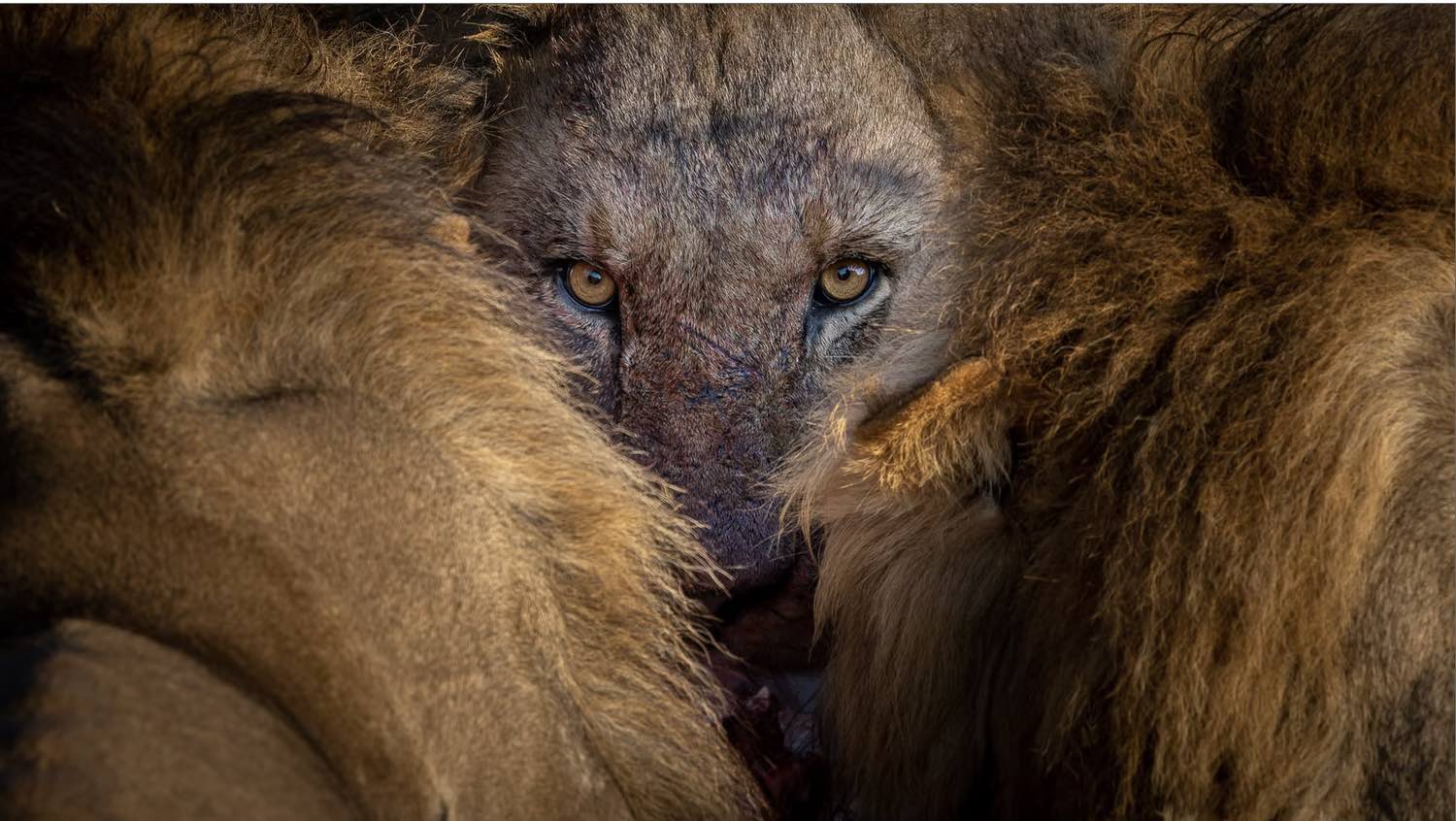
I See You. Wild Portraits winner. When a huge lion looks you right in the eyes, you immediately forget that you are sitting safely in a car. Instinctively, you cower and slowly retreat deeper inside the car so as not to provoke a predator. Fortunately, he and his brothers were busy consuming a young buffalo that had been hunted several minutes earlier. # © Tomasz Szpila / Nature TTL

Alan Taylor and others offer relief through nature photography contests each year, and we thank them all for that; and to Atlantic this year for sharing these from the Nature TTL contest:

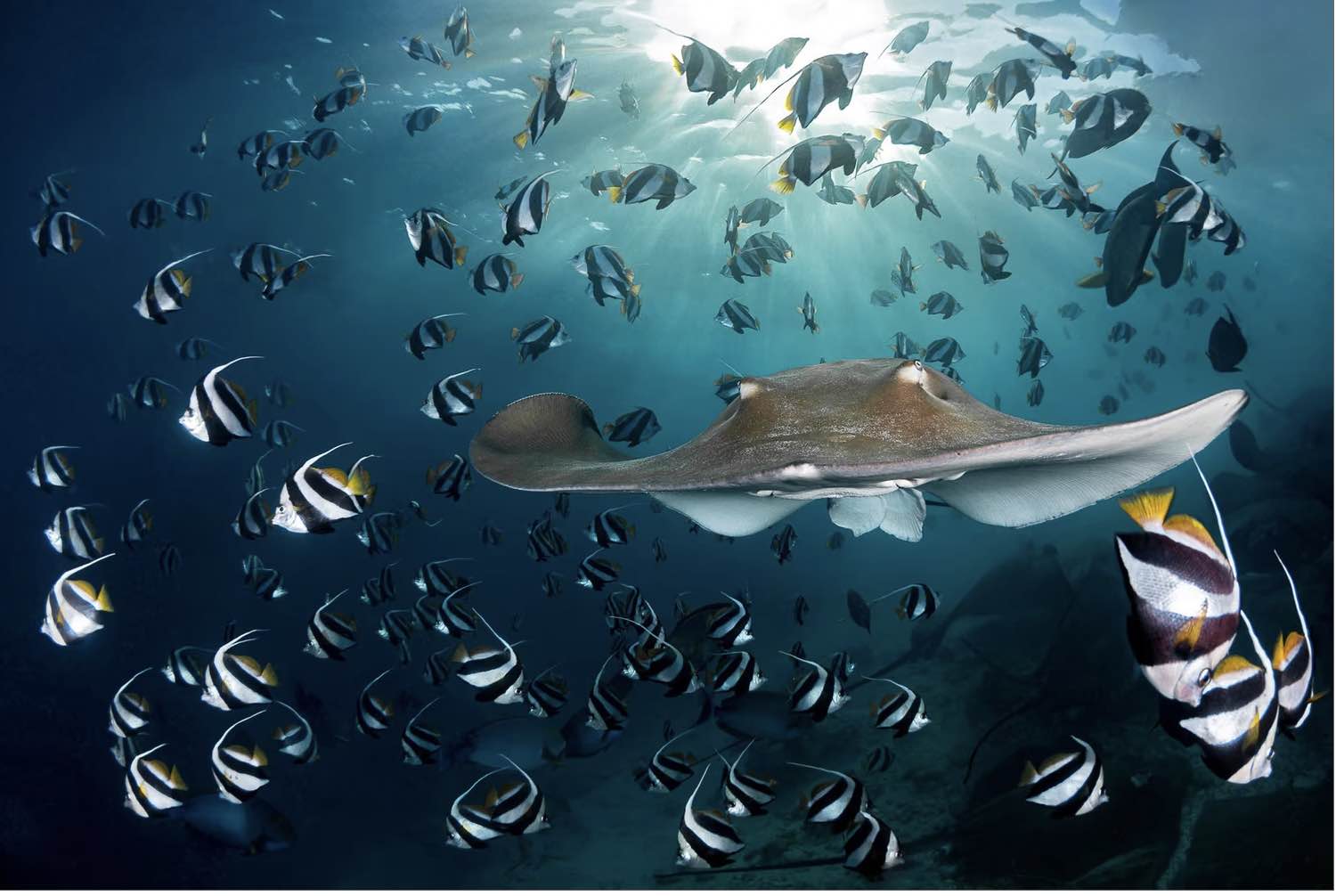
Sunset Ray. Underwater winner. A pink whipray splits a school of bannerfish, photographed against the setting sun on a late afternoon at the famous “Tuna Factory” dive site located close to Malé, the capital of the Maldives. # © Andy Schmid / Nature TTL

Winners of the Nature TTL Photographer of the Year 2022

This year’s photography competition attracted more than 8,000 entries in eight different categories celebrating the natural world: Animal Behavior, Camera Traps, Landscapes, Small World, The Night Sky, Underwater, Urban Wildlife, and Wild Portraits. Contest organizers at Nature TTL were kind enough to share some of the winners and runners-up below. The captions were written by the photographers and lightly edited for style.

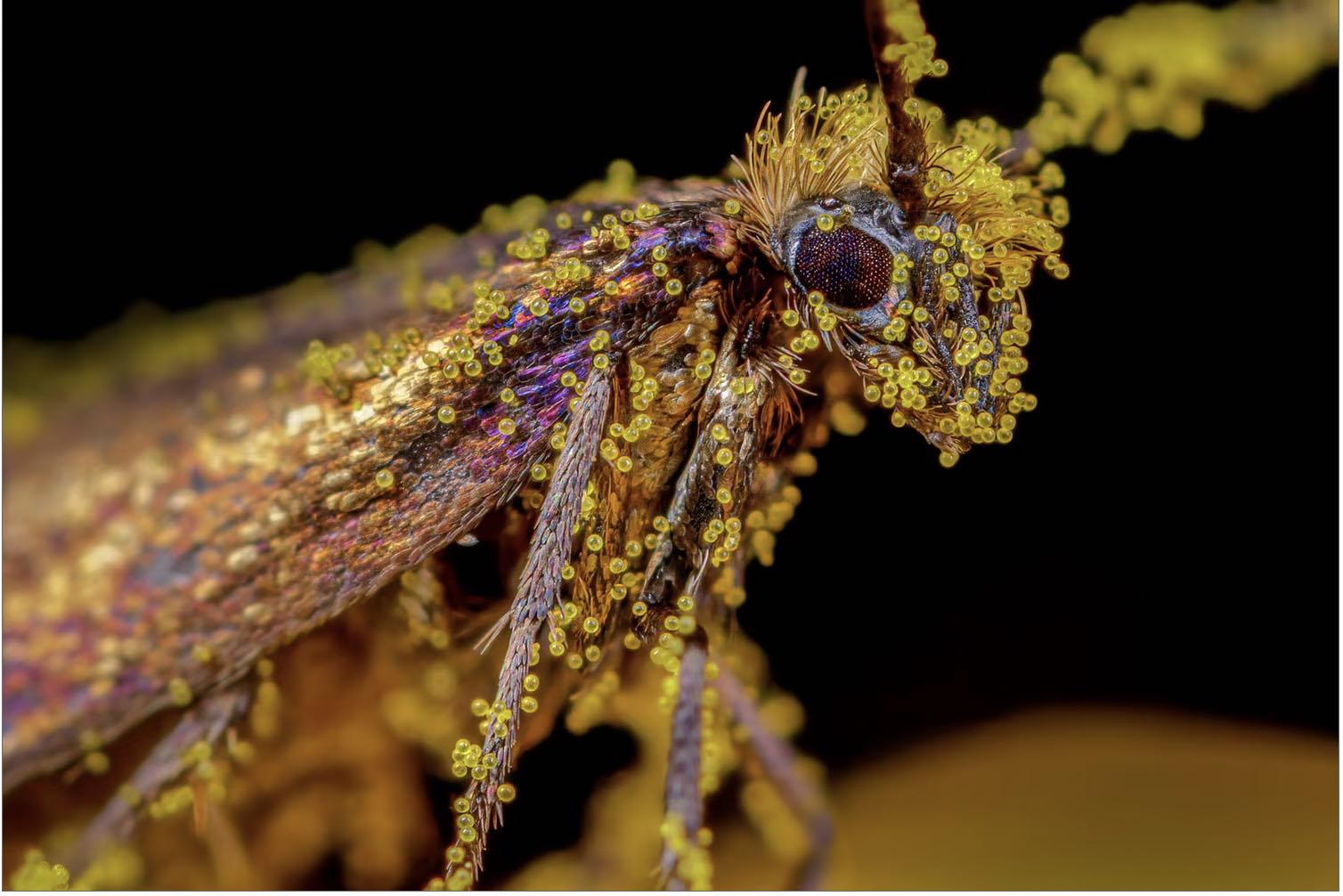
Pretty in Pollen. Small World runner-up. A micro-moth (Micropterix calthella) is covered in golden balls of pollen from a creeping buttercup flower found in Mutter’s Moor near Sidmouth, Devon, United Kingdom. # © Tim Crabb / Nature TTL

See all of them here.

Wild Celery Grass & Cleaner Waterways

Camden Mayor Vic Carstarphen hands a flat of wild celery to an EPA diver for transplant. KATHERINE RAPIN

Thanks to Katherine Rapin and Yale e360:

River Cleanups Move to the Next Level Using Grasses and Oysters

In the Delaware River and other waterways and estuaries across the United States, scientists and conservationists are restoring aquatic vegetation and beds of mussels and oysters to fight pollution and create a strong foundation for healthy ecosystems.

On a recent summer morning near Camden, New Jersey, two divers from the U.S. Environmental Protection Agency hovered over a patch of sediment 10 feet below the surface of the Delaware River. Continue reading
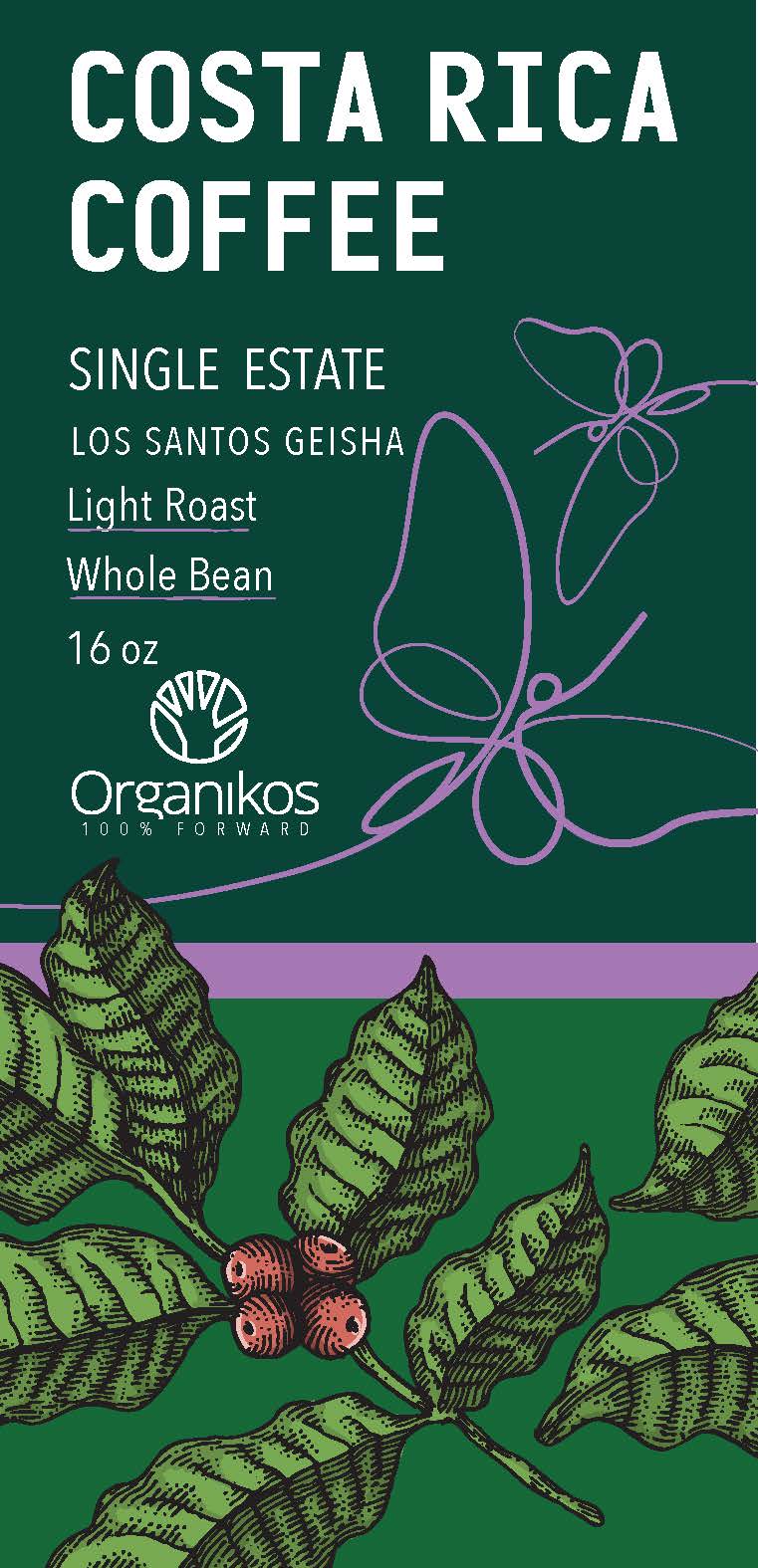
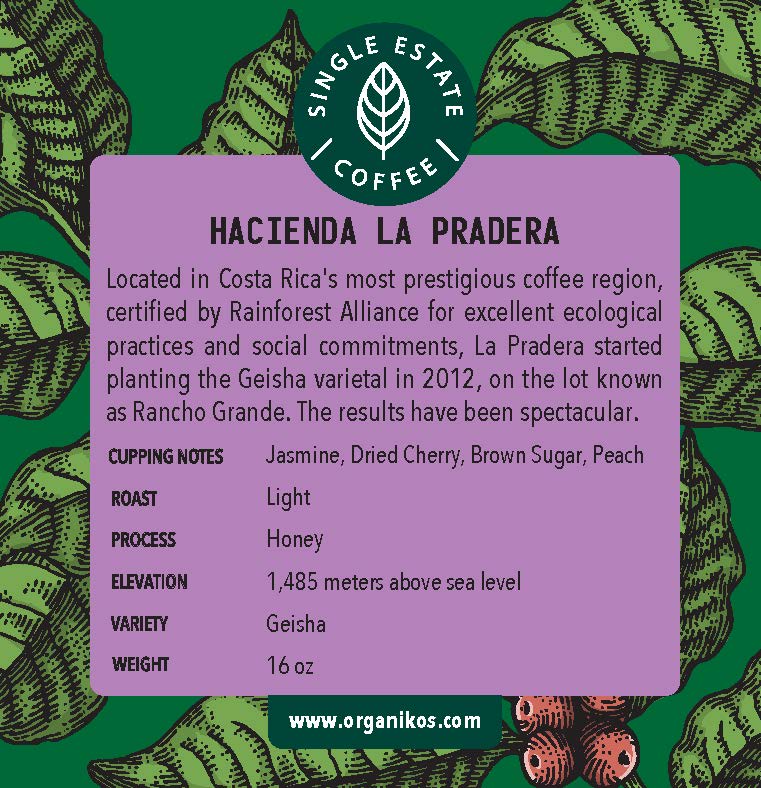
Hacienda La Pradera, Geisha Part 3/3

The estate is beautiful but that cannot explain the quality of the coffee the way that the African beds, the drying, and the sorting can.

Combined with the concentration of sugars into the beans that results from the time on those raised beds, the way the drying takes place after the first wash is a key feature of the way these beans are processed.

Honey process, sometimes called “pulped natural,” leaves some of the fruit on the beans.

This sticky mucilage looks like honey, thus the name, and is removed during milling rather than being washed off as is typical of washed coffees. The result is greater complexity of flavor.

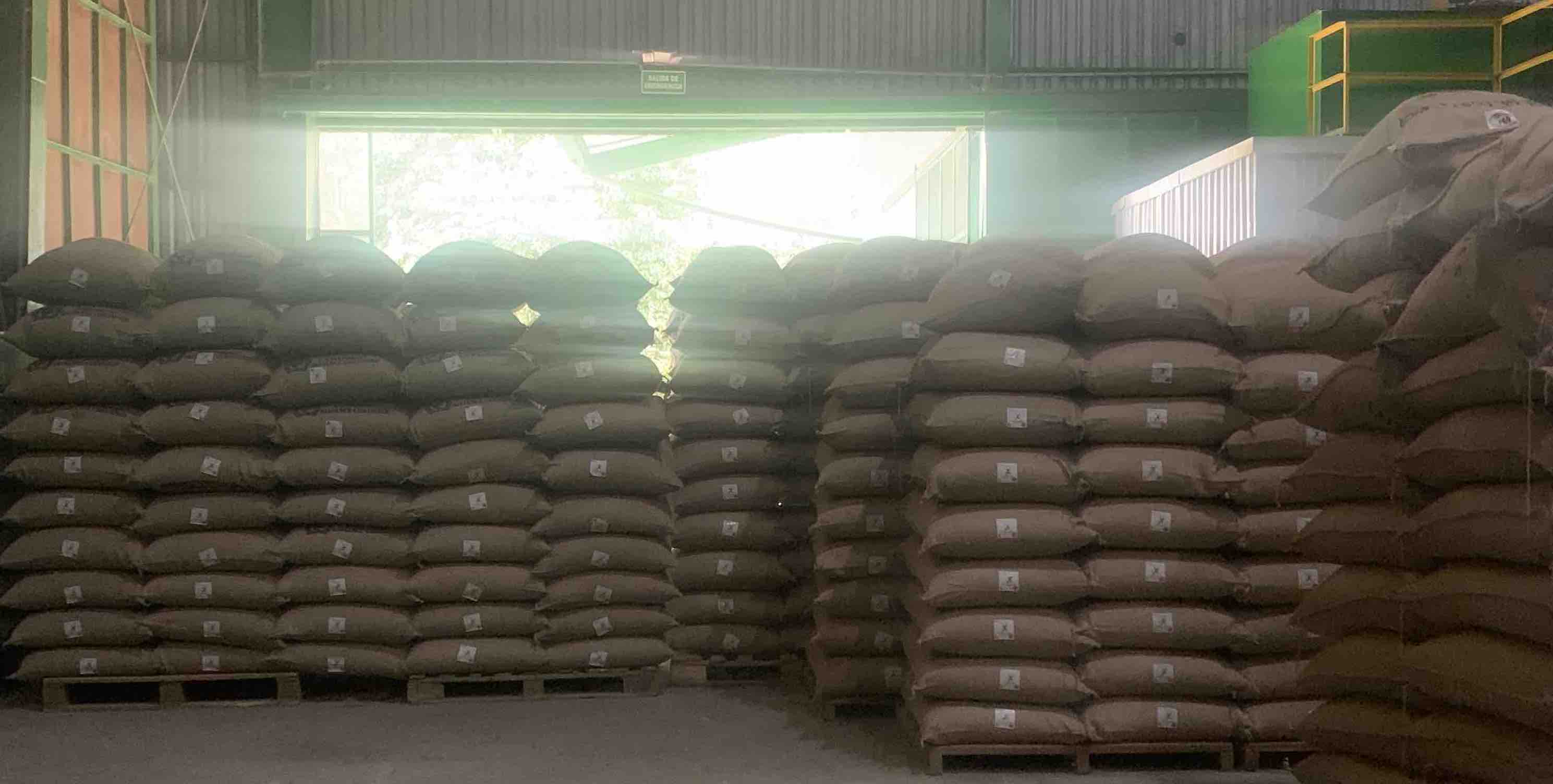
This is the only light roast coffee that we offer, due to that complexity. It is subtle, and the light roast allows that subtle flavor to be showcased; whereas a darker roast would hide that complexity. A final point about consistency: this beneficio employs dozens of sorters who do the final sorting of the best quality beans, work that is now done by sophisticated machinery in other beneficios. We have an agreement that next post-harvest we will come during this sorting process to film that work. Until then, we will enjoy this year’s harvest.

Hacienda La Pradera, Geisha Part 2

After the visit to Hacienda La Pradera we visited its equally important sister property down the road, the beneficio where all of La Minita’s coffees are processed after harvest. The buildings and their equipment are not as charismatic as the coffee farms, but the quality of the coffee we procure depends as much on the beneficio as the farms.

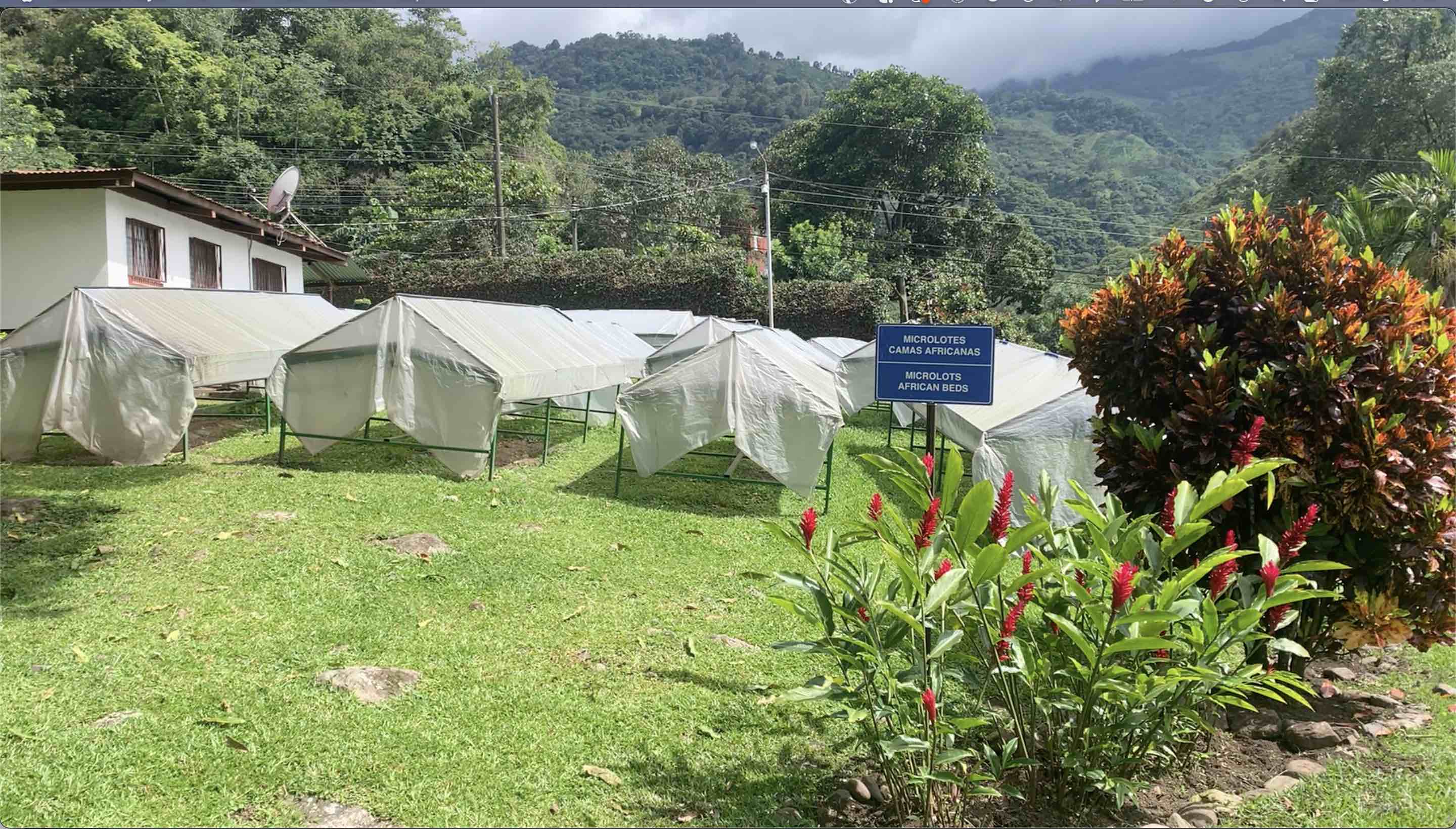
It starts with the African beds where the freshly picked coffee cherries are placed immediately after harvest. The sun “naturally” does the work that traditionally was done with water in the Costa Rica “washed”  process to get the skin, the fruit and other elements of the cherries removed to reveal the beans. Not only is this a more efficient use of natural resources–it also imparts more flavor into the beans as the sun dehydrates the juices surrounding the beans, and sugars of those concentrating juices absorb into the beans. After the drying on those beds the real work begins for the people who operate the equipment inside two buildings.

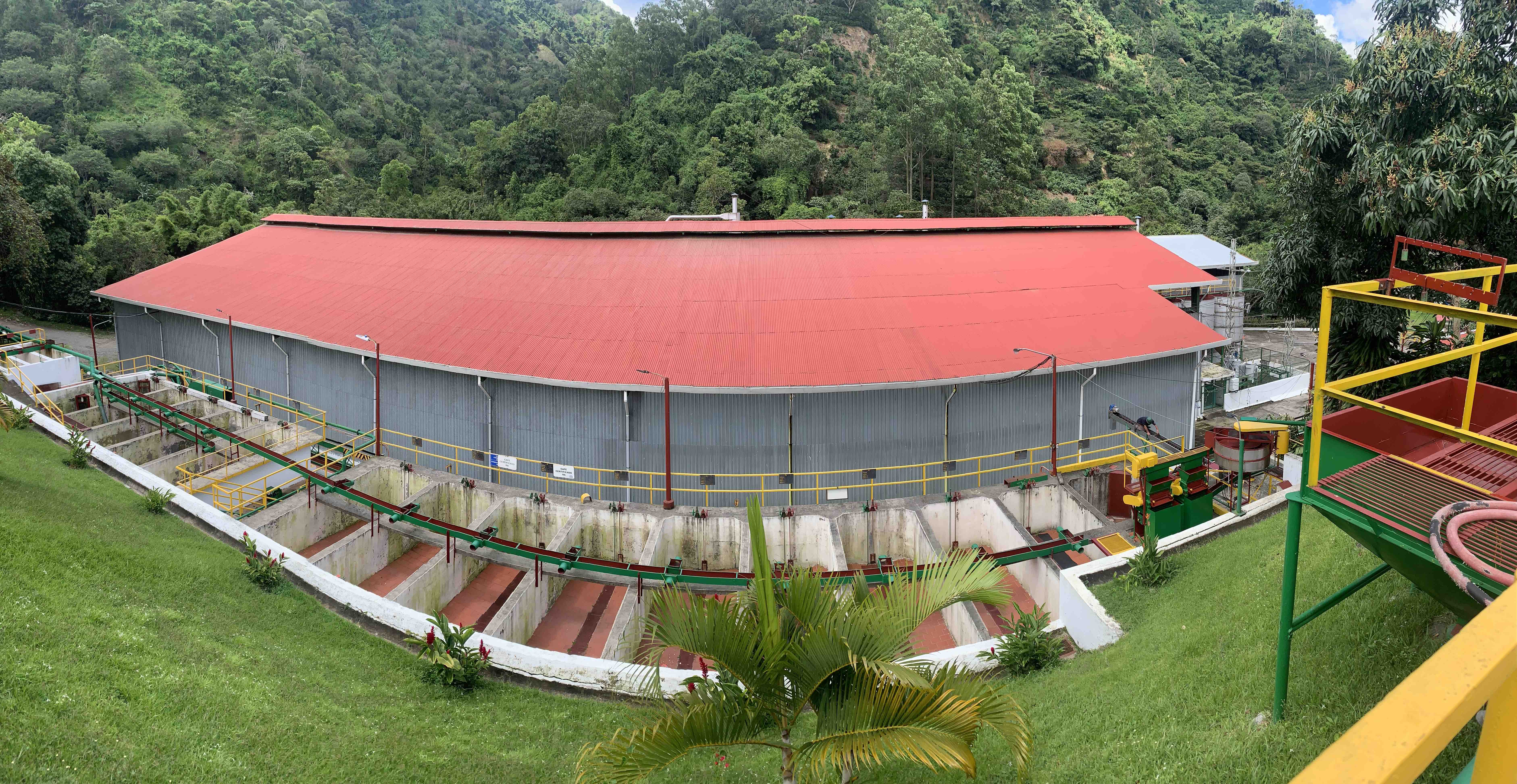
The building in the photo to the right is where all those beans land after being sorted for quality. Water is still important, even though much less is used in the natural method, to clean the beans of residuals from the fruit and skin. In the foreground of the building above you can see the washing tanks that all beans pass through.

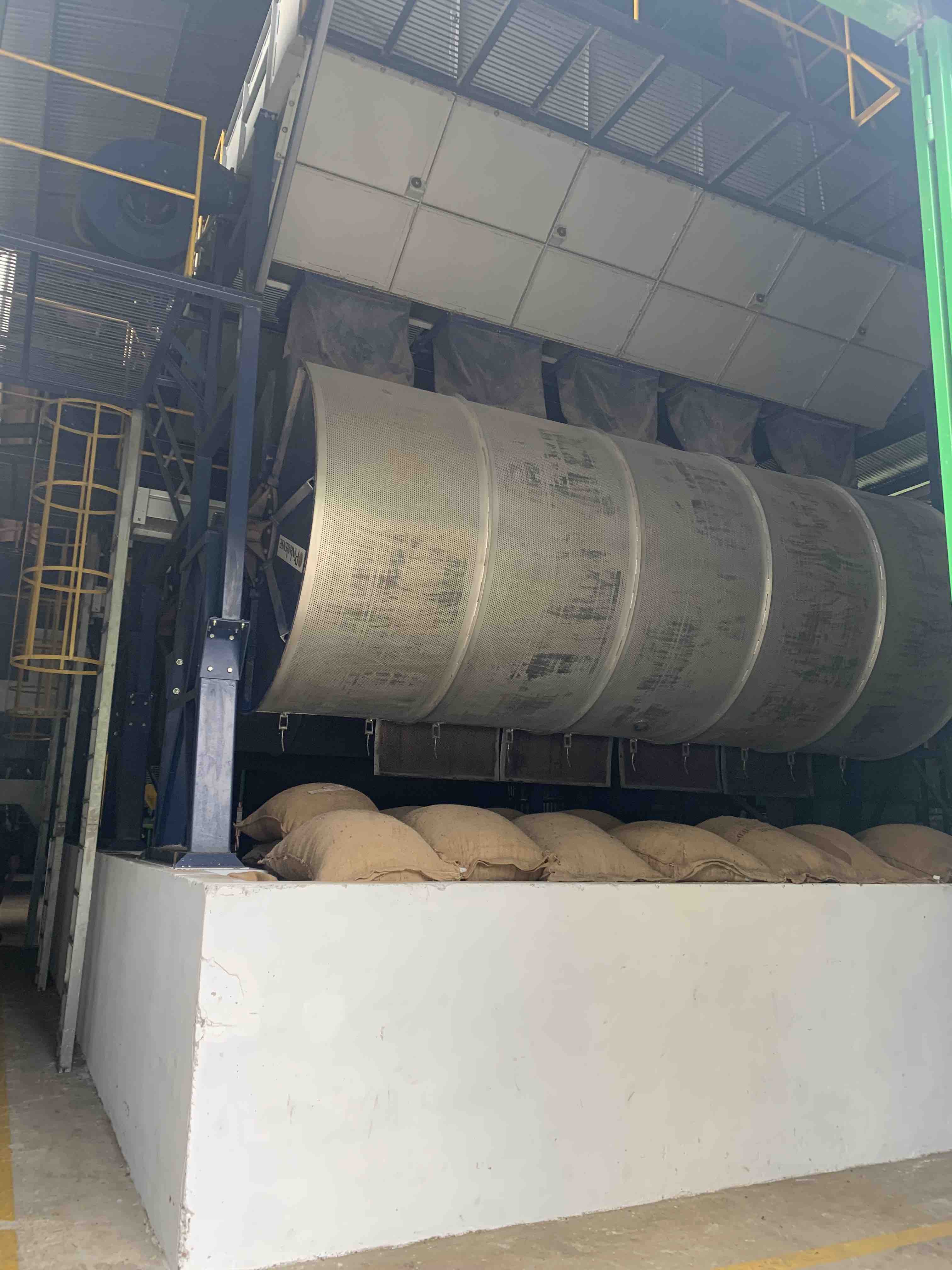
Inside the building are drying machines that get the beans to an ideal level of humidity before a final sorting prior to packing.

In a final post on this process tomorrow, I will do my best to explain how the African beds, the drying, and the sorting are so important to the exceptional coffees we receive.

Hacienda La Pradera, Geisha Part 1

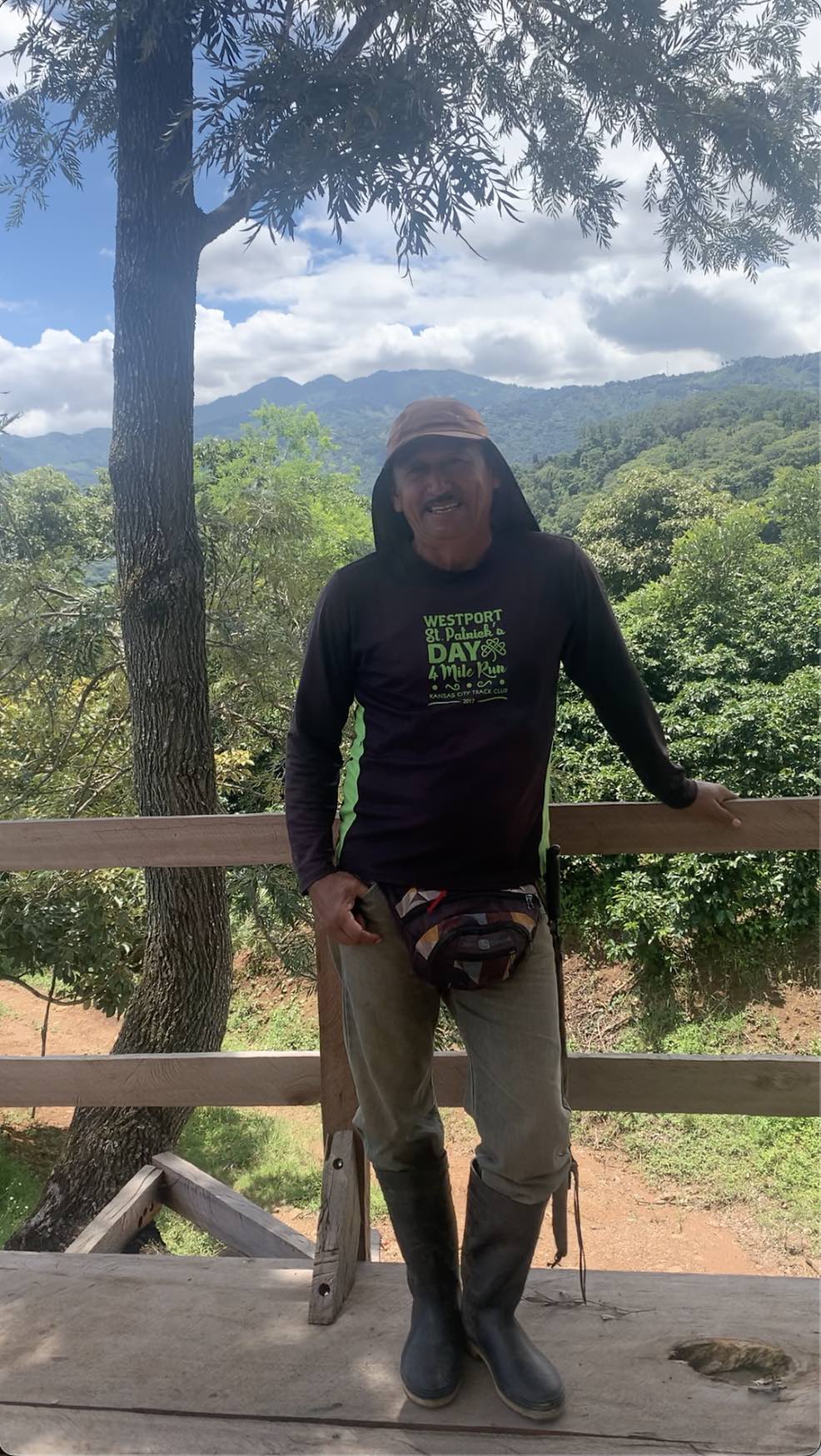
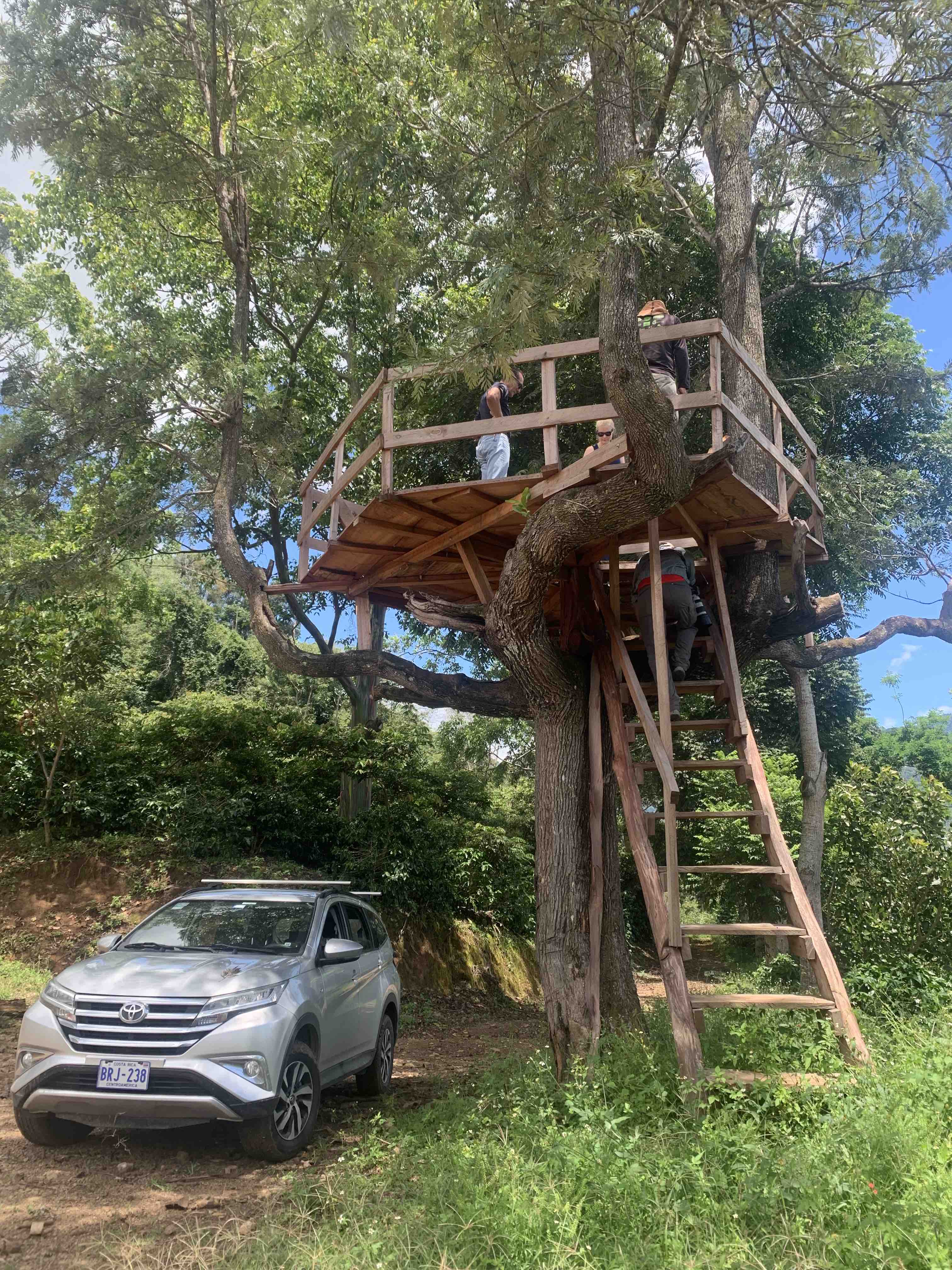
I have sampled coffees from La Minita from time to time over the last two decades, and have always been impressed by their quality. Because of that consistency we recently started offering their geisha varietal from Hacienda La Pradera at our shops in Costa Rica and also for delivery in the USA. Last week I finally had the opportunity to see first hand how and why that quality is so consistent. One reason is Pedro, pictured above while we were standing on the lookout over the farm lands he is in charge of.

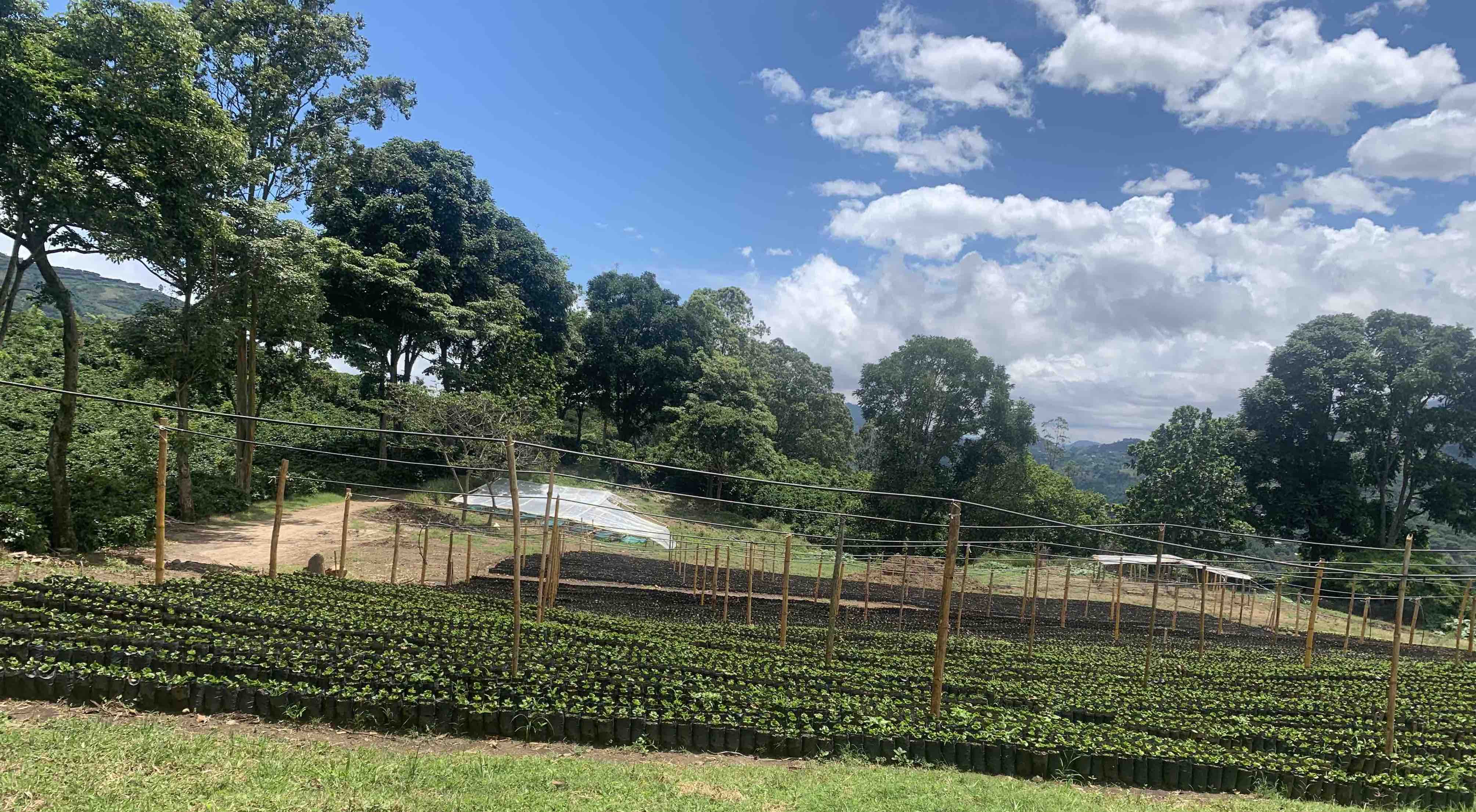
From that perch we surveyed the various plots, including the nursery (about 8,200 seedlings in the image below) as well as the several arabica varietals he has been growing on the 181 hectares of land.

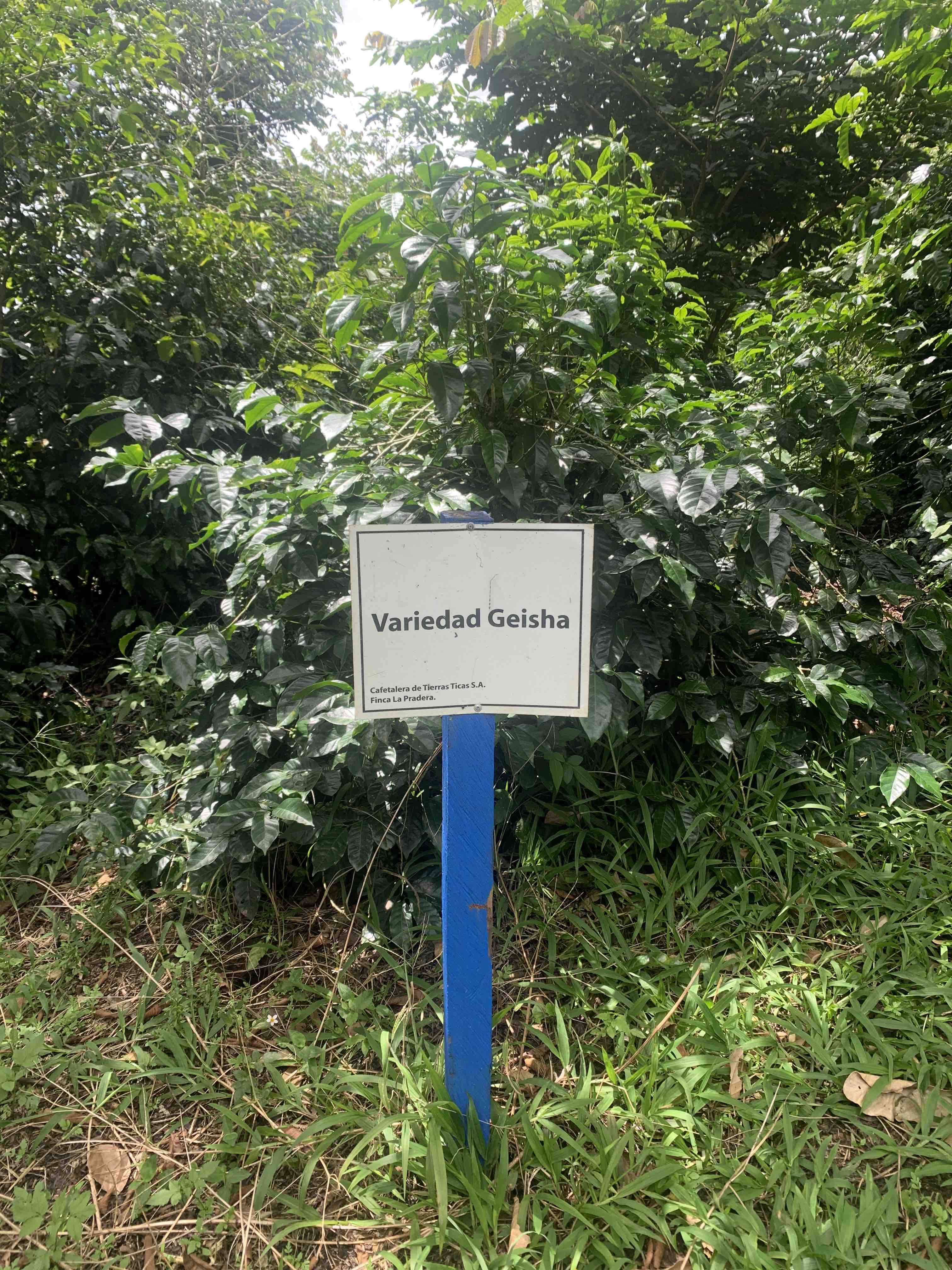
Geisha is special for reasons I noted last year when introducing beans from another estate. Those beans were excellent, these are exceptional. Stay tuned. Tomorrow I will explain why.