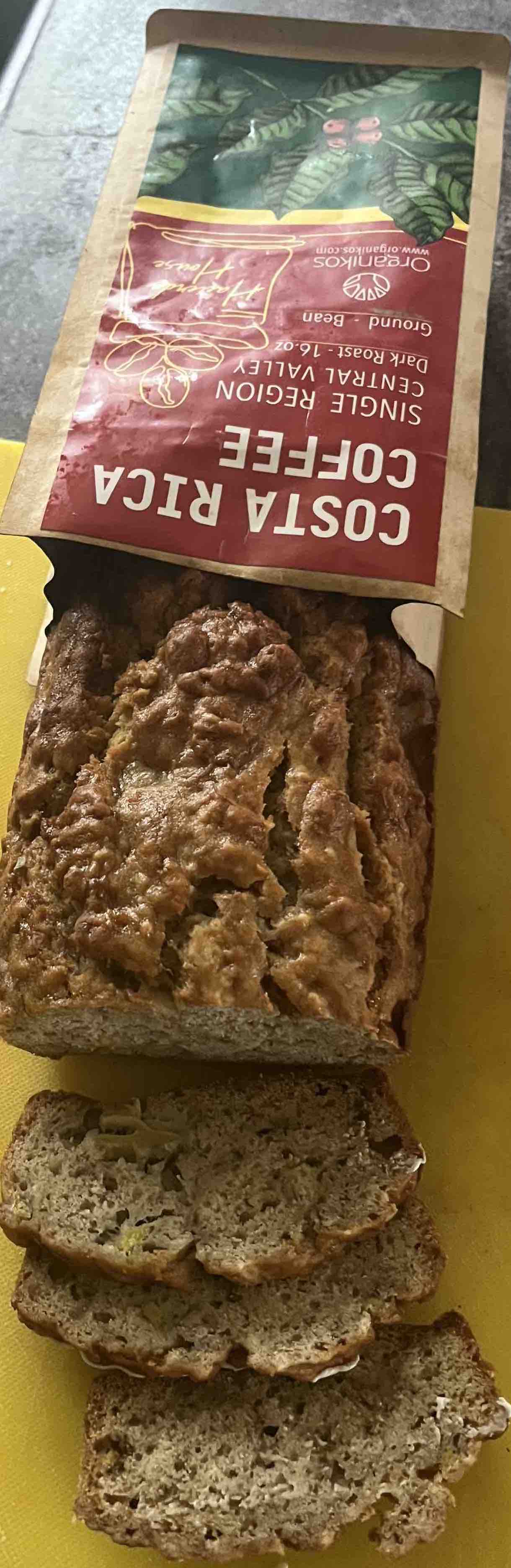
More ways to re-use coffee bags
We have changed our coffee labels, but continue to use kraft bags, and continue to find ways to re-use those with the old style labels. Above, and below, case in point. Continue reading
More ways to re-use coffee bags
We have changed our coffee labels, but continue to use kraft bags, and continue to find ways to re-use those with the old style labels. Above, and below, case in point. Continue reading

Amistad label circa 2019
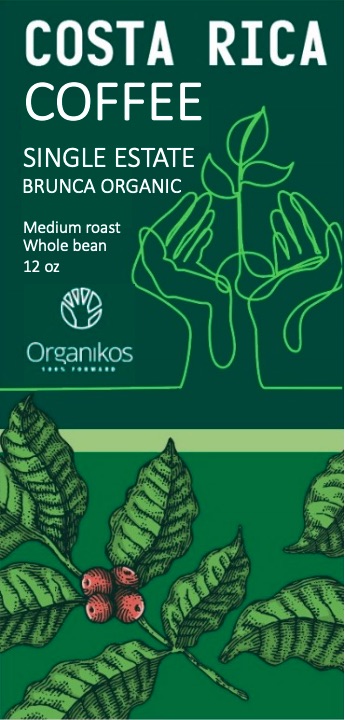
Amistad label 2020-2023
We have been offering this Hacienda La Amistad coffee since 2019. The original label, seen in the photo above, was one we thought perfect for its simplicity.
During the pandemic, with time on our hands, we redesigned all of our labels and came up with this label to the left. It served us well over the last few years, as we expanded from selling only in the Authentica shops in Costa Rica to also roasting and selling in the USA.
Starting in early 2024 we began rethinking all of our coffee labels. We approached the task region by region, with the blends and the single estates following a common design style. We saved this coffee for last, for no particular reason, but yesterday the rainbow over the farm was our signal that it was time to release the new label:
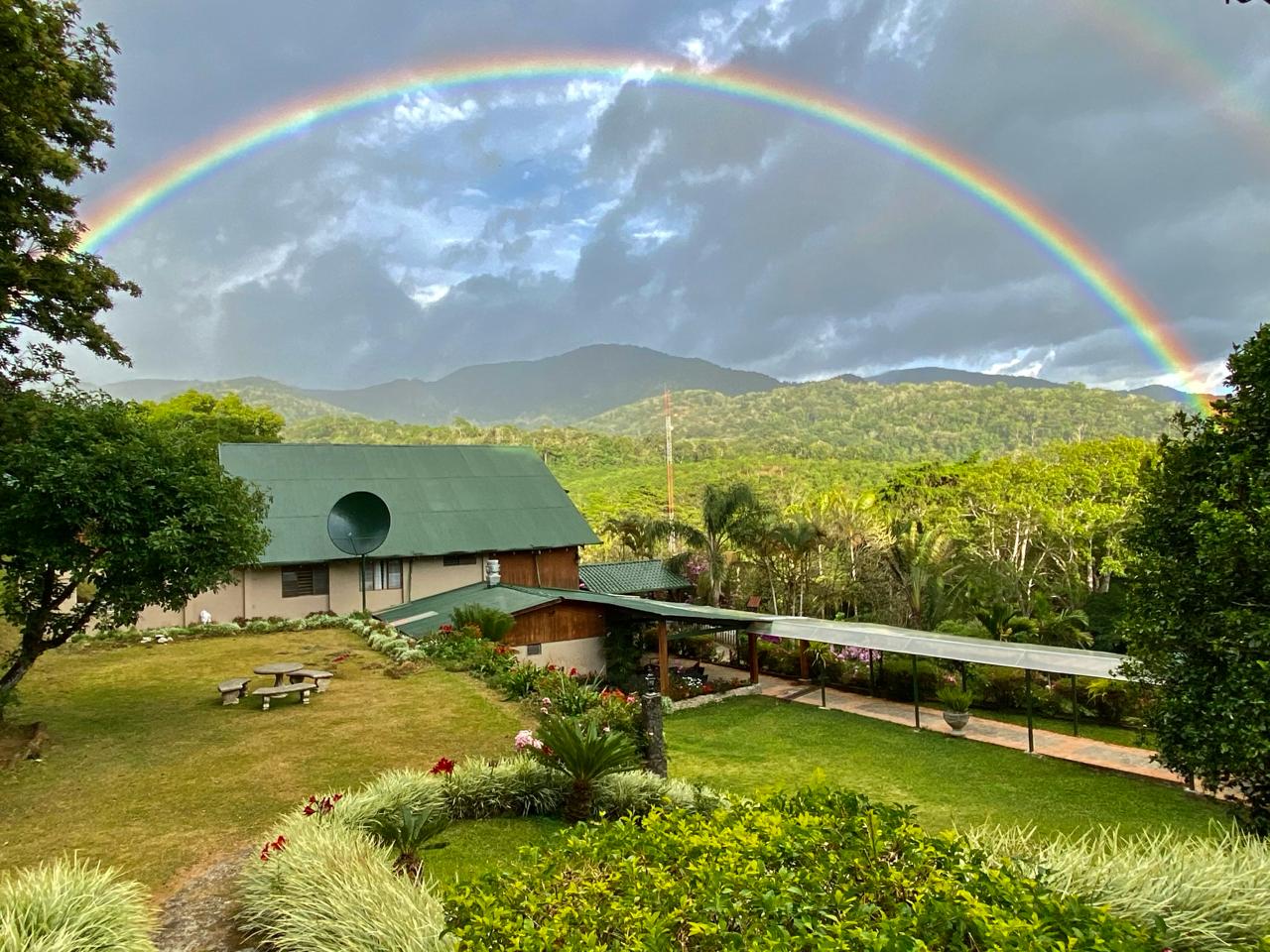
Hacienda La Amistad March 10, 2024
Thank you to the farm for the inspiration:

Amistad label, 2024
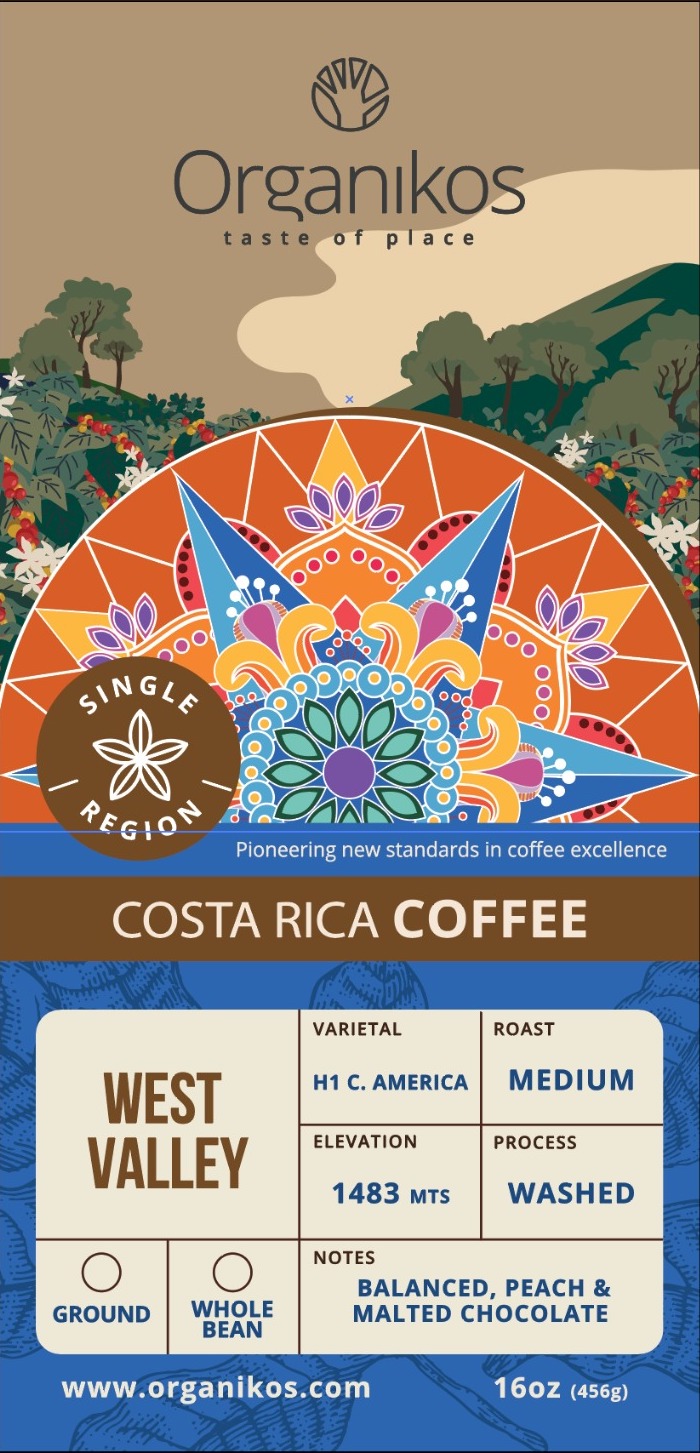 Historically the West Valley region of coffee farms were different from other coffee-growing regions of Costa Rica. One of the hallmarks of this country’s coffee farming culture has been the regional cooperative into which virtually all top quality beans get sold to. West Valley also had its own cooperative, but not the type of solidarity typical of Tarrazu.
That has changed recently, as a new generation of farmers have taken over the family enterprise, many educated now not only in agronomy but also entrepreneurship. They see that innovative practices–crop yield and quality improvements–can be advanced in conjunction with those who are otherwise competitors. West Valley farmers learned this and practice it, now making some of the best coffee on hand.
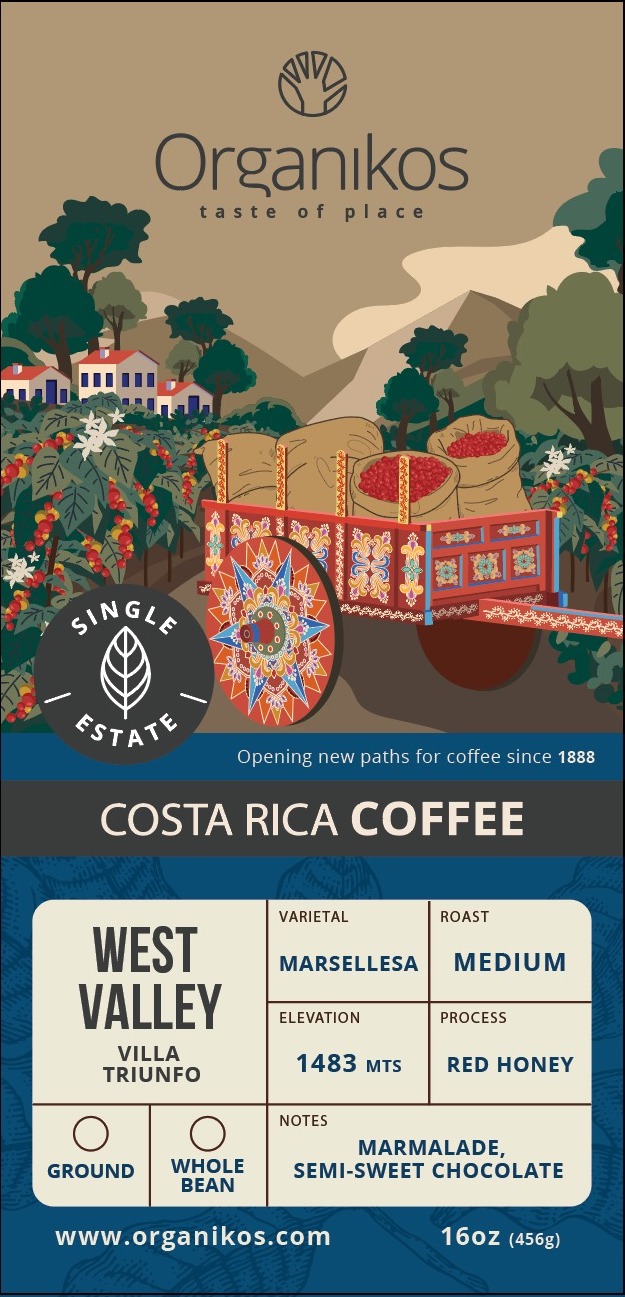 We have shared a few posts in these pages mentioning Villa Triunfo, but now we have designed a new label for it. So, time to celebrate that. What is most important to us about the farm is that it is one of the oldest continuously operating coffee farms in Costa Rica, since its first plantings in the late 1800s.
That, and the fact that today it is also one of the more innovative in terms of pioneering hybrids that help the coffee stay fit in the context of climate change and the various challenges (such as the uniquely problematic mold that is called rust). It is the end of harvest season, when coffees in the West Valley are being processed. The red honey process used for this coffee allows all the sugars from the juicy fruit to absorb into the beans. We look forward to cupping it soon.
 Central Valley coffee farms produce reliably high quality beans. A few farms produce beans of unusual quality, and we source from these farms to create a blend worthy of the name Reserve. Unlike the chocolate notes typical of a Los Santos coffee, or more fruity or floral notes from other regions, here we find a special toasted nut sensation.
The “architecture of coffee heritage” caption for the image on this label refers to the fact that this building from the 1990s pays tribute to the history of coffee in Costa Rica. It was built within a coffee hacienda, and this year thousands of coffee plants are being replanted on the property. If you have an interest in the feeling of a coffee plantation, and plan to visit Costa Rica, you could not do better than spend a few days here.
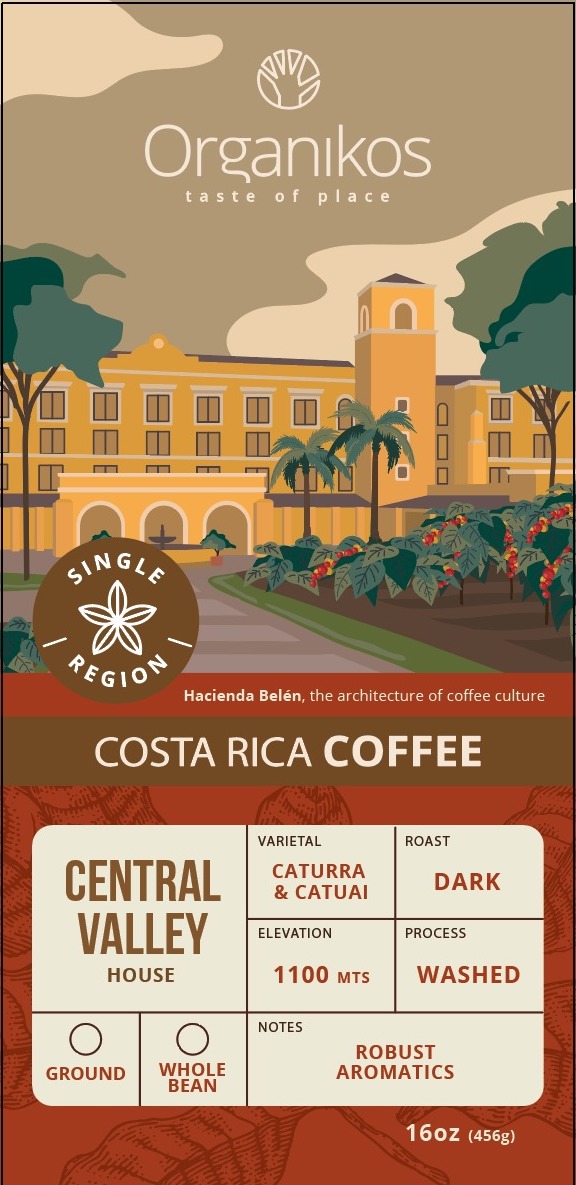 The same principles in the description of Italian roast apply in moderation to this dark roast of beans from the Central Valley. This region has not racked up prizes in competitions the way Los Santos coffees have. You might characterize it the way a work horse is different from a race horse. High utility; gets the job done with strength and consistency.
That metaphor has its limits but works for the same reason we call this our house coffee. For those who want to start the day with the energy that coffee offers and the strength of character that a dark roast provides, this is a reliable choice. The illustration on the label is of one of the first two locations where we set up shop when Organikos was being introduced through the Authentica shops.
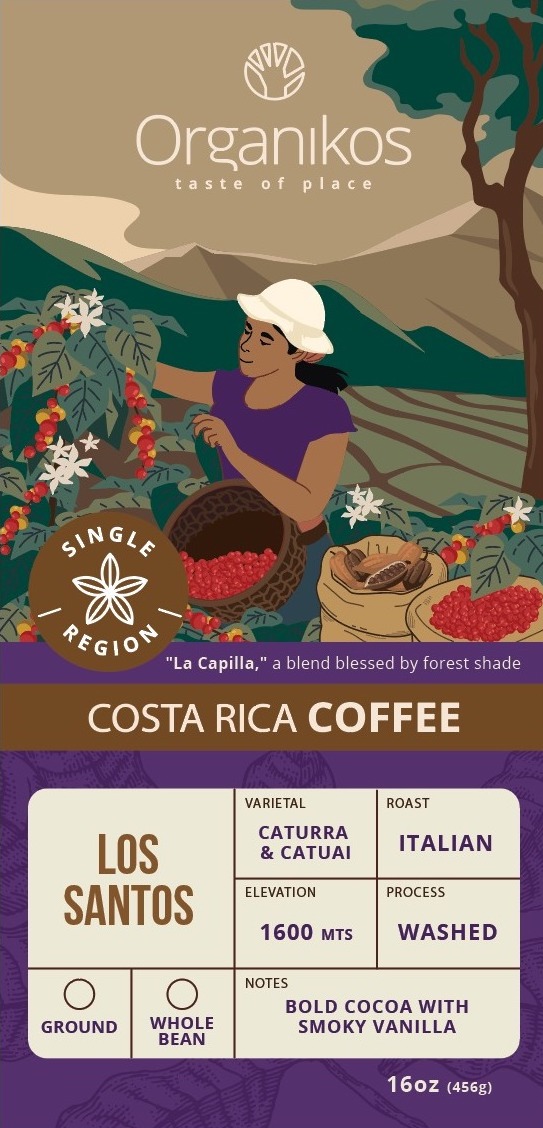 We offer La Capilla roasted at a higher temperature, around 480°F, and for 5–10 minutes longer than the medium roast. When roasted to the Italian level these beans arrive at a much darker brown color, closer to black, covered in oils released from the high temperature and length of exposure to that heat. It has a lower acidity level, leading to a boldness that is not the characteristic of the same beans roasted medium, which have a mellower mouthfeel.
Roasted hotter and longer also creates a slight smokiness, with notes of chocolate and a particular type of sweetness from the beans’ internal sugars being caramelized. Something about this combination, we have found, either you love, or you do not love. If you do, this is your coffee. If not, go medium.
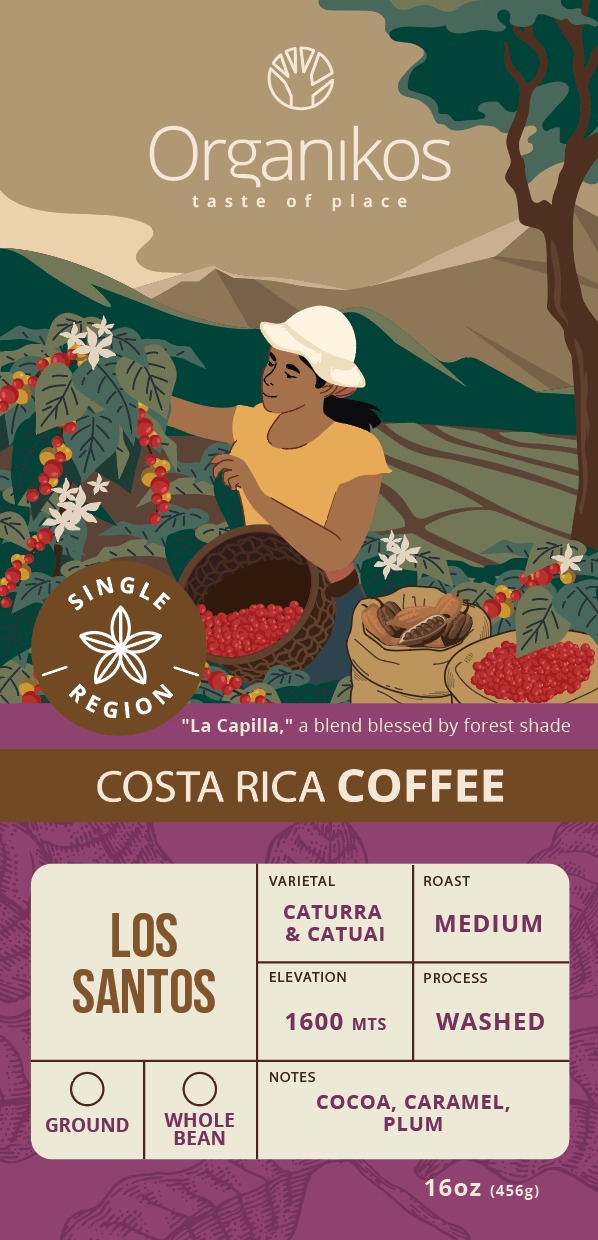 These beans, blended from a select group of smallholder coffee farms collectively known as “the chapel,” have a new illustration. This week it debuts in our shops in Costa Rica. A year after we introduced this coffee in our shops we could only guess it was to become the bestseller it now is.
During the pandemic, when the airports were shut down and there were few visitors to our shops, honoring the contracts we had with these farmers got us thinking creatively. We started offering this and a few other of our coffees for sale in the USA. Because it was a favorite in our home, La Capilla was chosen for this plum assignment. Then we knew.
Tarrazu started its qualification for denomination of origin status the same year we started roasting it, and qualified two years later. The rules are still being clarified on how to use the name, so on our labels we have reverted to the region’s traditional name Los Santos.
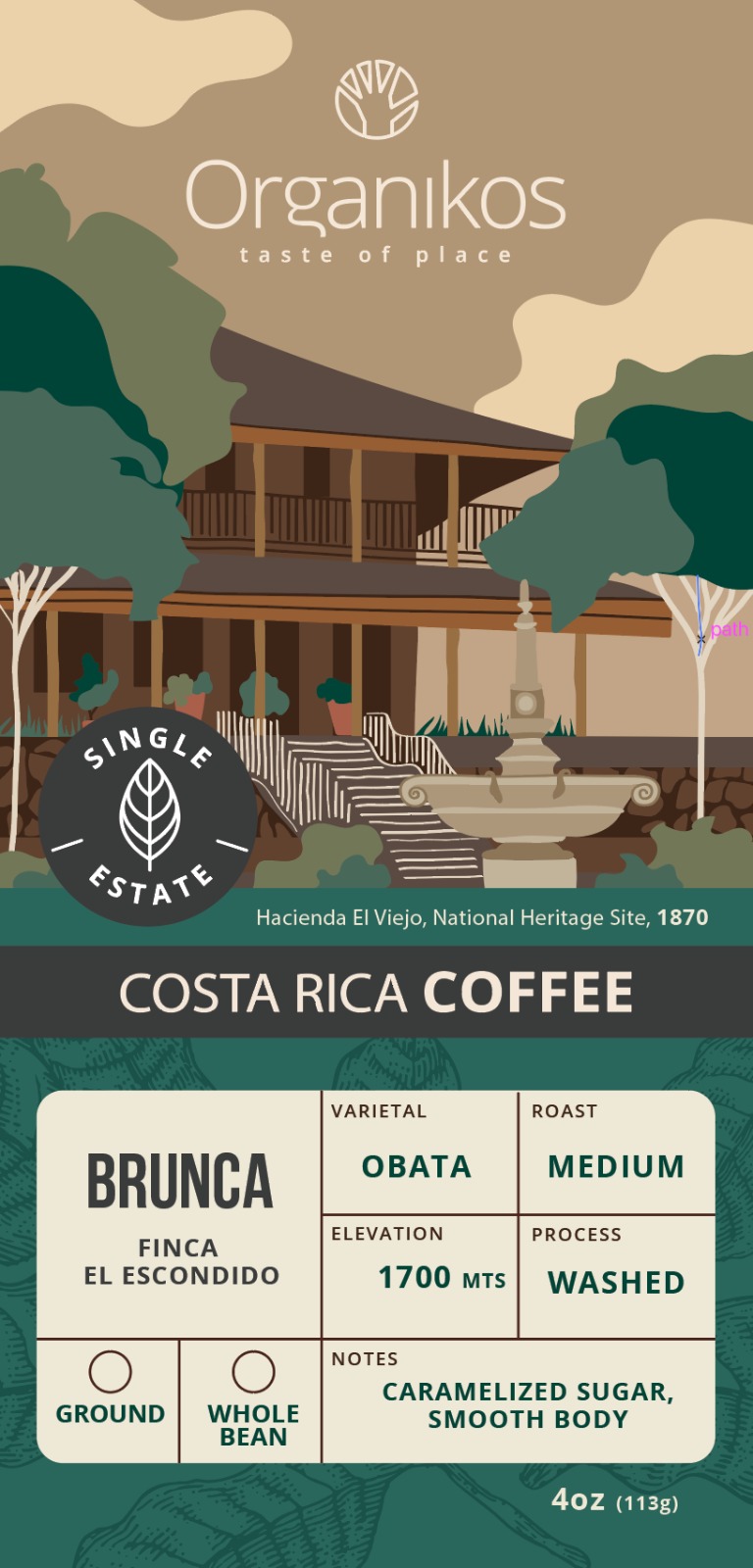 The last time we introduced a varietal of coffee that was new to Organikos it had taken about a year to settle on the farm we would source from for the longer term. For the geisha varietal that farm is Hacienda La Pradera. During the last two years offering their coffee we have underestimated the demand and run out of coffee long before the new harvest is available. So, as of now, we have no geisha to offer until April.
But as of this week, we have a new (to us) varietal, from a new (to us) farm. Obata is a hybrid brought to Costa Rica in 2014 by the Costa Rican Coffee Institute (ICAFE), prized for its resistance to rust. Finca El Escondido, in the Chirripo sub-region of Brunca may be the most successful farm to grow it so far. Continue reading
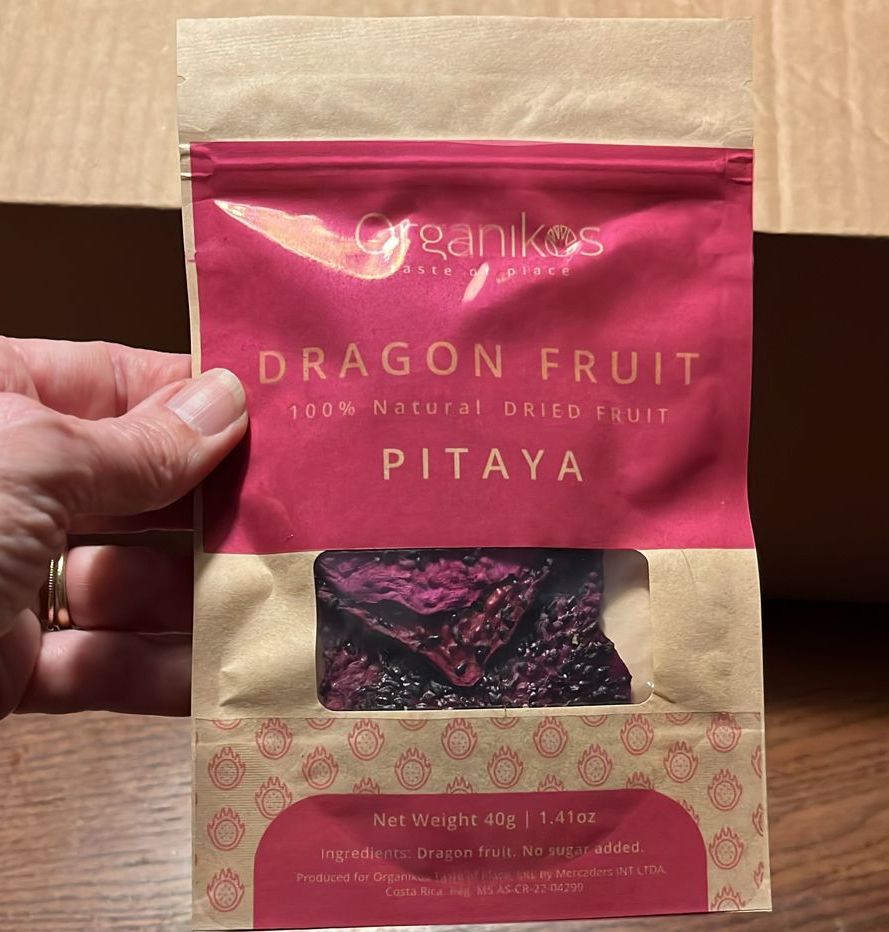
It started with the dehydrated Pitaya. I was sent a sample. I did not open it for many days because the last time a food artisan tried making something from this fruit I did not like it. Love the fruit, did not love that attempt at hot sauce. The man who sent me the sample called me to ask how I liked what he sent, and because the sample was sitting right next to me I opened it and tried it. Oh. My.

Then I opened the pineapple. Oh my, again.
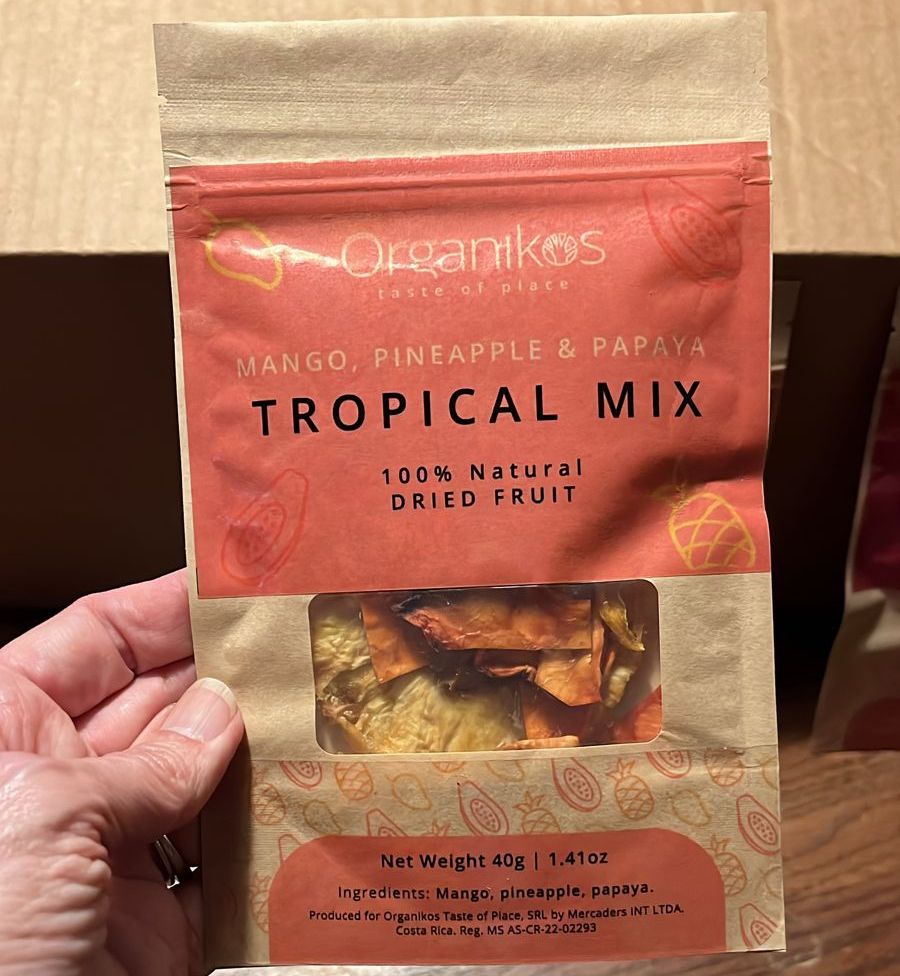
And then the mix of mango, pineapple and papaya, the latter of which is difficult to dehydrate without making tough to chew. Again, oh my.
So now all three are in our packaging, and going in the Authentica shops today.
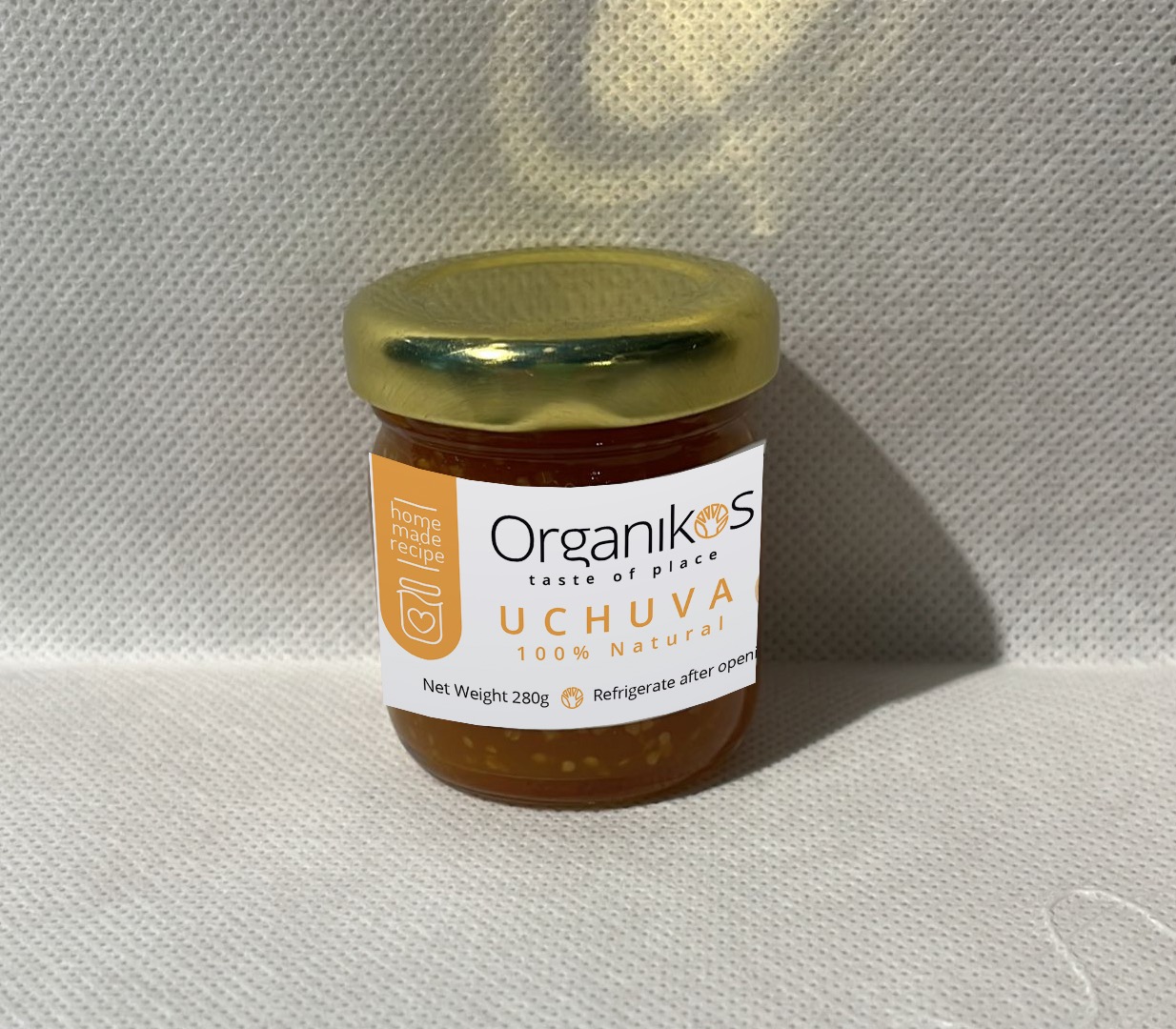
Mini-jar goldenberry jam
Organikos has focused on coffee varietals, an iconic taste of place product, until now. In addition to supporting farmers all over the country, the sale of these coffees allow travelers to continue tasting Costa Rica once they are back home. We are close to introducing a new line of jams and marmalades using fruits from local farms and typical of what you will find in Costa Rica’s farmer’s markets. Same goal.

After the opening years helped us strengthen our resolve, 2022 was the year we expanded Authentica beyond the first two locations. I will feature images of the new shop, in Manuel Antonio, in a later post. For now, just a look at the signage art in front of the new shop.
 I will not blame Ruby Tandoh for the link to the predatory bookseller in her essay; the magazine she writes for is responsible. Instead, I will just put a better link from the book image on the left to where you might purchase it. Bringing our attention to the book is enough of a good deed to overlook that link. Especially as I work on finding new ways to fix nitrogen in the soil we are prepping for coffee planting:
The Possibilities of the Peanut
I’ve made salads of peanut with watermelon and sumac, fries dunked in garlic-scented satay sauce, and more variations on my aunt’s Ghanaian groundnut stew than I can remember.
Illustration by Sophia Pappas
It would be hard to find a more devoted champion of the peanut than the agricultural scientist George Washington Carver. Born into slavery in Missouri around 1864, Carver studied at Iowa State University and then taught at the Tuskegee Institute, where he would spend much of the rest of his life learning to repair the environmental damage wrought by intensive cotton farming. Continue reading
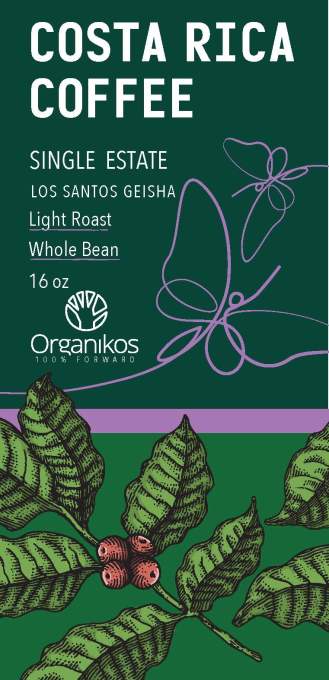 The estate is beautiful but that cannot explain the quality of the coffee the way that the African beds, the drying, and the sorting can.
Combined with the concentration of sugars into the beans that results from the time on those raised beds, the way the drying takes place after the first wash is a key feature of the way these beans are processed.
Honey process, sometimes called “pulped natural,” leaves some of the fruit on the beans.
This sticky mucilage looks like honey, thus the name, and is removed during milling rather than being washed off as is typical of washed coffees. The result is greater complexity of flavor.
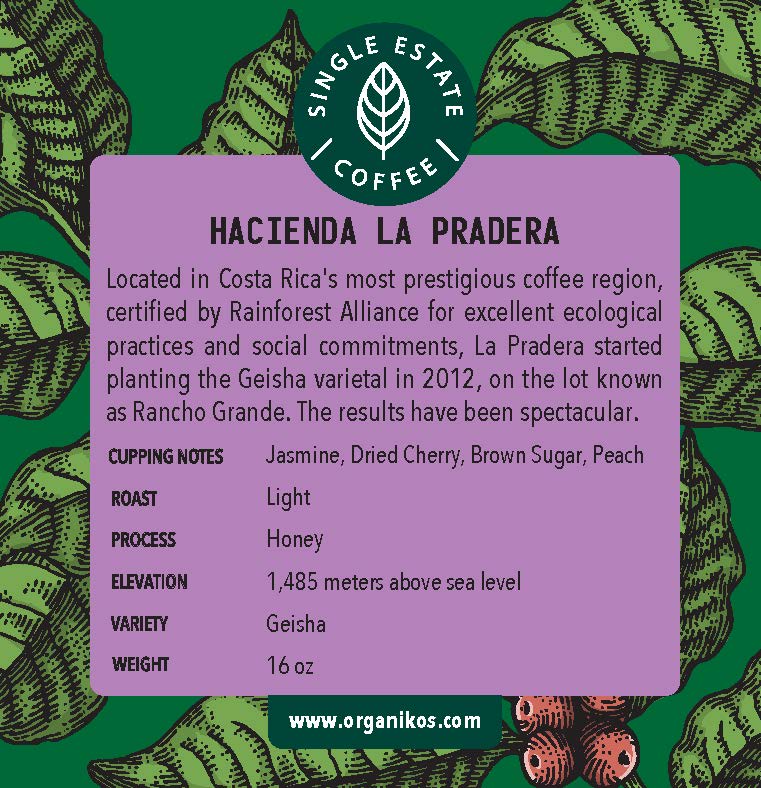 This is the only light roast coffee that we offer, due to that complexity. It is subtle, and the light roast allows that subtle flavor to be showcased; whereas a darker roast would hide that complexity. A final point about consistency: this beneficio employs dozens of sorters who do the final sorting of the best quality beans, work that is now done by sophisticated machinery in other beneficios. We have an agreement that next post-harvest we will come during this sorting process to film that work. Until then, we will enjoy this year’s harvest.
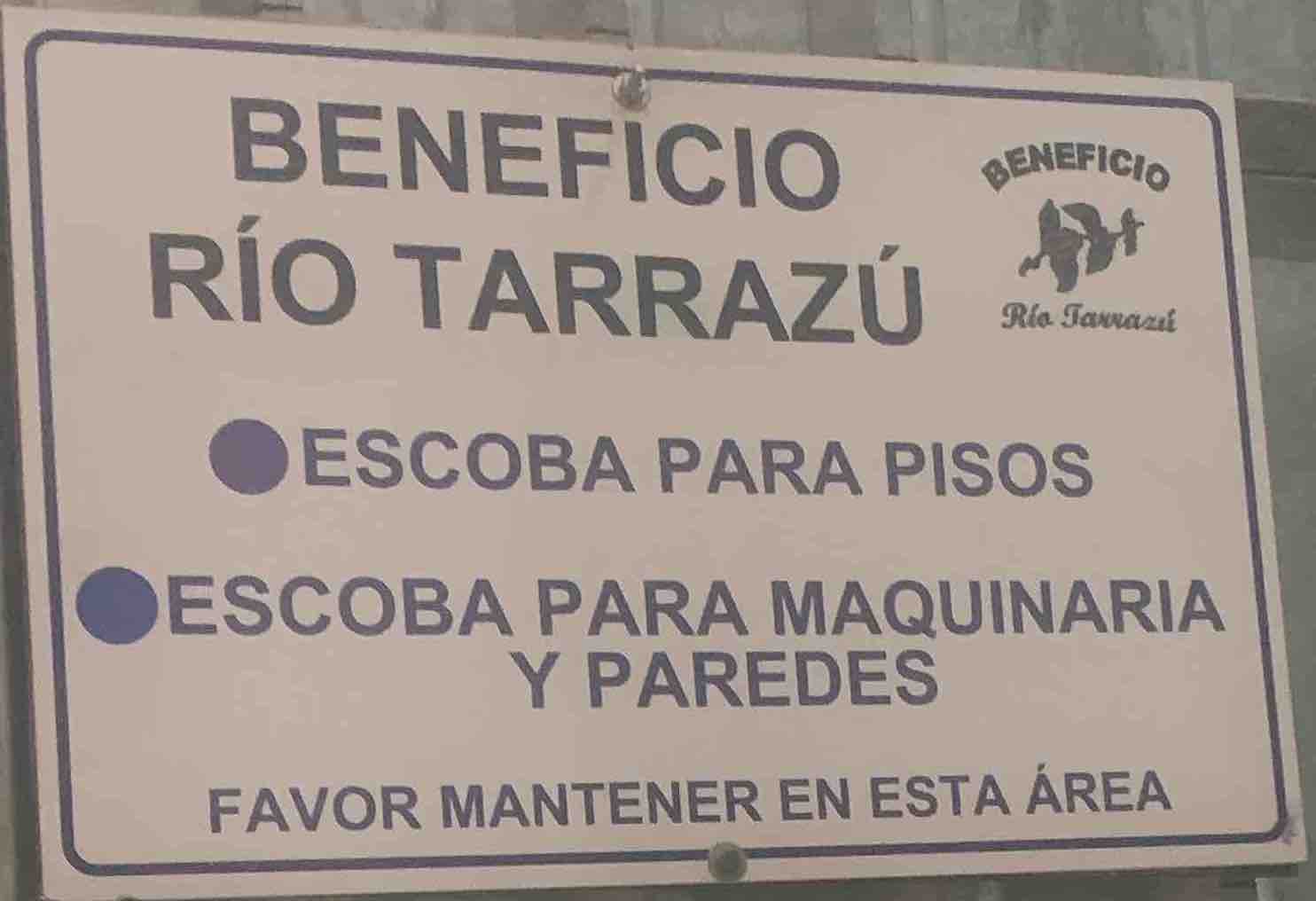 After the visit to Hacienda La Pradera we visited its equally important sister property down the road, the beneficio where all of La Minita’s coffees are processed after harvest. The buildings and their equipment are not as charismatic as the coffee farms, but the quality of the coffee we procure depends as much on the beneficio as the farms.
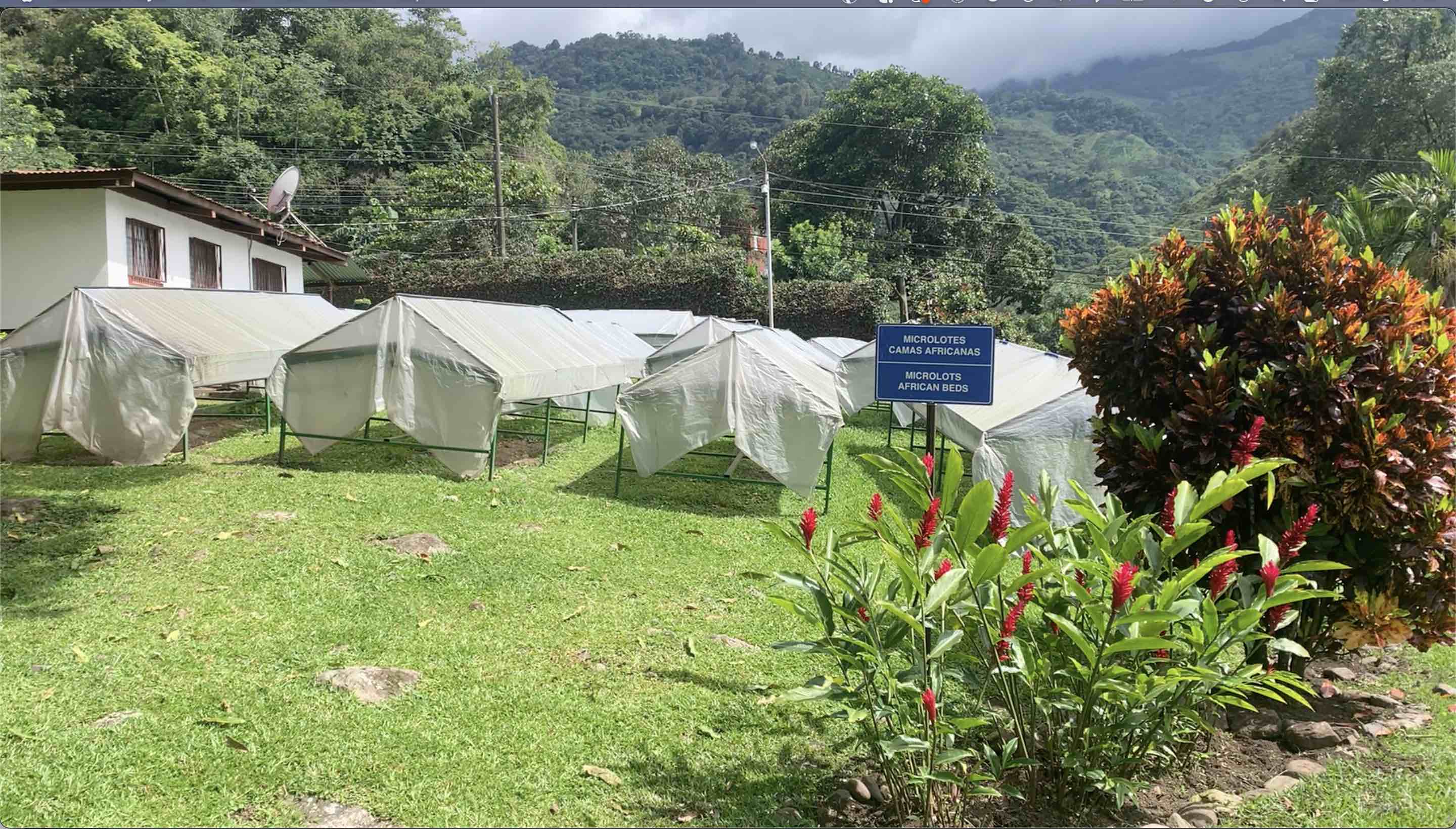
It starts with the African beds where the freshly picked coffee cherries are placed immediately after harvest. The sun “naturally” does the work that traditionally was done with water in the Costa Rica “washed” process to get the skin, the fruit and other elements of the cherries removed to reveal the beans. Not only is this a more efficient use of natural resources–it also imparts more flavor into the beans as the sun dehydrates the juices surrounding the beans, and sugars of those concentrating juices absorb into the beans. After the drying on those beds the real work begins for the people who operate the equipment inside two buildings.
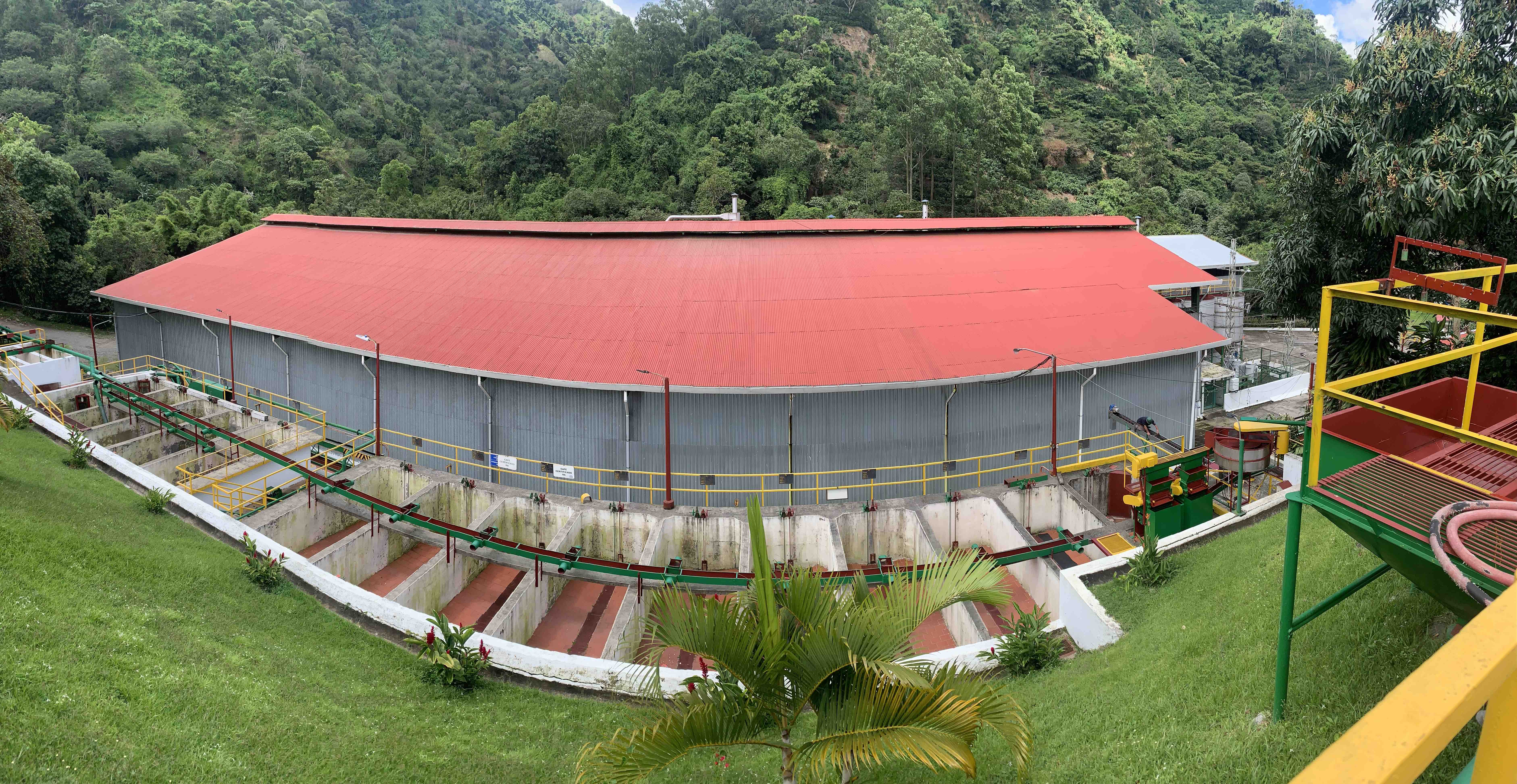
The building in the photo to the right is where all those beans land after being sorted for quality. Water is still important, even though much less is used in the natural method, to clean the beans of residuals from the fruit and skin. In the foreground of the building above you can see the washing tanks that all beans pass through.
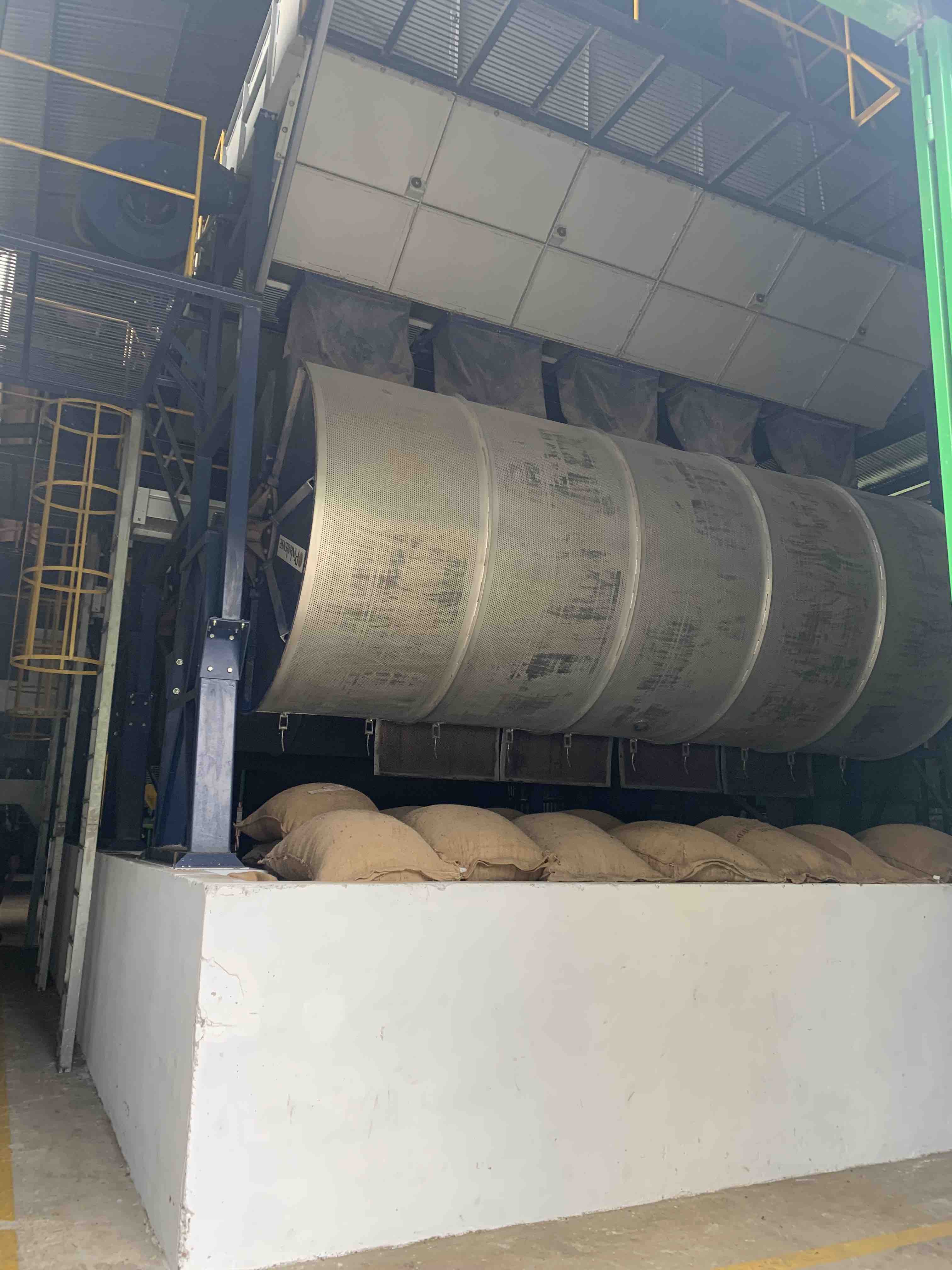
Inside the building are drying machines that get the beans to an ideal level of humidity before a final sorting prior to packing.
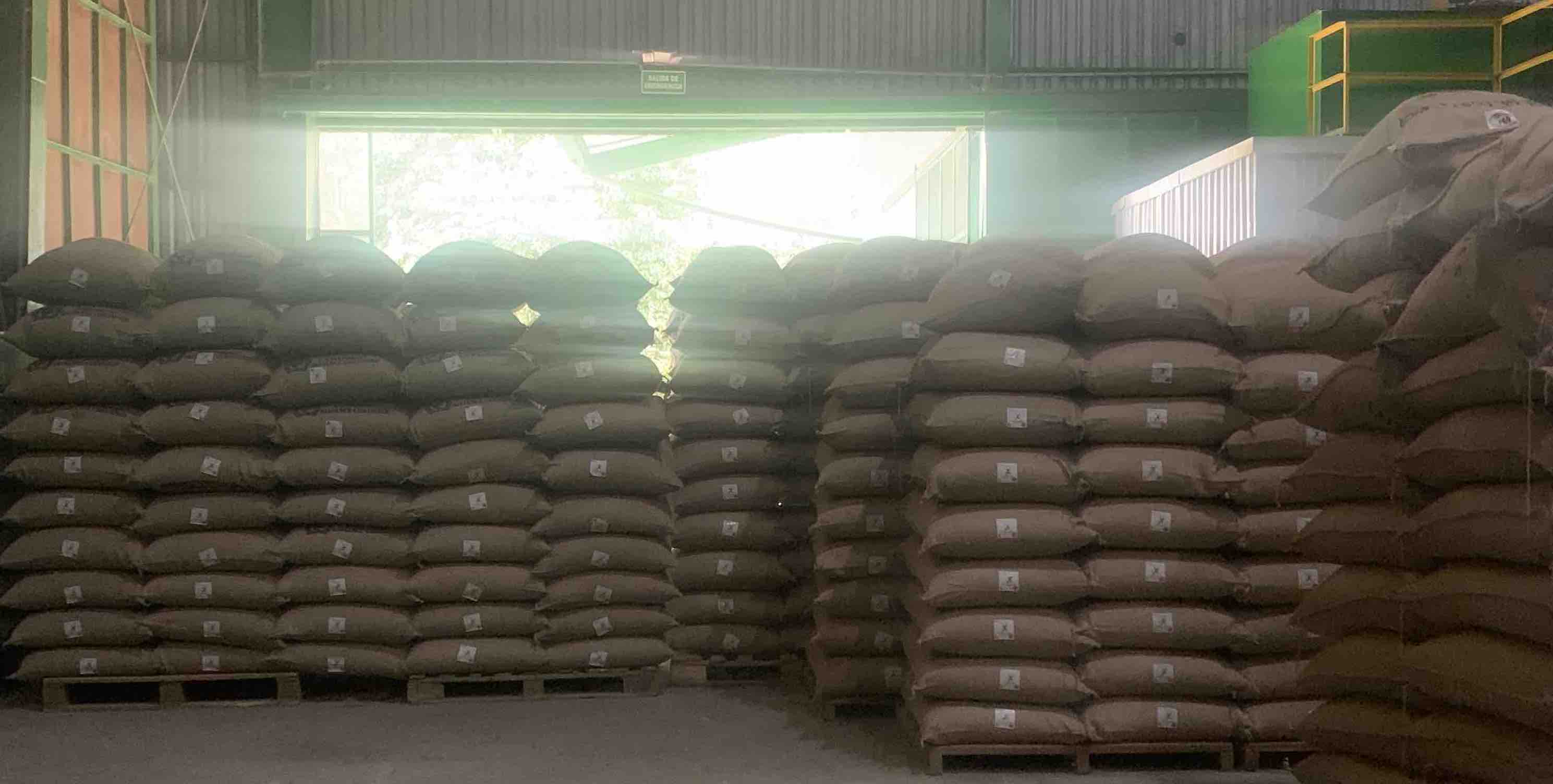
In a final post on this process tomorrow, I will do my best to explain how the African beds, the drying, and the sorting are so important to the exceptional coffees we receive.
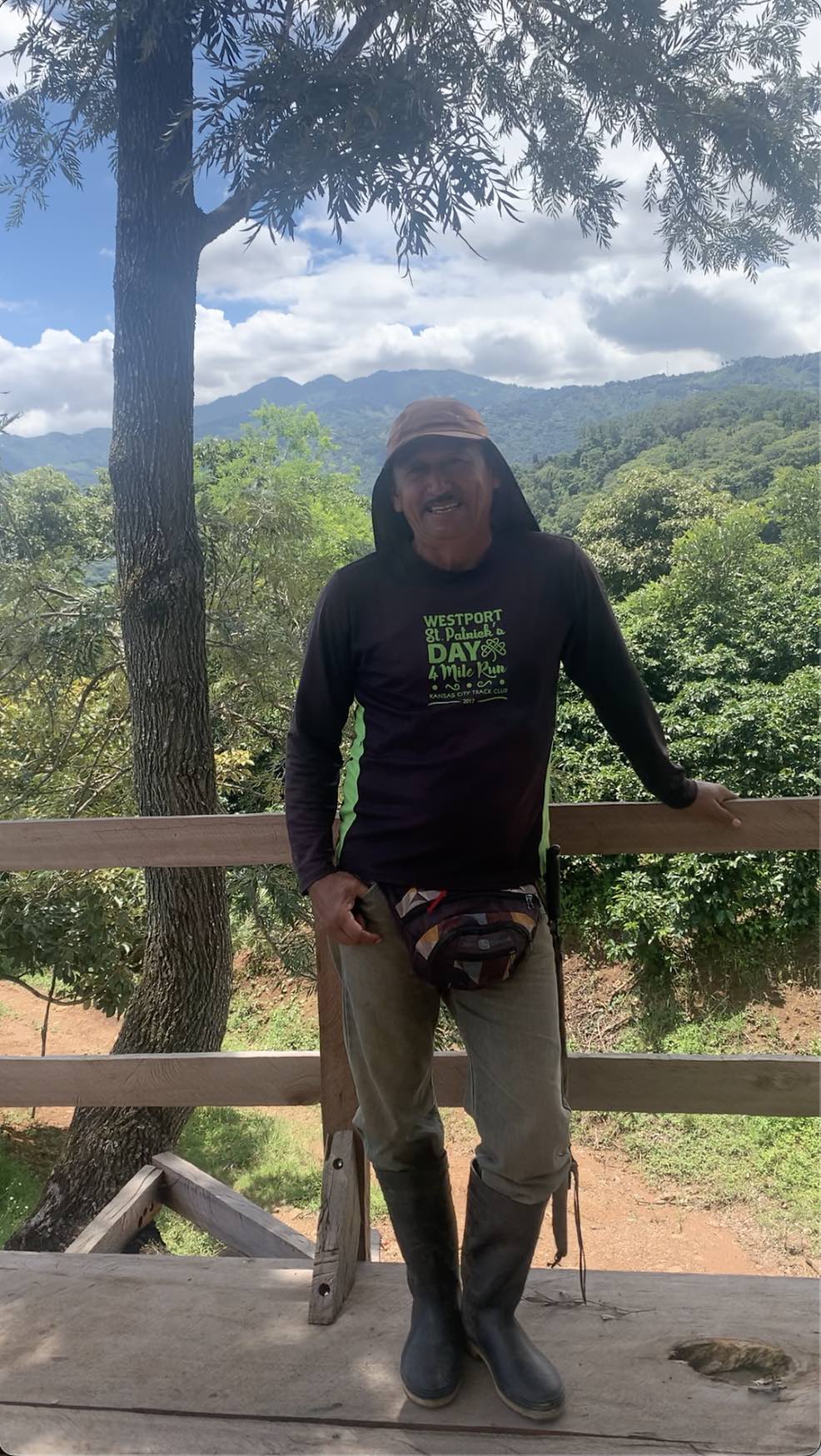
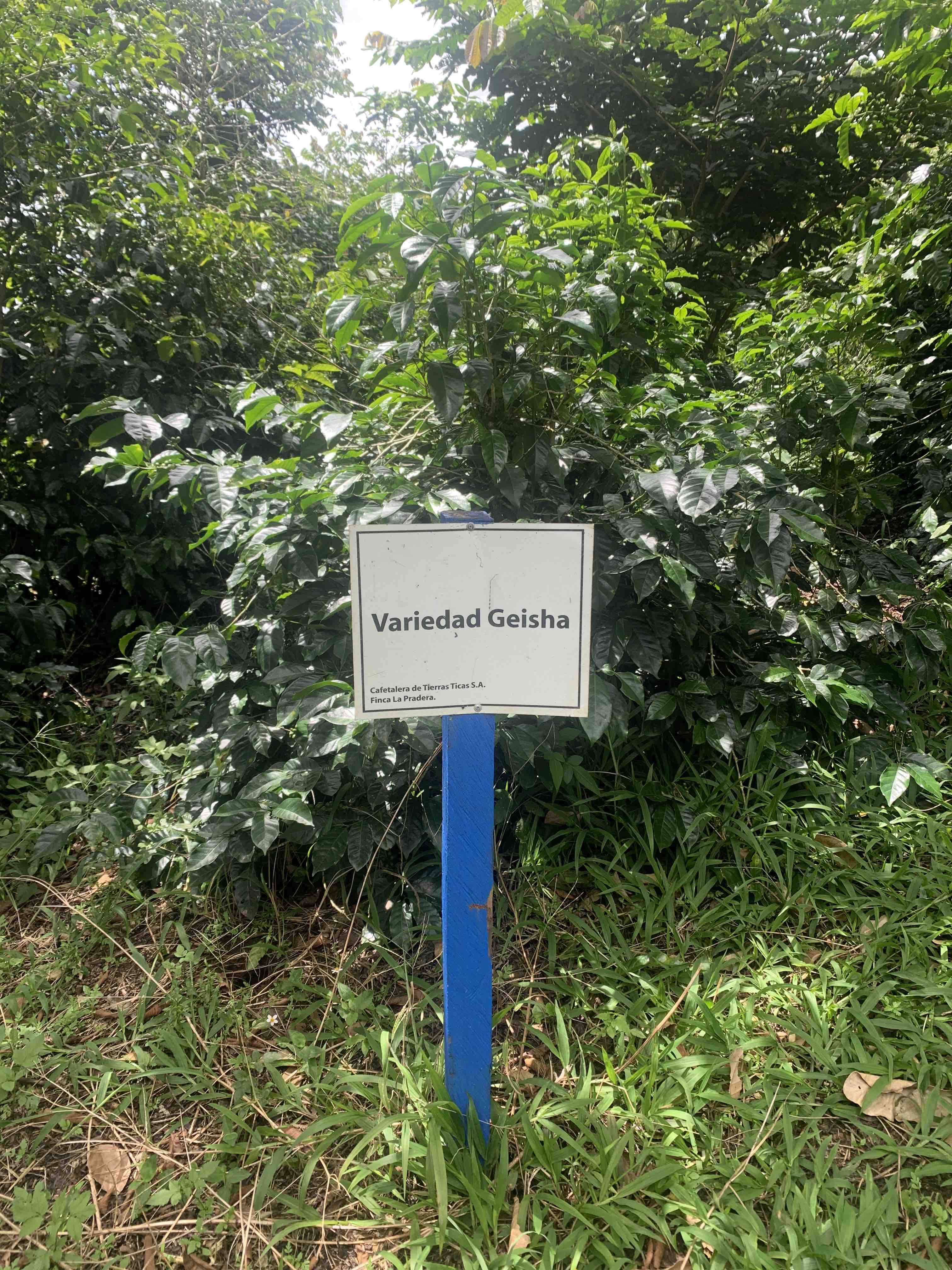 I have sampled coffees from La Minita from time to time over the last two decades, and have always been impressed by their quality. Because of that consistency we recently started offering their geisha varietal from Hacienda La Pradera at our shops in Costa Rica and also for delivery in the USA. Last week I finally had the opportunity to see first hand how and why that quality is so consistent. One reason is Pedro, pictured above while we were standing on the lookout over the farm lands he is in charge of.
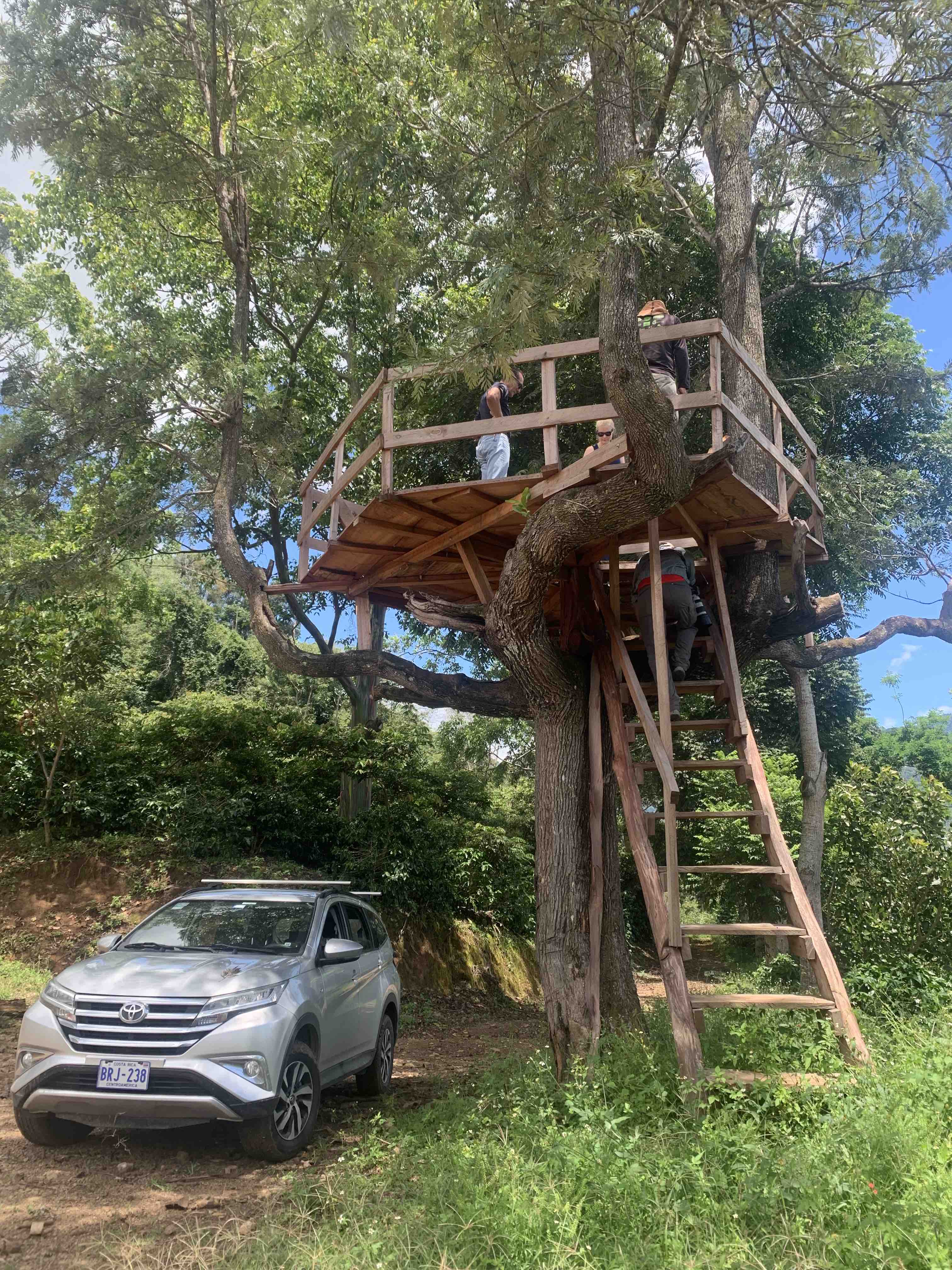
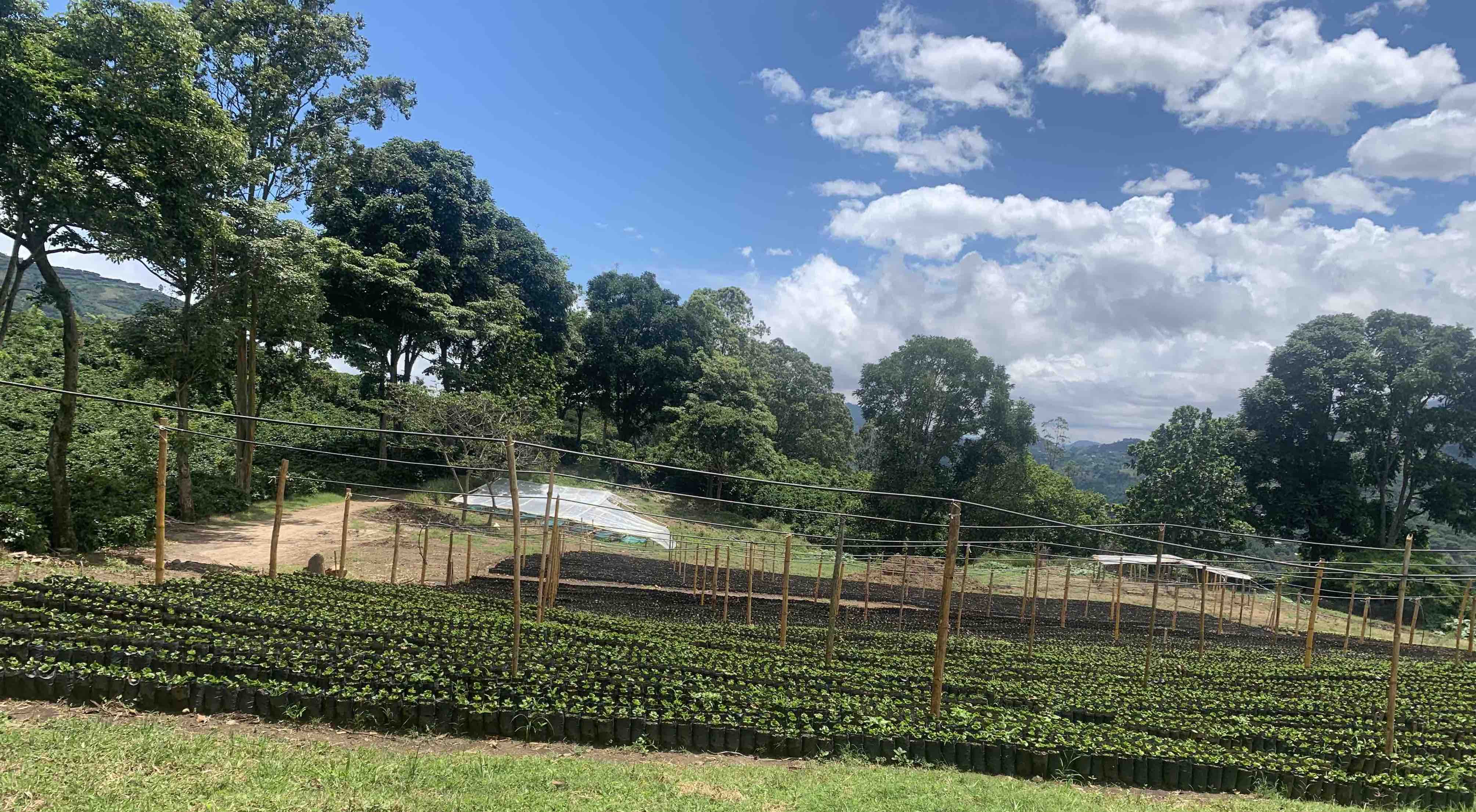
From that perch we surveyed the various plots, including the nursery (about 8,200 seedlings in the image below) as well as the several arabica varietals he has been growing on the 181 hectares of land.
Geisha is special for reasons I noted last year when introducing beans from another estate. Those beans were excellent, these are exceptional. Stay tuned. Tomorrow I will explain why.
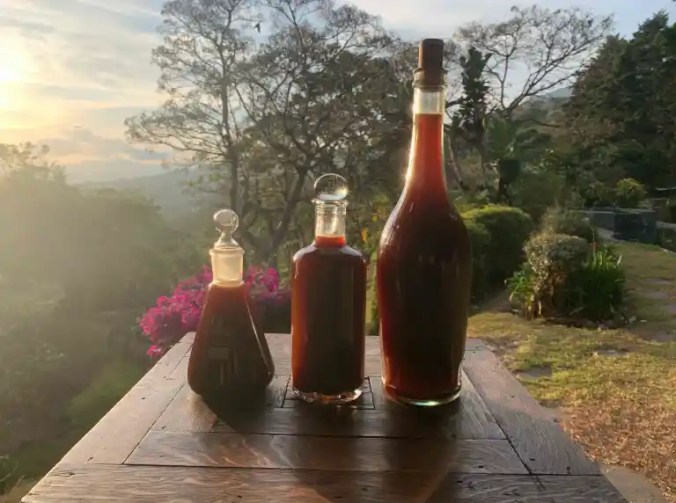
Cold brew coffee experimentation, April 2020
Two years ago, when the pandemic had shut down the airports in Costa Rica and we had no clue how long that would last, we wondered how the artisans and the farmers who supplied our recently opened Authentica shops would fare. We had to ask ourselves what we were going to do with the roughly 7,000 pounds of coffee beans we had contracted to buy from that year’s harvest. The most obvious move was to start roasting in the USA, so we could deliver to customers who had bought from us in Costa Rica and wanted to continue buying.
Cold brew coffee was a brief experiment at the time, but with sufficiently robust results to convince us that when travelers returned we would offer samples. The time has come.
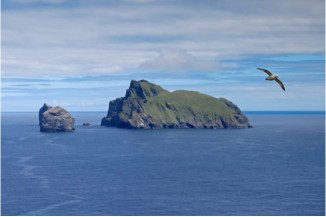
A northern fulmar in flight near Boreray, an uninhabited island in the archipelago of St. Kilda. Photograph by Philip Mugridge / Alamy
Last week I read an essay explaining the allusive power that human-made objects can have. It got me thinking about St. Kilda. Reading four years ago about that place and its people spurred my imagination sufficiently that the following year I committed to a challenge. The challenge was created by the speed of change impacting travel culture, and the tendency of travel retail to homogenize over time.
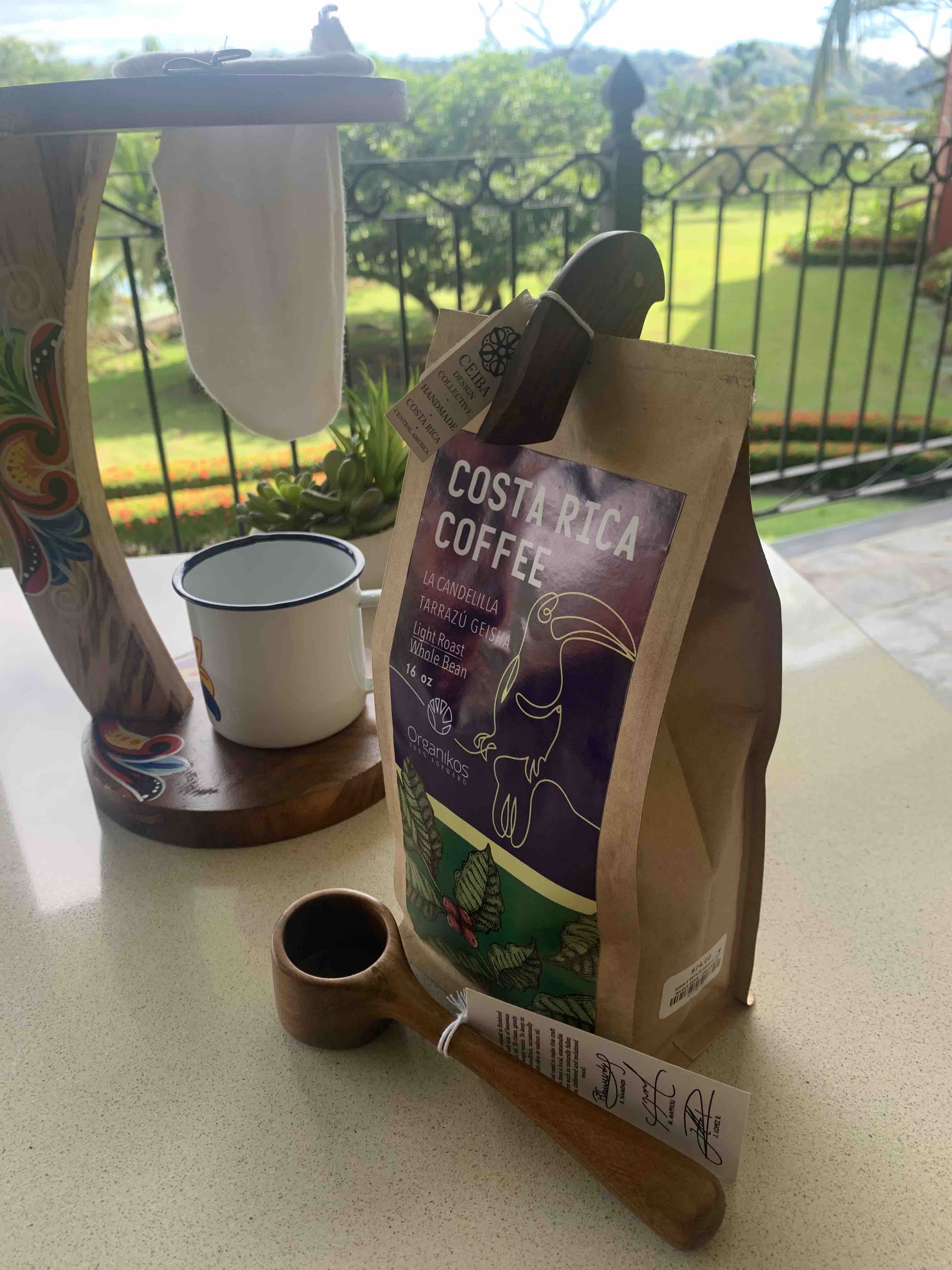
Things you might see in the Authentica shops
Local artisans all over the world were finding their goods displaced in shops oriented to travelers by things made in faraway factories.
Specifically, the commitment was to support local artisans by creating a venue for selling their goods to travelers. Perhaps utopian is a concept too big to apply to this commitment; anyway, maybe the word quixotic is more apt. Authentica offers human-made things for travelers to take home with them, within the context of a travel-retail complex that operates with very different resources and intent.
We understand why the replicas are made, and why people buy them. We refuse to confuse understanding with acquiescence.
The scoop and the bird clip in the image above, two such things I also wrote about two years ago, are examples of local culturally relevant artifacts that we hope will not be outsourced to a factory in another part of the world. The coffee in that image is another example, with a twist. What I like about coffee as a memento is that it is at the intersection of tangible and intangible. It is quintessentially Costa Rican, but once you enjoy the entire bag you no longer possess that thing. As you consume it, it tells you something about Costa Rica. When it is finished you possess a memory of the coffee, and of Costa Rica.
How can you gift in a way that does not generate waste, that reduces waste, or that regenerates ecosystems? Sara has a fun and practical list in her Yale Climate Connections column, which I have linked to below. It got me thinking of what I would add to her list. Yesterday I reached back to a couple of posts from two years ago when we were preparing to open the Authentica shops, mentioning products we carry from artisan groups that recycle heavy plastics, in one case, and wood in the other. We have other products made from recycled materials, but our best selling product is Organikos coffee, all of the proceeds of which are invested in ecosystem regeneration. Laura’s question about gifting toward climate action is one we all should be asking:
Eco-friendly gifts for every budget in 2021
Holiday cheer that’s good for the planet, too.
Hi Sara!
I’m trying to find a gift for my mother for Christmas, and I like the idea of gifting toward climate action. Might you have recommendations?
Thank you for your time
— Laura
Hi Laura,
Sure thing. Here’s a list of climate-friendly gift ideas for every budget.
A board game, puzzle, houseplant, or other item from your local “Buy Nothing” group (Price: Free)
Why it’s climate-friendly: Manufacturing stuff requires consumption of energy and natural resources, so it’s better for the climate to reuse products rather than buying new. Continue reading
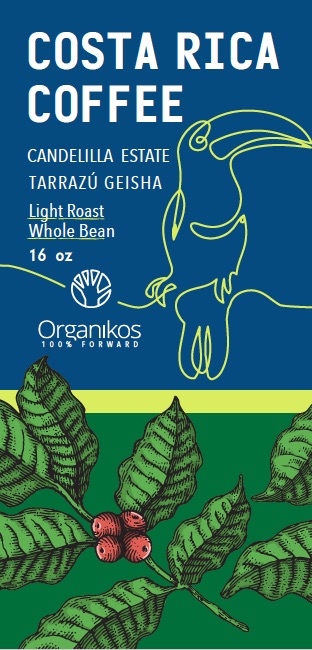
Introduced at the Authentica shops in Costa Rica on Thanksgiving Day, 2021
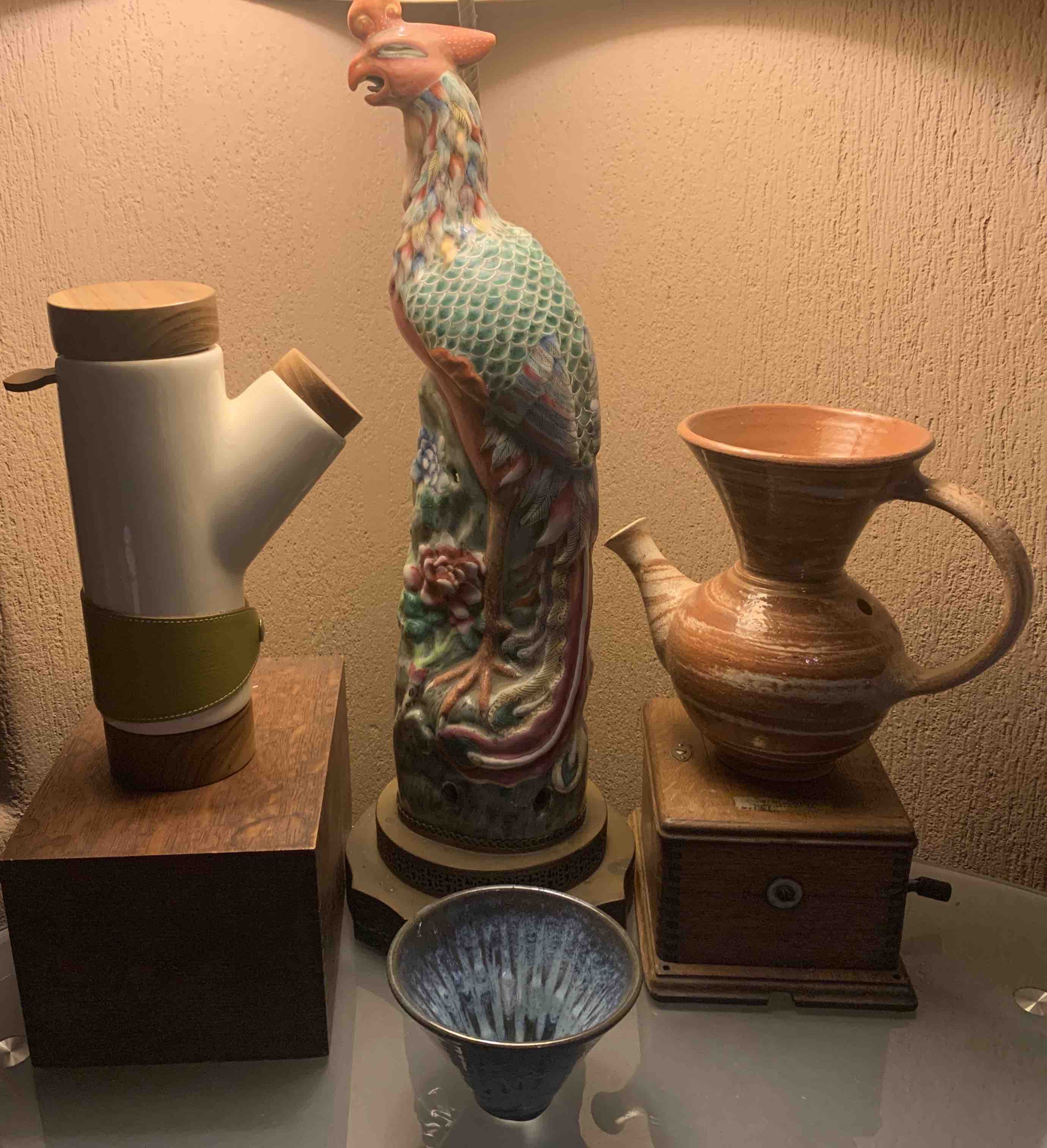
The base of the lamp at my desk is a ceramic bird that serves as a year-round reminder of Thanksgiving. And the ceramic coffee artifacts on my desk serve the same purpose, reminding me each time I sit to work that there are constantly plenty of reasons to give thanks.
We opened two Authentica shops in Costa Rica on Thanksgiving weekend 2019. Sophomore year for both Organikos and Authentica was mettle-testing. We passed. If flying colors were not evident enough in how we passed, here they are in the label for our newest coffee. First introduced last month to a group of students at Cornell University, whose tasting notes we have appreciated receiving, as of today it is available in our shops in Costa Rica.
So, thanks for all that.
 Organikos