Tiger Conservation Progress

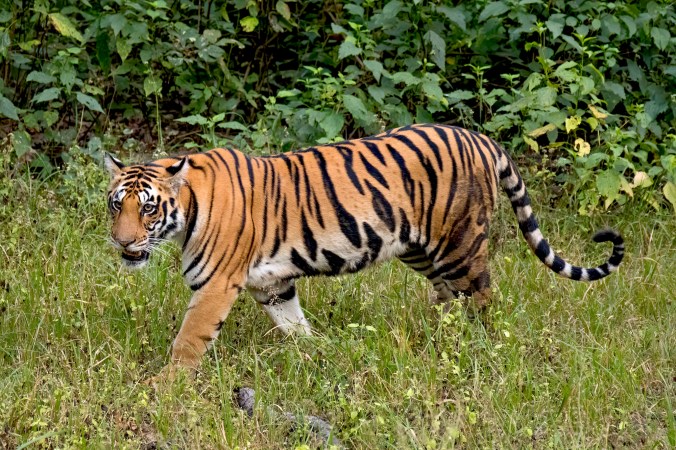
A Bengal tiger in India’s Kanha National Park. CHARLES JAMES SHARP VIA WIKIPEDIA

Tigers were an important part of our lives when this platform started, and for the following few years of our time in Kerala. We have retained an interest, so this news is welcome all these years later:

Wild Tiger Numbers 40 Percent Higher Than Previously Estimated

The number of endangered tigers around the world is 40 percent higher than previously thought, according to new data from the International Union for Conservation of Nature (IUCN). Continue reading

Monbiot Uncorked

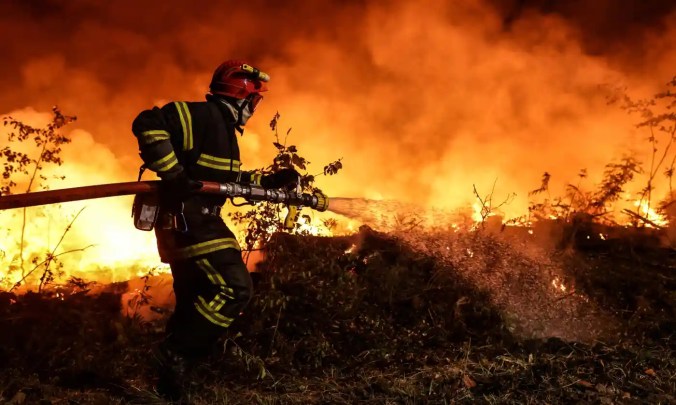
‘The dangerous heat England is suffering at the moment is already becoming normal in southern Europe.’ A firefighter tackles a wild fire in Gironde, France, 17 July 2022. Photograph: Thibaud Moritz/AFP/Getty Images

George Monbiot has never held back, but now the cork is released full force:

This heatwave has eviscerated the idea that small changes can tackle extreme weather

Dangerous heat will become the norm, even in the UK. Systems need to urgently change – and the silence needs to be broken

Can we talk about it now? I mean the subject most of the media and most of the political class has been avoiding for so long. You know, the only subject that ultimately counts – the survival of life on Earth. Continue reading

Packing Well

Digital tablet, smart phone, bag, backpack, passport, sneakers, jeans, shirt, notebook, camera, photography

If there is a smart way to do it, here is a good suggestion:

The Smart Traveler Packs a Book for Every Occasion

As I write this, I’m busy planning a vacation to Maine—a vacation that I will already have enjoyed by the time you read this. There are so many factors to consider—car rental, restaurant reservations, day trips, wardrobe, etc. But perhaps the most important is: What am I going to read? Continue reading

Monarch Butterflies’ Future

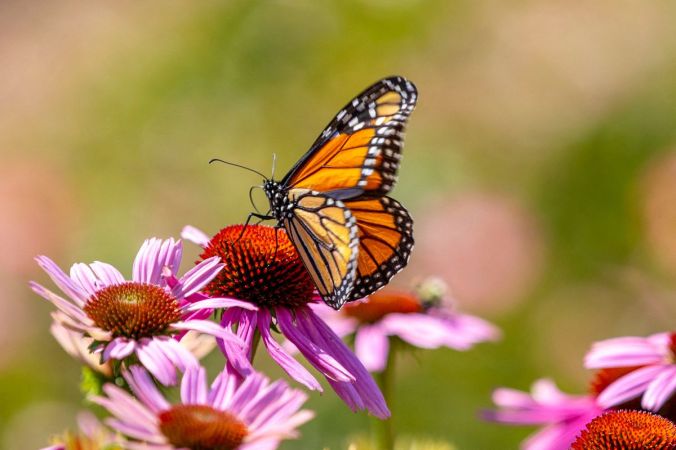
A Monarch butterfly, which is now placed in the endangered category of the International Union for the Conservation of Nature’s Red List of Threatened Species, perches at the Royal Botanical Gardens in Burlington, Ontario, Canada July 21, 2022. REUTERS/Carlos Osorio

Butterflies in general, and this species in particular, have graced our pages more than most other insects over the years. Thanks to Emma Farge and Gloria Dickie, from Reuters, for this:

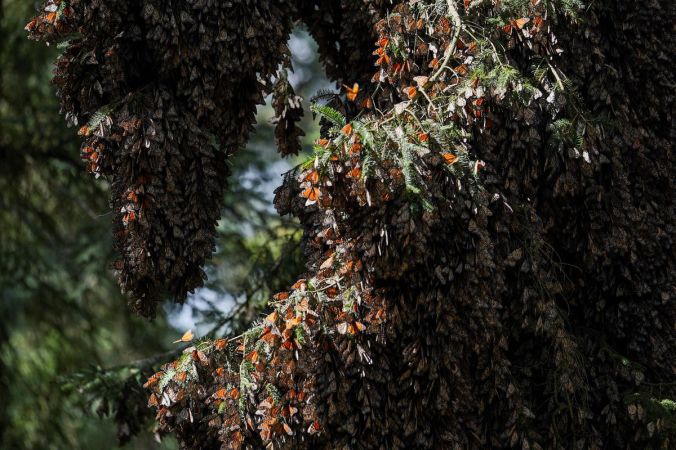
Monarch butterflies rest on a tree at El Rosario sanctuary, in El Rosario, in Michoacan state, Mexico February 11, 2021. Picture taken February 11, 2021. REUTERS/Toya Sarno Jordan/File Photo

Kaleidoscopic migratory monarch butterfly joins global endangered species list

GENEVA, July 21 (Reuters) – The migratory monarch butterfly, which has for millennia turned North American woodlands into kaleidoscopes of colour in one of nature’s most spectacular mass migrations, is threatened with extinction, international conservationists said on Wednesday. Continue reading

What Is Birdsong?

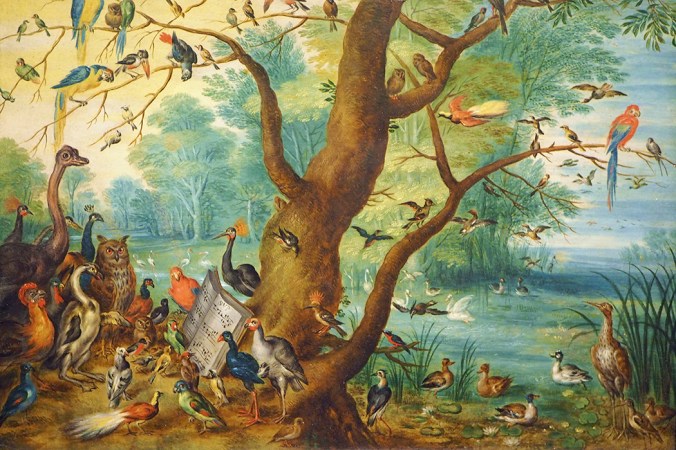
Das Vogelkonzert (The Bird Concert) by Jan Brueghel the Younger, c. 1640-1645 via Wikimedia Commons

If you have been educated to carry out academic research, JSTOR is familiar to you. And if not, but you have the sort of curiosity demonstrated in our pages, then JSTOR daily might be a good companion, as demonstrated here:

Every Good Bird Does Fine

Is birdsong music, speech, or something else altogether? The question has raged for millennia, drawing in everyone from St. Augustine to Virginia Woolf.

To some extent, we all know music when we hear it: a melody, a rhythm, a progression of individual notes that, taken together, elevates the whole into the realm of auditory art. Continue reading

Vertical Farming Super Strawberries

Illustration by João Fazenda

In the early years of this platform we were developing new properties in Kerala, India and food was a focal point. More recently when we indulge in the culinary it is Costa Rica taste of place we are talking about. Occasionally vertical farming makes its way into these pages, but it has been a while:

Selling “Omakase” Strawberries, for the Price of a Full Meal

The founder of Oishii, whose haute-cuisine strawberries have sold for as much as ten dollars a pop, offers a tour of one of his V.C.-backed vertical farms, modelled on the foothills of Japan and built in New Jersey.

Consider the strawberry: red, ripe, an ephemeral pleasure as fleeting as a summer fling. Continue reading

Charismatic Megafauna UK Rewilding

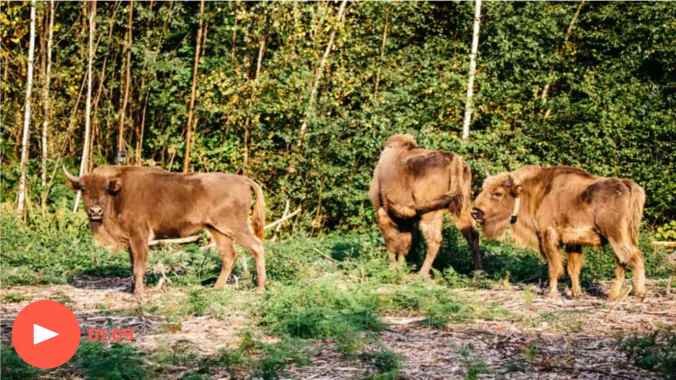
Wild bison released into Kent countryside – video

In Scotland the first such project we became aware of had wild but smaller animals as their focal point. Reforesting and other United Kingdom rewilding initiatives have until now been missing the biggest possible charismatic megafauna:

Wild bison return to UK for first time in thousands of years

The gentle giants released in Kent should transform a commercial pine forest into a vibrant natural woodland

Early on Monday morning, three gentle giants wandered out of a corral in the Kent countryside to become the first wild bison to roam in Britain for thousands of years. Continue reading

Trillion Tree Puzzles

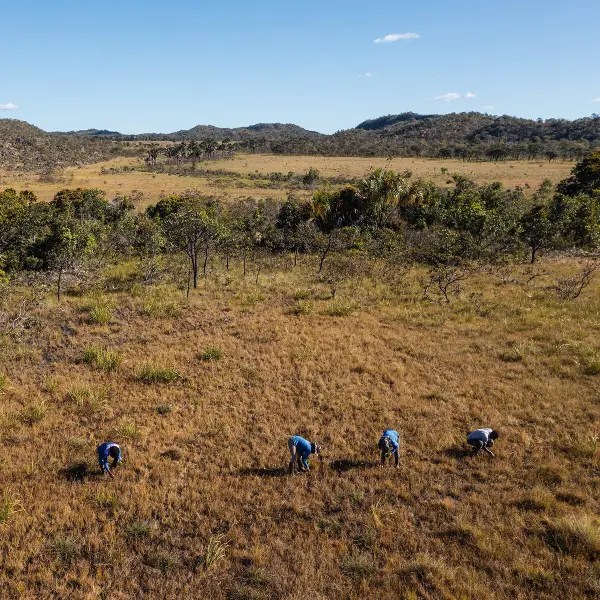
Villagers hired by Eden Reforestation Projects planting trees in the northern part of Goiás State, Brazil. Lalo de Almeida for The New York Times

Zach St. George showcases why the compelling idea is problematic, and why the problematic idea is so compelling:

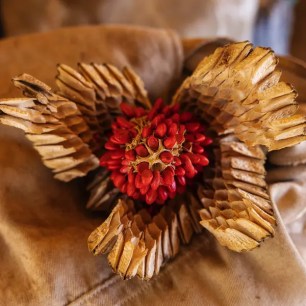
A plant from which Eden separates seeds to plant in Goiás. Lalo de Almeida for The New York Times

To fight climate change, companies and nonprofits have been promoting worldwide planting campaigns. Getting to a trillion is easier said than done.

On a hot morning in April, near the start of Brazil’s dry season, four women and two men walked single file across a sodden field at the edge of Engenho, a village in the northern part of Goiás State. They wore long sleeves and wide-brimmed hats to protect against the sun, and leather gaiters and gloves to protect against snakes. In a plastic tub, they carried an entire forest. Continue reading

Air Conditioning 2.0

The new mechanism (pictured) could replace traditional vapor-compression cooling technology, which has remained largely unchanged since the early 20th century.

Oddly, we have only mentioned air conditioning twice before in our pages since 2011. So much of the human population is in need of it, and its carbon footprint is so problematic, it presents a significant challenge to efforts to mitigate climate change. Here is reason to mention it again:

Assistant Professor of Chemistry Jarad Mason (left) and co-author Jinyoung Seo have developed a new class of solid-state refrigerants that could enable energy-efficient and emission-free cooling. Jon Chase/Harvard Staff Photographer

Keeping cool without warming the planet

A summer dilemma worthy of Solomon: how to stay cool in days of high heat and humidity without turning to traditional air conditioning, which consumes vast amounts of electricity and emits potent climate-changing greenhouse gases.

The answer potentially involves a new class of solid-state refrigerants that could enable energy-efficient and emission-free cooling. Continue reading

Orchid Hunters Teaching Their Craft

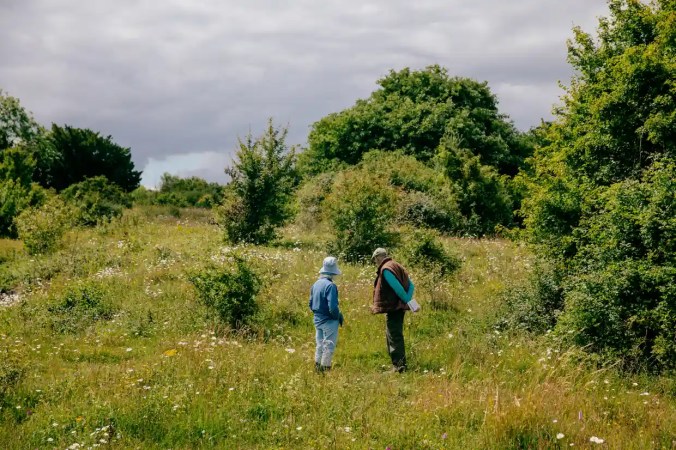
Orchid enthusiasts on the hunt at Noar Hill. Photograph: Peter Flude/The Guardian

We feature stories involving orchids whenever there is something new to learn:

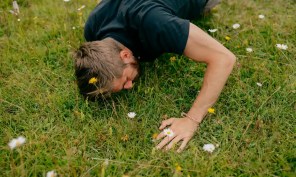
Bersweden stops to smell a musk orchid at Noar Hill. Photograph: Peter Flude/The Guardian

‘Like stroppy teenagers’: the joy of hunting devious and demanding orchids

For British botanist Leif Bersweden, finding an orchid is ‘pure joy’ and one that he is happy to share with fellow enthusiasts as they scour a nature reserve in Hampshire

It’s a Friday, and half a dozen retirees are scouring the ground for flowers. Continue reading

82 Leading Scientists Agree

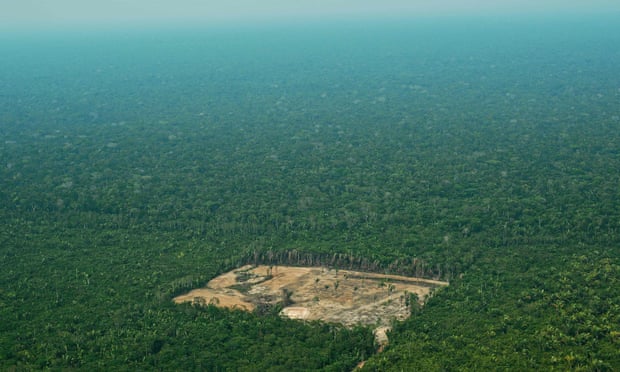
Aerial view of deforestation in the Western Amazon region of Brazil.

Aerial view of deforestation in the Western Amazon region of Brazil. Photograph: Carl de Souza/AFP/Getty Images

To state the obvious, yes:

Humans need to value nature as well as profits to survive, UN report finds

Focus on market has led to climate crises, with spiritual, cultural and emotional benefits of nature ignored

Taking into account all the benefits nature provides to humans and redefining what it means to have a “good quality of life” is key to living sustainably on Earth, a four-year assessment by 82 leading scientists has found. Continue reading

Us & Them, Then & Now

A cartoon from the mid-1800s, using apparently sophisticated insects to satirise French society (Credit: Getty Images)

Thomas Moynihan, a research fellow at Forethought Foundation and St Benet’s College, Oxford University offers this entertaining treatment of how Western culture has seen and thought about its insect co-habitants of the planet.
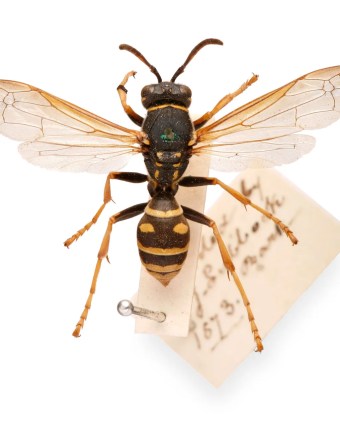
Lubbock’s wasp, described by one journalist as “a little gentleman in a brown overcoat, with black and yellow nether garments” (Credit: Alamy)

How insect ‘civilisations’ recast our place in the Universe

When looking to other creatures for signs of intelligence, insects are rarely the most obvious candidates, but as the historian Thomas Moynihan writes, it wasn’t always so. What can the early-20th Century fascination with bug societies tell us about our own?

It is 1919, and a young astronomer turns a street corner in Pasadena, California. Something seemingly humdrum on the ground distracts him. It’s an ant heap. Dropping to his knees, peering closer, he has an epiphany – about deep time, our place within it, and humanity’s uncertain fate. Continue reading

What Cruise Ships Do In Plain Sight

Cruise ship with smoke pouring from funnel

A cruise ship leaving the port of Victoria in British Columbia, Canada, where environmental laws are less stringent than in the neighbouring US states of Washington and Alaska. Wildlife put at risk by cruise ships dumping waste include sea otters and orcas. Photograph: Shaun Cunningham/Alamy

If you enjoy cruise ship experiences, our intent is not to offend you by sharing this. Just to be sure you are aware of what cruise ship operators routinely do with waste:

US cruise ships using Canada as a ‘toilet bowl’ for polluted waste

Lax Canadian regulations create ‘perverse incentive’ for US cruise ships en route to Alaska to discharge toxic mix of chemicals and wastewater off British Columbia, report says

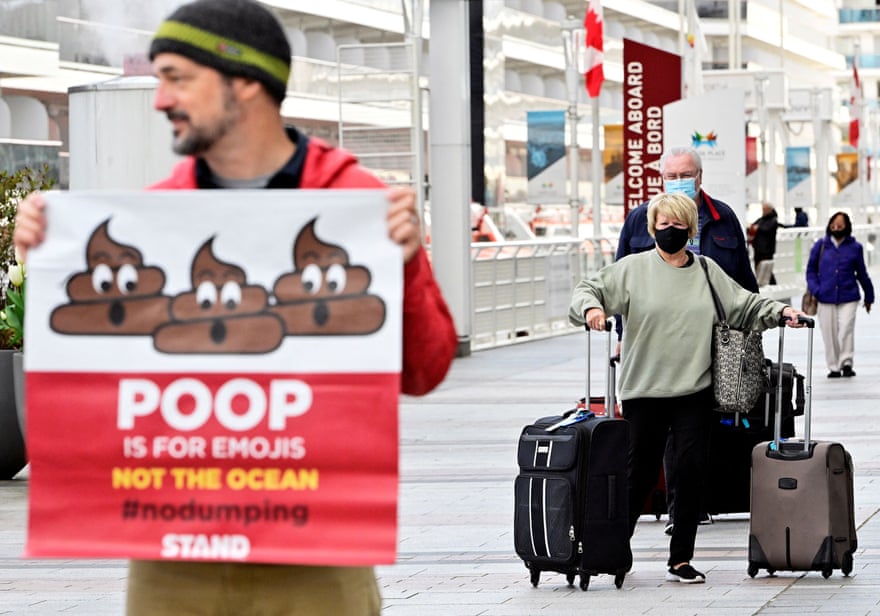
Man stands in front of cruise ship holding sign that reads ‘Poop is for emojis, not the oceans’. Passengers with luggage can be seen behind him.

A protest in April against the dumping of sewage by cruise ships arriving in Vancouver. Photograph: Jennifer Gauthier/Reuters

From the comfort of cruise ships, a typical trip to Alaska offers magnificent views of glaciers and untamed national parks, and visits to quaint seaside towns. For years, these draws have made cruises to Alaska the most booked US holiday.

But the journey to those pristine areas, which involves sailing along Canada’s west coast for two or three days, is leaving behind a trail of toxic waste, including within marine protected areas (MPAs), according to new research. Continue reading

A Trillion Trees, The Book

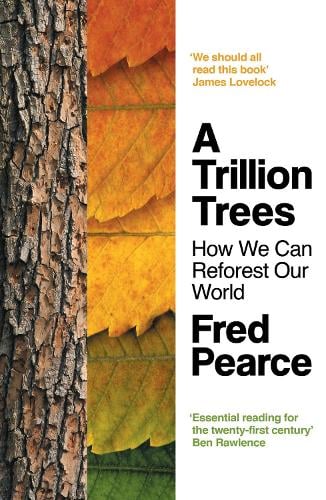
A Trillion Trees: How We Can Reforest Our World (Paperback)We have linked to so many of his essays and articles over the years, we are slightly jealous of a friend writing from England that she attended an event where he was discussing this book yesterday. Published last year, the concept is familiar, but if Fred Pearce offers a book treatment of a complex topic, read it:

**A Book of the Year in The Times and The Sunday Times ** Trees are essential, for nature and for us. Yet we are cutting and burning them at such a rate that we are fast approaching a tipping point. But there is still hope. Continue reading

Fin Whales Doing Well Down South

Some gatherings were so large that spray from the whales’ blowholes resembled a fog on the ocean surface.

Some gatherings were so large that spray from the whales’ blowholes resembled a fog on the ocean surface. Dan Beecham

Happy whale news is not easy to come by. Winston Choi-Schagrin, a reporter covering climate and the environment for the New York Times, shares some:

A Whale Feeding Frenzy in Antarctica Signals a Conservation Success

Once hunted to the brink of extinction, fin whales in the Southern Ocean have rebounded and returned to their historic feeding grounds, according to a new survey.

From a distance, it looked like thick fog across the horizon. Continue reading

How Important Is Plant-Based Meat?

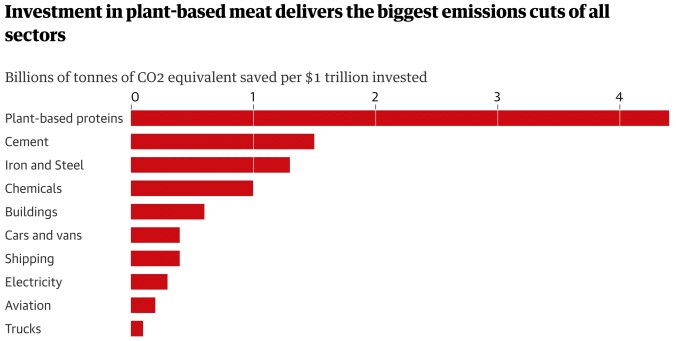
Guardian graphic | Source: Boston Consulting Group

We were already convinced by testing (our own and others) that this product category would be important, but this study shows the importance to be practically off the charts in terms of reduced carbon footprint per dollar invested. Our thanks to Damian Carrington, the Guardian’s Environment editor, for bringing this to our attention:

Malte Clausen, a partner at BCG: ‘Widespread adoption of alternative proteins can play a critical role tackling climate change.’ Photograph: Nathaniel Noir/Alamy

Plant-based meat by far the best climate investment, report finds

Exclusive: Non-animal proteins can play critical role tackling climate crisis, says Boston Consulting Group

Investments in plant-based alternatives to meat lead to far greater cuts in climate-heating emissions than other green investments, according to one of the world’s biggest consultancy firms.

The report from the Boston Consulting Group (BCG) found that, for each dollar, investment in improving and scaling up the production of meat and dairy alternatives resulted in three times more greenhouse gas reductions Continue reading

New World Rewilding

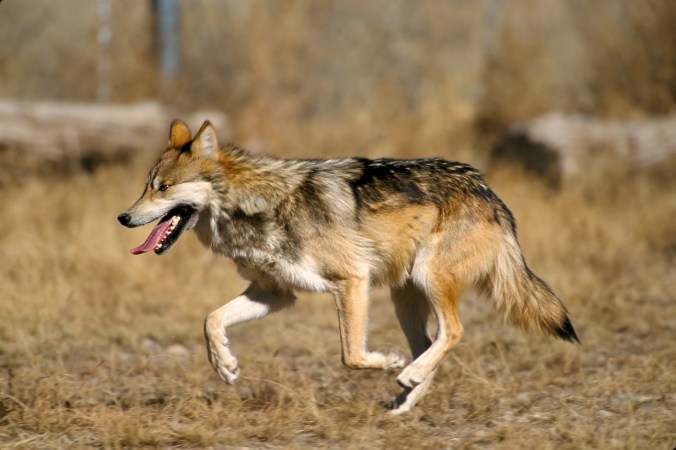
Mexican gray wolves have been reintroduced to Arizona and New Mexico over the last two decades. JIM CLARK / U.S. FISH AND WILDLIFE SERVICE

We have been posting about rewilding for nearly a decade, and it sees fair to say that the idea has developed traction worldwide:

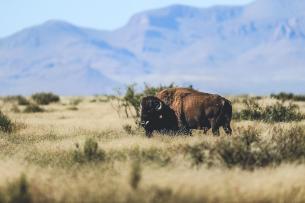
T0GFFN Bison or Bufalo within prairie and pasture in protected natural area. Rancho el Uno, a space dedicated to the conservation of this species in Janos, Chihuahua. This fishery was reintroduced by the organization The Nature Conservancy, TNC. Janos Biosphere Reserve
  (© Photo: LuisGutierrez / NortePhoto.com

Bringing Back the Beasts: Global Rewilding Plans Take Shape

With a growing number of studies demonstrating the importance of large mammals to healthy ecosystems, scientists are proposing concrete plans to reintroduce these animals to the wild. The return of just 20 species to native habitats, they say, could be a boon to biodiversity.

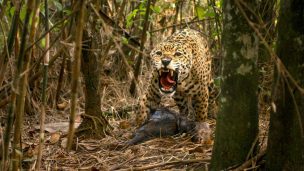
A jaguar guards its prey, a white-lipped peccary, in Goiás, Brazil. OCTAVIO CAMPOS SALLES / ALAMY STOCK PHOTO

For thousands of years, bison herds thundered freely throughout the Chihuahuan Desert on both sides of what is now the U.S.-Mexico border. In November 2009, after three frantic months of chasing down the required permits, Rurik List and Nélida Barajas watched as 23 bison from Wind Cave National Park in South Dakota arrived by tractor-trailer at the Santa Teresa international cattle crossing in southeastern New Mexico.

The animals, 20 females and three males, galloped through the dusty stockyards, across the border, and into the state of Chihuahua. Continue reading

Alt-Leather, Vegan & Otherwise

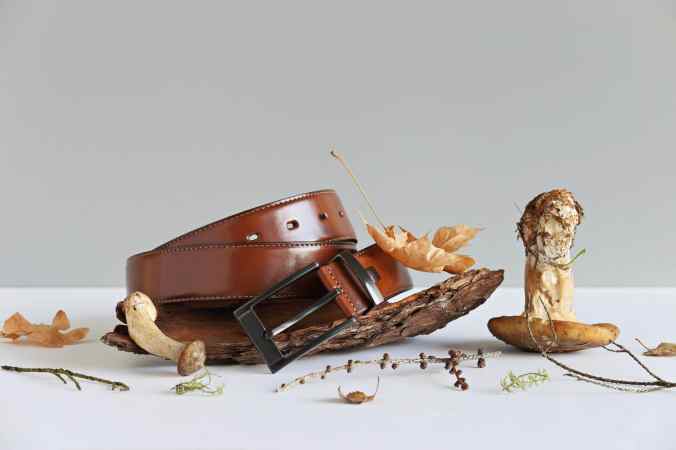
Innovative vegan leather belt made from mycelium fiber, fungal spores and plant fibers. los_angela / iStock / Getty Images Plus

Our thanks to Linnea Harris for the latest news in alt-leather, which is best when vegan, except for when it is not:

The Future of Leather: How Pineapple Leaves, Cacti, and Mycelium Are Revolutionizing the Industry

Leather is everywhere – in our shoes, our purses and luggage, our winter jackets and stylish furniture – but its effect is seen globally.

To create the leather for our clothing, homewares, and other purposes, billions of cows are slaughtered each year. Continue reading

McKibben On The Supreme Court’s EPA Ruling

Photographs by Mitch Epstein

When you have found an explainer reliably clear on complicated but important issues, keep reading their essays:

The Supreme Court Tries to Overrule the Climate

A destructive decision in West Virginia v. E.P.A.

Credit where due: the Supreme Court’s 6–3 ruling in West Virginia v. E.P.A. is the culmination of a five-decade effort to make sure that the federal government won’t threaten the business status quo. Lewis Powell’s famous memo, written in 1971, before he joined the Supreme Court—between the enactment of a strong Clean Air Act and a strong Clean Water Act, each with huge popular support—called on “businessmen” to stand up to the tide of voices “from the college campus, the pulpit, the media, the intellectual and literary journals, the arts and sciences, and from politicians” calling for progressive change. Continue reading

215 Pounds Of Burmese Python

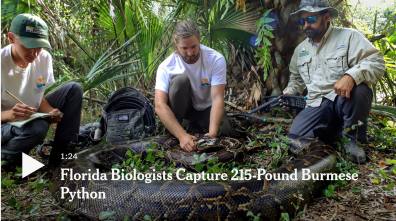
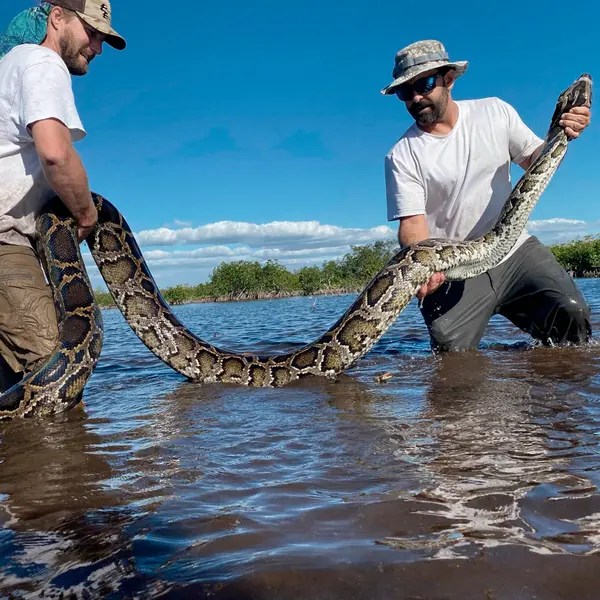
The Conservancy of Southwest Florida, which tracks and studies invasive Burmese pythons harming the state’s native ecosystem, said the nearly 18-foot female python was the largest to have been found in the Everglades. Jc Findley/Conservancy of Southwest Florida, via Associated Press

Since reading and sharing one article about invasive species we have been particularly attentive to the challenges of pythons introduced in the Everglades. We have linked to plenty of stories about the creative approaches to solving this problem.

But we never tire of the theme.

This article

Ian Easterling, left, and Ian Bartoszek, both biologists, removing a 14-foot female Burmese python captured in March in a mangrove in Southwest Florida. Conservancy of Southwest Florida, via Associated Press

To Catch a Snake: Largest Python Found in Everglades Signals a Threat

The Burmese python caught by a team of trackers breaks a record and shows the invasive species surviving in Florida’s ecosystem despite efforts to remove those snakes.

A team searching under dense vegetation in the pine flatwoods of the Everglades late last year came upon a slithering sight, the likes of which no one had found before in those parts: 215 pounds of snake. Continue reading