With All Due Respect To Taylor Swift

An album made entirely of endangered bird sounds beat Taylor Swift on a top 50 chart, which is as it should be:

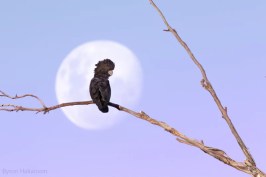
A red-tailed black cockatoo is seen sitting on a branch with the moon behind it. The bird is one of more than 50 featured on the album Songs of Disappearance that features the sounds of many of Australia’s endangered birds. Byron Hakanson/Birdlife Australia

For most of December, Adele had the top-selling album in Australia, followed by Ed Sheeran, and then there was a collection of absolute bangers that took everyone by surprise.

Songs Of Disappearance is an entire album of calls from endangered Australian birds. Last month, it briefly perched at No. 3 on the country’s top 50 albums chart – ahead of Taylor Swift. Continue reading
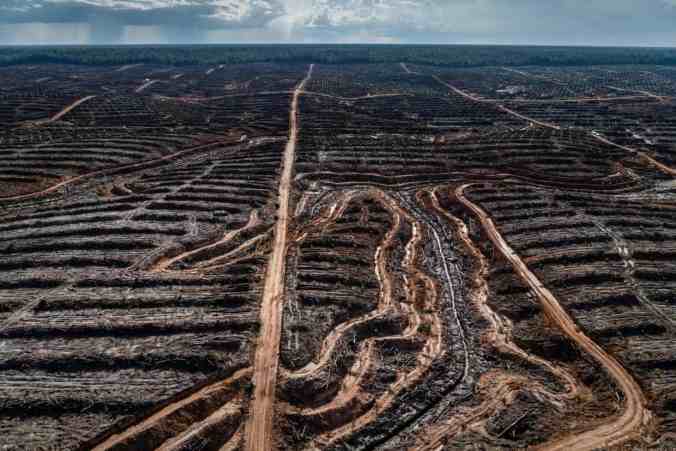
Civic Responsibility, Palm Oil & Change

Forest clearance in Indonesia. Palm oil production in the country, which is one of the world’s largest producers, has been linked to deforestation. Photograph: Ulet Ifansasti/Greenpeace

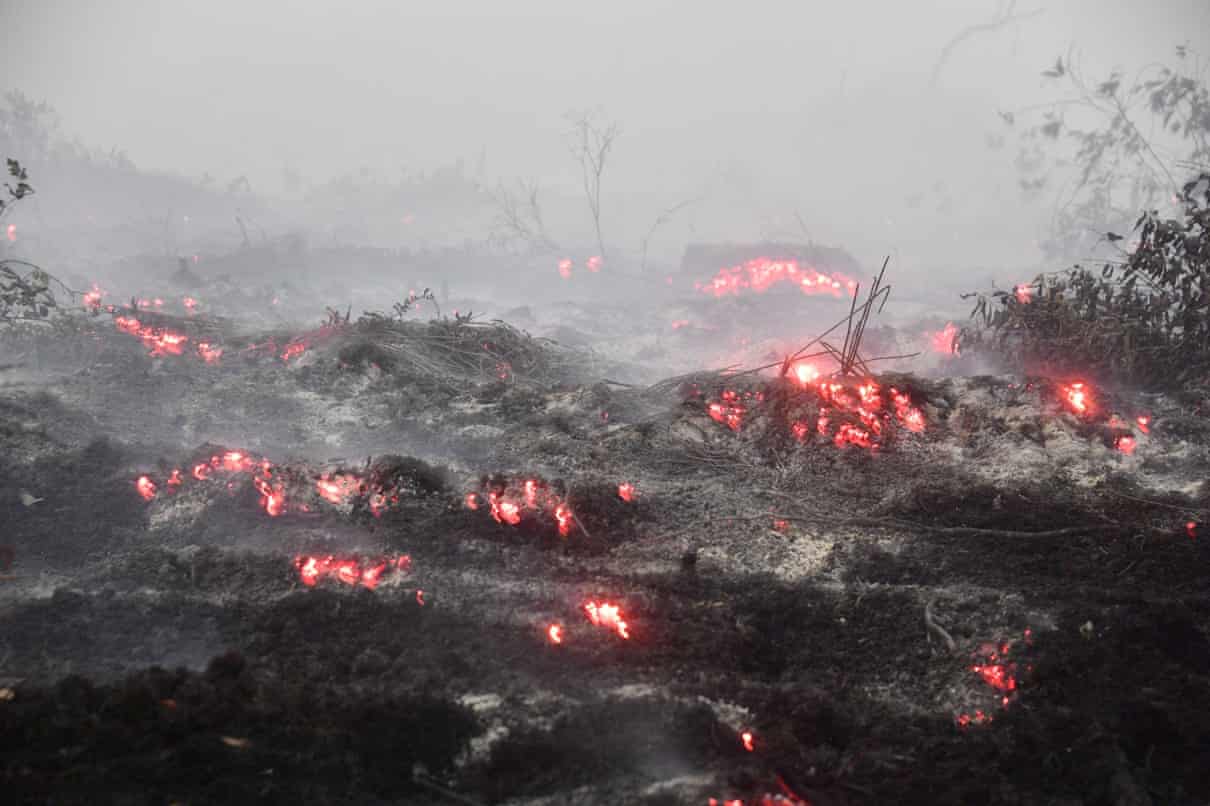
Smouldering peatland following a suspected land clearance fire in Kampar, Sumatra, in 2019. Photograph: Adek Berry/AFP/Getty Images

Palm oil has a dirty history. It causes havoc, to put it politely. May we all do our part to elect civic leaders with a keen sense of responsibility for devastation in other parts of the world, and get them to take action to reduce it. We thank Patrick Greenfield for his reporting in this article titled The UK city taking a stand on palm oil in the fight against deforestation:

A growing number of towns and villages are following Chester’s lead in helping local businesses to eradicate deforestation-linked oil from their supply chains

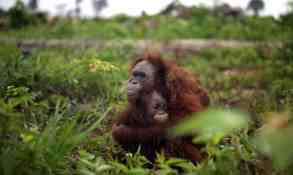
Orangutans, tigers, Sumatran rhinos and many other threatened species are affected by habitat loss and human-wildlife conflict that stems from palm oil plantations. Photograph: Vier Pfoten/Four Paws/Rhoi/REX/Shutterstock

From mince pies and biscuits to lipstick and soap, palm oil grown on deforested land in south-east Asia will have been hard to avoid this Christmas. The vegetable oil is found in almost half of all packaged products in UK supermarkets, according to WWF.

But a growing number of towns and cities are trying to use only sustainable palm oil, helping orangutans, tigers, Sumatran rhinos and many other threatened species. Continue reading
France Liberates Produce From Plastic

From Saturday cucumbers, leeks, carrots and about 30 other fruits and vegetables will no longer be sold in plastic in France. Photograph: Thibault Camus/AP

We know that there is too much plastic in our lives and that something must be done about it. Over the weekend, in France, the most obvious thing was done:

That’s a wrap: French plastic packaging ban for fruit and veg begins

Law bans sale of carrots, bananas and other items in plastic as environment groups urge other countries to follow

A law banning plastic packaging for large numbers of fruits and vegetables comes into force in France on New Year’s Day, to end what the government has called the “aberration” of overwrapped carrots, apples and bananas, as environmental campaigners and exasperated shoppers urge other countries to do the same. Continue reading
Natural Fiber Welding

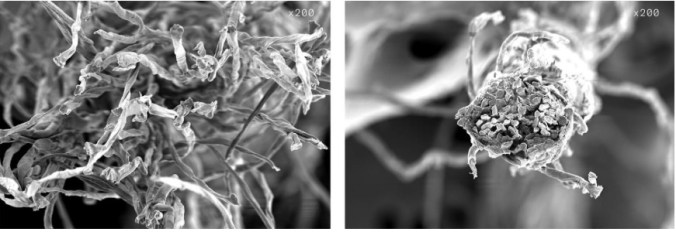
From left to right, SEM image of raw cotton and Natural Fiber Welding’s CLARUS® cotton. COURTESY OF NATURAL FIBER WELDING

We look forward to hearing more as they progress:

This Company Has a Way to Replace Plastic in Clothing

Natural Fiber Welding uses an innovative process to treat cotton and make it behave more like synthetic fibers.

LUKE HAVERHALS WANTS to change how yoga pants are made. Most performance fabrics used in athletic clothing, like Spandex, are made from synthetic fibers—plastic, essentially. Those plastics are problematic for humans and the environment. Haverhals’ company, Natural Fiber Welding, offers an alternative to synthetic fabrics. Continue reading
Species Discoveries Of 2021

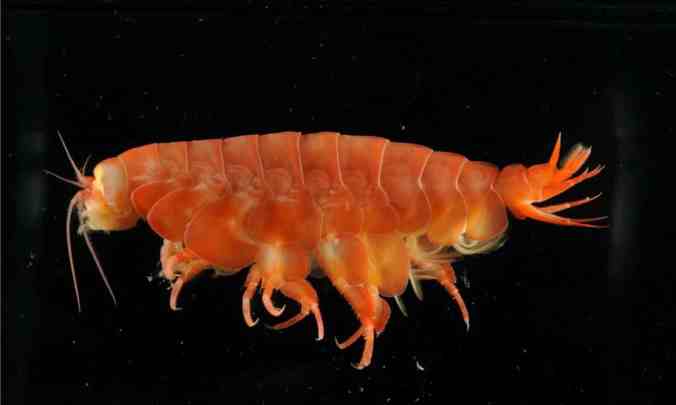
Eurythenes atacamensis, a giant new crustacean endemic to the Peru-Chile ocean trench, identified by scientists in 2021. Photograph: Weston et al 2021

The work of species discovery continues, even as extinction continues unabated:

‘Hell herons’, metallic beetles, tiny shrimp – scientists have been busy describing unusual creatures despite Covid restrictions

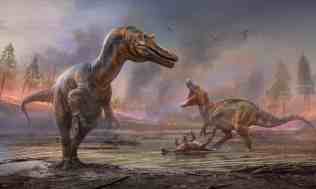
Two newly described species of spinosaur dinosaurs discovered on the Isle of Wight, named ‘hell heron’ and ‘riverbank hunter’. Photograph: Anthony Hutchings

Six new dinosaurs, an Indian beetle named after Larry the cat, and dozens of crustaceans critical to the planet’s carbon cycle were among 552 new species identified by scientists at the Natural History Museum this year.

In 2021, researchers described previously unknown species across the tree of life, from a pair of giant carnivorous dinosaurs known as spinosaurs – nicknamed the “riverbank hunter” and “hell heron” – to five new snakes that include the Joseph’s racer, which was identified with the help of a 185-year-old painting. Continue reading
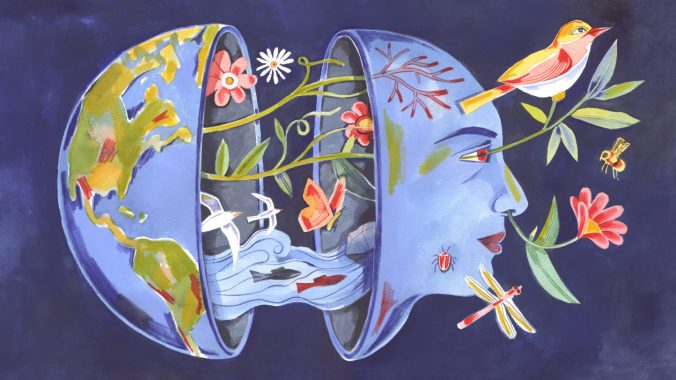
2021 Climate Inaction

ILLUSTRATION: JENNY SHARAF; GETTY IMAGES

Not fun, but a useful review:

2021 Was a Huge Missed Opportunity on Climate Action

The pandemic should have been a wake-up call—instead, emissions have climbed once more. Here’s how the US could have seized the opportunity

JUST LIKE THAT, a pandemic-fueled glimpse of a better world is growing hazy—or smoggy, to be more precise. As civilization locked down in early 2020—industries ground to a halt, more people worked from home, and almost no one traveled—global carbon dioxide emissions crashed by 6.4 percent, and in the United States by 13 percent. In turn, air quality greatly improved. Life transformed, sure enough, but that transformation was fleeting. Scientists warned that the drop would be temporary because economies would roar back stronger than ever to make up for lost revenue. Indeed, by the end of 2021, emissions have now returned to pre-pandemic levels. Continue reading

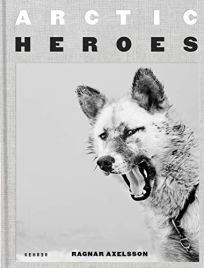
Arctic Heroes

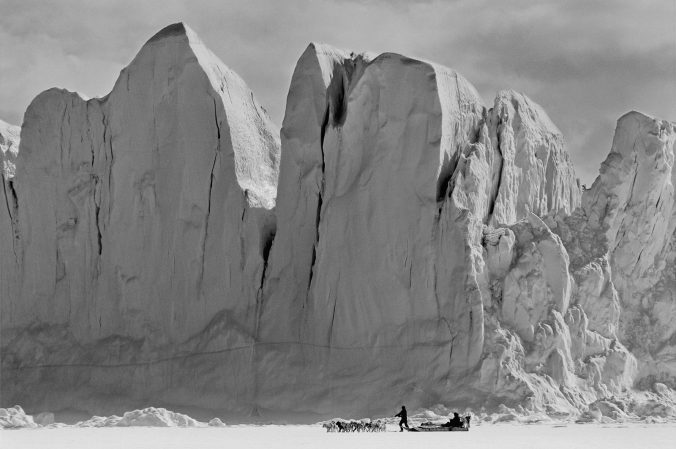
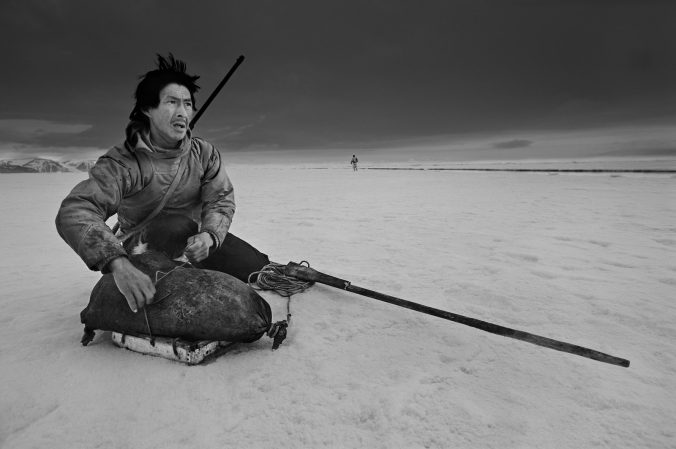
The book is not new, but it is new to us. Ben Taub has brought to our attention this stunning portraiture that, like most great photography, makes you wonder how the artist got the composition just so:

Ragnar Axelsson

The Fading Ways of Indigenous Arctic Hunters

Ragnar Axelsson

Ragnar Axelsson’s portraits from Greenland reveal the effects of climate change on ice floes, sled dogs, and a traditional culture.

During springtime in the far, far north—when the sun breaches the horizon, after months of total darkness—indigenous Greenlandic hunters head out to frozen inlets and get lost in ice and time. By day, the hunters might move miles in one direction, while the ice under their feet floats gently in another. Continue reading
The Biggest Land Grab In The History Of Humankind

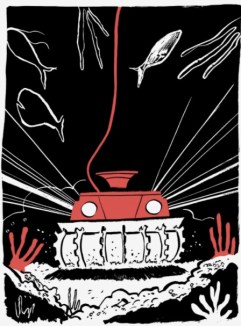
Illustration by João Fazenda

When she publishes an essay, or a longform reported article, it should be clear before you start that you are almost certainly not going to enjoy what you learn:

It’s rare that a tiny country like Nauru gets to determine the course of world events. But, for tangled reasons, this rare event is playing out right now. If Nauru has its way, enormous bulldozers could descend on the largest, still mostly untouched ecosystem in the world—the seafloor—sometime within the next few years. Hundreds of marine scientists have signed a statement warning that this would be an ecological disaster resulting in damage “irreversible on multi-­generational timescales.” Continue reading

AgEc Revolution In Puerto Rico

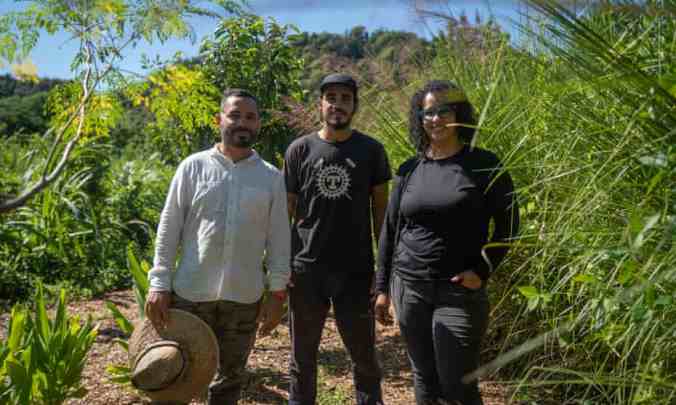
Francisco Diaz Ramos, 44, Marissa Reyes, 32, and Jan Paul, 29, run the Güakiá Colectivo Agroecólogico, an 11 acre farm in Dorado, Puerto Rico. Photograph: Angel Valentin/The Guardian

When we look at these young farmers and the work they are doing we see a greener future.

A farmer prepares the land at the El Josco Bravo argoecology farm in the Toa Alta mountains. Photograph: Nina Lakhani/The Guardian

Thanks to Nina Lakhani and The Guardian for this story:

‘An act of rebellion’: the young farmers revolutionizing Puerto Rico’s agriculture

The island imports 85% of its food but these three farms are part of the agroecology movement that seeks food sovereignty and climate solutions

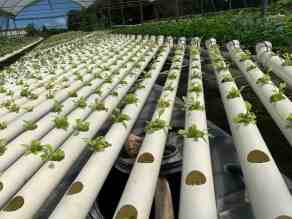
A hydroponics greenhouse at Frutos del Guacabo is used to grow a range of herbs and greens quickly and without soil. Photograph: Nina Lakhani/The Guardian

Puerto Rico was once a thriving agricultural hub thanks to its tropical climate, rich biodiversity, and sustainable farming traditions.

Today, less than 2% of the workforce is employed in agriculture and tens of thousands of acres of arable land sit idle. Meanwhile 85% of the food eaten in Puerto Rico is imported, grocery prices are among the highest in the US and last year two in five people experienced food insecurity. “Unemployment is brutal, prices are brutal, migration from the island is brutal,” said Denise Santos, who runs Puerto Rico’s food bank. Continue reading
Beggar Thy Southern Neighbors

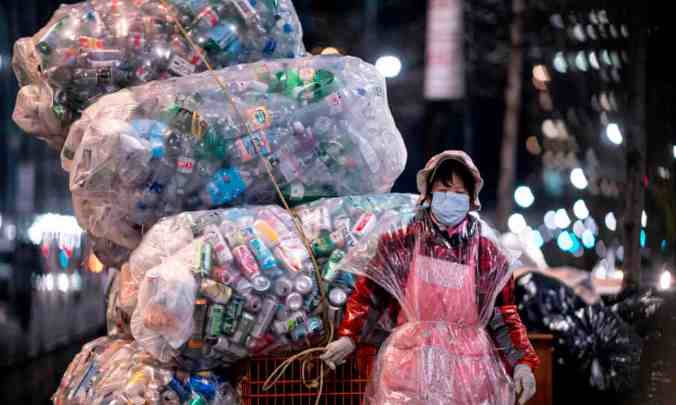
A woman pulls a cart loaded with bags of recyclables through the streets of New York. Photograph: Johannes Eisele/AFP/Getty

Thanks to the Guardian for this Econ 101 textbook example of a “beggar thy neighbor” action taken in one country and imposed on others, using “market forces” explanations to justify the action:

Latin America urges US to reduce plastic waste exports to region

Study finds exports to region doubled in 2020 with practice predicted to grow as US invests in recycling plants

Environmental organisations across Latin America have called on the US to reduce plastic waste exports to the region, after a report found the US had doubled exports to some countries in the region during the first seven months of 2020. Continue reading
A Time For Giving, With Top Shelf Advice

MacKenzie Scott never featured in our many posts about the fortune she suddenly found herself with. She wants to give that fortune away, fast. So, she is a person of interest to us, for all kinds of good reasons. But not so fast, the Economist’s semi-charitable subtitle, the charity-industrial complex, seems to say introducing the article below about advisors to givers:

Bridgespan Group: the most powerful consultants you’ve never heard of

They direct philanthropic billions around the world

OVER THE past 18 months, the world has heard a lot about MacKenzie Scott, the billionaire philanthropist formerly married to Amazon’s Jeff Bezos. She has given generously to charities on the frontline of the pandemic, including food banks, schools and children’s health programmes. Relatively unknown, however, is the consultancy that has helped distribute almost $9bn on Ms Scott’s behalf: the Bridgespan Group. Continue reading
Costa Rica, Never Old

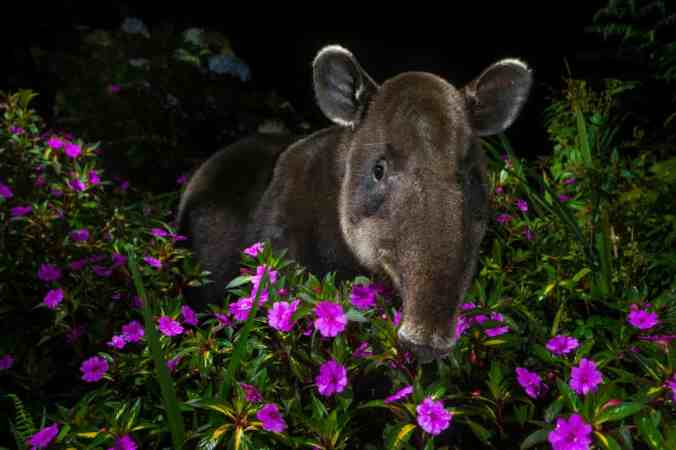
A tapir in Braulio Carrillo national park, near San José. Costa Rica’s policy of paying citizens to protect and restore ecosystems is credited with reversing deforestation rates, which threaten the species. Photograph: Michiel van Noppen/2021 Wildlife Photographer of the Year

The stories we use the title Really to highlight are among the heavies. Too much malfeasance, too often. Reading stories about Costa Rica‘s remarkable achievements related to the environment never gets old:

Billionaires, princes and prime ministers are among those keen to learn from the Central American country, which has long put nature at the heart of its policies

If there had been a popularity contest at Cop26, the Costa Rican president, Carlos Alvarado Quesada, would have been a clear winner. Leonardo DiCaprio, Jeff Bezos, Boris Johnson and Prince William all wanted to speak with the leader of the tiny Central American country, eager to bask in its green glow. Continue reading

Historians As Climate Sleuths

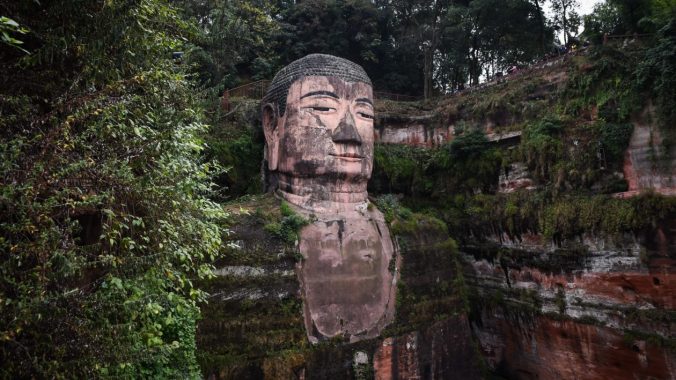
The Leshan Giant Buddha in Sichuan, China, a relic of the Tang dynasty, which collapsed in 907 A.D. amid changes in the climate. ZHONG ZHENBIN / ANADOLU AGENCY / GETTY IMAGES

Thanks to Jacques Leslie

Climate Clues from the Past Prompt a New Look at History

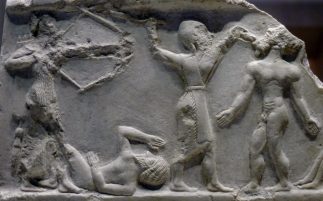
A fragment from a sculpted stele, an artifact of the Akkadian Empire, which collapsed in the 22nd century B.C. amid a severe drought. MBZT VIA WIKIPEDIA

As scientists rapidly improve their ability to decipher past climate upheaval through ice cores and other “proxies,” historians are re-examining previous political and social turmoil and linking it to volcanic eruptions, prolonged droughts, and other disturbances in the natural world.

Joseph Manning, a Yale University professor of ancient history, likes to recall the moment when he was shown an advance copy of a scholarly paper that pinpointed the timing of major volcanic eruptions over the last 2,500 years. As he read the paper, “I literally fell off my chair,” he said recently.

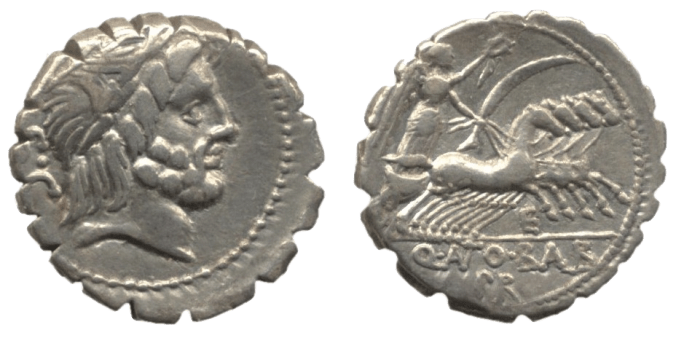
Roman coins dating to 82 B.C. Lead from smelting such coins has been found in faraway ice cores, offering clues about Roman history. CARLOMORINO VIA WIKIPEDIA

Relying on new geochemical techniques for analyzing ice core sediment to determine the dates of ancient volcanic activity down to the year or even season, the paper, published in Nature in 2015, showed that major eruptions worldwide caused precipitous, up-to-a-decade-long drops in global temperatures. Continue reading

Is The Tiger Trail Concept Replicable?

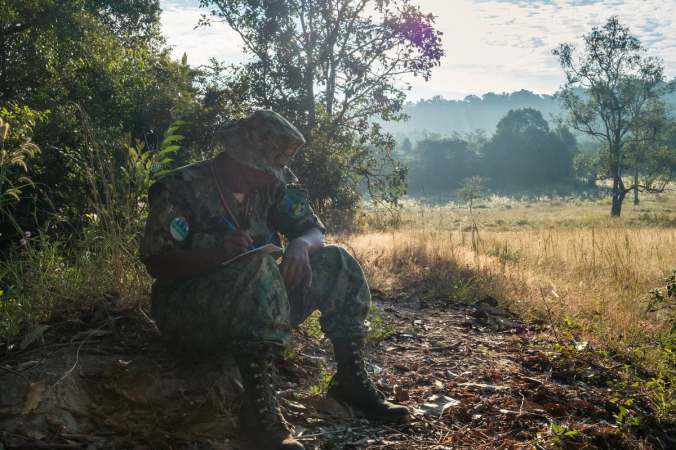
A ranger, on the lookout for illegal poachers and loggers, logs an early-morning report before returning to the Koh Kong ranger station.

When we first learned of it, we wondered why this concept was not implemented in more locations with similar poaching problems. Now we see it:

Inside the Campaign to Save an Imperiled Cambodian Rainforest

Deep in the Southern Cardamom Mountains, former loggers and poachers have assumed new roles as protective rangers and ecotourism guides. Can their efforts help preserve a vast stretch of wilderness?

We were seated near a lush river in the Southern Cardamom Mountains, huddled over a lunch of chicken and rice, when the tip came in via text message: Someone had passed along the location of a poaching camp. Continue reading

Really, Joe?

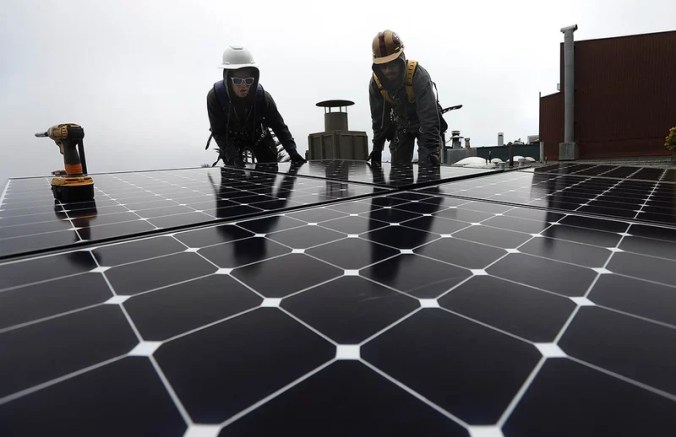
The Build Back Better legislation included billions to accelerate clean energy like rooftop solar, but with the bill now stalled in Congress, cutting U.S. emissions will be tougher. Justin Sullivan/Getty Images

Really? is a question we have to ask every now and then. We had no time to waste, because the country with the biggest carbon footprint per capita needed to change something(s) substantially to allow the planet a chance. But one senator stood in the way. Thanks to National Public Radio (USA) for laying out clearly what the stakes were, and now are:

What losing Build Back Better means for climate change

With billions of dollars for clean energy, the Build Back Better legislation has the potential to substantially and rapidly cut heat-trapping emissions in the U.S. But after West Virginia Senator Joe Manchin rejected the bill on Sunday, Build Back Better is effectively dead, at a time when scientists say the world can’t afford to wait on climate change. Continue reading

Improving The Lives Of The Poor And Disadvantaged With Nature

LUISA RIVERA / YALE E360

Thanks to Carl Safina for this opinion:

Protecting Earth: If ‘Nature Needs Half,’ What Do People Need?

The campaign to preserve half the Earth’s surface is being criticized for failing to take account of global inequality and human needs. But such protection is essential not just for nature, but also for creating a world that can improve the lives of the poor and disadvantaged.

Must nature and civilization be opposing interests? Is nature conservation anti-people? What must be preserved to preserve what needs preserving? Is there a single path that can reverse the three crises of apocalypse: the extinction crisis, the toxics crisis, and the climate crisis? Sixteen ecologists, including me, think the answer to that last question is yes. Continue reading

Spain Harnesses The Power In The Air

View of a wind farm in the province of Burgos.

While we were paying attention to many other things over the last decade, Spain transformed into a wind power house. How did we miss it with all the attention we paid to renewable energy? Thanks to El Pais for this news:

Wind power becomes Spain’s leading energy source for 2021

Renewable sources already cover almost half of the country’s consumption needs – so far this year, they have contributed almost 47% of the total compared to less than 30% a decade ago

Even if the wind stops blowing in the next three weeks, wind power will end the year as the leading source of electricity in Spain. Continue reading

Where Dollars Do The Most For Climate

Wood artisans take remainders leftover after the creation of larger artifacts, and recycle them by tumbling until smooth. An excellent alternative to polished stones, these “renewable pebbles” are available in the Authentica shops in Costa Rica.

We have been offering options on how to spend, while visiting Costa Rica, in ways that benefit the environment here. Small potatoes, but it is what we do.

Much more important for the planet as a whole, and for all humanity inhabiting it, is spending, or rather investing, that can have truly global impact. Robinson Meyer, a staff writer at The Atlantic, and author of the newsletter The Weekly Planet, has this useful guide for citizens of the USA:

Allison Bailey / NurPhoto / AP

A New Estimate of the ‘Most Effective’ Way to Fight Climate Change

Climate-concerned donors should focus on helping to pass climate policy, not offset their emissions, an advisory group says.

On a dollar-for-dollar basis, where will your money do the most to fight climate change? Continue reading

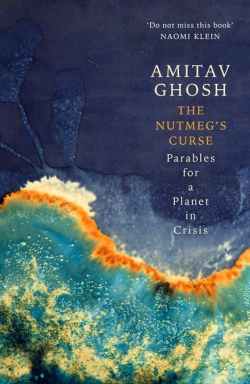
The Nutmeg’s Curse, Reviewed

The Nutmeg’s Curse: Parables for a Planet in Crisis
by Amitav Ghosh
Hachette
352pp
Published October 2021
ISBN: 9781529369458

Amitav Ghosh, appearing in our pages only once before, has a new book. The title of this review of the book, A Dazzling Synthesis, says plenty, as does the endorsement from Naomi Klein:

We have been aware for centuries that we are responsible for the earth’s denudation: its ‘cold staring spaces’, as English writer John Evelyn called them in 1706, mourning the trees chopped down on his estate.  Around a hundred years later, the Prussian explorer Alexander Von Humboldt worried over ‘mankind’s mischief’, conjecturing that if humans ever ventured into outer space, they would carry with them a tendency to leave everything ravaged and barren.  (The closer they resembled man, he also observed, ‘the sadder monkeys look’).  ‘Are the green fields gone?’ asked the narrator of Herman Melville’s Moby Dick, published fifty years after Von Humboldt’s 1801 diary, as he watched his fellow Manhattanites staring dreamily out to sea.  Continue reading

Orca, Climeworks & The Philosopher’s Stone

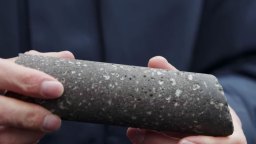
We started noticing Climeworks three years ago and have posted about Orca a couple times since then. But the video above is worth the longer look, and our thanks to Yale Climate Connections for pointing to it in their story Iceland facility sucks carbon dioxide from air, turns it into rock:

(Image credit: Climeworks video)

The technology will need a lot of scaling up to make a difference to the climate.

In Iceland, a new facility called Orca is pulling carbon dioxide out of the air so it can be stored underground. Continue reading