The Market For Travel Books

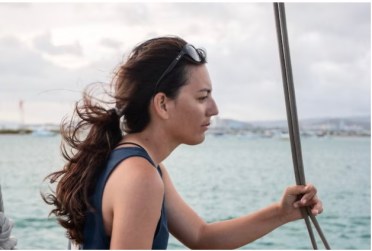
Young woman reads a Lonely Planet guide in Kandy train station, Sri Lanka.

photograph: getty images

A reminder of the reasons for travel writing‘s staying power:

Why travel guidebooks are not going anywhere

Despite predictions that the internet would kill them

They declared that it was dead—or, if it wasn’t dead yet, it soon would be. The cause of the malady was viral: first blogs, then influencers on Instagram and TikTok. Continue reading

Paul Theroux, Still Indulging

At home in Hawaii in 2021. Michelle Mishina Kunz for The New York Times

During the first few months of this platform, when travel experiences as well as variations on biophilia and  conservation became our prevailing themes, a post mentioned one of the great travel writers of our time. 13 years passed and this is his first full reference:

Paul Theroux on Necessary Solitude, Risks and the Joy of Writing

After 60 years of writing and publishing — and almost 60 books — I feel ordering my thoughts on paper to be not a job but a process of my life. You always hear writers complain about the hellish difficulty of writing, but it’s a dishonest complaint.

So many people have it much harder — soldiers, firefighters, field workers, truckers. The writer’s profession is a life of self-indulgence. Continue reading

Mountaineering Books Worthy Of Your Time

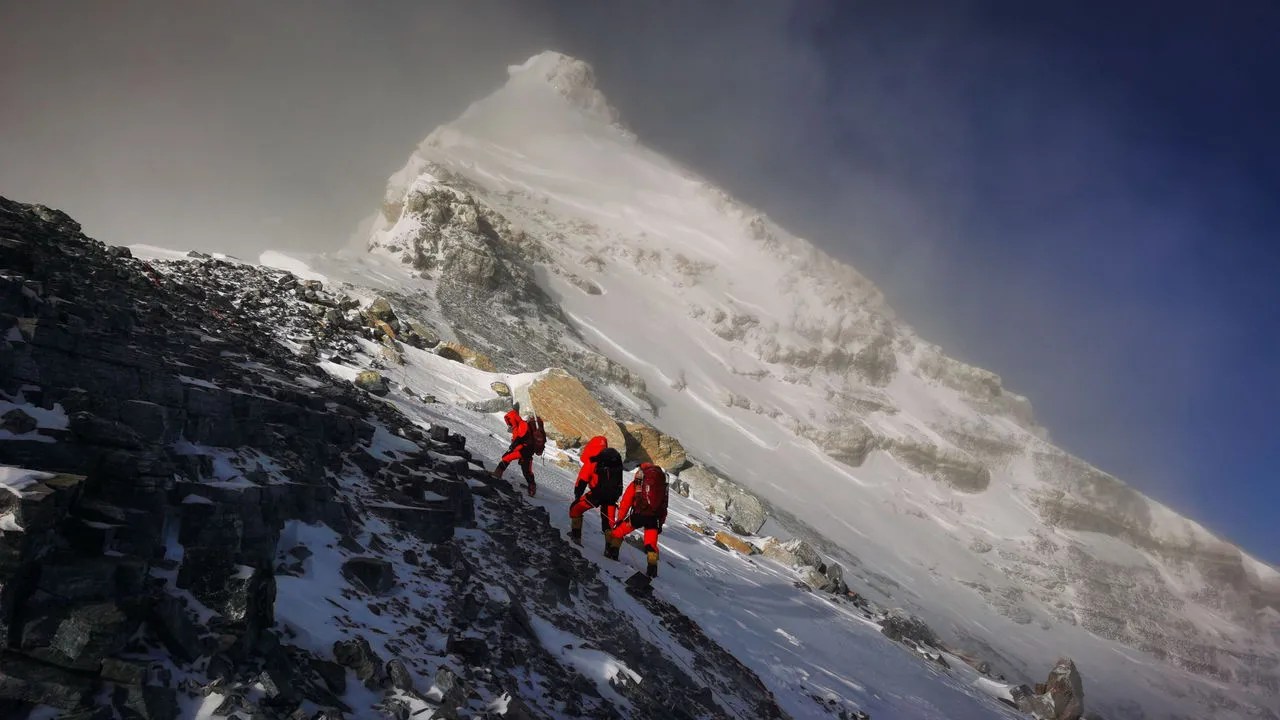
photograph: tashi tsering/xinhua/eyevine

It goes without saying, for most non-mountaineers anyway, that Jon Krakauer is the master of this genre, but hear what the Economist has to say:

Five of the best books on climbing mountains

The books and a documentary that capture the pull of the peaks

Mountaineering has gone mainstream. What was once a pursuit for only the hardiest adventurers is now the extreme sport du jour. Take Mount Everest. In the four decades after Sir Edmund Hillary and Tenzing Norgay first reached the summit in 1953 an average of 12 people a year followed in their footsteps. Continue reading

Rhodope, Bulgaria & Rodopi, Greece

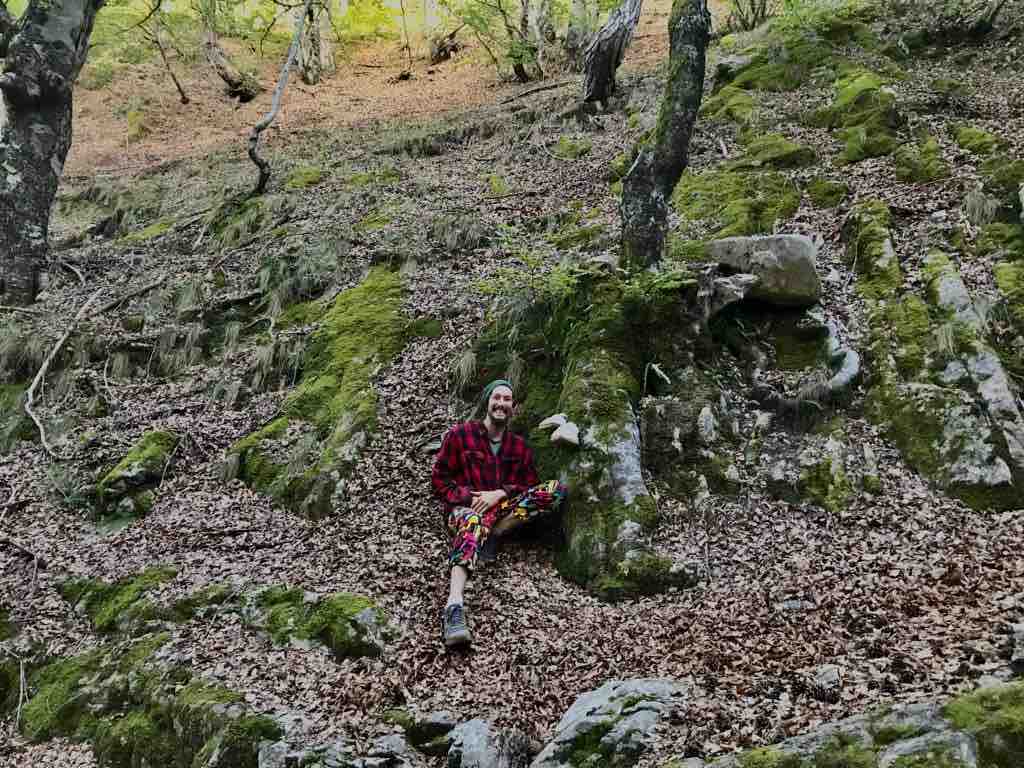
I first heard of this ecosystem nearly a decade ago, not realizing then that it spreads into northeastern Greece. We are in this ecosystem currently, on the Greek side, and yesterday visited the Rodopi Mountain Range National Park. In the photo above you can see Milo, in a location not far from that national park, with one of his favorite types of organism. I thought to revisit the Rewilding Europe website just now, and am happy to link again to their work:

Rhodope Mountains is the most important breeding area for griffon vultures in Bulgaria. The whole region is also a stronghold  for wolf and jackal.

The Rhodope mountains hold a captivating array of of flora and fauna and is a stronghold of vultures in south-eastern Europe. It’s the only breeding spot in Bulgaria for griffon vultures and an important site for the globally threatened Egyptian vulture on the Balkan Peninsula. Additionally, rare cinereous vultures can be spotted soaring above. Among the dozens of other raptor species Eastern imperial eagle, Saker falcon, Levant sparrowhawk, Peregrine falcon and several other eagles can be mentioned.

The whole region is also a stronghold within Bulgaria for wolf and jackal. In recent years, brown bears have begun naturally recolonizing the Rhodopes, and the possibility of bear-watching is emerging in the landscape, particularly in the western part of the mountains.

Because of its location at the crossroads between the European and Asian continent, the impact of the Mediterranean, its pristine landscapes and the variety of habitats here in combination with the relatively small human disturbance, the Rhodope Mountains have a huge variety in species and habitats, and have become one of the bird watching hotspots in Europe.


Travel Takeaways

Illustration by Igor Bastidas

We have ideas on what to take away if you are visiting Costa Rica. Yesterday, Joshua Hunt made this unexpected recommendation on travel takeaways:

Want a Vacation Souvenir? Buy Toothpaste.

The quotidian joys of this pocket-size keepsake.

Six weeks after my first trip to Italy, the fresh mozzarella I brought home is long gone, and so is the hard salami and pistachio-flavored chocolate. To squeeze a bit more from my Mediterranean experience, I can rely a little while longer on the tube of Elmex-brand toothpaste I used to brush away all that food. Continue reading

Northwest Passage Expedition & Arctic Secrets Revealed

Soren Walljasper, NGM Staff. Sources: Douglas Stenton, University of Waterloo; Jonathan Moore, Parks Canada; Matthew Betts, HMS Terror; Mark Synnott; Tom Gross

We rarely link to expeditions-gone-awry stories, but here is an exception, with thanks to National Geographic:

Seeking to solve the Arctic’s biggest mystery, they ended up trapped in ice at the top of the world

In 1847, Sir John Franklin and a crew of 128 men disappeared while searching for the fabled Northwest Passage. A National Geographic team sought to find evidence of their fate—but the Arctic doesn’t give up its secrets easily.

Jacob Keanik scanned his binoculars over the field of ice surrounding our sailboat. Continue reading

Stories from the Field: Andaman and Nicobar Islands

Year 2015 was special for Shashank Dalvi. It was his “Big Year” – a birder’s personal challenge to identify as many species as possible within that time period. I had the opportunity to bird with him and learn from him earlier in the year. He is truly devoted to nature and fills up your brain with tonnes of useful and jaw-dropping information on all creatures in the wild. He decided to wrap the year finding the Nicobar Megapod and was travelling to the Andaman and Nicobar Islands. He managed to obtain permission with several Government departments for himself and our group of 8 birders to travel to Central and Great Nicobars before closing the year in Gujarat.

We were to leave for Port Blair on 15th December, and the timing couldn’t have been worse. Chennai and the east coast of India was drowned in rains. Ominous clouds moved in fast-forward mode. It was like watching a horror movie.

Nature’s fury rendered people and their deities helpless. Bridges and dams tumbled down. People were stranded in higher floors. More than 15 feet of water covered the low-lying residential areas.  The expedition was 5 days away.

I googled the weather pattern over Andamans and Nicobars. I could not see a bit of land. Just purple swirls. The first ever trip with legal documents to travel to any of the islands of Central and Great Nicobar might get washed out due to rains. Continue reading

Archeologists + Cartographers = Dipylon

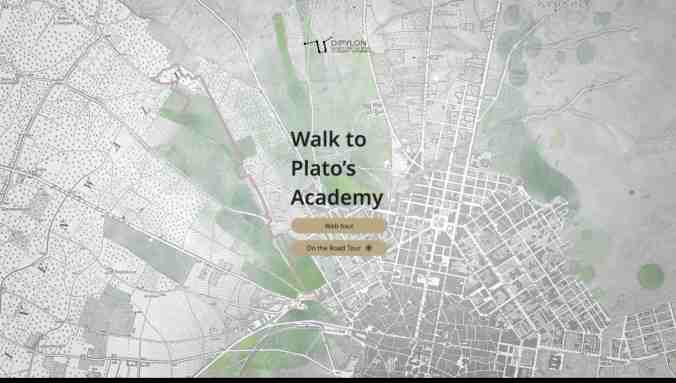
If you click on the image above you will experience through a short video what can happen when technically skilled map-makers, using GIS, combine forces with scholars of antiquity. Better yet, go straight to the software they have created. In advance of travel commemorating 40 years since two of us met, my daily omnivorous media diet brought me to Dipylon, via a profile by Nick Romeo, which I highly recommend (to better understand the origins and workings of Dipylon) whether or not you are planning to visit Athens:

Illustration by Eleni Kalorkoti

The Hidden Archeologists of Athens

By collecting long-forgotten archeological data, a new project reveals the researchers who toiled unrecognized.

In Don DeLillo’s 1982 novel “The Names,” an American businessman living in Athens can’t quite bring himself to visit its most iconic monument. “For a long time I stayed away from the Acropolis,” he says. Continue reading

Lehua Kamalu Captains Hōkūleʻa,

This half hour podcast episode may be your best gateway to a weekend of healthy distraction:

She Sails the Seas Without Maps or Compasses

For nearly 50 years, a group of Hawaiians have been sailing on traditional voyaging canoes using the methods that early Polynesian explorers relied on to navigate the Pacific Ocean—without maps and modern instruments, and relying on the stars, ocean waves, birds, and other natural elements to guide them. We meet National Geographic Explorer Lehua Kamalu, the first woman to captain a long-distance voyage on Hōkūleʻa, a double-hulled Polynesian canoe that was built in Hawaii in the 1970s. She describes what it’s like to navigate in incredibly rough waters, what it means to keep Polynesian navigation alive in the 21st century, and about her next big adventure: a four-year circumnavigation of the Pacific Ocean.

When Disney became the owner of Fox Entertainment’s assets, National Geographic Partners was part of the deal. We never appreciated National Geographic’s association with Fox Entertainment, nor do we think Disney is much better a fit, but we can still appreciate when they do something right.

Stories from the Field: The Great Rann of Kutch, Gujurat

6 months after the Kaziranga trip, I started reading about the birds of India. I was very surprised to learn that we had more than 1,200 species across the country. I ventured out a bit, driving around Bannerghatta National Park and Hesarghatta Lake. Photographing birds isn’t as easy as one would think. They are flighty and fickle. I captured several images of “bird-less” perches and returned home with “bird-less” memory cards as well.

I was 56 years old and time was not on my side. I began to list out important birding areas in the country. This way, I could focus on numbers- my goal being to reach 500 birds before my health deteriorated. I chose birding locations that were easily accessible by car. Gujarat and Uttarakhand had large bird counts and winters were ideal for birding.

I decided to travel to the Great Rann of Kutch during November 2012. I didn’t want any delay seeing and photographing birds. I needed the right gear and I purchased a Canon 1D mark14 with a 500 mm f4 lens. A friend of mine drove me to Kutch, making it an easier trip for me. We chose a Homestay run by a famous conservationist and bird guide, Sri. Jugal Tiwari. All the rooms were named for beautiful local birds, which was very inspiring. I chose the Grey Hypocolius room just because the name sounded exotic. Most special was the fact that each room had books by the bedside,
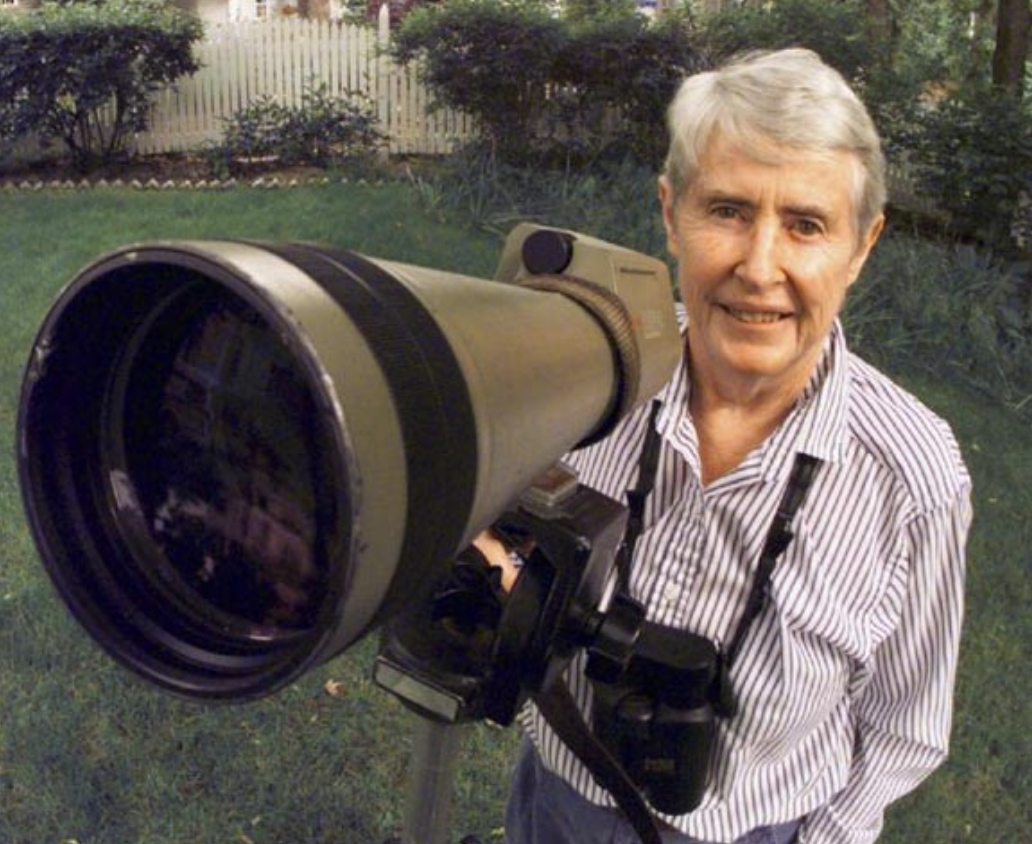
mine had two about the world-famous birder, Phoebe Snetsinger.

Phoebe had seen and documented the unbelievable count of 8,400 birds around the
world.  She held a record at that point in time, for having seen the maximum number of birds in the world. There are approximately 10,500 bird species across the globe. It was difficult to imagine that such a huge number of species of birds even existed!

Continue reading

Stories from the Field: Kaziranga National Park, Assam

My childhood friend Sathya thrust his 1D Mark4 camera and 300 mm f4 camera lens in my hand and asked me to step out and spend more time outside my apartment. He was a medical professional. It was July 2012, and his idea was to fill me with quality air and to wrap more sun on my skin. He wanted me to travel more often and photograph birds.  It was 6 months after a week long trip at Kaziranga National Park, which had been my first taste of wildlife. I can still smell the freshness of it all.
Kaziranga is magical.

We stayed at the Wild Grass Lodge amidst the intimidating presence of huge lenses and heavy gear.
The dining hall was filled with Masai Mara and other jungle lores.
I was drawn into my fellow travel mates’ conversations on birds and elephant behaviour.
Animal psychology was a nonexistent subject for me till then. I always marveled at the life of plants & trees. The reasons and roles of their existence and their beauty.
During this trip, I was introduced into the role of fauna into the sustenance of forests and their mutual social struggles; Their mastery of leveraging each others resources, framed by unwritten cooperative laws. Their companionship in fighting extinction. Survival makes strange bedfellows among flora and fauna – from the megafauna to the smallest ant and flying insect.

Continue reading

Stories from the Field: Namdapha National Park, Arunachal Pradesh

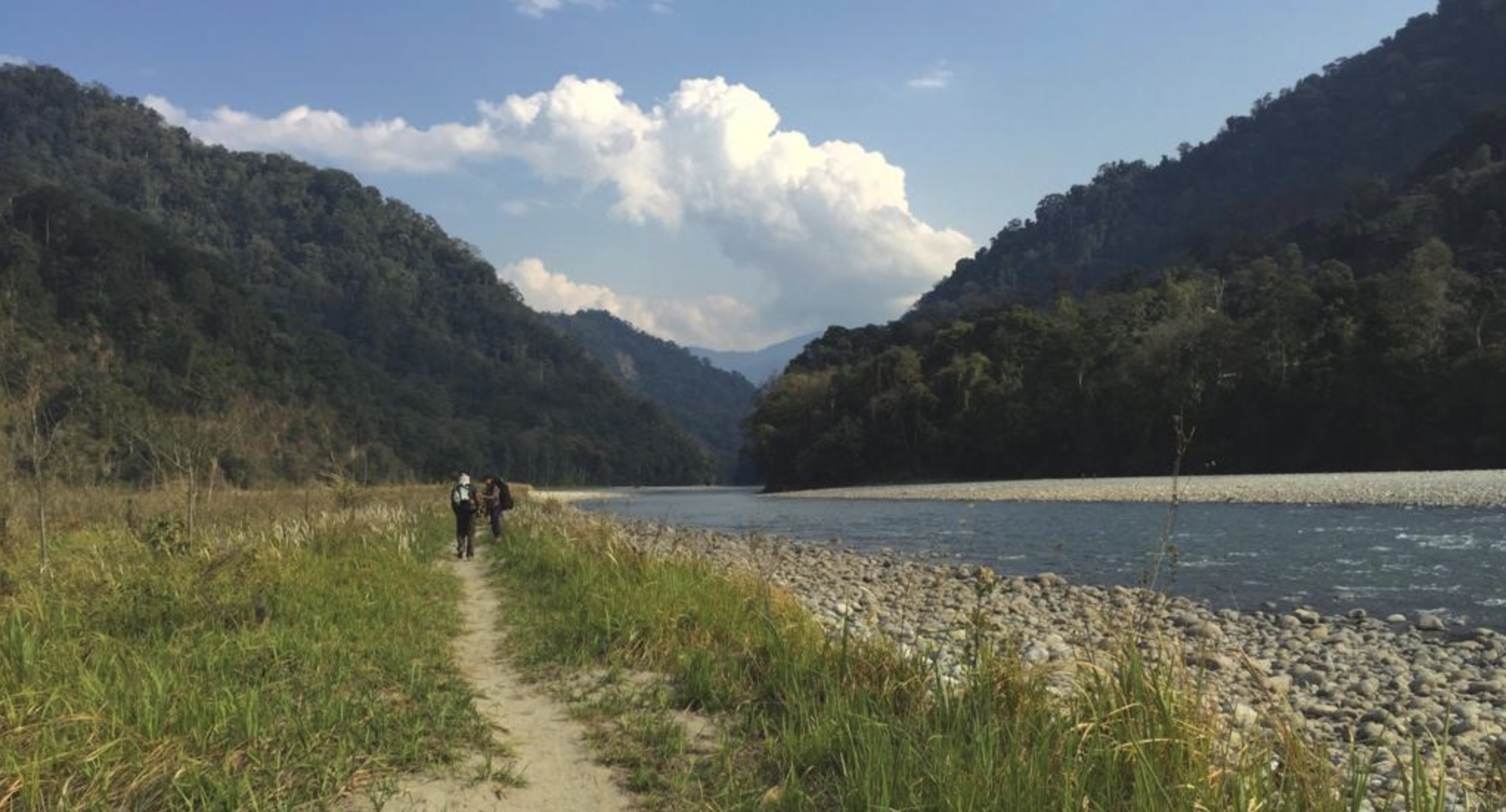
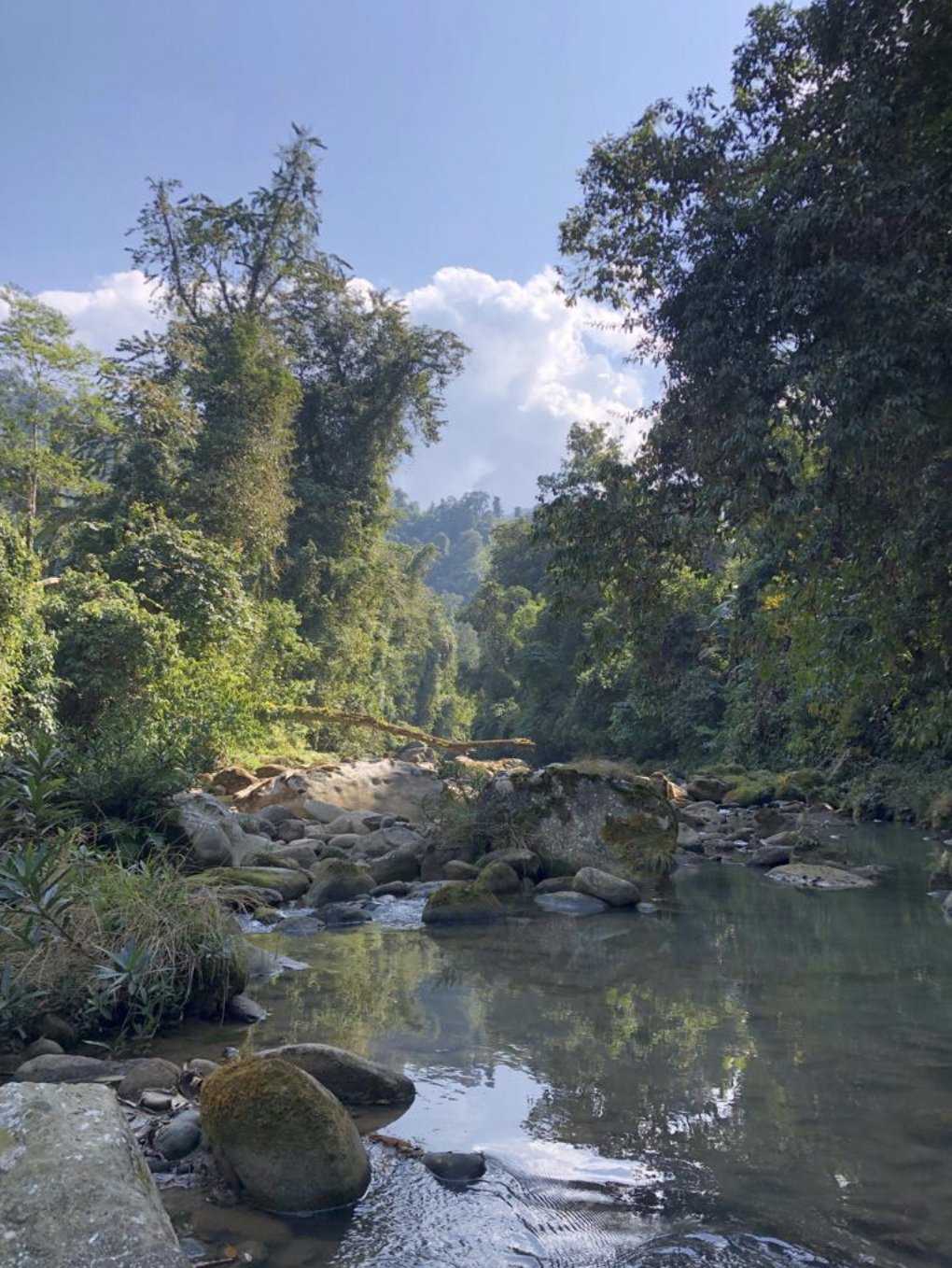
I now realize that when I posted about my experience at Eaglenest Wildlife Sanctuary, I had gotten ahead of myself, because the germ of that visit began at Namdapha National Park.  Namdapha…the name flirts and rolls around to fill your mouth, just as trekking there fills your senses.

I first met with Shashank Dalvi in March 2015 when he had organised a trek to Namdapha. After my initial foray into Kutch, I traveled every month of the year and covered the Central Himalayas extensively. I badly wanted to photograph the colourful birds of the North East and grow my list to 1000 birds of India. I had covered most parts of India by the time I was ready to travel to Namdapha.

I was seeking solitude and needed to take life at an easy pace during 2015. All the travel around the rest of India was done at a frenetic pace. Namdapha was that perfect place to bird at a gentle pace and that solitude came from the serene and silent forest. A perfect place to be lost inside a forest that totally separates you from rest of the world.

I had heard from every corner about Shashank Dalvi and especially about his work in Doyang, Nagaland. He and his team had put a stop to the annual culling of Amur Falcon’s in Nagaland, especially in Doyang.

We had heard rumors of large-scale bird hunting around the Doyang Reservoir in Nagaland some time ago. In September 2012, Bano Haralu, Ramki Sreenivasan, Rokohebi Kuotsu and I decided to investigate. What we saw shocked us – a massacre of thousands of Amur Falcons. Roko and I spent the next couple of days filming the slaughter and interacting with the hunters to understand the extent and nature of the hunt. It remains the most difficult and emotionally harrowing experience of my career.

Since then, I always wanted to bird alongside this man and learn his skill and patience. When you are in love with all creatures around you and understand their roles and impact on universal relationships you become patient in your role towards contributing toward their conservation.

I became a bit more patient. 7 days in Namdapha and surroundings gave ample time to listen about snakes, and behaviour of many mammals. 

Namdapha is declared a Project Tiger Reserve. It is also known as the land of four big cats. The only place on earth to host them all in one forest. This is also the place for rare mammal like the Takin, Musk Deer and the veryrare Slow Loris. The fragrant Agarwood is also found here. With an area of 2000 square kilometers, Namdapha is the largest virgin forests of India. Continue reading

57+ Countries, All Important, But A Few Favorites

Stelios Trilyrakis, the chef behind Ntounias in Crete, pats one of his heritage cows, a rare Cretan species called Gidomouskara. SteMajourneys

I have a longstanding habit, in an article like this one listing travel experiences including 5. Savor an Unforgettable Lunch at Ntounias in Western Crete, of skimming to find whether the writer(s) have been to anywhere that I know firsthand; if they write something meaningful about a place I know, I read the entire article. These days I have less interest in going to places I do not already know (between 57 and 60 countries where I have had meaningful experiences, ranging from a few days to living there for a year or more).

When I see Crete, I am all in, for reasons I have made plain previously. In this case I want to abandon all responsibilities and get on a plane.

Since that is not possible I am left to desk-travel, which is what I did to learn more about this place. I see now that on the two occasions when I have mentioned Xania I have spelled it two different ways. With the X my spelling was transliterating into English the letter used in the Greek alphabet for spelling that town’s name; otherwise the dipthong of Ch is necessary to produce the sound of the Greek letter that looks like an elongated X. Now that I have excused my spelling discrepancies, and daydreamed of a meal on the island of Crete at a later date, I will get on with my responsibilities.

Wonders Of The Yucatán

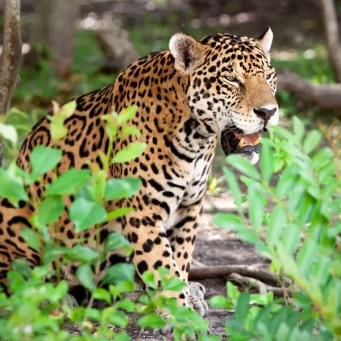
In Calakmul and elsewhere, the fierce jaguar was worshiped as a deity. Ancient rulers and warriors adorned themselves with the animal’s skulls, skins, fangs and claws. Adrian Wilson for The New York Times

Several months ago when we confirmed our plans to attend a wedding in Merida, Mexico on November 5, Calakmul came to mind. We had already explored many famous Maya sites in Central America, most recently in Belize, not to mention Mexico, over the last three decades; and we have also been fortunate with big cat sightings.

We decided against extending our stay, choosing to spend a few days in Mexico City instead (I have been obsessed with Barragán in recent years, so seeing his former home and workshop there was a must). Charly Wilder‘s article in the New York Times, which I am only seeing now, makes me wonder when we will return to see what we neglected in the Yucatan:

The number of jaguars is growing in Mexico, especially in areas of the Yucatán Peninsula. Patryk Kosmider/Getty Images

Thanks to Mexican conservation efforts, the jaguar is making a comeback in the Yucatán Peninsula. A traveler ventures into its habitat in the tropical jungles surrounding an ancient Maya city.

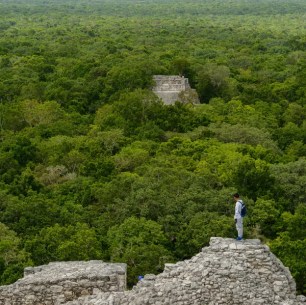
From the top of the great pyramid of the ancient Maya city of Calakmul in the southern Yucatán Peninsula in Mexico, you can see all the way to Guatemala. The jungle stretches out infinitely in every direction, an ocean of green punctuated only by the stepped pyramid peaks of two other Maya temples. Continue reading

Preservation & Protection Via Gamification

Incentives to behave differently in relation to the environment is a constant topic here, but we have not used the word gamification before. Today is finally the day. Thank you, Lindsey Galloway:

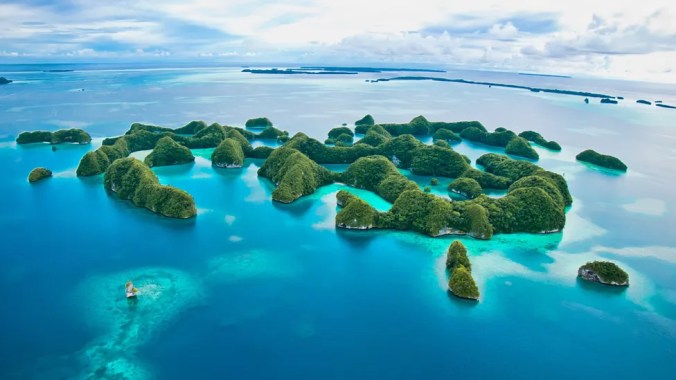
Palau’s world-first ‘good traveller’ incentive

Responsible travellers will be able to unlock exclusive cultural and nature-based experiences (Credit: Colors and shapes of underwater world/Getty Images)

In a world-first initiative, visitors to Palau will be offered exclusive experiences based on how they treat the environment and culture, not by how much they spend.

Despite being home to fewer than 20,000 residents, the Republic of Palau is making an outsized impact to preserve the planet. Not only did the country Continue reading

Altered States & Perspective On Nature

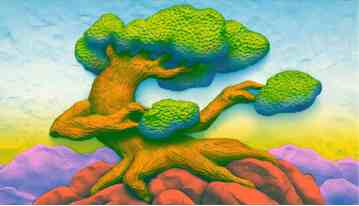
Illustration by Ian Mackay

Matthew Hutson, who only recently came to my attention, has shared a story about a brief bit of inspired clarity in How I Started to See Trees as Smart that I find compelling. Not everyone can do what he has done to get this clarity, but isn’t that one of the great reasons to respect writers? If the subtitle triggers any bad memories you might have from your own experience with hallucinogens, try to get over it and read on. Reference to The Soul of an Octopus early on will calm any wobblies. The final paragraph, and especially the final sentence, are worth arriving at:

First, I took an acid trip. Then I asked scientists about the power of altered states.

A couple of decades ago, on a backpacking trip in the Sierra Nevada, I was marching up a mountain solo under the influence of LSD. Halfway to the top, I took a break near a scrubby tree pushing up through the rocky soil. Gulping water and catching my breath, I admired both its beauty and its resilience. Its twisty, weathered branches had endured by wresting moisture and nutrients from seemingly unwelcoming terrain, solving a puzzle beyond my reckoning. Continue reading

Camping, The Book Review

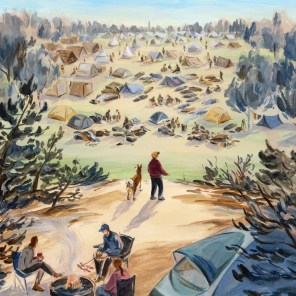
A recent book by the historian Phoebe S. K. Young explores what, exactly, camping is, and how the pursuit intersects with protest culture, homelessness, and identity. Illustration by Sally Deng

We have not featured much on camping recently, but some old favorites come to mind when reading this book review titled The Confounding Politics of Camping in America by Dan Piepenbring:

For centuries, sleeping outside has been embraced or condemned, depending on who’s doing it.

By the eighteen-seventies, the society pages of Scribner’s Monthly could no longer hide it: the “American pleasure-seeking public” had run out of places to seek their pleasure. Summer after summer, vacationers resigned themselves to “broiling in a roadside farm-house” among the “odor of piggery and soap-suds.” Or they visited costly resort towns, finding “more anxious swarming crowds than those left behind.” Continue reading

Organikos In Antarctica

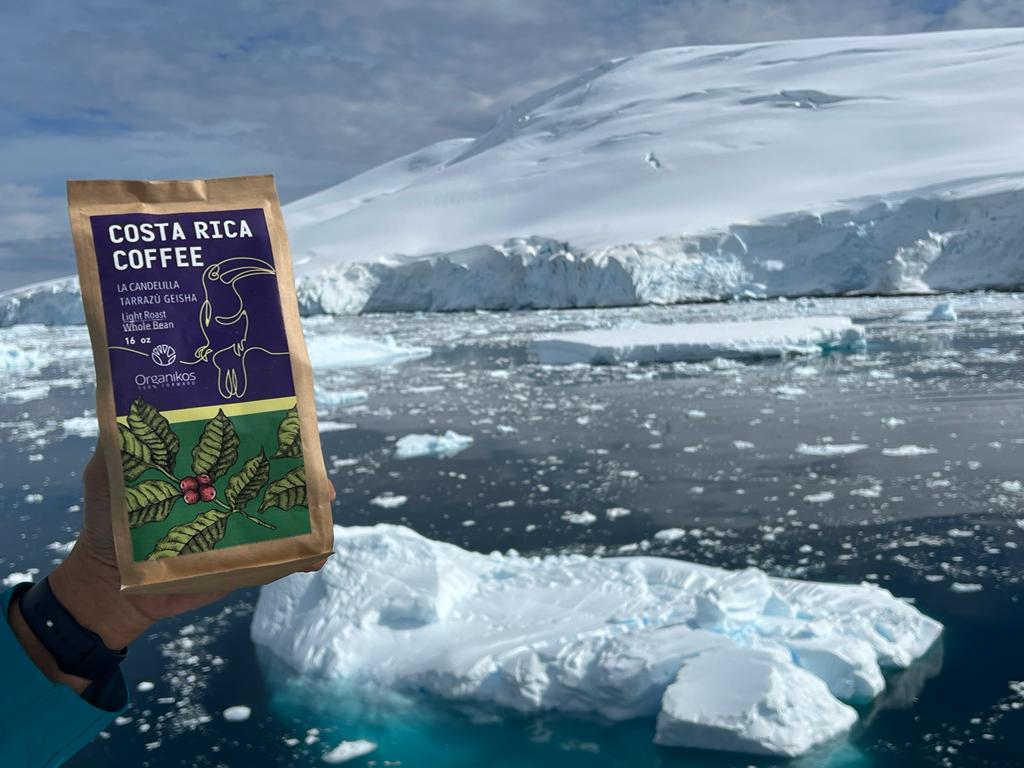
A bag of Organikos coffee, geisha whole bean, with Antarctica in the background

On Sundays I try to stay away from the Authentica shops in order to do other types of work. But on a recent Sunday morning we needed to deliver coffee that had just been roasted to the Belen shop. While bringing the coffee in, a man was poring over the labels in our honey display. My conversation with him started on the minutiae of how these raw honeys are prepared, and extended for more than an hour to the subject of the current coffee harvest. When I told him about the recently introduced geisha varietal, he enjoyed hearing as much as I enjoyed conveying its phenomenal success in Panama first, and now Costa Rica. And so, yesterday, he sent the photo above as promised, holding a bag of our coffee in front of the Antarctic coast, where he is on a scientific expedition.

Organikos served coffee at the southern most tip of the South American continent a dozen years ago, and I am happy to see its reach extending further south and keeping the scientists warm and happy.

Is The Tiger Trail Concept Replicable?

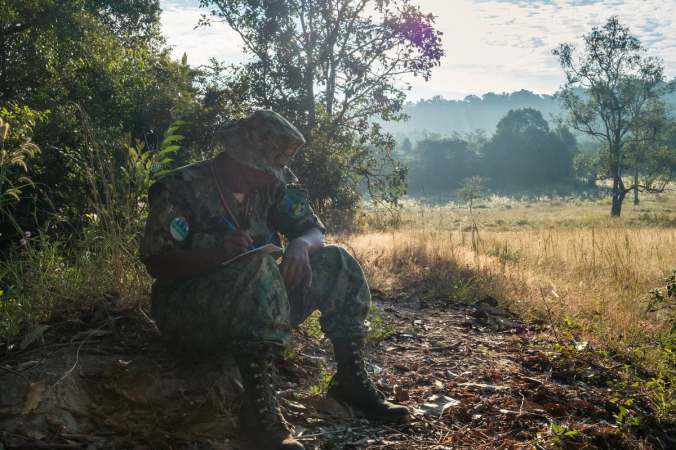
A ranger, on the lookout for illegal poachers and loggers, logs an early-morning report before returning to the Koh Kong ranger station.

When we first learned of it, we wondered why this concept was not implemented in more locations with similar poaching problems. Now we see it:

Inside the Campaign to Save an Imperiled Cambodian Rainforest

Deep in the Southern Cardamom Mountains, former loggers and poachers have assumed new roles as protective rangers and ecotourism guides. Can their efforts help preserve a vast stretch of wilderness?

We were seated near a lush river in the Southern Cardamom Mountains, huddled over a lunch of chicken and rice, when the tip came in via text message: Someone had passed along the location of a poaching camp. Continue reading