When Farming Is Good For Biodiversity

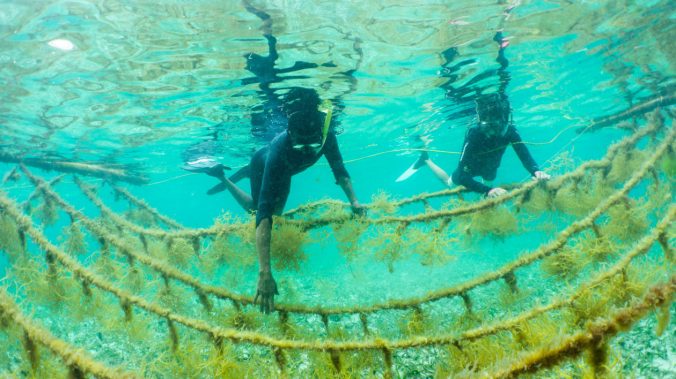
Mariko Wallen and Louis Godfrey tend to the seaweed on their farm in Placencia, Belize. This farm grows two species: Eucheuma (for consumption) and Gracilaria (used for skin treatments and cosmetics). The farm is part of a program sponsored by TNC to bring seaweed aquaculture to the area in cooperation with the Placencia Fishermen Cooperative.

Thanks to the Nature Conservancy’s Cool Green Science website for this:

Aquaculture Adds Value to Habitat

Bivalve and seaweed farming systems result in measurable increases in fish and invertebrate abundance and diversity, new research from The Nature Conservancy, University of New England, University of Melbourne, and the University of Adelaide finds. Continue reading

Rewilding In London

When we have linked to rewilding initiatives in the past the settings are usually but not always rural locations. Here is an urban exception worthy of note, as seen on the project’s overview page:

Hunted to extinction across the UK 400 years ago for their pelts and oil from their scent glands (known as castoreum), we have a vision for returning this charismatic animal back to London where it once thrived. In January 2021, working with the Beaver Trust, we brought together some of London’s key conservation organisations, community groups and environmental decision-makers in London to discuss the possibility of beavers in our Capital once again.

BACKGROUND

As the Rewilding movement continues to grow, species reintroductions are gathering pace, and beavers are now high on the agenda of many conservation strategies. As ecosystem engineers, they breathe life into ecosystems, damming up streams to create wetland habitats where wildlife can thrive. In addition to this, the wetland habitats they create are excellent for flood prevention, sequestering carbon and providing water during periods of drought. Continue reading

Urban Jungles & Biodiversity

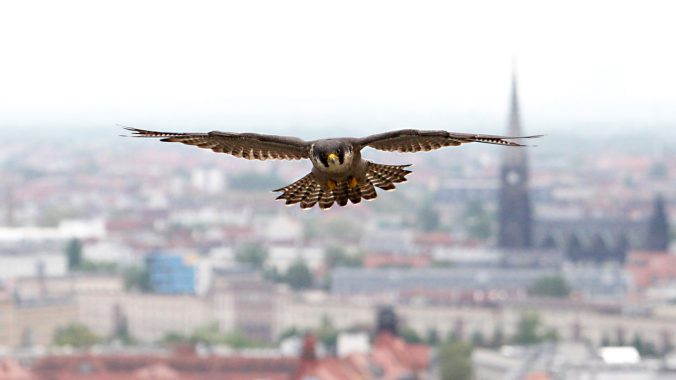
A peregrine falcon flying over Leipzig, Germany. Peregrines survive and reproduce more easily in cities than in rural areas. SEBASTIAN WILLNOW / PICTURE ALLIANCE VIA GETTY IMAGES

We have frequently considered urban greening in reference to social justice and to agricultural innovation. Thanks to Janet Marinelli for this consideration of a more fundamental possibility:

Urban Refuge: How Cities Can Help Solve the Biodiversity Crisis

Cities have long been considered species deserts, devoid of wildlife beyond pigeons and squirrels. But with animals such as snowy owls, otters and bobcats now appearing in urban areas, scientists are recognizing that cities can play a significant role in fostering biodiversity.

Last year, as billions of people around the globe were in coronavirus lockdown, students of Queens College ecologist Bobby Habig discovered a bobcat roaming around the Bronx River in New York City, better known for its recent past as an open sewer and repository for automobile tires and rusted chassis than as a habitat for elusive wildcats. In January, a snowy owl, native to Canada’s Arctic tundra, touched down in Central Park for the first time in 130 years and spent more than a month supplementing its usual diet of boreal lemmings with choice urban fare such as mice and rats. For weeks a coyote was spotted in the Ramble, a 37-acre “wilderness” of rocky crags and hilly forest in the heart of Central Park. Continue reading

Welcome, France, To The Community Of Like-Minded Countries

A European robin trapped with glue on a stick, in France. Photograph: Courtesy LPO

It took too long to outlaw, but thank goodness it has finally happened:

France’s highest appeals court has ruled that the hunting of songbirds with glue traps is illegal, saying an exemption that had permitted the practice was in breach of European legislation. Continue reading

Humpback Whale Rebound

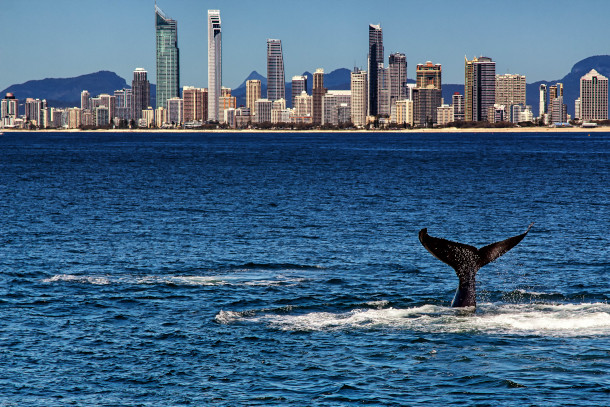
A humpback whale off the shore of the Gold Coast in Australia. (Photo: Steve Austin, Flickr, CC BY-ND 2.0)

Just absorb this (thanks to the Living on Earth podcast for this short segment):

…Experts estimate there are about 40,000 humpbacks that migrate each year between the southern oceans around Antarctica and the oceans around Australia. And there used to be 1500 a half century ago, mostly wiped out due to wailing. Continue reading

Crazy Yellow Ants, Be Gone From This Island

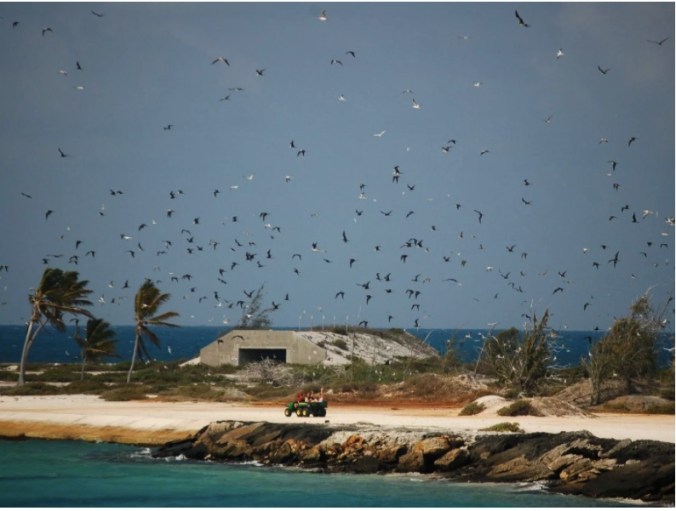
Hundreds of frigate birds and boobies fly over a Crazy Ant Strike Team crew of volunteers at Johnston Atoll NWR.
USFWS

In common language, they are called crazy. They terrorize birds on an island where they did not belong. On this platform we are always going to side with the birds. Full stop. But, even these lousy things ants do are impressive. They remind us that one day ants will rule the planet.

Yellow Crazy Ants, An Enemy To Seabirds, Have Been Wiped Out On A Remote Atoll

The yellow crazy ant was last spotted by Crazy Ant Strike Teams on the vital seabird nesting grounds in December 2017, but it was too soon to tell if they’d been fully extinguished because their colonies are found underground. Robert Peck/HCSU/USGS

After more than a decade, the terrorizing reign of the yellow crazy ant is over on the Johnston Atoll National Wildlife Refuge, part of the Pacific Remote Islands Marine National Monument.

The nonnative invasive insect had been threatening ground-nesting seabirds on the atoll since at least 2010, nearly wiping out the island’s red-tailed tropicbird colony in just a few years and wreaking havoc on other seabirds. But the U.S. Fish and Wildlife Service announced Wednesday that its campaign to eradicate the insects has been a success. Continue reading

One Of The Most Mind-blowing Discoveries In The History Of 20th- And 21st-Century Ornithology

Whimbrel returning to Deveaux Bank for their night roost. Photo: Damon Winter/The New York Times

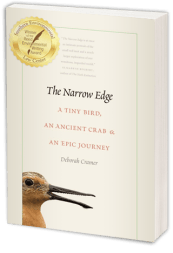
We have not featured Deborah Cramer in our pages previously, but this seems like a fine time to start. She is a visiting scholar at M.I.T.’s Environmental Solutions Initiative and the author of the book to the right.  Accompanied by excellent photographs from Damon Winter as well as exceptionally lucid infographics, her interactive essay in the New York Times is a forceful plea for conservation of a sensitive bird habitat:

An Oystercatcher on the bank. Photo: Damon Winter/The New York Times

Leave This Wondrous Island to the Birds

An ever-changing spit of sand on the Carolina coast is a haven for multitudes of shorebirds. But nature and humans threaten it.

ABOUT 20 MILES south of Charleston, S.C., at the mouth of the North Edisto River, a small, horseshoe-shaped sandbar rises above the water. The claim of land is tenuous on Deveaux Bank, about a half-mile offshore. At high tide, it’s three-quarters submerged. Deveaux’s sand is continually shifting as swirling currents build it up and wash it away. In some years, the island disappears altogether. Continue reading

Botanical Migration

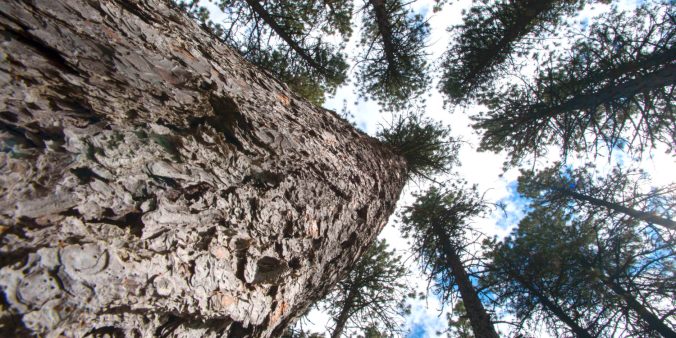
Ponderosa pine, now widely distributed in North America, were exceedingly rare during the last ice age. WOLFGANG KAEHLER / GETTY IMAGES

Thanks to Zach St. George for this:

As Climate Warms, a Rearrangement of World’s Plant Life Looms

Previous periods of rapid warming millions of years ago drastically altered plants and forests on Earth. Now, scientists see the beginnings of a more sudden, disruptive rearrangement of the world’s flora — a trend that will intensify if greenhouse gas emissions are not reined in. Continue reading

Year 10, Day 1

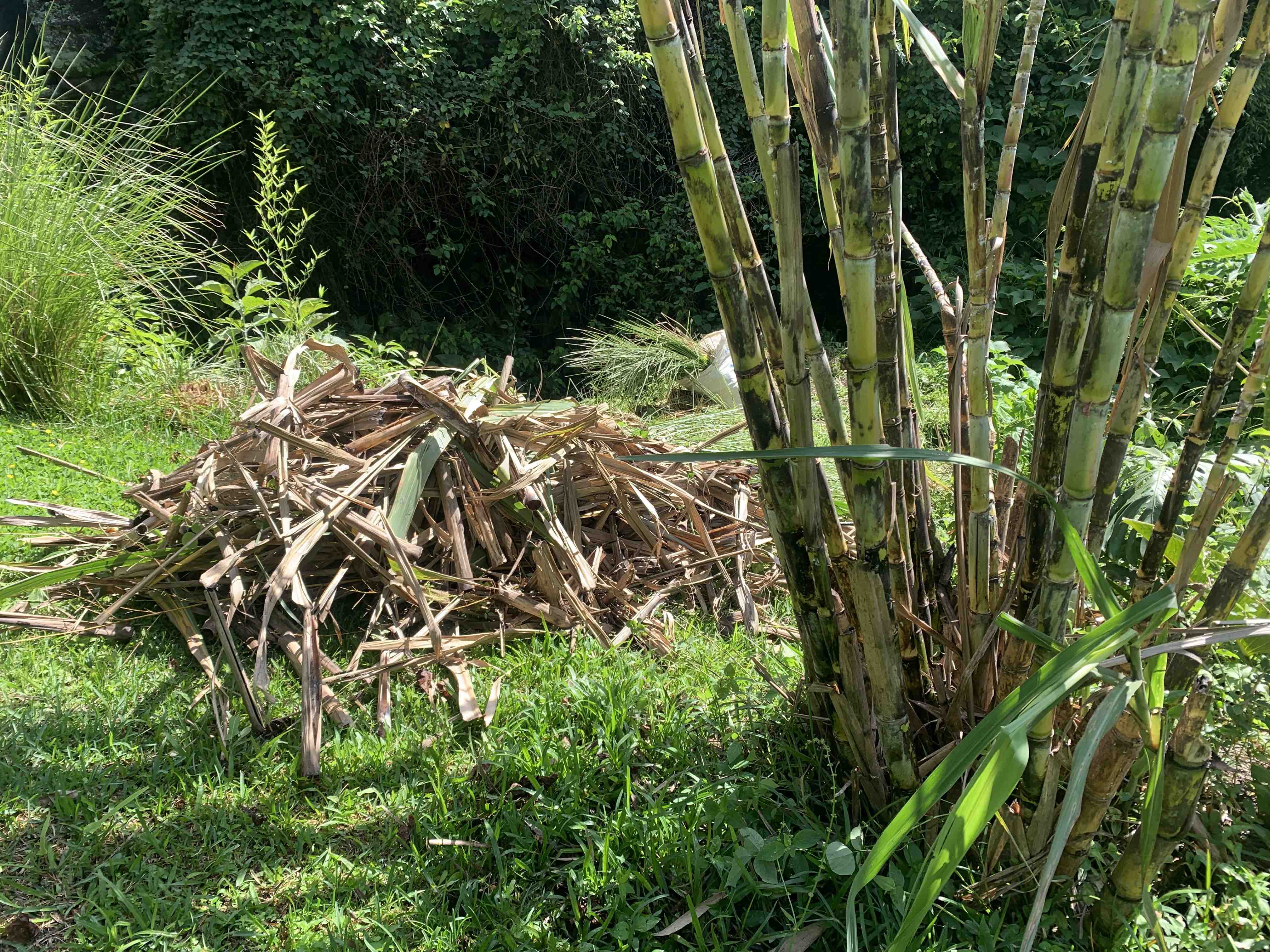
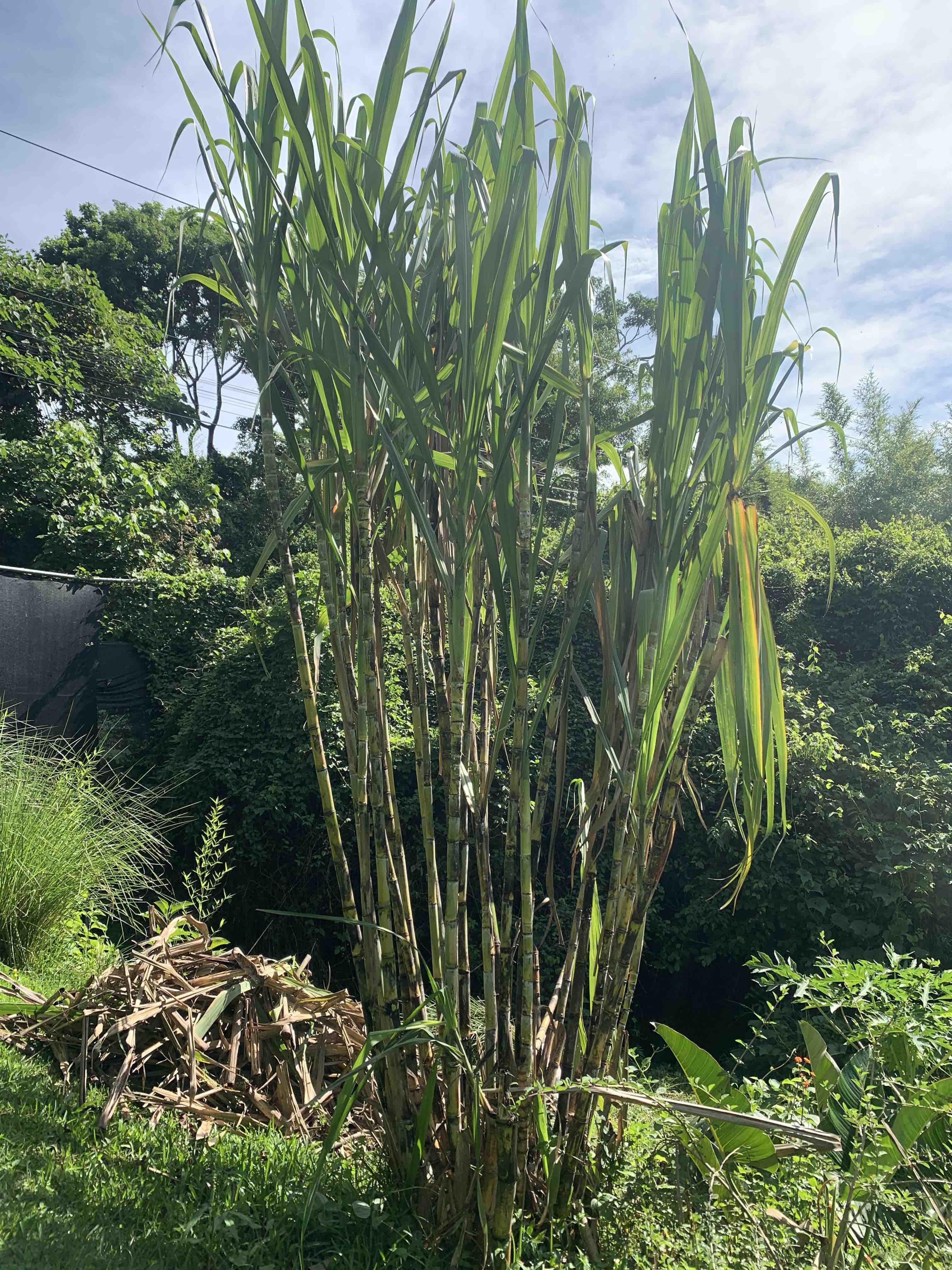
As we start another decade of posting here I will share two photos. The one above shows the outer layer of sugar cane that sheds, on the ground to the left of the stalk of cane that was planted about 18 months ago. The photo below shows the height of the cane today.

I posted this view six months ago, where you can see how green the leaves were in the drier summer time versus the rainy season we are in now. I will harvest these stalks to plant more sugar cane, rather than to produce sugar, and once the ground is prepared for that planting I will illustrate here how it is done.

Milkweed, Monarchs & Meaning

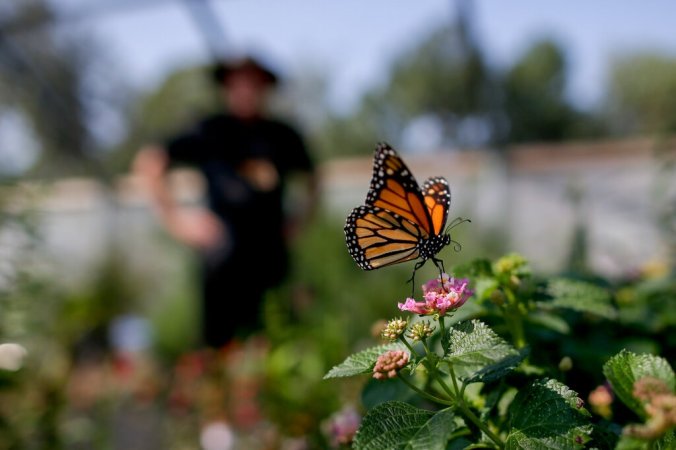
A monarch butterfly on a milkweed plant in Vista, Calif. Gregory Bull

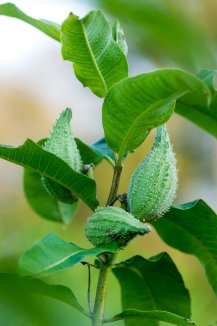
We feature monarch butterflies in our pages to highlight conservation challenges, and milkweed is often part of the story. Claire Fahy’s story below reminds me that the link between the insect and the plant, and the effort in California to repair that link, is one example of why we created, and why I continue to post on, this platform. A short statement of purpose might be something like: in hope there is meaning. June 15 will mark the 10th anniversary of the first post, and I intend to start the next decade with a more regular series on our regeneration efforts on a few acres of land here in Costa Rica. Because it provides a sense of meaning, among other reasons. So we thank those in California who are doing the same on a 200x scale:

A coalition of conservation groups have partnered with the state to add 30,000 milkweed plants in an attempt to restore the species’ population.

A consortium hoping to rescue the Western monarch butterfly is planting three varieties of milkweed: showy milkweed, narrowleaf milkweed and a desert milkweed. Rob Cardillo for The New York Times

Known for their windowpane wing design and bright orange color, Western monarch butterflies add a dash of magic to the California coast, where they spend the winter. Now a coalition of conservation groups, the California Department of Fish and Wildlife, and the environmentalist organization River Partners are working together to extend a lifeline to the monarchs, whose population has been dwindling drastically.

The groups have embarked on an effort to add 30,000 milkweed plants across the state to provide the butterflies with places to breed and acquire the sustenance for migration.

The Western monarchs’ California population has fallen 99 percent since the 1980s, The San Francisco Chronicle reported. A major factor in that drop has been a decline in milkweed caused by farming and pesticide use. Milkweed is vital to monarchs as a place to lay eggs and as a food source for their caterpillars. Continue reading

Healing Earth & Avoiding Amazon

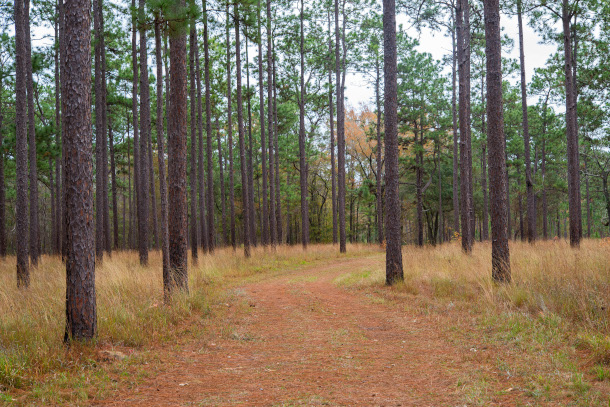
Longleaf pines once covered 90 million acres from Virginia to east Texas but today only about 5 percent of historic range remains intact. Marion Clifton Davis was a modern conservationist who bought tens of thousands of acres in the Florida sandhills and turned them into a private reserve, a project aimed at restoring back the Longleaf pine forest. (Photo: Florida Fish and Wildlife, Flickr, CC BY ND 2.0)

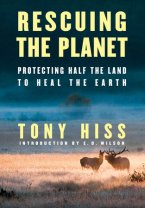
When you have 12 minutes to spare, listen to Tony Hiss talk about his new book on this excellent episode of Living On Earth, and if you decide to buy the book and want to avoid Amazon click the image of the book below:

The Boreal Forest is the world’s largest intact forest ecosystem and is a carbon sink. It’s estimated that if global warming exceeds the 3-5 degree Celsius heat stress and water scarcity could trigger extensive forest death and a dangerous release of the stored carbon dioxide into the atmosphere. (Photo: Kevin Owen, Flickr, CC BY NC ND 2.0)

Climate change is placing stress on plants and animals to rapidly adapt but without intact habitat, that could become impossible for many. Tony Hiss is an award-winning author and joins Host Bobby Bascomb to talk about his book Rescuing the Planet: Protecting Half the Land to Heal the Earth, which looks at several places across North America where communities are already working to protect habitat and biodiversity.

Transcript

BASCOMB: It’s Living on Earth, I’m Bobby Bascomb.

During his first few days in office President Biden announced the goal of protecting 30 percent of US land and water by the year 2030 with a long term goal of 50 percent by 2050. Continue reading

Palm Oil & Us

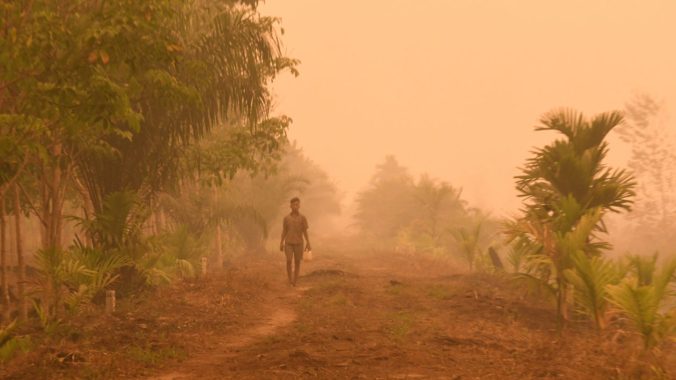
A villager walks through a haze from fires in burned peatland at an oil palm plantation in Sumatra, Indonesia. MUHAMMAD ADIMAJA / GREENPEACE

For all the attention we have given palm oil in the decade of posting links to stories here, strange that Jocelyn Zuckerman only appears once in our pages before today. As with fossil fuels the onus should not be entirely on individuals as consumers; collective action and public policy are essential tools to limiting the damage that corporate palm interests have been causing, relatively unchecked, for too long. We thank her for this clear, strong statement:

The Time Has Come to Rein In the Global Scourge of Palm Oil

The cultivation of palm oil, found in roughly half of U.S. grocery products, has devastated tropical ecosystems, released vast amounts of C02 into the atmosphere, and impoverished rural communities. But efforts are underway that could curb the abuses of this powerful industry.

A few weeks ago, the Sri Lankan president announced that his government would ban all imports of palm oil, with immediate effect, and ordered the country’s plantation companies to begin uprooting their oil-palm monocultures and replacing them with more environmentally friendly crops. Citing concerns about soil erosion, water scarcity, and threats to biodiversity and public health, President Gotabaya Rajapaksa explained that his aim was to “make the country free from oil palm plantations and palm oil consumption.” Continue reading

Back To Impenetrable

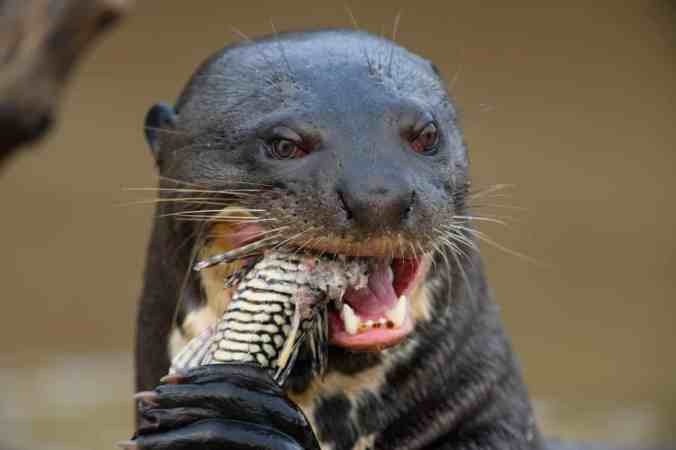
A giant otter in the Brazilian Pantanal. They play a vital role in the health of a river’s ecosystem. Photograph: Barcroft Media via Getty Images

It had been a while. Too long. But great to see once again:

‘A huge surprise’ as giant river otter feared extinct in Argentina pops up

Conservationists thrilled at the sighting of the wild predator, last seen in the country in the 1980s

“It was a huge surprise,” said Sebastián Di Martino, director of conservation at Fundación Rewilding Argentina. “I was incredulous. An incredible feeling of so much happiness. I didn’t know if I should try to follow it or rush back to our station to tell the others.”

Continue reading

Ants, Food Raids & Evolution

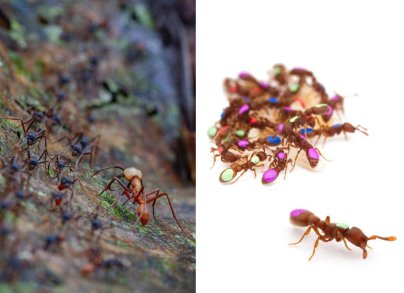
Image #1 Army Ants reproduced with permission from “Army Ants: Nature’s Ultimate Social Hunters” by Daniel J.C. Kronauer; Image #5 painted clonal raider ants photograph by Daniel Kronauer. Credit: #1: Daniel J.C. Kronauer, #5: Daniel Kronauer

It is rainy season, therefore the season for starting the growth cycle of some plants, in Costa Rica. It is always ant season here. Some of the trees we planted last year, mostly citrus varieties but also pomegranate, have become feasting locations for ants who devour their leaves and haul them off.

My assumption, seeing this constantly during the 25 years since we moved to Costa Rica, has always been that ants are primarily vegetarians So, today a bit of ant-wonk from a team of scientists at Harvard University, summarized on Phys.org’s website, to correct my assumption (the video alone is worth visiting the source article):

How army ants’ iconic mass raids evolved

Army ants form some of the largest insect societies on the planet. They are quite famous in popular culture, most notably from a terrifying scene in Indiana Jones. But they are also ecologically important. They live in very large colonies and consume large amounts of arthropods. And because they eat so much of the other animals around them, they are nomadic and must keep moving in order to not run out of food. Due to their nomadic nature and mass consumption of food, they have a huge impact on arthropod populations throughout tropical rainforests floors. Continue reading

New Methods For Bee Species Protection In Photos

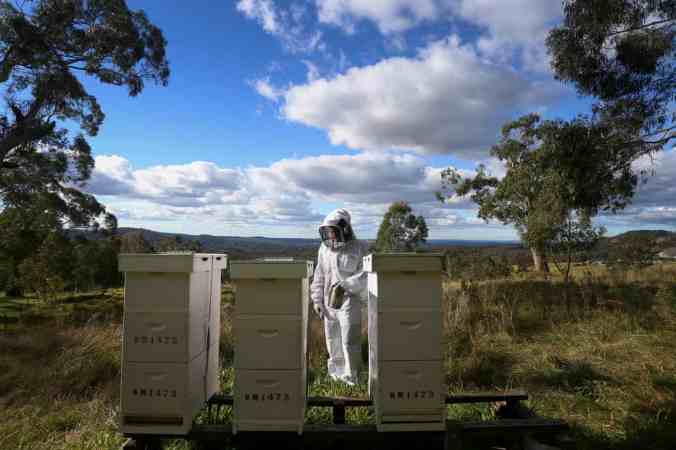
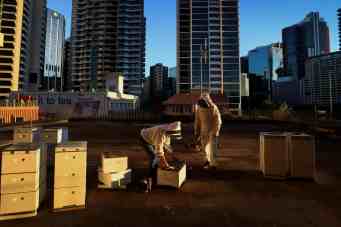
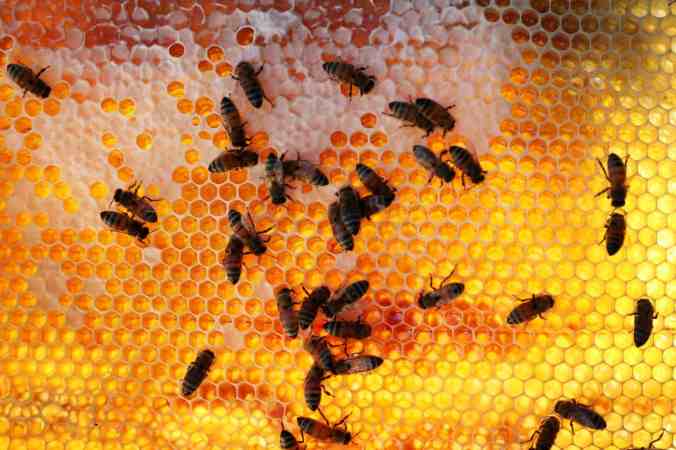
Apiarist Darryn McKay of Bowral Bees inspects hives in Bowral. McKay is a ‘farm to gate’ beekeeper with a number of hives hosted in the southern highlands. He also provides bee swarm collection and runs workshops.

Thanks to the Guardian:

Moving Species To Protect Their Viability

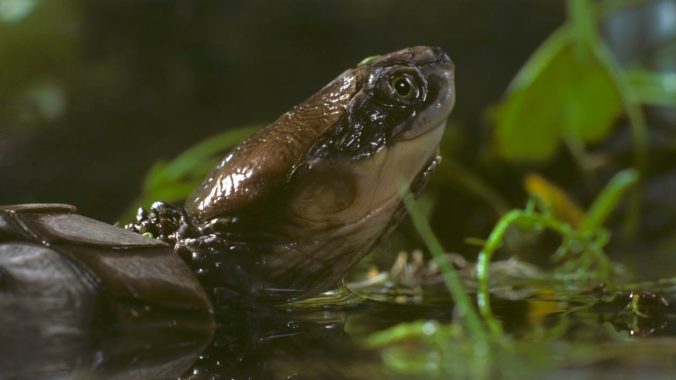
The endangered western swamp turtle, which scientists have reintroduced into its native habitat in Australia. AUSCAPE/UNIVERSAL IMAGES GROUP VIA GETTY IMAGES

Thanks to Yale e360 for this:

Amid Climate Pressures, a Call for a Plan to Move Endangered Species

The conservation community has fiercely debated whether to help species move as climate change and habitat loss threaten more extinctions. Now, scientists are calling on an upcoming international conference to set guidelines for this complex – and potentially risky – challenge. Continue reading

Michelle Nijhuis On Species Solidarity

LUISA RIVERA

Michelle Nijhuis is one of several science writers who have made our pages better in the 10 years since we started this platform. This essay is in good company:

Species Solidarity: Rediscovering Our Connection to the Web of Life

As climate change intensifies and human activity impacts every corner of the planet, repairing our world increasingly means realizing that our fate is intertwined with that of other animal and plant species — not separate from theirs — and that we must think and act accordingly. Continue reading

Brazil’s Middle Earth

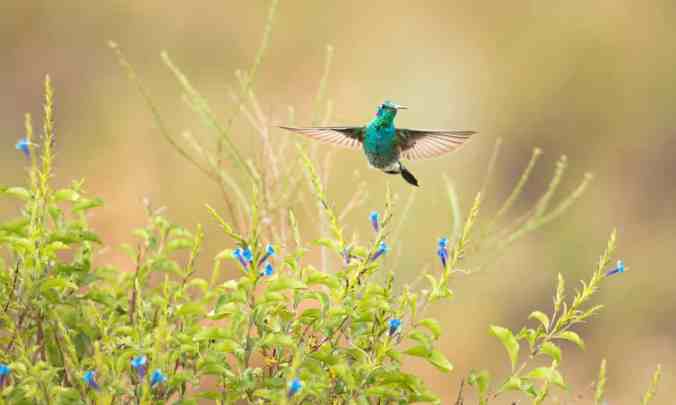
A white-vented violetear hummingbird feeds on the nectar of the flowers of a Stachytarpheta glabra

Thanks to Augusto Gomes for bringing this region, unknown to us, to our attention:

Life on the rocks in Brazil’s campo rupestre

In a little-known region that calls to mind Tolkien’s Middle-earth, photojournalist Augusto Gomes marvels at one of the oldest, harshest, most biodiverse – and most threatened – ecosystems on the planet

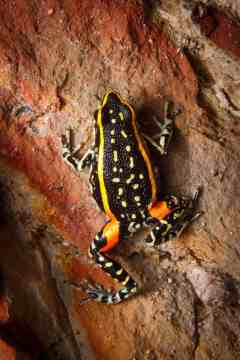
Lutz’s poison frog, which feeds primarily on ants

When I was a child, my family would drive three hours from our home in Belo Horizonte to visit my grandfather’s ranch near the town of Santana dos Montes. On the way, we would cross the Espinhaço mountain range, which runs north to south in the central-eastern portion of Brazil.

Espinhaço means “spine” in Portuguese, and the name could not be more apt. The range spans 1,200km (750 miles), its bony peaks reach as high as 2km, and the thriving, humid Atlantic Forest drops away to the east, foggy and dense with evergreens, ferns, mosses and bromeliads, the air bursting with the strange songs of birds you never see. On the west side of the mountains, the arid, savannah-like Cerrado stretches flat and exposed, with golden grasslands and small, twisted trees. Continue reading

Celebrating Urban Birds, Uptown Story

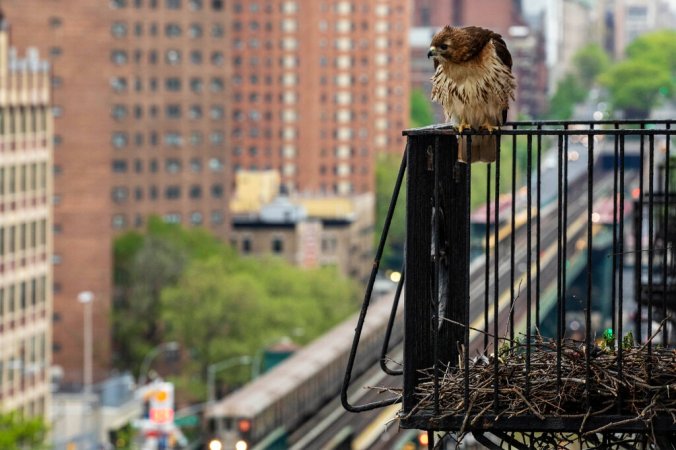
A mama hawk in West Harlem. No big deal. Dave Sanders for The New York Times

Yesterday was Global Big Day, an annual birding event that we have participated in each year since we became aware of it. We became aware when Seth began working with the Celebrate Urban Birds initiative, which was also when I started paying more attention to the Cornell Lab of Ornithology‘s important work in citizen science. We have been featuring that work in these pages ever since, including non-bird citizen science. This story from uptown New York City gives a fresh perspective on a citizen non-scientist celebrating urban birds:

He Wasn’t a Bird Person. Then a Hawk Built a Nest on His Fire Escape.

Life, death, renewal and social media ensued.

Alba, at 2 weeks old. Dave Sanders for The New York Times

Michael Palma Mir’s first encounter with the hawk was not auspicious. Around the first of March, he noticed it outside his West Harlem apartment.

In his 57 years living there, Mr. Palma Mir had never seen anything like this beautiful bird, a killer. He grabbed his camera and stuck his head out the window for a better shot.

The next thing he knew, it was right there. “It was three feet away from me and coming in real fast,” he said. “All I saw were the talons coming right at my head.” He yanked his head back inside and slammed the window, never expecting to see the bird again.

He was wrong. Continue reading

Colombia’s Blue Carbon Initiatives

Thanks to YaleE360 for this brief explanatory note on Blue Carbon Projects from a Colombian perspective:

New Approach to Blue Carbon Projects Underway in Colombia

A mangrove preservation project along Colombia’s Caribbean coast is using a more comprehensive method to calculate how much carbon is stored in coastal and marine ecosystems, potentially boosting global efforts to conserve so-called blue carbon. Continue reading