Year 9, Day 365

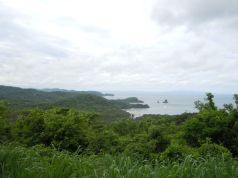
Seth’s photo of the view from the hill at Morgan’s Rock in Nicaragua

Today marks ten years since the first post on this platform. Seth’s description of a crab-eating little possum wandering by as he was reading, and a sloth-sighting together with two people visiting Nicaragua from the USA, reads like an entry in a travelogue. A later post about boarding down a volcano was the most viewed post of the first year.
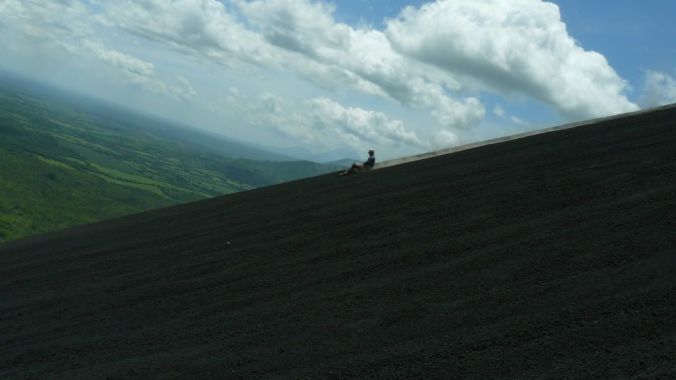
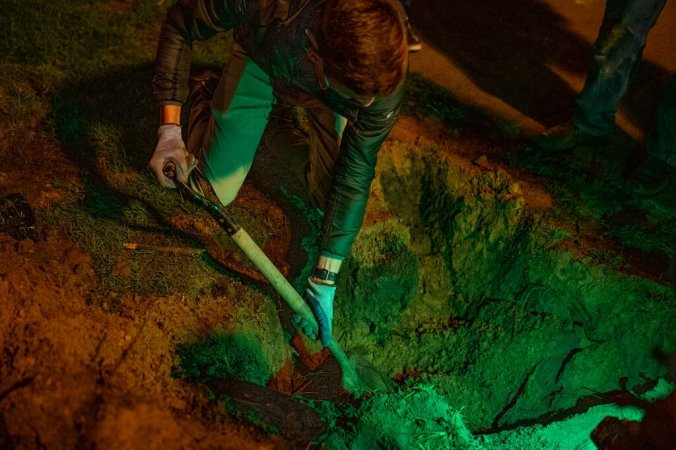
Seth sandboarding down Volcán Cerro Negro in Nicaragua

A man named Baba Ramdev, a yoga guru, was on a hunger strike to protest corruption when Michael, a senior at Amherst College, landed in India to begin an internship

Michael’s first post likewise starts as a travelogue, but veers into different territory as he reads the news about two men who are sacrificing comfort, and even life, for causes they believe in. The post goes on to identify drinking water as a cause worthy of the reader’s attention. Over the course of his time with us in India he wrote some of my personal favorites. He helped me better understand that the value of the internships we offered were as much about personal growth as about work experience.

Within a few years, permits could be issued for commercial miners hoping to harvest the submerged wealth of the sea. Illustration by Sophi Miyoko Gullbrants

A decade was set in motion. This is our 10,286th post. Whatever meaning might be drawn from statistics, such as 827,462 views of our posts as of this writing, I find reasons to continue what those two started. Every day a bird is featured, thanks to Amie’s network of bird photographers. And every day I scan the news to share something enlightening, or I jot a note about a new idea we are trying out, always related to causes we care about. Today, on this rounding out of a decade, I mark the occasion by sharing the latest publication of a writer whose work rarely makes me happy but who I nonetheless link to often as a head-out-of-the-sand gesture:

The Deep Sea Is Filled with Treasure, but It Comes at a Price

We’ve barely explored the darkest realm of the ocean. With rare-metal mining on the rise, we’re already destroying it.

June 14, 2021

The International Seabed Authority is headquartered in Kingston, Jamaica, in a building that looks a bit like a prison and a bit like a Holiday Inn. The I.S.A., which has been described as “chronically overlooked” and is so obscure that even many Jamaicans don’t know it exists, has jurisdiction over roughly half the globe. Continue reading


Enbridge Inc.’s Line 3 Pipeline, The Keystone Sequel, Must Not Happen

A section of the Enbridge Line 3 crude oil pipeline in Superior, Wis. Richard Tsong-Taatarii/Star Tribune, via Associated Press

McKibben, always ahead of the curve, has this proposal for us all to consider:

The Keystone XL Pipeline Is Dead. Next Target: Line 3.

Michael Siluk/Education Images — Universal Images Group via Getty Images

The announcement this week from the Canadian company TC Energy that it was pulling the plug on the Keystone XL pipeline project was greeted with jubilation by Indigenous groups, farmers and ranchers, climate scientists and other activists who have spent the last decade fighting its construction.

The question now is whether it will be a one-off victory or a template for action going forward — as it must, if we’re serious about either climate change or human rights. Continue reading

Indigenous Peoples & Nature Conservation

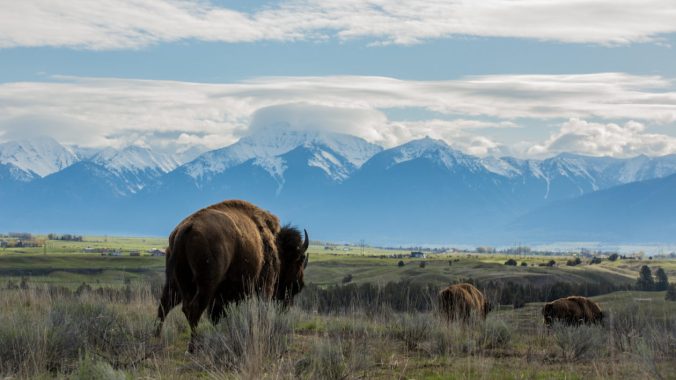
The National Bison Range in Montana, now managed by the Confederated Salish and Kootenai Tribes. DAVE FITZPATRICK / U.S.FISH AND WILDLIFE SERVICE

Thanks to Jim Robbins, as always, for this look into How Returning Lands to Native Tribes Is Helping Protect Nature:

From California to Maine, land is being given back to Native American tribes who are committing to managing it for conservation. Some tribes are using traditional knowledge, from how to support wildlife to the use of prescribed fires, to protect their ancestral grounds.

In 1908 the U.S. government seized some 18,000 acres of land from the Confederated Salish and Kootenai Tribes to create the National Bison Range in the heart of their reservation in the mountain-ringed Mission Valley of western Montana.

While the goal of protecting the remnants of America’s once-plentiful bison was worthy, for the last century the federal facility has been a symbol to the tribes here of the injustices forced upon them by the government, and they have long fought to get the bison range returned. Continue reading

Not Everyone Believes In Magic

Thanks to Veronique Greenwood for this:

Magic Tricks May Fool You, but These Birds Can See Through Them

A small experiment using sleights of hand and illusions offers insights into how birds and people perceive the world.

The coin is in the illusionist’s left hand, now it’s in the right — or is it? Sleight of hand tricks are old standbys for magicians, street performers and people who’ve had a little too much to drink at parties. Continue reading

Planting Trees & Second Thoughts

Way back when, the idea of planting a million trees was set in motion. I missed this Economist film and article at that time, but while pursuing planting I have seen other related concerns, each of which is worthy of consideration (as we continue planting):

The Story Behind
Climate change: the trouble with trees

Why tree planting is not the panacea some had hoped

Here you will find some of the resources used in the production of The Economist’s film “Climate change: the trouble with trees” along with exclusive additional material. It is part of the “The Story Behind”, a film series that reveals the processes that shape our video journalism. Continue reading

Milkweed, Monarchs & Meaning

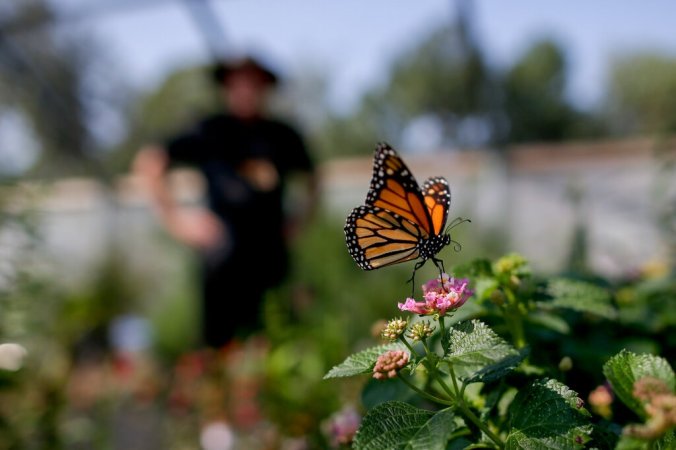
A monarch butterfly on a milkweed plant in Vista, Calif. Gregory Bull

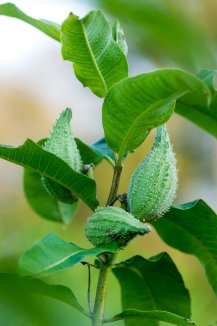
We feature monarch butterflies in our pages to highlight conservation challenges, and milkweed is often part of the story. Claire Fahy’s story below reminds me that the link between the insect and the plant, and the effort in California to repair that link, is one example of why we created, and why I continue to post on, this platform. A short statement of purpose might be something like: in hope there is meaning. June 15 will mark the 10th anniversary of the first post, and I intend to start the next decade with a more regular series on our regeneration efforts on a few acres of land here in Costa Rica. Because it provides a sense of meaning, among other reasons. So we thank those in California who are doing the same on a 200x scale:

A coalition of conservation groups have partnered with the state to add 30,000 milkweed plants in an attempt to restore the species’ population.

A consortium hoping to rescue the Western monarch butterfly is planting three varieties of milkweed: showy milkweed, narrowleaf milkweed and a desert milkweed. Rob Cardillo for The New York Times

Known for their windowpane wing design and bright orange color, Western monarch butterflies add a dash of magic to the California coast, where they spend the winter. Now a coalition of conservation groups, the California Department of Fish and Wildlife, and the environmentalist organization River Partners are working together to extend a lifeline to the monarchs, whose population has been dwindling drastically.

The groups have embarked on an effort to add 30,000 milkweed plants across the state to provide the butterflies with places to breed and acquire the sustenance for migration.

The Western monarchs’ California population has fallen 99 percent since the 1980s, The San Francisco Chronicle reported. A major factor in that drop has been a decline in milkweed caused by farming and pesticide use. Milkweed is vital to monarchs as a place to lay eggs and as a food source for their caterpillars. Continue reading

Healing Earth & Avoiding Amazon

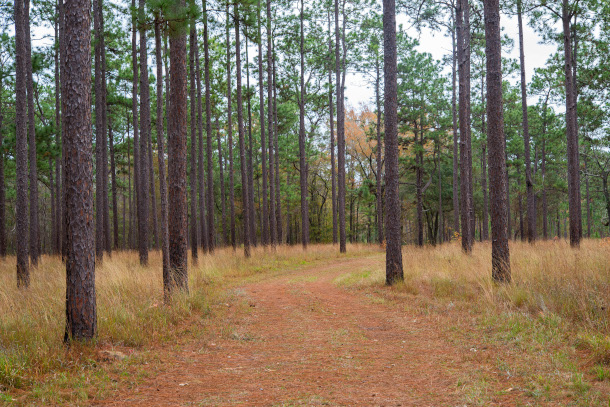
Longleaf pines once covered 90 million acres from Virginia to east Texas but today only about 5 percent of historic range remains intact. Marion Clifton Davis was a modern conservationist who bought tens of thousands of acres in the Florida sandhills and turned them into a private reserve, a project aimed at restoring back the Longleaf pine forest. (Photo: Florida Fish and Wildlife, Flickr, CC BY ND 2.0)

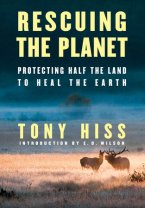
When you have 12 minutes to spare, listen to Tony Hiss talk about his new book on this excellent episode of Living On Earth, and if you decide to buy the book and want to avoid Amazon click the image of the book below:

The Boreal Forest is the world’s largest intact forest ecosystem and is a carbon sink. It’s estimated that if global warming exceeds the 3-5 degree Celsius heat stress and water scarcity could trigger extensive forest death and a dangerous release of the stored carbon dioxide into the atmosphere. (Photo: Kevin Owen, Flickr, CC BY NC ND 2.0)

Climate change is placing stress on plants and animals to rapidly adapt but without intact habitat, that could become impossible for many. Tony Hiss is an award-winning author and joins Host Bobby Bascomb to talk about his book Rescuing the Planet: Protecting Half the Land to Heal the Earth, which looks at several places across North America where communities are already working to protect habitat and biodiversity.

Transcript

BASCOMB: It’s Living on Earth, I’m Bobby Bascomb.

During his first few days in office President Biden announced the goal of protecting 30 percent of US land and water by the year 2030 with a long term goal of 50 percent by 2050. Continue reading

Purposefully Funky Nesting Bricks

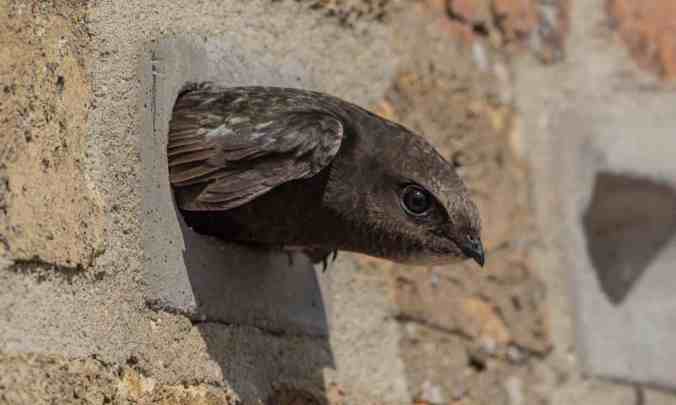
A swift looks out of a nest brick. The bricks are helping to restore nesting sites lost to building modernisation. Photograph: Simon Stirrup

Seth first brought our attention to funky nests during his years working for the Celebrate Urban Birds program at the Cornell Lab of Ornithology. We have done our best with and without Seth to continue to pay attention to bird nesting, funky or not. This news is more than welcome on the purposefully funky bird nests showing up in the UK:

Securing a swift return: how a simple brick can help migratory birds

Many swifts flying back to Britain will find their summer nests lost to building renovations. But bird bricks are offering them an alternative home

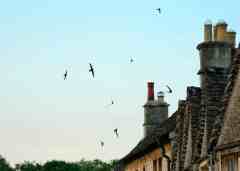
Swifts flock over rooftops in Wiltshire. The migratory birds spend just three summer months in the UK to breed. Photograph: Nick Upton/NPL

Eagerly anticipated by many, it is a thrilling moment when you first hear the distinctive screech or catch sight of the long, tapered wings of the first swifts arriving for the summer. For thousands of years they have looped to the British Isles from Africa to raise the next generation, taking advantage of the long daylight hours in the north and the opportunity to scour the skies for insects from dawn to dusk. Continue reading

Ants, Food Raids & Evolution

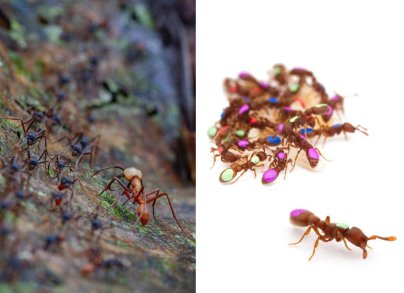
Image #1 Army Ants reproduced with permission from “Army Ants: Nature’s Ultimate Social Hunters” by Daniel J.C. Kronauer; Image #5 painted clonal raider ants photograph by Daniel Kronauer. Credit: #1: Daniel J.C. Kronauer, #5: Daniel Kronauer

It is rainy season, therefore the season for starting the growth cycle of some plants, in Costa Rica. It is always ant season here. Some of the trees we planted last year, mostly citrus varieties but also pomegranate, have become feasting locations for ants who devour their leaves and haul them off.

My assumption, seeing this constantly during the 25 years since we moved to Costa Rica, has always been that ants are primarily vegetarians So, today a bit of ant-wonk from a team of scientists at Harvard University, summarized on Phys.org’s website, to correct my assumption (the video alone is worth visiting the source article):

How army ants’ iconic mass raids evolved

Army ants form some of the largest insect societies on the planet. They are quite famous in popular culture, most notably from a terrifying scene in Indiana Jones. But they are also ecologically important. They live in very large colonies and consume large amounts of arthropods. And because they eat so much of the other animals around them, they are nomadic and must keep moving in order to not run out of food. Due to their nomadic nature and mass consumption of food, they have a huge impact on arthropod populations throughout tropical rainforests floors. Continue reading

Elizabeth Gould, Illustrator Of Note

Gouldian Finches, named for Elizabeth Gould, from The Birds of Australia. Illustration: Elizabeth Gould/Public Domain

When we think of birds and illustrations, most frequently the work of John James Audubon comes to mind. But there were others:

Meet Elizabeth Gould, the Gifted Artist Behind Her Husband’s Famous Bird Books

John Gould’s ornithology books were hugely popular and cemented his name in history. But his wife’s illustrations were a big reason why.

In 1830, when English taxidermist John Gould was keen to publish his first volume of bird species, his wife Elizabeth asked him who would create the illustrations. She knew her unartistic husband wouldn’t be up to the task. Continue reading

New Methods For Bee Species Protection In Photos

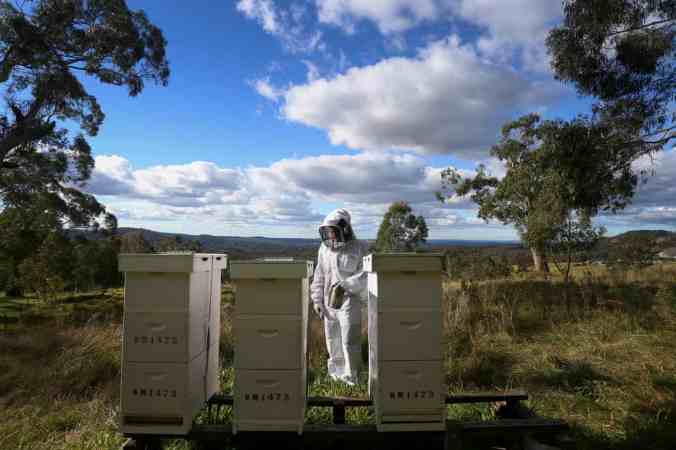
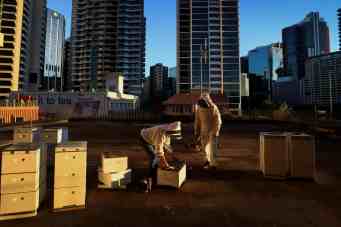
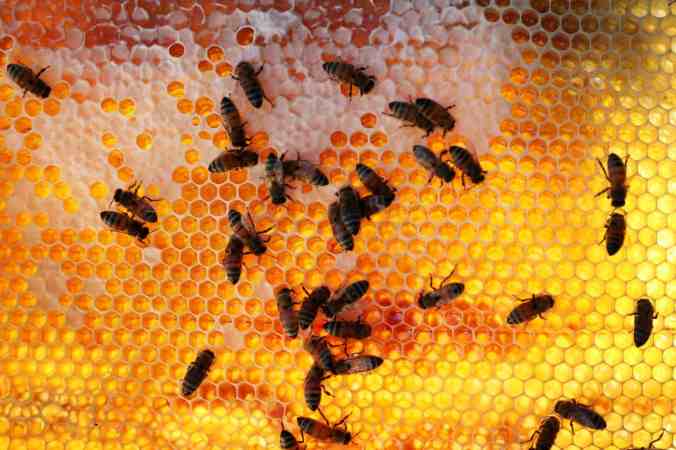
Apiarist Darryn McKay of Bowral Bees inspects hives in Bowral. McKay is a ‘farm to gate’ beekeeper with a number of hives hosted in the southern highlands. He also provides bee swarm collection and runs workshops.

Thanks to the Guardian:

Moving Species To Protect Their Viability

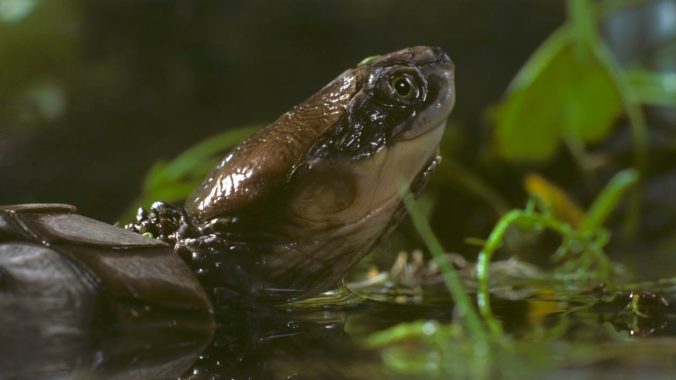
The endangered western swamp turtle, which scientists have reintroduced into its native habitat in Australia. AUSCAPE/UNIVERSAL IMAGES GROUP VIA GETTY IMAGES

Thanks to Yale e360 for this:

Amid Climate Pressures, a Call for a Plan to Move Endangered Species

The conservation community has fiercely debated whether to help species move as climate change and habitat loss threaten more extinctions. Now, scientists are calling on an upcoming international conference to set guidelines for this complex – and potentially risky – challenge. Continue reading
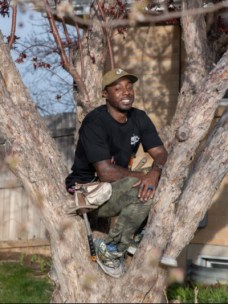
Blooming Where We Are Planted

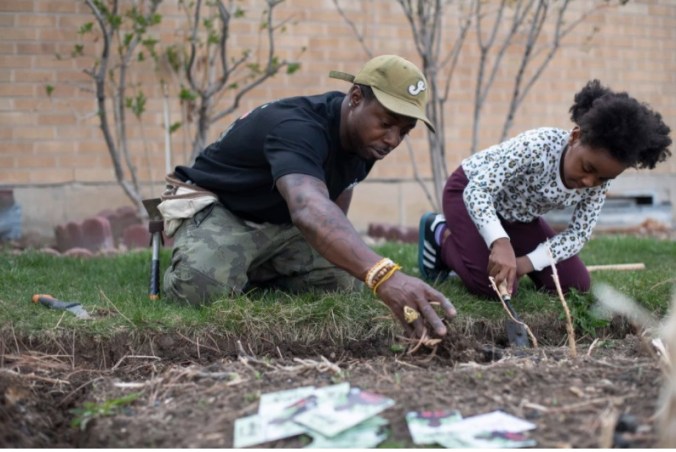
Ietef “DJ Cavem Moetavation” Vita plants seeds with daughter Libya LeaDonvita in the garden at their home outside Denver. Vita is among a growing list of Black gardening enthusiasts-turned-entrepreneurs across the country who’ve launched seed businesses during the pandemic-inspired gardening boom. Rachel Woolf for KHN

Urban farming was an early and has been a frequent topic on this platform, and we have covered it from multiple angles and elevations. In the last year we have focused on a few acres of urbanized land to regenerate bird habitat. So when I scan daily for a story to share, this has been a top-of-mind topic for years. Thanks to National Public Radio (USA) for another:

Black Entrepreneurs Sow Seeds Of Healthier Eating During Pandemic Gardening Boom

Vita, a vegan rapper, wants to encourage people of color to eat healthier by growing their own vegetables. He sells his own line of kale, beet and arugula seeds. Rachel Woolf for KHN

Ietef Vita had planned to spend most of 2020 on the road, promoting Biomimicz, the album he had released on his #plantbasedrecords label in January. But the pandemic cut those plans short, says Vita, known to his fans as “DJ Cavem Moetavation” and “Chef Ietef.”

He was playing in Berkeley, Calif., on Feb. 29, and “literally got out of town right before they shut the whole country down,” recalls the 34-year-old vegan rapper, who has performed for the Obamas and is known as the father of eco-hip-hop. “It was scary.”

Suddenly sidelined at his metro Denver home with his wife, Alkemia Earth, a plant-based lifestyle coach, and three daughters, Vita struggled to pivot. Eventually, he accepted that he would need to stay put and, as the saying goes, bloom where he was planted.

Vita has mailed out more than 20,000 packets of his kale, beet and arugula seeds to urban farmers across the country. Rachel Woolf for KHN

He and his wife launched an impromptu campaign: mailing out thousands of the more than 42,000 packets of kale, beets and arugula seeds that he’d planned to sell at his shows, all emblazoned with his likeness and the QR code to hear his digital album. Continue reading

Michelle Nijhuis On Species Solidarity

LUISA RIVERA

Michelle Nijhuis is one of several science writers who have made our pages better in the 10 years since we started this platform. This essay is in good company:

Species Solidarity: Rediscovering Our Connection to the Web of Life

As climate change intensifies and human activity impacts every corner of the planet, repairing our world increasingly means realizing that our fate is intertwined with that of other animal and plant species — not separate from theirs — and that we must think and act accordingly. Continue reading
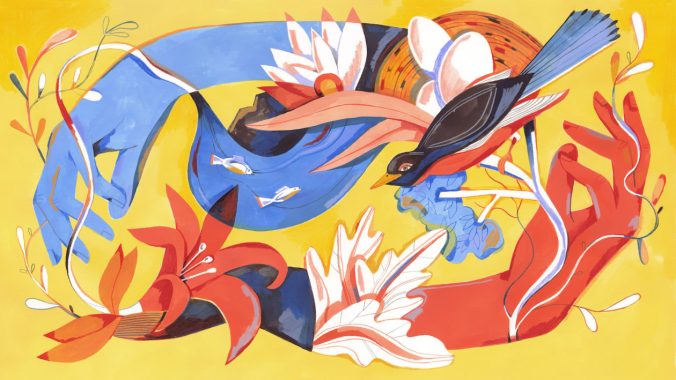
Colombia’s Blue Carbon Initiatives

Thanks to YaleE360 for this brief explanatory note on Blue Carbon Projects from a Colombian perspective:

New Approach to Blue Carbon Projects Underway in Colombia

A mangrove preservation project along Colombia’s Caribbean coast is using a more comprehensive method to calculate how much carbon is stored in coastal and marine ecosystems, potentially boosting global efforts to conserve so-called blue carbon. Continue reading
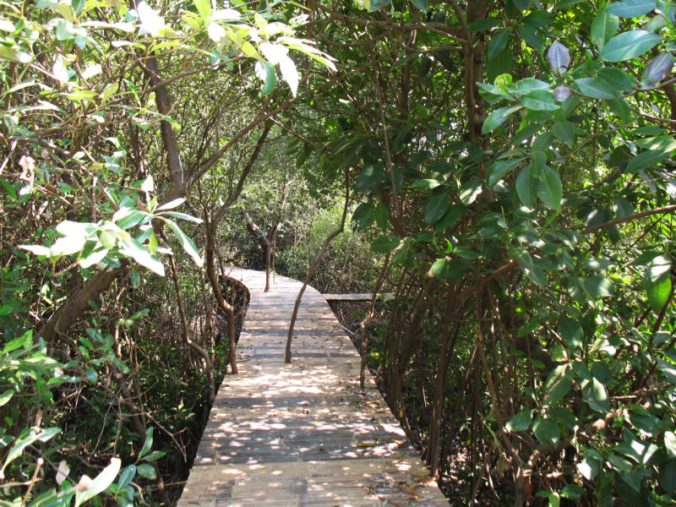
Stewarding Species & Ecosystems

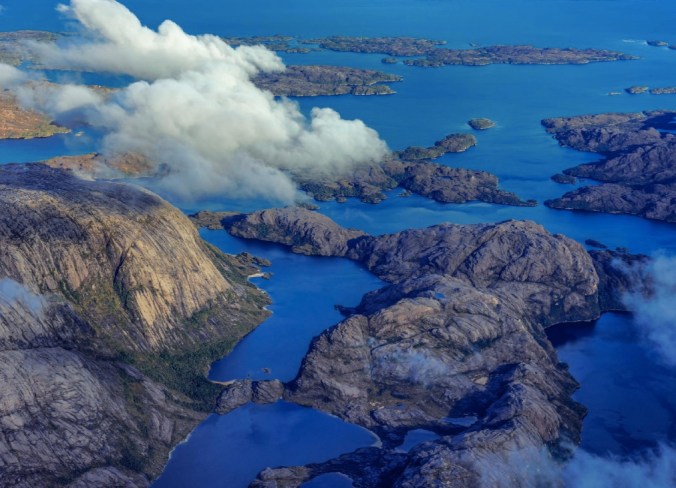
Kawesqar National Park in Patagonia, Chile, is regarded as one of the world’s few remaining intact wild lands. ANTONIO VIZCAÍNO / WWW.PARQUESNACIONALES.CL

Yesterday’s news from Brazil was dismal, providing a how-not-to stewardship example. Today we link to Fred Pearce’s article in Yale e360 about alternative, and more positive examples of stewardship, with a question at the center of the story:

Species or Ecosystems: How Best to Restore the Natural World?

What’s the best way to protect nature and restore what has been lost? A series of new scientific papers offer conflicting views on whether efforts should focus on individual species or ecosystems and point to the role human inhabitants can play in conserving landscapes.

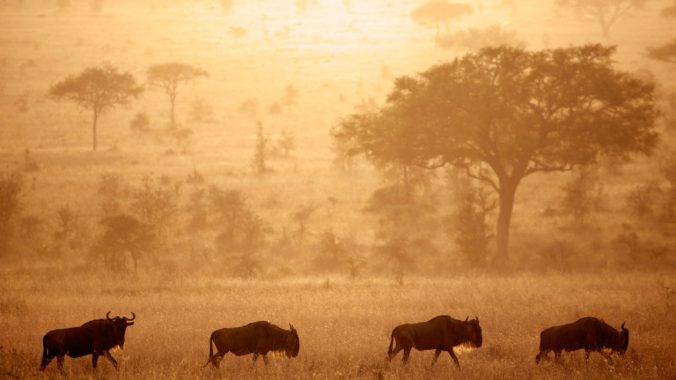
Wildebeest on the Serengeti plain during their annual migration. ALEX BRAMWELL / ALAMY STOCK PHOTO

The Serengeti plain of East Africa is one of the world’s great wild lands — teeming with lions, leopards and migrating wildebeest. But is it ecologically intact, a rare fragment of the earth unaltered by the hand of humanity? Or is it, as many researchers argue, a human-created landscape, nurtured by generations of Maasai cattle herders? Continue reading
Bee Survey, Bee Hotels & Other Bee News From The Netherlands

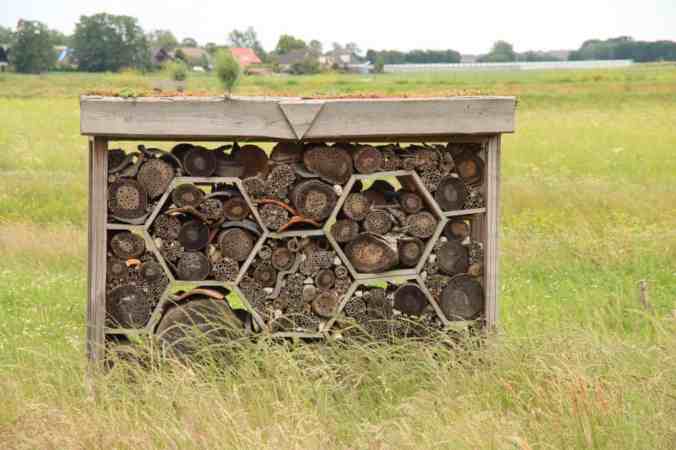
A ‘bee hotel’ in Hennipgaarde in the Netherlands. Photograph: Andre Muller/Alamy

Any time we see news on new bee hotels, we are inclined to share. Seeing this news from the Netherlands about a bee survey is also particularly smile-producing. Our thanks to Anne Pinto-Rodrigues and the Guardian’s Environment section for this article:

Bee population steady in Dutch cities thanks to pollinator strategy

Scheme involving ‘ bee hotels’ and ‘bee stops’ reaps rewards as census shows no strong decline in urban population

More than 11,000 people took part in the national bee survey. Photograph: Martijn Beekman/Hollandse Hoogte

Bee hotels, bee stops and a honey highway are some of the techniques the Dutch are crediting with keeping their urban bee population steady in recent years, after a period of worrying decline.

Last week, more than 11,000 people from across the Netherlands participated in a bee-counting exercise as part of the fourth edition of the national bee census. Continue reading
Seed-Saving & Science

The experiment is a multicentury attempt to figure out how long seeds can lie dormant in the soil without losing their ability to germinate. Derrick L. Turner/Michigan State University

Cara Giaimo has a talent linking science and history, and this article demonstrates it as well as any we have linked to from her. Saving seeds is favorite topic in our pages, so this is in good company:

One of the World’s Oldest Science Experiments Comes Up From the Dirt

Every 20 years under the cover of darkness, scientists dig up seeds that were stashed 142 years ago beneath a college campus. Continue reading
Moonshot To Meatless

Peter Prato for The New York Times

Last month I learned enough from Ezra Klein’s food-related conversation with Mark Bittman to share the podcast episode. I listen to his podcast for the quality of his discussions with knowledgeable guests. But he is also a great essayist and yesterday he published an op-ed essay that is worth a read on a topic we have linked to many times:

Let’s Launch a Moonshot for Meatless Meat

It wouldn’t actually take that much of an investment for Biden to get us headed in the right direction.

I’m a vegan, but I’m also a realist. There’s no chance humanity is going to give up meat, en masse, anytime soon. That said, we can’t just wish away the risks of industrial animal agriculture. If we don’t end this system, soon, terrible things will happen to us and to the planet. Terrible things are already happening. Continue reading
Belize Maya Forest, Mission Accomplished

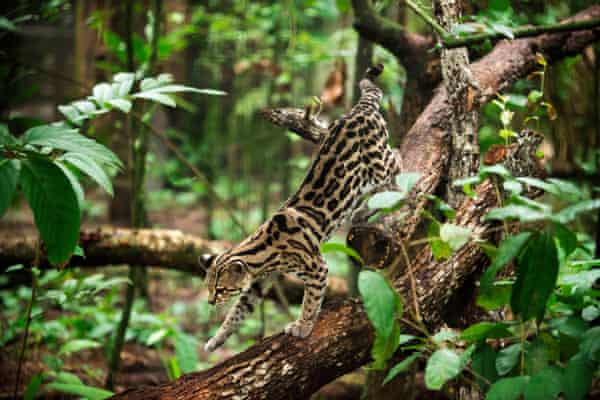
The Belize Maya Forest is home to five species of wild cat, including endangered ocelots. Photograph: Sergi Reboredo/Sipa USA/PA

The photo above, from the news story below, is similar not only to guest photos I saw but of sightings too quick to catch well on my on phone camera in 2016 and 2017. During that period, when we were under contract to oversee the management transition at Chan Chich Lodge, wilderness conservation was our primary motivation. In addition to the animal wildlife, the forest was habitat for other forms of life that have had a lasting impact on me. When we started offering ojoche in our shops in Costa Rica, I was able to check off one more item on a long to-do list that came from the time in Belize.

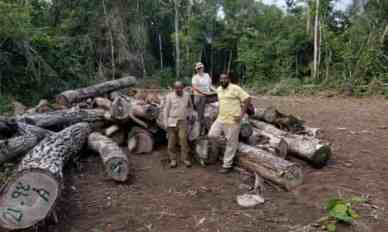
The last felled trees in Belize Maya Forest. Photograph: Handout

The idea for organizing a group of investors to accomplish this protection was more than well-formed. Names were attached to the idea already, and it was easy to imagine then that they were the right names; it just took more time than I expected for it to get accomplished. Now that it is, if anything this news understates the wow factor:

Conservation organisations purchase 950 sq km biodiversity hotspot, helping to secure a vital wildlife corridor

“These logs are historic,” says Elma Kay, standing in Belize Maya Forest, where she has been doing an inventory of felled trees. “These are the last logs that were cut here, for mahogany and other hardwoods, left behind by the previous logging company.” Continue reading