287 Pounds Of Plastic Per Person Each Year?

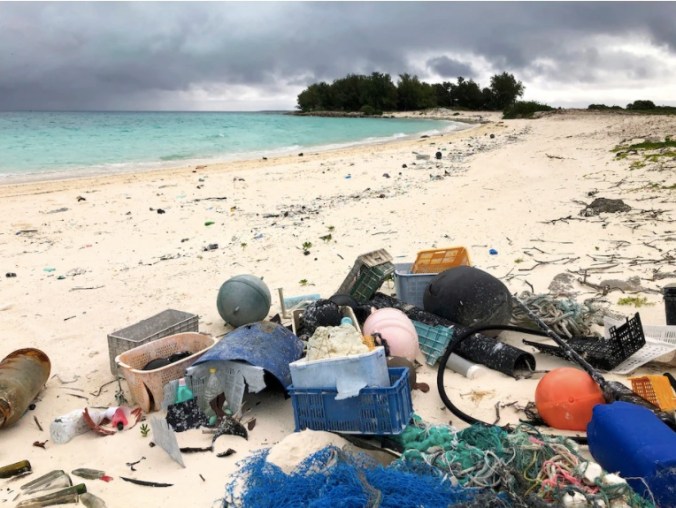
Plastic and other debris is seen on the beach on Midway Atoll in the Northwestern Hawaiian Islands in 2019. (Caleb Jones/AP)

It is clear to me now, after two years of our two Authentica shops offering products made from recycled plastic (among other recycled materials), we will need to be at this for a long time to make a dent. Of all the amazing capabilities we humans have, our ability to generate plastic waste is among the most remarkable. Our thanks to Tik Root for reporting on this finding:

U.S. is top contributor to plastic waste, report shows

Scientists reveal the U.S. role in the ‘deluge’ of plastic littering the world’s oceans in a congressionally mandated report

The United States ranks as the world’s leading contributor of plastic waste and needs a national strategy to combat the issue, according to a congressionally mandated report released Tuesday. Continue reading
Planetary Health Diet

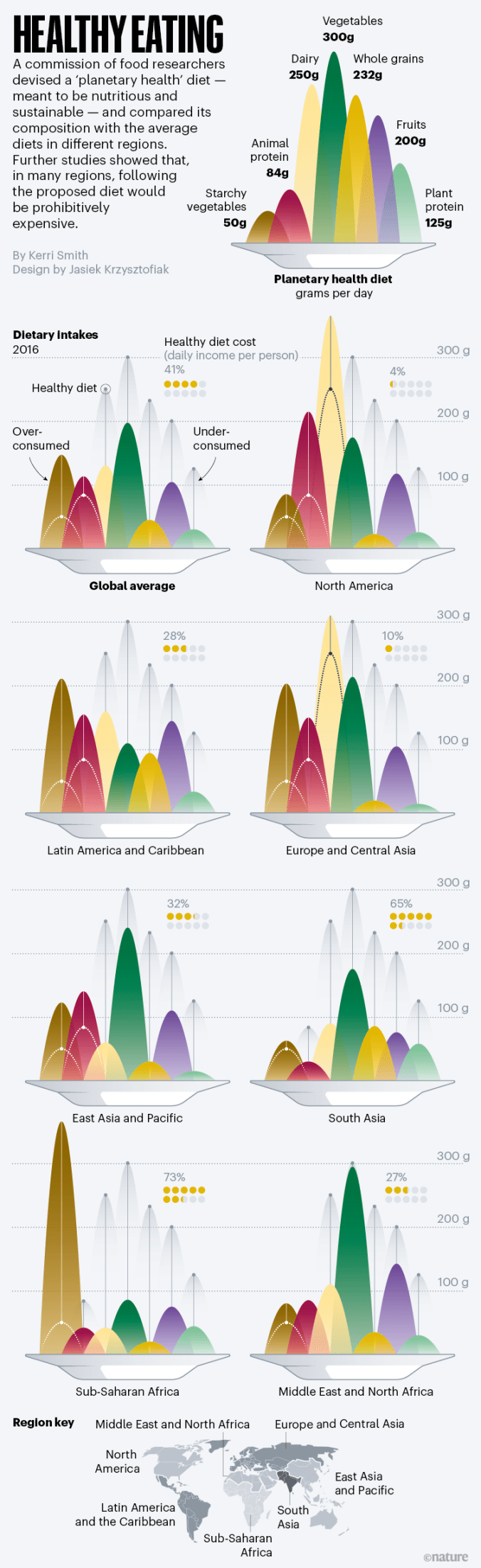
What we should eat for the sake of our individual and communal futures is one of the topics most posted on this platform.  Gayathri Vaidyanathan’s article below adds to the most macro of perspectives on these topics. It takes a moment to process the information in the graphic above, but this article from the journal Nature makes it clear:

What humanity should eat to stay healthy and save the planet

What we eat needs to be nutritious and sustainable. Researchers are trying to figure out what that looks like around the world.

Illustration by Paweł Jońca

A clutch of fishing villages dot the coast near Kilifi, north of Mombasa in Kenya. The waters are home to parrot fish, octopus and other edible species. But despite living on the shores, the children in the villages rarely eat seafood. Their staple meal is ugali, maize (corn) flour mixed with water, and most of their nutrition comes from plants. Continue reading

Fixing Carbon Offset Markets

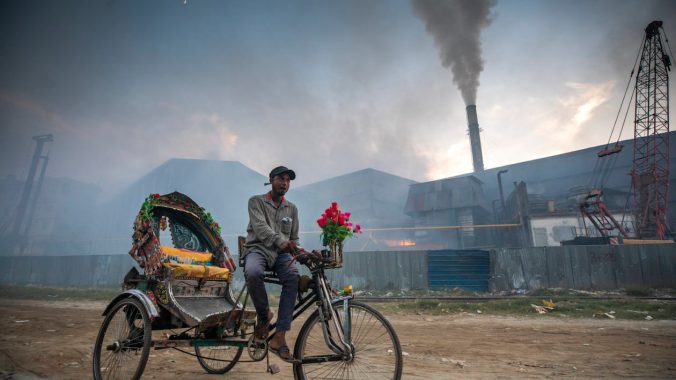
A steel re-rolling mill in Narayanganj, Bangladesh. Well-designed carbon markets could spur companies in developing countries to reduce emissions. AHMED SALAHUDDIN / NURPHOTO VIA AP

Thanks to Yale e360 for this opinion on a hot topic that we have sometimes mused less seriously about:

How to Repair the World’s Broken Carbon Offset Markets

Markets that connect businesses hoping to offset their carbon emissions with climate change mitigation projects have been plagued by problems. But an economist and his co-authors argue that carbon markets can be reformed and play a significant role in slowing global warming

In the wake of the Glasgow climate summit, governments must now return to the daunting challenge of making good on their emissions-reductions pledges, which at this point remain insufficient to hold warming below 2 or even 1.5 degrees C above pre-industrial levels. Continue reading

Solar Canopy + Bellwether Roaster = Interesting Option

As we consider new canopy options, a switch to electric roasting of Organikos coffee also seems clearly worthy of consideration. I just found out about this company, and its sustainability report from last year puts it high on my list of roasters to consider:

Letter from Bellwether

We would be remiss to start our Sustainability Report without acknowledging what a crazy year 2020 was. A global pandemic forced many of our customers, like other businesses across the world, to close their doors. Continue reading

Yemenis, Coffee & Entrepreneurship

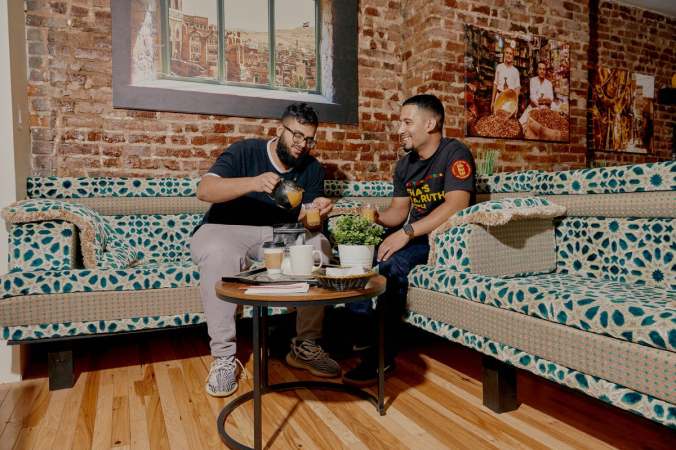
Wisam Alghuzi, left, and Jab Zanta at Diwan, their cafe on Atlantic Avenue in Brooklyn. Vincent Tullo for The New York Times

Yemeni coffee entrepreneurs have graced our pages a couple times before.  We do not tire of these stories, wherever they may originate:

Second-generation Yemeni entrepreneurs in Brooklyn want to reclaim their role as the purveyors of the original specialty coffee.

Hakim Sulaimani roasting coffee at Yafa Cafe in Sunset Park, Brooklyn. Vincent Tullo for The New York Times

Hakim Sulaimani remembers exactly where he was when he first heard that his homeland, the poorest country in the Middle East, had invented one of the most popular drinks in the world.

He was sitting in the living room (which was also his bedroom) in his family’s apartment in Brooklyn, watching a children’s show on public television. When someone on the show said that coffee came from Yemen, Hakim was stunned. He had never heard anyone outside his community say anything about Yemen before, let alone something that made him proud. “I was super-hyped,” he recently recalled. “Super-giddy.” Continue reading

Quirky, Old-School Enterprise Versus Doom

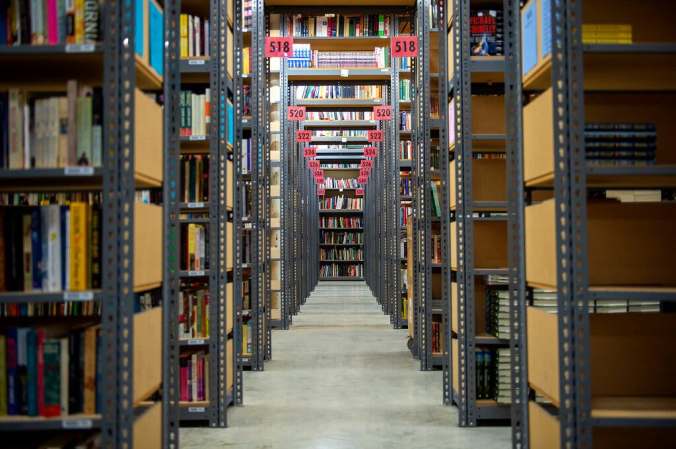
Powell’s anticipated that every part of its business would need to be closed, but then quickly realized that it could continue operating the warehouse. Amanda Lucier for The New York Times

We have used the word doom in a post title on four previous occasions, most recently this one. Doomsaying is not our goal here, but when it comes to the environment, particularly climate change, sometimes no other word will do.

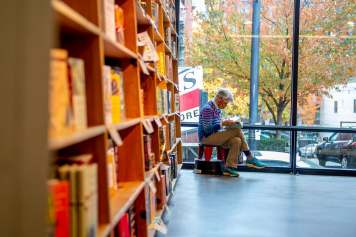
A customer in Powell’s flagship store downtown. Amanda Lucier for The New York Times

On this fifth occasion I use the word just as seriously, but without reference to environmental challenges.  This book retailer has been on the front lines of one of the other big dangers I have had my eye on, and I am thankful to Peter S. Goodman for this account of their approach to survival:

Powell’s Books Survived Amazon. Can It Reinvent Itself After the Pandemic?

As much as any city, Portland, Ore., has been through hell. Its landmark store, Powell’s Books, must finally build a viable online business while recapturing its downtown success.

Powell’s anchors a once dicey neighborhood now dotted with glass-fronted condos and furniture boutiques. Amanda Lucier for The New York Times

PORTLAND, Ore. — Over its half-century in the heart of Portland, Powell’s Books has survived an unending array of foundational threats — the oft-anticipated death of reading, the rise of Amazon, the supposedly irretrievable abandonment of the American downtown.

None of that provided preparation for the tumult of the past two years. Continue reading

Global North, Global South & Responsibilities

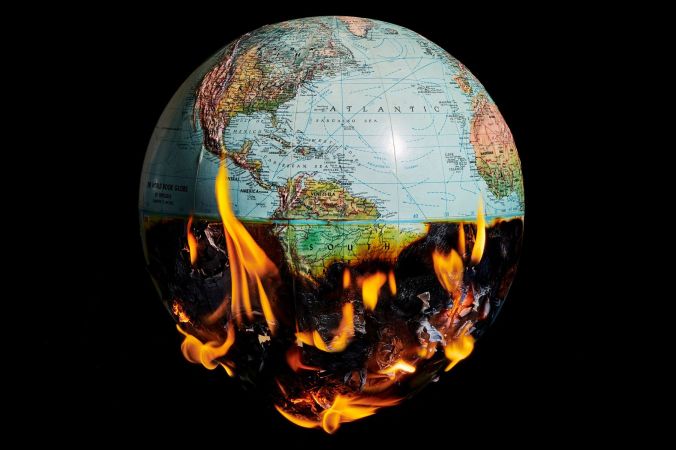
Photo: Hannah Whitaker; Prop Styling: Marina Bevilacqua.

David Wallace-Wells has done it again. Devastated me with considerations I should have had on my own, but had not. And he makes it so vivid that once you see his point you cannot stop seeing it. Having lived in the Global South for a majority of my adult years, but having been born into and lived in the Global North for the first half of my life, this story resonates with me in ways I cannot quite describe. But the quote from Proverbs in yesterday’s post seems even more intensely relevant:

Climate Reparations

A trillion tons of carbon hangs in the air, put there by the world’s rich, an existential threat to its poor. Can we remove it?

I. What Is Owed

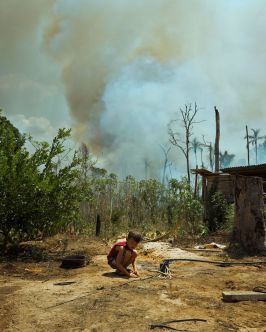
Brazil, 2019. Photo: Cristina de Middel/Magnum Photos

The math is as simple as the moral claim. We know how much carbon has been emitted and by which countries, which means we know who is most responsible and who will suffer most and that they are not the same. We know that the burden imposed on the world’s poorest by its richest is gruesome, that it is growing, and that it represents a climate apartheid demanding reparation — or should know it. We know we can remove some of that carbon from the atmosphere and undo at least some of the damage. We know the cost of doing so using tools we have today. And we know that unless we use them, the problem will never go away. Continue reading
Electrify Now

SAMAN SARHENG/YALE E360

For those of us who can make the switch sooner rather than later, it is looking more and more like common sense:

From Homes to Cars, It’s Now Time to Electrify Everything

The key to shifting away from fossil fuels is for consumers to begin replacing their home appliances, heating systems, and cars with electric versions powered by clean electricity. The challenges are daunting, but the politics will change when the economic benefits are widely felt.

An all-electric house. REWIRING AMERICA

For too long, the climate solutions conversation has been dominated by the supply-side view of the energy system: What will replace coal plants? Will natural gas be a bridge fuel? Can hydrogen power industry? These are all important questions, but, crucially, they miss half the equation. We must bring the demand side of our energy system to the heart of our climate debate. Continue reading

Telling Off The Fossil Fuel CEO

Click to the right to see the CEO of an oil company take a strong verbal assault from a fellow panelist.  It is uncomfortable to watch. And that is exactly the purpose. Read more about the context in the description below, titled Shell CEO Roasted at TED Climate Conference He Was Foolishly Invited to Speak At. We can expect to see more disruptions like this one in the future:

As Shell’s CEO Ben van Beurden spoke at a TED conference, he was interrupted by organizers, one of whom called him “one of the most evil people in the world.”

On Thursday, a strange scene unfolded at the International Conference Centrein Edinburgh. Shell CEO Ben van Beurden took the stage with a prominent climate scientist and Christiana Figueres, the woman who negotiated the Paris Agreement, at a TED Countdown conference. Continue reading
Understanding What Is At Stake At The Glasgow Climate Conference

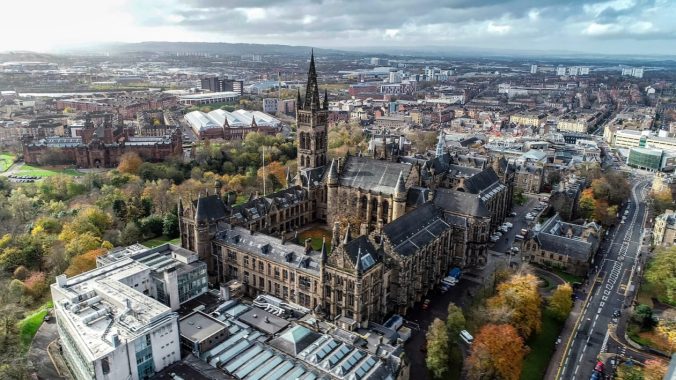
Glasgow, Scotland, site of the 2021 UN climate conference in November. TREASUREGALORE / SHUTTERSTOCK

Fred Pearce has a unique ability to make big, complex important matters more understandable:

At Climate Talks, Can the World Move from Aspiration to Action?

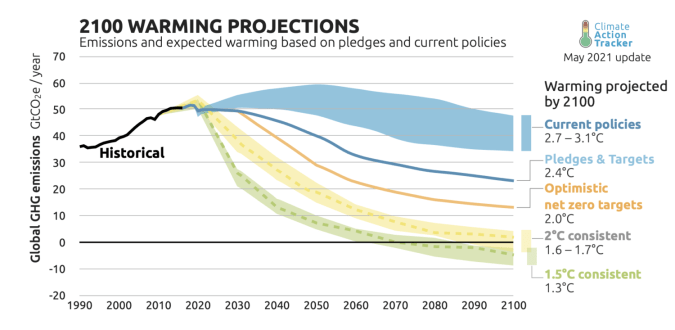
Negotiators at the Glasgow climate conference will face a critical choice: Set firm emissions targets for 2030, or settle for goals of achieving “net zero” by 2050? The course they set could determine if we have a shot at avoiding the worst impacts of climate change.

CLIMATE ACTION TRACKER

Glasgow, once the second city of the British Empire and the biggest shipbuilder on the planet, next month hosts the 26th conference of nations aiming to halt dangerous climate change. The negotiators face the challenge of turning the aspiration of the 2015 Paris Agreement to achieve “net zero” emissions by mid-century into the detailed near-term action plans necessary to turn those hopes into reality in time to halt warming at or near 1.5 degrees Celsius (2.7 degrees Fahrenheit). Continue reading
Legal Consequences For Deforestation

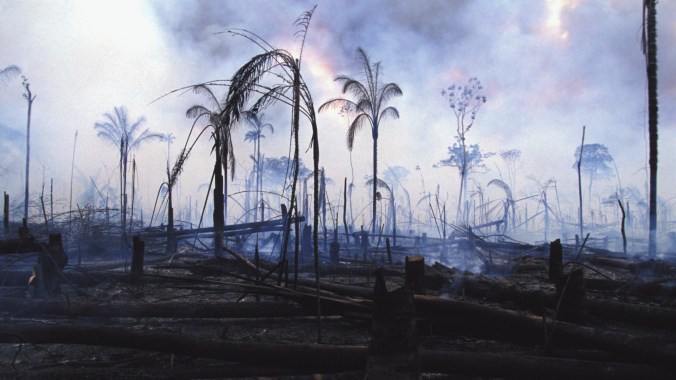
Ron Haviv / VII / Redux

This article by Robinson Meyer, a staff writer at The Atlantic and the author of the newsletter The Weekly Planet, is worth reading if Brazil’s role in climate change has been on your mind:

Deforestation Is a Crime

A new bipartisan bill would treat it that way.

The world doesn’t agree on many things, but one of them is that global deforestation is a problem. If deforestation were a country, it would be the world’s third-largest source of climate-warming pollution, after the United States and China. (It would also be a terrible place to live—bulldozers everywhere and no shade to speak of.) Parts of the Amazon now emit more carbon pollution than they capture because of deforestation, a recent study found.

Knowing about a problem is, of course, different from knowing what to do about it. Continue reading
Planned Obsolescence Reconsidered

Sandra Goldmark’s essay, Built Not to Last: How to Overcome Planned Obsolescence, is worthy of a few minutes:

What you can do as an individual consumer, a business patron, and a voter

In 2020, people worldwide bought some 24 billion pairs of shoes, 64 million cars, and 1.4 billion smartphones—200 million of them from Apple. More than 80 percent of iPhones sold last year went to “upgraders,” not first-time buyers. It’s all part of business as usual. Continue reading
Will Consumers Choose Less Animal Protein, Even With Excellent Alternatives?

It is a theme we cover frequently, and hope to see more of in the future from the Economist’s excellent writers:

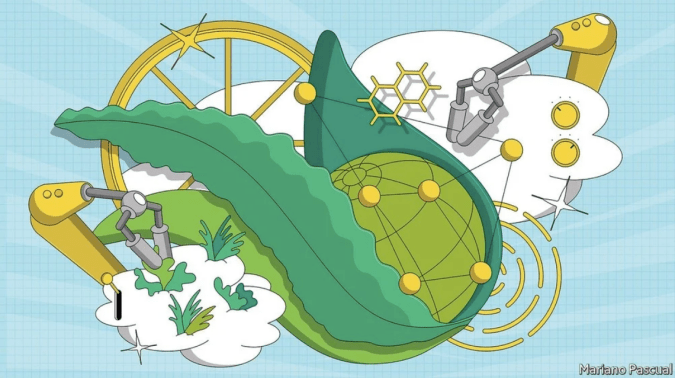
Technology can help deliver cleaner, greener delicious food

Whether consumers want it is another question, says Jon Fasman

“Tell me what kind of food you eat, and I will tell you what kind of man you are,” wrote Jean Anthelme Brillat-Savarin, a French lawyer and epicure, in the early 19th century. The epigram opens “The Physiology of Taste,” one of those delightfully dilatory, observational works at which his age excelled. Continue reading
Haruki Murakami Reflects On A Category Of Memento

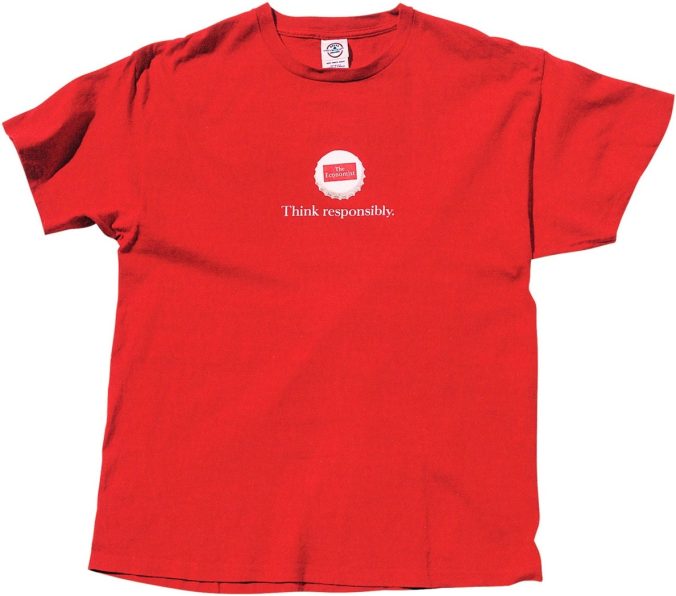
This is from the British magazine The Economist. The message is very stylish, but it’s still a T‑shirt, and it makes me wonder about how to react to such a sudden, challenging dictum.

Photographs courtesy Ebisu Yasutomo

I would wear the shirt above. No surprise given how often I link to that publication. At our Authentica shops we sell items that serve as reminders. T-shirts are among those items.

We do not sell it, but I can relate to the kind of person who would wear the one in the photo to the right. Like the one above it illustrates a very short and delightful photo essay:

An Accidental Collection

How I amassed more T-shirts than I can store

by Haruki Murakami.

I’m not particularly interested in collecting things, but there is a kind of running motif in my life: despite my basic indifference, objects seem to collect around me. Continue reading
Bitcoin’s Carbon Footprint Explained

Cryptocurrency’s immense carbon footprint has been well known since early on. What to do about it is the question. Getting a good answer to that question depends in part on understanding the nature of the problem. Read below for the clarity of the explanation on this topic, and let the illustrations make it that much clearer:

Bitcoin Uses More Electricity Than Many Countries. How Is That Possible?

Cryptocurrencies have emerged as one of the most captivating, yet head-scratching, investments in the world. They soar in value. They crash. They’ll change the world, their fans claim, by displacing traditional currencies like the dollar, rupee or ruble. They’re named after dog memes. Continue reading
Really, Chase?

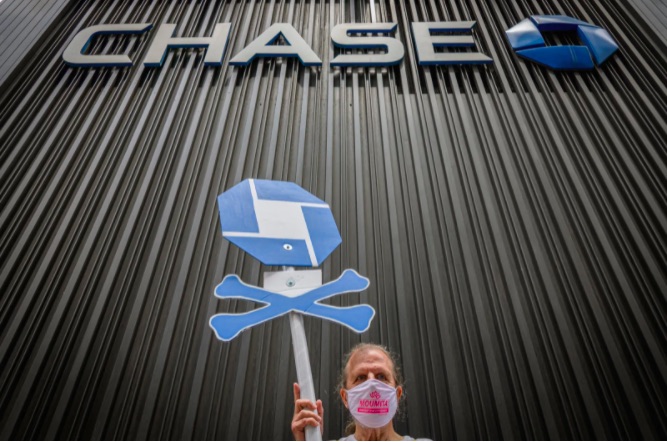
A climate activist picketing outside a Chase Bank branch in New York earlier this year. Photograph by Erik McGregor / Getty

It is a no-brainer to oppose Line 3, but mere opposition does not amount to much. Action is the thing. And action is not always as cumbersome as it may sound. For example, if you bank with the people who are bullish on the future of oil, and who mix your money up with that money, it is time to rethink that relationship. Pull your money out of that bank:

Slow-Walking the Climate Crisis

“Greenwashing” is too kind a term; this is more like careful sabotage.

Travellers arriving in an unfamiliar city used to worry that they’d climb in a taxi and be driven to their destination by the most circuitous route possible, racking up an enormous bill. That’s pretty much what Big Oil and its allies in government and the financial world are doing with the climate crisis—in fact, at this point, it’s the heart of the problem. Continue reading

Adaptation In The Vineyard

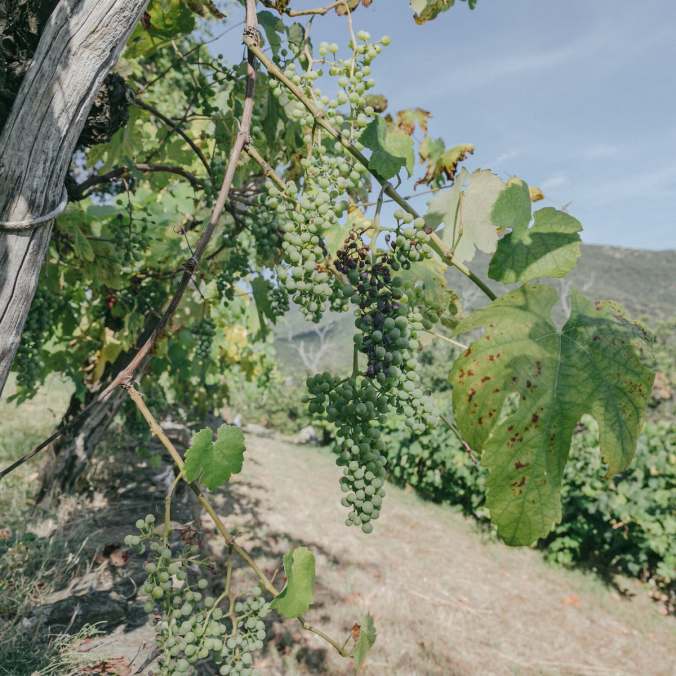
Jacquez vines at Michel Arnaud’s farm in the village of Saint-Mélany in the Ardèche region of France. The American hybrid variety has been banned in France since 1934. Andrea Mantovani for The New York Times

We admire many French traditions, except for those, especially, having to do with birds. When it comes to wine, the French are often but not always right:

For France, American Vines Still Mean Sour Grapes

French authorities have tried to outlaw hardy American hybrids for 87 years. But climate change and the natural wine movement are giving renegade winemakers a lift.

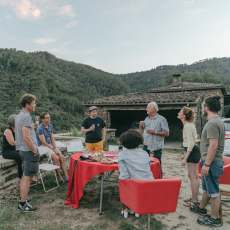
A tasting of forbidden wines at Hervé Garnier’s “Memory of the Vine” association in the village of Beaumont. Mr. Garnier, standing third from right, is one of the last stragglers in a long-running struggle against the French wine establishment and its allies in Paris. Andrea Mantovani for The New York Times

BEAUMONT, France — The vines were once demonized for causing madness and blindness, and had been banned decades ago. The French authorities, brandishing money and sanctions, nearly wiped them out.

But there they were. On a hillside off a winding mountain road in a lost corner of southern France, the forbidden crop was thriving. Early one recent evening, Hervé Garnier inspected his field with relief.

In a year when an April frost and disease have decimated France’s overall wine production, Mr. Garnier’s grapes — an American hybrid variety named jacquez, banned by the French government since 1934 — were already turning red. Barring an early-autumn cold snap, all was on track for a new vintage. Continue reading
Agriculture In Australia Needs A Strategy

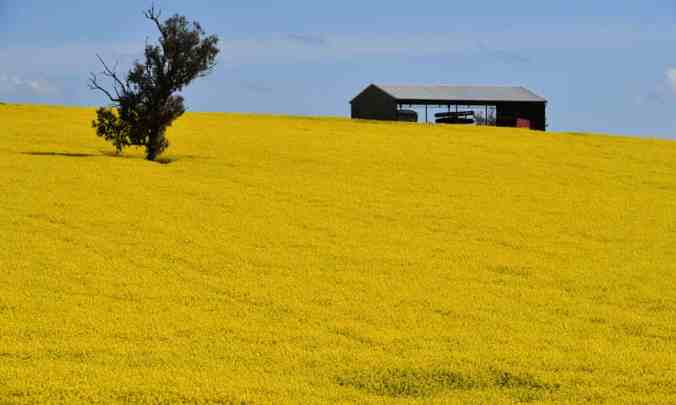
‘Farmers are at the interface of the world’s most wicked problems’. A field of canola crops near the New South Wales town of Harden. Photograph: Mick Tsikas/AAP

Thanks to Gabrielle Chan for this observation on ag down under, and how it impacts us all:

Farmers manage more than half of Australia. We all have a stake in them getting it right

If you eat, you have an interest in farming. If you care about the environment, you have an interest in farming. Yet Australia has no national agriculture strategy

Strip away modernity. Unlearn everything you know about the complexity of your average day. The ordinary interaction, the workaday worries, the pinging of your phone, the relentless roll of the inbox. You are left with the human condition. Continue reading

Totes In Perspective

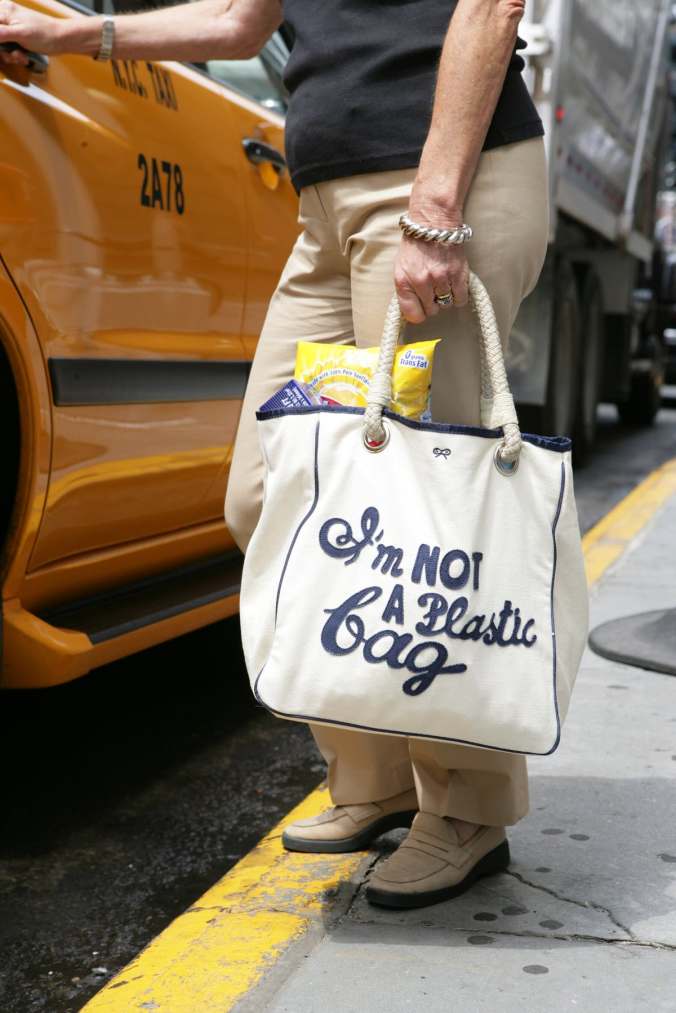
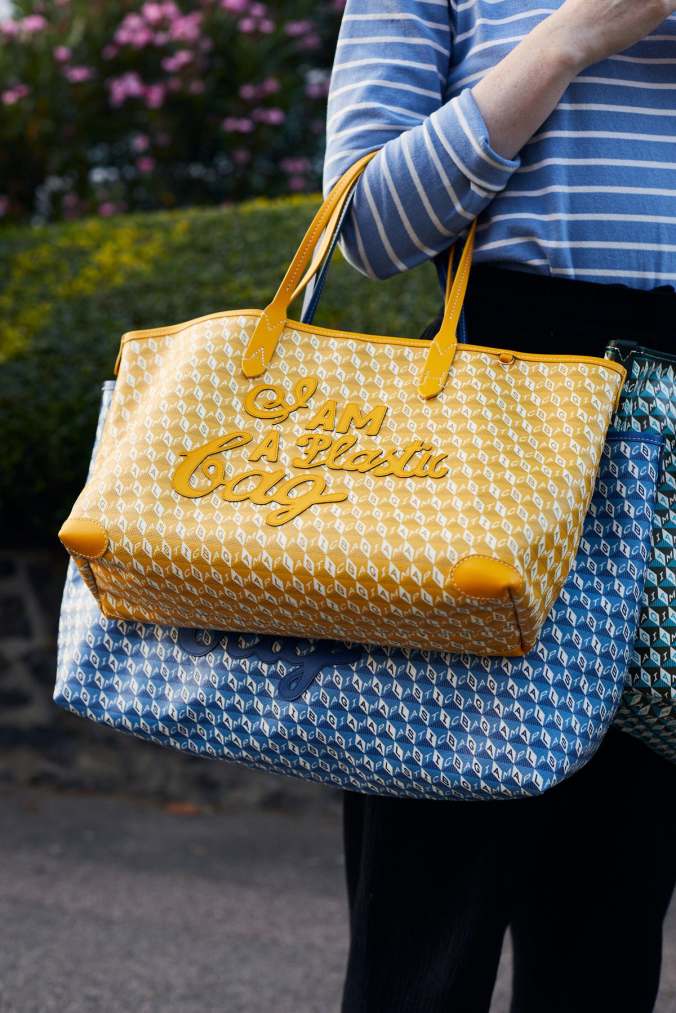
The original Anya Hindmarch tote, sold at Whole Foods for $15 back in 2007, that kick-started the anti-plastic-bag campaign. Lars Klove for The New York Times

It started one way.

Ms. Hindmarch’s updated version, made from recycled plastic. Suzie Howell for The New York Times

And then it evolved. Now we have to think again about the bags we use to carry things in:

The Cotton Tote Crisis

You can get cotton bags pretty much everywhere. How did an environmental solution become part of the problem?

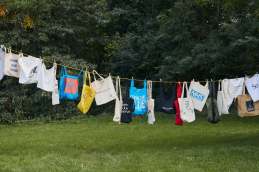
A laundry line of cotton totes accumulated by a single person since the race to replace plastic began. Suzie Howell for The New York Times

Recently, Venetia Berry, an artist in London, counted up the free cotton tote bags that she had accumulated in her closet. There were at least 25.

There were totes from the eco-fashion brand Reformation and totes from vintage stores, totes from Soho House, boutique countryside hotels and independent art shops. She had two totes from Cubitts, the millennial-friendly opticians, and even one from a garlic farm. “You get them without choosing,” Ms. Berry, 28, said. Continue reading

Coffee & Plastic, Second Shift Footwear

The company said the shoe, called Nomad, will be made from coffee waste and recycled bottles, while recycled polyester will be used to create the membrane to make the footwear waterproof. Photograph: c/o Rens

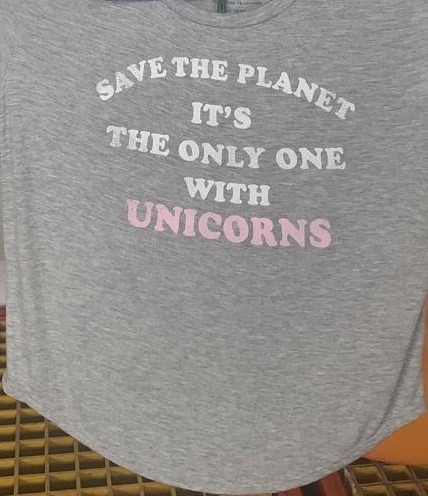
There is nothing particularly remarkable about the idea of using coffee bags a second time. But it was fun realizing how easy it is, and just doing it. Less easy and maybe lots more fun is the idea in the article below. Hats off to the creative founders who chose this path instead of chasing Silicon Valley unicorns (perhaps their success will demonstrate that unicorns thrive on a healthy planet, as expressed in this t-shirt I saw recently):

Firm seeks funding for ‘performance sneakers’ made from coffee waste

Finnish firm Rens says shoes made from used grounds and recycled plastic will be climate neutral

It is the typical morning routine for hundreds of thousands of Britons: have a cup of coffee and then slip on your trainers before heading for a jog. Upon returning, a quick drink of water to rehydrate before stepping into the shower.

Now, one firm has enabled one thing to beget another, by creating trainers made of recycled plastic bottles and used coffee beans.

Finnish footwear firm Rens launched an online fundraising campaign for its latest sustainable trainer on Tuesday, which it claims will be climate neutral in its production, packaging and transport. Continue reading