Vagrancies Better Appreciated

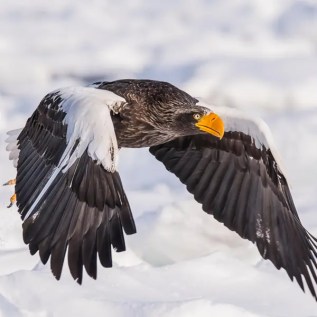
A Stellar’s sea eagle, native to East Asia. Design Pics Inc./Alamy

These two themes, birds and their various forms of adaptation, make Marion Renault’s article These Birds Aren’t Lost. They’re Adapting a perfect fit for sharing here as an excerpt, and recommending that you read the story where it was published:

Bird-watchers love to see vagrants, or birds that have traveled far outside their range. But scientists say they have a lot to teach us in a world facing ecological change.

From what we can tell, the Steller’s sea eagle trekking across North America does not appear homesick.

The bird has strayed thousands of miles from its native range in East Asia over the last two years, roving from the Denali Highway in Alaska down to a potential sighting South Texas before moving eastward and back north to Canada and New England. Its cartoonish yellow beak and distinctive wing coloration recently attracted crowds of rapt birders to Maine before turning up on April Fools’ Day in Nova Scotia. Continue reading

Octopus As White Whale

Bret Grasse, a manager of cephalopod operations at the Marine Biological Laboratory in Woods Hole, Mass., with his charge, a lesser Pacific striped octopus.

Yesterday, a story about a small and late victory for whales. Today, a small victory for our other favorite sea creature, in the form of a search for the white whale equivalent among octopus:

A lab in Massachusetts may have finally found an eight-armed cephalopod that can serve as a model organism and assist scientific research.

From a first batch of seven wild Octopus chierchiae, Mr. Grasse and his colleagues have raised over 700 children, grandchildren and great-grandchildren.

The tank looked empty, but turning over a shell revealed a hidden octopus no bigger than a Ping-Pong ball. She didn’t move. Then all at once, she stretched her ruffled arms as her skin changed from pearly beige to a pattern of vivid bronze stripes.

“She’s trying to talk with us,” said Bret Grasse, manager of cephalopod operations at the Marine Biological Laboratory, an international research center in Woods Hole, Mass., in the southwestern corner of Cape Cod. Continue reading
Tracking Disappearing Species

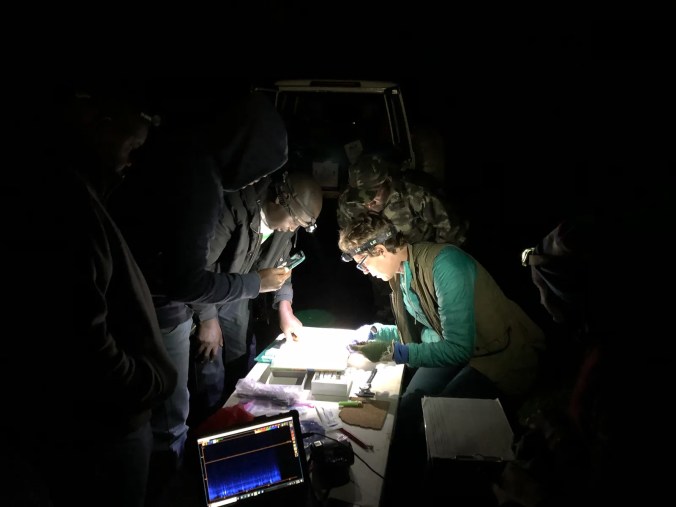
Researchers work through taxonomic keys to determine whether they had just caught a Hills’ horseshoe bat in Rwanda’s Nyungwe National Park.Photograph by Jon Flanders / Courtesy Bat Conservation International

Disappearing species as a topic in these pages has taken many forms. Hunters of disappearing species, less so. My exposure to this topic is limited to one project that Seth participated in. But the fact that Seth also had experience on a different type of project in Rwanda’s Nyungwe National Park made this article particularly of interest. Carolyn Kormann, once again, thank you:

The Hunt for a Lost Bat

The obsessive people who track down disappearing species are their own variety of rare—sparsely found across a wide geographic range, in all sorts of habitats.

In January, 2019, a multinational team of biologists set out into the rain forest of southwestern Rwanda, in search of a near-mythical bat that they thought might be extinct. Continue reading

How Do We Love Thee, Forests, Let Us Count The Ways

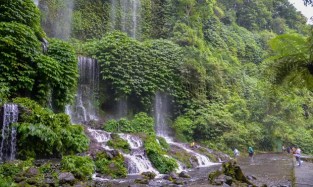
Forests, such as this one in Indonesia, do lmore than just store carbon. Photograph: Xinhua/Rex/Shutterstock

It may sound obvious, but until now it was not quantified: The world’s forests do more than just store carbon, new research finds

New data suggests forests help keep the Earth at least half of a degree cooler, protecting us from the effects of climate crisis

The world’s forests play a far greater and more complex role in tackling climate crisis than previously thought, due to their physical effects on global and local temperatures, according to new research. Continue reading
Why We Care About Octopus

Photo: Brandon Cole

We care about octopus for many reasons and there is plenty to learn about why. This article will make you want to know more about these creatures. Sy Montgomery, writing in Orion Magazine, is the best illuminator:

Deep Intellect

Inside the mind of the octopus

ON AN UNSEASONABLY WARM day in the middle of March, I traveled from New Hampshire to the moist, dim sanctuary of the New England Aquarium, hoping to touch an alternate reality. I came to meet Athena, the aquarium’s forty-pound, five-foot-long, two-and-a-half-year-old giant Pacific octopus. Continue reading
If You Happen To Be In London

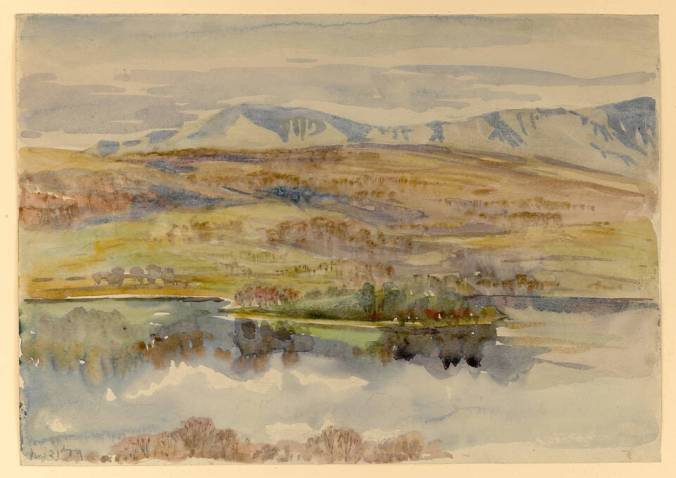
Museum number: BP.1079
© Victoria and Albert Museum, London, courtesy Frederick Warne & Co Ltd.

Do you have the inclination of switching from city life to rural? I, for one, made the switch and have no inclination to ever live in a city again. Occasional visits are fine. But as the theme song from a tv show of my youth had it “…keep Manhattan, just give me that country life…”.

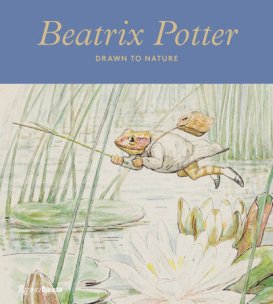
My reason for thinking about this today is related to the book on the right. Whether or not you are a fan of her books, you might find the case of Beatrix Potter’s life choices worthy of consideration. Rizzoli has published this book to accompany an exhibition at the Victoria & Albert Museum. Our appreciation to Anna Russell for describing both, and adding plenty of detail about the author’s life, in this article:

The Secret Life of Beatrix Potter

A new book and an exhibition on Potter, who wrote “The Tale of Peter Rabbit,” use letters, sketches, and a coded journal to capture an author who delighted in the detail and humor of the natural world.

Many teen-agers will go to great lengths to keep their diaries private—I kept a little key for mine in a wooden jewelry box, which I guarded jealously—but the children’s book author Beatrix Potter took it to an extreme. Continue reading
Octopus Intelligence Illustrated

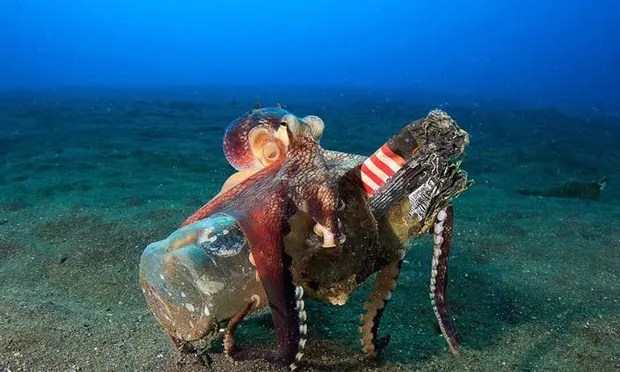
Octopuses were seen carrying plastic items around while ‘stilt-walking’. Photograph: Serge Abourjeily

It is not how we would prefer to understand them, or for these animals to demonstrate intelligence, but here are some examples of how they adapt to our discarded stuff:

Bottles, cans, batteries: octopuses found using litter on seabed

The most common interaction recorded was using rubbish as shelter. Photograph: Edmar Bastos

Creatures seen using discarded items for shelter or to lay eggs, highlighting ‘extreme ability to adapt’

Whether it’s mimicking venomous creatures, or shooting jets of water at aquarium light switches to turn them off, octopuses are nothing if not resourceful. Continue reading
Understanding That Recent Bird Crash

When news reports about this unusual event reached us, time was short. We did not have time to read any details, and now it is clear that waiting for science to comment was a useful delay.

Thanks to Juan Siliezar for the explanation:

iStock

Those birds that crashed and died? It wasn’t fumes

After internet theorists react to viral video, Harvard researchers answer with science

You’ve probably seen the video — or at least heard some chirpings about it.

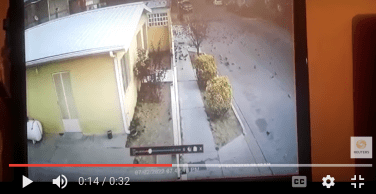
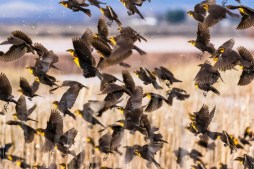
Footage from a security camera in Cuauhtémoc, a city in Chihuahua, Mexico, shows a massive flock of migratory birds swooping down like a cloud of black smoke and crashing onto pavement and the roof of a house. Continue reading
Stenophylla, A Coffee With Real Potential & Poster Child For Food Diversity

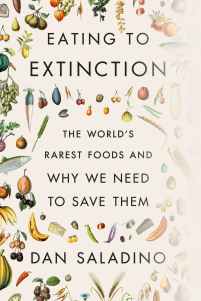
Our thanks to Dan Saladino, a food journalist and author of Eating to Extinction: The World’s Rarest Foods and Why We Need to Save Them as well as recipient of a James Beard Award for food journalism.

He offers an inside look at a relatively unknown coffee varietal with potential, and at the same time, an argument in favor of diversity, in his article Edible Extinction: Why We Need to Revive Global Food Diversity:

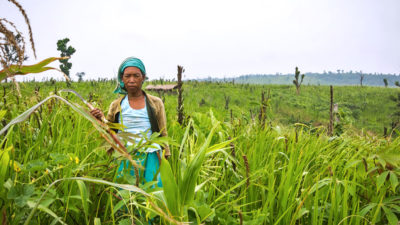
A Khasi farmer growing millet in Meghalaya, India.

A Khasi farmer growing millet in Meghalaya, India. NORTH EAST SLOW FOOD & AGROBIODIVERSITY SOCIETY

The Green Revolution helped feed a surging global population, but at the cost of impoverishing crop diversity. Now, with climate change increasingly threatening food supplies, the need for greater agricultural resilience means restoring endangered crop and food varieties.

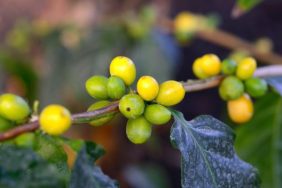
Stenophylla beans up close. RBG KEW; KLAUS STEINKAMP / ALAMY

In August 2020, inside the cupping room of a London roastery, a team of botanists and baristas gathered to taste a coffee species that most believed had been lost forever. It was an important moment. Coffee experts had spent years searching in West Africa for the few remaining trees of this species, even issuing “wanted posters” to farmers asking if they had seen it. Continue reading
Dogs Doing Nature No Favors

Overfertilisation reduces biodiversity by allowing a few thriving plants to drive out others and the wildlife that depends on them. Photograph: John Walton/PA

Who knew? Now you do. Yes, one more thing to think about to take better care of your environment:

Deluge of dog pee and poo harming nature reserves, study suggests

Urine and faeces creating nitrogen and phosphorus levels that would be illegal on farms, scientists calculate

Dog faeces and urine are being deposited in nature reserves in such quantities that it is likely to be damaging wildlife, according to a new study. Continue reading
Aesop’s Animals Reviewed In Undark Magazine

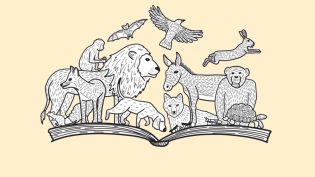
An illustration from “Aesop’s Animals” by Hana Ayoob.

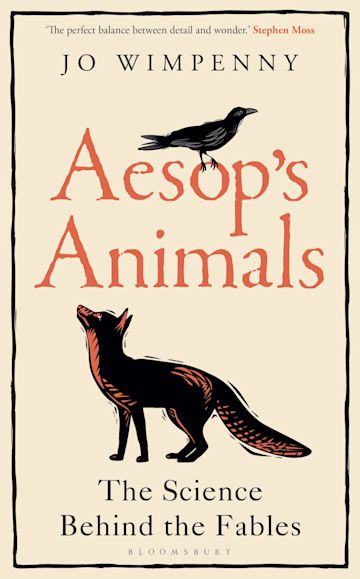
The fables attributed to Aesop were mentioned twice in posts in our pages during our first year. Again the following year. And plenty of times since then. But there is plenty more to say about the menagerie, and a new book takes on that task. Dan Falk offers this Book Review: The Science Behind Aesop’s Menagerie in Undark Magazine (click the image above or the title below to read the entire review at the source):

Aesop’s Animals coverIn “Aesop’s Animals,” zoologist Jo Wimpenny provides a guided tour of animal behavior drawn from the classic fables.

SEVERAL CHAPTERS into “Aesop’s Animals: The Science Behind the Fables,” zoologist and science writer Jo Wimpenny explains that, as a very young girl, she sometimes wanted to be a dog. (In a footnote she credits growing up in Wales for encouraging her “to think outside the box.”) This childhood fantasy, as the reader can readily imagine, involved crawling along the ground on all fours. But that only gets one part-way toward doghood, as the grown-up Wimpenny would come to realize. Continue reading
Species Discoveries Of 2021

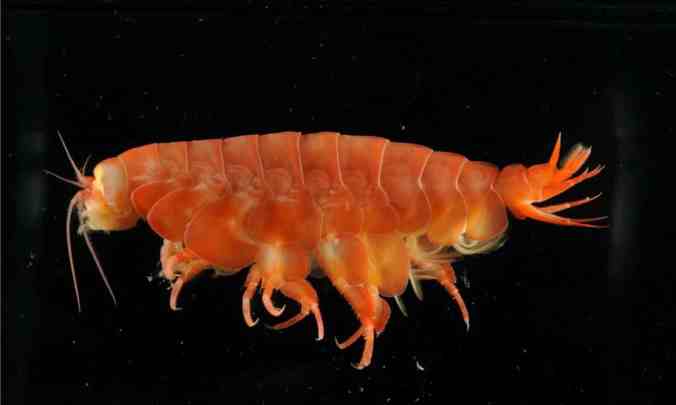
Eurythenes atacamensis, a giant new crustacean endemic to the Peru-Chile ocean trench, identified by scientists in 2021. Photograph: Weston et al 2021

The work of species discovery continues, even as extinction continues unabated:

‘Hell herons’, metallic beetles, tiny shrimp – scientists have been busy describing unusual creatures despite Covid restrictions

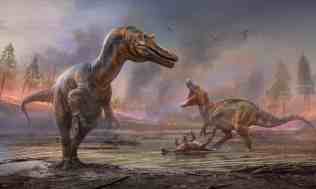
Two newly described species of spinosaur dinosaurs discovered on the Isle of Wight, named ‘hell heron’ and ‘riverbank hunter’. Photograph: Anthony Hutchings

Six new dinosaurs, an Indian beetle named after Larry the cat, and dozens of crustaceans critical to the planet’s carbon cycle were among 552 new species identified by scientists at the Natural History Museum this year.

In 2021, researchers described previously unknown species across the tree of life, from a pair of giant carnivorous dinosaurs known as spinosaurs – nicknamed the “riverbank hunter” and “hell heron” – to five new snakes that include the Joseph’s racer, which was identified with the help of a 185-year-old painting. Continue reading
Historians As Climate Sleuths

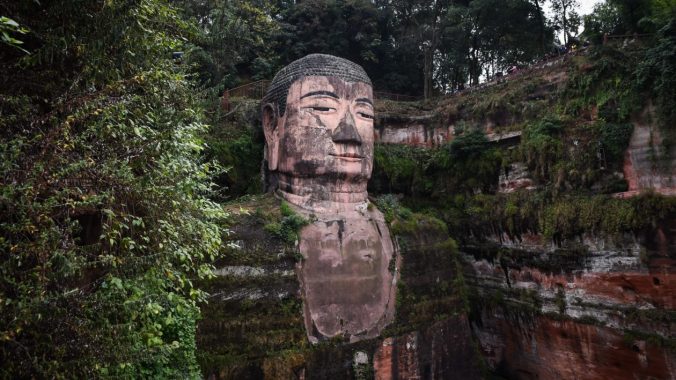
The Leshan Giant Buddha in Sichuan, China, a relic of the Tang dynasty, which collapsed in 907 A.D. amid changes in the climate. ZHONG ZHENBIN / ANADOLU AGENCY / GETTY IMAGES

Thanks to Jacques Leslie

Climate Clues from the Past Prompt a New Look at History

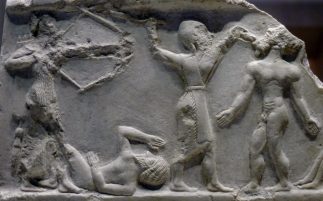
A fragment from a sculpted stele, an artifact of the Akkadian Empire, which collapsed in the 22nd century B.C. amid a severe drought. MBZT VIA WIKIPEDIA

As scientists rapidly improve their ability to decipher past climate upheaval through ice cores and other “proxies,” historians are re-examining previous political and social turmoil and linking it to volcanic eruptions, prolonged droughts, and other disturbances in the natural world.

Joseph Manning, a Yale University professor of ancient history, likes to recall the moment when he was shown an advance copy of a scholarly paper that pinpointed the timing of major volcanic eruptions over the last 2,500 years. As he read the paper, “I literally fell off my chair,” he said recently.

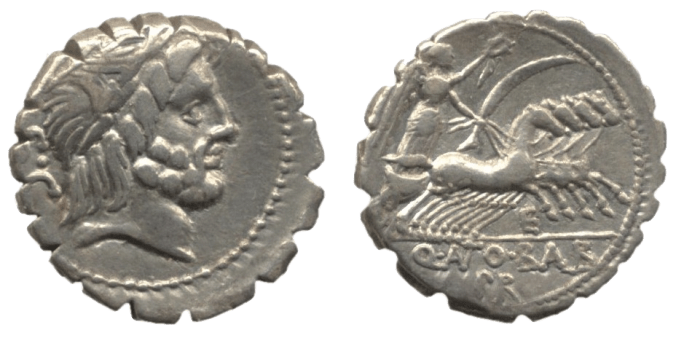
Roman coins dating to 82 B.C. Lead from smelting such coins has been found in faraway ice cores, offering clues about Roman history. CARLOMORINO VIA WIKIPEDIA

Relying on new geochemical techniques for analyzing ice core sediment to determine the dates of ancient volcanic activity down to the year or even season, the paper, published in Nature in 2015, showed that major eruptions worldwide caused precipitous, up-to-a-decade-long drops in global temperatures. Continue reading

Tamil Nadu, Rice, Identity

In the early days of our posting here south Indian rice was a staple in our meals, and we knew that this now global foodstuff had a long history in other cultures. But it looks like the state neighboring where we lived may have found a clue to how much longer they have had rice in their diet:

An ancient rice bowl complicates the story of civilisation in India

In Tamil Nadu, archaeology is part of a contest over history and identity

Rarely can a spoonful of rice have caused such a stir. When M.K. Stalin, chief minister of Tamil Nadu, addressed the south Indian state’s legislature on September 9th, he celebrated a musty sample of the country’s humble staple. Carbon dating by an American laboratory, he said, had just proved that the rice, found in a small clay offering bowl—itself tucked inside a burial urn outside the village of Sivakalai, near the southernmost tip of India—was some 3,200 years old. This made it the earliest evidence yet found of civilisation in Tamil Nadu. The top duty of his government, the chief minister triumphantly declared, was to establish that the history of India “begins from the landscape of the Tamils”. Continue reading

Society for the Protection of Underground Networks

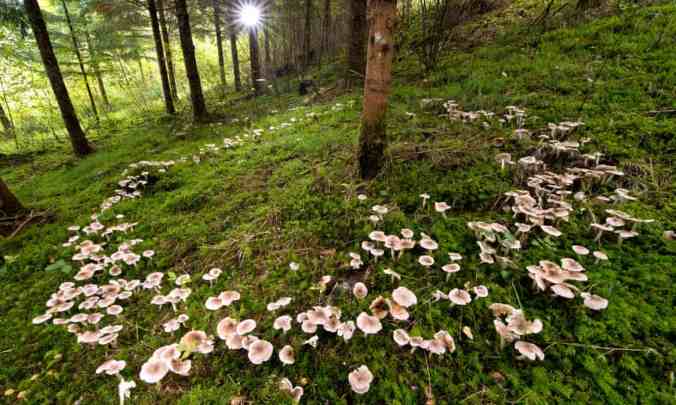
Hotspots of mycorrhizal fungi are thought to be under threat, from agriculture, urbanisation, pollution, water scarcity and changes to the climate. Photograph: Biosphoto/Alamy

We featured three articles by Fiona Harvey, Environment correspondent for the Guardian, each in 2016 on quite different topics, and then we did not see her again until today. Our attention to fungi has been constant since Milo got the topic started in 2011, and SPUN’s mapping project counts as good news:

World’s vast networks of underground fungi to be mapped for first time

Project aims to help protect some of trillions of miles of the ‘circulatory system of the planet’

Vast networks of underground fungi – the “circulatory system of the planet” – are to be mapped for the first time, in an attempt to protect them from damage and improve their ability to absorb and store carbon dioxide. Continue reading

Glass Origins

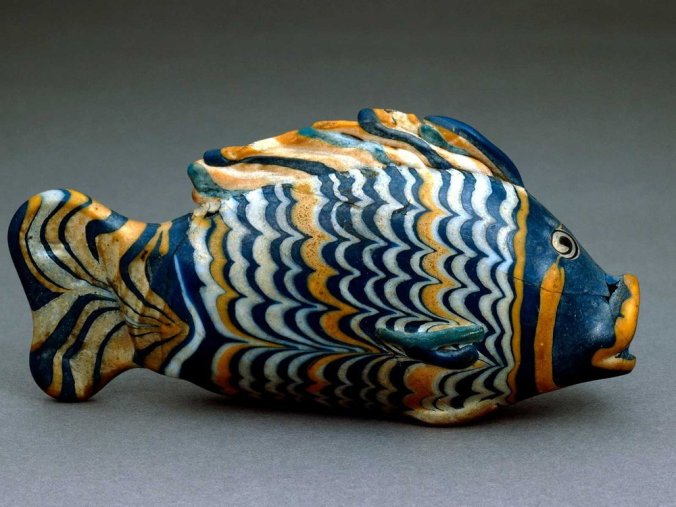
This glass fish was found in a fairly modest private house in Amarna, buried under a plaster floor along with a few other objects. It may once have contained ointment. The Trustees of the British Museum

We have featured stories about artisanal glass in the previous posts but this time the story is about the origins of the substance:

A Brief Scientific History of Glass

Featuring ingots, shipwrecks and an international trade in colors, the material’s rich past is being traced using modern archaeology and materials science

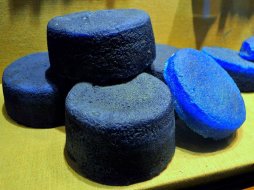
Blue glass ingots from the Uluburun shipwreck. Panegyrics of Granovetter / Flickr

Today, glass is ordinary, on-the-kitchen-shelf stuff. But early in its history, glass was bling for kings.

Thousands of years ago, the pharaohs of ancient Egypt surrounded themselves with the stuff, even in death, leaving stunning specimens for archaeologists to uncover. King Tutankhamen’s tomb housed a decorative writing palette and two blue-hued headrests made of solid glass that may once have supported the head of sleeping royals. His funerary mask sports blue glass inlays that alternate with gold to frame the king’s face. Continue reading

Thames Is Alive, Again

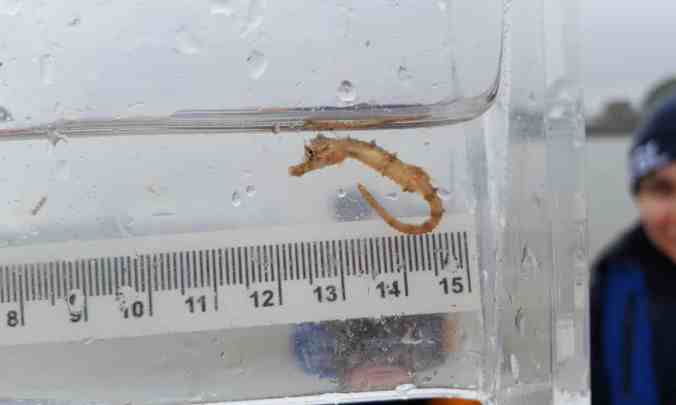
Species living in the Thames include seahorses and sharks. Photograph: ZSL

We will take good news where and how we can get it:

Seahorses and sharks living in River Thames, analysis shows

Zoological Society of London carries out most comprehensive survey since 1950s

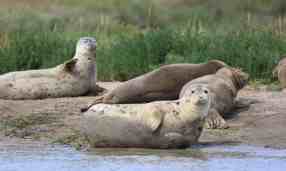
Since 2003 there has been as steady increase in seal populations in the Thames estuary. Photograph: ZSL

Seahorses, eels, seals and sharks are living in the tidal Thames, according to the most comprehensive analysis of the waterway since it was declared biologically dead in the 1950s.

But scientists from the Zoological Society of London (ZSL), who carried out the work, warn that the 95 miles of the tidal Thames is suffering from rising nitrate levels as a result of industrial runoff and sewage discharges. Water levels and temperature are also rising as a result of global heating. Continue reading

Sign Up For McKibben

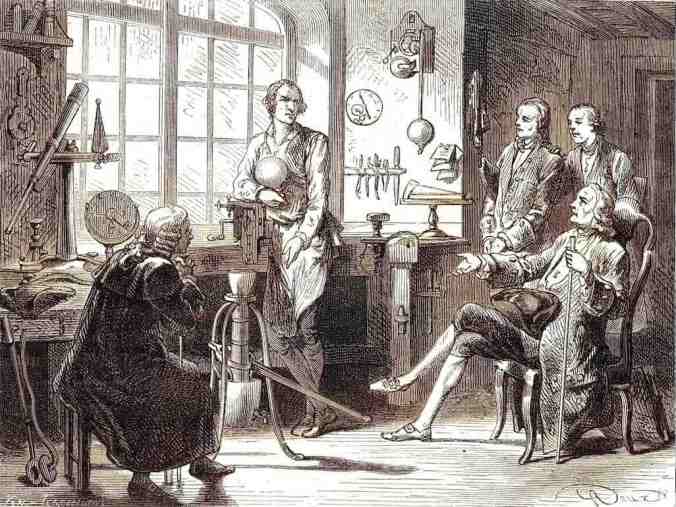
James Watt, at work in the small University of Glasgow workshop where he basically invented the fossil fuel era

I am trying to imagine getting tired of reading Bill McKibben’s constant flow of commentary and news, even though most of it is dismal. It would be like getting tired of paying attention to the environment, especially climate issues. Yesterday’s observations from Glasgow are particularly rewarding, and I hope you will consider subscribing to his newsletter:

Glasgow: where climate wreckage began

And where it’s definitely not going to end

I spent part of the morning wandering the gorgeous Victorian courtyards of the University of Glasgow (they would seem familiar to you—it’s where they shot the exteriors for the Harry Potter films), trying to find the university chapel where I was supposed to give a lecture. Instead of that august sanctuary, I stumbled across the James Watt building—and with it a poignant set of reminders about just how quickly we’ve managed to bring the world to the edge of ruin. Continue reading

Humanity & Melting History

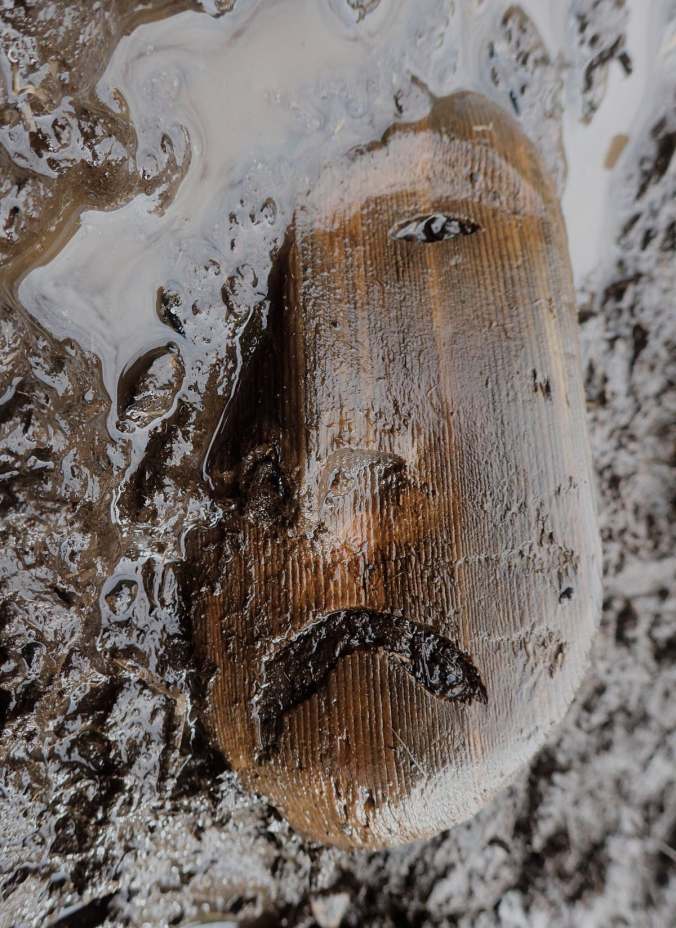
A mask belonging to the Yup’ik people of Alaska emerging from the permafrost. It is one of more than 100,000 artifacts retrieved from Nunalleq, the site of a village that was attacked by rivals 350 years ago. University of Aberdeen

When I posted about this book yesterday I had the long arc of history on my mind all day, and now this:

As Earth Warms, Human History Is Melting Away

Climate change is revealing long-frozen artifacts and animals to archaeologists. But the window for study is slender and shrinking.

The Langfonne ice patch in Norway. Glacier Archaeology Program, Innlandet County Council

For the past few centuries, the Yup’ik peoples of Alaska have told gruesome tales of a massacre that occurred during the Bow and Arrow War Days, a series of long and often brutal battles across the Bering Sea coast and the Yukon. According to one account, the carnage started when one village sent a war party to raid another. But the residents had been tipped off and set an ambush, wiping out the marauders. The victors then attacked the undefended town, torching it and slaughtering its inhabitants. No one was spared. Continue reading

Clues Trapped In Resin

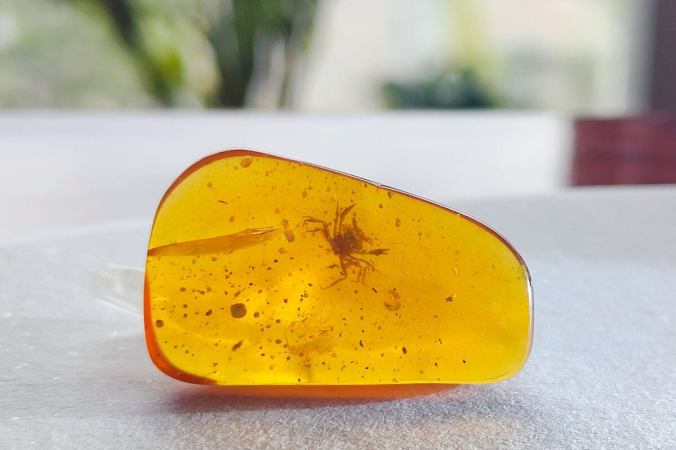
Researchers describe this as the most complete fossilized crab ever discovered. Credit: Lida Xing/China University of Geosciences, Beijing

Crabs started as marine creatures, and eventually evolved into land creatures as well. How it happened is an essential question and resin may be the best clue:

Bad for 100-million-year-old crab, but good for scientists

Crustacean trapped in fossilized tree resin offers clues into evolution of creatures, when they spread

Artistic reconstruction of the new fossil dubbed Cretapsara athanata, “the immortal Cretaceous spirit of the clouds and waters.”
Artwork by Franz Anthony, courtesy of Javier Luque/Harvard University

Javier Luque’s first thought while looking at the 100-million-year-old piece of amber wasn’t whether the crustacean trapped inside could help fill a crucial gap in crab evolution. He just kind of wondered how the heck it got stuck in the now-fossilized tree resin? Continue reading