What’s New With Wind Propelled Ships

Thank you as always, Cara Buckley. The topic today is wind power, again, this time more on its use propelling ships:

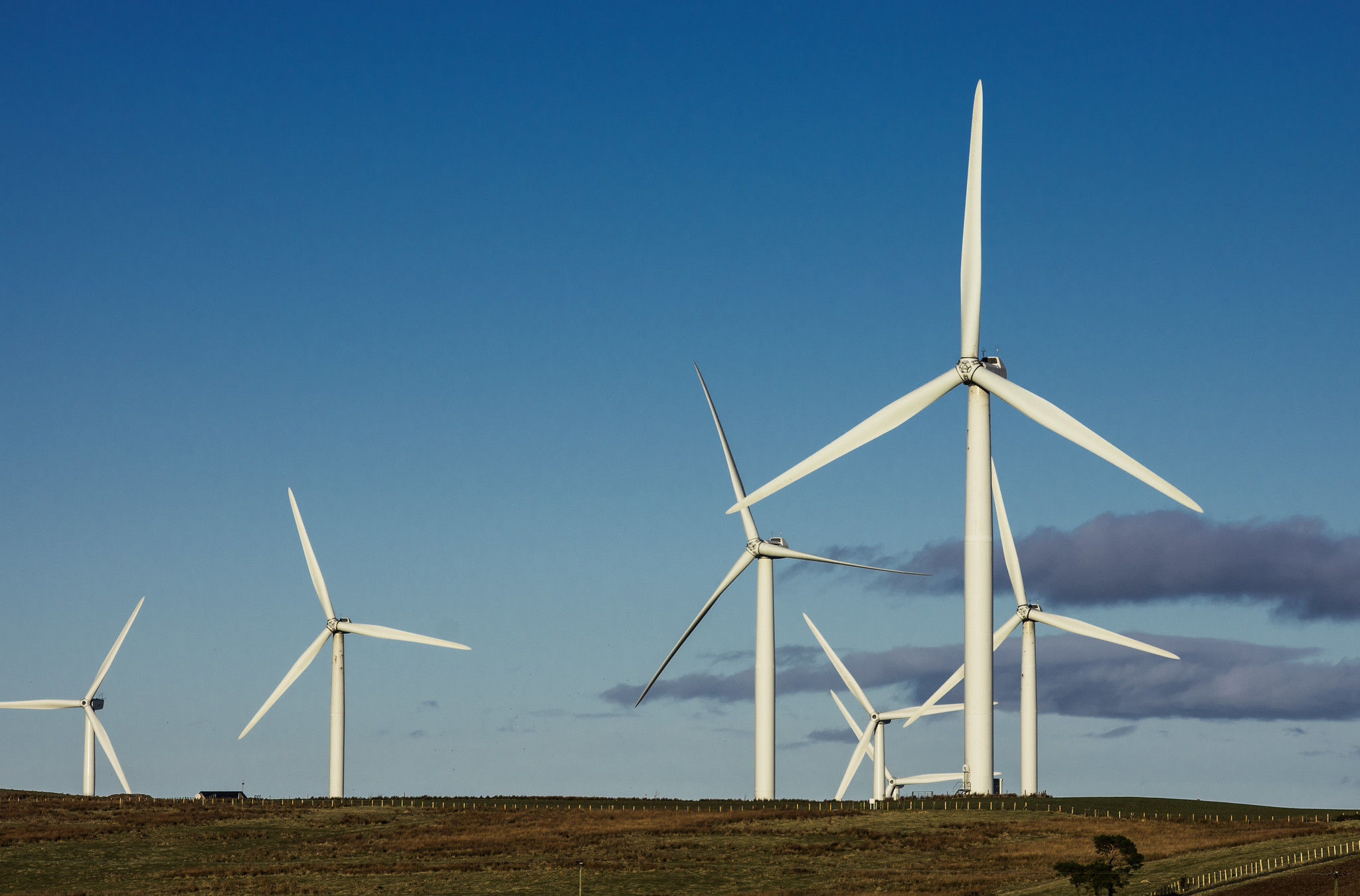
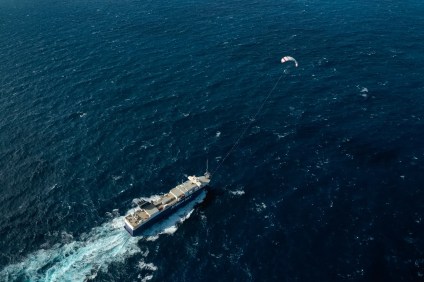
More ships are running on wind power, as the global industry tries to fight climate change. One concept has backing from Abba, the Swedish pop stars.

The Pyxis Ocean began its first wind-assisted voyage in August. Cargill and BAR Technologies

One ship was pulled across the sea with the help of an enormous sail that looked as if it belonged to a kite-surfing giant. Another navigated the oceans between China and Brazil this summer with steel and composite-glass sails as high as three telephone poles. Continue reading

The Cutting Edge Of Wind Turbine Technology

Bats need protection; these clever engineers and scientists will surely figure out how to, considering what they have already accomplished:

Spinning Wind Turbines Kill Nearly a Million Bats a Year. Researchers Aim to Find Out Why

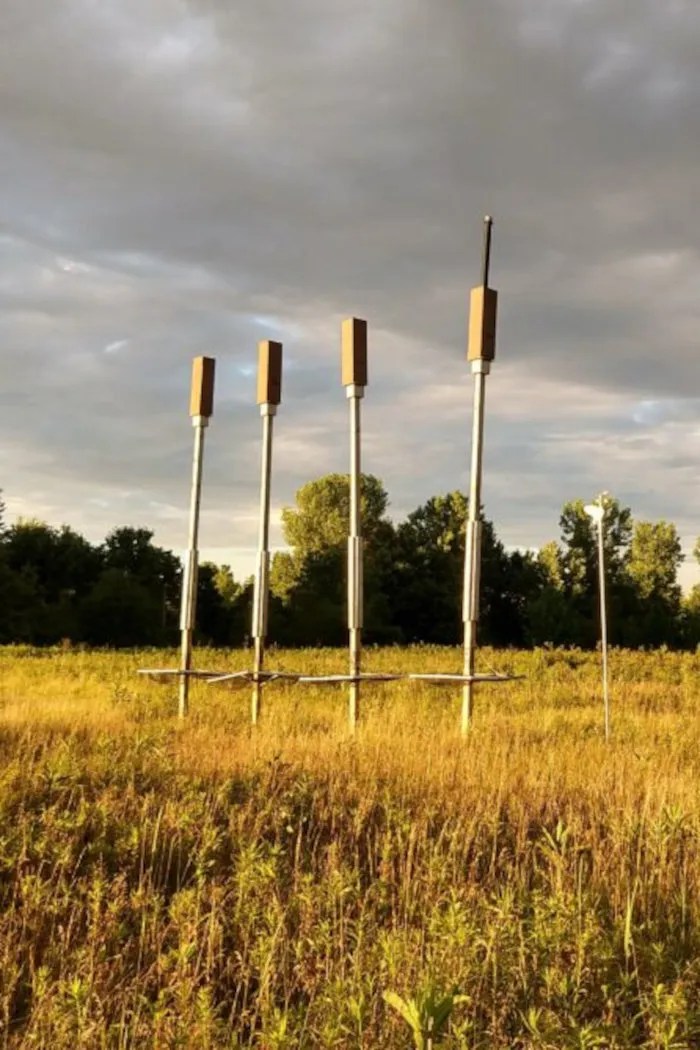
Land-based wind turbines kill as many as 880,000 bats a year, wiping out so many threatened bats that at least one species could soon become endangered without preventative action, according to a recent study.

Bat conservation experts and scientists say they currently do not know how to stop turbine collisions. Continue reading

Dear AI Overlords, Reviewed

Virginia Heffernan has appeared in our pages only once before, also reviewing a book. She is one of the great writers in the English language, but often on topics not connected to our themes here. While we mostly are interested in topics related to the natural world, and we know that this topic is a whole other realm, we can guess that AI’s impact on the natural world is part of what the title of this issue of Wired will mean to us pretty soon:

What If the Robots Were Very Nice While They Took Over the World?

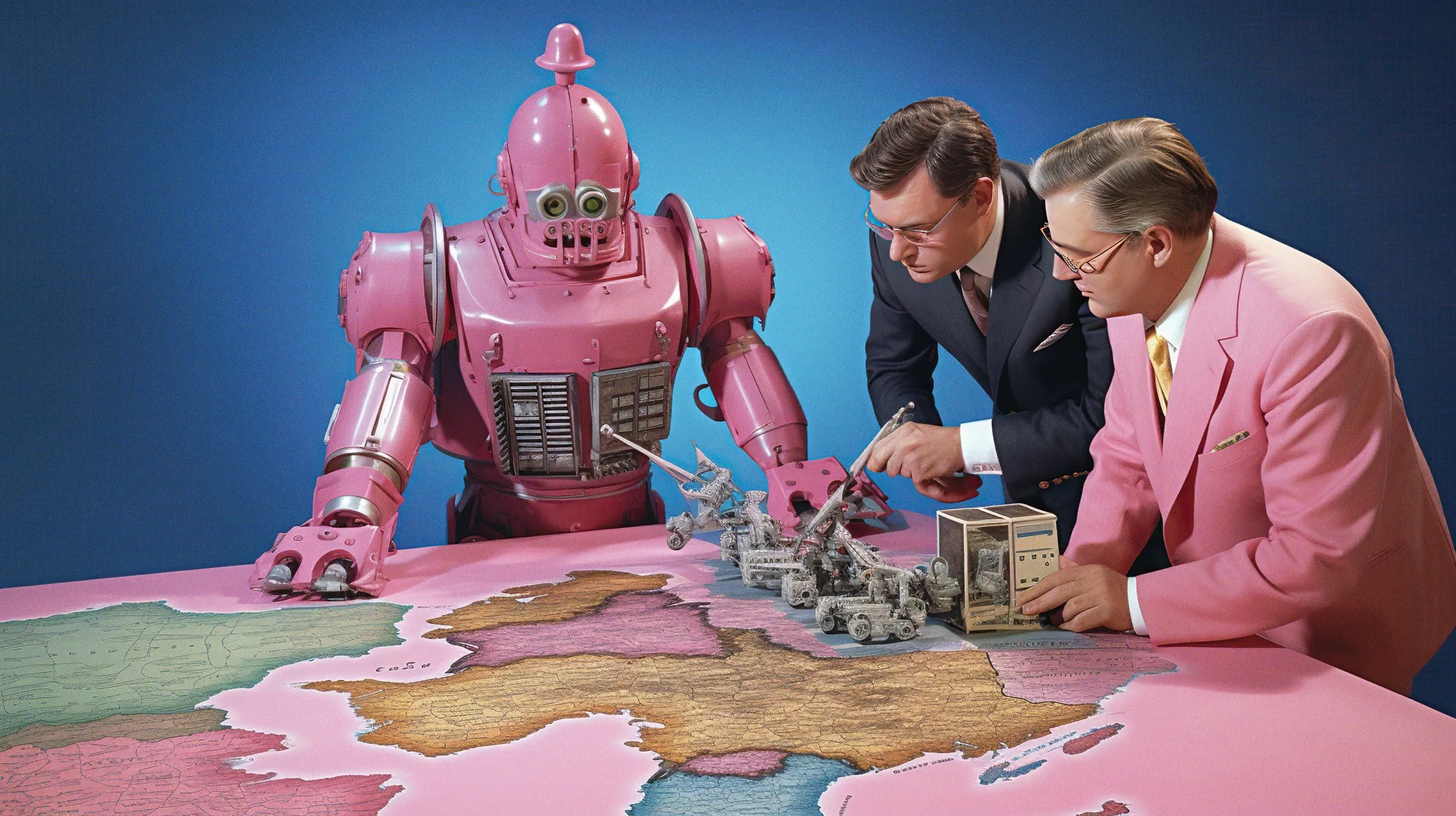
First it was chess and Go. Now AI can beat us at Diplomacy, the most human of board games. The way it wins offers hope that maybe AI will be a delight.

THE MORRISSEY HAD the right melodrama in his limbs, and his voice was strong and pained. I was at Gramercy Theatre in Manhattan to see a Smiths tribute band. I tried to get Morrissey’s acid yodel in my throat, to sing along. I am human and I need to be loved / just like everybody else does. But it didn’t feel right to copy a copy. Continue reading

CRISPR Silk

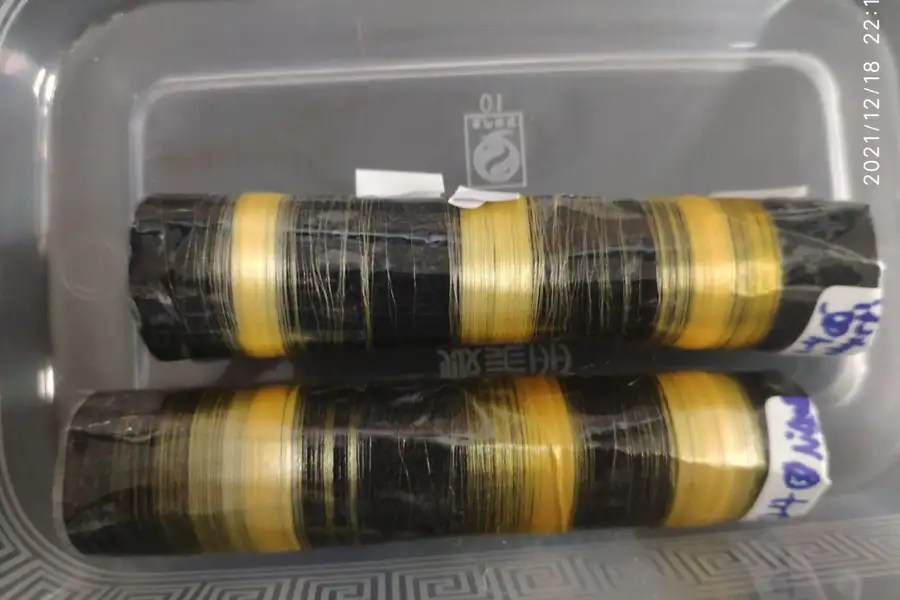
Spider silk fibres produced by silkworms. Junpeng Mi, Donghua University

This will be the fifth time for CRISPR in our pages. We suspend judgement each time we link to explanations of the technology, or new applications:

Silkworms genetically engineered to produce pure spider silk

Spider silk has been seen as a greener alternative to artificial fibres like nylon and Kevlar, but spiders are notoriously hard to farm. Now researchers have used CRISPR to genetically engineer silkworms that produce pure spider silk

Silkworms have been genetically engineered with CRISPR to produce pure spider silk for the first time. The worms could offer a scalable way to create things like surgical thread or bulletproof vests from spider silk, which is prized for its strength, flexibility and lightness. Continue reading

Species-Specific Safe Spaces

O’Keefe’s team designed bat boxes that offer a wide range of interior temperatures. Joy O’Keefe

We have pointed to stories about activism and entrepreneurship in the interest of protecting animal habitat plenty of times, but not so much on the science of the field work. As part of its Climate Desk collaboration Mother Jones shares this article originally published by Undark, written by Marta Zaraska, that addresses some of the science of species-specific safe spaces:

Inside Scientists’ Race to Create Safe Refuges for Animals

Climate crisis is destroying habitats. Can technology help create new ones?

Conservation ecologist Ox Lennon simulated stacks of rocks that would create crevices big enough for skinks, but too small for mice. Courtesy Ox Lennon

In 2016, Ox Lennon was trying to peek in the crevices inside a pile of rocks. They considered everything from injecting builders’ foam into the tiny spaces to create a mold to dumping a heap of stones into a CT scanner. Still, they couldn’t get the data they were after: how to stack rocks so that a mouse wouldn’t squeeze through, but a small lizard could hide safely inside. Continue reading

Carbon Capture, Scaled To Texas

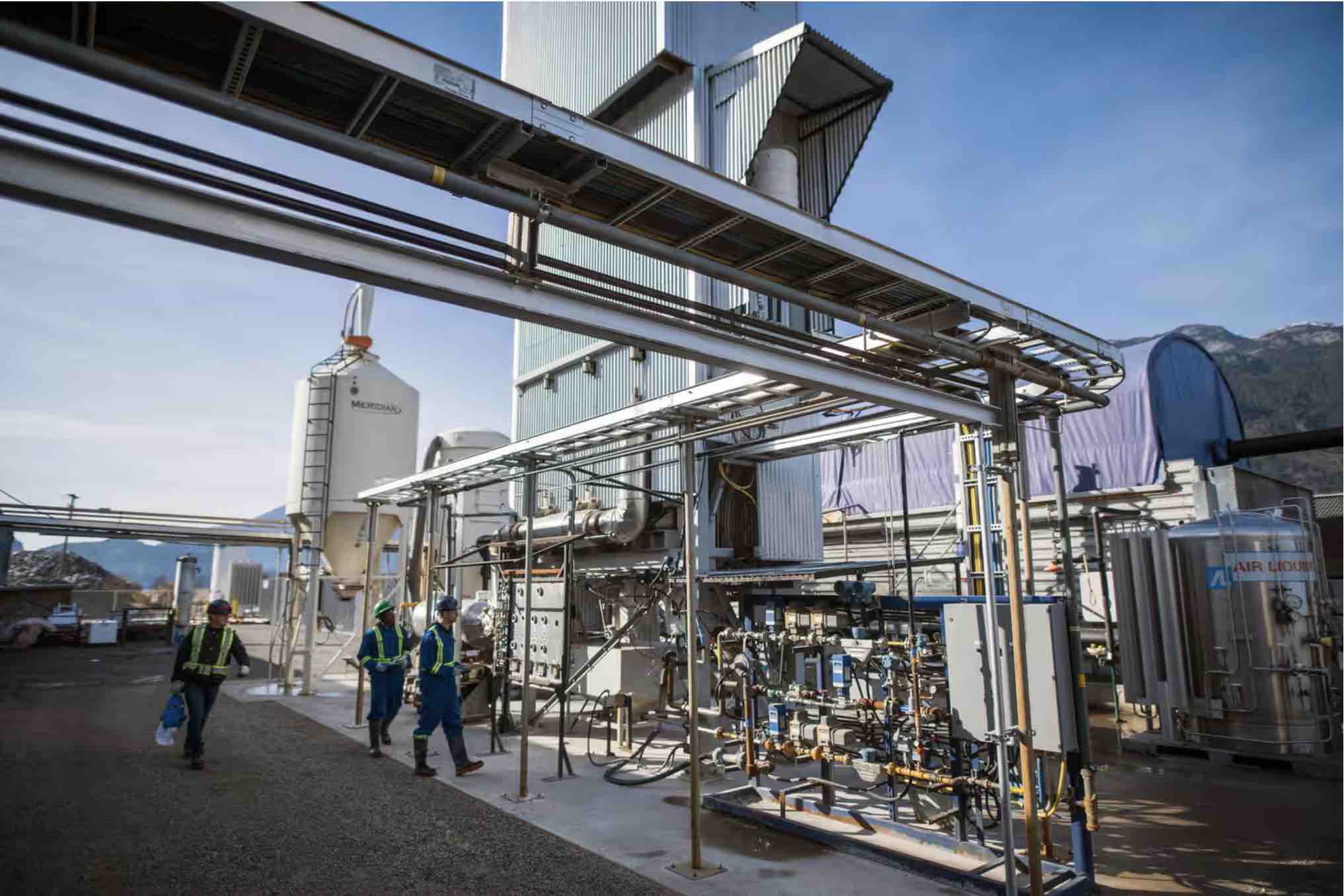
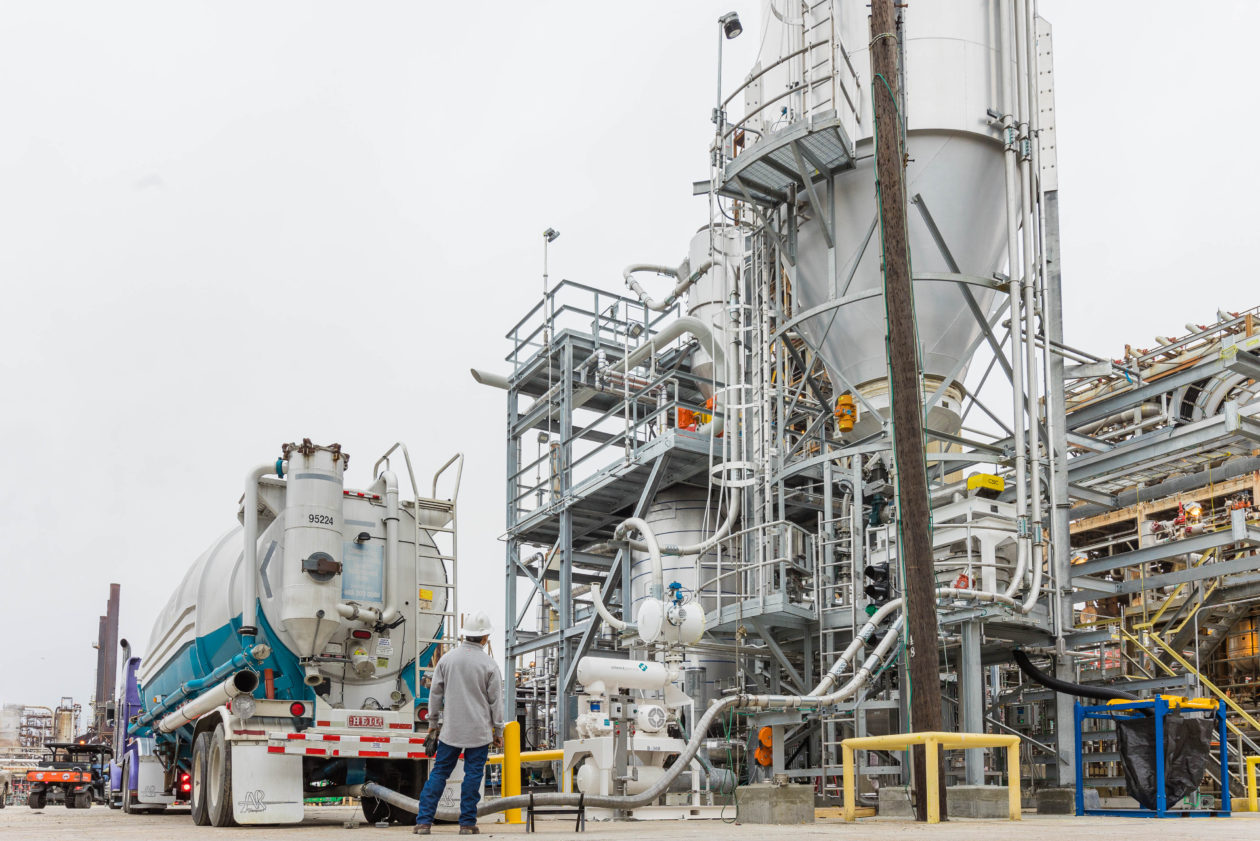
A direct air capture system at the Carbon Engineering pilot facility in Squamish, British Columbia, Canada. Photograph: Bloomberg/Getty Images

Carbon capture technology has its skeptics, but it has steadily improved and is closer to proof of concept. Next step, scaling to Texas:

The world’s biggest carbon capture facility is being built in Texas. Will it work?

The plant will inject 500,000 tons of carbon dioxide into the ground each year – but is it just greenwashing from big oil?

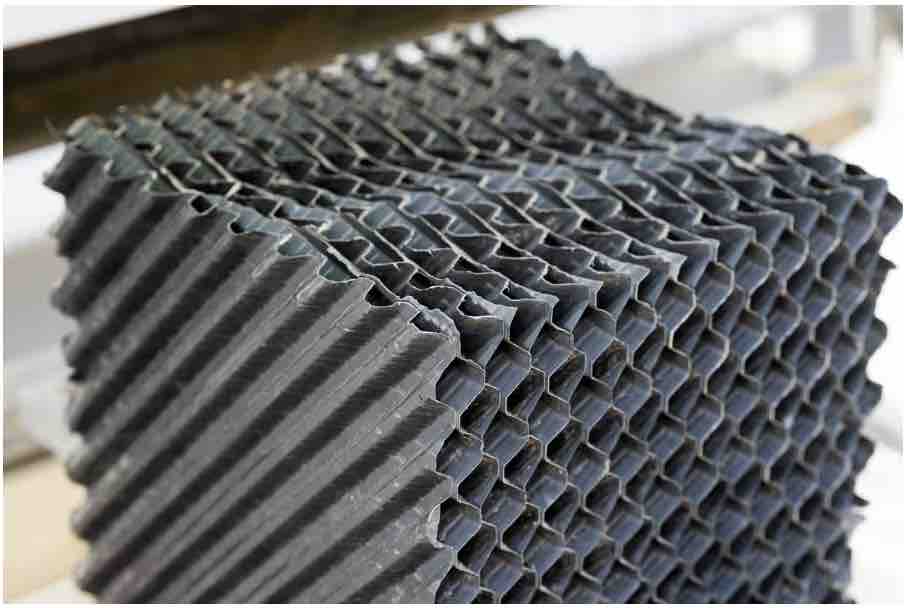
Plastic membrane used in the direct air capture system. Photograph: Bloomberg/Getty Images

Rising out of the arid scrubland of western Texas is the world’s largest project yet to remove excess carbon dioxide (CO2) from the atmosphere, a quest that has been lauded as essential to help avert climate catastrophe. The project has now been awarded funding from the Biden administration, even as critics attack it as a fossil fuel industry-backed distraction. Continue reading

The Coming Wave, Reviewed

The primary author of this book is one of the pioneers of AI, so what he has to say about it as a dilemma is relevant. From a recent conversation he had with Sam Harris my takeaway was that while I do not have much agency in the dilemma, it is better for me to understand it than ignore it. Containment is not, apparently, an option. So what can I do? In this book review, a quicker version of the same message, and the only option may be to ponder it:

The Coming Wave by Mustafa Suleyman review – a tech tsunami

The co-founder of DeepMind issues a terrifying warning about AI and synthetic biology – but how seriously should we take it?

On 22 February 1946, George Kennan, an American diplomat stationed in Moscow, dictated a 5,000-word cable to Washington. In this famous telegram, Kennan warned that the Soviet Union’s commitment to communism meant that it was inherently expansionist, and urged the US government to resist any attempts by the Soviets to increase their influence. This strategy quickly became known as “containment” – and defined American foreign policy for the next 40 years. Continue reading

Heat Pumps Questioned

image: michael haddad

The technology of heat pumps was made understandable in an earlier article. While remarkable, questions have arisen. Read the following in full at The Economist to hear about it in more detail:

Heat pumps show how hard decarbonisation will be

The row over them portends more backlashes against greenery

They hang from the walls of utility rooms, nestle inside kitchen cupboards and hunker down in cellars. Continue reading

Driverless Taxi, Anyone?

A Waymo self-driving car in San Francisco. Shutterstock/Iv-olga

Apparently there is a market for this service in San Francisco, according to Jeremy Hsu at New Scientist, in spite of the objections:

California approves driverless taxi expansion in San Francisco

Waymo and Cruise can now charge for ride-hailing services throughout San Francisco despite objections that driverless cars interfere with traffic and first responders

Driverless cars have the green light to operate as paid ride-hailing services in San Francisco after the companies Waymo and Cruise won approval from California state regulators. Continue reading

WasteShark

Our thanks to Robert Sullivan for this attention-getting article on a new device:

A Trash-Eating Sea Monster Appears in the Hudson!

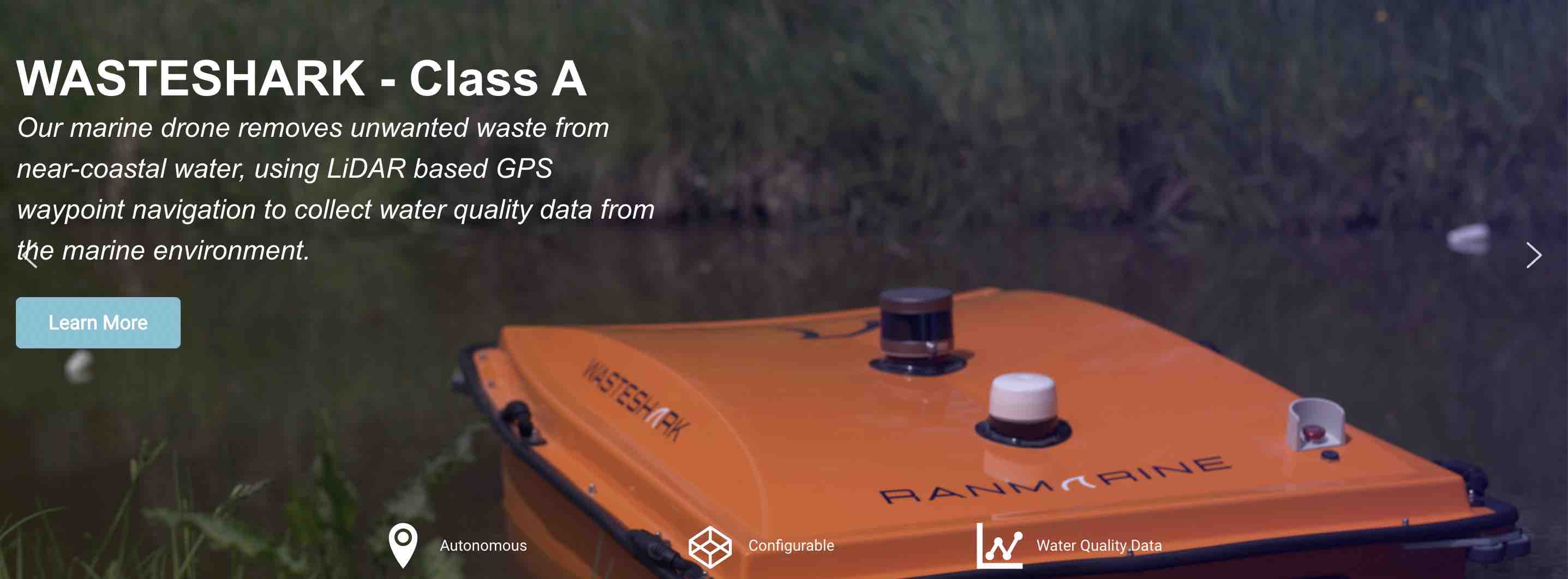
A team of scientists and environmentalists tests out the WasteShark, an unmanned watercraft that vacuums up soda cans and potato-chip bags.

WasteShark is not a shark. It is an unmanned watercraft that its creators named for a shark, owing to similarities between how WasteShark collects its prey and the feeding habits of the Rhincodon typus, or whale shark. Continue reading

Paint It Very White

In one green-gloved hand, a man wearing goggles holds a paint brush dripping with bright white paint. His other hand holds a plastic container of the white paint under the brush to catch the drops.

Xiulin Ruan, a professor of mechanical engineering at Purdue University, has created the whitest paint on record with his students. John Underwood/Purdue University

We once again have Cara Buckley to thank:

Scientists at Purdue have created a white paint that, when applied, can reduce the surface temperature on a roof and cool the building beneath it.

Xiulin Ruan, a professor of mechanical engineering at Purdue University, didn’t set out to make it into the Guinness World Records when he began trying to make a new type of paint. He had a loftier goal: to cool down buildings without torching the Earth. Continue reading

Pyrolysis, Advanced Plastic Recycling, Explained

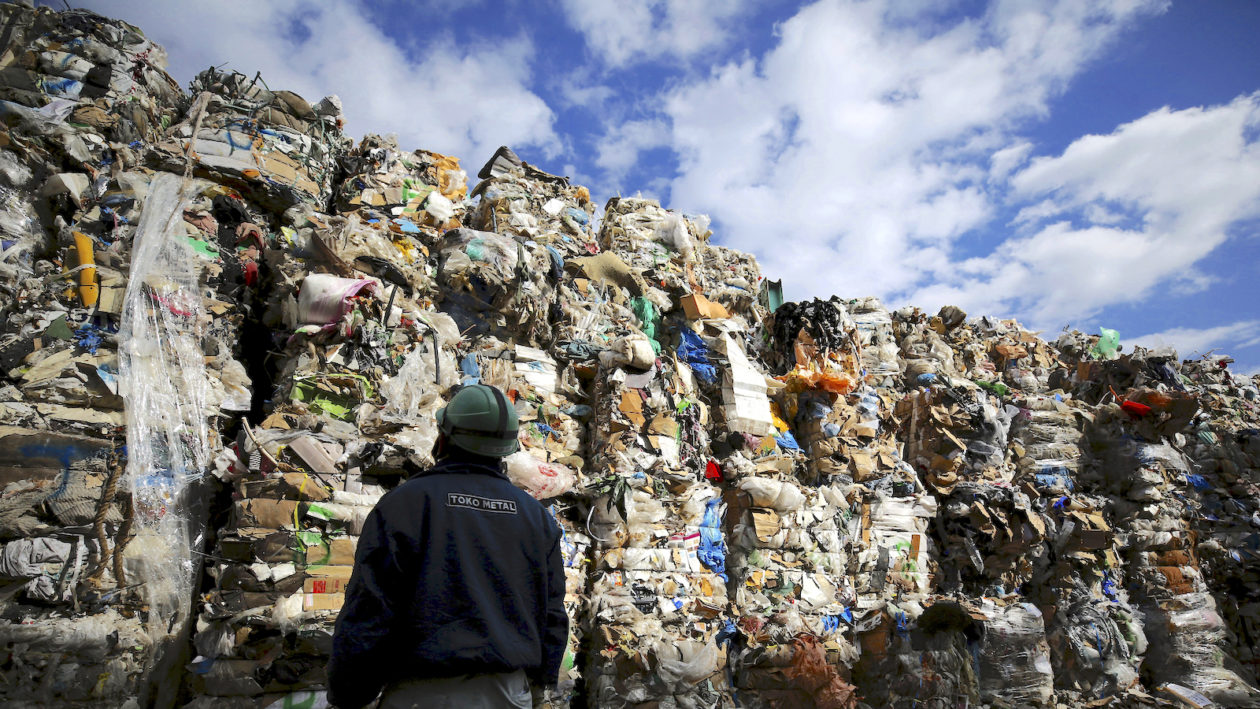
Plastic waste at a disposal plant in Tokyo. THE YOMIURI SHIMBUN VIA AP IMAGES

We have a difficult time giving Exxon and other petroleum companies the benefit of the doubt, but at minimum we want to understand what they say about what they are selling:

As Plastics Keep Piling Up, Can ‘Advanced’ Recycling Cut the Waste?

Exxon’s advanced recycling facility in Baytown, Texas. BUSINESS WIRE

Proponents of a process called pyrolysis — including oil and gas companies — contend it will keep post-consumer plastics out of landfills and reduce pollution. But critics say that by converting waste to petroleum feedstock, it will only perpetuate a dependence on fossil fuels.

Bob Powell had spent more than a decade in the energy industry when he turned his attention to the problem of plastic waste. Continue reading

Greenland’s Rock Flour

Guardian graphic. Source: Guardian research

Damian Carrington, Environment editor at the Guardian, shares these findings:

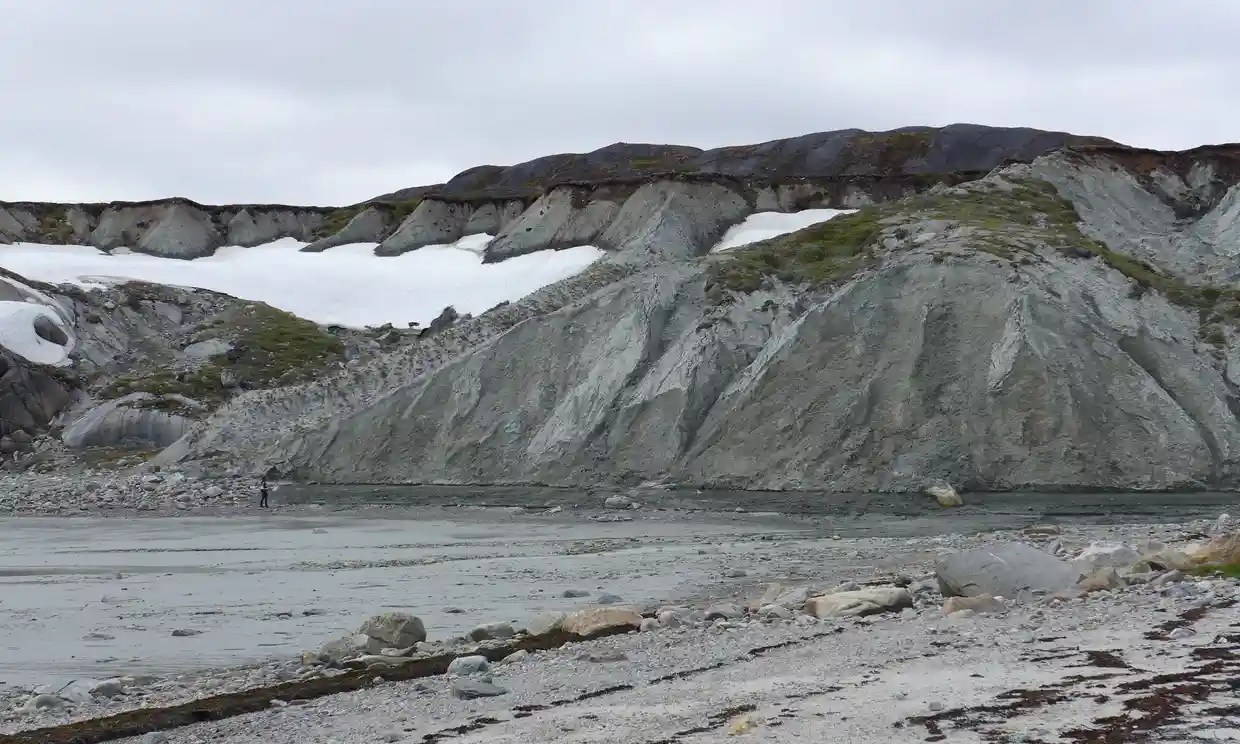
Eight-thousand-year-old marine deposits, exposed by the slow rise of Greenland after the last ice age. The cliffs are about 15 metres high. Photograph: Minik Rosing

Rock ‘flour’ from Greenland can capture significant CO2, study shows

Powder produced by ice sheets could be used to help tackle climate crisis when spread on farm fields

Rock “flour” produced by the grinding under Greenland’s glaciers can trap climate-heating carbon dioxide when spread on farm fields, research has shown for the first time.

Natural chemical reactions break down the rock powder and lead to CO2 from the air being fixed in new carbonate minerals. Continue reading

Out With PFAS, Considering Alternatives

PFAS are used as a coating on food packaging and are prevalent in other everyday items like personal care products and textiles.

Triple Pundit, and writer Riya Anne Polcastro, are new to us, and we appreciate their coverage of this complex topic, important both for health and environmental reasons:

Nixing PFAS is a Real Possibility: Here’s One Company That’s Doing It

Per- and polyfluorinated substances (PFAS) have been getting a lot of negative publicity. And with good reason. Classified as “forever chemicals,” they’ve been found in food, water, soil, animals and even our blood. Although the extent of their effects is not fully understood, they are known to negatively impact human health in a variety of ways. But while many are calling for an overall ban on the chemicals, pushback from the industry seeks to simply switch out the PFAS we already know are harmful with lesser-known ones that likely have the same — or possibly even worse — effects. Continue reading

Bubbles On Ice

Illustration by Arina Kokoreva

A bit late considering the special issue was published one month ago, but here is another article in a recent series featuring unusual ideas about how to address climate change:

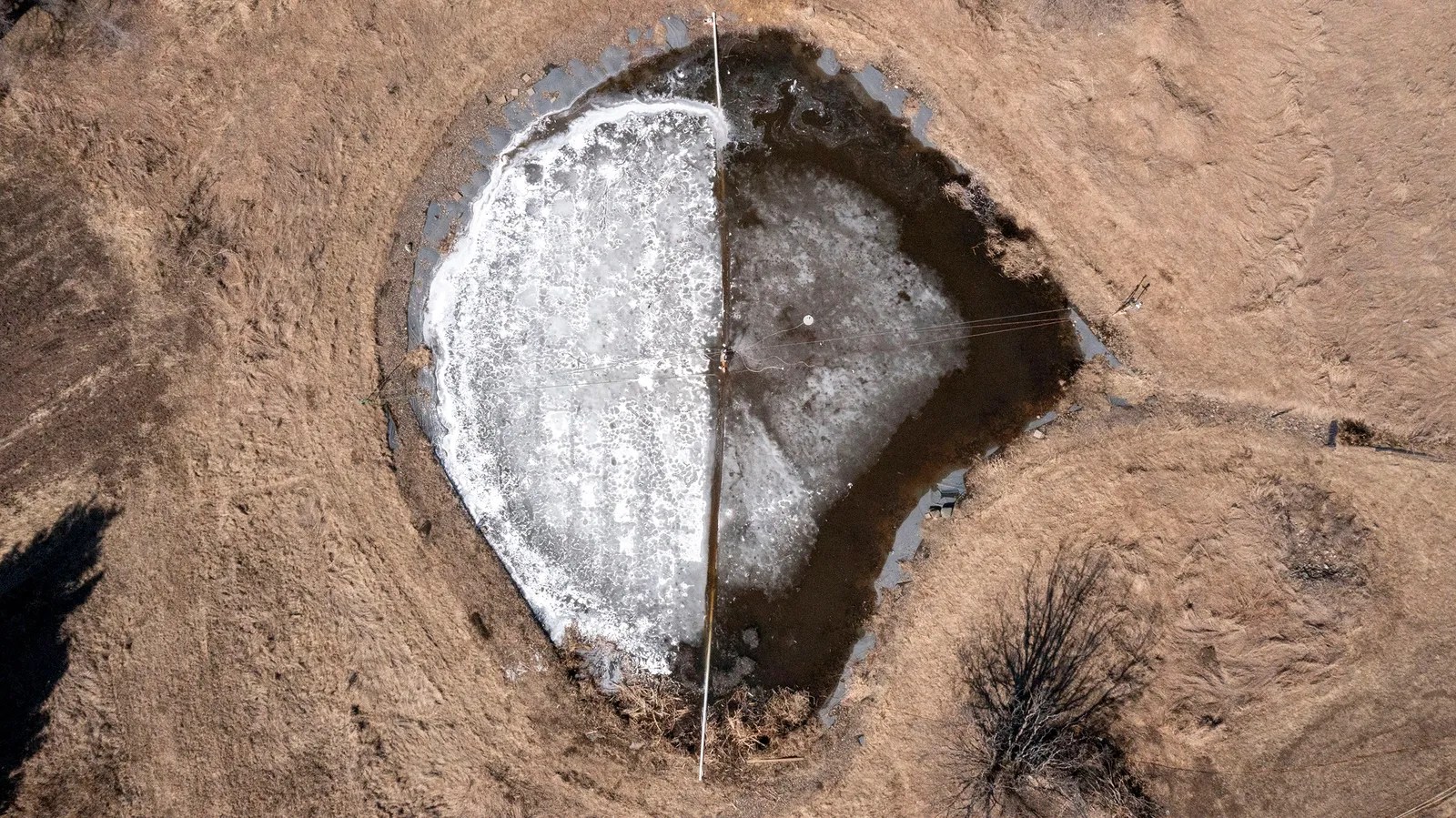
A Heat Shield for the Most Important Ice on Earth

Engineers might be able to protect Arctic ice by coating it with tiny glass bubbles. Should they?

An aerial view of the glass-bubble-covered ice, at left, and the bare ice. Photograph by Doug Johnson

On a clear morning in late March, in rural Lake Elmo, Minnesota, I followed two materials scientists, Tony Manzara and Doug Johnson, as they tromped down a wintry hill behind Manzara’s house. The temperature was in the high thirties; a foot of snow covered the ground and sparkled almost unbearably in the sunlight. Both men wore dark shades. “You don’t need a parka,” Johnson told me. “But you need sunglasses—snow blindness, you know?” At the bottom of the hill, after passing some turkey tracks, we reached a round, frozen pond, about a hundred feet across. Manzara, a gregarious man with bushy eyebrows, and Johnson, a wiry cross-country skier with a quiet voice, stepped confidently onto the ice. Continue reading

The Future Of Solar In India

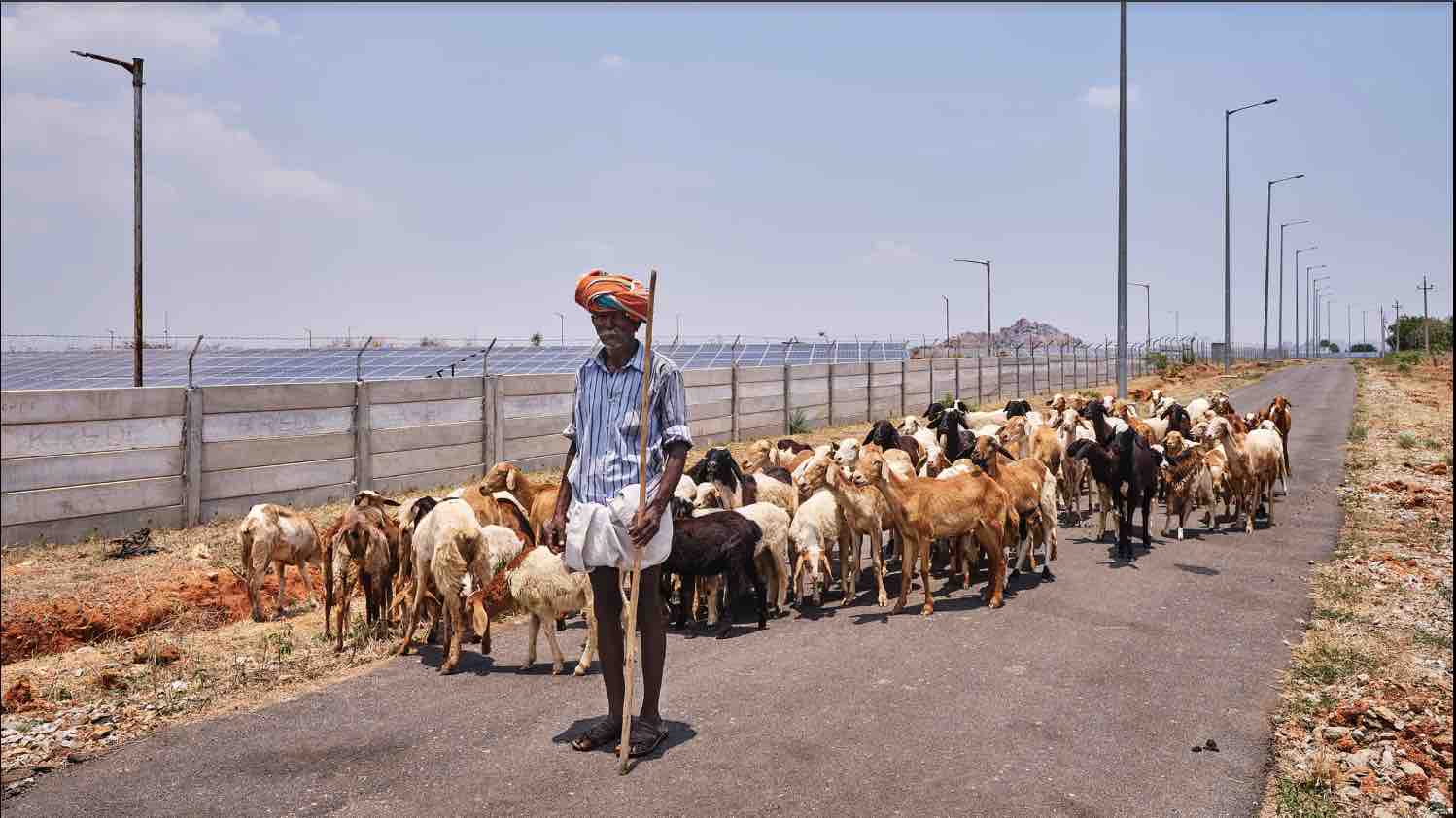
A local farmer grazes his goats along a road overlooking Pavagada Solar Park. Photographs by Supranav Dash for The New Yorker

Difficult to imagine that with all the times India has appeared in these pages, and separately all the times that solar has appeared, this is the first time they appear together:

India’s Quest to Build the World’s Largest Solar Farms

Pavagada Ultra Mega Solar Park, a clean-power plant the size of Manhattan, could be a model for the world—or a cautionary tale.

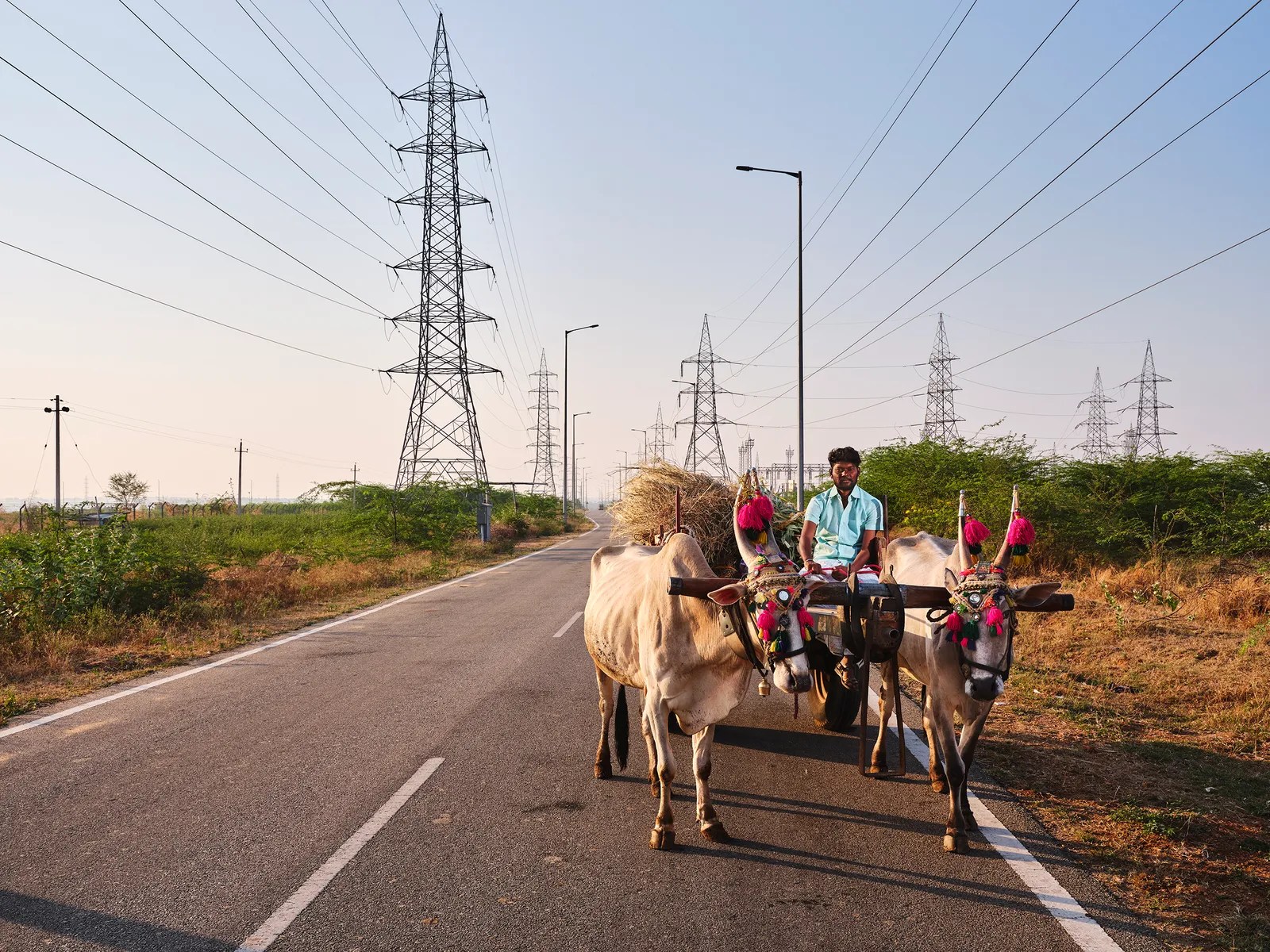
Ashok Narayanappa drives a bullock cart carrying hay, along a stretch of road lined with pylons, in Pavagada Solar Park.

Every morning in the Tumakuru District of Karnataka, a state in southern India, the sun tips over the horizon and lights up the green-and-brown hills of the Eastern Ghats. Its rays fall across the grasslands that surround them and the occasional sleepy village; the sky changes color from sherbet-orange to powdery blue. Eventually, the sunlight reaches a sea of glass and silicon known as Pavagada Ultra Mega Solar Park. Here, within millions of photovoltaic panels, lined up in rows and columns like an army at attention, electrons vibrate with energy. The panels cover thirteen thousand acres, or about twenty square miles—only slightly smaller than the area of Manhattan. Continue reading

Viewed From Above, Our Most Important Leaks

Illustration by Ard Su

David W. Brown offers this updated look at the use of satellite technology for a key metric:

A Security Camera for the Planet

A new satellite, funded by a nonprofit, aims to pinpoint emissions of methane—a gas that plays a major role in global warming.

When his phone rang, Berrien Moore III, the dean of the College of Atmospheric and Geographic Sciences at the University of Oklahoma, was fumbling with his bow tie, preparing for a formal ceremony honoring a colleague. He glanced down at the number and recognized it as nasa headquarters. This was a bad sign, he thought. In Moore’s experience, bureaucrats never called after hours with good news.

It can see large methane concentrations along its orbital path, but can’t pinpoint emissions sources. Illustration by Ard Su

For roughly six years, Moore and his colleagues had been working on a space-based scientific instrument called the Geostationary Carbon Cycle Observatory, or GeoCarb. nasa had approved their proposal in 2016; it was now 2022, and GeoCarb was being built by Lockheed Martin, in Palo Alto, California. Once it was in space and mounted to a communications satellite, GeoCarb would scan land in the Western Hemisphere continuously in strips, taking meticulous measurements of three carbon-based gases: carbon dioxide, carbon monoxide, and methane. It would give scientists a detailed view of the carbon cycle—the process by which carbon circulates through the Earth’s forests, lakes, trees, oceans, ice, and other natural features. Continue reading

#CargoUnderSail #RethinkShipping

Illustration by Owen D. Pomery

The Climate Crisis Gives Sailing Ships a Second Wind

Cargo vessels are some of the dirtiest vehicles in existence. Can a centuries-old technology help to clean them up?

In February, 1912, Londoners packed a dock on the River Thames to gawk at the Selandia, a ship that could race through the water without any sails or smokestacks. Winston Churchill, then the minister in charge of the British Royal Navy, declared it “the most perfect maritime masterpiece of the twentieth century.” But, as the Selandia continued its journey around the world, some onlookers were so spooked that they called it the Devil Ship…

The history is a fun read, so continue to the whole story here. But then, take a closer look at the company featured in the article:

Our Story

Over the course of 20 years working in the maritime industry Cornelius Bockermann witnessed first hand how humans adversely affect our environment. He knew something had to change. In 2013, he moved with his family to Cairns and shipped all their possessions from Germany to their new home in Australia. Through the process of shipping his own goods he experienced the disconnect between commerce and environmental preservation. Upon learning of plans to expand fossil fuel based shipping along the Queensland coast and amongst the Great Barrier Reef he knew he had to act. The question became how do you offer businesses and consumers a sustainable option in shipping?

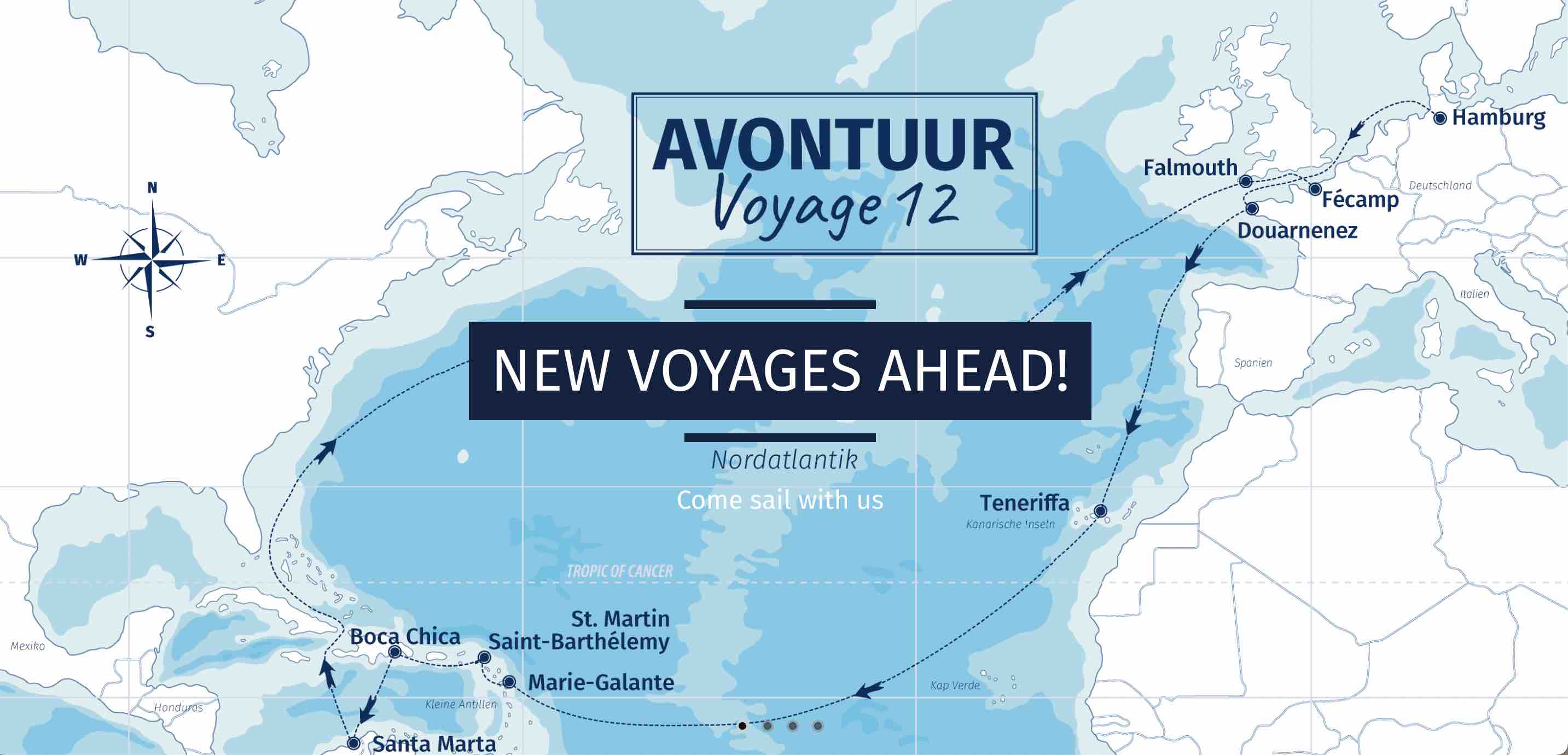
Cargo Under Sail is the answer and the Dutch schooner named the AVONTUUR is the vessel to start it.

We are a passionate collective of individuals working to create a supply chain that merges the relationship between commerce and preservation. We are restless and can no longer wait for others to make a change.
Our Mission Zero

To eliminate pollution caused by shipping cargo.

We have a five-stage approach:

1. Raise Awareness about the environmental destruction caused by the shipping industry

2. Model a clean shipping future with our AVONTUUR

3. Sell premium AVONTUUR products to support the ongoing operation of the project.

4.  Establish a demand for products shipped by sail

5. Build a modern sail cargo fleet
Dam Damage Done

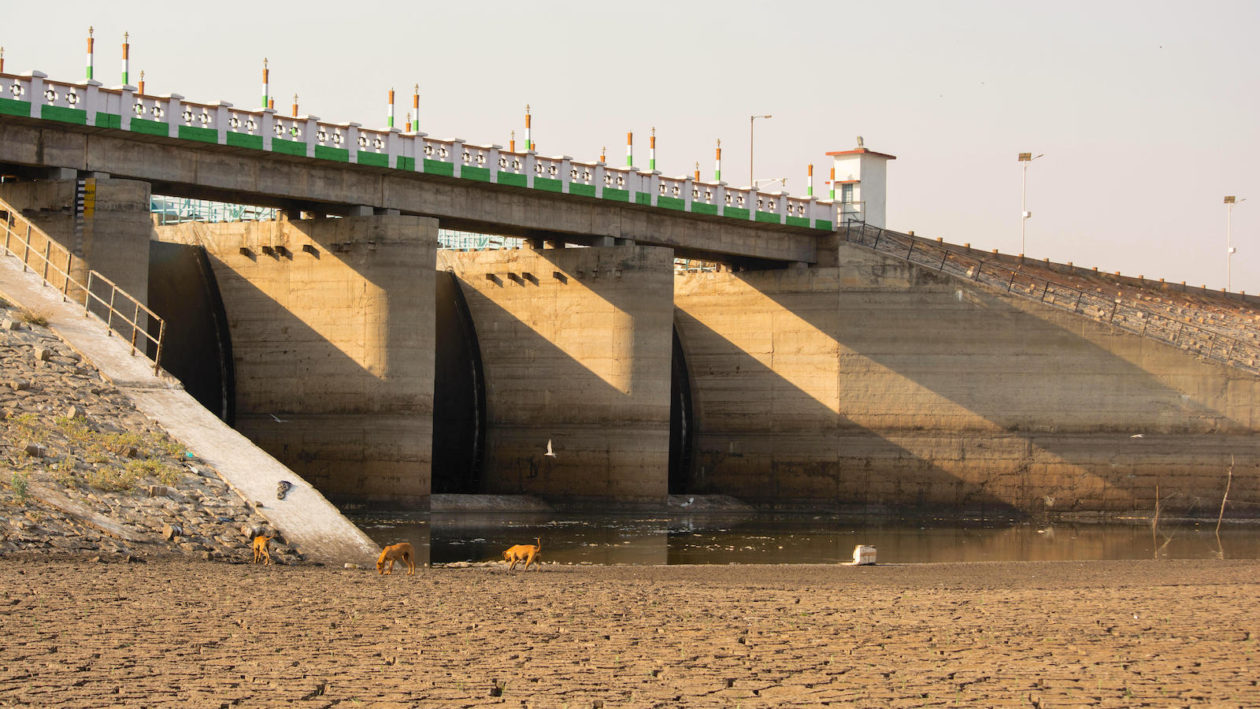
A dried-up reservoir behind a dam in North Karnataka, India. LAKSHMIPRASAD S. / ALAMY STOCK PHOTO

A couple of our earliest posts was about life around a dam in India, so the photo heading this article rings a bell of sorts:

As Projects Decline, the Era of Building Big Dams Draws to a Close

Escalating construction costs, the rise of solar and wind power, and mounting public opposition have led to a precipitous decrease in massive new hydropower projects. Experts say the world has hit “peak dams,” which conservationists hail as good news for riverine ecosystems.

The end of the big dam era is approaching. Continue reading

Sailing Cargo Ships, Again

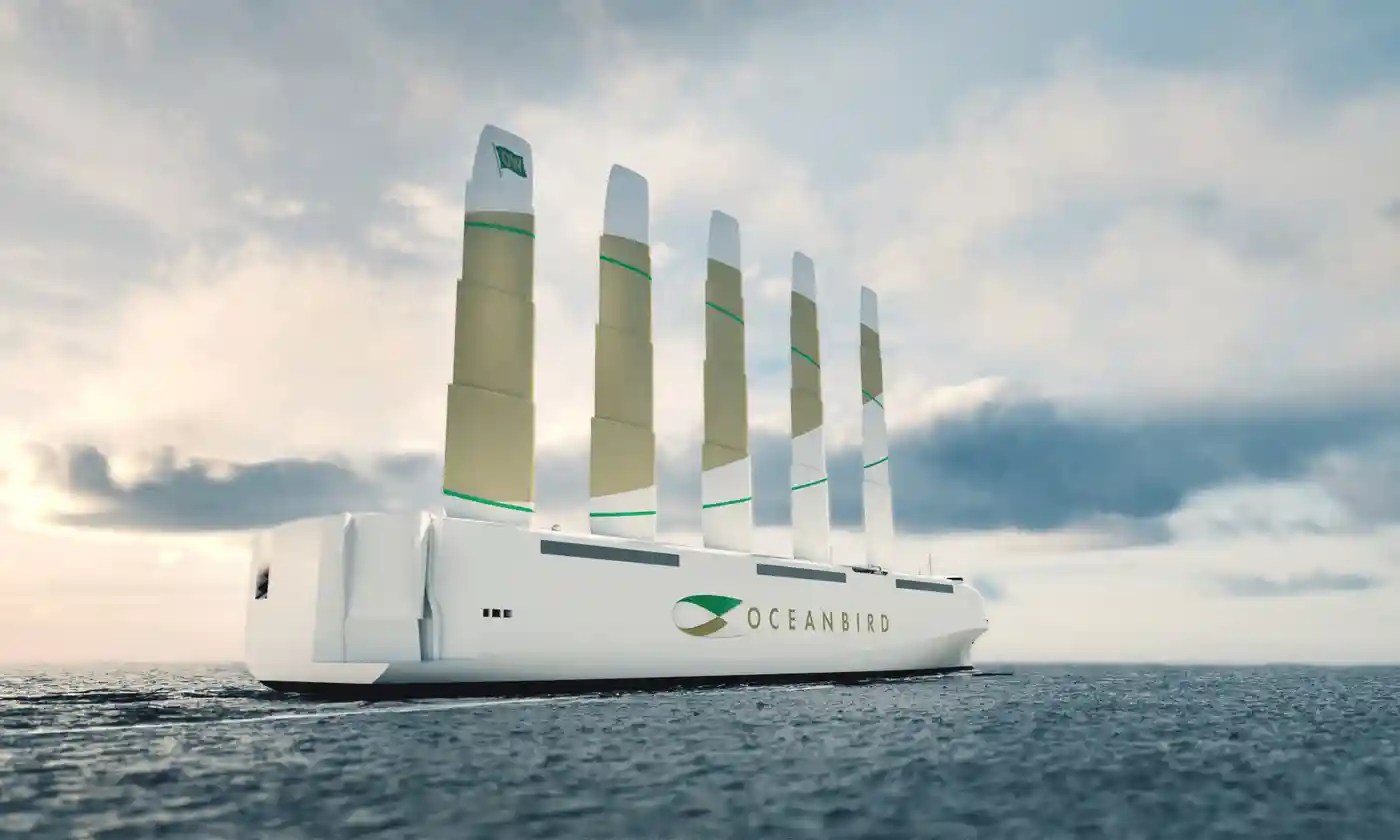
An illustration shows a wind-powered car and truck carrier ship that a Swedish consortium is developing and aiming to launch late 2024. Photograph: Wallenius Marine/Reuters

Old school (sailing cargo ships) becoming the new trend is as good as news gets these days:

Cargo ships powered by wind could help tackle climate crisis

Shipping produces much of the world’s greenhouse gases but new technology offers solutions to cut fuel use

Cars, trucks and planes get plenty of blame for helping drive the climate crisis, but shipping produces a large portion of the world’s greenhouse gases, as well as nitrogen oxides and sulphur pollution because ships largely use cheap heavy fuel oil. Continue reading