Popcorn’s Origin Story

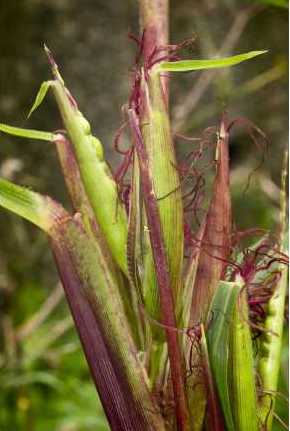
(Credit: vainillaychile/iStock via Getty Images Plus) The ancestor of maize was a grass called teosinte.

Since it is one of my go-to snacks, I frequently wonder about this, and appreciate the sleuthing by Sean Rafferty at SUNY Albany, and Discover magazine for publishing it:

How Was Popcorn Discovered?

Could a spill by the cook fire have been popcorn’s eureka moment?

You have to wonder how people originally figured out how to eat some foods that are beloved today. The cassava plant is toxic if not carefully processed through multiple steps. Yogurt is basically old milk that’s been around for a while and contaminated with bacteria. And who discovered that popcorn could be a toasty, tasty treat?

pile-of-popcorn

(Credit: Yeti studio/Shutterstock)

These kinds of food mysteries are pretty hard to solve. Archaeology depends on solid remains to figure out what happened in the past, especially for people who didn’t use any sort of writing. Unfortunately, most stuff people traditionally used made from wood, animal materials or cloth decays pretty quickly, and archaeologists like me never find it.

We have lots of evidence of hard stuff, such as pottery and stone tools, but softer things – such as leftovers from a meal – are much harder to find. Sometimes we get lucky, if softer stuff is found in very dry places that preserve it. Also, if stuff gets burned, it can last a very long time. Continue reading
Adapting Maple Syrup Making

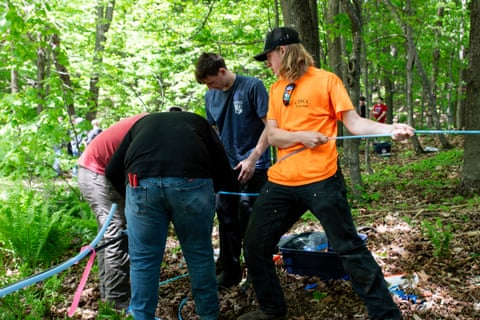
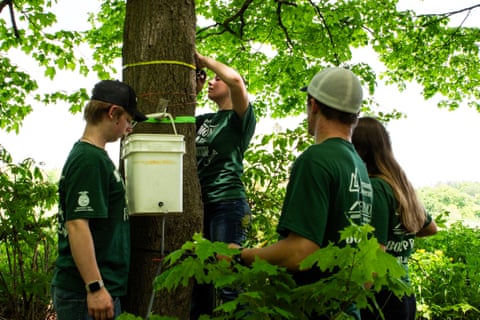
Students tap a tree for maple syrup in Randolph, Vermont, on 20 May 2024.

Students tap a tree for maple syrup in Randolph, Vermont, on 20 May 2024. Photograph: Olivia Gieger/The Guardian

Maple syrup is a good example of what we call taste of place products, and we are happy to see the next generation in Vermont adapting the making of this one for the future:

‘It’s the future of sugar’: new technology feeds Vermont maple syrup boom amid climate crisis

With tools as seemingly simple as these blue tubes, it’s easier than ever to extract sap from maple trees, as these young people demonstrated during a May Future Farmers of America convention on 20 May.

With tools as seemingly simple as these blue tubes, it’s easier than ever to extract sap from maple trees, as these young people demonstrated during a Future Farmers of America convention on 20 May. Photograph: Olivia Gieger/The Guardian

The season to tap trees is now earlier and longer, but new processes and generations are helping the industry thrive

On a warm May Monday, more than three dozen high school students took to the forest behind a former dairy barn at Vermont State University in Randolph.

In teams of four, they ran blue plastic tubing from tree to tree, racing to connect the tubes across three trees in 30 minutes. One student leaned back and pulled it taut with his body weight while another secured tube to tree. Quickly, they dashed to the next in what appears to be a twisted tug-of-war. Continue reading

Scottish Seaweed Innovations

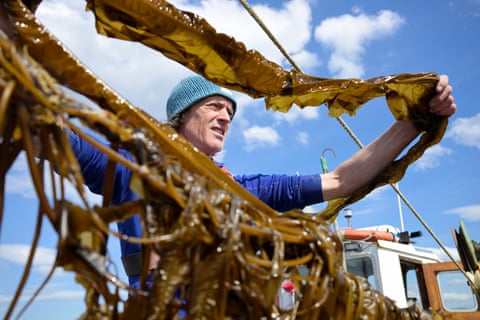
Alex Glasgow of KelpCrofters on a boat harvesting kelp on Skye

Alex Glasgow of KelpCrofters harvesting the seaweed on Skye

Most of us in the Americas and the European  region have not yet had the opportunity to try seaweed, except perhaps in Japanese or other Asian ethnic restaurants. So hearing what the folks who grow seaweed in Scotland are doing with their product to get more of us interested in it–that’s interesting. For these photographs by Christian Sinibaldi and words by Joanna Moorhead we thank the Guardian:

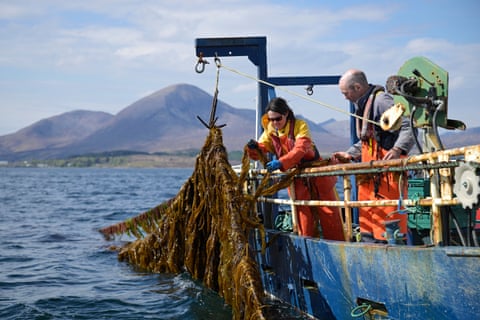
Kyla Orr and Martin Welch of KelpCrofters check the crop from their boat

Kyla Orr and Martin Welch of KelpCrofters check the crop from their boat. Photograph: Christian Sinibaldi/The Guardian

Kelp help? How Scotland’s seaweed growers are aiming to revolutionise what we buy

Farmed kelp could produce plastic substitutes, beauty products and food supplements. Just steer clear of seaweed chocolate

Think sun, sea, Skye – and seaweed. It’s early summer off the west coast of Scotland, and Alex Glasgow is landing a long string of orangey-black seaweed on to the barge of his water farm. Continue reading

Nature’s Ghosts, Author’s Viewpoint

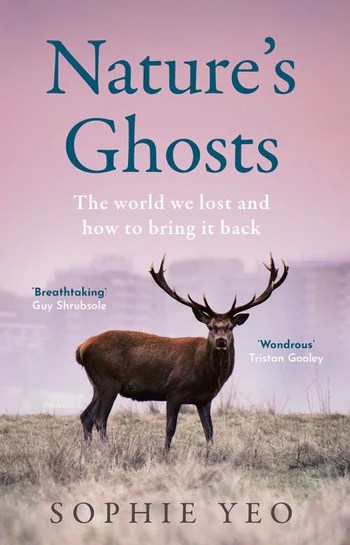
Thanks to Sophie Yeo, editor of Inkcap Journal and the author of this book to the right, for sharing that book’s key insights in essay form in the Guardian:

Nature’s ghosts: how reviving medieval farming offers wildlife an unexpected haven

Agriculture is often seen as the enemy of biodiversity, but in an excerpt from her new book Sophie Yeo explains how techniques from the middle ages allow plants and animals to flourish

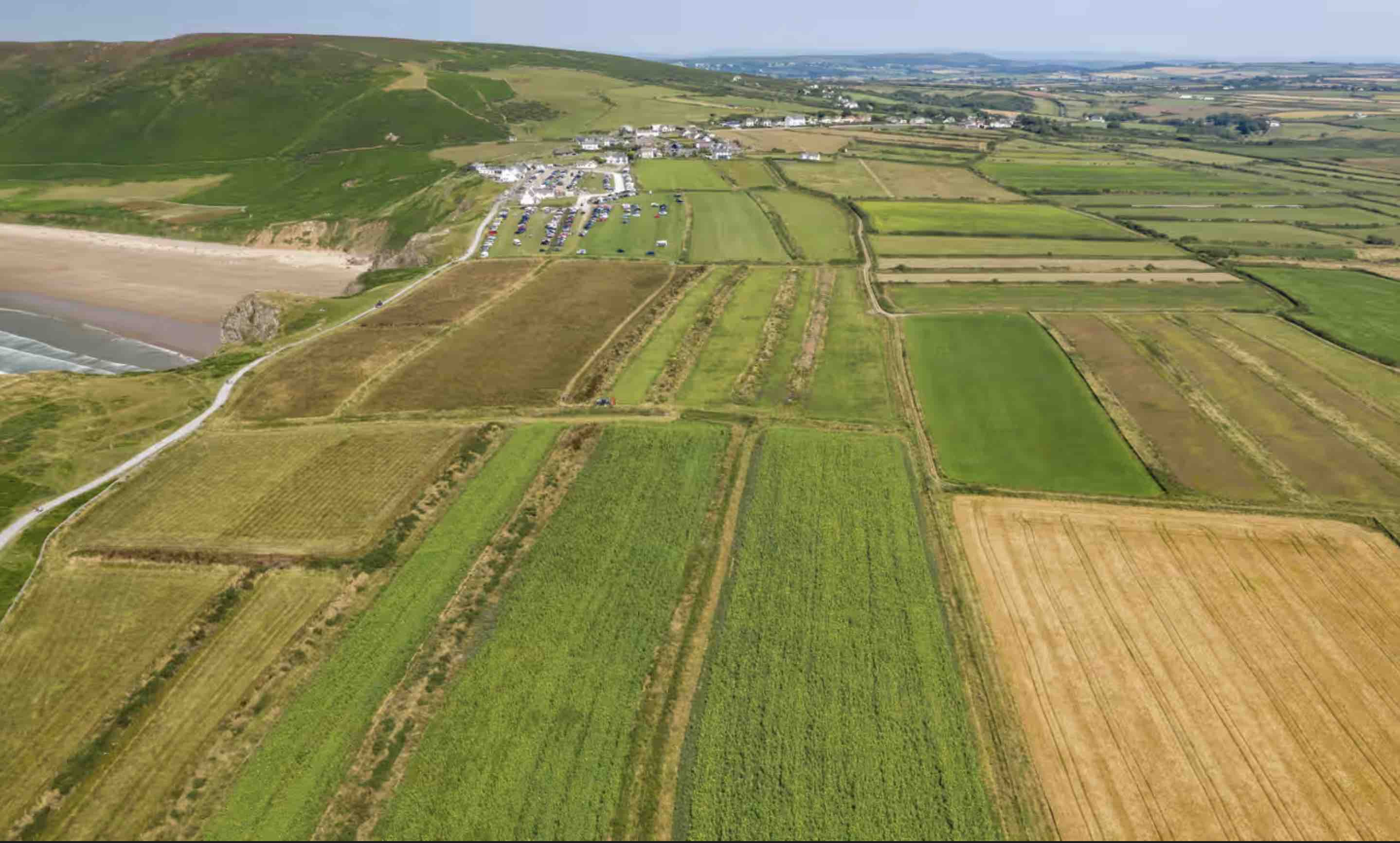
The Vile, a medieval strip field system below Rhossili village, Gower, Wales. Photograph: Wales/Alamy

The Vile clings on to the edge of the Gower peninsula. Its fields are lined up like strips of carpet, together leading to the edge of the cliff that drops into the sea. Each one is tiny, around 1-2 acres. From the sky, they look like airport runways, although this comparison would have seemed nonsensical to those who tended them for most of their existence.

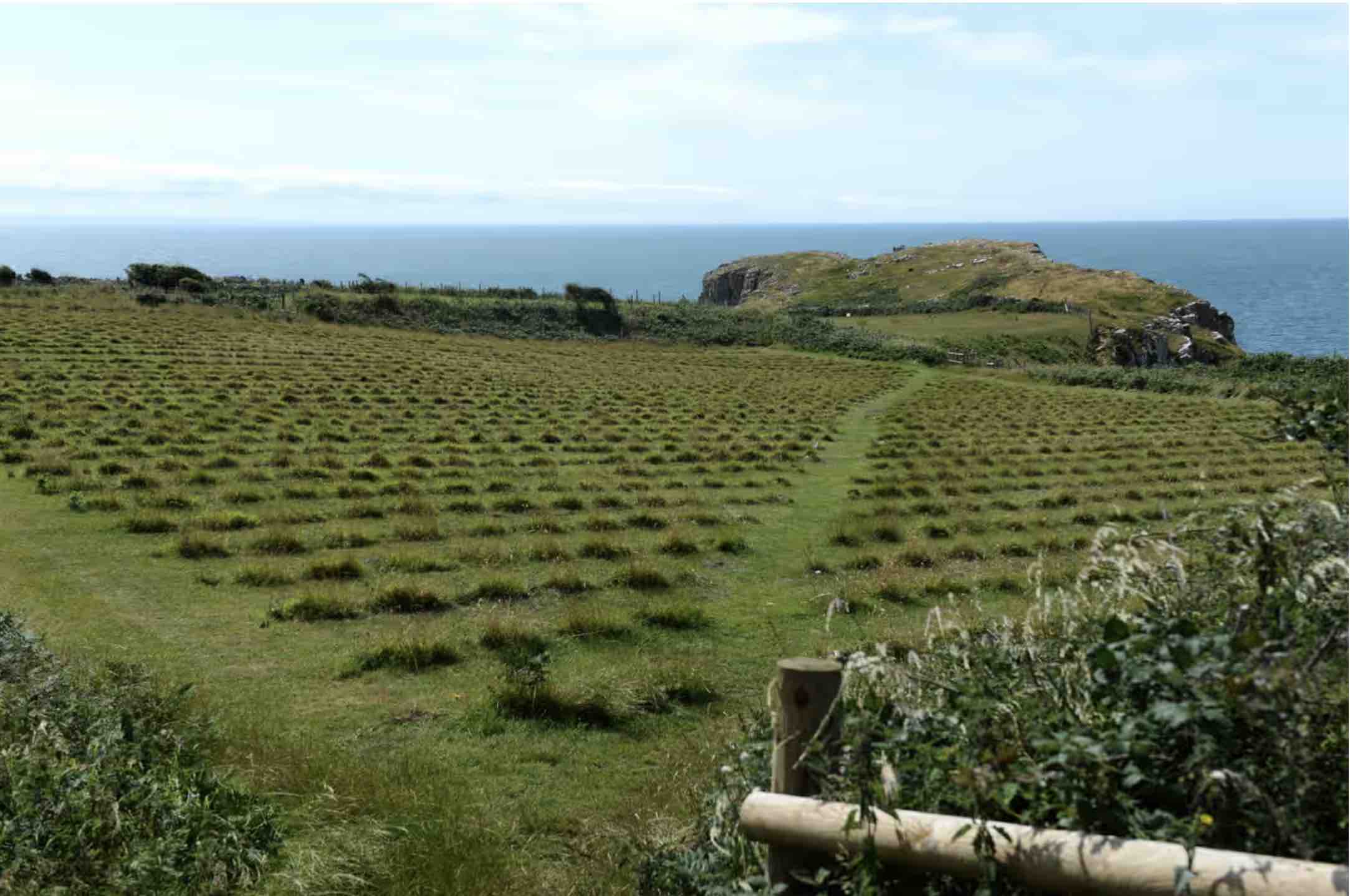
A field of lavender on the Vile above Fall bay, Rhossili, planted in summer 2019 to encourage pollinating insects. Photograph: Holden Wildlife/Alamy

That is because the Vile is special: a working example of how much of Britain would have been farmed during the middle ages. Farmers have most likely been trying to tame this promontory since before the Norman conquest.

The fields have retained their old names, speaking to a long history of struggle against the soil. Stoneyland. Sandyland. Bramble Bush. Mounds of soil known as “baulks” separate one strip from the next. Continue reading

South American Fishing Methods, And Choices

An open-net salmon farm on the Chilean side of the Beagle Channel. Photograph: Dani Casado

As we increase our awareness of the many choices we have when consuming fish (among other things), here is more food for thought:

Crabs, kelp and mussels: Argentina’s waters teem with life – could a fish farm ban do the same for Chile?

Puerto Almanza, on the Beagle Channel in Argentinian Tierra del Fuego, is one of the world’s most southerly settlements and best known for the local seafood, especially Patagonian king crabs.
Photograph: Visit Argentina

While the ecosystem is thriving off the coast of Argentina, the proliferation of salmon farms in Chile’s waters is threatening marine life, say critics

A rocky path, strewn with thick tree roots, leads from a dirt road down to a small green hut overlooking the choppy waters of the Beagle Channel, a strait between Chile and Argentina. The shack is home to Diane Mendez and her family but doubles as Alama Yagan, one of nine restaurants in the fishing village of Puerto Almanza. Continue reading

Grazing More Lightly To Lock Away 63 Billion Tons Of Carbon

PEXELS

Thanks to Yale e360 Digest:

How Lightly Grazed Lands Can Lock Away Carbon

A new study finds that scaling back grazing on most pastureland worldwide would dramatically increase the amount of carbon stored in soils. Continue reading

Villa Triunfo, Old Farm & New School

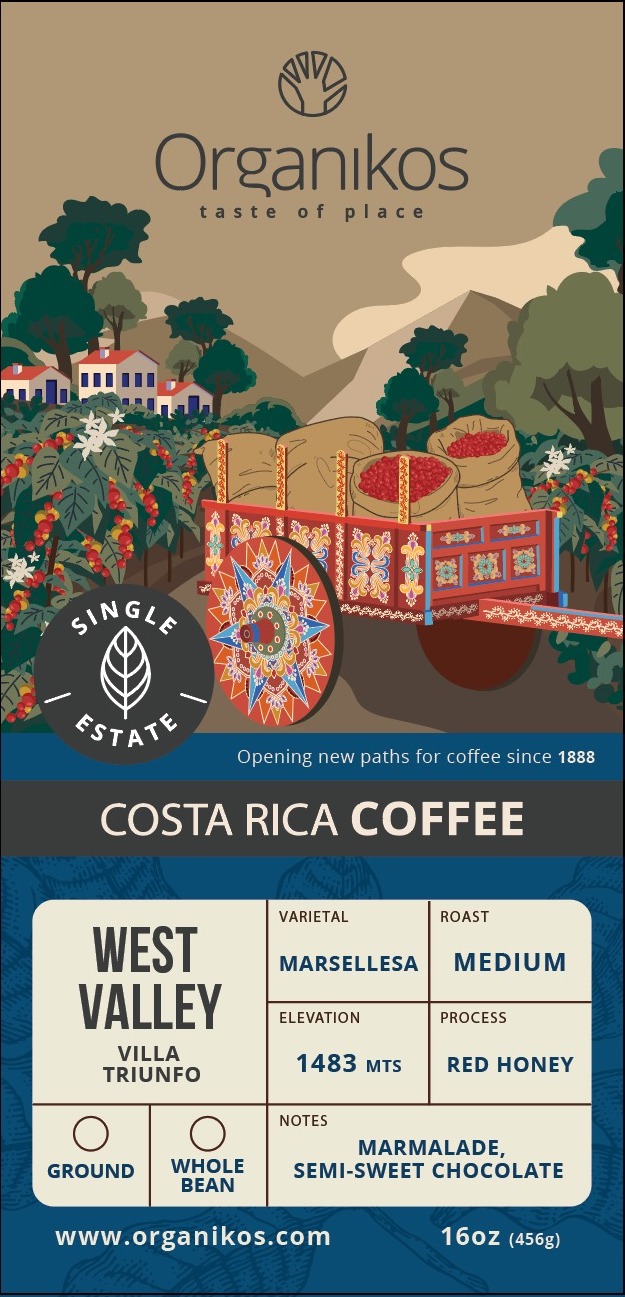
We have shared a few posts in these pages mentioning Villa Triunfo, but now we have designed a new label for it. So, time to celebrate that. What is most important to us about the farm is that it is one of the oldest continuously operating coffee farms in Costa Rica, since its first plantings in the late 1800s.

That, and the fact that today it is also one of the more innovative in terms of pioneering hybrids that help the coffee stay fit in the context of climate change and the various challenges (such as the uniquely problematic mold that is called rust). It is the end of harvest season, when coffees in the West Valley are being processed. The red honey process used for this coffee allows all the sugars from the juicy fruit to absorb into the beans. We look forward to cupping it soon.

Capturing Carbon In Trillions Of Tons Of Soil

Thanks to Yale Climate Connections for sharing Max Graham’s article at Grist:

How much carbon can farmers store in their soil? Nobody’s sure.

Advocates say the long-awaited farm bill could help fix that.

Dirt, it turns out, isn’t just worm poop. It’s also a humongous receptacle of carbon, some 2.5 trillion tons of it — three times more than all the carbon in the atmosphere. Continue reading
Channeling Water Nature’s Way

Just as much as we want packaging of our drinking water to be carefully thought out, we also want the channeling of water to make sense:

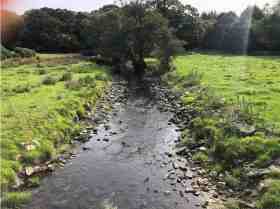
How the beck at James Robinson’s farm looked before the introduction of natural flood management techniques. Photograph: James Robinson

‘The wildlife that has come is phenomenal’: the UK farmers holding off floods the natural way

Planting trees, creating floodplains and rewilding rivers are among the new techniques being used to adapt to a heating climate

The streams, or becks, that run through James Robinson’s Lake District farm used to be cleaned out regularly – with vegetation yanked out and riverbeds dredged, or even completely filled in. Continue reading

Winning The Popularity Contest, Fungi In Our Pages

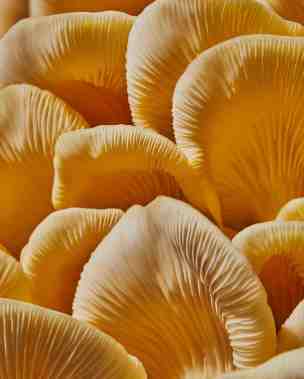
courtesy of Laura Murray/Smallhold

The topic came to our attention a dozen years ago and is now mainstream enough that it is a regularly featured topic in our feed:

A mushrooming trend: how fungi became an It food

The mushroom moment of the past few years shows no sign of ending. What’s feeding its enduring popularity?

You can’t walk more than a few aisles in the grocery store these days without running into some kind of new mushroom product. Fresh white button mushrooms are increasingly joined by specialty varieties like lion’s mane, maitake or oyster mushrooms. There’s sparkling cordyceps tea and chaga coffee boasting a range of health benefits, mushroom chips and even chocolate bars infused with reishi. Continue reading

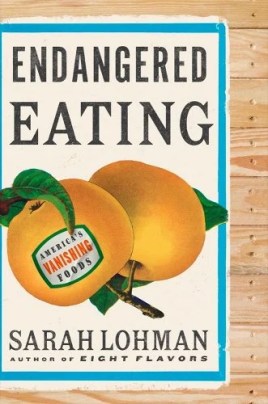
Endangered Eating By Sarah Lohman

The author, culinary historian Sarah Lohman, came to our attention at the time her previous book was being published, and we are happy to see more of her work. From her own website:

American food traditions are in danger of being lost. How do we save them?

Apples, a common New England crop, have been called the United States’ “most endangered food.” The iconic Texas Longhorn Cattle is categorized at “critical” risk for extinction. Unique date palms, found nowhere else on the planet, grow in California’s Coachella Valley —but the family farms that caretake them are shutting down…

And the reviews suggest that the book is every bit as good as the author had hoped it would be.

Insect Respect

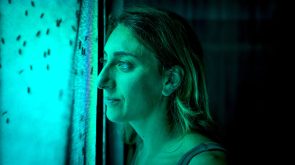
Agronomist Caterina Luppa watches black soldier flies reproduce at Bugslife, a firm in Perugia, Italy, that is turning fly larvae into animal feed. LUIGI AVANTAGGIATO

We have featured this subject a few times over the years, especially once we started showcasing one such product. I acknowledge I am still not a total convert to an insect-centric diet, but every story like this draws me in, however slowly:

Edible Insects: In Europe, a Growing Push for Bug-Based Food

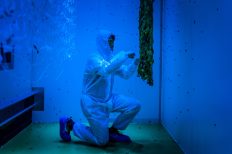
Marco Meneguz, an entomologist with BEF Biosystems in Casalnoceto, monitors black soldier flies as they mate. During mating, “the males gather in a courtship ritual characterized by fights and competitive displays,” he says. The blue light helps the flies see each other better. LUIGI AVANTAGGIATO

To rein in emissions, the E.U. is looking to insects as an alternate source of protein for livestock and people and is easing regulations and subsidizing makers of insect-derived food. In a photo essay, Luigi Avantaggiato explores the emerging bug food industry in northern Italy.

The European Union recognizes it has a meat problem. The bloc has no easy way to curb the climate impact of its livestock, which eat soybeans grown on deforested lands and belch heat-trapping gas. According to one estimate, Europe’s farm animals have a bigger carbon footprint than its cars.

Trent Barber, a technician at BEF Biosystems, vacuums up 200 pounds of fly larvae that are plump after two weeks of feeding on food scraps. The remaining food waste, now rich in excrement, will be sold as compost to farms. LUIGI AVANTAGGIATO

In this photo essay, Luigi Avantaggiato explores an unusual solution to this dilemma that is now gaining traction — feeding insects to livestock and, potentially, people. The European Commission says that insects could replace soy-based animal feed, helping to slow deforestation, or even supply an alternate source of protein for humans. Studies show that insects can furnish the same amount of protein as livestock while using as little as 10 percent of the land and producing as little as 1 percent of the emissions. Continue reading
UK Regenerative Agriculture Festival, Groundswell 2023

Last year’s highlights in the video above, and a review of this year’s festival in the link below to an online magazine:

Lannock Manor Farm, Hertfordshire, SG4 7EE, UK

The Groundswell Festival provides a forum for farmers, growers, or anyone interested in food production and the environment to learn about the theory and practical applications of regenerative farming systems.

The next Groundswell Festival takes place on the 26th & 27th of June 2024. View the Event Guide from 2023 here.

New Roots Garden, Urban Oasis

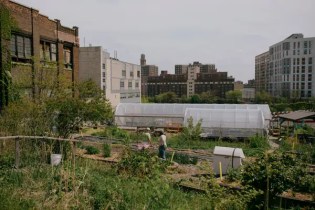
Sheryll Durrant has managed the New Roots Garden, which sits between the Grand Concourse and the Metro North railroad tracks in the Bronx, with volunteers for eight years.

We have linked out to stories about urban farming plenty of times; it never gets old:

Vital Places of Refuge in the Bronx, Community Gardens Gain Recognition

Lawmakers in Albany voted to designate community gardens statewide as crucial to the urban environment, especially in the fight against climate change. The bill awaits the governor’s signature but the role of these gardens stretches back decades.

The Morning Glory garden in the West Farms section of the Bronx is among more than 500 community gardens in New York City.

Sheryll Durrant left her family farm in Jamaica in 1989 and embarked on a career in corporate marketing. But after the 2008 financial meltdown, she reconsidered her life.

She returned to her roots.

Now she runs a thriving urban farm wedged into a triangular plot in the Bronx, between the Grand Concourse and the Metro North railroad tracks. At her farm, New Roots Garden, membership consists of refugees and migrants, resettled by the International Rescue Committee, whose herbs and vegetables sustain their memories of home.

“Just putting your hands in soil is a form of healing,” Ms. Durrant, 63, said. Continue reading
Crop Swap LA & Other Microfarm Advances

Illustration: Julia Louise Pereira/The Guardian

Our thanks to Victoria Namkung for this reporting in the Guardian, from Los Angeles:

‘Everything is natural and tastes so good’: microfarms push back against ‘food apartheid’

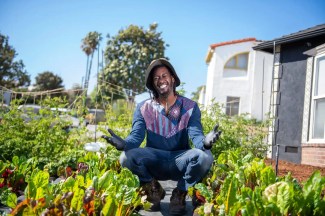
Crop Swap LA founder Jamiah Hargins in the Asante microfarm in Los Angeles, California. Photograph: Valérie Macon/AFP/Getty Images

Bipoc-led local farms in unconventional spaces decentralize systems that have produced food deserts and create food equity

On a recent Sunday morning in South Los Angeles, Crop Swap LA volunteers and staffers harvested bags of freshly picked produce from the front yard of a residence. Located just steps from Leimert Park Plaza, the Asante microfarm is the first of what will be numerous microfarms created by the organization, which is dedicated to growing hyperlocal food on unused spaces “in the neighborhood, exclusively for the neighborhood”. Continue reading
Seed Bank Futures

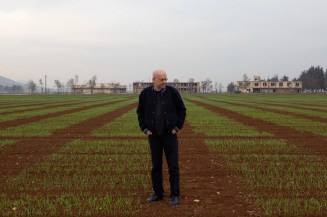
Hassan Machlab, a country manager with ICARDA in Lebanon, stands in the middle of a field with newly planted grains at the ICARDA research station, Dec. 21, 2022. Dalia Khamissy for NPR

Protecting plant species’ futures with seed banks grows greater in importance as time passes, because challenges to the planet multiply. We appreciate updates like this one by Ruth Sherlock and colleagues at National Public Radio (USA):

How ancient seeds from the Fertile Crescent could help save us from climate change

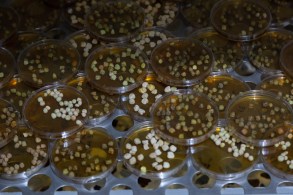
Chickpea grains are tested for various diseases at the ICARDA research station, Dec. 21, 2022. Dalia Khamissy for NPR

TERBOL, Lebanon — Inside a large freezer room at the International Center for Agricultural Research in the Dry Areas, tens of thousands of seeds are stored at a constant temperature of minus-4 degrees Fahrenheit. After being threshed and cleaned, the seeds are placed inside small, sealed foil packets and stored on rows of heavy, sliding metal shelves.

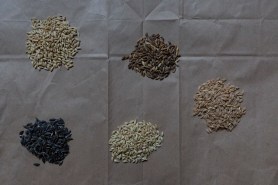
Barley grains stored at the ICARDA research station. Dalia Khamissy for NPR

Some of them may hold keys to helping the planet’s food supply adapt to climate change.

The gene bank can hold as many as 120,000 varieties of plants. Many of the seeds come from crops as old as agriculture itself. They’re sown by farmers in the Fertile Crescent region, where cultivation began some 11,000 years ago. Other seeds were deposited by researchers who’ve hiked in the past four decades through forests and mountains in the Middle East, Asia and North Africa, searching for wild relatives of wheat, legumes and other crops that are important to the human diet. Continue reading
Land Use By Food Type, Data For Thought

The Conversation

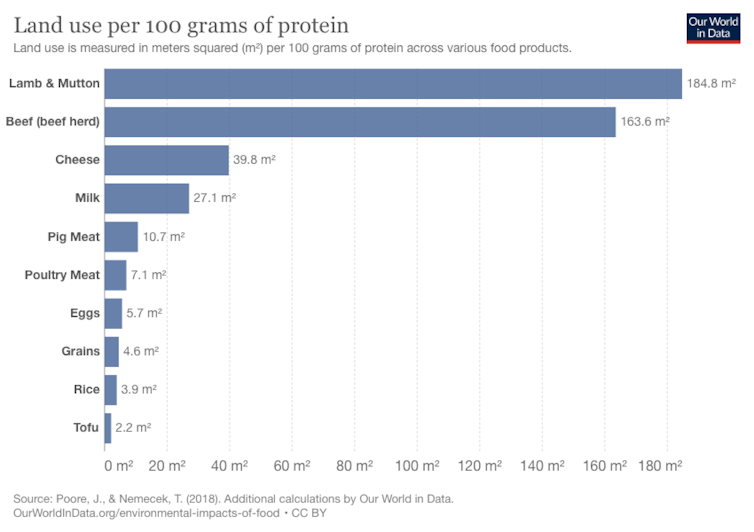
Chart of land use per 100g of protein for different foodsThe Conversation is “a news organization dedicated to facts and evidence” and with the tag line “Academic rigor, journalistic flair”. Our kind of reading. The graph to the left illustrates this article’s point; the photo below to the right is too composed for rigor:

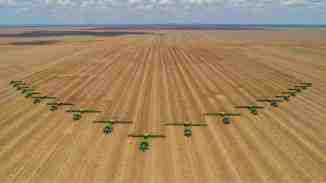
Brazil’s enormous soy farms mostly produce food for animals, not humans. lourencolf / shutterstock

New food technologies could release 80% of the world’s farmland back to nature

Here’s the basic problem for conservation at a global level: food production, biodiversity and carbon storage in ecosystems are competing for the same land. Continue reading

When Is Organic The Worst Option?

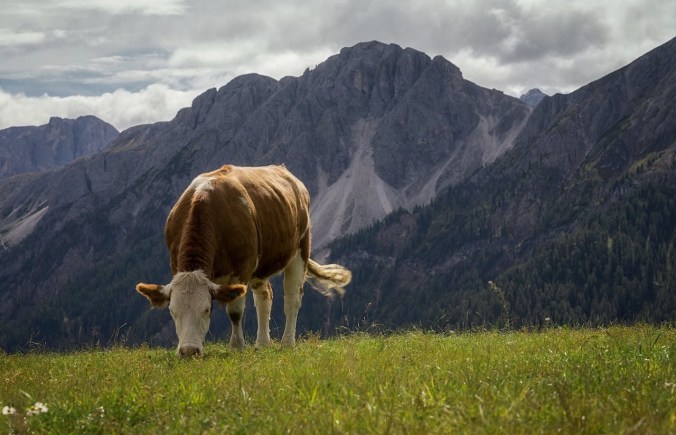
Some 28% of the world’s land is used for grazing. Photograph: Anadolu Agency/Getty Images

We favor organic, for our coffee, for just about everything, almost always. And yet George Monbiot offers a fully obvious answer to the counterintuitive question in the title:

The most damaging farm products? Organic, pasture-fed beef and lamb

You may be amazed by that answer, but the area of land used for grazing is vast compared with the meat and milk produced Continue reading
Agrivoltaics Advancing

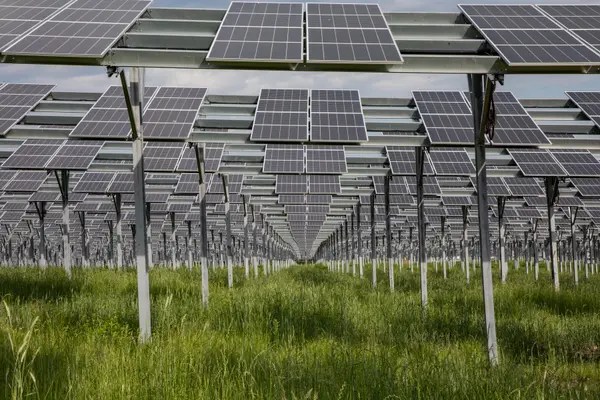
Solar panels on Paul Knowlton’s farm in Grafton, Mass. Cattle will graze below the panels, which rise to 14 feet above the ground. Tony Cenicola/The New York Times

The concept of agrivoltaics has been an occasional topic in our pages over the years, most recently as we have prepared to plant thousands of coffee saplings. Ellen Rosen focuses our attention on how the advances in technology, and entrepreneurship in this space, are addressing the challenges:

Can Dual-Use Solar Panels Provide Power and Share Space With Crops?

Companies like BlueWave are betting on it. But the technology has its critics.

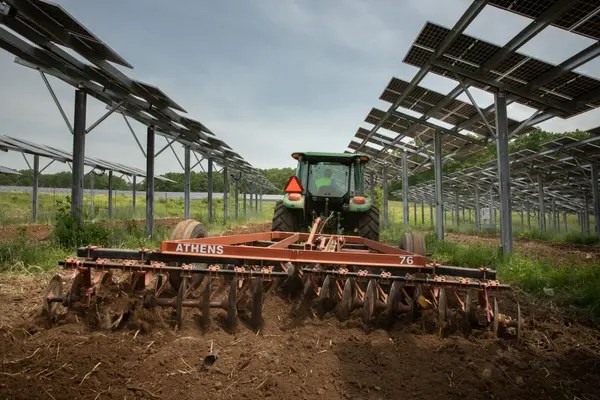
Mr. Knowlton preparing the soil between the panels before he plants butternut squash and lettuce. Tony Cenicola/The New York Times

In its 150-year history, Paul Knowlton’s farm in Grafton, Mass., has produced vegetables, dairy products and, most recently, hay. The evolution of the farm’s use turned on changing markets and a variable climate. Recently, however, Mr. Knowlton added a new type of cash crop: solar power. Continue reading
Plant-based Diet Enhanced By The Sea

Seaweed ecologist Dr Sophie Steinhagen inspects the crop at the seafarm in the Koster archipelago in Sweden.

Three months into a beef-free diet, with no temptation to lapse, I am aware that other animal protein is so far a saving grace. When I switch entirely to alternative creatures such as crickets, and to plants including seaweed, I will know the transformation is complete.
Seaweed farming in Sweden could be a vital component of the shift away from eating meat for protein.

Meanwhile, thanks to the Guardian for Richard Orange’s reporting from Malmö on Sea-farmed supercrop: how seaweed could transform the way we live.

From high-protein food to plastics and fuel, Swedish scientists are attempting to tap the marine plant’s huge potential

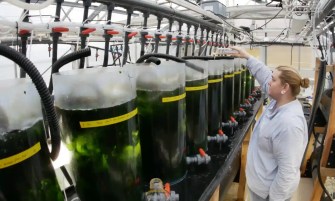
Steinhagen inspects the tanks in her “seaweed kindergarten”.

You can just see the buoys of the seafarm,” Dr Sophie Steinhagen yells over the high whine of the boat as it approaches the small islands of Sweden’s Koster archipelago. The engine drops to a sputter, and Steinhagen heaves up a rope to reveal the harvest hanging beneath: strand after strand of sea lettuce, translucent and emerald green. Continue reading