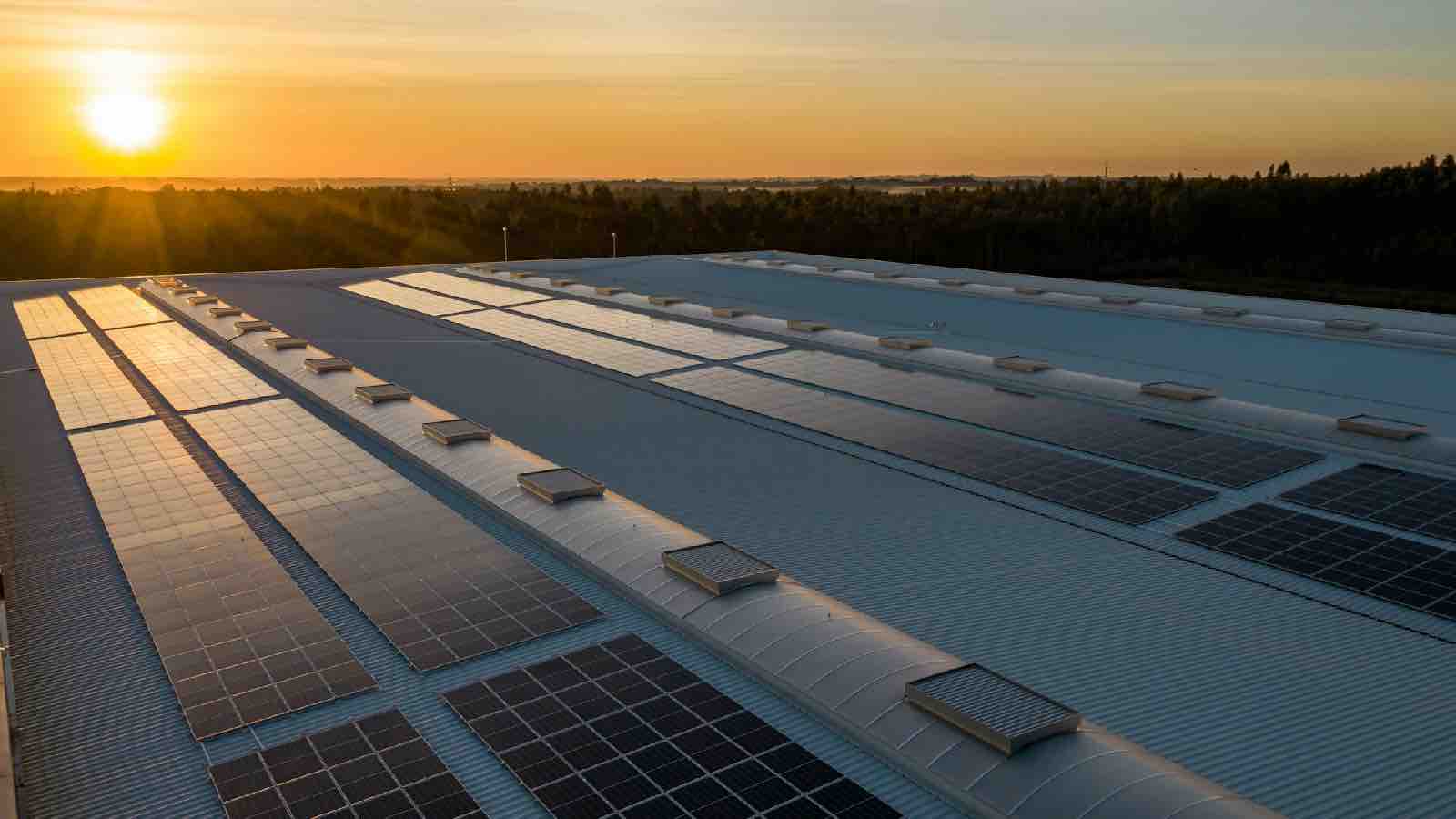
Emma Marris On Urban Shade

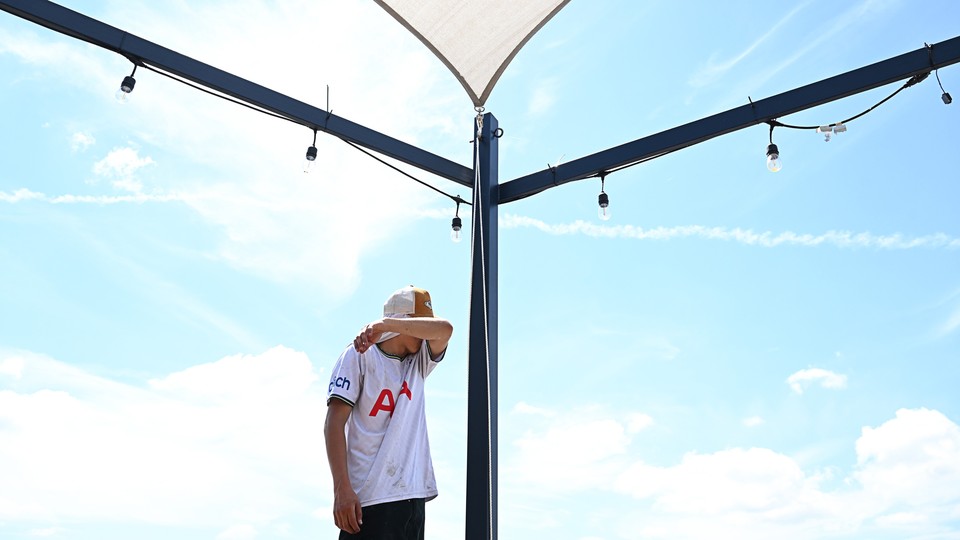
A man wipes his forehead under the hot sun as he walks under shade sail.

Matt McClain / The Washington Post / Getty

The science writer Emma Marris, here featured in The Atlantic, first came to our attention in a passing mention ten years ago, then again in full force six years ago. Whether or not you live in an urban area, you likely depend on urban areas for some part of your livelihood so her essay may be of interest:

Trees are nice and all, but they’re not enough.

On a 92-degree Saturday afternoon in Portland, Oregon, I went looking for shade in Cully Park, which was built on top of an old landfill and opened in 2018. The city included plenty of trees in the design—I mean, this is Oregon. Continue reading

International Seabed Authority

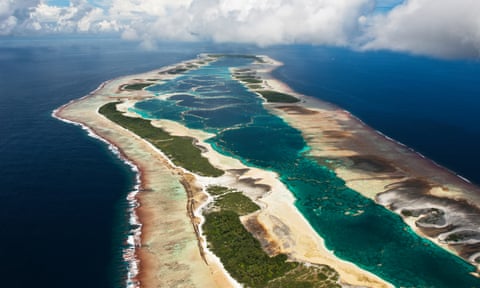
A long thin atoll around a lagoon

The Millennium Atoll in Kiribati, the Pacific state that is sponsoring Michael Lodge for re-election as ISA leader. Photograph: Mauricio Handler/Getty

Before we leave the subject of oceans, back to the question of how their protection is managed, and by whom.

We are learning today that some of the planet’s smaller nation states have a potentially significant, and clearly long overdue influence on how the oceans surrounding them will be protected:

The rare dumbo octopus (Cirrothauma murrayi)

The rare dumbo octopus (Cirrothauma murrayi) is one of many creatures potentially at risk from deep-sea mining. Photograph: NOAA

Inside the battle for top job that will decide the future of deep-sea mining

Marking a pivotal moment for the fate of the barely known ecosystems on the ocean floor, 168 nations will decide this week who will head the International Seabed Authority

Deep-sea mining exploration machinery in the Pacific Ocean

Deep-sea mining exploration trials under way in the Clarion-Clipperton Zone of the Pacific Ocean between Hawaii and Mexico. Photograph: Richard Baron/The Metals Company

Leticia Carvalho is clear what the problem is with the body she hopes to be elected to run: “Trust is broken and leadership is missing.” Later this week, at the headquarters of the International Seabed Authority (ISA) in Kingston, Jamaica, nations negotiating rules governing deep-sea mining face a critical vote that could impact the nascent industry for years: who should be the next leader of the regulatory body? Continue reading

Petrostate Is A Choice

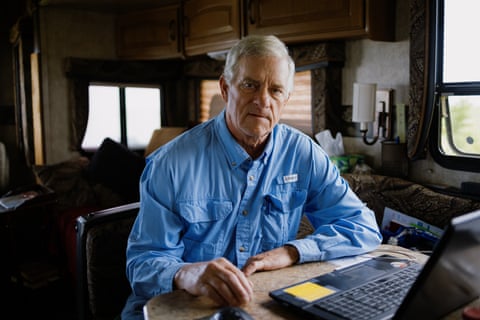
A middle-aged man in a blue button-up shirt sits in front of a laptop.

John Allaire, a former oil industry worker, has turned his efforts to blocking LNG plants from being built directly next to his camper home in Cameron parish.

Some states are moving forward with new technologies leading to a cleaner energy future. We respect John Allaire’s work to protect his state from leaning in to dirty energy, reminding us of the choice we all have to just watch others make decisions affecting where you live, or to do something:

‘This used to be a beautiful place’: how the US became the world’s biggest fossil fuel state

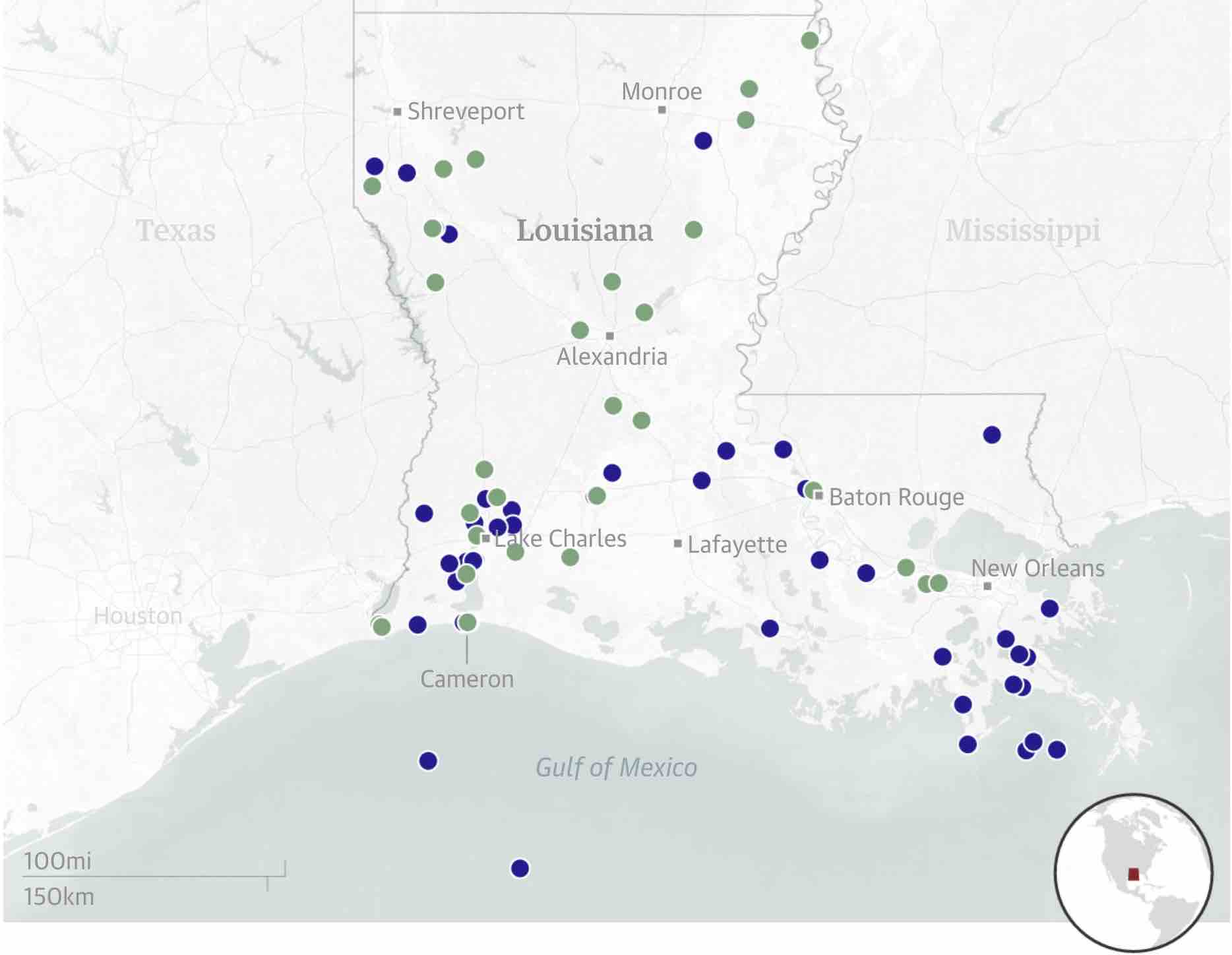
Guardian graphic. Sources: Oil & Gas Watch. Note: Map includes oil, gas and liquified natural gas projects. Those classified as ‘Announced / underway’ also include projects with statuses of ‘Under construction’, ‘Pre-construction’, ‘Commissioning’ and ‘On hold’.

No country has ever in history produced as much oil and gas as the US does now and Louisiana is ground zero

To witness how the United States has become the world’s unchallenged oil and gas behemoth is to contemplate the scene from John Allaire’s home, situated on a small spit of coastal land on the fraying, pancake-flat western flank of Louisiana.

Allaire’s looming neighbor, barely a mile east across a ship channel that has been pushed into the Gulf of Mexico, is a hulking liquified natural gas (or LNG) plant, served by leviathan ships shuttling its chilled cargo overseas. Continue reading

A Cleaner Seine Is A More Inspiring Seine

A photo of people swimming in the Seine in Paris on July 17 2024.

People swimming in the Seine, in July of 2024.Photograph by Raphael Lafargue / Sipa / AP

Skip the first half if you are short on time, but in the second half of this article you will find the fruition of imagination and courage we always hope to see more of:

The Unexpectedly Hopeful Paris Olympics

The Games have never lived up to all their ideals—some of which were dubious to begin with. And yet this year’s iteration, for all its flaws, has already inspired some positive change.

…Which brings me to the Seine. When the Olympics returned to Paris, in 1924, the swimming took place not in the Seine but in a pool, the Piscine des Tourelles. Swimming in the Seine was banned altogether one year prior. It was, after all, not merely a river but a road through Paris, crowded with barges. It was also a sewer, filled with refuse from houseboats and the untreated sewage that overflowed the city’s nineteenth-century system when it rained. Various attempts to clean up the Seine failed. When Paris was selected to host the 2024 Games, seven years ago, it was still illegal to swim in the river. Continue reading

Big Buyer Power & Plastic Reduction Potential

Two stainless steel cylindrical containers hold a few dozen disposable forks, knives and drinking straws.

The goal of the administration’s plan is to reduce demand for plastics and encourage a market for reusable or compostable alternatives. Eric Baradat/Agence France-Presse — Getty Images

We celebrate when individuals, or groups, do things they were not required to do when those things are in the common interest. Some things require rules, and rules also require imagination and courage to be effective. This is welcome news at the intersection of entrepreneurial conservation and rules set by those in a position to make them work:

The White House Has a Plan to Slash Plastic Use in the U.S.

The government said it would phase out its purchases of single-use plastics, a significant step because it is the biggest buyer of consumer goods in the world.

Calling plastic pollution one of the world’s most pressing environmental problems, the Biden administration on Friday said that the federal government, the biggest buyer of consumer goods in the world, would phase out purchases of single-use plastics. Continue reading

USA Environmental Policy Opinion Landscape

An illustration showing a corn field, a wind turbine and an electric car on top of a solar farmIt is political season, which can be overwhelming. But it has moments of inspiration. Karin Kirk at Yale Climate Connections summarizes the landscape of opinion on key environmental issues:

Six incredibly popular climate policies

The majority of registered U.S. voters support electrification and renewable energy.

An infographic showing strong support for climate-pollution reducing policies

A strong majority of registered voters support certain policies aimed at tackling climate change, according to recent research by the Yale Program on Climate Change Communication (the publisher of this site) and the Center for Climate Change Communication at George Mason University.

Here’s a summary of these results. Continue reading

Really, SpaceX?

A rocket stands with water in the foreground.

Starship, the upper stage of SpaceX’s new rocket, at its launchpad in Boca Chica, Texas. Conservationists are concerned with the environmental impact space operations have on the area.

After assurances about protecting the environment, damage was done. They declined responsibility (the words they used included “…it’s cool”). Not cool:

Wildlife Protections Take a Back Seat to SpaceX’s Ambitions

A New York Times investigation found that Elon Musk exploited federal agencies’ competing missions to achieve his goals for space travel.

As Elon Musk’s Starship — the largest rocket ever manufactured — successfully blasted toward the sky last month, the launch was hailed as a giant leap for SpaceX and the United States’ civilian space program.
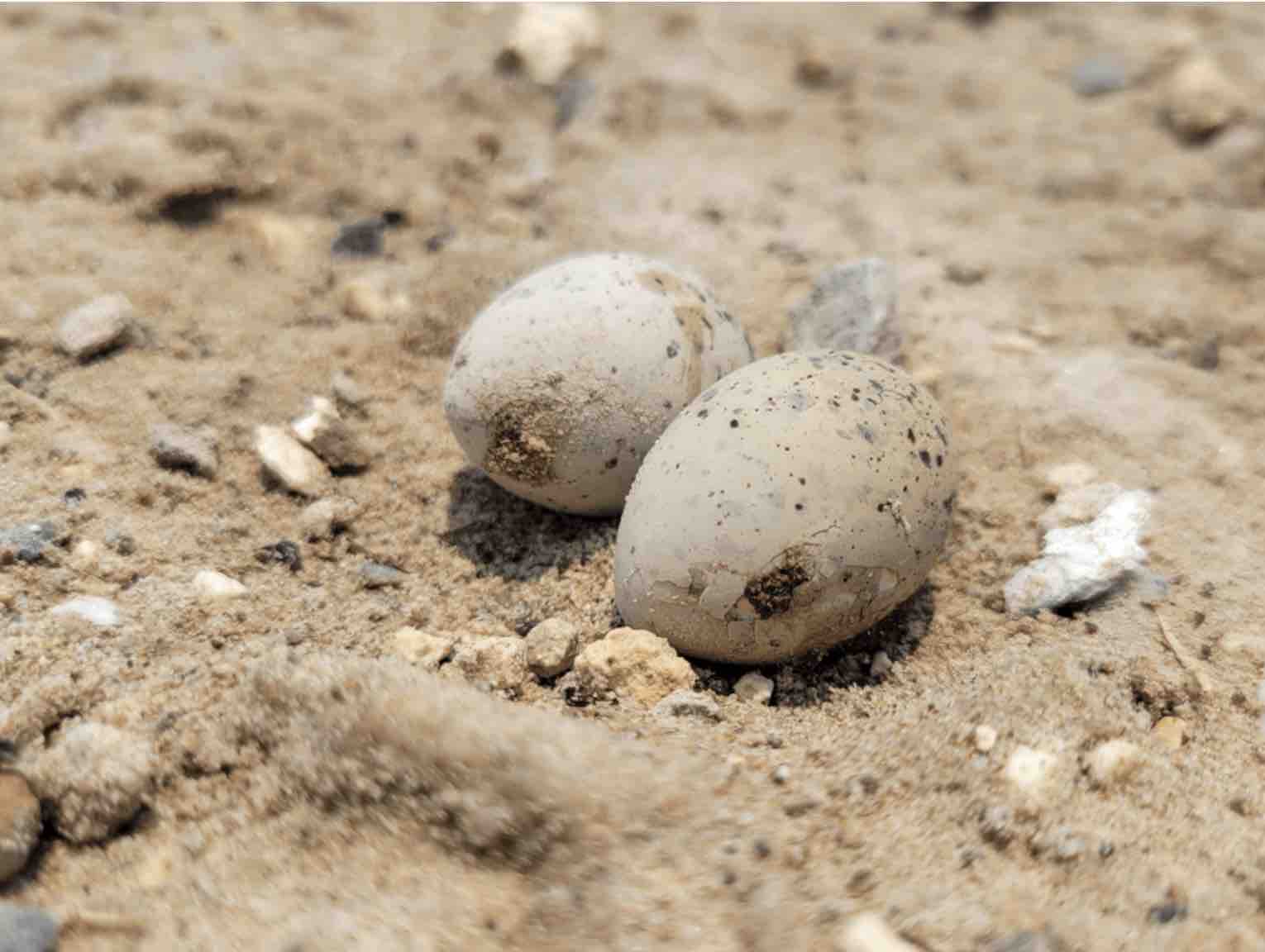
Figure 9. LETE 1 showing both eggs with large holes/cracks and dried egg contents emerging on June 6, 2024.

Two hours later, once conditions were deemed safe, a team from SpaceX, the U.S. Fish and Wildlife Service and a conservation group began canvassing the fragile migratory bird habitat surrounding the launch site.

The impact was obvious.

The launch had unleashed an enormous burst of mud, stones and fiery debris across the public lands encircling Mr. Musk’s $3 billion space compound. Chunks of sheet metal and insulation were strewn across the sand flats on one side of a state park. Elsewhere, a small fire had ignited, leaving a charred patch of park grasslands — remnants from the blastoff that burned 7.5 million pounds of fuel.

Most disturbing to one member of the entourage was the yellow smear on the soil in the same spot that a bird’s nest lay the day before. None of the nine nests recorded by the nonprofit Coastal Bend Bays & Estuaries Program before the launch had survived intact.

Egg yolk now stained the ground. Continue reading

The Atlantic Editor’s Note, July/August 2024

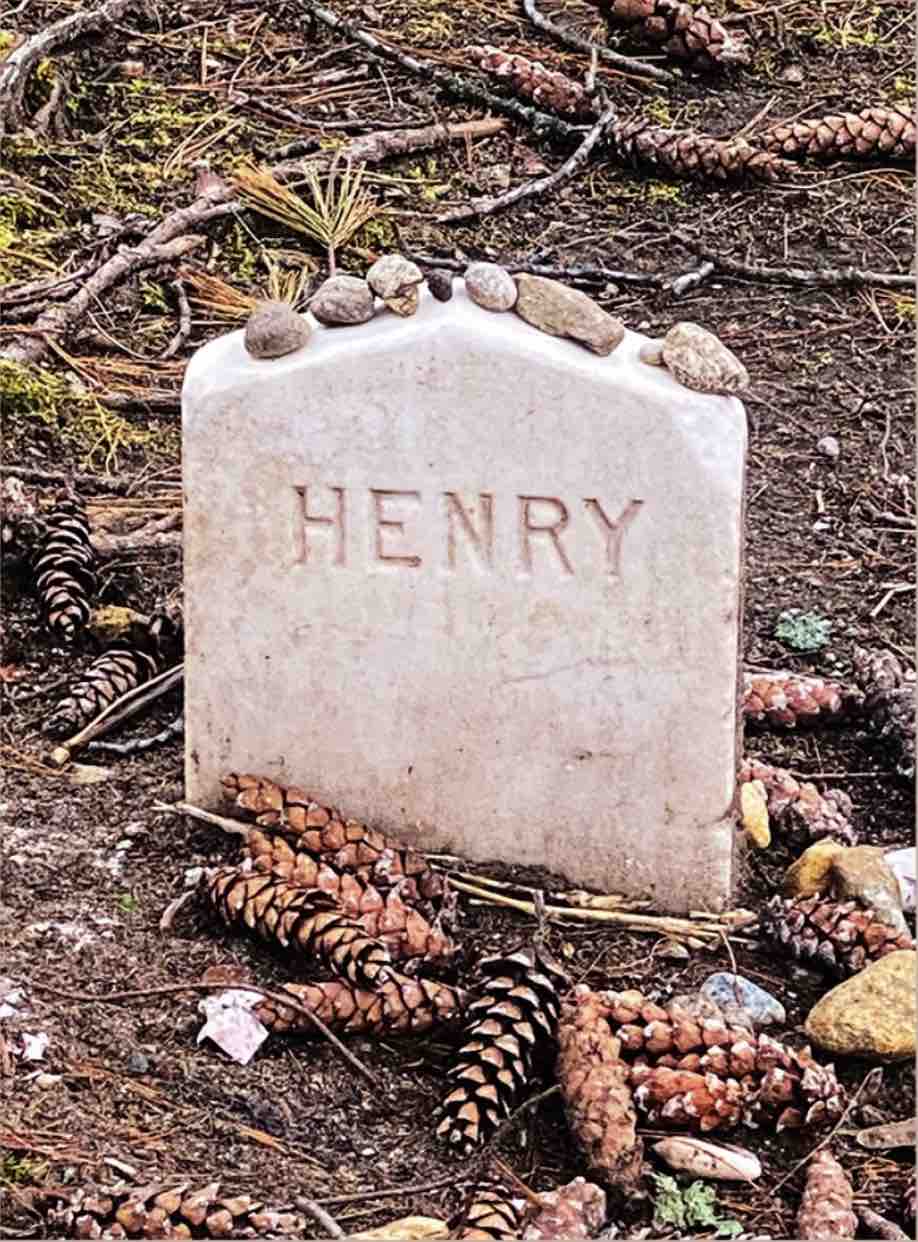
Henry David Thoreau’s grave, Concord, Massachusetts (Jeffrey Goldberg)

Jeffrey Goldberg has not appeared in our pages directly before, but his work has had a profound impact on how we see the world. His editorship of The Atlantic, starting in 2016, overlaps with an increase in that magazine’s coverage of climate change in ways that we have found useful. His introduction to the summer issue of the magazine is a fitting example of his commitment to the topic:

In Wildness Is the Preservation of the World

Returning the planet to some sort of climate equilibrium is a universal interest.

Loyal readers of this magazine know that we are preoccupied with matters of climate change, and that we worry about the future of our home planet. I appreciate (I really do) Elon Musk’s notion that humans, as a species, ought to pursue an extraplanetary solution to our environmental crisis, but I believe in exploration for exploration’s sake, not as a pathway to a time share on Mars. Continue reading

Culling Questions

Because invasive species are among the main drivers of extinction today, conservationists have made efforts to cull mice in favor of albatrosses, rats in favor of puffins, and pythons in favor of bobcats. Illustration by Javier Jaén; Source photographs from Getty

Invasive species have received plenty of attention in our pages in the years since we first shared on this topic. Creative approaches to solving the problem abound. Elizabeth Kolbert reviews two books that take up the moral implications:

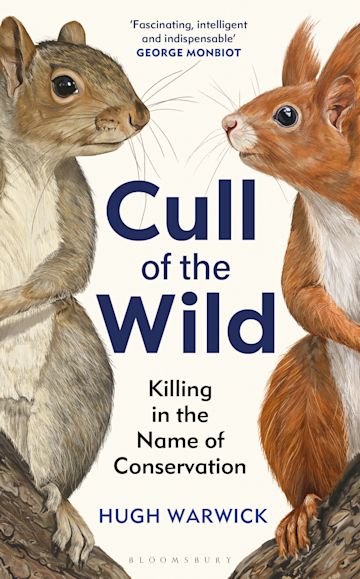
Cull of the Wild coverShould We Kill Some Wild Creatures to Protect Others?

Where humans have tilted the game in favor of one species, some believe we should cull predators to save their prey. Others think it’s a mistake to pick sides.

The northern spotted owl is about a foot and a half high, with very dark eyes, a greenish beak, and a rim of feathers, called a facial disk, that makes it appear to be regarding the world with worried perplexity. Like most owls, northern spotteds are nocturnal, but, unlike most of their brethren, they are picky. They can live only in old-growth forests in the Pacific Northwest. Their diet is restricted and seems to consist mainly of flying squirrels. They’re incapable of building nests of their own, and so, to raise their young, they rely on tree cavities or on basketlike growths that are produced by arboreal infections and known, evocatively, as witches’ brooms.

Hedgehogs, Killing, and Kindness: The Contradictions of Care in Conservation PracticeThe spotted owl’s fastidiousness produced one of the great environmental conflicts of the twentieth century. By the late nineteen-eighties, it was estimated that only fifteen hundred breeding pairs survived. Since the owls depended on old growth, the only way to save them, according to biologists, was to preserve the Northwest’s remaining stands of ancient trees. The timber industry countered that leaving those trees untouched would cost thousands of jobs. The two sides adopted increasingly confrontational tactics. Continue reading

Conversation With An Optimistic Scientist

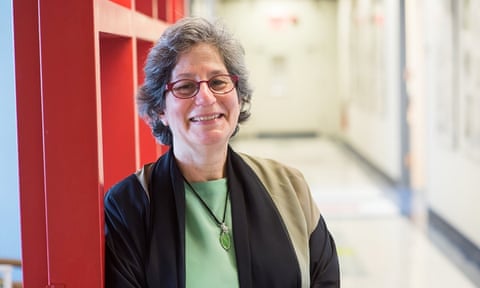
the american atmospheric chemist professor susan solomon

Susan Solomon: ‘Frankly, I worry about climate scientists being encouraged to take a particular stance.’ Photograph: Justin Knight

Killian Fox (long time no see!) offers this wonderful conversation with an optimist who knows the science:

Climate scientist Susan Solomon: ‘Let’s not give up now – we’re right on the cusp of success’

The US atmospheric chemist on why she doesn’t share the pessimism of most climate scientists, fixing the ozone layer, and why Jacques Cousteau is her hero

Susan Solomon was born and raised in Chicago and got her PhD in atmospheric chemistry from the University of California, Berkeley. She is known for her work in the 1980s which established how the Earth’s protective ozone layer was being depleted by human-made chemicals. Continue reading

More Youth Demanding Liveable Futures

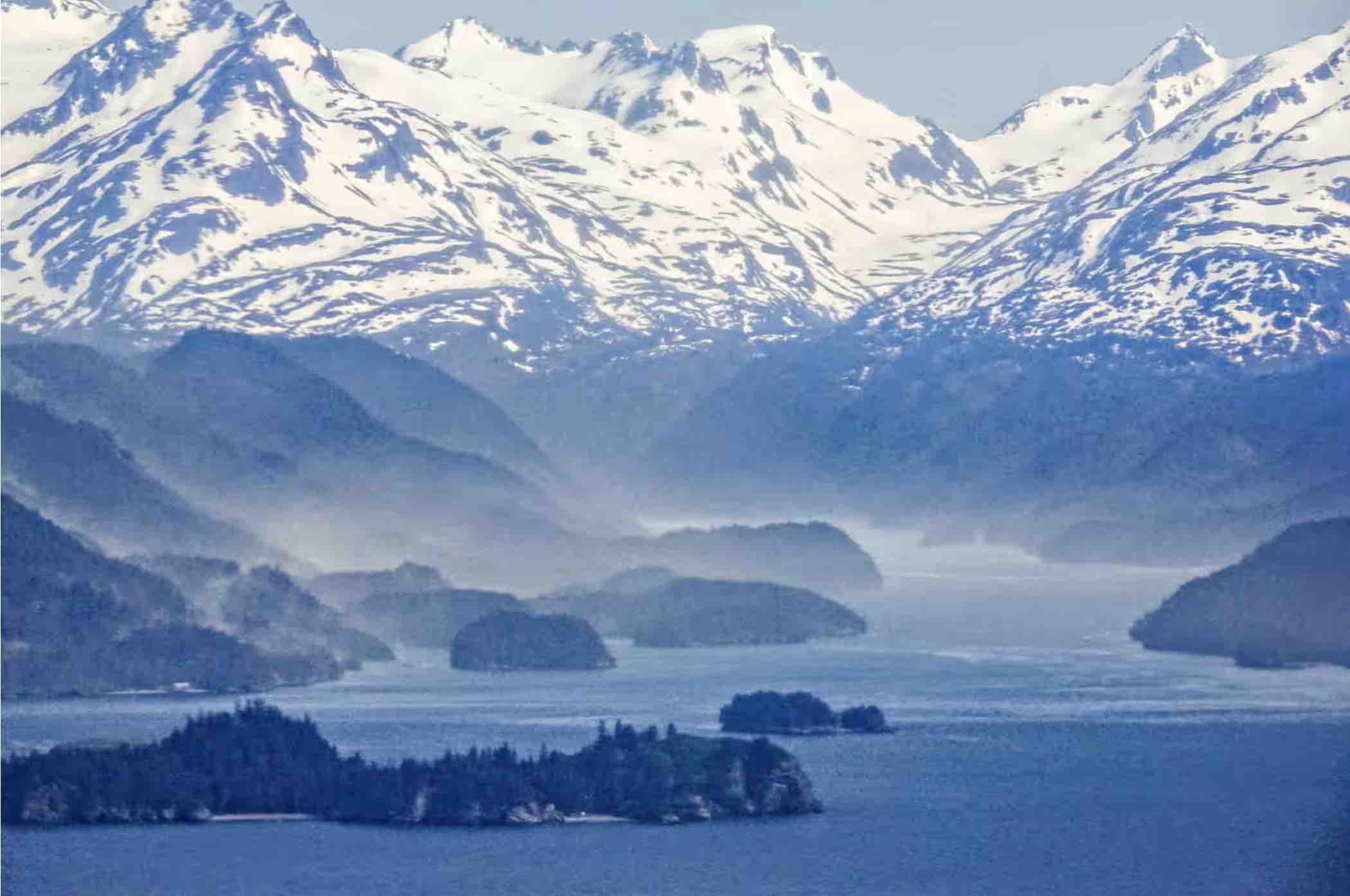
portion of the Kenai Peninsula in Alaska in 2023. The project would involve construction of a liquefaction plant to prepare the gas for export to Asia. Photograph: Richard Ellis/Alamy

Our appreciation to Dharna Noor for writing a clear story about this new legal initiative, and to the Guardian for publishing it. What started in Montana, a naturally well-endowed state with a mixed environmental record, now continues in Alaska, the biggest frontier of the American West. Our thanks to the younger generation for taking up the fight creatively:

Young Alaskans sue state over fossil fuel project they claim violates their rights

Plaintiffs claim $38.7bn gas export project, which would triple state’s greenhouse gas emissions, infringes constitutional rights

Eight young people are suing the government of Alaska – the nation’s fastest-warming state – claiming a major new fossil fuel project violates their state constitutional rights. Continue reading

Upgrading Electrical Power Lines

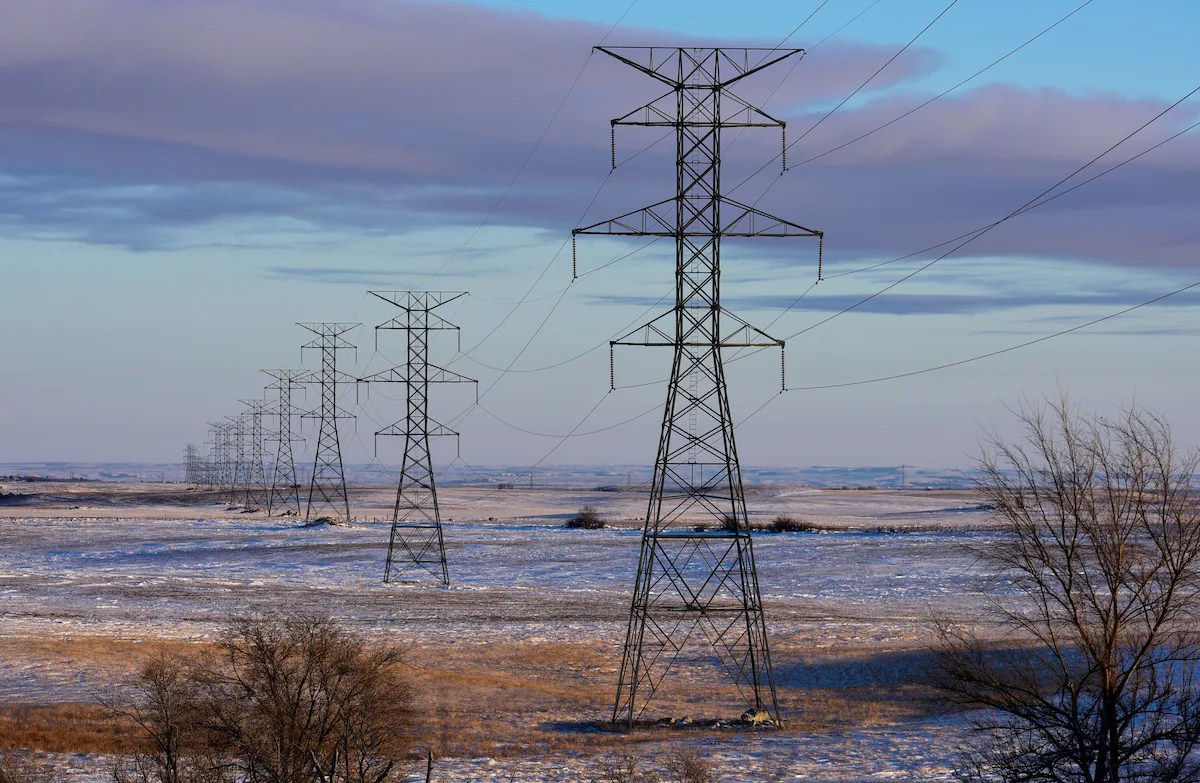
High voltage power transmission lines near Underwood, N.D. Installing new wires on the high-voltage lines that already carry power hundreds of miles across America could double the amount of power those lines carry. (Dan Koeck for The Washington Post)

Shannon Osaka, writing in The Washington Post, offers an unglamorous but effective-sounding story about the role that electrical transmission lines may play in upgrading our energy infrastructure:

How a simple fix could double the size of the U.S. electricity grid

Rewiring miles of power lines could make space for data centers, AI and a boom in renewables.

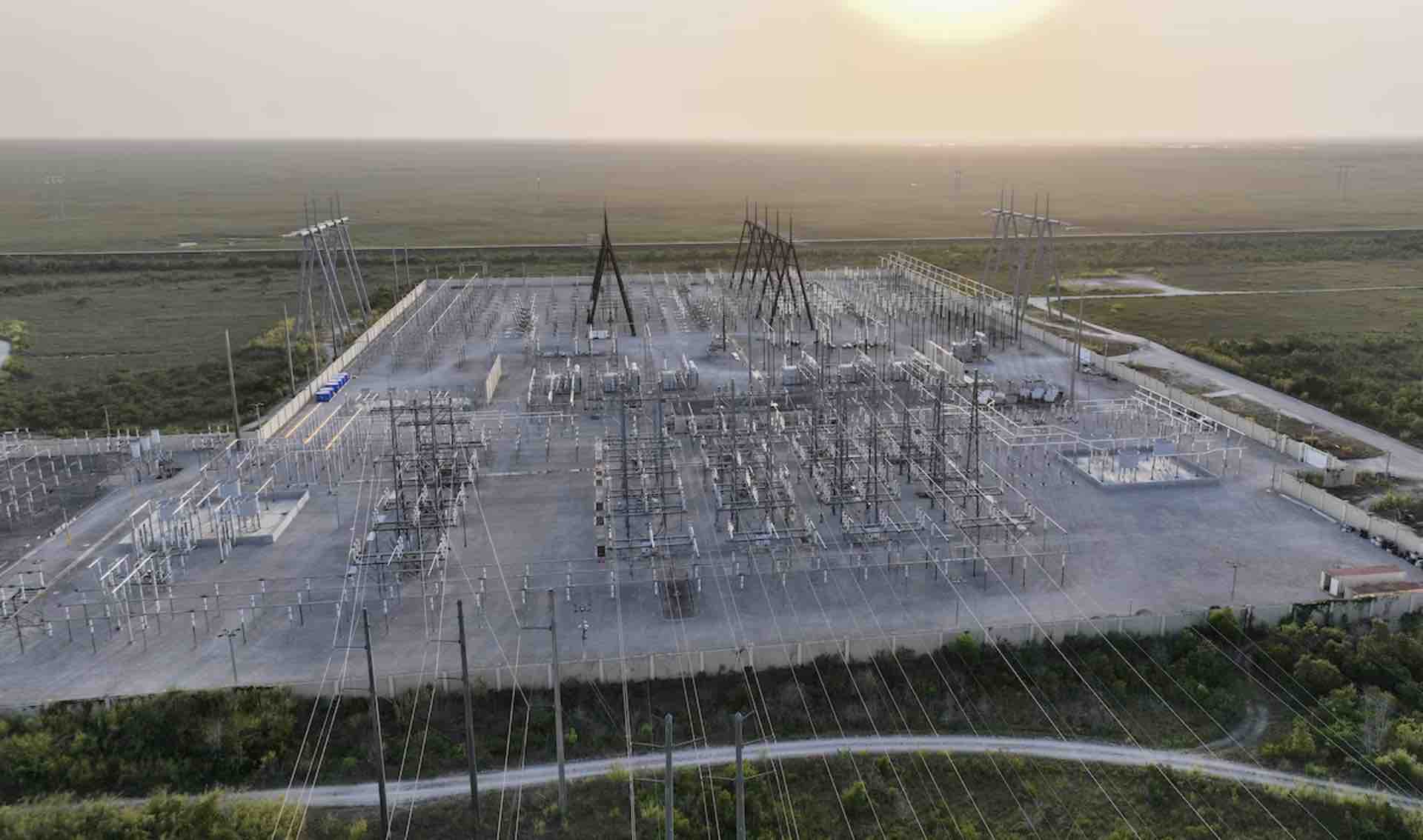
High voltage power lines run through a substation along the electrical power grid in Pembroke Pines, Florida. The grid is strained by increasing demand from electricity-hungry data centers and electric vehicles, as well as extreme weather events. (Joe Raedle/Getty Images)

There is one big thing holding the United States back from a pollution-free electricity grid running on wind, solar and battery power: not enough power lines.

As developers rush to install wind farms and solar plants to power data centers, artificial intelligence systems and electric vehicles, the nation’s sagging, out-of-date power lines are being overwhelmed — slowing the transition to clean energy and the fight against climate change. Continue reading

Implementing The Inflation Reduction Act

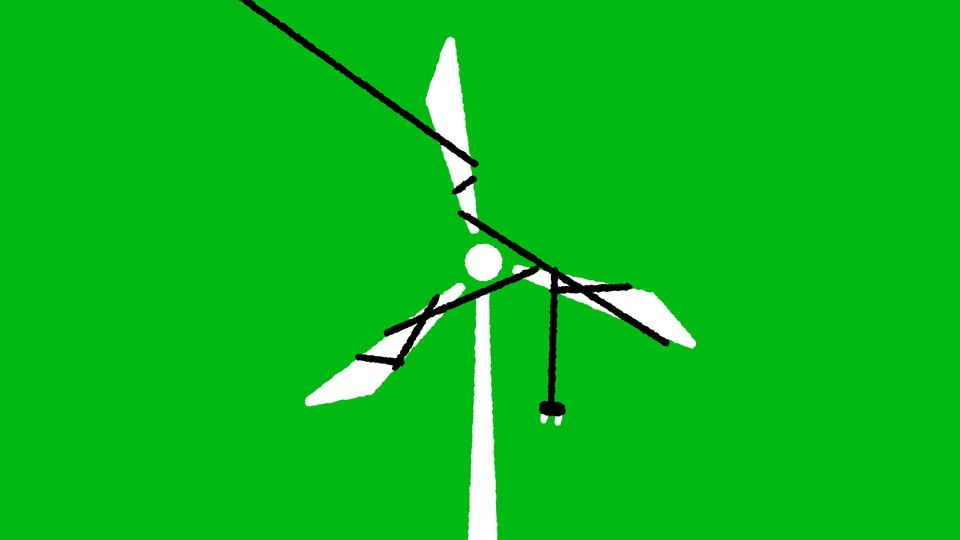
A windmill getting tangled by an electrical cord

Illustration by Ben Kothe / The Atlantic

We celebrate when a law is passed that moves the USA in the right direction, but the biggest  such law ever still is in the process of implementation. So, creativity and vigilance are still key ingredients to making the best of the law:

The Next Front in the War Against Climate Change

Clean-energy investment in America is off the charts—but it still isn’t translating into enough electricity that people can actually use.

On august 2022, the U.S. passed the most ambitious climate legislation of any country, ever. As the director of President Joe Biden’s National Economic Council at the time, I helped design the law. Continue reading

Making Good Trouble In India

Another of this year’s trouble-making prize-winners:

Meet Alok Shukla

Alok Shukla led a successful community campaign that saved 445,000 acres of biodiversity-rich forests from 21 planned coal mines in the central Indian state of Chhattisgarh. In July 2022, the government canceled the 21 proposed coal mines in Hasdeo Aranya, whose pristine forests—popularly known as the lungs of Chhattisgarh—are one of the largest intact forest areas in India. Continue reading

Idrees Kahloon On Daniel Susskind On Growth

Idrees Kahloon is an excellent discussant on the Economist podcast, and reviews Daniel Susskind’s new book in the current issue of the New Yorker:

Capitalism, as it has been practiced throughout the past century, has brought with it plenty of problems; as with any engine, harnessing it properly requires controlling it properly.Illustration by Carl Godfrey; Source photographs from Alamy; Getty

The World Keeps Getting Richer. Some People Are Worried

To preserve humanity—and the planet—should we give up growth?

In April, 1968, a consequential meeting took place in the Villa Farnesina, a stately Roman home built for Pope Julius II’s treasurer and adorned with frescoes by Raphael. The conveners were Alexander King, a Scottish chemist who directed scientific affairs for the Organization for Economic Co-operation and Development, and Aurelio Peccei, an Italian industrialist who simultaneously held executive positions at the automaker Fiat, the typewriter manufacturer Olivetti, and a large consulting firm. Continue reading

Slowed Growth Of Fossil Fuel

For those who might say too little too late we say this still counts as good news worth reading, so thanks to Yale Climate Connections:

‘Turning point in energy history’ as solar, wind start pushing fossil fuels off the grid

Fossil fuel growth has stalled while wind and solar are growing.

Solar and wind energy grew quickly enough in 2023 to push renewables up to 30% of global electricity supply and begin pushing fossil fuels off the power grid, the Ember climate consultancy concludes in a report released May 8. Continue reading

Price Adjustments & Carbon Emmissions

illustration: javier jaén/getty images

The Economist shares this news:

Carbon emissions are dropping—fast—in Europe

Thanks to a price mechanism that actually works

“Our most pressing challenge is keeping our planet healthy,” declared Ursula von der Leyen on the day she was elected president of the European Commission in July 2019. Continue reading

Andrea Vidaurre, Making Good Trouble in California

Take five minutes to celebrate Andrea’s activism and its accomplishments:

2024 GOLDMAN PRIZE WINNER

Andrea Vidaurre

Andrea Vidaurre’s grassroots leadership persuaded the California Air Resources Board to adopt, in the spring of 2023, two historic transportation regulations that significantly limit trucking and rail emissions. The new regulations—the In-Use Locomotive Rule and the California Advanced Clean Fleets Rule—include the nation’s first emission rule for trains and a path to 100% zero emissions for freight truck sales by 2036. The groundbreaking regulations—a product of Andrea’s policy work and community organizing—will substantially improve air quality for millions of Californians while accelerating the country’s transition to zero-emission vehicles.

10,000 New Electric Buses In India

People wait to board an electric bus in Pune, India. (Image credit: courtesy of ITDP)

Seven years and many bus stories among us recall the old buses. Noisy, smoke-belching, hot and crowded. Time to retire the old ones and at least lessen the noise and belching. Thanks to Sarah Spengeman and Yale Climate Connections:

India makes a big bet on electric buses

Fast-growing cities need electric buses if the country is to meet its climate goals.

Public transportation riders in Pune, India, love the city’s new electric buses so much they will actually skip an older diesel bus that arrives earlier to wait for a smoother, cooler ride in a new model. This has fed a new problem: overcrowding. Fortunately, more new buses are on the way. Continue reading

South American Fishing Methods, And Choices

An open-net salmon farm on the Chilean side of the Beagle Channel. Photograph: Dani Casado

As we increase our awareness of the many choices we have when consuming fish (among other things), here is more food for thought:

Crabs, kelp and mussels: Argentina’s waters teem with life – could a fish farm ban do the same for Chile?

Puerto Almanza, on the Beagle Channel in Argentinian Tierra del Fuego, is one of the world’s most southerly settlements and best known for the local seafood, especially Patagonian king crabs.
Photograph: Visit Argentina

While the ecosystem is thriving off the coast of Argentina, the proliferation of salmon farms in Chile’s waters is threatening marine life, say critics

A rocky path, strewn with thick tree roots, leads from a dirt road down to a small green hut overlooking the choppy waters of the Beagle Channel, a strait between Chile and Argentina. The shack is home to Diane Mendez and her family but doubles as Alama Yagan, one of nine restaurants in the fishing village of Puerto Almanza. Continue reading