Chocolate Quinoa Crunch

I have no skills as a food photographer, so this may not be the most flattering image of this new product. But even so, maybe the snapshot above will serve my purpose. We are introducing this today, in sample portions, in the Authentica shop at the Marriott Los Suenos. It is 70% dark chocolate, semi-sweet, covering puffed quinoa. It will be offered in the most biodegradable packaging I am aware of. I am working on the label design, and pricing for a package of 12, so stay tuned for final details.

Guardian’s Week In Wildlife

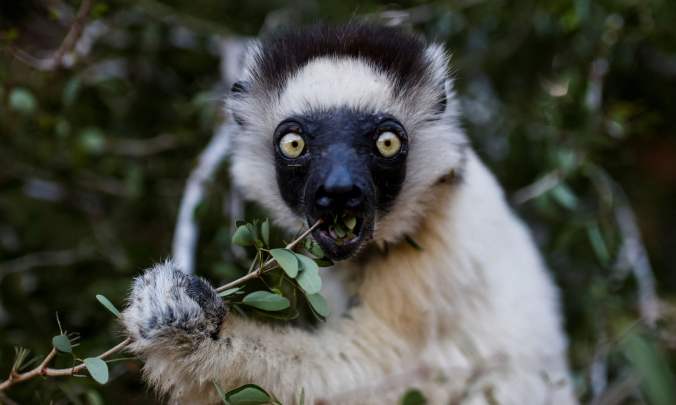
A sifaka lemur eats leaves at the Berenty Reserve in Toliara province, Madagascar. Photograph: Alkis Konstantinidis/Reuters

We source from the Guardian frequently for environmental stories, but sometimes just a few good photos from nature are a good way to end the traditional work week:

The week in wildlife – in pictures

The best of this week’s wildlife pictures, including a patient great tit, a hungry lemur, and a lucky escape for one humpback whale

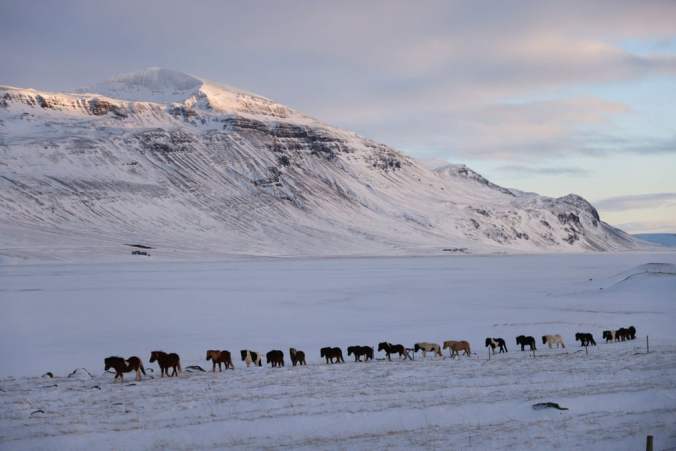
Icelandic horses walk on the snow in Hunavatnshreppur. The horses are unique in that they have five gaits, while other horses typically have three or four. Photograph: Nacho Doce/Reuters

Weekends are the busiest part of our work week; for us the photos are a motivator for that work; so thanks to Joanna Ruck for these. Click any image to go to the source.

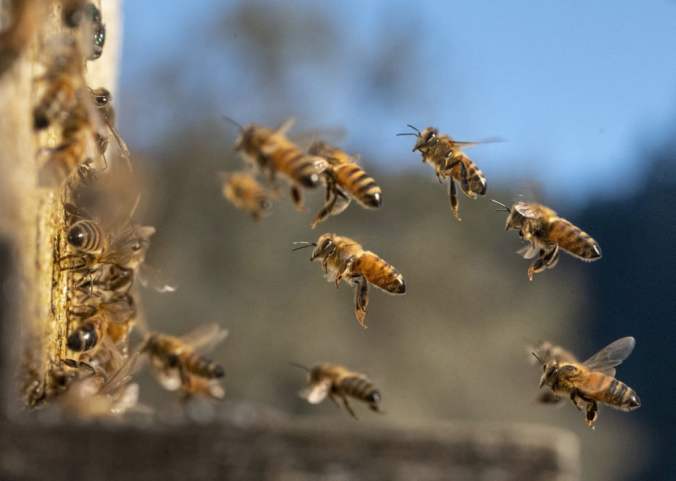
Honeybees venture out of their hive box on a warm afternoon on a farm near Elkton in western Oregon, US. Honeybees become active and start foraging at approximately 12.8C. Full foraging activity is not achieved until the temperature rises to 19C.  Photograph: Robin Loznak/Zuma Press Wire/Rex/Shutterstock

Why War On Wolves?

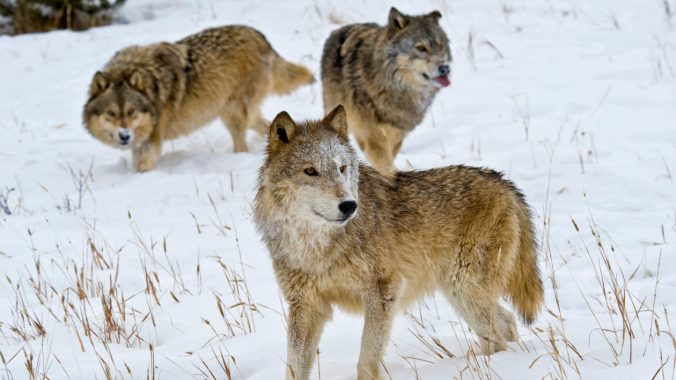
Gray wolves in Montana. DENNIS FAST / VWPICS / UNIVERSAL IMAGES GROUP VIA GETTY IMAGES

At Yale e360 this opinion by Ted Williams is an important read:

America’s New War on Wolves and Why It Must Be Stopped

Hunting of wolves is again legal in the Northern Rockies, where running them over with snowmobiles or incinerating them in their dens is now permitted. The Biden administration must stop the slaughter of these wolves and protect their recovery from the brink of extinction.

America’s tradition of persecuting wolves has resumed. And although it’s mostly happening on federal land, the Biden administration appears singularly unmoved and unconcerned. Continue reading

Organikos In Antarctica

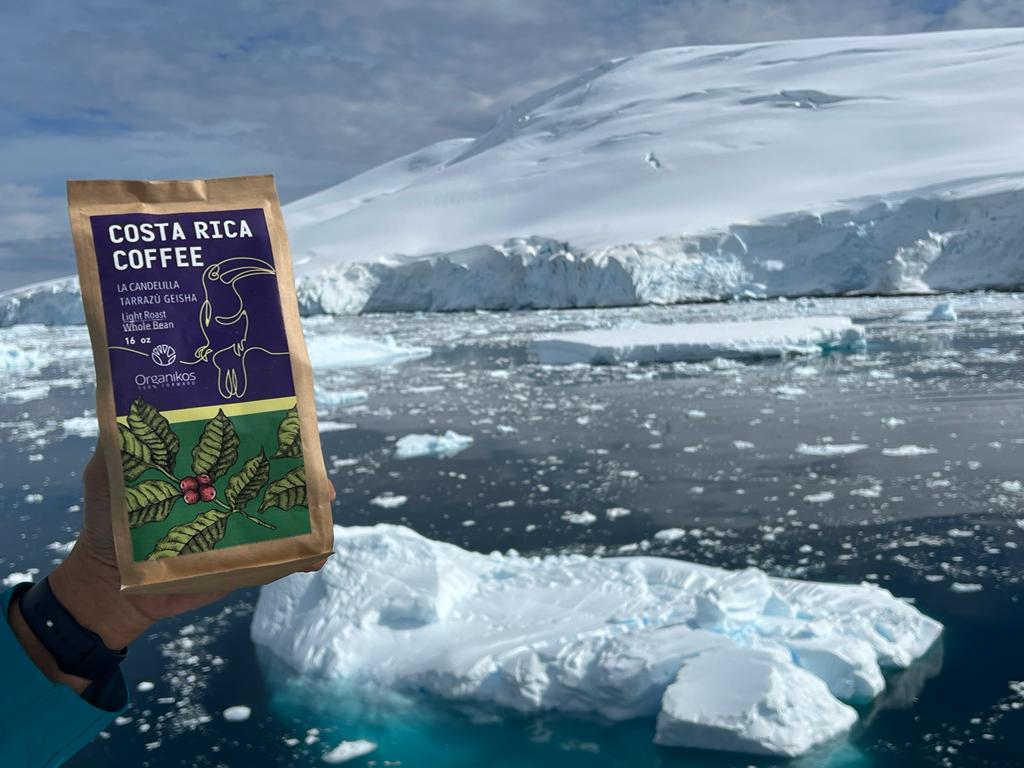
A bag of Organikos coffee, geisha whole bean, with Antarctica in the background

On Sundays I try to stay away from the Authentica shops in order to do other types of work. But on a recent Sunday morning we needed to deliver coffee that had just been roasted to the Belen shop. While bringing the coffee in, a man was poring over the labels in our honey display. My conversation with him started on the minutiae of how these raw honeys are prepared, and extended for more than an hour to the subject of the current coffee harvest. When I told him about the recently introduced geisha varietal, he enjoyed hearing as much as I enjoyed conveying its phenomenal success in Panama first, and now Costa Rica. And so, yesterday, he sent the photo above as promised, holding a bag of our coffee in front of the Antarctic coast, where he is on a scientific expedition.

Organikos served coffee at the southern most tip of the South American continent a dozen years ago, and I am happy to see its reach extending further south and keeping the scientists warm and happy.

New Technology For Anti-Poaching

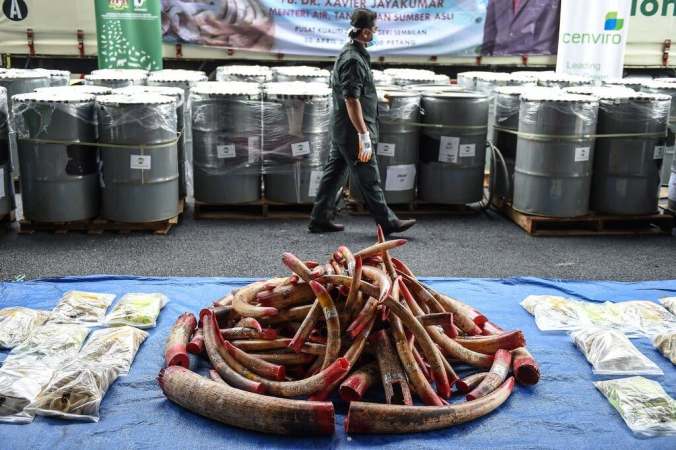
Seized ivory tusks before being destroyed at a waste management center in Port Dickson, Malaysia, in 2019. Mohd Rasfan/Agence France-Presse — Getty Images

Poaching has a puzzling array of culprits as well as victims, and many possible solutions. I have thought over the years that the Tiger Trail approach was replicable for this purpose. But genetic technology might scale more effectively. And with climate change overshadowing other crises, you might think this topic is past its prime, so read the comments section at the end of this article. Thanks to Catherine M. Allchin (how did we miss her prior work?) for this story, and please click through to read it in the New York Times:

It Helped Catch Serial Killers. Can It Stop Elephant and Wildlife Poachers, Too?

Scientists used a genetic investigation technique with the aim of helping turn the tide against illicit hauls of ivory and other animal parts.

Cambodian law enforcement officials received a tip from investigators in the U.S. Department of Homeland Security. Continue reading

Organic Cotton, India & Veracity

Harvested organic cotton at a bioRe facility in Kasrawad, India. India is the single largest producer of the world’s organic cotton, responsible for half of the supply. Saumya Khandelwal for The New York Times

When I see a headline like That Organic Cotton T-Shirt May Not Be as Organic as You Think my first reaction is a reflexive wince.

I will read the article for sure, as I did in this case, but even before reading it I feel defensive.

I am deeply committed to organic certification and seven years living in India makes this subheading into a red flag in terms of my sharing it with others:

The organic cotton movement in India appears to be booming, but much of this growth is fake, say those who source, process and grow the cotton.

Not because it is hard to believe. Exactly the opposite. I had work experiences that this story echoed in a different context. But when I share articles I value each day, usually on an environmental topic, a large percentage of those who click and read are from India. That is likely because we started this platform 10+ years ago while based in India. I do not enjoy, even if I am confident of its veracity, sharing news that I know will make those visitors, not to mention my many friends in India, uncomfortable.
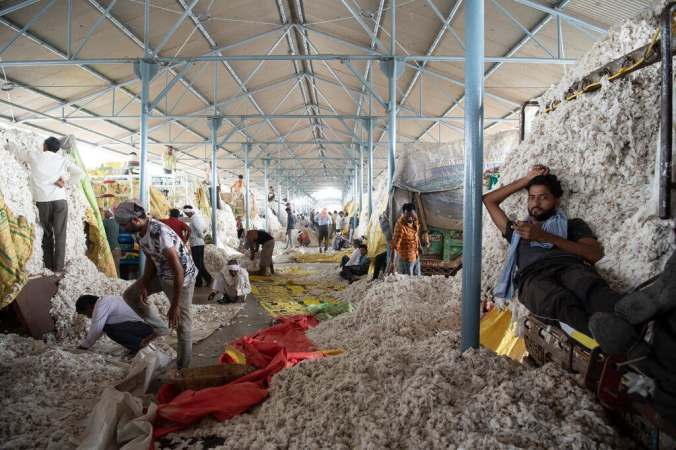
Farmers set up their load of cotton at the Khargone mandi, a large auction market. Saumya Khandelwal for The New York Times

But I got over it. Each of the journalists who authored this story put something on the line to get these important facts about two topics I care about. So, please read on and visit the source so the authors and photographer are properly credited for their excellent work:

Michael Kors retails its organic cotton and recycled polyester women’s zip-up hoodies for $25 more than its conventional cotton hoodies. Urban Outfitters sells organic sweatpants that are priced $46 more than an equivalent pair of conventional cotton sweatpants. And Tommy Hilfiger’s men’s organic cotton slim-fit T-shirt is $3 more than its conventional counterpart. Continue reading

Invasivorism & Reasonable Questions

Grey squirrels have driven the local extinction of the native red across much of England and Wales. Photograph: Paul Broadbent/Alamy

If you do not eat animal protein, this concept may not appeal to you. But if you allow that others who eat meat may be able to do so ethically, then read on.

If you do eat any kind of meat, then it is a reasonable question whether invasive species are fair game: Rack of squirrel, anyone? The chefs putting invasive species on the menu

Roast rack of squirrel, fondant jersey royal potatoes, carrot and wild garlic served at Paul Wedgwood’s restaurant in Edinburgh, Scotland. Photograph: Wedgwood

‘Invasivorism’ is a growing ethical dining trend but is ‘eat them to beat them’ really the answer?

From oral contraceptives to proposals to edit their DNA, efforts to control the UK’s invasive grey squirrel population have become increasingly elaborate. But a growing number of chefs and conservationists have a far simpler idea, which they see as part of the trend in ethical dining: eat them. Continue reading

Big Companies, Big Noise

(Original Caption) A man sitting atop a girder over the city is shown taking photos of the unfinished municipal building.

Bill Mckibben’s newsletter is one of the most efficient ways to stay informed on issues of interest to us in our daily posts on this platform. This week’s edition, titled Needs Improvement, is as good as any other recent edition. Consider subscription options that suit your budget by clicking the button, if you appreciate what you read below:

The Economic Giants Must Do Better than Meh

No one expects small businesses to be the leaders on climate change, though of course a noble handful are. It’s the giants—who have enormous brands to protect, and large margins to cover the cost of changing—that need to be out front. The ones with big ad campaigns with lots of windmills and penguins and cheerful shots of the smiling future. The ones who have made a lot of noise about ‘net zero.’ And how are they doing? Meh. Continue reading

More On, And From, Kim Stanley Robinson

“The Ministry for the Future” displays Robinson’s anti-anti-utopianism: its prognosis is both heartening and harrowing. Illustration by Deena So’Oteh

Thirteen months ago I first became aware of this author and this book. Four months ago Robinson showed up on my radar again. I still had not made time for his book. And two weeks ago, another reminder of how my time has and has not been employed, this time posed as a question: Can Science Fiction Wake Us Up to Our Climate Reality? I already feel quite awake to that reality, but the question is still of considerable interest.

Kim Stanley Robinson’s novels envision the dire problems of the future—but also their solutions.

Robinson at home in Davis, California. Much of his sci-fi could seem like nature writing, with the Sierra Nevadas—his “heart’s home”—recast as Mercury or Mars. Photograph by Jim McAuley for The New Yorker

Last summer, the science-fiction writer Kim Stanley Robinson went on a backpacking trip with some friends. They headed into the High Sierra, hiking toward Deadman Canyon—a fifty-mile walk through challenging terrain. Now sixty-nine, Robinson has been hiking and camping in the Sierras for half a century. At home, in Davis, California, he tracks his explorations on a wall-mounted map, its topography thick with ink. He is a devotee of the “ultralight” approach to backpacking and prefers to travel without water, instead gathering it along the way, from lakes and streams. Arriving at the canyon, with its broad, verdant floor cradled in smooth slopes of granite, he planned to fill his bottles with meltwater from the seven glaciers buried in its headwall. Continue reading

Fashion’s Fatal Flaw

Cattle grazed on land burned by farmers in Brazil in August 2020. Andre Penner/Associated Press

In 10+ years we have occasionally mentioned the bags we use to tote things or to package things. We occasionally notice that fashion branded handbags have not received their fair share of attention (maybe because we do not use them).

Anyway, we aim to correct that, as we point to climate and other environmental issues and potential solutions. Thanks to Whitney Bauck for this article titled Did Your Handbag Help Destroy the Rainforest? It gives us good reason to pay more attention to fashion’s footprint:

A recent report examines the links between fashion brands and Amazon deforestation.

The rainforest and the runway may seem worlds apart, but deforestation in the Amazon is partly fueled by something that’s on display in every fashion capital this month: leather. Continue reading