Can Bird Of The Year Be A Bat?

Image

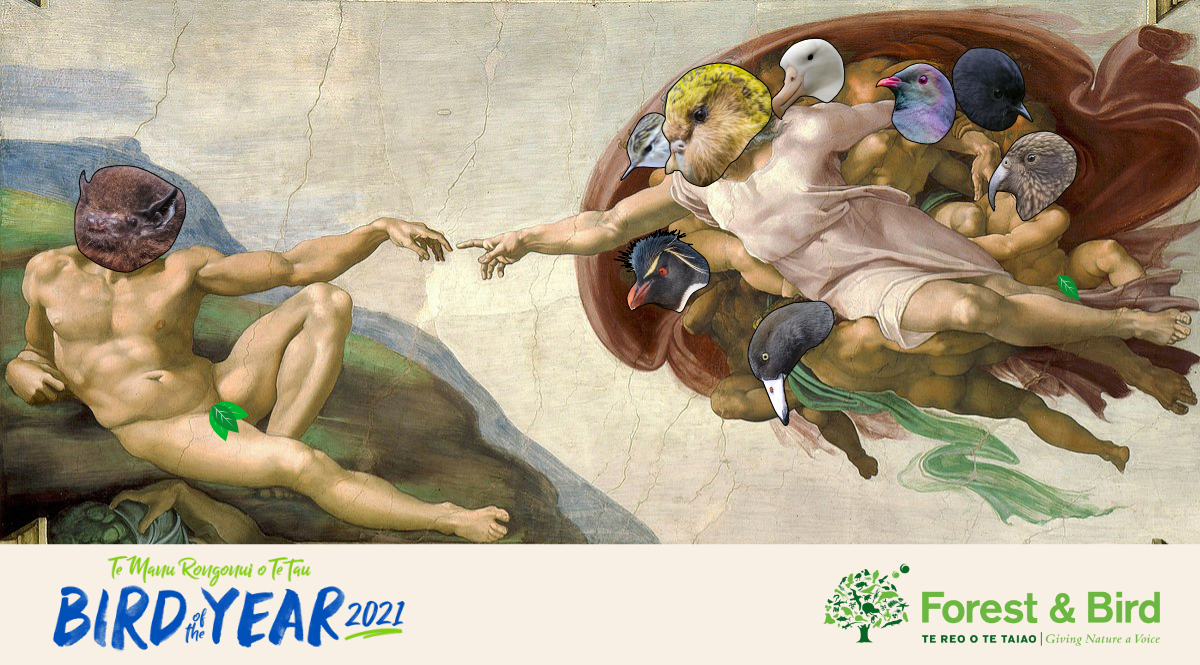
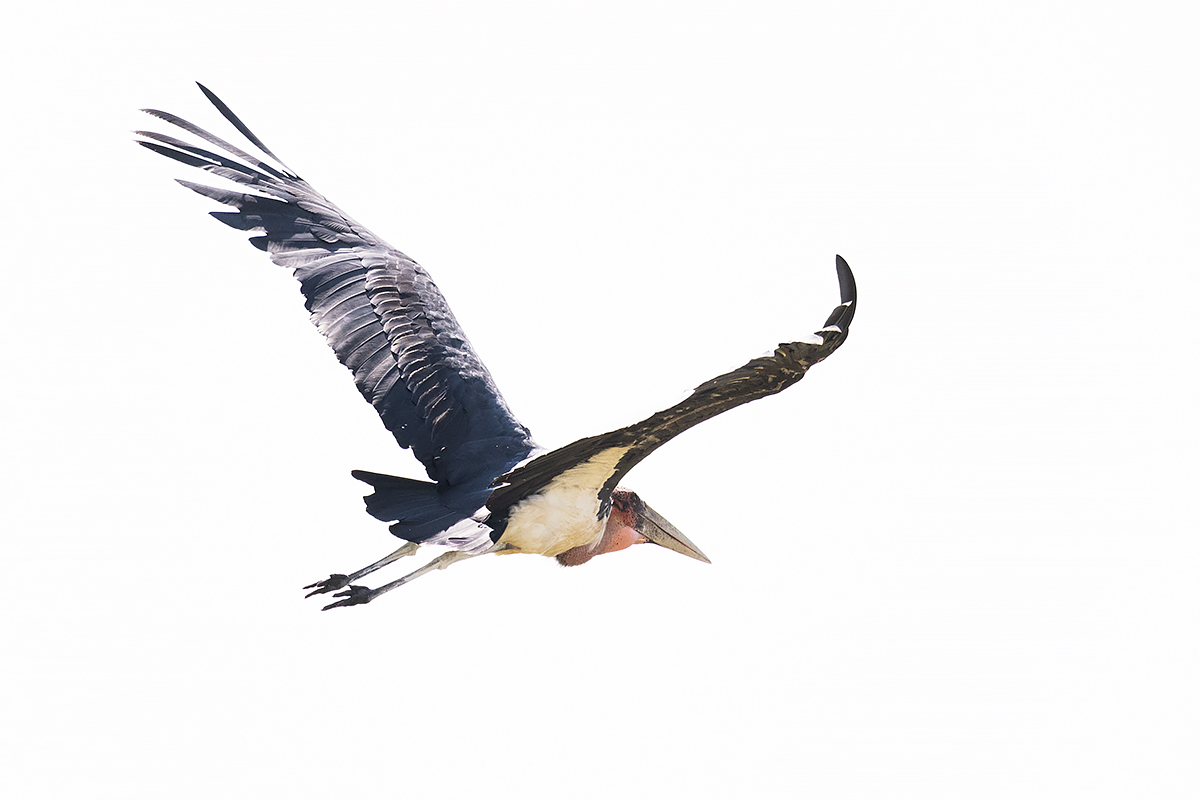
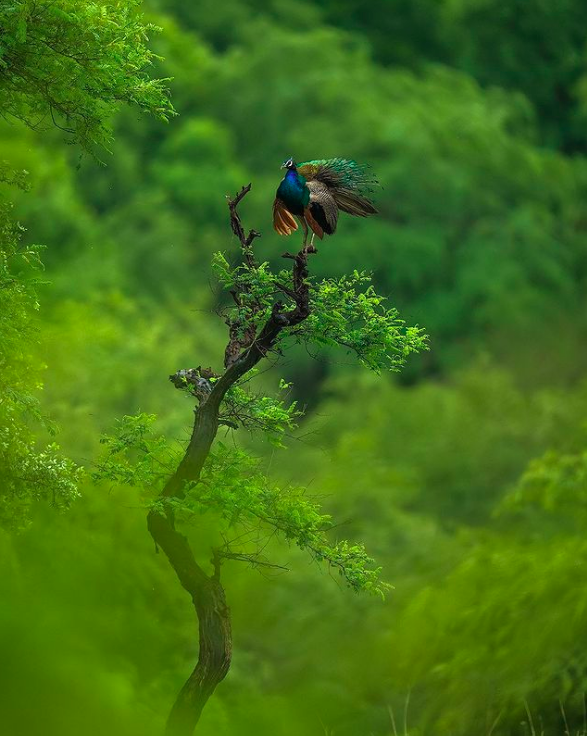
People in New Zealand seem on the right side of most issues, so who are we to argue with their decision on this one? Thanks to Natasha Frost for this surprising news:

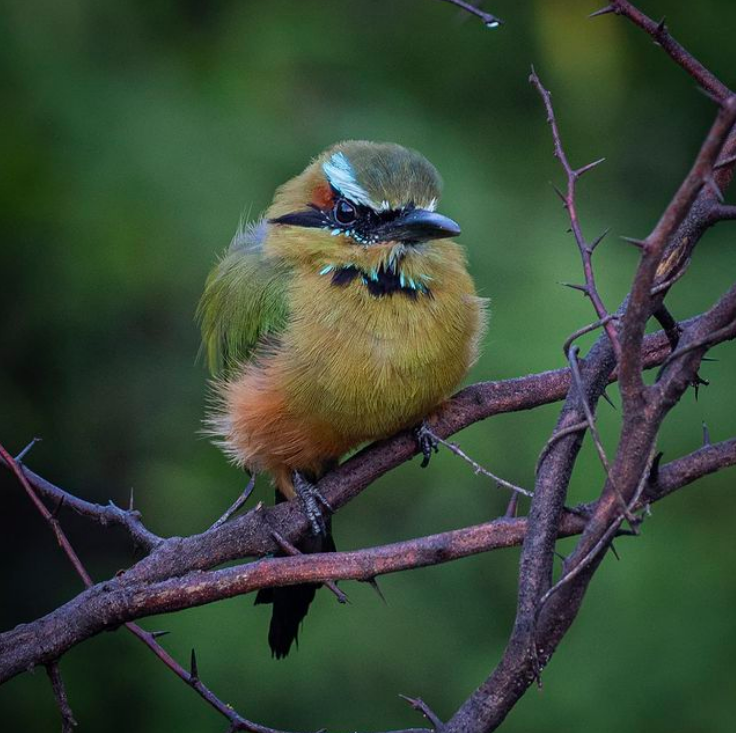
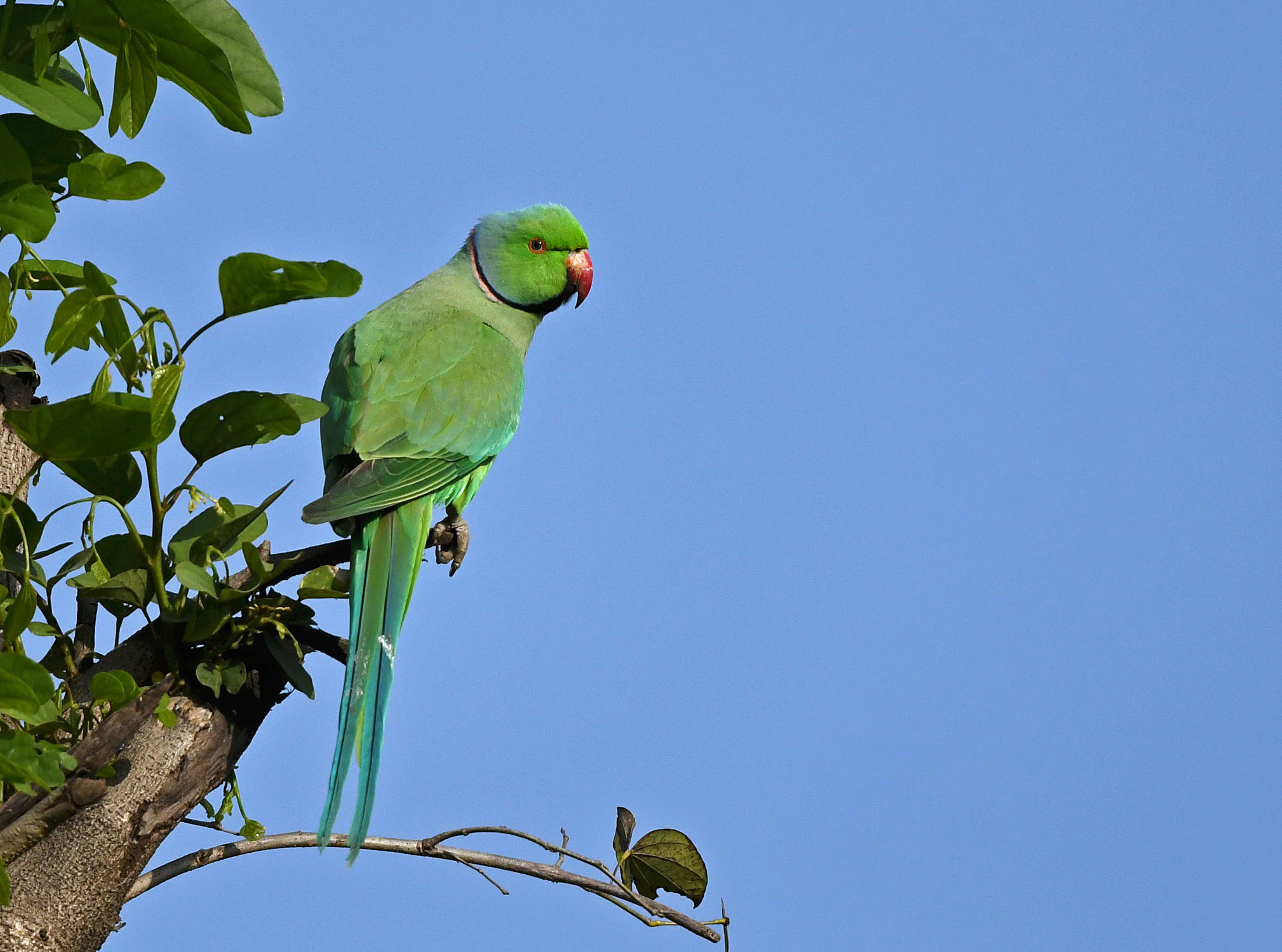
New Zealand Held a Contest for Bird of the Year. The Birds Lost.

The long-tailed bat, one of the country’s only two native land mammals, flew away with the top prize.

AUCKLAND, New Zealand — The candidates didn’t know they were running. The winner received no prize. And, at least by appearance, the champion appeared to be ineligible to compete. Continue reading

Blue-Legged Shiny Penny Tarantula

I have been working on expanding our banana and plantain micro-plantation, which has grown by at least three dozen newly planted in the last year. The largest of all herbaceous flowering plants, as they get to their “tree” stage they will serve as shade for the coffee we are prepping for planting this year. In the area where that planting is happening, as I move earth with my shovel I frequently encounter insects that are unlike any I have seen before. This recent encounter impressed me. Blue legs. Body armor like a shiny new penny. It got me humming a tune (if you are a fan of Harry Belafonte, you will know this lyric that goes with the tune):

A beautiful bunch o’ ripe banana
Daylight come and me wan’ go home
Hide the deadly black tarantula
Daylight come and me wan’ go home

If you are not yet a fan, what are you waiting for?

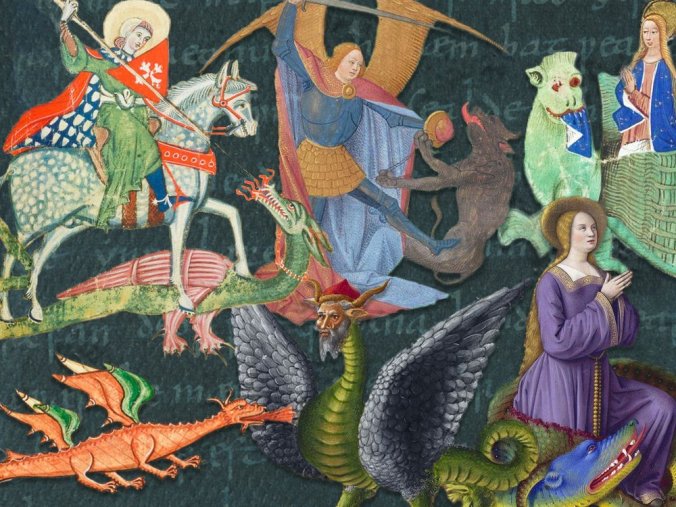
Myths Need Bad, So Dragons Were Drawn That Way

During the Middle Ages, dragons more often figured in accounts about the lives of saints and religious figures than stories of heists and adventures. Photo illustration by Meilan Solly / Photos via Wikimedia Commons and British Library under public domain

Dragon flies had a run in our pages, and we have featured some real life reptilian dragons, as well as a fruity dragon, but the mythical type never found its way here until now. As a cultural phenomenon it is as interesting as any other kind of dragon:

Why Dragons Dominated the Landscape of Medieval Monsters

The mythical beasts were often cast as agents of the devil or demons in disguise

David M. Perry and Matthew Gabriele

Illuminated manuscript featuring Saint Marina and the dragon Public domain via Wikimedia Commons

The dragon resting on its golden hoard. The gallant knight charging to rescue the maiden from the scaly beast. These are images long associated with the European Middle Ages, yet most (all) medieval people went their whole lives without meeting even a single winged, fire-breathing behemoth. Dragons and other monsters, nights dark and full of terror, lurked largely in the domain of stories—tales, filtered through the intervening centuries and our own interests, that remain with us today.

As Halloween approaches, we’re naturally thinking about scary stories. Continue reading

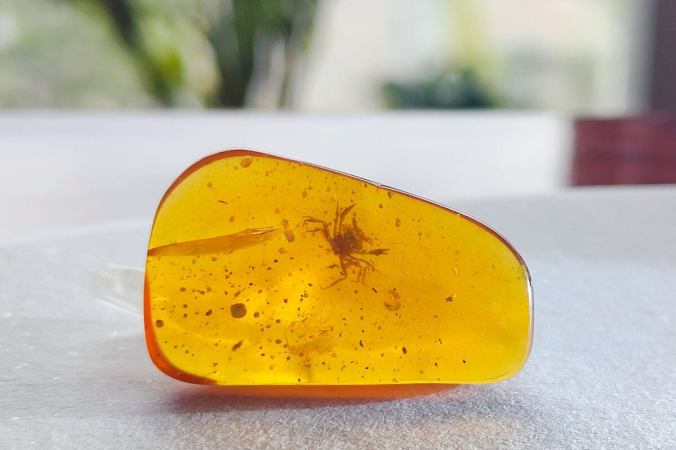
Clues Trapped In Resin

Researchers describe this as the most complete fossilized crab ever discovered. Credit: Lida Xing/China University of Geosciences, Beijing

Crabs started as marine creatures, and eventually evolved into land creatures as well. How it happened is an essential question and resin may be the best clue:

Bad for 100-million-year-old crab, but good for scientists

Crustacean trapped in fossilized tree resin offers clues into evolution of creatures, when they spread

Artistic reconstruction of the new fossil dubbed Cretapsara athanata, “the immortal Cretaceous spirit of the clouds and waters.”
Artwork by Franz Anthony, courtesy of Javier Luque/Harvard University

Javier Luque’s first thought while looking at the 100-million-year-old piece of amber wasn’t whether the crustacean trapped inside could help fill a crucial gap in crab evolution. He just kind of wondered how the heck it got stuck in the now-fossilized tree resin? Continue reading

Beware of LEAF’s Possible Exclusions

Thanks to Fred Pearce, as always:

A Big New Forest Initiative Sparks Concerns of a ‘Carbon Heist’

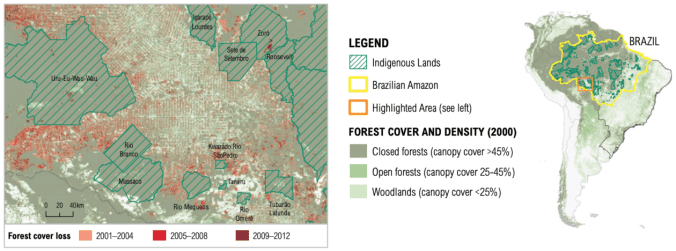
Major funding to finance forest conservation projects is set to be announced at the UN climate summit next week. But some environmentalists contend the LEAF program could exclude the Indigenous people who have long protected the forests that the initiative aims to save.

Indigenous lands on the western end Brazilian Amazon have seen far less deforestation than surrounding areas. WORLD RESOURCES INSTITUTE

After a decade of disappointing failures, UN-backed schemes to fight climate change by capturing carbon in the world’s forests are set for a comeback. Big new funding will be announced at next week’s climate conference in Glasgow, Scotland that would deliver billions of dollars in private finance for conservation projects in tropical forests, with governments and companies being able to use the carbon offsets from those projects to achieve their net-zero emissions pledges.

But concerns are growing that these new mega-offset projects will happen at the expense of forest communities. Continue reading

Geisha’s Got Game

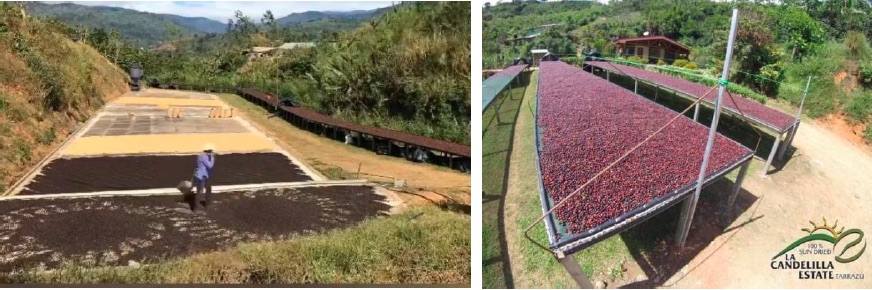
Today we are introducing a Geisha varietal produced by the Candelilla estate, a family farm in Costa Rica’s Tarrazu region, into the Organikos lineup of specialty coffees. Just in time, a friend from Panama who gifted us a bag of Hacienda la Esmeralda beans in late 2019, sent me a link yesterday to this film:

What goes into your daily cup of coffee? And what is that worth? The Republic of Panama, one of the tiniest countries and coffee exporters in the world, now produces the most sought-after beans on earth. They can sell for over $1,000 a pound, while commodity coffee prices hover around $1. HIGHER GROUNDS tells the story of how Panama is reimagining coffee…and of the inspiring passion and collaborative spirit behind it all.


Scientists At Work

This book, about a scientist who has featured in plenty of posts on this platform, is introduced by one of our favorite writers with some juicy gossip from the halls of academia. I had no idea that the biology department at Harvard divided along the lines described here; the how is the juicy part and the why makes some sense–all for the best–knowing what we know now. As an aside, having taken my first calculus course as a doctoral student at age 30, with undergrads as classmates, I had a jolt of painful memory that made me even more respectful of this biologist’s determination.

Silent EarthThe second book reviewed in this essay is one we have pointed to previously, and the research that led to it was also featured much earlier. The backstory presented in this essay brings the science to life, so do read through to the end:

Where Have All the Insects Gone?

Scientists who once documented new species of insects are now charting their perilous decline—and warning about what it will mean for the rest of us.

In the summer of 1942, Ed Wilson, age thirteen, decided that it was time to get serious about research. He had already determined that he wanted to be an entomologist, a choice made partly out of interest and partly out of injury. As a child, he’d been fascinated with marine life. One day, he jerked too hard on a fish he caught, and one of its needlelike spines lodged in his right eye. The lens had to be removed, and, following the surgery, to see something clearly he needed to hold it up near his face. Insects were just about the only animals that submitted to this treatment. Continue reading

Pruning & Planting Season

All in a day’s work

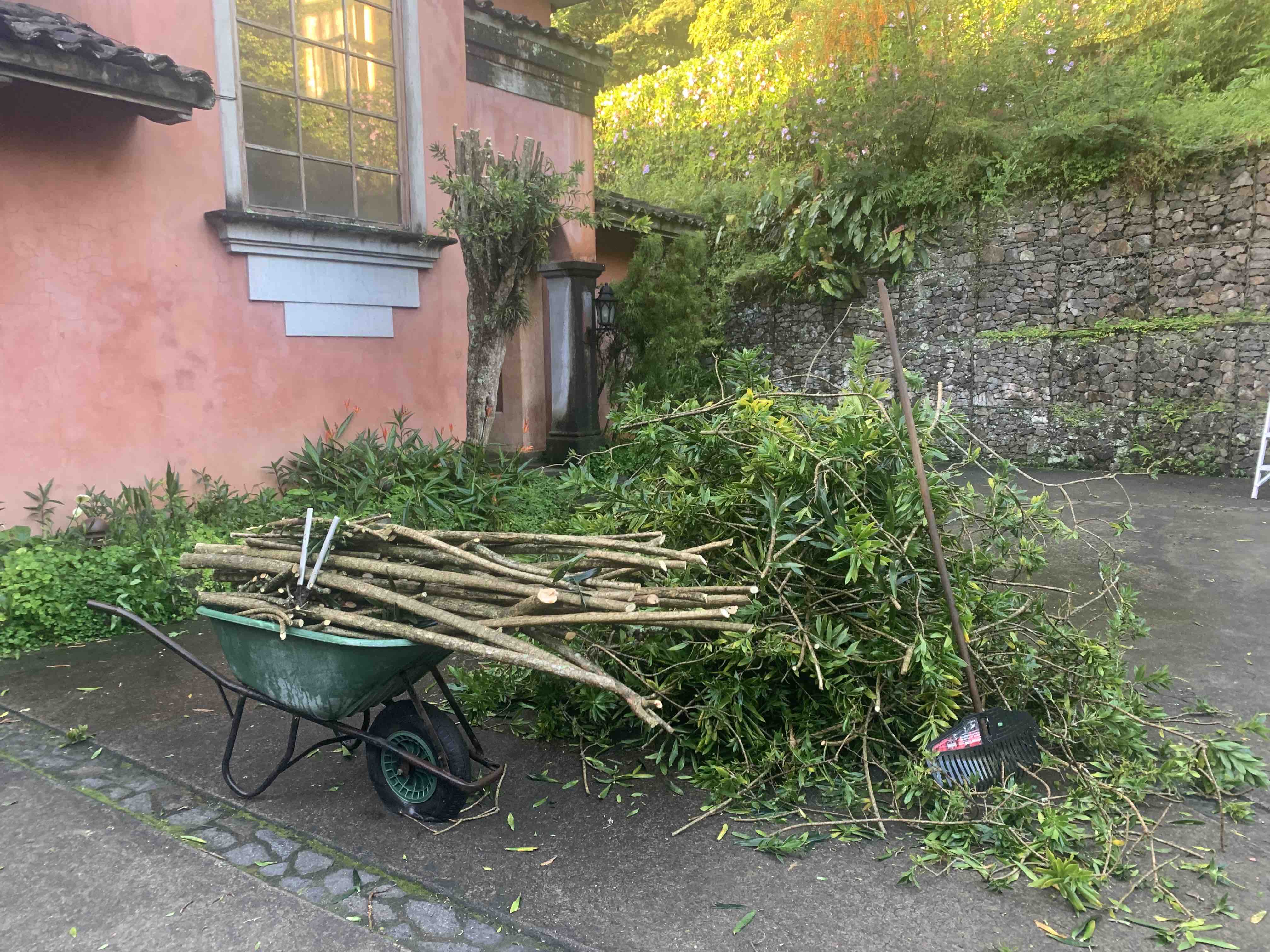
After 21 years since planting the sapling, this tree grew to be nearly two stories tall. Instead of one tall trunk with branches going horizontally and diagonally, there is one trunk that rises two meters from the ground up, and from there a dozen or so mini-trunks continue up vertically–those you can see in the foreground that are longer. I will now replant those tall stakes, plus another 100 or so smaller stakes cut from the top thinner sections of those branches. This is an unusual species of tree (more on that another time) so my hope is that planting all these cuttings will fortify the species. Birds love this tree, even though I have never seen fruit or any other edible that might attract them.

Coral Reef Bright Spots

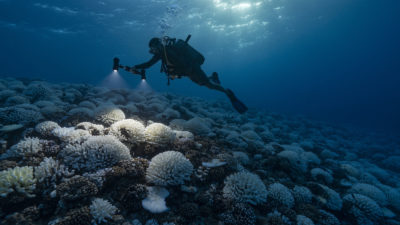
A diver examines bleached coral in French Polynesia in 2019.

A diver examines bleached coral in French Polynesia in 2019. ALEXIS ROSENFELD / GETTY IMAGES

When someone offers to point out bright spots on anything in the natural world, we are all ears. When the author is Nicola Jones, all the more:

Finding Bright Spots in the Global Coral Reef Catastrophe

The first-ever report on the world’s coral reefs presents a grim picture, as losses mount due to global warming. But there are signs of hope — some regions are having coral growth, and researchers found that corals can recover if given a decade of reprieve from hot water.

When ecological genomicist Christian Voolstra started work on corals in Saudi Arabia in 2009, one of the biggest bonuses to his job was scuba diving on the gorgeous reefs. Things have changed. “I was just back in September and I was shocked,” says Voolstra, now at the University of Konstanz in Germany. “There’s a lot of rubble. The fish are missing. The colors are missing.” Continue reading

Electrify Now

SAMAN SARHENG/YALE E360

For those of us who can make the switch sooner rather than later, it is looking more and more like common sense:

From Homes to Cars, It’s Now Time to Electrify Everything

The key to shifting away from fossil fuels is for consumers to begin replacing their home appliances, heating systems, and cars with electric versions powered by clean electricity. The challenges are daunting, but the politics will change when the economic benefits are widely felt.

An all-electric house. REWIRING AMERICA

For too long, the climate solutions conversation has been dominated by the supply-side view of the energy system: What will replace coal plants? Will natural gas be a bridge fuel? Can hydrogen power industry? These are all important questions, but, crucially, they miss half the equation. We must bring the demand side of our energy system to the heart of our climate debate. Continue reading