
Leimakhong, Manipur
Leimakhong, Manipur

Image: Tyros.andi/Wikimedia Commons
Wind is a formidable renewable energy option, but the impacts on wildlife have long been discussed. It’s heartening that such a simple solution as paint has the potential to so drastically reduce the dangers to birds and bats.
A simple paint job can save birds from wind turbines
A small study in Norway showed that painting one blade of a wind turbine black reduced bird mortality by over 70%.
Wind energy is one of the world’s most popular renewables. It’s also one of the most promising—some calculations suggest that strategically placed wind turbines could conceivably power the entire planet. As more turbines go up worldwide, they’ll help us reduce pollution, water use and carbon emissions, along with the environmental degradation, habitat loss and human health risks that come with fracking and oil extraction.
But there are some who don’t benefit quite as much: flying animals. Each year, turbine blades kill hundreds of thousands of birds and bats. As wind power becomes more prevalent, this number may rise into the millions—although it’s important to remember that other power generation methods likely kill far more birds than wind farms do.
This concern has led to a number of proposed interventions, from turning off wind farms during migrations to installing special whistles only bats can hear. A new study presents a relatively low-cost, set-it-and-forget-it option: just paint one of the turbine blades black.

Bolivia

Organikos had a life before Authentica, but when Authentica opened one year ago the context was different. The Adriatic island and the outpost in India were temporary homes where we were launching projects for clients. Costa Rica is where the entrepreneurial conservation work began, so now we were coming home to stay and build a platform of our own. The logic for Authentica? Several million visitors per year had become the norm for the country over the last couple decades. And for Organikos? On average one million bags of coffee went home in the luggage of those visitors each year, mostly to the USA. Authentica’s location in two of Costa Rica’s most successful hotels would allow Organikos coffee to increase that flow. Good logic, no question.
Until now. This year international tourism is a fraction of that norm, and next year is likely to be similar. It would be easy to see the glass as less than half full, but instead we are looking for ways to refill the glass. We want those million bags of coffee to reach all the people who have either already fallen in love with Costa Rica, or are yet to.
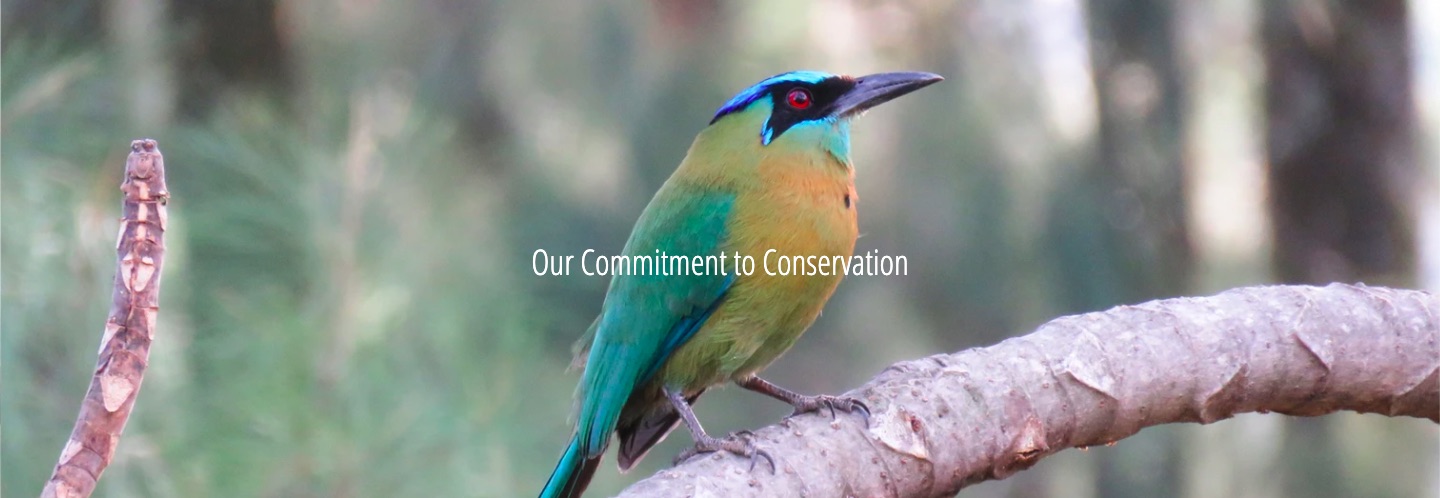
Particularly for those people who have come, or want to come to Costa Rica to support its conservation commitments, our goal now is to provide an alternative way to lend that support. With our coffee as a taste of place alternative while travel is on hold, we have set up a platform for roasting and delivering 4 of our 12 coffee selections in the USA. And we continue to commit that 100% of the profits from the sale of these coffees goes to bird habitat regeneration initiatives in Costa Rica. Our first such initiative is in progress, but we want to expand our conservation outreach. One way to do this might be by partnering with conservation NGOs in Costa Rica. We are starting to explore this option.

Reserva Natural Ranchitos del Quetzal, Guatemala

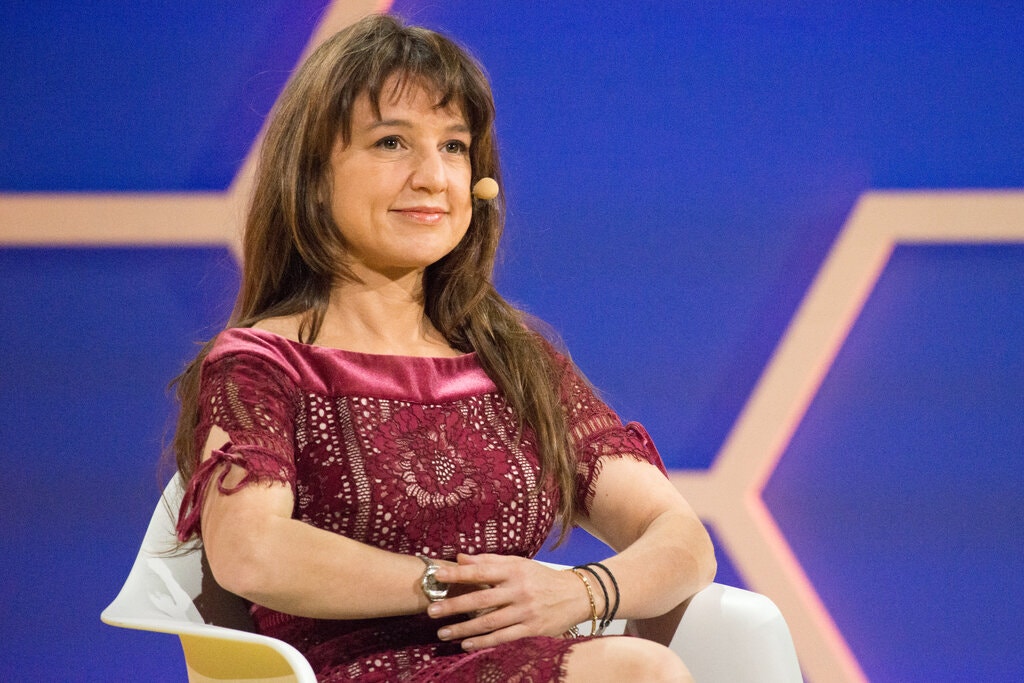
Zeynep Tufekci speaking at a conference in Munich. “I’ve just been struck by how right she has been,” said a Harvard epidemiologist. Credit: Felix Hörhager/Picture Alliance
By the time Zeynep Tufekci appeared in our pages last year I had been reading her analytical essays and op-eds for a while, and found her perspective on technology consistently clarifying. My instinctive apprehension about social media, which I could not explain, combined with my vague optimism about technology more broadly, which I also could not explain–found something to orient with in her writings. Now she makes an appearance through the lens of a keen observer of our media. What is keen about the observation is the attention to the sociological foundations of her perspective. With all that economics has done, for better and for worse, the influence of that dismal science has been ascendent for much of the modern era. Sociology has never had the prestige or influence in the USA that the field of economics has, and this profile hints at what this may have cost us:
How Zeynep Tufekci Keeps Getting the Big Things Right
Dr. Tufekci, a computer programmer who became a sociologist, sounded an early alarm on the need for protective masks. It wasn’t the first time she was right about something big.
Dr. Tufekci at a 2017 conference in Gothenburg, Sweden. Credit:Julia Reinhart/ Getty Images
When the Centers for Disease Control and Prevention told Americans in January that they didn’t need to wear masks, Dr. S. Vincent Rajkumar, a professor at the Mayo Clinic and the editor of the Blood Cancer Journal, couldn’t believe his ears.
But he kept silent until Zeynep Tufekci (pronounced ZAY-nep too-FEK-chee), a sociologist he had met on Twitter, wrote that the C.D.C. had blundered by saying protective face coverings should be worn by health workers but not ordinary people. Continue reading

Costa Rica
Bird conservation goals play an important role on this site, and in the lives of many of our contributors, and Birds Caribbean has spearheaded many projects we’ve been actively involved in.
We look forward to hearing more about this initiative and wish all participants happy, healthy, safe birding!
Join Us As We Celebrate World Shorebirds Day: September 3-9, 2020
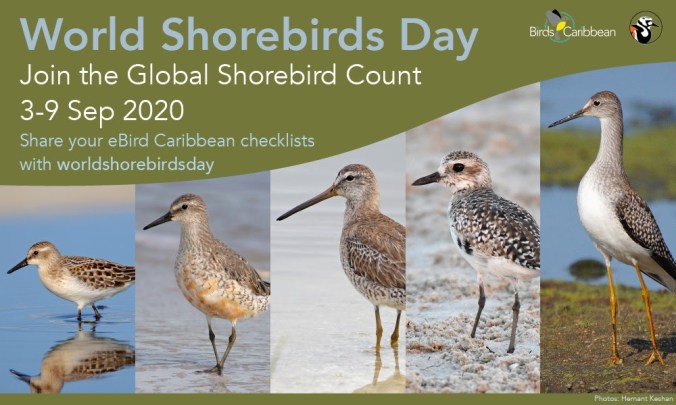
September is right around the corner and migratory birds are making their way south. World Shorebirds Day 2020 is Sunday, September 6th and we need your help to count Caribbean shorebirds at your favorite birding spot (or spots)!
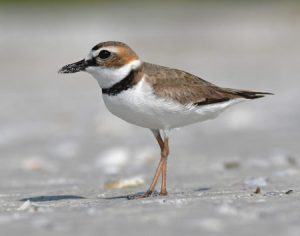
Wilson’s Plovers are one of the many shorebird species found in the Caribbean. (Photo by Hemant Keshan)
Where are these fascinating birds to be found? While you will find them on shores and beaches, some shorebirds use habitats further inland, including freshwater and brackish marshes and ponds. Shorebirds are also fond of salt ponds, mud flats, mangrove areas, and tidal flats.This year’s Global Shorebird Count will take place from September 3 to 9, 2020. All across the Caribbean, birders will be compiling checklists from island to island and recording them on eBird Caribbean. Our migratory shorebirds are more vulnerable than ever, threatened by human activities that have changed or destroyed their habitat. Most species of shorebirds are in decline around the world.
eBird Caribbean is a critical tool for tracking and understanding bird migration and population changes – never more so than for our shorebirds. If you do not have an account, it is easy to register – here’s a quick guide to enter eBird data online. There is even a free eBird Essentials course to get you fully oriented. Download the free mobile app for recording your data in the field.
Note that shorebirds are a type of waterbird and any counts you do at wetlands, mangroves, mud flats, coastal areas or beaches count as Caribbean Waterbird Census counts. To increase the value of your count to science, be sure to count ALL birds at your site, including seabirds, herons and egrets, land birds, etc.
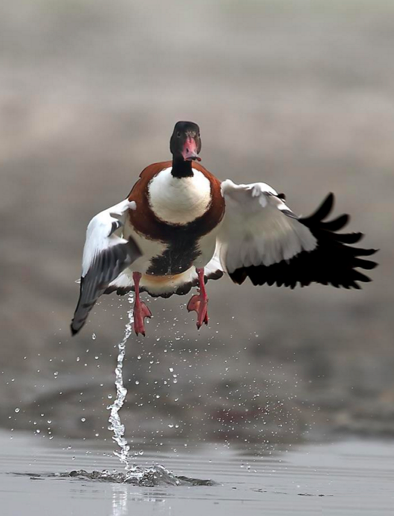
Gazaldoba Barrage, West Bengal
The word garden currently catches my eye more effectively than any other word. Jamaica Kincaid gives good reason for it:
The Disturbances of the Garden
In the garden, one performs the act of possessing.
By Jamaica Kincaid
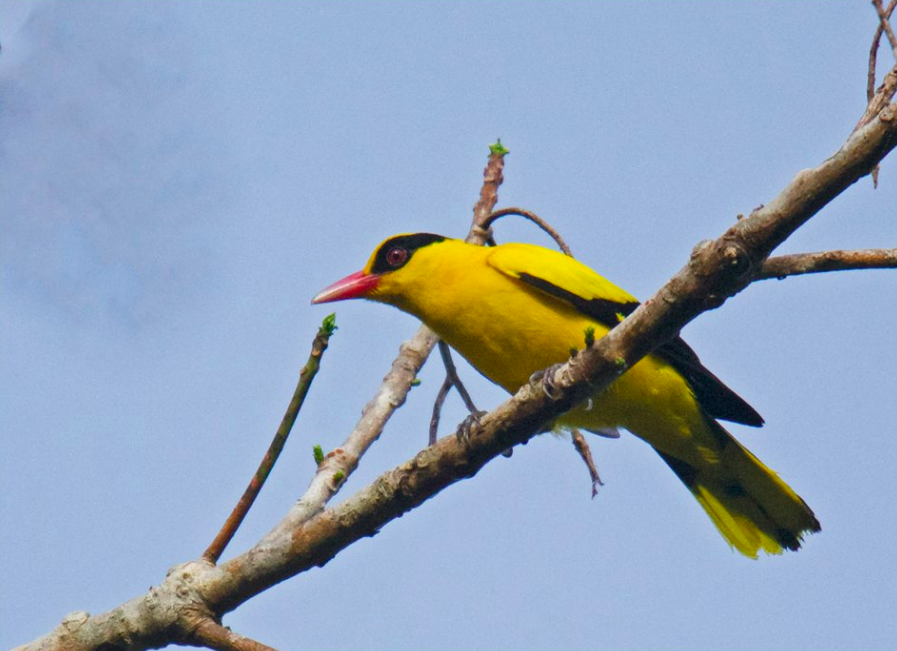
Andaman Islands
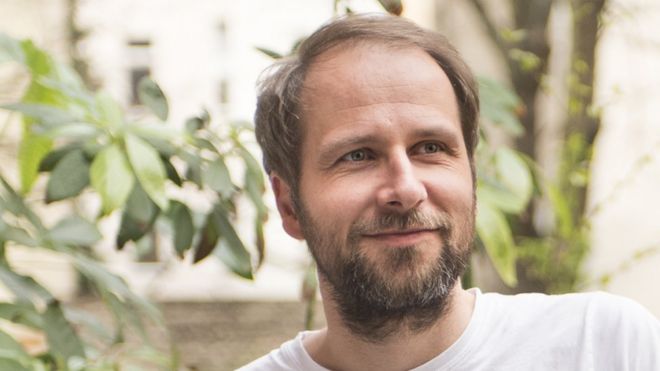
Christian Kroll was inspired to change the direction of his life after travelling through India
I remember testing Ecosia in 2013, when we were based in India. For some reason I no longer recall it did not remain my default search engine then. But after reading again about it now–and more about its founder’s ideas and expectations, and most importantly his actions–I was intrigued enough to do another test. Not exhaustive, but I compared the search results on Ecosia versus Google for a bunch of words and phrases that are of interest to me. Since Ecosia is connected to Bing I did not need to compare those results. Result? I have just made Ecosia my default search engine, for the reasons Mr. Kroll expected I would. And if for any reason I decide to switch back, this time I will report why here. But I do not expect to. This is an attempt to be consistent with my own expectations. Thanks to Suzanne Bearne for bringing this/him back to my attention:
The search engine boss who wants to help us all plant trees
It supports 20 tree-planting projects in 15 different countries. Photo: JOSHI GOTTLIEN.
The BBC’s weekly The Boss series profiles different business leaders from around the world. This week we speak to Christian Kroll, the founder and chief executive of internet search engine Ecosia.
Christian Kroll wants nothing less than to change the world.
“I want to make the world a greener, better place,” he says.
“I also want to prove that there is a more ethical alternative to the kind of greedy capitalism that is coming close to destroying the planet.” Continue reading
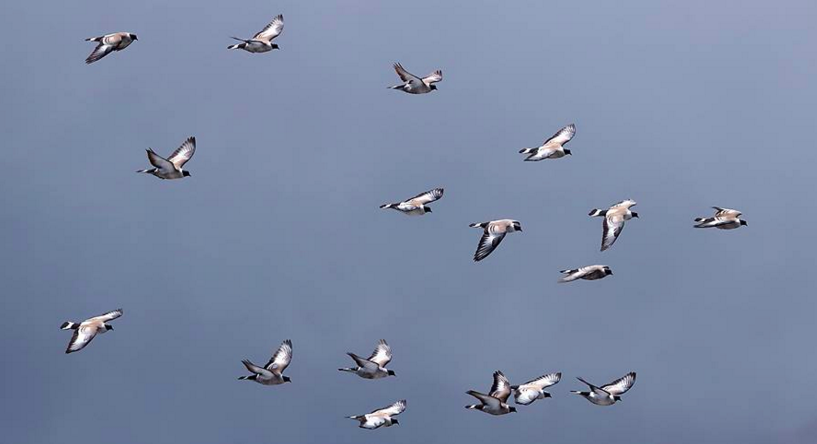
Zuluk, Sikkim Silk Route
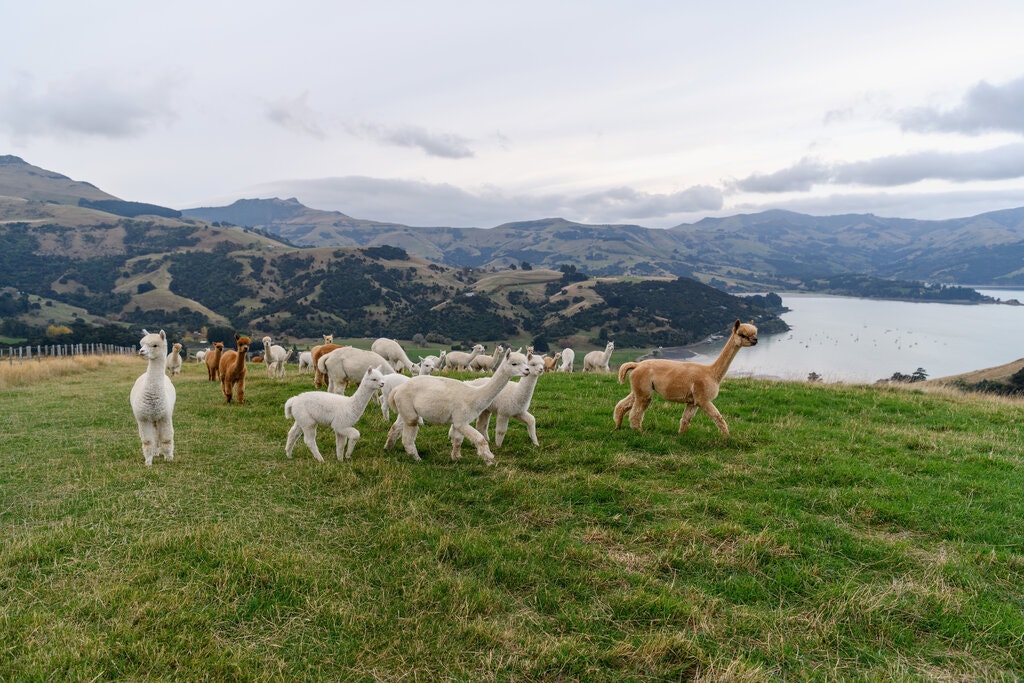
Kai Schwoerer/Getty Images
Words matter. And from the outset of this platform we have let sustainable reign when talking travel, or tourism, or hospitality. I am happy to have Elaine Glusac’s primer on new vocabulary to consider when discussing all our favorite, familiar topics. After 25 years with a word, a concept, that has worked wonders, this new message sounds about right to me. Regenerative, the word, the concept, does not make me think any less of the arc of sustainability’s useful life, which I think has a long stretch to go. But regenerative has a spring in its step:
Move Over, Sustainable Travel. Regenerative Travel Has Arrived.
Can a post-vaccine return to travel be smarter and greener than it was before March 2020? Some in the tourism industry are betting on it.
Kevin Steele/Playa Viva
Tourism, which grew faster than the global gross domestic product for the past nine years, has been decimated by the pandemic. Once accounting for 10 percent of employment worldwide, the sector is poised to shed 121 million jobs, with losses projected at a minimum of $3.4 trillion, according to the World Travel & Tourism Council.
But in the lull, some in the tourism industry are planning for a post-vaccine return to travel that’s better than it was before March 2020 — greener, smarter and less crowded. If sustainable tourism, which aims to counterbalance the social and environmental impacts associated with travel, was the aspirational outer limit of ecotourism before the pandemic, the new frontier is “regenerative travel,” or leaving a place better than you found it. Continue reading
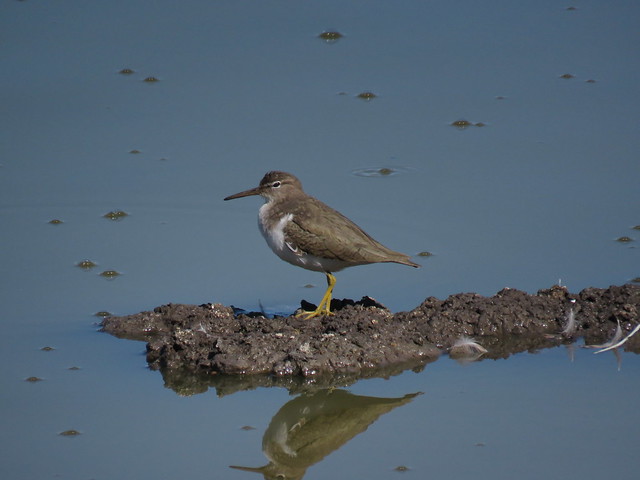
La Paz, Baja California Sur, Mexico
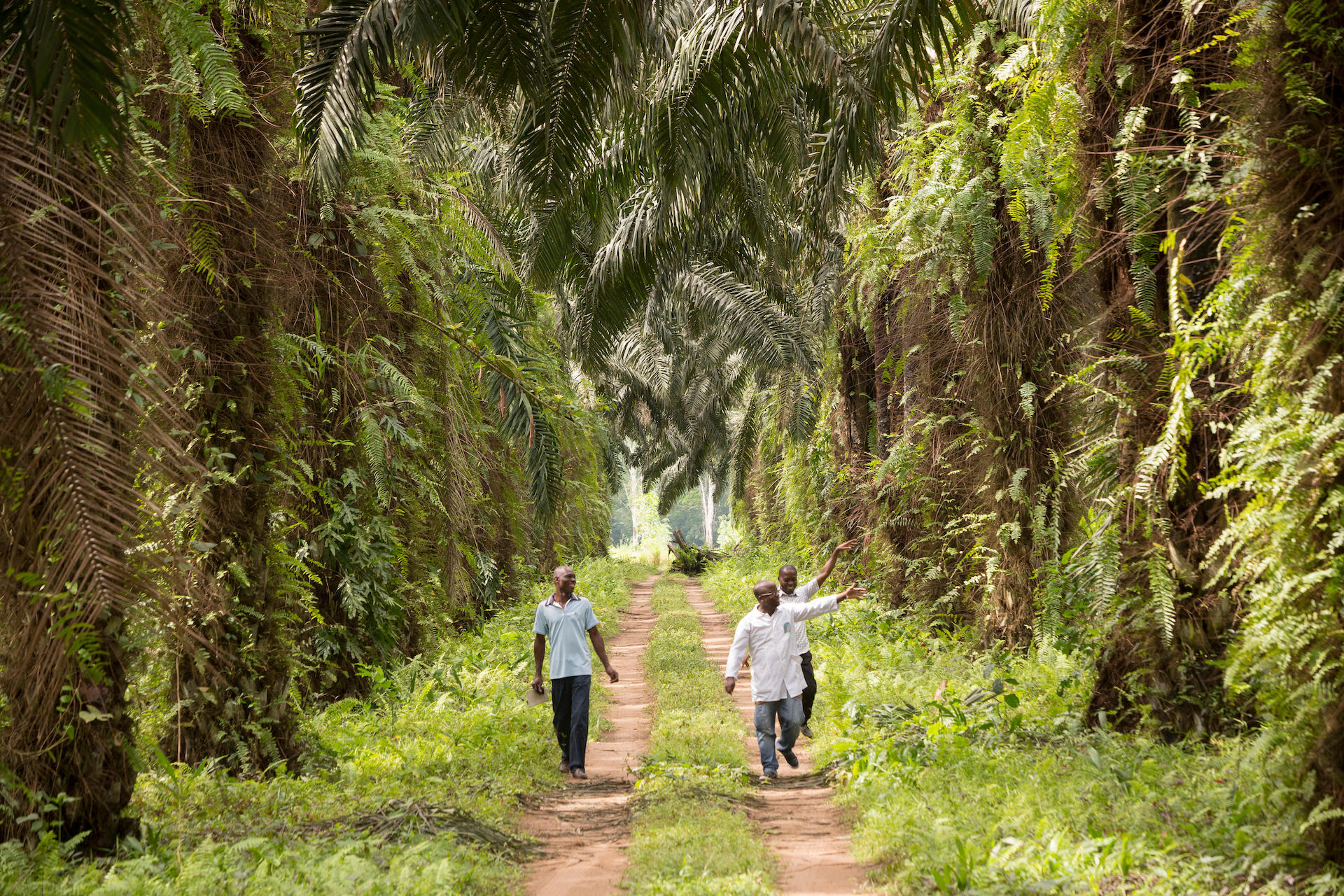
I saw this photo while skimming the headlines in the Environmental News section of the Guardian’s website. I have been skimming that section most mornings since July, 2011. Out of 3,000+ times skimming and always finding at least one news story to click through to read, today was the first time I ever clicked on an image that I could see was part of a paid advertisement. I landed on a screen filled with this:
Our Palm Positive Plan
Mars is on a journey to transform how we source palm oil.
Our ‘Palm Positive Plan’ aims to deliver 100% deforestation-free palm oil by the end of 2020 and advance respect for human rights across our suppliers’ extended supply chains.
There was a bit more text after that, followed by more images with boldface messages:
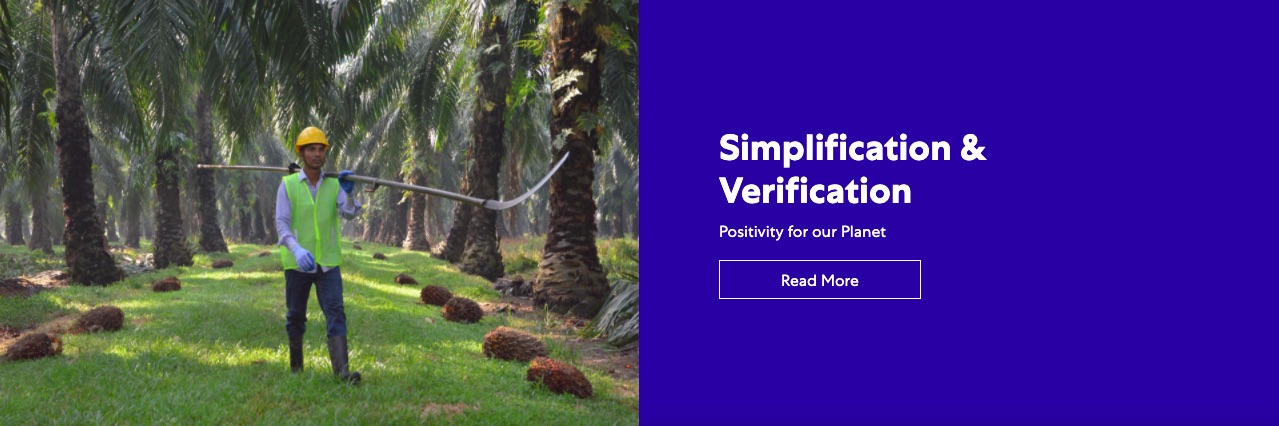
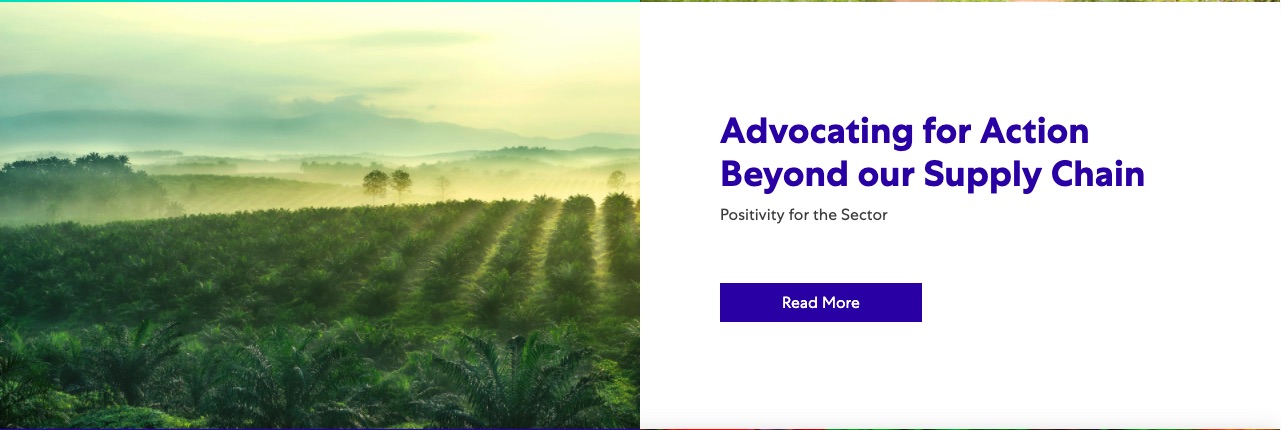
I have replicated as best I can what I saw, including the links to the messages embedded behind each of the images. The images of palm plantations are so pretty. The messages are so positive.
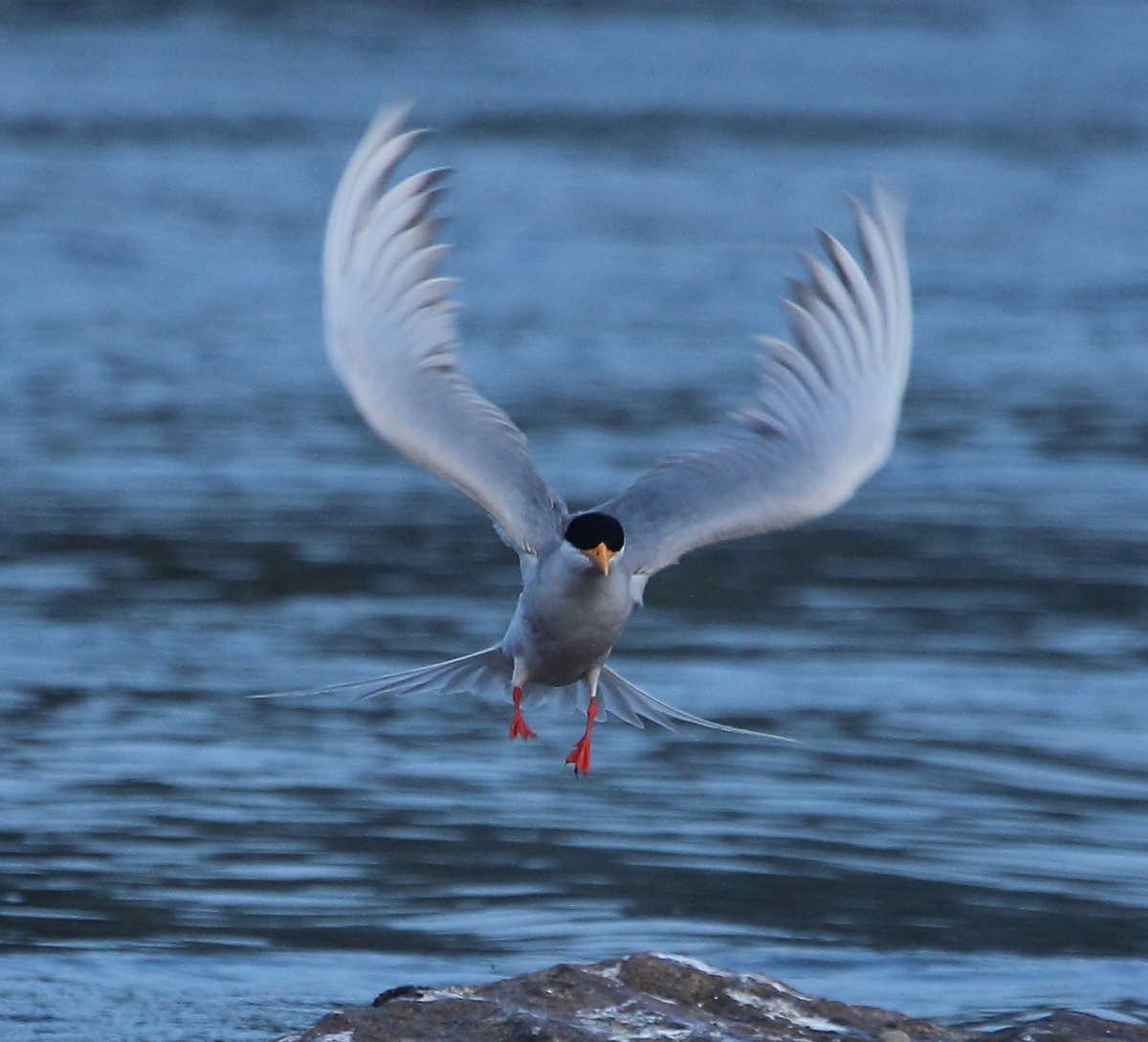
When it comes to updating my knowledge about coffee I am omnivorous, and so Michael Pollan’s work is always welcome. He recently shared more about this work, and thankfully the Radcliffe Institute shared the zoom talk. If you are inclined to geek out on coffee, take an hour for that; or at least it is worthy of a few minutes if you only have time to read the summary:
How caffeine changed the world
Author Michael Pollan discusses his latest work on the world’s most-used psychoactive substance
Images of coffee, caffeine Rose Lincoln/Harvard Staff Photographer
It is the world’s most-used drug, one many of us simply refuse to live without, opting for addiction over the loss of that first, or second, or in some cases third cup that gets us through the day.
And now its seductive powers, its dark history, its health benefits, and its harmful side effects are on full display in best-selling author Michael Pollan’s new audiobook “Caffeine: How Coffee and Tea Created the Modern World.”
The Lewis K. Chan Arts Lecturer and Professor of the Practice of Non-Fiction has made a career of writing about how the things we consume affect our lives, our health, and our planet (“The Omnivore’s Dilemma,” “How to Change your Mind: What the New Science of Psychedelics Teaches Us About Consciousness, Dying, Addiction, Depression, and Transcendence”). He discussed his latest effort with Radcliffe Institute for Advanced Study Dean Tomiko Brown-Nagin during a Tuesday Zoom talk. Continue reading
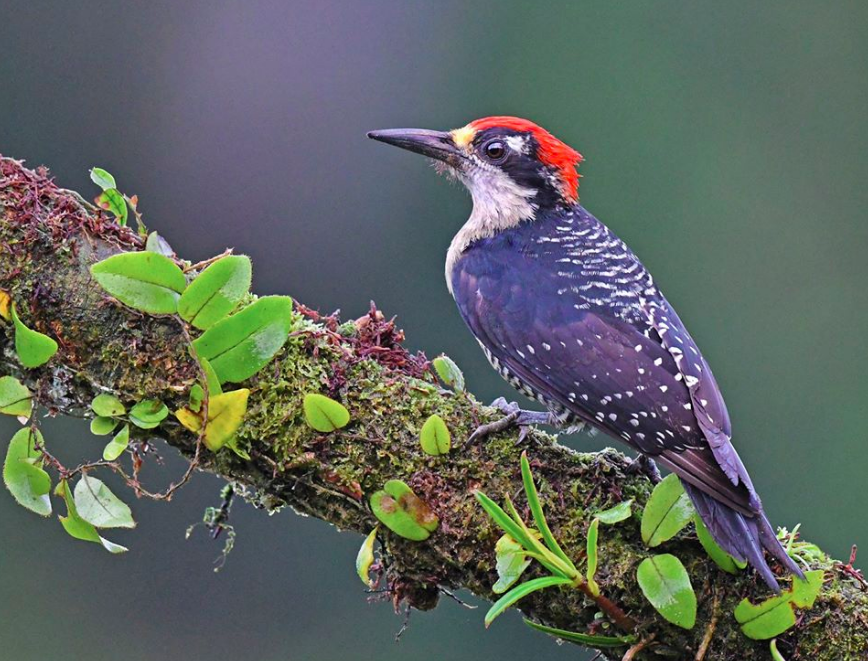
Boca Tapada de San Carlos, Costa Rica

Following yesterday’s theme, but switching to another example, today I will say a few words more about the pitch. The last time I spent time thinking about bananas as much as I am now, it was in the context of creating an edible landscape. Amie and other team members wrote plenty on this topic when we were based in Kerala.
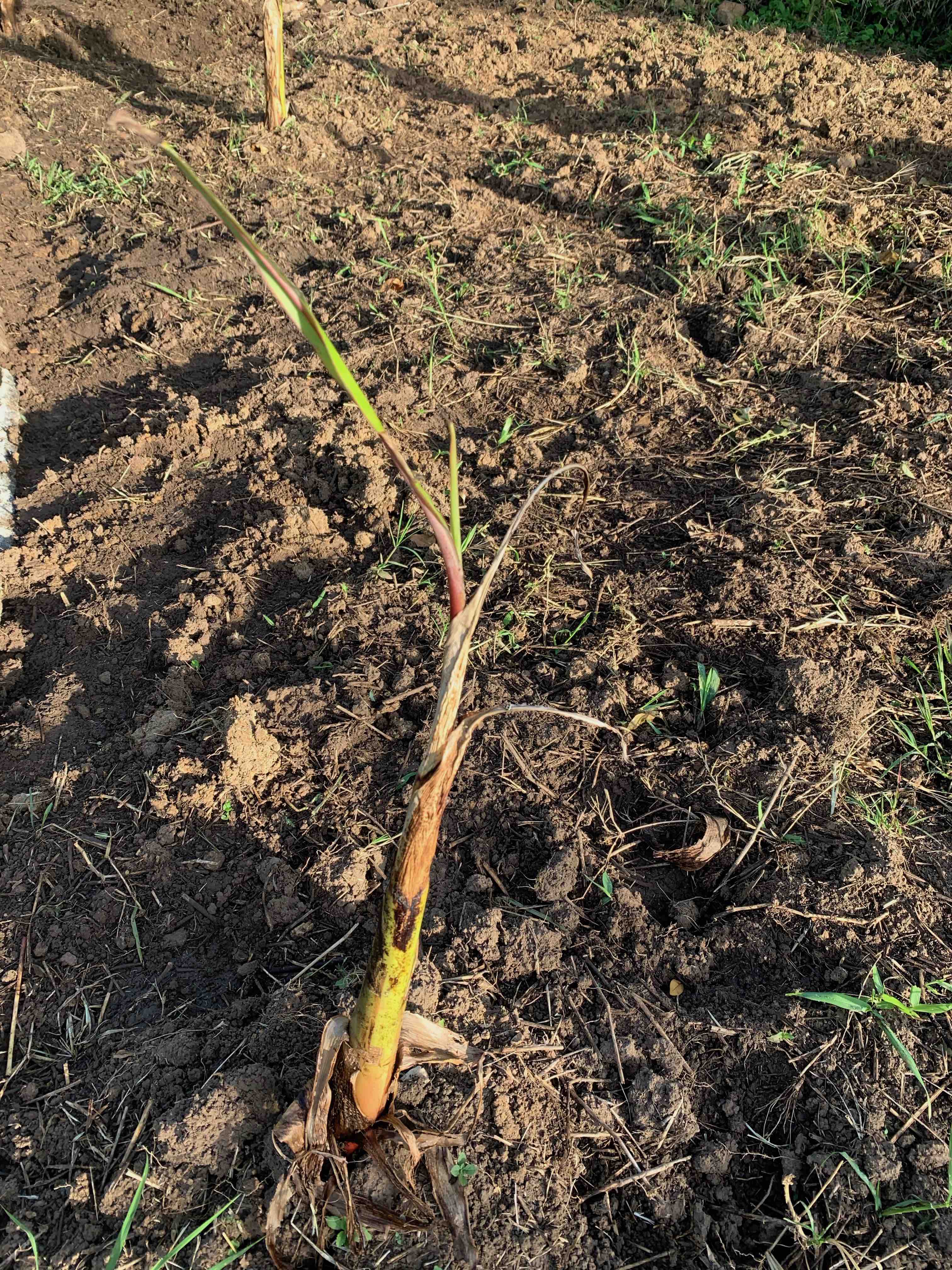
Now that I am prepping for regeneration I am watching these banana and plantain plantings grow day to day, week to week as I remove the grasses surrounding them. Continue reading


 Organikos