Yaoundé, Cameroon
Yaoundé, Cameroon
The topic of octopus spiked last year for various reasons, but we have been interested in these creatures for much longer. Thanks to Benjamin Thompson and Shamini Bundell for this podcast on Nature’s website:
Do octopuses dream? Neural activity resembles human sleep stages
Brain probes reveal complexities of octopus sleep, and a hormone that could help make calorie-restricted diets more effective.
00:46 Inside the brains of sleeping octopuses
Researchers have probed the brains of octopuses and confirmed previous reports suggesting that these invertebrates have a two-stage sleep cycle similar to that seen in many vertebrates. The team suggests this system may have evolved independently in the two groups, as there are millions of years of evolutionary history between them. However, despite its presumed importance, it is a mystery why this system exists at all.
Research article: Pophale et al.
Nature Video: Do octopuses dream? Brain recordings provide the first clues
North Llano River, Tx
A moment of truth as absurd comedy:
Our cartoonist on capturing the environmental crisis
How to illustrate mankind’s environmental folly
Under the pen name KAL, Kevin Kallaugher has been drawing for The Economist for 45 years. Here, our cameras capture how his cartoons have become ever more strident in trying to illustrate the global environmental crisis that humanity faces…
Koonthankulam, Tamil Nadu
An Indonesian customs official intercepts a container full of illegally imported plastic waste in September 2019. ACHMAD IBRAHIM / AP PHOTO
When conscientious citizens learn more about where all the plastic goes when they do their part to recycle, it can be demoralizing. Recycling is important but the real solution is reducing the waste in the first place:
Indonesia Cracks Down on the Scourge of Imported Plastic Waste
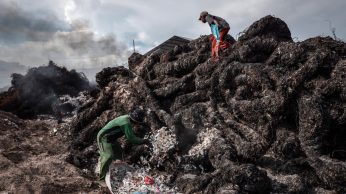
Workers prepare to burn plastic waste at an import dump in Mojokerto, Indonesia. ULET IFANSASTI / GETTY IMAGES
When China banned plastic waste imports in 2018, exporters in wealthy countries targeted other developing nations. Faced with an unending stream of unrecyclable waste, Indonesia has tightened its regulations and has begun to make progress in stemming the plastics flow.
In 2019, at a meeting in Geneva, Switzerland, delegates from 187 countries approved the first-ever global rules on cross-border shipments of plastic waste. Continue reading
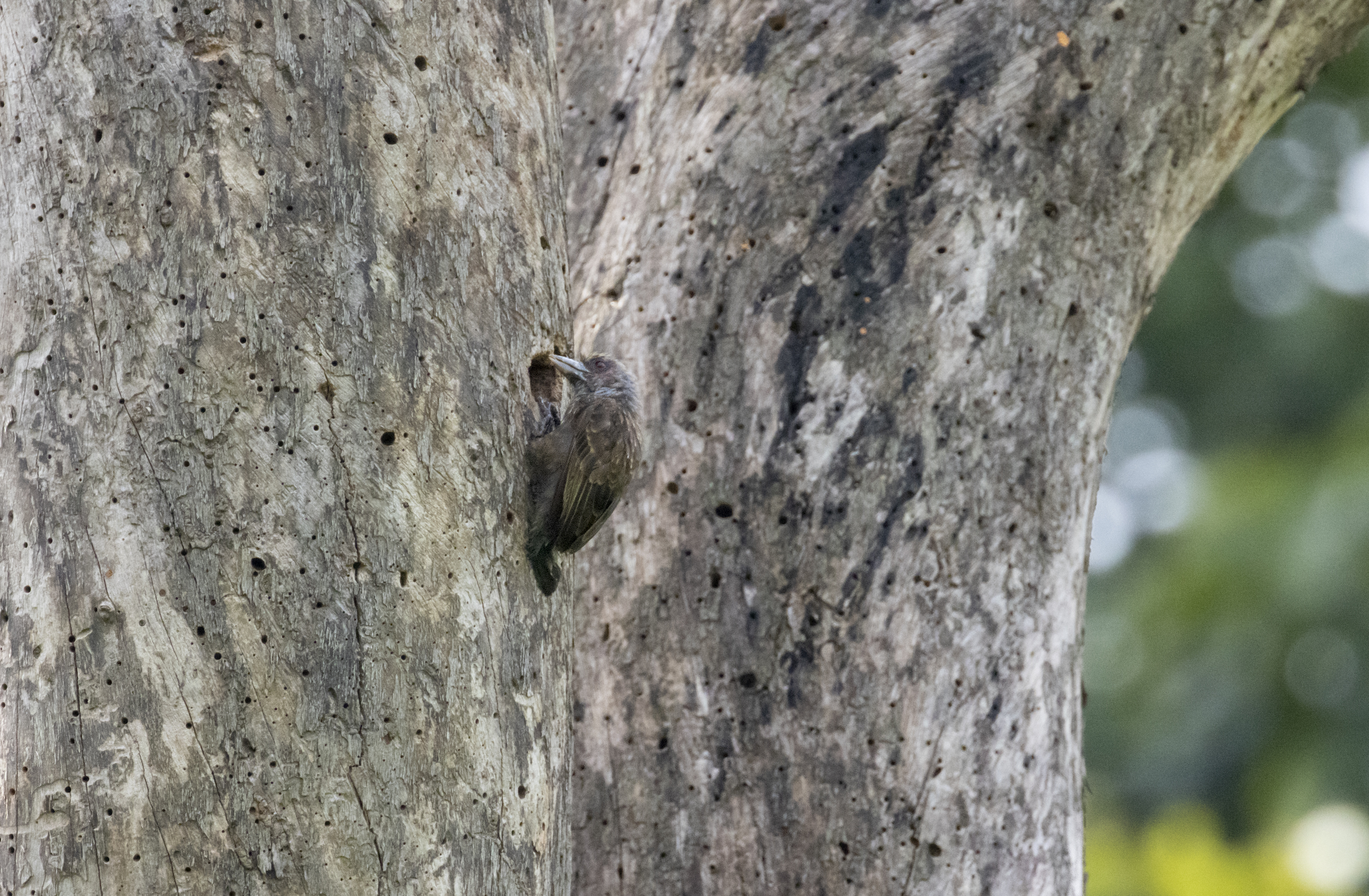
Yaoundé, Cameroon

Wild camping campaigners on Dartmoor earlier this year. Photograph: Jim Wild
We thank Helena Horton for her update on this story we linked to just a few days ago:
Wild camping allowed on Dartmoor again after court appeal succeeds
Dartmoor National Park Authority had appealed against January high court ruling that outlawed practice
Wild camping is once again allowed on Dartmoor after the national park won a successful appeal against a ruling in a case brought by a wealthy landowner. Continue reading
Frauenkirchen, Austria
 The reviews are in, and below is an excerpt. The book does not appear to be available through online booksellers in the USA, but I will be watching for it. The excerpt echoes my experience growing up in an equivalent place. A key difference between my youth and hers: my family’s income was modest but, due to my immigrant mother and father’s New England heritage I inherited a clear sense of mobility. I never had the oppressive sense of class boundaries that can dictate exclusion.
Instead I had the sense, and still do, that I could have chosen to earn the requisite fortune that would have afforded me the luxury of owning my own home in that town. But I chose otherwise, and for plenty of reasons I have no regrets whatsoever.

The view from the author’s bedroom window at Graythwaite. Rebecca Smith
Jane Austen’s English Countryside Is Not Mine
Often people assume I am someone I am not. My childhood was spent making dens in the hidden corners of the landscaped gardens of a grand country estate in the Lake District. I wandered woods full of baby pheasants being fattened up for the shoot. I roamed the hills listening to my Walkman like a modern Brontë sister. I had lakes to paddle in and a dinghy that we bumped down the path to a private beach.
The author playing in the garden at Graythwaite. Rebecca Smith
But they weren’t my gardens. It wasn’t my beach.
Until the age of 18, I lived on three private country estates in England. First in Yorkshire, then in Bedford, then on Graythwaite Estate, in Cumbria in the Lake District. In each of these my dad had the job of forester, working his way up until he was head forester, overseeing 500 hectares of woodland at Graythwaite, where the job came with a three-bedroom lodge on the estate. Continue reading
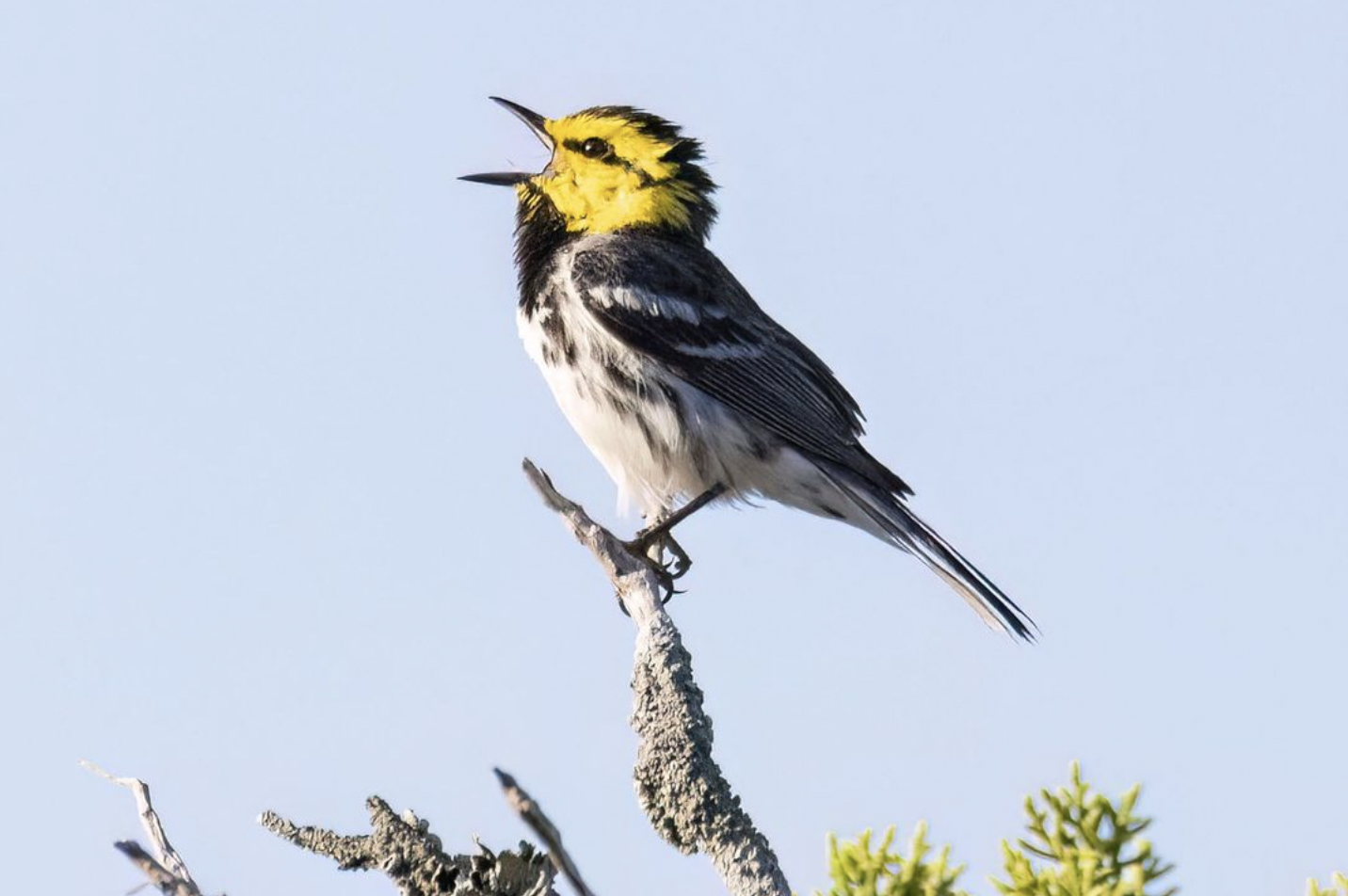
Gillespie County, TX

Your first taste of a ripe pawpaw, left, or American persimmon, right, may convince you to plant the trees, which can serve as the centerpiece of a permaculture food forest. J.B. Douglas
It is a relief, always, to read a Margaret Roach article when given the choice between her advice and any given news of the world:
Or just start by planting a few pawpaw or persimmon trees. Chances are, you’ll want more.
At a permaculture site planted by Michael Judd, an edible landscape designer, each fruit tree is underplanted with beneficial companion plants, so “you’re not leaving your poor little fruit tree in a sea of grass,” he said. Michael Judd
Your first taste of a ripe pawpaw or persimmon can leave you hungry for more. That’s why Michael Judd is confident that he can persuade you to make room for several of these trees in your front yard — or even to surrender your lawn altogether.
Turning your yard into a meadow or blanketing it in an expanse of alternative ground covers aren’t the only ecologically viable options for replacing conventional grass. Continue reading
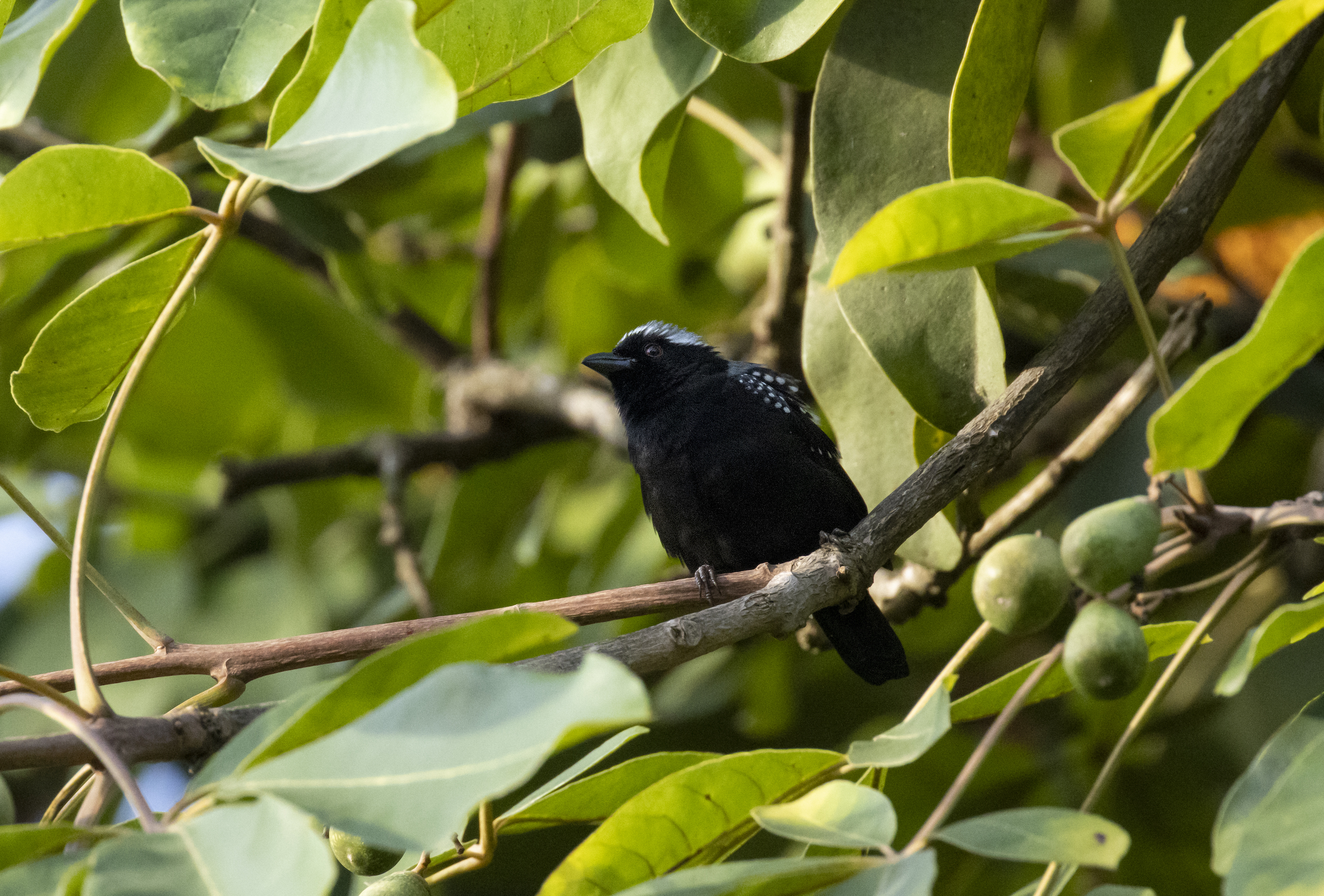
Yaoundé, Cameroon
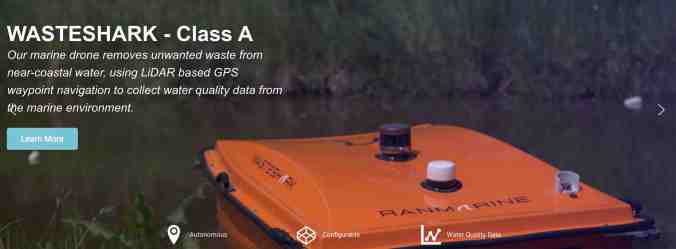
Our thanks to Robert Sullivan for this attention-getting article on a new device:
A Trash-Eating Sea Monster Appears in the Hudson!
A team of scientists and environmentalists tests out the WasteShark, an unmanned watercraft that vacuums up soda cans and potato-chip bags.
WasteShark is not a shark. It is an unmanned watercraft that its creators named for a shark, owing to similarities between how WasteShark collects its prey and the feeding habits of the Rhincodon typus, or whale shark. Continue reading
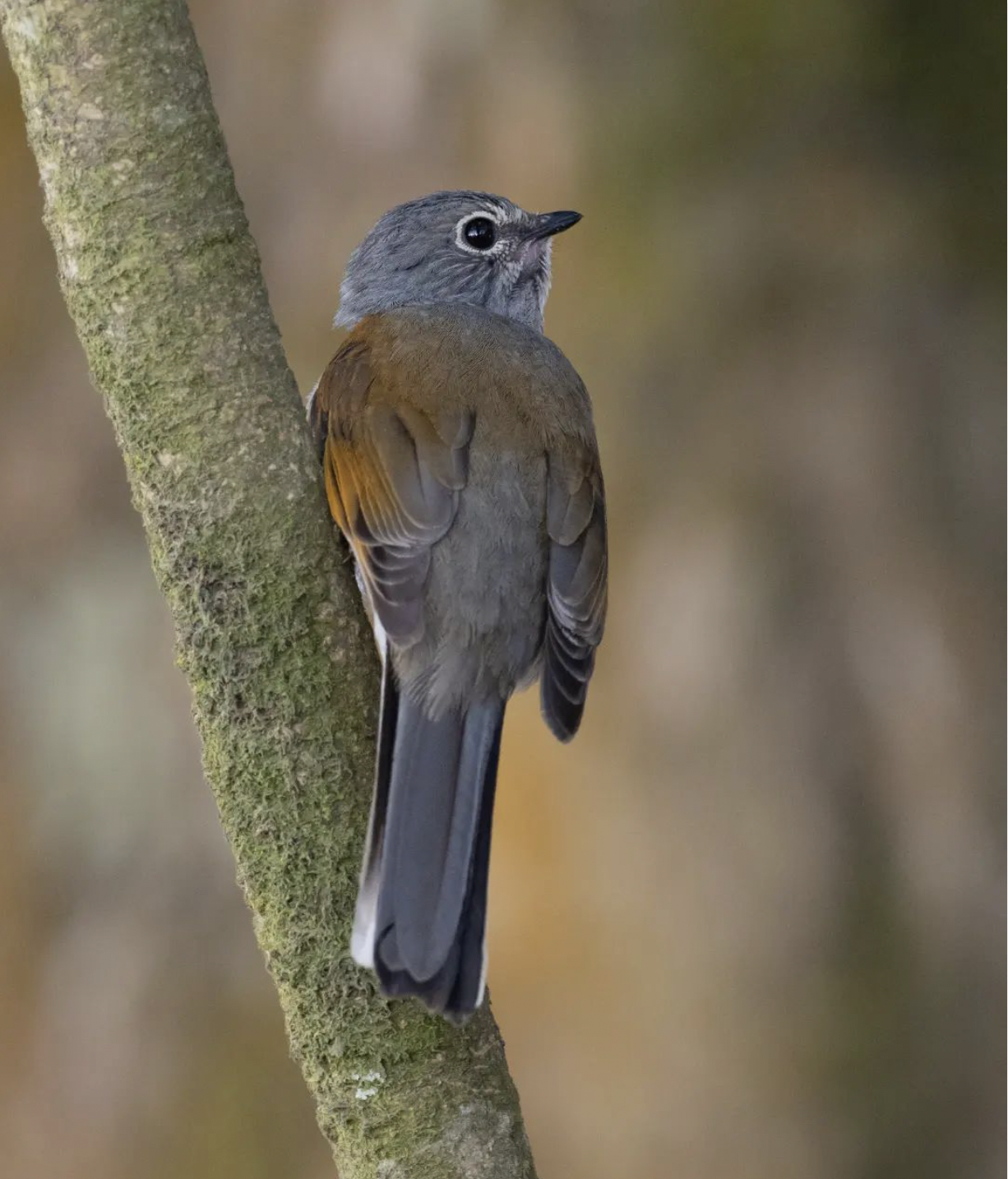
El Zur, Gutemala
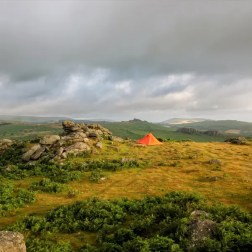
A wealthy couple bought an estate inside Dartmoor National Park and then successfully sued to bar campers from using their land. That ruling is now being appealed. Muir Vidler for The New York Times
Property rights, a foundational aspect of modern society, occasionally bump up against other rights. The journalist Brooke Jarvis has a new article that touches on this theme, we are happy to see:
The Fight for the Right to Trespass
A group of English activists want to legally enshrine the “right to roam” — and spread the idea that nature is a common good.
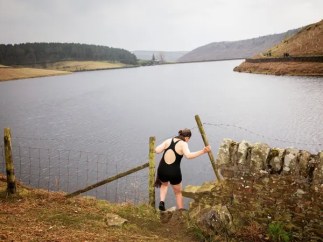
The signs on the gate at the entrance to the path and along the edge of the reservoir were clear. “No swimming,” they warned, white letters on a red background.
A protester at Kinder Reservoir. Muir Vidler for The New York Times
On a chill mid-April day in northwest England, with low, gray clouds and rain in the forecast, the signs hardly seemed necessary. But then people began arriving, by the dozens and then the hundreds. Some walked only from nearby Hayfield, while others came by train or bus or foot from many hours away. In a long, trailing line, they tramped up the hill beside the dam and around the shore of the reservoir, slipping in mud and jumping over puddles. Above them rose a long, curving hill of open moorland, its heather still winter brown. When they came to a gap between a stone wall and a metal fence, they squeezed through it, one by one, slipping under strings of barbed wire toward the water below. Continue reading

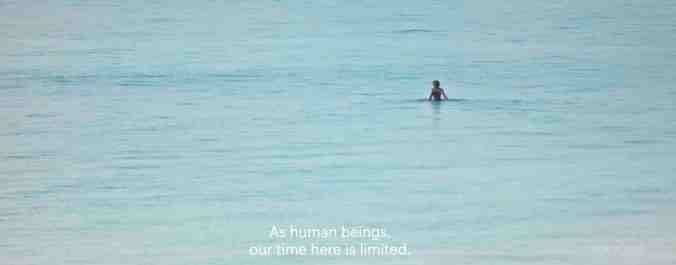
The film follows the perilous journey that sea turtles make to lay their eggs on their ancestral land on a beach in Kenya.
Above is a screenshot from the film by Juma Adero, with text by Natalie Meade, that will likely interest anyone who has been exposed to turtle conservation initiatives:
On a Tropical Beach, Conservationists and Poachers Collide
Juma Adero’s short documentary “If Turtles Could Talk” chronicles the effort to save endangered sea turtles near Mombasa, Kenya.
The shoreline where a green sea turtle hatches from her egg is often the same place she’ll return to nest for the first time. One such inlet is Jumba beach, which abuts the site of an old Swahili village near the bustling city of Mombasa, in southern Kenya. Continue reading

juvenile – Leander Khil Photography
Parque Natural El Hondo, Spain
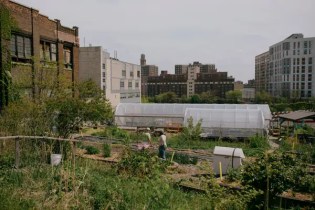
Sheryll Durrant has managed the New Roots Garden, which sits between the Grand Concourse and the Metro North railroad tracks in the Bronx, with volunteers for eight years.
We have linked out to stories about urban farming plenty of times; it never gets old:
Vital Places of Refuge in the Bronx, Community Gardens Gain Recognition
Lawmakers in Albany voted to designate community gardens statewide as crucial to the urban environment, especially in the fight against climate change. The bill awaits the governor’s signature but the role of these gardens stretches back decades.
The Morning Glory garden in the West Farms section of the Bronx is among more than 500 community gardens in New York City.
Sheryll Durrant left her family farm in Jamaica in 1989 and embarked on a career in corporate marketing. But after the 2008 financial meltdown, she reconsidered her life.
She returned to her roots.
Now she runs a thriving urban farm wedged into a triangular plot in the Bronx, between the Grand Concourse and the Metro North railroad tracks. At her farm, New Roots Garden, membership consists of refugees and migrants, resettled by the International Rescue Committee, whose herbs and vegetables sustain their memories of home.
“Just putting your hands in soil is a form of healing,” Ms. Durrant, 63, said. Continue reading




 Organikos