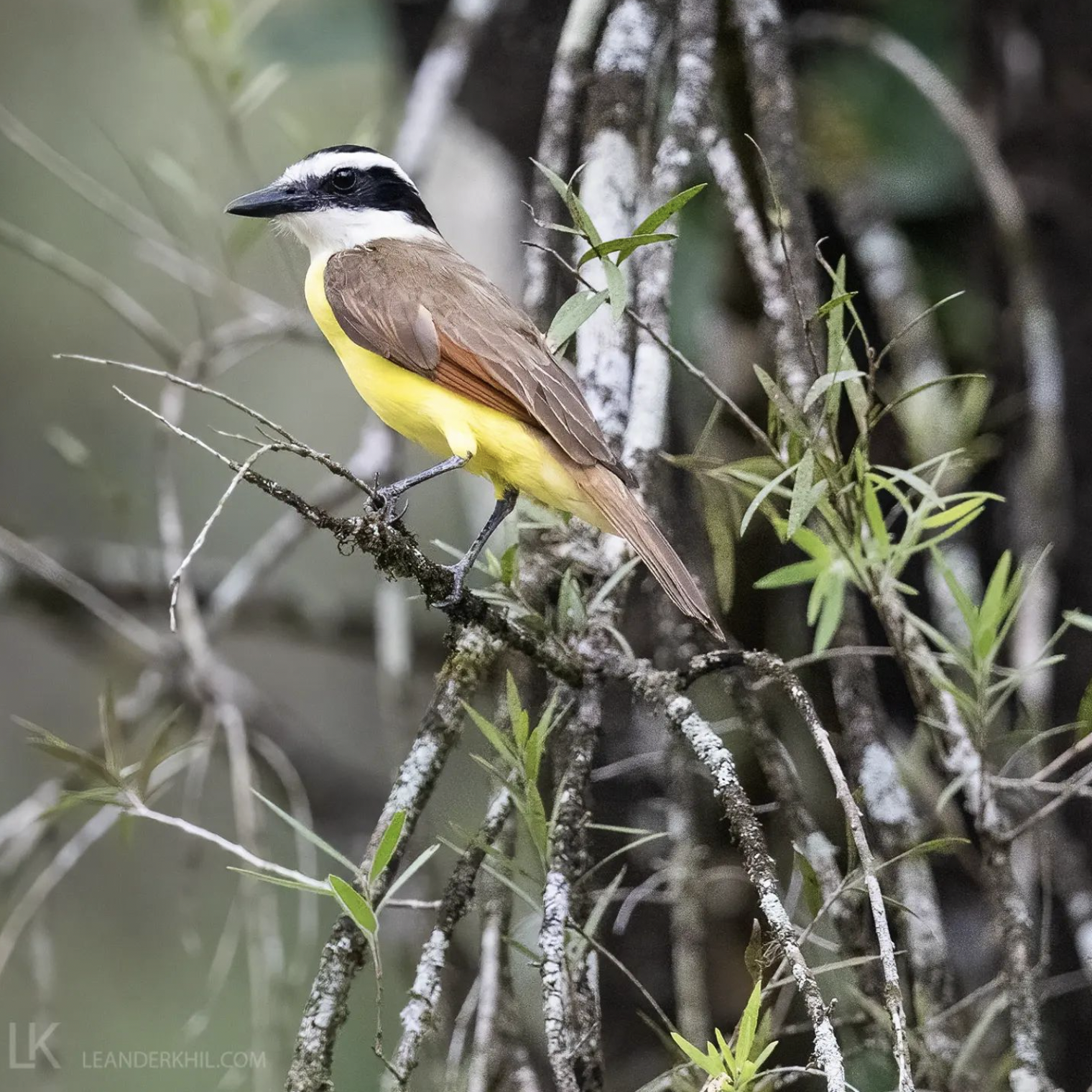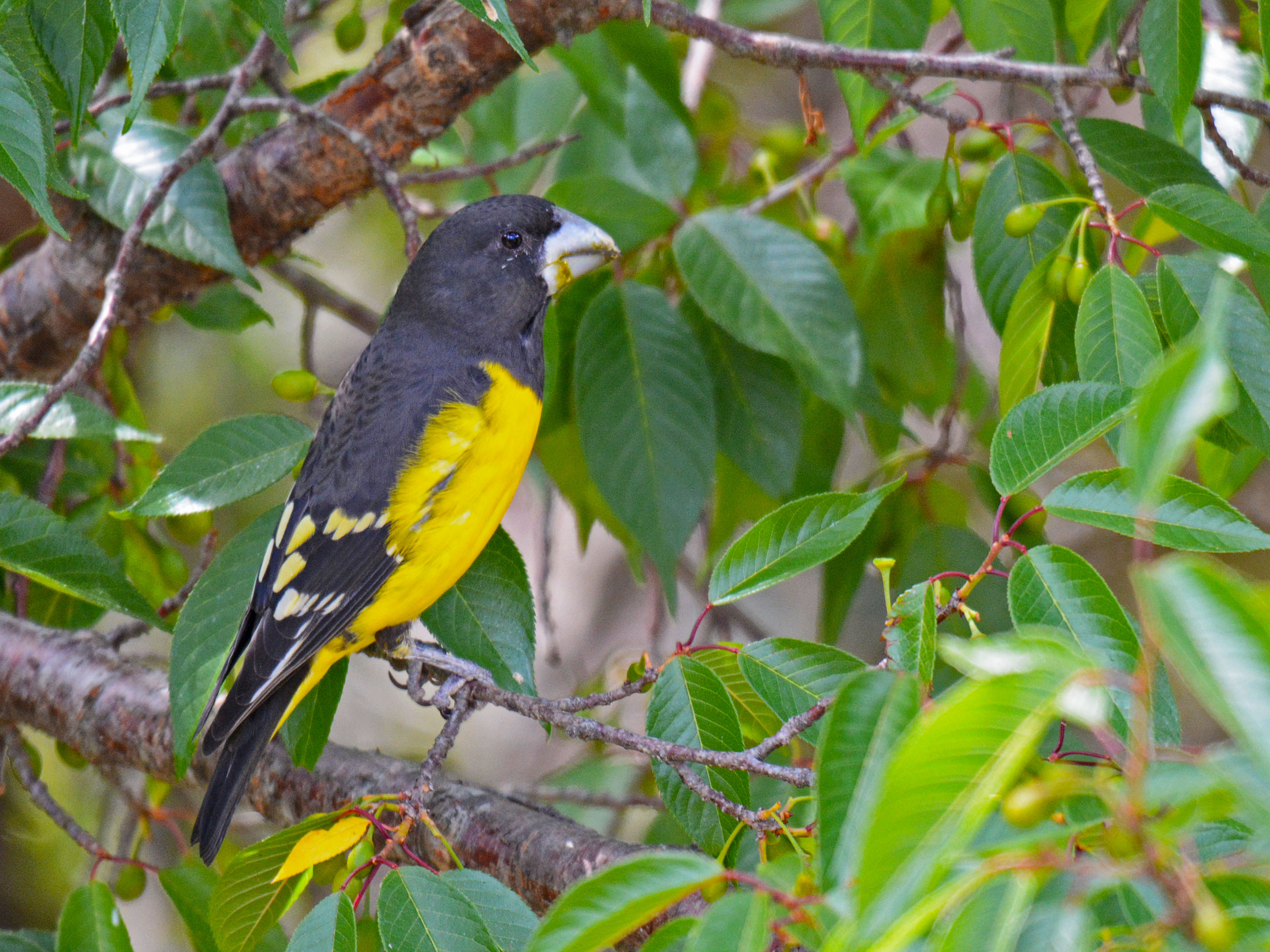
Male
Male

A rooftop wetland on the Salesforce Transit Center in San Francisco filters wastewater from sinks and showers for reuse. JEREMY GRAHAM / ALAMY STOCK PHOTO
Our thanks to Jim Robbins, as ever, for environmental news from the front lines and for demonstrating that for all its urban challenges San Francisco remains a pioneering city:
Beyond the Yuck Factor: Cities Turn to ‘Extreme’ Water Recycling
San Francisco is at the forefront of a movement to recycle wastewater from commercial buildings, homes, and neighborhoods and use it for toilets and landscaping. This decentralized approach, proponents say, will drive down demand in an era of increasing water scarcity.
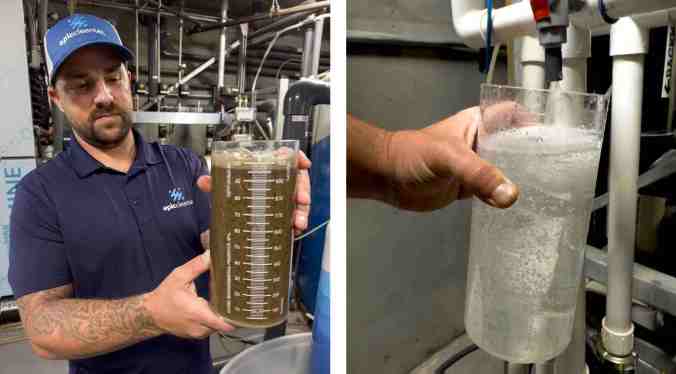
Ryan Pulley of Epic Cleantec holds a beaker of graywater. Right: A beaker of potable treated graywater. TED WOOD
In downtown San Francisco, in a cavernous garage that was once a Honda dealership, a gleaming white-and-blue appliance about the size of a commercial refrigerator is being prepared for transport to a hotel in Los Angeles. Continue reading
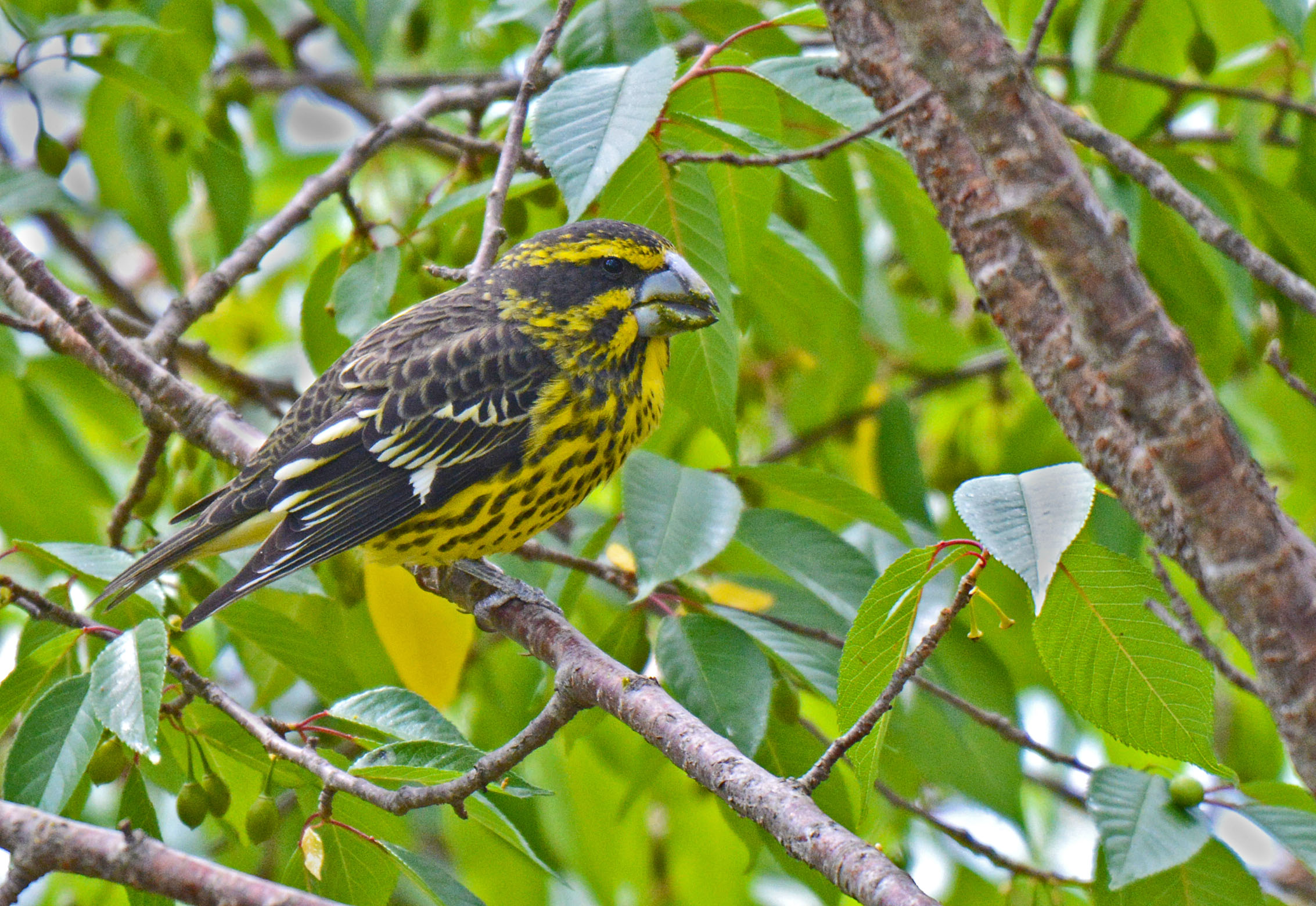
Female
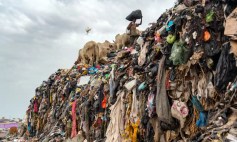
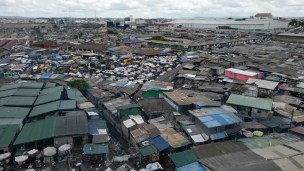
Some of the 6m items of clothing that arrive at Kantamanto Market each week. With the rise of fast fashion in the west, more is discarded as the quality drops. Photograph: Muntaka Chasant/Rex
When the clothes cast off by the wealthy are cast on to those less wealthy, it should be done so according to the golden rule:
Stop dumping your cast-offs on us, Ghanaian clothes traders tell EU
With 100 tonnes of clothing from the west discarded every day in Accra, ‘fast fashion’ brands must be forced to help pay for the choking textile waste they create, environmentalists say
An aerial view of Kantamanto market in Accra, where 100 tonnes of secondhand clothing a day are discarded. Photograph: Misper Apawu/The Guardian
A group of secondhand clothes dealers from Ghana have visited Brussels to lobby for Europe-wide legislation to compel the fashion industry to help address the “environmental catastrophe” of dumping vast amounts of textiles in the west African country. Continue reading
Male
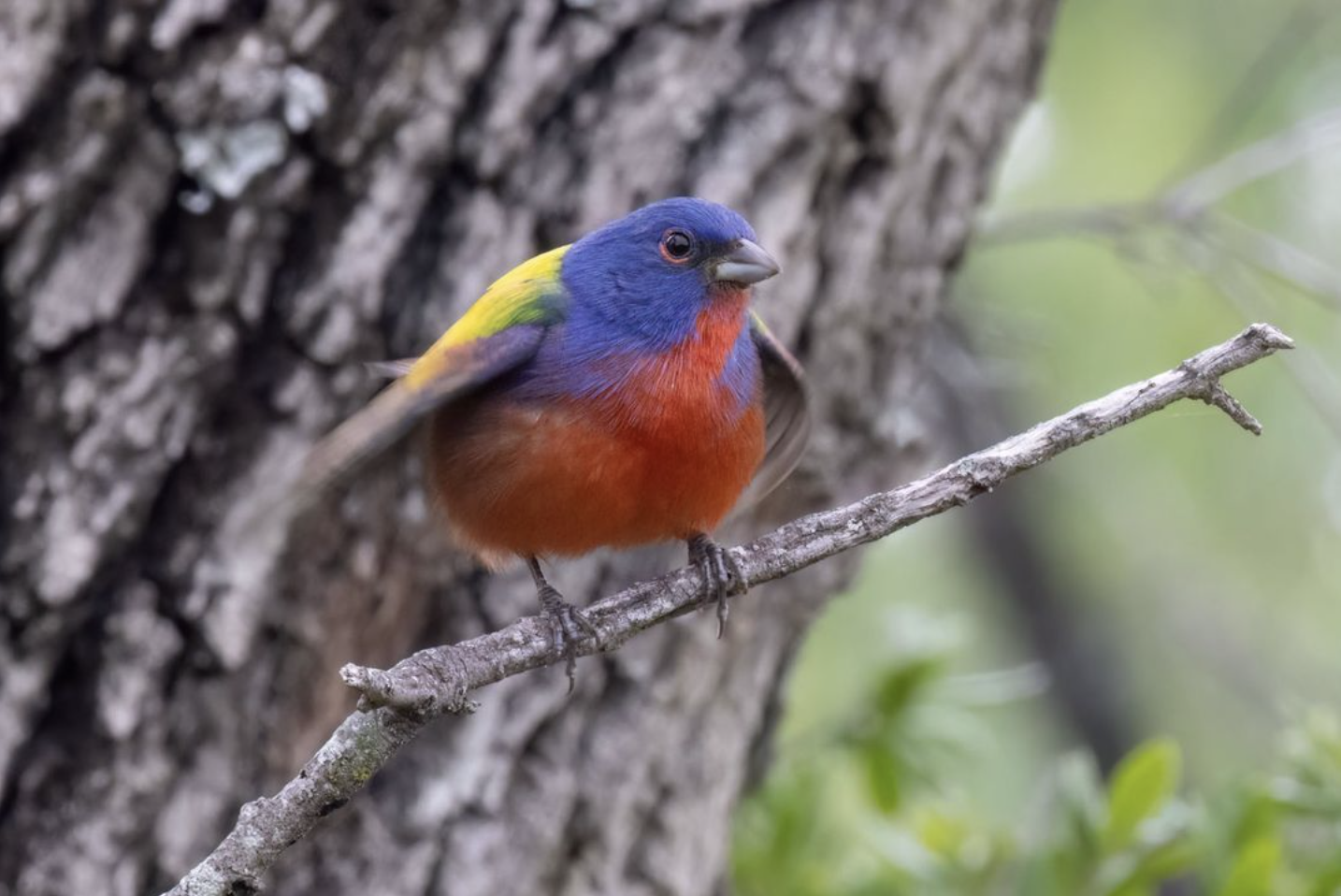
Enchanted Rock State Natural Area, Gillespie County, TX
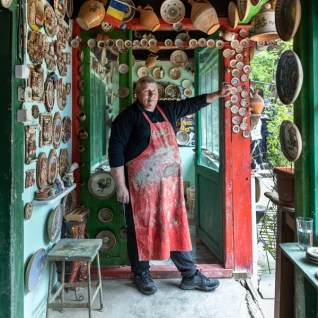
Mr. Biscu makes pieces using clay that comes from earth extracted from a hill in Horezu.
Chantel Tattoli reported this story from Horezu, Romania for the New York Times. Accompanied by photographs and video by Marko Risovic, her story is based on speaking to a dozen local potters using a translator:
Can Old-World Ceramics Survive Modern Tastes?
A style of pottery made for centuries in a small Romanian town has recently become a hot commodity.
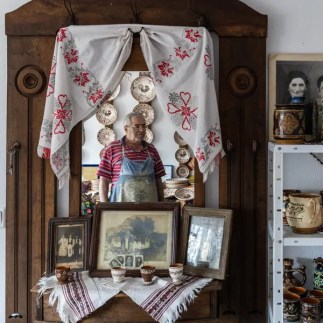
Sorin Giubega at his home, which is filled with ceramics made by him and his ancestors.
Sorin Giubega’s grandfather was a potter. So was his father. And at 8 years old, Mr. Giubega said, he started to play on a pottery wheel, too.
Mr. Giubega, now 63, and his wife, Marieta Giubega, 48, are potters in Horezu, Romania, a town in the foothills of the Capatanii Mountains about three hours by car from Bucharest.
Horezu is home to a community of about 50 artisans who make a traditional style of ceramics with methods that have been practiced for more than 300 years. Continue reading
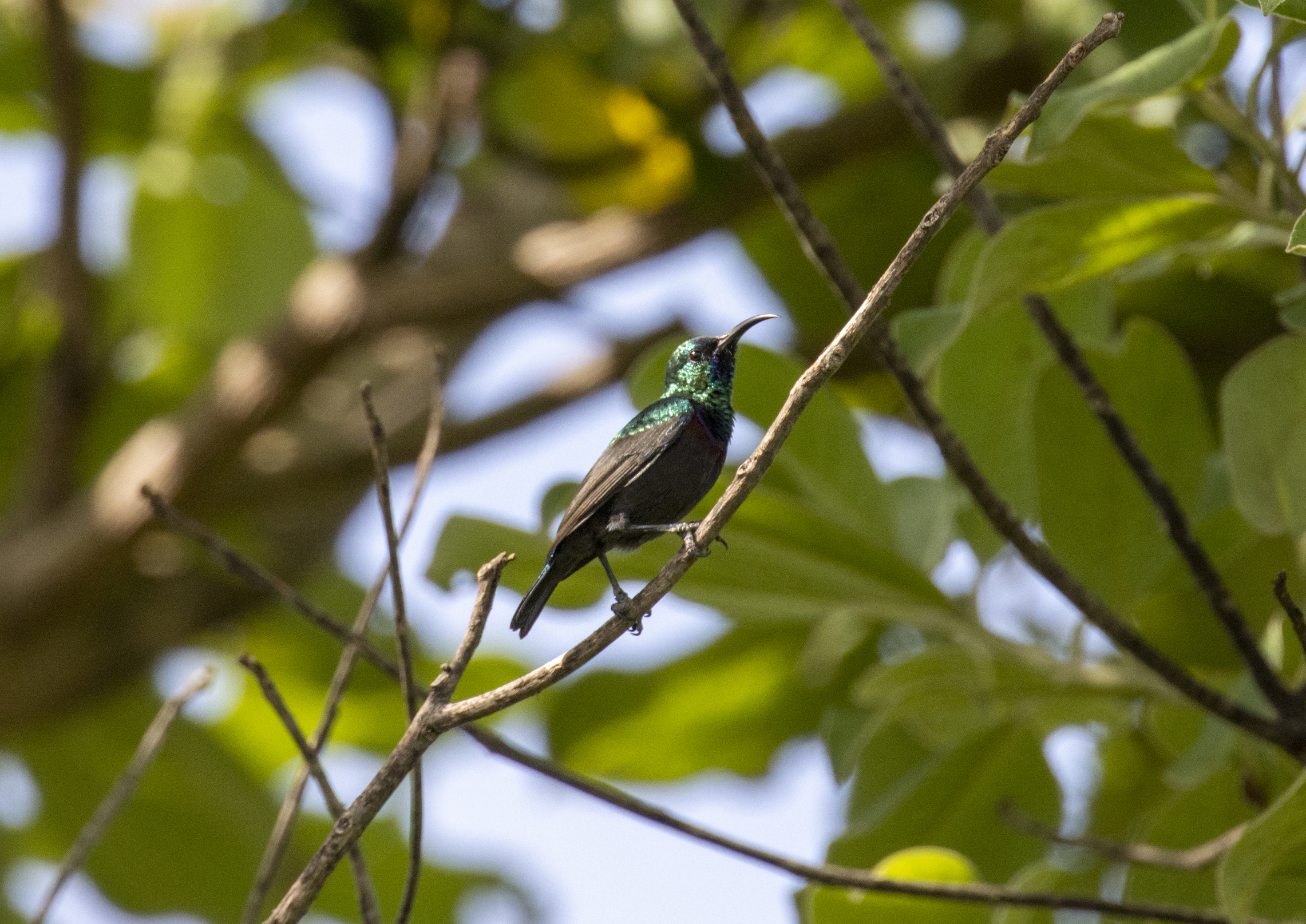
Sanaga River, Cameroon
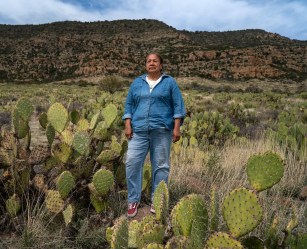
Prickly pear cacti, which produce Twila Cassadore’s favorite fruit. Photograph: Gabriela Campos/The Guardian
Samuel Gilbert was in Bylas, Arizona, on the San Carlos Apache Reservation to report this article, which contains excellent accompanying photographs by Gabriela Campos.
We thank the Guardian for this coverage of indigenous heritage:
‘It healed me’: the Indigenous forager reconnecting Native Americans with their roots
Twila Cassadore hopes teaching Western Apache traditional foodways can aid mental, emotional and spiritual health
Twila Cassadore gathers wild pearl onions on a foraging trip in the San Carlos Apache Reservation in April. Photograph: Gabriela Campos/The Guardian
On a warm day in April, Twila Cassadore piloted her pickup truck toward the mountains on the San Carlos Apache Reservation in Arizona to scout for wild edible plants. A wet winter and spring rains had transformed the desert into a sea of color: green creosote bushes topped with small yellow flowers, white mariposa lilies, purple lupines and poppies in full bloom.
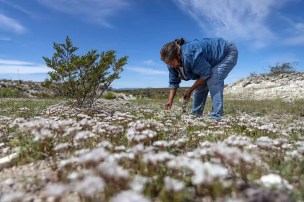
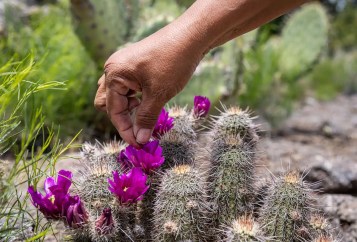
Cassadore picks the petals off a flowering cactus during a foraging trip. She uses the petals in salads. Photograph: Gabriela Campos/The Guardian
Cassadore and I drove up a rough dirt road that used to be an old cattle trail, passing through various ecosystems, moving from Sonoran desert to grasslands and piñon-juniper woodlands. In each area, Cassadore would stop to gather desert chia seeds, cacti flowers and thistles.
Cassadore stopped her truck beside a three-leafed sumac bush brimming with fruit. Continue reading
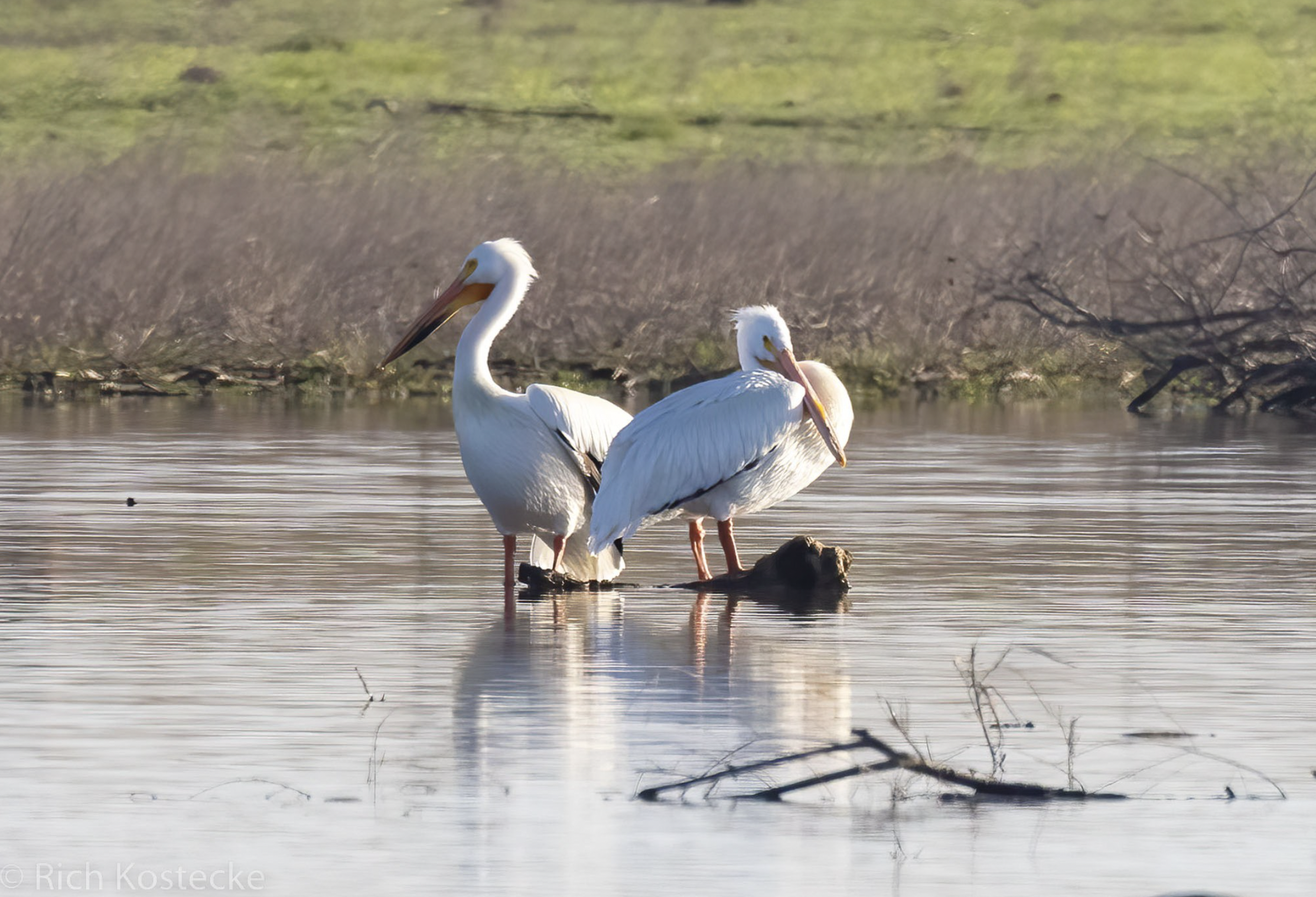 Granger Lake Willis Creek Wildlife Area, TX

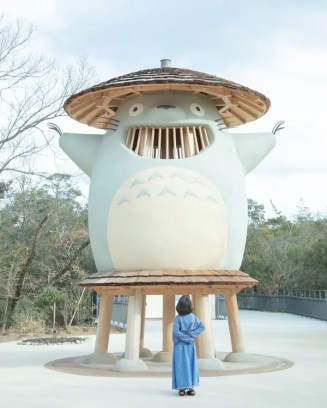
The magazine sent the Japanese photographer Rinko Kawauchi to Ghibli Park on a day when it was closed to the public, and she took along her daughter and some friends. Rinko Kawauchi for The New York Times
Links to the writings of Sam Anderson have not appeared in our pages before, and I almost missed this opportunity because at first appearance this article does not fit the norm for our themes. But if you read to the end, it does so in one clear way. It has to do with the power of nature, trees in particular, and once you read the article you will understand (if you are familiar with our platform). You can also listen to an audio version of this article here, but be sure to see the photos in the original publication:
Spirited Away to Miyazaki Land
What happens when the surreal imagination of the world’s greatest living animator, Hayao Miyazaki, is turned into a theme park?
A Totoro-like climbing structure. Rinko Kawauchi
As an American, I know what it feels like to arrive at a theme park. The totalizing consumerist embrace. The blunt-force, world-warping, escapist delight. I have known theme parks with entrance gates like international borders and ticket prices like mortgage payments and parking lots the size of Cleveland. I have been to Disney World, an alternate reality that basically occupies its own tax zone, with its own Fire Department and its own agriculture — a place where, before you’ve even entered, you see a 100-foot-tall electrical pole along the freeway with Mickey Mouse ears. This is a theme park’s job: to swallow the universe. To replace our boring, aimless, frustrating world with a new one made just for us. Continue reading
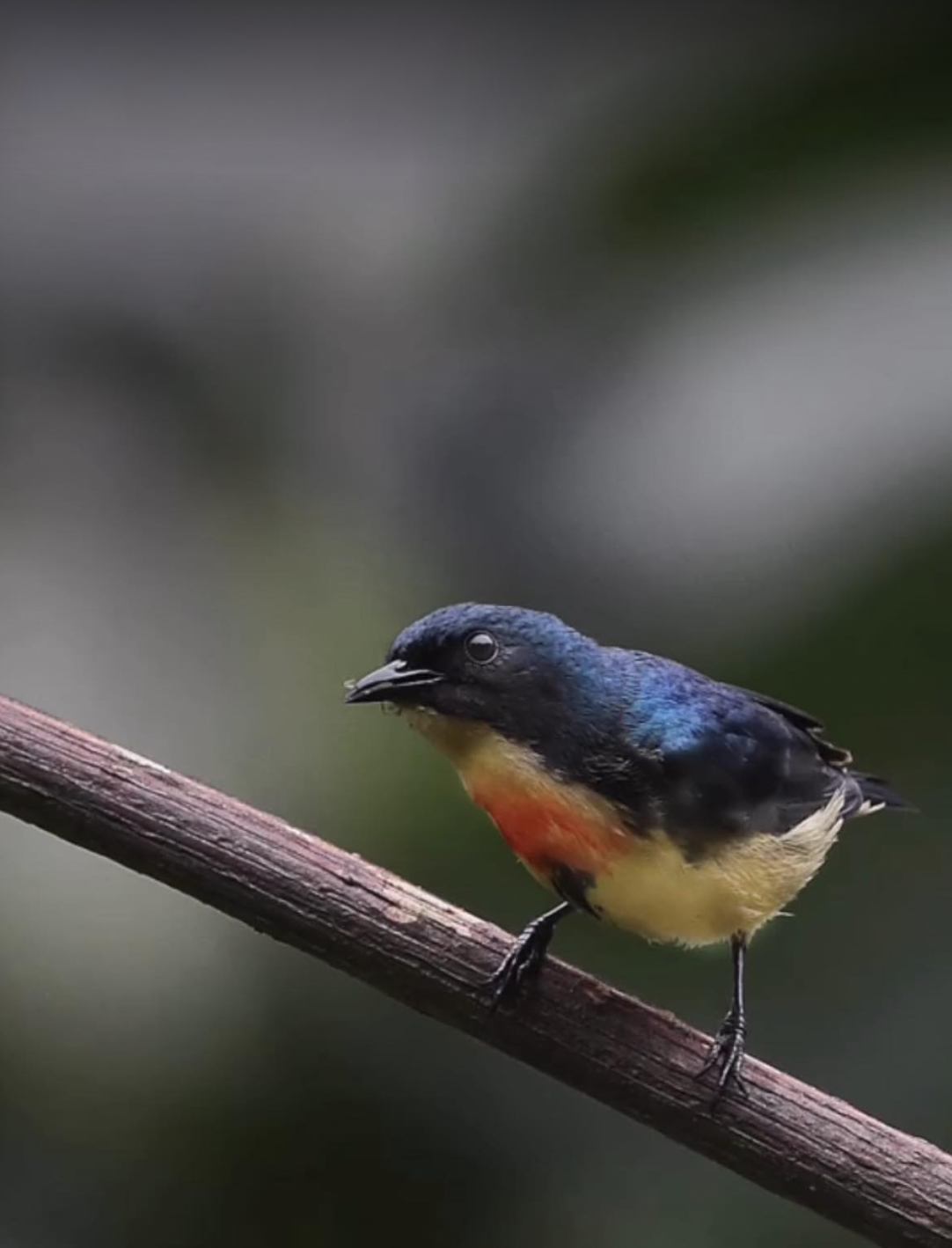
Eaglenest Wildlife Sanctuary, Arunachal Pradesh
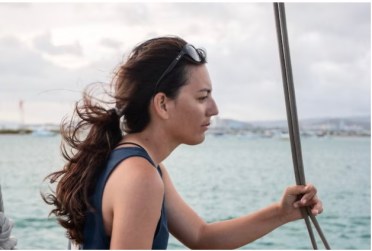 This half hour podcast episode may be your best gateway to a weekend of healthy distraction:
She Sails the Seas Without Maps or Compasses
For nearly 50 years, a group of Hawaiians have been sailing on traditional voyaging canoes using the methods that early Polynesian explorers relied on to navigate the Pacific Ocean—without maps and modern instruments, and relying on the stars, ocean waves, birds, and other natural elements to guide them. We meet National Geographic Explorer Lehua Kamalu, the first woman to captain a long-distance voyage on Hōkūleʻa, a double-hulled Polynesian canoe that was built in Hawaii in the 1970s. She describes what it’s like to navigate in incredibly rough waters, what it means to keep Polynesian navigation alive in the 21st century, and about her next big adventure: a four-year circumnavigation of the Pacific Ocean.
When Disney became the owner of Fox Entertainment’s assets, National Geographic Partners was part of the deal. We never appreciated National Geographic’s association with Fox Entertainment, nor do we think Disney is much better a fit, but we can still appreciate when they do something right.
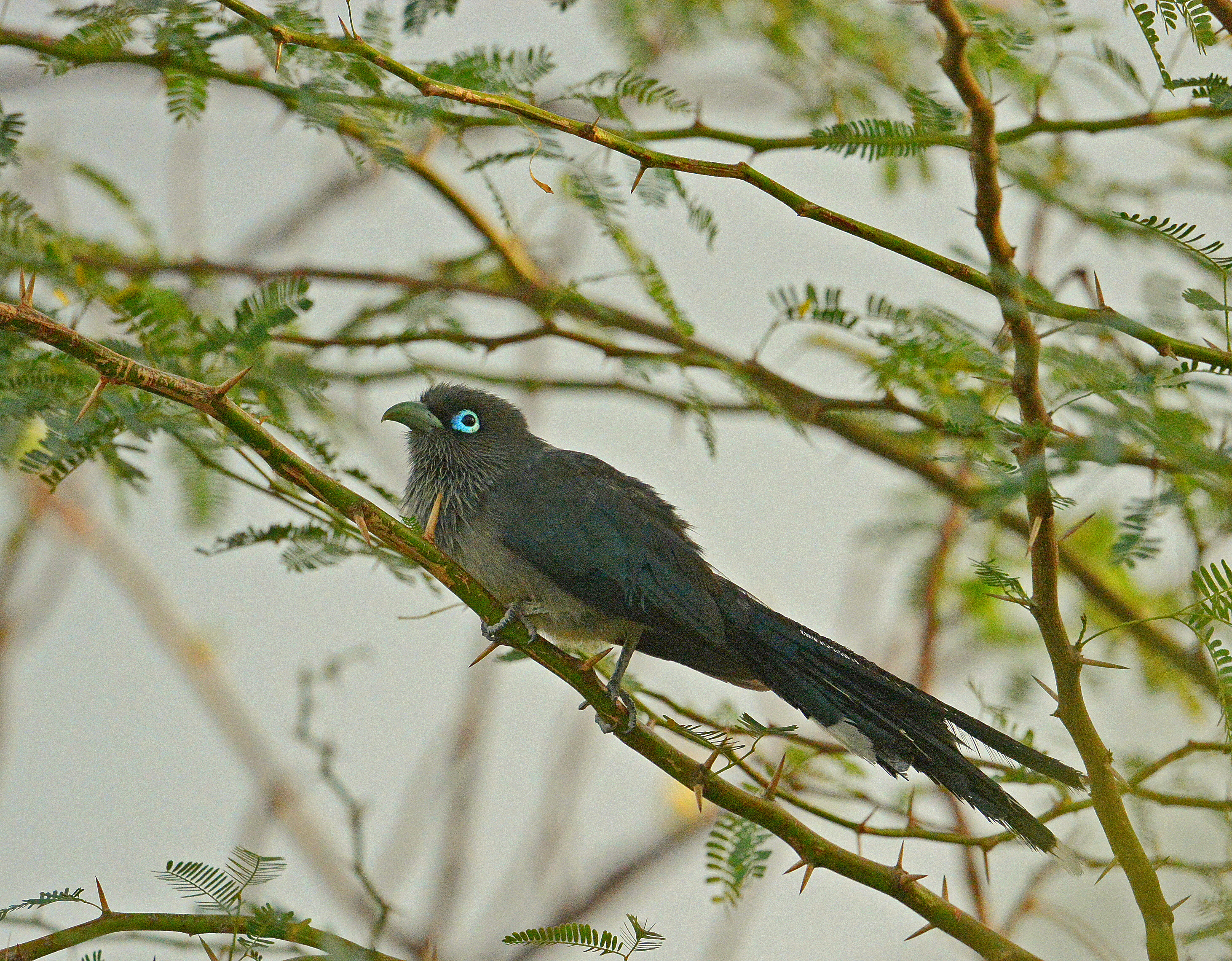
Koonthankulam, Tamil Nadu
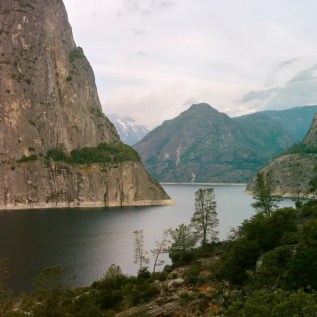
Water released from Hetch Hetchy Reservoir’s O’Shaughnessy Dam flows into the Tuolumne River. The reservoir currently supplies drinking water to 2.7 million San Francisco Bay Area residents. Photograph by Aubrey Trinnaman
We are gratified to know of such a place as a snow lab, and that their scientists share their knowledge in language we can all understand:
California’s Snow Is Melting, and It’s a Beautiful Thing
By Andrew Schwartz.
Dr. Schwartz is the lead scientist and station manager at the University of California, Berkeley, Central Sierra Snow Lab.
Photograph by Aubrey Trinnaman
SODA SPRINGS, Calif. — My fellow Californians often remark that the weather in this state seems it has been reduced to two seasons, both defined by natural disasters: In summer and fall, huge, intense wildfires rip their way across dry land, and winter and early spring bring intense atmospheric rivers with heavy rainfall, floods and landslides, along with winds that take down trees. Continue reading
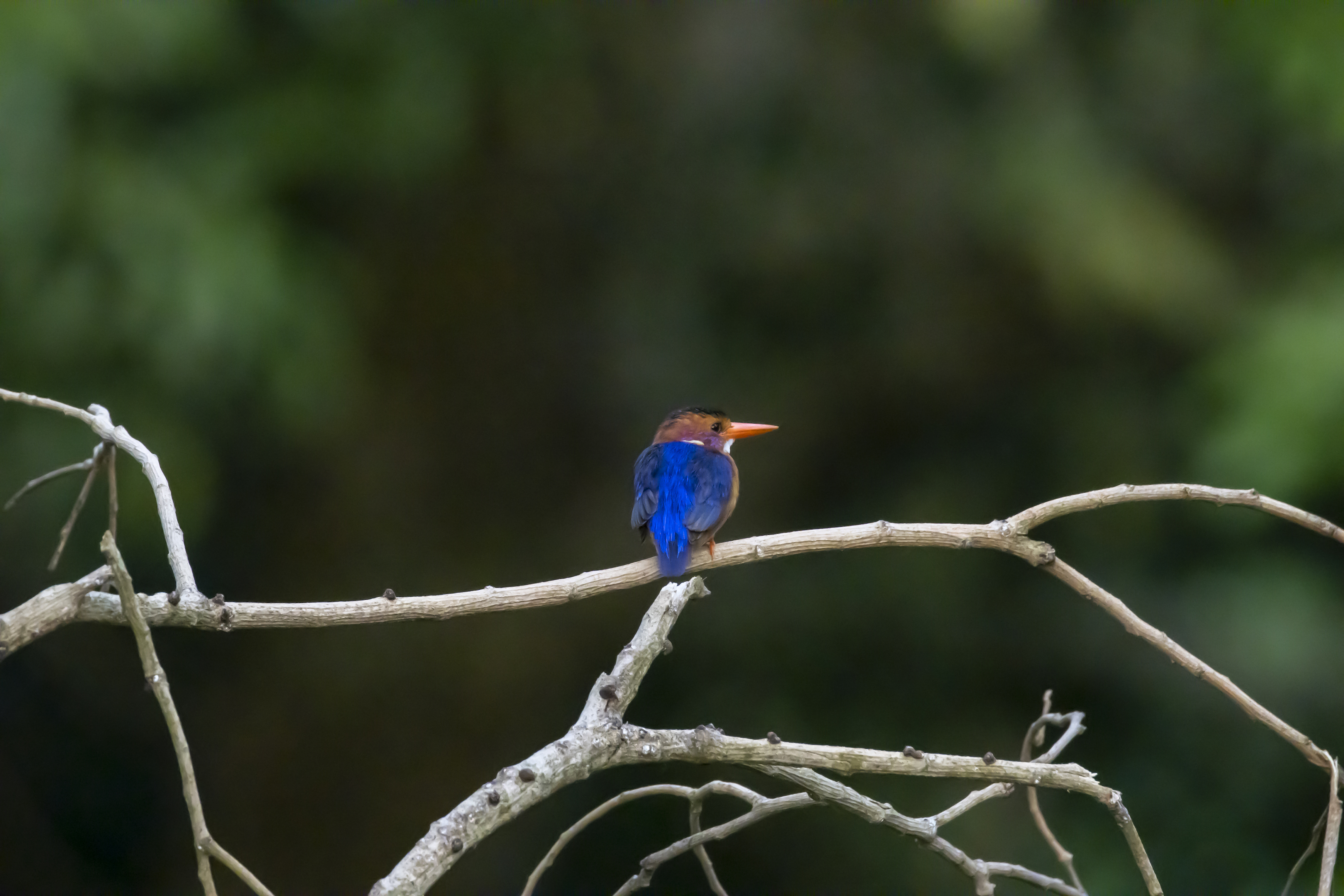
Yaoundé, Cameroon
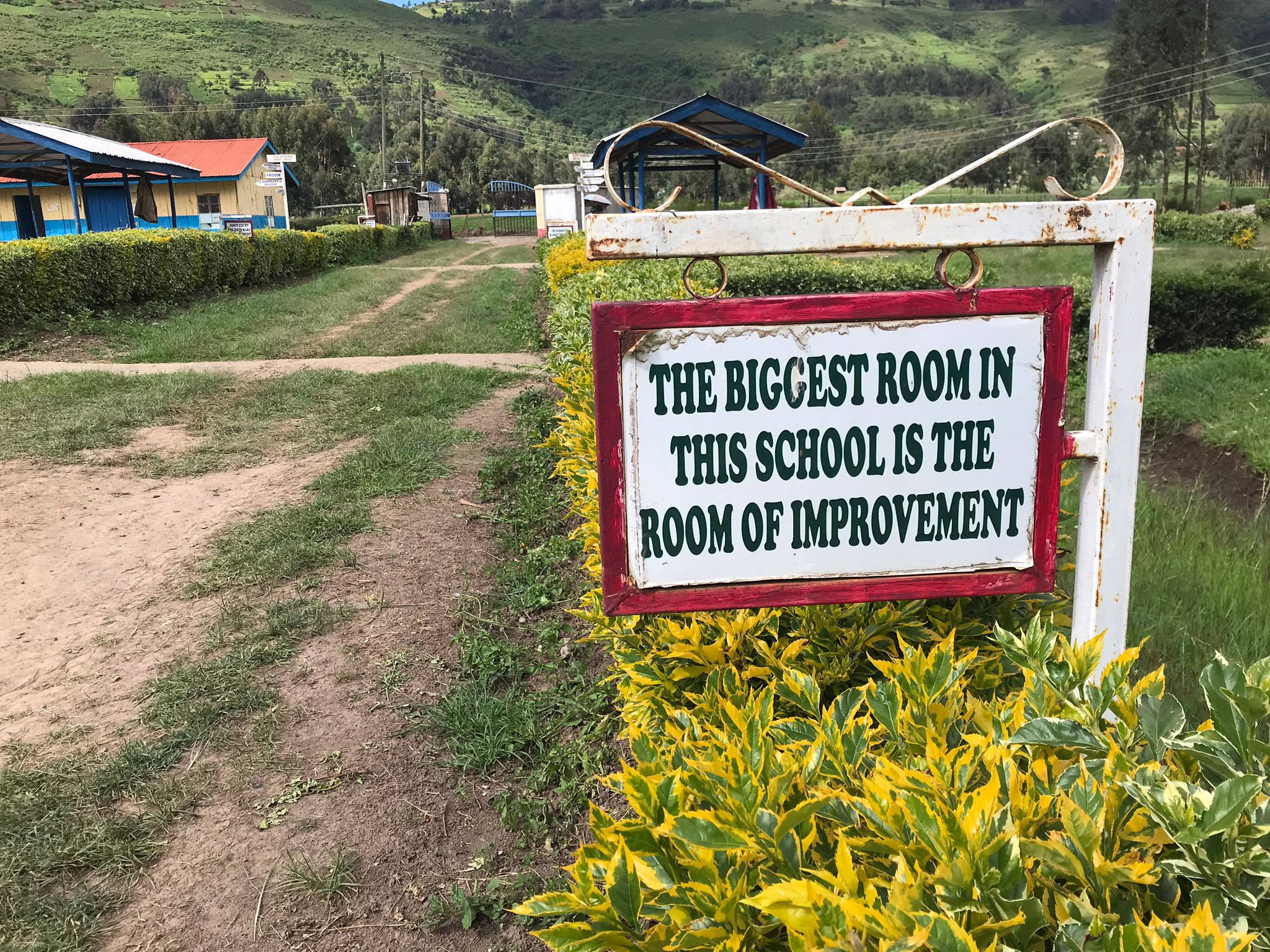
Seth has been working in various African countries recently, and is somewhere in Kenya at this moment, for work. There is a school in the vicinity, with these signs. We have not yet had the chance to hear any details about the school, but these signs anyway say most of what we might want to know.

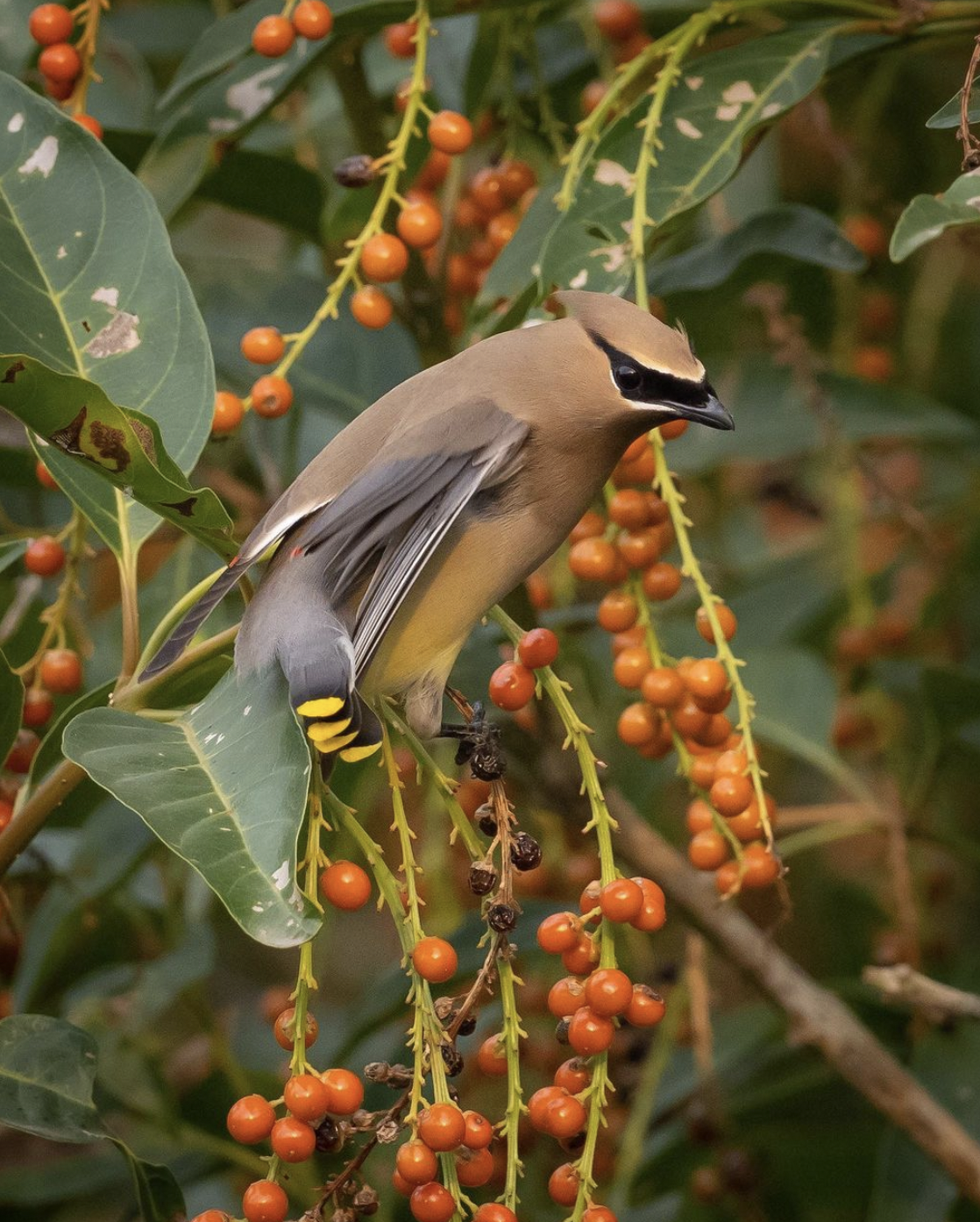
His work, related to forest management, clearly intersects with his longstanding interest in birds, strengthened by his three years working at the Cornell Lab of Ornithology. That period coincides with our learning about citizen science and in the years since we have shared many stories from the field.
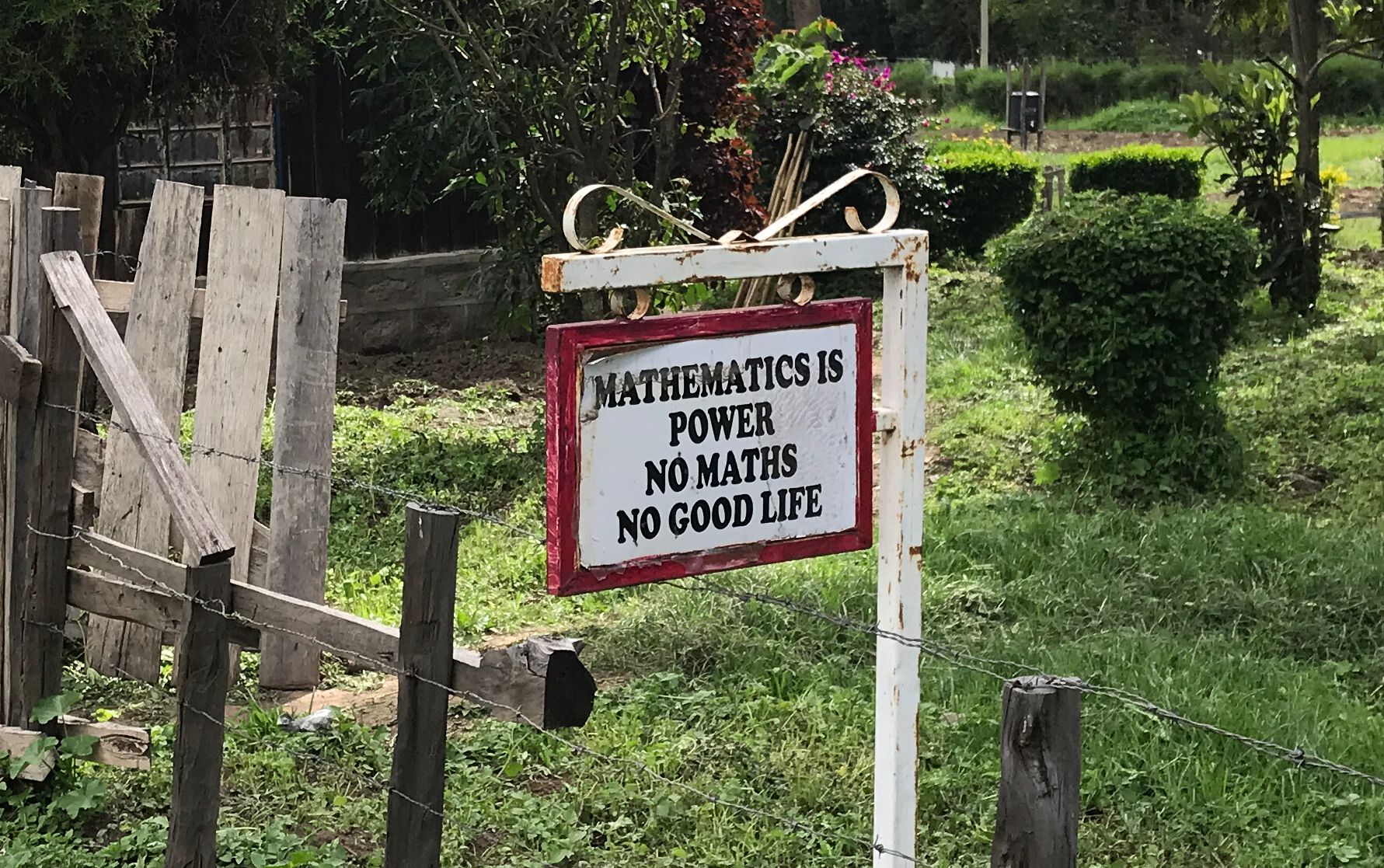
The pictures arrived from Kenya just as this initiative between the Cornell Lab of Ornithology and the New York Times comes to my attention, which you might find interesting:

Mike McQuade
Our understanding of birds has been profoundly shaped by the work of everyday people. After all, anyone can step outside and pay attention to an untamed world swooping above. Continue reading
Santa Rosalia, Guatemala
Guardian graphic. Source: Guardian research
Damian Carrington, Environment editor at the Guardian, shares these findings:
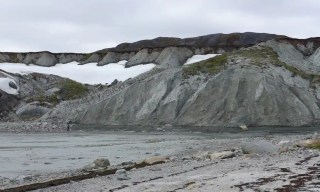
Eight-thousand-year-old marine deposits, exposed by the slow rise of Greenland after the last ice age. The cliffs are about 15 metres high. Photograph: Minik Rosing
Rock ‘flour’ from Greenland can capture significant CO2, study shows
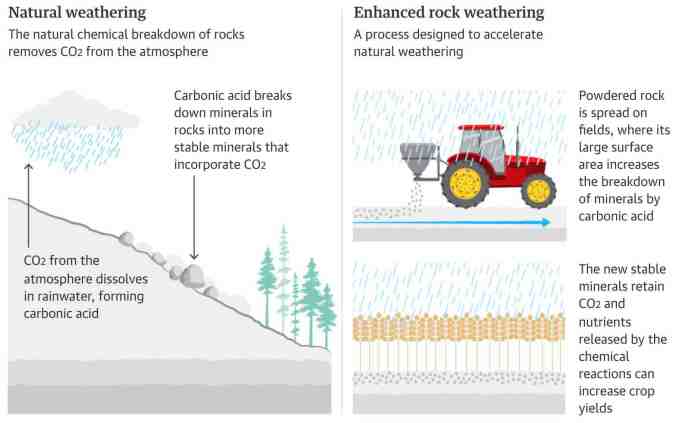
Powder produced by ice sheets could be used to help tackle climate crisis when spread on farm fields
Rock “flour” produced by the grinding under Greenland’s glaciers can trap climate-heating carbon dioxide when spread on farm fields, research has shown for the first time.
Natural chemical reactions break down the rock powder and lead to CO2 from the air being fixed in new carbonate minerals. Continue reading
The Lost Tinamou Nature Preserve, Guatemala
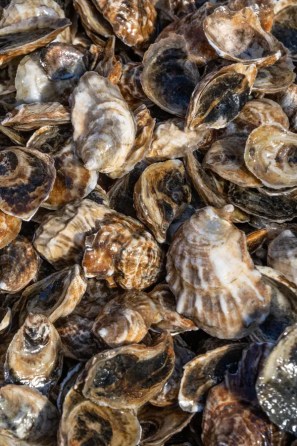
Among the ocean’s best filter feeders, one oyster cleans 50 gallons of water per day. Tony Cenicola/The New York Times
We have linked to stories about the environmental services that oysters provide, as well as the environmental activists who leverage those services; today a riff on those topics:
They Knew Little About Oysters. Now They Have a Farm With 2 Million.
Stefanie Bassett and Elizabeth Peeples left their city lives behind to raise mollusks.
The Little Ram Oyster Co., a farm of 2 million oysters on the North Fork of Long Island, started with a Groupon.
To celebrate a friend’s birthday in the summer of 2017, Stefanie Bassett and Elizabeth Peeples joined eight other enthusiasts in Long Island City to learn how to shuck oysters at a discount. The Brooklyn couple, who knew each other from middle school in Columbia, Md., always had a love for the delicacy. But as they laughed with their friends and fumbled with their oyster knives, they also listened intently as an instructor explained the history and magic of the mollusks.
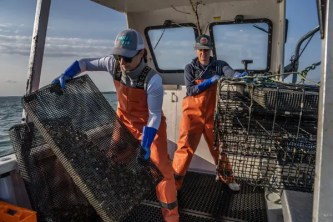
Ms. Bassett and Ms. Peeples prepare oyster cages to be put into the water. Tony Cenicola/The New York Times
“The thing that drew our attention was the positive environmental impact oysters have,” said Ms. Bassett, 42.
Among the ocean’s best filter feeders, one oyster cleans 50 gallons of water per day. New York was once known as “the Big Oyster,” but over-harvesting and poor water quality wiped out the population by the 21st century. The couple learned about efforts to bring them back to the harbor. Continue reading