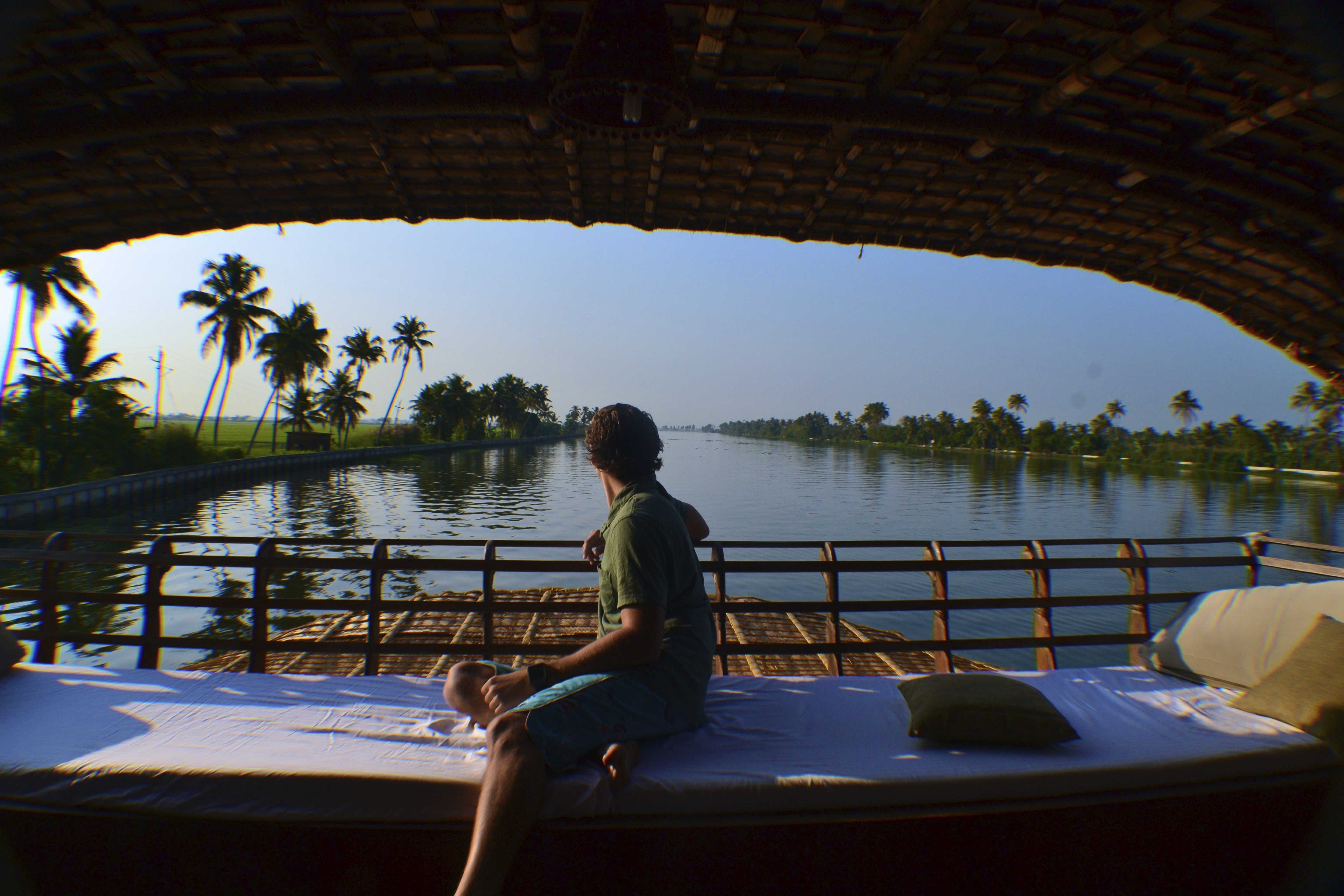
Our group of four was greeted with “tender coconuts” to drink while we got settled into the boat and into our bedrooms. Our houseboat was over 100ft long with three bedrooms, a dining room, an upstairs lounge deck and all the amenities of a hotel (including AC), I was in awe. The outside was covered in a coconut palm woven shell tied together by coconut husk rope. Truly a product of “Kerala”, meaning “Land of Coconuts”. Continue reading
kerala cuisine
Flavors Of Kerala: Prawn Masala
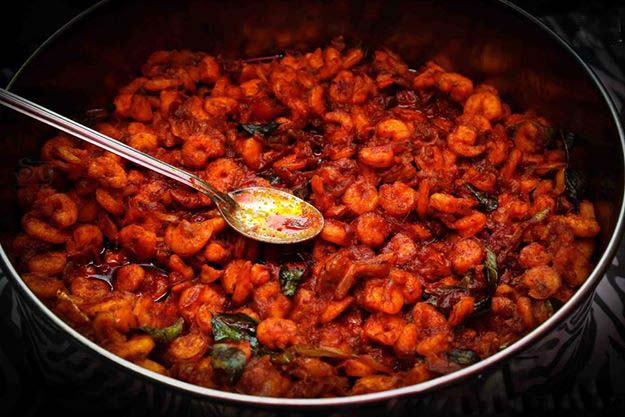
Prawns (also called shrimp) are plentiful in the backwaters and coastal areas of Kerala. Prawns are one of the most popular seafood ingredients in Kerala, cooked in a variety of ways to suit different traditional dishes.
The delicious and spicy prawn masala is a favorite way to use the small crustaceans. The prawns are first marinated in a variety of spices, including turmeric, chili powder, pepper, and salt. They are then sauteed in a pan with a small amount of oil, chopped onions, garlic, ginger, green chili, tomato and curry leaves until brown. Finally, adding the marinade, they are allowed to simmer over a low flame for another ten minutes. Yum! Continue reading
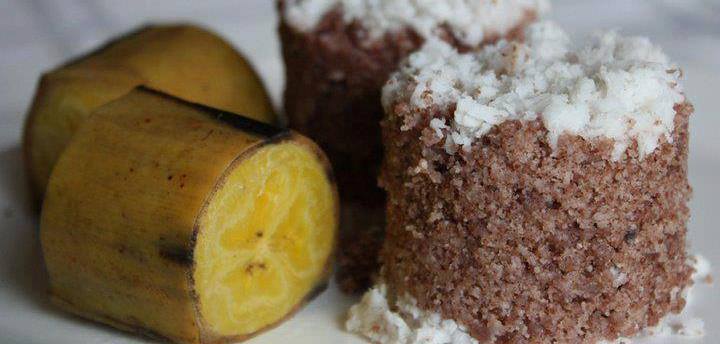
Boiled Banana
When bananas are so ubiquitous here in the tropics, it’s good to have a variety of ways for eating the fruit. For Western readers, boiling bananas might seem strange, but it is quite common in India. Boiled banana is considered an excellent food for infants and children in Ayurveda. In Kerala, cuisines like puttu and rava uppuma (a savory south Indian breakfast dish) are perfectly matched with boiled bananas. Continue reading
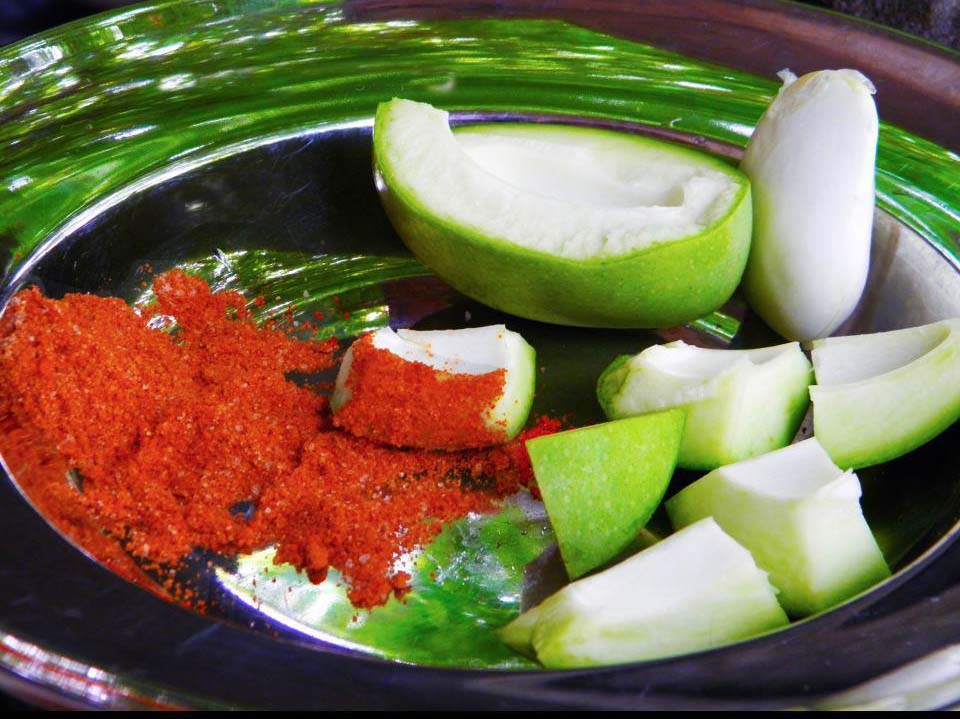
Flavours Of Kerala – Mango Pickle
Both delicious and easy to prepare, Mango Pickle is an important condiment addition to most Kerala meals. The main ingredients of this spicy and tangy condiment are raw mango, salt, red chili powder, turmeric powder, fenugreek seeds, fennel seeds, mustard oil and vinegar.
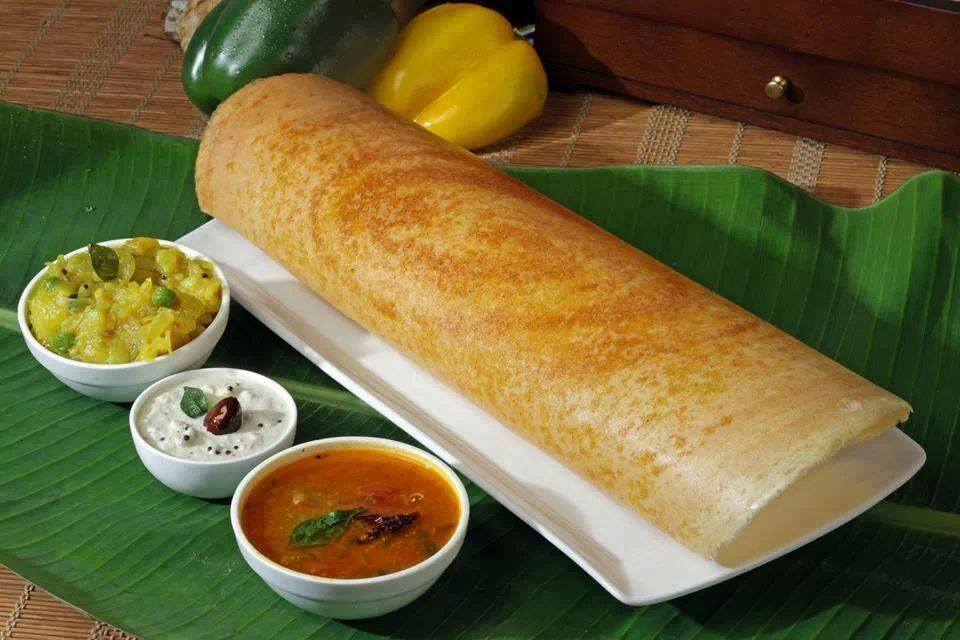
Flavours Of Kerala – Ghee Dosa
Ghee Dosa is a popular breakfast or late afternoon snack in South India. The main ingredients for the batter are black gram dal, rice flour and ghee, which is drizzled over the cooking dosa, making it crispy and golden brown. Continue reading
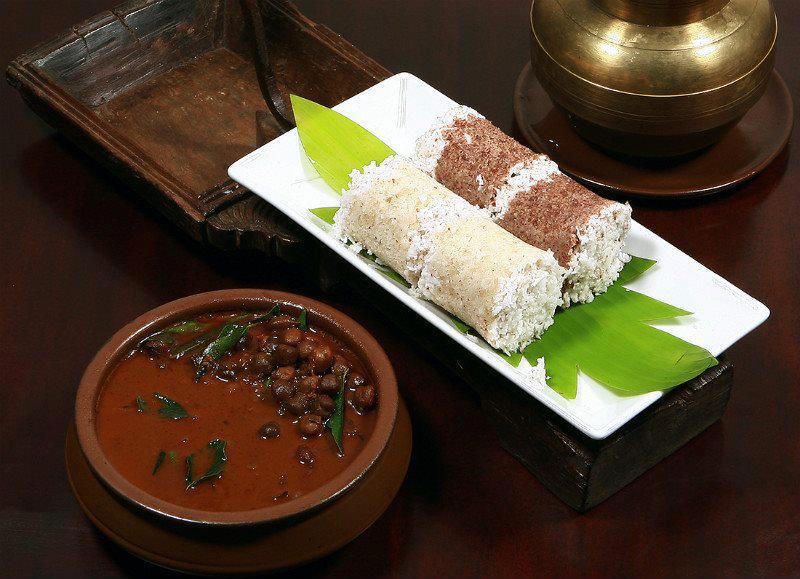
Flavours of Kerala – Puttu and Kadalakari
Puttu and kadalakari (chickpeas), make a popular breakfast for Keralites. Puttu is made by steaming rice flour along with grated coconut in a puttu kudam (a steamer in cylindrical shape) Continue reading
Wild Mushrooms
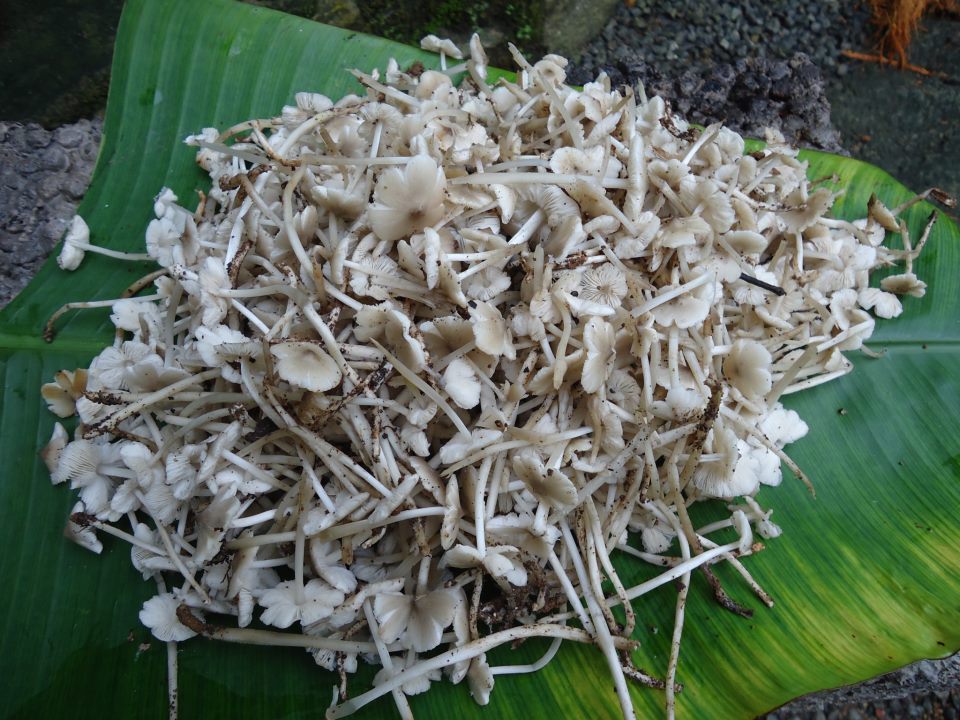
Mushrooms are found on almost every continent and due to the rich flora of Kerala they usually flourish unattended in the Western Ghats. Wild mushrooms are used for cooking various dishes from curries to dry starters and are relished by vegetarians and non-vegetarians alike. Continue reading
Flavours of Kerala
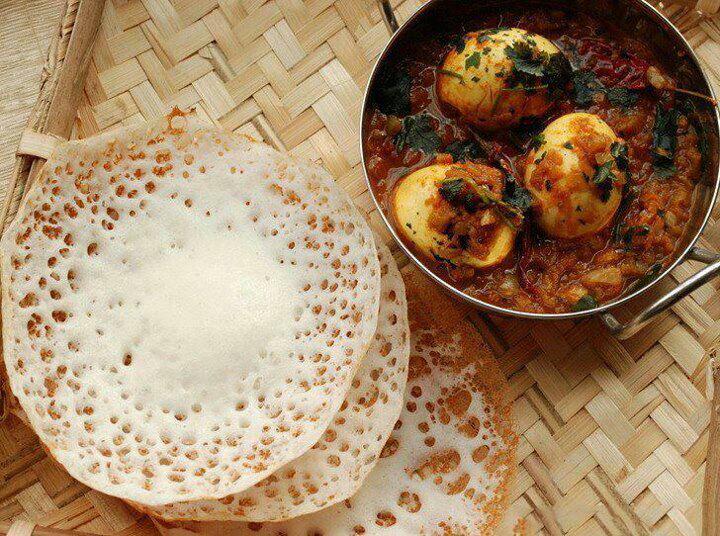
Appam is a sort of rice pancake which is usually accompanied with savory curries ranging from meat, fish, egg to vegetarian. This light and tasty dish is commonly eaten for breakfast with Egg Roast, and is the closest one would find to the usual toast and egg in the state of Kerala. Continue reading
Rice Soup
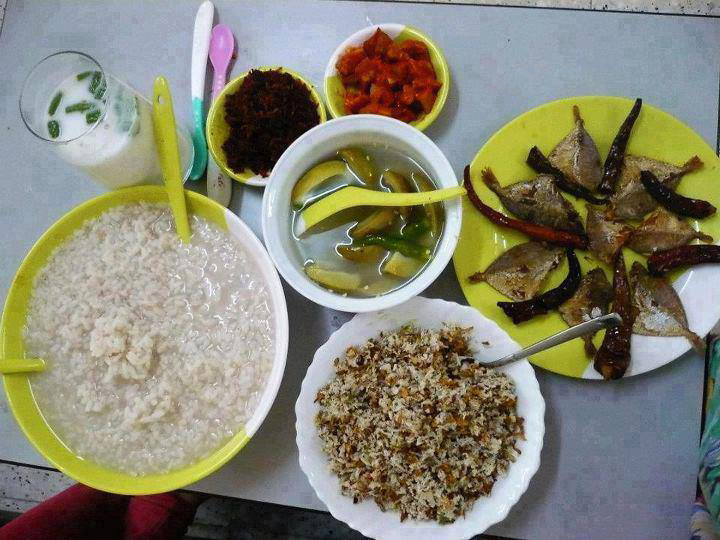
Rice is one of the staples of Kerala cuisine and a rice soup called Kanji is one of the classic dishes. The soup is a simple preparation of serving the rice in the water it was cooked in. Kanji is usually eaten for as the evening meal as the dish is light, rich in nutrients and easily digested. This dish is usually enjoyed with condiments like pickle or chutney, as well as Kerala’s favorite dry fish and pappadam. Continue reading
Kerala’s Brainy Cuisine
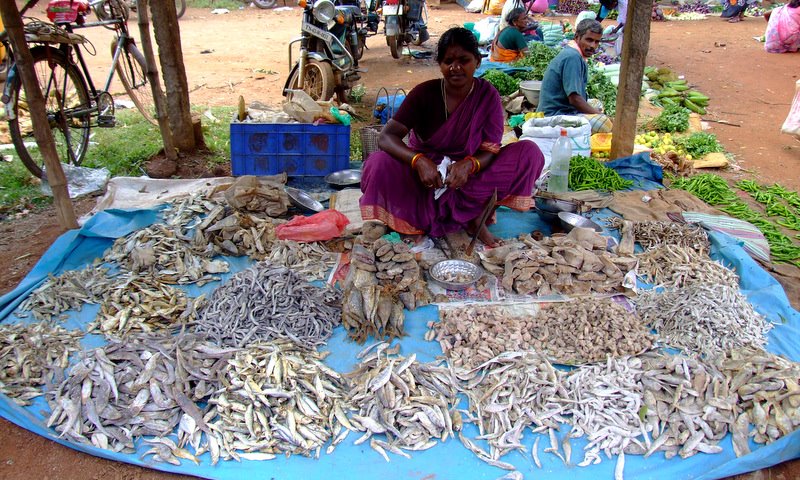
The state of Kerala is known to be the most literate state in India and one is able to understand why after noting the Malayali’s profound love for fish.
Fish is an integral part of Kerala cuisine, including breakfast, indicating the vast diversity of recipes that are available considering it is often eaten twice or thrice a day. The benefits of fish are well publicized, specifically that the Omega 3 fatty acids help in brain development. Continue reading
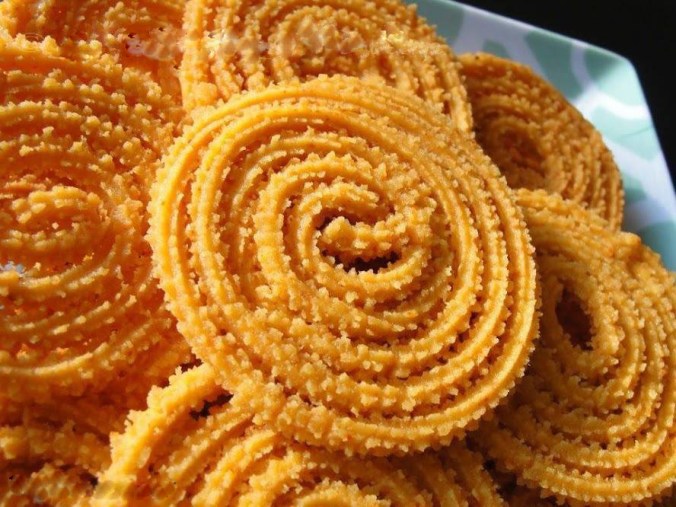
Rice Flour Murukku

Praveen Kumar
Murukku is a crunchy tea time snack traditionally served in Kerala homes and tea stalls. The main ingredient for murukku is rice flour, with cumin and red chili powder added for flavour and asafetida for added colour.
Flavours Of Kerala – Parotta
Parotta is a layered flat bread of Kerala, related to the Lacha Paratha of north India. Although it is found in many roadside restaurants, it is often served in special events and festivals. Parottas are eaten with chicken, mutton, beef and vegetable gravy. The main ingredients of parottas are Maida (white flour), baking powder, egg, vegetable oil (or ghee) and water. Continue reading
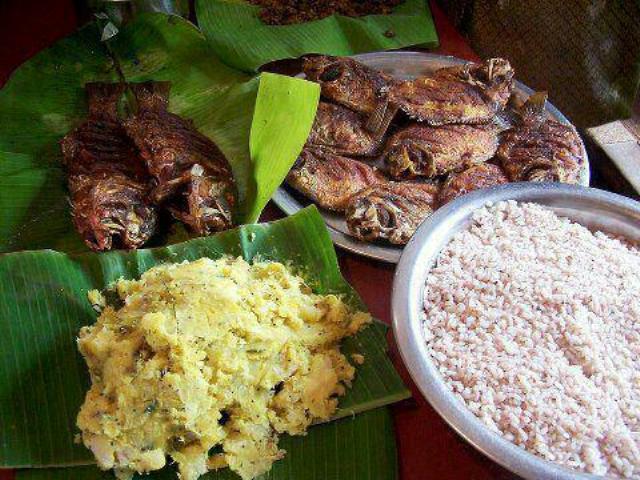
Flavours Of Kerala – Kerala Fish Fry
Fish in Kerala is called meen and Fish Fry is commonly known as meen varuthathu. Traditionally it is served with boiled rice and tapioca. Continue reading
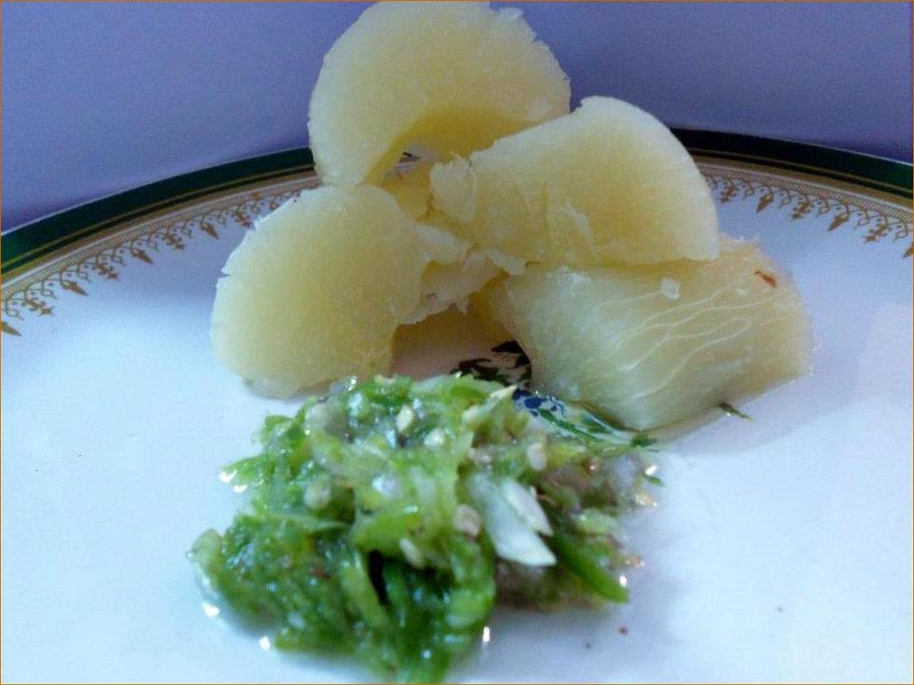
Flavours of Kerala – Boiled Tapioca
Native to Brazil where it is known as Manioc, tapioca is the most popular ingredient in Kerala cuisine, second only to coconut. A large variety of delectable dishes can be prepared from this starchy root vegetable. One example is boiled tapioca and green chilies chammanthi, which are often eaten as evening snacks. Continue reading
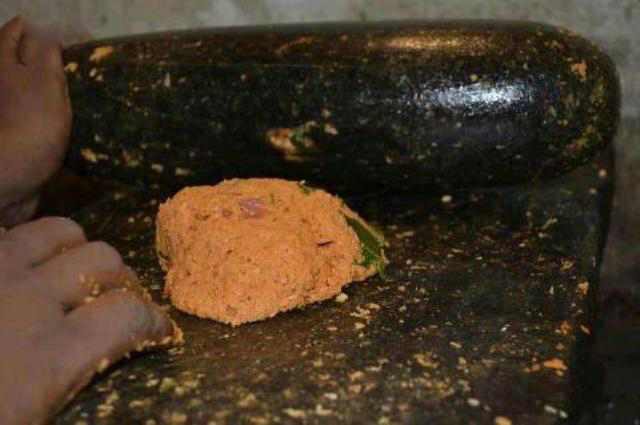
Flavours Of Kerala – Chammanthi
Chammanthi is one of the Kerala’s regional dishes. Traditionally whole coconut and red chillies are roasted over burning charcoal and then pounded and freshly ground with onion, curry leaves, ginger, tamarind and salt on an Ammikallu (a classic tool consisting of slightly concave stone with a cylindrical pestle). Continue reading
Flavours Of Kerala – Unniappam
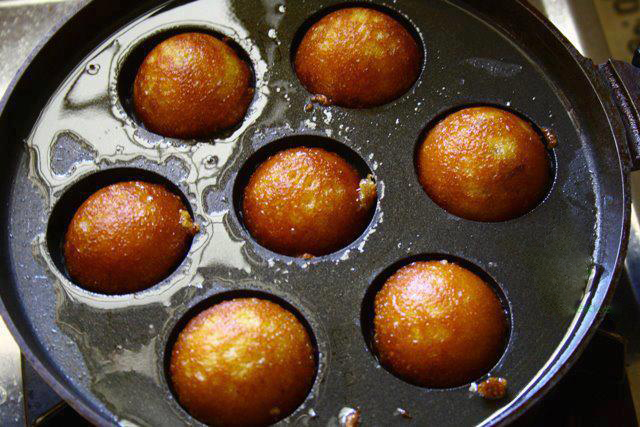
Unniappam is a traditional snack popular all over Kerala. They are easy to make, very tasty, and are prepared from the main ingredients of rice, jaggery, banana, and ghee.
How to Prepare
Mix rice powder, jaggery, chopped banana, fried coconut bits, and cardamom powder for flavor, all with water to make the batter. Then, heat the oil in an Unniappam pan and fill the holes with the batter. Continue reading
Flavours Of Kerala – Sadya
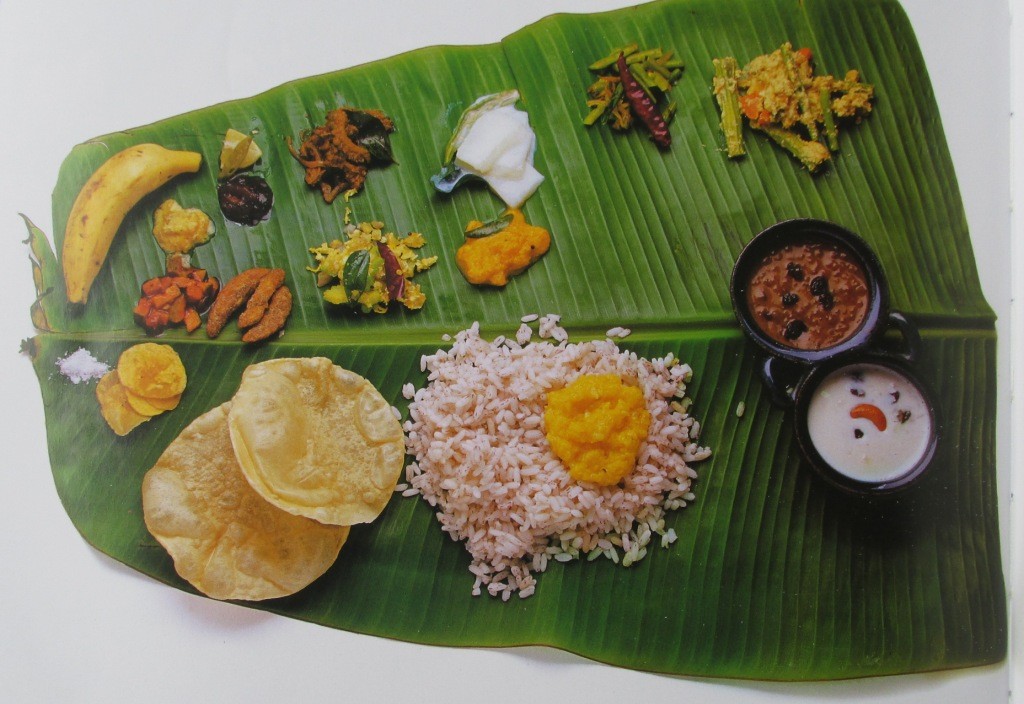
Food is an important indicator of a region’s history. The diversity that one sees today in Kerala’s food evolved from its past, when profound historical and social events influenced the diet of the inhabitants. Only the end section of the banana leaf is used due to the precise method of serving a Sadya. Starting at the narrow end, individual items are carefully added from left to right with the curries above the dividing spine so they don’t get mixed with the rice which will be placed on the bottom half later. Continue reading