From Wales To The Tropics, Coppice

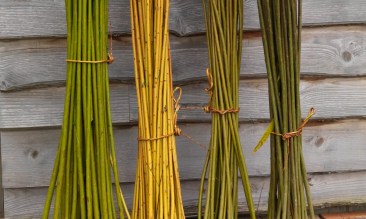
Bundles of newly coppiced Salix viminalis – willow stems harvested during late autumn and winter each year, to create living willow structures and woven items. Photograph: Compulsory Credit: GAP Photos/Nicola Stocken

In the tropics we use coppice to make berms that support new growth and channel water, while in Wales they do other practical things; thanks to the Guardian‘s  Alys Fowler (long time no see) for pointing the latter out to us:

Coppicing is great for your garden – and gives you lots of material to play with willow stems

Apart from the enjoyment of making household items out of stems, coppicing trees and shrubs has aesthetic and eco benefits for gardens

Back in late spring when we got the keys to our new house in Wales, I quickly coppiced a huge hazel to let some light into the back of the house. Continue reading

If You Happen To Be In New York City

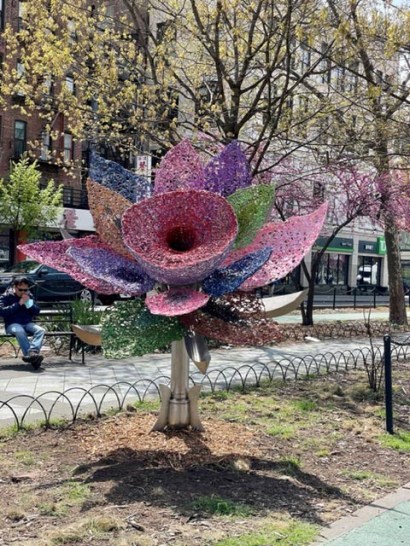
Installed in several locations on the Allen Street Malls between Broome and Hester Streets, this group exhibition features four artworks by five artists addressing themes of nature. Artists include Elizabeth Knowles and Eric David Laxman, Elaine Lorenz, Judith Peck, and Michael Wolf.

While at Cornell University last month I got my fill of early autumn florals and educational signage. While in the Botanic Gardens I was struck by a floral sculpture, a type of art I am not often moved by. But that one worked. And so, looking through the Art in the Parks section  of the New York City Department of Parks & Recreation  website,  the  image to the right caught my  attention.  And scrolling further through that collection I saw the image  below, which on a day after hurricane-driven rains  in  Costa  Rica,  with  the  morning sky clear of clouds,  hits the spot:

Naomi Lawrence, Tierra Fragil

September 25, 2022 to September 10, 2023
Morningside Park, Manhattan

Description:Tierra Fragil, depicts endangered insects and birds with the flowers and plants imperative to their survival. The mural informs and encourages the preservation of familiar species whose presence we may have taken for granted.

Tierra Fragil is made possible in part with public funds from Creative Engagement a regrant program supported by the New York City Department of Cultural Affairs in partnership with the City Council and the New York State Council on the Arts with support of the office of the Governor and the New York State Legislature, UMEZ Arts Engagement a regrant program supported by the Upper Manhattan Empowerment Zone Development Corporation and administered by LMCC. Additional funding was provided by the Friends of Morningside Park.

Infinity Trees

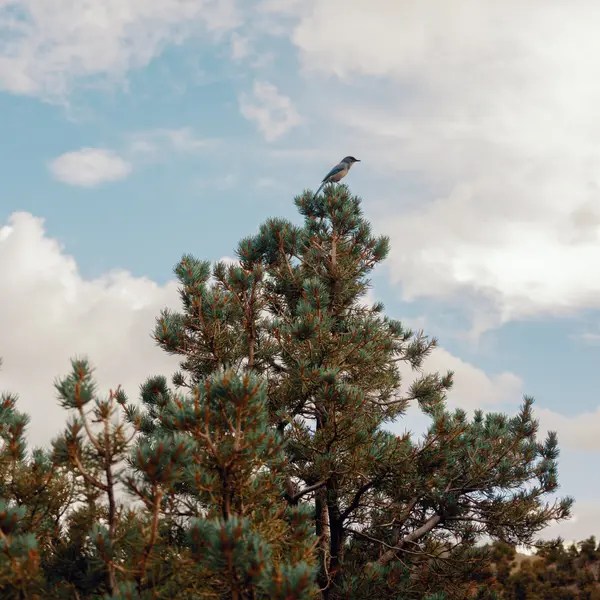
The trees, according to the ecologist Constance Millar, give you a “sense of infinity.” Photo by Adam Perez

We know that getting to a trillion trees is a stretch, but we might be able to sense infinity from a certain species of tree, according to Soumya Karlamangla in the New York Times article we link to here. Photos by Adam Perez help alot.

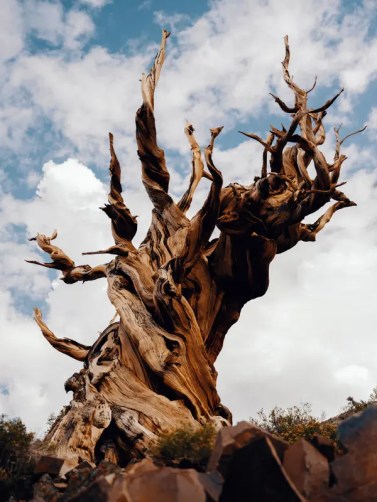
Bristlecone pines can live and reproduce even with only one branch of needles. Photo by Adam Perez

Historically I have worked to find my personal sense of infinity deep within tropical forests, but reading this and seeing the photos of these trees in a totally different type of ecysystem I can be convinced that it is elsewhere also:

In California, Where Trees Are King, One Hardy Pine Has Survived for 4,800 Years

In a harsh alpine desert, the Great Basin bristlecone pines abide amid climate change. Among them is the oldest tree on Earth (if you can find it).

Great Basin bristlecone pine trees endure in harsh conditions that other vegetation cannot withstand. Photo by Adam Perez

BISHOP, Calif. — Before the Egyptians built the Pyramids, before Jesus Christ was born, before the Roman Empire formed or collapsed, the trees were here.

Ten thousand feet up in the White Mountains of central California, in a harsh alpine desert where little else survives, groves of gnarled, majestic Great Basin bristlecone pines endure, some for nearly 5,000 years. Their multicolor trunks bend at gravity-defying angles, and their bare branches jut toward the sky, as if plucked from the imaginations of Tim Burton or J.K. Rowling.

These ancient organisms, generally considered the oldest trees on Earth, seem to have escaped the stringent laws of nature. Continue reading

I Will Not Panic Over Leafminers

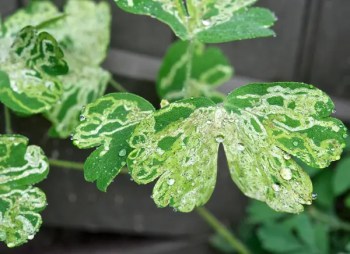
Charley Eiseman, a naturalist who conducts biodiversity surveys for conservation groups, became interested in leaf mines because of patterns like this one. It’s the handiwork of the moth Phyllocnistis populiella in a quaking aspen leaf (Populus tremuloides).

As soon as the sun is up, most days, I am outside. Even after 22 years working on this property I find surprises constantly. When Margaret Roach writes, I read; when she offers visual cues to complement her clear writing, all the better:

Leaf mines on columbine (Aquilegia) can be serpentine squiggles or blotches. Larvae of flies in the genus Phytomyza make these familiar markings when they feed between a leaf’s epidermal layers. Margaret Roach

Don’t jump to the conclusion that those mysterious marks are evidence of disease. They may be leaf mines or galls — and that’s a good thing.

During the early days of the coronavirus pandemic, some of us mastered bread-baking (if we could get our hands on flour) or devoted ourselves to nurturing some new mail-order houseplant. Continue reading

Alerce, A Mysterious Phenomenon Examined Scientifically

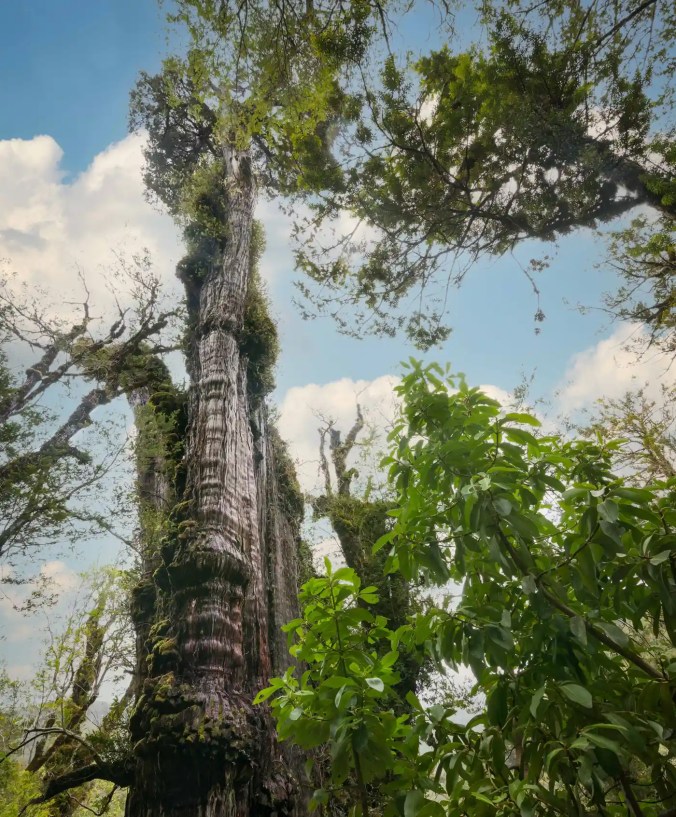
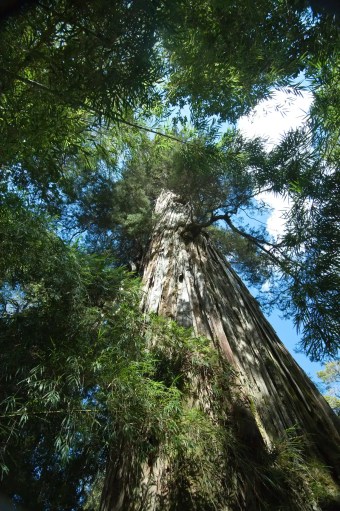
The Gran Abuelo tree in Alerce Costero national park, Chile. Buried alerce trunks can hold carbon for more than 4,000 years. Photograph: Salomón Henríquez

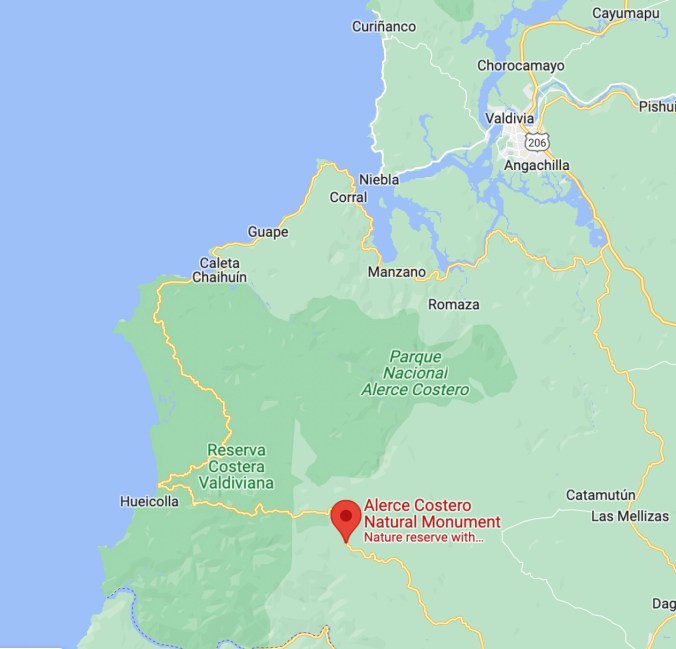
I do not recall whether we saw the tree pictured above, but we certainly breathed in the oxygen it expired. We spent the summer of 2009 in southern Chile, some of it working in the Chaihuin River Valley–a portion of the Reserva Costera Valdiviana co-owned at the time by WWF and The Nature Conservancy. The “Caleta” entrance to Chaihuin can be seen in the map below.

We have also seen the redwood trees in California, distant cousins of the alerce. Spectacular is an insufficient word to describe them, but hours-long visits to redwoods cannot compare to sleeping night after night under alerces. Chaihuin was for our family an immersion into the alerce ecosystem. Although I reserve the word miracle for other types of mysterious phenomena, I have no problem with a scientist using the word in this manner:

Alerce shingle was used as currency by local populations throughout the 1700s and 1800s. Photograph: Krystyna Szulecka Photography/Alamy

‘It’s a miracle’: Gran Abuelo in Chile could be world’s oldest living tree

100ft alerce has estimated age of 5,484, more than 600 years older than Methuselah in California

In a secluded valley in southern Chile, a lone alerce tree stands above the canopy of an ancient forest.

Green shoots sprout from the crevices in its thick, dark trunks, huddled like the pipes of a great cathedral organ, and water streams down its lichen-streaked bark on to the forest floor from bulbous knots in the wood. Continue reading

On Those 20 Quadrillion+ Ants, Again

Ants in Escazu

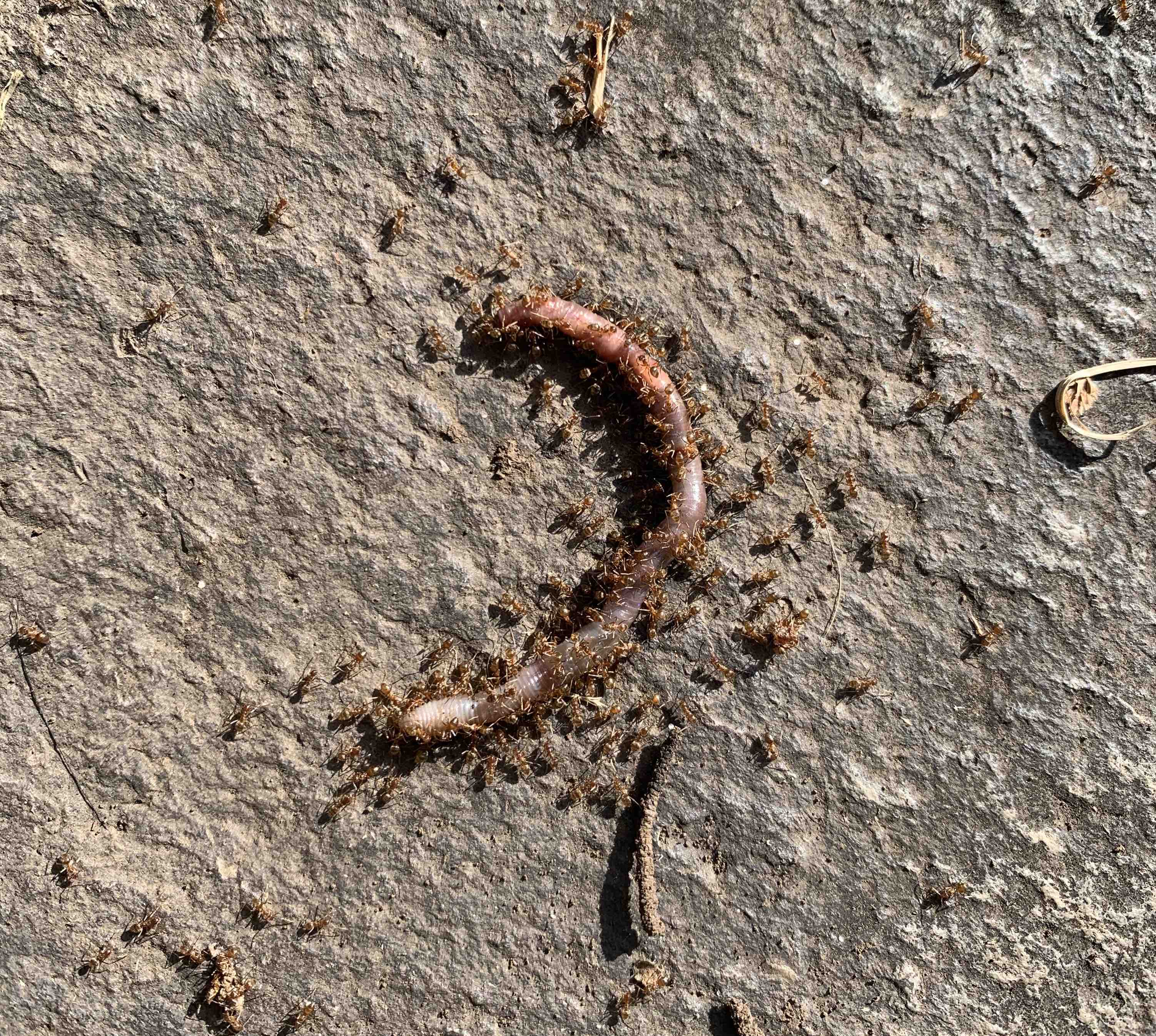
The earthworm in the photo above had been in a bag of soil where a coffee seedling started germinating earlier this year. I was moving the seedling from its small “starter” bag to a larger one, and the earthworm jumped out, wriggling under the nearby supplies I was working with. I did not see it again until it was too late. Since earthworms are good for soil, and we are in the early stages of a soil regeneration project, I was sorry to see the worm lose its life. This particular species of ant is currently everywhere on the property where we are re-planting coffee. I have not seen so many of this type of ant at any point in the last 22 years on this property, and their shocking abundance made me think of that new ant study. Normally we do not repeat sharing of news stories here, unless new information has come to light. It has only been a couple days, but I must share more on the study because my planting work is keeping the subject in front of me, and the photos in this article are that good.

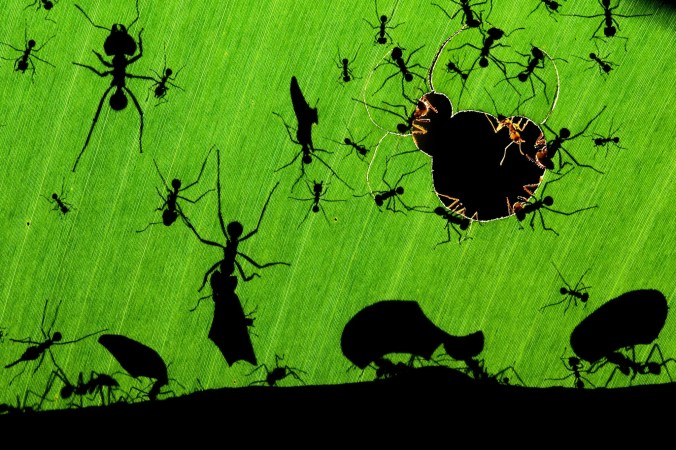
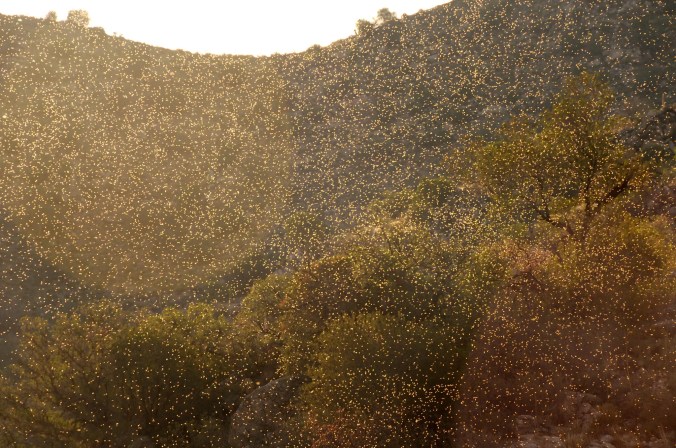
Leaf cutter ants in Costa Rica. The researchers sampled 1,300 locations around the world, estimating ant abundance in different environments in areas such as forests and steppes. Bence Mate/Nature Picture Library, via Alamy

Rebecca Dzombak, who authored this article for the New York Times, will be on our radar from now on:

Weaver ants engaged in teamwork. Sunthorn Viriyapan/Alamy

Counting the World’s Ants Requires a Lot of Zeros

There are 20 quadrillion ants worldwide, according to a new census, or 2.5 million for every living human. There are probably even more than that.

Male leaf cutter ants on the move over the Sonoran Desert in search of females and to make more ants. Norma Jean Gargasz/Alamy

Right now, ants are scurrying around every continent except Antarctica, doing the hard work of engineering ecosystems. They spread seeds, churn up soil and speed up decomposition. They forage and hunt and get eaten. You may not know how much you rely on them. Continue reading

Essential Lithium & Essential Water

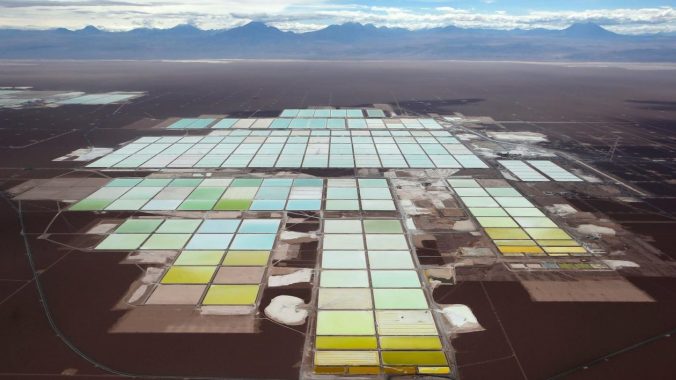
Brine pools at the Soquimich lithium mine on a salt flat in northern Chile. IVAN ALVARADO / REUTERS VIA ALAMY

On my one visit to the Atacama desert in 2009 I had a feeling unlike any I had previously experienced, and it was attributed to the lithium. There is so much, you can feel it. And to put it simply, it feels good. I knew it was being mined, but I assumed it was primarily for pharmaceutical use; no clue it would become so important for batteries. And this set up a sort of zero-sum game, which Fred Pearce helps to understand:

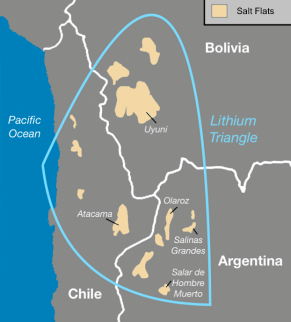
The Lithium Triangle region. YALE ENVIRONMENT 360

Why the Rush to Mine Lithium Could Dry Up the High Andes

The demand for lithium for EV batteries is driving a mining boom in an arid Andes region of Argentina, Chile, and Bolivia, home to half the world’s reserves. Hydrologists are warning the mines could drain vital ecosystems and deprive Indigenous communities of precious water.

What environmental price should the world be willing to pay for the metals needed to switch to electric vehicles? The question is being asked urgently in South America where there are growing fears that what is good for the global climate may be a disaster for some of the world’s rarest and most precious ecosystems — salt flats, wetlands, grazing pastures, and flamingo lakes high in the Andean mountains. Continue reading

Math & Him

When I started graduate school 34 years ago I was 25 years old. I had scored sufficiently high on the math section of the GMAT to be accepted into a program that assumed all students would be comfortable with calculus. Not only was I years since my last math class but I had never taken calculus. The experience of starting a quantitative program of study for which I was mathematically unprepared was no fun whatsoever. But there is a funny story to share, another day. For now, all eyes on this book, which a while back I had read an excerpt of here:

Illustration by Nicholas Konrad / The New Yorker

How Mathematics Changed Me

If one is inclined toward mysteries, mathematics can lead one to the conclusion that behind the veil of life there is a structure and an order.

I have written about mathematics for The New Yorker and, lately, also in my book “A Divine Language: Learning Algebra, Geometry, and Calculus at the Edge of Old Age,” and I thought that I had said everything I had to say about mathematics and my simple engagement with it, but I find I can’t stop thinking about it…

María Medem

And then yesterday I followed that up by reading this op-ed, which on its own is also worth anyone’s reading:

Math Is the Great Secret

As a boy in the first weeks of algebra class, I felt confused and then I went sort of numb. Adolescents order the world from fragments of information. In its way, adolescence is a kind of algebra. The unknowns can be determined but doing so requires a special aptitude, not to mention a comfort with having things withheld. Straightforward, logical thinking is required, and a willingness to follow rules, which aren’t evenly distributed adolescent capabilities. Continue reading

Patagonia 2.0

Details of a desk in a Patagonia office with a stack of orange and brown stickers that read “defend bears ears national monument’ on top of stacks of magazines and papers.

Patagonia has become more politically active, going so far as to sue the Trump administration in a bid to protect the Bears Ears National Monument. Laure Joliet for The New York Times

We have mentioned this company multiple times in our pages over the years, because we take inspiration from it, the same way we have taken inspiration from the example set by Chuck Feeney. It is worth noting that I also value everything I have ever bought from Patagonia. The day of this blizzard in New York I took an old beat up backpack in to see if they could repair it in the nearby shop; instead, they gave me a new one.

Good quality products, combined with good service, make the good environmental values of the company all the better:

“Hopefully this will influence a new form of capitalism that doesn’t end up with a few rich people and a bunch of poor people,” said Mr. Chouinard. Meridith Kohut for The New York Times

Billionaire No More: Patagonia Founder Gives Away the Company

Mr. Chouinard filmed an announcement for his employees at home in Wyoming. By giving away the bulk of their assets during their lifetime, the Chouinards have established themselves as among the most charitable families in the country. Natalie Behring for The New York Times

A half century after founding the outdoor apparel maker Patagonia, Yvon Chouinard, the eccentric rock climber who became a reluctant billionaire with his unconventional spin on capitalism, has given the company away.

Rather than selling the company or taking it public, Mr. Chouinard, his wife and two adult children have transferred their ownership of Patagonia, valued at about $3 billion, to a specially designed trust and a nonprofit organization. They were created to preserve the company’s independence and ensure that all of its profits — some $100 million a year — are used to combat climate change and protect undeveloped land around the globe. Continue reading

12,000 & Onward

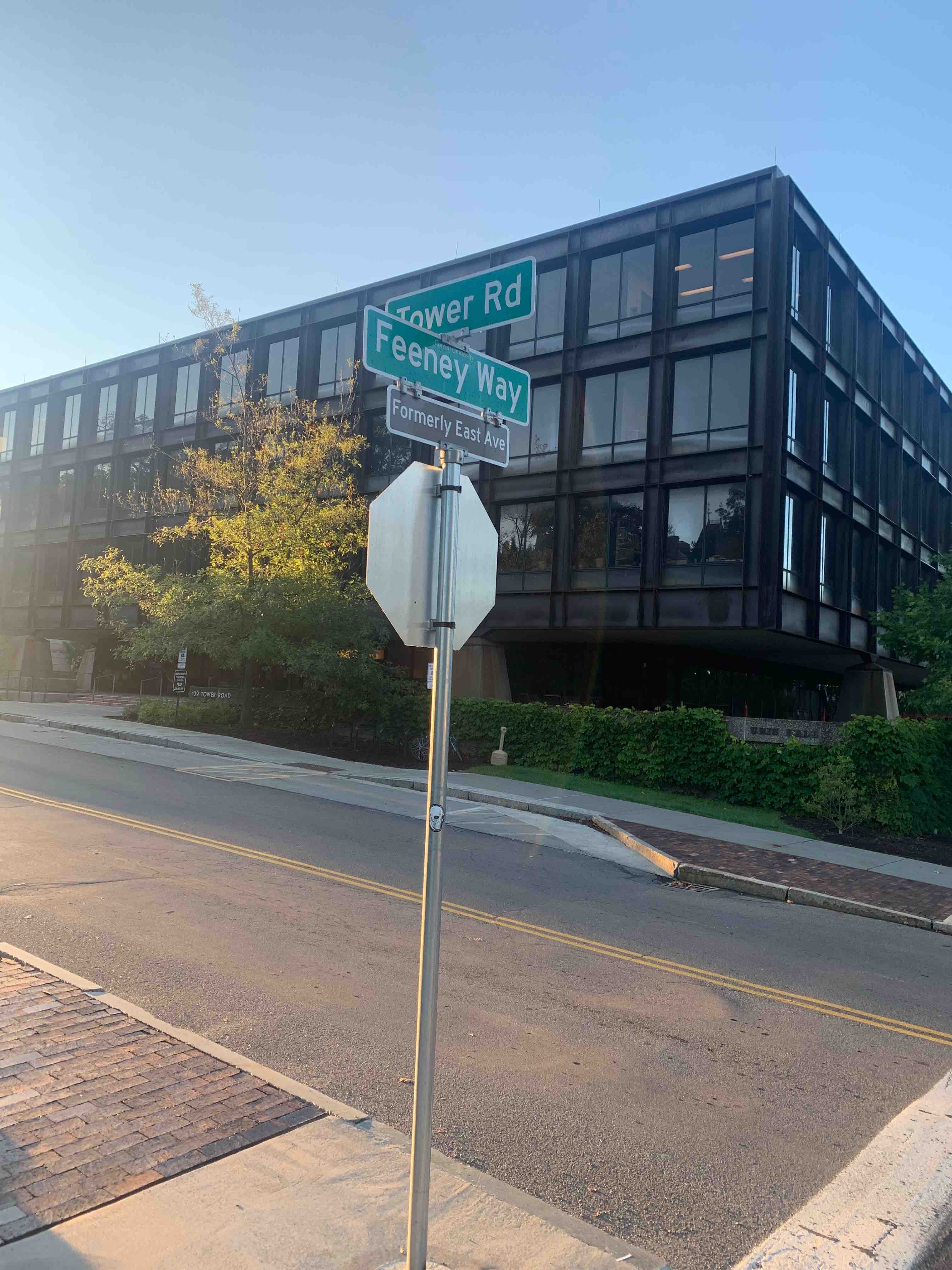
When I posted about the Botanic Gardens, I did not realize that it was the 12,000th post on this platform; the “promises fulfilled” referenced in the title (and the final photo) seems apt. We started the platform in mid-2011, so we have averaged more than 1,000 posts per year, which is one way to measure how thoroughly the promises have been fulfilled. In the photo to the right, which was taken just prior to my arriving back at the Statler Hotel after my walk through the Botanic Gardens, I was reminded of someone else’s much more consequential promises fulfilled.

Chuck Feeney appeared in our pages because of his unusual, even radical generosity combined with his preference to stay out of the spotlight. I do not know how he felt about having the main campus thoroughfare renamed in his honor, but I have a guess he was reluctant. Even so, I think that in the same spirit that this other signage campaign on campus is valuable, it is also valuable anyone visiting the Cornell campus to know at least a little about Mr. Feeney’s contributions.


Cornell Botanic Gardens & Promises Fulfilled

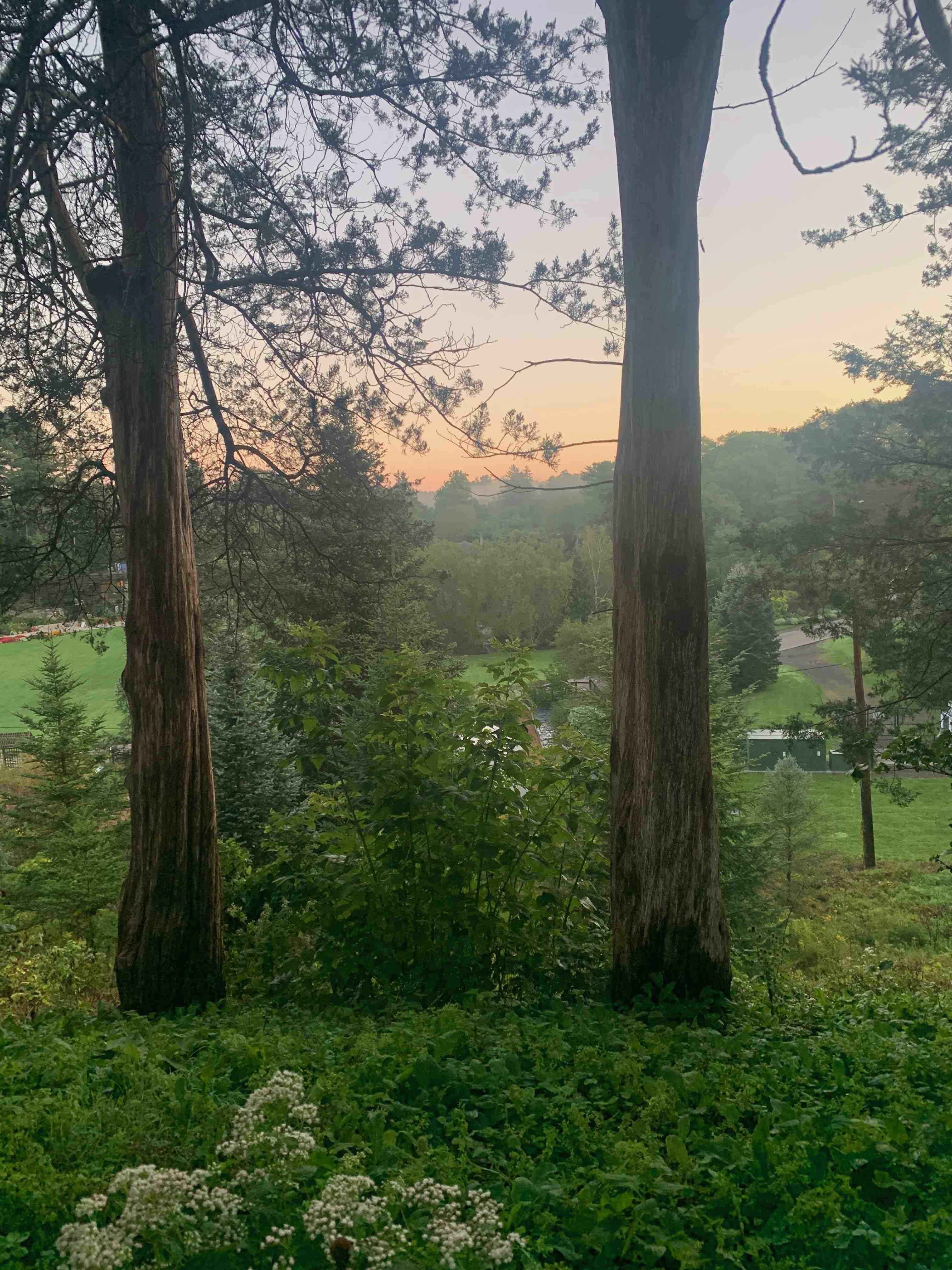
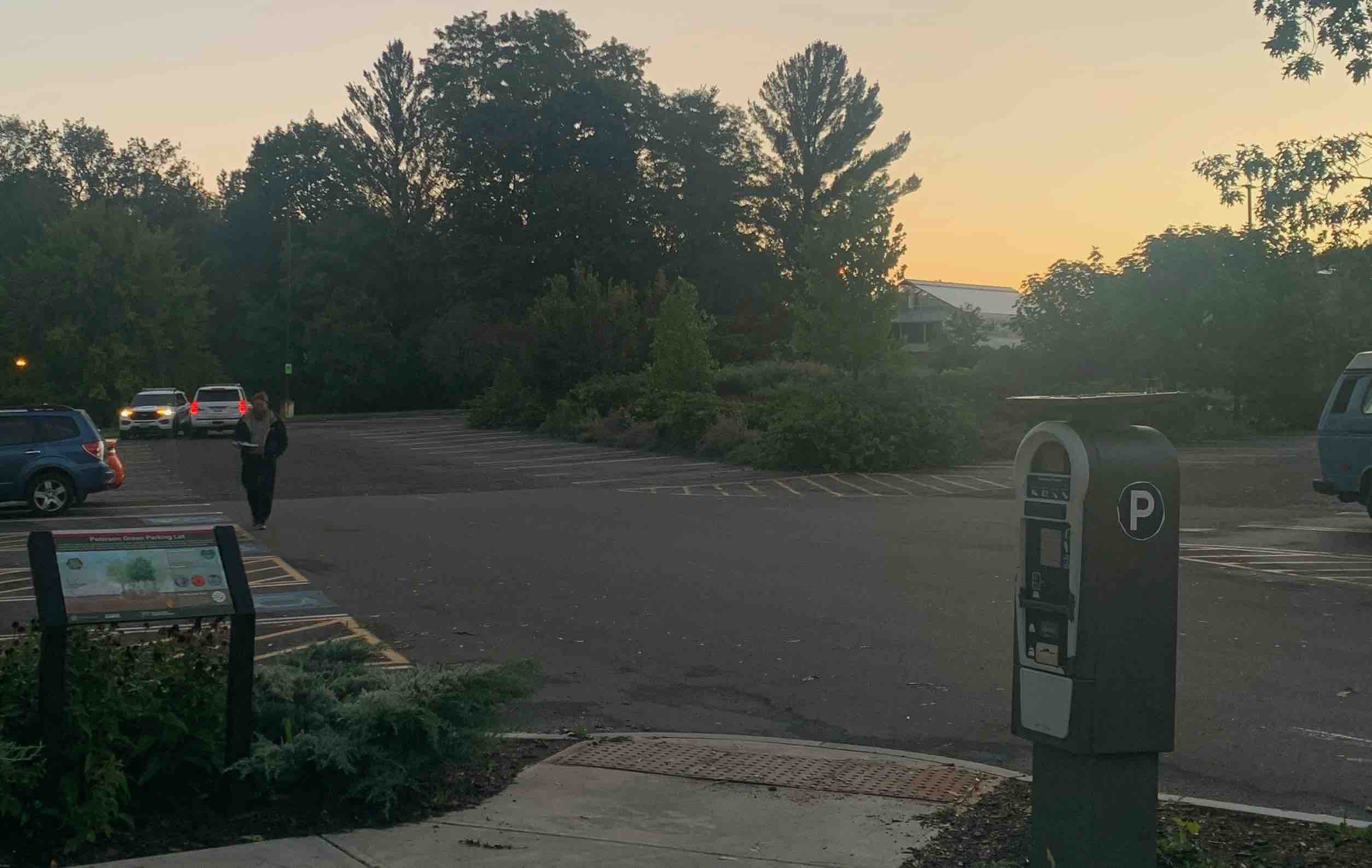
Picking up where I left off yesterday, this group of photos captures the essence of my morning walk. Destination: the Botanic Gardens on the campus of Cornell University. The photo above is from one of the main campus roads, looking down onto my destination. Continue reading

Olives, Farmers, Beauty & Beastly Heat

Emilio Parra Doiztua for The New York Times

My thoughts today start with the people who farm olives in this location deprived of the water needed to sustain their livelihoods. Because my mother was born on an olive-producing farm in an olive-privileged region of Greece, my eye is always drawn to stories about olive farmers.

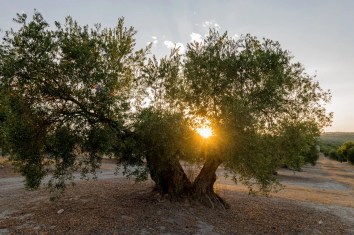
Jaén, a province of Andalusia, has over 67 million olive trees. Emilio Parra Doiztua for The New York Times

When there are photos of olive trees, I am in for the whole story. My strongest, earliest memories are of the olive trees surrounding the terrace of the farmhouse my mother grew up in. Stories about olive farmers challenged by climate change are more difficult to read without sympathy pain, but I do so knowing that olive trees are survivors.

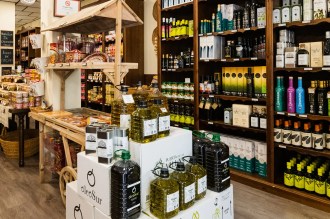
Panacite, a store in Ubeda, sells a range of variants of oil production from the region. Emilio Parra Doiztua for The New York Times

David Segal and José Bautista have reported this story with compassion and clarity:

Spain’s Jaén Province, home to one fifth of the world’s supply of “green gold,” copes with climate change and threats to its way of life.

The branch, plucked from one of thousands of trees in this densely packed olive grove, has browning leaves and a few tiny, desiccated buds that are bunched near the end. To Agustín Bautista, the branch tells a story and the story is about a harvest that is doomed. Continue reading

Fall Flowers At Cornell

I am at Cornell University today and tomorrow, to lecture in the Hotel School, my onetime academic home. Last year I did the same, but later in the year, introducing one of our coffee varietals during the lectures. This time, flowers on campus convince me that earlier is better.

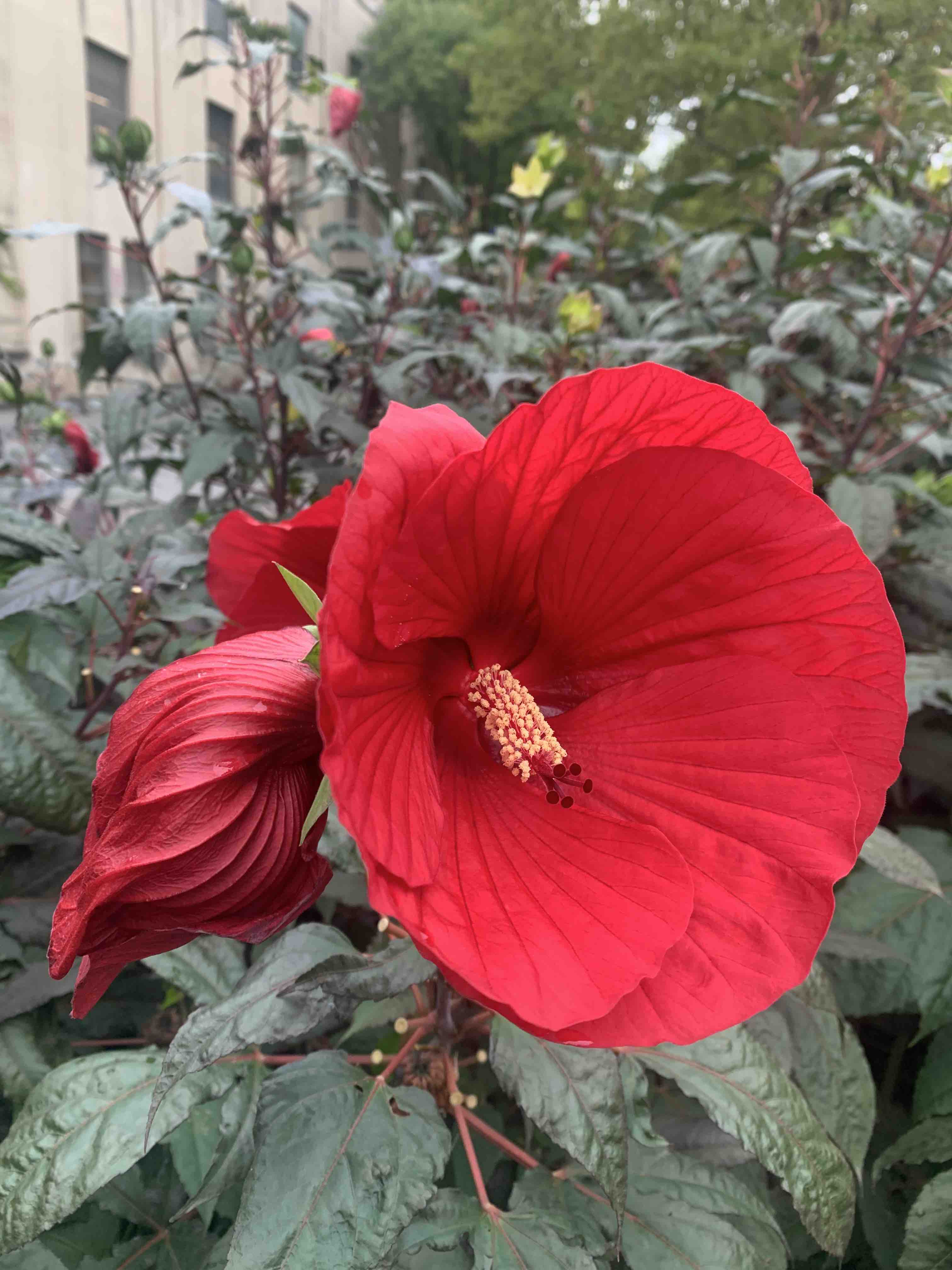
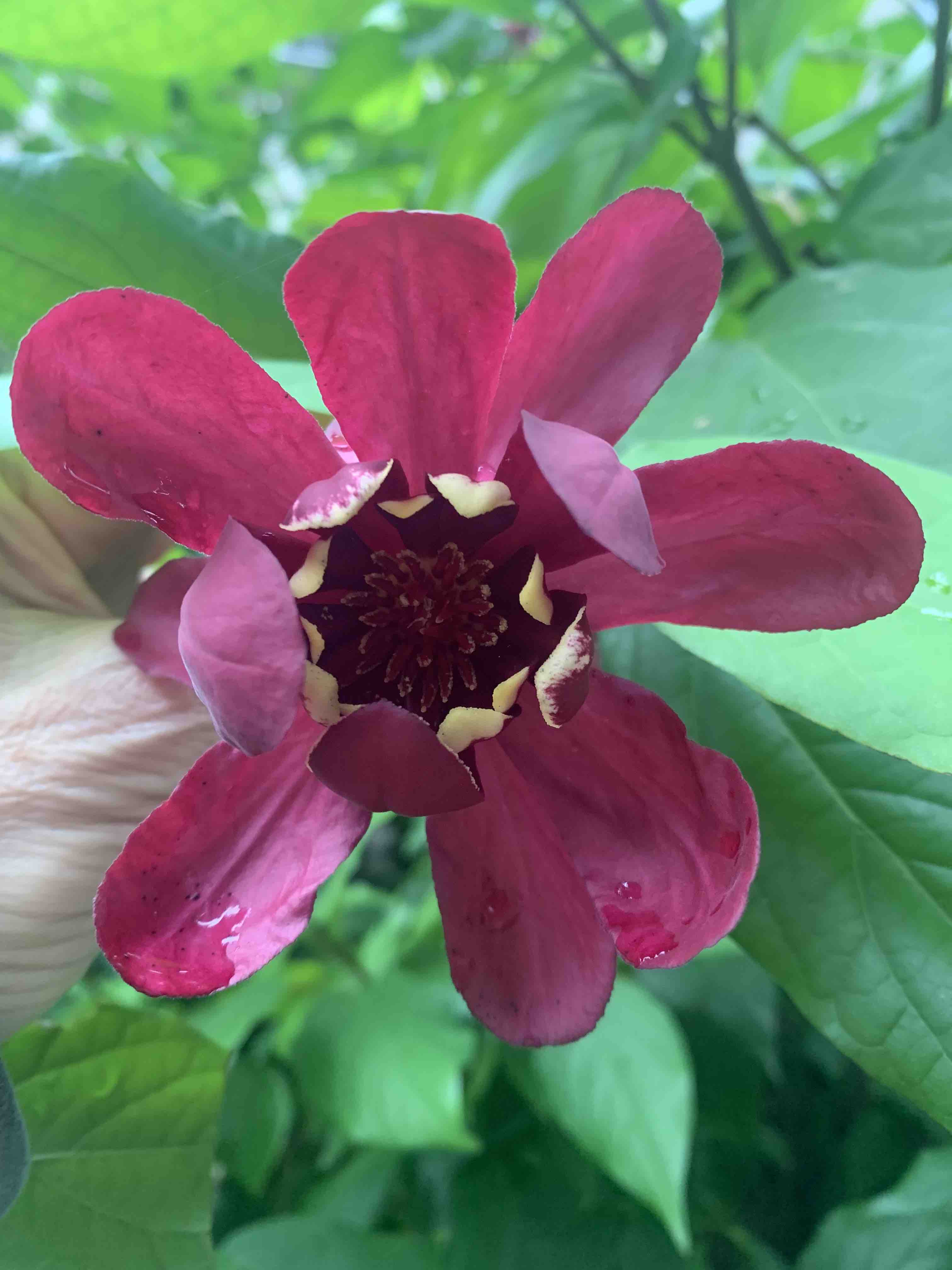
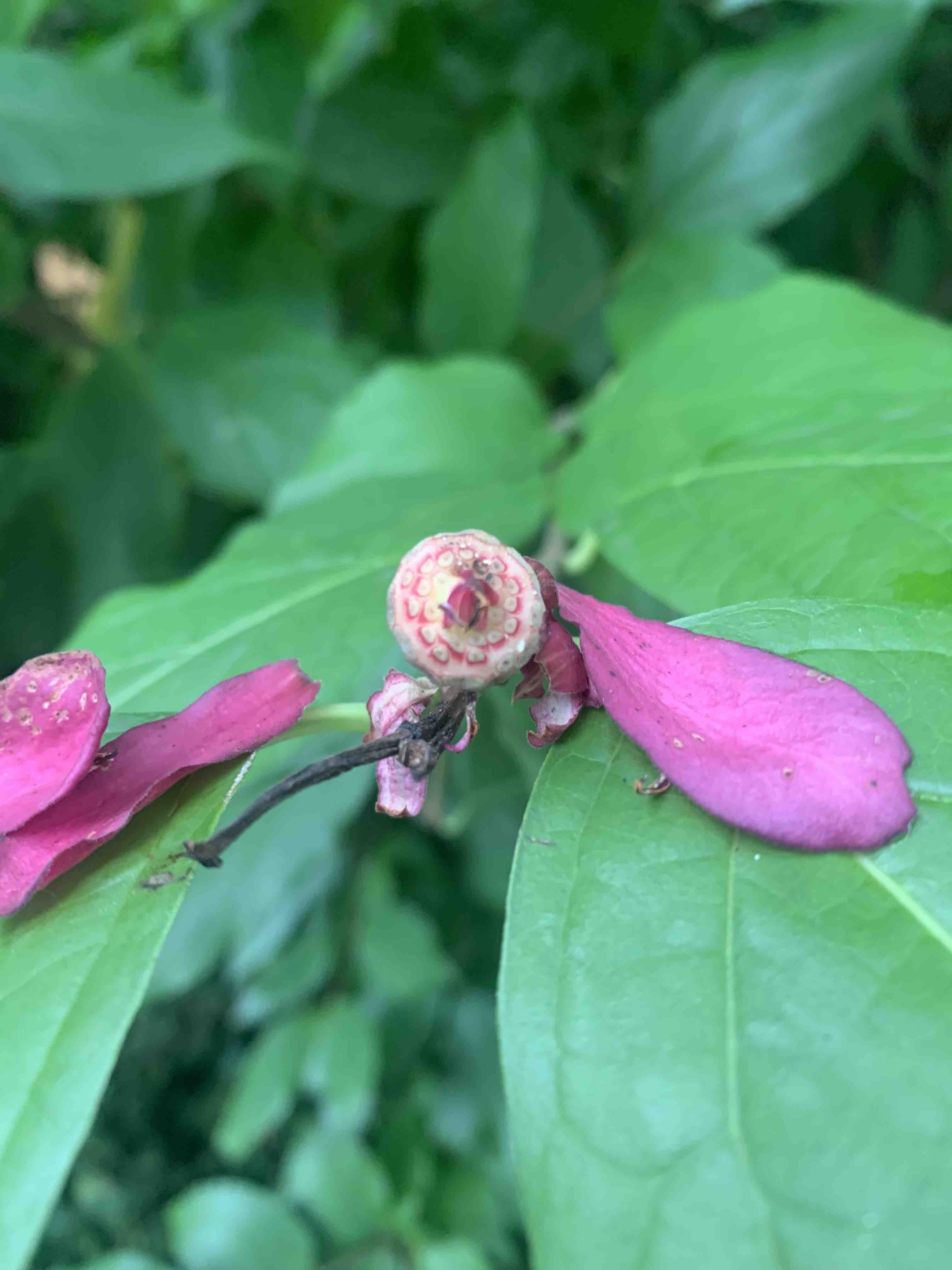
This flower in particular strikes me as worth the visit.

I have no clue what type of flower it is, but even when the petals are gone the interior is spectacular.

Alaska, Goosefoot Farm & The New Frontier

Either before or after reading the article below, please click on the image to the right. If it is early morning where you are, it will get you started on the right foot. If it is the middle of the day, the website will refresh you. And if it is night time, sweet dreams will almost certainly follow.

Our coffee CSA, combined with our regenerative activities, are only a  couple of reasons why this article is of personal interest to me. Work in Yakutia increased my wanting to visit Alaska, which started with the fact that my wife Amie was born there. Most of all, it is Alaska! The reasons are compounding, but time is not. Many thanks to Yasmin Tayag for this article in the New Yorker:

The Surreal Abundance of Alaska’s Permafrost Farms

Illustration by Nicholas Konrad / The New Yorker

In a place where the summer sun shines for twenty-one hours a day, climate change is helping to turn frozen ground into farmland.

In 2010, Brad St. Pierre and his wife, Christine, moved from California to Fairbanks, Alaska, to work as farmers. “People thought we were crazy,” Brad said. “They were, like, ‘You can grow things in Alaska?’ ” Their new home, not far from where Christine grew up, was as far north as Reykjavík, Iceland, and receives about sixty inches of snow each year. Continue reading

Sticks + Time = Hummingbirds

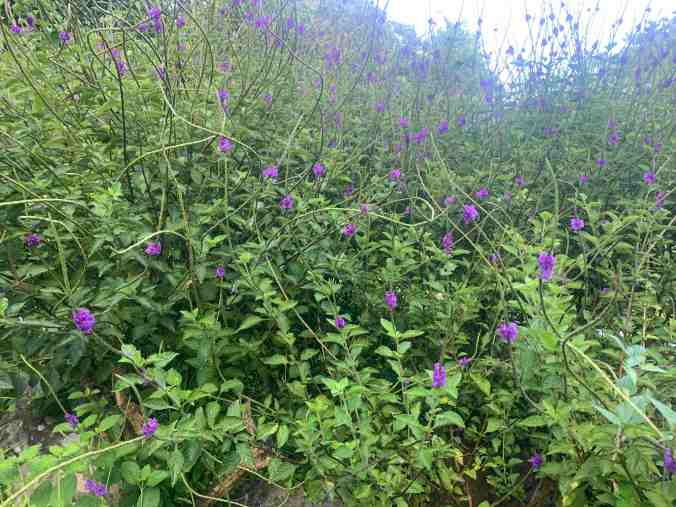
remaining branches of treacherous spine bush

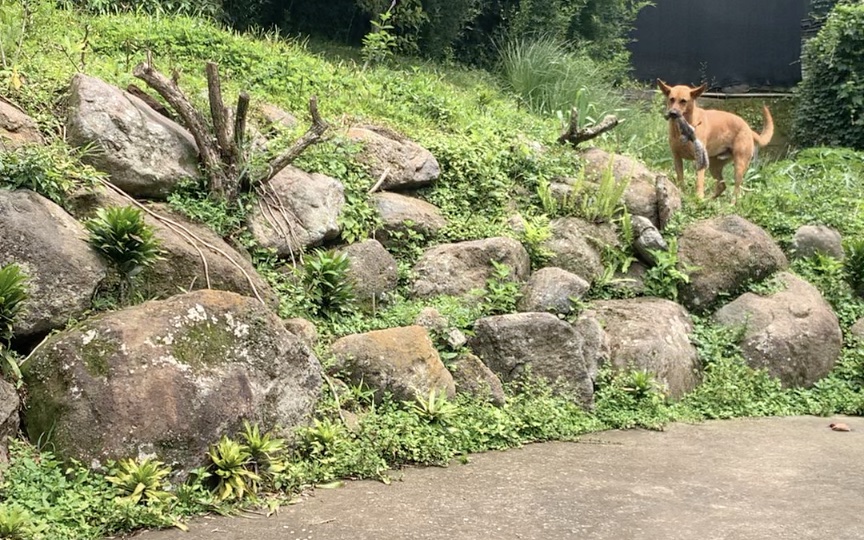
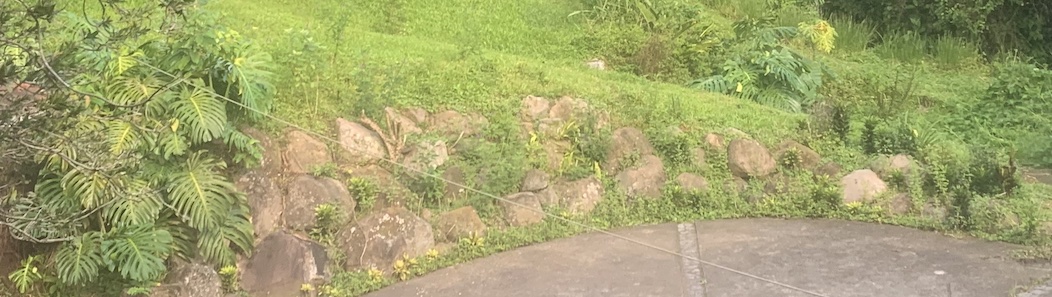
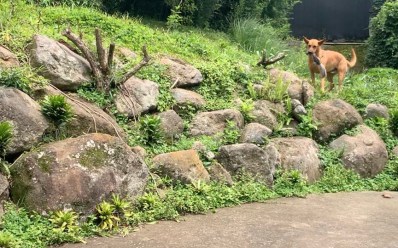
14 months ago the pandemic still allowed, which is to say forced, creative use of abundant time and limited budget, so I took a day or so to rethink this pile of rocks. It curves around where we park our car and had been covered by a gigantic bush.
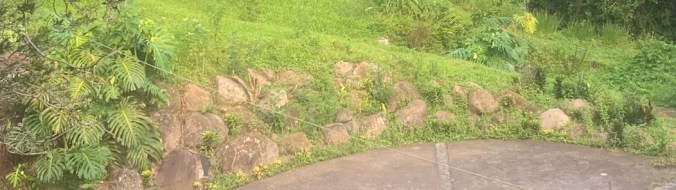
build back better

That bush produced spines abundantly and flowers sparingly. While spines may offer ecosystem services I have not yet learned about (other than self-protection for the plant itself), we are focused on regenerating bird habitat, so flowers count more in our calculus. In June, 2021 I cut the bush back to the short branches seen in these photos above.
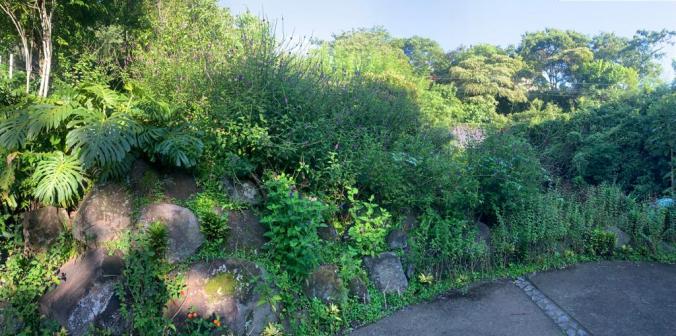
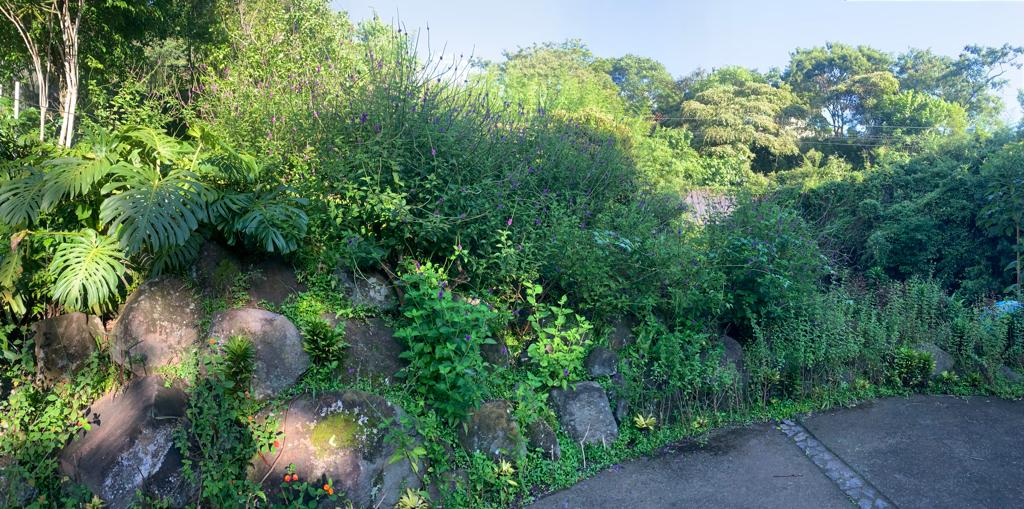
Spearmint, which can be seen growing straight up on the lower right side of this photo, is for scent, and then for tea; the rest is for the winged folk.

The treachery removed, the slate was blank, and the opportunity to build back better was clear. Hummingbirds and butterflies focus on the bushy abundance covering most of the area.

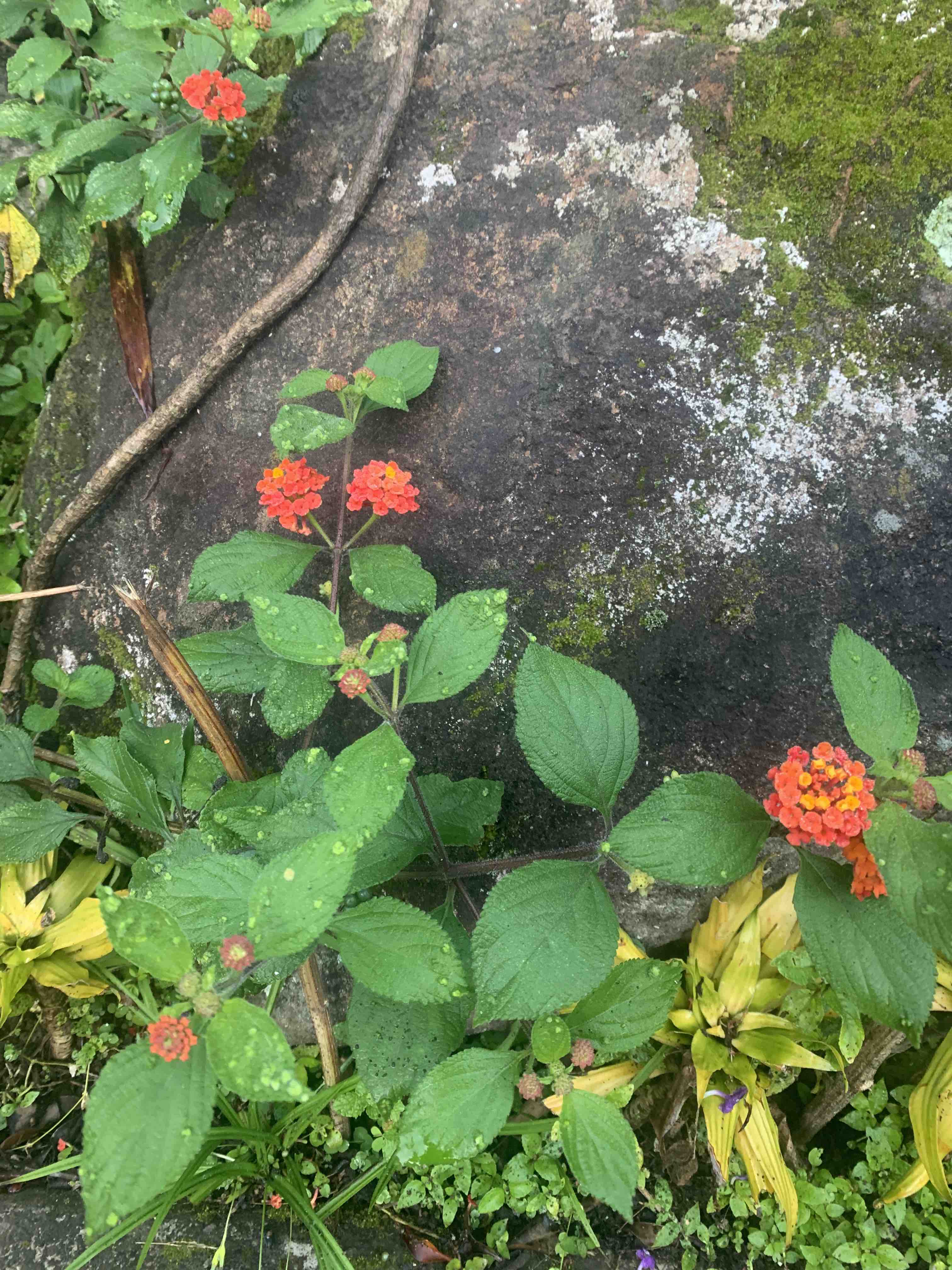
The bushes producing these orange flowers are slower to fill in

I went through the exercise that Ari described yesterday, trimming back a couple of bushes that hummingbirds and butterflies favor. I cut the branches into one foot long stalks and stuck about 100 of them into the soil in between all those rocks. 14 months later, here is what we have. Difficult to see from the macro view, flowers are constantly available for the pollinators. Every day, dozens of hummingbirds and numerous species of butterflies can be seen in these flowers. With a camera phone I am not well equipped to capture good photos of those, but when someone else does so we will share here.
Sticks + Time = Hummingbirds
Ending Lawn Sprawl

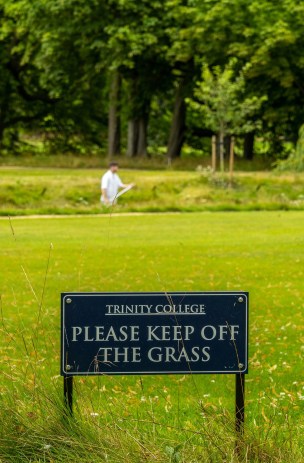
Grow wild Ordinarily only academics can walk on the grass courts of Cambridge’s colleges. Peter Dench
Tom Banham’s article in 1843, a masterpiece of longform writing on the topic of lawns, is preaching to the converted (me, at least). I live in a location with abundant rain and grass is more of a pest than the mainstay of beautifully manicured sprawling lawns (for which I am a sucker as much as anyone is).

We just planted the first couple dozen of 1,000+ coffee saplings and the grass on the hills where they are being planted plays a role in soil retention but we want the soil’s nutrients focused on the coffee. But there are plenty of more important reasons to be concerned about grass sprawl elsewhere:

The going gets turf: do lawns have a future in the age of drought?

Our gardens are sterile deserts that guzzle water and chemicals. Perhaps it’s time to let them be

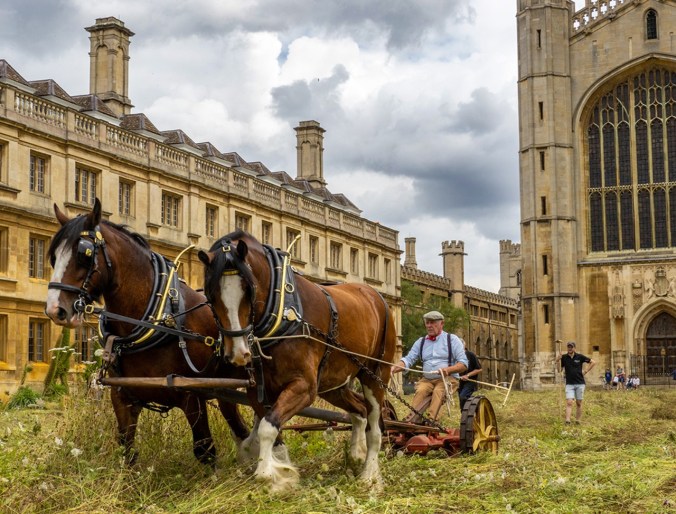
The harvesting in August 2021 of the wildflower meadow planted at King’s College, Cambridge. Peter Dench

The lawns at Tusmore House, a neo-Palladian mansion 15 miles north of Oxford, are so perfectly flat and exactingly shorn that they induce a kind of vertigo. Continue reading

Crickets Rising

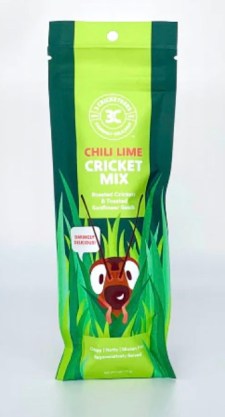
Personal testament: I have eaten protein bars made from cricket meal; I like the bars but do not picture myself transitioning to cricket dinner dishes. I am not yet sure that pure cricket powder is a product for me.

But I have been surprised by the success of Gricket bars in the Authentica shops–we clearly underestimated how culinarily adventurous the travelers visiting Costa Rica might be. Meanwhile, much further north, I am happy to see this family’s work and the success of the film they entered into this contest run by one of our most important sources of environmental news and opinion during the last decade:

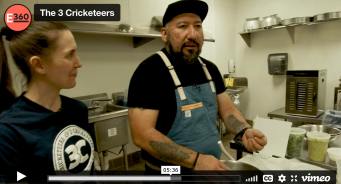
The Three Cricketeers: Betting on Bug Food to Help the Planet

A family in Minnesota wants to put crickets on your dinner plate. In the First Runner-Up in the 2022 Yale Environment 360 Film Contest, they explain how the insects are a high-protein food that can help reduce the massive emissions produced by livestock and large-scale farming.

For Claire Simons and her husband, Chad, it all started when their son brought home a snickerdoodle made of cricket flour one Earth Day. Continue reading

Almost Missed

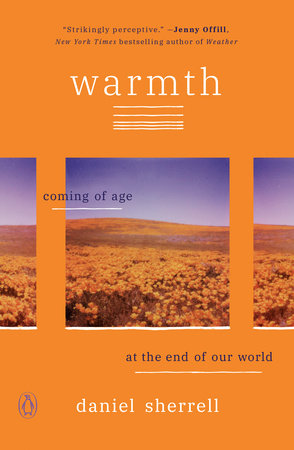
I have missed plenty of good articles, books and other sources of news and analysis that relate to our goals with this platform. When I am late to see something important, like the book to the right, no regrets. Especially when it comes to my attention through an essay like this one by Daniel Sherrell:

The Democrats’ climate bill is a historic victory. But we can’t stop here

Passage of the Inflation Reduction Act filled me with joy and rage, relief and apprehension, exhaustion and vigilance. We must celebrate, but also mourn, rage and organize

I was at a Mets game when news broke that the climate bill had enough votes to pass in the Senate. It was the bottom of the eighth, and Edwin Díaz had just struck out the heart of the Braves’ lineup. The crowd at Citi Field was feeling good. Everyone could sense a win was at hand.

I read the push notification then sat there stunned for several minutes, watching the Mets clinch the game, waiting for the world-shaping news to register. Continue reading

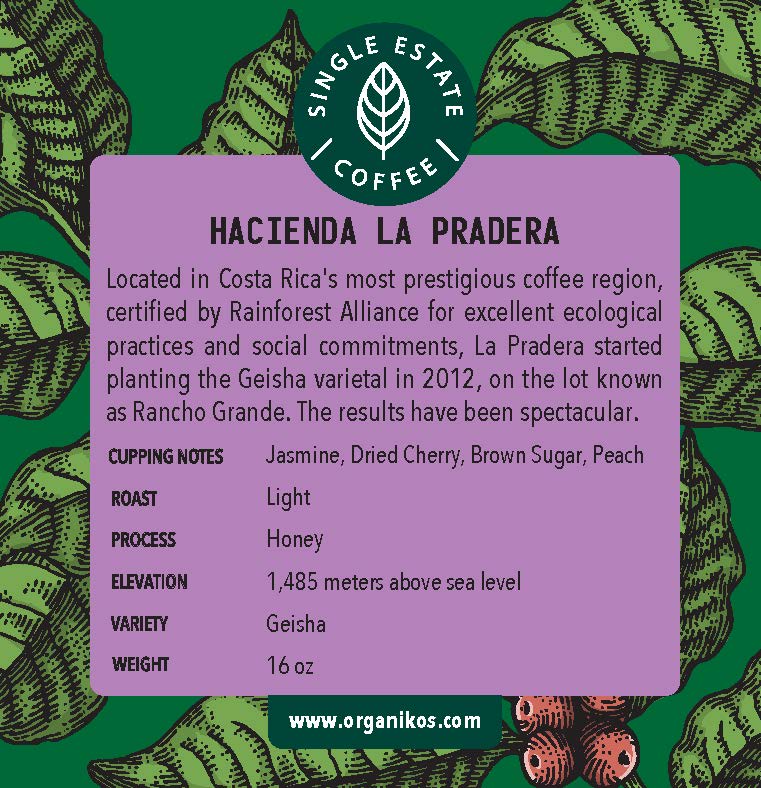
Hacienda La Pradera, Geisha Part 3/3

The estate is beautiful but that cannot explain the quality of the coffee the way that the African beds, the drying, and the sorting can.

Combined with the concentration of sugars into the beans that results from the time on those raised beds, the way the drying takes place after the first wash is a key feature of the way these beans are processed.

Honey process, sometimes called “pulped natural,” leaves some of the fruit on the beans.

This sticky mucilage looks like honey, thus the name, and is removed during milling rather than being washed off as is typical of washed coffees. The result is greater complexity of flavor.

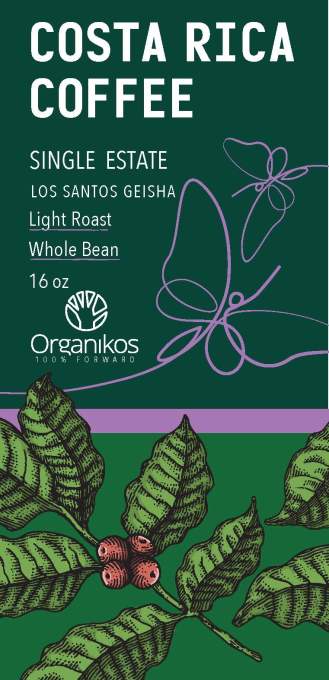
This is the only light roast coffee that we offer, due to that complexity. It is subtle, and the light roast allows that subtle flavor to be showcased; whereas a darker roast would hide that complexity. A final point about consistency: this beneficio employs dozens of sorters who do the final sorting of the best quality beans, work that is now done by sophisticated machinery in other beneficios. We have an agreement that next post-harvest we will come during this sorting process to film that work. Until then, we will enjoy this year’s harvest.