Giving A Bread Its Due Honor

President Emmanuel Macron of France described the baguette as “250 grams of magic and perfection in our daily lives.” Eric Gaillard/Reuters

When the baguette was a daily part of our family’s life, we were fortunate to have a personal connection to the best guide, whose photo in the story below is as fitting as the photo above:

Steven Kaplan, perhaps the baguette’s most dedicated historian, says the bread has “little sites of memories” that “testify to a sensuality.” Daniel Janin/Agence France-Presse — Getty Images

A Slice of France, the Baguette Is Granted World Heritage Status

More than six billion baguettes are sold every year in France. But the bread is under threat, with bakeries vanishing in rural areas.

PARIS— It is more French than, perhaps, the Eiffel Tower or the Seine. It is carried home by millions each day under arms or strapped to the back of bicycles. It is the baguette, the bread that has set the pace for life in France for decades and has become an essential part of French identity.

On Wednesday, UNESCO, the United Nations heritage agency, named the baguette something worthy of humanity’s preservation, adding it to its exalted “intangible cultural heritage” list. Continue reading

Understanding & Reviving Games From Other Places, And Times Before

Leaving aside the question of why so many of the world’s most important historical artifacts are in London, rather than where they originated, the curator in the video above is charming. And the man in the photo just below to the right is his counterpart in the place where this particular artifact originated.  My interest in board games is much less well informed, but like Mr. Mofaq I have an interest in their revival, so Deb Amlen’s article in the New York Times is appreciated:

Hoshmand Mofaq, an Iraqi artist, pondered his next move on one of the Royal Game of Ur boards he designed. Mr. Mofaq is part of a group who hope to popularize and return the game to the Iraqi people as part of their cultural heritage. Shwan Mohammed/Agence France-Presse — Getty Images

For 4,600 years, a mysterious game slept in the dust of southern Iraq, largely forgotten. The passion of a museum curator and the hunger of young Iraqis for their cultural history may bring it back.

It is the end of a long, hot day of selling your wares in a market in ancient Mesopotamia, around 2,400 B.C., and you are looking for a way to unwind.

Netflix will not be invented for another four and a half millenniums, but as luck would have it, a pub lies ahead in the distance. A beer and a round of the Middle East’s favorite game is just the thing to pick you up. The thrill of the game is irresistible: It is impossible to predict who will win in this race to get your pieces to the end of the board, even in the last few moves.

One of the boards of the Royal Game of Ur excavated in the 1920s, on display at the British Museum. The British Museum, via Commons.wikimedia.org

You sit down across from your opponent, who offers you the first turn. You pick up the four-sided dice and shake them in your fist. Maybe this time the rumored fortunetelling aspect of the game will bless you with a spate of good luck and prosperity. Continue reading
57+ Countries, All Important, But A Few Favorites

Stelios Trilyrakis, the chef behind Ntounias in Crete, pats one of his heritage cows, a rare Cretan species called Gidomouskara. SteMajourneys

I have a longstanding habit, in an article like this one listing travel experiences including 5. Savor an Unforgettable Lunch at Ntounias in Western Crete, of skimming to find whether the writer(s) have been to anywhere that I know firsthand; if they write something meaningful about a place I know, I read the entire article. These days I have less interest in going to places I do not already know (between 57 and 60 countries where I have had meaningful experiences, ranging from a few days to living there for a year or more).

When I see Crete, I am all in, for reasons I have made plain previously. In this case I want to abandon all responsibilities and get on a plane.

Since that is not possible I am left to desk-travel, which is what I did to learn more about this place. I see now that on the two occasions when I have mentioned Xania I have spelled it two different ways. With the X my spelling was transliterating into English the letter used in the Greek alphabet for spelling that town’s name; otherwise the dipthong of Ch is necessary to produce the sound of the Greek letter that looks like an elongated X. Now that I have excused my spelling discrepancies, and daydreamed of a meal on the island of Crete at a later date, I will get on with my responsibilities.

Music For A Monday

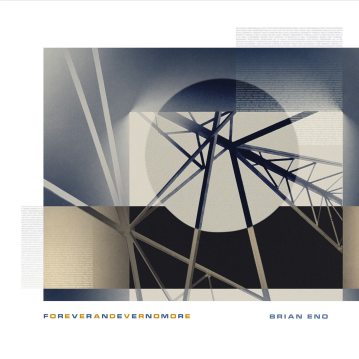
The music critic Jon Pareles gives Brian Eno’s album its due respect, but saying that the “musician and producer’s new songs meditate on folly and annihilation” does not really make you want to listen to it. This interview title from Wired has a different effect, at least on me:

Brian Eno on Why He Wrote a Climate Album With Deepfake Birdsongs

The ambient music pioneer is back with ForeverAndEverNoMore, an album that wants to get you in touch with your climate emergency feelings.

THE TITLE OF Brian Eno’s new album ForeverAndEverNoMore sounds fairly doom and gloom. Continue reading
Jaguar In Australia

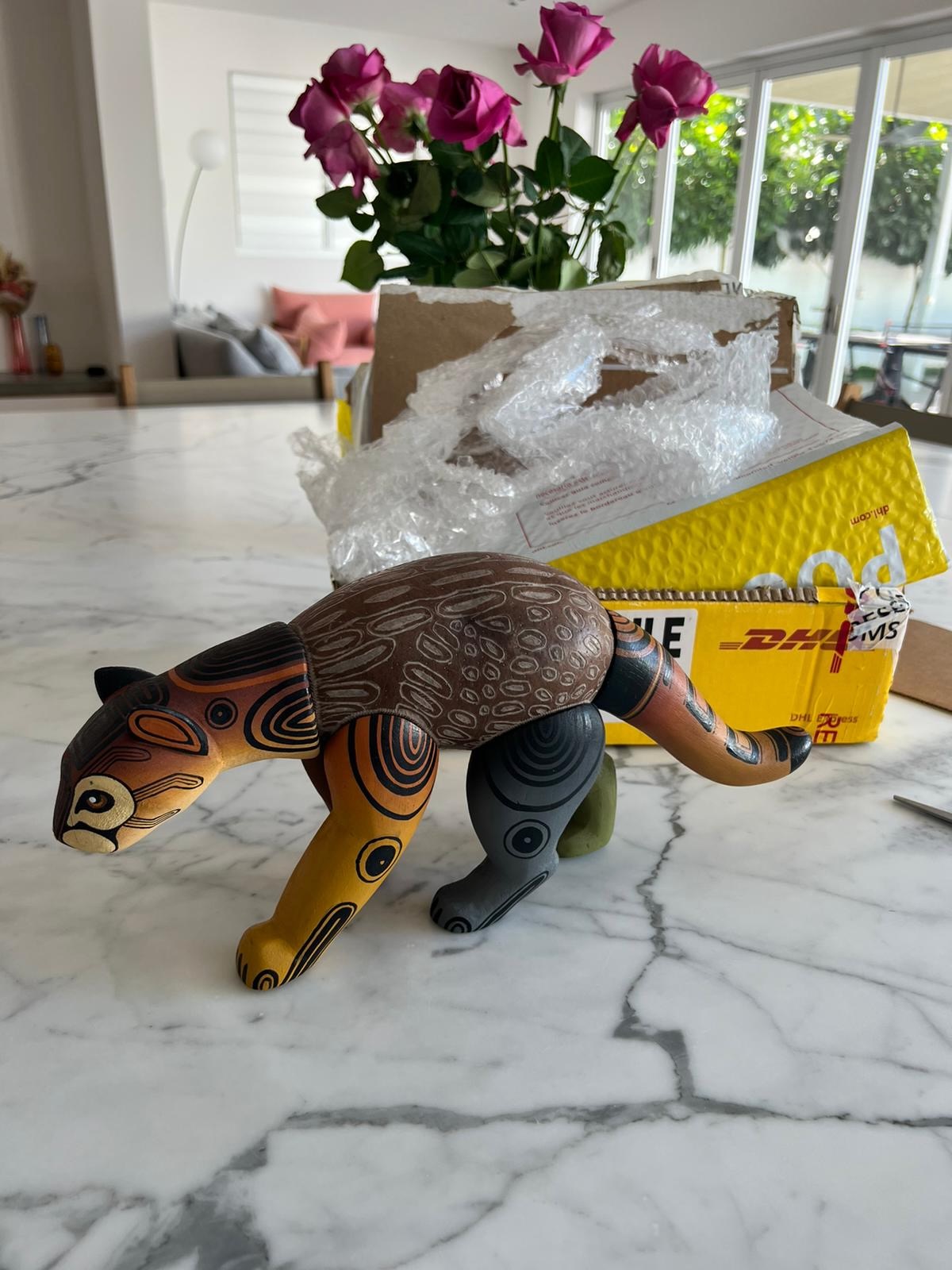
Jaguar, Doña Loly

Today, a photo from Australia, where one of my personal favorite items carried in the Authentica shops arrived recently. A guest purchased it, we shipped it to his wife, and she kindly confirmed that it arrived safely.

From Wales To The Tropics, Coppice

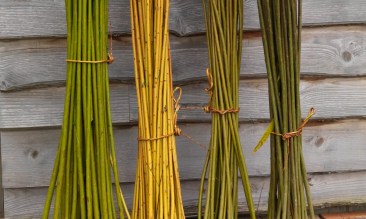
Bundles of newly coppiced Salix viminalis – willow stems harvested during late autumn and winter each year, to create living willow structures and woven items. Photograph: Compulsory Credit: GAP Photos/Nicola Stocken

In the tropics we use coppice to make berms that support new growth and channel water, while in Wales they do other practical things; thanks to the Guardian‘s  Alys Fowler (long time no see) for pointing the latter out to us:

Coppicing is great for your garden – and gives you lots of material to play with willow stems

Apart from the enjoyment of making household items out of stems, coppicing trees and shrubs has aesthetic and eco benefits for gardens

Back in late spring when we got the keys to our new house in Wales, I quickly coppiced a huge hazel to let some light into the back of the house. Continue reading
Hacienda La Pradera, Geisha Part 3/3

The estate is beautiful but that cannot explain the quality of the coffee the way that the African beds, the drying, and the sorting can.

Combined with the concentration of sugars into the beans that results from the time on those raised beds, the way the drying takes place after the first wash is a key feature of the way these beans are processed.

Honey process, sometimes called “pulped natural,” leaves some of the fruit on the beans.

This sticky mucilage looks like honey, thus the name, and is removed during milling rather than being washed off as is typical of washed coffees. The result is greater complexity of flavor.

This is the only light roast coffee that we offer, due to that complexity. It is subtle, and the light roast allows that subtle flavor to be showcased; whereas a darker roast would hide that complexity. A final point about consistency: this beneficio employs dozens of sorters who do the final sorting of the best quality beans, work that is now done by sophisticated machinery in other beneficios. We have an agreement that next post-harvest we will come during this sorting process to film that work. Until then, we will enjoy this year’s harvest.

Hacienda La Pradera, Geisha Part 2

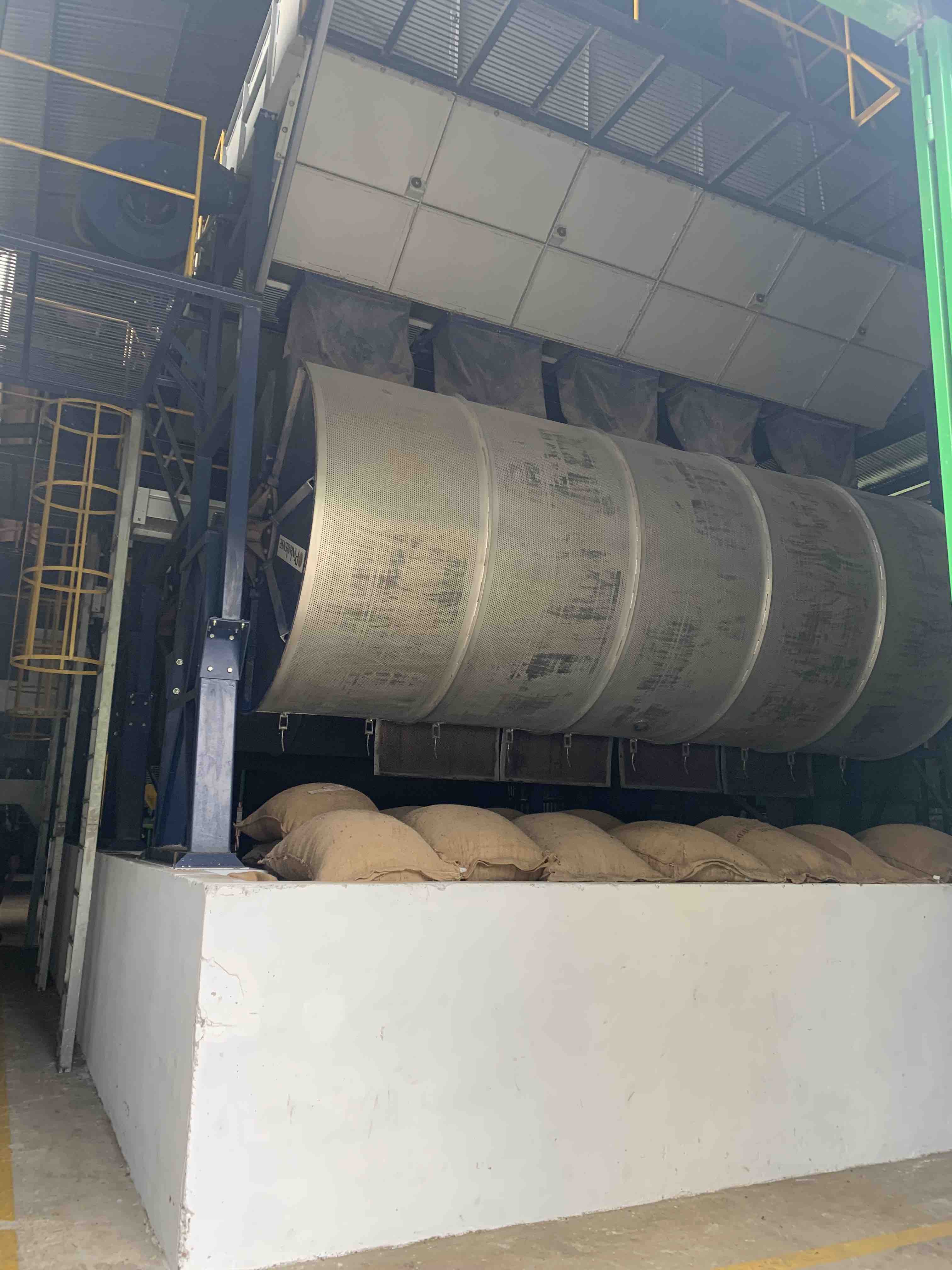
After the visit to Hacienda La Pradera we visited its equally important sister property down the road, the beneficio where all of La Minita’s coffees are processed after harvest. The buildings and their equipment are not as charismatic as the coffee farms, but the quality of the coffee we procure depends as much on the beneficio as the farms.

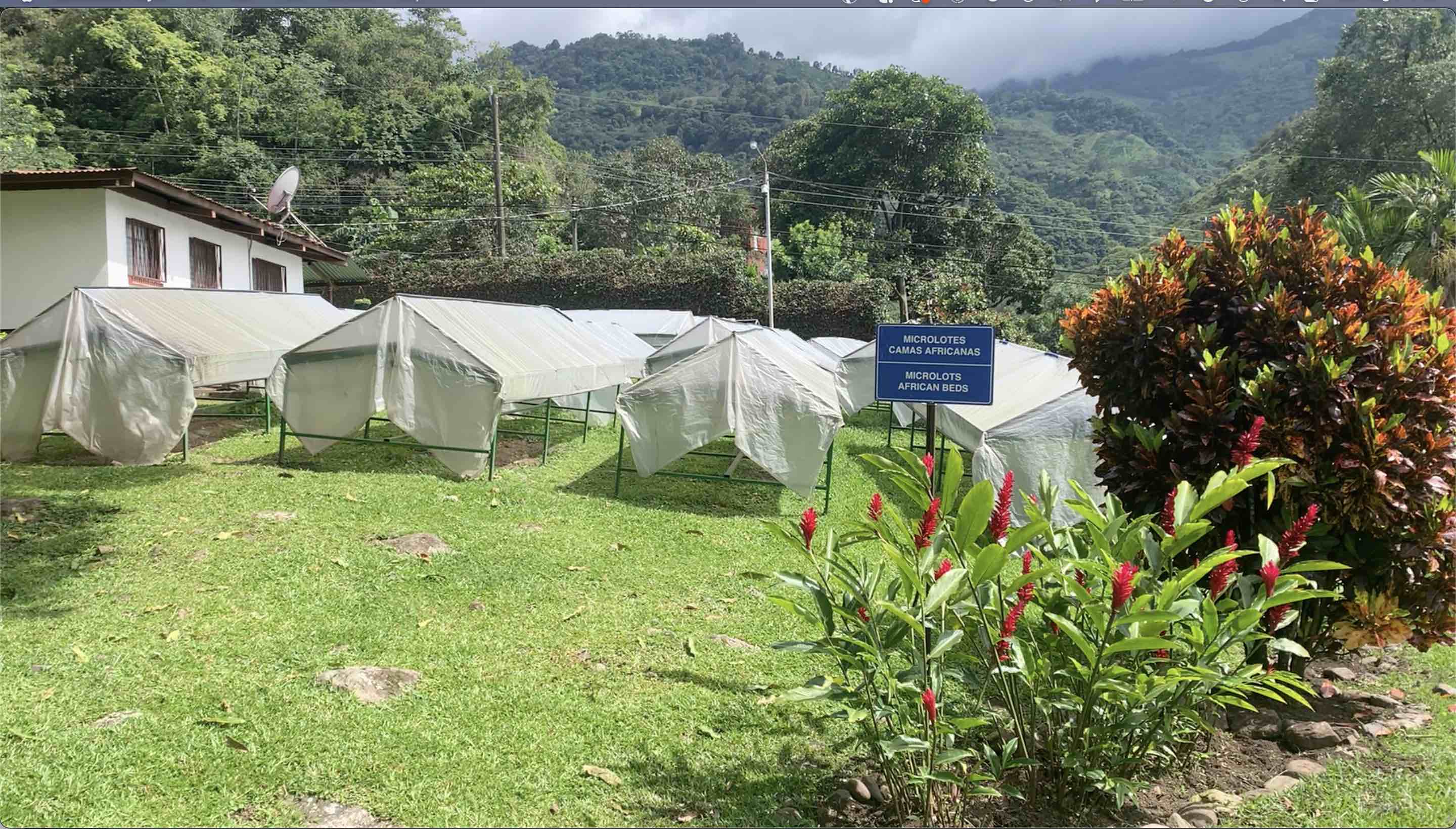
It starts with the African beds where the freshly picked coffee cherries are placed immediately after harvest. The sun “naturally” does the work that traditionally was done with water in the Costa Rica “washed”  process to get the skin, the fruit and other elements of the cherries removed to reveal the beans. Not only is this a more efficient use of natural resources–it also imparts more flavor into the beans as the sun dehydrates the juices surrounding the beans, and sugars of those concentrating juices absorb into the beans. After the drying on those beds the real work begins for the people who operate the equipment inside two buildings.

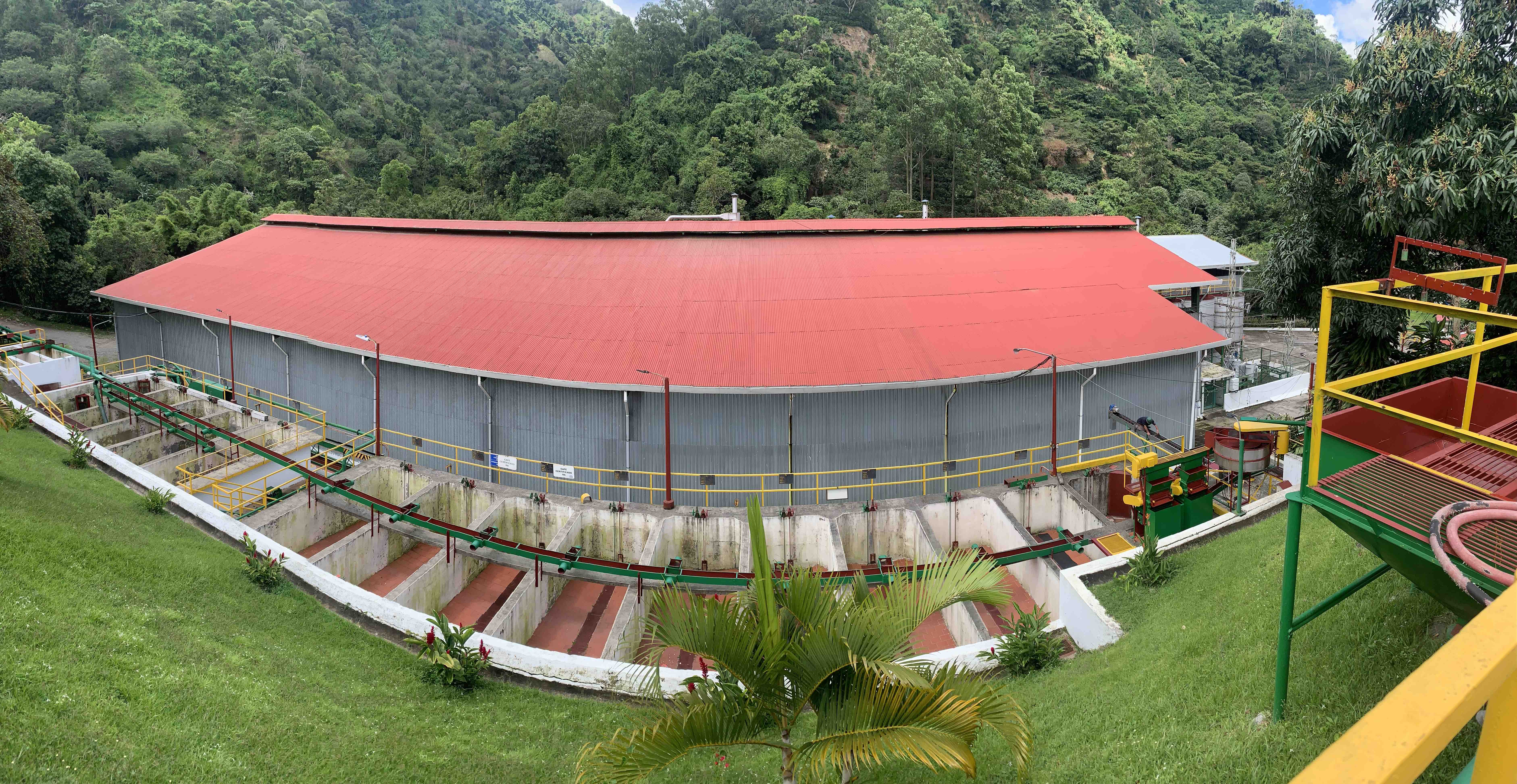
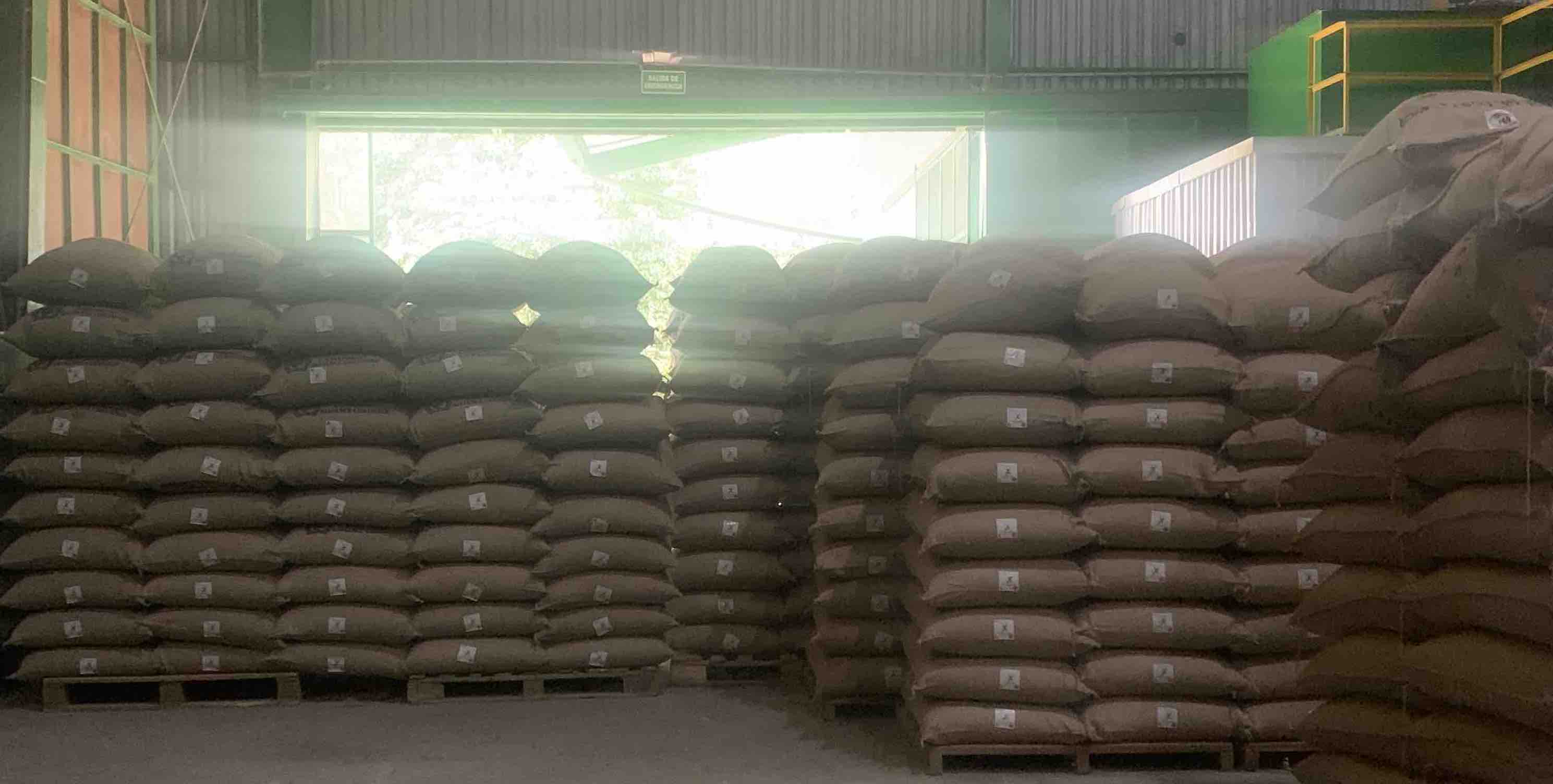
The building in the photo to the right is where all those beans land after being sorted for quality. Water is still important, even though much less is used in the natural method, to clean the beans of residuals from the fruit and skin. In the foreground of the building above you can see the washing tanks that all beans pass through.

Inside the building are drying machines that get the beans to an ideal level of humidity before a final sorting prior to packing.

In a final post on this process tomorrow, I will do my best to explain how the African beds, the drying, and the sorting are so important to the exceptional coffees we receive.

Hacienda La Pradera, Geisha Part 1

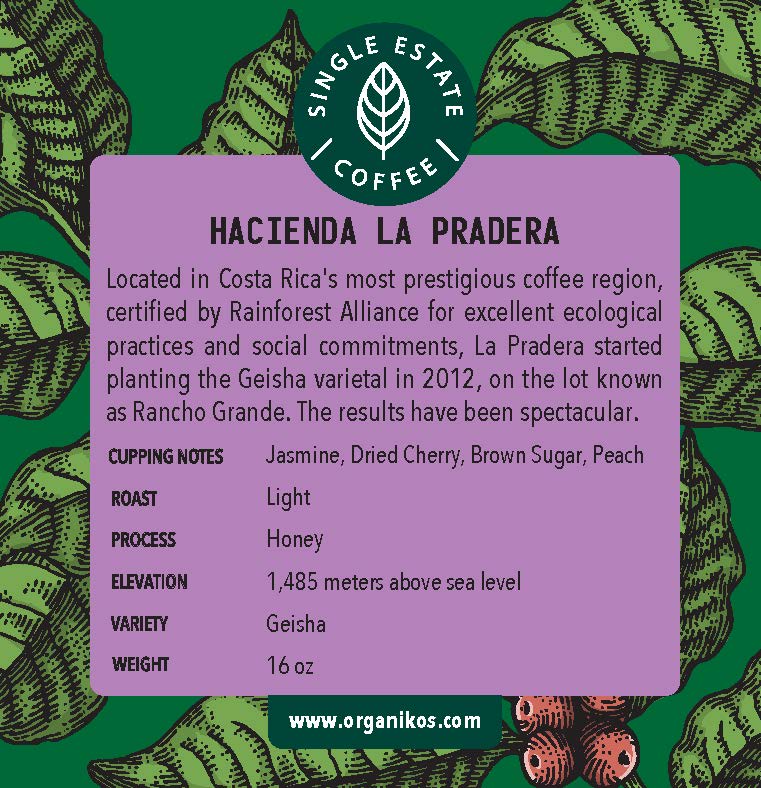
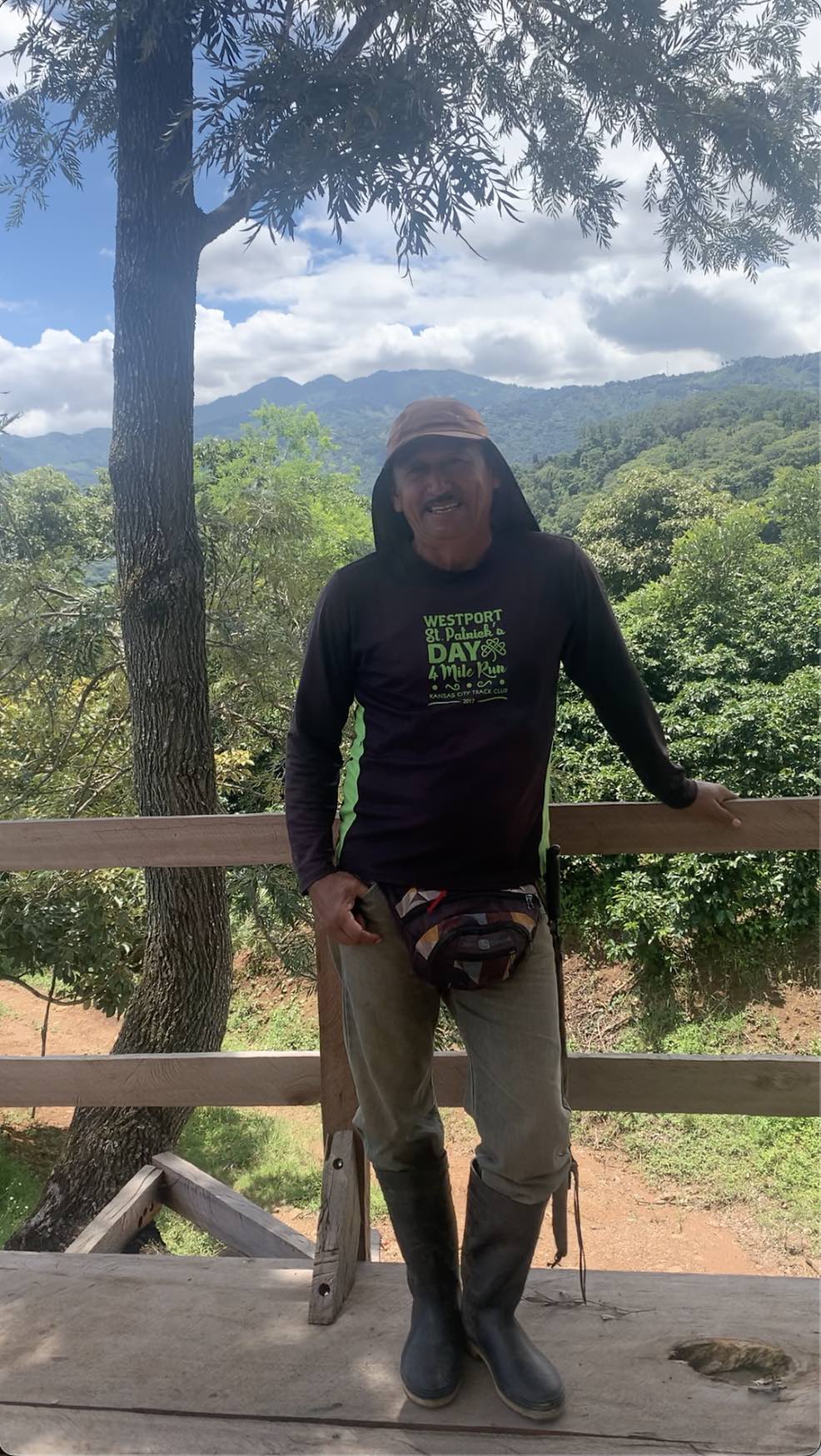
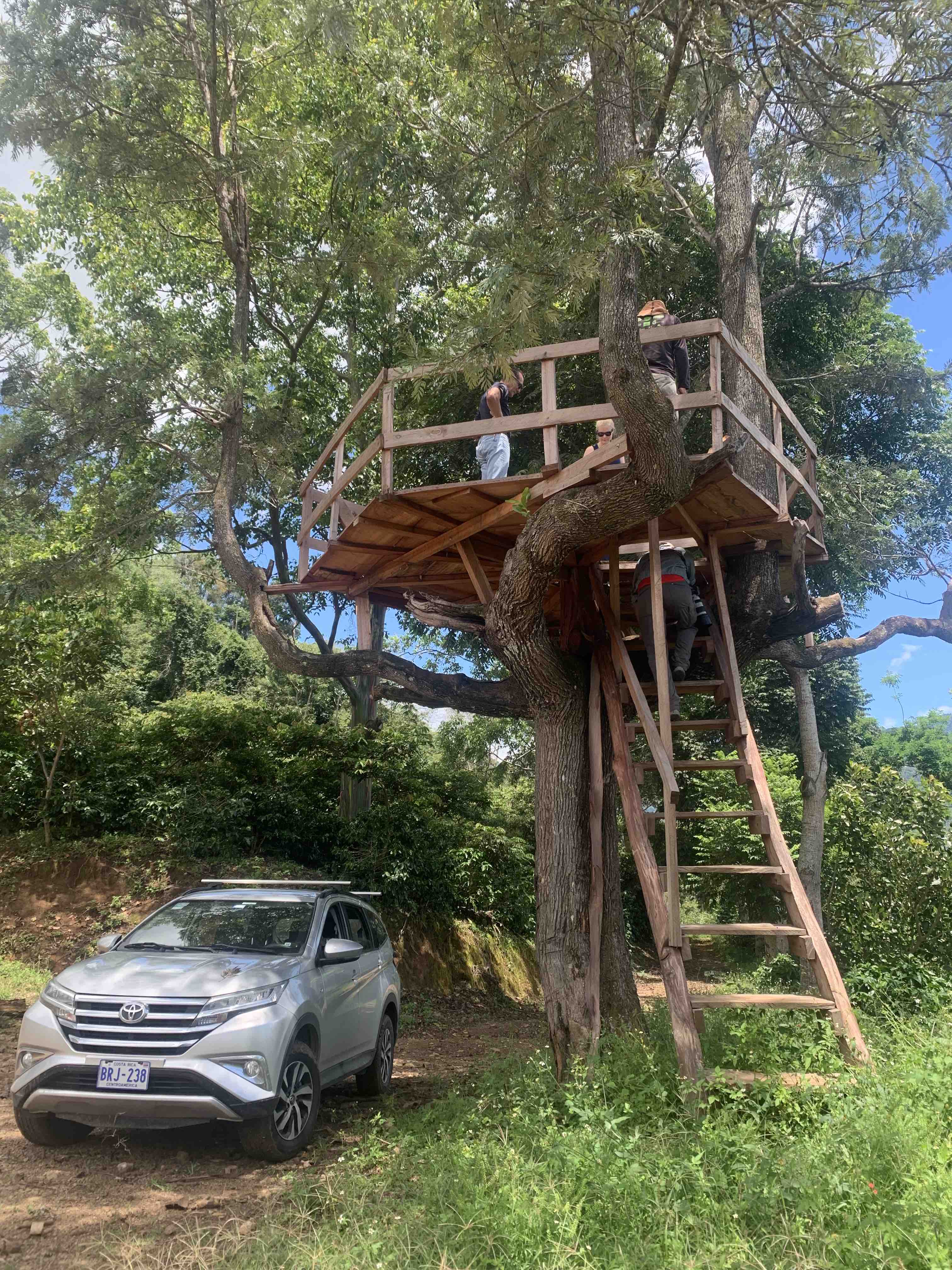
I have sampled coffees from La Minita from time to time over the last two decades, and have always been impressed by their quality. Because of that consistency we recently started offering their geisha varietal from Hacienda La Pradera at our shops in Costa Rica and also for delivery in the USA. Last week I finally had the opportunity to see first hand how and why that quality is so consistent. One reason is Pedro, pictured above while we were standing on the lookout over the farm lands he is in charge of.

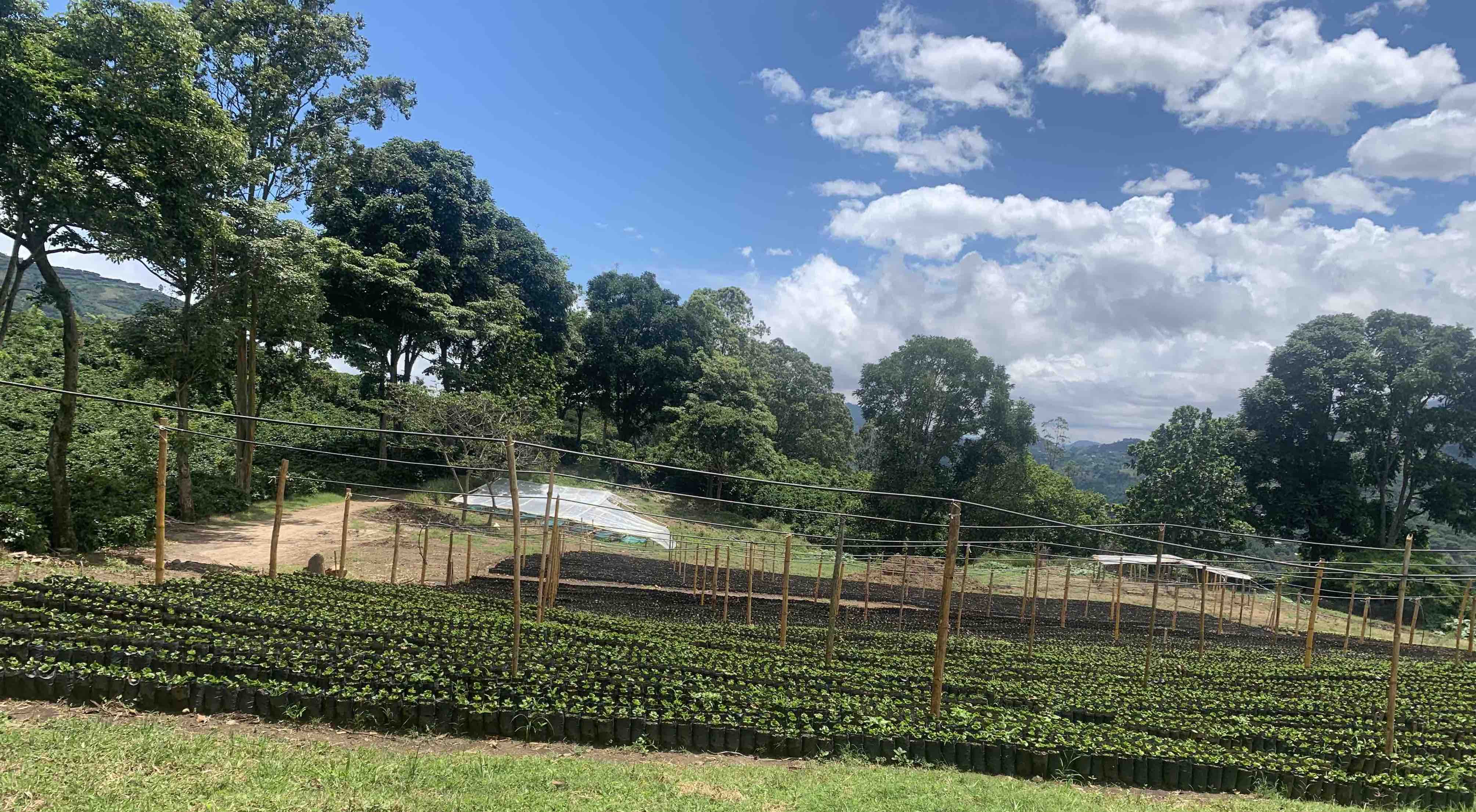
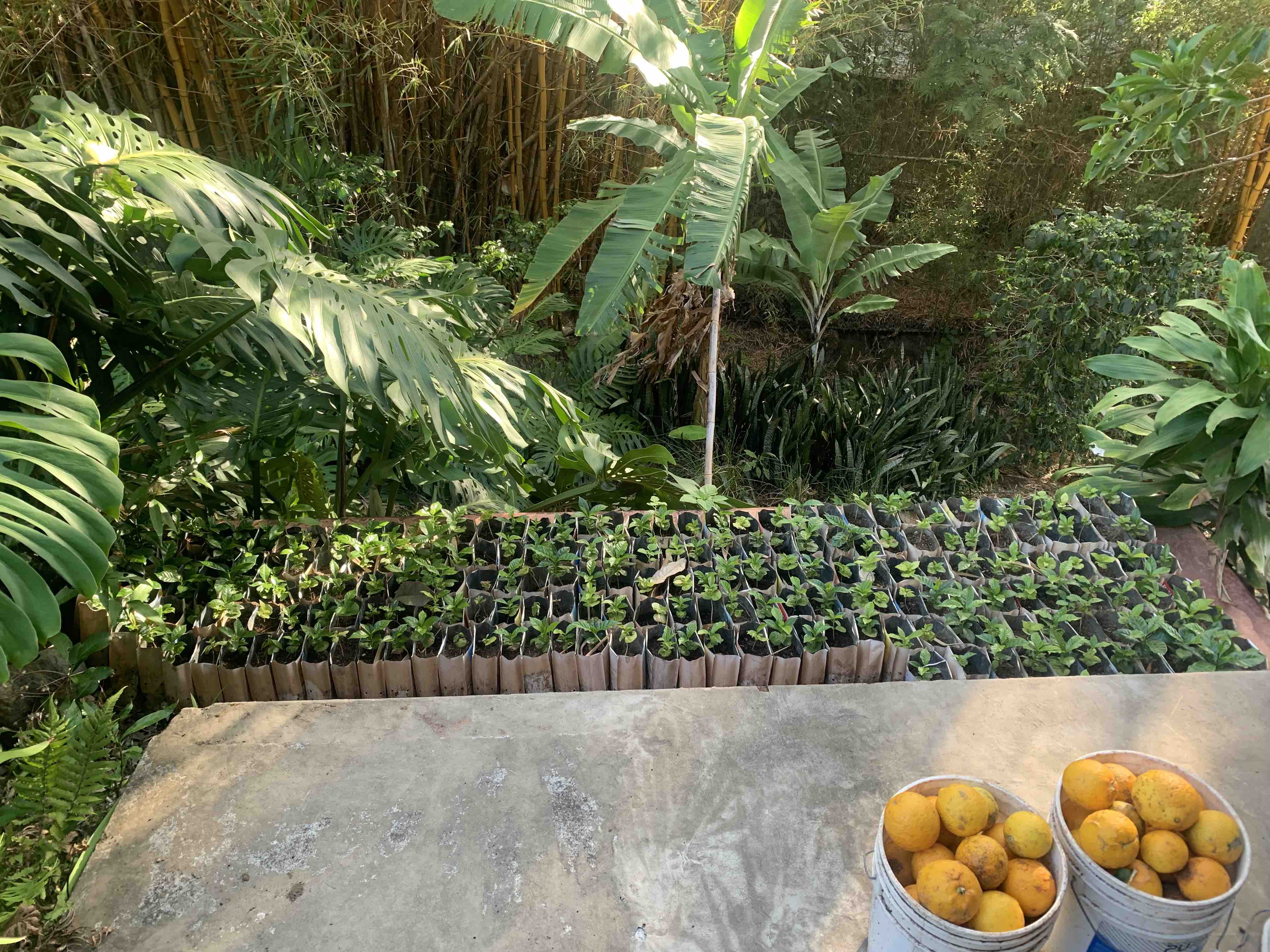
From that perch we surveyed the various plots, including the nursery (about 8,200 seedlings in the image below) as well as the several arabica varietals he has been growing on the 181 hectares of land.

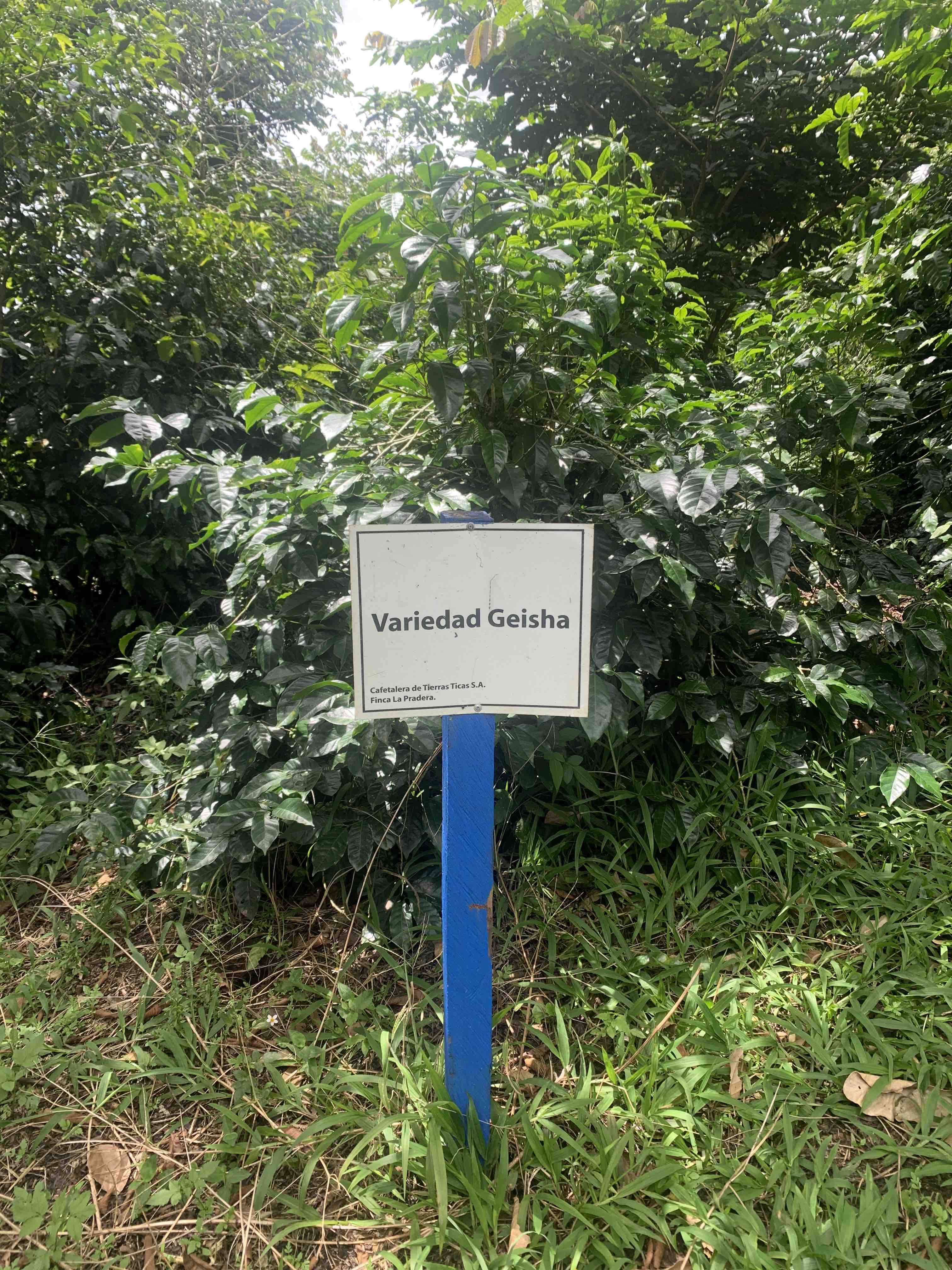
Geisha is special for reasons I noted last year when introducing beans from another estate. Those beans were excellent, these are exceptional. Stay tuned. Tomorrow I will explain why.

Vertical Farming Super Strawberries

Illustration by João Fazenda

In the early years of this platform we were developing new properties in Kerala, India and food was a focal point. More recently when we indulge in the culinary it is Costa Rica taste of place we are talking about. Occasionally vertical farming makes its way into these pages, but it has been a while:

Selling “Omakase” Strawberries, for the Price of a Full Meal

The founder of Oishii, whose haute-cuisine strawberries have sold for as much as ten dollars a pop, offers a tour of one of his V.C.-backed vertical farms, modelled on the foothills of Japan and built in New Jersey.

Consider the strawberry: red, ripe, an ephemeral pleasure as fleeting as a summer fling. Continue reading
Lionfish Leather

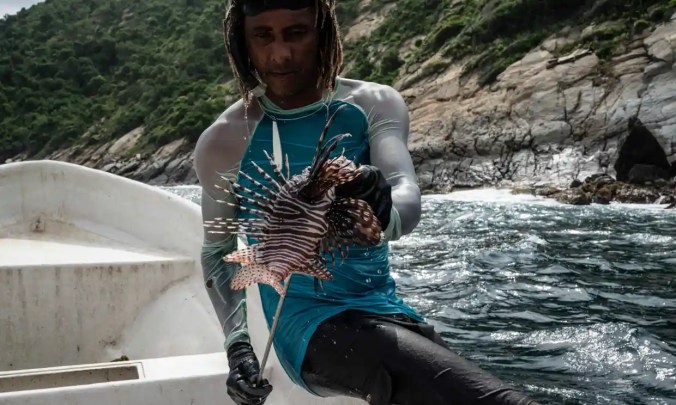
A lionfish caught off Venezuela, where the authorities organise sport fishing competitions to curb the dangerous proliferation of the invasive species. Photograph: Yuri Cortéz/AFP/Getty

Lionfish came to our attention in a series of posts starting in 2014. That year we came to see that fighting this invasive species would require innovative entrepreneurial conservation methods. We published more posts and series about initiatives in the years since then, but the problem continued to grow. For some reason the stories about initiatives started fading from our attention and then stopped with a post in 2018. Now, 22 posts since the first post and four years since the last one, lionfish are back in our thoughts thanks to Inversa’s innovation:

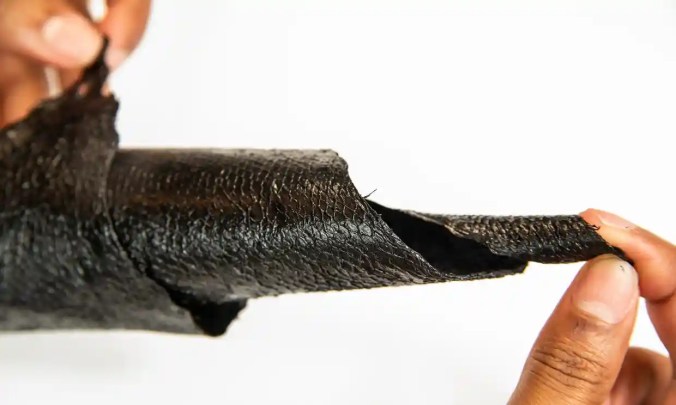
Lionfish leather. Inversa says it is helping to solve an environmental crisis by using an invasive species that eats lots of other fish but has no predators in much of its range. Photograph: Inversa

Fish leather is here, it’s sustainable – and it’s made from invasive species to boot

An avid diver saw how lionfish have devastated populations of Florida’s native tropical fish and resolved to help solve the problem

Aarav Chavda has been diving off the coast of Florida for years. Each time he became increasingly depressed by the ever-growing void, as colourful species of fish and coral reefs continued to disappear. Continue reading
Cold Brew Coffee, 2022

Cold brew coffee experimentation, April 2020

Two years ago, when the pandemic had shut down the airports in Costa Rica and we had no clue how long that would last, we wondered how the artisans and the farmers who supplied our recently opened Authentica shops would fare. We had to ask ourselves what we were going to do with the roughly 7,000 pounds of coffee beans we had contracted to buy from that year’s harvest. The most obvious move was to start roasting in the USA, so we could deliver to customers who had bought from us in Costa Rica and wanted to continue buying.

Cold brew coffee was a brief experiment at the time, but with sufficiently robust results to convince us that when travelers returned we would offer samples. The time has come.

Coffee, Birds & Bees

Seedlings from coffee picked in early 2021

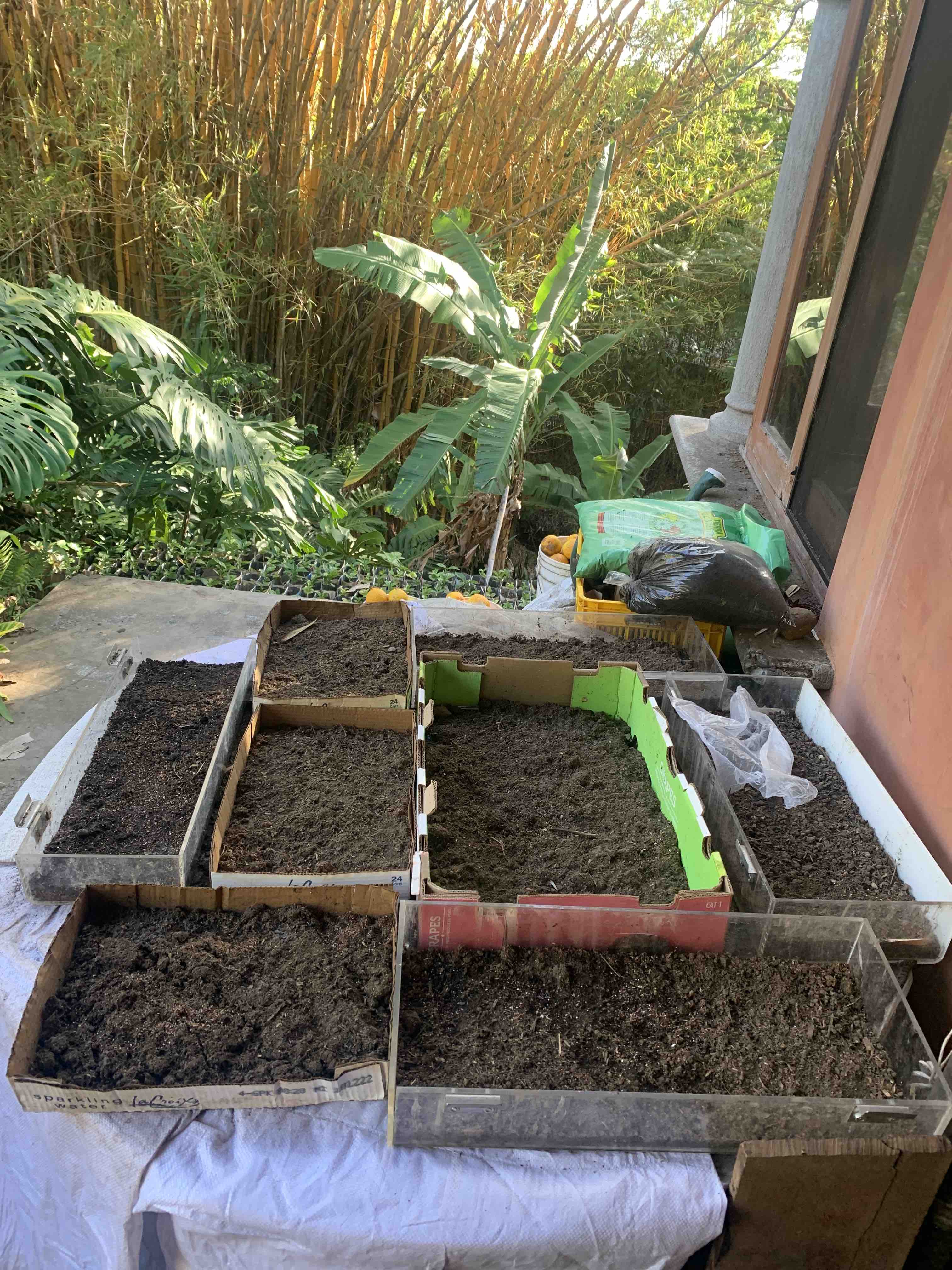
On a couple of acres of mountain land in Escazu, on property that once was part of a larger coffee farm, we have been preparing to plant a thousand or so coffee saplings, which will eventually become trees among trees. Above are the thriving seedlings from 2021 germination, and below the early stage of germination from this year’s pickings.

Germination of coffee picked in early 2022

Coffee culture has been a long time in the making, so the slow pace of the Organikos arc has not intimidated me. And yet, if I could speed it up, I would because of the variety of beneficiaries.

Today an article by Cristen Hemingway Jaynes on the website EcoWatch brings to my attention a team of researchers who I will pay more attention to. Some are here in Costa Rica, at CATIE; the others at University of Vermont. Their work makes me appreciate the value of getting on with this:

Birds and Bees Make Better Coffee, Study Finds

Birds and bees work together as pollinators. DansPhotoArt on flickr / Moment / Getty Images

For many people, one rich, pleasant smell signals the start of a new day more than any other: coffee. Different techniques have been used to get the best cup of the caffeine-rich liquid, from a French press to the pour-over method.

A unique new study has found that the secret to better coffee is really in control of the birds and the bees. Continue reading

If You Happen To Be In London

Museum number: BP.1079
© Victoria and Albert Museum, London, courtesy Frederick Warne & Co Ltd.

Do you have the inclination of switching from city life to rural? I, for one, made the switch and have no inclination to ever live in a city again. Occasional visits are fine. But as the theme song from a tv show of my youth had it “…keep Manhattan, just give me that country life…”.

My reason for thinking about this today is related to the book on the right. Whether or not you are a fan of her books, you might find the case of Beatrix Potter’s life choices worthy of consideration. Rizzoli has published this book to accompany an exhibition at the Victoria & Albert Museum. Our appreciation to Anna Russell for describing both, and adding plenty of detail about the author’s life, in this article:

The Secret Life of Beatrix Potter

A new book and an exhibition on Potter, who wrote “The Tale of Peter Rabbit,” use letters, sketches, and a coded journal to capture an author who delighted in the detail and humor of the natural world.

Many teen-agers will go to great lengths to keep their diaries private—I kept a little key for mine in a wooden jewelry box, which I guarded jealously—but the children’s book author Beatrix Potter took it to an extreme. Continue reading

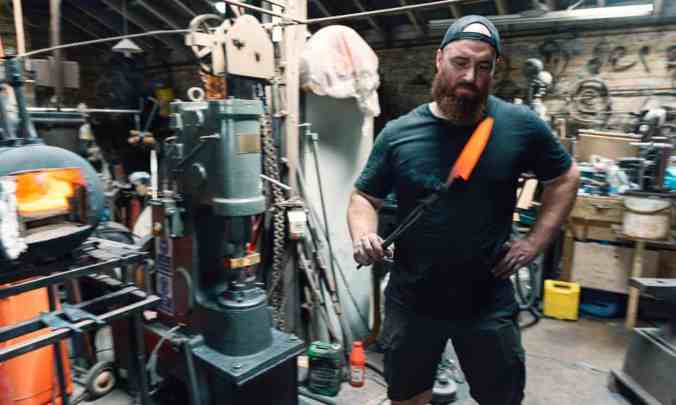
Blacksmithing The Zero Waste Knife

I have mentioned more than once about my brief blacksmithing experience. I have a respect for the profession. I have a new level of respect for this particular blacksmith featured in Matthew Weaver’s article below, so would encourage you to visit his website by clicking the image to the left:

Tim Westley making a zero-waste knife at his forge. Photograph: Xavier D Buendia/XDBPhotography

‘My customers like zero waste’: the blacksmith recycling canisters into cult kitchen knives

Tim Westley takes up chef friend’s challenge to transform laughing gas litter

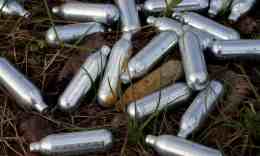
Discarded nitrous oxide gas canisters. Photograph: Gareth Fuller/PA

The little steel bulbs that litter parks, roadsides and city centres – the discarded canisters from Britain’s second favourite drug, laughing gas – cause misery to many communities. But now one blacksmith has found an innovative use for them: turning them into handmade kitchen knives.

The prevalence of the canisters has prompted some councils to impose local bans, while the home secretary is keen to outlaw them nationally. But Tim Westley’s handmade kitchen knives are gaining a cult following among environmentally conscious foodies after being endorsed by chefs committed to low waste. Continue reading
Tiles, Heritage & Conservation

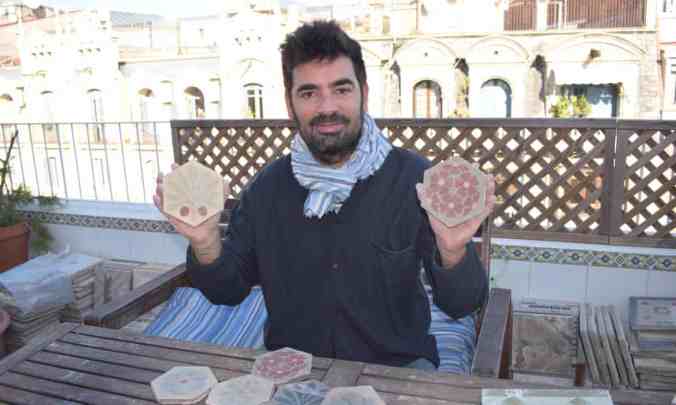
Joan Moliner with some of the 1,600 tiles he has found in builders’ skips. Photograph: Stephen Burgen/The Guardian

When we were working on the project that became Xandari Harbour, articles like the one below, or any about architectural preservation, were the type we most enjoyed sharing. It has been too long, so here goes:

A man on a mission to preserve Barcelona’s decorative floor tiles

As 19th-century apartment blocks become luxury flats, Joan Moliner is saving part of the city’s heritage

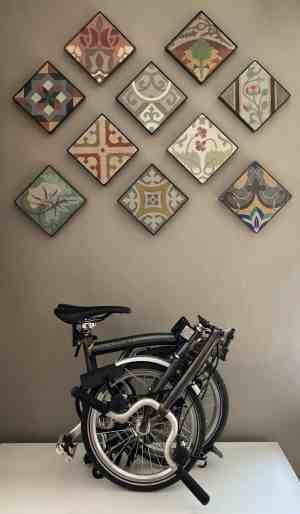
A tile display with Moliner’s Brompton bicycle. Photograph: Joan Moliner

Each morning, from the moment when Joan Moliner unfolds his bicycle for the ride to work to Barcelona city centre, he is on a mission, one eye on the road, the other on builders’ skips. His quarry, if that’s the word, is cement floor tiles.

All over the city, 19th-century apartment blocks are being made over into luxury flats. In the process, a vital part of Barcelona’s heritage – its decorative tiled floors – is ending up in a dump.

Conservation of the architectural heritage rarely extends beyond listing the facade, despite the wealth of interior detail in buildings erected at a time when Barcelona was a mecca for artists and artisans. Continue reading
Making Things, Giving Things & Keeping Things

A northern fulmar in flight near Boreray, an uninhabited island in the archipelago of St. Kilda. Photograph by Philip Mugridge / Alamy

Last week I read an essay explaining the allusive power that human-made objects can have. It got me thinking about St. Kilda. Reading four years ago about that place and its people spurred my imagination sufficiently that the following year I committed to a challenge. The challenge was created by the speed of change impacting travel culture, and the tendency of travel retail to homogenize over time.

Things you might see in the Authentica shops

Local artisans all over the world were finding their goods displaced in shops oriented to travelers by things made in faraway factories.

Specifically, the commitment was to support local artisans by creating a venue for selling their goods to travelers. Perhaps utopian is a concept too big to apply to this commitment; anyway, maybe the word quixotic is more apt. Authentica offers human-made things for travelers to take home with them, within the context of a travel-retail complex that operates with very different resources and intent.

We understand why the replicas are made, and why people buy them. We refuse to confuse understanding with acquiescence.

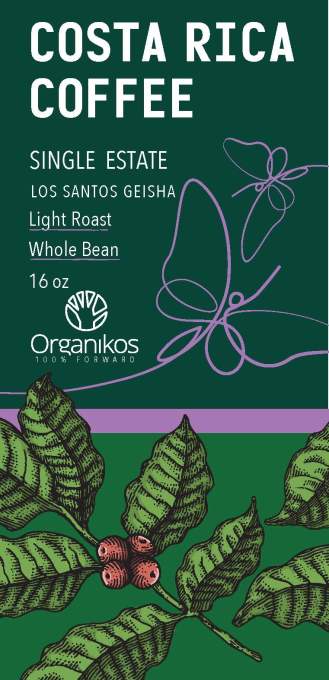
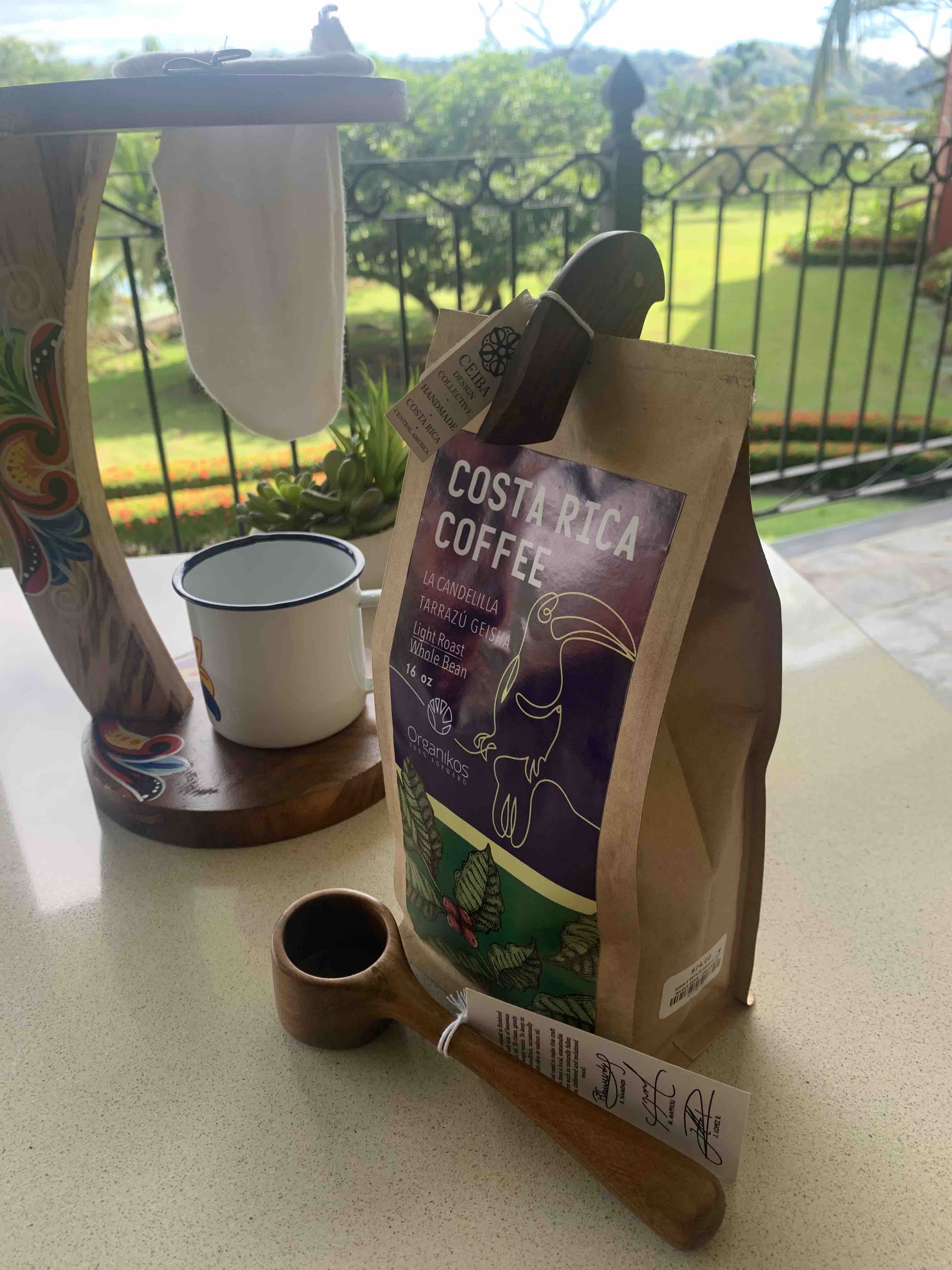
The scoop and the bird clip in the image above, two such things I also wrote about two years ago, are examples of local culturally relevant artifacts that we hope will not be outsourced to a factory in another part of the world. The coffee in that image is another example, with a twist. What I like about coffee as a memento is that it is at the intersection of tangible and intangible. It is quintessentially Costa Rican, but once you enjoy the entire bag you no longer possess that thing. As you consume it, it tells you something about Costa Rica. When it is finished you possess a memory of the coffee, and of Costa Rica.

Gifts That Give

How can you gift in a way that does not generate waste, that reduces waste, or that regenerates ecosystems? Sara has a fun and practical list in her Yale Climate Connections column, which I have linked to below. It got me thinking of what I would add to her list. Yesterday I reached back to a couple of posts from two years ago when we were preparing to open the Authentica shops, mentioning products we carry from artisan groups that recycle heavy plastics, in one case, and wood in the other. We have other products made from recycled materials, but our best selling product is Organikos coffee, all of the proceeds of which are invested in ecosystem regeneration. Laura’s question about gifting toward climate action is one we all should be asking:

ASK SARA

Eco-friendly gifts for every budget in 2021

Holiday cheer that’s good for the planet, too.

Hi Sara!

I’m trying to find a gift for my mother for Christmas, and I like the idea of gifting toward climate action. Might you have recommendations?

Thank you for your time

— Laura

Hi Laura,

Sure thing. Here’s a list of climate-friendly gift ideas for every budget.

A board game, puzzle, houseplant, or other item from your local “Buy Nothing” group (Price: Free)

Why it’s climate-friendly: Manufacturing stuff requires consumption of energy and natural resources, so it’s better for the climate to reuse products rather than buying new. Continue reading
Glass Origins

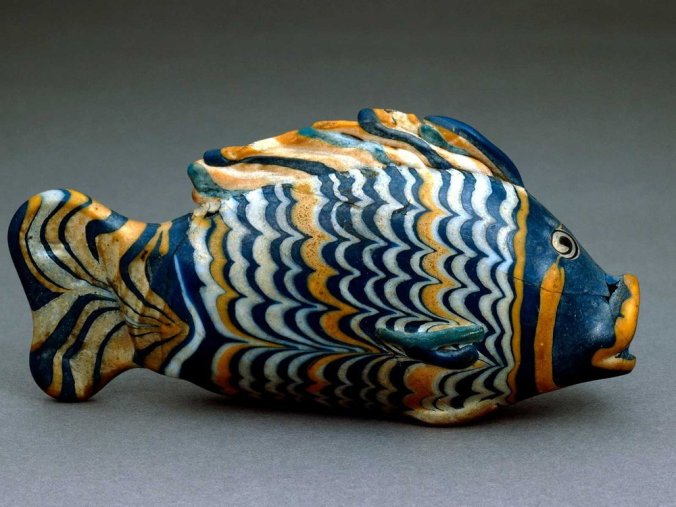
This glass fish was found in a fairly modest private house in Amarna, buried under a plaster floor along with a few other objects. It may once have contained ointment. The Trustees of the British Museum

We have featured stories about artisanal glass in the previous posts but this time the story is about the origins of the substance:

A Brief Scientific History of Glass

Featuring ingots, shipwrecks and an international trade in colors, the material’s rich past is being traced using modern archaeology and materials science

Blue glass ingots from the Uluburun shipwreck. Panegyrics of Granovetter / Flickr

Today, glass is ordinary, on-the-kitchen-shelf stuff. But early in its history, glass was bling for kings.

Thousands of years ago, the pharaohs of ancient Egypt surrounded themselves with the stuff, even in death, leaving stunning specimens for archaeologists to uncover. King Tutankhamen’s tomb housed a decorative writing palette and two blue-hued headrests made of solid glass that may once have supported the head of sleeping royals. His funerary mask sports blue glass inlays that alternate with gold to frame the king’s face. Continue reading
Solar Canopy + Bellwether Roaster = Interesting Option
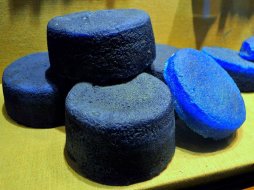
As we consider new canopy options, a switch to electric roasting of Organikos coffee also seems clearly worthy of consideration. I just found out about this company, and its sustainability report from last year puts it high on my list of roasters to consider:
Letter from Bellwether

We would be remiss to start our Sustainability Report without acknowledging what a crazy year 2020 was. A global pandemic forced many of our customers, like other businesses across the world, to close their doors. Continue reading