Vagrancies Better Appreciated

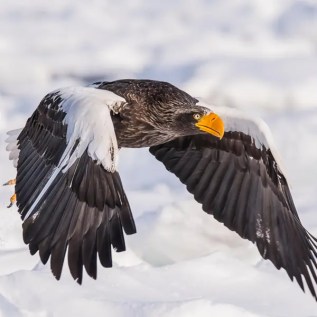
A Stellar’s sea eagle, native to East Asia. Design Pics Inc./Alamy

These two themes, birds and their various forms of adaptation, make Marion Renault’s article These Birds Aren’t Lost. They’re Adapting a perfect fit for sharing here as an excerpt, and recommending that you read the story where it was published:

Bird-watchers love to see vagrants, or birds that have traveled far outside their range. But scientists say they have a lot to teach us in a world facing ecological change.

From what we can tell, the Steller’s sea eagle trekking across North America does not appear homesick.

The bird has strayed thousands of miles from its native range in East Asia over the last two years, roving from the Denali Highway in Alaska down to a potential sighting South Texas before moving eastward and back north to Canada and New England. Its cartoonish yellow beak and distinctive wing coloration recently attracted crowds of rapt birders to Maine before turning up on April Fools’ Day in Nova Scotia. Continue reading

Octopus As White Whale

Bret Grasse, a manager of cephalopod operations at the Marine Biological Laboratory in Woods Hole, Mass., with his charge, a lesser Pacific striped octopus.

Yesterday, a story about a small and late victory for whales. Today, a small victory for our other favorite sea creature, in the form of a search for the white whale equivalent among octopus:

A lab in Massachusetts may have finally found an eight-armed cephalopod that can serve as a model organism and assist scientific research.

From a first batch of seven wild Octopus chierchiae, Mr. Grasse and his colleagues have raised over 700 children, grandchildren and great-grandchildren.

The tank looked empty, but turning over a shell revealed a hidden octopus no bigger than a Ping-Pong ball. She didn’t move. Then all at once, she stretched her ruffled arms as her skin changed from pearly beige to a pattern of vivid bronze stripes.

“She’s trying to talk with us,” said Bret Grasse, manager of cephalopod operations at the Marine Biological Laboratory, an international research center in Woods Hole, Mass., in the southwestern corner of Cape Cod. Continue reading
Tracking Disappearing Species

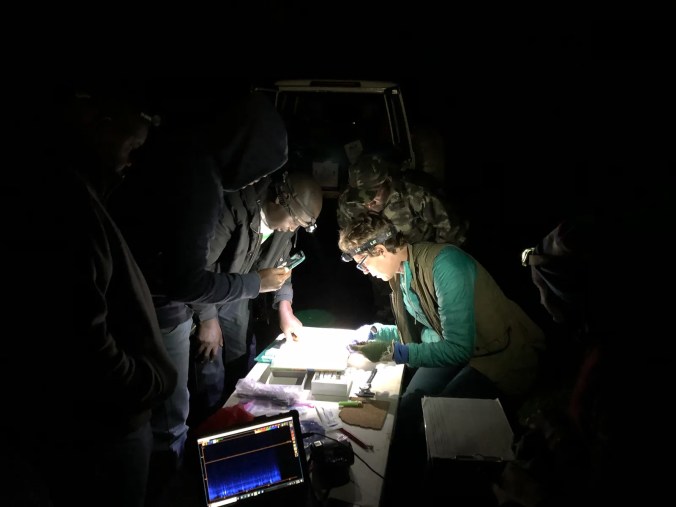
Researchers work through taxonomic keys to determine whether they had just caught a Hills’ horseshoe bat in Rwanda’s Nyungwe National Park.Photograph by Jon Flanders / Courtesy Bat Conservation International

Disappearing species as a topic in these pages has taken many forms. Hunters of disappearing species, less so. My exposure to this topic is limited to one project that Seth participated in. But the fact that Seth also had experience on a different type of project in Rwanda’s Nyungwe National Park made this article particularly of interest. Carolyn Kormann, once again, thank you:

The Hunt for a Lost Bat

The obsessive people who track down disappearing species are their own variety of rare—sparsely found across a wide geographic range, in all sorts of habitats.

In January, 2019, a multinational team of biologists set out into the rain forest of southwestern Rwanda, in search of a near-mythical bat that they thought might be extinct. Continue reading
Pythons, Bobcats & Camera Traps

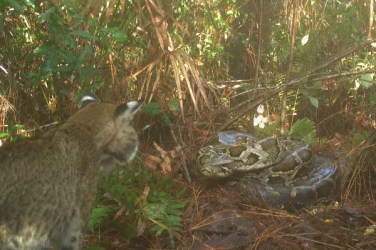
A Burmese python and a bobcat facing off in the Big Cypress National Preserve in Florida last June, captured by a trap camera set up by the U.S. Geological Survey. U.S.G.S.

We have been posting about invasive pythons, as well as plenty of other invasive species, annually for more than a decade now. Likewise, feline wildlife has been a recurring theme. Not to mention camera traps, another theme we care about.

For a surprising overlap of those two themes, or otherwise just a very well-written story about wildlife, read Matt Kaplan’s article about how Bobcats With a Taste for Python Eggs Might Be the Guardians of Florida’s Swamp.

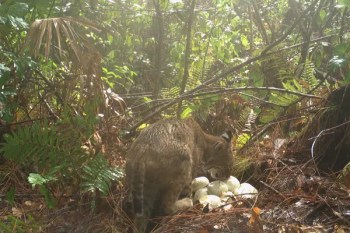
The bobcat eating the eggs. U.S.G.S.

Our congratulations to Dr. Andrea Currylow for the determined pursuit leading this scientific finding, and with no disrespect to pythons as a species in their native territories, in this case may the best cat win:

Cameras captured the wild feline purloining a Burmese python’s eggs, giving hope that the state’s native species are responding to a voracious, invasive predator.

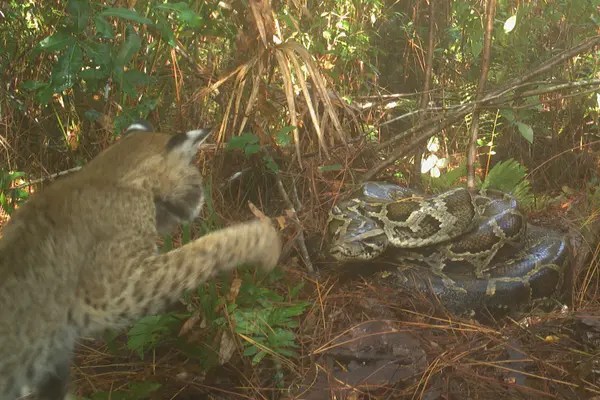
The bobcat took a swipe. U.S.G.S.

The voracious appetite of the invasive Burmese python is causing Florida’s mammal and bird populations to plummet. With little natural competition to control the big snake’s numbers, the situation looks desperate. But new observations suggest that the bobcat, a wildcat native to Florida, might be able to help. Continue reading
If You Happen To Be In New York City

If you have are in New York City with some time on your hands, immerse yourself in The Orchid Show: Jeff Leatham’s Kaleidoscope .

We who live in Costa Rica, or other places where orchids are abundant, are fortunate but can only dream of this sort of abundance on display in one location:

February 26 – May 1, 2022

10 a.m. – 6 p.m. | At the Garden

Experience Famed Designer Jeff Leatham’s Bold and Colorful Vision

The dazzling floral creations of Jeff Leatham, famed artistic director of the Four Seasons Hotel George V in Paris and floral designer to the stars, return for The Orchid Show’s 19th year. Continue reading
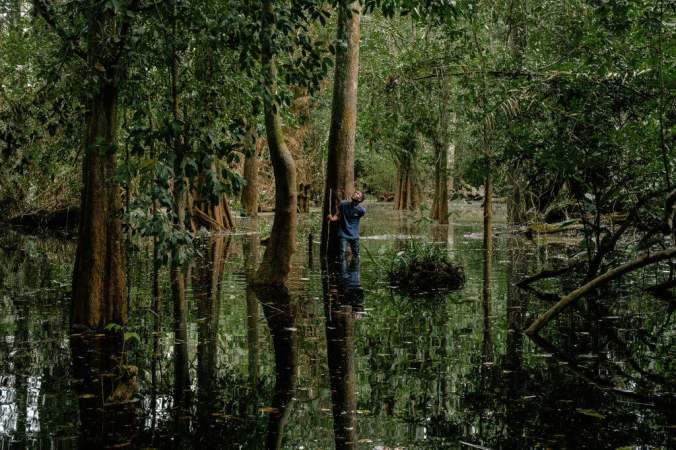
How Do We Love Thee, Forests, Let Us Count The Ways

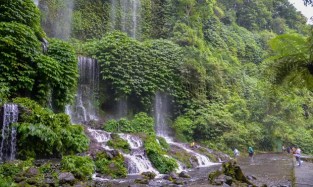
Forests, such as this one in Indonesia, do lmore than just store carbon. Photograph: Xinhua/Rex/Shutterstock

It may sound obvious, but until now it was not quantified: The world’s forests do more than just store carbon, new research finds

New data suggests forests help keep the Earth at least half of a degree cooler, protecting us from the effects of climate crisis

The world’s forests play a far greater and more complex role in tackling climate crisis than previously thought, due to their physical effects on global and local temperatures, according to new research. Continue reading
Animal Prints & Entrepreneurial Conservation

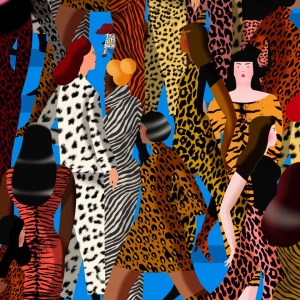
Conservation-minded scholars hope to harness the cultural power of animal prints. Illustration by Na Kim

It is difficult to judge from Rebecca Mead’s article Should Leopards Be Paid for Their Spots whether and how the idea has a practical future, although the exemplary collaboration between Panthera and Hermes has allure. The concept has plenty of merit, from my vantage point 26 years into an entrepreneurial career that shares some common ground.

If travelers are willing to pay a premium to support the conservation of a place; if they buy things to take home because those things support artisans and farmers; and continue to buy the coffee when back home because it funds bird habitat regeneration (customers tell me via email that in addition to the coffee being excellent, this is a motivator), then why not this too:

Style-setters from Egyptian princesses to Jackie Kennedy to Debbie Harry have embraced leopard prints. Proponents of a “species royalty” want designers to pay to help save endangered big cats.

Jacqueline Kennedy, in 1962. Photograph from Getty

When Jacqueline Kennedy was living in the White House, in the early sixties, she relied upon the taste of Oleg Cassini, the costume designer turned couturier, to supply her with a wardrobe that would befit her role as First Lady, one of the most photographed women in the world. In 1962, Cassini provided her with a striking leopard coat. Knee-length, with three-quarter sleeves and six buttons that fastened across the chest, the coat was not made from a synthetic leopard-patterned fabric. Continue reading
When Fences Are Un-Neighborly

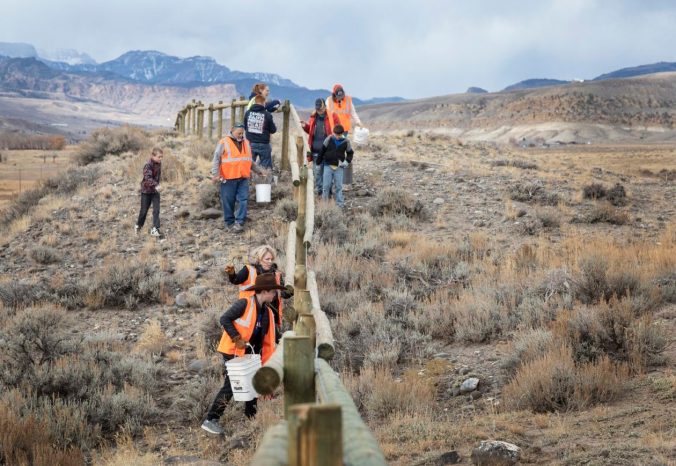
Volunteers modify a wire fence in Wyoming to allow wildlife to pass through. ABSAROKA FENCE INITIATIVE

If we take Robert Frost’s poetic license into the realm of how humans and wildlife might coexist more successfully, then the image above is powerful. Good fences might make good neighbors if they allow wildlife to migrate as needed.

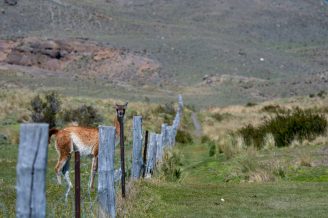
A guanaco at a fence in southern Chile. WOLFGANG KAEHLER / LIGHTROCKET VIA GETTY IMAGES

While working in the Patagonia region of Chile, 2008-2010, I saw images like this in the photo to the right regularly. On occasion the sight would be more gruesome. Ranchers had erected fences without regard for the need of guanacos to wander.

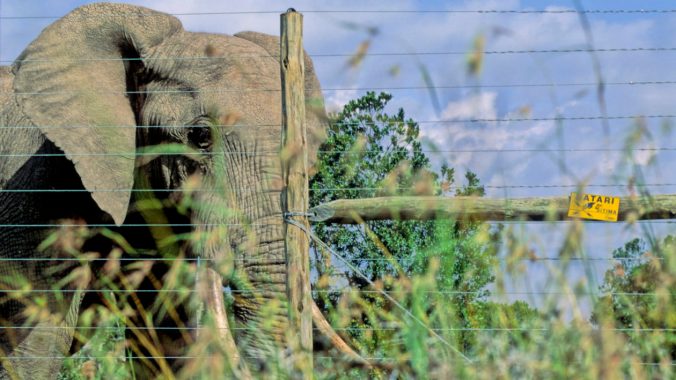
During our seven years living in India the human-elephant relationship was often one of worshipful respect, but included too many stories of fences, or worse, as methods farmers used to protect their properties from elephant intrusions. As is the case in Kenya (see the image below) fences are unneighborly. So, we were on the lookout for creative solutions. The following article by Jim Robbins, in Yale e360, is timely and welcome in this regard.

An African elephant alongside an electric fence in Laikipia, Kenya. AVALON / UNIVERSAL IMAGES GROUP VIA GETTY IMAGES

Unnatural Barriers: How the Boom in Fences Is Harming Wildlife

From the U.S. West to Mongolia, fences are going up rapidly as border barriers and livestock farming increase. Now, a growing number of studies are showing the impact of these fences, from impeding wildlife migrations to increasing the genetic isolation of threatened species.

The most famous fence in the United States is Continue reading
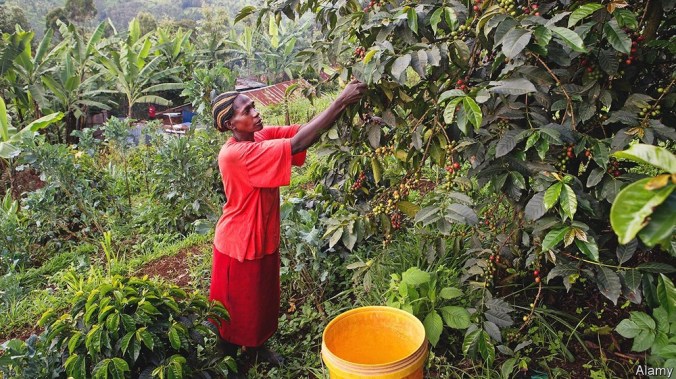
Kenya’s Coffee Climbs

Coffee is climbing uphill in Kenya because the climate up there is more suitable. But there are no easy fixes to the climbing temperatures, for coffee or other crops. Hybrids and wild heirloom varietals had our attention already, and are mentioned in this article from the Middle East & Africa section of the Economist’s print edition under the headline “Hot coffee:”

Why global warming threatens east African coffee

Other cash crops including tea will also be affected

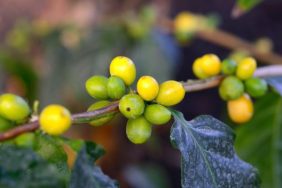
Jeremiah Letting learned about coffee from his father. As a child in the late 1980s, he worked on his family’s one-acre (0.4 hectare) coffee farm in the hills of Nandi county, western Kenya. The cycle ran like clockwork: cultivate, plant, ripen, harvest and sell. “Every year was the same,” he says. “It was timely.” Continue reading
Why We Care About Octopus

Photo: Brandon Cole

We care about octopus for many reasons and there is plenty to learn about why. This article will make you want to know more about these creatures. Sy Montgomery, writing in Orion Magazine, is the best illuminator:

Deep Intellect

Inside the mind of the octopus

ON AN UNSEASONABLY WARM day in the middle of March, I traveled from New Hampshire to the moist, dim sanctuary of the New England Aquarium, hoping to touch an alternate reality. I came to meet Athena, the aquarium’s forty-pound, five-foot-long, two-and-a-half-year-old giant Pacific octopus. Continue reading
Octopus Intelligence Illustrated

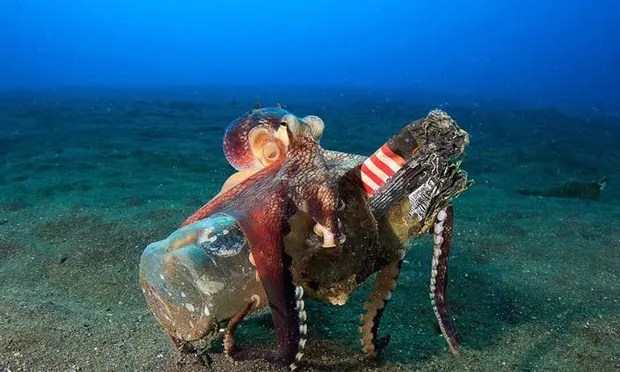
Octopuses were seen carrying plastic items around while ‘stilt-walking’. Photograph: Serge Abourjeily

It is not how we would prefer to understand them, or for these animals to demonstrate intelligence, but here are some examples of how they adapt to our discarded stuff:

Bottles, cans, batteries: octopuses found using litter on seabed

The most common interaction recorded was using rubbish as shelter. Photograph: Edmar Bastos

Creatures seen using discarded items for shelter or to lay eggs, highlighting ‘extreme ability to adapt’

Whether it’s mimicking venomous creatures, or shooting jets of water at aquarium light switches to turn them off, octopuses are nothing if not resourceful. Continue reading
Maori Tree-Saving

Tourists visiting Tāne Mahuta, the largest known kauri tree, in Waipoua Forest in New Zealand. The tree is named for a god in Māori mythology. Ruth Mcdowall for The New York Times

A former kauri ambassador blowing a conch shell near Tāne Mahuta. There’s hope among advocates that Māori-led interventions have created enough time for scientists to save the kauri. Ruth Mcdowall for The New York Times

Thanks to Pete McKenzie for this story, How Maori Stepped In to Save a Towering Tree Crucial to Their Identity, in the New York Times:

Tāne Mahuta, an ancient tree named after the god of forests in Māori mythology, is threatened by the slow creep of an incurable disease.

WELLINGTON, New Zealand — In an ancient grove in northern New Zealand, the mighty conifer known as Tāne Mahuta, lord of the forest, is threatened by the encroachment of a deadly enemy. Continue reading
Stenophylla, A Coffee With Real Potential & Poster Child For Food Diversity

Our thanks to Dan Saladino, a food journalist and author of Eating to Extinction: The World’s Rarest Foods and Why We Need to Save Them as well as recipient of a James Beard Award for food journalism.

He offers an inside look at a relatively unknown coffee varietal with potential, and at the same time, an argument in favor of diversity, in his article Edible Extinction: Why We Need to Revive Global Food Diversity:

A Khasi farmer growing millet in Meghalaya, India.

A Khasi farmer growing millet in Meghalaya, India. NORTH EAST SLOW FOOD & AGROBIODIVERSITY SOCIETY

The Green Revolution helped feed a surging global population, but at the cost of impoverishing crop diversity. Now, with climate change increasingly threatening food supplies, the need for greater agricultural resilience means restoring endangered crop and food varieties.

Stenophylla beans up close. RBG KEW; KLAUS STEINKAMP / ALAMY

In August 2020, inside the cupping room of a London roastery, a team of botanists and baristas gathered to taste a coffee species that most believed had been lost forever. It was an important moment. Coffee experts had spent years searching in West Africa for the few remaining trees of this species, even issuing “wanted posters” to farmers asking if they had seen it. Continue reading

What Remains, A Documentary

In this short documentary film by Paavo Hanninen, with text by David Kortava, the director says “It’s kind of a tragic story of the herculean effort that’s required just to build 1.3 miles of coastline”:

Protecting Louisiana’s Coastline with Oyster Shells in “What Remains”

Paavo Hanninen’s documentary looks at a surprisingly simple intervention with the potential to slow runaway land loss along the state’s fragile coast.

As early as the nineteen-thirties, oystermen in southern Louisiana began to notice the shoreline that they worked was creeping inland. Continue reading

Trees’ Wondrous Capabilities

Diana Beresford-Kroeger at her home in Ontario. “If you build back the forests, you oxygenate the atmosphere more, and it buys us time,” she said. Nasuna Stuart-Ulin for The New York Times

Another round of thanks to Cara Buckley for a vividly written snapshot. Using Science and Celtic Wisdom to Save Trees (and Souls) is about one person’s multi-talented capacity to inspire us in new ways related to trees, and the patience it has required:

Diana Beresford-Kroeger, a botanist and author, has created a forest with tree species handpicked for their ability to withstand a warming planet.

MERRICKVILLE, Ontario — There aren’t many scientists raised in the ways of druids by Celtic medicine women, but there is at least one. She lives in the woods of Canada, in a forest she helped grow. From there, wielding just a pencil, she has been working to save some of the oldest life-forms on Earth by bewitching its humans. Continue reading

Keep Peat In Place

Nanna Heitmann for The New York Times

Peat is back on our radar, with this excellent report by Matthew Thompson in the New York Times. It is part of a new series called Headway, an initiative “exploring the world’s challenges through the lens of progress,” which is exactly the founding sentiment of our platform here. So, read on:

Rural Congolese villagers are being asked to protect one of earth’s most precious ecosystems. What can other places contribute to our shared future?

Imagine someone showed up on your doorstep one day and told you that the swampy forest not far from your home contained a rare and precious soil, so powerful that the planet’s future hinges on its preservation. The world is relying on you to keep the soil undisturbed, you’re told, or sinister forces will be unleashed, large enough to doom us all. Continue reading

Guardian’s Week In Wildlife

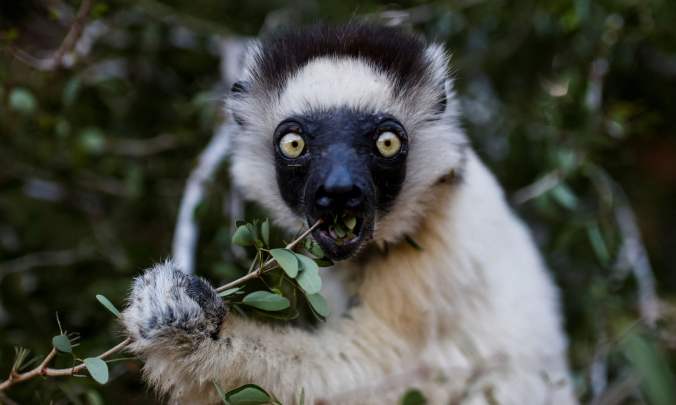
A sifaka lemur eats leaves at the Berenty Reserve in Toliara province, Madagascar. Photograph: Alkis Konstantinidis/Reuters

We source from the Guardian frequently for environmental stories, but sometimes just a few good photos from nature are a good way to end the traditional work week:

The week in wildlife – in pictures

The best of this week’s wildlife pictures, including a patient great tit, a hungry lemur, and a lucky escape for one humpback whale

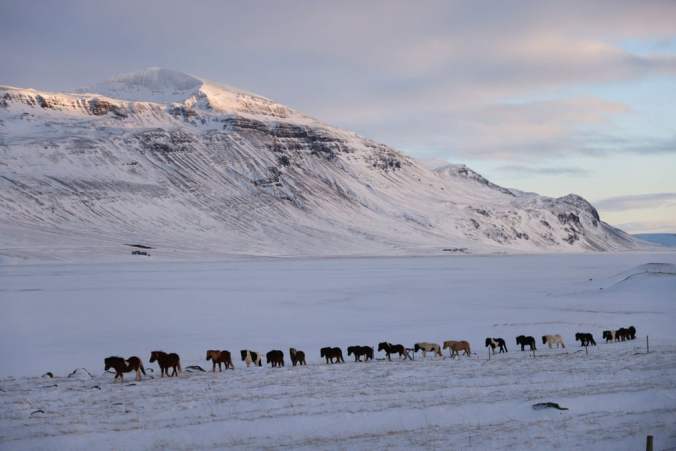
Icelandic horses walk on the snow in Hunavatnshreppur. The horses are unique in that they have five gaits, while other horses typically have three or four. Photograph: Nacho Doce/Reuters

Weekends are the busiest part of our work week; for us the photos are a motivator for that work; so thanks to Joanna Ruck for these. Click any image to go to the source.

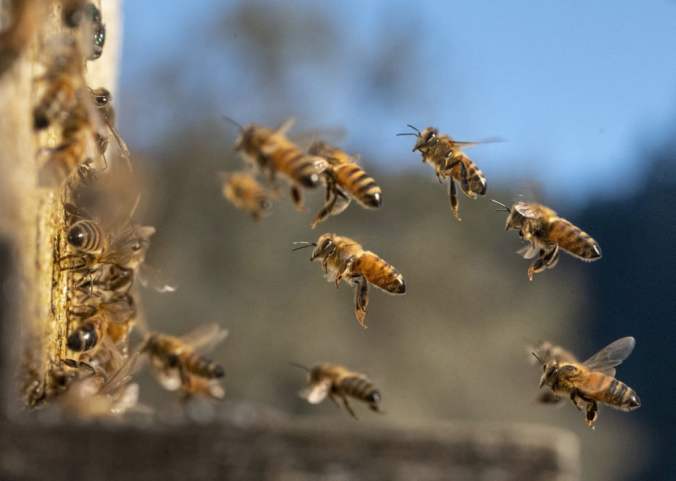
Honeybees venture out of their hive box on a warm afternoon on a farm near Elkton in western Oregon, US. Honeybees become active and start foraging at approximately 12.8C. Full foraging activity is not achieved until the temperature rises to 19C.  Photograph: Robin Loznak/Zuma Press Wire/Rex/Shutterstock

Why War On Wolves?

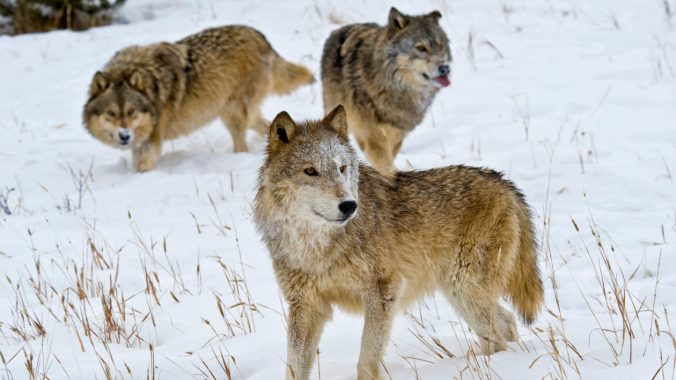
Gray wolves in Montana. DENNIS FAST / VWPICS / UNIVERSAL IMAGES GROUP VIA GETTY IMAGES

At Yale e360 this opinion by Ted Williams is an important read:

America’s New War on Wolves and Why It Must Be Stopped

Hunting of wolves is again legal in the Northern Rockies, where running them over with snowmobiles or incinerating them in their dens is now permitted. The Biden administration must stop the slaughter of these wolves and protect their recovery from the brink of extinction.

America’s tradition of persecuting wolves has resumed. And although it’s mostly happening on federal land, the Biden administration appears singularly unmoved and unconcerned. Continue reading

Invasivorism & Reasonable Questions

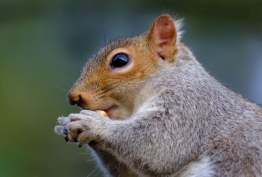
Grey squirrels have driven the local extinction of the native red across much of England and Wales. Photograph: Paul Broadbent/Alamy

If you do not eat animal protein, this concept may not appeal to you. But if you allow that others who eat meat may be able to do so ethically, then read on.

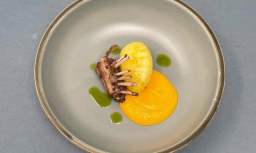
If you do eat any kind of meat, then it is a reasonable question whether invasive species are fair game: Rack of squirrel, anyone? The chefs putting invasive species on the menu

Roast rack of squirrel, fondant jersey royal potatoes, carrot and wild garlic served at Paul Wedgwood’s restaurant in Edinburgh, Scotland. Photograph: Wedgwood

‘Invasivorism’ is a growing ethical dining trend but is ‘eat them to beat them’ really the answer?

From oral contraceptives to proposals to edit their DNA, efforts to control the UK’s invasive grey squirrel population have become increasingly elaborate. But a growing number of chefs and conservationists have a far simpler idea, which they see as part of the trend in ethical dining: eat them. Continue reading

Dogs Doing Nature No Favors

Overfertilisation reduces biodiversity by allowing a few thriving plants to drive out others and the wildlife that depends on them. Photograph: John Walton/PA

Who knew? Now you do. Yes, one more thing to think about to take better care of your environment:

Deluge of dog pee and poo harming nature reserves, study suggests

Urine and faeces creating nitrogen and phosphorus levels that would be illegal on farms, scientists calculate

Dog faeces and urine are being deposited in nature reserves in such quantities that it is likely to be damaging wildlife, according to a new study. Continue reading