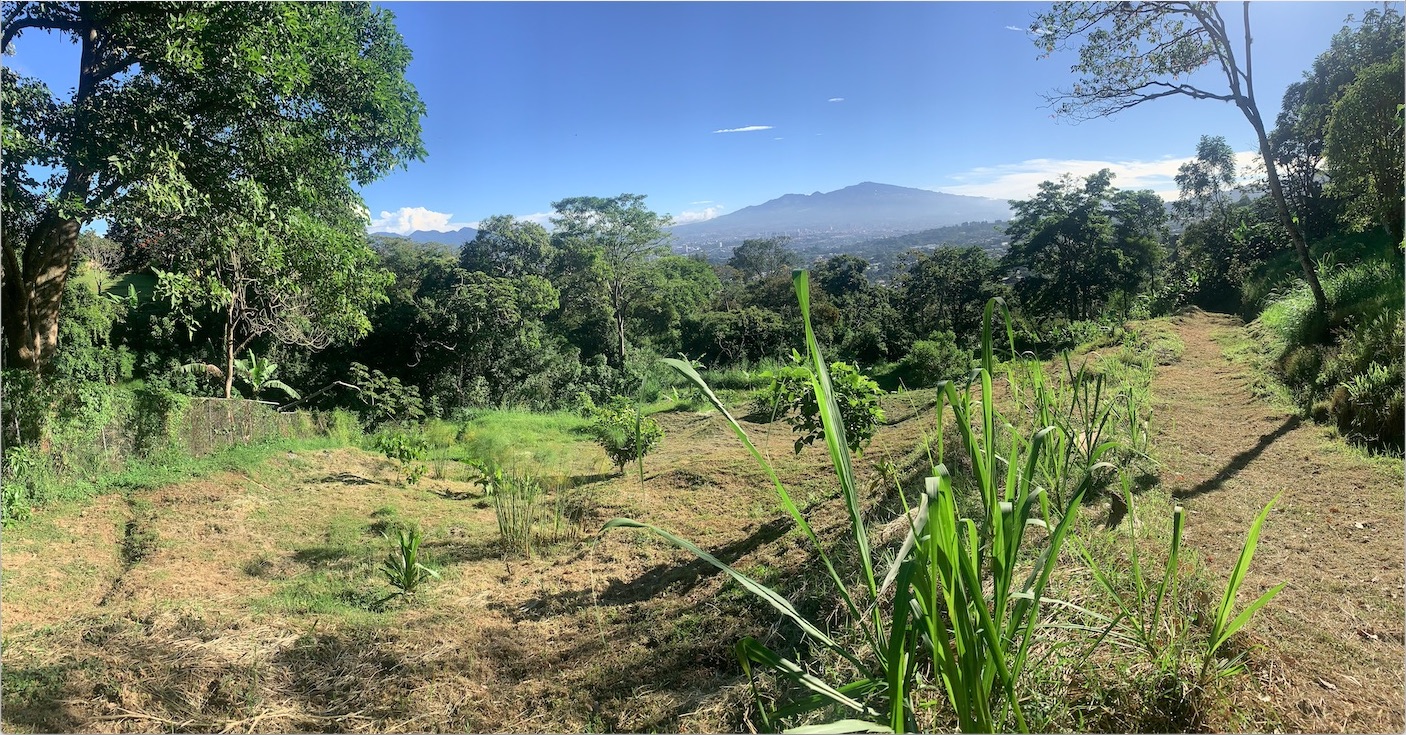
Poro Canopy Growth

Last image like this that I posted was showing the sugarcane along the berm. In the centerground of the photo above, which I just took, and in earlier photos with a similar view, you can see some of the maturing poro saplings planted last year.
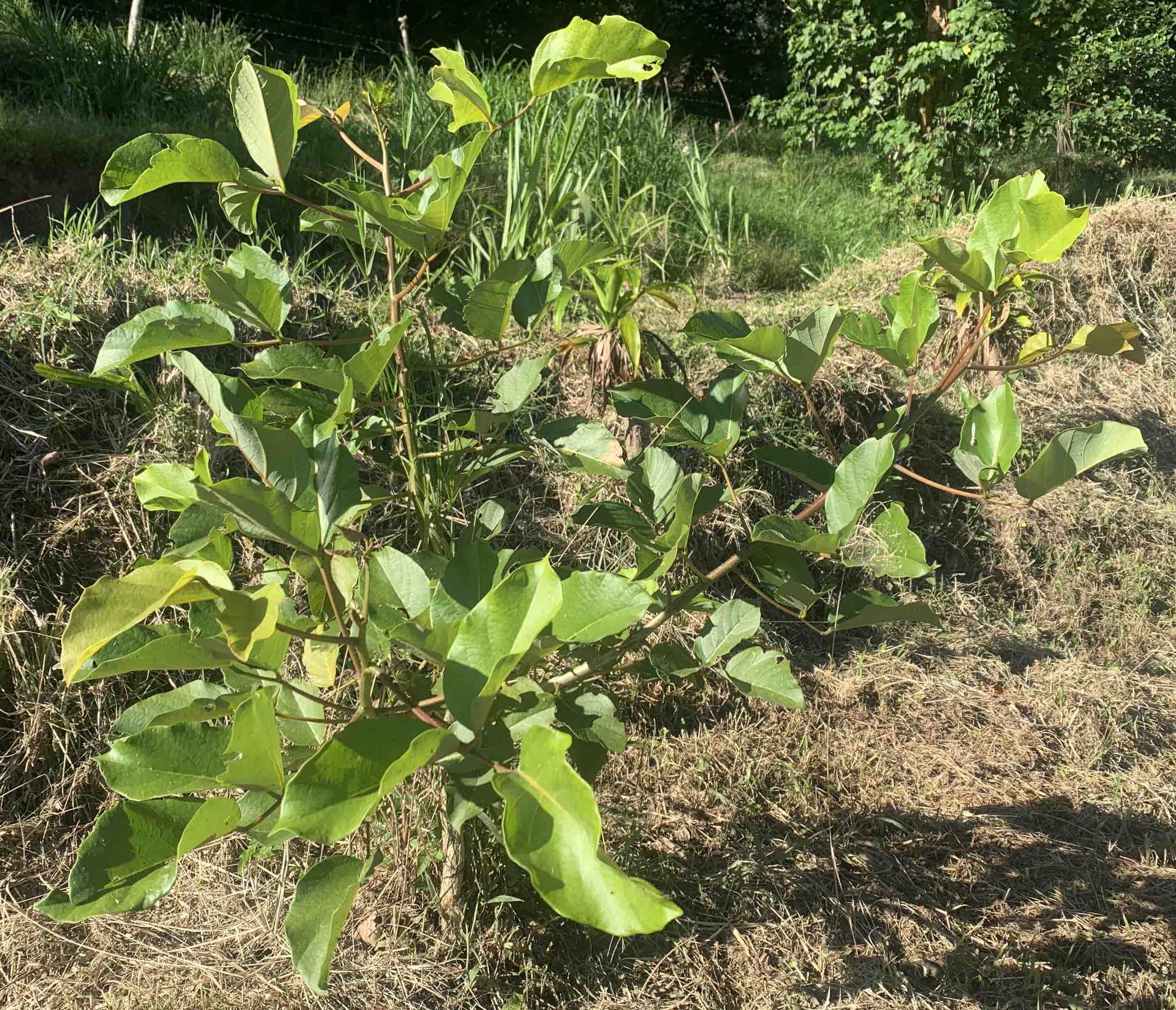
Having mentioned in yesterday’s post the idea of supplementing poro shade with solar panel shade, today I am sharing some images of these young trees after planting the seedlings one year ago.
Most have grown to be between four and eight feet in height.
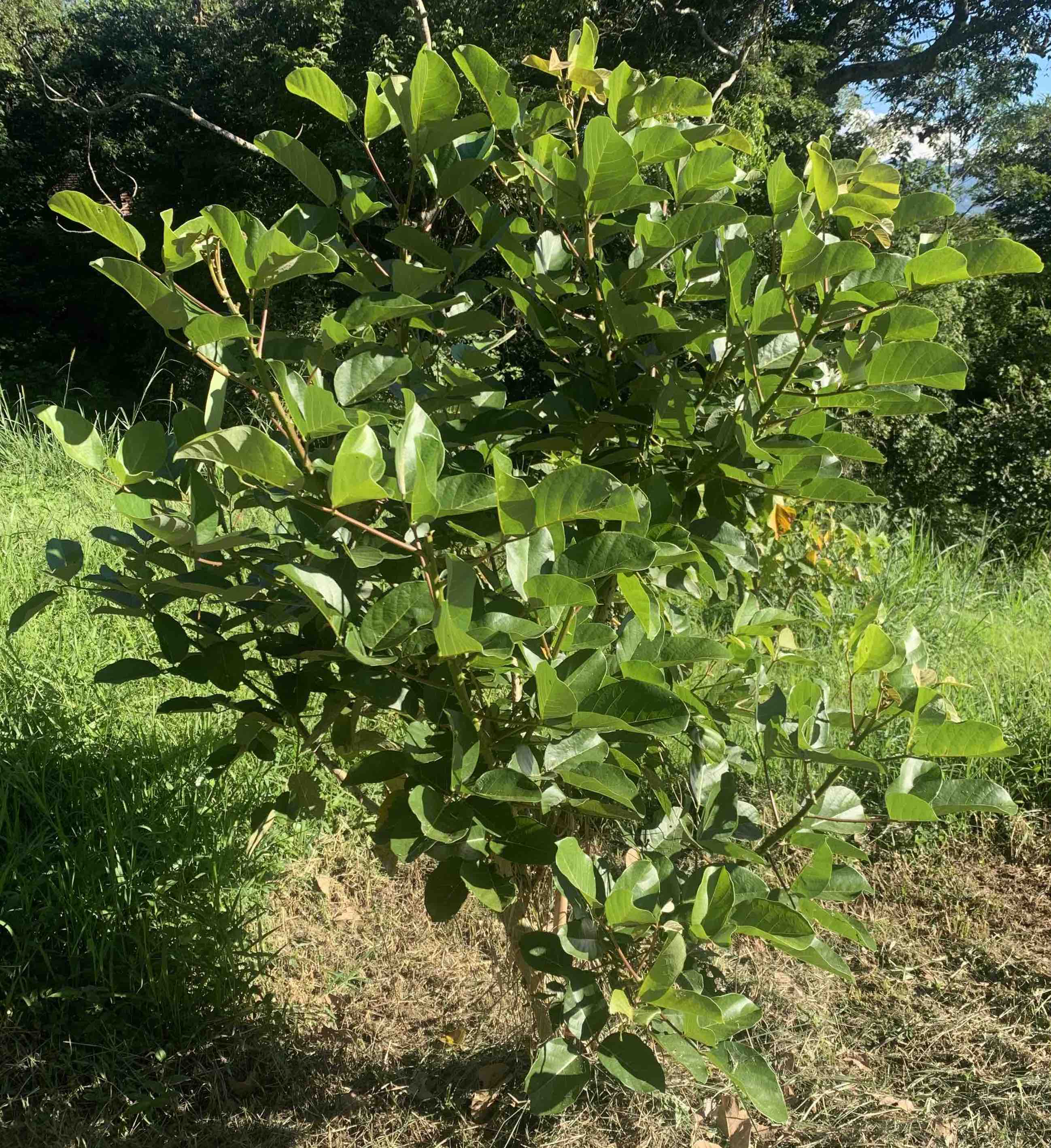
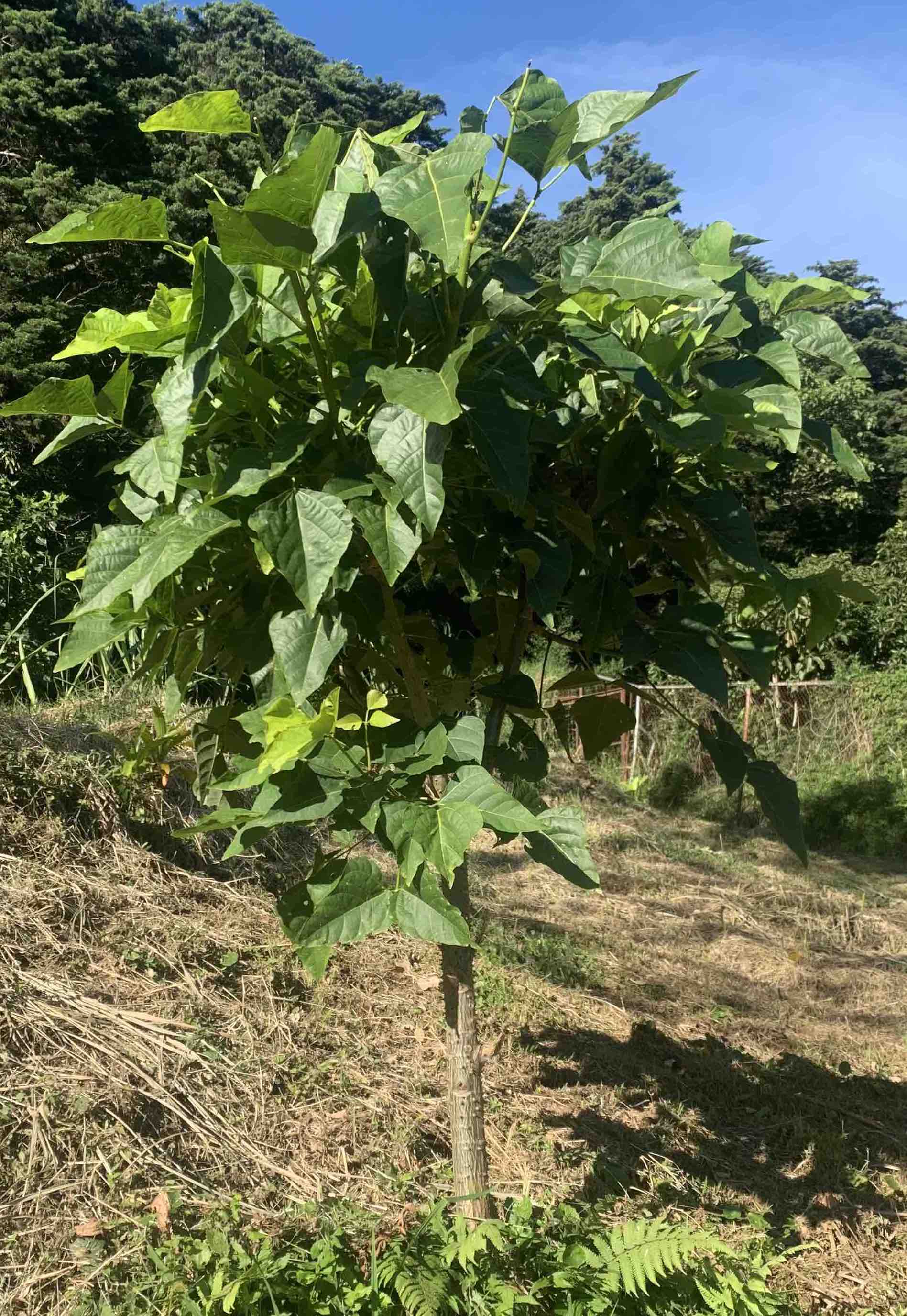
In addition to the seedlings planted, some larger specimens were planted that came from branch cuttings from the best poro on the property.
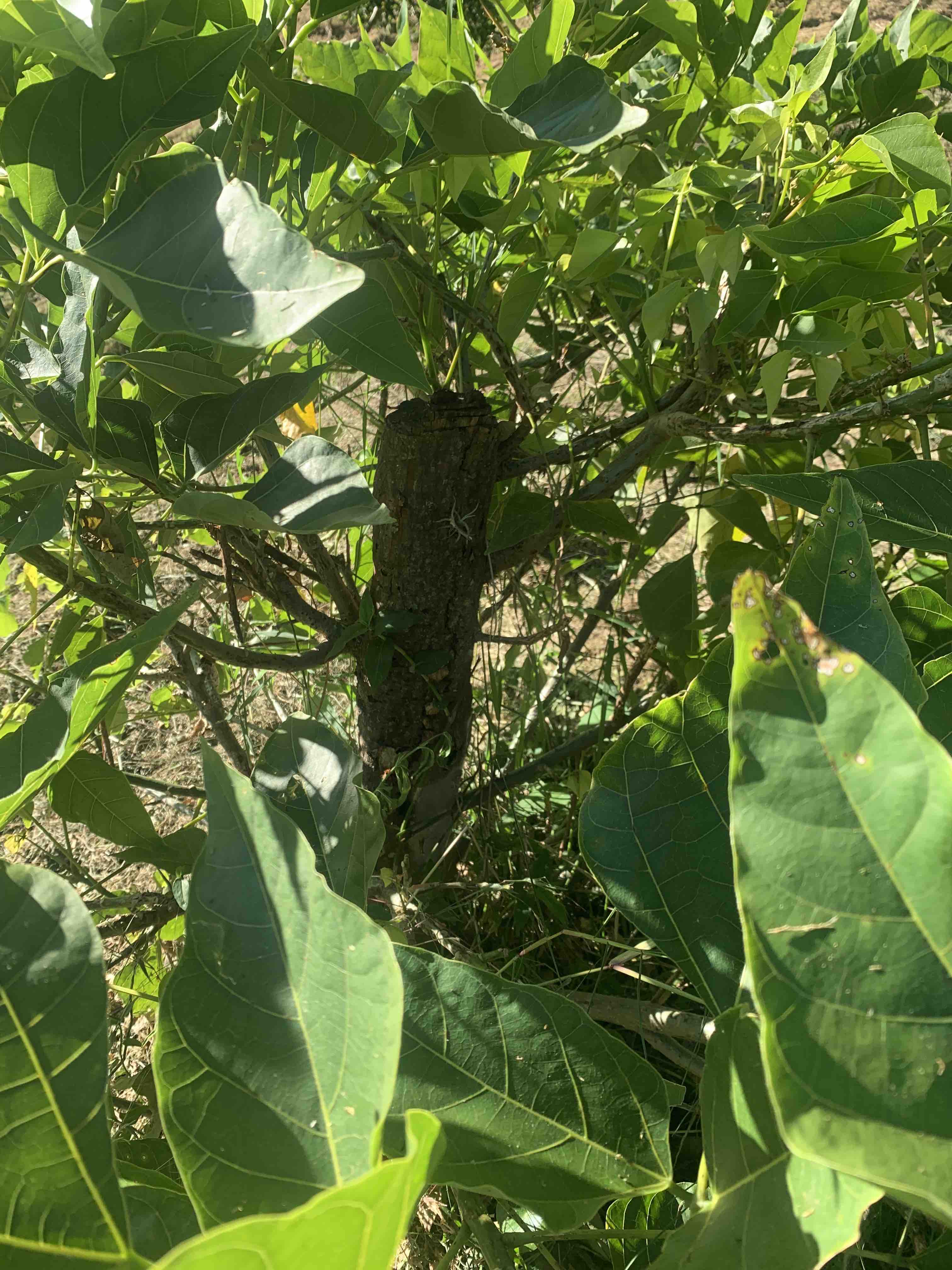
For example, this tree above is from a branch we pruned that was about four inches in diameter; the one below from a branch even thicker.
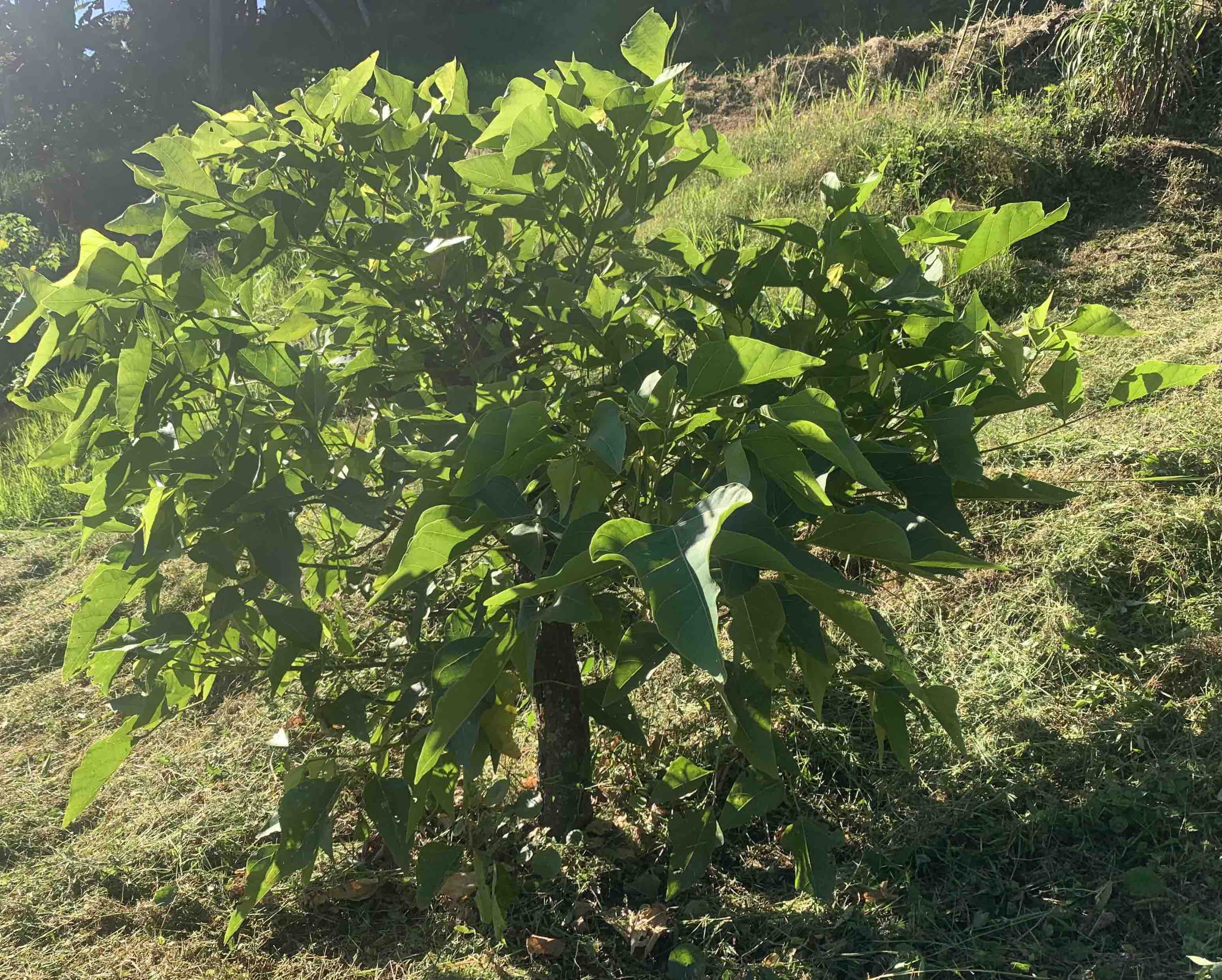
Solar panels would be in very good company.
Thames Is Alive, Again

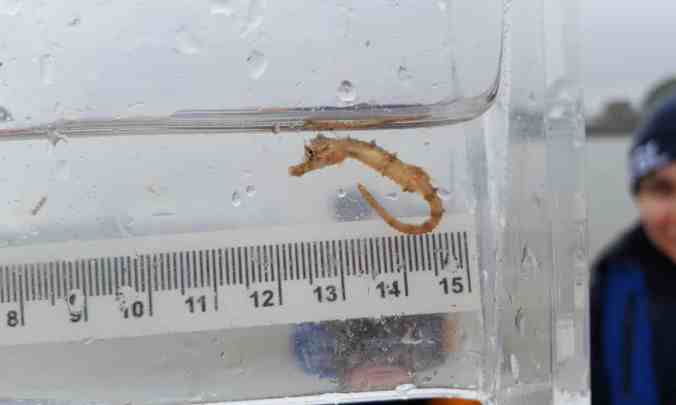
Species living in the Thames include seahorses and sharks. Photograph: ZSL

We will take good news where and how we can get it:

Seahorses and sharks living in River Thames, analysis shows

Zoological Society of London carries out most comprehensive survey since 1950s

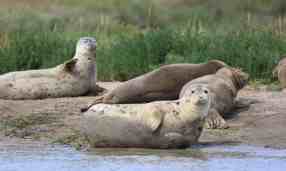
Since 2003 there has been as steady increase in seal populations in the Thames estuary. Photograph: ZSL

Seahorses, eels, seals and sharks are living in the tidal Thames, according to the most comprehensive analysis of the waterway since it was declared biologically dead in the 1950s.

But scientists from the Zoological Society of London (ZSL), who carried out the work, warn that the 95 miles of the tidal Thames is suffering from rising nitrate levels as a result of industrial runoff and sewage discharges. Water levels and temperature are also rising as a result of global heating. Continue reading

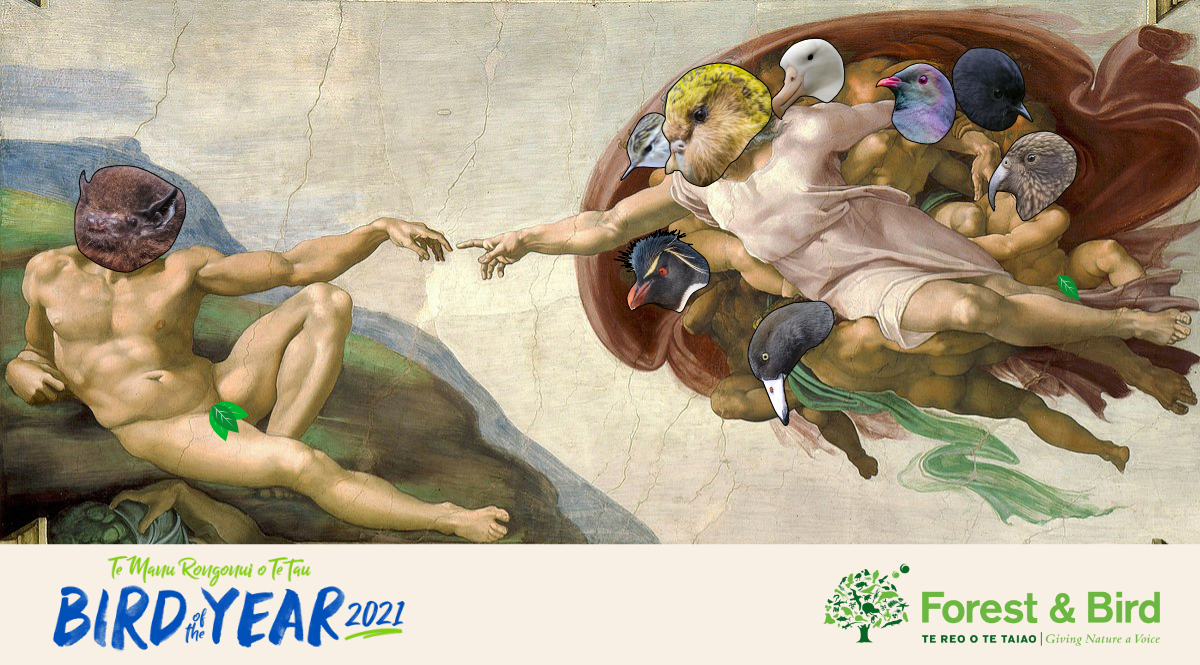
Can Bird Of The Year Be A Bat?

Image

People in New Zealand seem on the right side of most issues, so who are we to argue with their decision on this one? Thanks to Natasha Frost for this surprising news:

New Zealand Held a Contest for Bird of the Year. The Birds Lost.

The long-tailed bat, one of the country’s only two native land mammals, flew away with the top prize.

AUCKLAND, New Zealand — The candidates didn’t know they were running. The winner received no prize. And, at least by appearance, the champion appeared to be ineligible to compete. Continue reading

Blue-Legged Shiny Penny Tarantula

I have been working on expanding our banana and plantain micro-plantation, which has grown by at least three dozen newly planted in the last year. The largest of all herbaceous flowering plants, as they get to their “tree” stage they will serve as shade for the coffee we are prepping for planting this year. In the area where that planting is happening, as I move earth with my shovel I frequently encounter insects that are unlike any I have seen before. This recent encounter impressed me. Blue legs. Body armor like a shiny new penny. It got me humming a tune (if you are a fan of Harry Belafonte, you will know this lyric that goes with the tune):

A beautiful bunch o’ ripe banana
Daylight come and me wan’ go home
Hide the deadly black tarantula
Daylight come and me wan’ go home

If you are not yet a fan, what are you waiting for?

Clues Trapped In Resin

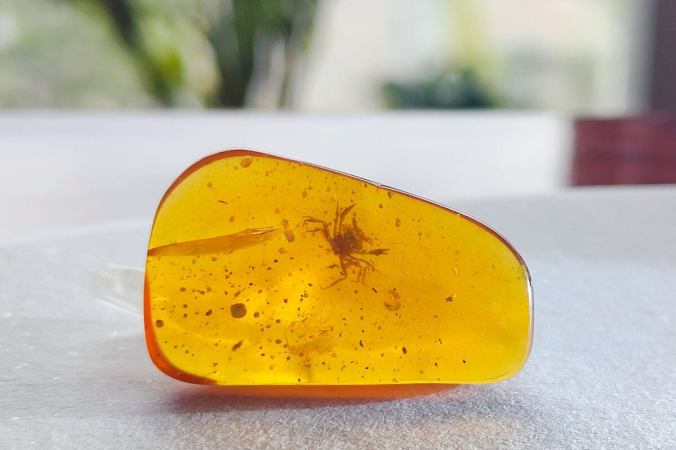
Researchers describe this as the most complete fossilized crab ever discovered. Credit: Lida Xing/China University of Geosciences, Beijing

Crabs started as marine creatures, and eventually evolved into land creatures as well. How it happened is an essential question and resin may be the best clue:

Bad for 100-million-year-old crab, but good for scientists

Crustacean trapped in fossilized tree resin offers clues into evolution of creatures, when they spread

Artistic reconstruction of the new fossil dubbed Cretapsara athanata, “the immortal Cretaceous spirit of the clouds and waters.”
Artwork by Franz Anthony, courtesy of Javier Luque/Harvard University

Javier Luque’s first thought while looking at the 100-million-year-old piece of amber wasn’t whether the crustacean trapped inside could help fill a crucial gap in crab evolution. He just kind of wondered how the heck it got stuck in the now-fossilized tree resin? Continue reading

Scientists At Work

This book, about a scientist who has featured in plenty of posts on this platform, is introduced by one of our favorite writers with some juicy gossip from the halls of academia. I had no idea that the biology department at Harvard divided along the lines described here; the how is the juicy part and the why makes some sense–all for the best–knowing what we know now. As an aside, having taken my first calculus course as a doctoral student at age 30, with undergrads as classmates, I had a jolt of painful memory that made me even more respectful of this biologist’s determination.

Silent EarthThe second book reviewed in this essay is one we have pointed to previously, and the research that led to it was also featured much earlier. The backstory presented in this essay brings the science to life, so do read through to the end:

Where Have All the Insects Gone?

Scientists who once documented new species of insects are now charting their perilous decline—and warning about what it will mean for the rest of us.

In the summer of 1942, Ed Wilson, age thirteen, decided that it was time to get serious about research. He had already determined that he wanted to be an entomologist, a choice made partly out of interest and partly out of injury. As a child, he’d been fascinated with marine life. One day, he jerked too hard on a fish he caught, and one of its needlelike spines lodged in his right eye. The lens had to be removed, and, following the surgery, to see something clearly he needed to hold it up near his face. Insects were just about the only animals that submitted to this treatment. Continue reading

Coral Reef Bright Spots

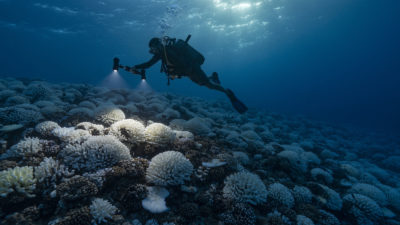
A diver examines bleached coral in French Polynesia in 2019.

A diver examines bleached coral in French Polynesia in 2019. ALEXIS ROSENFELD / GETTY IMAGES

When someone offers to point out bright spots on anything in the natural world, we are all ears. When the author is Nicola Jones, all the more:

Finding Bright Spots in the Global Coral Reef Catastrophe

The first-ever report on the world’s coral reefs presents a grim picture, as losses mount due to global warming. But there are signs of hope — some regions are having coral growth, and researchers found that corals can recover if given a decade of reprieve from hot water.

When ecological genomicist Christian Voolstra started work on corals in Saudi Arabia in 2009, one of the biggest bonuses to his job was scuba diving on the gorgeous reefs. Things have changed. “I was just back in September and I was shocked,” says Voolstra, now at the University of Konstanz in Germany. “There’s a lot of rubble. The fish are missing. The colors are missing.” Continue reading

ICARDA, CGIAR & Future Food

Thanks to Helen Sullivan, as usual, for excellent reporting and clear implications:

A Syrian Seed Bank’s Fight to Survive

Scientists have raced to safeguard a newly precious resource: plants that can thrive in a changing climate.

The International Center for Agricultural Research in the Dry Areas, known as icarda, is housed in a cluster of small buildings on a dusty property in Lebanon’s Bekaa Valley, halfway between Beirut and Damascus. Its facilities, surrounded by fields of experimental grain, include a laboratory, nurseries, and a gene bank—a storage facility in which tens of thousands of seeds have been carefully saved and catalogued.

When I first visited, on an autumn afternoon in 2019, staff members in the main building were counting, weighing, and sliding seeds into small packets. Continue reading

Smog, Ozone & Biodiversity

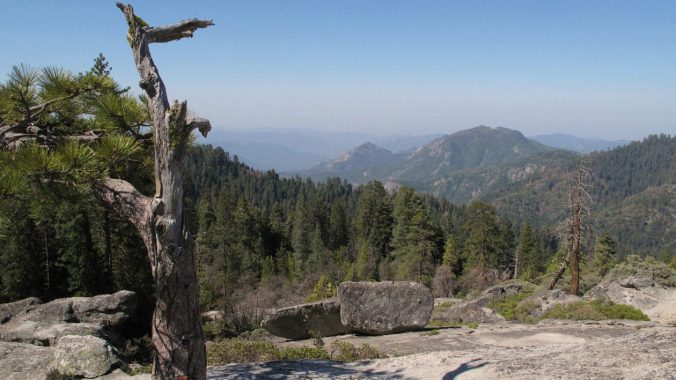
The view from Beetle Rock in Sequoia National Park, California. Smog, containing high levels of ozone, blows in from the San Joaquin Valley. TRACIE CONE / AP PHOTO

Thanks to Jim Robbins for updating our understanding of ozone’s ongoing threat (we had thought it was lessening):

Ozone Pollution: An Insidious and Growing Threat to Biodiversity

Ground-level ozone has long been known to pose a threat to human health. Now, scientists are increasingly understanding how this pollutant damages plants and trees, setting off a cascade of impacts that harms everything from soil microbes, to insects, to wildlife.

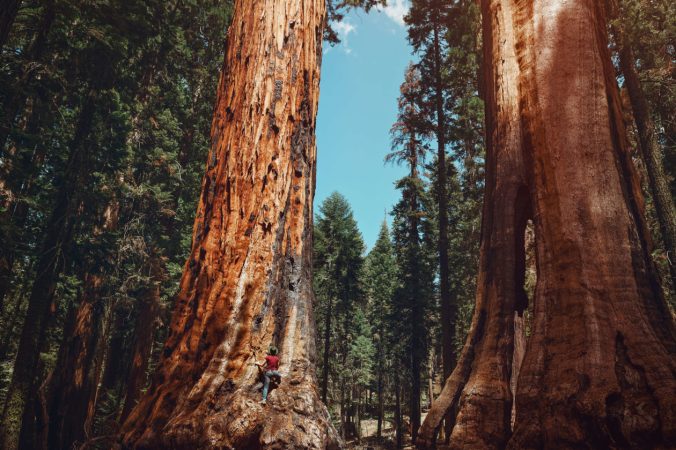
Giant sequoias in Sequoia National Park, California. MARJI LANG/LIGHTROCKET VIA GETTY IMAGES

Sequoia National Park’s famous groves of stout, 300-foot-tall trees sit high on the western side of the Sierra Nevada, above California’s San Joaquin Valley. They are threatened as never before: Wildfires have burned much of the forest, and now, for the first time, insects are killing sequoias. Continue reading

Sugarcane Rising

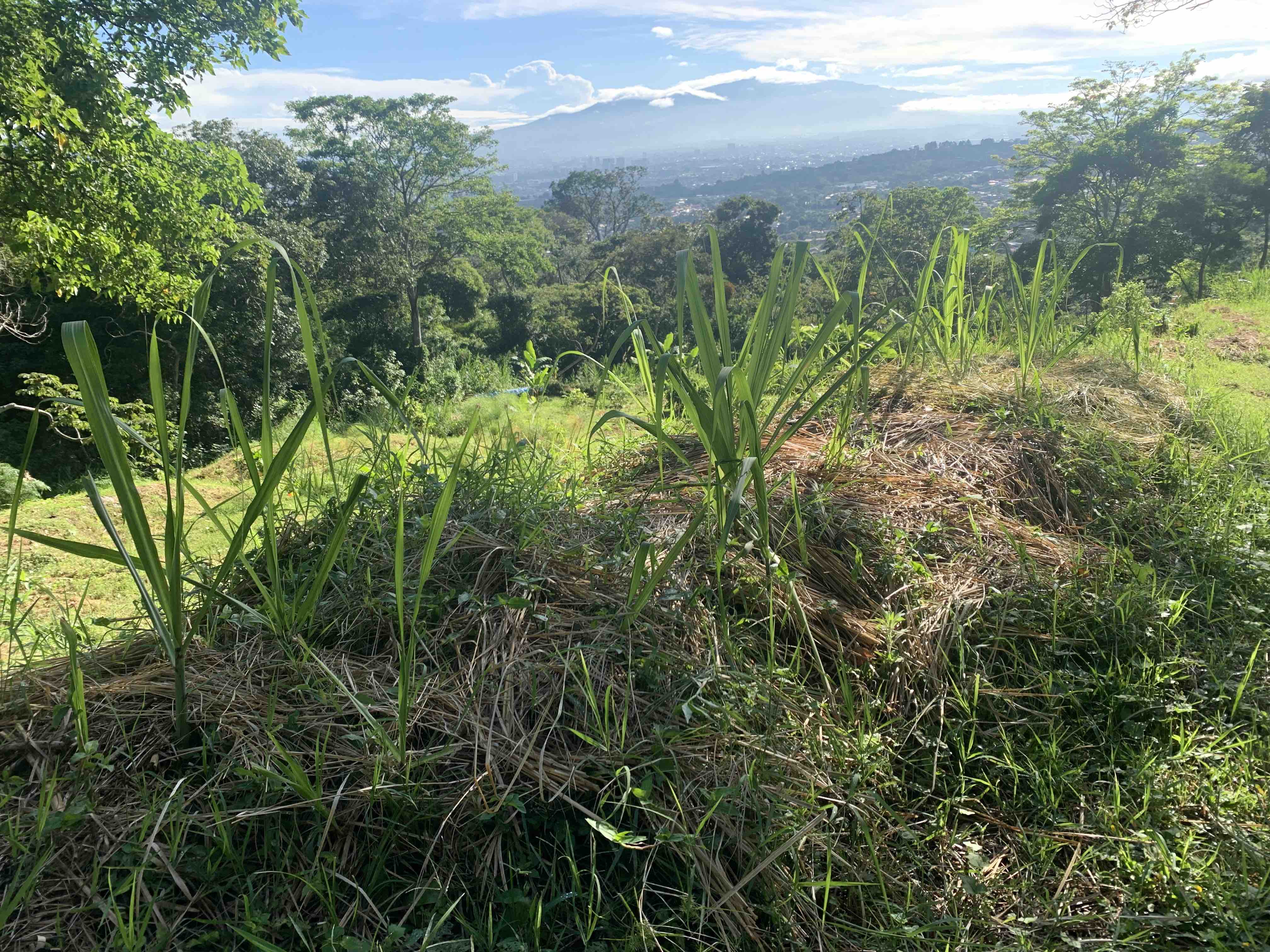
These are early signs of sugar cane that can grow very high. When we planted it a few months ago it had only a first covering of vetiver. What now looks like a mess of various grasses on the berm–at least four different species are growing through the vetiver, another grass that is there for both ground cover and soil replenishment–shows how much more vertically oriented the sugarcane is than other grasses. All the tall grass leaves in this image are sugarcane. One or two of the other grasses are also aggressive, but horizontally. They stay close to the ground and can wander as far at ground level as sugarcane grows vertically.

Bewilderment & Richard Powers In Conversation

When I first linked to the work of Richard Powers it was when his previous book was being reviewed. Now he has a new book out, and from the conversation that follows it sounds like this one is a very good bookend to that one:

Richard Powers on What We Can Learn from Trees

The Pulitzer Prize-winning author asks whether we can reimagine our relationship with the natural world before it’s too late.

There are certain conversations I fear trying to fit into a description.

Continue reading

The Nature Conservancy’s 2021 Global Photo Contest Winners

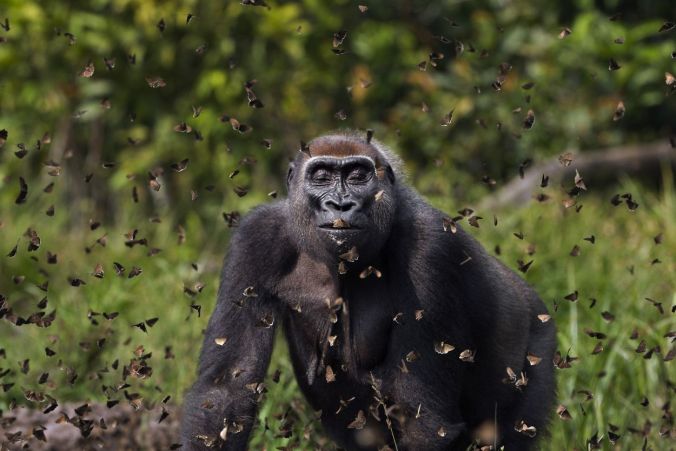
MALUI Western lowland gorilla female ‘Malui’ walking through a cloud of butterflies she has disturbed in a bai. Bai Hokou, Dzanga Sangha Special Dense Forest Reserve, Central African Republic. December 2011. © Anup Shah/TNC Photo Contest 2021

There are several annual photo contests that we have been following over the years. Thanks to The Nature Conservancy for convening this one:

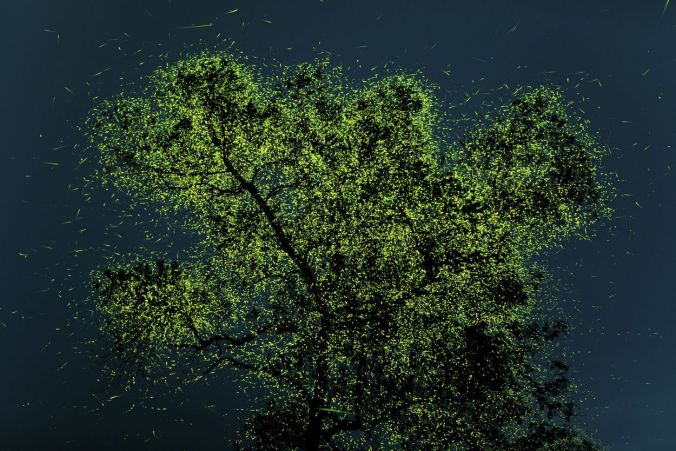
FIREFLIES Just before Monsoon, these fireflies congregate in certain regions of India and on a few special trees like this one, they are in crazy quantity which can range in millions. © Prathamesh Ghadekar/TNC Photo Contest 2021

Richard Prum In Conversation With Tyler Cowen

We linked to one of Richard Prum’s books more than four years ago, then he was mentioned in a couple posts, each with small quotes based on his expertise. Here he is in conversation with someone who clearly appreciates his work and who knows how to ask good questions:

Richard Prum really cares about birds. Growing up in rural Vermont, he didn’t know anyone else interested in birding his own age. The experience taught him to rely on his own sense of curiosity and importance when deciding what questions and interests are worth studying. As a result, he has pursued many different paths of research in avian biology — such as behavioral evolution, where feathers come from, sexual selection and mate choice — many of which have led to deep implications in the field. In 2017, Tyler agreed with several prominent outlets that Prum’s book The Evolution of Beauty was one of the best books of the year, writing that it “offers an excellent and clearly written treatment of the particulars of avian evolution, signaling theory, and aesthetics, bringing together some disparate areas very effectively.” Continue reading

Jane Goodall & The Book Of Hope

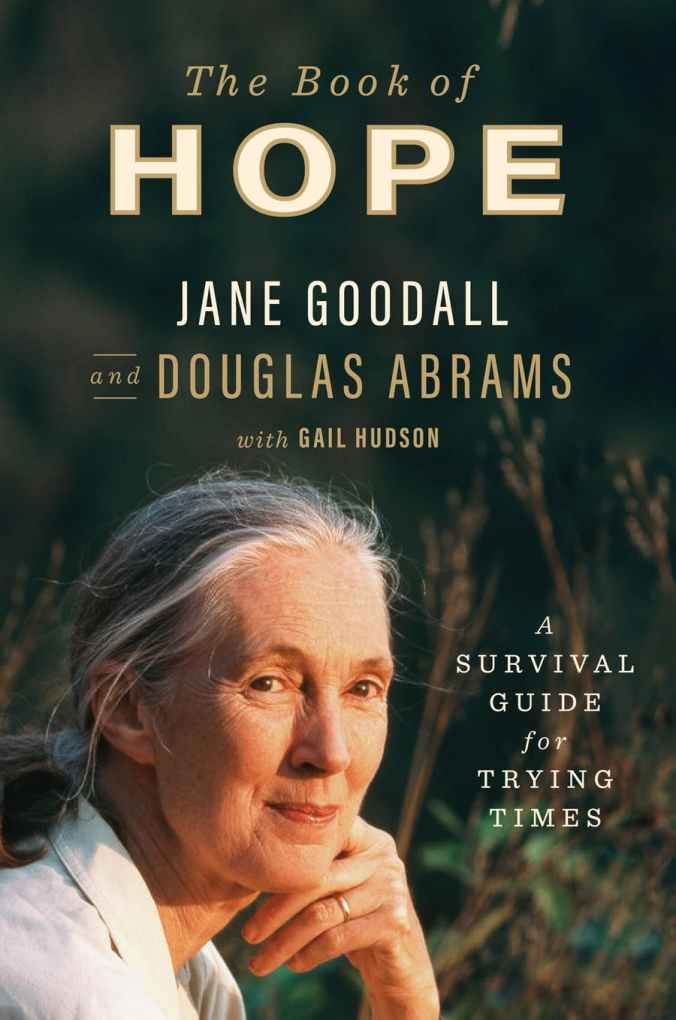
Click above to go to the publisher’s blurb about the book, and click below for the article Anna Russell, a wonderful writer in her own right, offers about the book and its subject:

Jane Goodall’s Survival Guide

The eighty-seven-year-old naturalist knocks around her home on the south coast of England and explains why, despite the floods and fires and melting ice caps, she’s still optimistic about planet Earth.

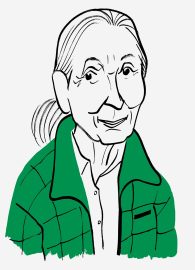
Jane Goodall Illustration by João Fazenda

Before the pandemic, Jane Goodall travelled three hundred days a year to speak to audiences about the climate crisis. “I used to do, like, three days in the Netherlands, three days in Belgium, three days in France,” Goodall, who is eighty-seven, recalled recently. In China or Australia, “it would be, like, two weeks, where they’d spread me through their country.” Everywhere she went, she met young people who were “angry, depressed, or just apathetic, because, they’ve told me, we have compromised their future and they feel there is nothing they can do about it,” she writes in her twenty-first and most recent work, “The Book of Hope: A Survival Guide for Trying Times.” Amid flooding and wildfires, impassivity and eco-grief, the question she was asked most often was “Do you honestly believe there is hope for our world?” Continue reading

Perfume & Museum

General view of the International Perfume Museum’s gardens in Grasse. “The same rose or the same jasmine grown in Egypt or Morocco, it will be different from the rose grown in Grasse,” head gardener Christophe Meze says. “It’s like wine, you can have the same type of grape, but you won’t have the same wine because of the sun, because of the soil, because of the terroir.” Bénédicte Desrus for NPR

Perfume appeared early in our pages mostly due to their botanical intrigue–but has only been an occasional topic since then. This story of how the perfume trade developed (if the topic is of greater interest see Chandler Burr’s The Emperor of Scent) in Grasse is a fine fit with our interest in unusual museums and the intersection of farming and innovation:

In France’s Perfume Capital Of The World, There’s A World Of Beautiful Fragrance

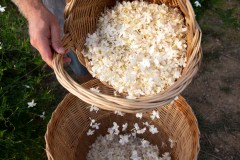
Perfume flower grower Pierre Chiarla picks jasmine flowers in his field in Grasse, France. Bénédicte Desrus for NPR

GRASSE, France — The town of Grasse sits in the hills above the more famous French Riviera city of Cannes, and it doesn’t have the Mediterranean Sea at its doorstep. What it does have is fields of flowers — jasmine, May rose, tuberose, lavender. It is known as the perfume capital of the world.

It wasn’t always this way. Back in the 18th and 19th centuries, the industry took off in Grasse in part because this was an absolutely putrid-smelling town. Continue reading

Save The Waves @ Arroyo San Miguel

The young man who we met 15 years ago is going strong. Save The Waves Coalition has pulled off another small miracle:

SAN MIGUEL SURF BREAK PROTECTED WITH LANDMARK CREATION OF BAJA CALIFORNIA’S FIRST STATE PARK

Save The Waves Coalition and Pronatura Noroeste achieve approval for Arroyo San Miguel

In a historic moment for environmental and surf conservation, the first state park in Baja California, Mexico was officially approved, providing long-lasting protection for the iconic San Miguel wave alongside 67 hectares of green space.

The local initiative spearheaded by Pronatura Noroeste AC, and joined by international nonprofit Save The Waves Coalition (STW), has been in the works for years. Today, the campaign to legally protect San Miguel becomes a reality. Continue reading

How To Define Species

During the most recent ice age, glaciers divided an ancestral population of crows; one group became all-black carrion crows, the other hooded crows with gray breasts and bodies. Illustrations by François-Nicolas Martinet / Alamy

Protecting species from extinction has been a running theme in our pages over the years. Underlying these many stories was an assumption, at least on our part, that defining boundaries between species is settled science. We will no longer take that for granted:

Where Do Species Come From?

By studying crows, a German biologist has helped to solve a centuries-old mystery.

The evolutionary biologist Jochen Wolf was working from home when we first spoke, in April, 2020. Germany was under lockdown, and his lab, at Ludwig Maximilian University, in Munich, had been closed for weeks. Still, a reminder of his research had followed him from the office. “I have a crow nest right in front of me,” Wolf said, from his rooftop terrace. The nest was well hidden at the top of a tall spruce tree. Through the branches, Wolf could see a female crow sitting on her eggs. Continue reading

Verdant, Drenched & Down At Ground Level

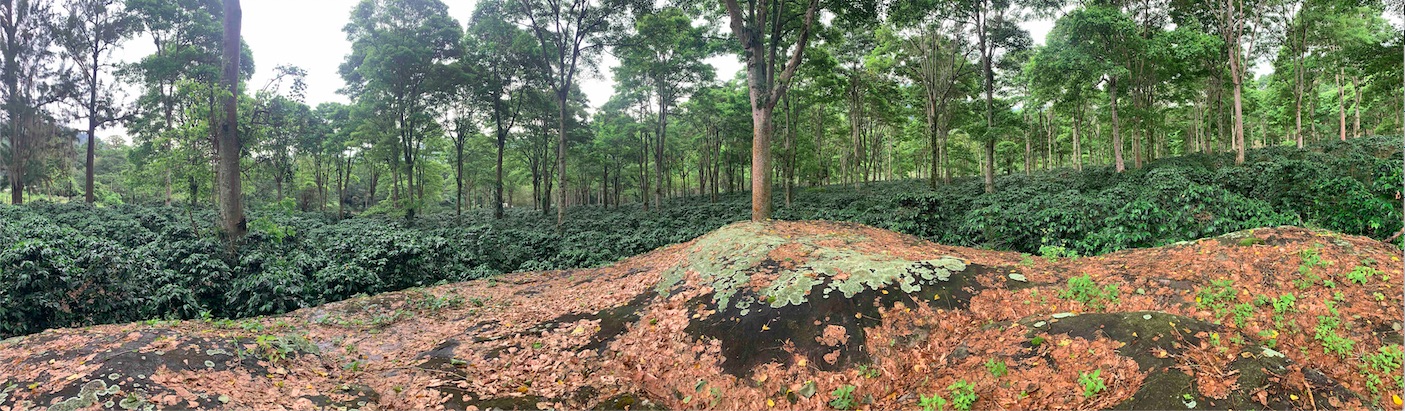
During the last six weeks or so of rainy season in Costa Rica, the word verdant is the perfect word for describing coffee plantations, especially those with long-lived canopies. The photo above, which I took while visiting a coffee farm in the Turrialba region, shows a mature canopy and coffee that is thriving under it, as are the lichens and moss on the gigantic rock in the foreground. Greenest this time of year, the coffee will have red cherries ready for picking within the next two months as the rains subside.

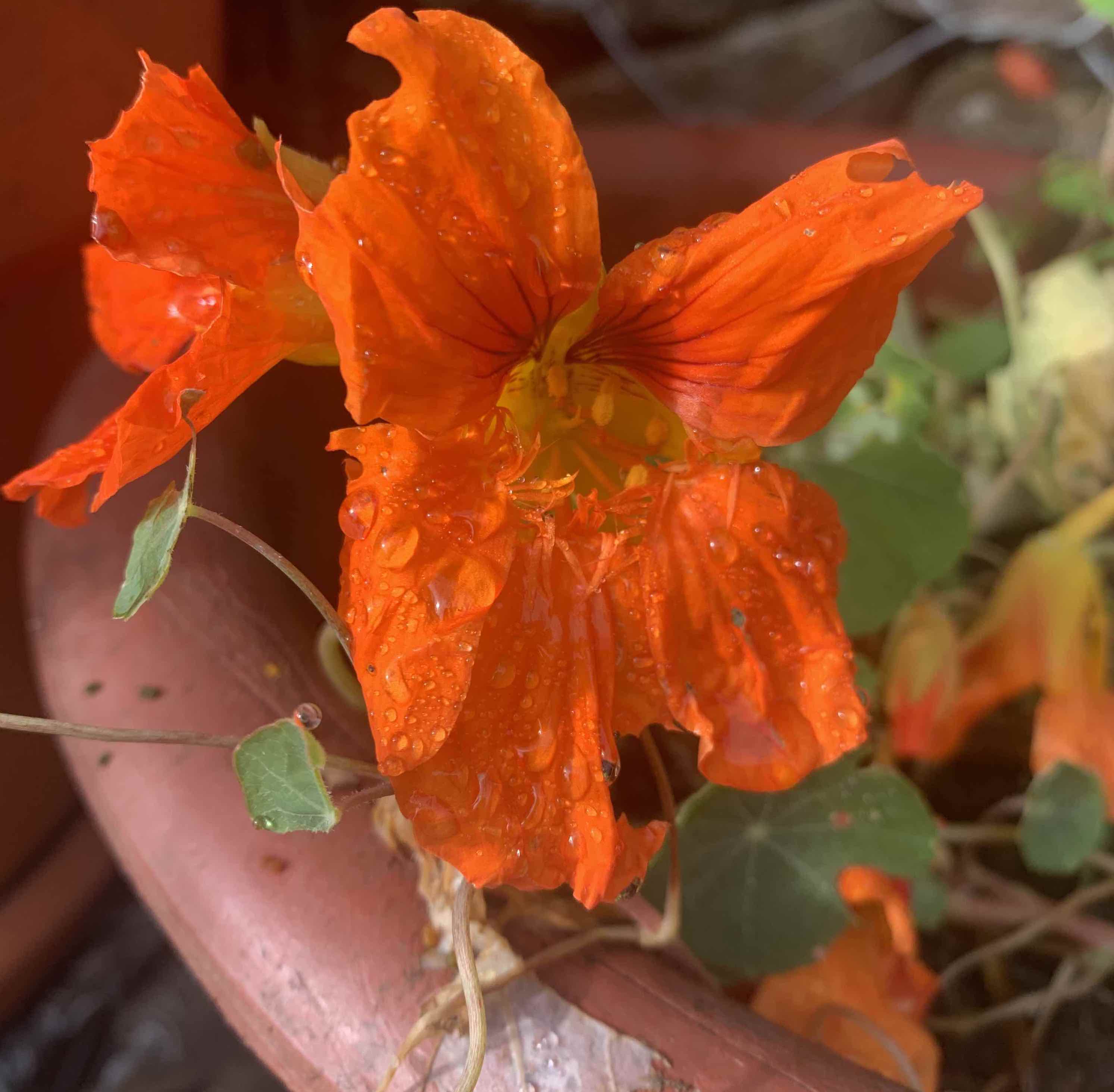
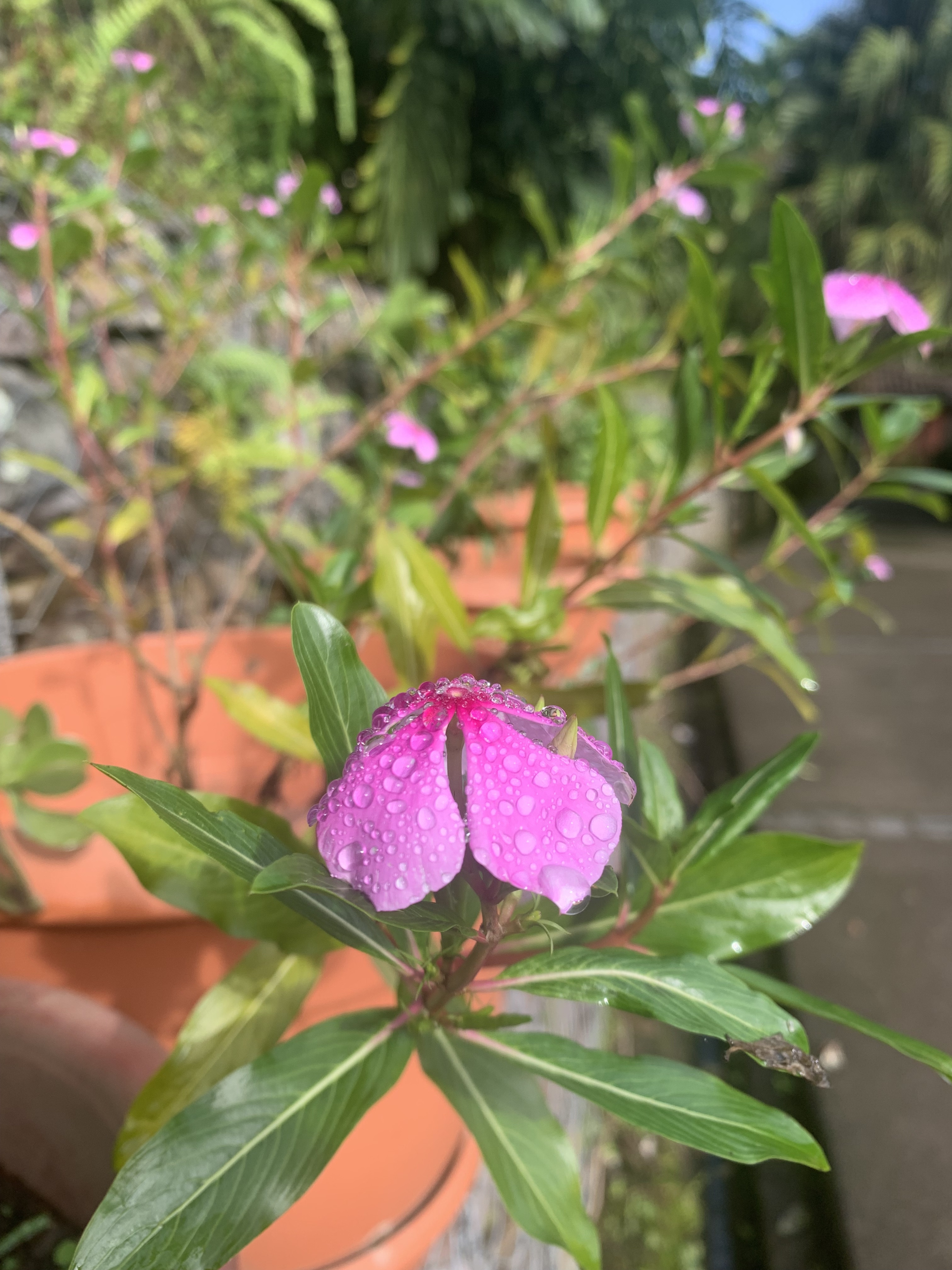
At home, potted flowers that have been providing color on a rock wall near our terrace are getting that drenched look.

Drenched does not have the same beautiful implication of verdant, but it will have to do. I cannot find a prettier alternative to describe the look of flowers that have absorbed as much water as possible and now just let the morning mist roll off.

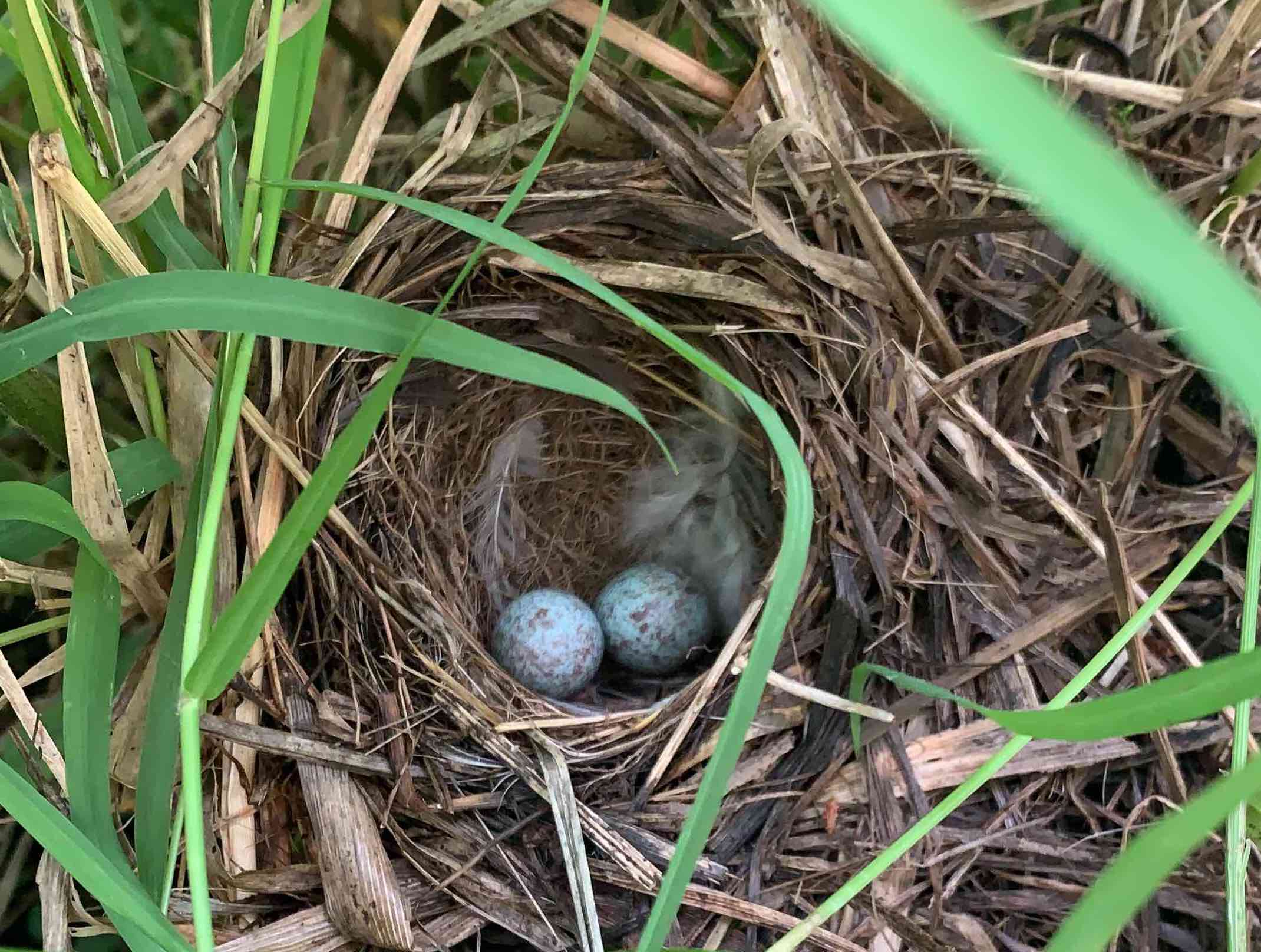
I was surprised to find this nest while tending to some overgrown grass yesterday. It was right by a post of the fence that protects the land we are replanting. The surprise was a nest at ground level. According to Seth these are most likely eggs from this bird. Good luck, eggs. Good luck, birds.

Keep Peat In Place

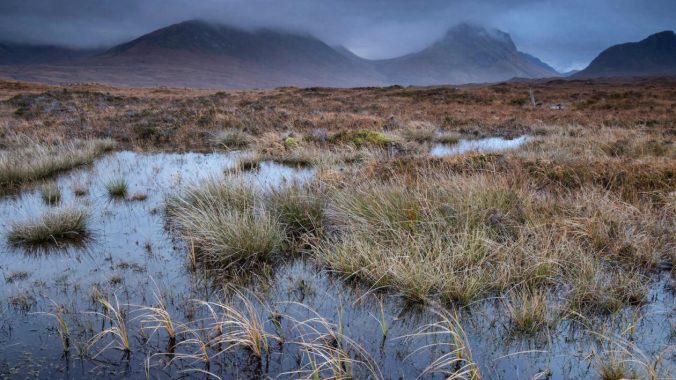
Peat bogs on the Isle of Skye, Scotland. ALAN NOVELLI / ALAMY STOCK PHOTO

Peat made two appearances in our pages in 2014, both underscoring the importance of this type of landscape for storing carbon. More such stories in 2017 and again last year made it clear how the case has been building over the years:

Why Saving World’s Peatlands Can Help Stabilize the Climate

Peatlands make up 3 percent of the earth’s landscape, yet absorb large amounts of carbon and harbor surprising biodiversity. Although peat bogs and fens are under increasing environmental threat, efforts to protect and restore these ecosystems are gathering momentum.

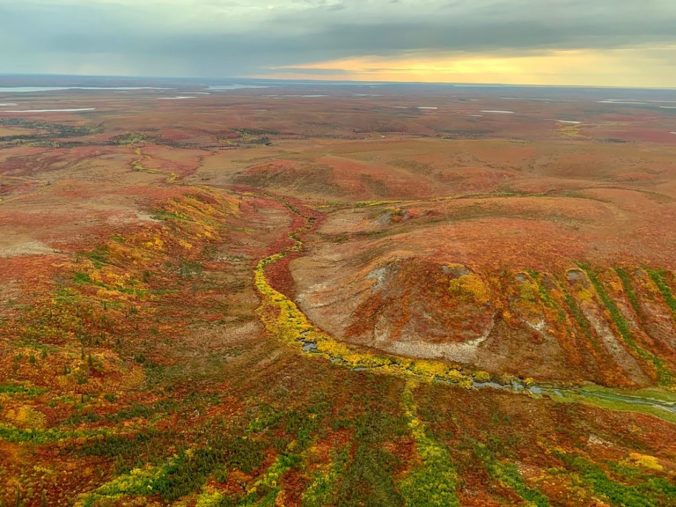
Peatlands in northern Canada’s Mackenzie Valley, seen here in autumn. ED STRUZIK

The Aweme borer is a yellowish-brown moth with an inch-and-a half wingspan. In the often-colorful world of lepidopterology — the study of moths and butterflies — it’s not particularly flashy, but it is exceedingly rare. For decades, entomologists thought the moth lived in the sand dunes and oak savannahs in southern Manitoba and the Great Lakes region. Continue reading

Gerald Durrell, The Stationary Ark, And A 2021 Maverick

Gerald Durrell, somehow, has escaped mention in 11,281 previous posts over the last decade+ on this platform. Today is the day to begin correcting that oversight. His novelist brother Lawrence is worthy of his own post here another day. And the family name was recently popularized on television. While Gerald’s own legacy is not easy to categorize, a good starting point is to look at Durrell Wildlife Conservation Trust and his related conservation work. Books are a big part of the legacy and the one to the right has had a tangible influence:

An Ark for Vanished Wildlife

Derek Gow’s maverick efforts to breed and reintroduce rare animals to Britain’s countryside.

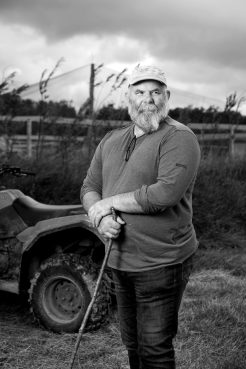
Derek Gow wants his farm to be a breeding colony, a seedbed for a denuded island. Photograph by Jonny Weeks / eyevine / Redux

Derek Gow decided to abandon conventional farming about ten years ago, not long after the curlews left. At the time, Gow, who is thickset and white of beard, had a flock of fifteen hundred breeding ewes and a hundred and twenty cows, which he kept on a three-hundred-acre farm of heavy clay close to the border between Devon and Cornwall, in southwest England. He was renting an extra field from a neighbor, and a pair of curlews had come to forage for a few days. A farm worker spotted the distinctive brown birds; they have long beaks that slope downward, like violin bows. “He didn’t even recognize what they were,” Gow told me.

Curlews are Europe’s largest wading bird. Continue reading