Food Waste Best Practice, South Korea Edition

Unloading the food waste at a disposal facility in Seoul. Chang W. Lee/The New York Times

One of the most covered topics in our pages during the decade since we started paying attention to it, still going strong for all the wrong reasons; so, our thanks to the New York Times for assigning John Yoon (reporting, writing) and Chang W. Lee (for photographs and video) to go to South Korea:

Food waste being separated from plastic bags at the Goyang facility.

When wasted food rots in landfills, it pollutes soil and water — and warms the planet. Here’s how one country keeps that from happening.

Around the world, most of the 1.4 billion tons of food thrown away each year goes to landfills. As it rots, it pollutes water and soil and releases huge amounts of methane, one of the most potent greenhouse gases. Continue reading

Taking Better Care With Help From Kate Raworth

What? We never posted on this book or its economist author before? We correct that now with Hettie O’Brien’s article in the Guardian :

The planet’s economist: has Kate Raworth found a model for sustainable living?

Her hit book Doughnut Economics laid out a path to a greener, more equal society. But can she turn her ideas into meaningful change?

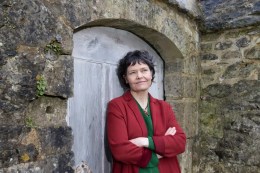
Raworth in Oxford. Photograph: Graeme Robertson/The Guardian

Consider the electric car. Sleek and nearly silent, it is a good example of how far the world has progressed in fighting the climate crisis. Its carbon footprint is around three times smaller than its petrol equivalent, and unlike a regular car, it emits none of the greenhouse gases that warm the planet or noxious fumes that pollute the air. That’s the good news. Then consider that the battery of an electric car uses 8kg of lithium, likely extracted from briny pools on South America’s salt flats, a process that has been blamed for shrinking pasturelands and causing desertification.

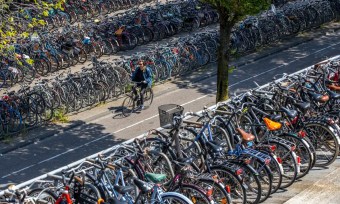
A bike park in Amsterdam which offers free parking for more than 2,500 bicycles. Photograph: Jochen Tack/Alamy

The 14kg of cobalt that prevent the car’s battery from overheating have probably come from the Democratic Republic of the Congo, where cobalt mines have contaminated water supplies and soil. As the demand for electric vehicles grows, the mining and refining of their components will intensify, further damaging natural ecosystems. By 2040, according to the International Energy Agency, the global demand for lithium will have increased more than fortyfold. Continue reading

Seaweed Farming Further Considered

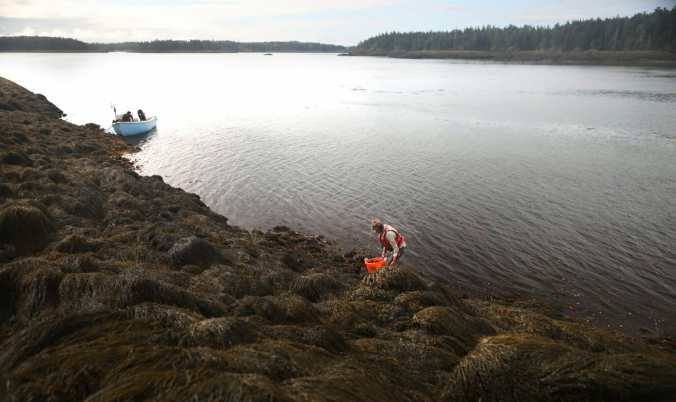
Severine von Tscharner Welcome forages for seaweed in Cobscook Bay, Maine.

Our thanks as always to Food & Environment Reporting Network. In this article by Bridget Huber, with photography by Lauren Owens Lambert, some of our earlier links to stories about farming in the sea are called into question.

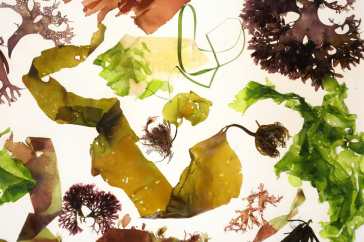
A variety of seaweed harvested from the Gulf of Maine, including sugar kelp, sea lettuce, dulse, bladderwrack, and Irish moss.

Climate savior or ‘Monsanto of the sea’

Seaweed farming is being hyped as a major weapon in the fight against climate change. But skeptics say the rush to build industrial-scale operations risks unintended consequences.

Early on a cool spring morning, in far Downeast Maine, Severine von Tscharner Welcome and her husband, Terran, scrambled along a point jutting into Cobscook Bay. The Passamaquoddy people named the bay Kapskuk after the immense tides and wild currents that make the water seem to boil. Continue reading

About That Rocking Chair

There’s been no enormous hurry in Washington to do much about the greatest threat that humans have ever faced. Photograph by Kevin Dietsch / Getty

Thanks, as always, to Bill McKibben for a perspective on otherwise difficult-to-make-sense-of events:

Looking at the White House Through Wildfire Smoke

This week, elected officials can see for themselves why they must get serious about climate change.

I’m sitting on a rocking chair just outside the White House fence on Thursday afternoon, and I can more or less make out the seat of American executive power through the haze. In the morning, the local government announced that the air-quality index for the District of Columbia had reached Code Purple (“very unhealthy”), because of the level of particulate pollution, which has never happened before. Continue reading

Snow Lab & Melting

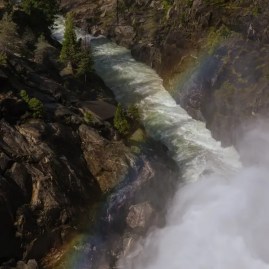
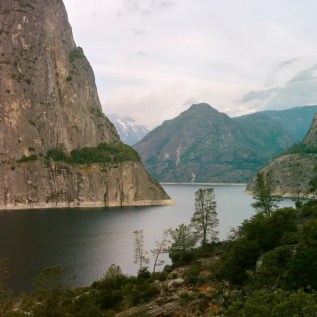
Water released from Hetch Hetchy Reservoir’s O’Shaughnessy Dam flows into the Tuolumne River. The reservoir currently supplies drinking water to 2.7 million San Francisco Bay Area residents. Photograph by Aubrey Trinnaman

We are gratified to know of such a place as a snow lab, and that their scientists share their knowledge in language we can all understand:

California’s Snow Is Melting, and It’s a Beautiful Thing

By Andrew Schwartz.

Dr. Schwartz is the lead scientist and station manager at the University of California, Berkeley, Central Sierra Snow Lab.

Photograph by Aubrey Trinnaman

SODA SPRINGS, Calif. — My fellow Californians often remark that the weather in this state seems it has been reduced to two seasons, both defined by natural disasters: In summer and fall, huge, intense wildfires rip their way across dry land, and winter and early spring bring intense atmospheric rivers with heavy rainfall, floods and landslides, along with winds that take down trees. Continue reading

Birds, Citizen Science & You

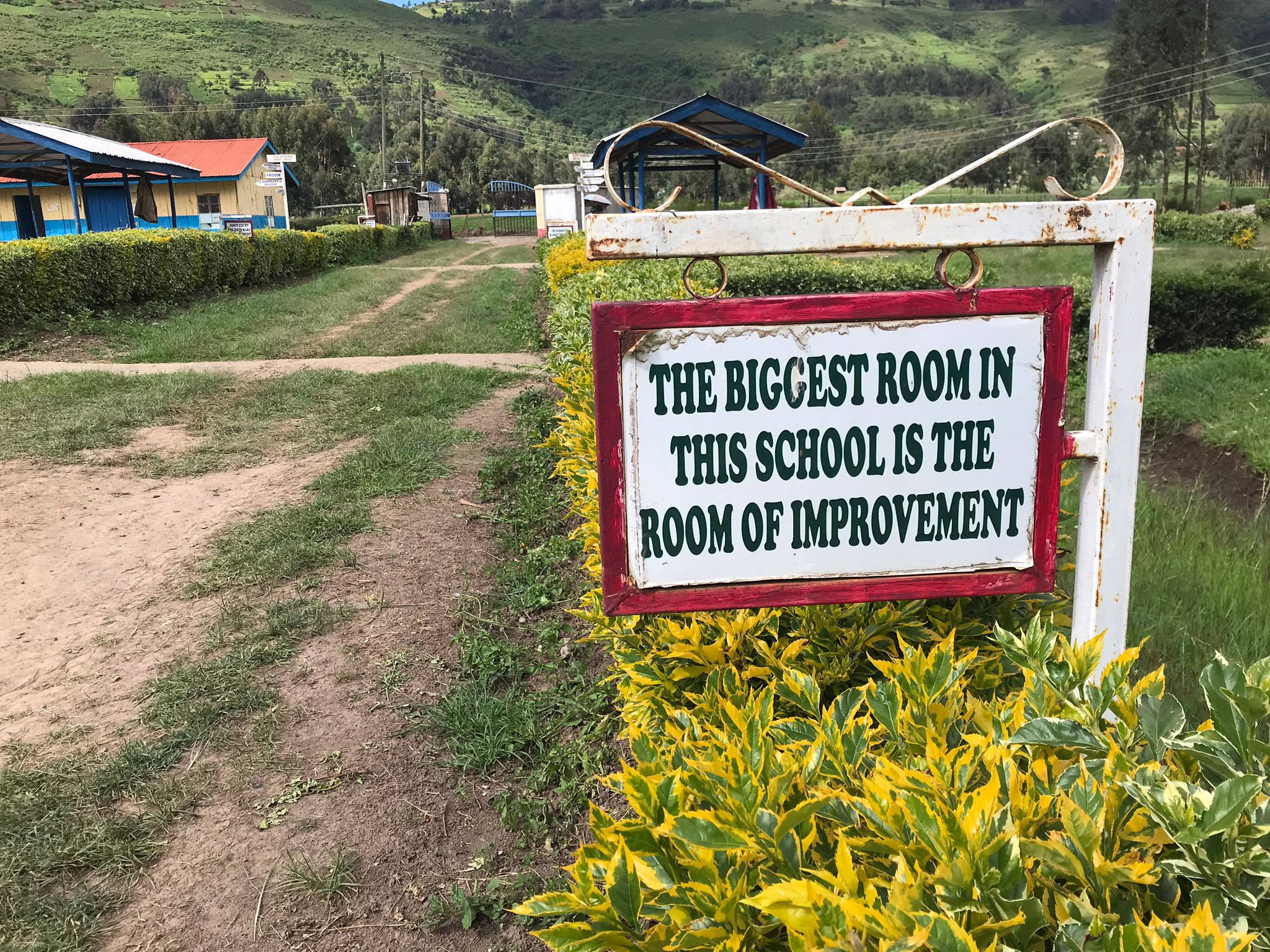
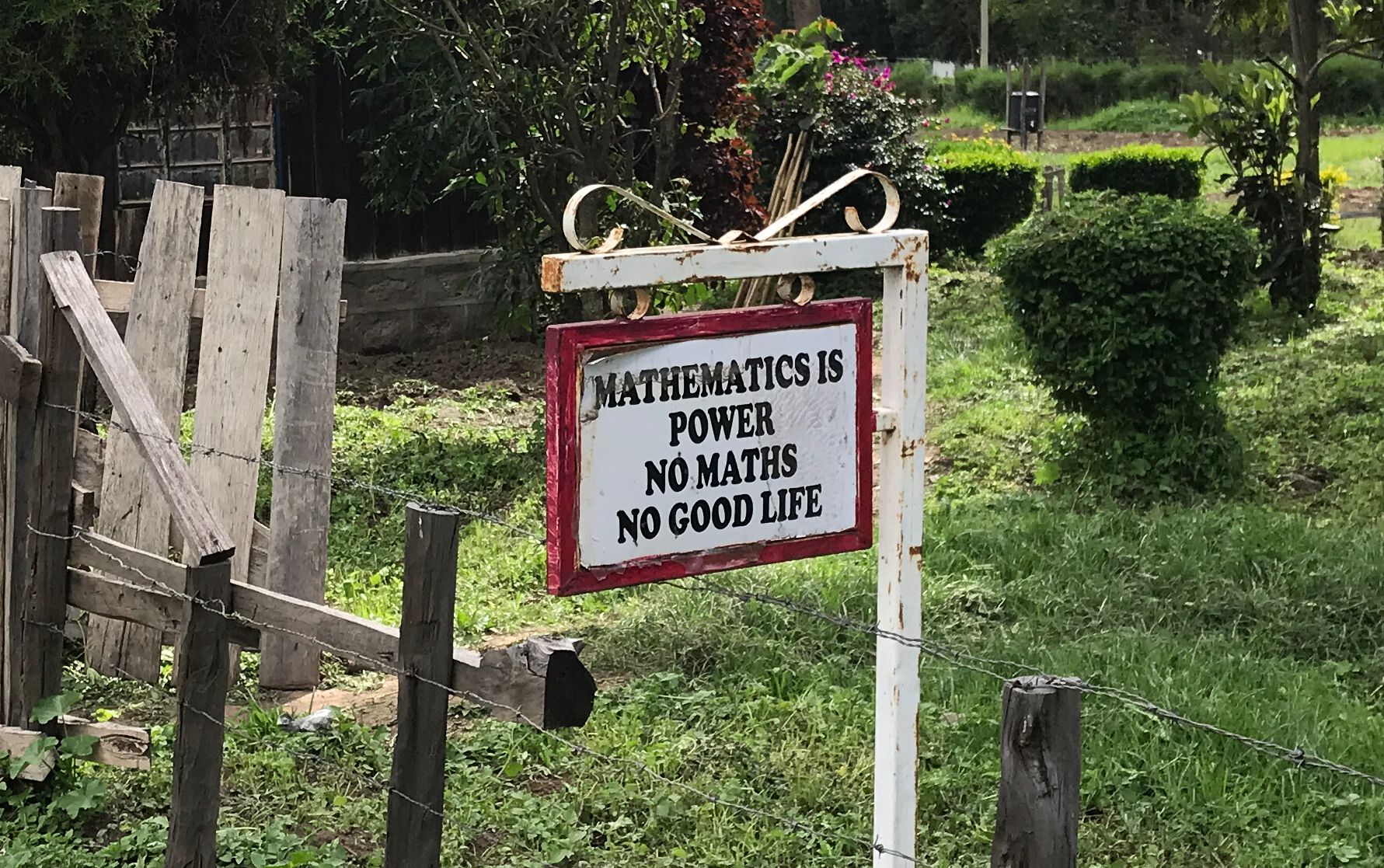
Seth has been working in various African countries recently, and is somewhere in Kenya at this moment, for work. There is a school in the vicinity, with these signs. We have not yet had the chance to hear any details about the school, but these signs anyway say most of what we might want to know.

His work, related to forest management, clearly intersects with his longstanding interest in birds, strengthened by his three years working at the Cornell Lab of Ornithology. That period coincides with our learning about citizen science and in the years since we have shared many stories from the field.

The pictures arrived from Kenya just as this initiative between the Cornell Lab of Ornithology and the New York Times comes to my attention, which you might find interesting:

Mike McQuade

Go Birding With The Times

Our understanding of birds has been profoundly shaped by the work of everyday people. After all, anyone can step outside and pay attention to an untamed world swooping above. Continue reading

Greenland’s Rock Flour

Guardian graphic. Source: Guardian research

Damian Carrington, Environment editor at the Guardian, shares these findings:

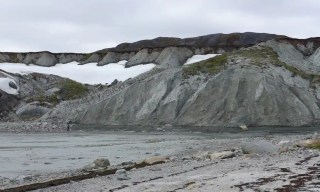
Eight-thousand-year-old marine deposits, exposed by the slow rise of Greenland after the last ice age. The cliffs are about 15 metres high. Photograph: Minik Rosing

Rock ‘flour’ from Greenland can capture significant CO2, study shows

Powder produced by ice sheets could be used to help tackle climate crisis when spread on farm fields

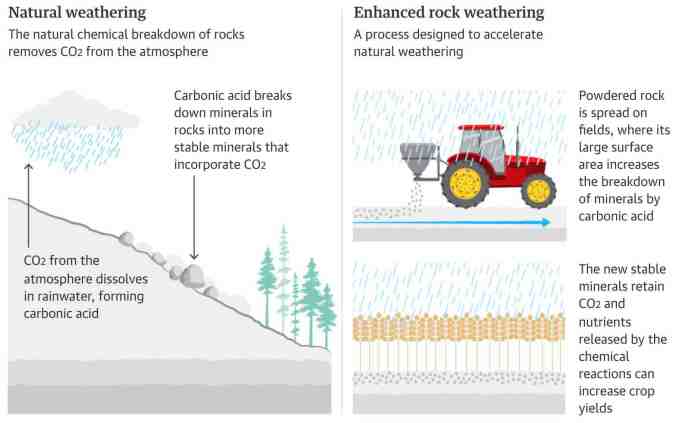
Rock “flour” produced by the grinding under Greenland’s glaciers can trap climate-heating carbon dioxide when spread on farm fields, research has shown for the first time.

Natural chemical reactions break down the rock powder and lead to CO2 from the air being fixed in new carbonate minerals. Continue reading

Trees Are Always Welcome In Our Pages

The notion that clear-cutting can be counteracted by the planting of trees is a political product of the timber industry.Photograph © Robert Adams / Fraenkel Gallery

Jill Lepore gives us a 30-minute read on a topic we have linked to more times than any topic other than birds:

What We Owe Our Trees

Forests fed us, housed us, and made our way of life possible. But they can’t save us if we can’t save them.

The woods I know best, love best, are made of Northern hardwoods, sugar maple and white ash, timber-tall; black and yellow birch, tiger-skinned; seedlings and saplings of blighted beech and striped maple creeping up, knock-kneed, from a forest floor of princess pine and Christmas fern, shag-rugged. White-tailed deer dart through softwood stands of pine and hemlock, bucks and does, the last leaping fawn, leaving tracks that look like tiny human lungs, trails that people can only ever see in the snow, even though, long after snowmelt, dogs can smell them, tracking, snuffling, shuddering with the thrill of the hunt and noshing on deer scat for dog treats. Continue reading

Green Capitalism Explained & Criticized

We are new to the website where this interview is on offer, and appreciate its proclamation: “We cut through the noise. Of social media. And algorithmic distraction. We find the serious stuff. The stuff you miss. Every week. With human curators.” We are also new to the explainer and critic on a set of topics we often have had links to:

ADRIENNE BULLER ON GREEN CAPITALISM AND THE PITFALLS OF CLIMATE FINANCE

Adrienne Buller is Director of Research at the think tank Common Wealth, where she leads investigative projects about building a democratic economy. She previously researched the intersection of finance and the climate crisis at InfluenceMap, and has also written for The Guardian and the Financial Times, among other publications. Continue reading

Bubbles On Ice

Illustration by Arina Kokoreva

A bit late considering the special issue was published one month ago, but here is another article in a recent series featuring unusual ideas about how to address climate change:

A Heat Shield for the Most Important Ice on Earth

Engineers might be able to protect Arctic ice by coating it with tiny glass bubbles. Should they?

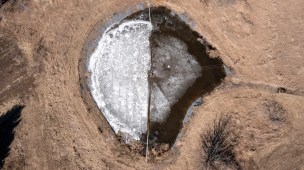
An aerial view of the glass-bubble-covered ice, at left, and the bare ice. Photograph by Doug Johnson

On a clear morning in late March, in rural Lake Elmo, Minnesota, I followed two materials scientists, Tony Manzara and Doug Johnson, as they tromped down a wintry hill behind Manzara’s house. The temperature was in the high thirties; a foot of snow covered the ground and sparkled almost unbearably in the sunlight. Both men wore dark shades. “You don’t need a parka,” Johnson told me. “But you need sunglasses—snow blindness, you know?” At the bottom of the hill, after passing some turkey tracks, we reached a round, frozen pond, about a hundred feet across. Manzara, a gregarious man with bushy eyebrows, and Johnson, a wiry cross-country skier with a quiet voice, stepped confidently onto the ice. Continue reading

When In A Hole, Stop Digging

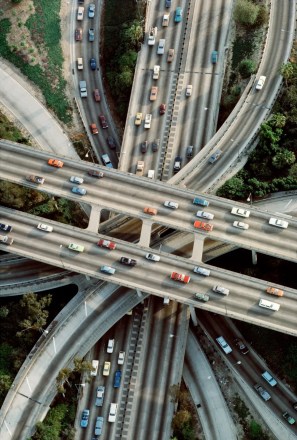
For many Americans, cars are as potent a symbol of freedom as guns are, even if they have similarly destructive consequences. Photograph by René Burri / Magnum

An interview with the author of one of the books reviewed in the linked essay below is effective motivation to read the entire review of both books:

How to Quit Cars

They crowd streets, belch carbon, bifurcate communities, and destroy the urban fabric. Will we ever overcome our addiction?

The Honeymooners” (1955-56), the greatest American television comedy, is—to a degree more evident now than then—essentially a series about public transportation in New York. Ralph Kramden (Jackie Gleason) is a New York City bus driver, deeply proud to be so and drawing a salary sufficient to support a nonworking wife in a Brooklyn apartment, not to mention a place in a thriving bowling league and membership in the Loyal Order of Raccoon Lodge. Continue reading

What Does Positive & Progressive Permitting Look Like?

We have seen the Center for Biological Diversity mentioned in his newsletters before, but this week Bill McKibben links to this recently released document. The Center offers a positive and progressive consideration of priorities we should give to permitting renewable energy, contrasting efforts to gut regulatory protections related to fossil fuel permitting highlighted in his current newsletter:

Introduction

It is indisputable that the climate emergency requires the United States to rapidly transform its majority fossil energy system to 100% clean and renewable energy.

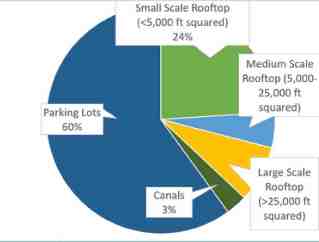
Distributed solar on rooftops alone can generate a significant portion of our energy demands while also bringing key benefits like resilience, local job generation, and avoided wildlife impacts. Once distributed energy is maximized, building renewables on top of parking lots and canals as additional built surfaces can fill the remaining gap in our current energy demand. Prioritizing these sites for renewable energy can avoid the community impacts and bottlenecks associated large-scale transmission construction.

The United Nations Intergovernmental Panel on Climate Change’s recent sixth synthesis report makes absolutely clear that an unprecedented bold transition to renewable energy with an equally aggressive effort to halt new fossil fuel development and phase out existing fossil fuel usage is absolutely vital to avoiding the most catastrophic consequences of climate change (1). This necessary transformation presents a tremendous opportunity to pursue a far more just path forward—one that ends the status quo entrenchment of the fossil fuel industry; empowers federal agencies to use their authorities to accelerate the transitions to a justly sourced, justly implemented, resilient, and equitable power system; actualizes the principles of environmental justice; and preserves our core environmental laws. Continue reading

India’s Progress With Solar Power Generation

Reuters Graphics

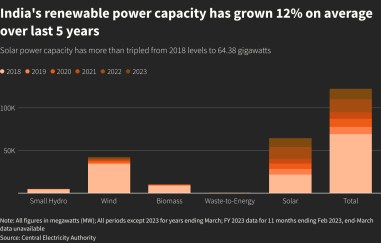
Progress on solar power generation in India is a big deal. The country’s reduction in poverty, remarkable as it has been, is counterbalanced by its environmental impoverishment. Thanks to Reuters for this article by Sarita Chaganti Singh and Sudarshan Varadhan:

Exclusive: India amends power policy draft to halt new coal-fired capacity

NEW DELHI/SINGAPORE, May 4 (Reuters) – India plans to stop building new coal-fired power plants, apart from those already in the pipeline, by removing a key clause from the final draft of its National Electricity Policy (NEP), in a major boost to fight climate change, sources said. Continue reading

Norway’s Combustion Transition

About 80 percent of new-car sales in Norway were electric last year, putting the country at the vanguard of the shift to emissions-free vehicles. David B. Torch for The New York Times

A major fossil fuel producing country has figured out how to transition away from combustion engines:

About 80 percent of new cars sold in Norway are battery-powered. As a result, the air is cleaner, the streets are quieter and the grid hasn’t collapsed. But problems with unreliable chargers persist.

BAMBLE, Norway — About 110 miles south of Oslo, along a highway lined with pine and birch trees, a shiny fueling station offers a glimpse of a future where electric vehicles rule. Continue reading

The Future Of Solar In India

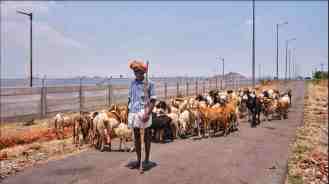
A local farmer grazes his goats along a road overlooking Pavagada Solar Park. Photographs by Supranav Dash for The New Yorker

Difficult to imagine that with all the times India has appeared in these pages, and separately all the times that solar has appeared, this is the first time they appear together:

India’s Quest to Build the World’s Largest Solar Farms

Pavagada Ultra Mega Solar Park, a clean-power plant the size of Manhattan, could be a model for the world—or a cautionary tale.

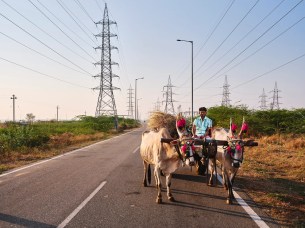
Ashok Narayanappa drives a bullock cart carrying hay, along a stretch of road lined with pylons, in Pavagada Solar Park.

Every morning in the Tumakuru District of Karnataka, a state in southern India, the sun tips over the horizon and lights up the green-and-brown hills of the Eastern Ghats. Its rays fall across the grasslands that surround them and the occasional sleepy village; the sky changes color from sherbet-orange to powdery blue. Eventually, the sunlight reaches a sea of glass and silicon known as Pavagada Ultra Mega Solar Park. Here, within millions of photovoltaic panels, lined up in rows and columns like an army at attention, electrons vibrate with energy. The panels cover thirteen thousand acres, or about twenty square miles—only slightly smaller than the area of Manhattan. Continue reading

Viewed From Above, Our Most Important Leaks

Illustration by Ard Su

David W. Brown offers this updated look at the use of satellite technology for a key metric:

A Security Camera for the Planet

A new satellite, funded by a nonprofit, aims to pinpoint emissions of methane—a gas that plays a major role in global warming.

When his phone rang, Berrien Moore III, the dean of the College of Atmospheric and Geographic Sciences at the University of Oklahoma, was fumbling with his bow tie, preparing for a formal ceremony honoring a colleague. He glanced down at the number and recognized it as nasa headquarters. This was a bad sign, he thought. In Moore’s experience, bureaucrats never called after hours with good news.

It can see large methane concentrations along its orbital path, but can’t pinpoint emissions sources. Illustration by Ard Su

For roughly six years, Moore and his colleagues had been working on a space-based scientific instrument called the Geostationary Carbon Cycle Observatory, or GeoCarb. nasa had approved their proposal in 2016; it was now 2022, and GeoCarb was being built by Lockheed Martin, in Palo Alto, California. Once it was in space and mounted to a communications satellite, GeoCarb would scan land in the Western Hemisphere continuously in strips, taking meticulous measurements of three carbon-based gases: carbon dioxide, carbon monoxide, and methane. It would give scientists a detailed view of the carbon cycle—the process by which carbon circulates through the Earth’s forests, lakes, trees, oceans, ice, and other natural features. Continue reading

#CargoUnderSail #RethinkShipping

Illustration by Owen D. Pomery

The Climate Crisis Gives Sailing Ships a Second Wind

Cargo vessels are some of the dirtiest vehicles in existence. Can a centuries-old technology help to clean them up?

In February, 1912, Londoners packed a dock on the River Thames to gawk at the Selandia, a ship that could race through the water without any sails or smokestacks. Winston Churchill, then the minister in charge of the British Royal Navy, declared it “the most perfect maritime masterpiece of the twentieth century.” But, as the Selandia continued its journey around the world, some onlookers were so spooked that they called it the Devil Ship…

The history is a fun read, so continue to the whole story here. But then, take a closer look at the company featured in the article:

Our Story

Over the course of 20 years working in the maritime industry Cornelius Bockermann witnessed first hand how humans adversely affect our environment. He knew something had to change. In 2013, he moved with his family to Cairns and shipped all their possessions from Germany to their new home in Australia. Through the process of shipping his own goods he experienced the disconnect between commerce and environmental preservation. Upon learning of plans to expand fossil fuel based shipping along the Queensland coast and amongst the Great Barrier Reef he knew he had to act. The question became how do you offer businesses and consumers a sustainable option in shipping?

Cargo Under Sail is the answer and the Dutch schooner named the AVONTUUR is the vessel to start it.

We are a passionate collective of individuals working to create a supply chain that merges the relationship between commerce and preservation. We are restless and can no longer wait for others to make a change.
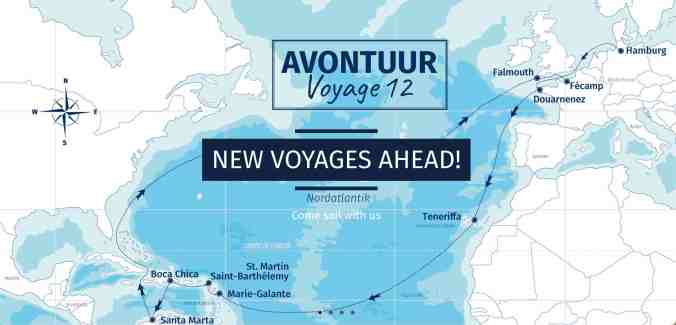
Our Mission Zero

To eliminate pollution caused by shipping cargo.

We have a five-stage approach:

1. Raise Awareness about the environmental destruction caused by the shipping industry

2. Model a clean shipping future with our AVONTUUR

3. Sell premium AVONTUUR products to support the ongoing operation of the project.

4.  Establish a demand for products shipped by sail

5. Build a modern sail cargo fleet

An Optimistic View On Climate

Illustration by Nicholas Konrad / The New Yorker; Source photographs from Getty.

We appreciate the author’s wide reach and tireless exploration for solutions to seemingly unsolvable puzzles:

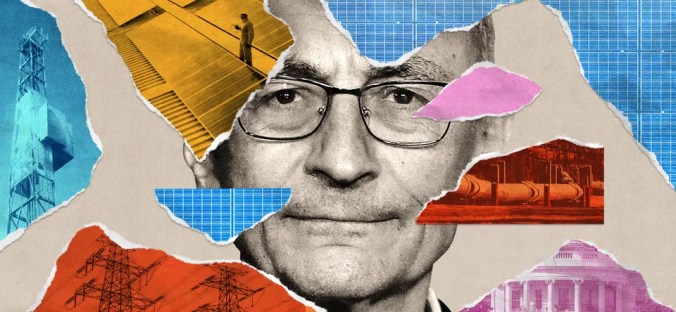
A Case for Climate Optimism, and Pragmatism, from John Podesta

The veteran political operative now has one of the nation’s top climate jobs. He speaks about the Willow oil-drilling project, the Inflation Reduction Act, and the Biden White House.

“Humanity is on thin ice, and that ice is melting fast,” António Guterres, the Secretary-General of the United Nations, recently warned, in response to a newly alarming climate report. The ice is melting, in large part, because the world keeps burning fossil fuels. To change that, the U.S. will need to join other nations in replacing machines that burn them—cars, stoves, furnaces, and eventually things like planes and factories—with machines that run on electricity. Continue reading

Lie-Liable Fossil Fuel Companies

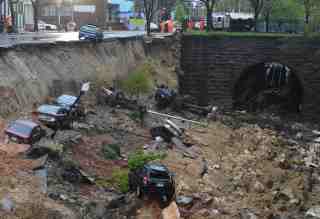
Following record rains in April of 2014, a section of Baltimore street simply collapsed. Now there’s some chance of holding the culprits accountable.

Thanks to Bill McKibben for this legal news following plenty of precursor stories on the same topic:

High court lets cities and states sue Exxon et al

…But something else happened yesterday too, with a price tag that may eventually dwarf that settlement, and with even larger potential implications for the future of the planet. The Supreme Court, also tersely, declined to grant cert in a case brought by oil companies desperately trying to hold off state court trials for their climate crimes. Continue reading

Galápagos Reef Discovery, Deep

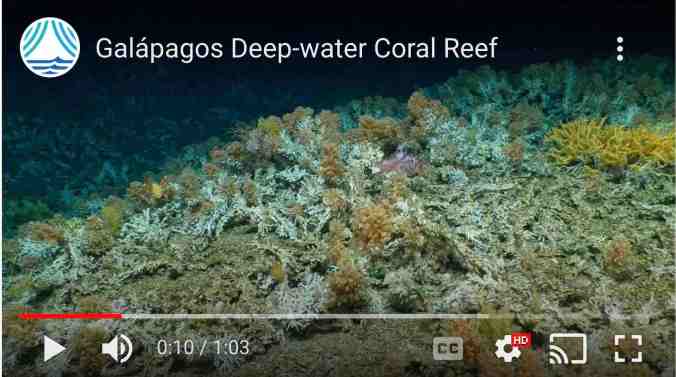
The video is worth a minute of your time, and the short article that follows is as close as we get to nature-related good news these days. Our thanks, as always, to Yale e360:

Pristine Deep-Sea Reef Discovered in the Galápagos

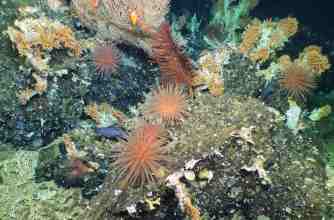
The newly discovered deep-sea reef in the Galápagos Marine Reserve. WOODS HOLE OCEANOGRAPHIC INSTITUTION

In Ecuador’s Galápagos Islands, where ocean warming has decimated shallow-water reefs, scientists have discovered a healthy, sprawling coral reef hidden deep under the sea.

“This newly discovered reef is potentially an area of global significance,” Michelle Taylor of the University of Essex, co-lead of the expedition, said in a statement. It is “a site we can monitor over time to see how a pristine habitat evolves with our current climate crisis.” Continue reading