Scotland, Running On Almost 100% Renewables

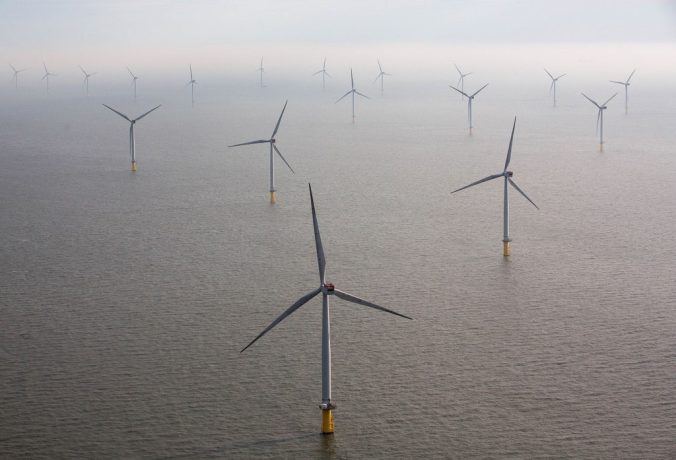
GETTY IMAGES. Scotland’s renewables output has tripled in 10 years

Thanks to Scotland, for the ambition and demonstration; and to the BBC for reporting this:

Renewables met 97% of Scotland’s electricity demand in 2020

GETTY IMAGES. WWF Scotland is calling for an increased roll-out of electric vehicles

Scotland has narrowly missed a target to generate the equivalent of 100% of its electricity demand from renewables in 2020.

New figures reveal it reached 97.4% from renewable sources.

This target was set in 2011, when renewable technologies generated just 37% of national demand. Continue reading

Power Plants Signal Intent

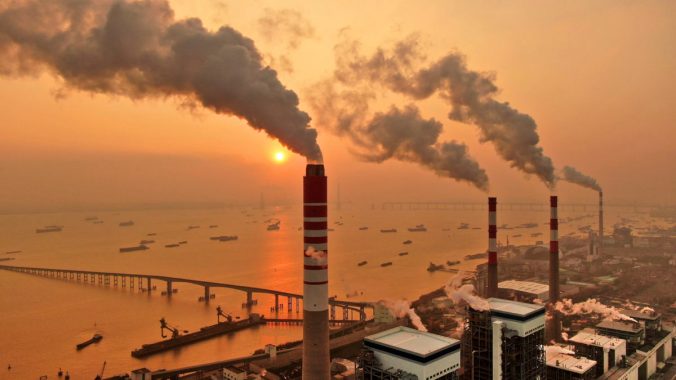
A coal-fired power plant in China’s Jiangsu province. XU CONGJUN – IMAGINECHINA

What is the real intent on addressing climate change, we must wonder:

Despite Pledges to Cut Emissions, China Goes on a Coal Spree

China is building large numbers of coal-fired power plants to drive its post-pandemic economy. The government has promised a CO2 emissions peak by 2030, but the new coal binge jeopardizes both China’s decarbonization plans and global efforts to tackle climate change.

China’s National People’s Congress meetings, which ended earlier this month, were shrouded in both a real and figurative haze about how strong its climate ambitions really are and how quickly the country can wean itself from its main source of energy — coal. Continue reading

Beloved Beasts, Author Interview

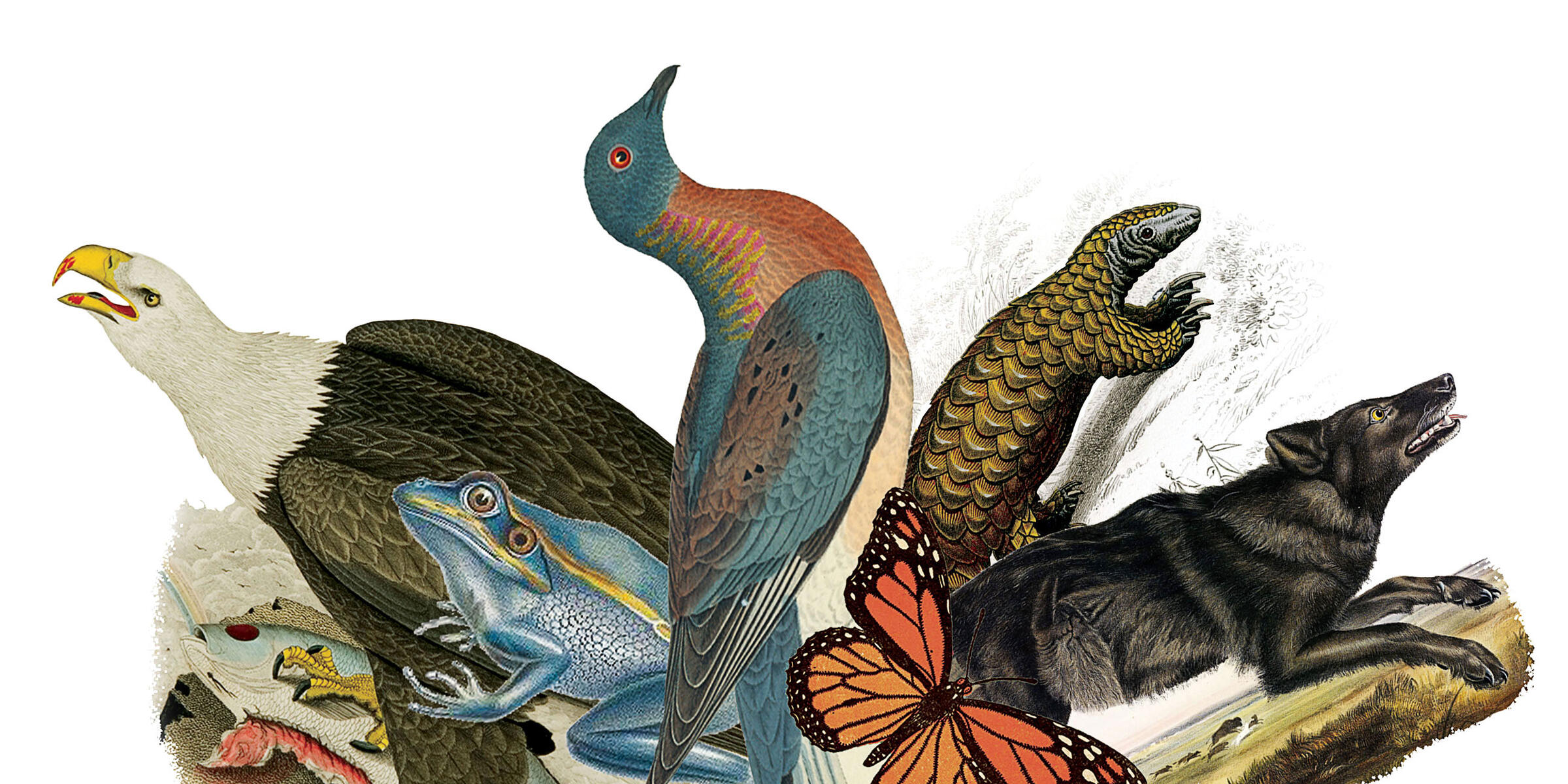
Art from Beloved Beasts by Michelle Nijhuis. Illustration: Courtesy of Norton

My interest in the history of conservation started with the discovery of an archive full of hotel guide books from earlier centuries, which led to another archive full of data about one of the earliest publicly-funded conservation projects, which in turn led to my doctoral dissertation. My particular interest is in the history of both conservation and tourism and their co-evolution over the past century. And this interest seems to run in the family, which might explain where our family’s various entrepreneurial activities have emerged from. All along the way, science writers have been a favorite source of nourishment.  I can better understand Michelle Nijhuis‘s two-year hiatus from our pages  thanks to Rachel Fritts, Editorial Intern at Audubon magazine, in this author interview:

Capturing the Whole History of Conservationism—for Better and Worse

In her new book ‘Beloved Beasts,’ author Michelle Nijhuis chronicles a movement dedicated to the ‘preservation of possibility.’

The author, Michelle Nijhuis. Photo: Seed Photography

Veteran science journalist Michelle Nijhuis has been writing about conservation for more than two decades. Her work on topics ranging from climate change to humans’ relationships with other species regularly appears in publications such as the New Yorker and The Atlantic. In her hotly anticipated new book, released March 9, Nijhuis sets out to tell the definitive history of the effort she dedicated her career to chronicling.

Beloved Beasts: Fighting for Life in an Age of Extinction turns an exacting eye on the history of conservationism, emphasizing the movement’s interconnectedness and complexity. Nijhuis takes the reader on a journey through time, from the plains bisons’ brush with extinction in the 1800s, to the community conservancies preserving wildlife in modern-day Namibia. Continue reading

Engineering + Imagination = Worthy Of Second Guessing

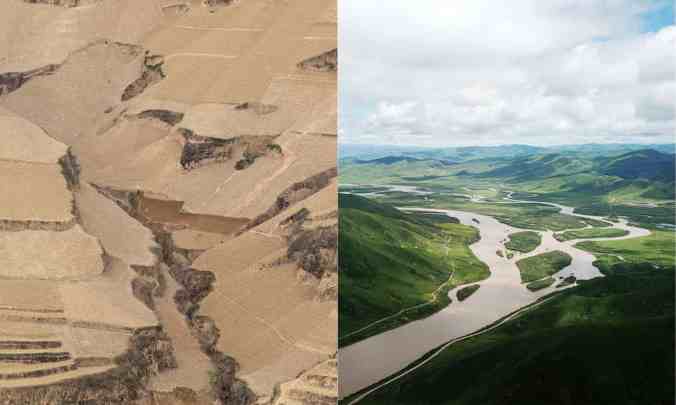
The Loess plateau, in China, in 2007, left, and transformed into green valleys and productive farmland in 2019. Composite: Rex/Shutterstock/Xinhua/Alamy

The message from Elizabeth Kolbert’s book should sound relevant to you when you read the following:

‘Our biggest challenge? Lack of imagination’: the scientists turning the desert green

In China, scientists have turned vast swathes of arid land into a lush oasis. Now a team of maverick engineers want to do the same to the Sinai

Flying into Egypt in early February to make the most important presentation of his life, Ties van der Hoeven prepared by listening to the podcast 13 Minutes To The Moon – the story of how Nasa accomplished the lunar landings. The mission he was discussing with the Egyptian government was more earthbound in nature, but every bit as ambitious. It could even represent a giant leap for mankind. Continue reading

Changing Water Use, Last Chances

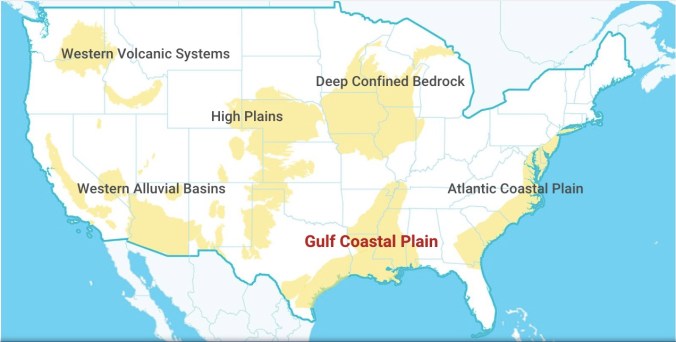
Sources: U.S. Geological Survey, U.S. Census Bureau Research: Austin R. Ramsey/IRW; Graphic: Kelly Martin/IRW

Yesterday’s post was about a book that argues we must change the way we source food. Water use is a parallel topic, of equal importance, and today National Public Radio (USA) presents an investigative report about Louisiana’s challenges related to water, and changes that must be made:

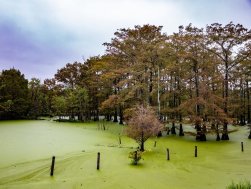
Known For Its Floods, Louisiana Is Running Dangerously Short Of Groundwater

A wastewater treatment plant in West Monroe, La., uses microalgae to biologically purify water. It’s the first step in a process that helps supply water for a local paper mill, saving the area’s stressed aquifer for residents. Austin R. Ramsey/IRW

Louisiana is known for its losing battle against rising seas and increasingly frequent floods. It can sometimes seem like the state has too much water. But the aquifers deep beneath its swampy landscape face a critical shortage.

Groundwater levels in and around Louisiana are falling faster than almost anywhere else in the country, according to U.S. Geological Survey data. An analysis by the Investigative Reporting Workshop and WWNO/WRKF traced the problem to decades of overuse, unregulated pumping by industries and agriculture, and scant oversight or action from legislative committees rife with conflicts of interest. Continue reading

Bottom Trawling’s Carbon Release

Beam trawlers’ heavy chains are dragged along the seabed, releasing carbon into the seawater. Photograph: aphperspective/Alamy

One of the many things that humans have been doing for a long time that are going to have to change:

Bottom trawling releases as much carbon as air travel, landmark study finds

Dragging heavy nets across seabed disturbs marine sediments, world’s largest carbon sink, scientists report

Fishing boats that trawl the ocean floor release as much carbon dioxide as the entire aviation industry, according to a groundbreaking study.

Bottom trawling, a widespread practice in which heavy nets are dragged along the seabed, pumps out 1 gigaton of carbon every year, says the study written by 26 marine biologists, climate experts and economists and published in Nature on Wednesday. Continue reading

Turning Point In USA’s Transition To Electric Vehicles

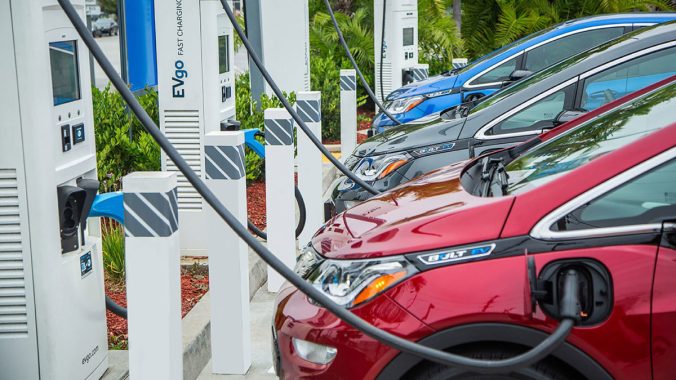
General Motors has partnered with EVgo to deploy more than 2,700 fast chargers across the U.S. CREDIT: GM

John Paul MacDuffie and Sarah E. Light, both professors at the Wharton School of Business at the University of Pennsylvania, have published an article on Yale E360 highlighting the improving potential for electric vehicles to dominate the USA market sooner than previously expected:

EV Turning Point: Momentum Builds for U.S. Electric Vehicle Transition

Driven by GM, Tesla, and the Biden administration, the U.S. is now poised to press ahead in the transformation to electric vehicles. Big challenges still loom, but technological advances, government support, and growing consumer appeal will drive the inevitable switch to EVs.

Last month’s failure of the Texas electric grid, coming just weeks after General Motors’ pledge to make only electric vehicles by 2035, highlights the daunting task the United States faces as it takes the first steps toward weaning its economy off fossil fuels. Continue reading

Pandemic’s Impact On Tourism’s Impact

Last spring, a herd of Great Orme Kashmiri goats was spotted ambling through empty streets in Llandudno, a coastal town in northern Wales. Christopher Furlong/Getty Images

Kashmiri goats in Wales? I saw that story a year ago and it was amusing, and interesting. I did not post about it because amusement did not seem an appropriate sentiment to share then; too soon, as they say. But now, taking stock of the lasting impact of the pandemic on the work we do, on the planet where we do it, makes more sense. Somehow, Lisa Foderaro has never appeared in our pages before, but today is the perfect day to correct that:

For Planet Earth, No Tourism is a Curse and a Blessing

From the rise in poaching to the waning of noise pollution, travel’s shutdown is having profound effects. Which will remain, and which will vanish?

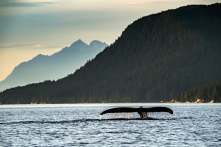
Water flows off the tail of a humpback whale as it dives below the surface near Juneau, Alaska. Christopher Miller for The New York Time

For the planet, the year without tourists was a curse and a blessing.

With flights canceled, cruise ships mothballed and vacations largely scrapped, carbon emissions plummeted. Wildlife that usually kept a low profile amid a crush of tourists in vacation hot spots suddenly emerged. And a lack of cruise ships in places like Alaska meant that humpback whales could hear each other’s calls without the din of engines. Continue reading

Under A White Sky

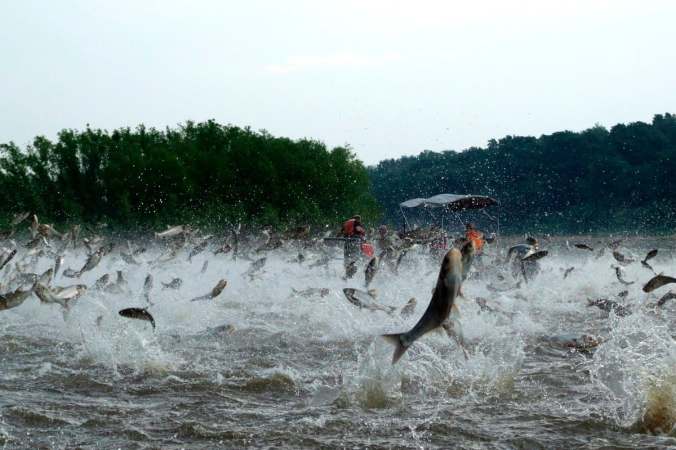
The continuing struggle to prevent Asian carp from entering the Great Lakes system has included solutions ranging from electrified water barriers to thrillingly impractical suggestions like stopping them with flying knives. Nerissa Michaels/Illinois River Biological Station, via Detroit Free Press

We have not featured any of her work since this review of H is for Hawk but we are happy to read Helen Macdonald’s work again with this review:

Can We Patch Up the Natural World We’ve Hurt?

UNDER A WHITE SKY
The Nature of the Future
By Elizabeth Kolbert

A few years ago YouTube recommended I watch a video with the word “carpocalypse” in its title. I clicked the link — of course I did — and stared in awe at what resembled a mash-up of a video game, nature documentary and war movie. I saw a river full of fish leaping from the water like chaotic piscine fireworks and men in speedboats yelling and holding out nets to catch them as if they were wet and weighty butterflies. Fish hitting people in the face, fish landing in boats, fish flapping between people’s feet in a mess of slime and blood. Continue reading

Promoting PIMBYism

A good method for converting so-called NIMBY opponents of turbines and other renewable-energy infrastructure would be to give locals a stake in the enterprise’s economic success. Photograph by Simon Dawson / Bloomberg / Getty

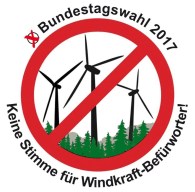
“No vote for wind power advocates” – wind power opponents’ election poster for the 2017 parliamentary elections. Source: windwahn.com

We have giant turbines along the ridge at the top of the mountain where we live. I enjoy looking at them, not because they are pretty, or perfect, but because they represent progress. I never had the NIMBY inclination. If the turbines were in my face all day, every day, or if I had some sense that they were affecting my property value, perhaps I would feel differently. I had thought of the acronym PIMBY, thanks to those turbines uphill from us, before reading this, but am glad to see it is a thing. Thanks, as always, to Bill McKibben for his newsletter’s role in getting us to see further down the road:

The Shift to Renewable Energy Can Give More Power to the People

The pandemic has driven a lot of people outdoors: reports show that park visits are up around the world and parking lots at hiking trails are packed. That’s understandable—by now you’d need to chop down a sizable forest to print out the studies showing that time in nature reduces stress, cuts healing times, and enhances the functioning of the immune system. As Sadie Dingfelder wrote in the Washington Post in December, “I’ve always found it relaxing and rejuvenating to be outdoors, but the anxiety and isolation of the pandemic, the uncertainty of civil unrest and, oh, I don’t know, the potential crumbling of American democracy have made me crave nature like a drug.” Continue reading

Gas Stoves & Clever Misinformation

Mother Jones illustration; Getty

Thanks to Mother Jones for this article spotlighting why you might want to rethink your attachment to gas as a cooking fuel:

How the Fossil Fuel Industry Convinced Americans to Love Gas Stoves

And why they’re scared we might break up with their favorite appliance. Continue reading

McKibben Reviews Gates

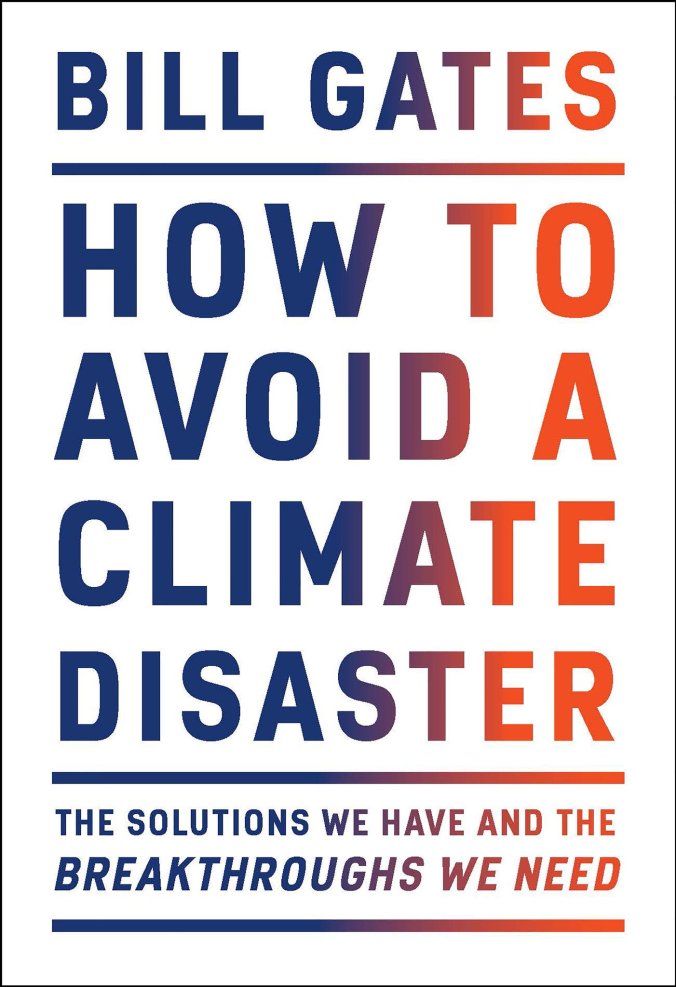
I am sure that the New York Times has made available, but I cannot find it, an explanation for when they link out to Amazon (e.g. on a podcast interview with an author promoting a recently published book) and when they do not (e.g. in a traditional book review). Our thanks to Bill McKibben for taking the time to review this book:

How Does Bill Gates Plan to Solve the Climate Crisis?

HOW TO AVOID A CLIMATE DISASTER
The Solutions We Have and the Breakthroughs We Need
By Bill Gates

First things first — much respect to Bill Gates for his membership in the select club of ultrabillionaires not actively attempting to flee Earth and colonize Mars. Continue reading

Dry Season Here; Massive Tree-Planting There

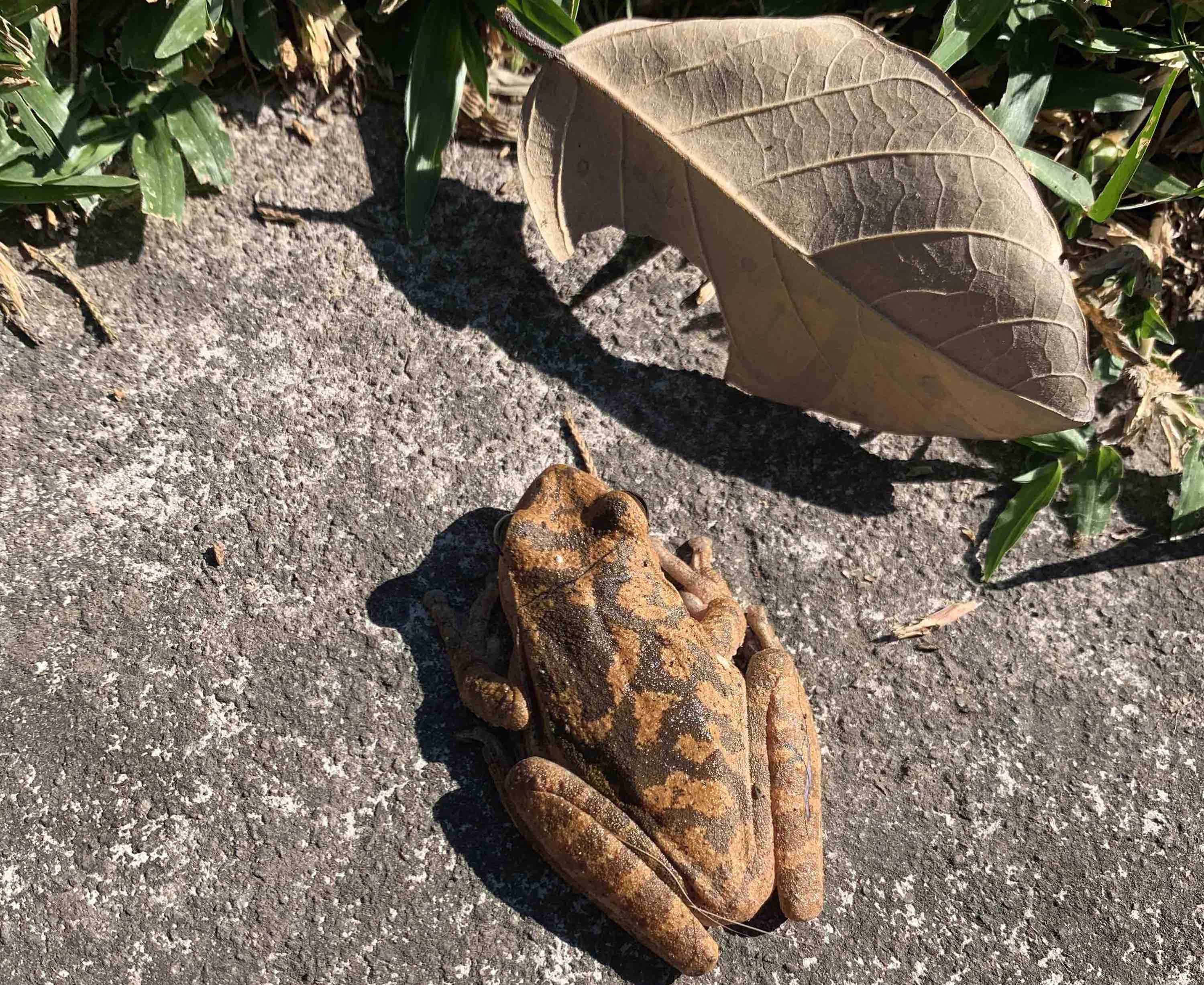
We got as many trees in the ground as we could during 2020, and since it has been dry season for a couple months now we are mostly in maintenance mode. The most pleasure to be had during these months is seeing how the wildlife on our small plot of land changes. For example, the creature above, which I saw yesterday. I believe it is a Drab Tree Frog, but if you have a different opinion please let me know. Tomorrow we begin coffee germination, take two–and I will post on that. Meanwhile, thanks to the Guardian’s coverage of the environment, we have this news:

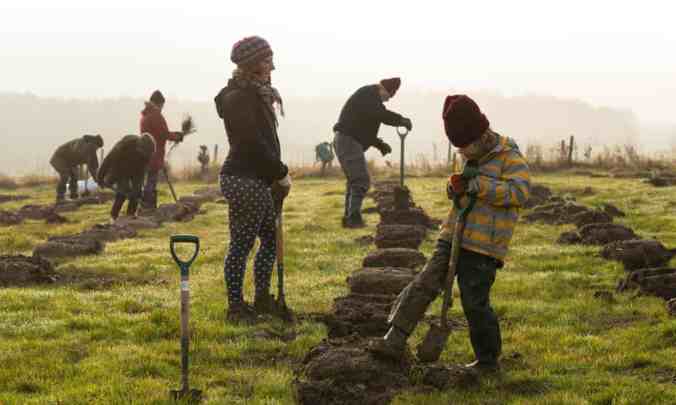
Volunteers helping on project for Woodland Trust, which sent out a million trees last year. Photograph: Philip Formby/PA

Digging in: a million trees planted as villages and schools join climate battle

Community forest projects have seen a surge in volunteers keen to reduce CO2 emissions by creating new woodlands

According to the Horticultural Trades Association, garden centre sales of hardy plants, shrubs and trees have soared. Photograph: Alamy

The UK may be in the grip of a winter lockdown but in one village on the edge of the Yorkshire Dales the local climate-change group has been busy.

Plans are afoot to plant hundreds of trees on land surrounding Newton-le-Willows, in lower Wensleydale, in an effort to tackle the climate crisis. According to scientists, planting billions of trees across the world is one of the biggest and cheapest ways of taking CO2 out of the atmosphere. Continue reading

Butterflies, Challenges & Hope

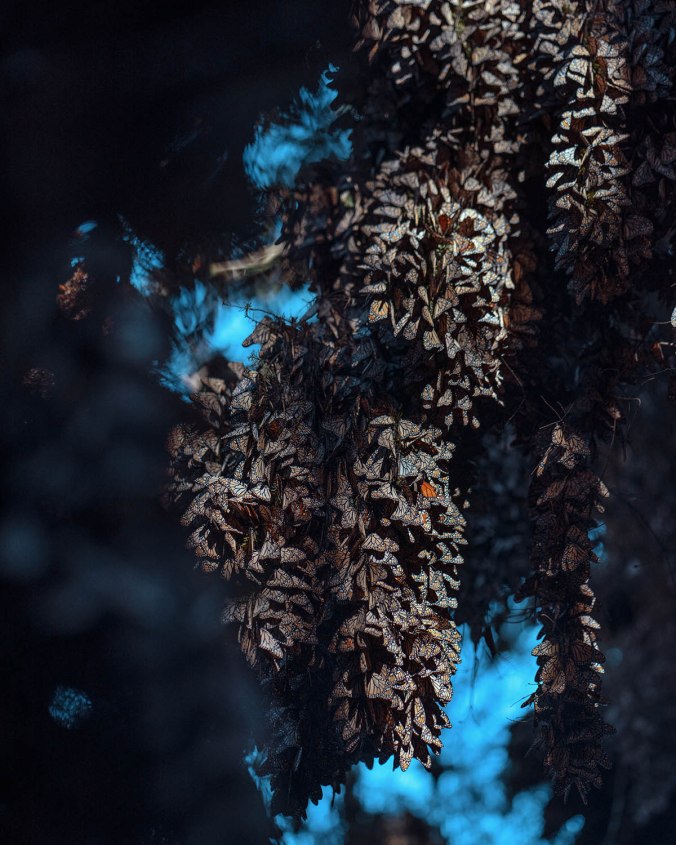
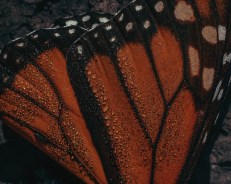
Monarchs in the early morning. They hibernate from November until the beginning of March. With warmer temperatures, they become sexually mature, mate, and begin their northerly migration.

Just for the beauty of the photographs, this is worth a visit. But there is also an audio accompaniment, allowing you to hear the butterflies. The story of the challenge their habitat faces is, like so many other stories we encounter, painful to read. But there is hope as well:

SAVING THE BUTTERFLY FOREST

Environmental destruction and violence threaten one of the world’s most extraordinary insect migrations.

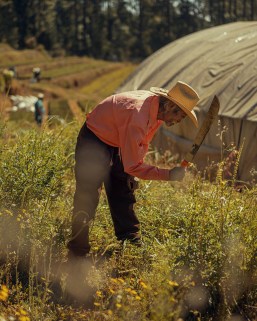
Marciano Solis Sacarias,
a landowner, working at
Las Novias del Sol,
a tree-nursery coöperative.

Every November, around the Day of the Dead, millions of monarch butterflies descend on a forest of oyamel firs in the mountains of central Mexico. The butterflies have never seen the forest before, but they know—perhaps through an inner compass—that this is where they belong. They leave Canada and the northeastern United States in late summer and fly for two months, as far as three thousand miles south and west across the continent. The journey is the most evolutionarily advanced migration of any known butterfly, perhaps of any known insect. Continue reading

Yaak Valley’s Fate, To Be Determined

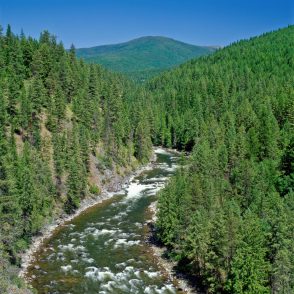
The Biden Administration’s next few weeks may decide the fate of the remote Yaak Valley, on Montana’s Canadian border. Photograph by John Lambing / Alamy

Bill McKibben’s weekly newsletter, as usual, has gems worthy of attention, and the fate of the Yaak Valley qualifies:

The blizzard of federal climate initiatives last week (a blizzard that might help allow actual blizzards to persist into the future) is without precedent. For the first time in the thirty-plus years of our awareness of the climate crisis, Washington roused itself to urgent action; veterans of the cautious Obama Administration—the domestic climate adviser Gina McCarthy and the global climate czar John Kerry chief among them—were suddenly going for broke. In fact, only one branch of the Cabinet seemed conspicuous by its muted presence: the Department of Agriculture, which has responsibility for the nation’s farms and for many of its forests—that is, for the natural features that will either speed or slow the flow of carbon into the atmosphere. Continue reading

Geographic Information Systems, Tool For Conservation

Burhans realized that the Church had lost track of its vast landholdings. Photograph by Isabel Magowan for The New Yorker

When I was a doctoral student I was introduced to geographic information systems. I became interested in how this tool might be of use in the hospitality industry. By the time I co-authored a second article about this, I already had my dissertation research focused on an entirely different topic, and I also had a job offer in Costa Rica to put that research to use. So, my GIS fascination was short-lived. But it was revived in the last couple of years as Seth focused his graduate school education on how to use this tool for land stewardship and natural resource management. So, reading this article by David Owen was a delight on multiple fronts. Foremost is the knowledge that the tool I found useful for business purposes has an equally powerful use for conservation:

How a Young Activist Is Helping Pope Francis Battle Climate Change

Molly Burhans wants the Catholic Church to put its assets—which include farms, forests, oil wells, and millions of acres of land—to better use. But, first, she has to map them.

The role of the cartographer, according to Molly Burhans, is not just data analytics. “It’s also storytelling,” she said. Photograph by Isabel Magowan for The New Yorker

In the summer of 2016, Molly Burhans, a twenty-six-year-old cartographer and environmentalist from Connecticut, spoke at a Catholic conference in Nairobi, and she took advantage of her modest travel stipend to book her return trip through Rome. When she arrived, she got a room in the cheapest youth hostel she could find, and began sending e-mails to Vatican officials, asking if they’d be willing to meet with her. She wanted to discuss a project she’d been working on for months: documenting the global landholdings of the Catholic Church. To her surprise, she received an appointment in the office of the Secretariat of State.

On the day of the meeting, she couldn’t find the entrance that she’d been told to use. She hadn’t bought a sim card for her phone, so she couldn’t call for help, and, in a panic, she ran almost all the way around Vatican City. The day was hot, and she was sweating. At last, she spotted a monk, and she asked him for directions. He gave her a funny look: the entrance was a few steps away. A pair of Swiss Guards, in their blue, red, and yellow striped uniforms, led her to an elevator. She took it to the third loggia of the Apostolic Palace, and walked down a long marble hallway. On the wall to her right were windows draped with gauzy curtains; to her left were enormous fresco maps, commissioned in the early sixteenth century, depicting the world as it was known then. Continue reading

Waking Up 30 Years & Billions Of Tons Of Carbon Dioxide Behind Schedule

Elizabeth Kolbert rarely, if ever, could be faulted for sugar coating anything, but here she is lauding the simple act of the government of the USA talking about climate change again:

A New Day for the Climate

It remains to be seen whether Joe Biden’s sweeping climate directives can make a meaningful difference, but a critical threshold has been crossed.

Illustration by João Fazenda

Nine years ago, Senator Sheldon Whitehouse had a sign made up that showed a photograph of the Earth as seen from space. “time to wake up,” it urged, in large, unevenly spaced letters. Every week that the Senate was in session, Whitehouse, a Democrat from Rhode Island, would tote the sign to the chamber, set it on an easel, and, before a hundred chairs—most of them empty—deliver a speech. Though the details changed, the subject of the speech remained the same. Continue reading

Animal Bridges, Saving Lives & Protecting Species

A wildlife overpass in Banff national park, in the Canadian Rockies. Photograph: Ross MacDonald/Banff National Park

Protecting wilderness–for broad reasons related to the value of biodiversity as well more narrow reasons related to mankind’s  basic requirements–have been a constant theme on this platform since we started; animal bridges, per se, have not. Here is a look at why these bridges matter:

How creating wildlife crossings can help reindeer, bears – and even crabs

Sweden’s announcement this week that it is to build a series of animal bridges is the latest in global efforts to help wildlife navigate busy roads

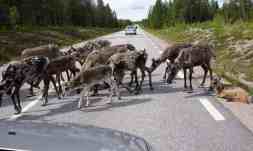
Reindeer viaducts in Sweden will keep herds safe from traffic as they roam in search of grazing. Photograph: Pawel Garski./Alamy

Every April, Sweden’s main highway comes to a periodic standstill. Hundreds of reindeer overseen by indigenous Sami herders shuffle across the asphalt on the E4 as they begin their journey west to the mountains after a winter gorging on the lichen near the city of Umeå. As Sweden’s main arterial road has become busier, the crossings have become increasingly fractious, especially if authorities do not arrive in time to close the road. Sometimes drivers try to overtake the reindeer as they cross – spooking the animals and causing long traffic jams as their Sami owners battle to regain control. Continue reading

First Things First

Last week I walked with my grand-daughter among these almendro trees. Amie and I helped plant these when they were foot-high saplings in 2019, and we tagged one with our grand-daughter’s name. The trees, now 3+ feet high, are part of a coastal reforestation scheme; their beneficence includes producing fruits favored by scarlet macaws.

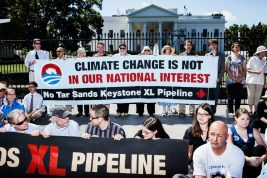
Demonstrators gather in front of the White House to protest the proposed Keystone XL pipeline, in the summer of 2011. Photograph by Melissa Golden / Redux

Everyone loves scarlet macaws. And these trees grow faster than our grand-daughter, giving constant positive feedback. When you have an opportunity to do something like plant a tree, or any other restorative act, first things first: do it. Thanks to Bill McKibben for pointing this out as one of the highlights of yesterday’s change of scenery in Washington, D.C.:

Joe Biden’s Cancellation of the Keystone Pipeline Is a Landmark in the Climate Fight

In his first hours in office, Joe Biden has settled—almost certainly, once and for all—one of the greatest environmental battles this country has seen. He has cancelled the permit allowing the Keystone XL pipeline to cross the border from Canada into the United States, and the story behind that victory illustrates a lot about where we stand in the push for a fair and working planet. Continue reading

Aerial Views Of Progress

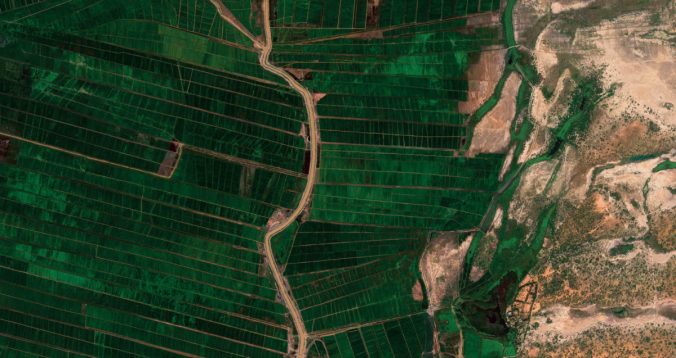
SOURCE IMAGERY © MAXAR TECHNOLOGIES – WESTMINSTER, COLORADO

Thanks to Yale e360 for a bit of visual perspective on human interventions–efforts to improve landscapes and energy-harnessing:

Overview: Transforming Land and Sea for a More Sustainable World

Aerial photos often document the destruction of the natural world. But these striking satellite images show how countries are beginning to respond to the global environmental crisis by restoring ecosystems, expanding renewable energy, and building climate resiliency infrastructure.

SOURCE IMAGERY © MAXAR TECHNOLOGIES – WESTMINSTER, COLORADO

As the global population nears 8 billion, the human footprint can be seen in almost every corner of the Earth. Logging roads cut deep into the Amazon rainforest. Plastics swirl in remote parts of the ocean. The world’s largest gold mine is carved out of the mountains of Indonesia.

Satellite and aerial images have captured much of this destruction, often in startling and unsettling images. But a new collection of photos offers a different view: Images of places where efforts are underway to slow or even reverse the damage we have done to the planet — Continue reading