Smart Cities, Japan Edition

A delivery robot makes its rounds at Fujisawa Sustainable Smart Town in Japan.Credit: Yoshio Tsunoda/AFLO/Alamy

Frustrated but determined leadership on environmental challenges facing urban constituencies is worthy of our attention and even admiration, even if “smart cities” can be problematic terminology. Nature magazine offers this snapshot from Japan:

Houses equipped with solar panels in Fujisawa Sustainable Smart Town.Credit: Tomohiro Ohsumi/Bloomberg via Getty

Why Japan is building smart cities from scratch

Purpose-built sustainable communities can boost energy efficiency and support an ageing population.

By 2050, nearly 7 out of 10 people in the world will live in cities, up from just over half in 2020. Urbanization is nothing new, but an effort is under way across many high-income countries to make their cities smarter, using data, instrumentation and more efficient resource management. Continue reading

The Philosophers’ Stone In Appalachia

Illustration by Leif Gann-Matzen

Our gratitude to Eliza Griswold, writing in the New Yorker this week, for a look at research hinting at a potential solution to myriad challenges, that has the ring of alchemy to it:

Could Coal Waste Be Used to Make Sustainable Batteries?

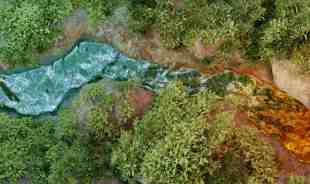
Acid mine drainage has long been a scourge in Appalachia. Recent research suggests that we may be able to simultaneously clean up the pollution and extract the minerals and elements needed to power green technologies.

On a recent afternoon, near the headwaters of Deckers Creek, in West Virginia, Paul Ziemkiewicz, the biological scientist who directs the Water Research Institute at West Virginia University, squatted by a blood-red trickle seeping from a hillside. Continue reading

Re-Organizing In Northern Spain

Landscape of Mondragon. Workers eating from a roast capitalist pig that is being carved by a mechanical arm.

Illustration by James Clapham

With all the problems created by the status quo business practices and economic models, alternatives for organizing business are worthy of our consideration. Nick Romeo offers a look into the challenges facing the most important worker-owned company in the world:

How Mondragon Became the World’s Largest Co-Op

In Spain, an industrial-sized conglomerate owned by its workers suggests an alternative future for capitalism.

Jorge Vega Hernández, a mechanical engineer working in northwestern Spain, returned from a business trip and started to feel sick. It was March, 2020—the beginning of the pandemic—and so he called a government help line. Continue reading

Carbon Burial Venturing

Port Arthur’s Motiva Oil Refinery.PHOTOGRAPH: KATIE THOMPSON

The capturing of carbon is a concept we have been working to understand, but questions about where it goes  and how it is stored, have been fuzzy until now (thanks to Jeffrey Ball at Wired):

Tip Meckel holds a sandstone sample. PHOTOGRAPH: KATIE THOMPSON

The Big Business of Burying Carbon

The porous rock beneath the Gulf Coast launched the petroleum age. Now entrepreneurs want to turn it into a gigantic sponge for storing CO2.

SOMETIME AFTER THE dinosaurs died, sediment started pouring into the Gulf of Mexico. Hour after hour the rivers brought it in—sand from the infant Rockies, the mucky stuff of ecosystems. Year after year the layers of sand hardened into strata of sandstone, pushed down ever deeper into the terrestrial pressure cooker. Continue reading

Almost Missed

I have missed plenty of good articles, books and other sources of news and analysis that relate to our goals with this platform. When I am late to see something important, like the book to the right, no regrets. Especially when it comes to my attention through an essay like this one by Daniel Sherrell:

The Democrats’ climate bill is a historic victory. But we can’t stop here

Passage of the Inflation Reduction Act filled me with joy and rage, relief and apprehension, exhaustion and vigilance. We must celebrate, but also mourn, rage and organize

I was at a Mets game when news broke that the climate bill had enough votes to pass in the Senate. It was the bottom of the eighth, and Edwin Díaz had just struck out the heart of the Braves’ lineup. The crowd at Citi Field was feeling good. Everyone could sense a win was at hand.

I read the push notification then sat there stunned for several minutes, watching the Mets clinch the game, waiting for the world-shaping news to register. Continue reading

Wild Celery Grass & Cleaner Waterways

Camden Mayor Vic Carstarphen hands a flat of wild celery to an EPA diver for transplant. KATHERINE RAPIN

Thanks to Katherine Rapin and Yale e360:

River Cleanups Move to the Next Level Using Grasses and Oysters

In the Delaware River and other waterways and estuaries across the United States, scientists and conservationists are restoring aquatic vegetation and beds of mussels and oysters to fight pollution and create a strong foundation for healthy ecosystems.

On a recent summer morning near Camden, New Jersey, two divers from the U.S. Environmental Protection Agency hovered over a patch of sediment 10 feet below the surface of the Delaware River. Continue reading

Hacienda La Pradera, Geisha Part 3/3

The estate is beautiful but that cannot explain the quality of the coffee the way that the African beds, the drying, and the sorting can.

Combined with the concentration of sugars into the beans that results from the time on those raised beds, the way the drying takes place after the first wash is a key feature of the way these beans are processed.

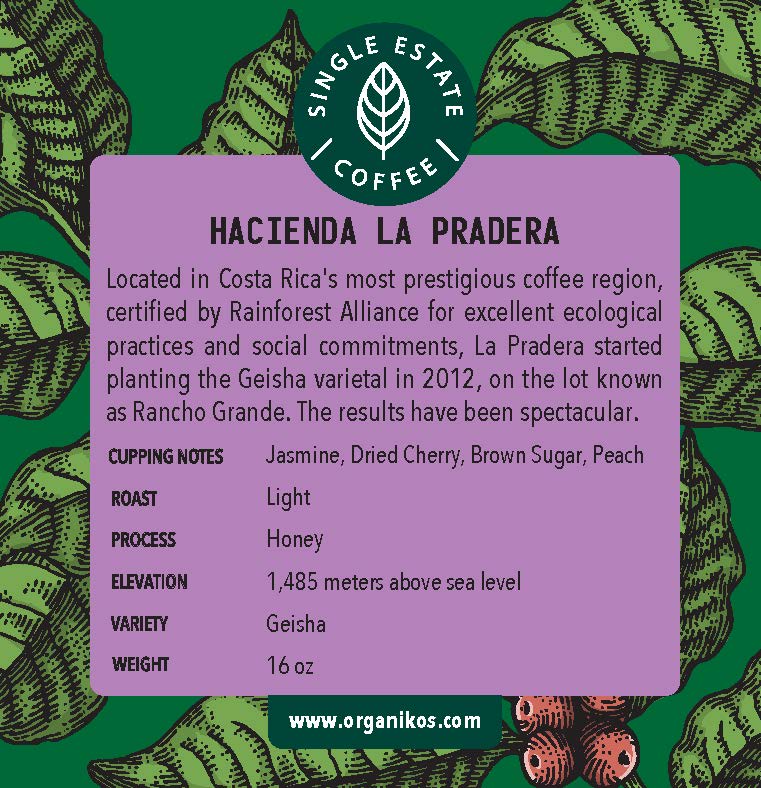
Honey process, sometimes called “pulped natural,” leaves some of the fruit on the beans.

This sticky mucilage looks like honey, thus the name, and is removed during milling rather than being washed off as is typical of washed coffees. The result is greater complexity of flavor.

This is the only light roast coffee that we offer, due to that complexity. It is subtle, and the light roast allows that subtle flavor to be showcased; whereas a darker roast would hide that complexity. A final point about consistency: this beneficio employs dozens of sorters who do the final sorting of the best quality beans, work that is now done by sophisticated machinery in other beneficios. We have an agreement that next post-harvest we will come during this sorting process to film that work. Until then, we will enjoy this year’s harvest.

Hacienda La Pradera, Geisha Part 2

After the visit to Hacienda La Pradera we visited its equally important sister property down the road, the beneficio where all of La Minita’s coffees are processed after harvest. The buildings and their equipment are not as charismatic as the coffee farms, but the quality of the coffee we procure depends as much on the beneficio as the farms.

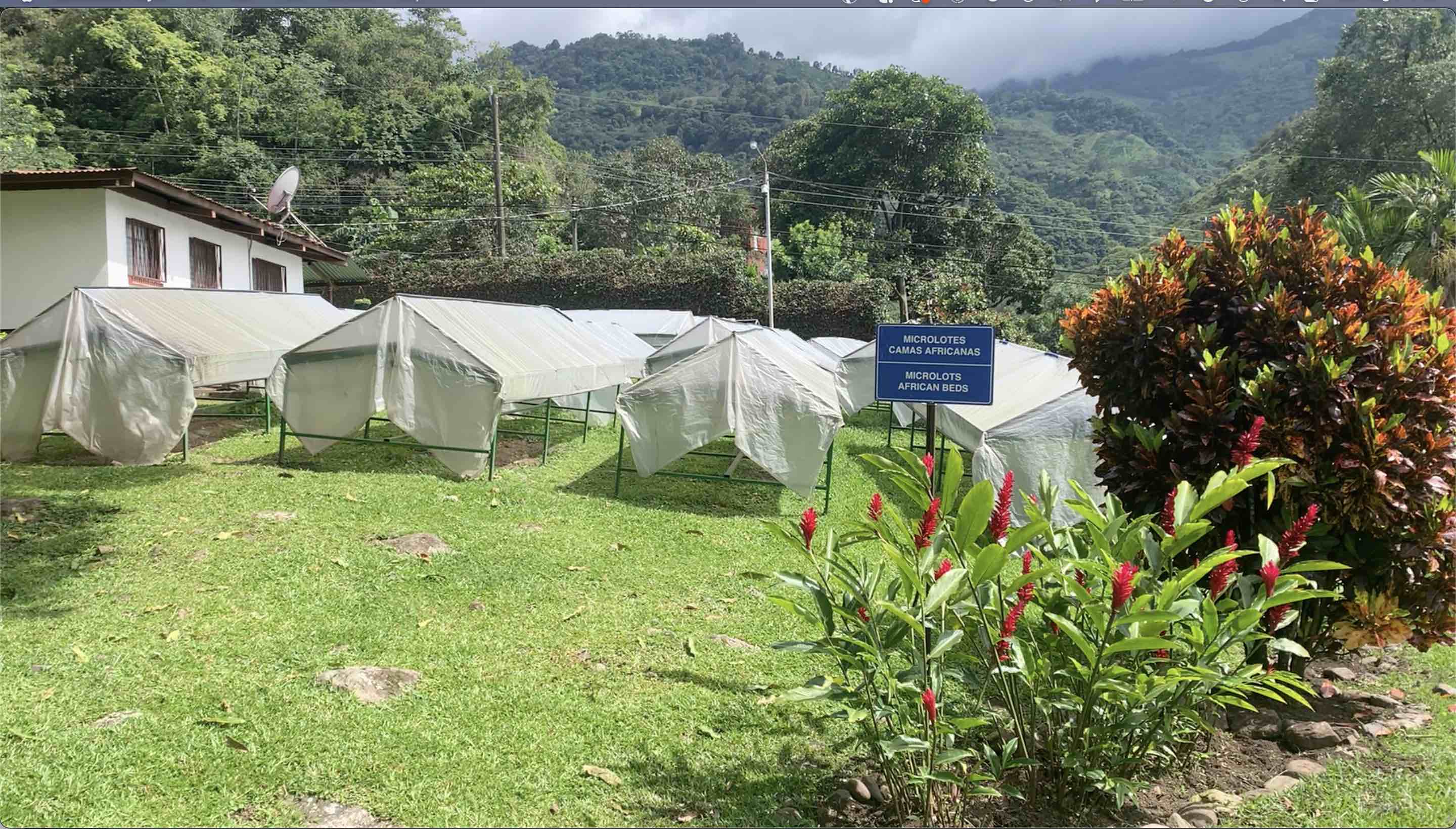
It starts with the African beds where the freshly picked coffee cherries are placed immediately after harvest. The sun “naturally” does the work that traditionally was done with water in the Costa Rica “washed”  process to get the skin, the fruit and other elements of the cherries removed to reveal the beans. Not only is this a more efficient use of natural resources–it also imparts more flavor into the beans as the sun dehydrates the juices surrounding the beans, and sugars of those concentrating juices absorb into the beans. After the drying on those beds the real work begins for the people who operate the equipment inside two buildings.

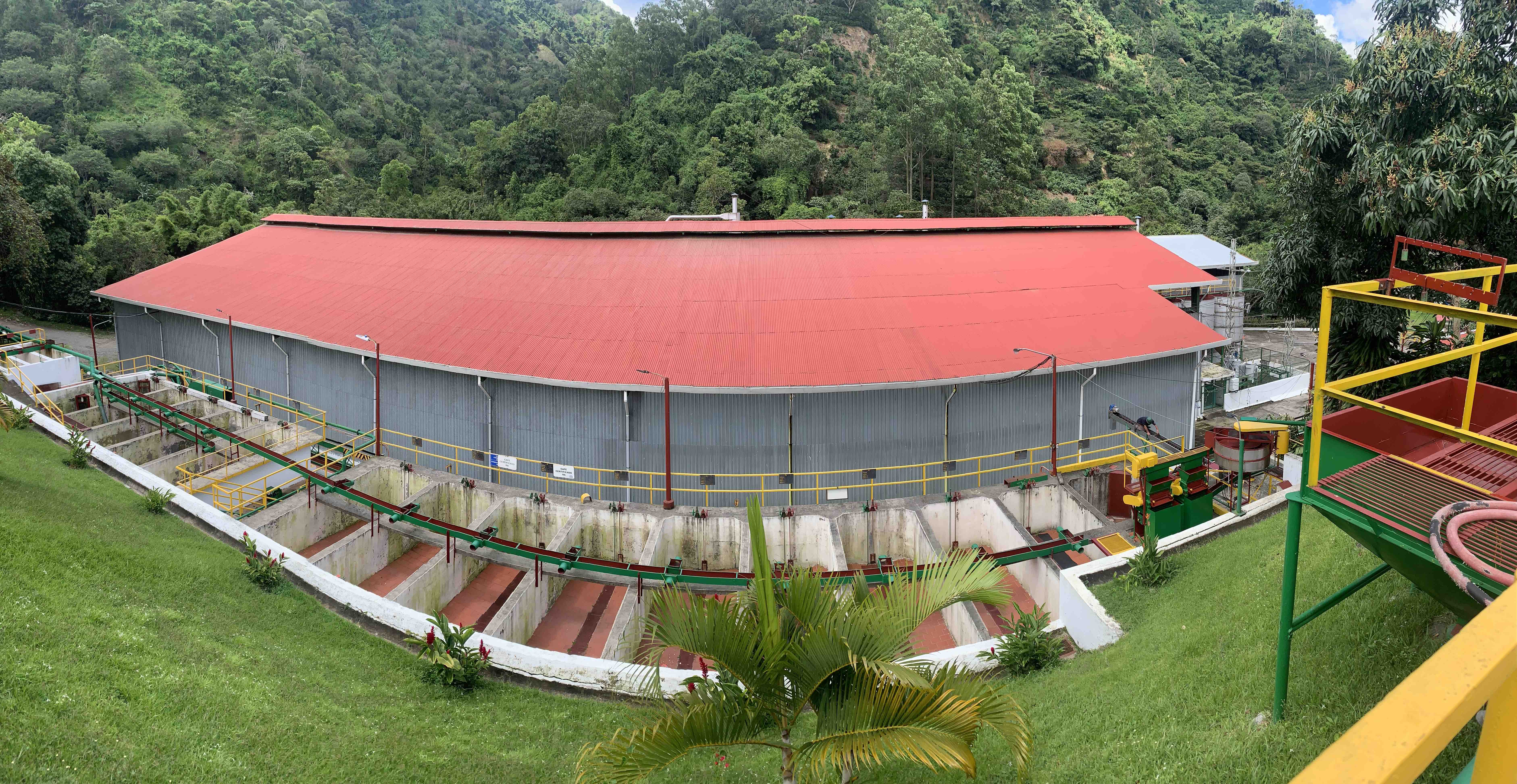
The building in the photo to the right is where all those beans land after being sorted for quality. Water is still important, even though much less is used in the natural method, to clean the beans of residuals from the fruit and skin. In the foreground of the building above you can see the washing tanks that all beans pass through.

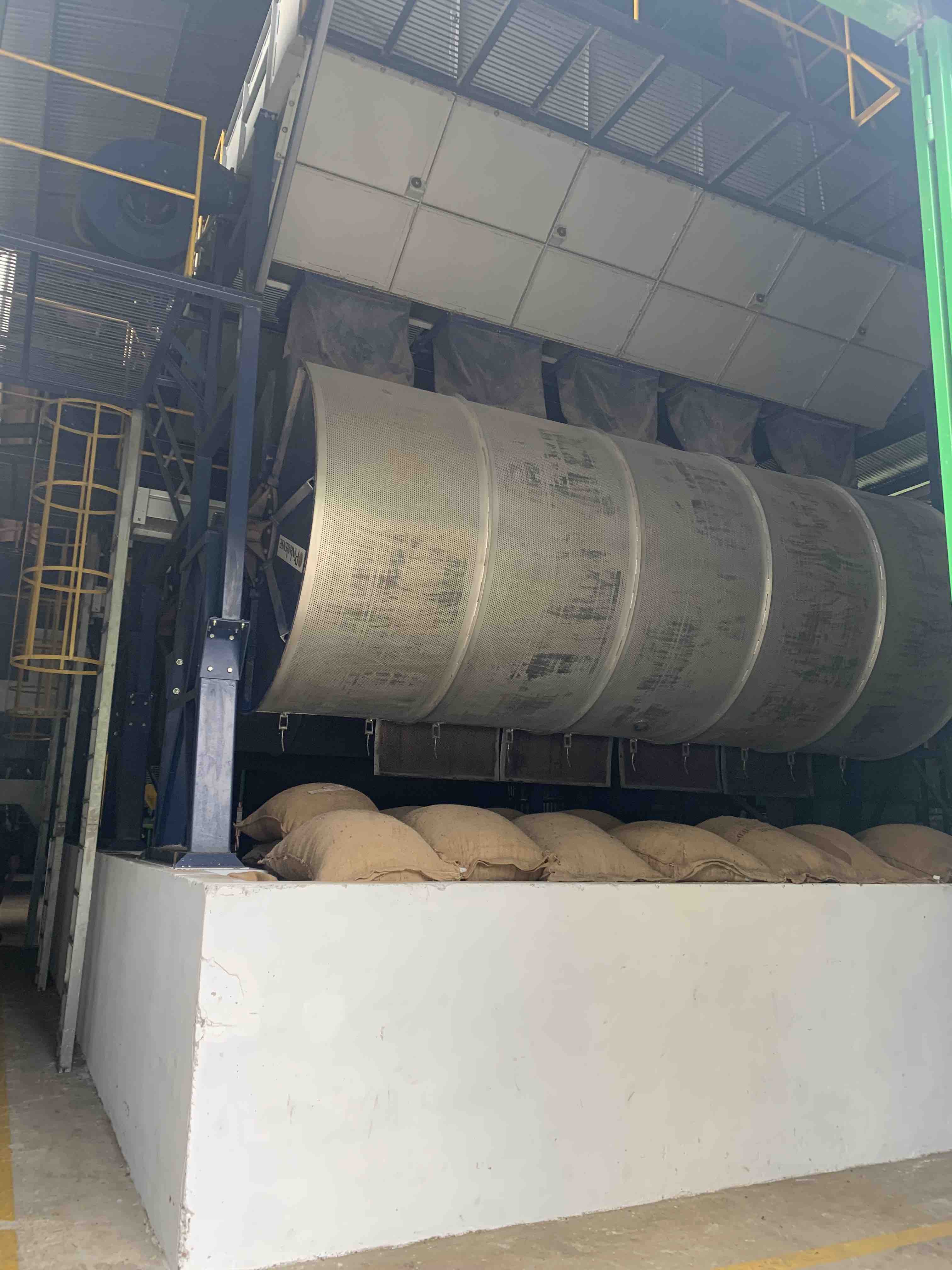
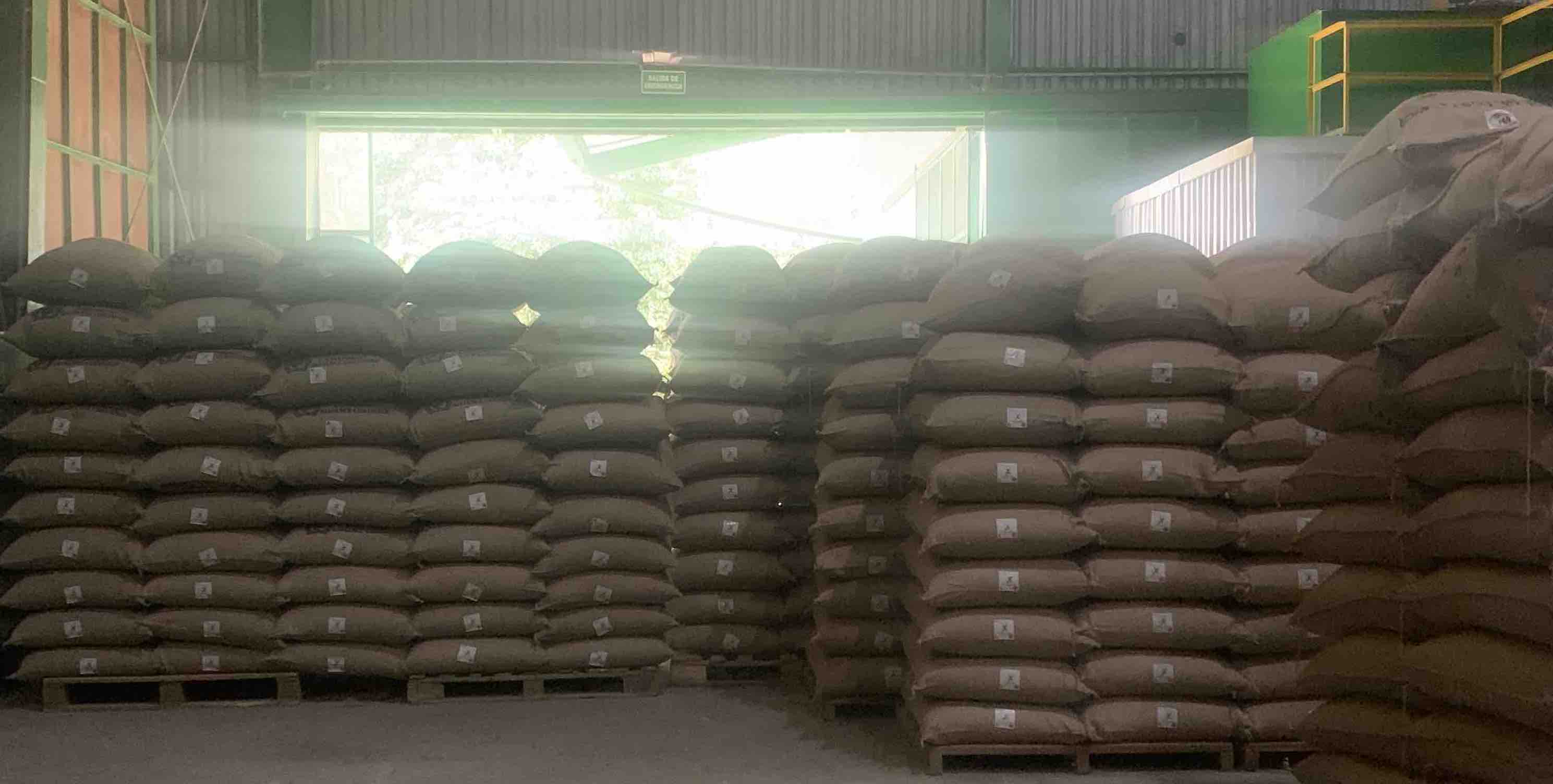
Inside the building are drying machines that get the beans to an ideal level of humidity before a final sorting prior to packing.

In a final post on this process tomorrow, I will do my best to explain how the African beds, the drying, and the sorting are so important to the exceptional coffees we receive.

Hacienda La Pradera, Geisha Part 1

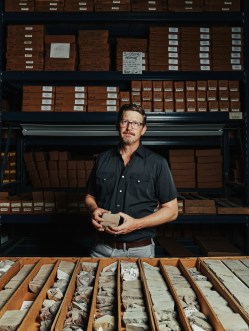
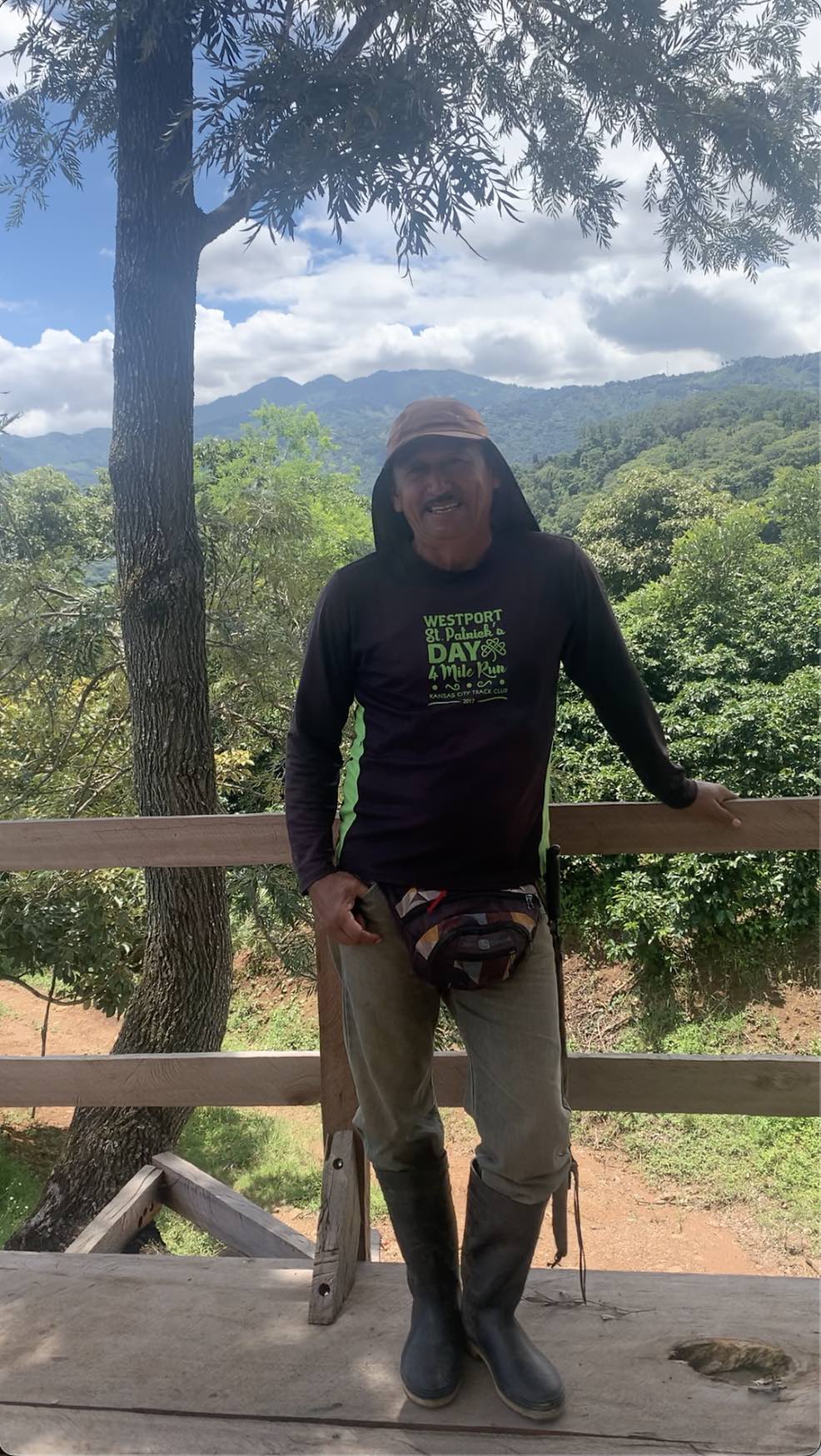
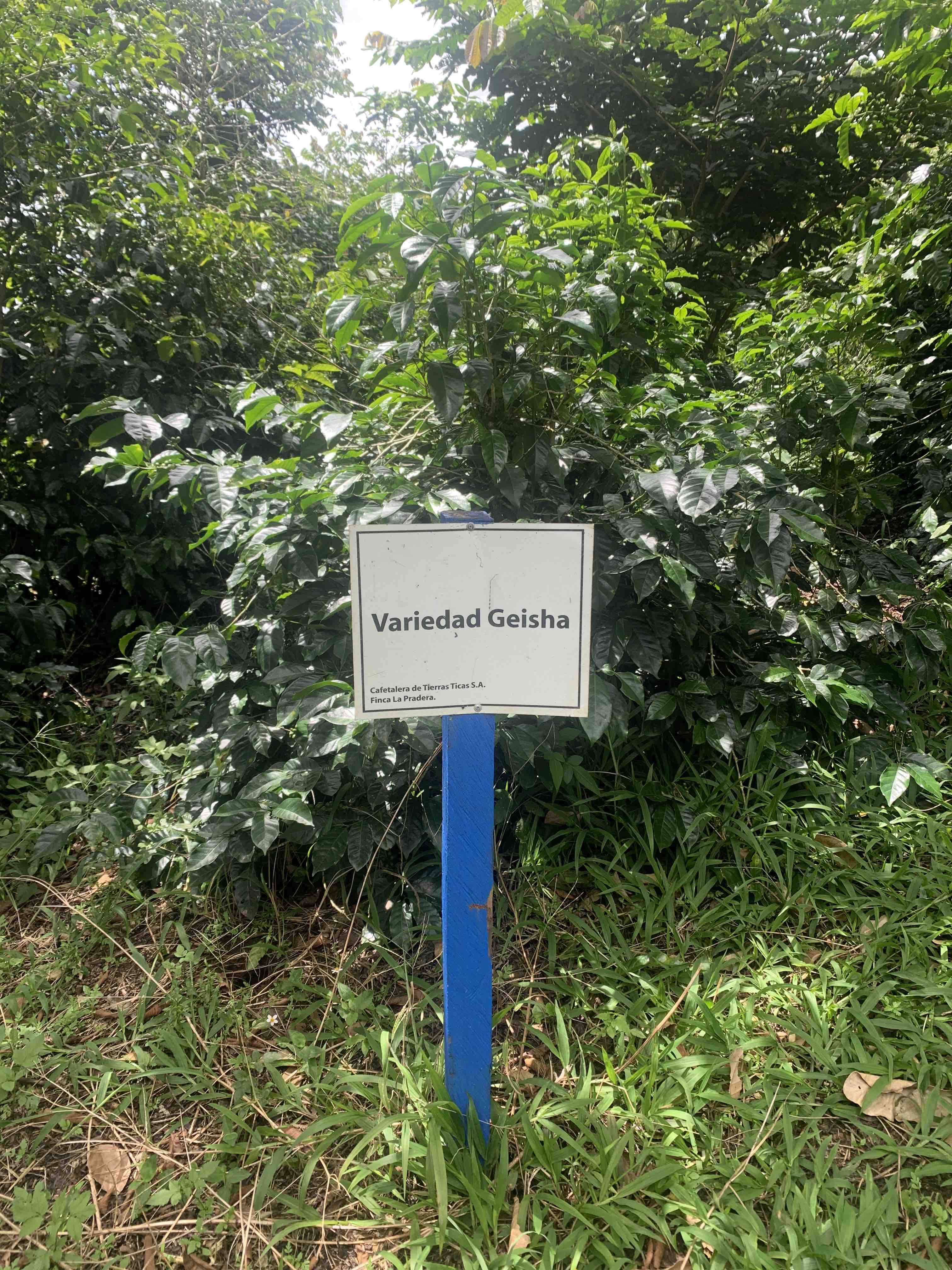
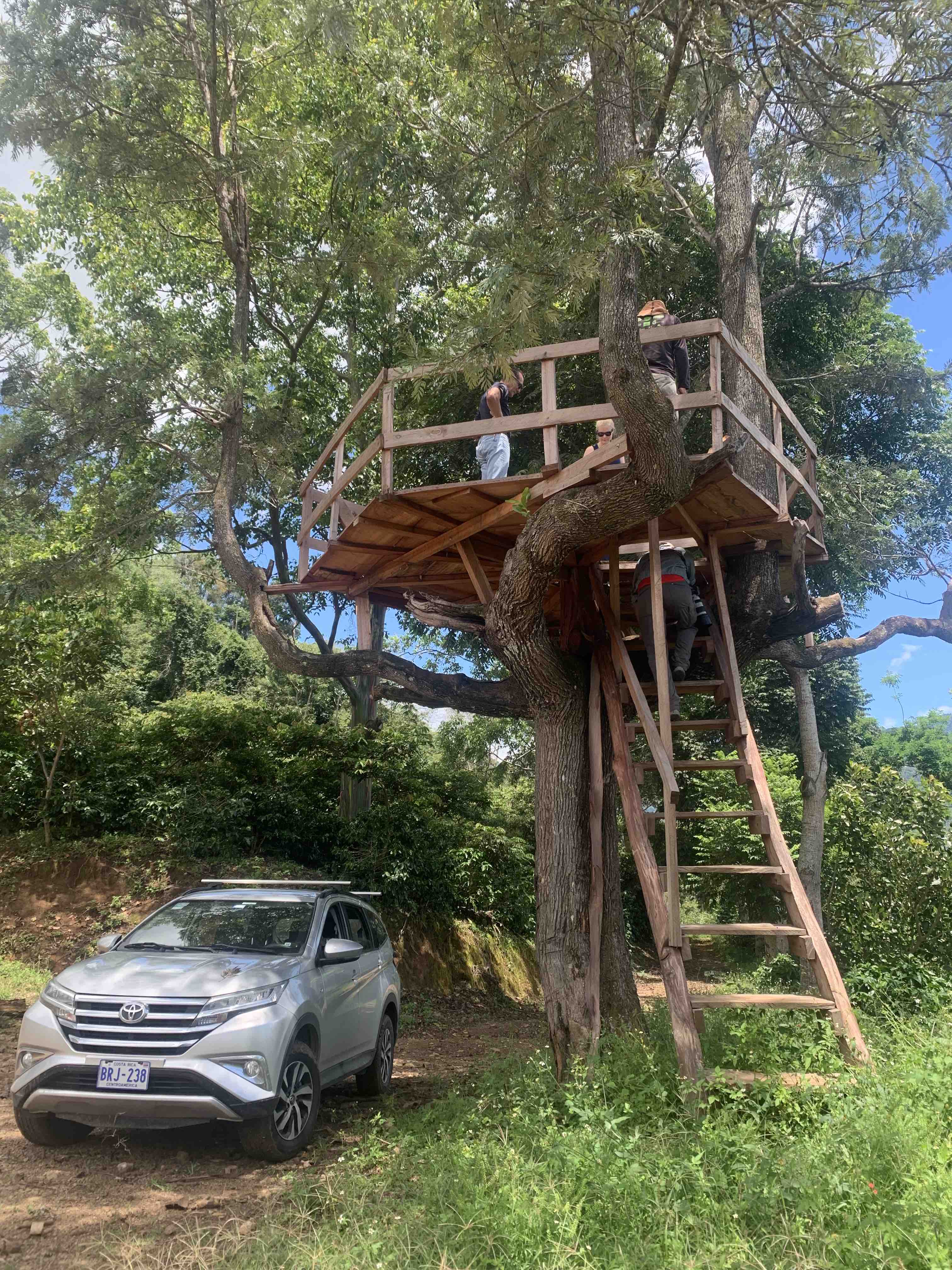
I have sampled coffees from La Minita from time to time over the last two decades, and have always been impressed by their quality. Because of that consistency we recently started offering their geisha varietal from Hacienda La Pradera at our shops in Costa Rica and also for delivery in the USA. Last week I finally had the opportunity to see first hand how and why that quality is so consistent. One reason is Pedro, pictured above while we were standing on the lookout over the farm lands he is in charge of.

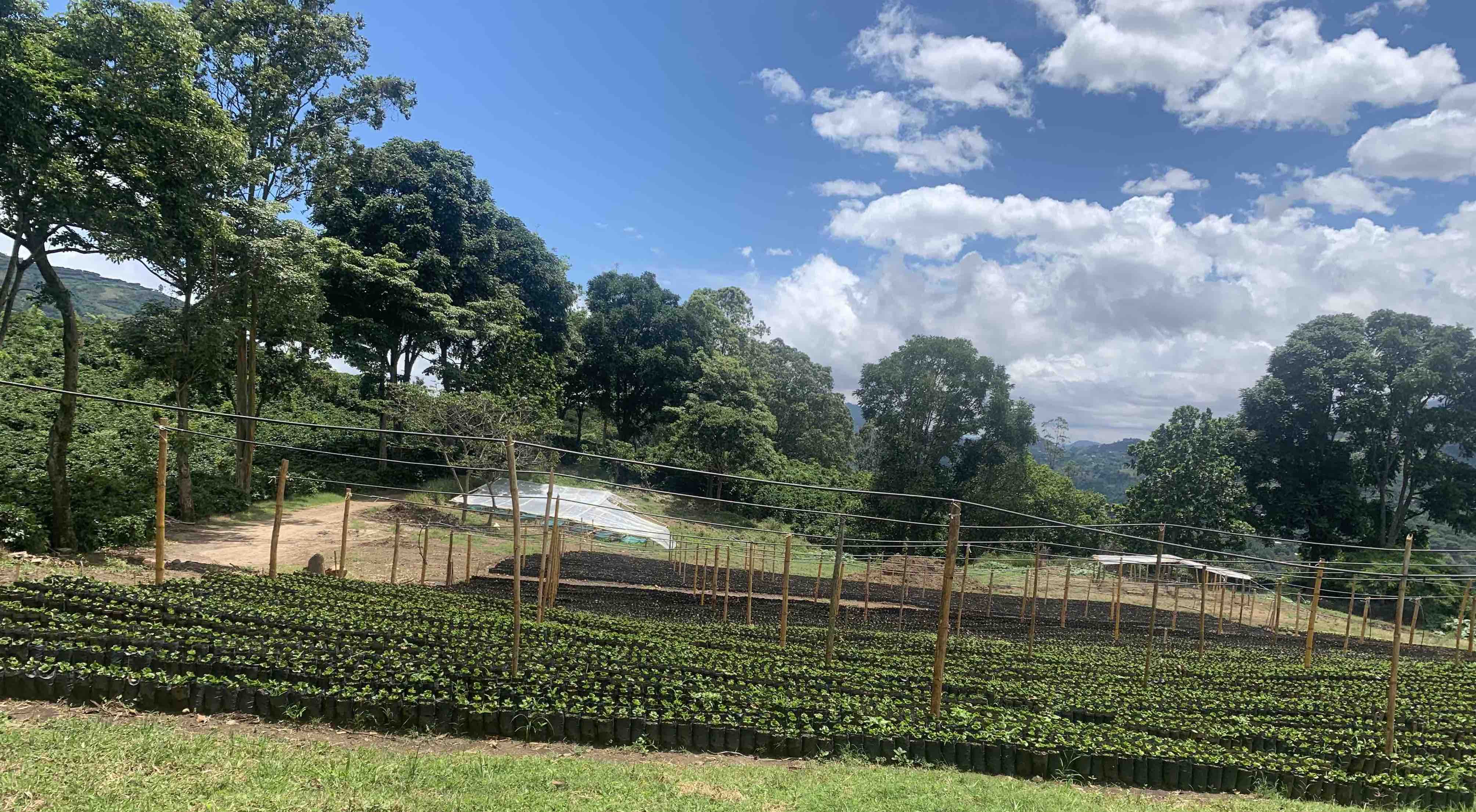
From that perch we surveyed the various plots, including the nursery (about 8,200 seedlings in the image below) as well as the several arabica varietals he has been growing on the 181 hectares of land.

Geisha is special for reasons I noted last year when introducing beans from another estate. Those beans were excellent, these are exceptional. Stay tuned. Tomorrow I will explain why.

McKibben Smiles

Illustration of a smokestack windmills and trees.

Illustration by João Fazenda

When Bill McKibben is frustrated, you know it. Much less frequently you can find evidence of his ability to take a deep breath and sense some progress, however modest, so enjoy it when it comes, and try to smile:

Ever-Improving Solar Technologies & Techniques

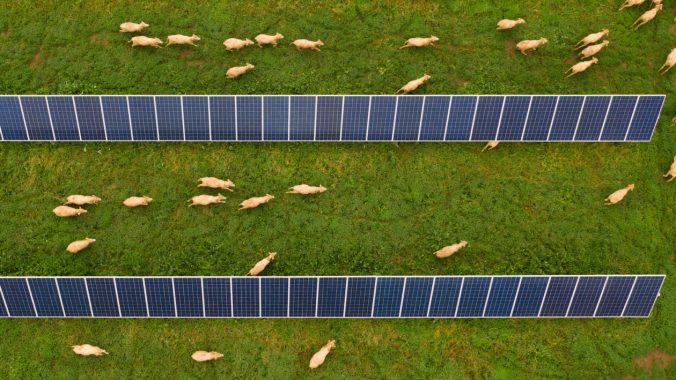
Sheep graze alongside a solar array in Dubbo, Australia. JANIE BARRETT / THE SYDNEY MORNING HERALD VIA GETTY IMAGES

Solar power, one of the renewables with the greatest promise, continues to improve:

A solar array in Madera County, California, with panels placed side-by-side on the ground. ERTHOS

More Energy on Less Land: The Drive to Shrink Solar’s Footprint

With the push for renewables leading to land-use conflicts, building highly efficient utility-scale solar farms on ever-smaller tracts of land has become a top priority. New approaches range from installing PV arrays that take up less space to growing crops between rows of panels.

Farmers grow hay between solar fences in Donaueschingen, Germany. NEXT2SUN

From the ground, the new solar farm shimmers like a mirage oasis on a hot summer day. Instead of row after slanting row of shiny panels stretching taller than corn, this array, mounted directly on the earth, lies flat as water. Continue reading

Barbados, Leadership & Climate Action

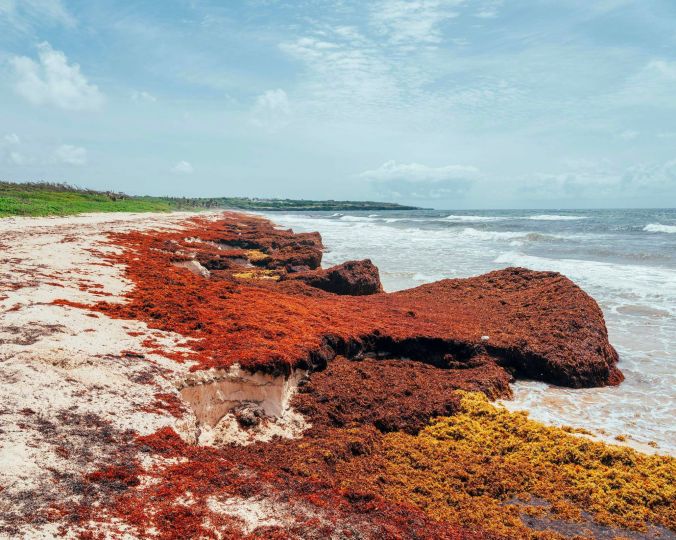
Sargassum seaweed, which thrives in warming oceans, is overtaking a beach in Barbados. Credit: Erika Larsen/Redux, for The New York Times

The region is likely to bear disproportionate challenges from climate change and this island is not taking it lightly. We appreciate the effort described in this story by Abrahm Lustgarten, published by ProPublica:

Until the recent completion of an infrastructure project, Kenneth Blades was able to keep only part of his farmland watered. Credit: Erika Larsen/Redux, for The New York Times

Barbados Resists Climate Colonialism in an Effort to Survive the Costs of Global Warming

Across the Caribbean, soaring national debt is a hidden but decisive aspect of the climate crisis, hobbling countries’ ability to protect themselves from disaster. One island’s leader is fighting to find a way out.

Late on May 31, 2018, five days after she was sworn in as prime minister of Barbados, Mia Mottley and her top advisers gathered in the windowless anteroom of her administrative office in Bridgetown, the capital, for a call that could determine the fate of her island nation. Continue reading

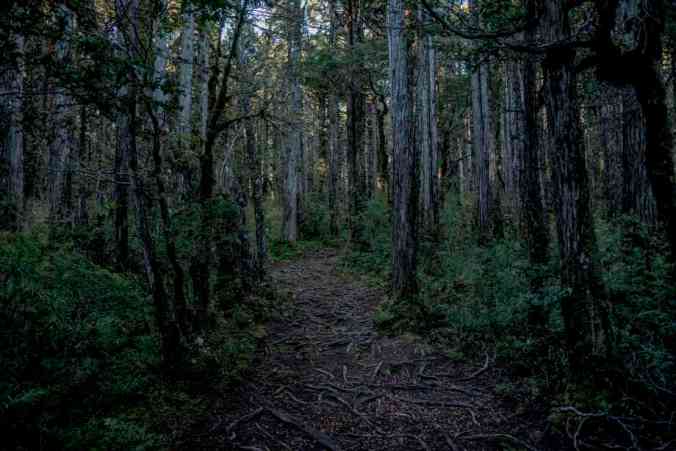
Alerce, Fungi & Futures

Roots rise from shallow soil. Tomás Munita

The Valdivian Coastal Reserve was mentioned once in our pages, only in passing.

Tomás Munita

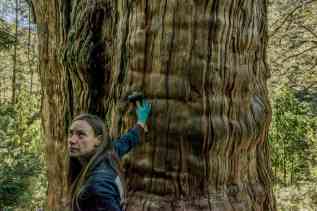
Strange, because if I was asked to name my favorite protected area on the planet it would be at or near the top of my list. The abundant but threatened alerce trees were part of the reason. A family story would explain more of why, and that is part of a larger work story that needs more attention another time.

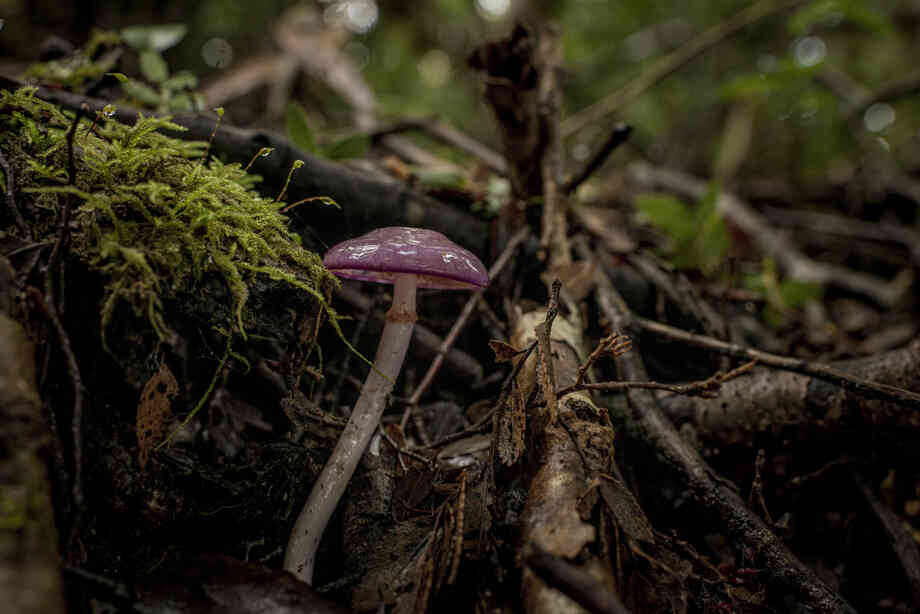
A mushroom rises from the forest floor. Tomás Munita

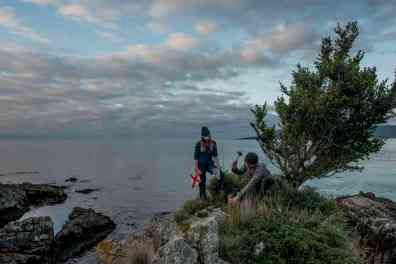
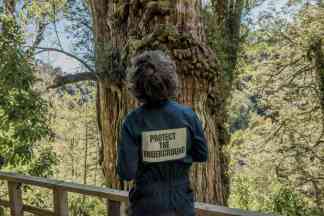
The story below, featuring an adjacent protected area, stirs an intense place memory, and at the same time reveals much about a topic that was not on our radar at the time. And it says much about potential futures for that place. So, thanks to the New York Times climate correspondent Somini Sengupta (again and again) as well as photographer Tomás Munita:

Unearthing the Secret Superpowers of Fungus

Tomás Munita

In the fight against warming, a formidable ally hides just beneath our feet.

 — Toby Kiers took long strides across the spongy forest floor, felt the adrenaline rush in her veins and stopped at the spot she had traveled so far to reach. Into the ground went a hollow metal cylinder. Out came a scoop of soil.

Tomás Munita

Dr. Kiers stuck her nose into the dirt, inhaled its scent, imagined what secrets it contained to help us live on a hotter planet. “What’s under here?” she asked. “What mysteries are we going to unveil?”

The soil was deposited into a clear plastic bag, then labeled with the coordinates of this exact location on Earth. Continue reading

Tiger Conservation Progress

A Bengal tiger in India’s Kanha National Park. CHARLES JAMES SHARP VIA WIKIPEDIA

Tigers were an important part of our lives when this platform started, and for the following few years of our time in Kerala. We have retained an interest, so this news is welcome all these years later:

Wild Tiger Numbers 40 Percent Higher Than Previously Estimated

The number of endangered tigers around the world is 40 percent higher than previously thought, according to new data from the International Union for Conservation of Nature (IUCN). Continue reading

Charismatic Megafauna UK Rewilding

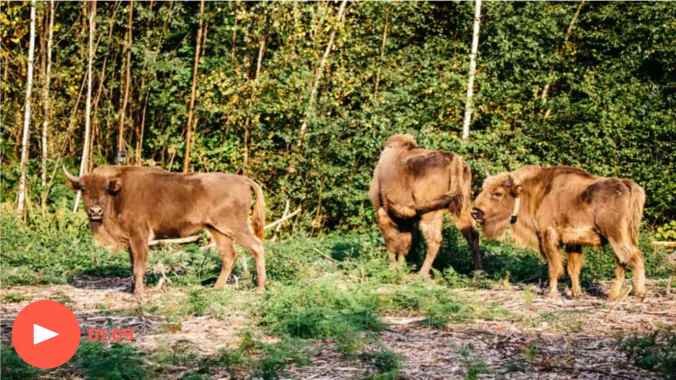
Wild bison released into Kent countryside – video

In Scotland the first such project we became aware of had wild but smaller animals as their focal point. Reforesting and other United Kingdom rewilding initiatives have until now been missing the biggest possible charismatic megafauna:

Wild bison return to UK for first time in thousands of years

The gentle giants released in Kent should transform a commercial pine forest into a vibrant natural woodland

Early on Monday morning, three gentle giants wandered out of a corral in the Kent countryside to become the first wild bison to roam in Britain for thousands of years. Continue reading

Trillion Tree Puzzles

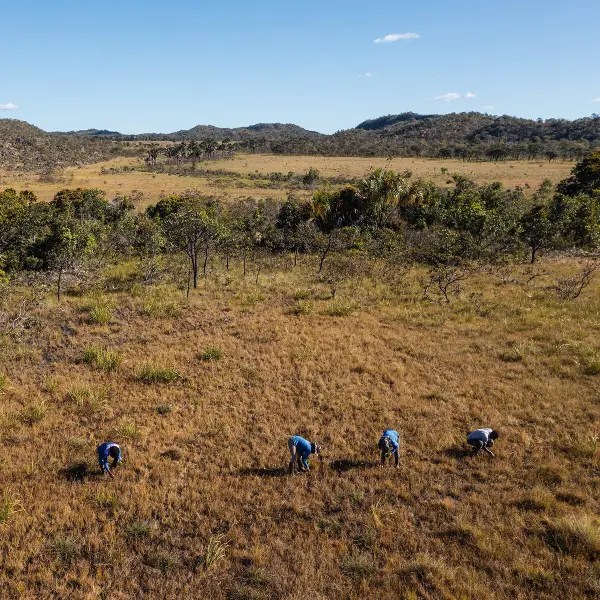
Villagers hired by Eden Reforestation Projects planting trees in the northern part of Goiás State, Brazil. Lalo de Almeida for The New York Times

Zach St. George showcases why the compelling idea is problematic, and why the problematic idea is so compelling:

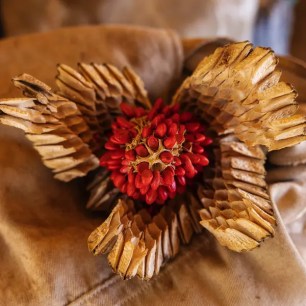
A plant from which Eden separates seeds to plant in Goiás. Lalo de Almeida for The New York Times

To fight climate change, companies and nonprofits have been promoting worldwide planting campaigns. Getting to a trillion is easier said than done.

On a hot morning in April, near the start of Brazil’s dry season, four women and two men walked single file across a sodden field at the edge of Engenho, a village in the northern part of Goiás State. They wore long sleeves and wide-brimmed hats to protect against the sun, and leather gaiters and gloves to protect against snakes. In a plastic tub, they carried an entire forest. Continue reading

Orchid Hunters Teaching Their Craft

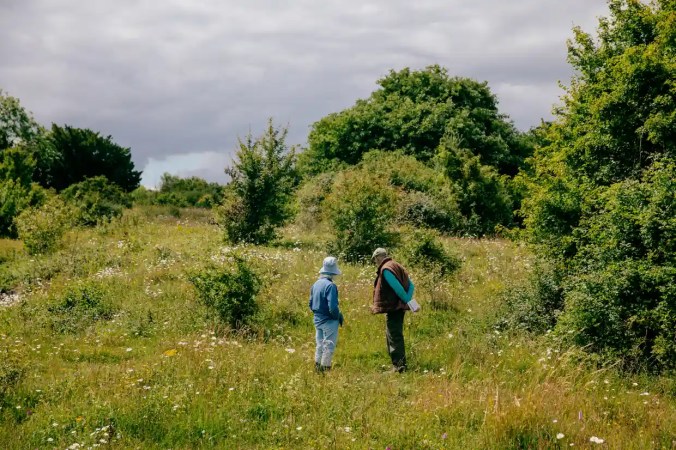
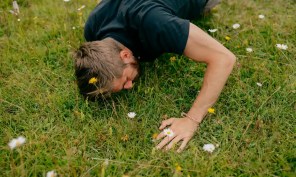
Orchid enthusiasts on the hunt at Noar Hill. Photograph: Peter Flude/The Guardian

We feature stories involving orchids whenever there is something new to learn:

Bersweden stops to smell a musk orchid at Noar Hill. Photograph: Peter Flude/The Guardian

‘Like stroppy teenagers’: the joy of hunting devious and demanding orchids

For British botanist Leif Bersweden, finding an orchid is ‘pure joy’ and one that he is happy to share with fellow enthusiasts as they scour a nature reserve in Hampshire

It’s a Friday, and half a dozen retirees are scouring the ground for flowers. Continue reading

82 Leading Scientists Agree

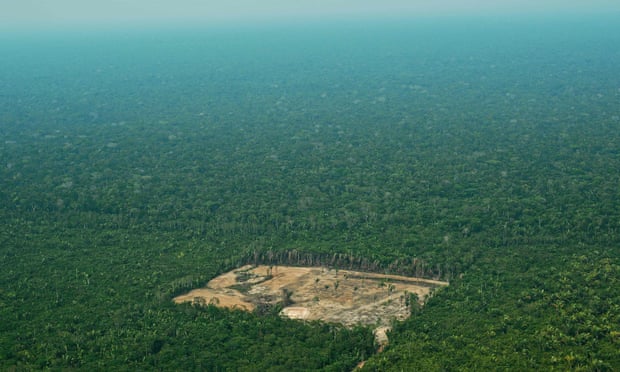
Aerial view of deforestation in the Western Amazon region of Brazil.

Aerial view of deforestation in the Western Amazon region of Brazil. Photograph: Carl de Souza/AFP/Getty Images

To state the obvious, yes:

Humans need to value nature as well as profits to survive, UN report finds

Focus on market has led to climate crises, with spiritual, cultural and emotional benefits of nature ignored

Taking into account all the benefits nature provides to humans and redefining what it means to have a “good quality of life” is key to living sustainably on Earth, a four-year assessment by 82 leading scientists has found. Continue reading
The Parthenon Marbles, Back Where They Belong

The Parthenon in 1875.

The Parthenon in 1875. Interfoto/Alamy

The Elgin Room of the British Museum in an undated photograph taken during the Victorian era.

The Elgin Room of the British Museum in an undated photograph taken during the Victorian era. Keasbury-Gordon Photograph Archive, via Alamy

The original Parthenon marbles belong back in Athens, in the museum built for them. With all due respect to my British friends, my opinion is informed partly by my mother being from Greece, but mostly by an impartial logic.

That logic is expressed in the article below, which also happens to lay out an interesting sideshow:

Robots at the Marmi di Carra marble workshop in Italy carved a replica of a horse head, the original of which sits in the British Museum in London.

Robots at the Marmi di Carra marble workshop in Italy carved a replica of a horse head, the original of which sits in the British Museum in London.

Few cultural disputes inflame British passions more than the disposition of the Parthenon Marbles. Public debate about the statuary has raged since the early 1800s, when the sculptures and bas-reliefs, which date from 447 B.C. to 432 B.C., were stripped from the Parthenon and other Classical Greek temples on the Acropolis of Athens by agents of Thomas Bruce, a Scottish statesman and seventh earl of Elgin. The marbles were purchased — some say looted — by Elgin during his time as ambassador to the Ottoman Empire, the occupying power; they have resided in the British Museum since 1817. Continue reading
New World Rewilding
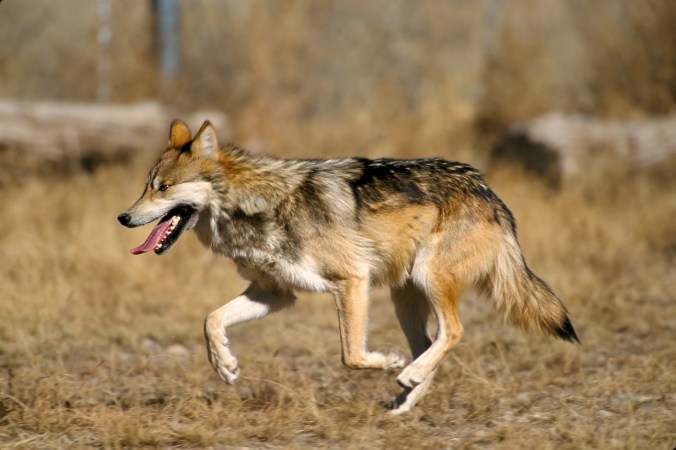
Mexican gray wolves have been reintroduced to Arizona and New Mexico over the last two decades. JIM CLARK / U.S. FISH AND WILDLIFE SERVICE

We have been posting about rewilding for nearly a decade, and it sees fair to say that the idea has developed traction worldwide:

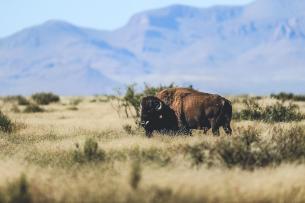
T0GFFN Bison or Bufalo within prairie and pasture in protected natural area. Rancho el Uno, a space dedicated to the conservation of this species in Janos, Chihuahua. This fishery was reintroduced by the organization The Nature Conservancy, TNC. Janos Biosphere Reserve
  (© Photo: LuisGutierrez / NortePhoto.com

Bringing Back the Beasts: Global Rewilding Plans Take Shape

With a growing number of studies demonstrating the importance of large mammals to healthy ecosystems, scientists are proposing concrete plans to reintroduce these animals to the wild. The return of just 20 species to native habitats, they say, could be a boon to biodiversity.

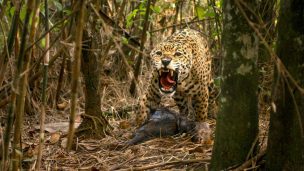
A jaguar guards its prey, a white-lipped peccary, in Goiás, Brazil. OCTAVIO CAMPOS SALLES / ALAMY STOCK PHOTO

For thousands of years, bison herds thundered freely throughout the Chihuahuan Desert on both sides of what is now the U.S.-Mexico border. In November 2009, after three frantic months of chasing down the required permits, Rurik List and Nélida Barajas watched as 23 bison from Wind Cave National Park in South Dakota arrived by tractor-trailer at the Santa Teresa international cattle crossing in southeastern New Mexico.

The animals, 20 females and three males, galloped through the dusty stockyards, across the border, and into the state of Chihuahua. Continue reading