Blue Bugs Signal Approval

We are having an early change of seasons in Costa Rica, where in the Central Valley the rains do not normally begin until May. In the last week we have had rain several times, which is unusual for April, but would be quite normal in the first half of May.

During the dry season I let patches of green grow without cutting, as a way to see where there may be subterranean water that will be useful in the future for irrigation.
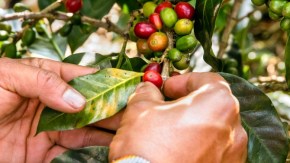
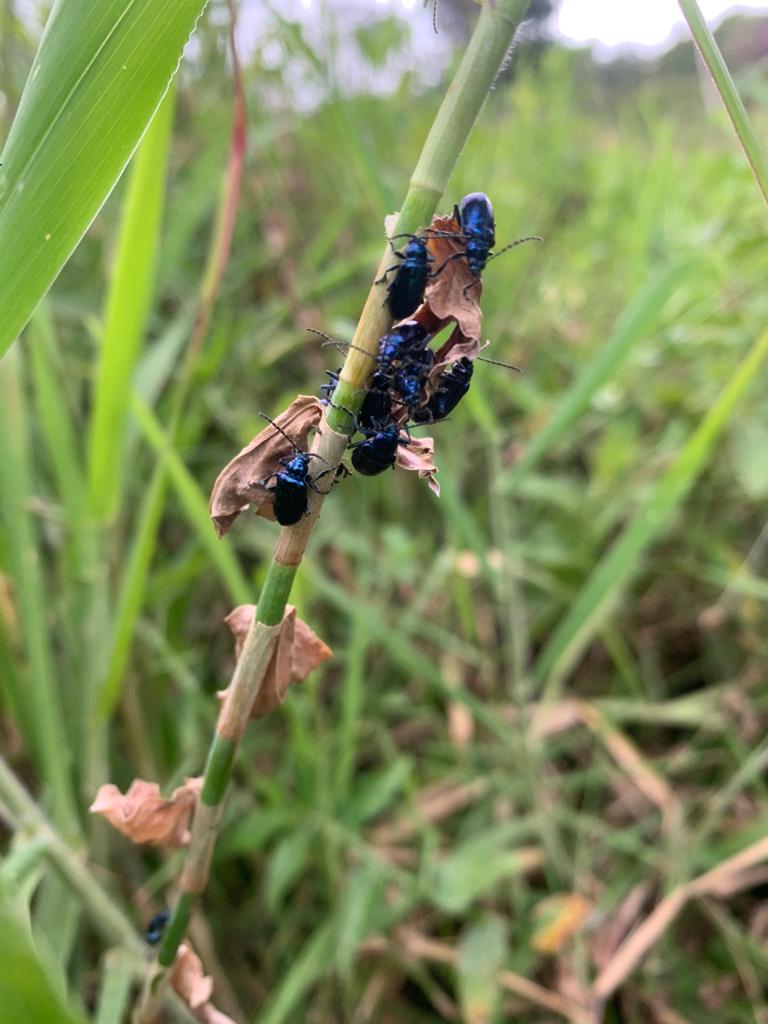
In one such location some grasses grew that resembled bamboo, and once I started moving them recently dozens–maybe hundreds–of these blue bugs started fluttering about.

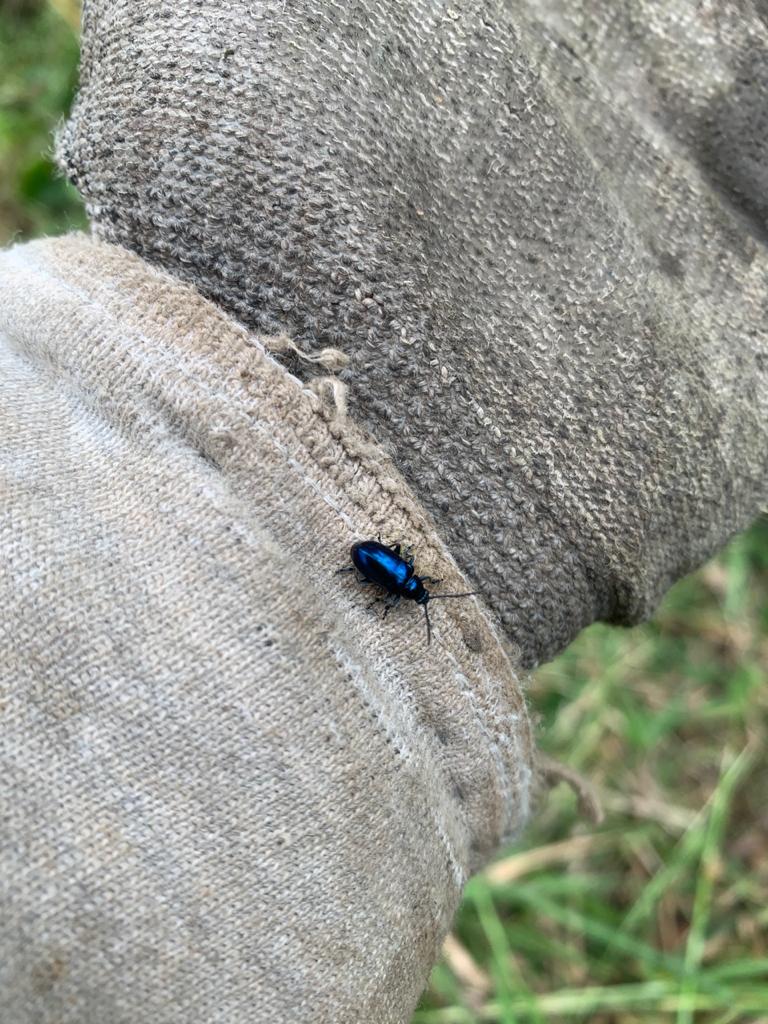
At the intersection of my sweatshirt and glove one settled long enough for me to get a good look, but I have no recollection of ever having seen this type before. Part of our purpose of the replanting we are doing has been increasing biodiversity on this little bit of mountain terrain, and today I got a buggy blue signal of approval.
The Locus Of Locust Control

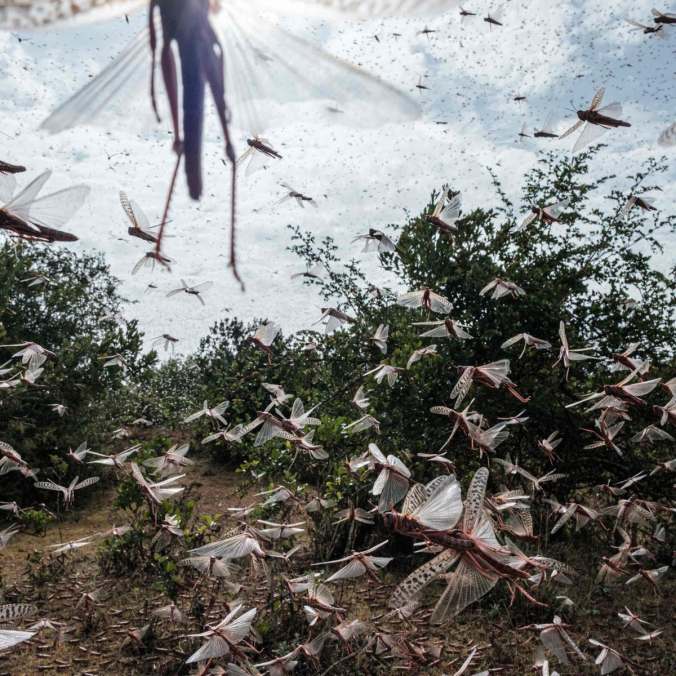
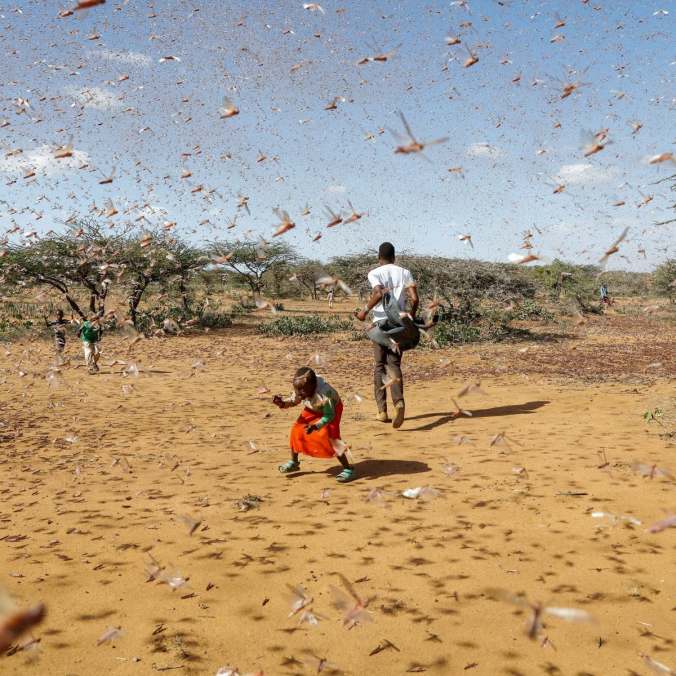
A swarm of desert locusts in Meru, Kenya, in February. Yasuyoshi Chiba/Agence France-Presse — Getty Images

We respect all things natural, but we acknowledge there are phenomena that test our principles. Historic swarms of locusts, for example, make us believe that getting control over their impact is essential for communities where they can lay waste to human endeavor, so we thank Rachel Nuwer for this story from one of the hardest-hit regions:

A swarm inundating Naiperere, near the town of Rumuruti, in Kenya in January. When the rains come, locusts can form swarms of more than 15 million insects per square mile. Baz Ratner/Reuters

As Locusts Swarmed East Africa, This Tech Helped Squash Them

A hastily formed crowdsourcing operation to contain the insects in Kenya, Ethiopia and Somalia could help manage climate-related disasters everywhere.

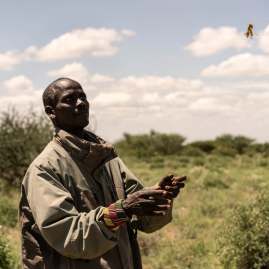
Lake Joseph, a locust tracker, in Samburu County, Kenya in May 2020. Fredrik Lerneryd/Getty Images

Melodine Jeptoo will never forget the first time she saw a locust swarm. Moving like a dark cloud, the insects blotted out the sky and pelted her like hail.

“When they’re flying, they really hit you hard,” said Ms. Jeptoo, who lives in Kenya and works with PlantVillage, a nonprofit group that uses technology to help farmers adapt to climate change. Continue reading

Organikos, 2021 New Growth

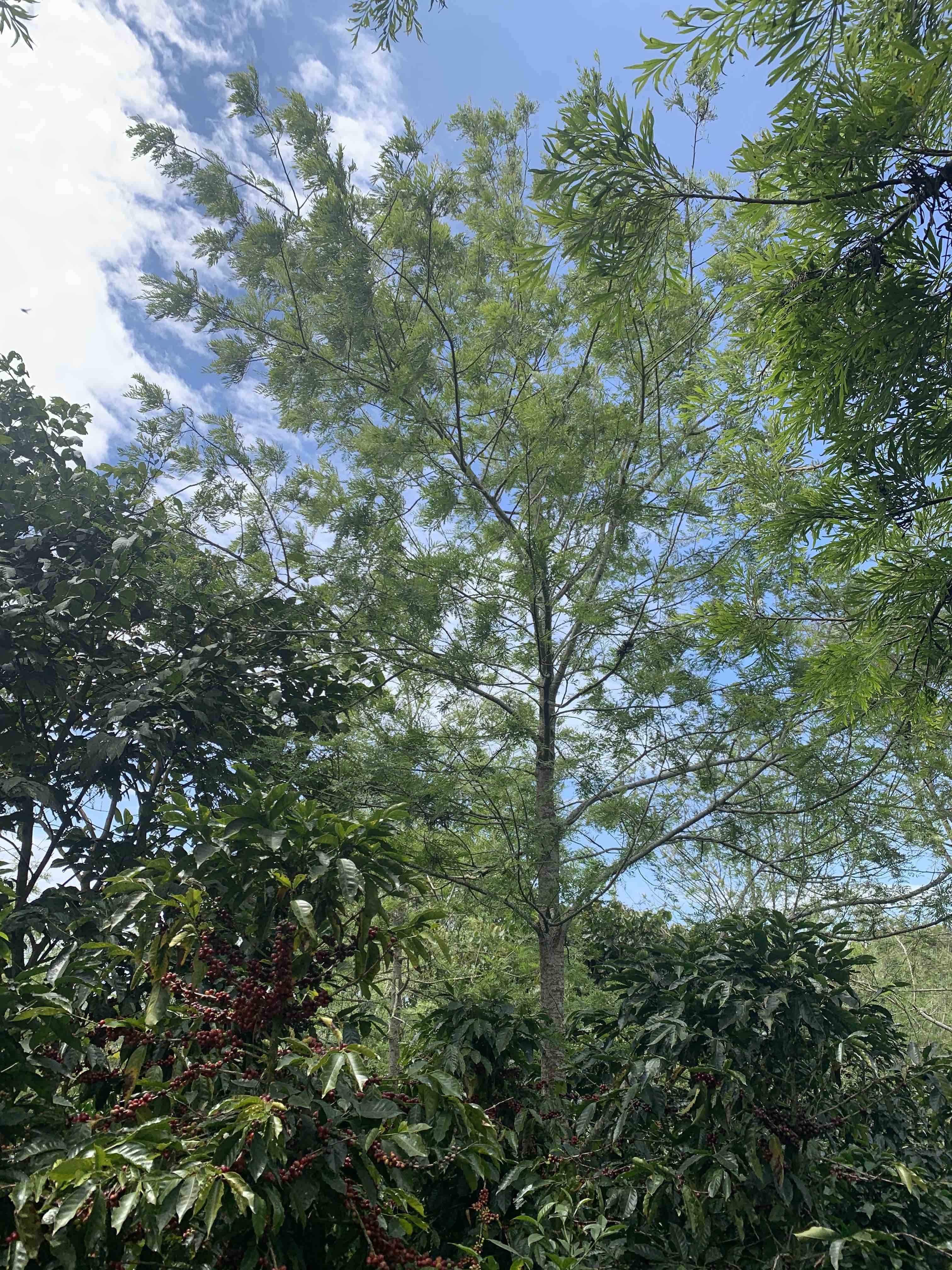
In the center of this picture is a poro tree, the tallest on the land where Organikos is replanting coffee. For nearly a century the coffee growing on this hillside was shaded by this type of tree. In the year 2000 we started planting fruit trees around  the poro trees, to provide additional shade to the coffee that was still growing here. In 2020, we planted saplings from this tree. Continue reading

Author’s Discussion Of A World On The Wing

When a respected naturalist mentions eBird, or the Cornell Lab of Ornithology, our family’s attention is rapt. I now realize that Scott Weidensaul first appeared in our pages in 2012, and then twice  since then before today. This time is different because he is interviewed by Dave Davies, one of the great conversationalists of our time, and they are discussing Mr. Weidensaul’s new book (click the book image above to order it from a non-Amazon source). The discussion does not shy away from the challenges related to bird populations, but has plenty to smile at too:

Naturalist Traces The ‘Astounding’ Flyways Of Migratory Birds

Scott Weidensaul has spent decades studying bird migration. “There is a tremendous solace in watching these natural rhythms play out again and again,” he says. His new book is A World On the Wing. Continue reading

Kelp Forests And Invasive Urchins

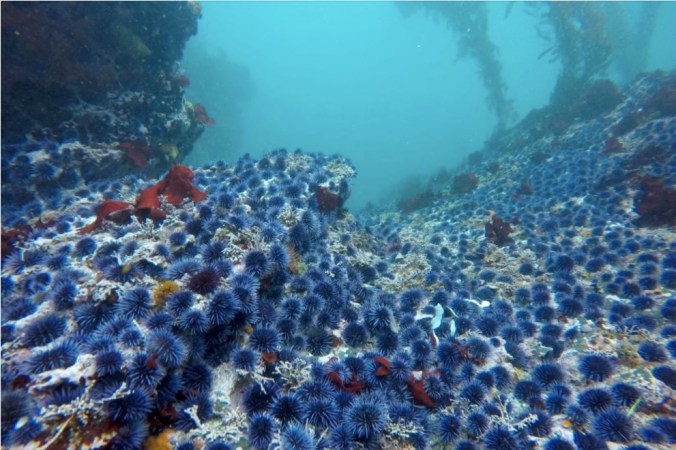
Purple sea urchins have boomed off Northern California, destroying kelp forests that provide a crucial ecosystem. Steve Lonhart / NOAA MBNMS

Kelp is being farmed now, but where it is a naturally occurring forest it needs help. Thanks to National Public Radio (USA) for this:

In Hotter Climate, ‘Zombie’ Urchins Are Winning And Kelp Forests Are Losing

They’re purple, spiky and voracious, and just off the West Coast, there are more of them than you can count.

Purple sea urchins have exploded in recent years off California, covering the ocean floor in what divers describe as a “purple carpet.” Continue reading

Giant Storks Of Assam, And Their Protectors

If you saw some of the work that came out of Seth’s bird-focused interactions with children in Ecuador, and in Costa Rica, this might not seem so surprising. But in every case when kids are enlisted to help ensure care of bird populations, the result is noteworthy. And of course, when a community of women decide something is important, watch and learn. Carla Rhodes, a wildlife conservation photographer, shares this remarkable story from Assam:

A Biologist, an Outlandish Stork and the Army of Women Trying to Save It

In the Indian state of Assam, a group of women known as the Hargila Army is spearheading a conservation effort to rescue the endangered greater adjutant stork.

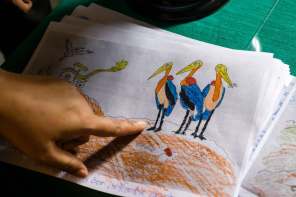
Students are given coloring pages featuring greater adjutants.

Life can change in an instant, as I experienced when I first laid my eyes on a tall and bizarrely striking bird known as the greater adjutant.

It was India in 2018, in the northeastern state of Assam. I’d ended up there partly because of absurd circumstances, which involved being filmed for a reality television pilot while navigating a motorized rickshaw through the Himalayas. Continue reading

Scotland, Running On Almost 100% Renewables

GETTY IMAGES. Scotland’s renewables output has tripled in 10 years

Thanks to Scotland, for the ambition and demonstration; and to the BBC for reporting this:

Renewables met 97% of Scotland’s electricity demand in 2020

GETTY IMAGES. WWF Scotland is calling for an increased roll-out of electric vehicles

Scotland has narrowly missed a target to generate the equivalent of 100% of its electricity demand from renewables in 2020.

New figures reveal it reached 97.4% from renewable sources.

This target was set in 2011, when renewable technologies generated just 37% of national demand. Continue reading

A Surprise At The Intersection Of Coffee-Growing And Bird-Watching

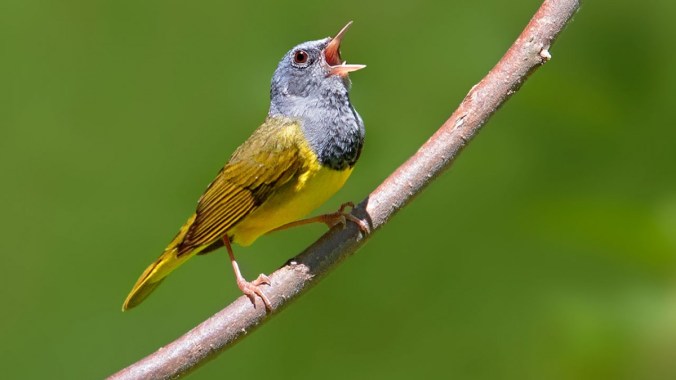
Mourning Warbler. Guillermo Santos/Provided

Villa Triunfo, final day of 2021 harvest

We recently visited Villa Triunfo, on the last day of the harvest. I have not yet had time to post the photos and video from that visit, but to the left is an image from that day. As interesting as the coffee varietals growing on this estate are the trees that shade the coffee, fix nitrogen in the soil, and provide compostable material to further enrich the soil. We chose to offer this coffee primarily for the taste, but the shade trees were part of our decision, given our commitment to support bird-habitat regeneration.

To my surprise, this recent finding by a team of researchers from the Cornell Lab of Ornithology and Virginia Tech tells me that we need to do much more to promote the benefits of shade-grown coffee, not only for its impact on taste:

Shade-grown coffee could save birds, if people drank it

Shade-grown coffee beans. Guillermo Santos/Provided

Shade-grown coffee has big benefits for bird conservation, but the message may not be getting through to the people most likely to respond – birdwatchers.

A team of researchers from the Cornell Lab of Ornithology and Virginia Tech surveyed birdwatchers to learn if they drank shade-grown coffee and, if not, why not. Continue reading

One More Reason We Care About Clean Water

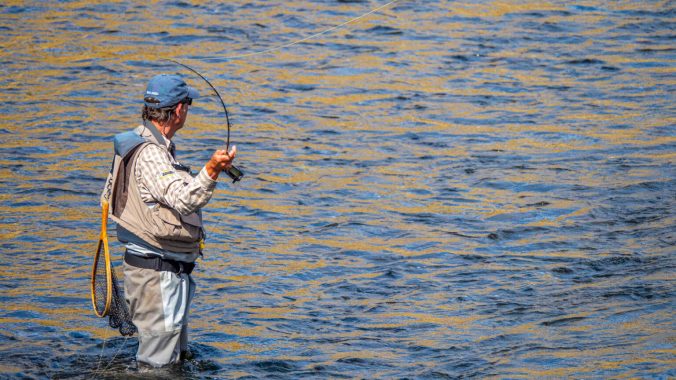
Owner of a fly-fishing lodge worries about fracking: His business can’t survive without clean water.

Thanks to Yale Climate Connections for one more reminder of how many reasons, big and small, we should care more about water:

Why the owner of a Montana fly-fishing lodge is worried about fracking

His business can’t survive without clean water.

Wade Fellin runs a fly-fishing lodge near Montana’s Big Hole River, an area renowned for the sport. Continue reading

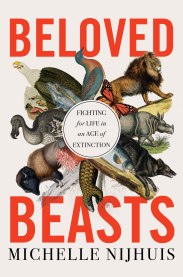
Beloved Beasts, Author Interview

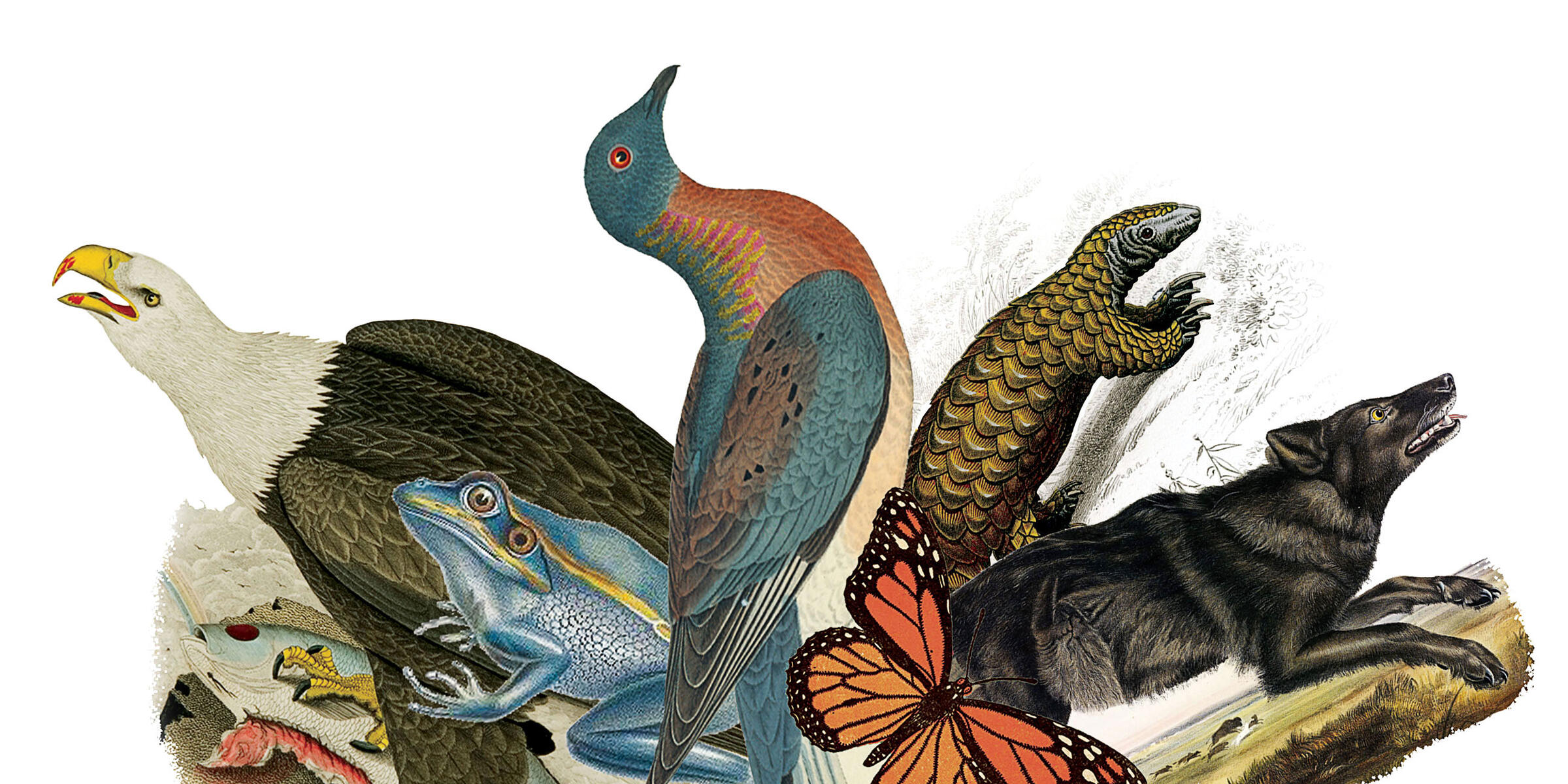
Art from Beloved Beasts by Michelle Nijhuis. Illustration: Courtesy of Norton

My interest in the history of conservation started with the discovery of an archive full of hotel guide books from earlier centuries, which led to another archive full of data about one of the earliest publicly-funded conservation projects, which in turn led to my doctoral dissertation. My particular interest is in the history of both conservation and tourism and their co-evolution over the past century. And this interest seems to run in the family, which might explain where our family’s various entrepreneurial activities have emerged from. All along the way, science writers have been a favorite source of nourishment.  I can better understand Michelle Nijhuis‘s two-year hiatus from our pages  thanks to Rachel Fritts, Editorial Intern at Audubon magazine, in this author interview:

Capturing the Whole History of Conservationism—for Better and Worse

In her new book ‘Beloved Beasts,’ author Michelle Nijhuis chronicles a movement dedicated to the ‘preservation of possibility.’

The author, Michelle Nijhuis. Photo: Seed Photography

Veteran science journalist Michelle Nijhuis has been writing about conservation for more than two decades. Her work on topics ranging from climate change to humans’ relationships with other species regularly appears in publications such as the New Yorker and The Atlantic. In her hotly anticipated new book, released March 9, Nijhuis sets out to tell the definitive history of the effort she dedicated her career to chronicling.

Beloved Beasts: Fighting for Life in an Age of Extinction turns an exacting eye on the history of conservationism, emphasizing the movement’s interconnectedness and complexity. Nijhuis takes the reader on a journey through time, from the plains bisons’ brush with extinction in the 1800s, to the community conservancies preserving wildlife in modern-day Namibia. Continue reading

Engineering + Imagination = Worthy Of Second Guessing

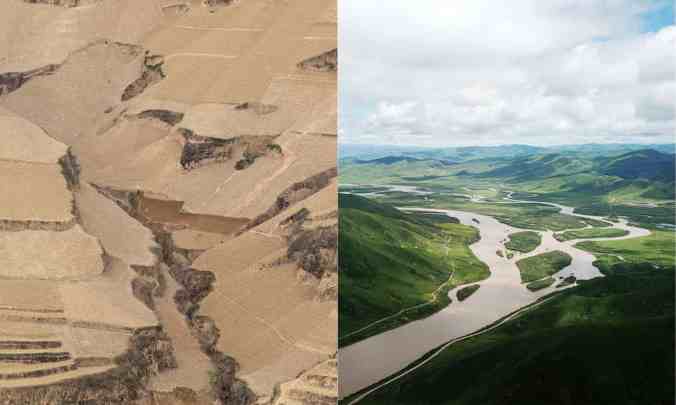
The Loess plateau, in China, in 2007, left, and transformed into green valleys and productive farmland in 2019. Composite: Rex/Shutterstock/Xinhua/Alamy

The message from Elizabeth Kolbert’s book should sound relevant to you when you read the following:

‘Our biggest challenge? Lack of imagination’: the scientists turning the desert green

In China, scientists have turned vast swathes of arid land into a lush oasis. Now a team of maverick engineers want to do the same to the Sinai

Flying into Egypt in early February to make the most important presentation of his life, Ties van der Hoeven prepared by listening to the podcast 13 Minutes To The Moon – the story of how Nasa accomplished the lunar landings. The mission he was discussing with the Egyptian government was more earthbound in nature, but every bit as ambitious. It could even represent a giant leap for mankind. Continue reading

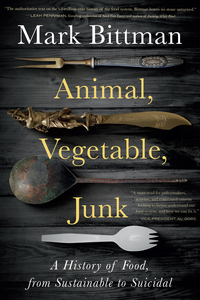
A Conversation About Animal, Vegetable, Junk

First things first. The last time I linked out to a book based on a podcast interview with the author, it turned into a complaint about  the podcast’s link to Amazon for finding the book. This time the same podcast, interviewing another author about his recently published book, is linking to the book’s publisher instead of to Amazon. Click the image to go there. Progress. The book sounds like a perfect fit with our interests on this platform, and the quality of conversation with the author makes the episode itself worth listening to in advance of reading the book:

Mark Bittman Cooked Everything. Now He Wants to Change Everything.

The acclaimed food writer offers a sweeping indictment of our modern food system.

Mark Bittman taught me to cook. I read his New York Times cooking column, “The Minimalist,” religiously. Continue reading

Turning Point In USA’s Transition To Electric Vehicles

General Motors has partnered with EVgo to deploy more than 2,700 fast chargers across the U.S. CREDIT: GM

John Paul MacDuffie and Sarah E. Light, both professors at the Wharton School of Business at the University of Pennsylvania, have published an article on Yale E360 highlighting the improving potential for electric vehicles to dominate the USA market sooner than previously expected:

EV Turning Point: Momentum Builds for U.S. Electric Vehicle Transition

Driven by GM, Tesla, and the Biden administration, the U.S. is now poised to press ahead in the transformation to electric vehicles. Big challenges still loom, but technological advances, government support, and growing consumer appeal will drive the inevitable switch to EVs.

Last month’s failure of the Texas electric grid, coming just weeks after General Motors’ pledge to make only electric vehicles by 2035, highlights the daunting task the United States faces as it takes the first steps toward weaning its economy off fossil fuels. Continue reading

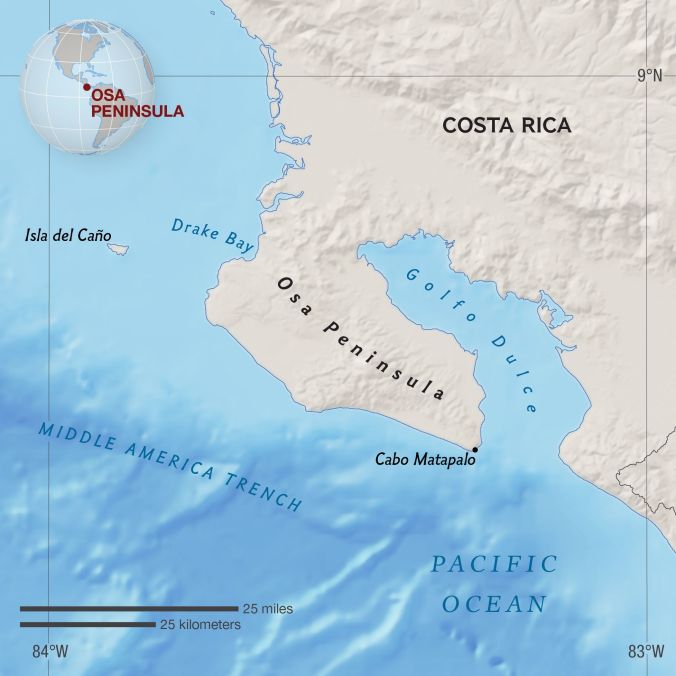
Osa Peninsula Has A History Of Surviving Challenges, But It Takes Work

MAP BY NATIONAL GEOGRAPHIC SOCIETY STAFF

After two visits in 2019 I wrote a quick note about the Osa Peninsula, and afterwards I found the map above on National Geographic’s website. A couple years have passed since those visits and National Geographic published this article that I somehow missed until now. Jamie Shreeve shares a history I was well aware of due to our four years managing Lapa Rios, and back then I heard versions of it many times in the first person; but here it is told better than by anyone else in my experience, plus accompanied by the kind of photography you expect from National Geographic (not included here out of respect for the copyrights of those images). The title notes the challenge facing the peninsula, and my bet is on the peninsula’s having the support it needs to survive:

A loss of tourism threatens Costa Rica’s lush paradise

The Osa Peninsula is a biodiverse wonder and a model for conservation. But its preservation programs have been devastated by COVID-19.

Celedonia Tellez doesn’t recall the year she moved to the Osa Peninsula, or exactly how old she was, but she remembers well why she came: free land. At the time, the peninsula, a 700-square-mile crook on the southern Pacific coast of Costa Rica, was a forest frontier, separated from the mainland by a neck of near-impenetrable mangroves and accessible mainly by boat. Celedonia was pregnant when she arrived with her five children, six chickens, a dog, and 700 colones, about one dollar. She also brought her boyfriend, but he “hated nature, and would run away from insects,” she remembers. So she took an ax and cleared the land herself.

“When I was cutting down the trees, I would think how they must have taken so long to grow, and I cut them down in an instant,” she says. “That’s what we did. We cut down the forest to live.” Continue reading

Turtle Rescue, Texas Style

The South Padre Island Convention Center opened its doors and took in thousands of sea turtles cold-stunned during the Valentine’s Week Winter Storm. UT Marine Science Institute

Thanks to National Public Radio (USA) for this:

Texas ‘Cold-Stun’ Of 2021 Was Largest Sea Turtle Rescue In History, Scientists Say

Volunteers bringing in many lethargic turtles. John Faulk/Frontera Media

The Valentine’s Day winter storm of 2021 left Texans shivering in the dark, but that didn’t stop intrepid volunteers from heading out into the suddenly frigid waters of the Gulf Coast to save thousands of sea turtles at risk of dying. This is the story of the largest sea turtle “cold-stun” event in recorded history, according to scientists. Continue reading

Obvious Conservation Stakeholders, Finally At The Table

Canada Geese and other waterfowl occupy wetlands in the Badger-Two Medicine area of Montana. Members of the Blackfeet Nation hold the area sacred and are working to protect it permanently. Photo: Tony Bynum

Indigenous communities might seem obvious stakeholders in the protection of wilderness areas, but it does not always, or even often, play out that way. Graham Lee Brewer, a reporter for Audubon Magazine, has this to say about changes in the works:

Tribes Could Play a Crucial Role in Achieving a Bold New Conservation Goal

An emerging effort to protect 30 percent of the country’s land and water is an opportunity to strengthen tribal sovereignty and heed Indigenous ecological knowledge, experts say.

For nearly four decades the Blackfeet Nation has fought off attempts to drill for oil and gas in Montana’s Badger-Two Medicine area. Nestled in a national forest beside Glacier National Park, the region’s sweeping valleys, rivers, and wetlands—almost entirely unmarred by roads—form the setting of the Blackfeet creation story and host tribal ceremonies today. Continue reading

America’s Best Idea Gets an Addition

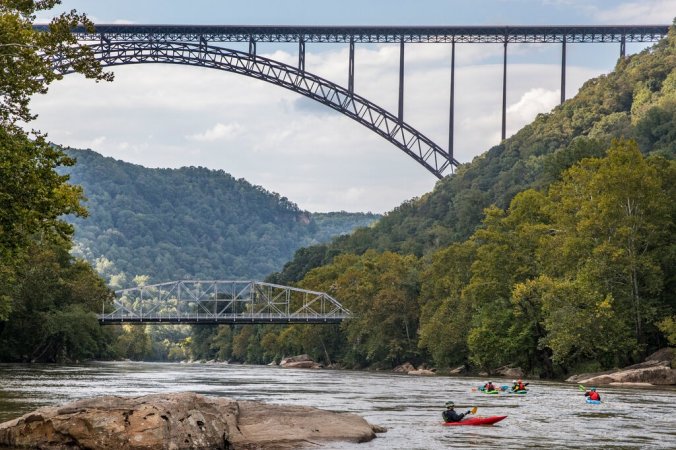
Kayakers enjoy calm waters under the New River Gorge Bridge.Credit…Tony Cenicola/The New York Times

The fact that we’re a late to highlight this new addition doesn’t lessen our enthusiasm for the fact. The United States National Park Service and the those who created it, and continue to fight for it, are heroes in our eyes. It’s an especially strong breath of fresh air when this new administration moves immediately to promote this “great idea” rather than diminish it.

Meet America’s 63rd National Park

The New River Gorge in West Virginia got the federal government’s highest protection, thanks, in part, to the latest pandemic relief bill.

As Americans continue to weather the pandemic, the $2.3 trillion coronavirus relief and spending bill passed by the federal government in December brought an unexpected and lasting gift: a new national park.

The 5,593-page spending package included a raft of provisions authorizing little-known projects — the construction of the Teddy Roosevelt Presidential Library in North Dakota, for one — and giving lawmakers a chance to advance a variety of long-delayed initiatives. Among them was the elevation of the New River Gorge, in southern West Virginia, to the status of Yellowstone, Yosemite and the country’s other most renowned outdoor spaces. The designation of the area — roughly 72,000 acres of land flanking 53 miles of the gorge — as a national park and preserve creates the 63rd national park in the United States and completes a multigenerational effort, started in the mid-twentieth century, to transform a tired industrial area into a national landmark.

“Towards the end of this year, with these big bills coming down, I decided to strike,” said Shelley Moore Capito, a Republican and the state’s junior senator, who, along with Senator Joe Manchin III, a Democrat, introduced the New River Gorge legislation in 2019.

“This was the right opportunity,” she said. Continue reading

Corn Belt Soil

ENZO PÉRÈS-LABOURDETTE / YALE E360

Thanks to Verlyn Klinkenborg for this essay:

How the Loss of Soil Is Sacrificing America’s Natural Heritage

A new study points to a stunning loss of topsoil in the Corn Belt — the result of farming practices that have depleted this once-fertile ground. Beyond diminished agricultural productivity and more carbon in the atmosphere, it is a catastrophic loss of an irreplaceable resource.

A corn field being planted in Hull, Sioux County, Iowa. MELINA MARA/ THE WASHINGTON POST VIA GETTY IMAGES

Geologically speaking, I grew up in a small farm town on the Des Moines lobe, a huge tongue-shaped remnant of glacial activity that reaches south across central Iowa. All around us were mollisols with a deep A-horizon — a type of rich black topsoil visible in farm fields for miles in every direction. In school we were taught only one thing about that soil: to be proud of it. It was a given, a blessing, a moral fact. In a sense, it seemed to have no history. Continue reading

Pandemic’s Impact On Tourism’s Impact

Last spring, a herd of Great Orme Kashmiri goats was spotted ambling through empty streets in Llandudno, a coastal town in northern Wales. Christopher Furlong/Getty Images

Kashmiri goats in Wales? I saw that story a year ago and it was amusing, and interesting. I did not post about it because amusement did not seem an appropriate sentiment to share then; too soon, as they say. But now, taking stock of the lasting impact of the pandemic on the work we do, on the planet where we do it, makes more sense. Somehow, Lisa Foderaro has never appeared in our pages before, but today is the perfect day to correct that:

For Planet Earth, No Tourism is a Curse and a Blessing

From the rise in poaching to the waning of noise pollution, travel’s shutdown is having profound effects. Which will remain, and which will vanish?

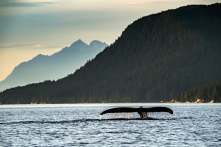
Water flows off the tail of a humpback whale as it dives below the surface near Juneau, Alaska. Christopher Miller for The New York Time

For the planet, the year without tourists was a curse and a blessing.

With flights canceled, cruise ships mothballed and vacations largely scrapped, carbon emissions plummeted. Wildlife that usually kept a low profile amid a crush of tourists in vacation hot spots suddenly emerged. And a lack of cruise ships in places like Alaska meant that humpback whales could hear each other’s calls without the din of engines. Continue reading

Pygmy Hogs In Assam

The pygmy hog is still endangered but a reintroduction programme in Assam, India, has given it a greater chance of survival

A highlight of seven years living and working in India was a brief visit to Assam to review the land holdings of an investor who was considering having us assist with the development of a conservation-focused lodge. I did not know about this endangered species at the time, but its current status brings a good vibe to my day for more than one reason:

Pig in clover: how the world’s smallest wild hog was saved from extinction

A pygmy hog enters the wild from the release enclosure in Manas reserve. Photograph: Goutam Narayan

The greyish brown pygmy hog (Porcula salvania), with its sparse hair and a streamlined body that is about the size of a cat’s, is the smallest wild pig in the world, and also one of its rarest, appearing on the International Union for Conservation of Nature (IUCN) red list as endangered. Continue reading