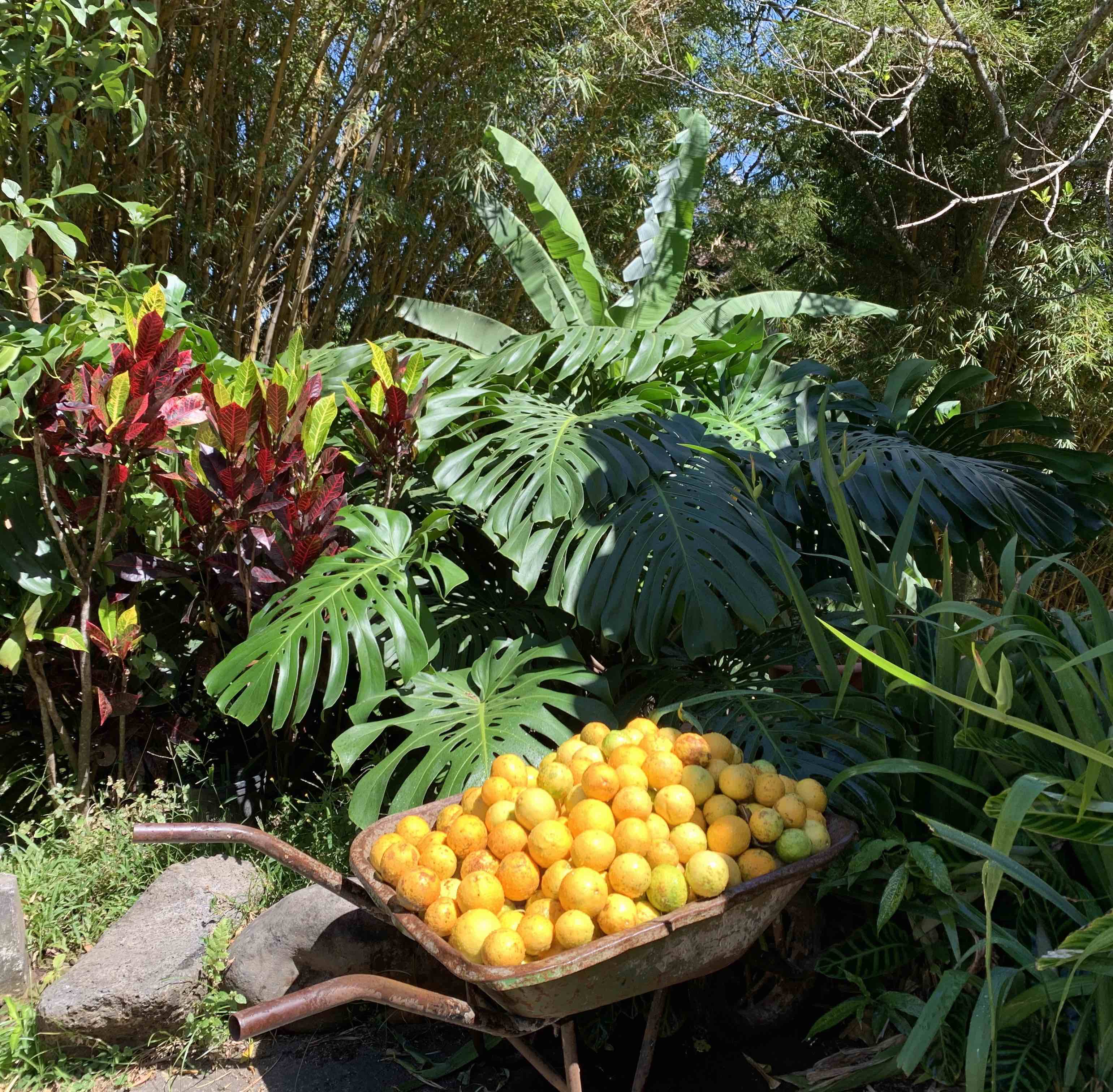
The fruit in the image above is from trees planted 10 years prior to our starting to post on this platform, and so the fruits of our labor planting citrus 20 years ago gives me a few hundred reasons to be grateful. This is the fourth and final wheel barrow full of various types of oranges and limes, and in addition to drinking plenty of juice in the last month I am freezing many gallons for the remaining summer months.
Sweden’s announcement this week that it is to build a series of animal bridges is the latest in global efforts to help wildlife navigate busy roads
Reindeer viaducts in Sweden will keep herds safe from traffic as they roam in search of grazing. Photograph: Pawel Garski./Alamy
Every April, Sweden’s main highway comes to a periodic standstill. Hundreds of reindeer overseen by indigenous Sami herders shuffle across the asphalt on the E4 as they begin their journey west to the mountains after a winter gorging on the lichen near the city of Umeå. As Sweden’s main arterial road has become busier, the crossings have become increasingly fractious, especially if authorities do not arrive in time to close the road. Sometimes drivers try to overtake the reindeer as they cross – spooking the animals and causing long traffic jams as their Sami owners battle to regain control. Continue reading →
The image to the left is surely evocative for different people in different ways. I cannot see it without flashbacks to what that same spot looked and smelled and sounded like in 1987. It was a peculiar moment in time; I’ll leave it at that. This rendering reaches me just after seeing images of Penn Station’s recent renovation, which itself got me thinking about unique solutions to different kinds of urban challenges. In that case the interior was the thing. For cities where there is too much built space and traffic, greening of arteries is the thing. Also coincidental was last week’s news about the plan for the neighborhood where our sons attended school during the 2003-2004 academic year, which reaffirms my sense that good ideas are infectious.
Those news from New York and from Paris transported me to a very different urban space where we lived and worked for seven years. The image above and the title screen to the right both serve well to evoke an idea that was generated in one of India’s best preserved colonial harbor neighborhoods. Just prior to opening this property in that neighborhood we hosted four young creative professionals from Europe and the USA, two authors and two architects. One of the architects had recently completed work on our then-favorite model of urban re-utilization.
I stood with him on a rooftop overlooking the spice-trading on the street where our hotel was under construction. We had a breezy conversation about how this space might be made more accessible, and I commented on this neighborhood needing an urban design that, like the repurposing of two crumbling spice warehouses into our hotel would be respectful of history while not a slave to it. And the next day he disappeared, as guests do, but the idea is still out there, gestating, and in my hazy memory looks something like this image below.
“Envisioning Union Square’s Vibrant North Plaza” – Watercolor by Guido Hartray
Not the specifics, of course. But this dream-like watercolor rendering of Union Square Park’s future layout is a perfect reminder of that rooftop conversation about how Mattacherry might one day be a more effective version of its already awesome self. Carolyn McShea has posted this research note about the Union Square initiative on the website of Marvel Architects:
Union Square is famous for its rich activist history, successful Business Improvement District (BID) and 24/7 residential-commercial community that is also home to some of the city’s iconic buildings that have reached National Historic Landmark status. 14th Street is considered as a commercial corridor for New Yorkers and key cross-town thoroughfare. Continue reading →
Last week I walked with my grand-daughter among these almendro trees. Amie and I helped plant these when they were foot-high saplings in 2019, and we tagged one with our grand-daughter’s name. The trees, now 3+ feet high, are part of a coastal reforestation scheme; their beneficence includes producing fruits favored by scarlet macaws.
Demonstrators gather in front of the White House to protest the proposed Keystone XL pipeline, in the summer of 2011. Photograph by Melissa Golden / Redux
Everyone loves scarlet macaws. And these trees grow faster than our grand-daughter, giving constant positive feedback. When you have an opportunity to do something like plant a tree, or any other restorative act, first things first: do it. Thanks to Bill McKibben for pointing this out as one of the highlights of yesterday’s change of scenery in Washington, D.C.:
In his first hours in office, Joe Biden has settled—almost certainly, once and for all—one of the greatest environmental battles this country has seen. He has cancelled the permit allowing the Keystone XL pipeline to cross the border from Canada into the United States, and the story behind that victory illustrates a lot about where we stand in the push for a fair and working planet. Continue reading →
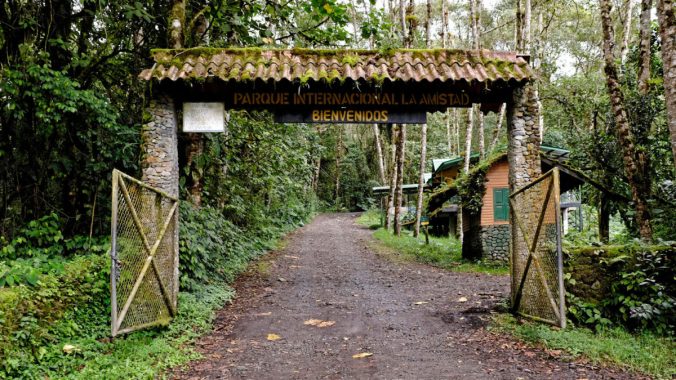
The entrance to La Amistad National Park, which will now be controlled by the Naso under a joint management plan with the government. EDDIE GERALD / ALAMY
We offer coffee from the oldest organic coffee farm in Latin America, which sits on the border of the La Amistad International Park. During our visit to the farm in late 2019 we heard firsthand the family history that led to the creation of what is now a transnational park, while retaining a large private protected area named Hacienda La Amistad (coffee is farmed on a small percentage of that land). Recently Fred Pearce, who frequently writes about forest management best practices, shares news from Panama focusing on the decision to transfer park management to an indigenous community whose ancestral lands in:
With a landmark court ruling, the Naso people of Panama have won the rights to ancestral territory that includes two national reserves the tribe will now help manage. The victory comes as mounting evidence shows that Indigenous groups are often the best protectors of their lands.
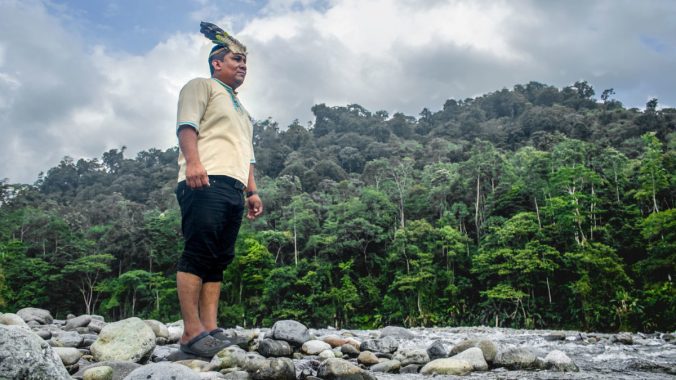
Reynaldo Santana, the King of the Naso, on the banks of the Teribe River in northwest Panama. NORLANDO MEZA
Tribal groups in Panama are celebrating a victory for their rights to control some of Central America’s largest forests — a victory that could benefit conservation throughout the region.
The landmark ruling, by the country’s Supreme Court, upholds a claim by the Naso people of northwest Panama — who live in remote villages, grow subsistence crops, maintain their own forests and native language, and elect their own monarch — to create a semi-autonomous territory, known in Panama as a comarca, covering some 400,000 acres of their ancestral lands.
“This is an act of justice that will restore tranquillity to the Naso by securing our land,” says the King of the Naso, Reynaldo Santana. Continue reading →
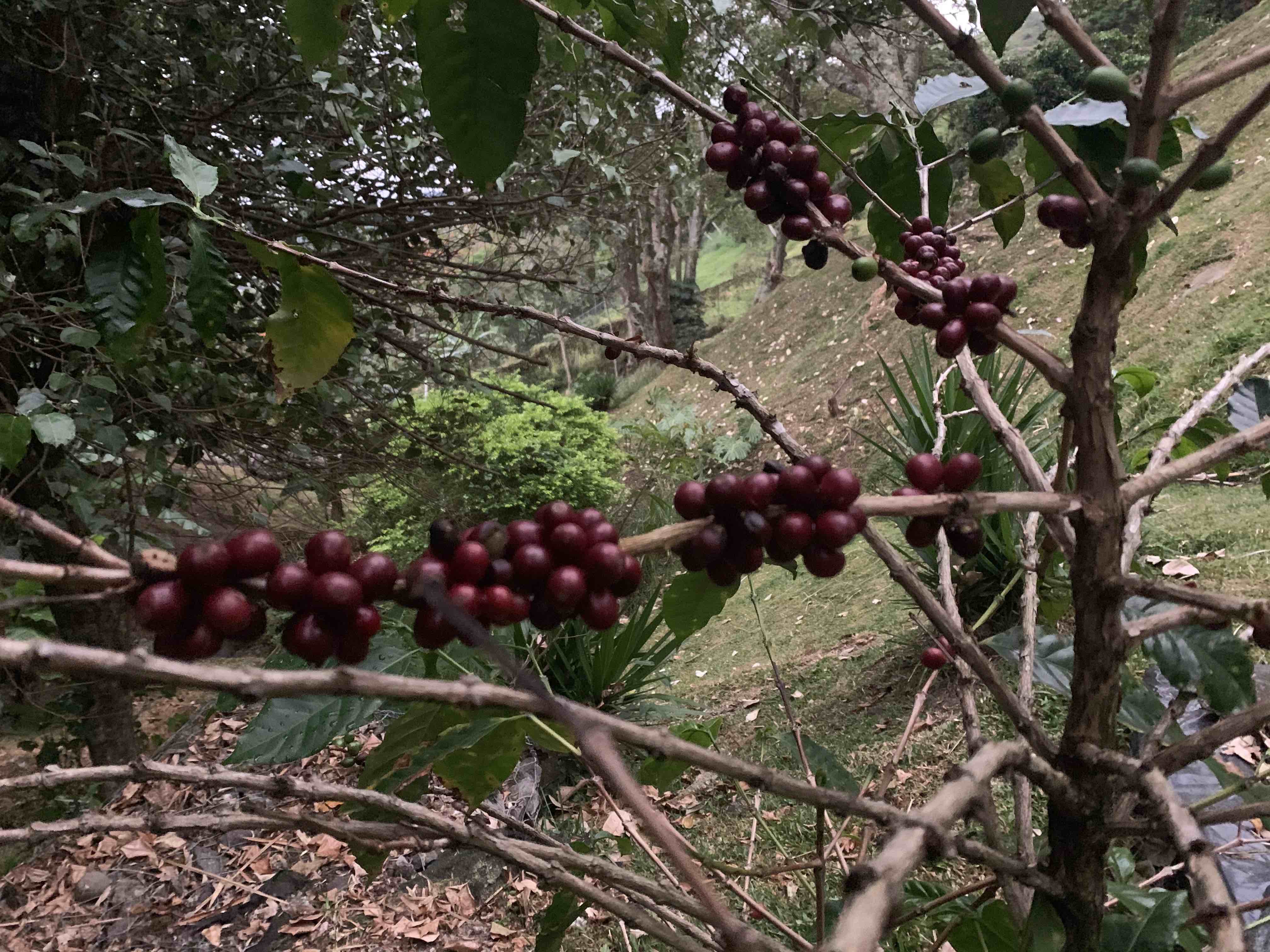
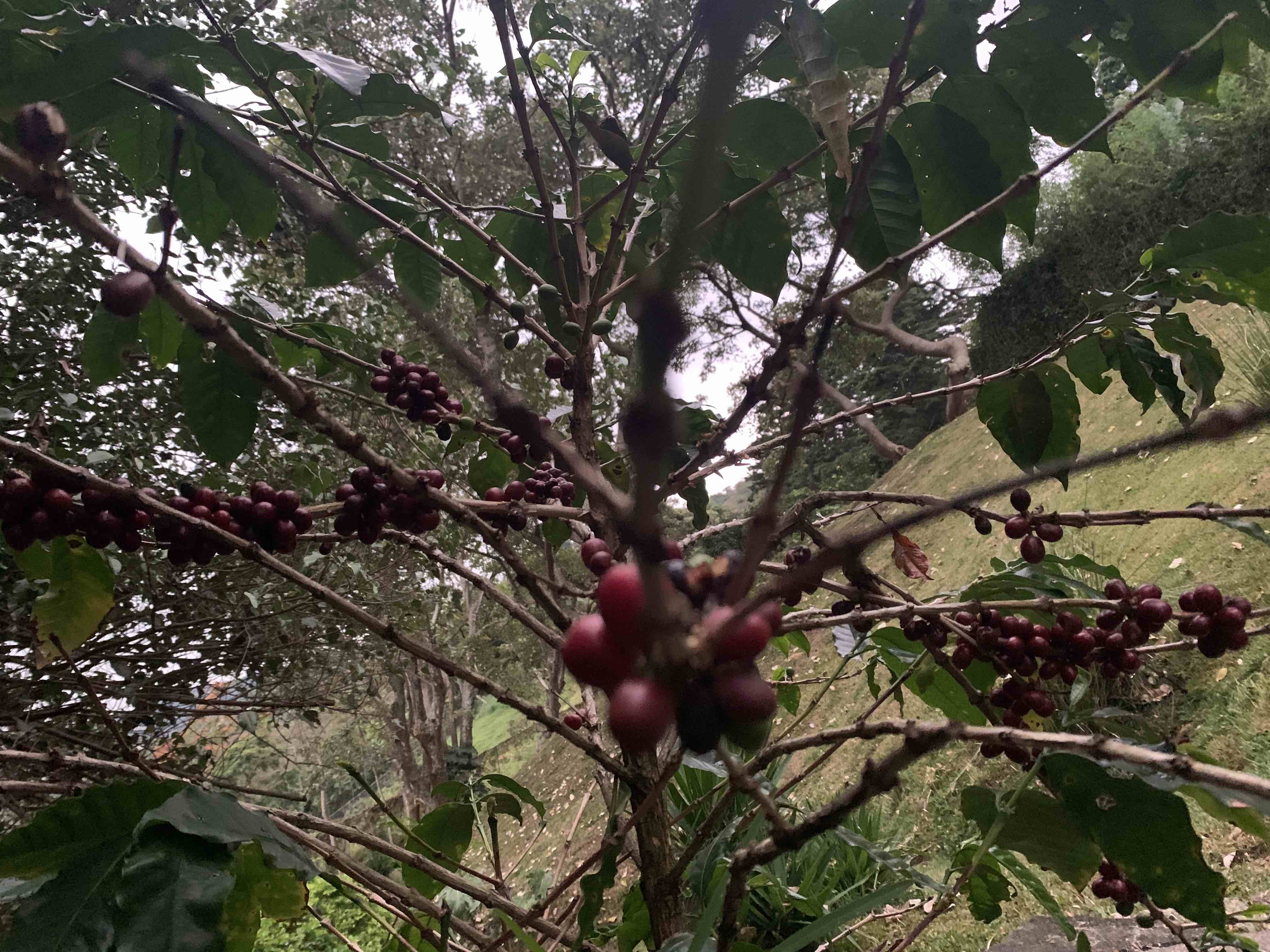
When I have shared images of the long-standing poro trees on this land, as well as the seedlings we have grown and now planted, it was to show the shade and nitrogen-fixing cohabitants of this land. Cohabitation between coffee and poro is a Latin American adaptation to adjust for the fact that arabica coffee trees first naturally occurred under the canopy of forests in Ethiopia. You can see those old poro trees in the background of these two photos, where ripe coffee cherries are in the foreground.
It is time to harvest these cherries from the several coffee trees that held their ground for more than two decades since this land was converted from farm to yard. In our conversion of yard to farm, these ripe cherries will provide the seeds for replanting the land after processing them in the simplest manner. Tomorrow I will show that process.
Sonia Shah, a science journalist and author of “The Next Great Migration: The Beauty and Terror of Life on the Move,” has provided a great summary of recent developments on the study of animal migration:
An ambitious new system will track scores of species from space — shedding light, scientists hope, on the lingering mysteries of animal movement.
‘‘I’m going to do a set of coos,” Calandra Stanley whispered into the radio. The Georgetown ornithologist and her team had been hunting cuckoos, in an oak-and-hickory forest on the edge of a Southern Illinois cornfield, for weeks. Droplets of yesterday’s rain slid off the leaves above to those below in a steady drip. In the distance, bullfrogs croaked from a shallow lake, where locals go ice fishing in winter. Continue reading →
By Gustave Axelson; Illustrations by Jillian Ditner
Part of the magic of migratory birds is their annual disappearing act—one autumn day there might be an oriole in a treetop, and the next day it’s gone, not to be seen again until spring.
Back in the 17th century, scientists had lots of ideas about where birds go during winter in the Northern Hemisphere, including one theory that they migrate to the moon. Today we know Neotropical migratory birds are intercontinental travelers, chasing summer as they leave the North for the warmer weather and longer days of the New World tropics. Continue reading →
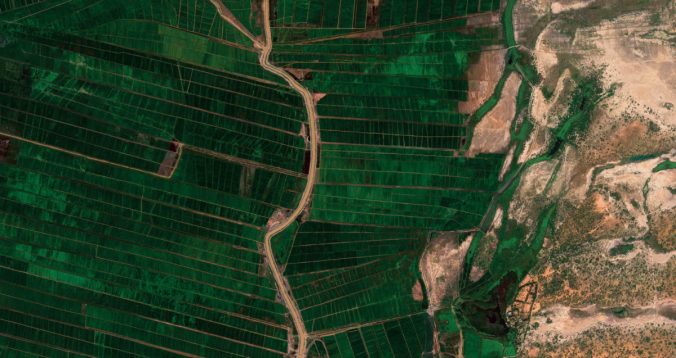
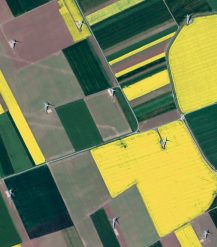
Aerial photos often document the destruction of the natural world. But these striking satellite images show how countries are beginning to respond to the global environmental crisis by restoring ecosystems, expanding renewable energy, and building climate resiliency infrastructure.
As the global population nears 8 billion, the human footprint can be seen in almost every corner of the Earth. Logging roads cut deep into the Amazon rainforest. Plastics swirl in remote parts of the ocean. The world’s largest gold mine is carved out of the mountains of Indonesia.
Satellite and aerial images have captured much of this destruction, often in startling and unsettling images. But a new collection of photos offers a different view: Images of places where efforts are underway to slow or even reverse the damage we have done to the planet — Continue reading →
Caribou graze on the coastal plain of the Arctic National Wildlife Refuge. The Trump administration has held the first oil lease sale in the refuge. U.S. Fish and Wildlife Service
Thanks to all those who protested the lease sale in the first place, and to National Public Radio (USA) for providing the welcome news that the protests had their intended effect:
Rep. Deb Haaland at a 2018 rally in Washington, D.C., to oppose drilling in the Arctic National Wildlife Refuge. President-elect Joe Biden has tapped Haaland to lead the Department of the Interior. Liz Ruskin/Alaska Public Media
One of the Trump administration’s biggest environmental rollbacks suffered a stunning setback Wednesday, as a decades-long push to drill for oil in Alaska’s Arctic National Wildlife Refuge ended with a lease sale that attracted just three bidders — one of which was the state of Alaska itself.
Alaska’s state-owned economic development corporation was the only bidder on nine of the parcels offered for lease in the northernmost swath of the refuge, known as the coastal plain. Two small companies also each picked up a single parcel.
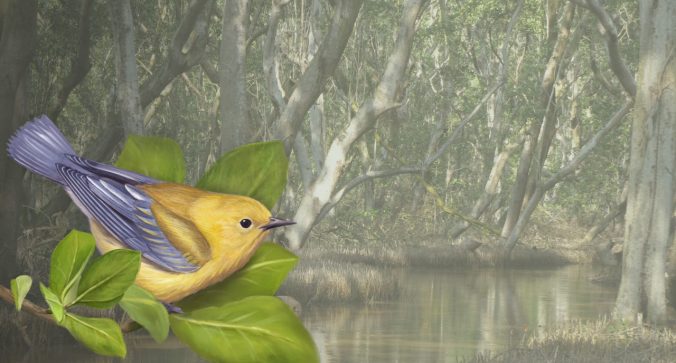
A painted bunting in Florida. Painted buntings are about 5in in length, dine on seeds and insects and prefer to construct nests in dense foliage. Photograph: Education Images/Universal Images Group/Getty Images
If we had been close by, no doubt we would try to see it:
Lehigh Gorge State Park with River and cyclist on Lehigh Gorge Rail Trail path, Poconos Mountains, near Jim Thorpe, Pennsylvania. Jumping Rocks / Universal Images Group / Getty ImagesBy Natalie Marchant
Thanks to Natalie Marchant for this news posted on EcoWatch:
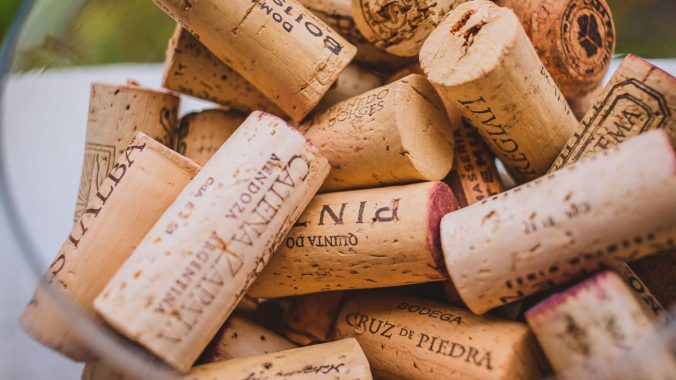
Give a toast to cork forests, which store a great deal of carbon pollution.
If you open a bottle of champagne or wine this New Year’s Eve, take a look at the stopper.
In recent years, plastic stoppers and screw tops have come on the market as alternatives to natural cork, but cork can be better for the climate.
Cork is harvested in the Mediterranean from the bark of cork oak trees. The process does not harm the tree, and the bark regrows. But the first harvest cannot begin until the tree is about 25 years old. Continue reading →
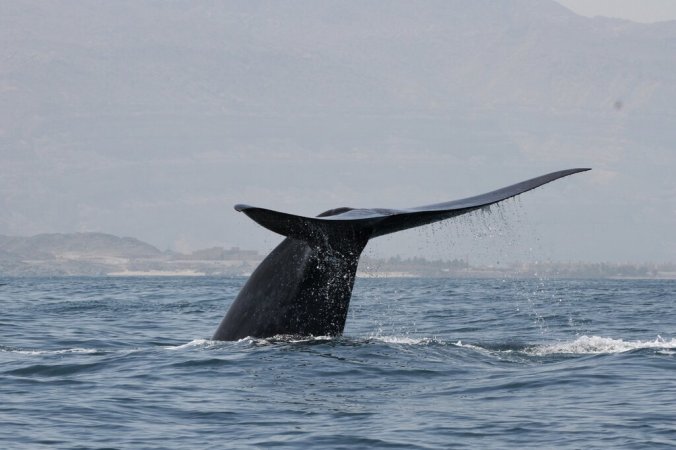
Researchers said that the blue whale song that crackled through the team’s underwater recordings was unlike any they had heard. Robert Baldwin/Environment Society of Oman
Thanks to Katherine J. Wu for this, especially for sharing the recordings of the whale song, and the musical reference for how to think about the difference between this whale population’s song and the that of other whale populations:
The whales in the group seem to sing a unique song.
Weighing up to 380,000 pounds and stretching some 100 feet long, the blue whale — the largest creature to have ever lived on Earth — might at first seem difficult for human eyes and ears to miss.
But a previously unknown population of the leviathans has long been lurking in the Indian Ocean, leaving scientists none the wiser, new research suggests. Continue reading →
In a brief interview a student recorded my description of the work I was doing in southern Chile from 2008-2010. The Patagonia Expedition Race had secured Wenger’s sponsorship, and now graduate students from Columbia Business School, as well as from Cornell Hotel School, were developing a strategy for how best to use that sponsorship money to achieve lasting conservation results. The patch on the left arm of my jacket shows another sponsor.
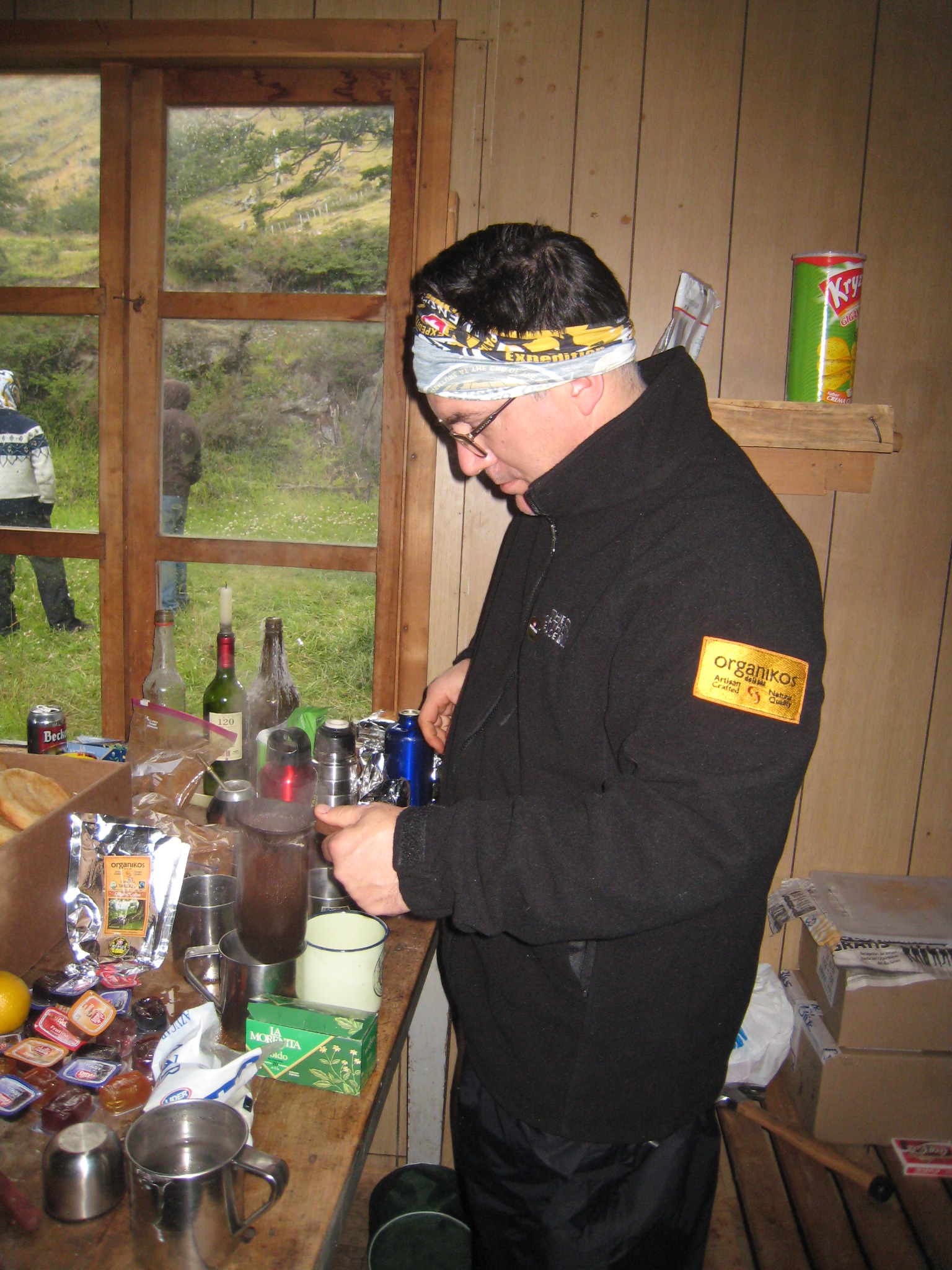
Organikos was a minor sponsor compared to Wenger, but in that earlier iteration of Organikos we were already thinking about what is now the 100% Forward commitment. As a sponsor, I also served coffee from sunrise to sunset at each station along the Race’s 500-mile route. Somewhere I have photos of the race teams drinking Organikos coffee, but at the moment I only find this one of me prepping coffee in the traditional Costa Rican manner to serve to Race volunteers in a farmhouse where we had spent the night on Tierra del Fuego.
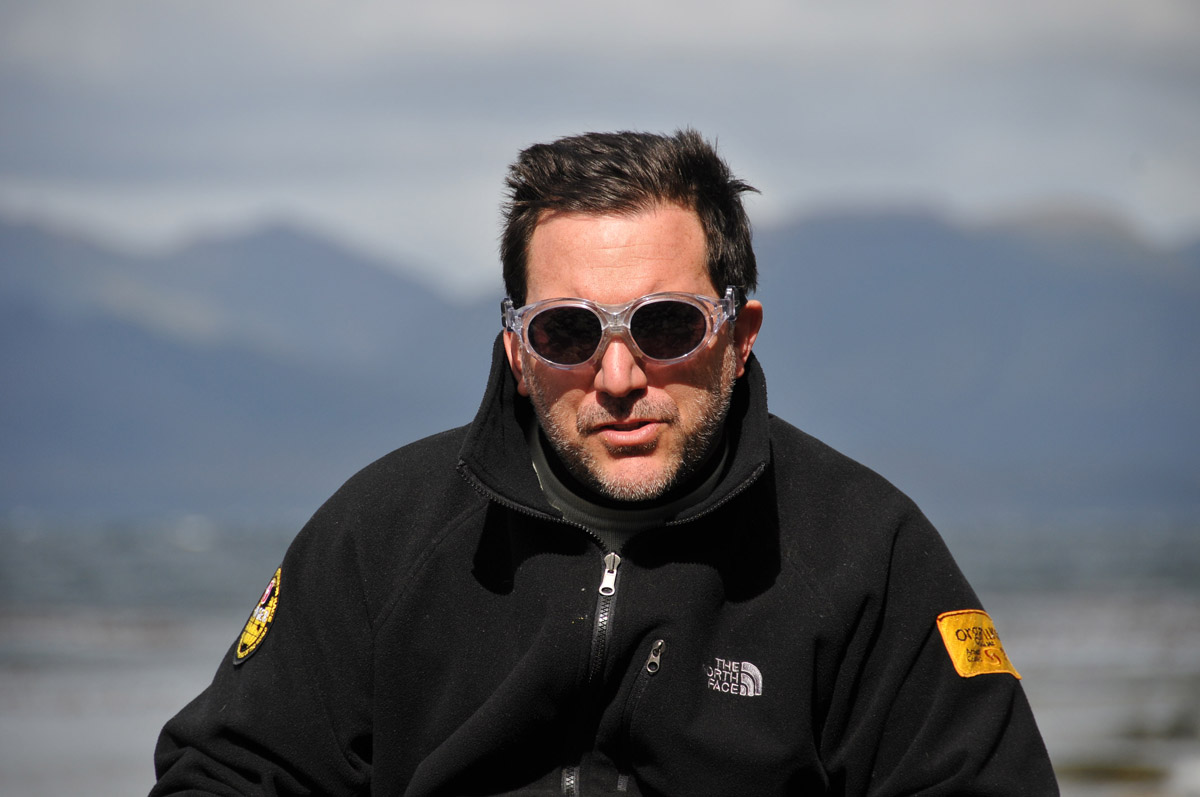
In this photo to the left I was waiting for the racers who would soon be arriving at this station in their kayaks. As serious as I appeared to be, it would take nearly a decade to get that coffee launched more formally into the market.
Images Andrew Wilson, Mark Humpfrey, Nicola MaCleod and Bruce Duncan of Team Helly Hansen-Prunesco paddling their way to victory in stage 15 of the 2010 Wenger Patagonian Expedition Race on the island of Tierra del Fuego in southern Chile. Michael Clark Photography
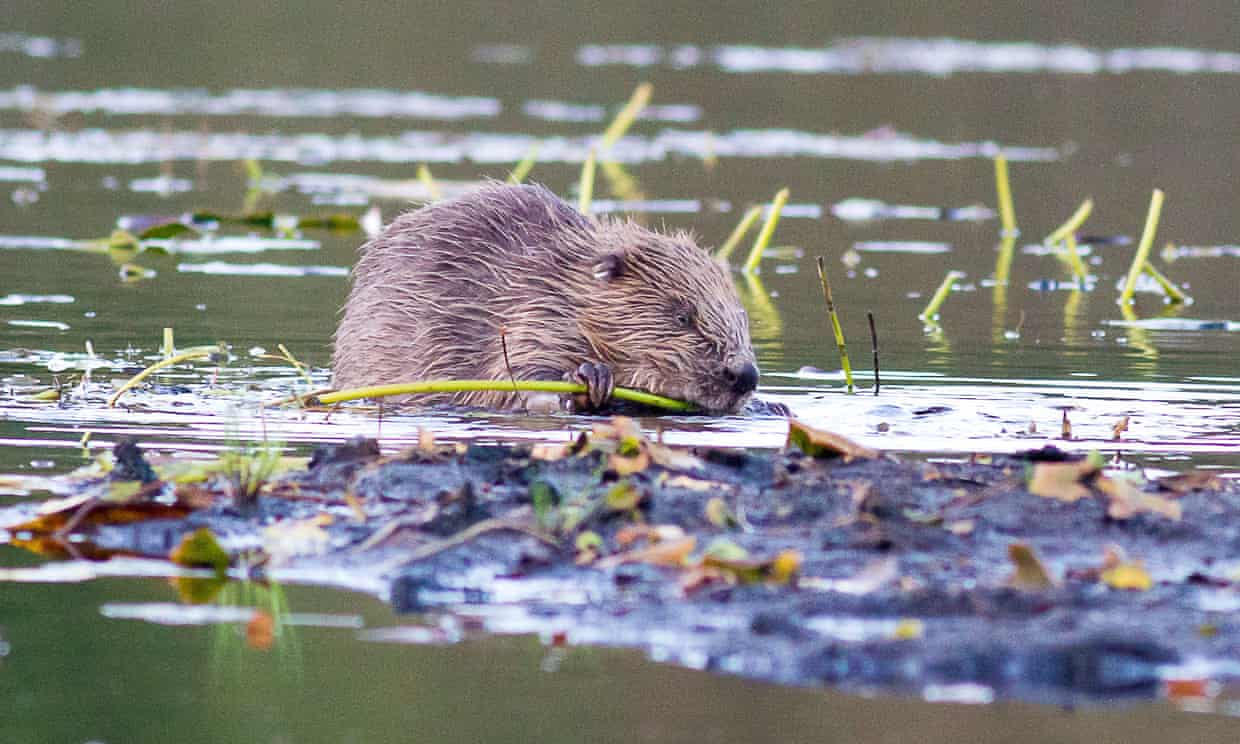
Not long after the photos above were taken, we accepted a new assignment in India that would put the original idea of Organikos on hold. Recently, when Seth took the name and gave it a clear conservation mission, coffee was still the most viable product to start with. I am reminded of all that thanks to Sandra Laville, and the Guardian. Her article, full of good news related to conservation funding in the UK, triggers my memory of the fact that beavers are an invasive species in Patagonia and the Race had the mission of controlling their spread, in the interest of wilderness conservation. Beavers in their natural habitat are in need of protection in some locations, I see:
Donations from individuals and charities to green causes more than double since 2016
Funding from the People’s Trust for Endangered Species helped reintroduce beavers in Knapdale Forest in Scotland. Photograph: Steve Gardner/Scottish Wildlife Trust/PA
Philanthropic donations to environmental causes have more than doubled in value in the UK as the climate crisis and unprecedented biodiversity loss attract increasing attention from individuals and charities.
The amounts of money given to support efforts to tackle climate change and nature loss range from £5,000 to millions of pounds, and the focus of the funding is as broad.
It includes a £10,000 donation given to support a successful campaign for a deposit return scheme in Scotland; the funding of grassroots defenders of Europe’s last primeval forest, in Poland, and the protection of wetlands in Montenegro; and millions of pounds in support of environmental legal challenges and donations to back campaigning against fossil fuels. Continue reading →
While some local counts may be cancelled due to regional COVID-19 rules, many community scientists across the hemisphere will carry on one of the longest-running wildlife censuses in a socially distanced fashion.
NEW YORK — For the 121st year, the National Audubon Society is organizing the annual Audubon CBC. Between December 14 and January 5, tens of thousands of bird-loving volunteers will participate in counts across the Western Hemisphere all while abiding by Audubon’s COVID-19 guidelines. Continue reading →
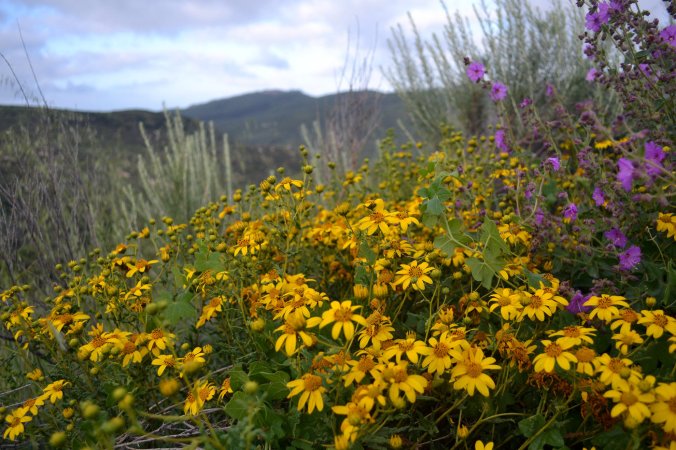
These sunflowers in San Diego National Wildlife Refuge are wild relatives of sunflowers that farmers around the world grow to produce oil. Lisa Cox/USFWS
Thanks to National Public Radio (USA) for this summary of a recent scientific study:
Hundreds of native North American plants, often dismissed as weeds, deserve a lot more respect, according to a new study. These plants, distant cousins of foods like cranberries and pumpkins, actually represent a botanical treasure now facing increased threat from climate change, habitat loss and invasive species.
The crops that the human race now depends on, including grains like wheat and tree fruit like peaches, originally were selected or bred from plants that grew wild hundreds or thousands of years ago. And those ancestral plants, like the small wild sunflowers that can be found across the United States, still exist. “If you see them growing along roadsides, those are the ancestors,” says Colin Khoury, a research scientist at the International Center for Tropical Agriculture. Continue reading →
compared to 40% of the EU area and 46% of Europe as a whole
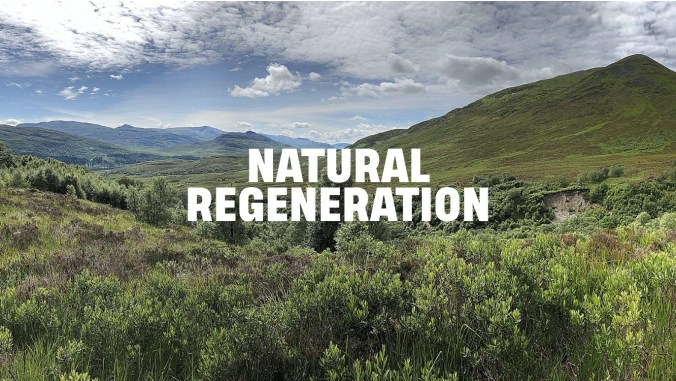
When we talk about expanding woodland and tree cover, sometimes we jump on tree planting as the solution. It certainly has a role to play, but nature is an old hand at planting trees and usually does it better.
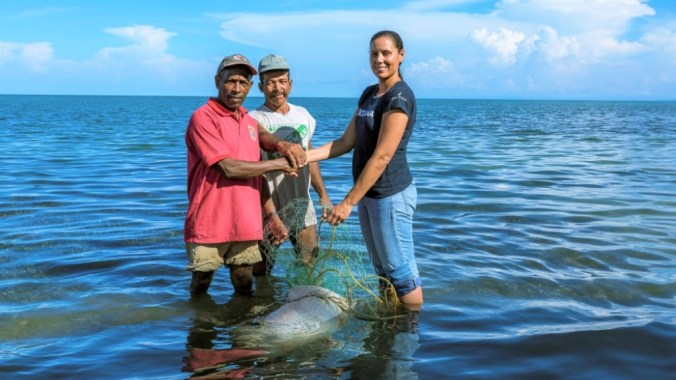
For a country that’s slightly smaller than the U.S. state of Massachusetts, Belize boasts an inordinate number of ocean wonders. It’s home to the world’s second longest barrier reef, which Charles Darwin once described as “the most remarkable reef in the West Indies.” Here, you’ll find more than 500 unique fish species – enough to give every Belizean island its own mascot and still have about 50 left over.
Because this little Caribbean country has a lot worth protecting, it has enacted some of the strongest ocean conservation laws in the world – and they just got even stronger. Following hard-fought victories that banned all trawling and offshore oil drilling in Belize’s waters, the country has now outlawed gillnets, a fishing gear that kills turtles, manatees, and many other marine animals.
In addition to implementing a nationwide gillnet ban, the Belizean government signed an agreement with Oceana and the Coalition for Sustainable Fisheries to help licensed gillnet fishers transition to other jobs. As a result, Belizean resources and livelihoods will be protected well into the future.
As Janelle Chanona, Oceana’s head in Belize, put it: “This is a historic moment for Belize, her people, the Caribbean Sea and, most importantly, for everyone who depends on the country’s marine resources for their livelihoods.” Continue reading →
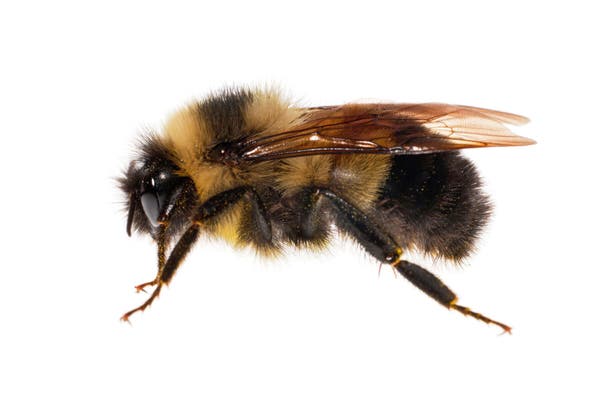
A rusty patched bumblebee. Nature Picture Library/Alamy
If you are a regular here you have seen plenty about citizen science. And plenty about bees. We have posted only one time previously about the intersection of bees and citizen science. Today makes twice:
Honeybees and their problems get the most attention, but scientists are using tactics learned from bird conservation to protect American bees. Continue reading →












 Organikos