Children, Phones & Futures

Photographs by Maggie Shannon

It has been our belief since starting that getting outdoors is a very good preventative medicine, but maybe that was too simple a focus. Phones have disrupted life, especially for our young ones, more than we appreciated. Our thanks to Jonathan Haidt and The Atlantic for this (podcast discussion of the research here):

The environment in which kids grow up today is hostile to human development.

Something went suddenly and horribly wrong for adolescents in the early 2010s. Continue reading

Addiction To Longevity

Like many Italian aging researchers, Dr. Longo thinks Italy doesn’t invest enough in research. “Italy’s got such incredible history and a wealth of information about aging,” he said. “But spends virtually nothing.” Alessandro Grassani for The New York Times

Faux fasting is new to us, but thinking about diet is not. Our thanks to Jason Horowitz for another story from Italy:

To Live Past 100, Mangia a Lot Less: Italian Expert’s Ideas on Aging

Valter Longo, who wants to live to a healthy 120 or 130, sees the key to longevity in diet — legumes and fish — and faux fasting.

Most members of the band subscribed to a live-fast-die-young lifestyle. But as they partook in the drinking and drugging endemic to the 1990s grunge scene after shows at the Whisky a Go Go, Roxy and other West Coast clubs, the band’s guitarist, Valter Longo, a nutrition-obsessed Italian Ph.D. student, wrestled with a lifelong addiction to longevity. Continue reading

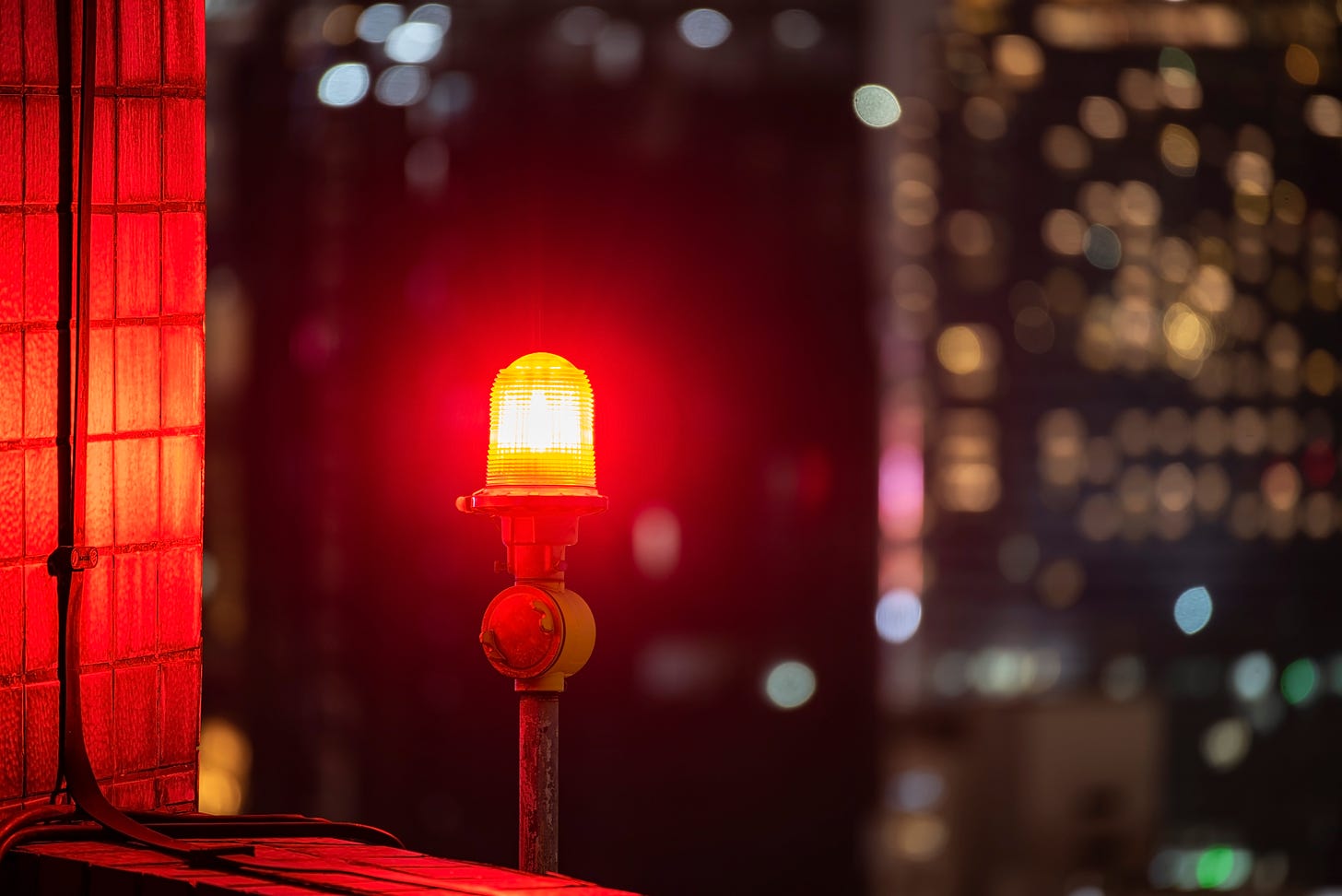
Responding To A Red Alert

Another reason to subscribe to Bill McKibben’s newsletter:

How Not to Act in an Emergency

Forget AI–we need some human intelligence

We’re getting right to the nub now.

Yesterday the World Meteorological Organization officially certified 2023 as the hottest year in human history. Just to put on the record here what should have been the lead story in every journal and website on our home planet:

Andrea Celeste Saulo, secretary general of the WMO, said the organisation was now “sounding the red alert to the world”.

The report found temperatures near the surface of the earth were 1.45C higher last year than they were in the late 1800s, when people began to destroy nature at an industrial scale and burn large amounts of coal, oil and gas.

Last year’s spike was so scary that NASA’s Gavin Schmidt—Jim Hansen’s heir as keeper of NASA’s climate record—wrote in Nature this week that it raised the most profound possible implications. Please read his words slowly and carefully: Continue reading

Lithium From A Well

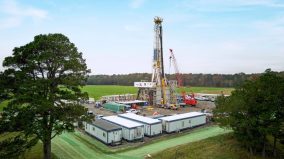
The drilling rig at ExxonMobil’s first lithium well, in southwest Arkansas. EXXONMOBIL

Thank you, Fred Pearce. It is not easy to trust ExxonMobil or any other petroleum company to do the right thing, but this sounds better than most of what we hear about their common practices:

In Rush for Lithium, Miners Turn to the Oil Fields of Arkansas

The Smackover Formation in southern Arkansas was once a major oil producer. Now, companies hope to extract lithium — a key metal for electric vehicle batteries — from its underground brines using technologies they say could reduce mining’s carbon emissions and water use.

The town of Smackover, Arkansas, was founded a hundred years ago when a sawmill operator got lucky: his wildcat oil well yielded a gusher. Continue reading

AI’s Energy Appetite

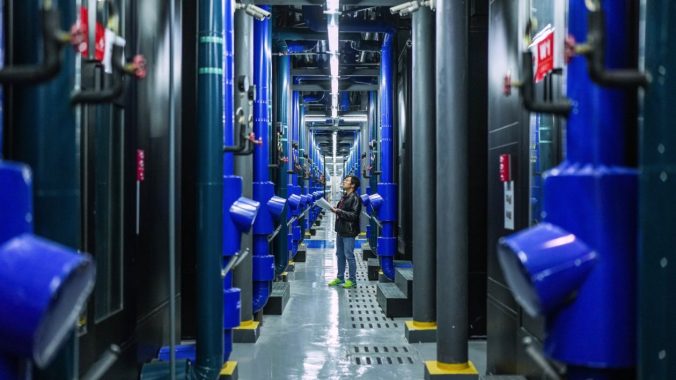
Inside the Guian Data Center of China Unicom, which uses artificial intelligence in its operations. TAO LIANG / XINHUA VIA GETTY IMAGES

For all of technology’s contributions to conservation, energy consumption is one of the downsides. Thanks to David Berreby and Yale e360 for this:

As Use of A.I. Soars, So Does the Energy and Water It Requires

Generative artificial intelligence uses massive amounts of energy for computation and data storage and billions of gallons of water to cool the equipment at data centers. Now, legislators and regulators — in the U.S. and the EU — are starting to demand accountability.

Two months after its release in November 2022, OpenAI’s ChatGPT had 100 million active users, and suddenly tech corporations were racing to offer the public more “generative A.I.” Pundits compared the new technology’s impact to the Internet, or electrification, or the Industrial Revolution — or the discovery of fire.

Time will sort hype from reality, but one consequence of the explosion of artificial intelligence is clear: this technology’s environmental footprint is large and growing. Continue reading

Celebrating KithenAid’s Build To Last Determination

Illustration by The Atlantic. Source: Courtesy of KitchenAid.

Sharing this article is not with the intent to promote KitchenAid, per se. But okay if it does. More to appreciate The Atlantic for bringing your attention to a practice that is in short supply. Some companies do not build for obsolescence. Thanks to Anna Kramer for this:

Modern appliances are rarely built to last. They could learn something from the KitchenAid stand mixer.

My KitchenAid stand mixer is older than I am. My dad bought the white-enameled machine 35 years ago, during a brief first marriage. The bits of batter crusted into its cracks could be from the pasta I made yesterday or from the bread he made then. Continue reading

Is That Safari In Tanzania A Good Use Of Your Money?

Brian Otieno

This guest opinion, written by Professor Robert Williams of the Indigenous Peoples Law and Policy Program at the University of Arizona, and published in the New York Times, should make you think twice about the safari that might be on your bucket list:

Over 600,000 tourists travel to Tanzania’s Ngorongoro Conservation Area each year, and many will catch a glimpse of the Great Migration: the famed trek of more than one million wildebeests and thousands of zebras, gazelles and other animals crossing over the Mara River into Kenya and back again. Continue reading

Carbon Clean 200’s Performance Update Report

A press release for this report above summarizes the findings:

Carbon Clean 200 Companies Outperform Dirty Energy by 39%

The 11th cohort of global Clean200 leaves dirty energy investments in the dust

As You Sow and Corporate Knights today released their 11th update of the Carbon Clean200™, a list of 200 publicly traded companies worldwide leading the way among global peers to a clean energy present and future. These companies generated almost double the returns of the main fossil fuel index from July 1, 2016, to January 15, 2024, despite geopolitical tensions that have favored fossil fuel stocks in the past two years. Continue reading

A Caffeine Primer

Illustration by Ben Kothe / The Atlantic. Source: Getty.

Considering the coffee habits, and commercial interests of those of us contributing on this platform, we thank Yasmin Tayag, at The Atlantic for this:

Caffeine’s Dirty Little Secret

“How much is too much?” is an impossible question.

On Tuesday, curiosity finally got the best of me. How potent could Panera’s Charged Lemonades really be? Within minutes of my first sip of the hyper-caffeinated drink in its strawberry-lemon-mint flavor, I understood why memes have likened it to an illicit drug. My vision sharpened; sweat slicked my palms. Continue reading

Charles Duhigg & 2024 Themes

Charles Duhigg at home. PHOTOGRAPH OF CHARLES DUHIGG BY GLENN MATSUMURA

The themes in Charles Duhigg’s work are ones we aim to pay more attention to this year. So, thanks to Jonathan Shaw at Harvard Magazine for this:

Reporting, with an M.B.A.

Charles Duhigg unpacks how business and finance—and you—really work.

IN THE HISTORY OF stock market rallies and economic recessions, much defies quantitative explanation. Whether looking back on the tulip mania that gripped the Netherlands in the 1630s, or to the present obsession with bitcoin, the decisive role of human behavior fascinates journalist and author Charles Duhigg. Continue reading

Cruise Ships Getting Messier & Messier

The Royal Caribbean Icon of the Seas cruise ship docked in Miami on Jan. 11. Photographer: Eva Marie Uzcategui/Bloomberg

The “floating hotel” that many people consider the best way to vacation–cruise shipsare not the best environmentally.

We knew that. Now we know this in addition, thanks to Kendra Pierre-Louis at Bloomberg:

The World’s Largest Cruise Ship Is a Climate Liability

Water slides at the Thrill Island waterpark onboard the Icon of the Seas.Photographer: Eva Marie Uzcategui/Bloomberg

As massive ships like Royal Caribbean’s Icon of the Seas tack on more energy-intensive amenities, emissions from the cruise industry are climbing.

When Royal Caribbean’s Icon of the Seas embarks on its first official voyage on Jan. 27, the journey is sure to make waves. The world’s largest cruise ship, the Icon is over 1,000 feet long (360 meters) and weighs in around 250,000 gross registered tons. It boasts 20 different decks; 40 restaurants, bars and lounges; seven pools; six waterslides and a 55-foot waterfall. Royal Caribbean says its boat will usher in “a new era of vacations.” Continue reading

Activism & The Potential For Change

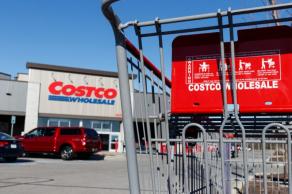
Costco is being urged to cut ties with Citi, the bank that acts as its credit card issuer.

We knew about dirty banking, and now this story from Bill McKibben’s newsletter got us reading about change activism in Progressive Grocer:

Costco Becomes Target of Climate Action Petition

Wholesaler’s credit card issuer Citi is said to have a poor climate record

Costco Wholesale CEO Ron Vachris will receive a petition signed by 40,000 of its shoppers, shareholders and many climate activists on Jan. 17 urging the retailer to drop Citi as its credit card issuer due to the bank’s problematic climate record. Continue reading

Bitcoin Keeps Getting Dirtier & Cheerleaders Keep On Cheering

Chart: Matthew SparkesSource: Cambridge Centre for Alternative Finance Created with Datawrapper

We already knew it was dirty. But it keeps getting dirtier and the guys who cheerlead unfettered “innovation” come across as celebrating the dirty as the unavoidable cost of progress. Something’s gotta give:

Skull of Satoshi, a sculpture by Benjamin Von Wong highlighting the environmental impact of bitcoin. VonWong/Skull Of Satoshi/Greenpeace blog.vonwong.com/skull/

Should nations try to ban bitcoin because of its environmental impact?

Bitcoin miners seem unwilling to take action to curb the cryptocurrency’s energy and water use – so some campaigners argue that it is time for governments to intervene

The amount of electricity used to mine and trade bitcoin climbed to 121 terawatt-hours in 2023, 27 per cent more than the previous year. Continue reading

Plastic’s Plentiful Problems

Emil Lippe for The New York Times

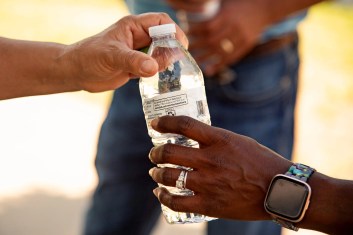
The waste has been our main objection to plastic water bottles. But there are other major questions.

We have reason to wonder (more on that another day) whether water in reusable glass bottles is an answer to this one:

Bottled Water Is Full of Plastic Particles. Can They Harm Your Health?

Here’s what scientists know so far about the health effects of nanoplastics, and what you can do to reduce your exposure.

A liter of bottled water contains nearly a quarter of a million pieces of nanoplastic on average, according to new research published this week in the Proceedings of the National Academy of Sciences. Continue reading

The Alternative, Reviewed

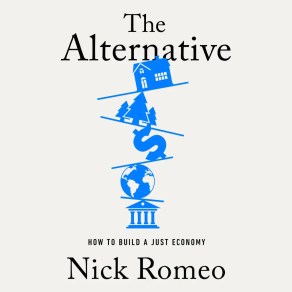
Nick Romeo has a new book coming out, and the Guardian recommends it, tentatively. It is up to all of us to answer the reviewer’s doubts through our choices and actions:

The Alternative by Nick Romeo review – moral substitutes for the free market model

A survey of the global alternatives to the current economic system makes for an enlightening, inspiring read, but you’re left wondering why such initiatives have failed to take hold

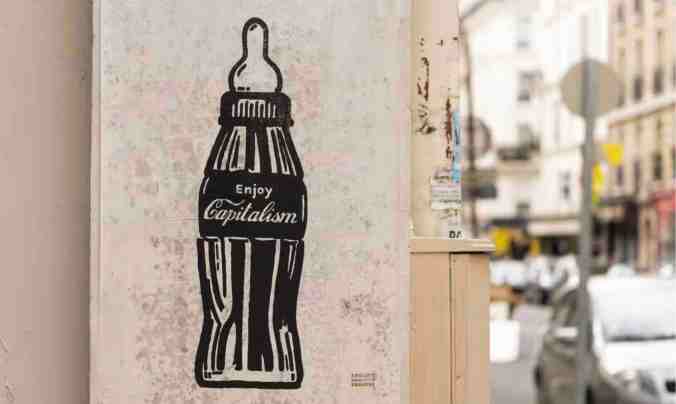
Anti-capitalist street art in the 11th arrondissement of Paris. Photograph: Soma/Alamy

I wrestled with how to approach this review. On the one hand, The Alternative brings together an appealing range of ways people across the west are imaginatively and determinedly contesting the givens in today’s capitalism. There is an ache for better – for more just ways of organising the way we work and adding more meaning to our lives. Continue reading

Nature, Peer-Reviewed Science Since 1869

The scientific journal Nature shows up in exactly one search result among thousands of posts here. And that one, because photos have such a wide audience. We have not linked to their articles because, since 1869, they are written by and oriented to highly credentialed scientists. A look at ten influential articles makes the point. And we can only respect what they do, even if we wish more of us could digest more of the science. Now that they offer some articles in audio version, this may make the science more accessible to those who hear better than they read. Judge for yourself, if you want to pay to play. The audio version of the article below (available on YouTube above) is free, but unless you have a subscription the written version is available for a small charge:

Rooftop solar panels in China. Tandem cells could boost power density in crowded urban areas. Credit: VCG/Getty

A new kind of solar cell is coming: is it the future of green energy?

Firms commercializing perovskite–silicon ‘tandem’ photovoltaics say that the panels will be more efficient and could lead to cheaper electricity.

On the outskirts of Brandenburg an der Havel, Germany, nestled among car dealerships and hardware shops, sits a two-storey factory stuffed with solar-power secrets. It’s here where UK firm Oxford PV is producing commercial solar cells using perovskites: cheap, abundant photovoltaic (PV) materials that some have hailed as the future of green energy. Surrounded by unkempt grass and a weed-strewn car park, the factory is a modest cradle for such a potentially transformative technology, but the firm’s chief technology officer Chris Case is clearly in love with the place. “This is the culmination of my dreams,” he says.

More Civic Responsibility In 2024, Please

THR illustration.

Civic responsibility, short in supply in 2023, is worth pondering. The always interesting Hedgehog Review gets our vote for this final article link of 2023:

No Exit

The Uncivil Folly of Libertarian Flight
David Bosworth

Of all 36 ways to get out of trouble, the best way is—leave. —Chinese proverb

One of the scandalous revelations of the COVID pandemic was just how many of America’s superrich—our digerati, venture capitalists, corporate monopolists, hedge fund managers—had long been planning to abandon their fellow citizens should a dire national crisis arise. While poorly paid EMTs and other frontline health workers were risking their lives caring for the desperately ill, wealthy Americans who had amassed their fortunes during our tech-driven Gilded Age were fueling their private jets and stocking their remote shelters in unabashed displays of their proudly vaunted libertarian creed. Continue reading

Avocados & Michoacán

An avocado farm in Yoricostio, Michoacán. All photographs from Mexico, August 2023, by Balazs Gardi for Harper’s Magazine © The artist

A decade ago we thought we should source from Harper’s more, but its blog no longer exists to read the whole story that prompted that idea. Still going strong after 173 years of publication, this recent article in the magazine helps us understand what is wrong with one of our favorite farm products:

Forbidden Fruit
by Alexander Sammon

The anti-avocado militias of Michoacán

Phone service was down—a fuse had blown in the cell tower during a recent storm—and even though my arrival had been cleared with the government of Cherán in advance, the armed guard manning the highway checkpoint, decked out in full fatigues, the wrong shade to pass for Mexican military, refused to wave me through. My guide, Uli Escamilla, assured him that we had an appointment, and that we could prove it if only we could call or text our envoy. The officer gripped his rifle with both hands and peered into the windows of our rental car. We tried to explain ourselves: we were journalists writing about the town’s war with the avocado, and had plans to meet with the local council. We finally managed to recall the first name of our point person on the council—Marcos—and after repeating it a number of times, we were let through. Continue reading

Kelp & Life

Sugar kelp from Penobscot Bay, Maine. Photograph: Josie Iselin

We have featured the promise of various seaweed schemes many times, and we find it evergreen for further exploration:

Could I live and breathe seaweed – and reduce my use of plastics – for 24 hours?

Seaweed Day starts at 8am. Haunted by pervasive news that so many of our everyday habits harm our planet, I wonder how to minimize my personal use of plastics. I embark upon a day of replacing the microplastics that pollute our atmosphere, our water and even our bloodstreams.

From left to right, Chondracanthus, Agarum, Ulva (sea lettuce), Nereocystis (juvenile bull kelp). Photograph: Josie Iselin

How much of my daily life can I accomplish with seaweed? Eating, washing, dressing? Armed with a budget of $500, I set out on a seaweed-based product shopping spree. Continue reading

Bikes Connected To The Grid

A man rides an ebike in Hermosa Beach, California. Photograph: Mel Melcon/Los Angeles Times/Getty Images

From one point of view ebikes could be viewed as just one more form of entertainment drawing energy from the grid. But an argument can be made that this increase in load on the grid is decreasing other carbon footprints. On top of that, maybe more people on bikes is its own gain:

Sales surge as cities and states look to cut pollution from cars and improve options for Americans to get around

After several years of false starts, electric bikes are finally entering the American mainstream, amid booming sales of a multiplying number of models on offer and as more states offer incentives for people to ditch their cars and shift to two, motor-assisted, wheels. Continue reading