Airborne Wind Energy

An airborne wind turbine at the SkySails Power’s pilot site in Klixbüll, Germany. AXEL HEIMKEN / PICTURE ALLIANCE VIA GETTY IMAGES

Wind energy, as we have pictured it, was in a race between fixed and floating models. We did not know about the airborne model. Nicola Jones, writing in Yale e360, gives a clear picture of why it faltered and how it is recovering:

After a Shaky Start, Airborne Wind Energy Is Slowly Taking Off

This long-exposure nighttime photograph shows the figure-eight flight pattern of Kitepower’s airborne wind system. KITEPOWER

Numerous companies are developing technologies, such as large kites, that can harvest wind energy up to a half-mile above ground. While still in its nascent stages, airborne wind power could potentially be used in remote locations or flying from barges far offshore.

Look up over the white sand beaches of Mauritius and you may see a gigantic sail, much like the kind used by paragliders or kite surfers but the size of a three-bedroom apartment, looping figure-eights overhead. Continue reading


Big Companies, Big Noise

(Original Caption) A man sitting atop a girder over the city is shown taking photos of the unfinished municipal building.

Bill Mckibben’s newsletter is one of the most efficient ways to stay informed on issues of interest to us in our daily posts on this platform. This week’s edition, titled Needs Improvement, is as good as any other recent edition. Consider subscription options that suit your budget by clicking the button, if you appreciate what you read below:

The Economic Giants Must Do Better than Meh

No one expects small businesses to be the leaders on climate change, though of course a noble handful are. It’s the giants—who have enormous brands to protect, and large margins to cover the cost of changing—that need to be out front. The ones with big ad campaigns with lots of windmills and penguins and cheerful shots of the smiling future. The ones who have made a lot of noise about ‘net zero.’ And how are they doing? Meh. Continue reading

Chile Has New Hands On Deck

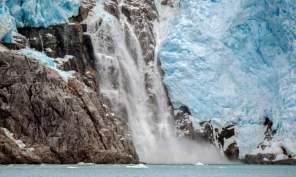
The receding Santa Ines glacier in Seno Ballena fjord in Punta Arenas, southern Chile. Photograph: Martin Bernetti/AFP/Getty

Bringing experts into government does not sound like a news story, until you consider Chile. A country governed for decades by Chicago school economics–a strong invisible hand of market forces combined with a strong visible hand of military rule to keep leftists at bay–Chile’s most recent election led to some new hands in the governance picture.

With the climate crisis, Chile has an opportunity to set a new example for the world. The failure of markets until now to address a human-induced environmental catastrophe will be met with the combined force of expert scientific knowledge and public sector governance:

‘We need politicians and experts’: how Chile is putting the climate crisis first

President Gabriel Boric has brought renowned named climate scientist Maisa Rojas into government to help ensure a greener future

‘We need politicians and experts’: how Chile is putting the climate crisis first
President Gabriel Boric has brought renowned named climate scientist Maisa Rojas into government to help ensure a greener future

Hidden behind the Andes in a quiet corner of South America, a formidable generation of former student leaders are putting together one of the world’s most exciting progressive movements.

On 11 March, Gabriel Boric, 35, a tattooed leftist with a steely resolve to reform Chile from the bottom up, will become the country’s youngest ever president – and his green agenda is echoing across the world as time ticks away on an impending climate catastrophe.

“It is so exciting to see what these young people have done,” says Maisa Rojas, 49, a renowned Chilean climate scientist who has been named environment minister in a cabinet including several of Boric’s student protest generation. Continue reading

Civic Responsibility, Palm Oil & Change

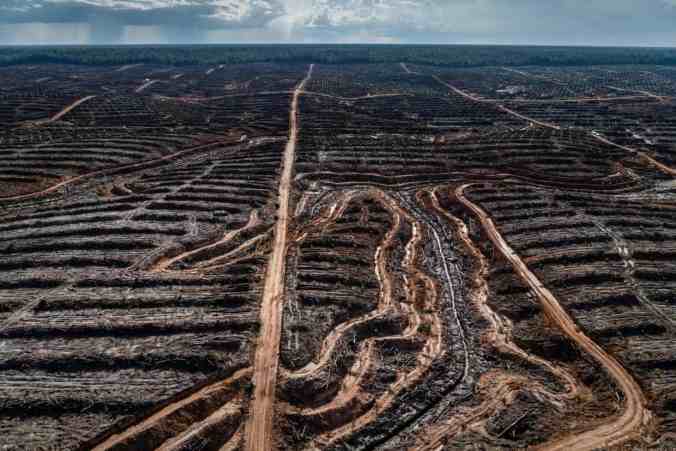
Forest clearance in Indonesia. Palm oil production in the country, which is one of the world’s largest producers, has been linked to deforestation. Photograph: Ulet Ifansasti/Greenpeace

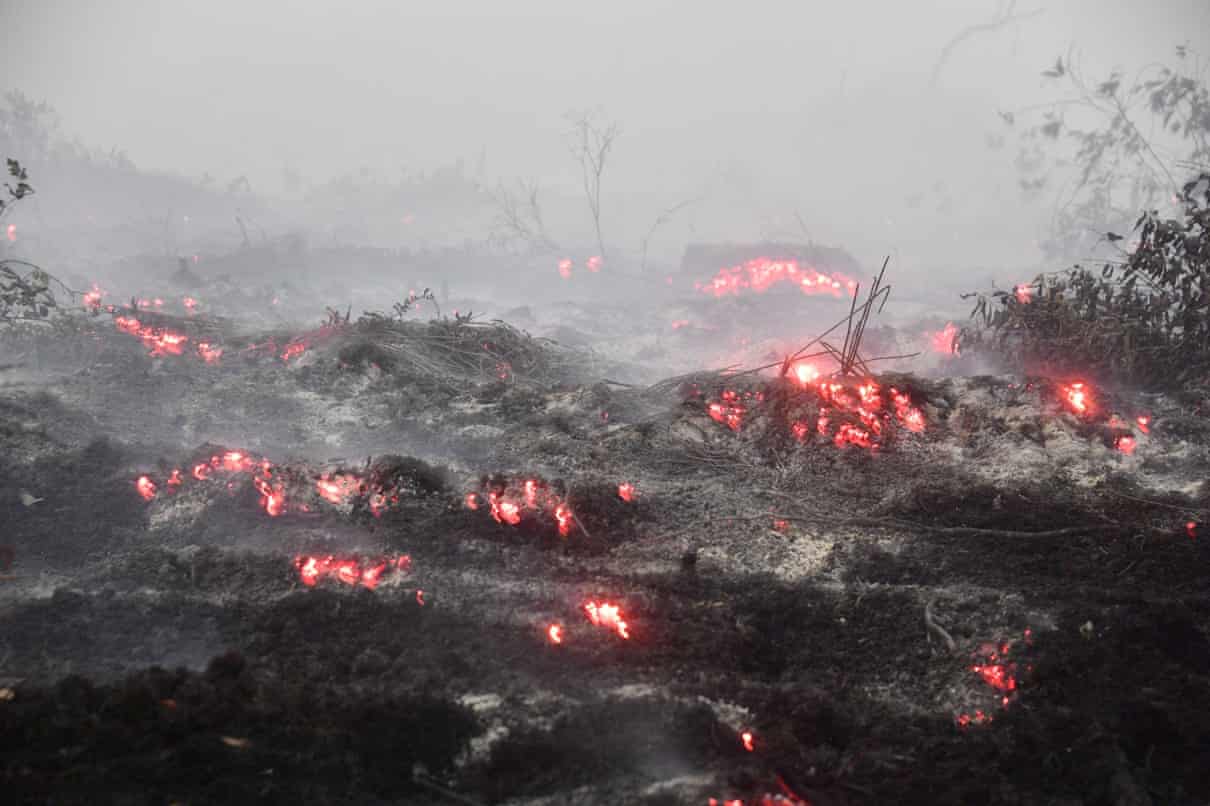
Smouldering peatland following a suspected land clearance fire in Kampar, Sumatra, in 2019. Photograph: Adek Berry/AFP/Getty Images

Palm oil has a dirty history. It causes havoc, to put it politely. May we all do our part to elect civic leaders with a keen sense of responsibility for devastation in other parts of the world, and get them to take action to reduce it. We thank Patrick Greenfield for his reporting in this article titled The UK city taking a stand on palm oil in the fight against deforestation:

A growing number of towns and villages are following Chester’s lead in helping local businesses to eradicate deforestation-linked oil from their supply chains

Orangutans, tigers, Sumatran rhinos and many other threatened species are affected by habitat loss and human-wildlife conflict that stems from palm oil plantations. Photograph: Vier Pfoten/Four Paws/Rhoi/REX/Shutterstock

From mince pies and biscuits to lipstick and soap, palm oil grown on deforested land in south-east Asia will have been hard to avoid this Christmas. The vegetable oil is found in almost half of all packaged products in UK supermarkets, according to WWF.

But a growing number of towns and cities are trying to use only sustainable palm oil, helping orangutans, tigers, Sumatran rhinos and many other threatened species. Continue reading

A Time For Giving, With Top Shelf Advice

MacKenzie Scott never featured in our many posts about the fortune she suddenly found herself with. She wants to give that fortune away, fast. So, she is a person of interest to us, for all kinds of good reasons. But not so fast, the Economist’s semi-charitable subtitle, the charity-industrial complex, seems to say introducing the article below about advisors to givers:

Bridgespan Group: the most powerful consultants you’ve never heard of

They direct philanthropic billions around the world

OVER THE past 18 months, the world has heard a lot about MacKenzie Scott, the billionaire philanthropist formerly married to Amazon’s Jeff Bezos. She has given generously to charities on the frontline of the pandemic, including food banks, schools and children’s health programmes. Relatively unknown, however, is the consultancy that has helped distribute almost $9bn on Ms Scott’s behalf: the Bridgespan Group. Continue reading

Costa Rica, Never Old

A tapir in Braulio Carrillo national park, near San José. Costa Rica’s policy of paying citizens to protect and restore ecosystems is credited with reversing deforestation rates, which threaten the species. Photograph: Michiel van Noppen/2021 Wildlife Photographer of the Year

The stories we use the title Really to highlight are among the heavies. Too much malfeasance, too often. Reading stories about Costa Rica‘s remarkable achievements related to the environment never gets old:

Billionaires, princes and prime ministers are among those keen to learn from the Central American country, which has long put nature at the heart of its policies

If there had been a popularity contest at Cop26, the Costa Rican president, Carlos Alvarado Quesada, would have been a clear winner. Leonardo DiCaprio, Jeff Bezos, Boris Johnson and Prince William all wanted to speak with the leader of the tiny Central American country, eager to bask in its green glow. Continue reading

Spain Harnesses The Power In The Air

View of a wind farm in the province of Burgos.

While we were paying attention to many other things over the last decade, Spain transformed into a wind power house. How did we miss it with all the attention we paid to renewable energy? Thanks to El Pais for this news:

Wind power becomes Spain’s leading energy source for 2021

Renewable sources already cover almost half of the country’s consumption needs – so far this year, they have contributed almost 47% of the total compared to less than 30% a decade ago

Even if the wind stops blowing in the next three weeks, wind power will end the year as the leading source of electricity in Spain. Continue reading

More Trees Now

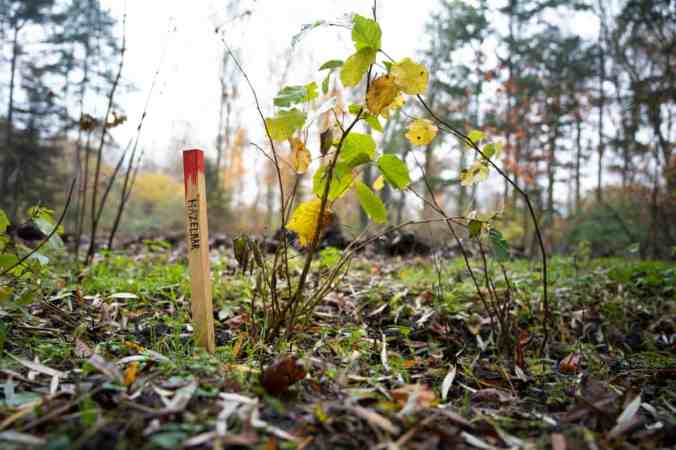
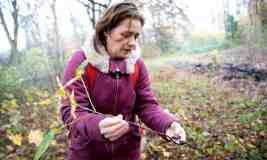
A hazel sapling (Corylus avellana) in the ditches of the tree hub at Amsterdamse Bos. Photograph: Judith Jockel/The Guardian

The trillion trees concept, which inspires but has had its share of legitimate questions, has a scrappy cousin with a novel approach:

‘Every tree counts’: Dutch come up with cunning way to create forests for free

More Trees Now aims to give away 1m unwanted saplings to farmers and councils with hope idea will spread across Europ

Hanneke van Ormondt saves a sapling at the tree hub in Amsterdamse Bos, Amsterdam, the Netherlands. Photograph: Judith Jockel/The Guardian

In a clearing in the Amsterdamse Bos, a forest on the outskirts of the Dutch capital, is a “tree hub” where hundreds of saplings, among them hazelnut, sweet cherry, field maple, beech, chestnut and ash, are organised by type.

The idea behind it is simple: every day unwanted tree saplings were being cleared and thrown away when those young trees could be carefully collected and transplanted to where they are wanted. Continue reading
Greek Islands & Cleaner Energy

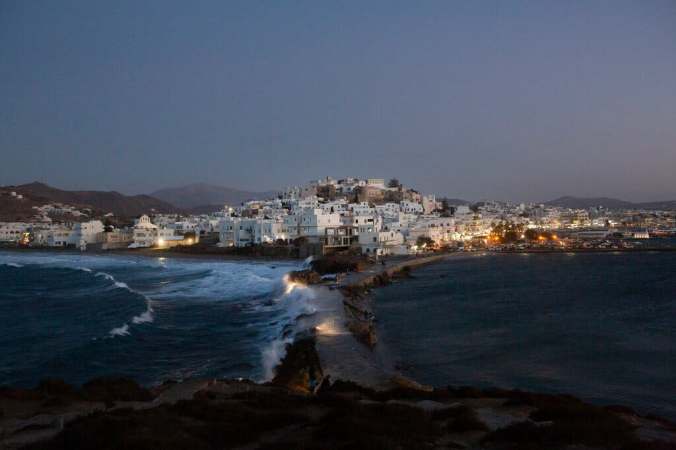
The island of Naxos is now linked to the Greek mainland via an underwater electrical cable. Eirini Vourloumis

Writing from Costa Rica, which currently generates nearly all of its electricity from renewable sources, but thinking of Greece, which is moving in that direction, my thanks to Liz Alderman and Eirini Vourloumis for the excellent reporting and photography about that journey:

Greece Is Getting Rewired for the Future

As climate change bears down, Greece is upending its sources of energy and trying to reshape its economic destiny.

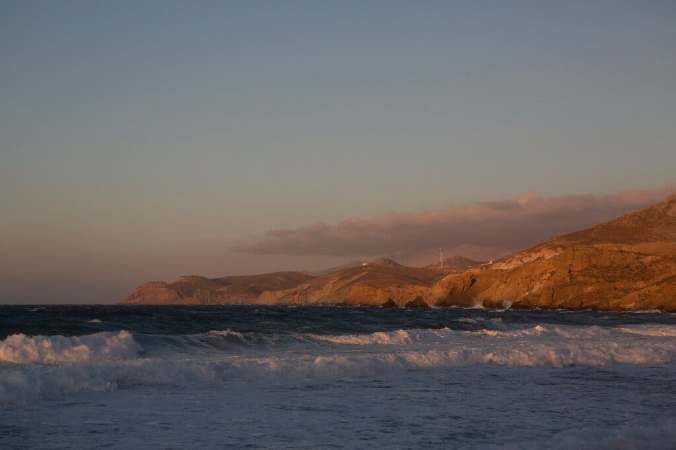
Two wind turbines on a hill outside the main town of Naxos. Eirini Vourloumis

NAXOS, Greece — On the windswept western tip of one of Greece’s largest islands, an unassuming stone building above the Aegean Sea has become an unlikely outpost in this country’s fight against climate change. Continue reading
Telling Off The Fossil Fuel CEO

Click to the right to see the CEO of an oil company take a strong verbal assault from a fellow panelist.  It is uncomfortable to watch. And that is exactly the purpose. Read more about the context in the description below, titled Shell CEO Roasted at TED Climate Conference He Was Foolishly Invited to Speak At. We can expect to see more disruptions like this one in the future:

As Shell’s CEO Ben van Beurden spoke at a TED conference, he was interrupted by organizers, one of whom called him “one of the most evil people in the world.”

On Thursday, a strange scene unfolded at the International Conference Centrein Edinburgh. Shell CEO Ben van Beurden took the stage with a prominent climate scientist and Christiana Figueres, the woman who negotiated the Paris Agreement, at a TED Countdown conference. Continue reading
Understanding What Is At Stake At The Glasgow Climate Conference

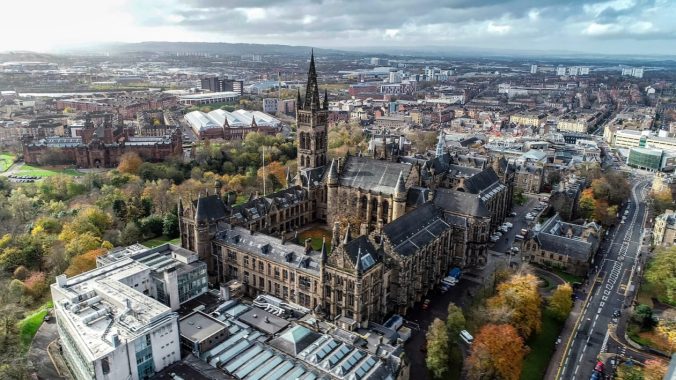
Glasgow, Scotland, site of the 2021 UN climate conference in November. TREASUREGALORE / SHUTTERSTOCK

Fred Pearce has a unique ability to make big, complex important matters more understandable:

At Climate Talks, Can the World Move from Aspiration to Action?

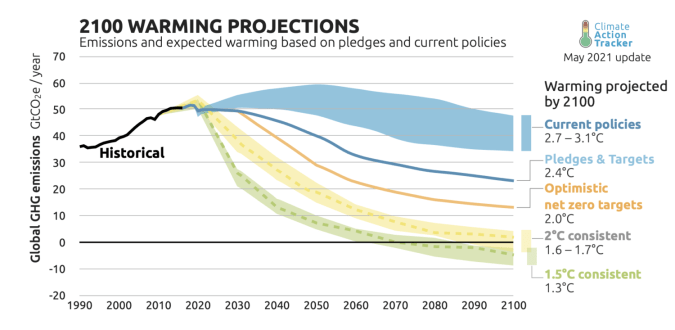
Negotiators at the Glasgow climate conference will face a critical choice: Set firm emissions targets for 2030, or settle for goals of achieving “net zero” by 2050? The course they set could determine if we have a shot at avoiding the worst impacts of climate change.

CLIMATE ACTION TRACKER

Glasgow, once the second city of the British Empire and the biggest shipbuilder on the planet, next month hosts the 26th conference of nations aiming to halt dangerous climate change. The negotiators face the challenge of turning the aspiration of the 2015 Paris Agreement to achieve “net zero” emissions by mid-century into the detailed near-term action plans necessary to turn those hopes into reality in time to halt warming at or near 1.5 degrees Celsius (2.7 degrees Fahrenheit). Continue reading
Save The Waves @ Arroyo San Miguel

The young man who we met 15 years ago is going strong. Save The Waves Coalition has pulled off another small miracle:

SAN MIGUEL SURF BREAK PROTECTED WITH LANDMARK CREATION OF BAJA CALIFORNIA’S FIRST STATE PARK

Save The Waves Coalition and Pronatura Noroeste achieve approval for Arroyo San Miguel

In a historic moment for environmental and surf conservation, the first state park in Baja California, Mexico was officially approved, providing long-lasting protection for the iconic San Miguel wave alongside 67 hectares of green space.

The local initiative spearheaded by Pronatura Noroeste AC, and joined by international nonprofit Save The Waves Coalition (STW), has been in the works for years. Today, the campaign to legally protect San Miguel becomes a reality. Continue reading

Smart People Do Smart Things, Sometimes Very Late

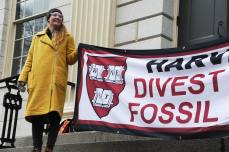
BREAKING: After a decade of constant pressure by students, faculty, and alums,
@HARVARD
IS FINALLY DIVESTING FROM FOSSIL FUELS.

While Rupert Murdoch is not even worthy of the “too little too late” moniker, Harvard University is worthy of “better late than never:”

Triumph! Harvard Finally Divests From Fossil Fuel

The richest university in the world capitulates after a decade of activism

The end came, as ends often do, quietly: at midafternoon today Harvard president Larry Bacow released a letter to Harvard students, faculty, and alumni. He didn’t use the word ‘divestment’–that would have been too humiliating–but he did say that the richest university on earth no longer had any direct investments in fossil fuel companies, and that its indirect investments through private equity funds would be allowed to lapse. “HMC has not made any new commitments to these limited partnerships since 2019 and has no intention to do so going forward. These legacy investments are in runoff mode and will end as these partnerships are liquidated.” Continue reading
Really, Chase?

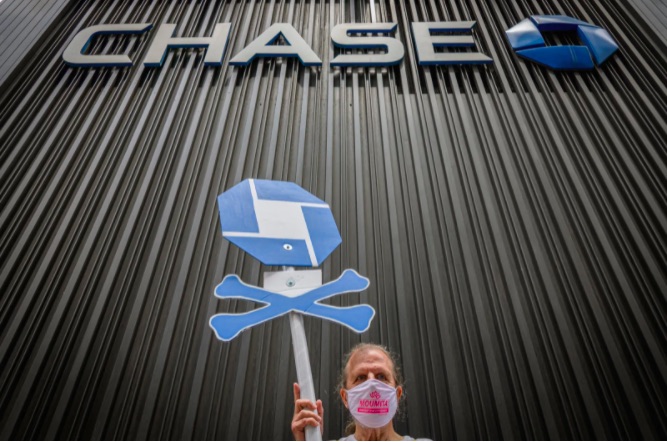
A climate activist picketing outside a Chase Bank branch in New York earlier this year. Photograph by Erik McGregor / Getty

It is a no-brainer to oppose Line 3, but mere opposition does not amount to much. Action is the thing. And action is not always as cumbersome as it may sound. For example, if you bank with the people who are bullish on the future of oil, and who mix your money up with that money, it is time to rethink that relationship. Pull your money out of that bank:

Slow-Walking the Climate Crisis

“Greenwashing” is too kind a term; this is more like careful sabotage.

Travellers arriving in an unfamiliar city used to worry that they’d climb in a taxi and be driven to their destination by the most circuitous route possible, racking up an enormous bill. That’s pretty much what Big Oil and its allies in government and the financial world are doing with the climate crisis—in fact, at this point, it’s the heart of the problem. Continue reading

Nature, Intervention & Protection

Discovery inspires.

Participation motivates.

Discovery + Participation + Organization =

Results

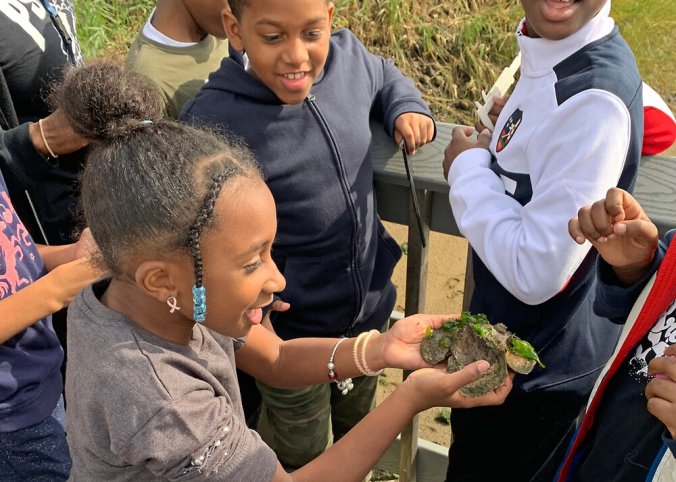
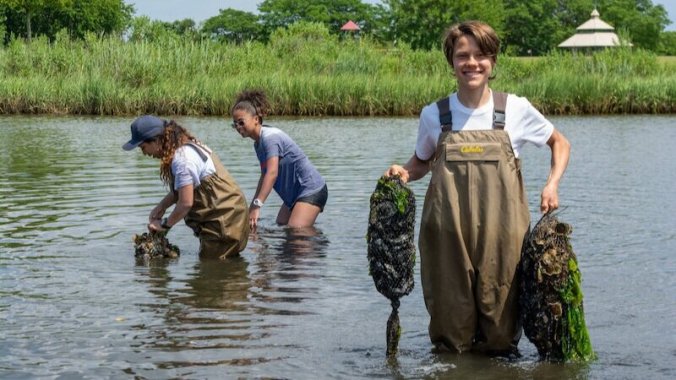
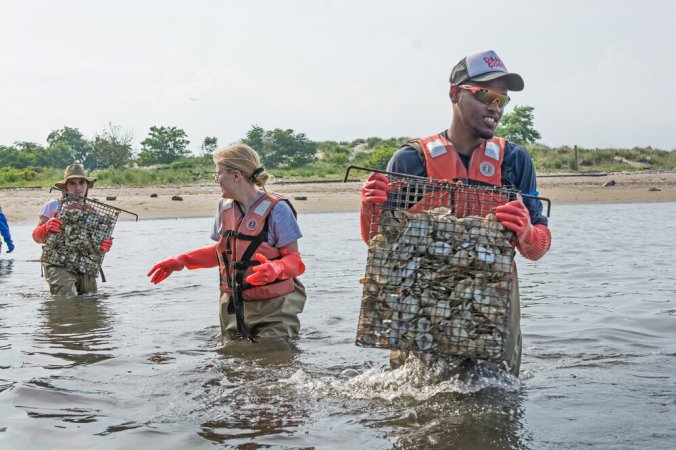
Click any of the images above to go to the website of this organization featured once before in our pages and now again in the article below. It will make more sense after reading the article. But do visit the site and consider volunteering. Take some kids along.

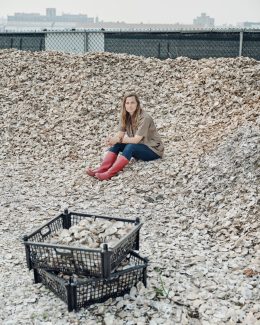
In New York, Kate Orff will use oyster reefs to mitigate storm surges. Photograph by Thomas Prior for The New Yorker

Eric Klinenberg‘s work on the topic of libraries provided a sense of common cause. After featuring so many stories about libraries and librarians (my more recent personal anecdote was purposely brief so did not relay how many ways my local library impacted my young life, a topic for another day), his book summed up much of why the institution matters to us. And then some. Advocating for libraries was something a talented academic could do on a larger scale than we could in these pages, especially with publications like those. Bravo. And now this.

After lots of attention to rewilding in these pages, plenty of it related to urban landscapes, the same author that further illuminated our understanding about the value of libraries has convinced me of how much more there is to learn on this topic:

The Seas Are Rising. Could Oysters Help?

How a landscape architect is enlisting nature to defend our coastal cities against climate change—and doing it on the cheap.

On a windy afternoon in April, the landscape architect Kate Orff stood on the open walkway of a container crane, some eighty feet above the Red Hook Terminal, in Brooklyn, and the Buttermilk Channel, a tidal strait on the southeast side of Governors Island. Continue reading

If You Happen To Be In Berlin

The phased opening of Humboldt Forum, a museum in Berlin, includes this exhibit, and of course a beautiful book to boot.

An interesting feature, in the form of an editorial on the museum’s website can help put this exhibit in context. The goal of this museum is anti-colonial, among other things, according to the museum’s editorial:

According to the people behind the project, the partial reconstruction of Berlin’s historic palace was an expression of the power to mend, to repair the urban fabric and the historical associations enshrined in the space it occupies.

Which is unusual for a well-funded museum in a wealthy country to say. So, this book looks interesting from multiple angles, and the text describing the book is a hint at that:

The elephant is an admired but also endangered animal. In all times and cultures, the ivory of its tusks has been sought after. What kind of material is it, how is it used in history and the present, and what can be done today to protect the largest land mammals from poaching? This richly illustrated volume undertakes a cultural-historical journey and a current positioning. Ivory fascinates  and polarises. Continue reading
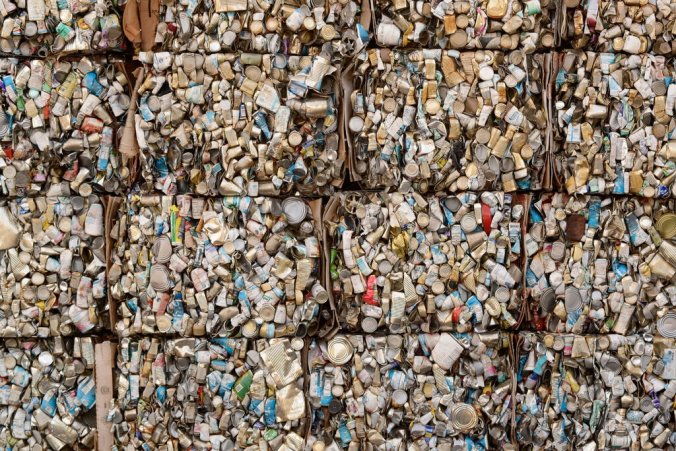
Recycling 2.0, Maine Gets It Done

A collection facility in Bend, Ore. The state is expected to adopt a recycling law similar to Maine’s within weeks. Leon Werdinger/Alamy

When we were making decisions about coffee and chocolates that we would offer in the Authentica shops, which we knew to be best-selling categories for travelers wanting to take something home from Costa Rica, product quality was the top consideration. Packaging was a close second. Relative to what was sold in other shops, we radically reduced the carbon footprint of the packaging, and more recently took another step further down that road. We know that every little effort counts, but we also know that the big game is elsewhere, and we are happy to see a relatively small state making big strides in the USA:

Maine Will Make Companies Pay for Recycling. Here’s How It Works.

The law aims to take the cost burden of recycling away from taxpayers. One environmental advocate said the change could be “transformative.”

Gov. Janet Mills of Maine, a Democrat, signed the new recycling policies into law this month. Robert F. Bukaty/Associated Press

Recycling, that feel-good moment when people put their paper and plastic in special bins, was a headache for municipal governments even in good times. And, only a small amount was actually getting recycled.

Then, five years ago, China stopped buying most of America’s recycling, and dozens of cities across the United States suspended or weakened their recycling programs.

Now, Maine has implemented a new law that could transform the way packaging is recycled by requiring manufacturers, rather than taxpayers, to cover the cost. Nearly a dozen states have been considering similar regulations and Oregon is about to sign its own version in coming weeks. Continue reading

Greenland Ends Drilling For Oil

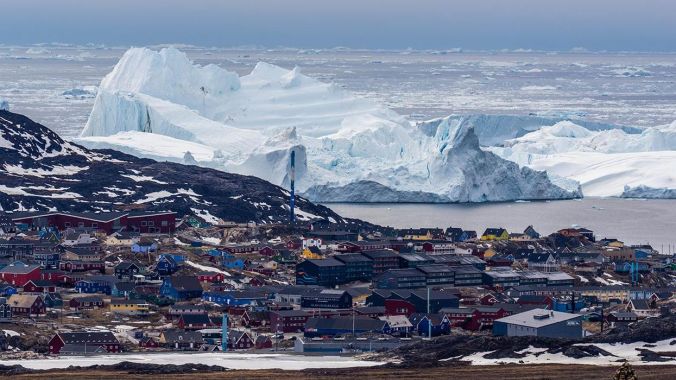
Icebergs near Ilulissat, Greenland. Climate change is having a profound effect in Greenland with glaciers and the Greenland ice cap retreating. Ulrik Pedersen / NurPhoto / Getty Images

Thanks to Ecowatch for publishing this story by Andrea Germanos:

‘Future Belongs to Renewable Energy’: Greenland Ditches All Oil Drilling

Greenland announced Thursday a halt on new oil and gas exploration, citing climate and other environmental impacts.

“Great news!” responded the Center for International Environmental Law.

The government of Greenland, an autonomous Danish dependent territory, framed the move as necessary to transition away from fossil fuels. Continue reading
About That Convenience

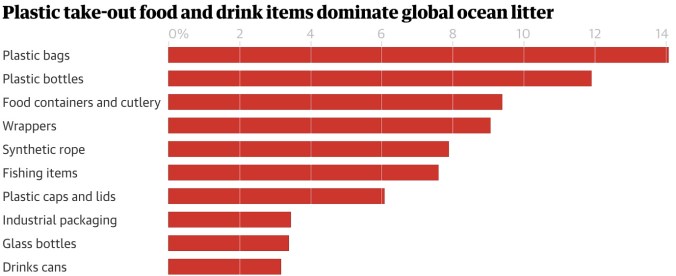
Guardian graphic | Source: Morales-Caselles et al, Nature Sustainability, 2021

Thanks, Damian Carrington, for getting us the data that Morales-Caselles et al compiled making us wonder whether convenience is worth this cost:

Takeaway food and drink litter dominates ocean plastic, study shows

Just 10 plastic products make up 75% of all items and scientists say the pollution must be stopped at source

Plastic items from takeaway food and drink dominate the litter in the world’s oceans, according to the most comprehensive study to date. Continue reading
The Climate Crisis, Earth Day Edition

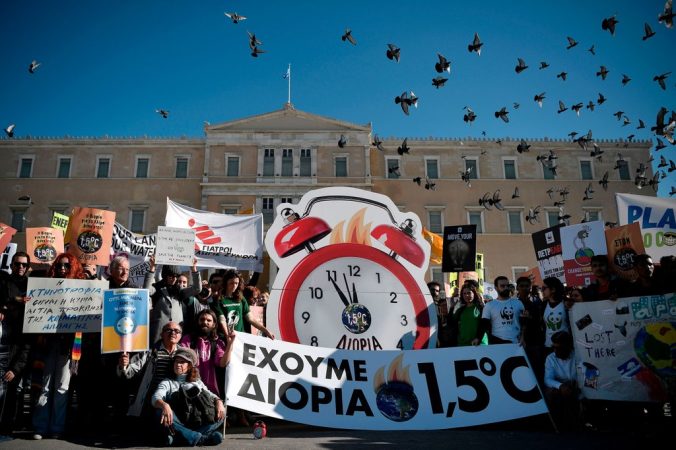
Climate activists at a rally in Athens, Greece, in late 2018, hold up banners warning that time is running out on efforts to contain the earth’s warming to a rise of 1.5 degrees Celsius. Photograph by Louisa Gouliamaki / AFP / Getty

Thanks to Bill McKibben for this Earth Day edition of his newsletter, The Climate Crisis, which we sample from regularly:

How 1.5 Degrees Became the Key to Climate Progress

The number has dramatically reorganized global thinking around the climate.

It’s Earth Day +51, as we near the end of President Biden’s first hundred days, and forty world leaders are scheduled to join him for a virtual summit on climate change. “For those of you who are excited about climate, we will have a lot more to say next week,” the White House press secretary, Jen Psaki, said last Thursday, which is a sweet way to think about it—better than “for those of you who are existentially depressed about climate.” Continue reading