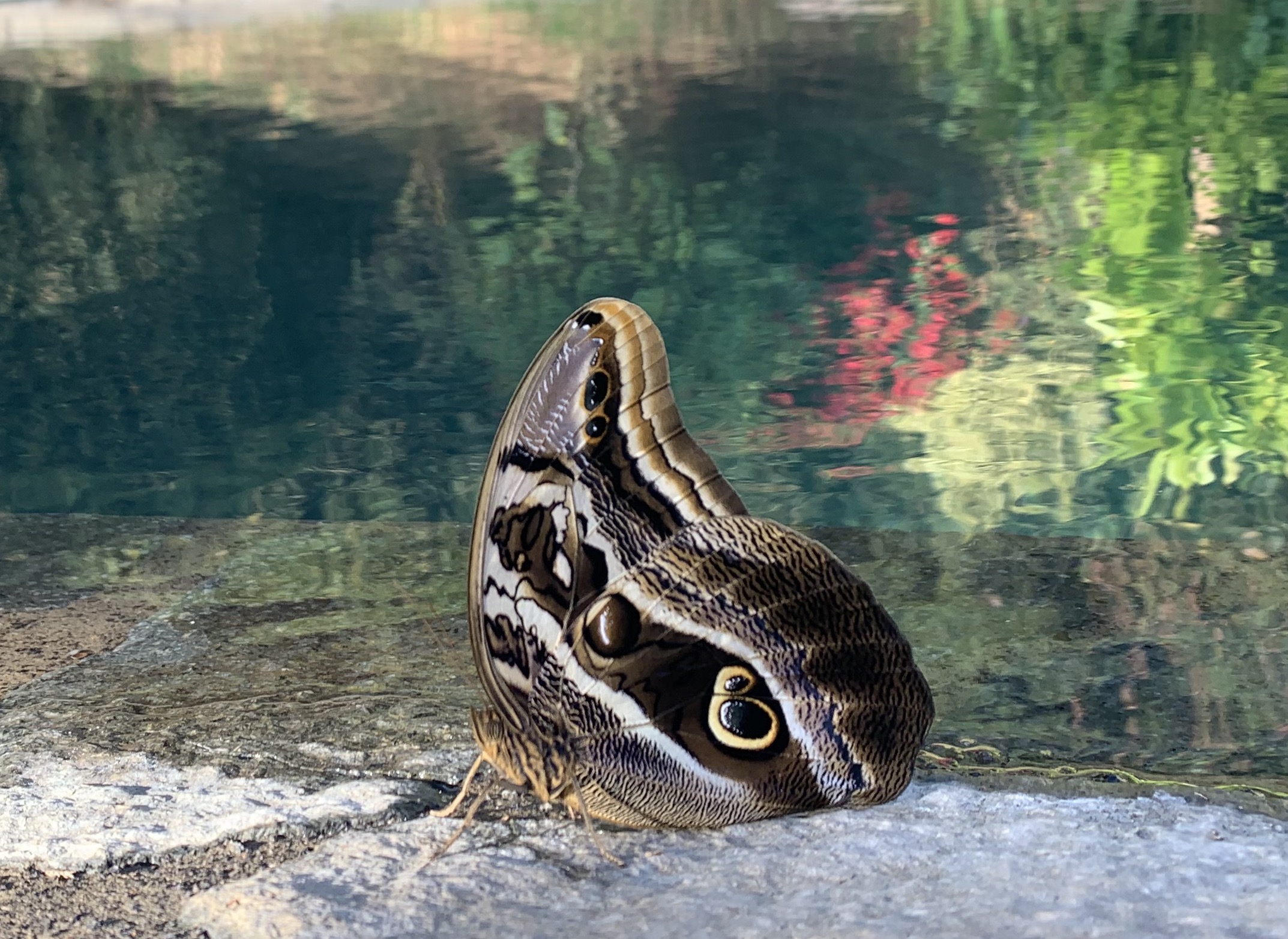
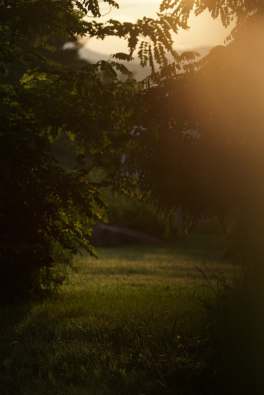
The last time I posted about a blue insect you could see the blue. In the case of this butterfly above, all the blue is on the upper side of the wings, hidden in this view. To wrap up the thoughts started a couple days ago, I share a few more photos that for me qualify as visual micro-adventures.
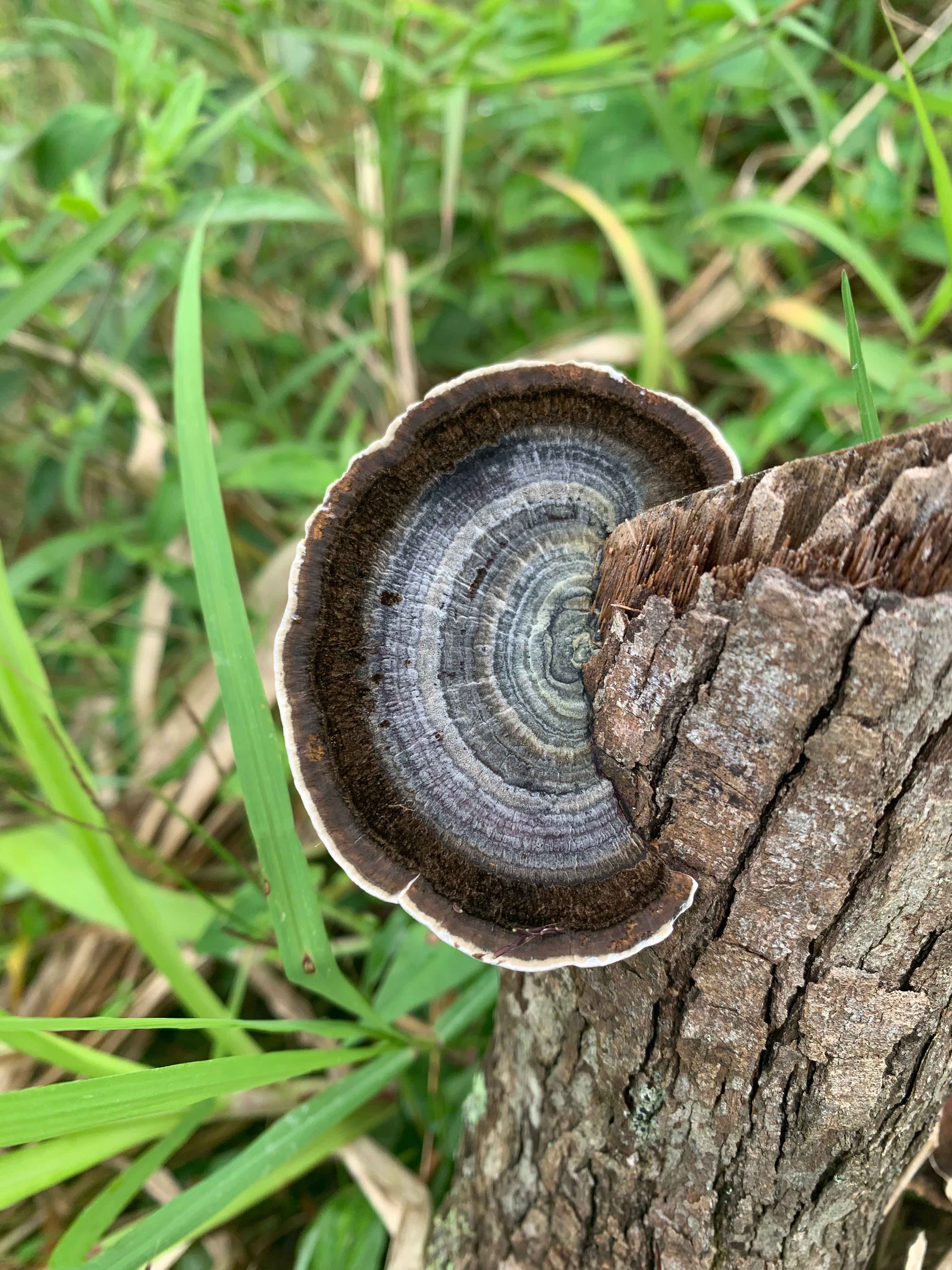
Probable identification: one of the 50 or so species of the Trametes genus of fungi
I do not know the species of this fungi, but I find it remarkable that it comes to my attention just after the surprise of seeing a blue morpho butterfly, not commonly seen on this land in Escazu. Remarkable because some of the colors in common, including an unexpected hint of blue.
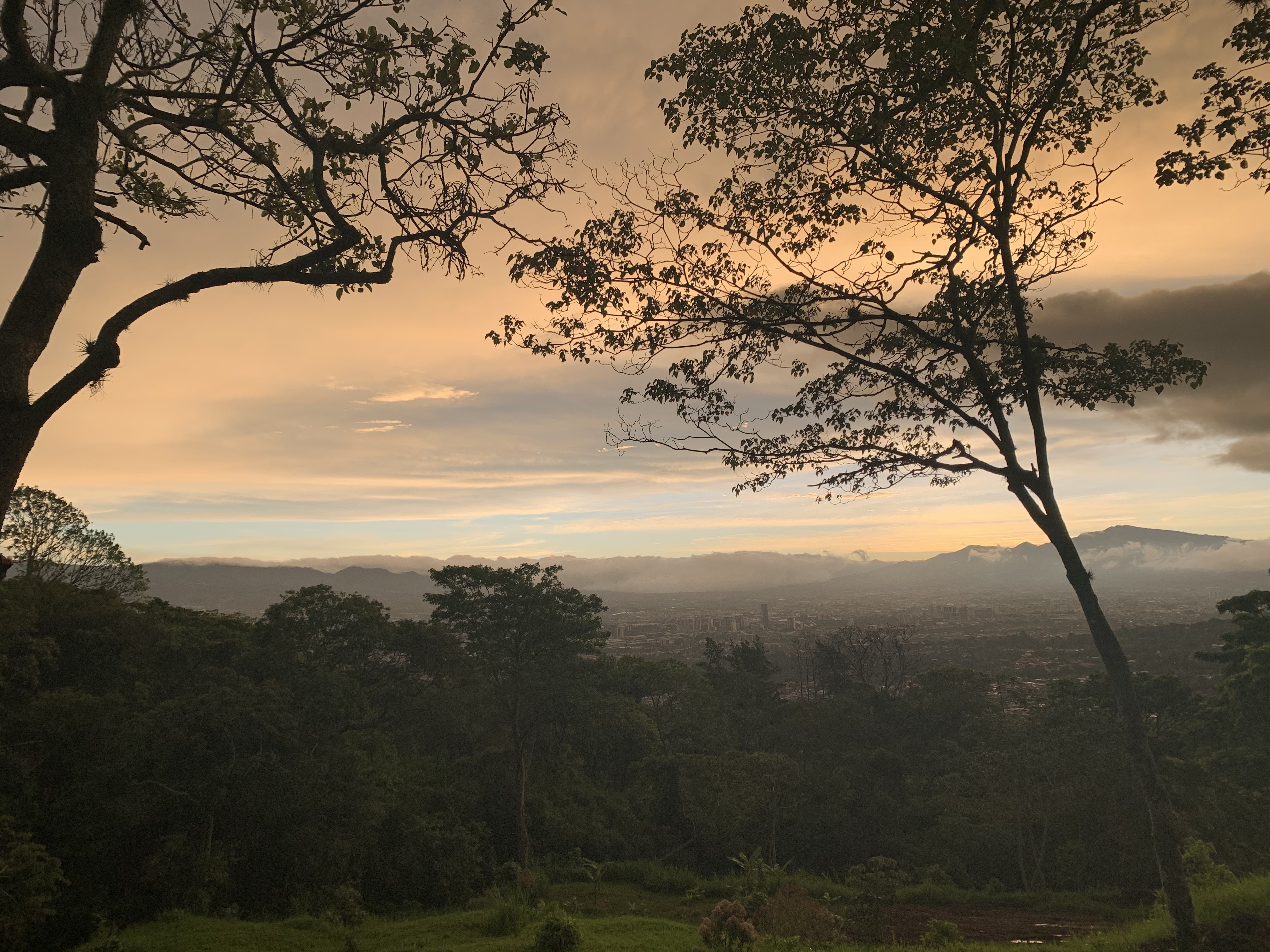
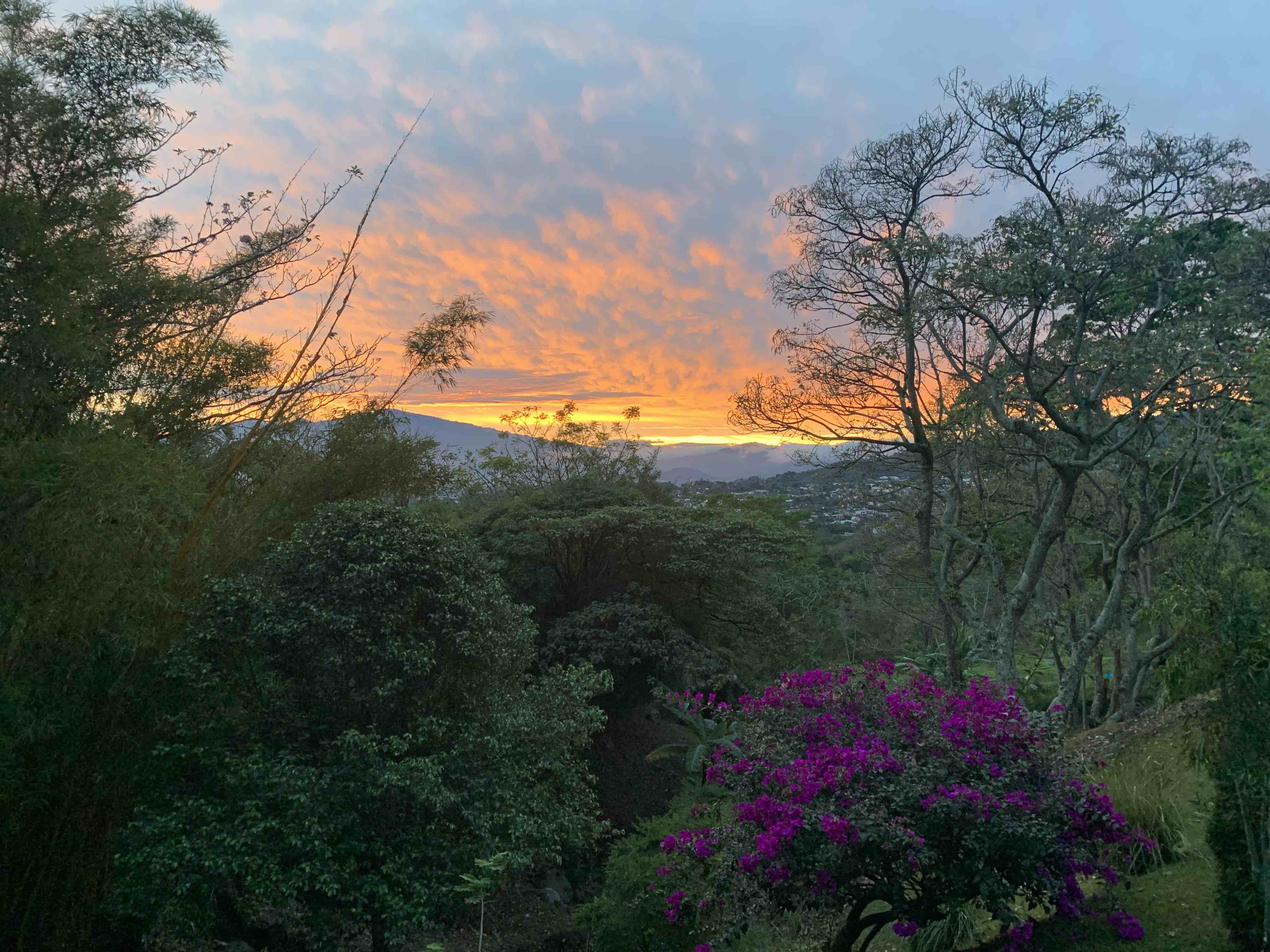
View to the east from Escazu as sun sets
Likewise, by the end of a day on this land, dusk may not produce a classical awe, but in the context of the various shades of brown it is something to still see some blue.
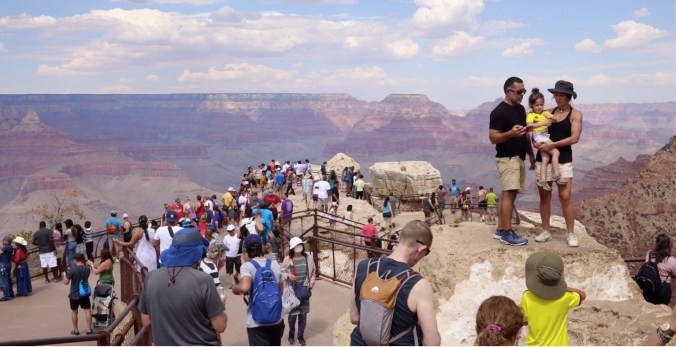
Mather Point, at Grand Canyon National Park, over the Fourth of July weekend.
Likely there is an algorithmic explanation for why the article I chose to riff on yesterday from one publication is followed by my coming across this article to riff on today as a follow-up:
Americans are flocking to national parks in record numbers, in many cases leading to long lines and overcrowded facilities. Here’s what four parks looked like over the holiday weekend.
After so long being constrained from travel, and being socially distanced from others, I can imagine that all the people in all the crowded national parks are delighted by the combination of social and natural awe. As for me, I will continue the thoughts started yesterday, and share a few more images of a morning full of micro versus macro awe. About that ant I concluded with yesterday:
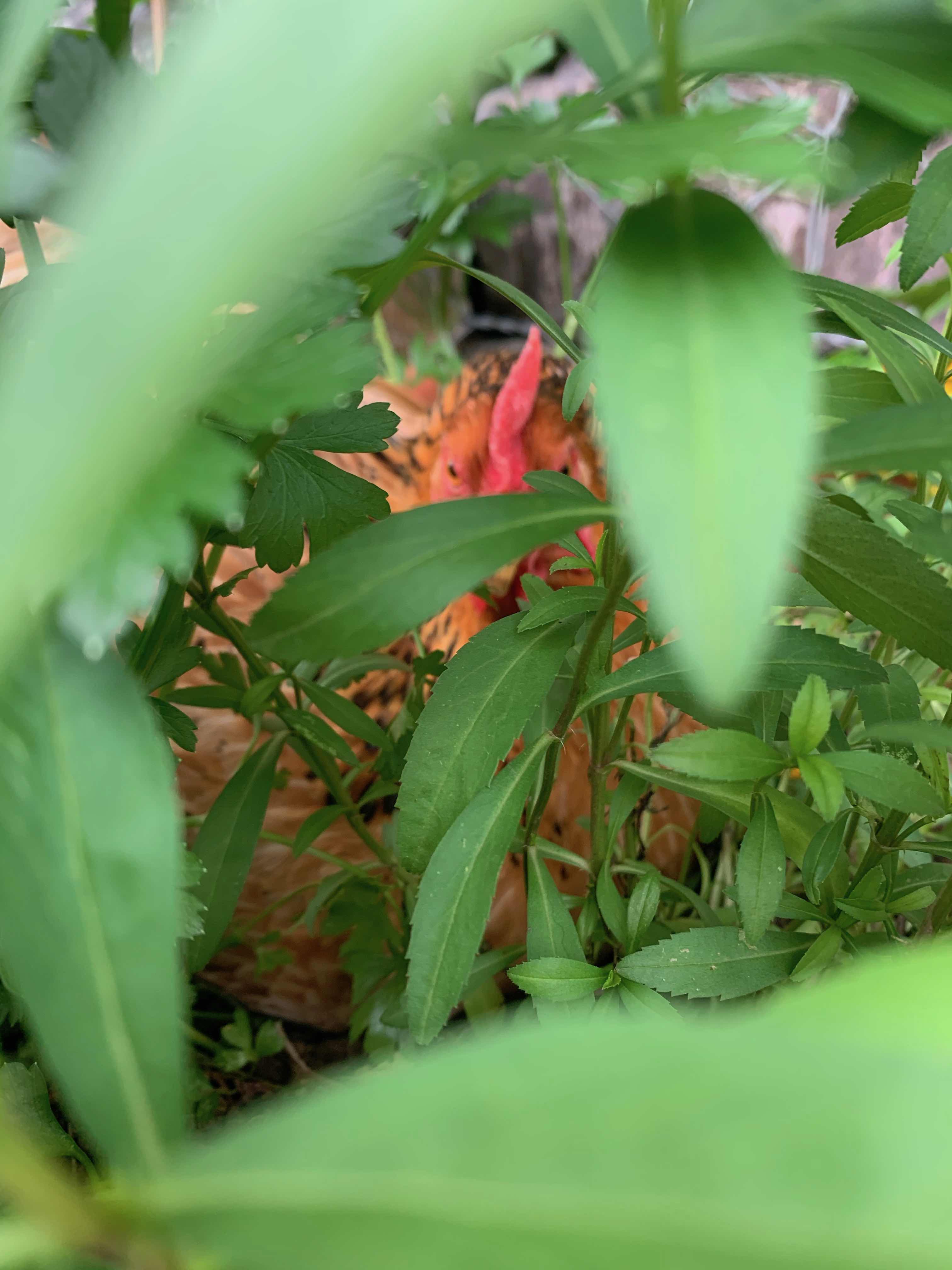
I have no clue about the species; but the herky-jerky movement is awesome. After that little parking lot observation, walking to the other side of the house, I see the hen again in a planter. I had shooed her away each recent morning, thinking that she was digging for worms or otherwise disrupting the growth of the herbs.
Hen again
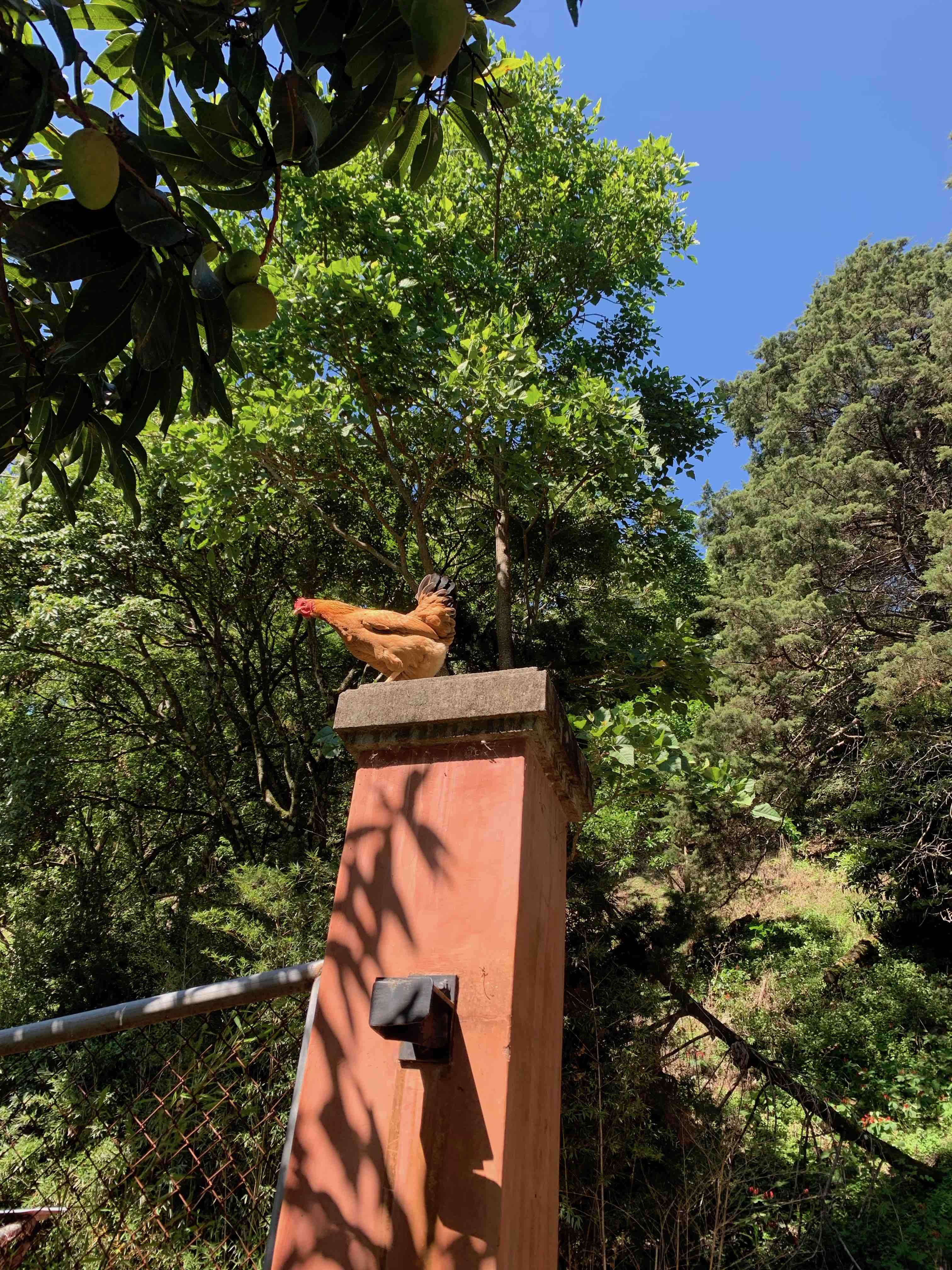
I got her to vacate with such enthusiasm that she scrambled to the top of a tall column next to a mango tree where she often spends the night.
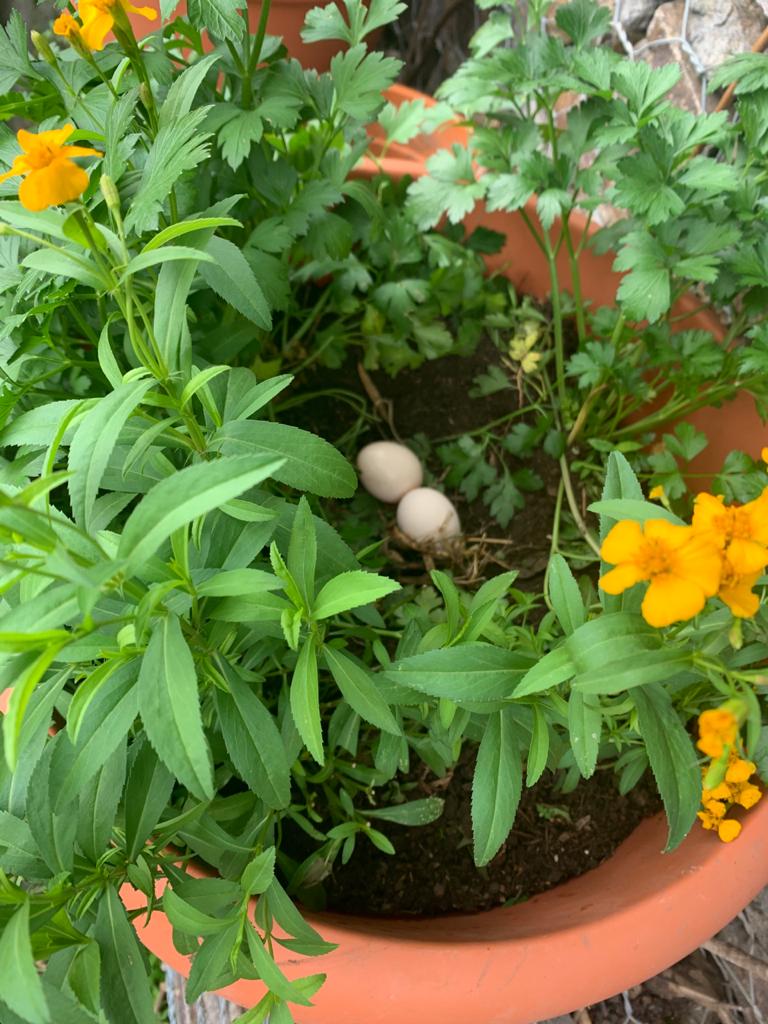
When I came back to inspect the damage to the herbs, I instead found what she was really doing there.
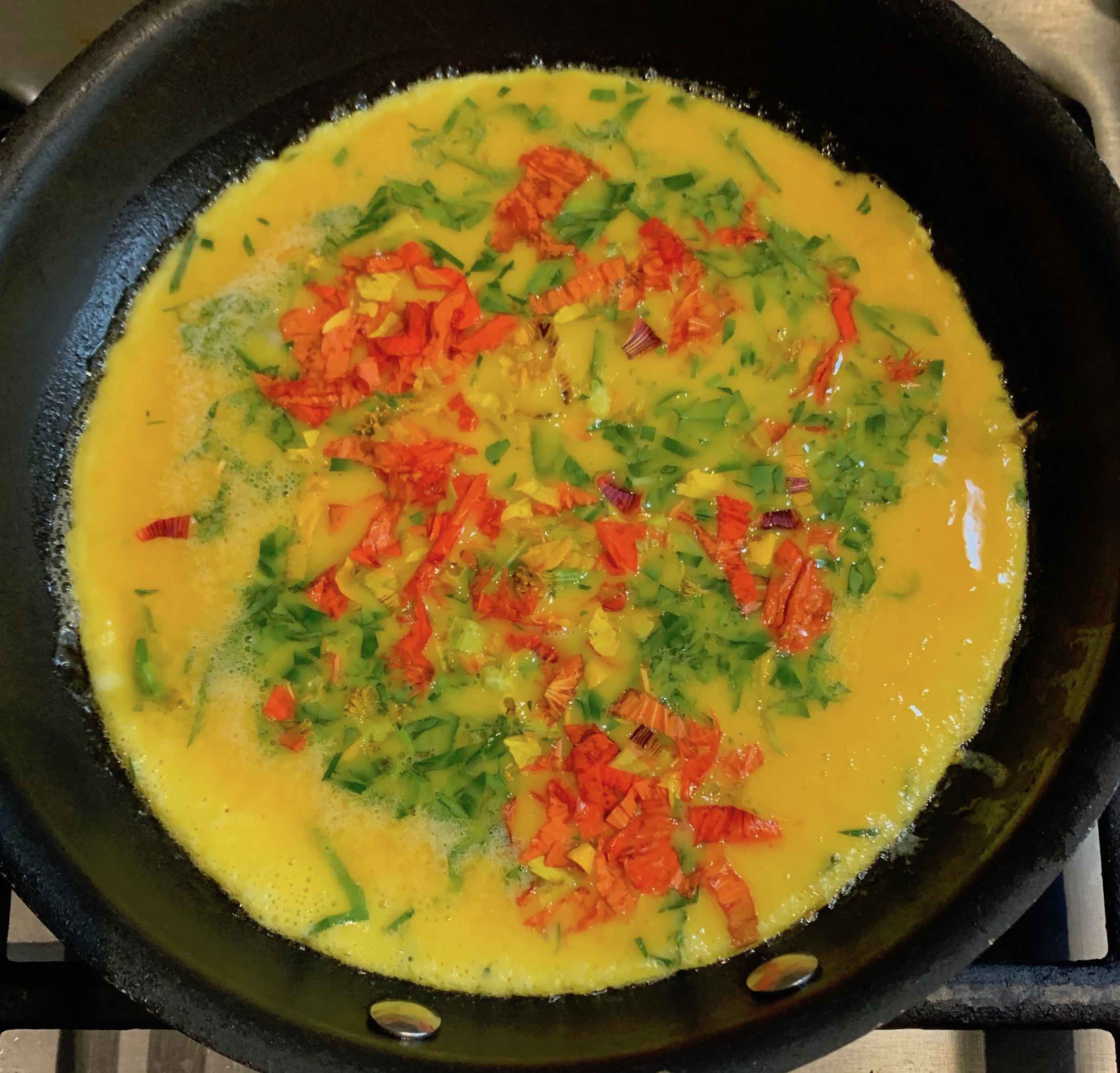
When your hen lays eggs in the tarragon and parsley bed, she is telling you something. Omelette
Not only not destructive; on the contrary, awesome breakfast.
A New Hampshire lawn in June. John Tully for The New York Times
Emily Pennington has shared recommendations from some experienced folks about alternatives to the well-known spectacular adventures, such as hiking the Grand Canyon. She recommends trying microadventures in this article subtitled How to find a sense of awe and discover a miraculous world right outside your door. Early on she writes about what we are often looking for in the places we travel to :
…Researchers often describe awe as an emotion that combines an experience of vastness with both pleasure and a fear of the unknown. While many of us might consider these moments rare, ephemeral and tricky to reproduce, a few scientists are finding that this reverence is a skill that can be cultivated and has remarkable mental health benefits.
“Awe basically shuts down self-interest and self-representation and the nagging voice of the self,” said Dacher Keltner, a professor of psychology at the University of California, Berkeley. “That’s different from feeling pride or amusement or just feeling good. It’s like, ‘I’m after something sacred.’”
I have spent most days since early March 2020 looking for awe at or close to home, so I could relate immediately to what she was writing about in this article. A typical day starts with this view:
Start of a day’s microadventures
If you cannot imagine being awed by that, stop reading here. I will seek more awe as the day continues. Continue reading →
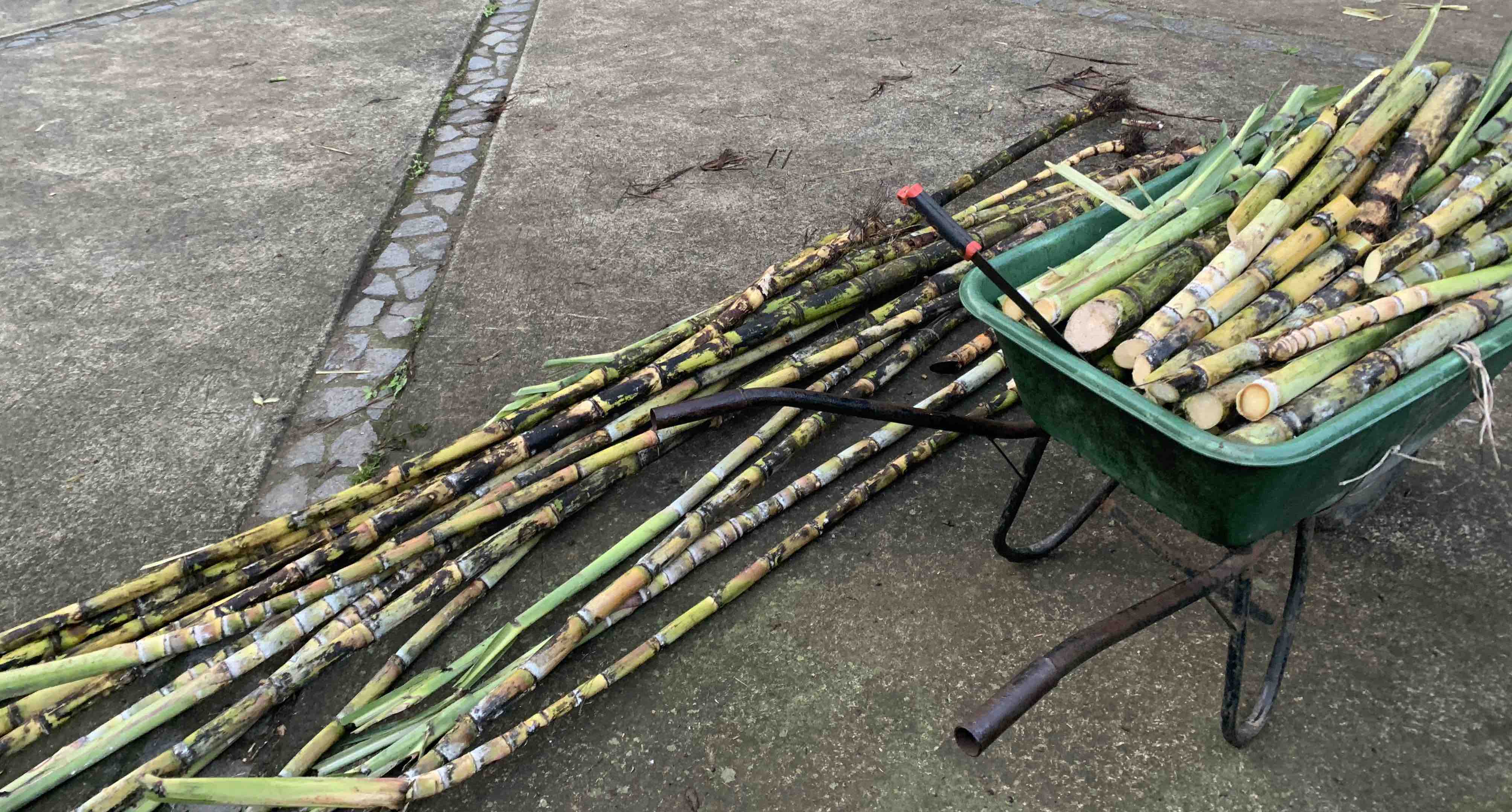
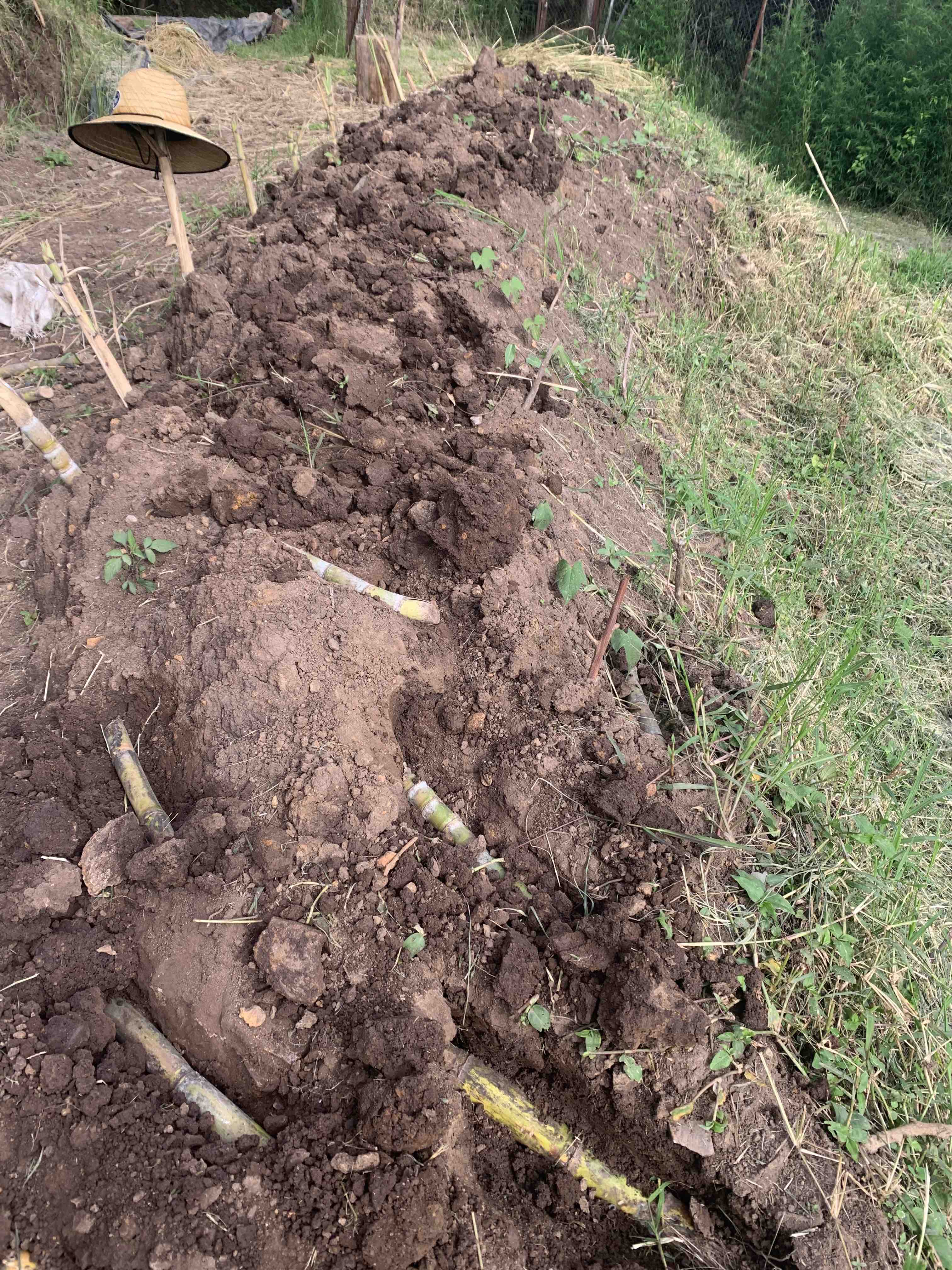
On the first day of this platform’s new decade I posted about harvesting sugarcane for the purpose of expanding the stock. Since then I took the long stalks and chopped them in to about 70 pieces, each between one and two feet long. Here is what it looks like to plant it. Tops of stalks grow best inserted at a diagonal, as seen on the left of the image below, one serving as a hat stand. All other segments get planted horizontally in the soil, just a couple inches below the surface.
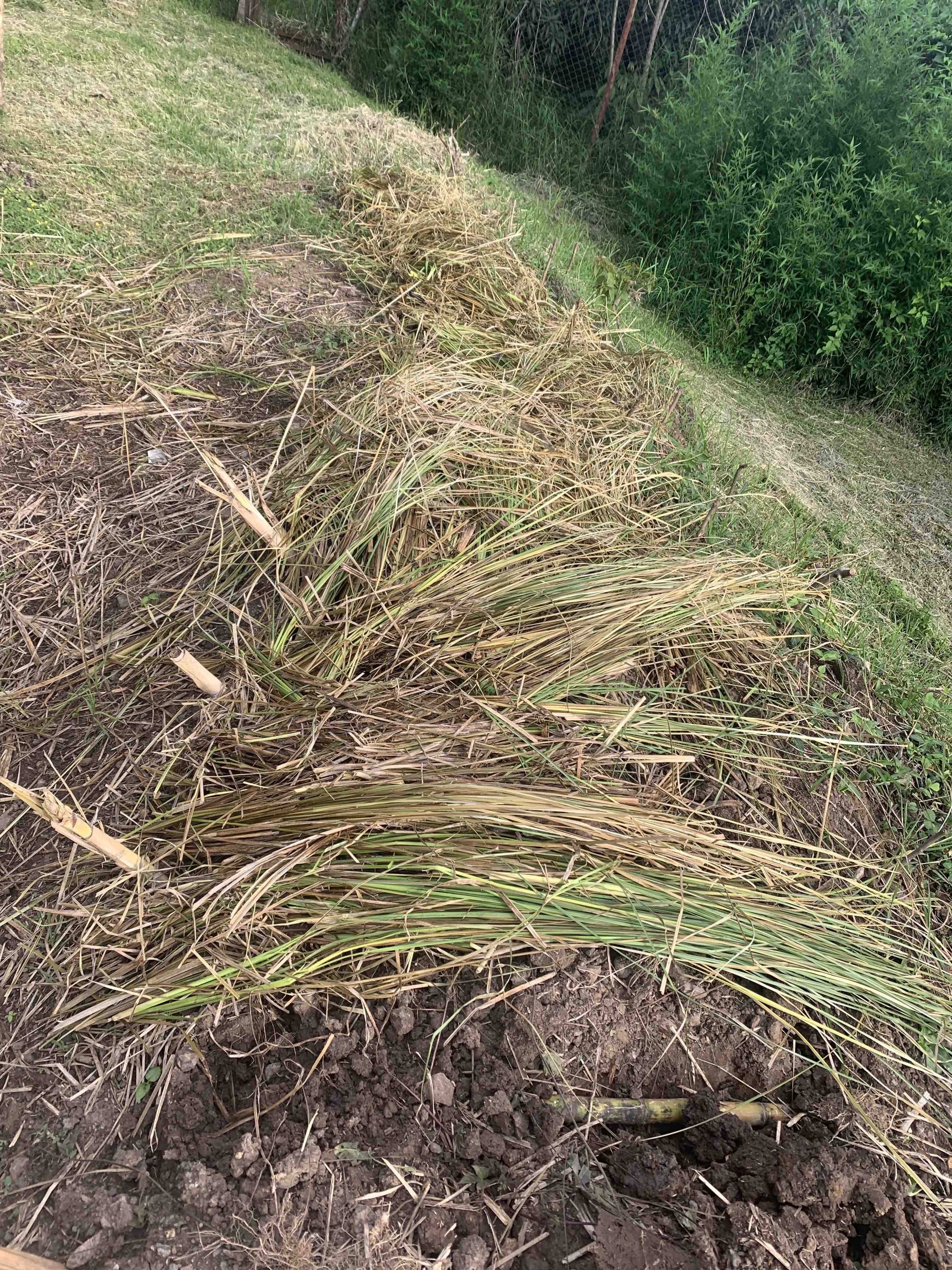
After covering each segment with compost-enriched topsoil, I cover the entire area with freshly cut vetiver grass. This protects the topsoil from the heavy rains typical this time of year, and at the same time allows the nutrients from the decomposing grass to fortify the topsoil.
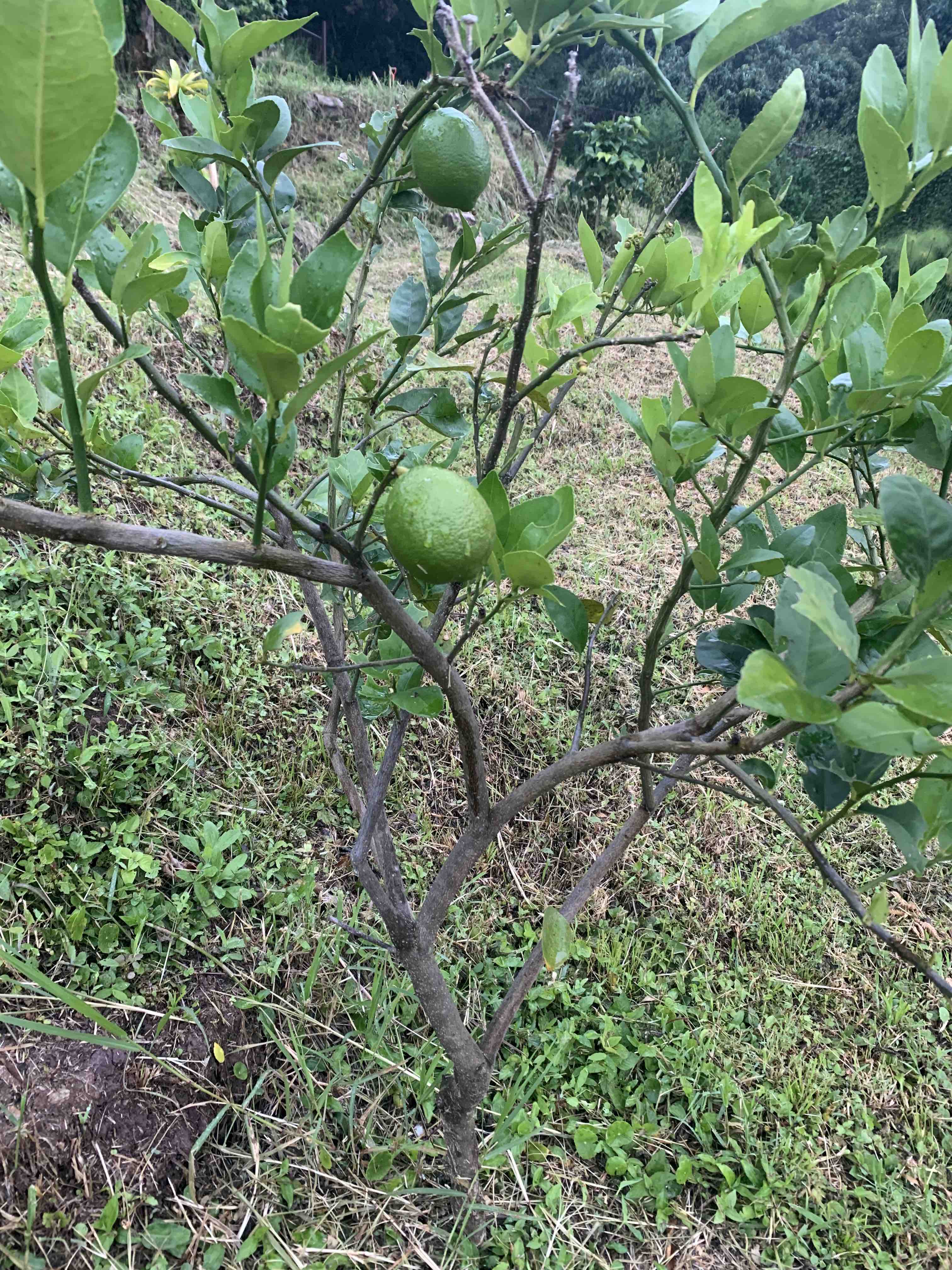
It occurs to me: this time next year we will be sweetening the lemonade. A year prior to planting poro saplings we planted several citrus saplings and they are already bearing fruit now; one more year will mean plenty of sweetened juice to go around.
Short answer: yes. Explanations and caveats follow.
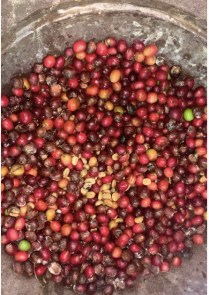
Coffee cherries that I harvested in January on the onetime coffee farm that we are rehabilitating. I am biased enough to enjoy the process of picking coffee, washing it and preparing it for planting.
I believe coffee has health benefits. Do I have them memorized? No. Do I fully understand the ones I can recall? No. But even with changing scientific findings over the years (e.g. findings from decades ago about coffee’s negative health effects were confounded by the fact that smoking and drinking coffee were highly correlated in study participants) I am inclined to listen to and trust findings from credentialed scientists.
A friend sent me the above video a couple of days ago, asking if I believe the contents. I just watched it. In six minutes a medical expert delivers more scientific findings than I could possibly digest. Upon first listening I am inclined to believe that coffee is better for me, in ways I had not been aware of, than I had previously considered.
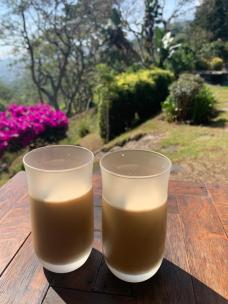
During the early days of the pandemic, staying in isolation, I experimented with hot-brewed and cold-brewed coffee trying to come up with a new way to enjoy it that would also boost my immune system
That said, I am also willing to believe that for every finding of the health benefits, there could be findings of health penalties that I simply have not come across. Or maybe I have willfully avoided coming across them.
I am inclined to bias on this topic for at least two reasons. First, because I enjoy drinking coffee as much or more than the average person. Stated less politely, I might be a coffee junkie. And related to that, maybe because of that, my primary entrepreneurial activity now is selling coffee. I try to keep my enthusiasm in check, and rarely reference the health benefits of coffee unless I feel I truly understand the scientific findings.
Gracia Lam
Just after watching the video my friend sent, I came across this, so will make a rare exception and recommend both these summaries of information about coffee’s health benefits. Jane Brody, the Personal Health columnist for the New York Times since 1976, recently reviewed decades of scientific findings, including plenty of overlap with the medical expert in the video above, and with this quick read you can judge for yourself:
Americans sure love their coffee. Even last spring when the pandemic shut down New York, nearly every neighborhood shop that sold takeout coffee managed to stay open, and I was amazed at how many people ventured forth to start their stay-at-home days with a favorite store-made brew. Continue reading →
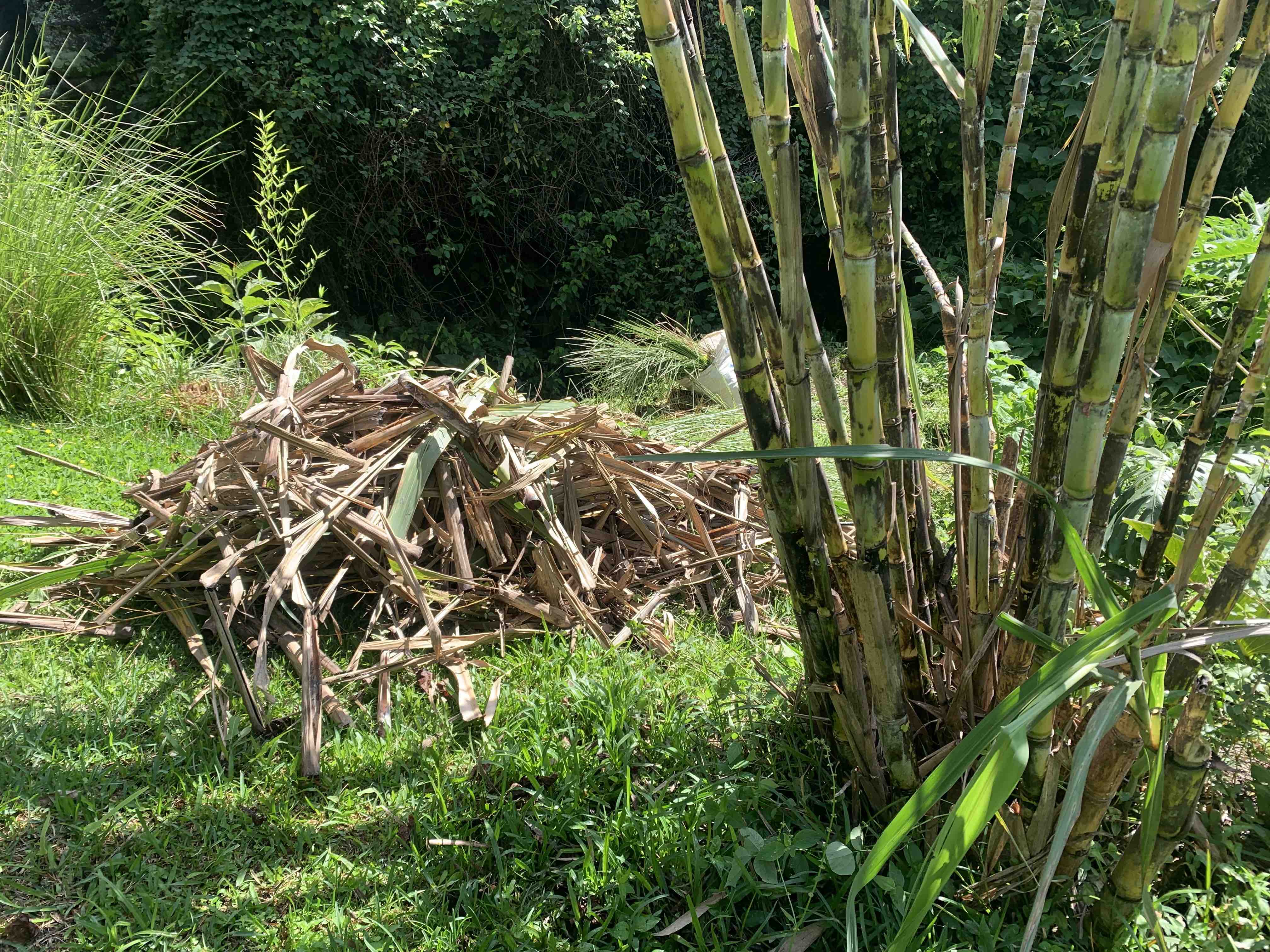
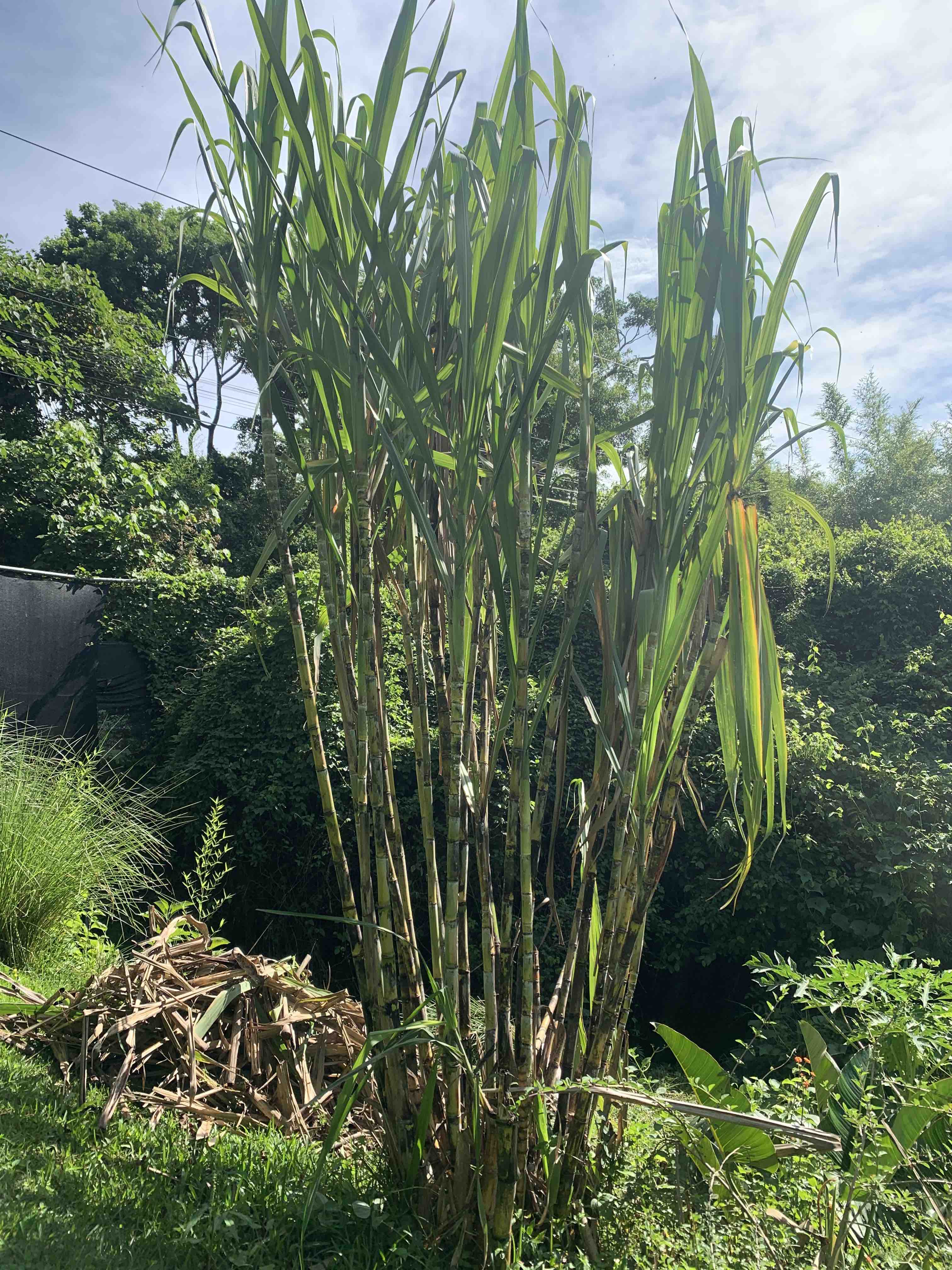
As we start another decade of posting here I will share two photos. The one above shows the outer layer of sugar cane that sheds, on the ground to the left of the stalk of cane that was planted about 18 months ago. The photo below shows the height of the cane today.
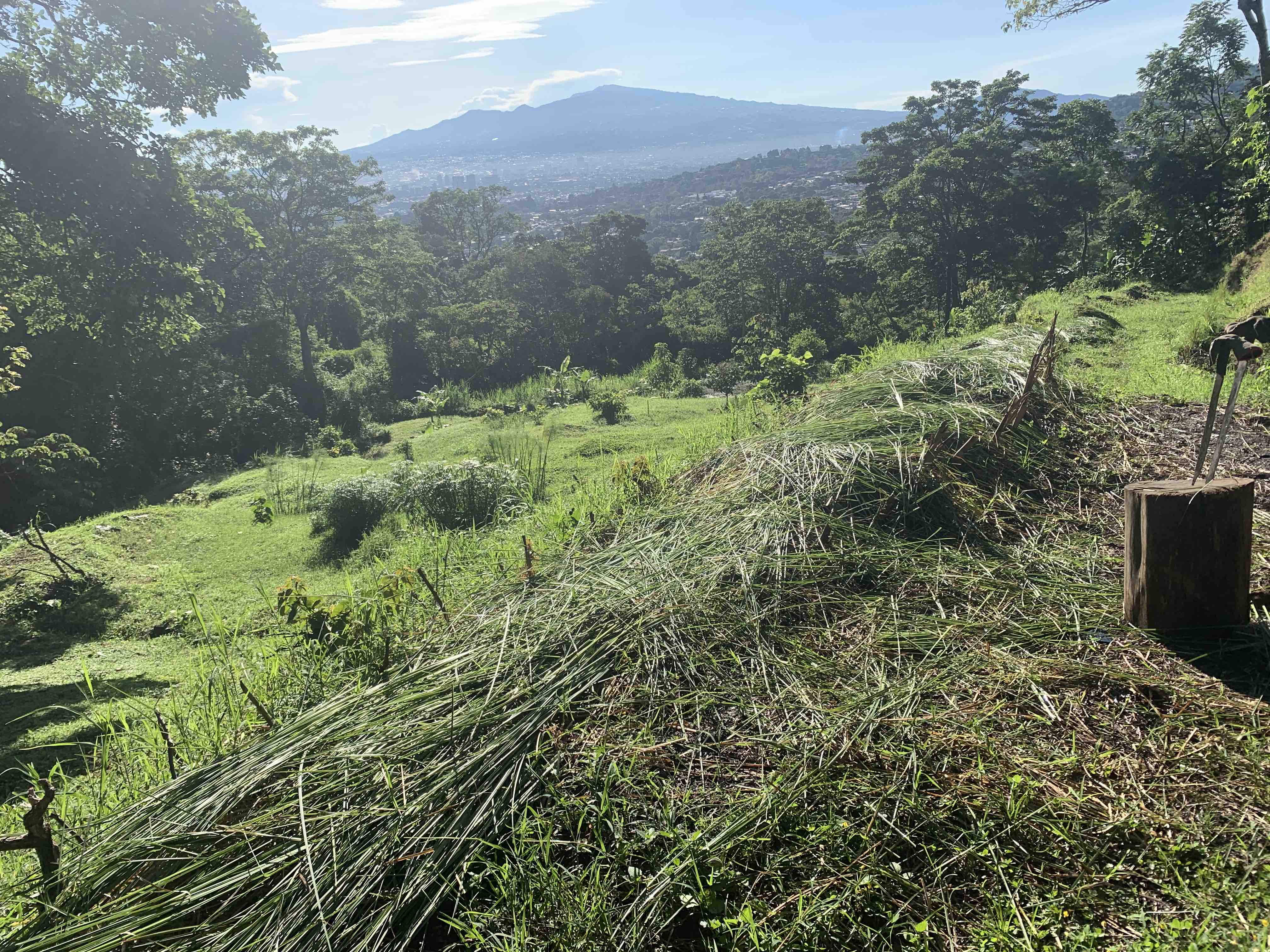
I posted this view six months ago, where you can see how green the leaves were in the drier summer time versus the rainy season we are in now. I will harvest these stalks to plant more sugar cane, rather than to produce sugar, and once the ground is prepared for that planting I will illustrate here how it is done.
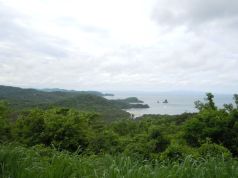
Seth’s photo of the view from the hill at Morgan’s Rock in Nicaragua
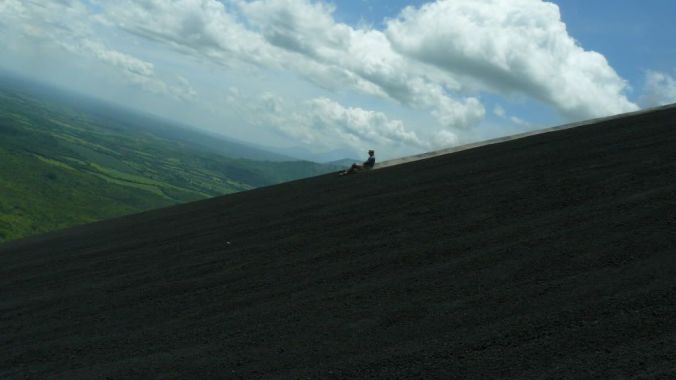
Today marks ten years since the first post on this platform. Seth’s description of a crab-eating little possum wandering by as he was reading, and a sloth-sighting together with two people visiting Nicaragua from the USA, reads like an entry in a travelogue. A later post about boarding down a volcano was the most viewed post of the first year.
Seth sandboarding down Volcán Cerro Negro in Nicaragua
A man named Baba Ramdev, a yoga guru, was on a hunger strike to protest corruption when Michael, a senior at Amherst College, landed in India to begin an internship
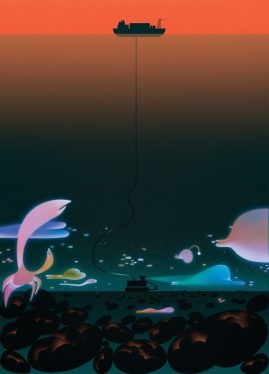
Within a few years, permits could be issued for commercial miners hoping to harvest the submerged wealth of the sea. Illustration by Sophi Miyoko Gullbrants
A decade was set in motion. This is our 10,286th post. Whatever meaning might be drawn from statistics, such as 827,462 views of our posts as of this writing, I find reasons to continue what those two started. Every day a bird is featured, thanks to Amie’s network of bird photographers. And every day I scan the news to share something enlightening, or I jot a note about a new idea we are trying out, always related to causes we care about. Today, on this rounding out of a decade, I mark the occasion by sharing the latest publication of a writer whose work rarely makes me happy but who I nonethelesslink to often as a head-out-of-the-sand gesture:
We’ve barely explored the darkest realm of the ocean. With rare-metal mining on the rise, we’re already destroying it.
By Elizabeth Kolbert
June 14, 2021
The International Seabed Authority is headquartered in Kingston, Jamaica, in a building that looks a bit like a prison and a bit like a Holiday Inn. The I.S.A., which has been described as “chronically overlooked” and is so obscure that even many Jamaicans don’t know it exists, has jurisdiction over roughly half the globe. Continue reading →
I posted about Peter Wohlleben twice before in these pages, both in 2016 when his previous (16th!) book was published. It would appear from both of my posts that year, and others, that I idolize trees in a way consistent with that author’s views; but plenty posts also demonstrate that for me, science is the master. Questionable science, and the very questioning of science as a worthy practice, have been divisive issues in some quarters recently, so the review below has my full attention.
That said, portions of the reviewer’s description of the author’s most recent book, and of the author himself, could easily apply to the best naturalist guides in Costa Rica, who bring the rainforest and other ecosystems alive for visitors. Interpretive guiding frequently changes perspectives, sometimes changes lives, and at best can lead to greater support for conservation. So, I am warily sympathetic to the concessions that Peter Wohlleben has made in talking about and writing about trees and forests:
Peter Wohlleben’s “The Hidden Life of Trees” became an unlikely best-seller, and now has a sequel. Does it matter if the books are full of questionable science? Continue reading →
Seedlings from arabica coffee beans collected from the remaining trees on a onetime coffee farm in Escazu, Costa Rica that Organikos is regenerating as bird habitat
After the 2020 coffee did not germinate, I did my homework to ensure we would have more success in 2021. A funny thing happened on the way to germination…
From the time we started packing coffee samples two years ago, well prior to the Authentica shops opening until now, I have been saving every Organikos coffee bag we use in our home, and collecting them from friends as well. I did not know what I would do with them, until it finally occurred to me to take a hole puncher and see if I could replicate the drainage of a typical agricultural planter bag (like the black ones in the photo below). With the bag folded and 7 well-placed punches, 26 holes result. This year we have close to 300 coffee seedlings, which I am now transplanting into the larger bags for the next phase of their growth.
Kraft bags chosen to reduce plastic waste from more conventional coffee bags are convertible for re-use in planting trees–shown here as we move coffee seedlings to “second shift” planter bags
I will write more on how this will work, so stay tuned; Organikos bags will do double duty as tree planters. Households in the USA can use the bag this way for their own plantings, but we will offer an incentive for those who prefer to leave the planting to others. We have reached agreement with a forest regeneration organization in Costa Rica that every bag like this that we can provide them, they will use for seedlings. There is a low carbon footprint option for how to get these bags from USA households back to Costa Rica for this purpose, and when we have it in place you will hear it here first.
Why tree planting is not the panacea some had hoped
Here you will find some of the resources used in the production of The Economist’s film “Climate change: the trouble with trees” along with exclusive additional material. It is part of the “The Story Behind”, a film series that reveals the processes that shape our video journalism. Continue reading →
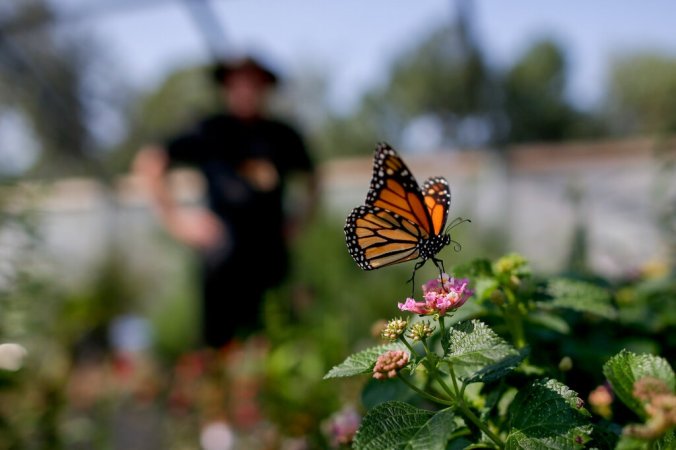
A monarch butterfly on a milkweed plant in Vista, Calif. Gregory Bull
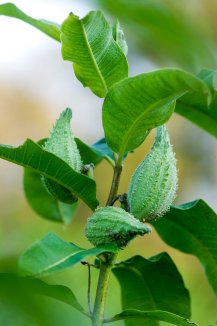
We feature monarch butterflies in our pages to highlight conservation challenges, and milkweed is often part of the story. Claire Fahy’s story below reminds me that the link between the insect and the plant, and the effort in California to repair that link, is one example of why we created, and why I continue to post on, this platform. A short statement of purpose might be something like: in hope there is meaning. June 15 will mark the 10th anniversary of the first post, and I intend to start the next decade with a more regular series on our regeneration efforts on a few acres of land here in Costa Rica. Because it provides a sense of meaning, among other reasons. So we thank those in California who are doing the same on a 200x scale:
A coalition of conservation groups have partnered with the state to add 30,000 milkweed plants in an attempt to restore the species’ population.
A consortium hoping to rescue the Western monarch butterfly is planting three varieties of milkweed: showy milkweed, narrowleaf milkweed and a desert milkweed. Rob Cardillo for The New York Times
Known for their windowpane wing design and bright orange color, Western monarch butterflies add a dash of magic to the California coast, where they spend the winter. Now a coalition of conservation groups, the California Department of Fish and Wildlife, and the environmentalist organization River Partners are working together to extend a lifeline to the monarchs, whose population has been dwindling drastically.
The groups have embarked on an effort to add 30,000 milkweed plants across the state to provide the butterflies with places to breed and acquire the sustenance for migration.
The Western monarchs’ California population has fallen 99 percent since the 1980s, The San Francisco Chronicle reported. A major factor in that drop has been a decline in milkweed caused by farming and pesticide use. Milkweed is vital to monarchs as a place to lay eggs and as a food source for their caterpillars. Continue reading →
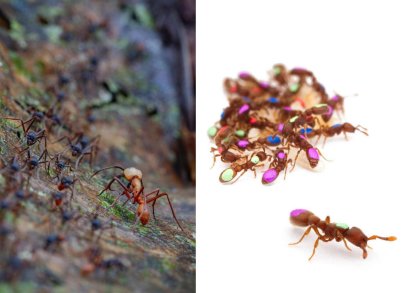
Image #1 Army Ants reproduced with permission from “Army Ants: Nature’s Ultimate Social Hunters” by Daniel J.C. Kronauer; Image #5 painted clonal raider ants photograph by Daniel Kronauer. Credit: #1: Daniel J.C. Kronauer, #5: Daniel Kronauer
It is rainy season, therefore the season for starting the growth cycle of some plants, in Costa Rica. It is always ant season here. Some of the trees we planted last year, mostly citrus varieties but also pomegranate, have become feasting locations for ants who devour their leaves and haul them off.
My assumption, seeing this constantly during the 25 years since we moved to Costa Rica, has always been that ants are primarily vegetarians So, today a bit of ant-wonk from a team of scientists at Harvard University, summarized on Phys.org’s website, to correct my assumption (the video alone is worth visiting the source article):
Army ants form some of the largest insect societies on the planet. They are quite famous in popular culture, most notably from a terrifying scene in Indiana Jones. But they are also ecologically important. They live in very large colonies and consume large amounts of arthropods. And because they eat so much of the other animals around them, they are nomadic and must keep moving in order to not run out of food. Due to their nomadic nature and mass consumption of food, they have a huge impact on arthropod populations throughout tropical rainforests floors. Continue reading →
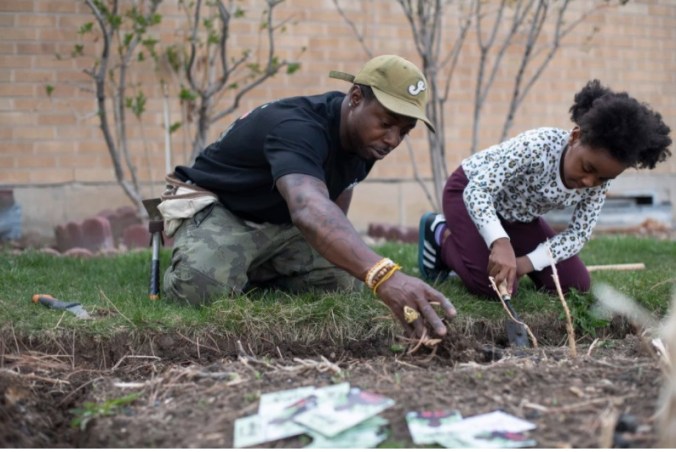
Ietef “DJ Cavem Moetavation” Vita plants seeds with daughter Libya LeaDonvita in the garden at their home outside Denver. Vita is among a growing list of Black gardening enthusiasts-turned-entrepreneurs across the country who’ve launched seed businesses during the pandemic-inspired gardening boom. Rachel Woolf for KHN
Vita, a vegan rapper, wants to encourage people of color to eat healthier by growing their own vegetables. He sells his own line of kale, beet and arugula seeds. Rachel Woolf for KHN
Ietef Vita had planned to spend most of 2020 on the road, promoting Biomimicz, the album he had released on his #plantbasedrecords label in January. But the pandemic cut those plans short, says Vita, known to his fans as “DJ Cavem Moetavation” and “Chef Ietef.”
He was playing in Berkeley, Calif., on Feb. 29, and “literally got out of town right before they shut the whole country down,” recalls the 34-year-old vegan rapper, who has performed for the Obamas and is known as the father of eco-hip-hop. “It was scary.”
Suddenly sidelined at his metro Denver home with his wife, Alkemia Earth, a plant-based lifestyle coach, and three daughters, Vita struggled to pivot. Eventually, he accepted that he would need to stay put and, as the saying goes, bloom where he was planted.
Vita has mailed out more than 20,000 packets of his kale, beet and arugula seeds to urban farmers across the country. Rachel Woolf for KHN
He and his wife launched an impromptu campaign: mailing out thousands of the more than 42,000 packets of kale, beets and arugula seeds that he’d planned to sell at his shows, all emblazoned with his likeness and the QR code to hear his digital album. Continue reading →
For all the reasons podcasting has proliferated as a medium, I am a podjunkie. And I am subject to algorithmic wonders, one of which was a recommendation of this episode of this podcast in my podcatcher. I listened from start to finish and then listened to more episodes. Anyone who regularly reads from our pages here would enjoy any of those episodes, so I am paying forward with this post.
As it happens, the host of the podcast was a student in a course I taught a dozen years ago, so the algorithm may be demystified slightly by that fact. What remains totally mysterious to me is this episode.
Having had more than my fair share of delicacies that I did not find appetizing, the concept of this museum is not lost on me. I can laugh, even when the humor is problematic. But of all the museums in all the towns in all the world, I doubt I will visit this one. After yesterday’s post, this article by Jiayang Fan seems particularly well-timed:
At the Disgusting Food Museum, in Sweden, where visitors are served dishes such as fermented shark and stinky tofu, I felt both like a tourist and like one of the exhibits.
In the spring of 2019, Arthur De Meyer, a twenty-nine-year-old Belgian journalist, toured the Disgusting Food Museum, in Malmö, Sweden. As with the Museum of Sex, in New York City, and the Museum of Ice Cream, in San Francisco, the Disgusting Food Museum is conceptually closer to an amusement park than to a museum. There are eighty-five culinary horrors on display—ordinary fare and delicacies from thirty countries—and each tour concludes with a taste test of a dozen items. De Meyer, the son of a cookbook author and a food photographer, told me that he’d always been an adventurous eater. As a reporter, he also prided himself on his ability to maintain his composure. “But the taste test was war,” he said. “The kind where you’re defenseless, because the bombs are going off invisibly, inside of you.” Continue reading →
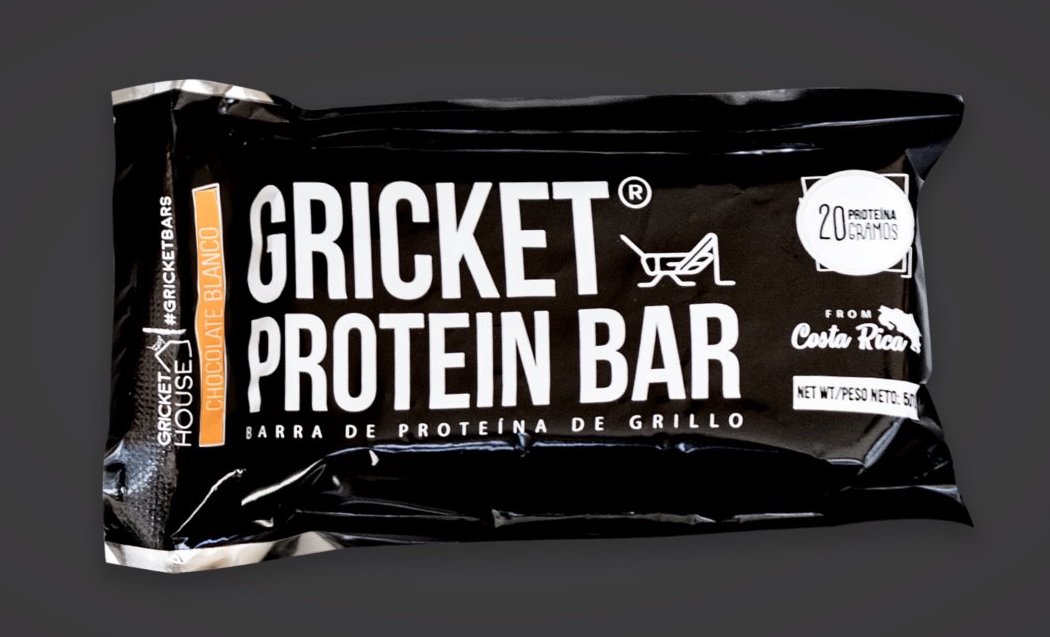
The old joke that begins “waiter, there is a fly in my soup” was already stale. Now it is long past its sell-by date. We have been selling this protein bar, made in Costa Rica, for long enough now to say without reservation: insects are not repellant. These bars compete alongside dozens of other snack products we offer, and have become a surprise best-seller.
I had expected occasional curiosity-driven sales, but instead they have outsold more established protein bar brands and other snack options. Insects have already earned more respect as a food source than I had imagined. Thanks to the Guardian for this partial explanation of the phenomenon, and its potential:
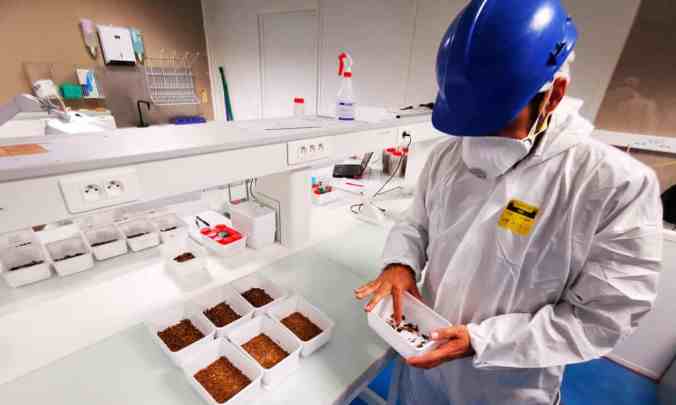
A bug’s life: inspecting the produce at Ÿnsect’s lab. Photograph: Reuters
Fried crickets on the school menu, milk made from fly larvae and mealworm bolognese for dinner? These are the environmentally friendly meals we can look forward to. Bon appetit!
My first attempts at feeding insects to friends and family did not go down well. “What the hell is wrong with you?” asked my wife when I revealed that the tomato and oregano-flavoured cracker bites we had been munching with our G&Ts were made from crickets. Continue reading →
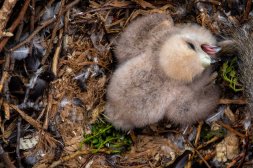
Alba, at 2 weeks old. Dave Sanders for The New York Times
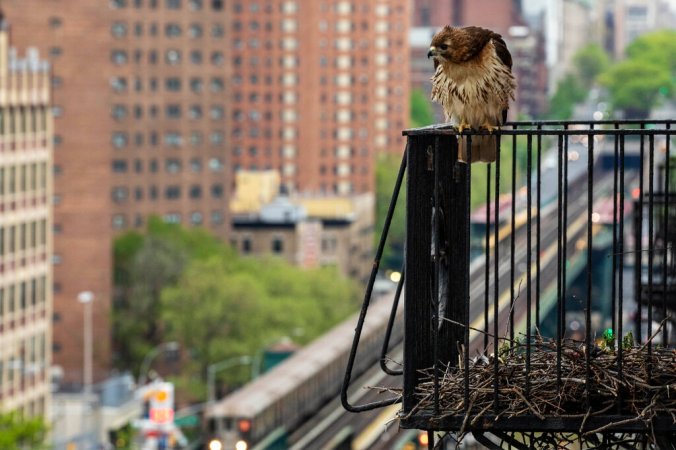
Michael Palma Mir’s first encounter with the hawk was not auspicious. Around the first of March, he noticed it outside his West Harlem apartment.
In his 57 years living there, Mr. Palma Mir had never seen anything like this beautiful bird, a killer. He grabbed his camera and stuck his head out the window for a better shot.
The next thing he knew, it was right there. “It was three feet away from me and coming in real fast,” he said. “All I saw were the talons coming right at my head.” He yanked his head back inside and slammed the window, never expecting to see the bird again.