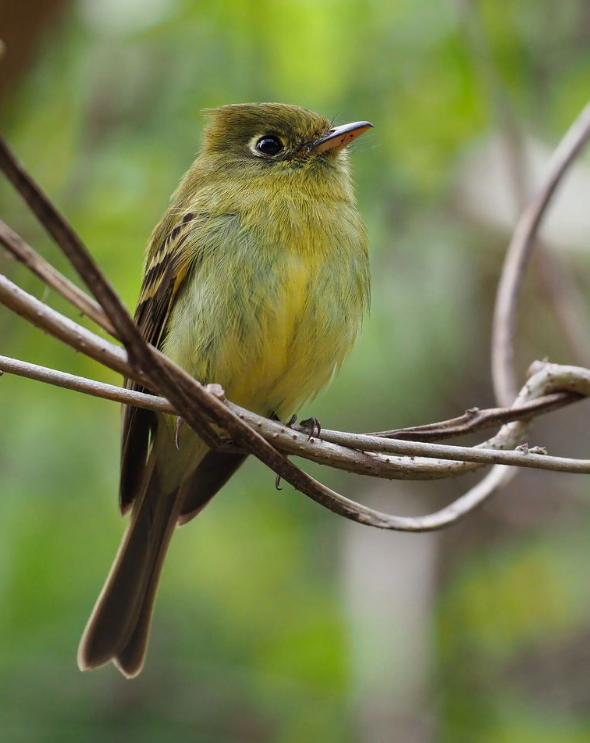
Guatemala Highlands
Guatemala Highlands
 In the center of this picture is a poro tree, the tallest on the land where Organikos is replanting coffee. For nearly a century the coffee growing on this hillside was shaded by this type of tree. In the year 2000 we started planting fruit trees around the poro trees, to provide additional shade to the coffee that was still growing here. In 2020, we planted saplings from this tree. Continue reading

When a respected naturalist mentions eBird, or the Cornell Lab of Ornithology, our family’s attention is rapt. I now realize that Scott Weidensaul first appeared in our pages in 2012, and then twice since then before today. This time is different because he is interviewed by Dave Davies, one of the great conversationalists of our time, and they are discussing Mr. Weidensaul’s new book (click the book image above to order it from a non-Amazon source). The discussion does not shy away from the challenges related to bird populations, but has plenty to smile at too:
Naturalist Traces The ‘Astounding’ Flyways Of Migratory Birds
Scott Weidensaul has spent decades studying bird migration. “There is a tremendous solace in watching these natural rhythms play out again and again,” he says. His new book is A World On the Wing. Continue reading
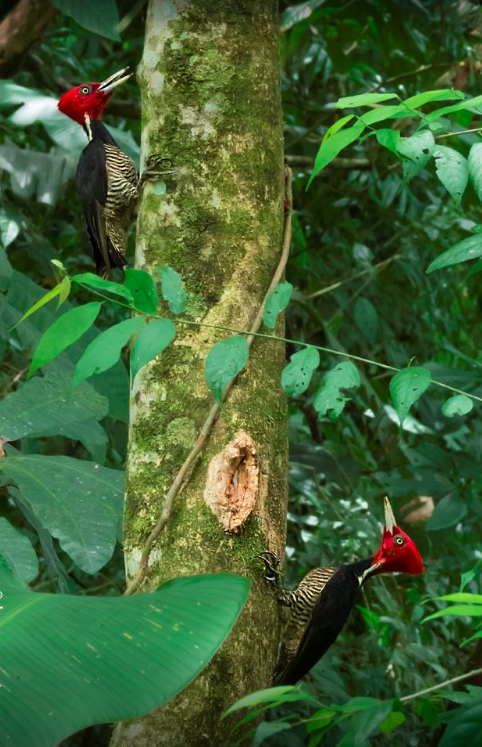
Macaw Lodge, Costa Rica
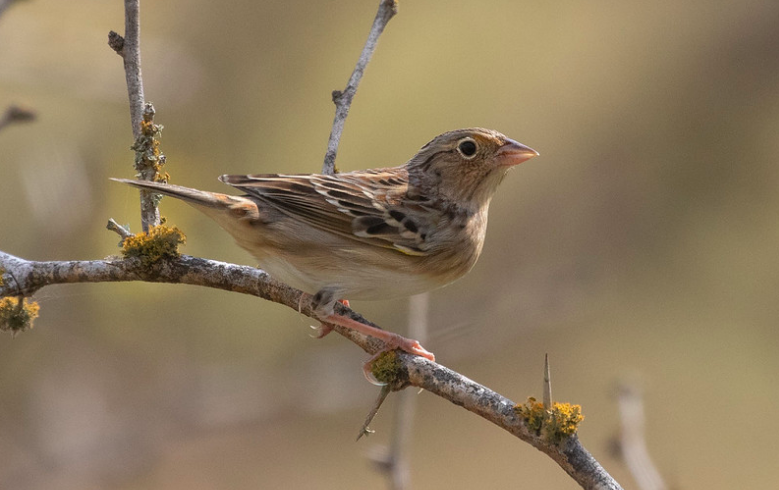
Williamson, TX
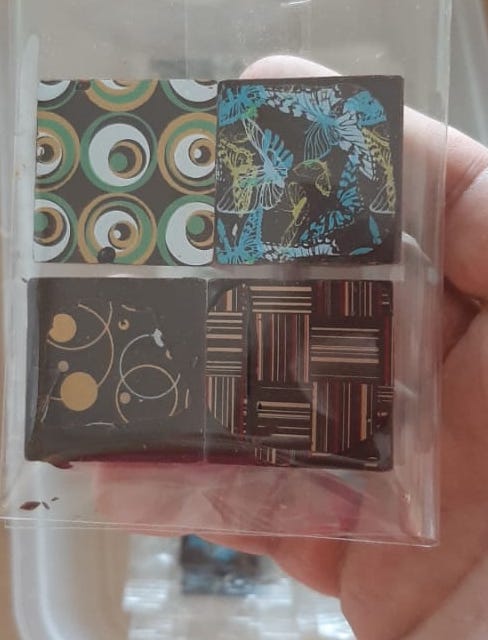
Four samples of Nahua chocolate: 100%; 90%; 70%; and one with an additional ingredient to be identified during the tasting session
Our first taste of place experience was a small gathering, but a lively one, and fulfilled our objective. Today we continue with our second event, focused on the ingredient-sourcing, production, and sustainability aspects of bean-to-bar chocolate. We will also taste four different chocolates, each with a different level of chocolate and one with an added mystery ingredient. Our supplier, Nahua, is a pioneer in Costa Rica’s sustainable cacao farming, as well as in gourmet chocolate production. Guests at this event will learn about the history of cacao in Costa Rica, much less well known that the history of coffee here but rapidly gaining a global following.

Kanha Tiger Reserve, Madhya Pradesh
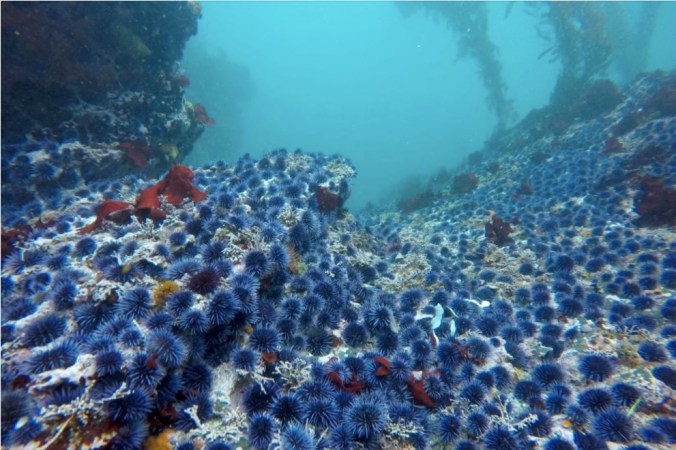
Purple sea urchins have boomed off Northern California, destroying kelp forests that provide a crucial ecosystem. Steve Lonhart / NOAA MBNMS
Kelp is being farmed now, but where it is a naturally occurring forest it needs help. Thanks to National Public Radio (USA) for this:
In Hotter Climate, ‘Zombie’ Urchins Are Winning And Kelp Forests Are Losing
They’re purple, spiky and voracious, and just off the West Coast, there are more of them than you can count.
Purple sea urchins have exploded in recent years off California, covering the ocean floor in what divers describe as a “purple carpet.” Continue reading
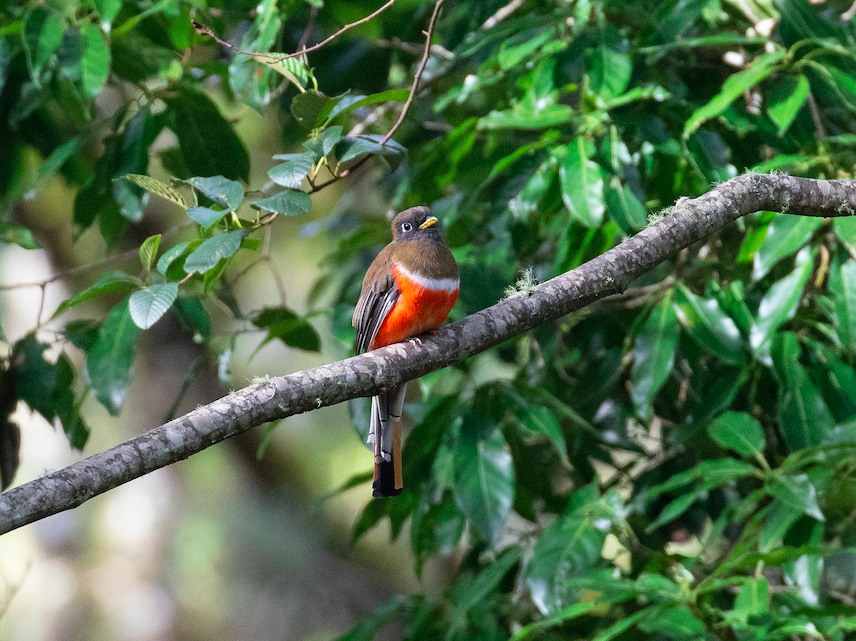
San Gerardo de Dota, Costa Rica
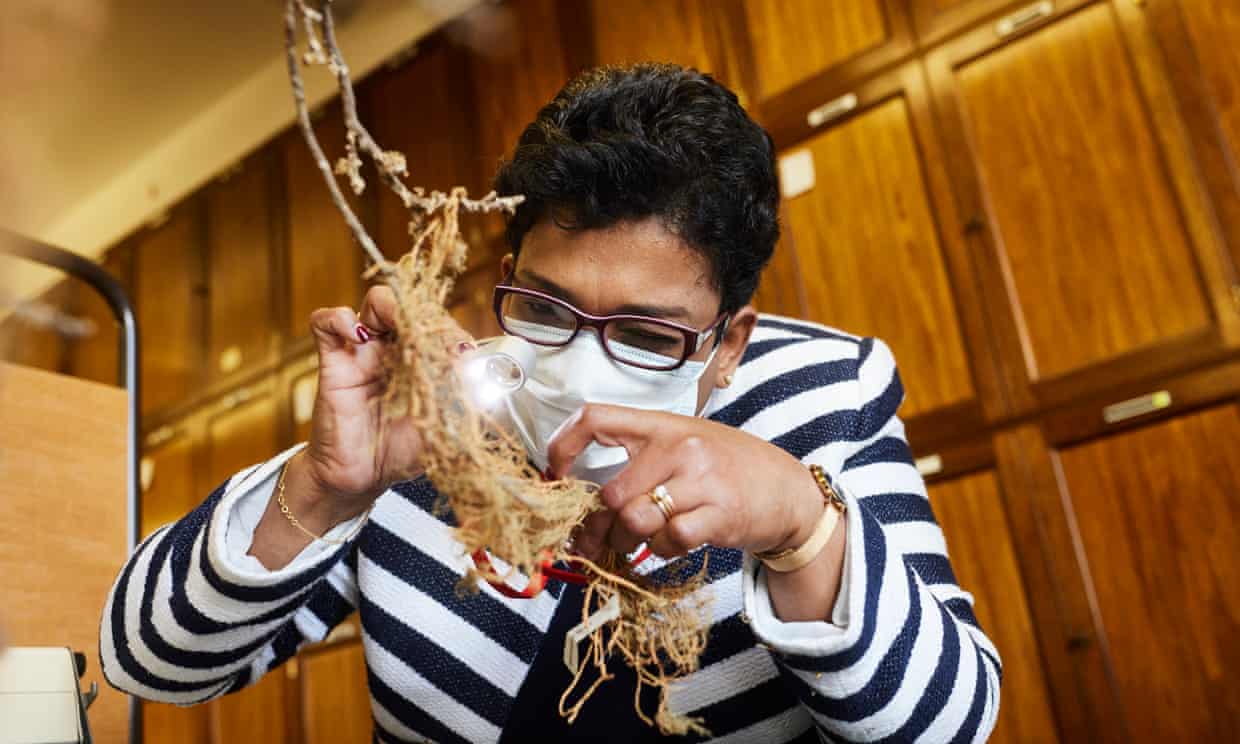
Photograph: David Levene/The Guardian
Thanks to Phoebe Weston and Patrick Greenfield at the Guardian for this podcast episode about the wonders and perils of fungi-identifying:

Why is it hard to get our head around fungi? (part one) – podcast
…We often talk as if we know what species exist in the world – but we don’t. Continue reading
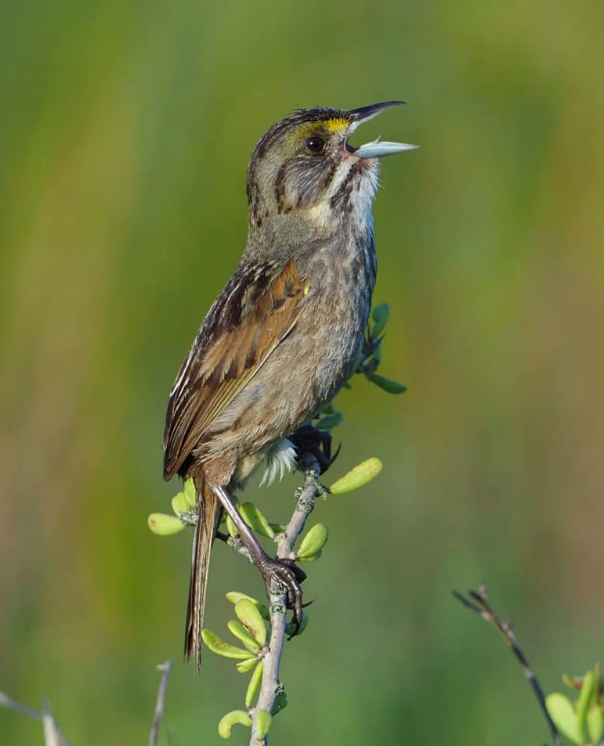
High Island, Texas
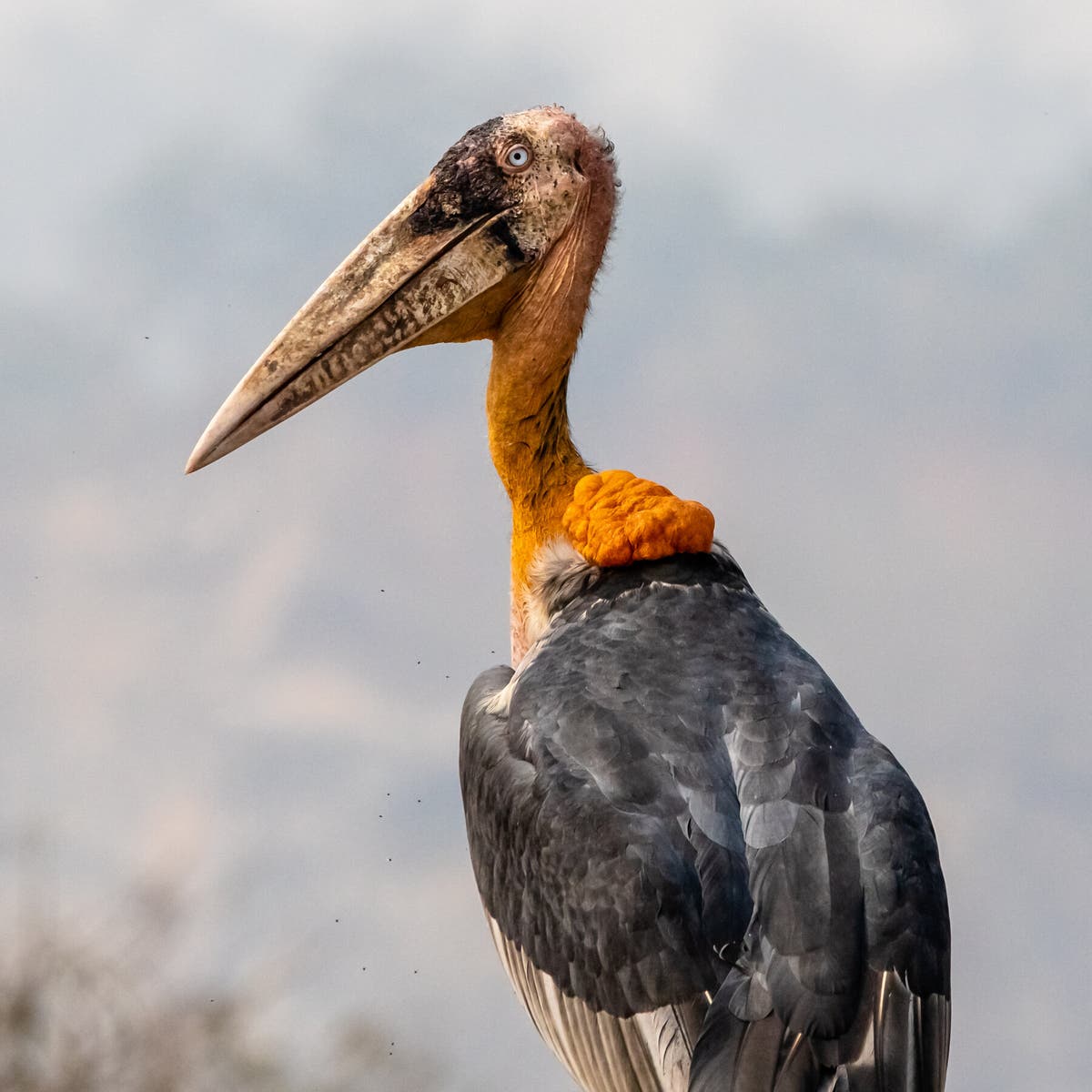
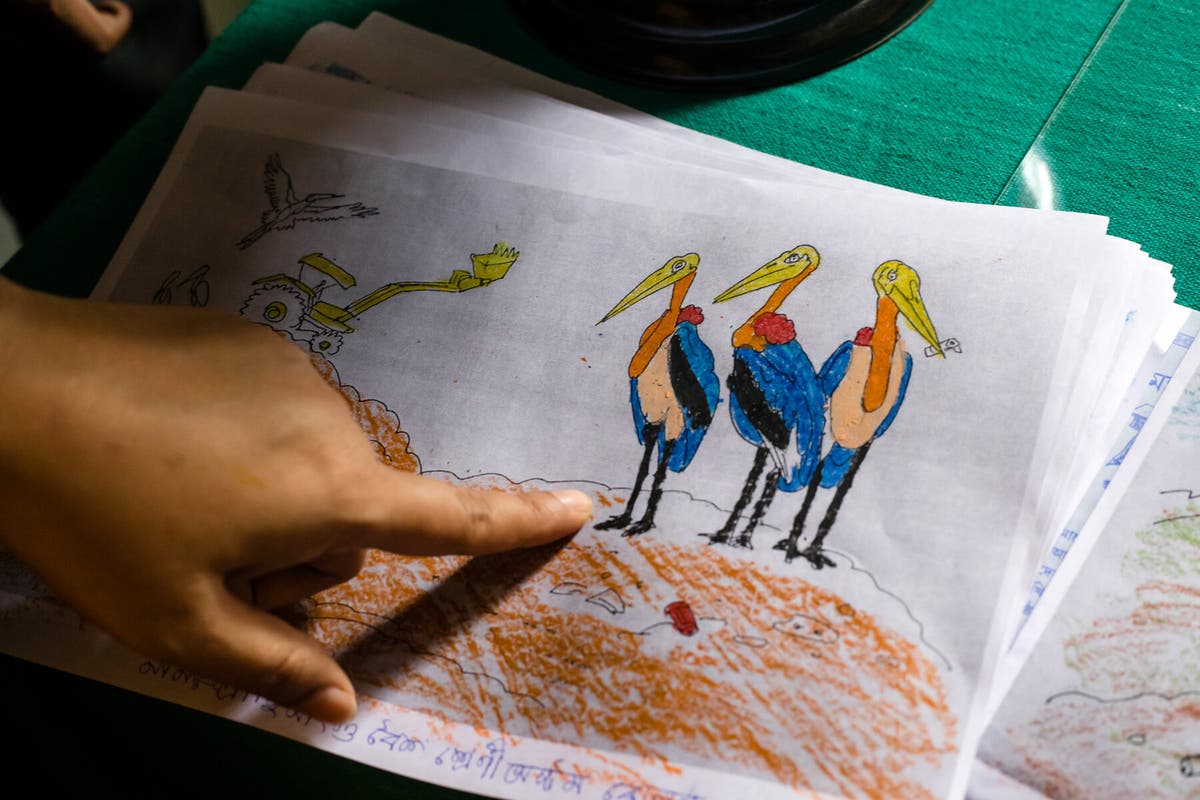
If you saw some of the work that came out of Seth’s bird-focused interactions with children in Ecuador, and in Costa Rica, this might not seem so surprising. But in every case when kids are enlisted to help ensure care of bird populations, the result is noteworthy. And of course, when a community of women decide something is important, watch and learn. Carla Rhodes, a wildlife conservation photographer, shares this remarkable story from Assam:
A Biologist, an Outlandish Stork and the Army of Women Trying to Save It
In the Indian state of Assam, a group of women known as the Hargila Army is spearheading a conservation effort to rescue the endangered greater adjutant stork.
Students are given coloring pages featuring greater adjutants.
Life can change in an instant, as I experienced when I first laid my eyes on a tall and bizarrely striking bird known as the greater adjutant.
It was India in 2018, in the northeastern state of Assam. I’d ended up there partly because of absurd circumstances, which involved being filmed for a reality television pilot while navigating a motorized rickshaw through the Himalayas. Continue reading

Costa Rica
 Today we start a “taste of place” series with Costa Rica Meadery as our first artisanal showcase. And the first beverage we will be tasting is this best-selling “…mead that celebrates Costa Rica’s Atlantic coast. A fusion of a mead, a “chicha”, and a local drink called “agua de sapo.” Made with multifloral honey, ginger, native corn malt, and spices from the north. Very refreshing, light-bodied with a strong aroma and taste of ginger and citrus.”
The idea is to taste all that with a small portion and a brief discussion, and then onward to four other mead products. Come taste the place!
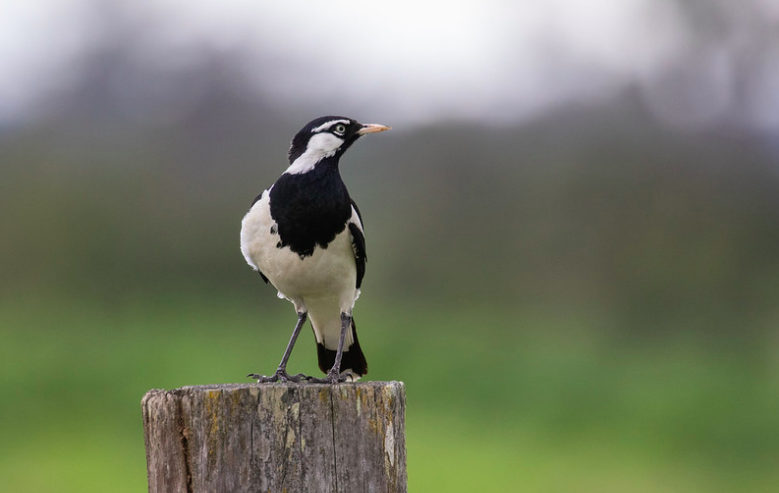
Oxley Creek Common, Queensland
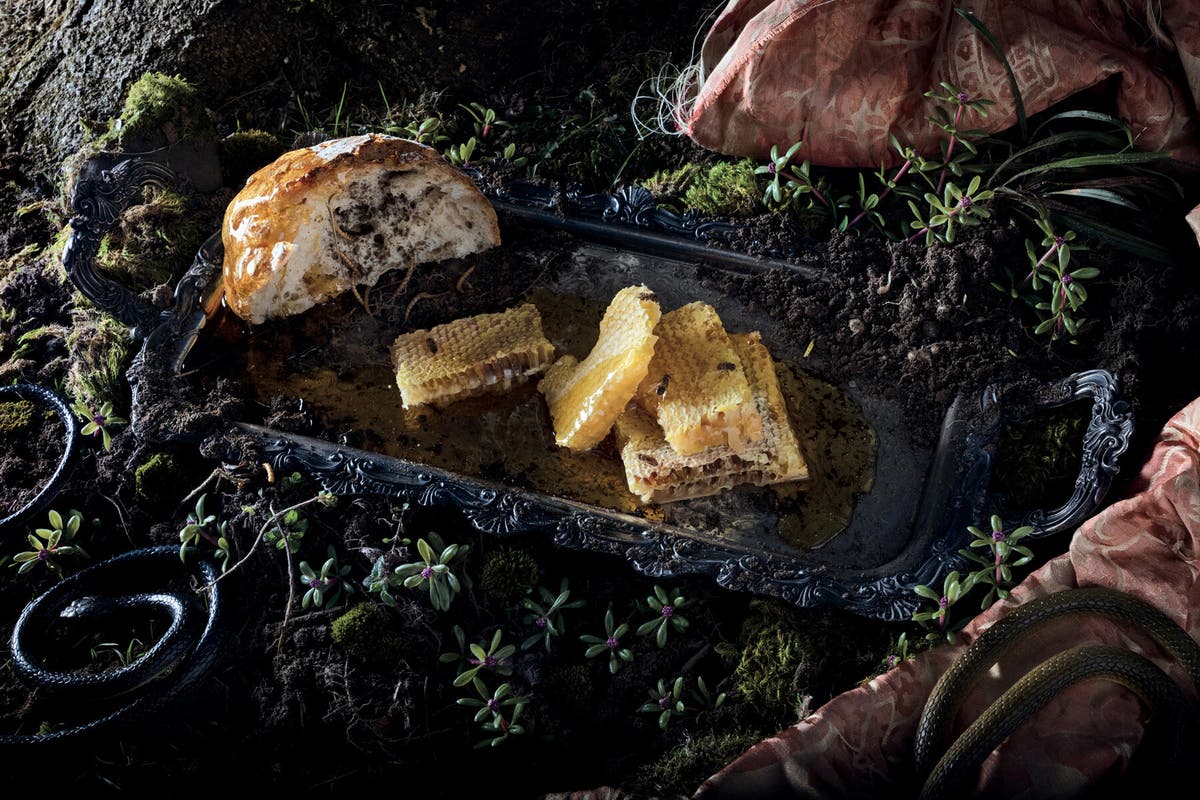
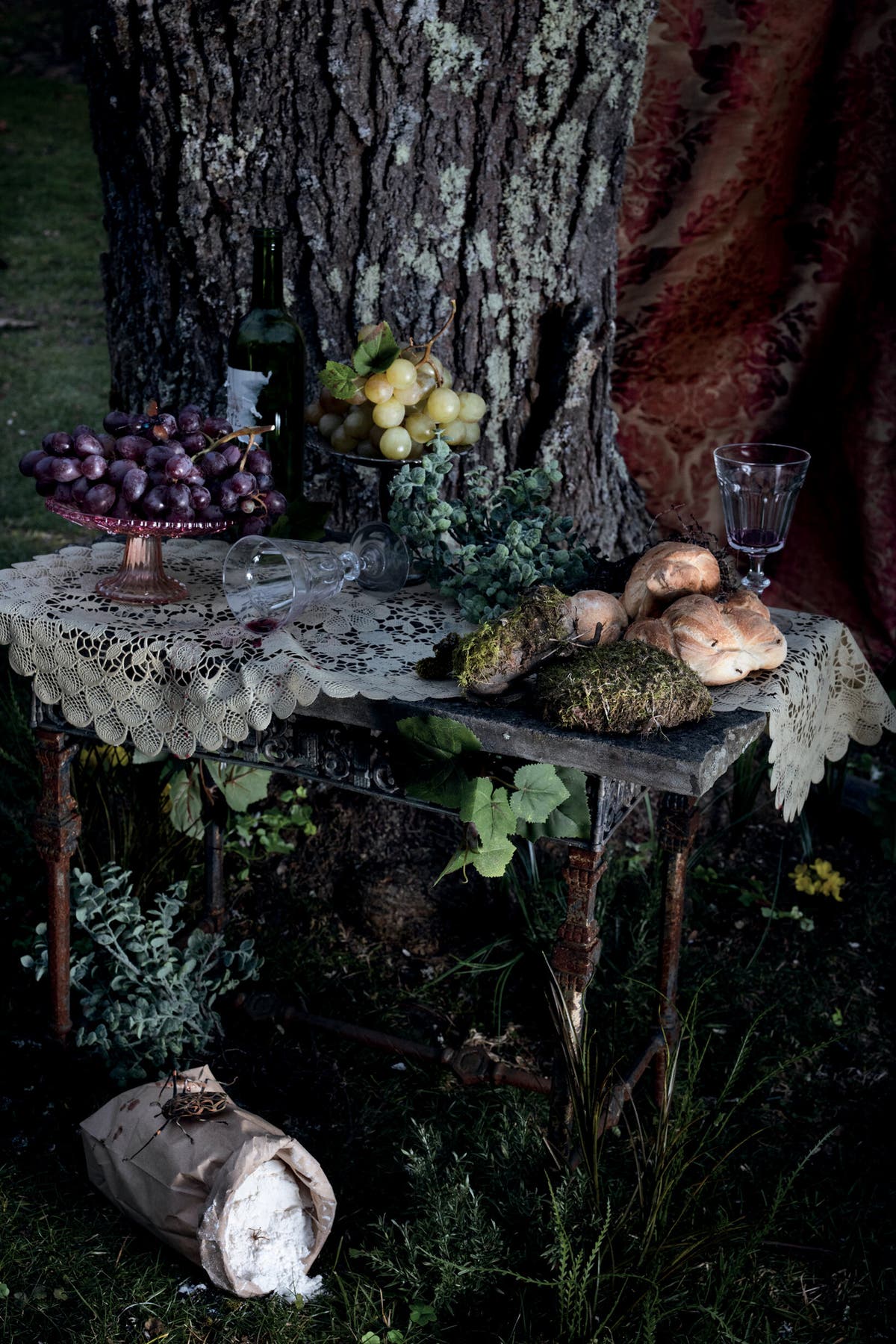
While bee populations have waned throughout rural America, urban hives are thriving in cities such as Detroit, producing honey that’s reminiscent of mint, clover or goldenrod. Photo by Patricia Heal. Prop styling by Martin Bourne
Terroir is a word that has appeared often in these pages. Taste of place, a phrase with related meaning, likewise has appeared plenty of times. This phrase is a tag line used frequently in our work, based on an experience I had in Paraguay in 2005. We will begin weekly “taste of place experiences” for guests in both Authentica shops tomorrow; starting with mead, followed by chocolate, then honey, coffee and so on. Every week an artisan will present how they source ingredients, how they make their product, and how the taste of it reflects the particular location in Costa Rica where sourcing is done. So, great to see this about urban taste of place movement in our neighbor to the north:
The Growers, Bakers and Beekeepers Embracing the Terroir of American Cities
THE GRAPEVINES RISE at the corner of East 66th Street and Hough Avenue in Cleveland, 14 trim green rows claiming over half a city block — a little less than an acre — beside an abandoned building with boarded-up windows, whose rolling lawn on a summer morning is as lush as Versailles’s. The sky is brilliant and wide above stoplights and swoops of telephone wire. Across the tar-patched street stand storefronts behind scissor gates and a former grocery whose facade half collapsed last May, raining brick on the sidewalk. Down the avenue, the walls of another boarded-up building have been commandeered as an outdoor art gallery, papered over in posters with messages: “I survived the Hough riots”; “Growing your own food is like printing your own money.”
Long celebrated in France, the concept of place-specific tastes is spurring the revitalization of neighborhoods and communities.
THE GRAPEVINES RISE at the corner of East 66th Street and Hough Avenue in Cleveland, 14 trim green rows claiming over half a city block — a little less than an acre — beside an abandoned building with boarded-up windows, whose rolling lawn on a summer morning is as lush as Versailles’s. The sky is brilliant and wide above stoplights and swoops of telephone wire. Across the tar-patched street stand storefronts behind scissor gates and a former grocery whose facade half collapsed last May, raining brick on the sidewalk. Down the avenue, the walls of another boarded-up building have been commandeered as an outdoor art gallery, papered over in posters with messages: “I survived the Hough riots”; “Growing your own food is like printing your own money.”
For centuries, the French have used the word “terroir” to describe the environment in which a wine is produced. Going back to the Latin “terra,” “earth,” it’s rooted in a traditional vision of the countryside and has become more fervently embraced as our agrarian past recedes. Continue reading

San Marcos, Guatemala
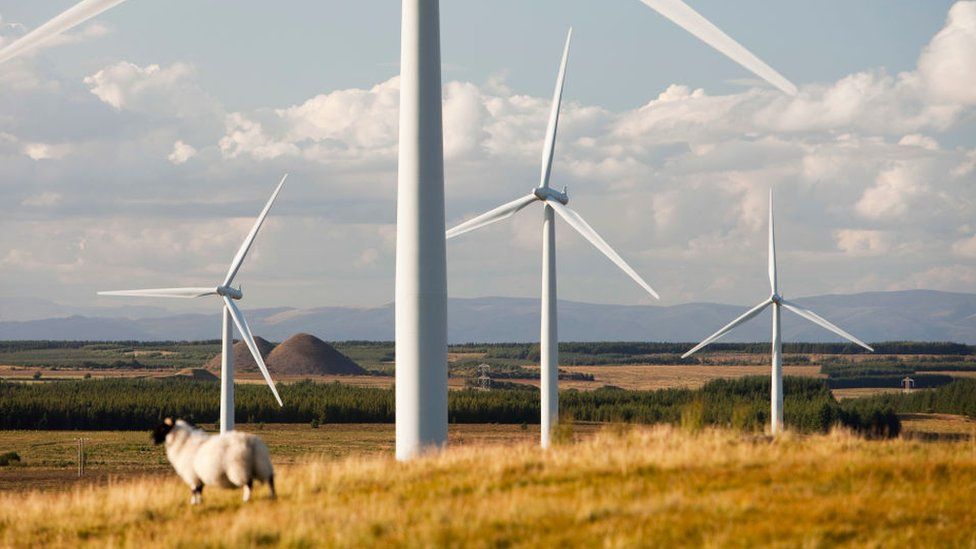
GETTY IMAGES. Scotland’s renewables output has tripled in 10 years
Thanks to Scotland, for the ambition and demonstration; and to the BBC for reporting this:
Renewables met 97% of Scotland’s electricity demand in 2020
GETTY IMAGES. WWF Scotland is calling for an increased roll-out of electric vehicles
Scotland has narrowly missed a target to generate the equivalent of 100% of its electricity demand from renewables in 2020.
New figures reveal it reached 97.4% from renewable sources.
This target was set in 2011, when renewable technologies generated just 37% of national demand. Continue reading

Macaw Lodge, Costa Rica

A coal-fired power plant in China’s Jiangsu province. XU CONGJUN – IMAGINECHINA
What is the real intent on addressing climate change, we must wonder:
Despite Pledges to Cut Emissions, China Goes on a Coal Spree
China is building large numbers of coal-fired power plants to drive its post-pandemic economy. The government has promised a CO2 emissions peak by 2030, but the new coal binge jeopardizes both China’s decarbonization plans and global efforts to tackle climate change.
China’s National People’s Congress meetings, which ended earlier this month, were shrouded in both a real and figurative haze about how strong its climate ambitions really are and how quickly the country can wean itself from its main source of energy — coal. Continue reading

 Organikos