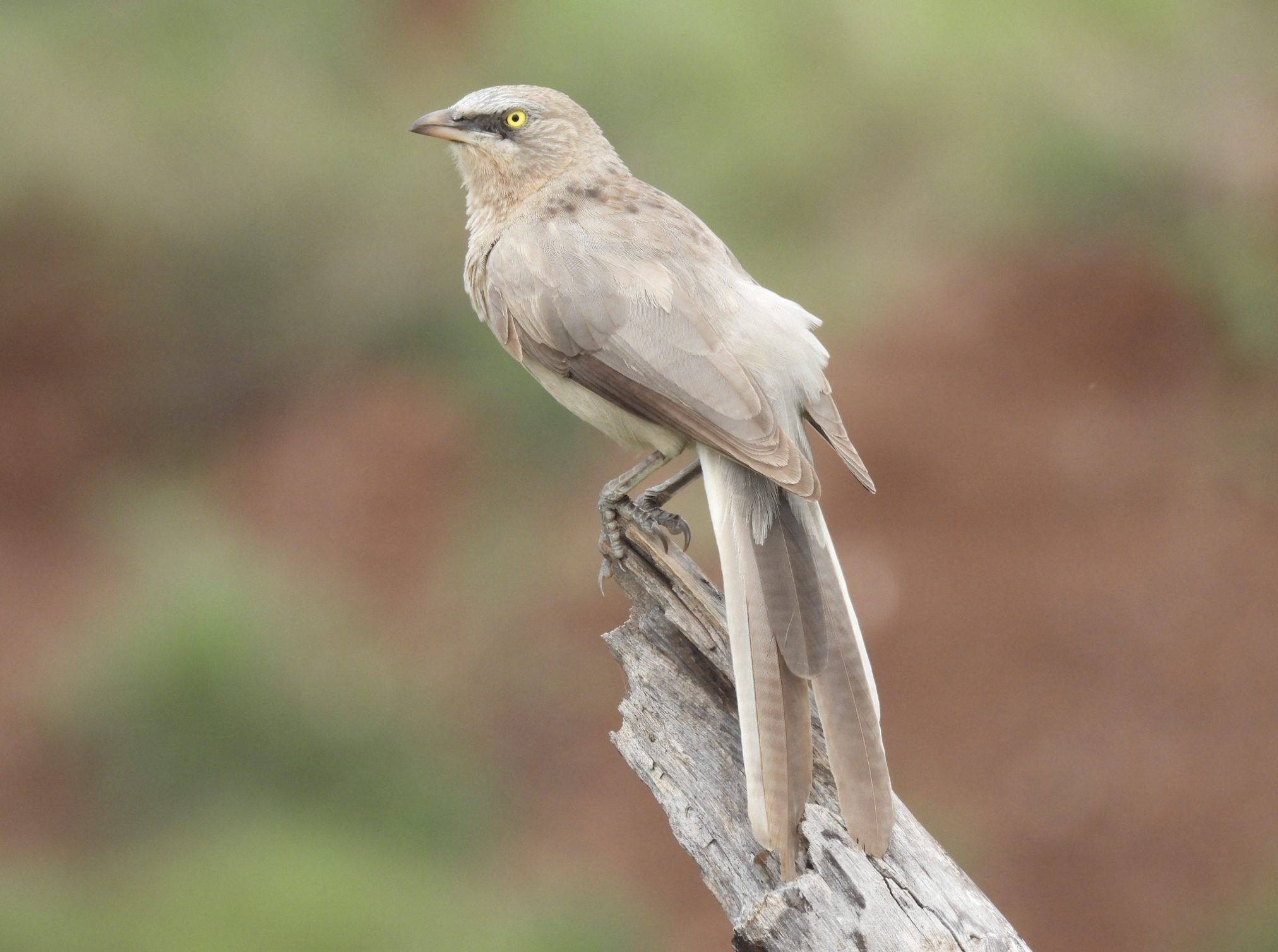
Vijayapura, Karnataka
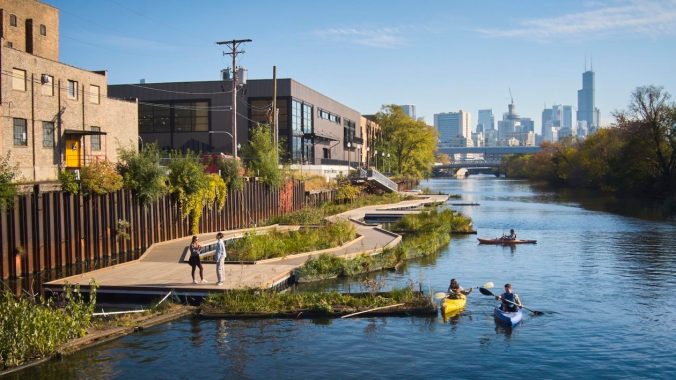
Floating wetlands along the Chicago River’s Wild Mile. DAVE BURK / SOM
Thanks to Susan Cosier and Yale e360 for this:
How Floating Wetlands Are Helping to Clean Up Urban Waters
As cities around the world look to rid their waterways of remaining pollution, researchers are installing artificial islands brimming with grasses and sedges. The islands’ surfaces attract wildlife, while the underwater plant roots absorb contaminants and support aquatic life.
Five small islands roughly the size of backyard swimming pools float next to the concrete riverbank of Bubbly Creek, a stretch of the Chicago River named for the gas that once rose to the surface after stockyards dumped animal waste and byproducts into the waterway. Continue reading

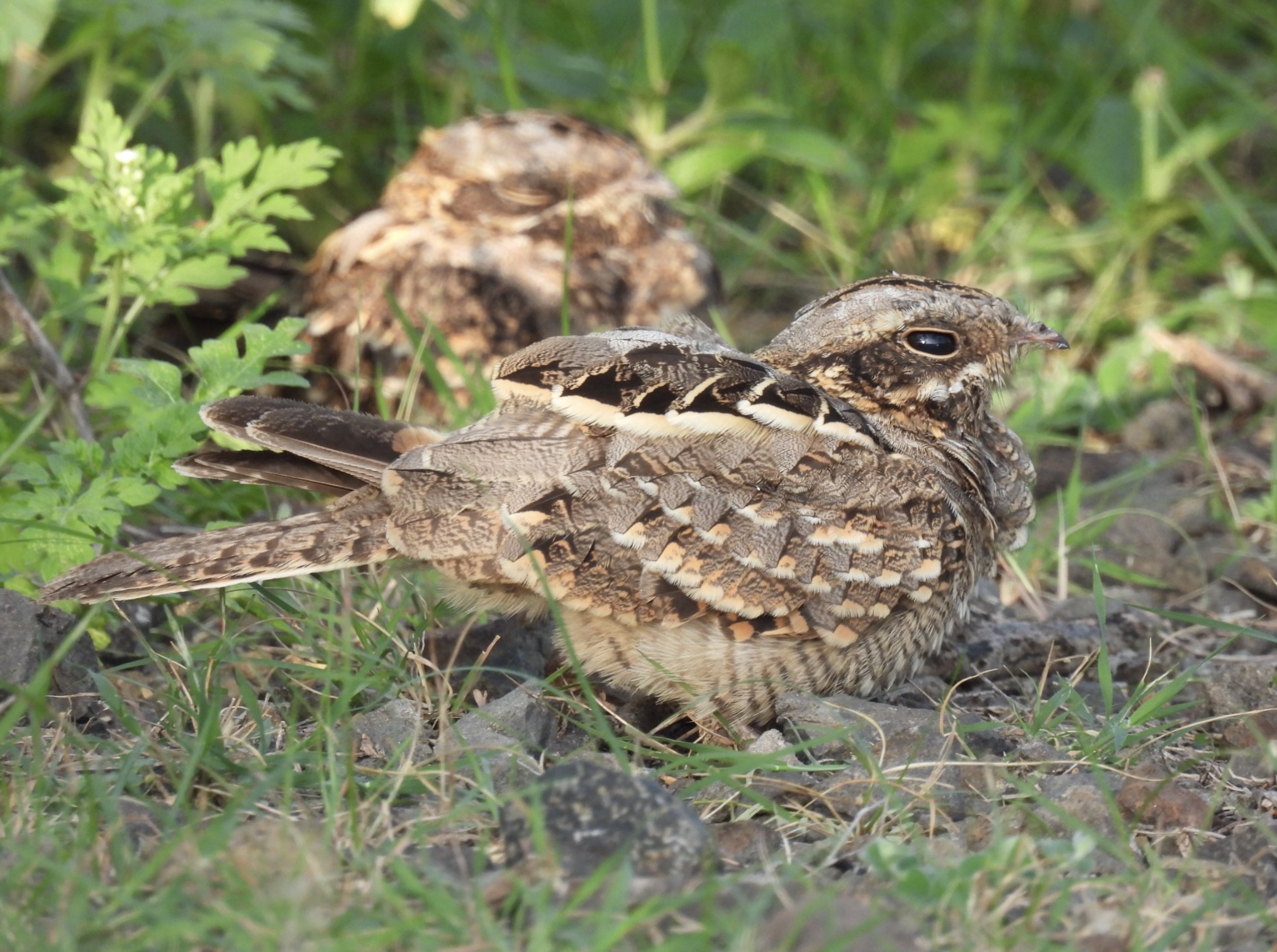
Orange Walk, Belize
Illustration: Eleanor Shakespeare/The Guardian
It is the first time we are seeing these two words together, and George Monbiot has this to say about the potential implied:
Embrace what may be the most important green technology ever. It could save us all
Never mind the yuck factor: precision fermentation could produce new staple foods, and end our reliance on farming
So what do we do now? After 27 summits and no effective action, it seems that the real purpose was to keep us talking. If governments were serious about preventing climate breakdown, there would have been no Cops 2-27. The major issues would have been resolved at Cop1, as the ozone depletion crisis was at a single summit in Montreal. Continue reading
Santiago Atitlán Guatemala
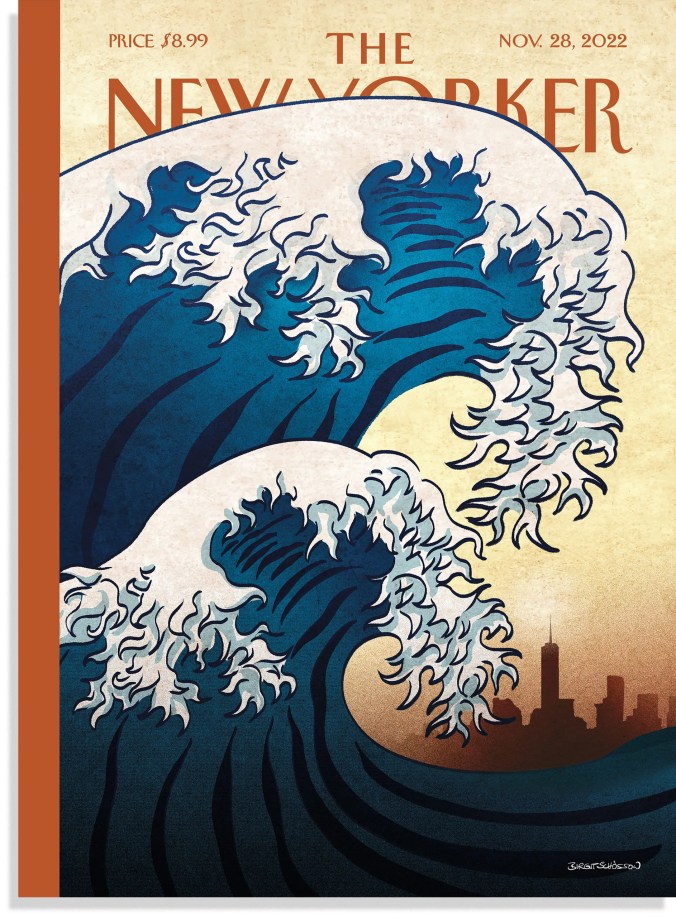 We link to essays and articles, as well as profiles and book reviews from this magazine constantly, but never previously to a cover and only once, by reference, to cartoons. The cover of this week’s issue merits consideration:
Birgit Schössow’s “The Future Is Here”
The artist talks about incorporating environmental themes in her work, and the historical inspiration behind her cover for the Climate Issue.
Françoise Mouly, Birgit Schössow
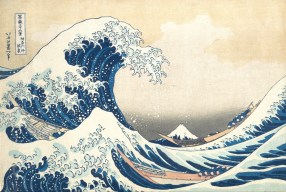
Hokusai’s “Under the Wave off Kanagawa,” circa 1830-32, is said to have inspired Debussy’s piece “La mer” (The Sea) and Rilke’s poem “Der Berg” (The Mountain).
In her new cover, the Germany-based artist Birgit Schössow drew inspiration from an artistic masterpiece. Starting in the late seventeen-hundreds, the Japanese artist Katsushika Hokusai created woodblock prints in a genre called ukiyo-e, part of an artistic movement known as “the floating world.” One of Hokusai’s best-known works is one of a series called “Thirty-six Views of Mount Fuji” that shows a giant wave cresting in the foreground. The wave’s dramatic curve and stature, topped with a skim of frilly foam, are so eye-catching that you might miss the slender fishing boat it’s about to topple onto. Continue reading

Harvard Forest (pictured) was included in a study that looks at how New England forests can be better utilized in the fight against climate change.
Stephanie Mitchell/Harvard Staff Photographer
We had no clue how much forest area that region has, nor how much capacity to absorb carbon that would translate to:
New England forests, new strategies can offset most regional emissions over 30 years, report says
Study, led by Harvard ecologist, lays out five policies to boost levels of absorption as six states lower emissions
A major new report suggests that with a handful of strategies New England’s 32 million acres of forests, which cover about three-quarters of the region, could eventually come close to absorbing 100 percent of all the carbon produced by the six states. Continue reading
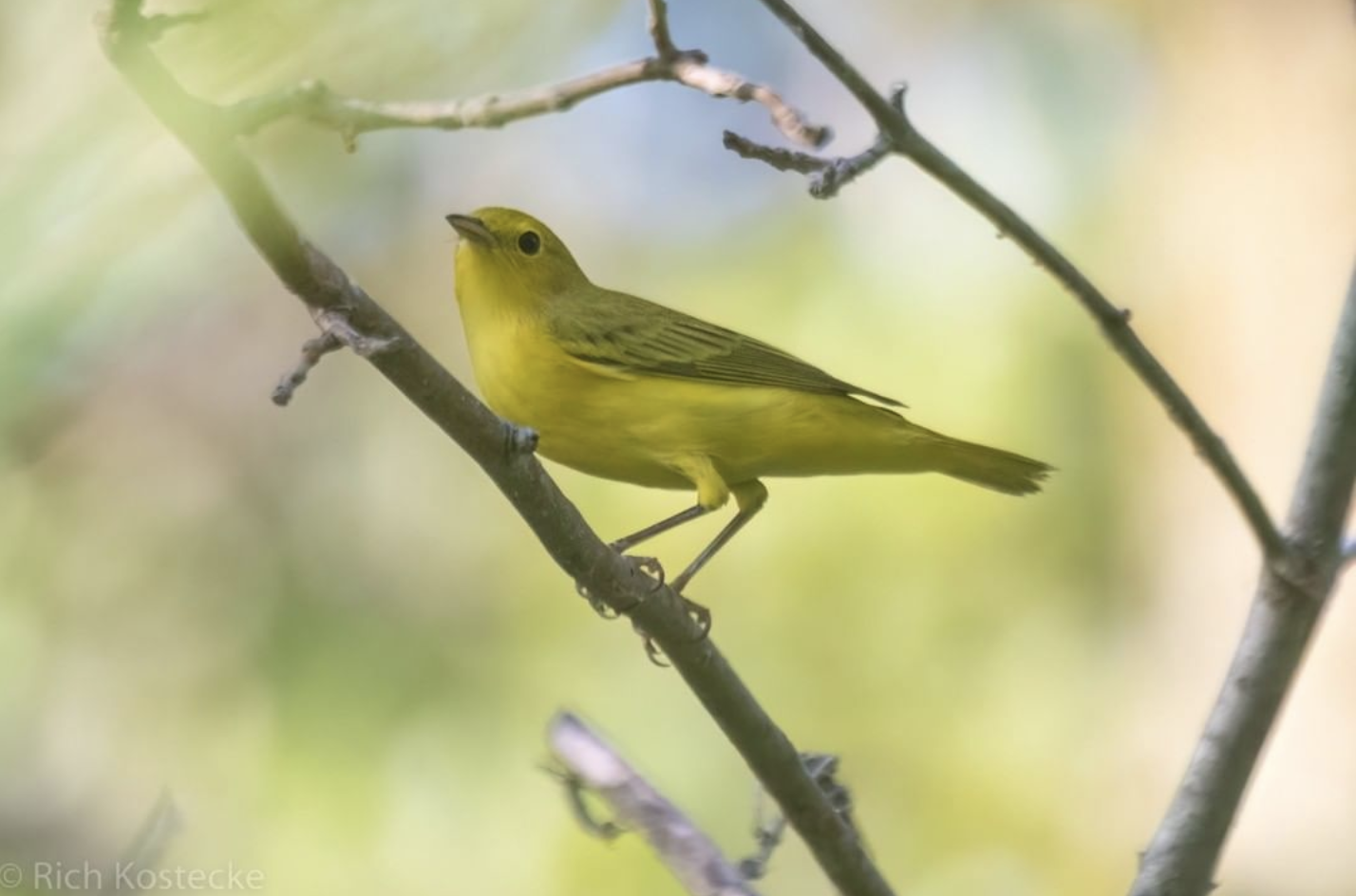
Sore Finger Wildlife Area, TX

Corals in the waters of the Ras Mohammed National Park in the Red Sea near Sharm el Sheikh, Egypt, home to one of the only reefs in the world that can tolerate heat. Sima Diab for The New York Times
Our thanks to Jenny Gross and Vivian Yee reporting from Egypt:
Attendees of the United Nations climate conference took breaks from negotiations to see the corals for themselves.Credit…Mohammed Abed/Agence France-Presse — Getty Images
The Red Sea’s Coral Reefs Defy the Climate-Change Odds
As warming waters devastate coral around the world, the sea’s stunningly colorful reefs have been remarkably resilient. But pollution, mass tourism and overfishing put them at risk.
SHARM El SHEIKH, Egypt — The vast majority of the world’s coral reefs are likely to be severely damaged in the coming decades if the planet keeps warming at its current rate. Continue reading

Jekyll Island, Georgia

Blake Votilla at the top of a spruce tree, collecting cones that will be replanted to help restore forests decimated by wildfires.
Thanks to Hilary Swift (last seen in these pages as a photographer, now also as a writer) and the New York Times for this series:
In Utah, Restoring Spruce Forests One Cone at a Time
Seasonal workers climb tree after tree to collect seeds that will eventually help regrow forests, an effort that could get the country closer to its climate goals
Some of the cones collected get sent to a nursery outside of Boise, Idaho, where the seeds from the cones are stored or replanted.
MOAB, Utah — Blake Votilla stared up at the 120-foot spruce tree. He strapped braces with four-inch spurs to his shins and clipped two large red plastic sacks on his climbing harness. Reggaeton blasted from a portable speaker on his hip.
Then he embraced the tree with his gloved hands, sticky from sap, lifting his left leg up first, driving the spur into the cracks of the bark to hoist himself up. Continue reading
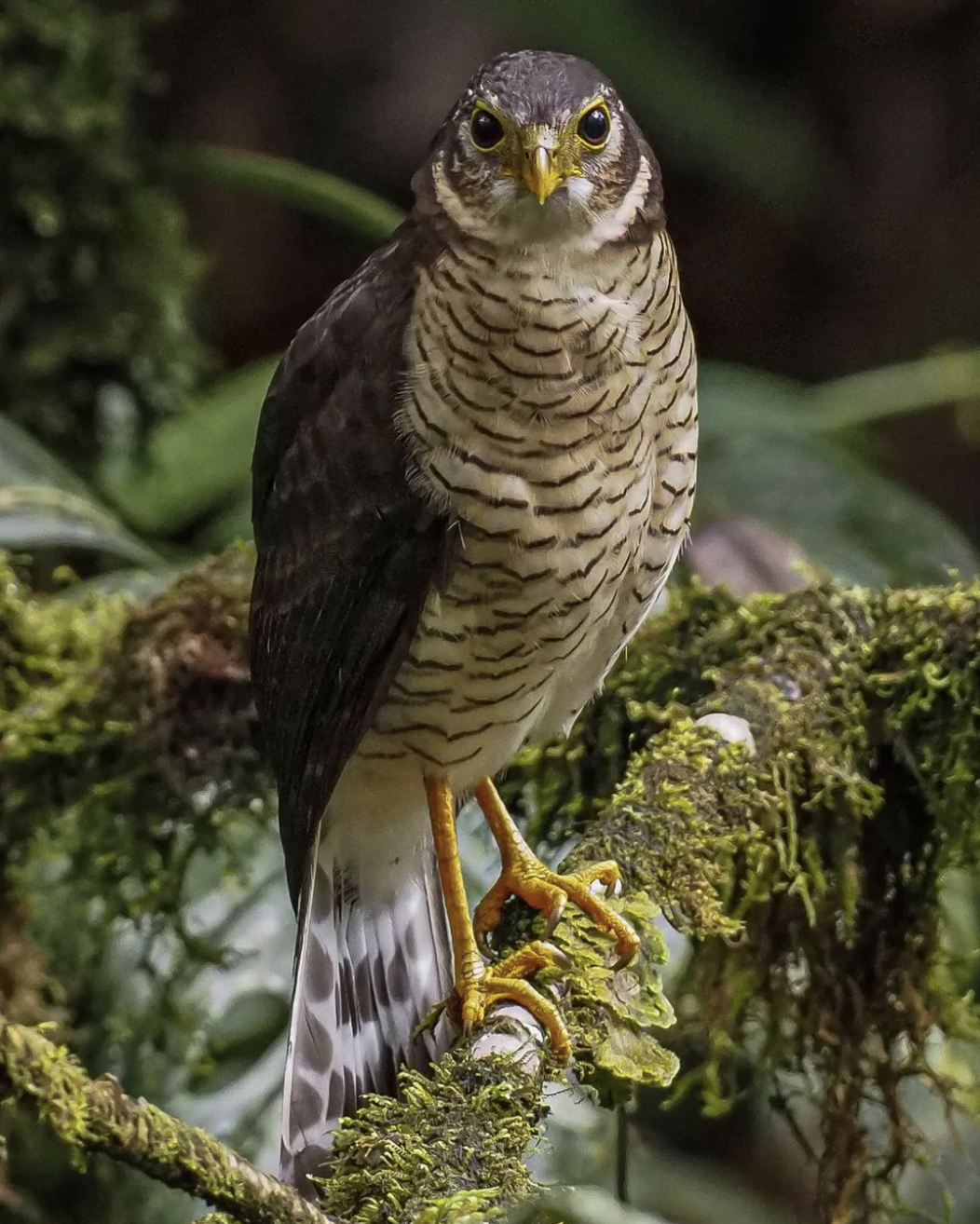
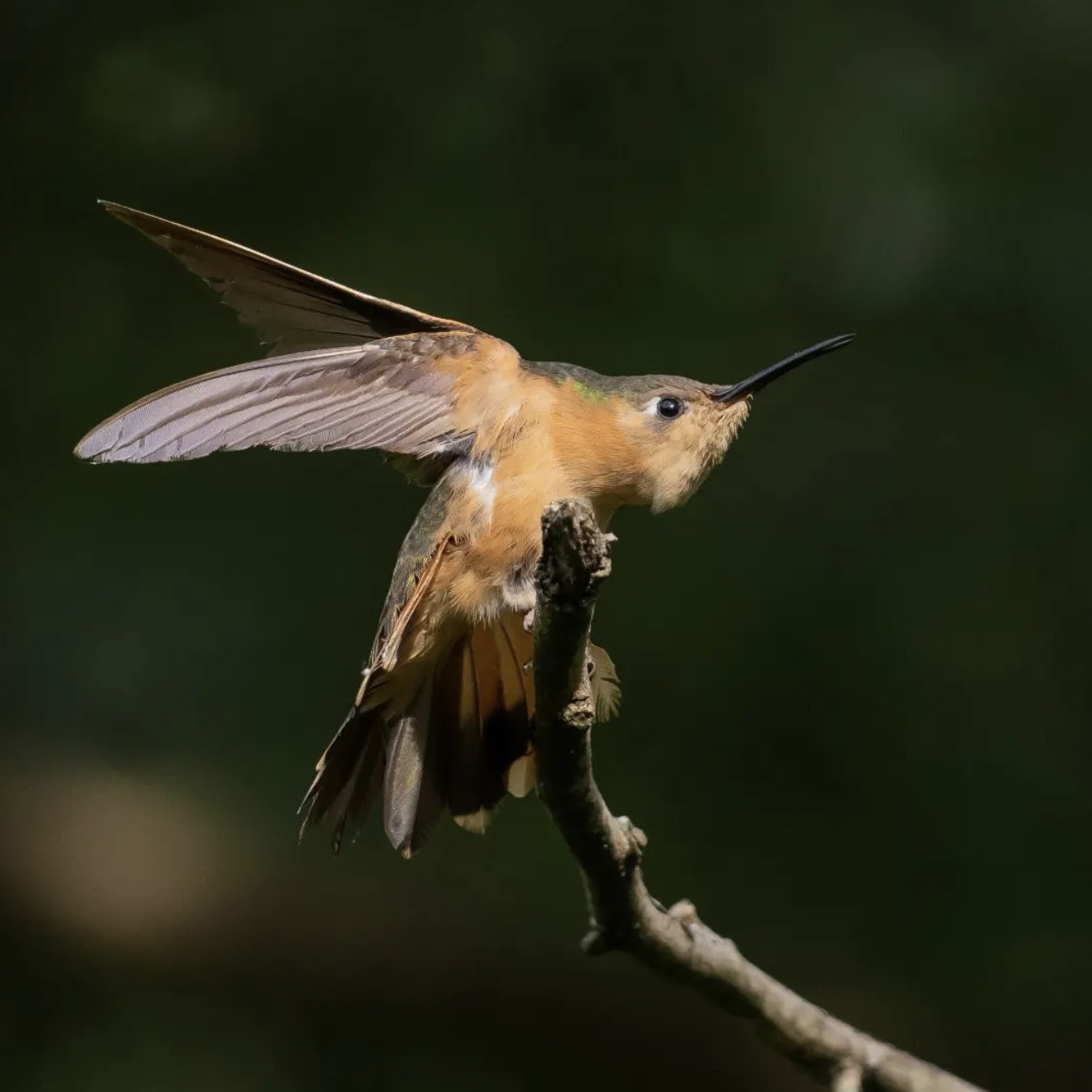
Juvenile
Guatemala

Stelios Trilyrakis, the chef behind Ntounias in Crete, pats one of his heritage cows, a rare Cretan species called Gidomouskara. SteMajourneys
I have a longstanding habit, in an article like this one listing travel experiences including 5. Savor an Unforgettable Lunch at Ntounias in Western Crete, of skimming to find whether the writer(s) have been to anywhere that I know firsthand; if they write something meaningful about a place I know, I read the entire article. These days I have less interest in going to places I do not already know (between 57 and 60 countries where I have had meaningful experiences, ranging from a few days to living there for a year or more).
When I see Crete, I am all in, for reasons I have made plain previously. In this case I want to abandon all responsibilities and get on a plane.
Since that is not possible I am left to desk-travel, which is what I did to learn more about this place. I see now that on the two occasions when I have mentioned Xania I have spelled it two different ways. With the X my spelling was transliterating into English the letter used in the Greek alphabet for spelling that town’s name; otherwise the dipthong of Ch is necessary to produce the sound of the Greek letter that looks like an elongated X. Now that I have excused my spelling discrepancies, and daydreamed of a meal on the island of Crete at a later date, I will get on with my responsibilities.
Carara National Park, Costa Rica

Fridays for Future protest calling for money for climate action at Cop27. Photograph: Peter de Jong/AP
If you wonder what our youth are up to, take a look at what the Guardian’s team of Fiona Harvey, with Adam Morton and Patrick Greenfield is reporting from Sharm el-Sheikh:
Cop27: EU agrees to loss and damage fund to help poor countries amid climate disasters
Change in stance puts spotlight on US and China, which have both objected to fund
A breakthrough looked possible in the deadlocked global climate talks on Friday as the European Union made a dramatic intervention to agree to key developing world demands on financial help for poor countries. Continue reading
Comanche Bluff Trail, TX
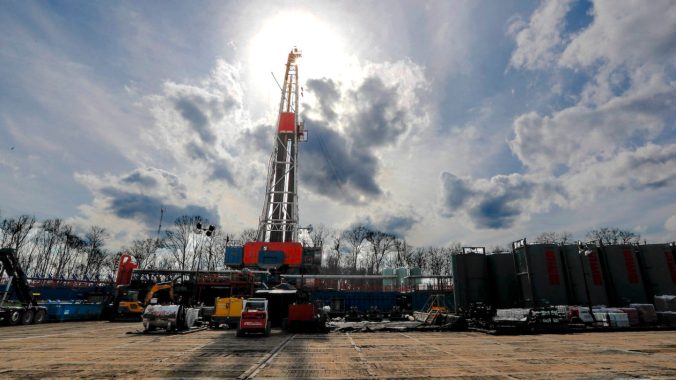
A shale gas drilling rig in St. Marys, Pennsylvania. AP PHOTO / KEITH SRAKOCIC
We thought the science of fracking’s dangers was already sufficiently clear, and now this (read Jon Hurdle’s entire story at Yale e360):
As Evidence Mounts, New Concerns About Fracking and Health
Two decades after the advent of fracking, a growing number of studies are pointing to a link between gas wells and health problems, particularly among children and the elderly. Researchers are now calling for new regulations restricting where wells can be located.
Almost 20 years after the adoption of hydraulic fracturing began to supercharge U.S. production of oil and gas, there’s growing evidence of a correlation between the industry’s activities and an array of health problems ranging from childhood cancer and the premature death of elderly people to respiratory issues and endocrine disruption. Continue reading

As Brazil turns the tide to its better environmental self, the New York Times reporter Ian Austen explains how Canada harnesses its best tide for an environmental feat long dreamed of:
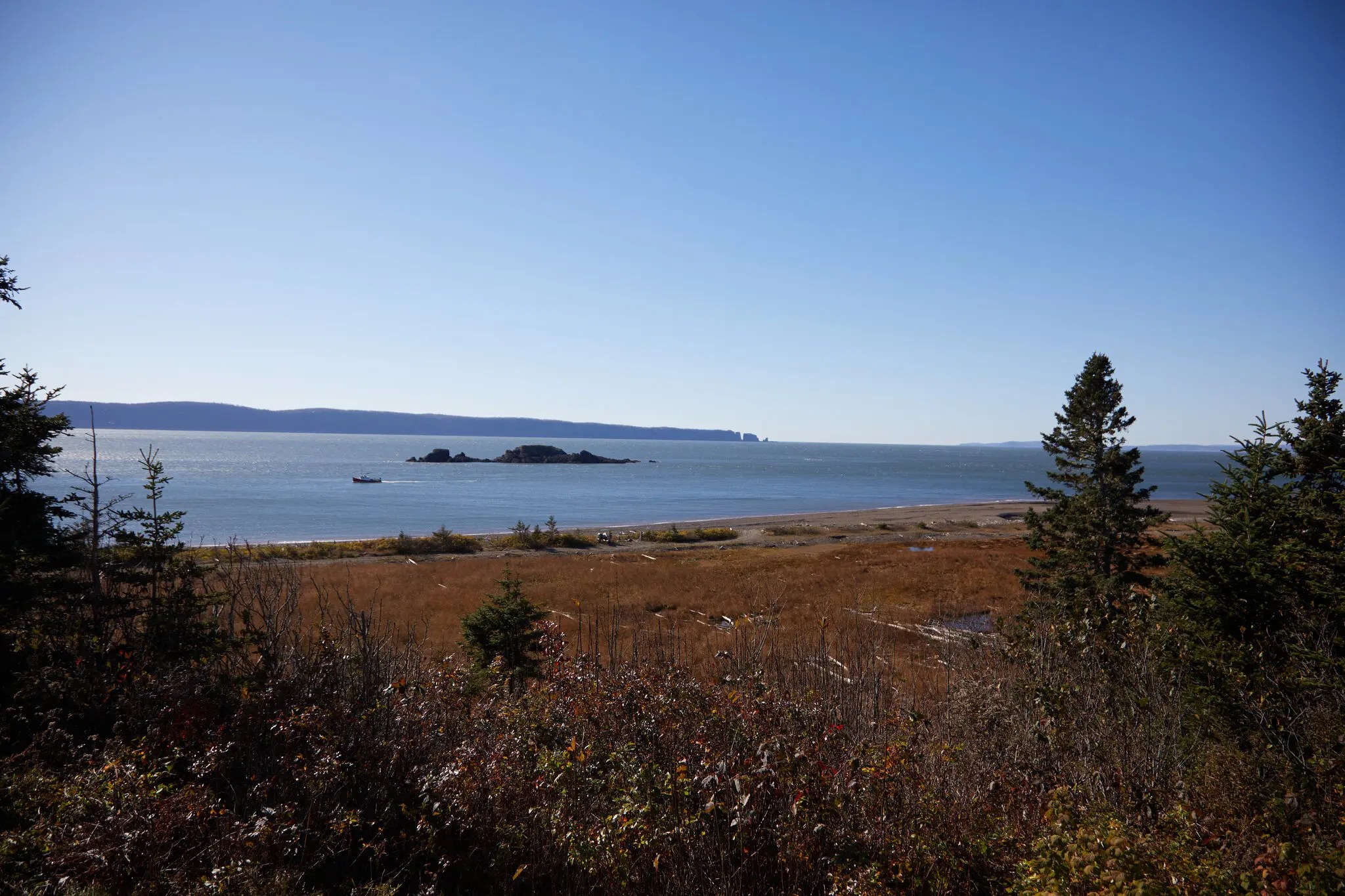
The Bay of Fundy’s funnel shape is part of the reason for its exceptional tides. Along its 96 or so miles of length, the bay dramatically narrows and its depth drops, from 765 feet to 147 feet. David Goldman for The New York Times
Who Will Win the Race to Generate Electricity From Ocean Tides?
The Bay of Fundy, between Nova Scotia and New Brunswick, has one of the world’s most powerful tides. Now, engineers and scientists hope to finally turn it into a clean energy source.
ABOARD THE PLAT-I 6.40 GENERATING PLATFORM, Nova Scotia — The Bay of Fundy, off the Canadian provinces of Nova Scotia and New Brunswick, has long tantalized and frustrated engineers hoping to harness its record-setting 50-foot high tide to generate electricity. Continue reading

 Organikos