Coffee, History & Literature

Adam Gopnik, one of our favorite essayists, wrote an excellent essay on this topic; and Michael Pollan, among others, wrote a book.

There is still plenty to say about the history of coffee, as far as we are concerned, and Ed Simon demonstrates it in this essay from The Millions, an online magazine:

Coffee, the Great Literary Stimulant

“I have measured out my life with coffee spoons.” –T.S Eliot, “The Love Song of J. Alfred Prufrock” (1915)

Maronite priest Antonio Fausto Naironi once claimed that the greatest of miracles happened in ninth-century Ethiopia. It was then and there, in the province of Oromia, that a young shepherd named Kaldi noticed that his goats were prone to running, leaping, and dancing after they had eaten blood-red berries from a mysterious bush. Continue reading
A Paradox Wrapped In A Conundrum

We almost always side with the animals. But sometimes there are no easy answers. Just puzzles.

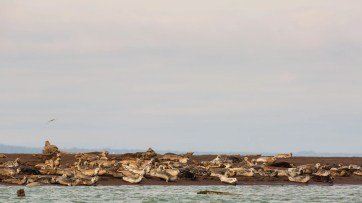
Parker Miles Blohm / KNKX. Harbor seals hauled out at low tide on the Nisqually River on October 10, 2022.

In this case, for what it is worth, our support is with the humans:

Seals and sea lions vex Washington tribes as Marine Mammal Protection Act turns 50

50 years ago, President Nixon signed the Marine Mammal Protection Act into law. The act has been hugely successful in restoring the abundance of the marine species it protects. But some say it’s too successful.

Tribes in particular say their treaty rights to fishing are under threat because now, too many seals and sea lions are feasting on endangered salmon. Continue reading
Berms & Dunes & Native Knowhow

Old State Route 105 ends abruptly at the edge of the Pacific Ocean, after coastal erosion took out the road near the Shoalwater Bay Reservation in Tokeland, Wash.

We have often thought consulting those who have been on the land longest is a good idea, so this story is heartening:

Native American tribes are competing for the first federal grants designed to help move communities away from high water and other dangers posed by climate change.

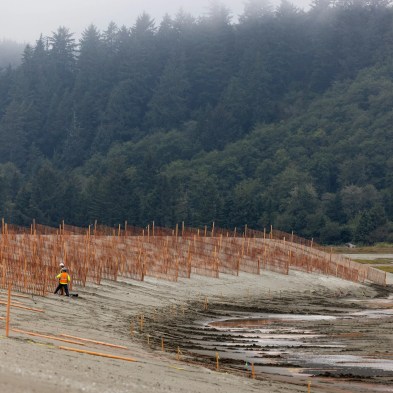
The U.S. Army Corps of Engineers is building a dune to protect the Shoalwater Bay Reservation.

SHOALWATER BAY INDIAN RESERVATION, Wash. — The van carrying tribal officials veered off the coastal highway, away from the Pacific and onto a dirt path hidden by cedar and spruce trees. After climbing an old logging road, it emerged into a clearing high above the Shoalwater Bay Indian Reservation, half a square mile of oceanfront that’s disappearing fast.

The tribal leaders want to relocate to the remote hilltop where they were standing, despite its uneven terrain. “If you can believe it, this is the most suitable land we have for building,” said Quintin Swanson, treasurer of the 471-member tribe. Moving up the mountain could cost half a billion dollars, he said.

As climate change gets worse, tribes like Shoalwater Bay are being squeezed between existential threats and brutal financial arithmetic. Consigned to marginal land more than a century ago by the United States government, some tribes are now trying to relocate to areas better protected from extreme weather yet lack the money to pay for that move. Continue reading

Choose Your Hope Vector Carefully

We all need an occasional dose of hope, especially when it comes to climate change. Choosing the right kind makes a huge difference, so give McKibben’s newsletter a thorough reading this week:

Magical Hope vs Actual Hope

Left or right, physics doesn’t much care about your wishful thinking

I spent the weekend in Reno, Nevada with, among other people, my old friend Rebecca Solnit. We were there to rally voters and knock on doors in one of the nastiest elections in the country—and at such times Solnit’s powerful reflections on hope are a balm and a spur. Continue reading

Tagging Technology Gives Godwit Game

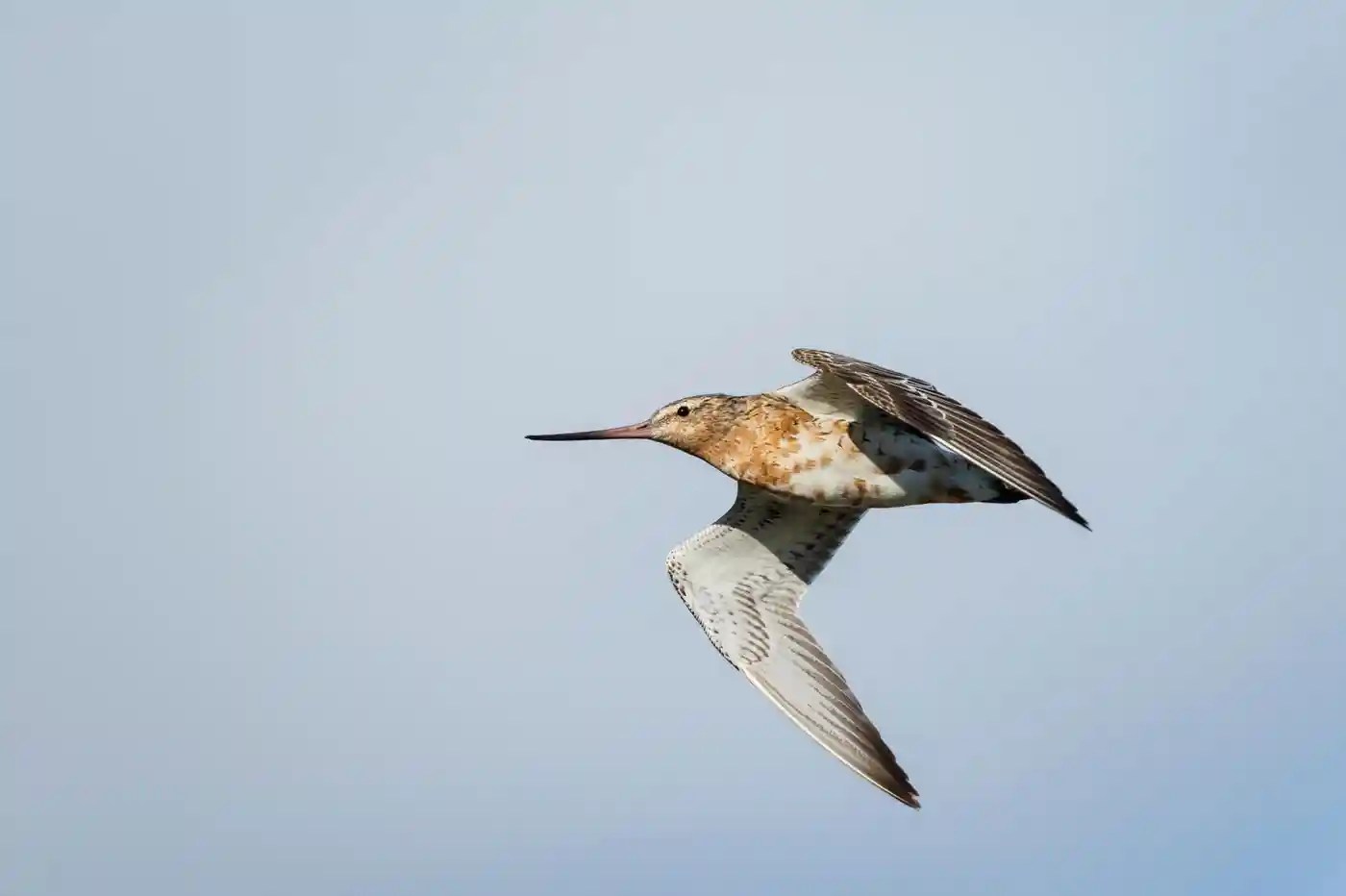
A juvenile bar-tailed godwit has flown from Alaska in the US to Tasmania in Australia, covering a record 13,560kms without stopping. Photograph: Johnny Madsen/Alamy

Who’s got game in the bird world is not, strictly speaking, a phrase associated with ornithologists or what they do for a living. But sometimes, their news features what looks like competitive sport to the lay public. We have shared news of long-journey bird species on several occasions, and one that has the right stuff now stands out from the rest by virtue of tagging technology:

Bar-tailed godwit sets world record with 13,560km continuous flight from Alaska to southern Australia

Satellite tag data suggests five-month-old migratory bird did not stop during voyage which took 11 days and one hour to reach Tasmania

A juvenile bar-tailed godwit – known only by its satellite tag number 234684 – has flown 13,560 kilometres from Alaska to the Australian state of Tasmania without stopping, appearing to set a new world record for marathon bird flights. Continue reading

Beware The Phantom

(Photo credit: Isaac Bowen / CC BY-NC 2.0)

Thanks to Yale Climate Connections:

‘’Phantom’ power is responsible for up to 10% of a home’s energy use

The electricity that your gadgets use during standby mode could be driving up your utility bill. 

‘Tis the season of ghosts, goblins … and phantom power? Continue reading

Community Challenges To Going Solar

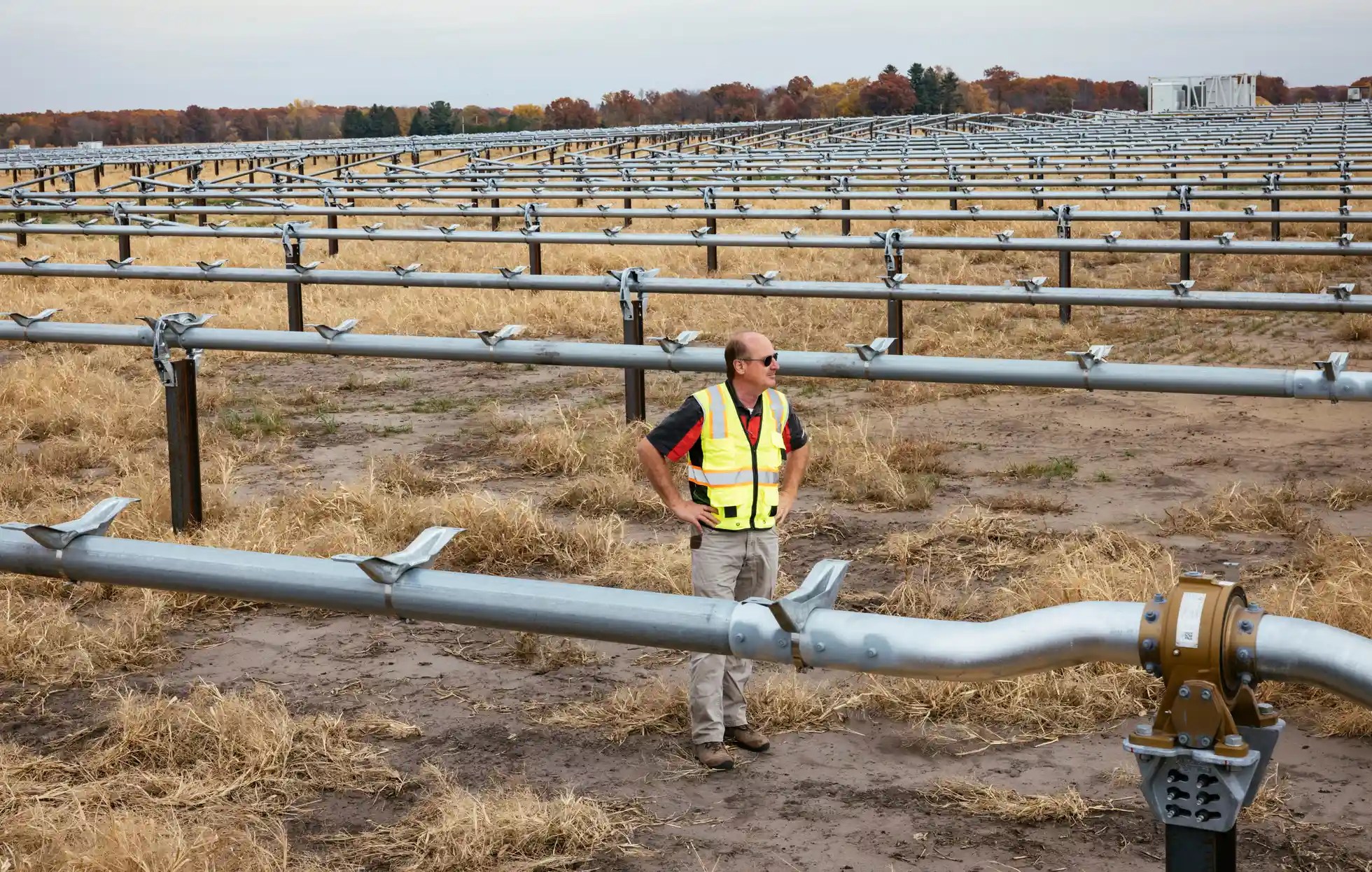
Farmer Norm Welker on his land in Starke county, Indiana, where a solar power field is being constructed. Photograph: Taylor Glascock/The Guardian

Our thanks to Oliver Milman, as ever, and the Guardian, as always, for this story from the front lines of getting it done in spite of opposition:

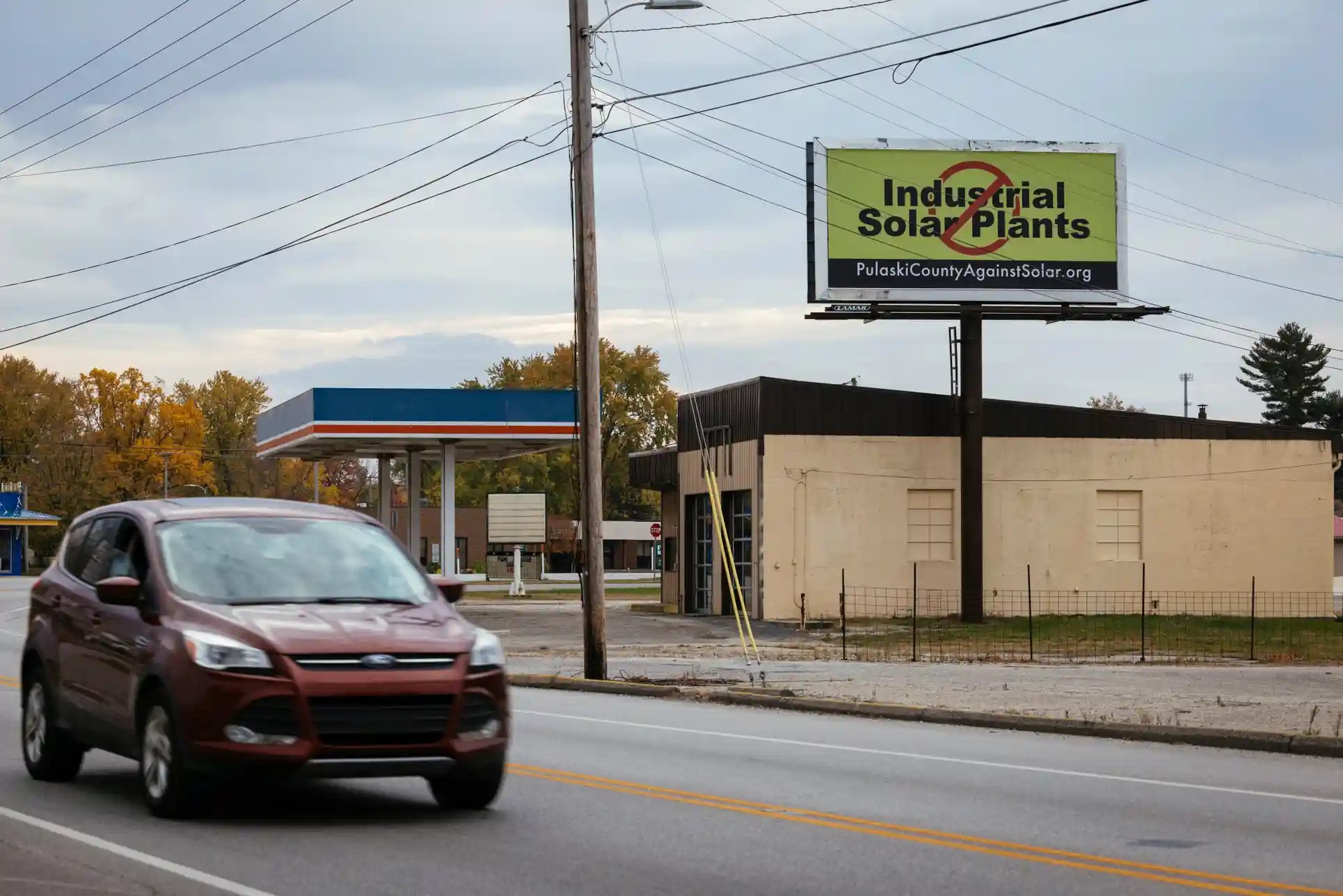
One of Connie Ehrlich’s anti-solar billboards in Winamac, Indiana. Photograph: Taylor Glascock/The Guardian

‘It’s got nasty’: the battle to build the US’s biggest solar power farm

A community turns on itself over the aptly named Mammoth solar project, a planned $1.5bn power field nearly the size of Manhattan

When proposals for the largest solar plant ever conceived for US soil started to gather pace – a plan that involves spearing several million solar panels into the flat farmland of northern Indiana – something in Connie Ehrlich seems to have snapped. Continue reading

David Wallace-Wells & Co With New Perspective

After providing some of the deepest gloom, one of the environmental journalists we respect for not flinching or sugar-coating is singing a new tune, at least on this day:

Beyond Catastrophe

A New Climate Reality Is Coming Into View

By David Wallace-Wells
Photographs by Devin Oktar Yalkin
Captions by Charley Locke

You can never really see the future, only imagine it, then try to make sense of the new world when it arrives Continue reading

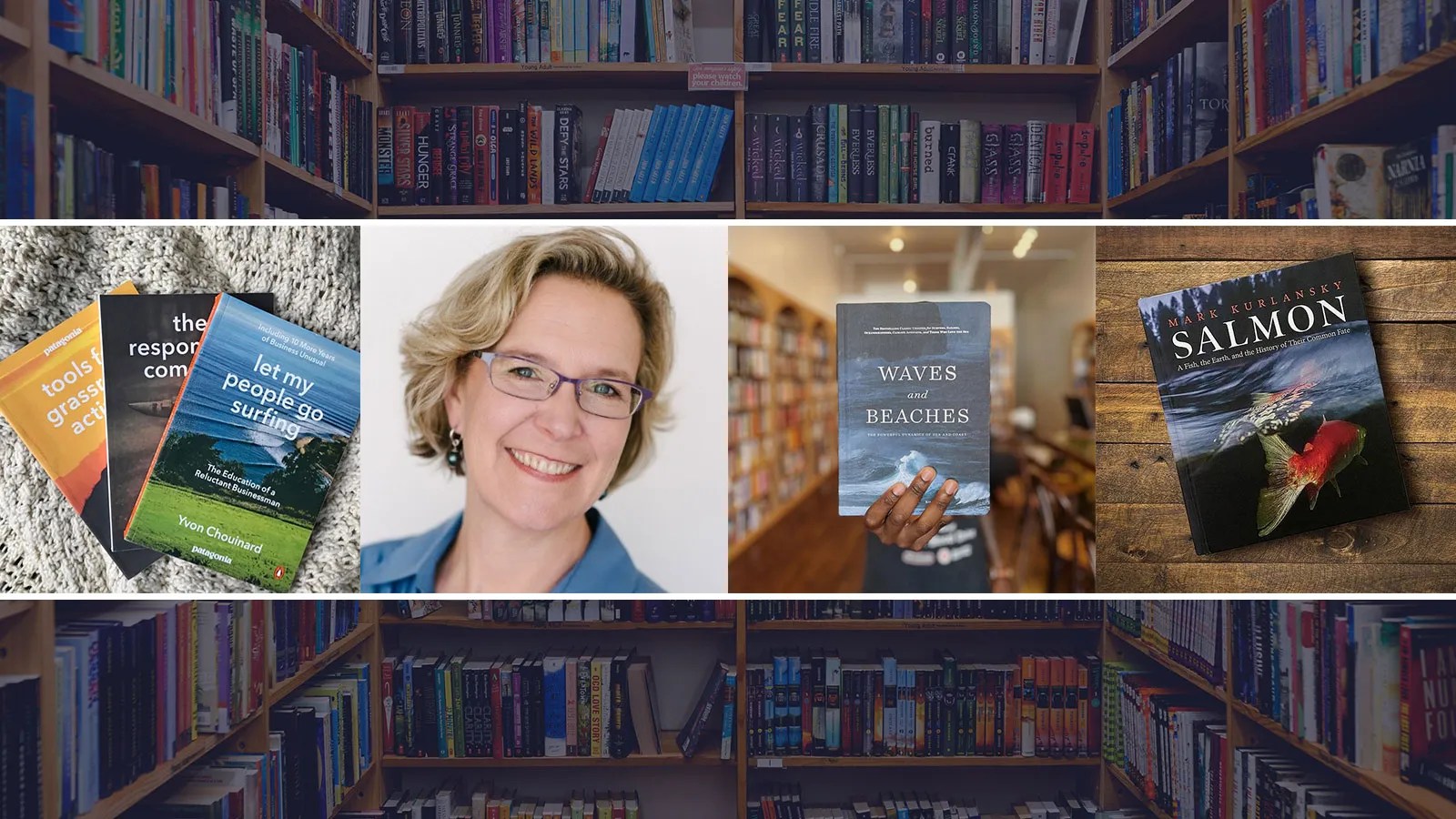
About Patagonia’s Book Imprint

(Photo credit: Foreground book photos courtesy of Patagonia)

We already long-respected the company for plenty of good reasons; now one more:

Hope and action: The mission of Patagonia Books

Philanthropy has been a part of Patagonia Books’ mission and operations from the beginning, says Director Karla Olson.

When Yvon Chouinard, the founder of the outdoor wear and gear giant Patagonia, announced his decision to donate his $3-billion company to the newly established nonprofit Holdfast Collective for the purpose of combating climate change, Yale Climate Connections was both impressed and curious. Continue reading

Truffles From A Farm Near You

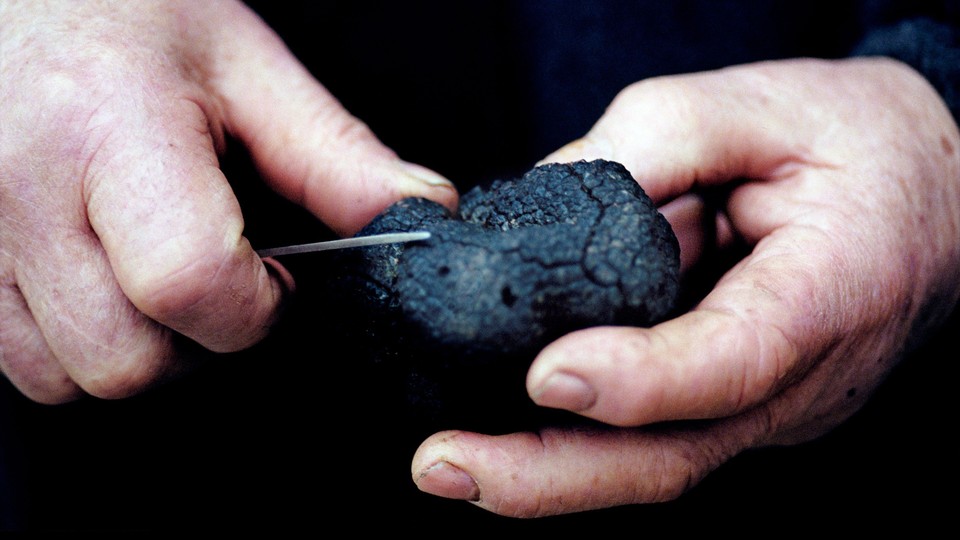
Someone saving a truffle

Berthold Steinhilber / Laif / Redux

We hope, from a culinary perspective, that truffle cultivation has advanced enough such that the statement in the title of Federico Kukso’s article below is correct. Thanks to the Atlantic, and to Knowable, for this:

Truffles Are Everywhere Now

Farmers around the world are trying to cash in on the prized black truffle.

Every morning, for three months of the year, Lola wakes up at 8 and goes hunting. Continue reading