Juliet Eilperin’s Sprawling, Soaring Sitka Story

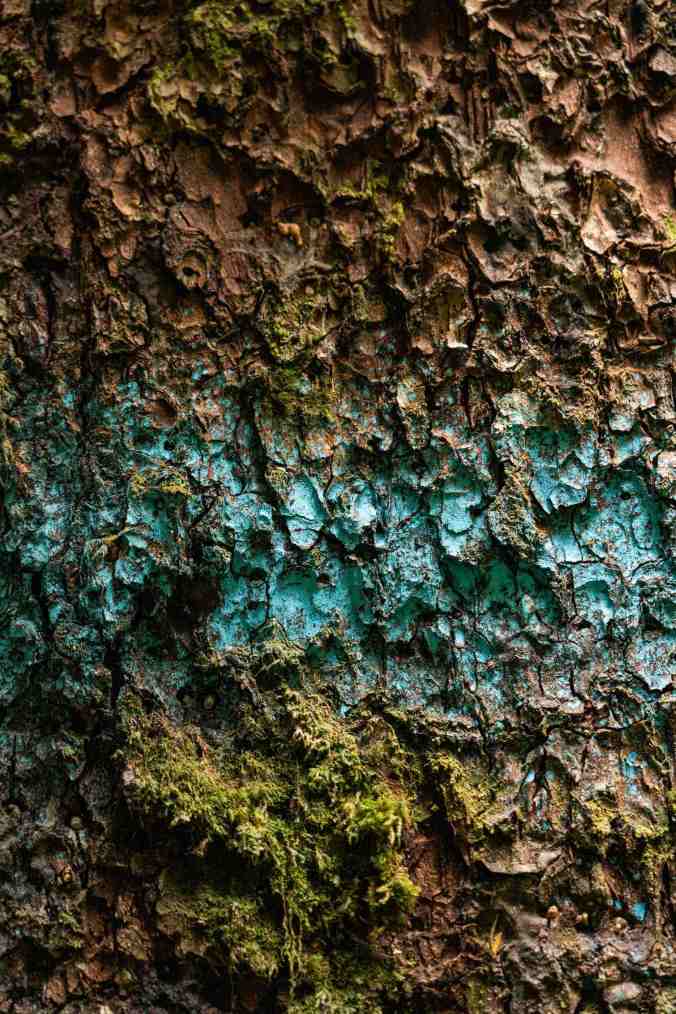
The trunk of the Sitka spruce marked to be cut down.
The soaring, centuries-old Sitka spruce with its blue spray-paint blaze is spared, for now.

A story about a tree, its history intertwined with five centuries of human history, this article earns your time. And it earns respect for the Washington Post, which assigned a star reporter to oversee its climate change coverage.

Juliet Eilperin features this tree’s significance from multiple angles, and accompanied by the stunning photography and video of Salwan Georges, her words are leveraged artfully with images and dramatic arc into a question you want the answer to: This tree has stood here for 500 years. Will it be sold for $17,500? Definitely worth reading on a large monitor rather than a phone screen. It may get you thinking about graduate school:
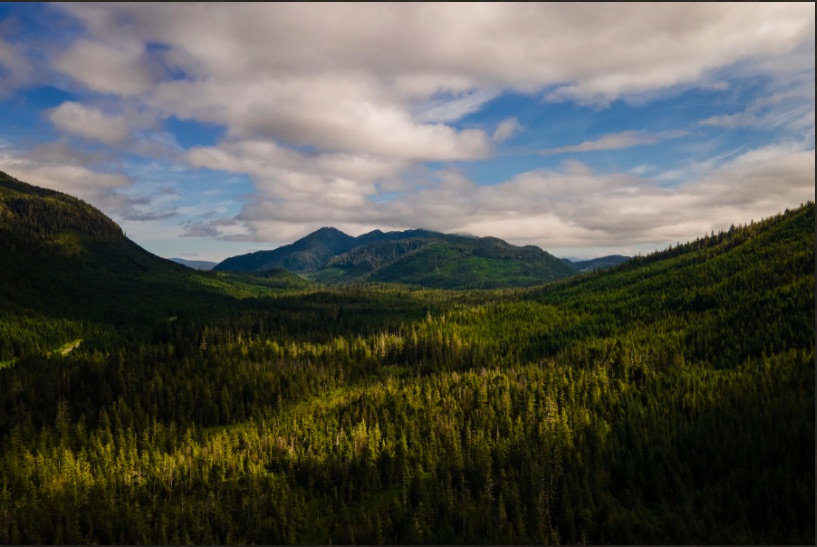
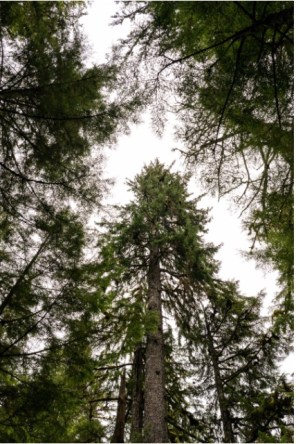
The Tongass National Forest in Alaska.

TONGASS NATIONAL FOREST, Alaska — The Sitka spruce soaring more than 180 feet skyward has stood on this spot on Prince of Wales Island for centuries. While fierce winds have contorted the towering trunks of its neighbors, the spruce’s trunk is ramrod straight. Standing apart from the rest of the canopy, it ascends to the height of a 17-story building.

This tree’s erect bearing — a 1917 publication called the Sitka species “the autocrat of timbers” — is what helps give it such extraordinary commercial value. Musical instrument makers covet its fine grain, as do builders whose clients want old-growth wood that’s increasingly scarce. In a world whose ancient forests have largely disappeared, this grove holds a sliver of what remains. Continue reading
Broadening Birding’s Benefits

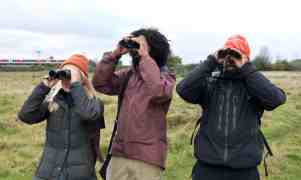
The writer, left, with Nadeem Perera and Ollie Olanipekun. Photograph: Christian Sinibaldi/The Guardian

When we managed our first lodge I came to understand that widening the audience of bird appreciation could strengthen commitment to conservation. A dozen years later, when Seth began working at the Cornell Lab of Ornithology, focused on celebrating urban birds, I knew that when he returned to work with us he would be bringing valuable knowhow.

When we started this platform for sharing news and personal stories related to our work, birds became a daily feature.

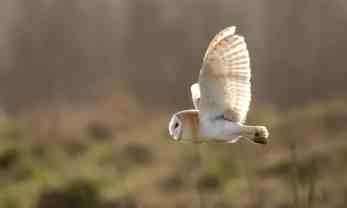
Olanipekun’s favourite bird is the ‘beautifully majestic’ barn owl. Photograph: Fletch Lewis/Getty Images

So Rebecca Liu’s story ‘It’s not just a white thing’: how Flock Together are creating a new generation of birdwatchers has various meanings for me. I can relate to the author’s novice sense of wonder as much as I can to Mr. Olanipekun’s decisive mention of the barn owl, featured frequently in our pages, as a favorite:

The nature collective was set up to encourage more people of colour to enjoy nature. Here, they take our writer on a spotting trip through the wildlands of north-east London

Through birding, Ollie Olanipekun (left) and Nadeem Perera are hoping to encourage children and young people to deepen their understanding and love for the environment. Photograph: Christian Sinibaldi/The Guardian

I have lived in cities all my life. My childhood did not involve any education in the outdoors. It would be fair to say my knowledge of birds doesn’t go much further than the varieties mentioned in Old Macdonald Had a Farm. So when I arrive at east London’s Walthamstow Wetlands on a cloudy November day to meet Ollie Olanipekun and Nadeem Perera for an afternoon of winter birdwatching, I am already apologetic for all that I do not know. Continue reading

Something In The Air For Onetime Mining Communities

The Shoshone Museum documents the town’s scrappy past as a mining community.

When Alex Ross, a music critic, wanders from criticism to commentary or into especially unexpected territory, it is always for good reason. He clearly has a love of desert ecosystems. His most recent publication intersects desert ecosystem with a deserted mining community. It reaches me just after yesterday’s link to a model for improving the prospects of a coal extraction community, so there is something in the air:

The Queen of the Desert

How Susan Sorrells transformed a Death Valley mining village into a model of ecologically conscious tourism.

For mile after mile along California State Route 127, a two-lane desert road, there are no services, no homes.

Next services 57 miles” reads a sign at the southern end of California State Route 127, which goes from the Mojave Desert town of Baker up to the Nevada border, skirting the edge of Death Valley National Park. It’s one of those two-lane desert roads that slices across the landscape like a never-ending airport runway. There’s an extended stretch that consists of a long downward slope followed by an equally long ascent. If you’re driving at night, the headlights of cars coming in the opposite direction float above one another in midair, like planes waiting to land. But cars are infrequent. For mile after mile, there are no services, no homes. Continue reading
Extraction, Adaptation & Opportunity

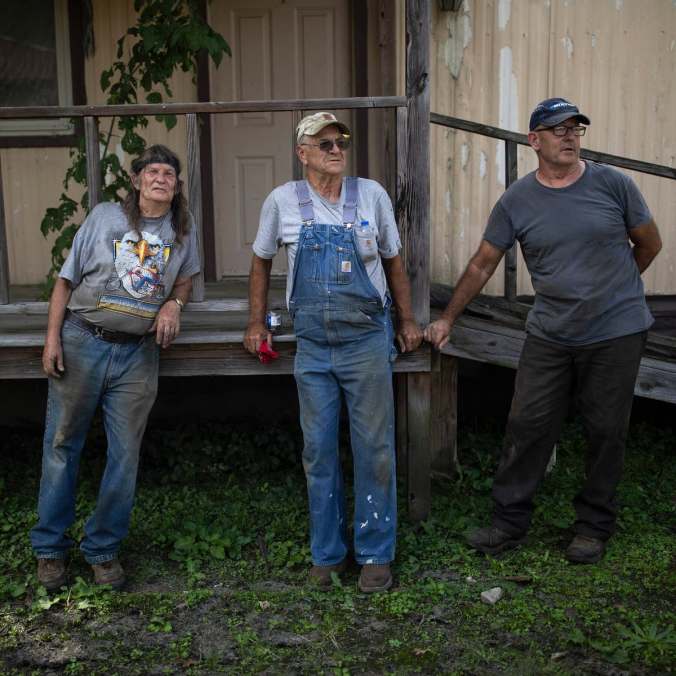
The former coal miner Gary Webb, right, with his cousins Darrell Davis and Ernie Dials, in Lovely, Ky. Mr. Webb supports the planned solar farm. “It’s good for climate change,” he said. “Anything that helps is good.” Maddie McGarvey for The New York Times

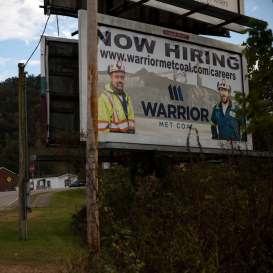
The photograph above speaks to the humanity of coal mining culture in a time when the world is trying to wind down its use of coal. It is not fair, in so many ways, that miners seem to have so few options; but a way forward will be found. The billboard in the photo below may suggest otherwise, but opportunities for those miners are not likely to include coal.  Thanks to Cara Buckley for this vivid portrait of a place historically focused on extraction, its people who are in need of a better future, and the tensions that come with making that better future happen:

Coming Soon to This Coal County: Solar, in a Big Way

In Martin County, Ky., where coal production has flatlined, entrepreneurs are promising that a new solar farm atop a shuttered mine will bring green energy jobs.

A billboard advertising mining jobs in Inez, Ky. By last count, the county had just 26 miners left. Maddie McGarvey for The New York Times

MARTIN COUNTY, Ky. — For a mountain that’s had its top blown off, the old Martiki coal mine is looking especially winsome these days. With its vast stretches of emerald grass dotted with hay bales and ringed with blue-tinged peaks, and the wild horses and cattle that roam there, it looks less like a shuttered strip mine and more like an ad for organic milk.

The mountain is poised for another transformation. Hundreds of acres are set to be blanketed with solar panels in the coming year, installed by locals, many of them former miners. Continue reading

Legacies & Possible Futures

Toward the end of his life, E. O. Wilson called for setting aside half of the world’s surface as untouchable.Photograph by Steven Senne / AP

When I read the obituary of E. O. Wilson published in the New York Times, written by one of the science writers we link to the most frequently, it was full of surprises–I had not been aware of the many controversies cited.

I was also surprised to see no mention of biophilia, the concept that first drew my attention to the scientist’s work.

Tom Lovejoy spent most of the past forty years trying to preserve the Amazon rain forest.Photograph by Lev Radin / Shutterstock

Then, this morning, I read the tribute by another of our favorite writers, and had a different surprise: we have featured stories referring to conservation biologist Tom Lovejoy only four times previously. It seems a fitting way to start a new year by correcting an old mistake.

Thanks to Elizabeth Kolbert for Honoring the Legacy of E. O. Wilson and Tom Lovejoy:

The two naturalists helped to pioneer the field of conservation biology and remained determinedly hopeful that humanity would make better choices.

Over the weekend, two of the country’s leading naturalists, E. O. Wilson and Tom Lovejoy, died a day apart. Wilson, who was perhaps best known for his work on ants, was a pioneer in the field of conservation biology; Lovejoy was one of the founders of the field. Continue reading

Making Things, Giving Things & Keeping Things

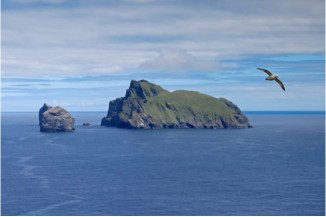
A northern fulmar in flight near Boreray, an uninhabited island in the archipelago of St. Kilda. Photograph by Philip Mugridge / Alamy

Last week I read an essay explaining the allusive power that human-made objects can have. It got me thinking about St. Kilda. Reading four years ago about that place and its people spurred my imagination sufficiently that the following year I committed to a challenge. The challenge was created by the speed of change impacting travel culture, and the tendency of travel retail to homogenize over time.

Things you might see in the Authentica shops

Local artisans all over the world were finding their goods displaced in shops oriented to travelers by things made in faraway factories.

Specifically, the commitment was to support local artisans by creating a venue for selling their goods to travelers. Perhaps utopian is a concept too big to apply to this commitment; anyway, maybe the word quixotic is more apt. Authentica offers human-made things for travelers to take home with them, within the context of a travel-retail complex that operates with very different resources and intent.

We understand why the replicas are made, and why people buy them. We refuse to confuse understanding with acquiescence.

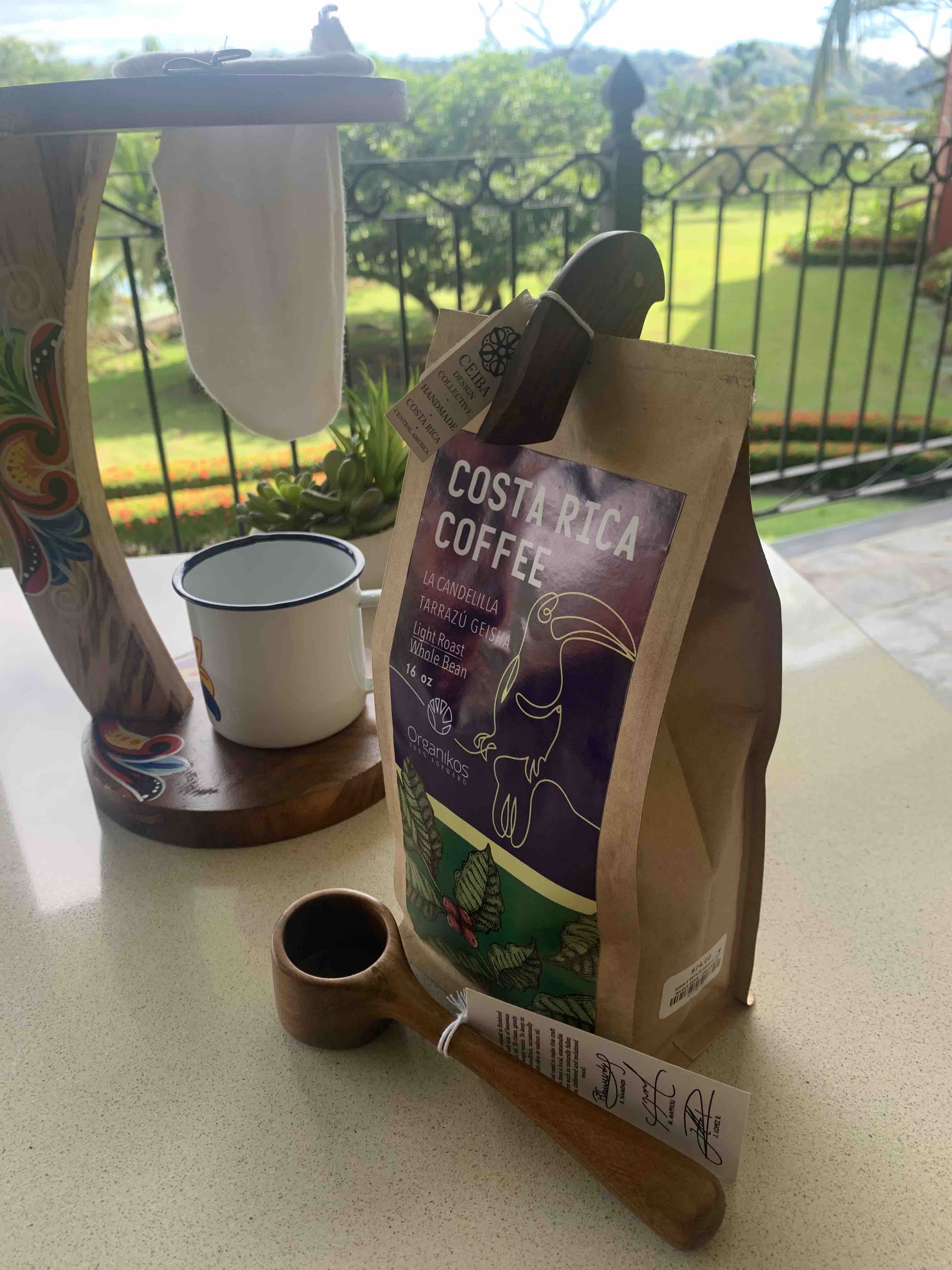
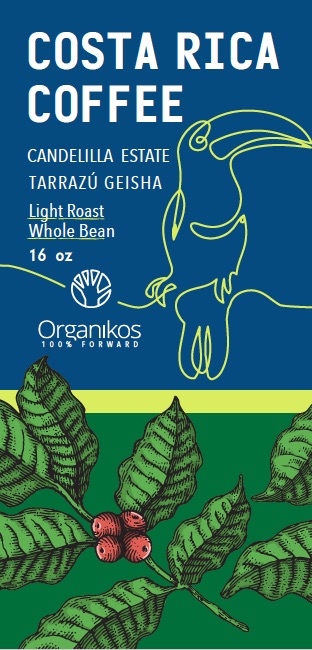
The scoop and the bird clip in the image above, two such things I also wrote about two years ago, are examples of local culturally relevant artifacts that we hope will not be outsourced to a factory in another part of the world. The coffee in that image is another example, with a twist. What I like about coffee as a memento is that it is at the intersection of tangible and intangible. It is quintessentially Costa Rican, but once you enjoy the entire bag you no longer possess that thing. As you consume it, it tells you something about Costa Rica. When it is finished you possess a memory of the coffee, and of Costa Rica.

Full Circle, With Birds

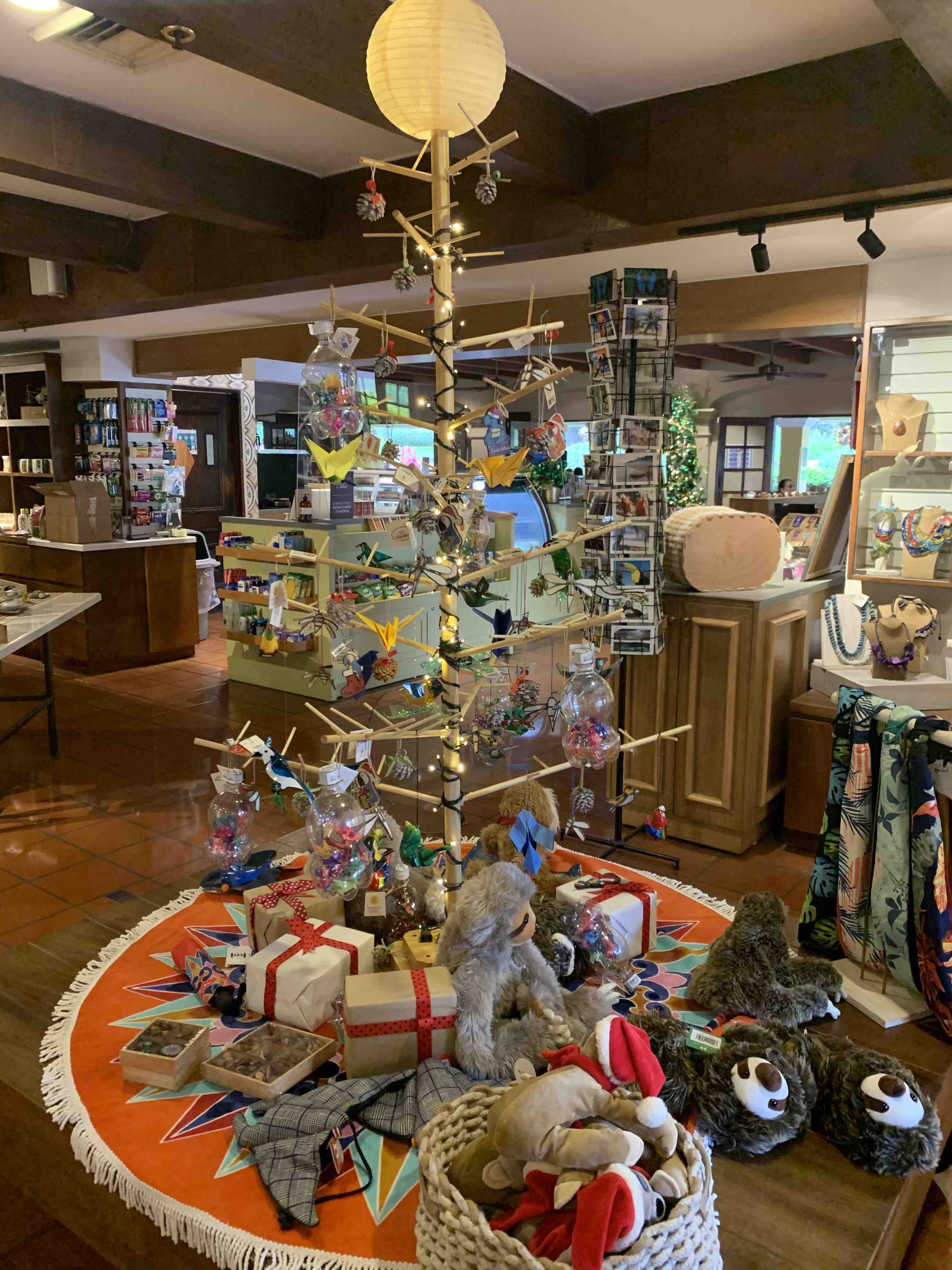
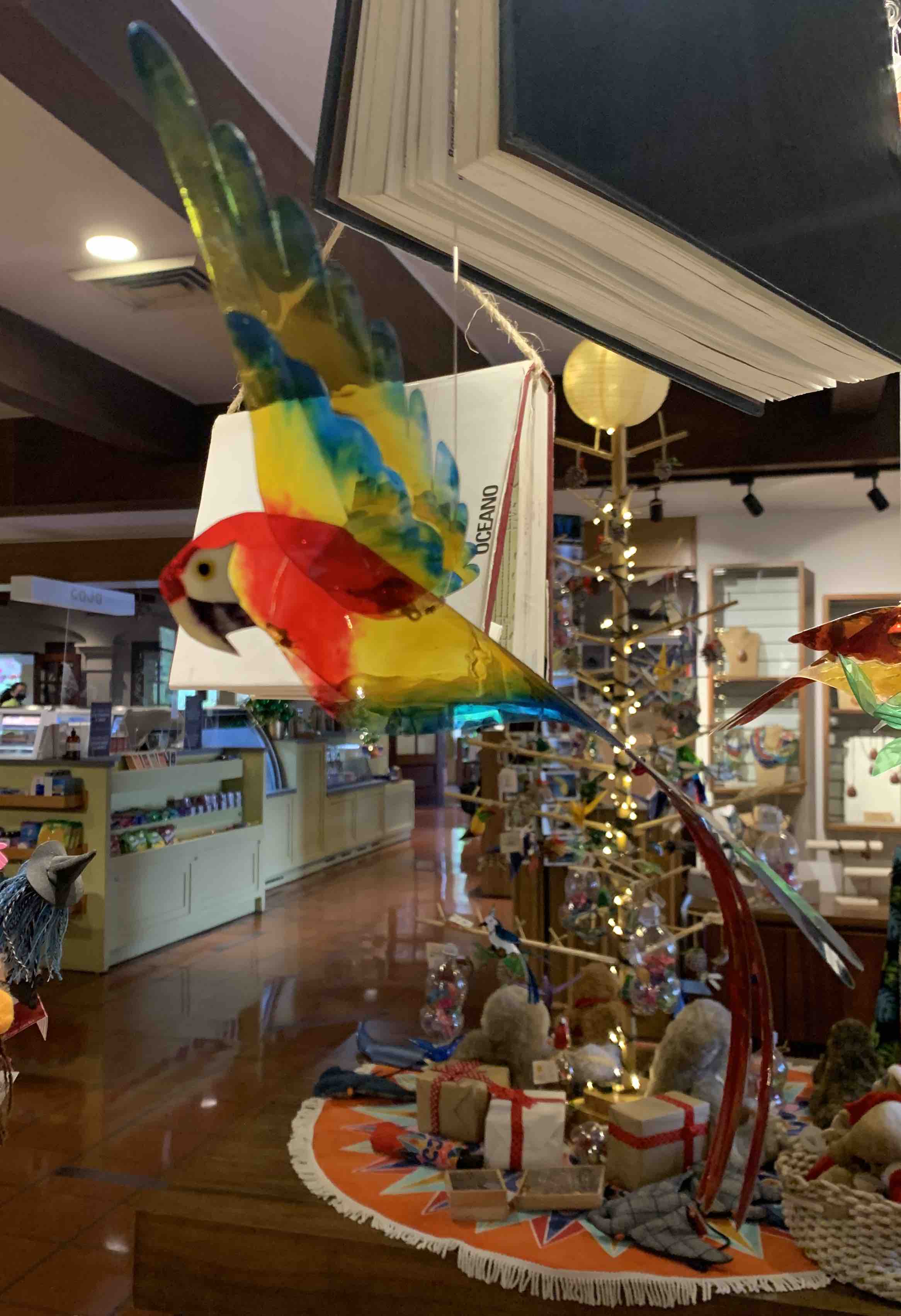
A holiday tree made of recycled wood, displaying ornaments made from recycled other materials

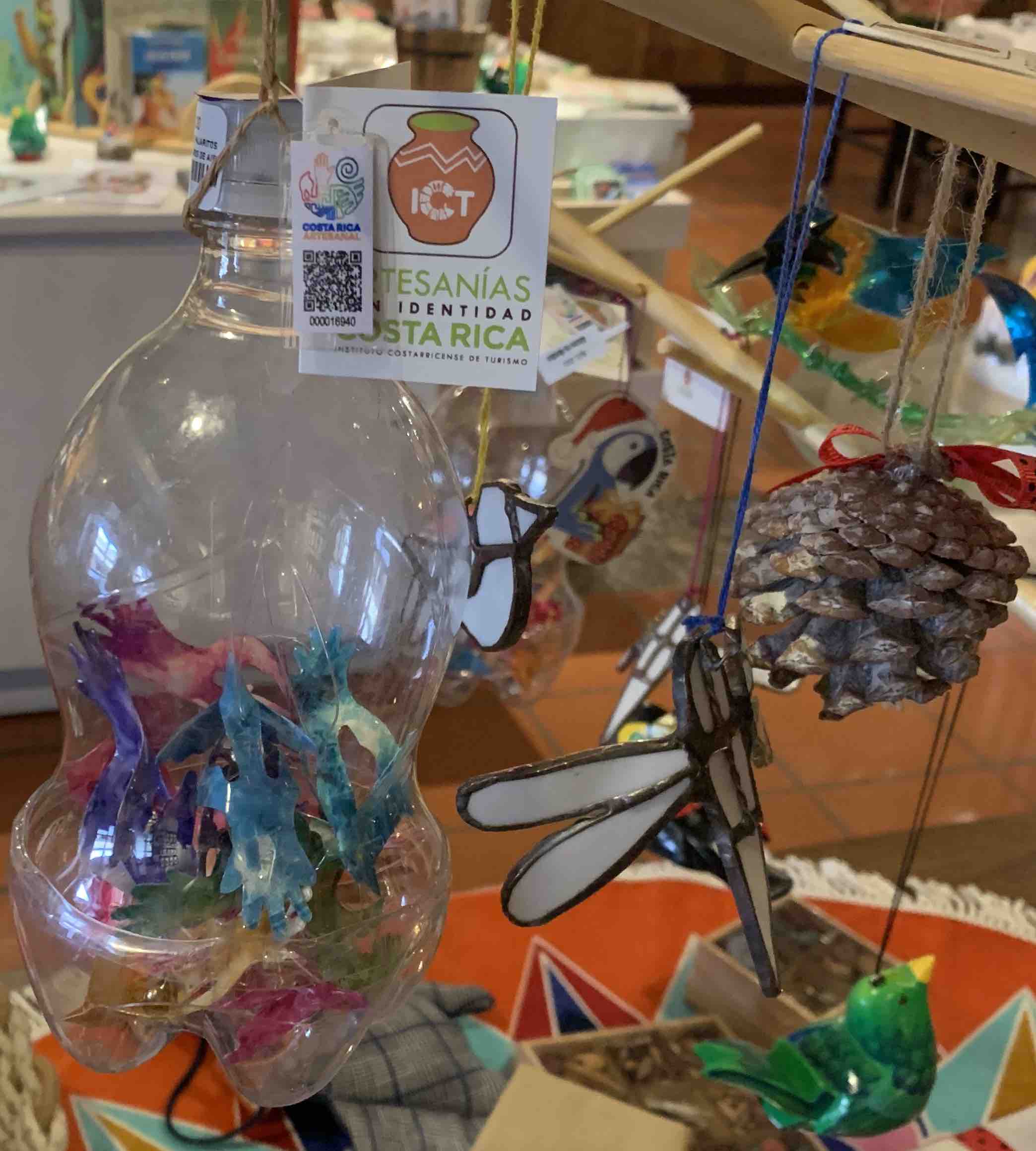
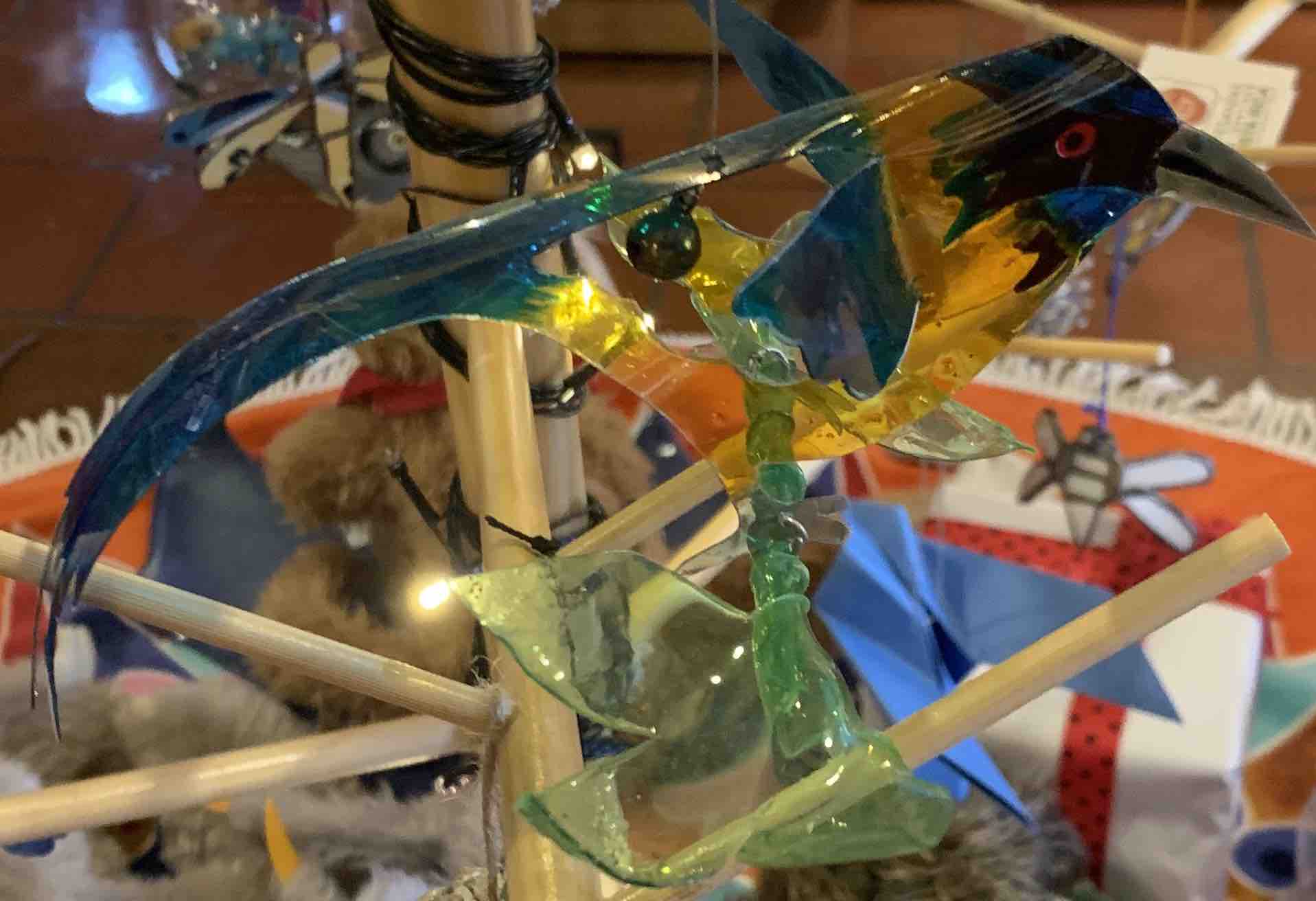
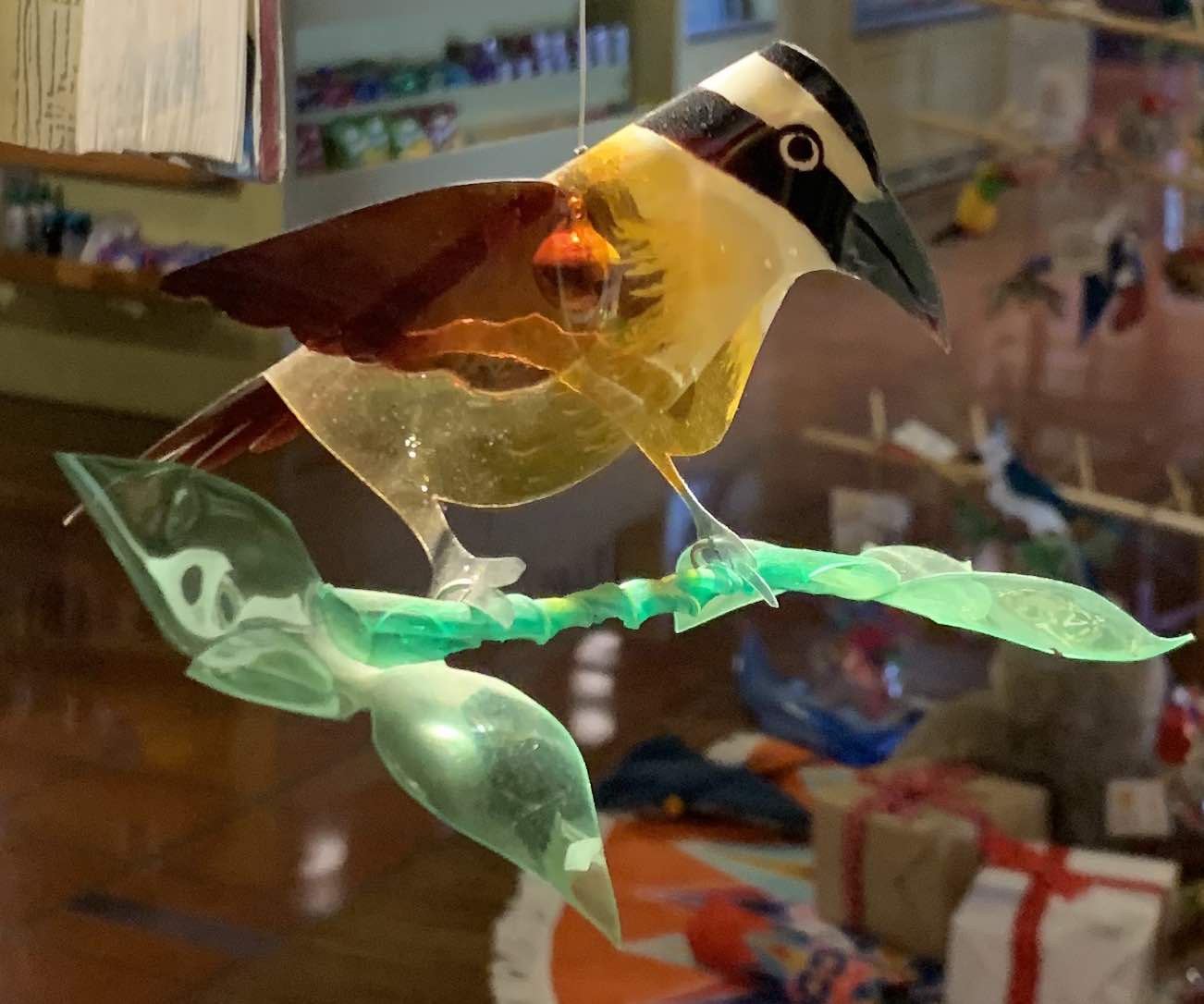
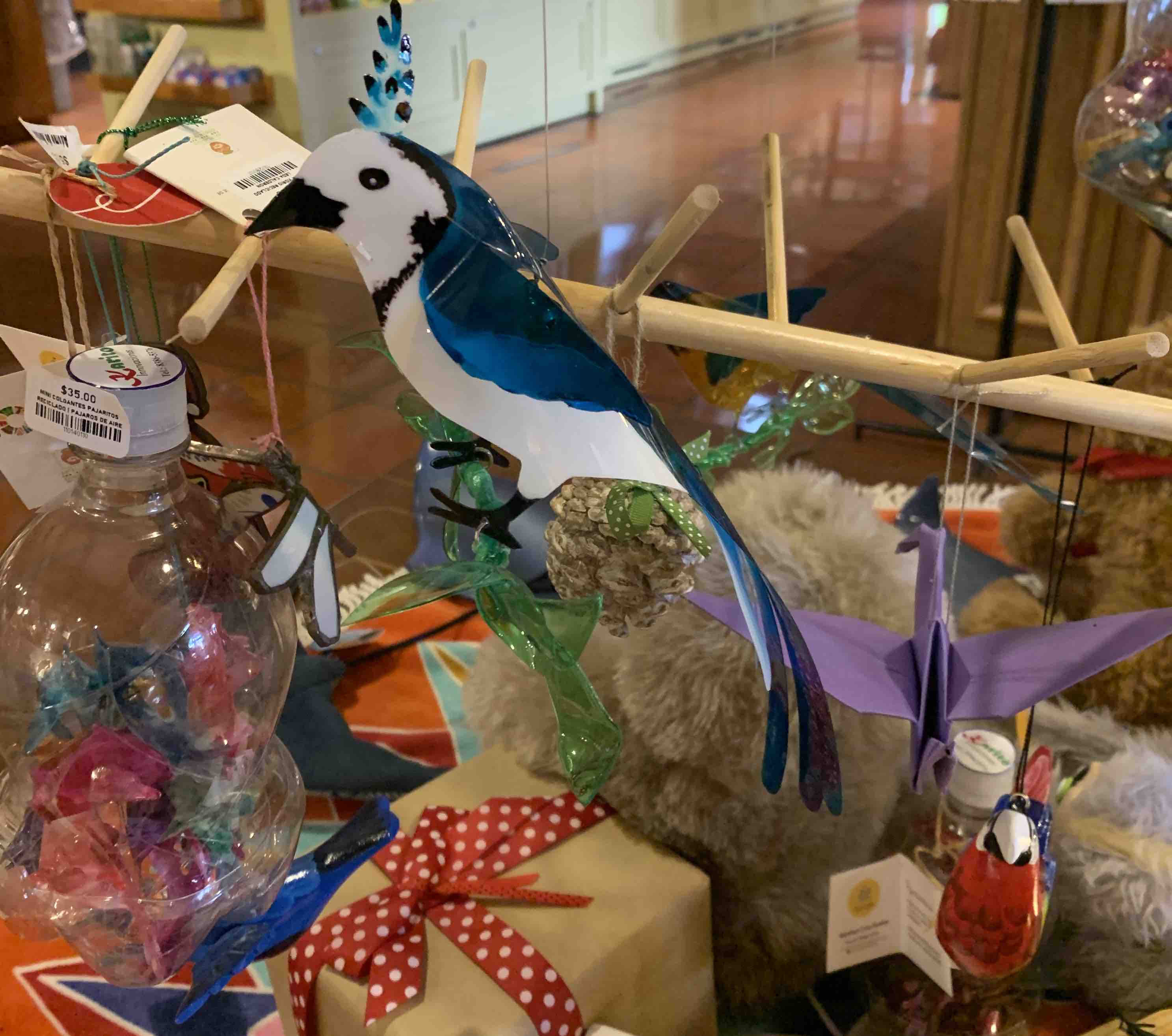
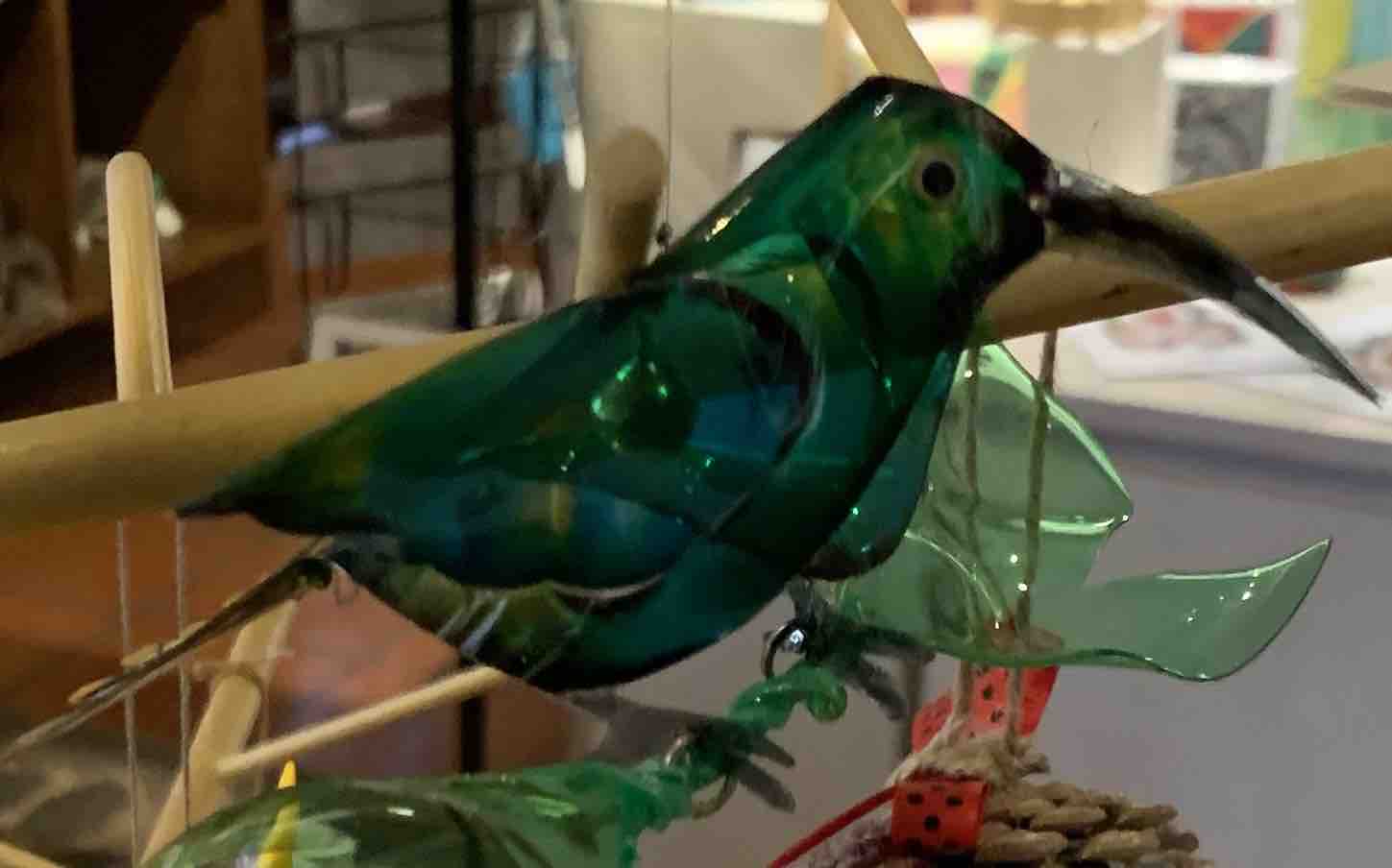
Yesterday, and the day before, and the day before that, I posted on themes that are central to our work with Authentica and Organikos. Recycling creatively is a focal point of that work, as is more careful management of natural resources. The tree in the photo above, and the ornaments adorning it are examples tailored for the holiday season. The bottle full of birds in the image to the right is another example, as are the images below.

There was an article I posted a couple weeks ago that has been on my mind constantly, wondering how so much plastic can be generated per person. Which raises the question of what we can do about it, apart from the obvious need to reduce the plastic we each are responsible for generating in our daily lives.

One answer comes from the woman who single-handedly brings plastic waste full circle with her love of birds, for others who love birds. She makes these in a little workshop, and we display them with the same affection with which she crafts them.

She cleans up her community, removing plastic waste. Instead of sweeping it under the rug, metaphorically speaking, she celebrates the part of nature she cares most about with these striking reminders of our need to reduce. And what’s still leftover, re-use. Creatively.

Wooden Pebbles, Stone Soup & Managing Resources

Linda Xiao for The New York Times. Food stylist: Maggie Ruggiero. Prop stylist: Sophia Pappas.

In yesterday’s post I shared a photo that offers a kind of poetic symmetry to the photo above, which accompanies Gabrielle Hamilton’s column below. Our urn of wooden pebbles is a twist on the more common offering of polished stones for people to take home from their vacation. First, polished stones do not qualify in any way as sustainable–a non-renewable resource mined in another part of the world becomes a pretty shiny thing that has no connection to the place where it is bought, except that it was bought in that place. The wooden pebbles are a recycled and renewable resource that serves as a reminder not only of Costa RIca, but of the wonder of trees.

The essay, and the fable it is drawing from, talks about villagers adding to the pot what they can spare. Our woodworkers add to the urn what they can spare–leftovers from their woodworking–that made me think of the symmetry. And I just noticed that the only other time we featured one of Gabrielle Hamilton’s essays, the same thing happened with photo symmetry:

What Stone Soup Means to a Seasoned Chef

For Gabrielle Hamilton’s final Eat column, she considers what it takes to feed a village.

Everyone here remembers the story of stone soup. It starts with just a pot of water, and it ends with a flavorful, mighty caldron of soup. There is always a stranger — the one who has nothing but a stone — and some manner of village, with villagers who at first refuse the stranger but who then, finally, make their own contribution to the miraculous, tasty, satisfying end. Continue reading
Entangled In Costa Rica

If you have visited Costa Rica, or been fortunate enough to live here, you might have already become entangled with the country’s many opportunities to support conservation. For many decades foreigners have been welcomed to join in the country’s marine and terrestrial conservation initiatives. Many of those foreigners adopt the country as home after getting entangled in all kinds of good ways.

The first eight minutes of the video above are bliss: several young people are introduced, each of whom has become entangled. Along with those introductions, some stunning photography and videography showcasing Costa Rica’s nature, helping you to understand the entanglement. At 8:14 you see the dictionary definitions of entangled. The next 17 minutes are a case study in industrial fishing’s unintended consequences. Not surprisingly, this has already received lots of awards, but they ask you to share freely, so please do. And if you want to support financially, that will be appreciated as well.

Other Sides Of Svalbard

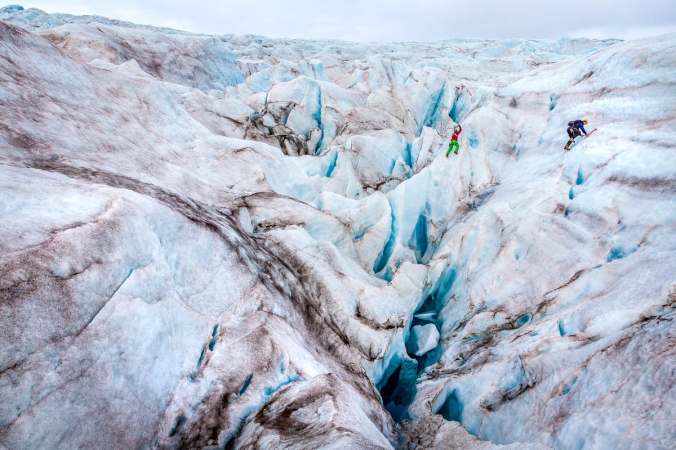
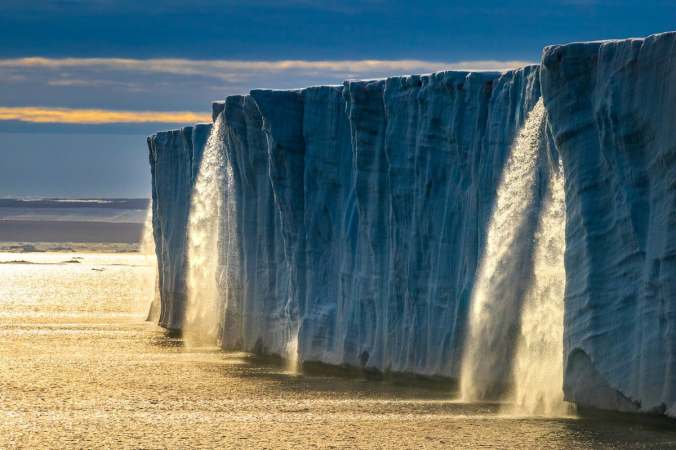
Among the land-based activities available on Svalbard, glacier hiking and ice climbing are perhaps the most challenging — and rewarding. Just watch where you put your feet and your ice axe.

Starting 7+ years ago, each previous mention of Svalbard in our pages has focused on the vault until an article two years ago got us to look up and around. Now again this week we have good reason for looking beyond the vault. Marcus Westberg wrote an article, with stunning photos he took, Bearing Witness to Svalbard’s Fragile Splendor:

The strong summer sun melts the top layer of ice on Austfonna, Svalbard’s largest ice cap and Europe’s third-largest glacier, creating myriad gushing waterfalls.

A never-setting sun very quickly muddles one’s ability to tell time. This photograph was taken just before 11 p.m.; without a watch and regular mealtimes I could have easily mistaken it for any other time of day.

To visitors, the Norwegian archipelago can seem both ethereal and eternal. But climate change all but guarantees an eventual collapse of its vulnerable ecosystem.

Mesmerized, I would lean against the railing at the front of the ship, alone, for hours on end. Over the course of 10 days, no two moments were the same. The Arctic world was constantly shifting and changing around me as we slowly made our way through ice and open sea, past whales, walruses, birds and bears.

Except to keep track of mealtimes, watches were irrelevant; in the summer, this far north of the Arctic Circle, the sun never goes anywhere near the horizon. Continue reading
Tamil Nadu, Rice, Identity

In the early days of our posting here south Indian rice was a staple in our meals, and we knew that this now global foodstuff had a long history in other cultures. But it looks like the state neighboring where we lived may have found a clue to how much longer they have had rice in their diet:

An ancient rice bowl complicates the story of civilisation in India

In Tamil Nadu, archaeology is part of a contest over history and identity

Rarely can a spoonful of rice have caused such a stir. When M.K. Stalin, chief minister of Tamil Nadu, addressed the south Indian state’s legislature on September 9th, he celebrated a musty sample of the country’s humble staple. Carbon dating by an American laboratory, he said, had just proved that the rice, found in a small clay offering bowl—itself tucked inside a burial urn outside the village of Sivakalai, near the southernmost tip of India—was some 3,200 years old. This made it the earliest evidence yet found of civilisation in Tamil Nadu. The top duty of his government, the chief minister triumphantly declared, was to establish that the history of India “begins from the landscape of the Tamils”. Continue reading

Gifts That Give

How can you gift in a way that does not generate waste, that reduces waste, or that regenerates ecosystems? Sara has a fun and practical list in her Yale Climate Connections column, which I have linked to below. It got me thinking of what I would add to her list. Yesterday I reached back to a couple of posts from two years ago when we were preparing to open the Authentica shops, mentioning products we carry from artisan groups that recycle heavy plastics, in one case, and wood in the other. We have other products made from recycled materials, but our best selling product is Organikos coffee, all of the proceeds of which are invested in ecosystem regeneration. Laura’s question about gifting toward climate action is one we all should be asking:

ASK SARA

Eco-friendly gifts for every budget in 2021

Holiday cheer that’s good for the planet, too.

Hi Sara!

I’m trying to find a gift for my mother for Christmas, and I like the idea of gifting toward climate action. Might you have recommendations?

Thank you for your time

— Laura

Hi Laura,

Sure thing. Here’s a list of climate-friendly gift ideas for every budget.

A board game, puzzle, houseplant, or other item from your local “Buy Nothing” group (Price: Free)

Why it’s climate-friendly: Manufacturing stuff requires consumption of energy and natural resources, so it’s better for the climate to reuse products rather than buying new. Continue reading

287 Pounds Of Plastic Per Person Each Year?

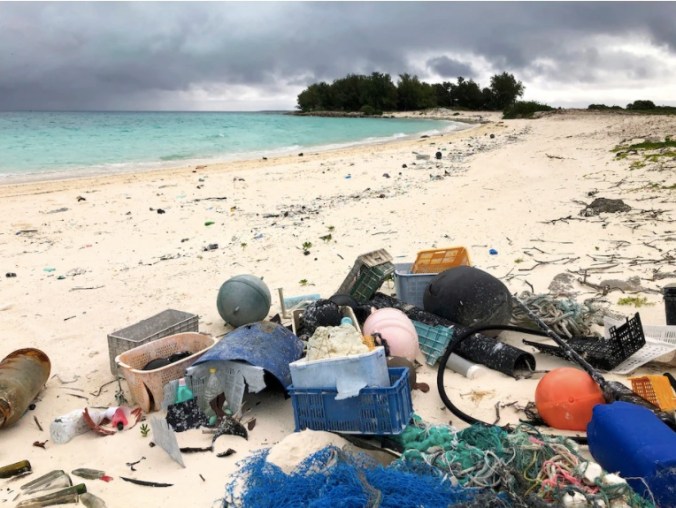
Plastic and other debris is seen on the beach on Midway Atoll in the Northwestern Hawaiian Islands in 2019. (Caleb Jones/AP)

It is clear to me now, after two years of our two Authentica shops offering products made from recycled plastic (among other recycled materials), we will need to be at this for a long time to make a dent. Of all the amazing capabilities we humans have, our ability to generate plastic waste is among the most remarkable. Our thanks to Tik Root for reporting on this finding:

U.S. is top contributor to plastic waste, report shows

Scientists reveal the U.S. role in the ‘deluge’ of plastic littering the world’s oceans in a congressionally mandated report

The United States ranks as the world’s leading contributor of plastic waste and needs a national strategy to combat the issue, according to a congressionally mandated report released Tuesday. Continue reading
Rehabilitation Of Antitrust Law

Starting seven years ago I have been paying attention to monopoly power mostly in the context of Amazon. One of the clearest articles on the topic focused on a young person’s breakthrough idea. So I was very happy to read about Lina Khan’s Battle to Rein in Big Tech by rehabilitating antitrust law:

As monopolies and other large companies gain increasing control of our daily lives, Khan is Joe Biden’s pick to do something about it.

In the spring of 2011, a recent Williams College graduate named Lina Khan interviewed for a job at the Open Markets Program, in Washington, D.C. Open Markets, which was part of the New America think tank, was dedicated to the study of monopolies and the ways in which concentration in the American economy was suppressing innovation, depressing wages, and fuelling inequality. Continue reading
Thanksgiving, Organikos & Authentica At Year 3

Introduced at the Authentica shops in Costa Rica on Thanksgiving Day, 2021

The base of the lamp at my desk is a ceramic bird that serves as a year-round reminder of Thanksgiving. And the ceramic coffee artifacts on my desk serve the same purpose, reminding me each time I sit to work that there are constantly plenty of reasons to give thanks.

We opened two Authentica shops in Costa Rica on Thanksgiving weekend 2019. Sophomore year for both Organikos and Authentica was mettle-testing. We passed. If flying colors were not evident enough in how we passed, here they are in the label for our newest coffee. First introduced last month to a group of students at Cornell University, whose tasting notes we have appreciated receiving, as of today it is available in our shops in Costa Rica.

So, thanks for all that.

Solar Canopy + Bellwether Roaster = Interesting Option

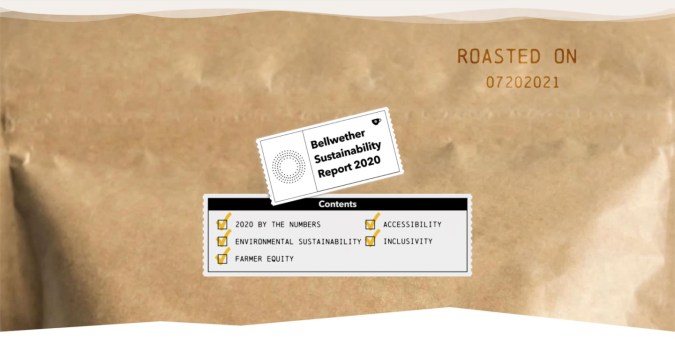
As we consider new canopy options, a switch to electric roasting of Organikos coffee also seems clearly worthy of consideration. I just found out about this company, and its sustainability report from last year puts it high on my list of roasters to consider:

Letter from Bellwether

We would be remiss to start our Sustainability Report without acknowledging what a crazy year 2020 was. A global pandemic forced many of our customers, like other businesses across the world, to close their doors. Continue reading
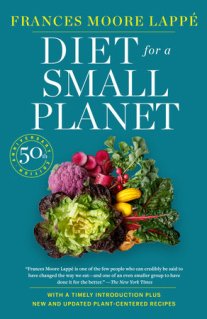
Diet For A Small Planet, Five Decades And Counting

Moosewood has been mentioned, along with its cookbooks, and we have featured plenty of other stories about veg-forward diets and related cookbooks; so it is odd that neither this book nor its author have featured in our pages before. Just in time to celebrate five decades, a fitting tribute to its author:

Frances Moore Lappé’s last hamburger was in 1971, the same year she published “Diet for a Small Planet,” her hugely influential book about food and sustainability, which virtually created the publishing category of food politics and turned Ms. Lappé into what she once self-deprecatingly called “the Julia Child of the soybean circuit.” Continue reading
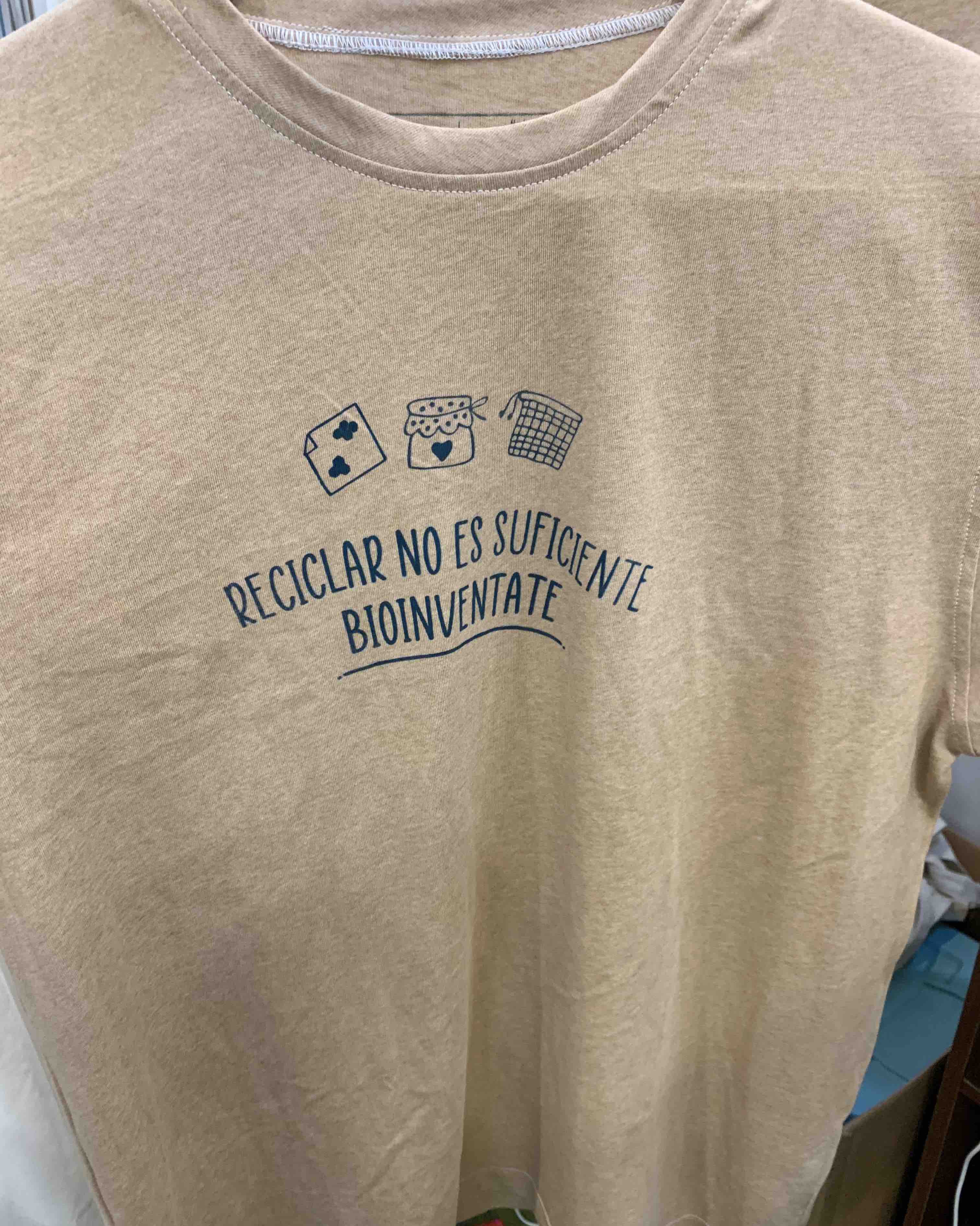
BioInvention Is The Thing
Recycling Is Not Sufficient
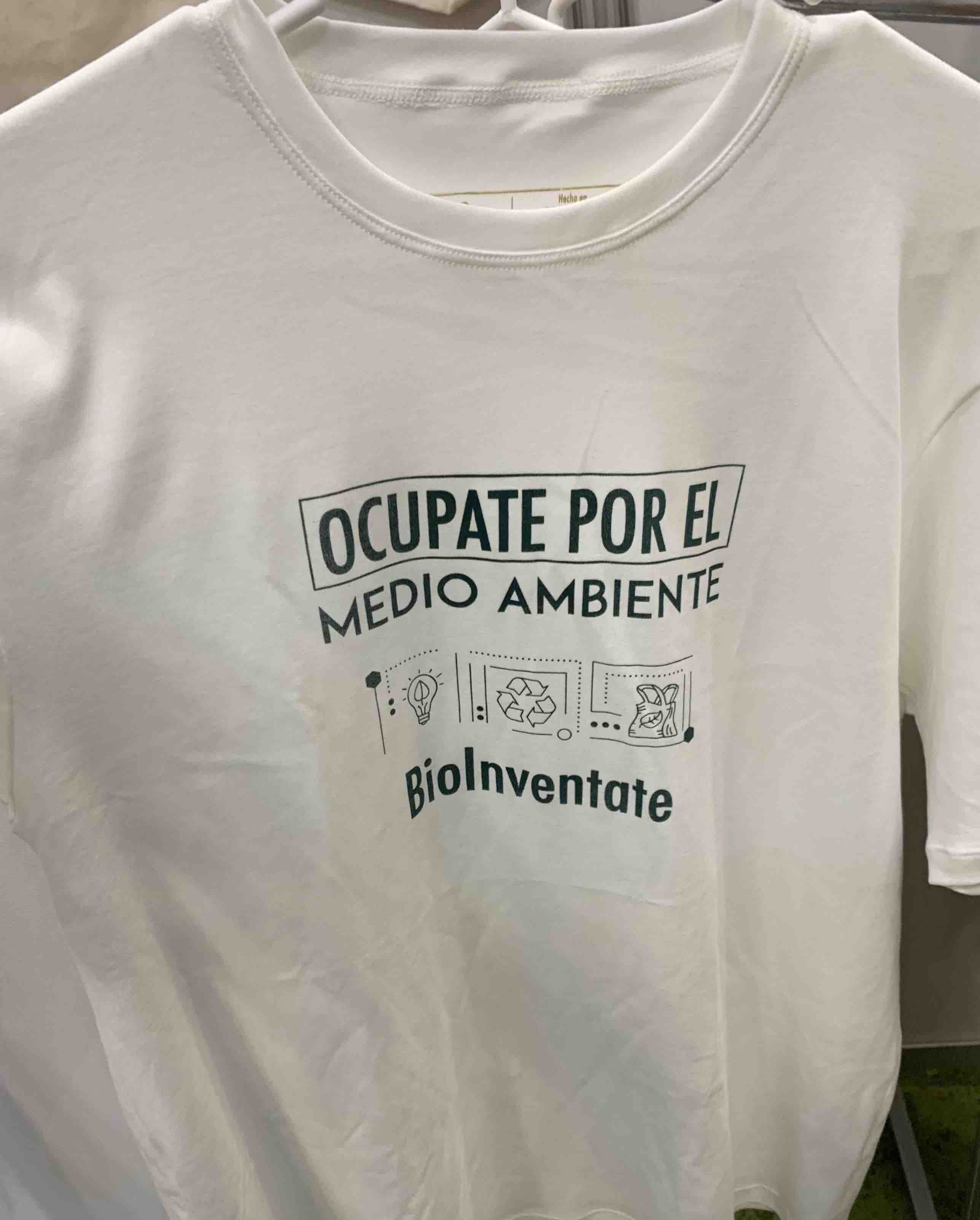
We just attended an event that has been held each recent (non-pandemic) year in November, in Spanish called ExpoPYME. Small and medium sized companies are invited to show their products, and we like the messaging that this artisan had on a couple t-shirts.

Take Care Of The Environment

BioInventate is not an actual word in Spanish, yet. But if this campaign catches on it will be because more and more people are aware of the need to invent solutions to ecological problems.

Poro Canopy Growth

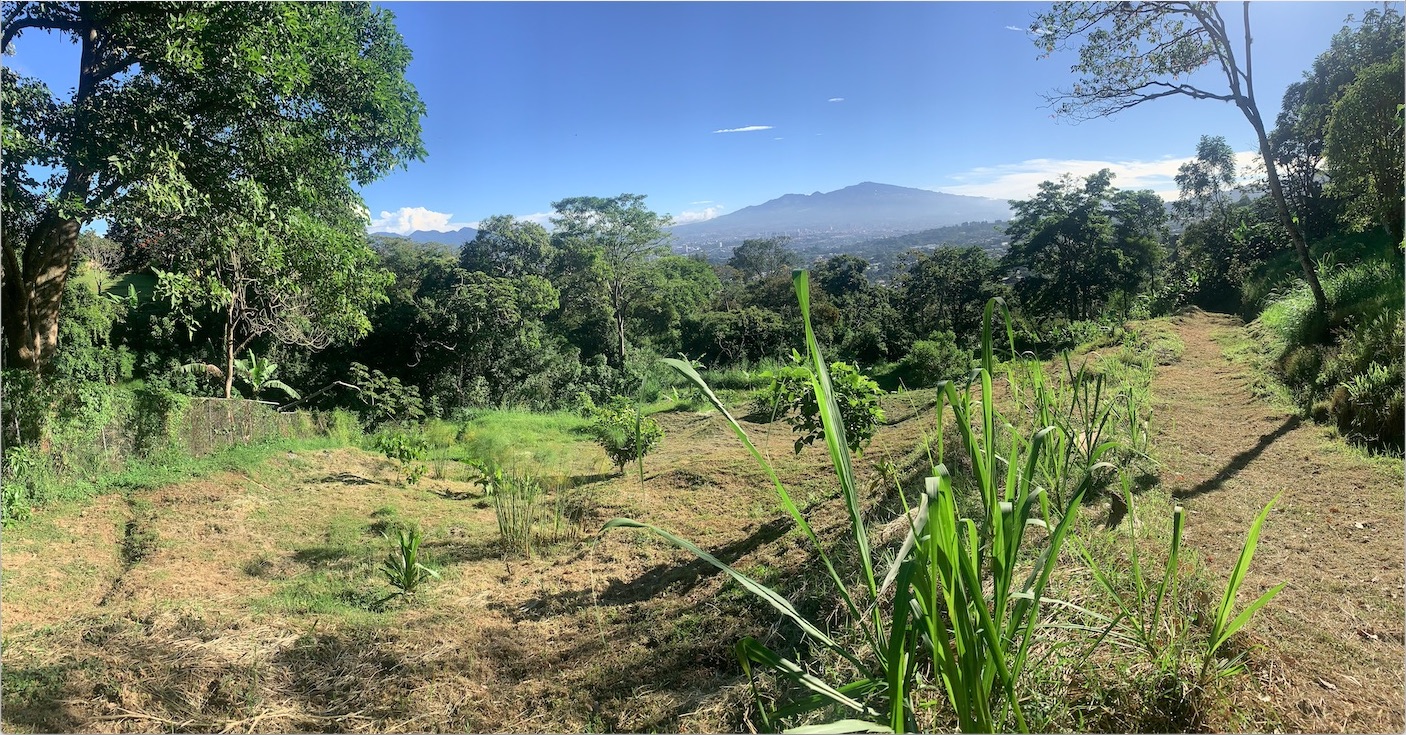
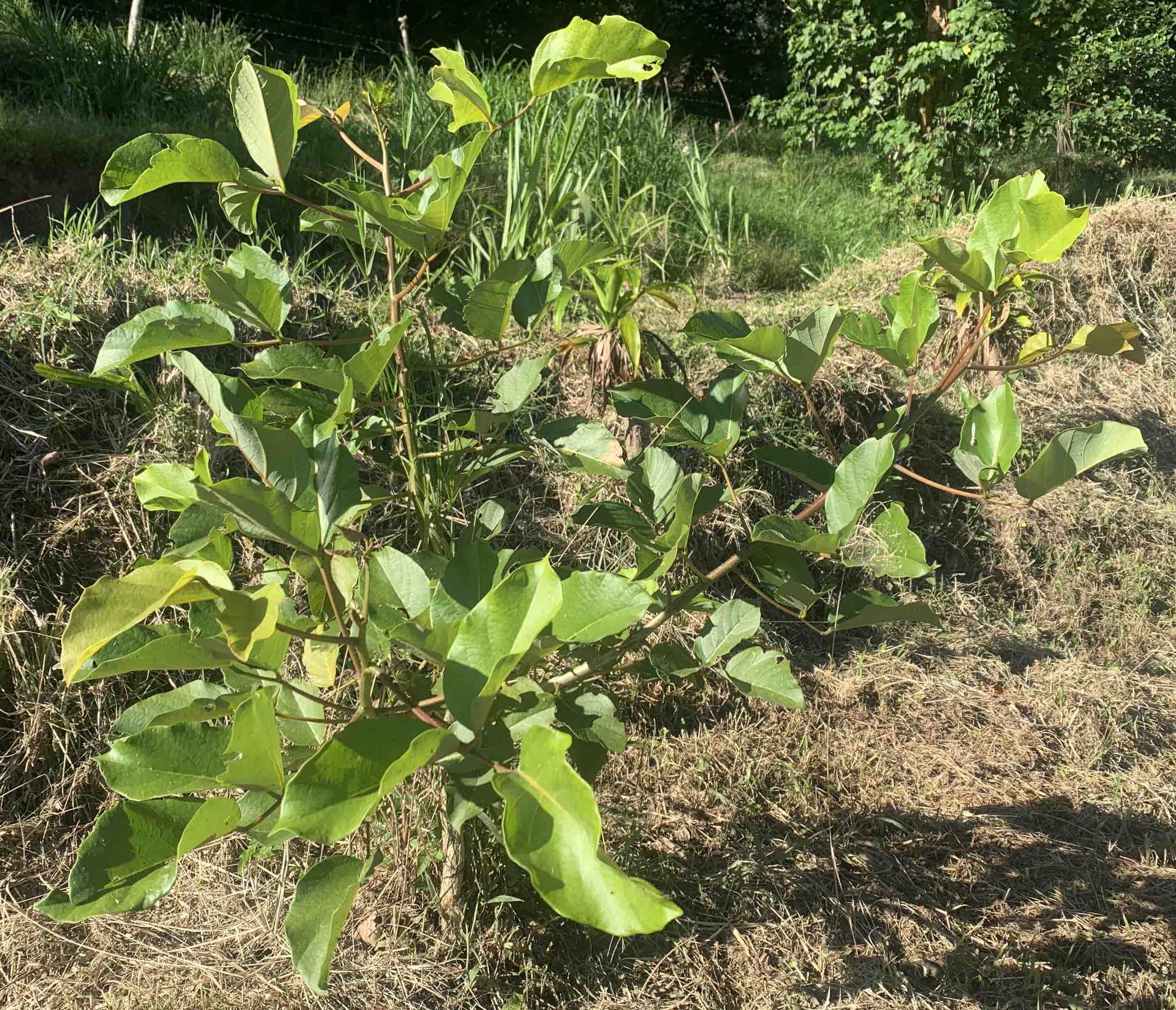
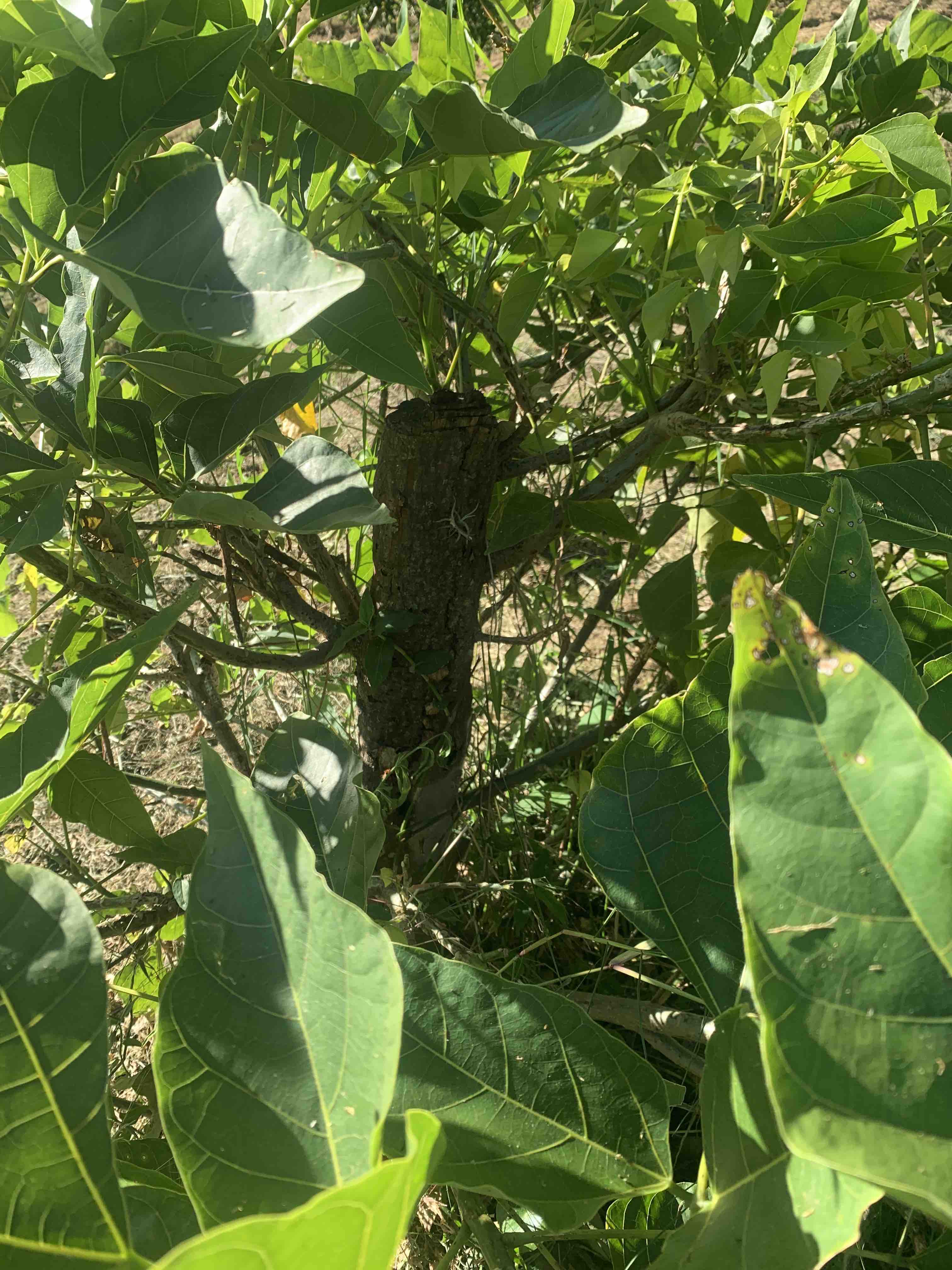
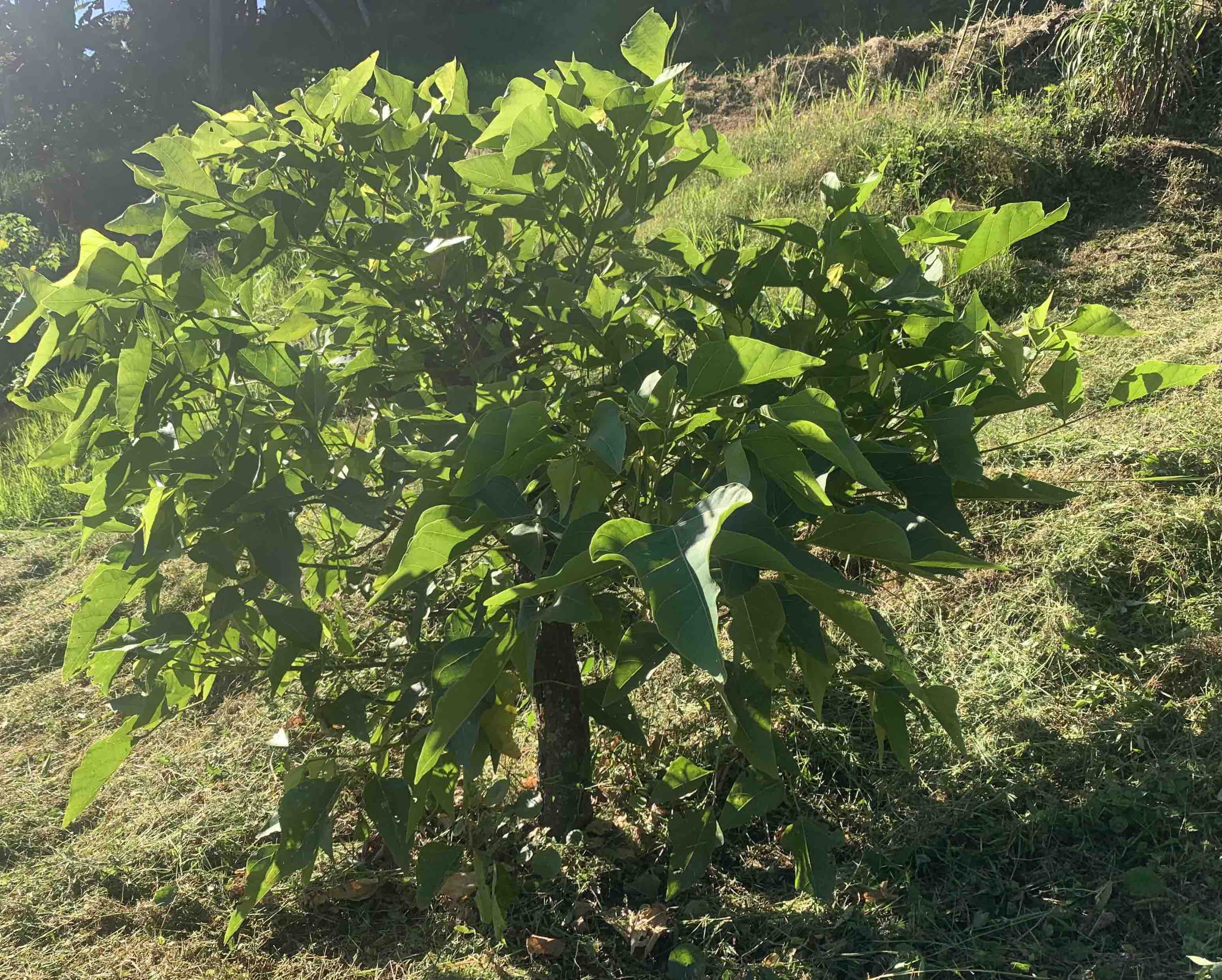
Last image like this that I posted was showing the sugarcane along the berm. In the centerground of the photo above, which I just took, and in earlier photos with a similar view, you can see some of the maturing poro saplings planted last year.

Having mentioned in yesterday’s post the idea of supplementing poro shade with solar panel shade, today I am sharing some images of these young trees after planting the seedlings one year ago.

Most have grown to be between four and eight feet in height.

In addition to the seedlings planted, some larger specimens were planted that came from branch cuttings from the best poro on the property.

For example, this tree above is from a branch we pruned that was about four inches in diameter; the one below from a branch even thicker.

Solar panels would be in very good company.

A New Canopy Concept

This year, the garden produced more than 8,000 pounds of produce, while the panels above generate enough power for 300 local homes. Kirk Siegler/NPR

When the poro and other trees we planted in the last two years mature, they will provide shade for a thousand or so coffee saplings. High elevation arabica coffee likes shade, and birds like the habitat. Those trees are growing fast, but it will be decades until their full shade potential is reached. As I read “This Colorado ‘solar garden’ is literally a farm under solar panels” I can picture an interesting complement to the shade poro provides:

When Byron Kominek returned home after the Peace Corps and later working as a diplomat in Africa, his family’s 24-acre farm near Boulder, Colo., was struggling to turn a profit.

“Our farm has mainly been hay producing for fifty years,” Kominek said, on a recent chilly morning, the sun illuminating a dusting of snow on the foothills to his West. “This is a big change on one of our three pastures.”

That big change is certainly an eye opener: 3,200 solar panels mounted on posts eight feet high above what used to be an alfalfa field on this patch of rolling farmland at the doorstep of the Rocky Mountains. Continue reading