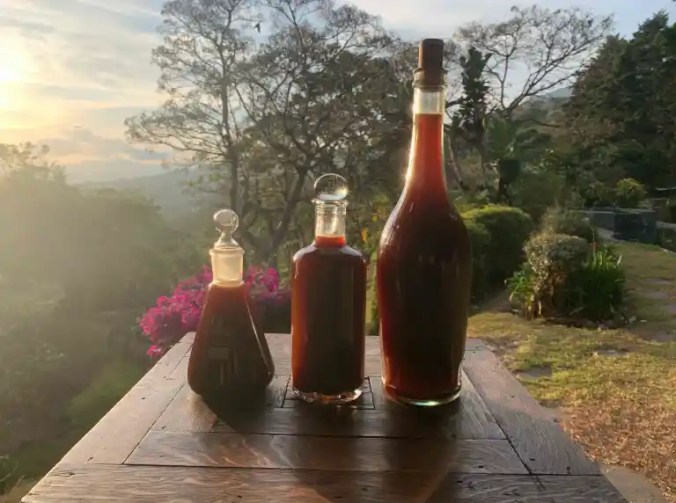
Hacienda La Amistad, 2024

Amistad label circa 2019
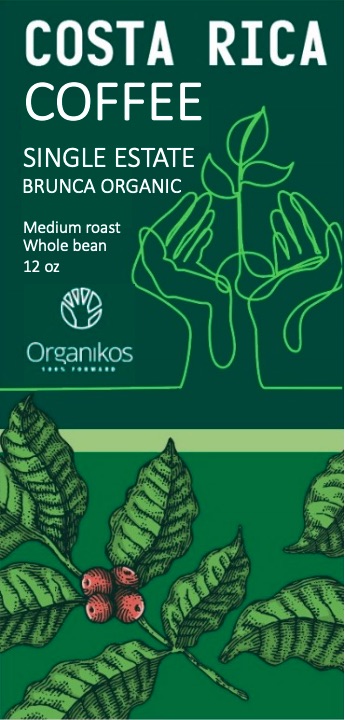
Amistad label 2020-2023

We have been offering this Hacienda La Amistad coffee since 2019. The original label, seen in the photo above, was one we thought perfect for its simplicity.

During the pandemic, with time on our hands, we redesigned all of our labels and came up with this label to the left.  It served us well over the last few years,  as we expanded from selling only in the Authentica shops in Costa Rica to also roasting and selling in the USA.

Starting in early 2024 we began rethinking all of our coffee labels. We approached the task region by region, with the blends and the single estates following a common design style. We saved this coffee for last, for no particular reason, but yesterday the rainbow over the farm was our signal that it was time to release the new label:
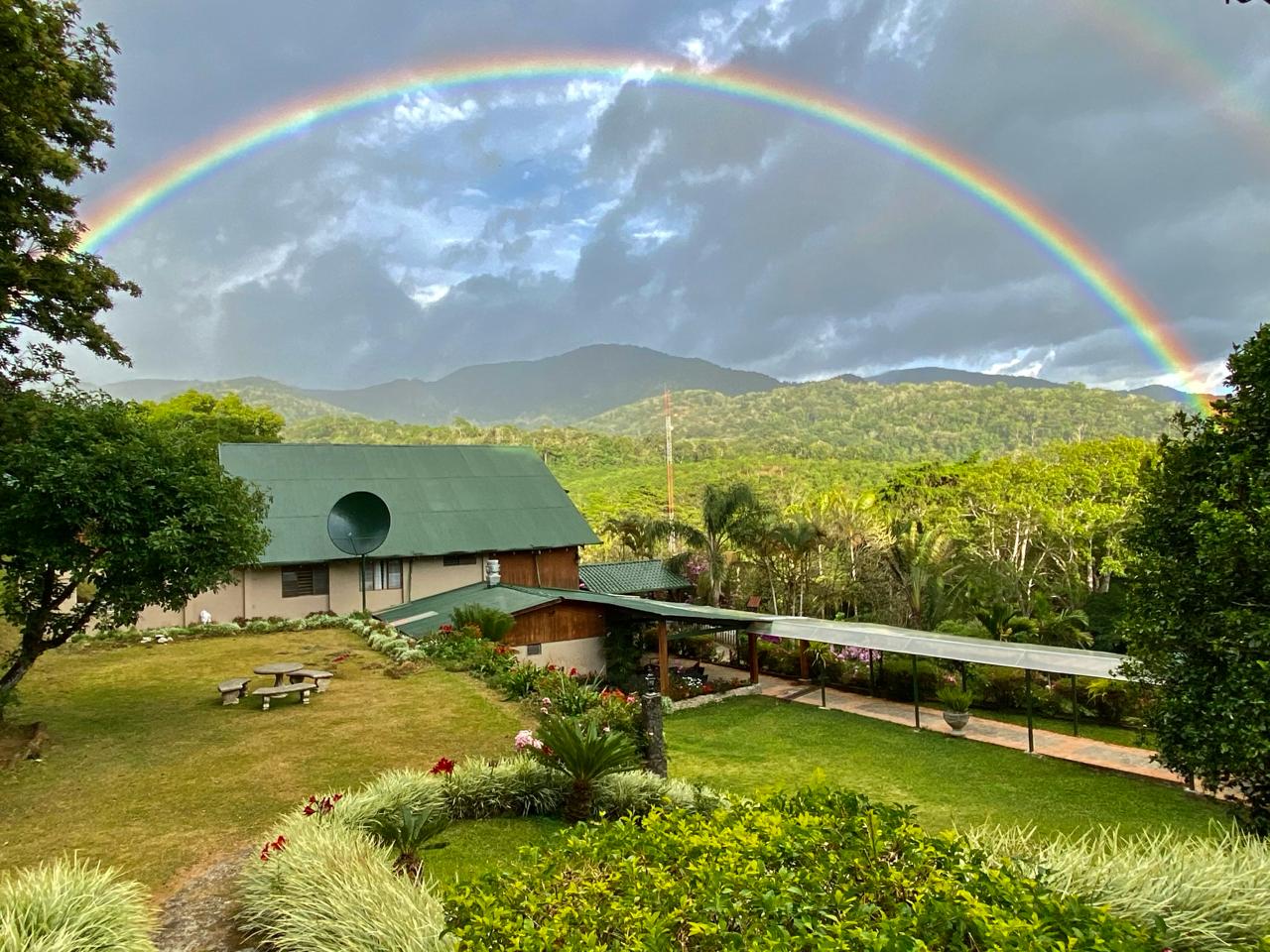
Hacienda La Amistad March 10, 2024

Thank you to the farm for the inspiration:

Amistad label, 2024
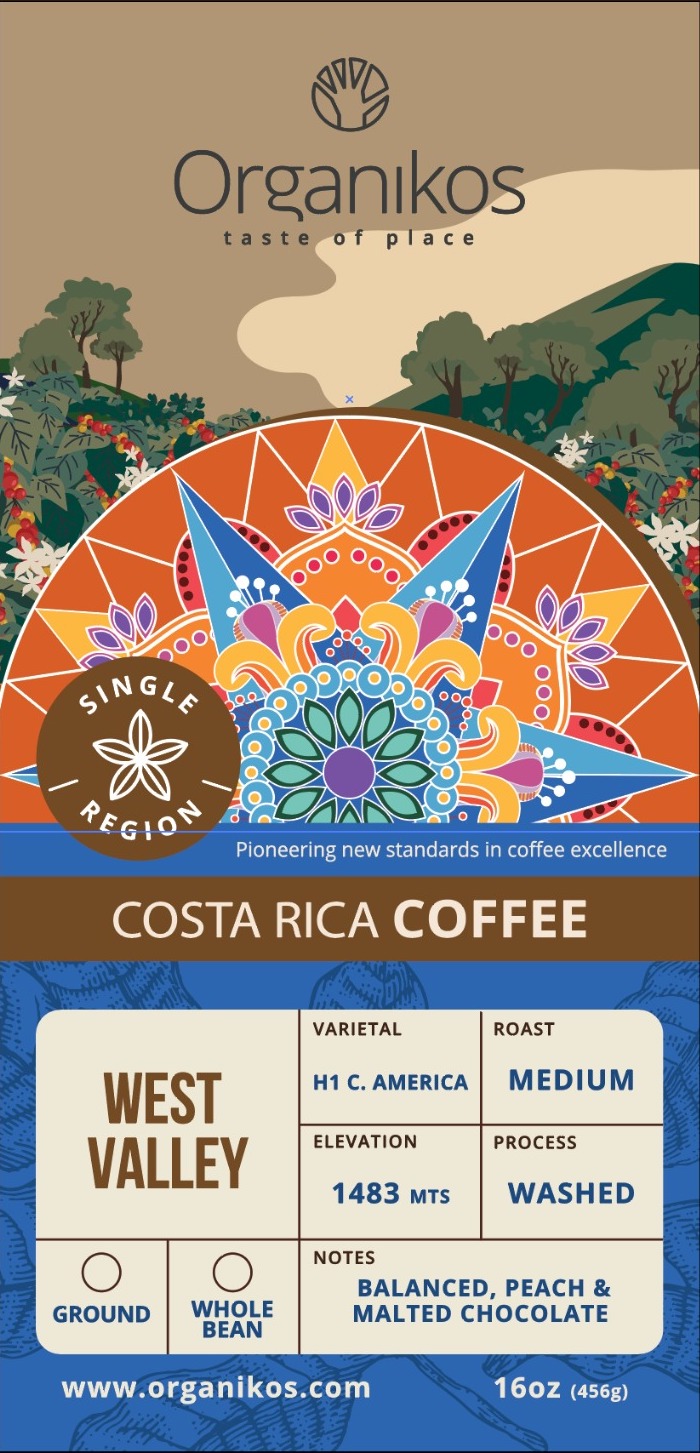
Costa Rica’s West Valley Coffee Region

Historically the West Valley region of coffee farms were different from other coffee-growing regions of Costa Rica. One of the hallmarks of this country’s coffee farming culture has been the regional cooperative into which virtually all top quality beans get sold to. West Valley also had its own cooperative, but not the type of solidarity typical of Tarrazu.

That has changed recently, as a new generation of farmers have taken over the family enterprise, many educated now not only in agronomy but also entrepreneurship. They see that innovative practices–crop yield and quality improvements–can be advanced in conjunction with those who are otherwise competitors. West Valley farmers learned this and practice it, now making some of the best coffee on hand.

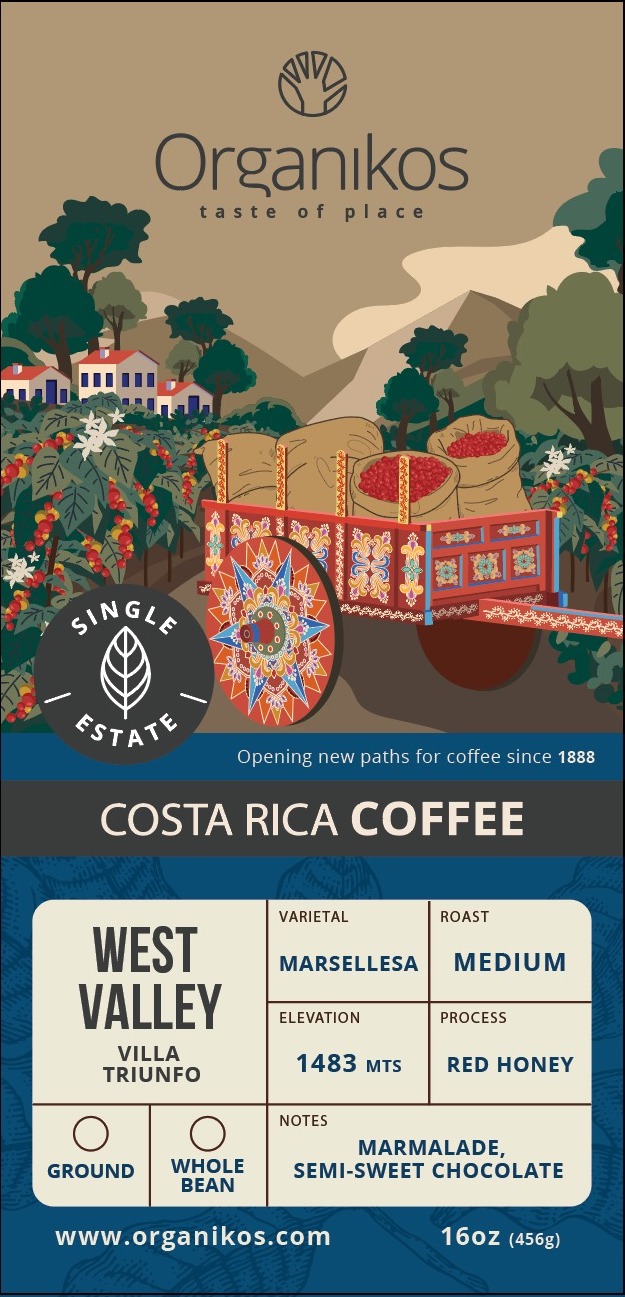
Villa Triunfo, Old Farm & New School

We have shared a few posts in these pages mentioning Villa Triunfo, but now we have designed a new label for it. So, time to celebrate that. What is most important to us about the farm is that it is one of the oldest continuously operating coffee farms in Costa Rica, since its first plantings in the late 1800s.

That, and the fact that today it is also one of the more innovative in terms of pioneering hybrids that help the coffee stay fit in the context of climate change and the various challenges (such as the uniquely problematic mold that is called rust). It is the end of harvest season, when coffees in the West Valley are being processed. The red honey process used for this coffee allows all the sugars from the juicy fruit to absorb into the beans. We look forward to cupping it soon.

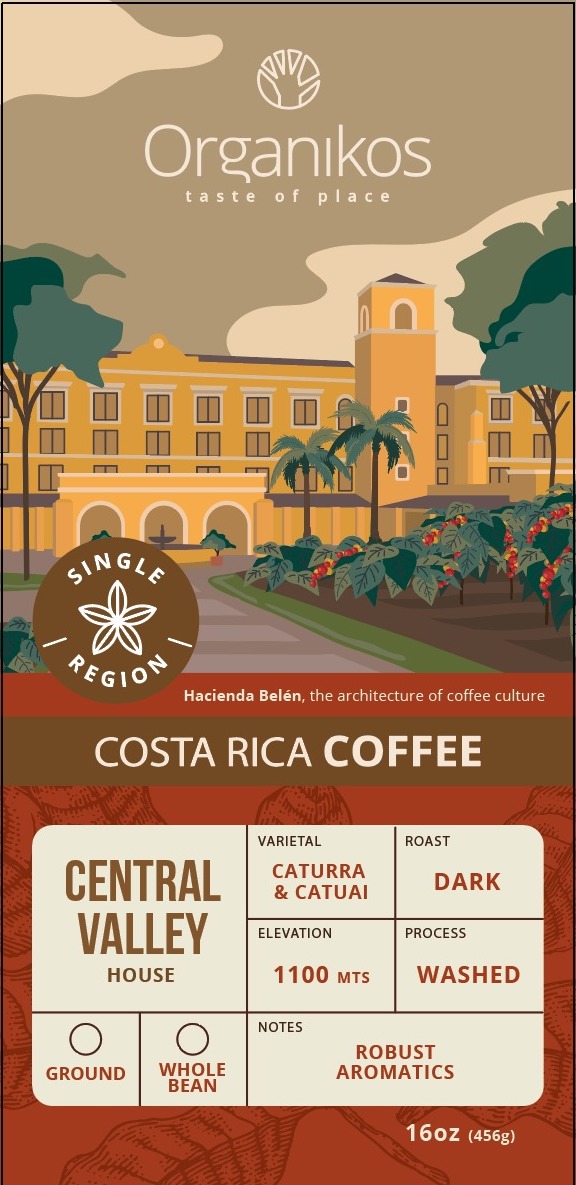
Central Valley Reserve

Central Valley coffee farms produce reliably high quality beans. A few farms produce beans of unusual quality, and we source from these farms to create a blend worthy of the name Reserve. Unlike the chocolate notes typical of a Los Santos coffee, or more fruity or floral notes from other regions, here we find a special toasted nut sensation.

The “architecture of coffee heritage” caption for the image on this label refers to the fact that this building from the 1990s pays tribute to the history of coffee in Costa Rica. It was built within a coffee hacienda, and this year thousands of coffee plants are being replanted on the property. If you have an interest in the feeling of a coffee plantation, and plan to visit Costa Rica, you could not do better than spend a few days here.

Hacienda House, Dark Roasted

The same principles in the description of Italian roast apply in moderation to this dark roast of beans from the Central Valley. This region has not racked up prizes in competitions the way Los Santos coffees have. You might characterize it the way a work horse is different from a race horse. High utility; gets the job done with strength and consistency.

That metaphor has its limits but works for the same reason we call this our house coffee. For those who want to start the day with the energy that coffee offers and the strength of character that a dark roast provides, this is a reliable choice. The illustration on the label is of one of the first two locations where we set up shop when Organikos was being introduced through the Authentica shops.

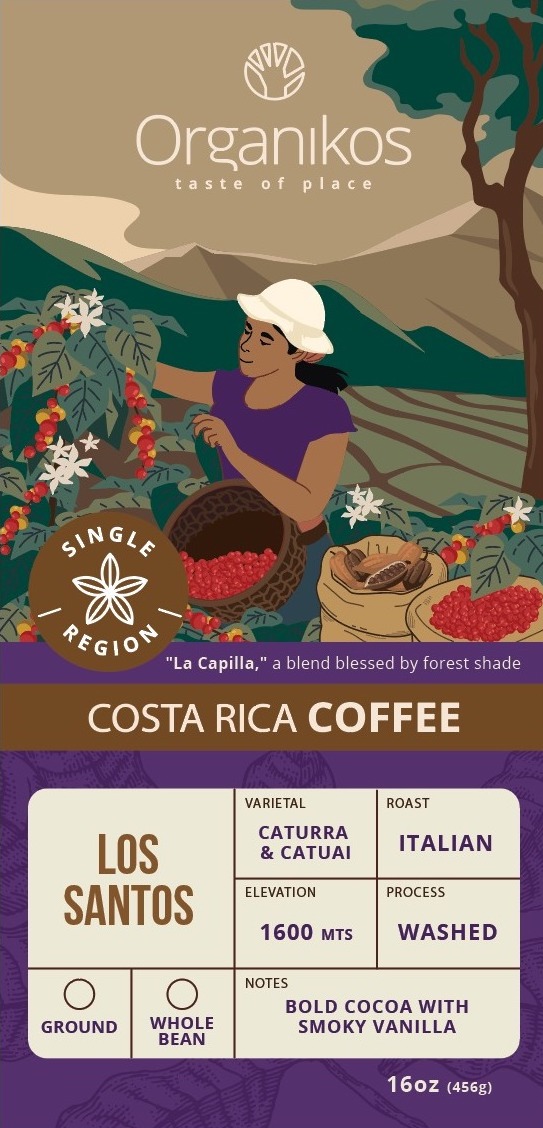
La Capilla, Italian Style

We offer La Capilla roasted at a higher temperature, around 480°F, and for 5–10 minutes longer than the medium roast. When roasted to the Italian level these beans arrive at a much darker brown color, closer to black, covered in oils released from the high temperature and length of exposure to that heat. It has a lower acidity level, leading to a boldness that is not the characteristic of the same beans roasted medium, which have a mellower mouthfeel.

Roasted hotter and longer also creates a slight smokiness, with notes of chocolate and a particular type of sweetness from the beans’ internal sugars being caramelized. Something about this combination, we have found, either you love, or you do not love. If you do, this is your coffee. If not, go medium.

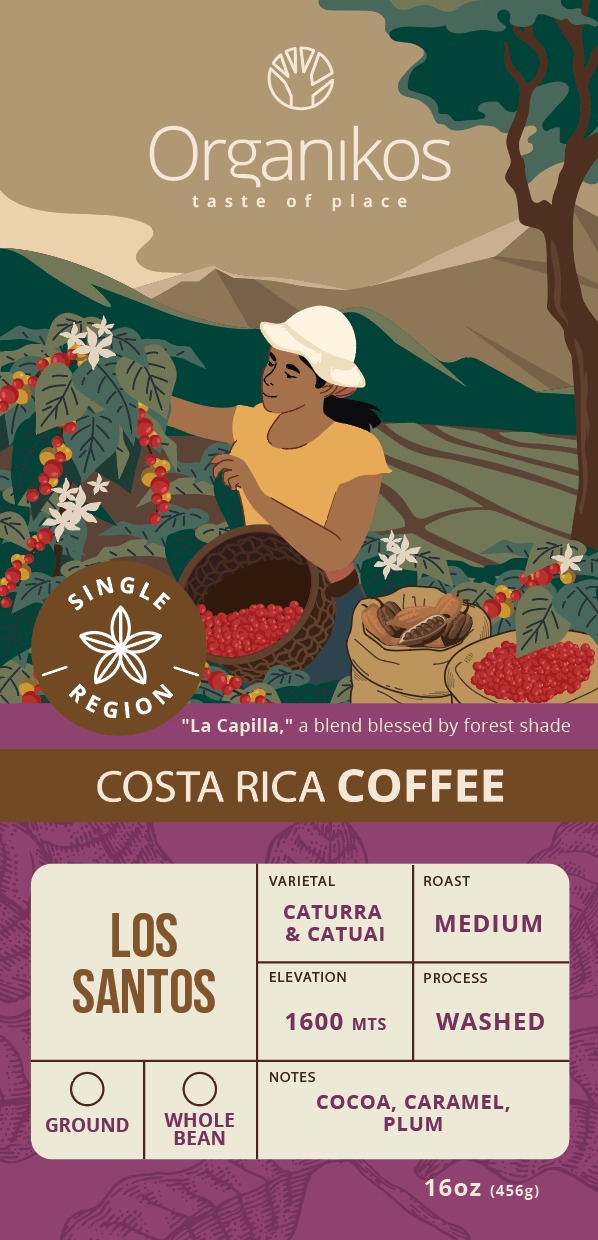
La Capilla, A Plum Assignment

These beans, blended from a select group of smallholder coffee farms collectively known as “the chapel,” have a new illustration. This week it debuts in our shops in Costa Rica. A year after we introduced this coffee in our shops we could only guess it was to become the bestseller it now is.

During the pandemic, when the airports were shut down and there were few visitors to our shops, honoring the contracts we had with these farmers got us thinking creatively. We started offering this and a few other of our coffees for sale in the USA. Because it was a favorite in our home, La Capilla was chosen for this plum assignment. Then we knew.

Tarrazu started its qualification for denomination of origin status the same year we started roasting it, and qualified two years later. The rules are still being clarified on how to use the name, so on our labels we have reverted to the region’s traditional name Los Santos.


Single Estate Coffee, Double Taste Of Place

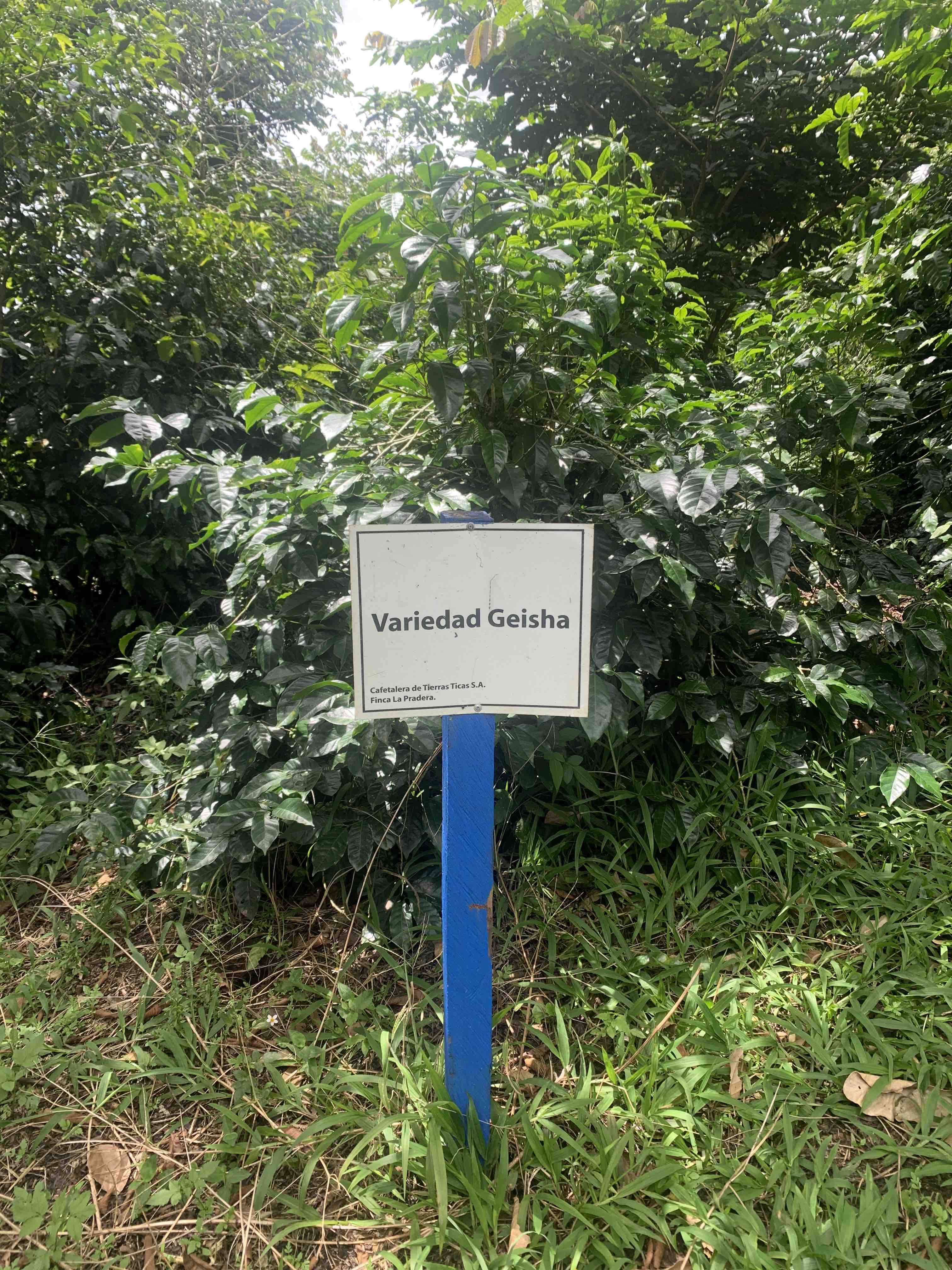
The last time we introduced a varietal of coffee that was new to Organikos it had taken about a year to settle on the farm we would source from for the longer term. For the geisha varietal that farm is Hacienda La Pradera. During the last two years offering their coffee we have underestimated the demand and run out of coffee long before the new harvest is available. So, as of now, we have no geisha to offer until April.

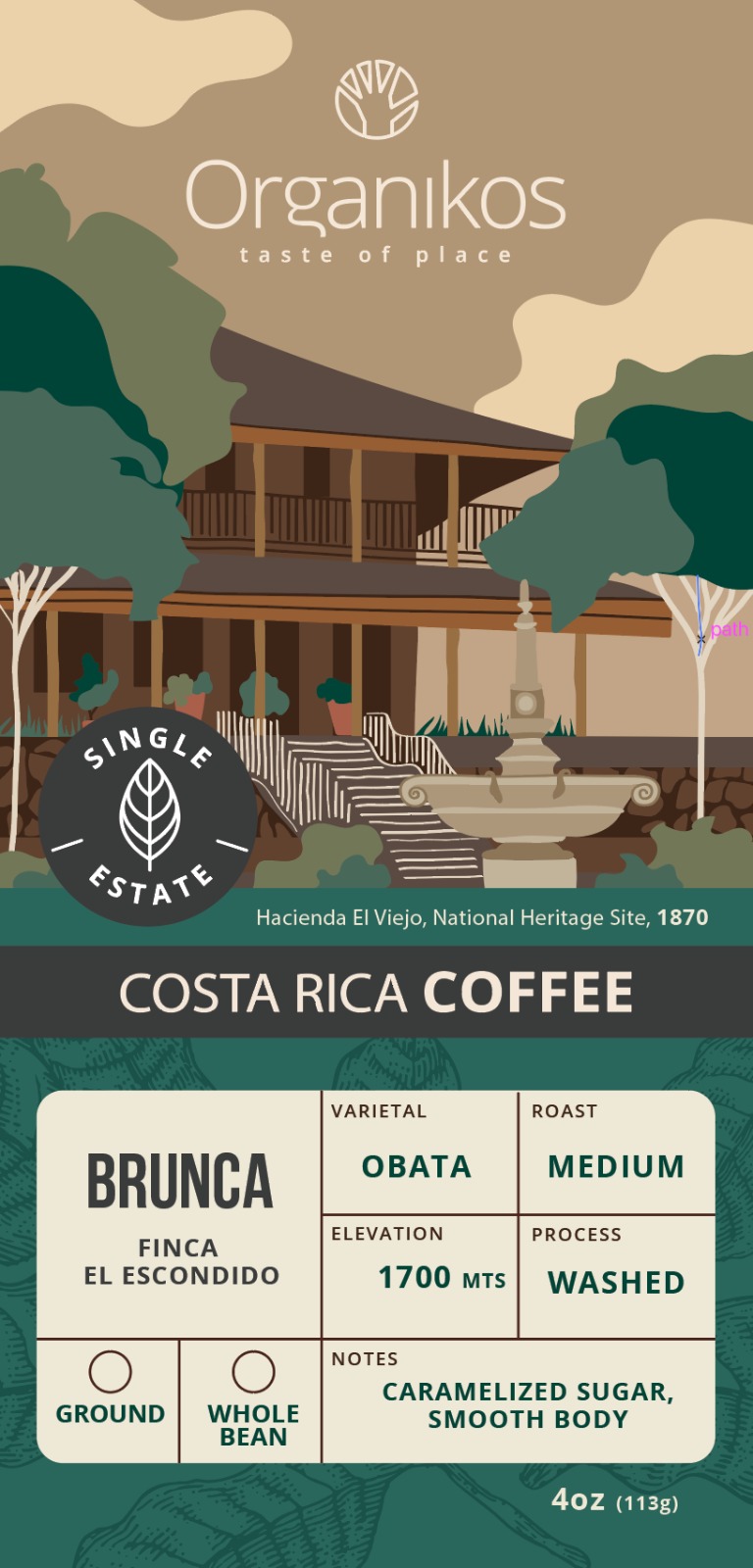
But as of this week, we have a new (to us) varietal, from a new (to us) farm. Obata is a hybrid brought to Costa Rica in 2014 by the Costa Rican Coffee Institute (ICAFE), prized for its resistance to rust. Finca El Escondido, in the Chirripo sub-region of Brunca may be the most successful farm to grow it so far. Continue reading

A Gift For My Cold Brew Future

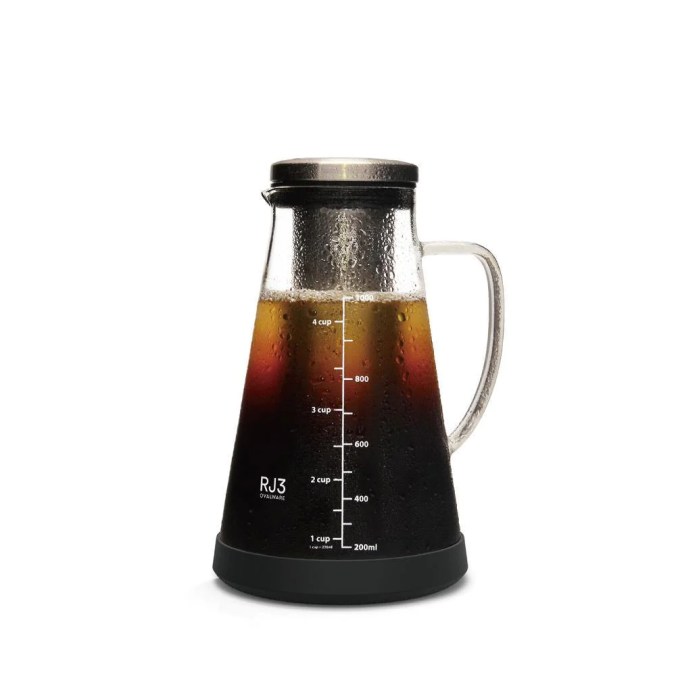
Cold brew is one of those initiatives that came to and held my attention when time was more abundant. And then time was not so abundant. It has been months now since Amie gifted me this new tool, and I still have not brewed with it. The video above, and the photo below, are my motivators to get brewing:


Costa Rica’s Ceramic Craft

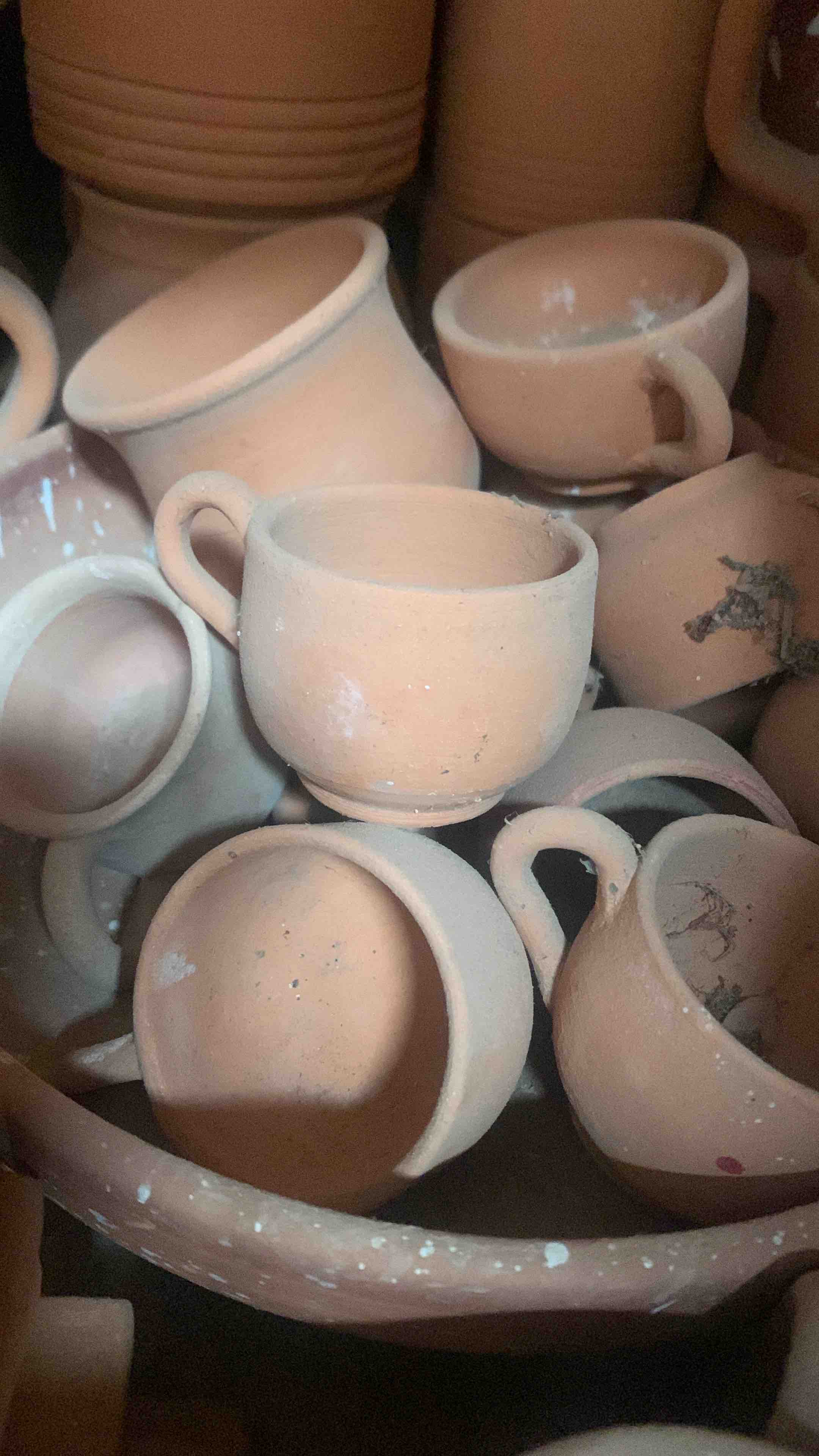
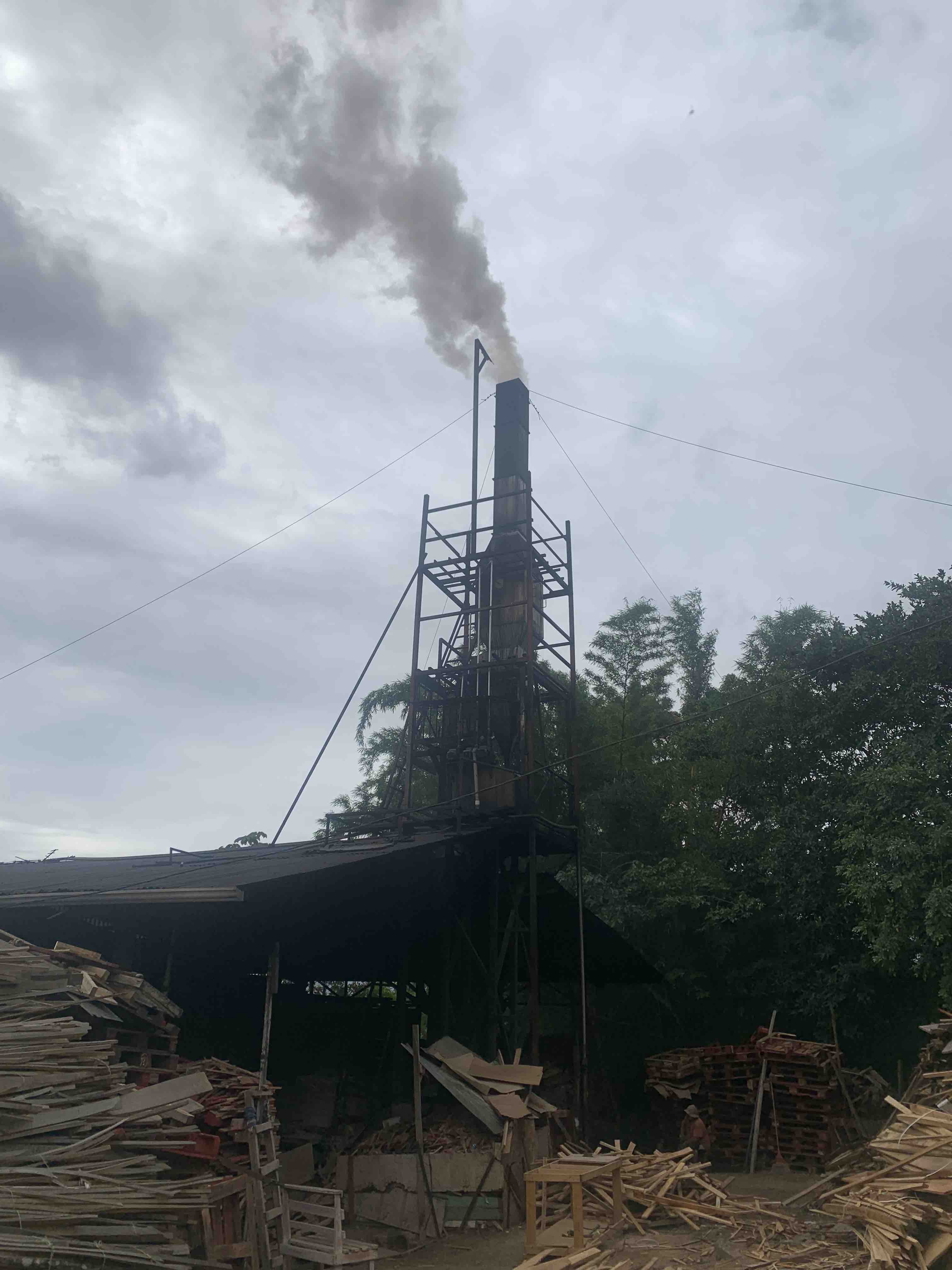
Amie and I work together, but most of my days are consumed by coffee. Especially in the March to May period, when coffee harvests are finishing and the first cuppings of the new crops are possible, my time for other activities is limited. But in June, there is more time. For the past 4+ years our shared work has included my joining her to meet artisans whose work our shops might carry. This work never disappoints, even if we conclude that the product is not a good fit for Authentica. Recently we had an afternoon together with a ceramicist we knew about, but had not yet had the opportunity to spend time with. The biggest surprise was seeing this smoke stack in the photo below.

It is rustic, and at first sight not much to look at. But listening to him tell its history you can appreciate how often in history artisans lead the way that industrialists eventually follow. This was the first smokestack in Costa Rica using technology that reduces carbon and particulate emissions. Continue reading

Starbucks, Olive Oil & Longevity

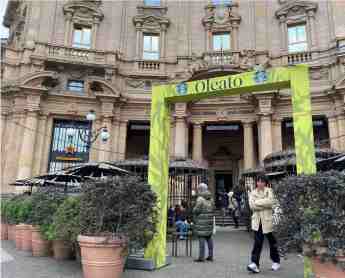
We have always been happy to share news about coffee’s trend setters, whether it is good or not so flattering. Sometimes quite  unflattering. Click the image above to go to the current Starbucks press release for this new, unusual product. Gideon Lewis-Kraus makes a pretty compelling case that while the backstory is interesting this new product is not worth trying:

A banner outside the Starbucks Reserve Roastery in Milan’s city center advertises the chain’s new Oleato line. Photograph by Valentina Za / Reuters / Alamy

Did Starbucks Really Put Olive Oil in Coffee?

The new Starbucks Oleato is terrible. But somehow there’s pleasure to be had in its existence.

As corporate legend has it, the concept of Starbucks was inspired by a visit that Howard Schultz paid to Milan in 1983. At the time, Schultz was the director of operations and marketing for a local Seattle chain with fewer than a dozen outposts; the stores, the first of which opened in 1971, sold whole beans, leaf teas, and spices in bulk. In Milan for a trade show, Schultz found himself enchanted by the city’s espresso bars. Continue reading

Coffee Love

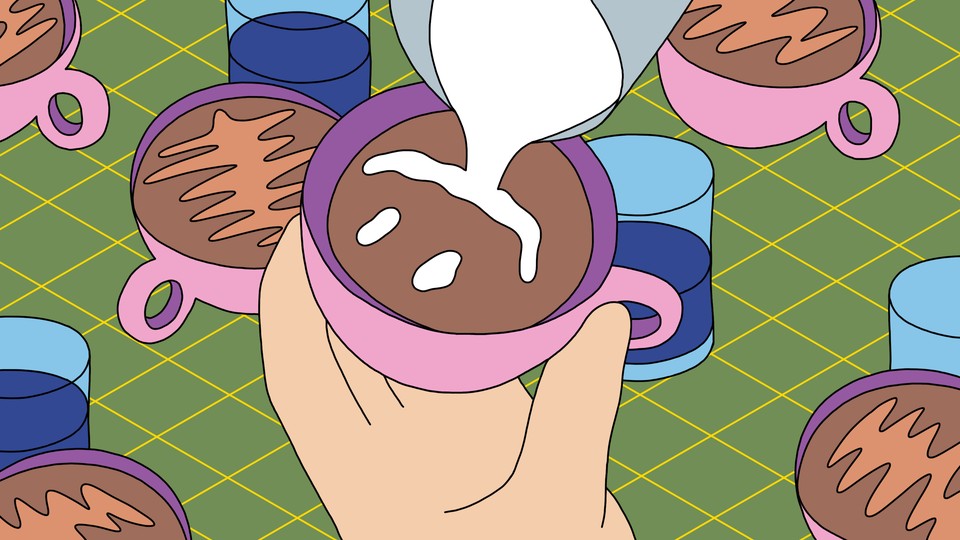
Illustration of latte art in the shape of a smiley face

Jan Buchczik

Arthur C. Brooks  continues to deliver:

Happiness Is a Warm Coffee

All hail the miracle bean.

I remember the night I fell in love.

The year was 1977, and I was 12 years old. A neighbor kid’s parents had bought an espresso machine—an exotic gadget in those days, even in Seattle. There was just one Starbucks in the world back then, and as luck had it, we lived within walking distance. Continue reading

Coffee Capsules Reconsidered

‘It hurts to know that we create so much waste.’ Composite: The Guardian/Getty Images/NASA

We have been clearly on one side of this, but now thanks to Cecilia Nowell and the Guardian we acknowledge a possible reason to reconsider:

Are coffee pods really eco-friendly? The truth behind the surprising findings

Coffee capsules notoriously produce waste – but some experts maintain that reducing how much coffee you use, even with a pod, can decrease emissions

If you drink one of the 2bn cups of coffee consumed each day worldwide, you may have seen headlines last month celebrating the coffee pod, a single-serving container – typically made of plastic or aluminum – that can be inserted into a machine to brew a cup of coffee. Continue reading

Coffee, History & Literature

Adam Gopnik, one of our favorite essayists, wrote an excellent essay on this topic; and Michael Pollan, among others, wrote a book.

There is still plenty to say about the history of coffee, as far as we are concerned, and Ed Simon demonstrates it in this essay from The Millions, an online magazine:

Coffee, the Great Literary Stimulant

“I have measured out my life with coffee spoons.” –T.S Eliot, “The Love Song of J. Alfred Prufrock” (1915)

Maronite priest Antonio Fausto Naironi once claimed that the greatest of miracles happened in ninth-century Ethiopia. It was then and there, in the province of Oromia, that a young shepherd named Kaldi noticed that his goats were prone to running, leaping, and dancing after they had eaten blood-red berries from a mysterious bush. Continue reading

Peanuts, Soil Regeneration & Coffee

I will not blame Ruby Tandoh for the link to the predatory bookseller in her essay; the magazine she writes for is responsible. Instead, I will just put a better link from the book image on the left to where you might purchase it. Bringing our attention to the book is enough of a good deed to overlook that link. Especially as I work on finding new ways to fix nitrogen in the soil we are prepping for coffee planting:

The Possibilities of the Peanut

I’ve made salads of peanut with watermelon and sumac, fries dunked in garlic-scented satay sauce, and more variations on my aunt’s Ghanaian groundnut stew than I can remember.

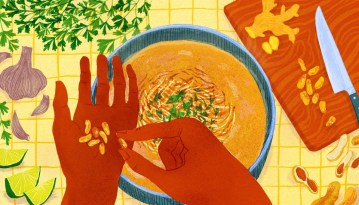
Illustration by Sophia Pappas

It would be hard to find a more devoted champion of the peanut than the agricultural scientist George Washington Carver. Born into slavery in Missouri around 1864, Carver studied at Iowa State University and then taught at the Tuskegee Institute, where he would spend much of the rest of his life learning to repair the environmental damage wrought by intensive cotton farming. Continue reading

On Those 20 Quadrillion+ Ants, Again

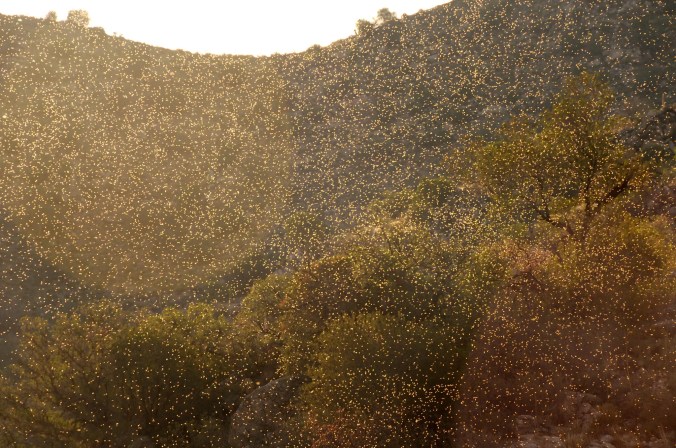
Ants in Escazu

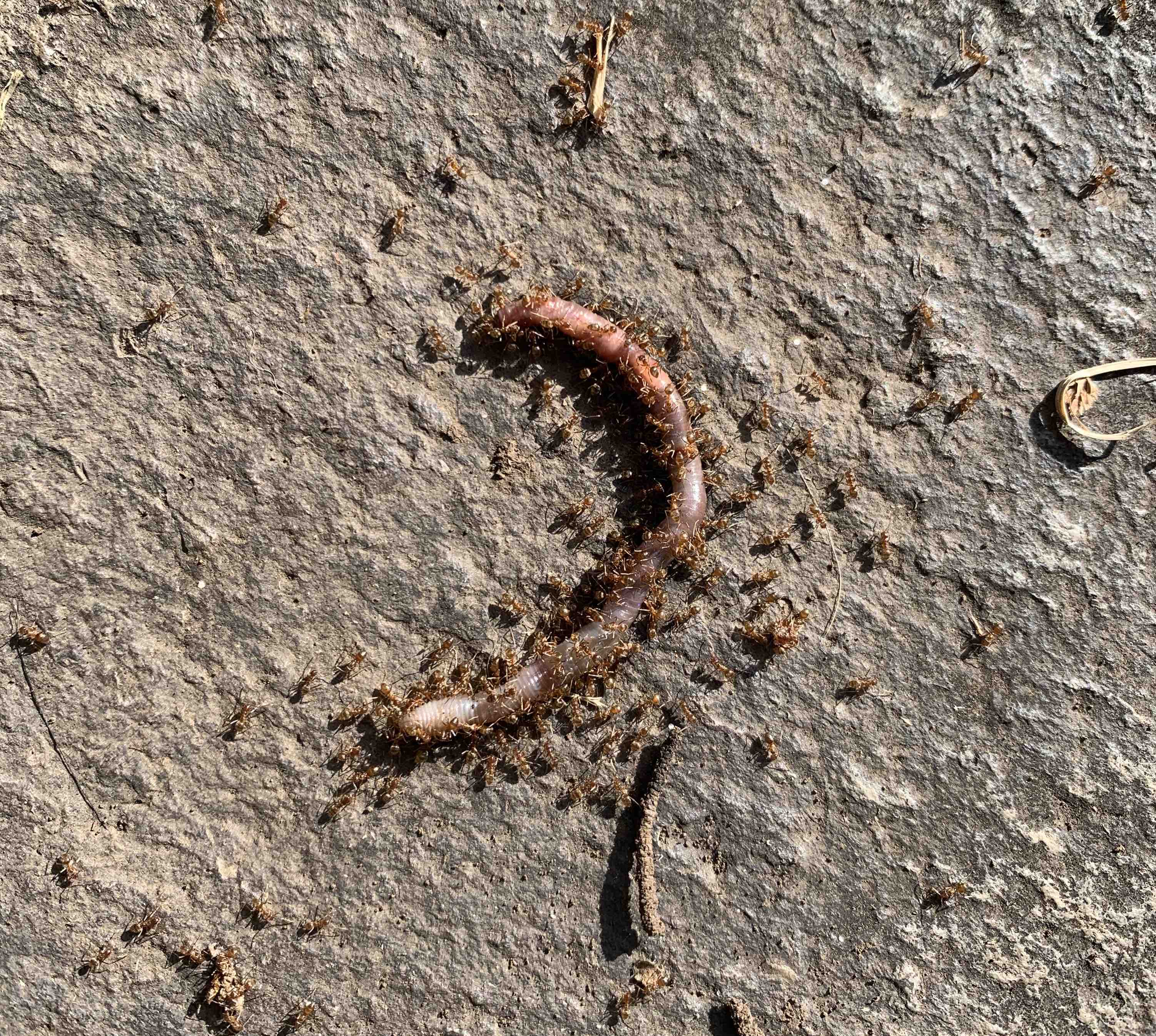
The earthworm in the photo above had been in a bag of soil where a coffee seedling started germinating earlier this year. I was moving the seedling from its small “starter” bag to a larger one, and the earthworm jumped out, wriggling under the nearby supplies I was working with. I did not see it again until it was too late. Since earthworms are good for soil, and we are in the early stages of a soil regeneration project, I was sorry to see the worm lose its life. This particular species of ant is currently everywhere on the property where we are re-planting coffee. I have not seen so many of this type of ant at any point in the last 22 years on this property, and their shocking abundance made me think of that new ant study. Normally we do not repeat sharing of news stories here, unless new information has come to light. It has only been a couple days, but I must share more on the study because my planting work is keeping the subject in front of me, and the photos in this article are that good.

Leaf cutter ants in Costa Rica. The researchers sampled 1,300 locations around the world, estimating ant abundance in different environments in areas such as forests and steppes. Bence Mate/Nature Picture Library, via Alamy

Rebecca Dzombak, who authored this article for the New York Times, will be on our radar from now on:

Weaver ants engaged in teamwork. Sunthorn Viriyapan/Alamy

Counting the World’s Ants Requires a Lot of Zeros

There are 20 quadrillion ants worldwide, according to a new census, or 2.5 million for every living human. There are probably even more than that.

Male leaf cutter ants on the move over the Sonoran Desert in search of females and to make more ants. Norma Jean Gargasz/Alamy

Right now, ants are scurrying around every continent except Antarctica, doing the hard work of engineering ecosystems. They spread seeds, churn up soil and speed up decomposition. They forage and hunt and get eaten. You may not know how much you rely on them. Continue reading

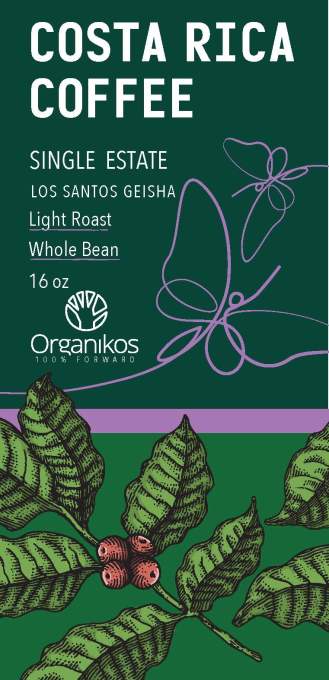
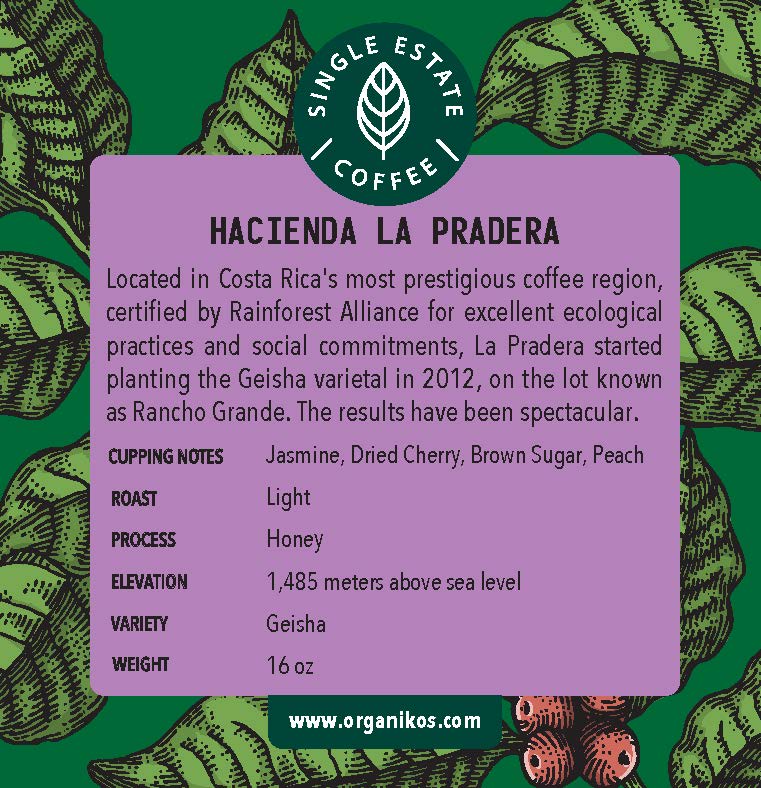
Hacienda La Pradera, Geisha Part 3/3

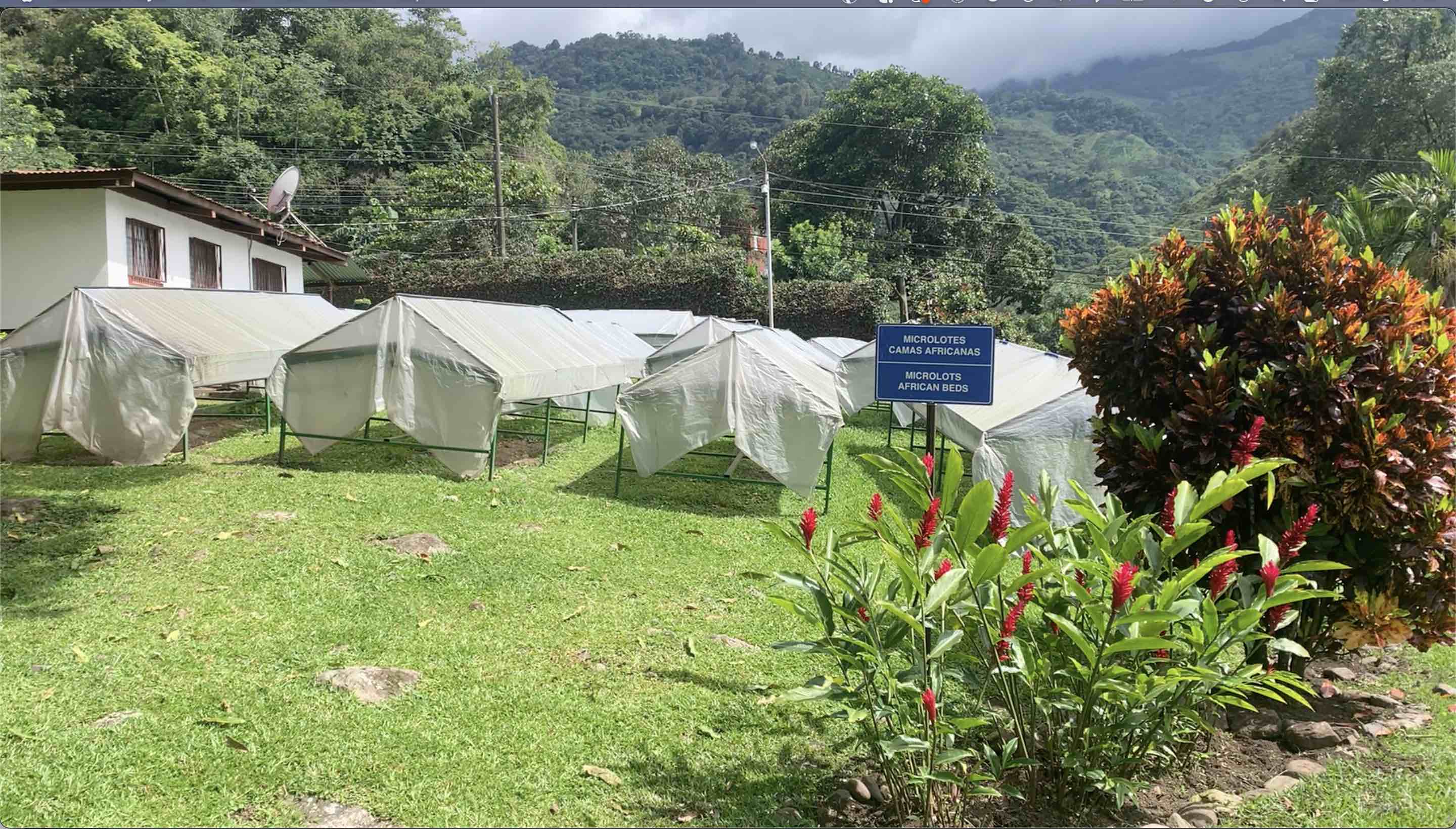
The estate is beautiful but that cannot explain the quality of the coffee the way that the African beds, the drying, and the sorting can.

Combined with the concentration of sugars into the beans that results from the time on those raised beds, the way the drying takes place after the first wash is a key feature of the way these beans are processed.

Honey process, sometimes called “pulped natural,” leaves some of the fruit on the beans.

This sticky mucilage looks like honey, thus the name, and is removed during milling rather than being washed off as is typical of washed coffees. The result is greater complexity of flavor.

This is the only light roast coffee that we offer, due to that complexity. It is subtle, and the light roast allows that subtle flavor to be showcased; whereas a darker roast would hide that complexity. A final point about consistency: this beneficio employs dozens of sorters who do the final sorting of the best quality beans, work that is now done by sophisticated machinery in other beneficios. We have an agreement that next post-harvest we will come during this sorting process to film that work. Until then, we will enjoy this year’s harvest.

Hacienda La Pradera, Geisha Part 2

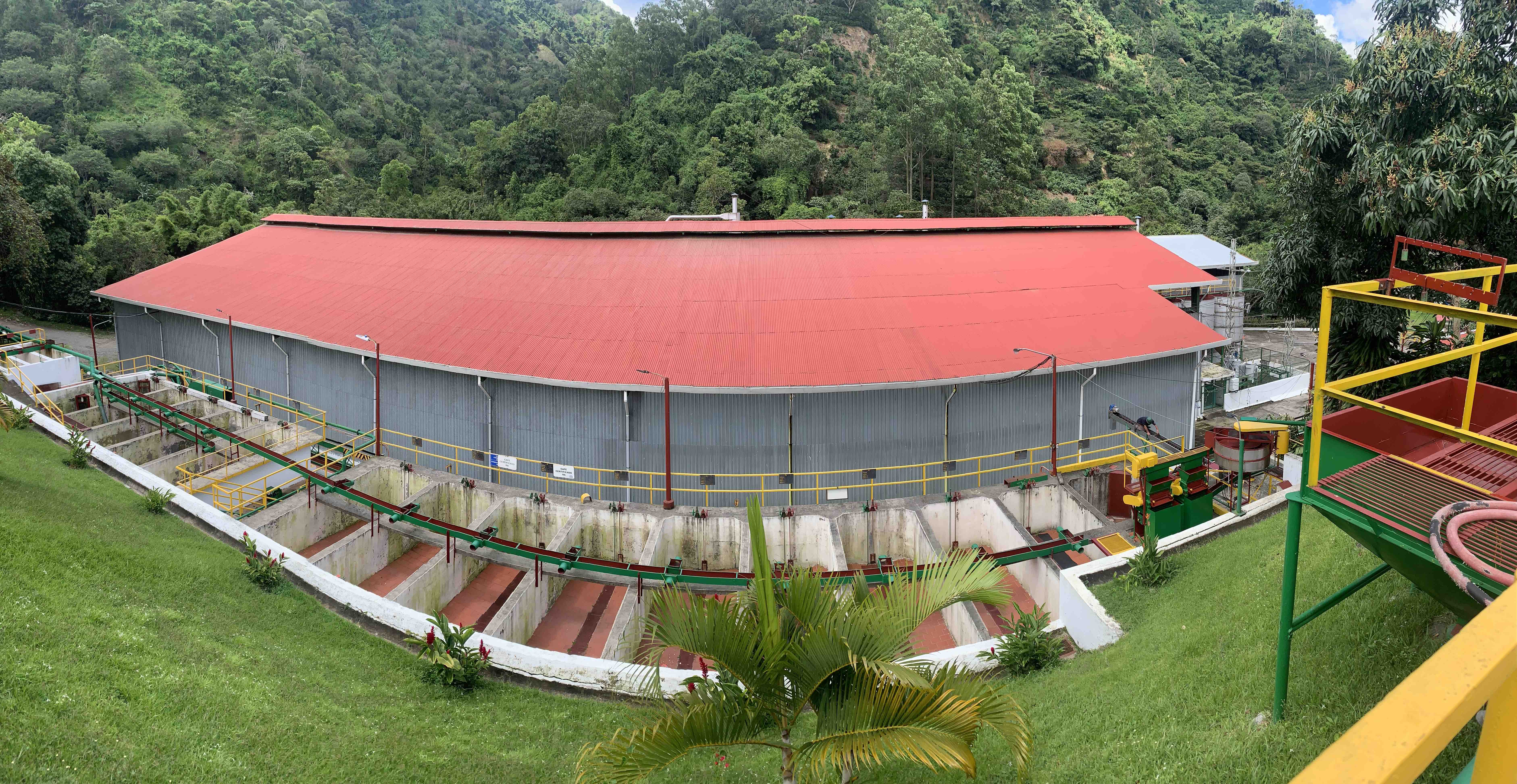
After the visit to Hacienda La Pradera we visited its equally important sister property down the road, the beneficio where all of La Minita’s coffees are processed after harvest. The buildings and their equipment are not as charismatic as the coffee farms, but the quality of the coffee we procure depends as much on the beneficio as the farms.

It starts with the African beds where the freshly picked coffee cherries are placed immediately after harvest. The sun “naturally” does the work that traditionally was done with water in the Costa Rica “washed”  process to get the skin, the fruit and other elements of the cherries removed to reveal the beans. Not only is this a more efficient use of natural resources–it also imparts more flavor into the beans as the sun dehydrates the juices surrounding the beans, and sugars of those concentrating juices absorb into the beans. After the drying on those beds the real work begins for the people who operate the equipment inside two buildings.

The building in the photo to the right is where all those beans land after being sorted for quality. Water is still important, even though much less is used in the natural method, to clean the beans of residuals from the fruit and skin. In the foreground of the building above you can see the washing tanks that all beans pass through.

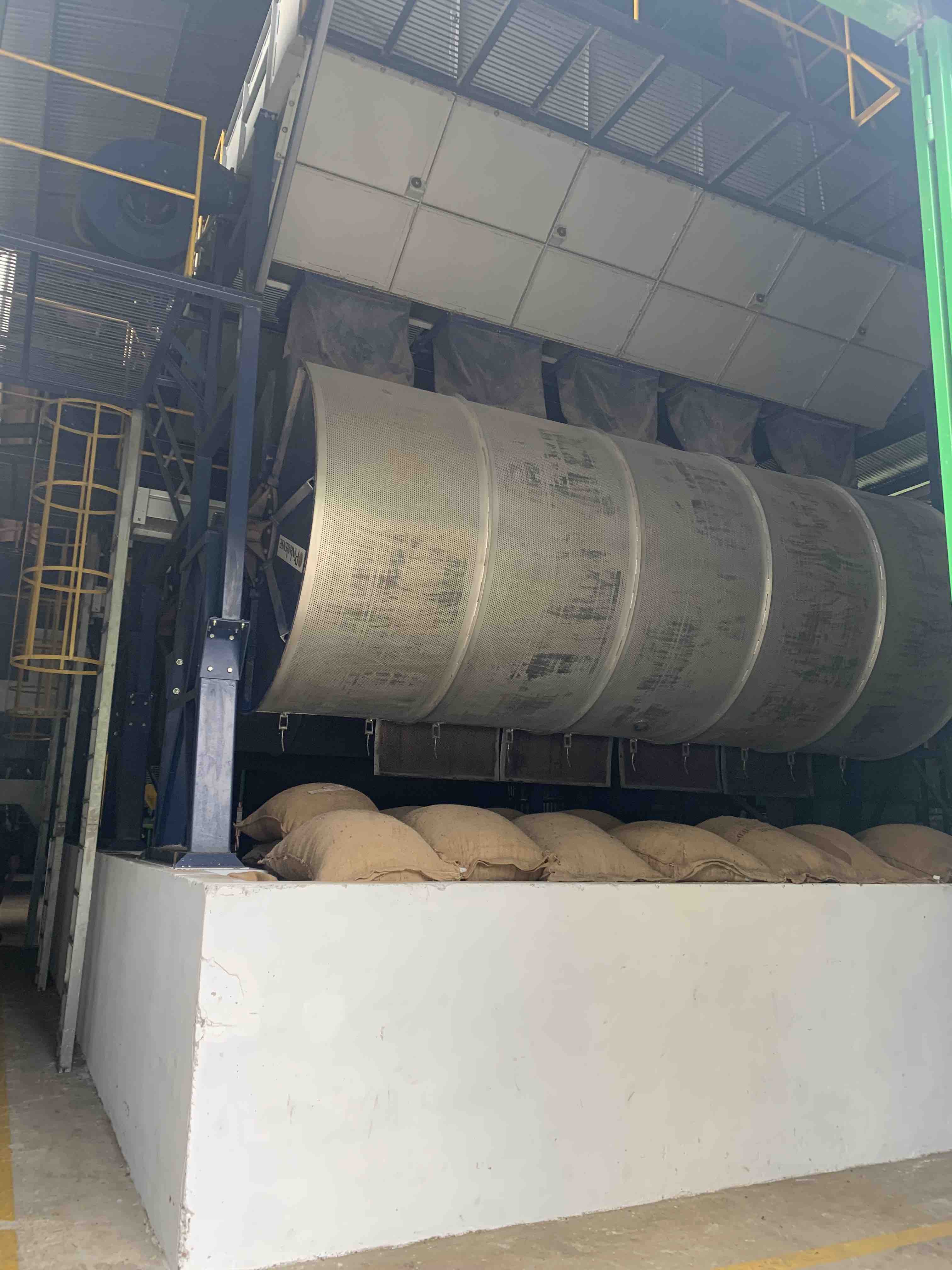
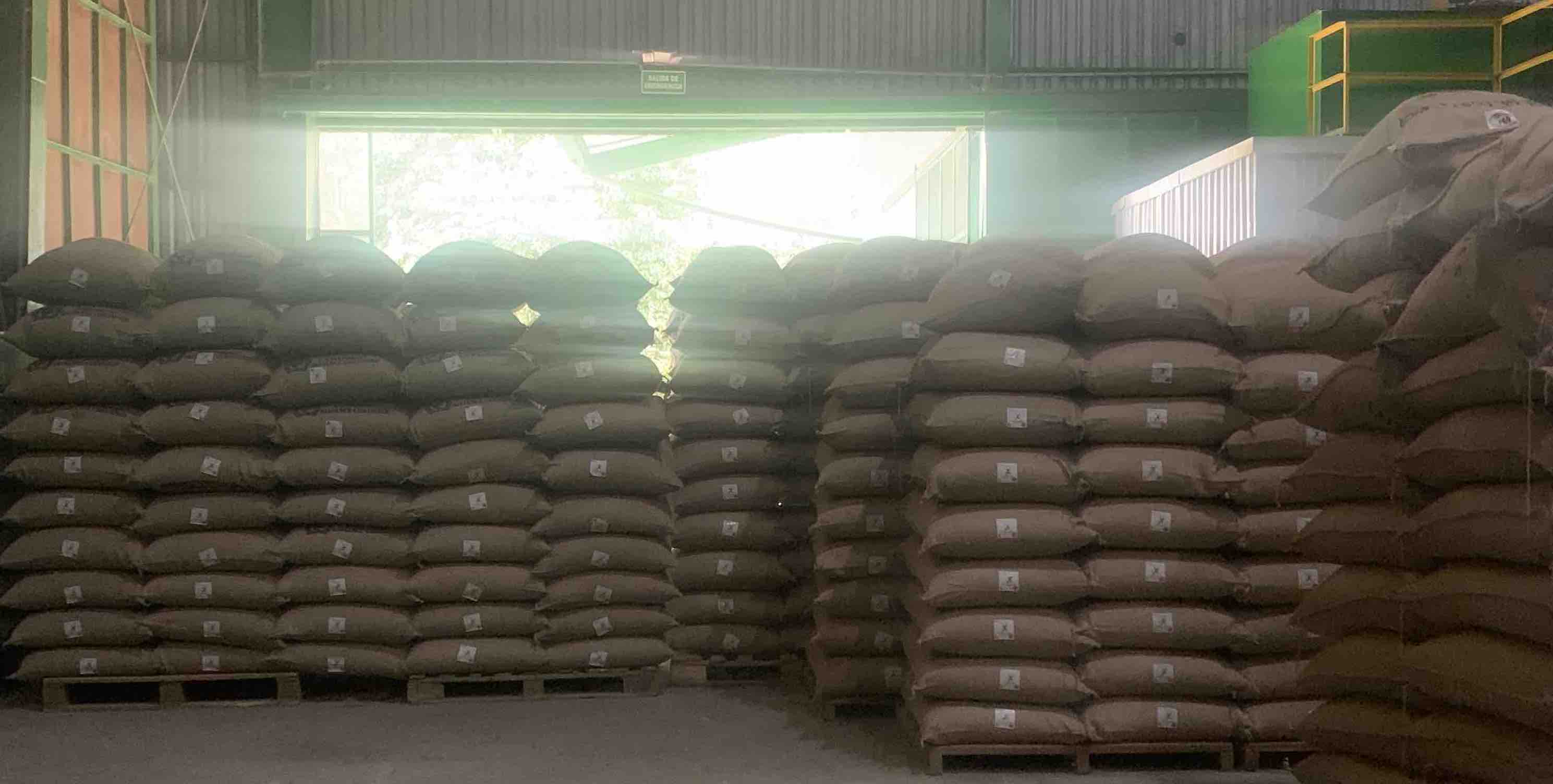
Inside the building are drying machines that get the beans to an ideal level of humidity before a final sorting prior to packing.

In a final post on this process tomorrow, I will do my best to explain how the African beds, the drying, and the sorting are so important to the exceptional coffees we receive.

Hacienda La Pradera, Geisha Part 1

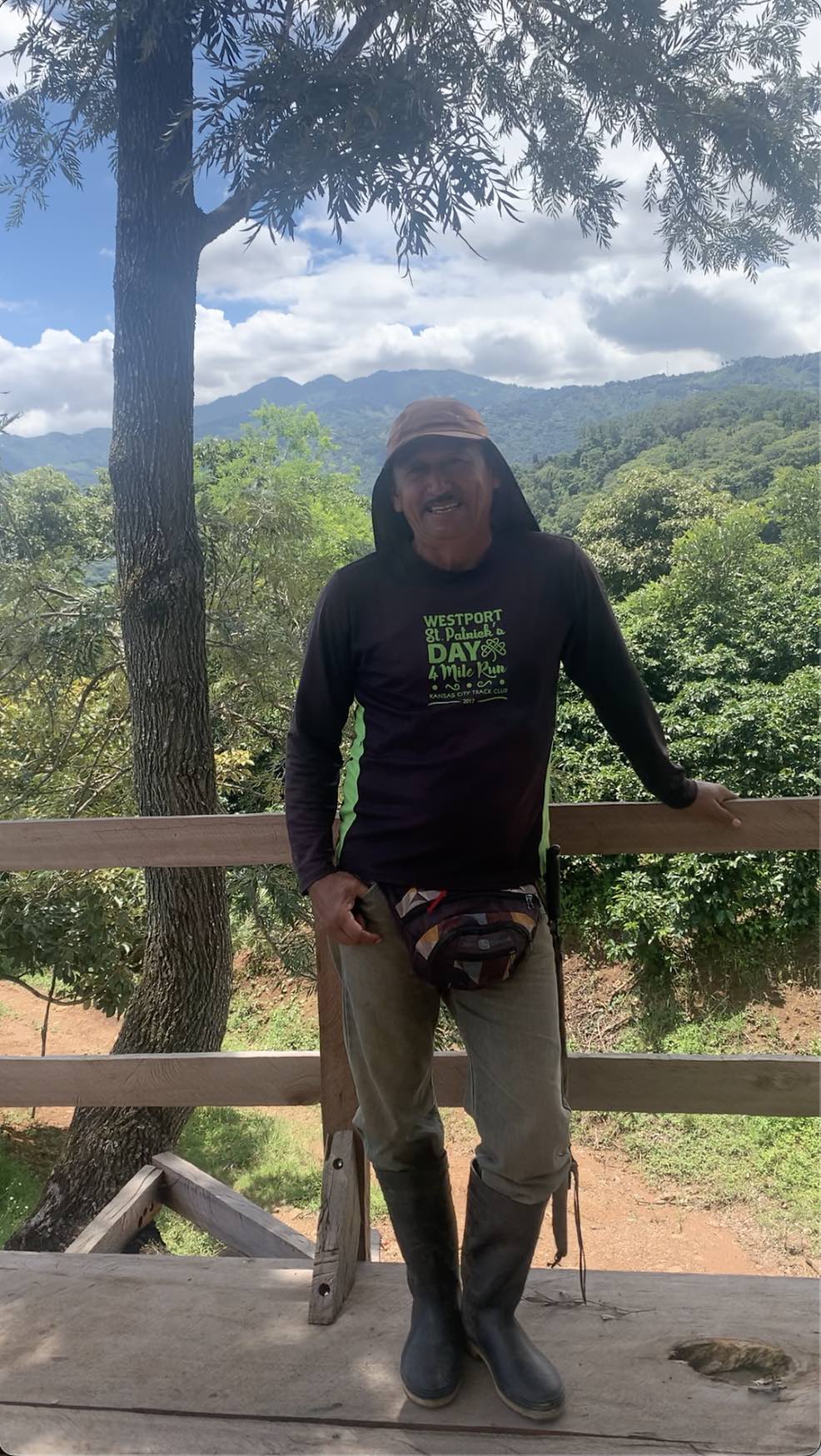
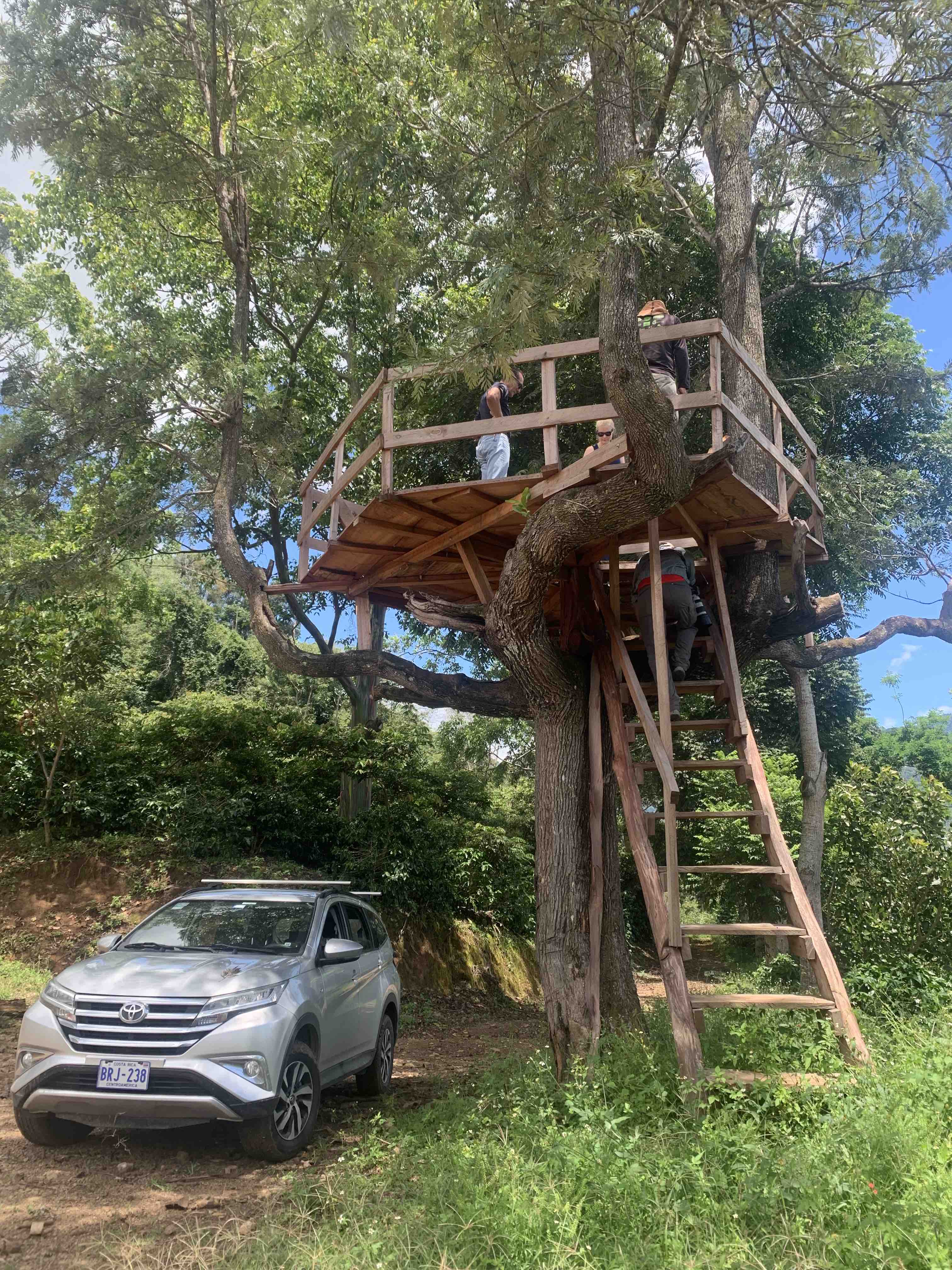
I have sampled coffees from La Minita from time to time over the last two decades, and have always been impressed by their quality. Because of that consistency we recently started offering their geisha varietal from Hacienda La Pradera at our shops in Costa Rica and also for delivery in the USA. Last week I finally had the opportunity to see first hand how and why that quality is so consistent. One reason is Pedro, pictured above while we were standing on the lookout over the farm lands he is in charge of.

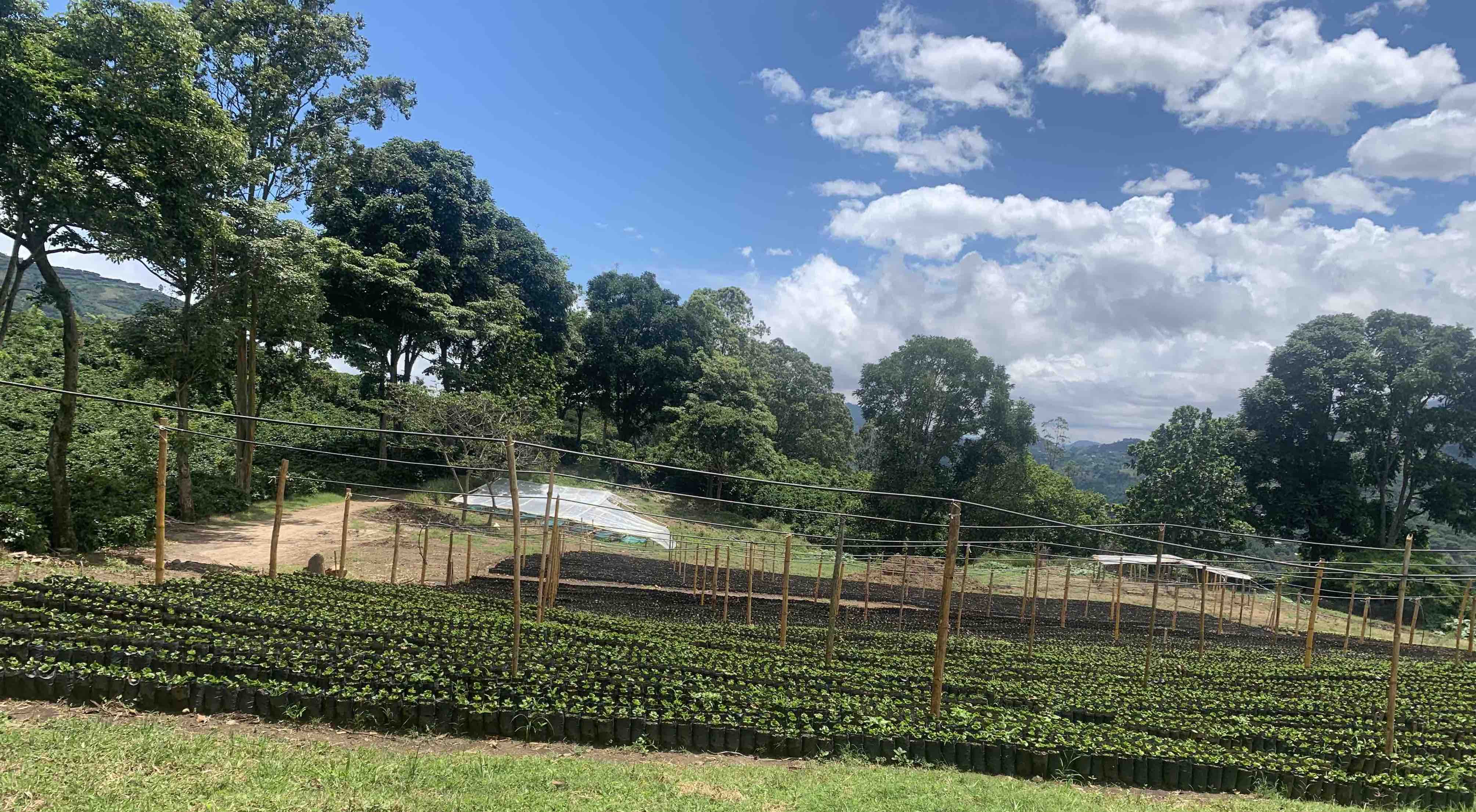
From that perch we surveyed the various plots, including the nursery (about 8,200 seedlings in the image below) as well as the several arabica varietals he has been growing on the 181 hectares of land.

Geisha is special for reasons I noted last year when introducing beans from another estate. Those beans were excellent, these are exceptional. Stay tuned. Tomorrow I will explain why.

Cold Brew Coffee, 2022

Cold brew coffee experimentation, April 2020

Two years ago, when the pandemic had shut down the airports in Costa Rica and we had no clue how long that would last, we wondered how the artisans and the farmers who supplied our recently opened Authentica shops would fare. We had to ask ourselves what we were going to do with the roughly 7,000 pounds of coffee beans we had contracted to buy from that year’s harvest. The most obvious move was to start roasting in the USA, so we could deliver to customers who had bought from us in Costa Rica and wanted to continue buying.

Cold brew coffee was a brief experiment at the time, but with sufficiently robust results to convince us that when travelers returned we would offer samples. The time has come.