Resilience At Sycamore Gap

The shoots growing from the stump of the Sycamore Gap tree.

The Sycamore Gap tree, a beloved way marker, had grown for centuries along Hadrian’s Wall in England before vandals cut it down last year. Now little shoots have been discovered growing at its stump. Jason Lock/National Trust

When this act of vandalism was in the news last year, it felt terrible but had no meaning. But if the felled tree is giving new life, we must celebrate that:

A man kneels beside a tree stump with a tape measure in his hands.

Gary Pickles, a ranger at Hadrian’s Wall Path National Trail, inspecting the Sycamore Gap tree shoots that recently appeared. Jason Lock/National Trust

Vandals last year chopped down the famed tree, which had stood on Hadrian’s Wall in England for nearly 200 years.

On a fine, bright morning last Friday, just like so many other fine, bright mornings, Gary Pickles took a walk.

Two people in a fenced-in area in a field by a stone wall.

Mr. Pickles and a colleague at the site where the tree once stood. Jason Lock/National Trust

Mr. Pickles, a ranger who works at Northumberland National Park in England, just south of the Scottish border, was inspecting a route that wends past Hadrian’s Wall, constructed by the Roman Army in the second century A.D. He walked past the cleft where the Sycamore Gap tree had famously jutted out into the landscape before it was illegally cut down last year, and he bent down to its stump. Continue reading

Turning Tree Leaves Into Mats

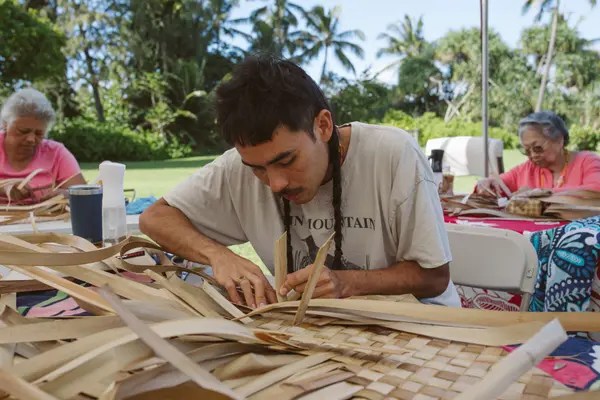
Emma Broderick, right, and her mother, Maile Meyer, under a pu hala tree on Oahu, a touchstone of Hawaiian culture. Its leaves are used to weave mats like the one they are sitting on. “To be a weaver is to be a healer,” said Broderick, whose group passes on ancestral knowledge about weaving and other practices. Daeja Fallas for The New York Times

Traditional weaving was a means to achieve our goal of strengthening biodiversity in our final work in Kerala. It is heartening to see handicraft coming back to life in Hawaii for other reasons:

In Hawaii, Weaving New Life Into a Nearly Vanished Art Form

The age-old practice of turning tree leaves into mats has been revived on the islands. “It teaches you how to weave relationships, past and present,” one master artisan says.

Just past daybreak, before they began to weave, Emma Broderick and her mother, Maile Meyer, gathered beneath a canopy of sinuous leaves to greet the pū hala tree, a touchstone of Hawaiian culture that for generations has provided the raw materials for weaving moena, the traditional floor mats that were once ubiquitous in Hawaiian homes.

Kainoa Gruspe, one of the young weavers who joined the group. Preparing the lau is laborious and begins by ridding the leaves of ants and centipedes before cutting, smoothing and drying. Daeja Fallas for The New York Times

Broderick introduced herself to the tree, with its lattice of stilt-like roots, addressing it as she might a loved one. “Of course, flattery never hurts,” she said. She had a pink plumeria blossom with an intoxicating aroma tucked behind her ear.

“You want to come with me?” she asked the tree, seductively. “Would you like to live in a house and be in a mat?” Continue reading

Popcorn’s Origin Story

(Credit: vainillaychile/iStock via Getty Images Plus) The ancestor of maize was a grass called teosinte.

Since it is one of my go-to snacks, I frequently wonder about this, and appreciate the sleuthing by Sean Rafferty at SUNY Albany, and Discover magazine for publishing it:

How Was Popcorn Discovered?

Could a spill by the cook fire have been popcorn’s eureka moment?

You have to wonder how people originally figured out how to eat some foods that are beloved today. The cassava plant is toxic if not carefully processed through multiple steps. Yogurt is basically old milk that’s been around for a while and contaminated with bacteria. And who discovered that popcorn could be a toasty, tasty treat?

pile-of-popcorn

(Credit: Yeti studio/Shutterstock)

These kinds of food mysteries are pretty hard to solve. Archaeology depends on solid remains to figure out what happened in the past, especially for people who didn’t use any sort of writing. Unfortunately, most stuff people traditionally used made from wood, animal materials or cloth decays pretty quickly, and archaeologists like me never find it.

We have lots of evidence of hard stuff, such as pottery and stone tools, but softer things – such as leftovers from a meal – are much harder to find. Sometimes we get lucky, if softer stuff is found in very dry places that preserve it. Also, if stuff gets burned, it can last a very long time. Continue reading

Celebrating Voices Of The Americas

Curved exterior of the National Museum of the American Indian in DC, pale bricks glowing as if during sunrise.We missed the 2024 INDIGENOUS VOICES OF THE AMERICAS –CELEBRATING THE NATIONAL MUSEUM OF THE AMERICAN INDIAN. Our calendars are already marked for next year, based on what we see from this year’s celebration:

Across the Western Hemisphere, thousands of Indigenous communities are sustaining traditional practices and contributing to a more equitable future. Today, these individuals and nations define who they are, through their own stories in their own words.

An illustration of the ingredients for Cherokee bean bread.In 2024, Indigenous Voices of the Americas: Celebrating the National Museum of the American Indian highlights living traditions of Indigenous peoples. At its core, the program honors contemporary and traditional creative expressions, celebrations, and community connections that feed new possibilities for Indigenous futures. The program is co-presented by the Smithsonian Center for Folklife and Cultural Heritage, the National Museum of the American Indian, and the National Park Service.

We would not have known about it except for this article (thanks to National Public Radio, USA):

Bolivian skateboarders demonstrate their skills on the half pipe.

Bolivian women skateboarders — wearing traditional garb — demonstrate their skills on the half pipe. Ben de la Cruz/NPR

It’s a rather unusual skateboard lesson.

Little girls are lined up to learn to balance on a board on a half-pipe ramp. The teachers are young women from Bolivia, in their teens and 20s, wearing traditional garb as a tribute to female strength. Their outfits do not seem as if they are ideal for skateboarding: Each skateboarder wears a beribboned bowler hat and a poofy skirt. Among the eager disciples is Poppy Moore…

Glass Eels & Industry

A lot of Mainers want badly to win the elver lottery. This year, more than forty-five hundred people applied for sixteen available licenses. “It’s an industry, not a fucking cult,” a fisherman said. Illustration by Agnes Jonas

Salty language comes with the territory in this story; we thank Paige Williams as always for her excellent reporting at the intersection of natural history and current environmental affairs:

Inside the Slimy, Smelly, Secretive World of Glass-Eel Fishing

Each spring, hundreds of millions of baby eels swarm the waterways of coastal Maine. Soaring global demand incited an era of jackpot payouts and international poaching.

The Sargasso Sea, a warm, calm expanse of the North Atlantic Ocean, is bordered not by land but by four strong currents—a gyre. Vast mats of prickly brown seaweed float so thickly on the windless surface that Christopher Columbus worried about his ships getting stuck. Continue reading
Garden Conservancy’s Open Days

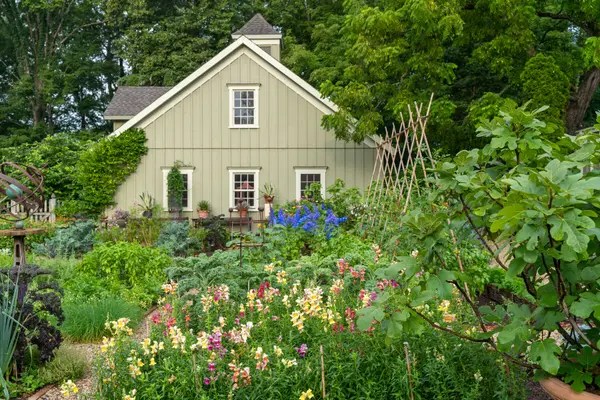
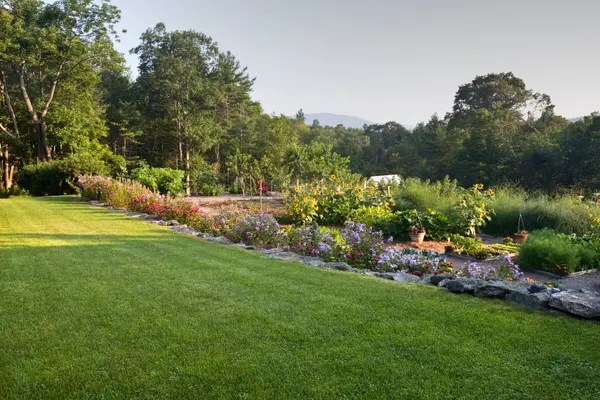
One of “the marquee gardens” welcoming the public during the Garden Conservancy Open Days belongs to the interior designer Bunny Williams, in Falls Village, Conn. Courtesy of Bunny Williams

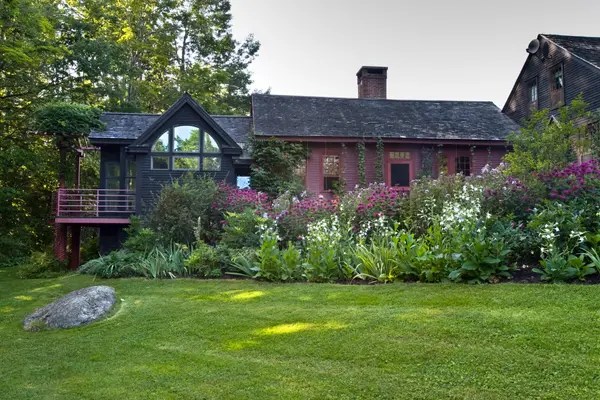
Eleanor Briggs’s garden in New Hampshire, designed some 30 years ago by the landscape architect Diane McGuire, includes long borders that offer places for new must-have plants. Eleanor Briggs

Margaret Roach, a wealth of information on gardens, offers another option to salve the doom-scrolling. She provides this link to get more information on the Garden Conservancy’s open days:

Your Chance to Snoop: It’s ‘Open Days’ Season in the Garden

This year, more than 360 private gardens across the country are opening to visitors. Don’t miss your chance to learn from some of the best.

Ms. Briggs has opened her garden at Skatutakee Farm, her updated 18th-century home, numerous times since 2005. The next tour date is Aug. 24. Eleanor Briggs

I was at my station, a folding table dressed up with a burlap cloth, checking in visitors at a Garden Conservancy Open Days event maybe 10 years ago and answering questions from those who had already explored my garden, when I saw someone across the yard taking a photograph.

But of what, I wondered — what’s over there? There was nothing in that spot, I felt certain. Continue reading
English Apple Heritage

Today completes a trifecta of shared articles about trees, and Sam Knight gets extra thanks for the link with a part of food heritage our family is especially fond of (which led to finding the video above):

Illustration by Nicholas Konrad / The New Yorker

The English Apple Is Disappearing

As the country loses its local cultivars, an orchard owner and a group of biologists are working to record and map every variety of apple tree they can find in the West of England.

In June, 1899, Sabine Baring-Gould, an English rector, collector of folk songs, and author of a truly prodigious quantity of prose, was putting the finishing touches on “A Book of the West,” a two-volume study of Devon and Cornwall. Baring-Gould, who had fifteen children and kept a tame bat, wrote more than a thousand literary works, including some thirty novels, a biography of Napoleon, and an influential study of werewolves. Continue reading
Food & Identity

photograph: alamy

We do not live by fruit alone, so:

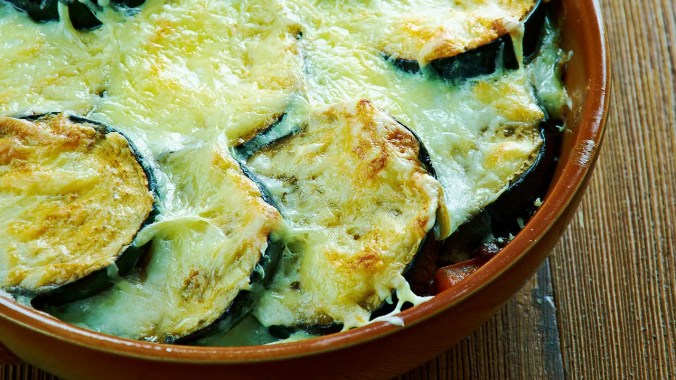
How moussaka made it into the pantheon of Greek gastronomy

Patriotism revolutionised a classic dish

In 1821 greek revolutionaries rose up against the Ottomans, setting off years of bloodshed that culminated in the creation of a free state in 1829. Continue reading
First Nations’ Food Sovereignty

Delphine Lee

Thanks to Mother Jones for this:

Tribal Nations Are Taking Back Their Food Systems

A new farm bill program aims to undo centuries of federal mismanagement.

The farm bill is one of the most important but least understood pieces of US legislation, and it’s overdue for renewal. Continue reading

Climate Change Challenges In Italy’s Food Basket

The inside of a rice plant about to flower. With global heating, farmers fear extreme weather events such as drought will become more frequent

Thanks to Ottavia Spaggiari for this article, and to Marco Massa and Haakon Sand for the photos. We are closer to the challenges coffee faces in the context of climate change, but we know it is a global race to find solutions:

Risotto crisis: the fight to save Italy’s beloved dish from extinction

After drought devastated prized arborio and carnaroli harvests in the Po valley, new rice varieties offer a glimmer of hope. But none are yet suitable for use in the traditional recipe

Biometeorologist Marta Galvagno at work

For most of winter and spring in 2022, Luigi Ferraris, a 58-year-old rice farmer from Mortara, a town in the Po valley, remained hopeful. Rainfall had been down 40% in the first six months of the year, and snow had accumulated thinly in the Alps, prompting an 88% drop in the amount of water coming to the Po River from snow-melt; flow in the river and its connected canals was at a historic low. Continue reading
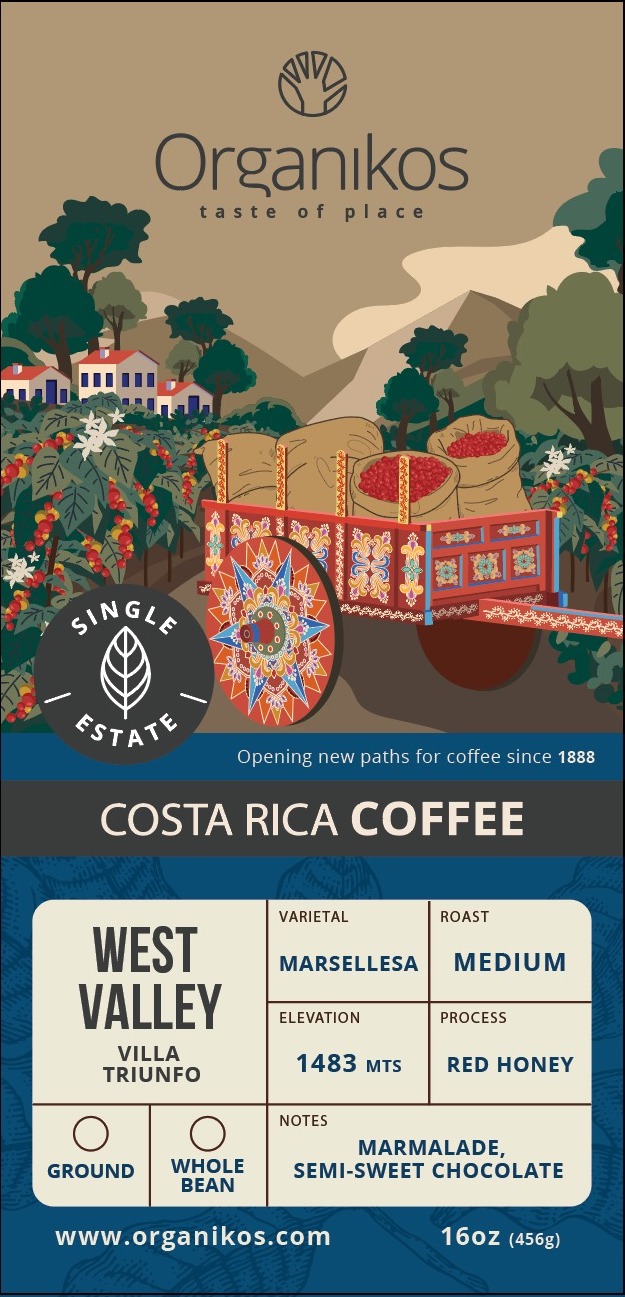
Villa Triunfo, Old Farm & New School

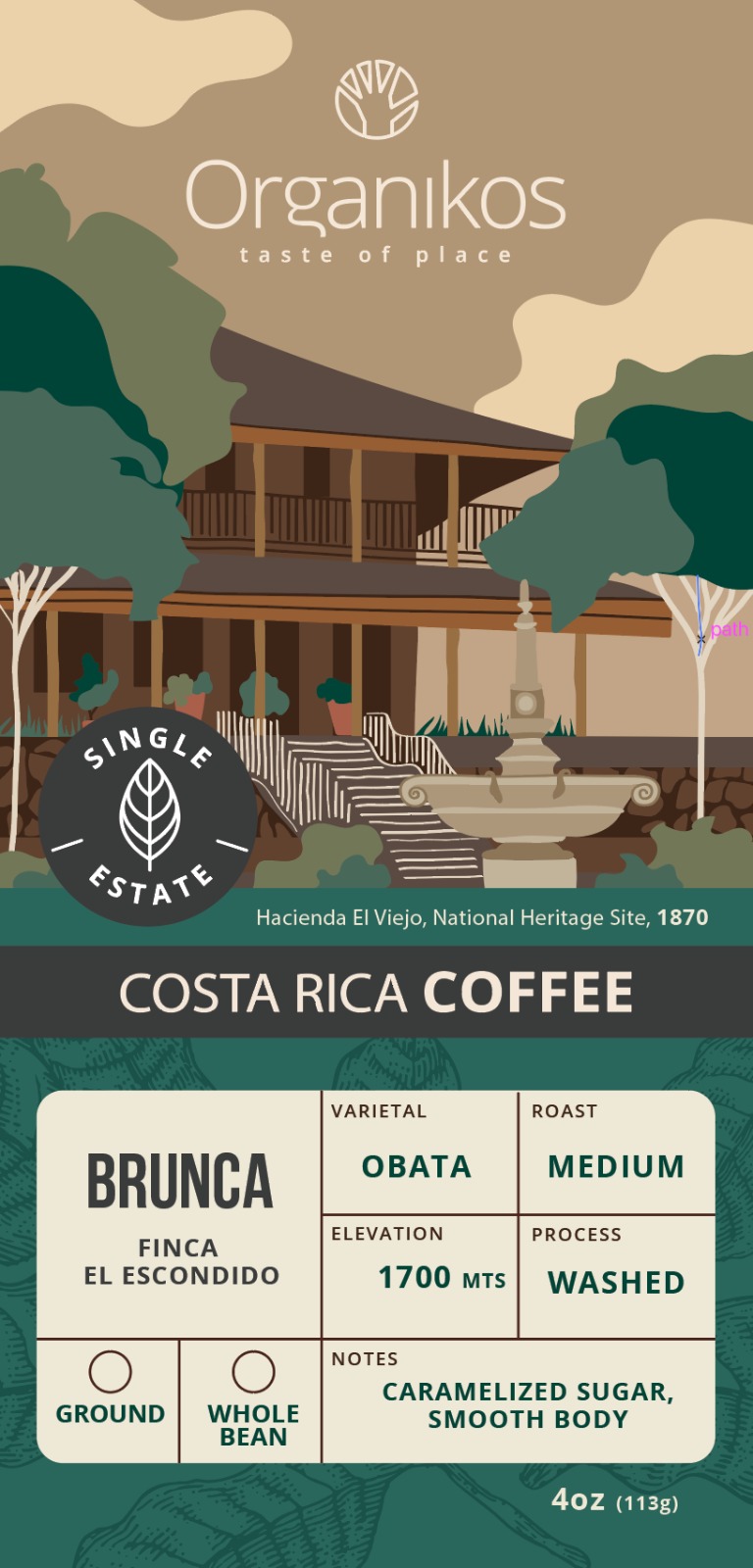
We have shared a few posts in these pages mentioning Villa Triunfo, but now we have designed a new label for it. So, time to celebrate that. What is most important to us about the farm is that it is one of the oldest continuously operating coffee farms in Costa Rica, since its first plantings in the late 1800s.

That, and the fact that today it is also one of the more innovative in terms of pioneering hybrids that help the coffee stay fit in the context of climate change and the various challenges (such as the uniquely problematic mold that is called rust). It is the end of harvest season, when coffees in the West Valley are being processed. The red honey process used for this coffee allows all the sugars from the juicy fruit to absorb into the beans. We look forward to cupping it soon.

Is That Safari In Tanzania A Good Use Of Your Money?

Brian Otieno

This guest opinion, written by Professor Robert Williams of the Indigenous Peoples Law and Policy Program at the University of Arizona, and published in the New York Times, should make you think twice about the safari that might be on your bucket list:

Over 600,000 tourists travel to Tanzania’s Ngorongoro Conservation Area each year, and many will catch a glimpse of the Great Migration: the famed trek of more than one million wildebeests and thousands of zebras, gazelles and other animals crossing over the Mara River into Kenya and back again. Continue reading

Central Valley Reserve

Central Valley coffee farms produce reliably high quality beans. A few farms produce beans of unusual quality, and we source from these farms to create a blend worthy of the name Reserve. Unlike the chocolate notes typical of a Los Santos coffee, or more fruity or floral notes from other regions, here we find a special toasted nut sensation.

The “architecture of coffee heritage” caption for the image on this label refers to the fact that this building from the 1990s pays tribute to the history of coffee in Costa Rica. It was built within a coffee hacienda, and this year thousands of coffee plants are being replanted on the property. If you have an interest in the feeling of a coffee plantation, and plan to visit Costa Rica, you could not do better than spend a few days here.

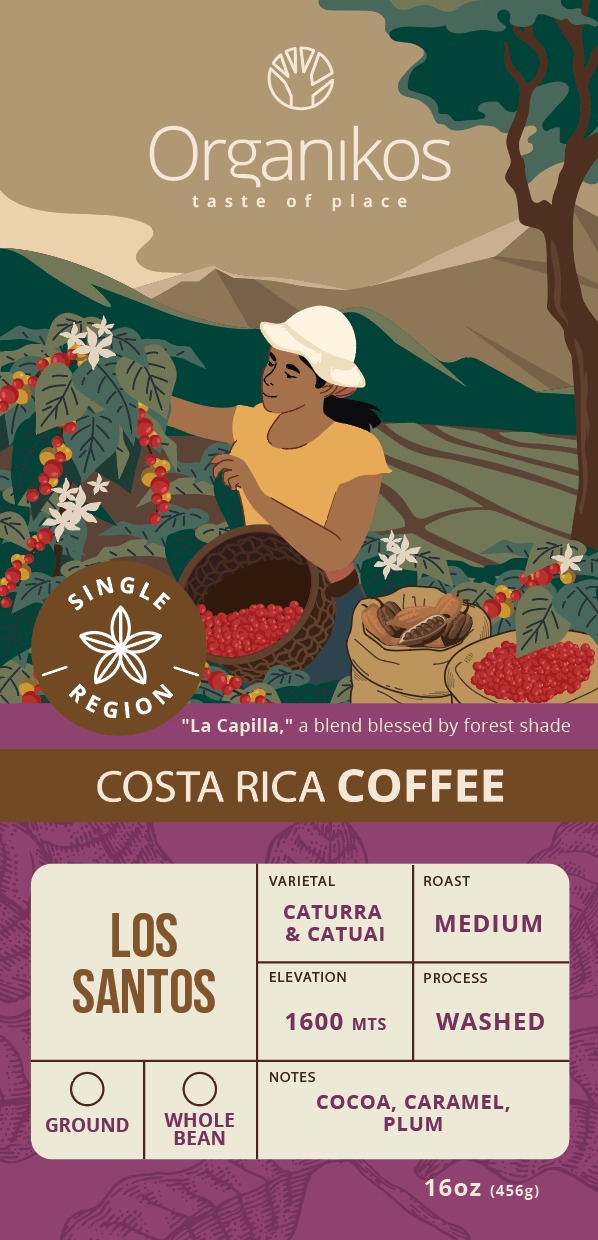
La Capilla, A Plum Assignment

These beans, blended from a select group of smallholder coffee farms collectively known as “the chapel,” have a new illustration. This week it debuts in our shops in Costa Rica. A year after we introduced this coffee in our shops we could only guess it was to become the bestseller it now is.

During the pandemic, when the airports were shut down and there were few visitors to our shops, honoring the contracts we had with these farmers got us thinking creatively. We started offering this and a few other of our coffees for sale in the USA. Because it was a favorite in our home, La Capilla was chosen for this plum assignment. Then we knew.

Tarrazu started its qualification for denomination of origin status the same year we started roasting it, and qualified two years later. The rules are still being clarified on how to use the name, so on our labels we have reverted to the region’s traditional name Los Santos.


Single Estate Coffee, Double Taste Of Place

The last time we introduced a varietal of coffee that was new to Organikos it had taken about a year to settle on the farm we would source from for the longer term. For the geisha varietal that farm is Hacienda La Pradera. During the last two years offering their coffee we have underestimated the demand and run out of coffee long before the new harvest is available. So, as of now, we have no geisha to offer until April.

But as of this week, we have a new (to us) varietal, from a new (to us) farm. Obata is a hybrid brought to Costa Rica in 2014 by the Costa Rican Coffee Institute (ICAFE), prized for its resistance to rust. Finca El Escondido, in the Chirripo sub-region of Brunca may be the most successful farm to grow it so far. Continue reading
More Honey & Bees, Also

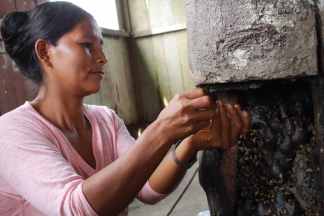
Tarkis Ríos Ushiñahua harvesting honey from stingless bees in a tree-trunk hive, at her home in Puerto Huamán in the Peruvian Amazon, 2019. [Hannah Hutchinson]

Along with anything else to get 2024 off to a good start, an article by Andrew Wingfield and Michael P. Gilmore that we missed from last year. The topic is one that we have only briefly touched on a couple times. The wider world of honey and the bees responsible for it are topics we hope to share more of this year.

To begin, let this bring some joy:

A Sweet and Potent Harvest

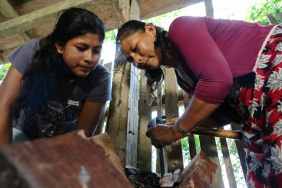
Tarkis Ríos Ushiñahua teaches her daughter to divide a hive, 2022. [Dylan Francis]

For the Maijuna of the Peruvian Amazon, harvesting honey from stingless bees is bringing prosperity and empowerment. Local beekeeping might also help preserve a vast ancestral forest.When Tarkis Ríos Ushiñahua collects honey from one of her beehives, she wears no protective clothing and uses just one tool, a large plastic syringe. 1 As she lifts the lid from the wooden box housing the hive, the bees swarm. They buzz around her face, land on her back, and settle in strands of her straight black hair, but they do no harm — these bees are stingless.

The bee yard of Loida Ríos Tamayo and Saúl Peterman Mosoline, 2021. [Enrique Redondo Navarro]

The slender tip of Ríos Ushiñahua’s syringe fits neatly inside the hive’s honeypots, brownish, papery-looking pouches that the bees have fashioned from wax and plant resins. Continue reading
The Slow Ways App, For Right Of Way Walkers

The Slow Ways founder, Daniel Raven-Ellison (right) walks with the Guardian’s Patrick Barkham as they verify a route between Congleton and Macclesfield. Photograph: Fabio De Paola/The Guardian

The right of way is a theme we love, and now there is a technology to assist our pursuit of those rights, at least in one country.

Our thanks to and the Guardian for their coverage of this development:

Walk the walk: the app mapping 140,000 miles of public right of way

Slow Ways was set up during the pandemic when frustrated locked-down walkers drew up more than 9,000 walking routes across Great Britain. Photograph: Fabio De Paola/The Guardian

Community-based, Slow Ways has verified 60% of a network of pedestrian-friendly routes across Great Britain

I meet up with Daniel Raven-Ellison, the brains behind the Slow Ways walking network, in the darkness of a drizzly dawn at Kidsgrove railway station in Staffordshire. Our mission? To walk and verify the final 17-mile (27km) link in the route between Birmingham and Manchester. Continue reading

Corn & Other English Words, Then & Now

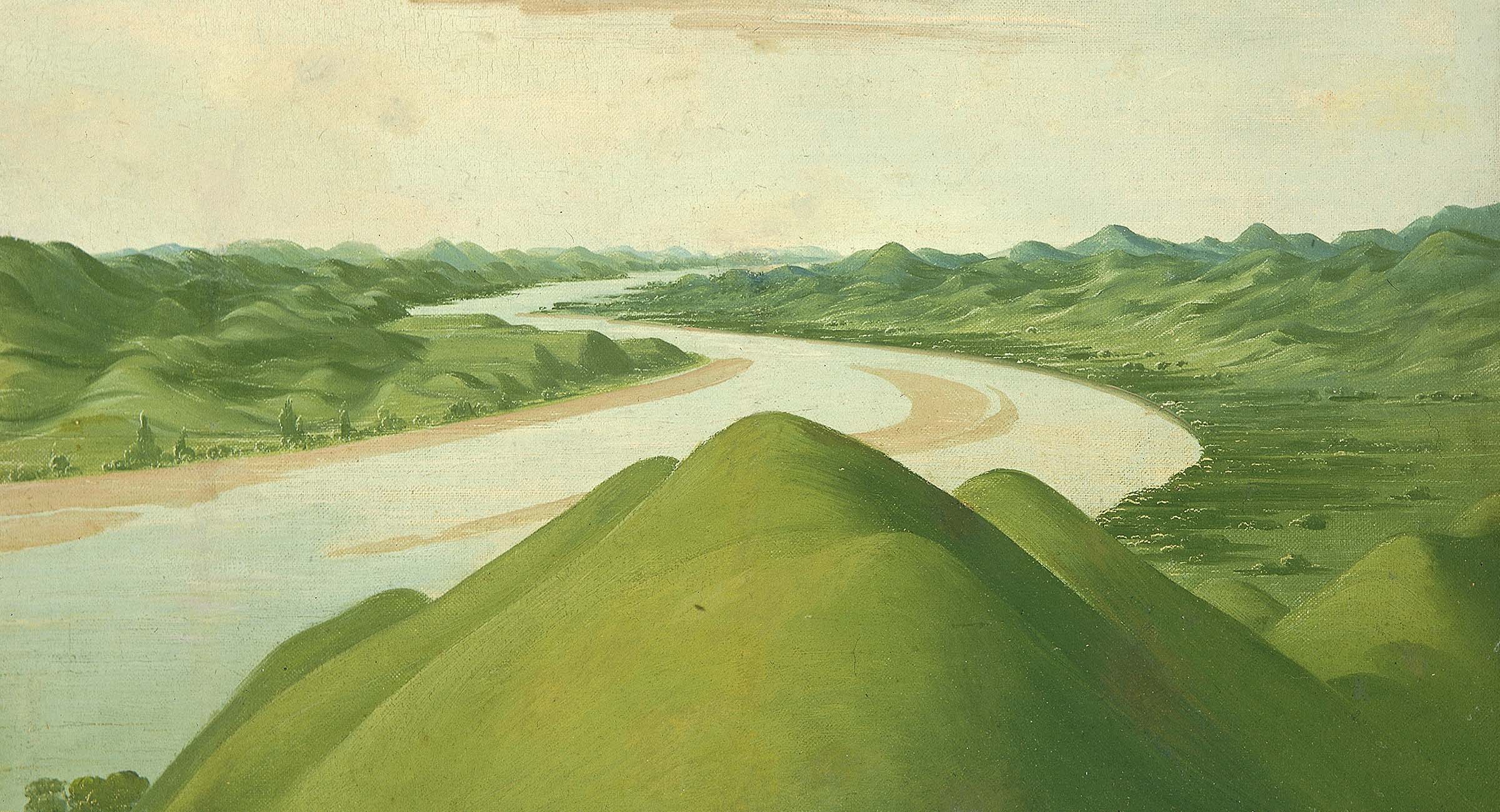
View in the “Cross Timbers,” Texas, by George Catlin, c. 1832. Smithsonian American Art Museum, gift of Mrs. Joseph Harrison, Jr.

Lapham’s Quarterly, judged here only by the rare occasions when we have linked to their work, offers gem quality items of interest, such as this essay by Rosemarie Ostler:

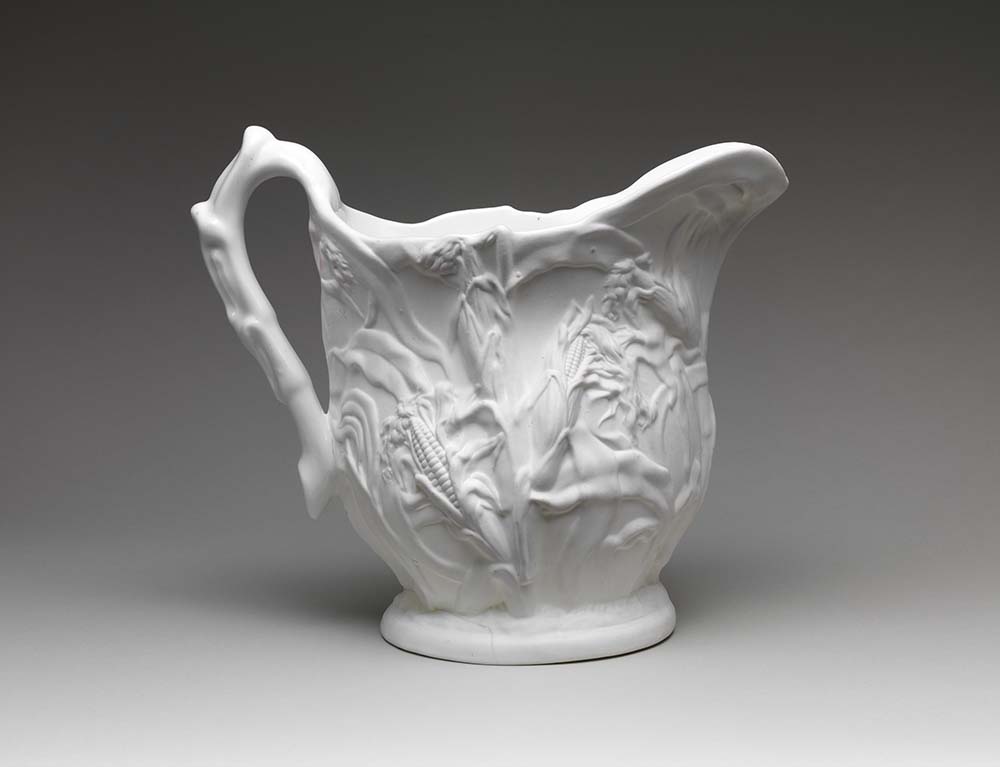
Corn pitcher, c. 1855. The Metropolitan Museum of Art, Sansbury-Mills Fund, 2014.

Corn pitcher, Southern Porcelain Company, c. 1855. The Metropolitan Museum of Art, Sansbury-Mills Fund, 2014.

The Early Days of American English

How English words evolved on a foreign continent.

English settlers faced with unfamiliar landscapes and previously unknown plants and animals in the Americas had to find terms to name and describe them. They sometimes borrowed words from Native American languages. They also repurposed existing English words and invented new terms, as well as keeping words that had become archaic in British English. As non-English-speaking immigrants began to arrive during the eighteenth century, they accepted words from those languages as well. By the time of the American Revolution, English had been evolving separately in England and America for nearly two hundred years, and the trickle of new words had become a flood. Continue reading

Basketry, Craft & Art

A coiled basket by Louisa Keyser (Dat So La Lee) of the Washoe people of Nevada, titled “Our Ancestors Were Great Hunters” (1905), with an oval degikup form, was made for the curio market. Her work comes to the Independent 20th Century fair this week. Donald Ellis Gallery

When craftwork is treated as artwork, valorization is the word that comes to mind. Not all craft is art, nor need it be; but we applaud the impetus of the Independent 20th Century fair. If this is your interest, and you are in New York City, the fair is open:

A couple recognized the Washoe weaver Louisa Keyser’s prodigious talent and spun myths to promote it. But her fortitude shines in work that today can be seen in museums and at the Independent 20th Century fair.

A portrait of Louisa Keyser, the most famous Washoe basket maker, who helped transform a utilitarian craft to fine art and was promoted at the time as a “princess” by a couple who sold her work. Donald Ellis Gallery

The Native American baskets sold in the early 1900s out of Abe Cohn’s Emporium, a men’s clothing store in Carson City, Nev., were exceptional. They were woven by Dat So La Lee, said to be a “princess” from the nearby Washoe people whose royal status permitted her alone to utilize a special weaving style.

The truth was less exciting. Dat So La Lee preferred her English name, Louisa Keyser. She was a Washoe woman, but the tales Cohn and his wife, Amy, spun about her — her esteemed heritage, her meeting with the Civil War general John C. Frémont — were myths. Continue reading
Museum Loot Going Home

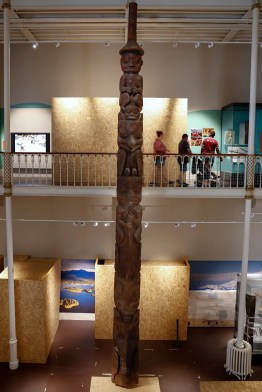
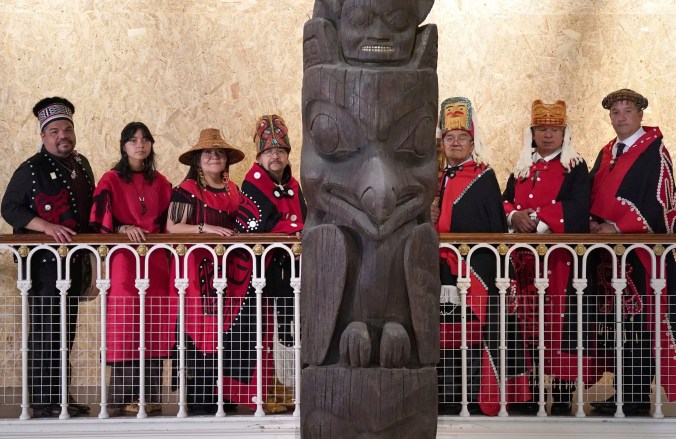
Earl Stephens, who goes by the Nisga’a cultural name Chief Ni’is Joohl, center left, and members of a delegation from the Nisga’a nation pose beside a 36-foot tall memorial pole during a visit to the National Museum of Scotland on Monday. Andrew Milligan/Press Association, via Associated Press

The legitimacy of museums possessing artifacts from other cultures is not inherently dubious, but as the Parthenon marbles example has demonstrated, there are plenty of reasonable questions. This story about a museum’s move to the better side of history is worth a read:

The pole is soon to be moved to British Columbia on the west coast of Canada. Jeff J Mitchell/Getty Images

Totem Pole Taken 94 Years Ago Begins 4,000-Mile Journey Home

The 36-foot tall memorial pole has spent almost a century in a Scottish museum. Now it will be returned to the Nisga’a Nation in Canada.

Almost 100 years ago, a hand-carved totem pole was cut down in the Nass Valley in the northwest of Canada’s British Columbia.

The 36-foot tall pole had been carved from red cedar in the 1860s to honor Ts’wawit, a warrior from the Indigenous Nisga’a Nation, who was next in line to become chief before he was killed in conflict. Continue reading