MycoHab & Other Namibian Wonders

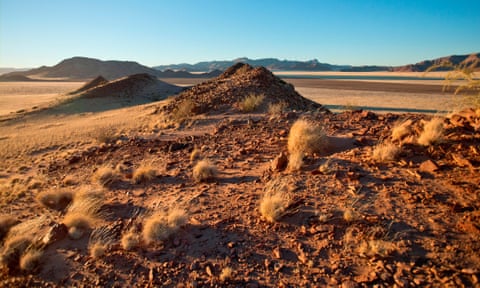
Desert in Namibia

Namibia has a severe housing shortage, with woody encroacher bush reducing the amount of land available for building. Photograph: Hoberman Collection/Universal Images Group/Getty

Mycological options for solving problems are abundant. We had not considered odor as a key potential obstacle, so thanks to Ester Mbathera for this reporting from Namibia:

‘People think they’ll smell but they don’t’: building homes from mushroom waste and weeds

A sustainable project aims to repurpose encroacher bush to create building blocks to solve Namibia’s housing crisis

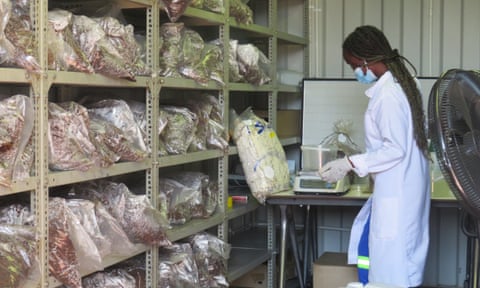
Oyster mushrooms in bags on a shelf with a woman using weighing scales

The remnants of the oyster mushrooms grown on weeds of encroacher bush will be used to create building blocks. Photograph: Ester Mbathera

People think the house would smell because the blocks are made of all-natural products, but it doesn’t smell,” says Kristine Haukongo. “Sometimes, there is a small touch of wood, but otherwise it’s completely odourless.”

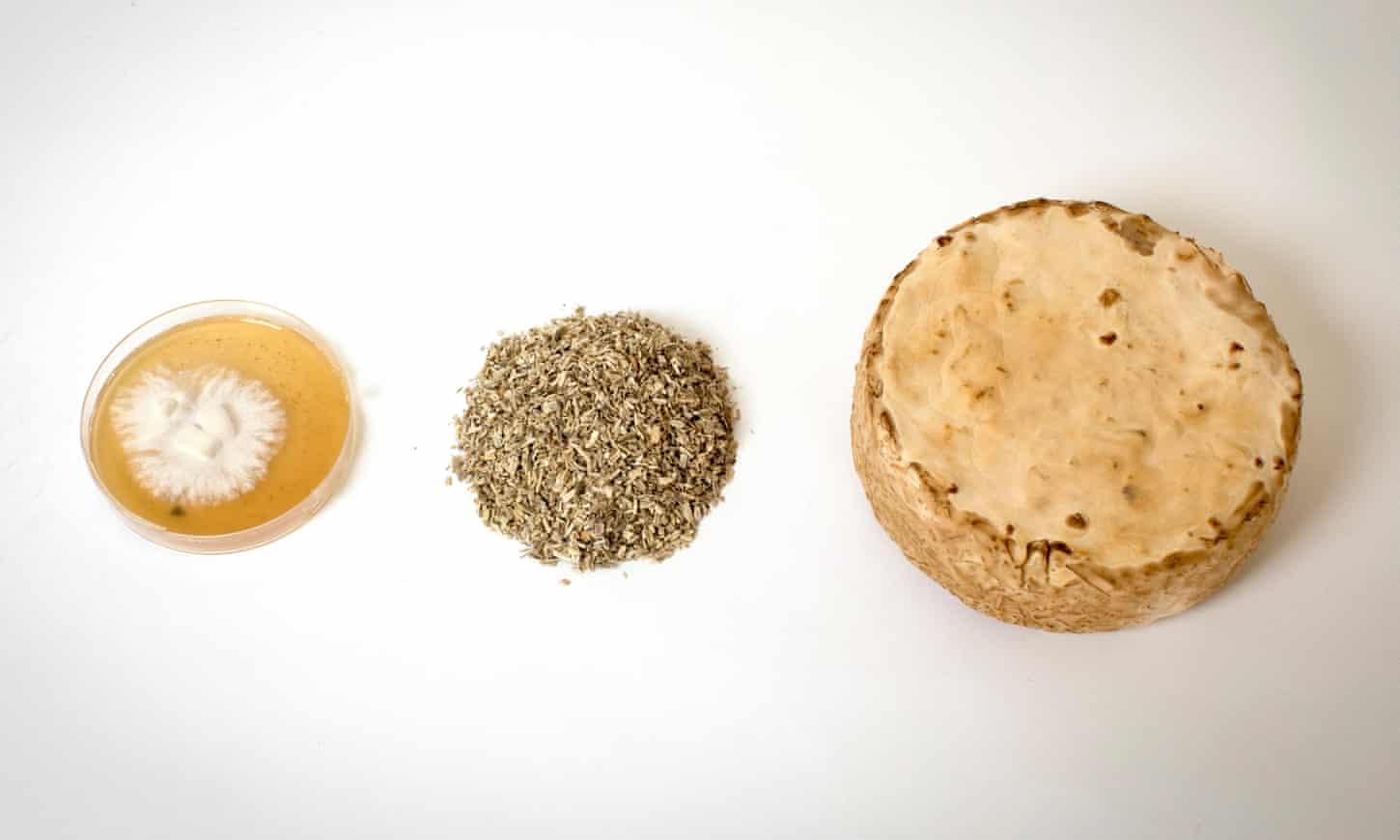
Haukongo is the senior cultivator at the research group MycoHab and her job is pretty unusual. She grows oyster mushrooms on chopped-down invasive weeds before the waste is turned into large, solid brown slabs – mycoblocks – that will be used, it’s hoped, to build Namibian homes. Continue reading
Fungi & Brownfield Remediation

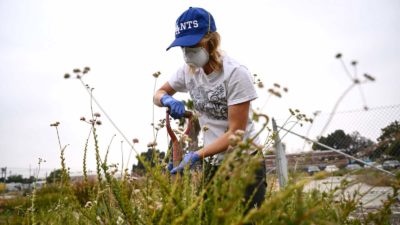
Researcher Danielle Stevenson digs up California buckwheat grown at a brownfield site in Los Angeles.

Researcher Danielle Stevenson digs up California buckwheat grown at a brownfield site in Los Angeles. PATRICK T. FALLON / AFP VIA GETTY IMAGES

Corporate irresponsibility abounds, so brownfield sites are abundant. And fungi sometimes offer relevant remediation options. Thanks to Richard Schiffman and Yale e360 for this interview on a topic we have cared about since launching this platform, and which we believe will be of increasing importance in our future:

Turning Brownfields to Blooming Meadows, With the Help of Fungi

California buckwheat that has absorbed lead at a contaminated site in Los Angeles.

California buckwheat that has absorbed lead at a contaminated site in Los Angeles. PATRICK T. FALLON / AFP VIA GETTY IMAGES

Toxicologist Danielle Stevenson cleans up carbon-based pollutants and heavy metals from contaminated sites using fungi and plants. She’s also training environmental justice and tribal communities in using these methods so they can remediate toxic sites on their own.

The United States is dotted with up to a million brownfields — industrial and commercial properties polluted with hazardous substances. Continue reading
Winning The Popularity Contest, Fungi In Our Pages

courtesy of Laura Murray/Smallhold

The topic came to our attention a dozen years ago and is now mainstream enough that it is a regularly featured topic in our feed:

A mushrooming trend: how fungi became an It food

The mushroom moment of the past few years shows no sign of ending. What’s feeding its enduring popularity?

You can’t walk more than a few aisles in the grocery store these days without running into some kind of new mushroom product. Fresh white button mushrooms are increasingly joined by specialty varieties like lion’s mane, maitake or oyster mushrooms. There’s sparkling cordyceps tea and chaga coffee boasting a range of health benefits, mushroom chips and even chocolate bars infused with reishi. Continue reading

Fungi & Fireproofing

Mycologist Zach Hedstrom sprays a spore-infused liquid to inoculate debris from forest thinning.

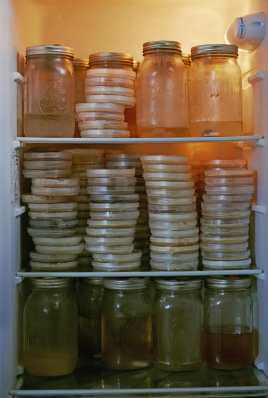
Inside Boulder Mushroom’s laboratory, a refrigerator houses an array of agar plates containing diverse mycelium cultures.

We have paid attention to mycological wonders for long enough that surprises are rare; but they happen. Stephen Robert Miller’s reporting, with photography by Jimena Peck were published in the Washington Post and came to our attention by way of the Food & Environment Reporting Network, which is where you can read the entire article:

How mushrooms can prevent megafires

Thinning forests to prevent fires produces a lot of sticks and other debris, which also pose a fire risk. In Colorado and elsewhere, scientists are using fungi to turn those trimmings into soil.

Overgrown stands of lodgepole pine are a risk for megafires. Thinning the stands simulates the effects of a natural fire but also generates a large amount of biomass, called “slash,” which can also fuel forest fires.

If you’ve gone walking in the woods out West lately, you might have encountered a pile of sticks. Or perhaps hundreds of them, heaped as high as your head and strewn about the forest like Viking funeral pyres awaiting a flame.

These slash piles are an increasingly common sight in the American West, as land managers work to thin out unnaturally dense sections of forests — the result of a commitment to fire suppression that has inadvertently increased the risk of devastating megafires. Continue reading
More On Merlin Sheldrake, Fungi & Related Matters

Merlin Sheldrake, author of the best-selling book “Entangled Life.” Alexander Coggin for The New York Times

We are grateful to any publication that gives this topic its due attention, in this case the New York Times and a particular thanks to Jennifer Kahn for such a thoughtfully written profile:

A vast fungal web braids together life on Earth. Merlin Sheldrake wants to help us see it.

One evening last winter, Merlin Sheldrake, the mycologist and author of the best-selling book “Entangled Life,” was headlining an event in London’s Soho. The night was billed as a “salon,” and the crowd, which included the novelist Edward St. Aubyn, was elegant and arty, with lots of leggy women in black tights and men in perfectly draped camel’s-hair coats. “Entangled Life” is a scientific study of all things fungal that reads like a fairy tale, and since the book’s publication in 2020, Sheldrake has become a coveted speaker.

A pied bleu (Lepista personata), also known as the field blewit. Alexander Coggin for The New York Times

At talks like these, Sheldrake is sometimes asked to answer a question he poses in the first chapter of his book: What is it like to be a fungus? The answer, at least according to Sheldrake, is at once alien and wondrous. “If you had no head, no heart, no center of operations,” he began. “If you could taste with your whole body. If you could take a fragment of your toe or your hair and it would grow into a new you — and hundreds of these new yous could fuse together into some impossibly large togetherness. And when you wanted to get around, you would produce spores, this little condensed part of you that could travel in the air.” There were nods. In the audience, the woman next to me gave a long, affirming hum. Continue reading
What To Do With A Tenner

‘In the woods, there will be much more fungi and even more colour: scarlet elf cup (above), orange witches’ butter, yellow stagshorn, green elf cup, blue roundheads.’ Photograph: fotoco-istock/Getty Images/iStockphoto

This recommendation from Lucy Jones is as good as any we might otherwise recommend:

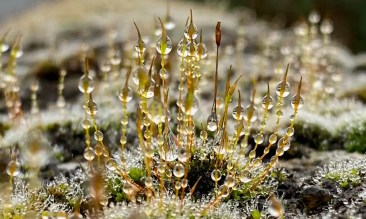
‘Wet weather makes for particularly juicy moss.’ Water droplets on moss on a wall. Photograph: Niall Carson/PA

The winter world may seem gloomy – but look closely, and you’ll see nature casting a spell

For less than a tenner, do as I do: buy a hand lens, head outside and discover fungi and moulds lighting up the darkness

‘You won’t believe how exquisite slime moulds are.’ Photograph: Alastair Hotchkiss/Woodland Trust/PA

The profound therapeutic benefits of connecting with nature and spending time outside are well known. But in winter? When it’s cold, gloomy and everything looks dead? In fact, especially in the winter, when we are susceptible to fatigue, illness and seasonal low mood. And actually there is plenty of life, beauty and wonder right outside our doors, if we look closely.

Come and take a short walk with me in my nearest wild patch – an urban cemetery, a common environment across the British Isles. Continue reading
Fungi Lost & Found

The sculptured toadstool (Amanita sculpta) had not been seen in Singapore for more than 80 years. Photograph: Adrian Loo/National Parks Board of Singapore

Over our nearly dozen years linking to stories we have shared plenty of what we have called lost and found stories (including this and this and this, and this), as well as fungi stories too numerous to link back to, this is the first lost and found fungi story:

Lost and found: how a Facebook post led to the ‘chocolate chip’ toadstool

The sighting of a ‘magnificent’ specimen of the Amanita sculpta, not seen in Singapore for 80 years, shows how the public can aid in conservation efforts

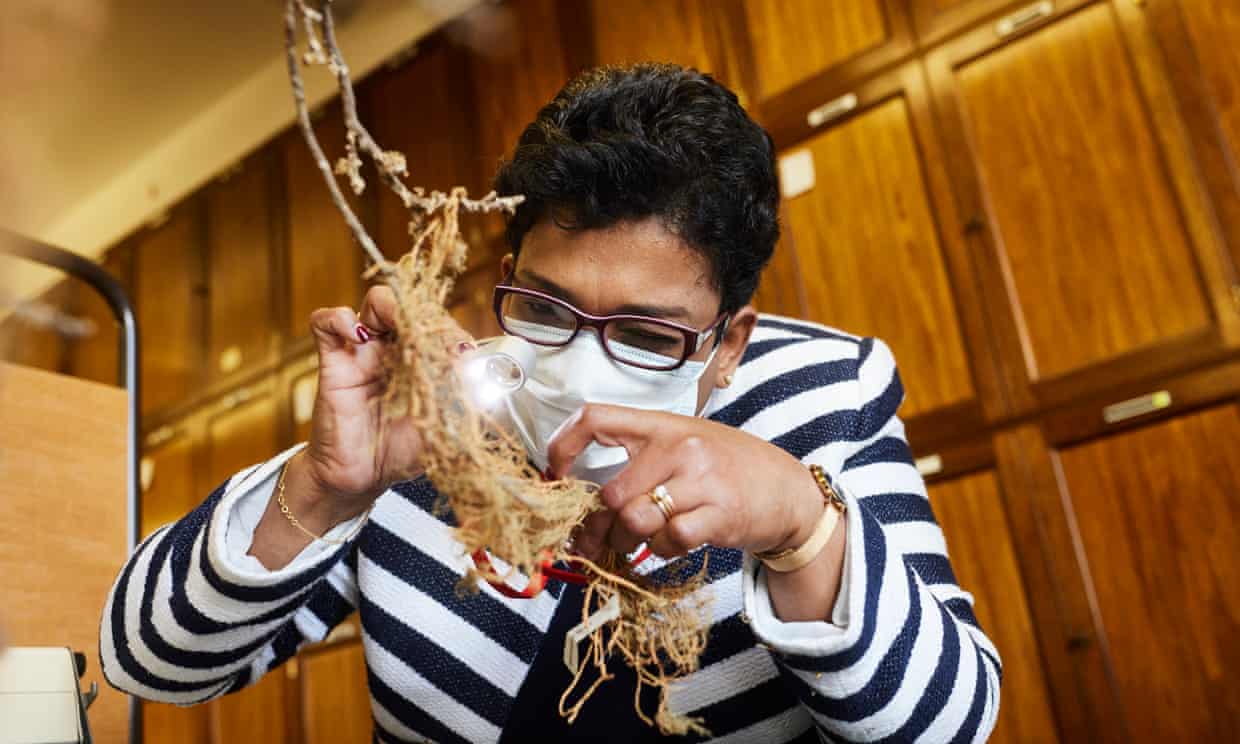
The cap is like a chocolate chip cookie,” says Serena Lee, senior manager at Singapore Botanic Gardens’ herbarium, describing the top of the sculptured toadstool (Amanita sculpta). Continue reading
Ominous Humongous Fungus

The mushrooms of Armillaria ostoyae (or Armillaria solidipes), the species of honey mushroom that makes up Humongous Fungus (Getty)

We have linked to one Katherine J. Wu article in the past, and that was to share good news; and we linked to stories about humongous fungus a couple of times–not so much news as fascinating; this time there is an ominous implication to the fungus:

The Bigger This Fungus Gets, the Worse We’re Doing

Human actions have turned a usually beneficial fungus into a bringer of death.

Deep in the loamy soil of forests around the world, there exists a fungus called the honey mushroom that makes its living on death. A parasite that preys on weak trees, it sucks its victims dry of nutrients, then feasts on their postmortem flesh. Continue reading

Alerce, Fungi & Futures

Roots rise from shallow soil. Tomás Munita

The Valdivian Coastal Reserve was mentioned once in our pages, only in passing.

Tomás Munita

Strange, because if I was asked to name my favorite protected area on the planet it would be at or near the top of my list. The abundant but threatened alerce trees were part of the reason. A family story would explain more of why, and that is part of a larger work story that needs more attention another time.

A mushroom rises from the forest floor. Tomás Munita

The story below, featuring an adjacent protected area, stirs an intense place memory, and at the same time reveals much about a topic that was not on our radar at the time. And it says much about potential futures for that place. So, thanks to the New York Times climate correspondent Somini Sengupta (again and again) as well as photographer Tomás Munita:

Unearthing the Secret Superpowers of Fungus

Tomás Munita

In the fight against warming, a formidable ally hides just beneath our feet.

 — Toby Kiers took long strides across the spongy forest floor, felt the adrenaline rush in her veins and stopped at the spot she had traveled so far to reach. Into the ground went a hollow metal cylinder. Out came a scoop of soil.

Tomás Munita

Dr. Kiers stuck her nose into the dirt, inhaled its scent, imagined what secrets it contained to help us live on a hotter planet. “What’s under here?” she asked. “What mysteries are we going to unveil?”

The soil was deposited into a clear plastic bag, then labeled with the coordinates of this exact location on Earth. Continue reading
Mycology’s Expansive Boundaries

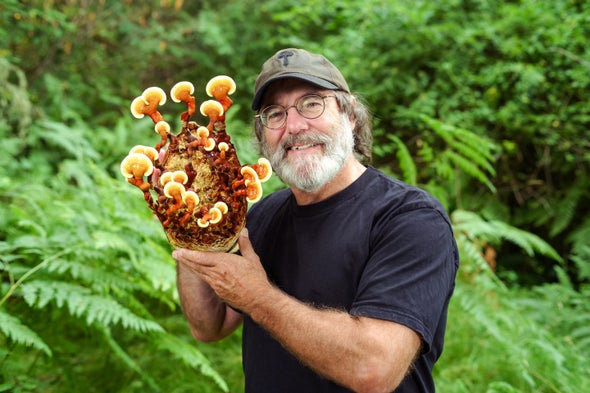
Paul Stamets. Credit: Trav Williams Broken Banjo Photography

In the media we scan for articles and podcasts to share here, some of the last year’s attention to fungi has been aimed at making them seem less alien by celebrating their very alien-ness. Up to now, this has all been earth-bound, but maybe that has been an arbitrary boundary. Thanks to Scientific American magazine for this conversation with the man who has been stretching fungi boundaries for much longer than we have been paying attention:

Future Space Travel Might Require Mushrooms

Mycologist Paul Stamets discusses the potential extraterrestrial uses of fungi, including terraforming planets, building human habitats—and providing psilocybin therapy to astronauts

The list of mycologists whose names are known beyond their fungal field is short, and at its apex is Paul Stamets. Educated in, and a longtime resident of, the mossy, moldy, mushy Pacific Northwest region, Stamets has made numerous contributions over the past several decades— perhaps the best summation of which can be found in his 2005 book Mycelium Running: How Mushrooms Can Help Save the World. But now he is looking beyond Earth to discover new ways that mushrooms can help with the exploration of space. Continue reading
Fungi In Another Light

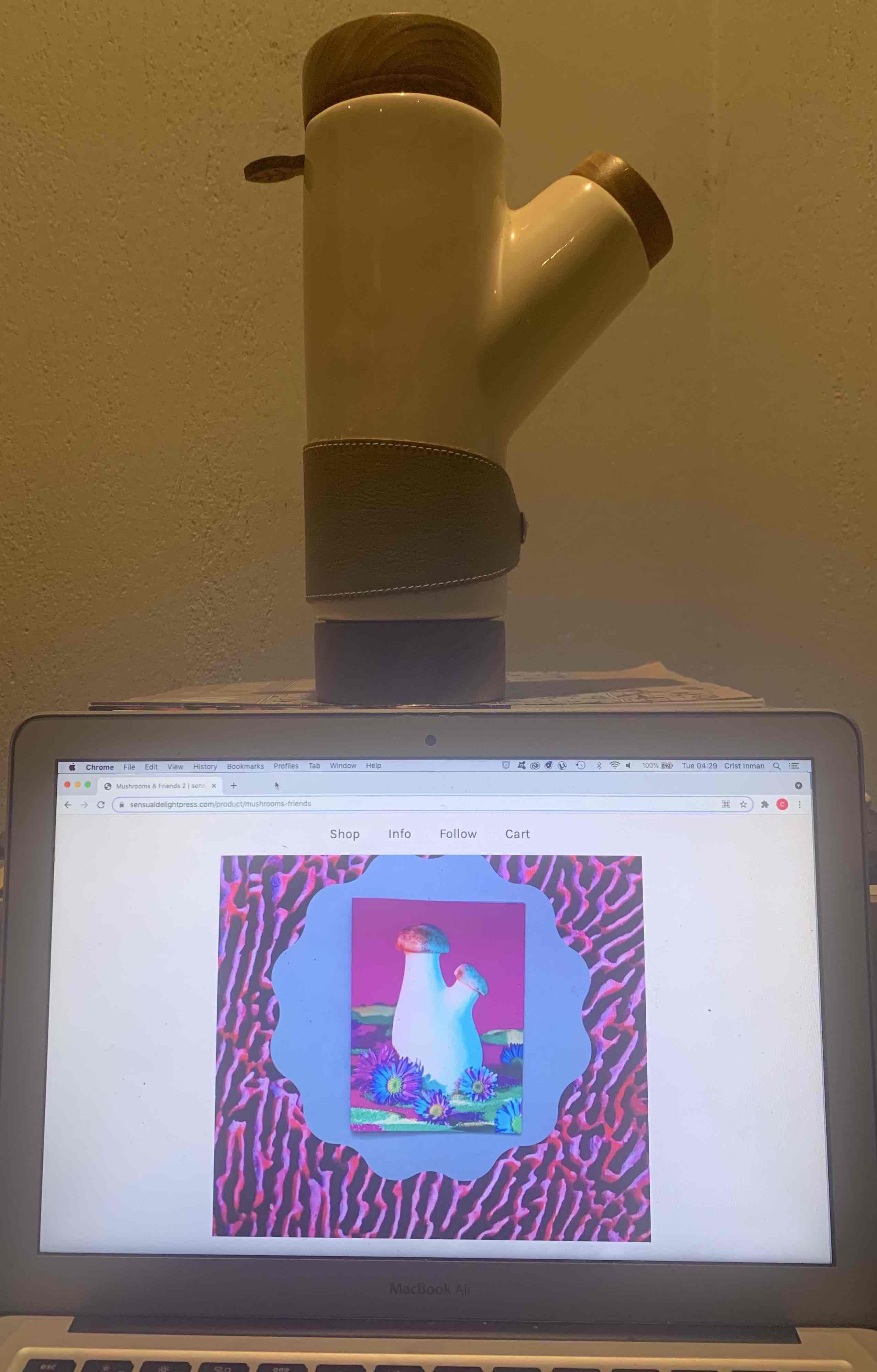
Starting with Milo’s 2011 and 2012 posts, our attention to the wide-ranging topics related to fungi have been in the spirit of public service announcement. Scientific sometimes overlaps with culinary interest, and that intersection has motivated more than one post. Today, having noticed that this coffee-brewer on my desk looks inspired by the Pleurotus that just appeared on my screen, the motivation is aesthetic. Thanks to Helen Rosner, whose sense of wonder has pointed me to a publication that is likely already known by our fungi-focused friends, and well suited to broaden the appeal:

The Mushroom as Muse

A zine by the photographer Phyllis Ma presents fungi in all their alien glory.

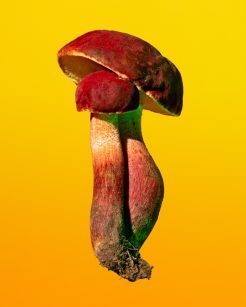
Hortiboletus rubellus.

John Cage, the avant-garde composer, was also a passionate mushroom forager. In his 1954 essay “Music Lovers’ Field Companion,” he wrote about his habit of going into the woods and “conducting performances of my silent piece”—his most famous work, “4’33”,” in which ambient sounds are the only music—while attempting to identify nearby fungi. “The more you know them, the less sure you feel about identifying them,” Cage said, almost three decades later, in a conversation with the French musician Daniel Charles.

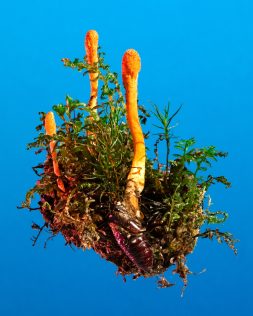
Cordyceps militaris.

“Each one is itself. Each mushroom is what it is—its own center. It’s useless to pretend to know mushrooms. They escape your erudition.” I thought of Cage’s comments while paging through the third and most recent volume of “Mushrooms & Friends,” a photography zine by the artist Phyllis Ma. It is a mostly wordless publication, filled with Ma’s saturated, otherworldly images of mushrooms, many of which she gathers on foraging expeditions through the same upstate New York woods that enraptured Cage more than a half century ago.

Continue reading
Fungi Identification Challenges

Photograph: David Levene/The Guardian

Thanks to Phoebe Weston and Patrick Greenfield at the Guardian for this podcast episode about the wonders and perils of fungi-identifying:

Why is it hard to get our head around fungi? (part one) – podcast

…We often talk as if we know what species exist in the world – but we don’t. Continue reading
Edible Houseplants

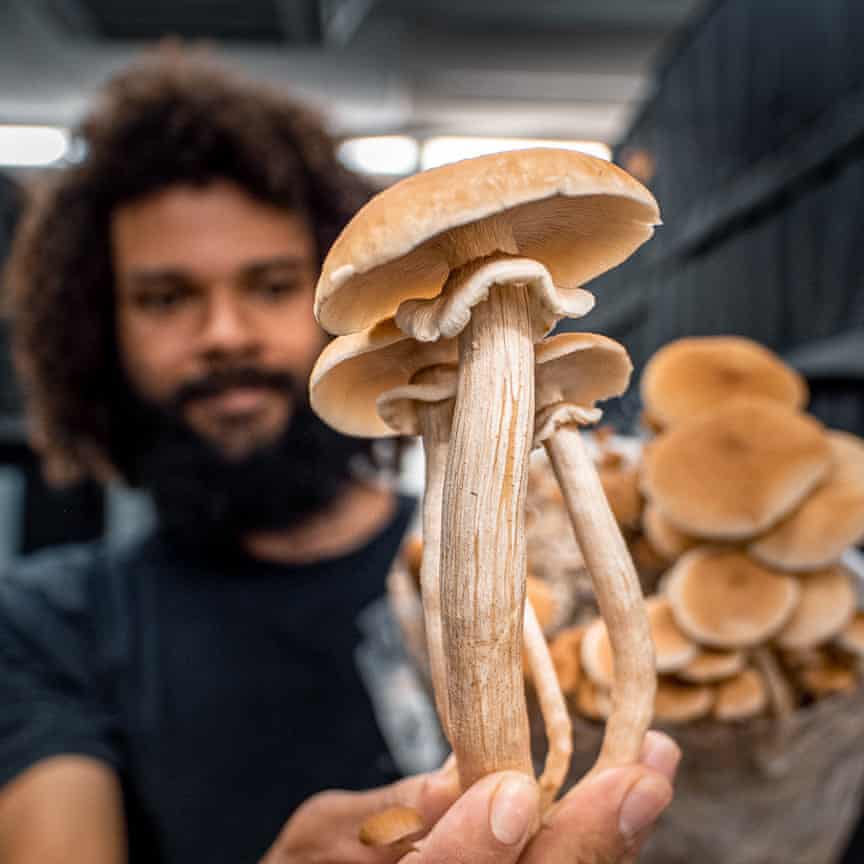
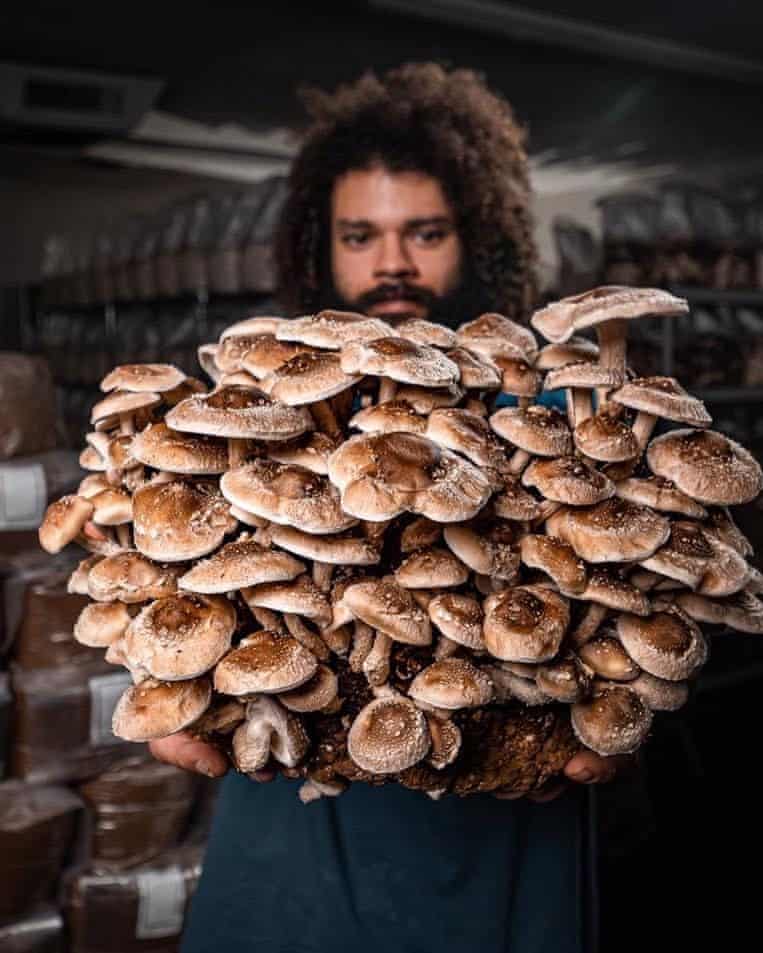
Michael Crowe holding the mushrooms he grew. Photograph: Mike Crowe/Stronz Vanderploeg

Growing edible fungi at home is easier than you might have thought:

Why mushrooms are the new houseplant everybody’s growing

Easy to grow, visually beautiful and oodles of fabulous fungi for breakfast, what’s not to love?

Michael Crowe with an abundance of homegrown mushrooms. Photograph: Stronz Vanderploeg

Selling home grown mushrooms – through bags small enough to sit on your kitchen countertop, filled with organic matter like grain or coffee grounds and inoculated with spores – has been Michael Crowe’s business since 2017. He enjoys hearing from happy customers, who sometimes send him updates on their progress. “It’s just so cool because it can bring together people of all ages, from all walks of life and people all over the place can grow food and have a really good time learning about it,” he says. Continue reading
Phenomenal Fungi Discovery

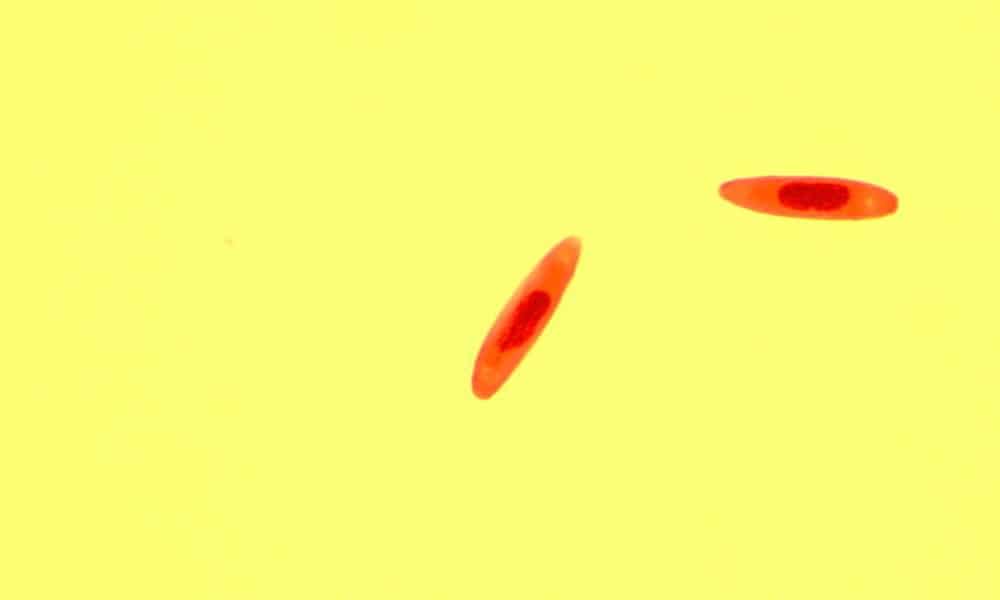
Spores of the parasitic fungus Strongwellsea acerosa. Infected hosts continue to function for days. Photograph: Faculty of Science/University of Copenhagen

The image above, on its own, would be a mystery calling to be explained. Phoebe Weston  has our attention again, this time with a story from the fungi universe:

Scientists find two new species of fungi that turn flies into ‘zombies

Insect-destroying fungi ‘may represent the next frontier for drug discovery’

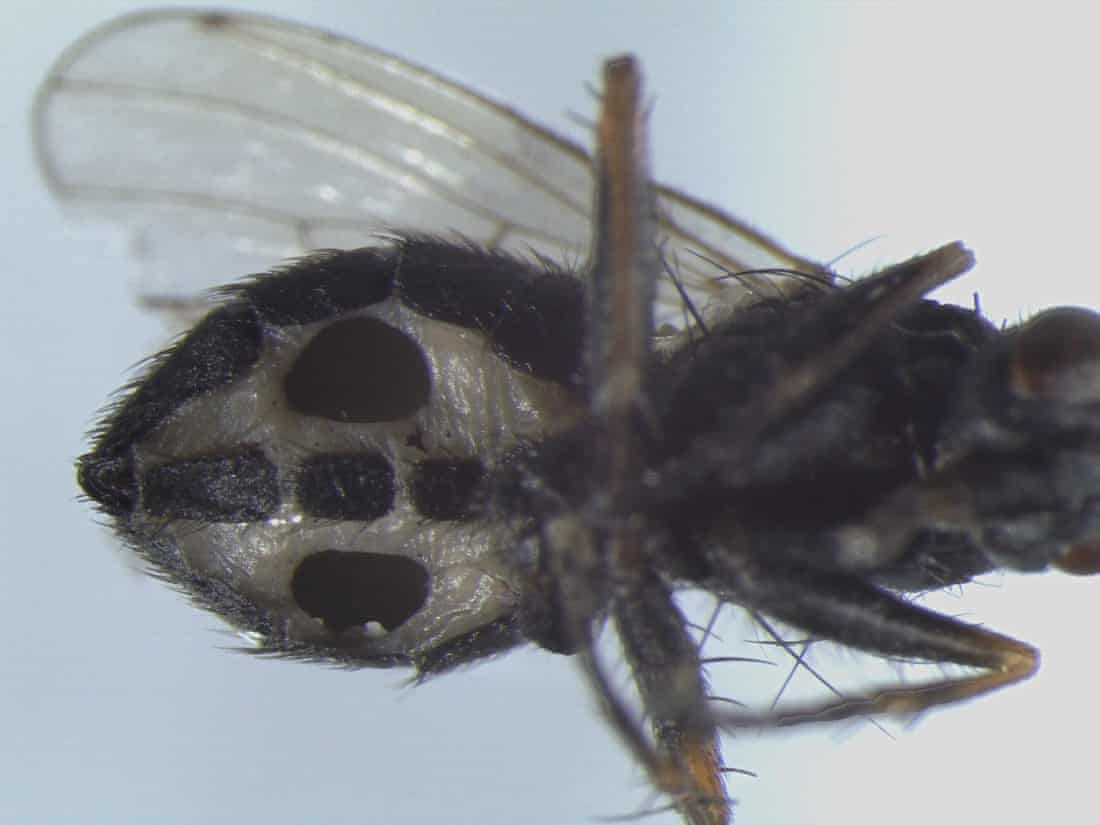
A fly infected with the fungus Strongwellsea tigrinae. Spores are discharged through a hole in the abdomen. Photograph: Faculty of Science/University of Copenhagen

Two new fungi species that infect flies and eject spores out of a large hole in the insect’s abdomen “like small rockets” have been discovered in Denmark.

The new species, Strongwellsea tigrinae and Strongwellsea acerosa, are host-specific and rely on two species of Danish fly – Coenosia tigrina and Coenosia testacea, according to researchers at the University of Copenhagen. Continue reading
More On The Social Networking Of Trees

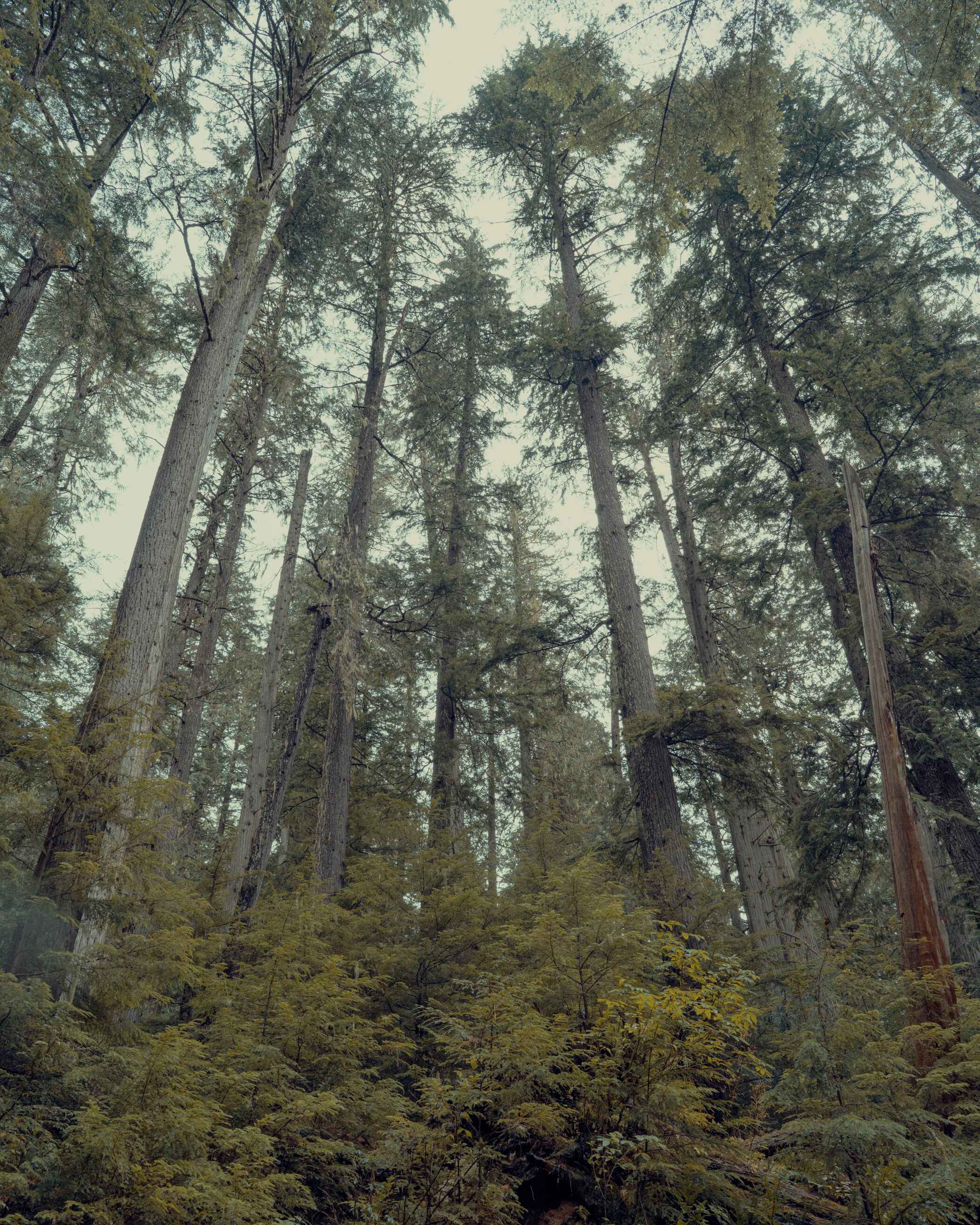
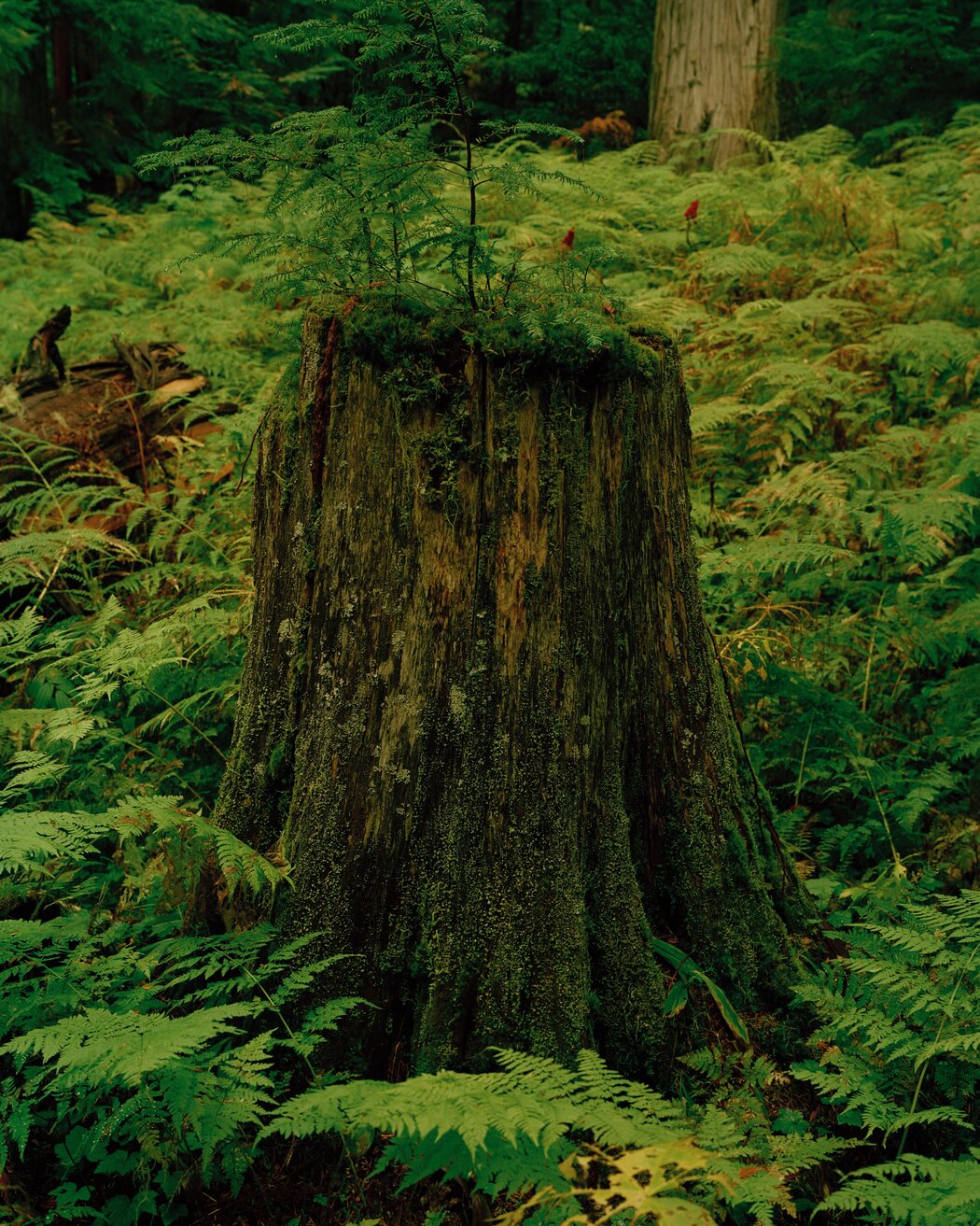
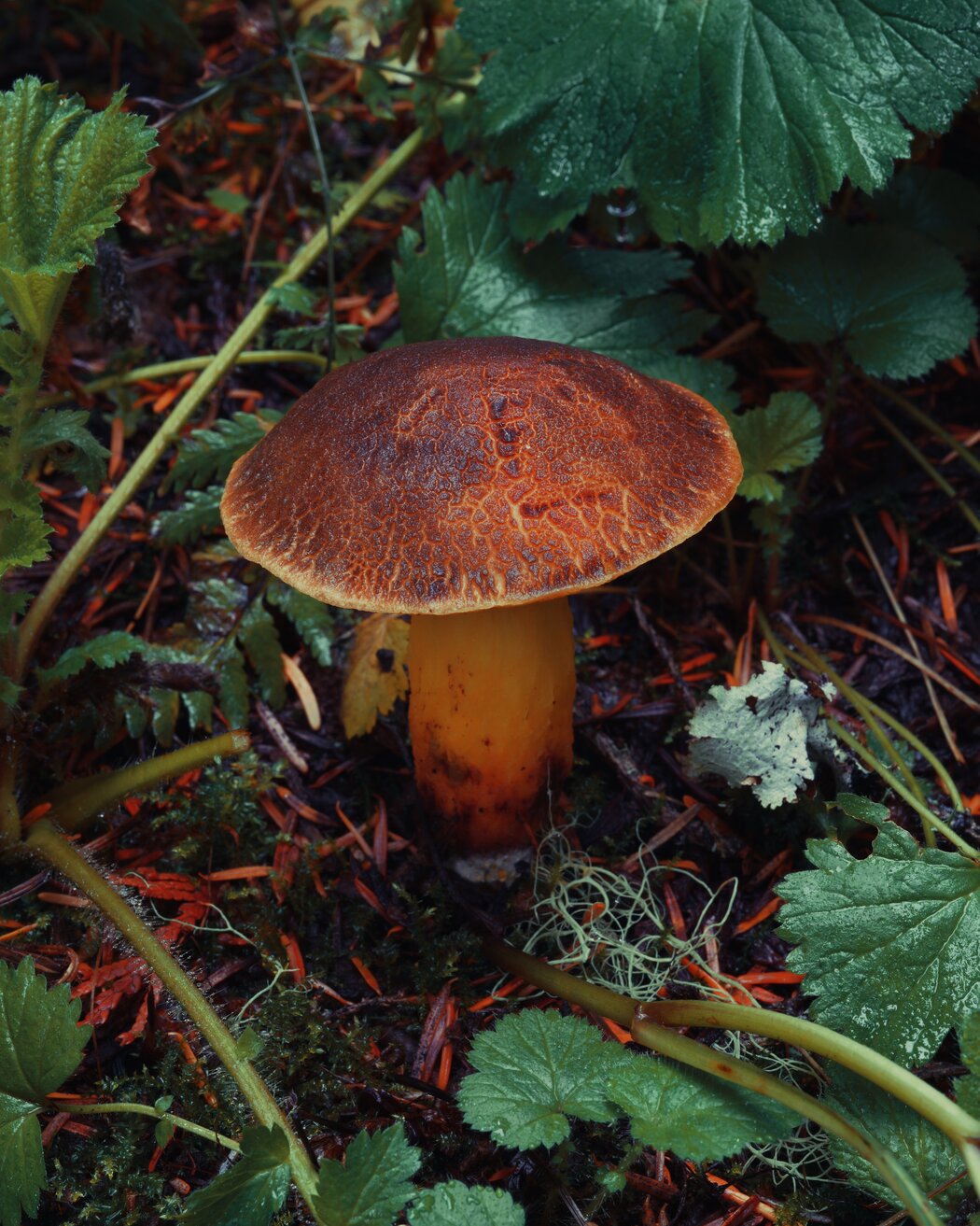
On a topic we have posted about at least a few times before, here is the latest science on the ways in which trees communicate among themselves, and with others, accompanied by some phenomenally beautiful supporting photographs (especially the fungi):

The Social Life of Forests

Trees appear to communicate and cooperate through subterranean networks of fungi. What are they sharing with one another?

By Ferris Jabr
Photographs by Brendan George Ko

As a child, Suzanne Simard often roamed Canada’s old-growth forests with her siblings, building forts from fallen branches, foraging mushrooms and huckleberries and occasionally eating handfuls of dirt (she liked the taste). Her grandfather and uncles, meanwhile, worked nearby as horse loggers, using low-impact methods to selectively harvest cedar, Douglas fir and white pine. They took so few trees that Simard never noticed much of a difference. The forest seemed ageless and infinite, pillared with conifers, jeweled with raindrops and brimming with ferns and fairy bells. She experienced it as “nature in the raw” — a mythic realm, perfect as it was. When she began attending the University of British Columbia, she was elated to discover forestry: an entire field of science devoted to her beloved domain. It seemed like the natural choice.

Mushrooms and conks are the fruiting bodies of fungi. Their underground filaments form networks among the root systems.

By the time she was in grad school at Oregon State University, however, Simard understood that commercial clearcutting had largely superseded the sustainable logging practices of the past. Loggers were replacing diverse forests with homogeneous plantations, evenly spaced in upturned soil stripped of most underbrush. Without any competitors, the thinking went, the newly planted trees would thrive. Instead, they were frequently more vulnerable to disease and climatic stress than trees in old-growth forests. In particular, Simard noticed that up to 10 percent of newly planted Douglas fir were likely to get sick and die whenever nearby aspen, paper birch and cottonwood were removed. The reasons were unclear. The planted saplings had plenty of space, and they received more light and water than trees in old, dense forests. So why were they so frail? Continue reading
Milo, Mushroom Clubs & Mylo

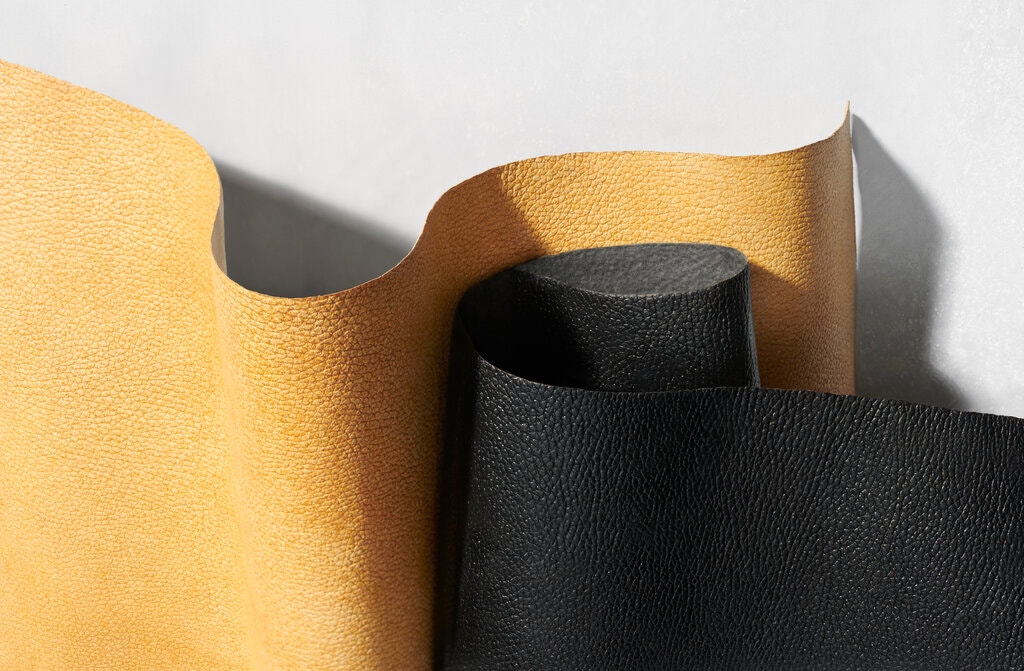
Mylo, a material made from mycelium, in natural and black. Bolt Threads

Milo’s teen years convinced me of the wonders of fungi. The Mushroom Club of Georgia was in the right place at the right time for him to convert intense curiosity into something more powerful. On another day, more on what he has done with that in the decade since. For now a bit of thanks. We have had the privilege of hosting members of that Club in our home in Costa Rica, and intend to do so again now that travel restrictions have eased. This post is an overdue shout out to that Club and others like it. More kids in those clubs would be a good thing. Meanwhile, nice to see these folks making news again. It helps persuade me that fashion is of greater value than I have given it credit for up to now:

Fungus May Be Fall’s Hottest Fashion Trend

A surprising group of fashion rivals including Stella McCartney and Lululemon are joining forces to back Mylo, a new mushroom leather.

Bolt Threads mycelium mats in the grow facility. Bolt Threads

It may be fashion week in Paris, with showgoers in face coverings parsing runway looks from the latest designer ready-to-wear collections, but several thousand miles away from the French capital, out of the dank, dark belly of an industrial hangar, a potentially more momentous industry trend is … growing.

Mushroom leather might not sound stylish. But Bolt Threads, a start-up that specializes in developing next-generation fibers inspired by nature, is one of a growing number of companies convinced that the material is a viable replacement — in both form and function — for animal-sourced and synthetic skins. Continue reading
Some Of Nature’s Miniature Pharmaceutical Factories Are Also Culinary Powerhouses

Photograph by Mari Maeda and Yuji Oboshi. Styled by Suzy Kim

I have not done a count, but I would guess the New York Times has been the source of as many stories we link to as any other publication. Mostly that would be due to the excellence, and relevance to our goals, of the Science section. The New York Times Style Magazine is not normally a source for us. I cannot find a single link to that publication on this platform in 9+ years and among 4,000+ posts. We feature plenty of shiny pretty things but only those that offer insight relevant to this platform. On occasion the trendy and/or the fashionable intersect well with the stories we favor, and we have no problem pointing those out.

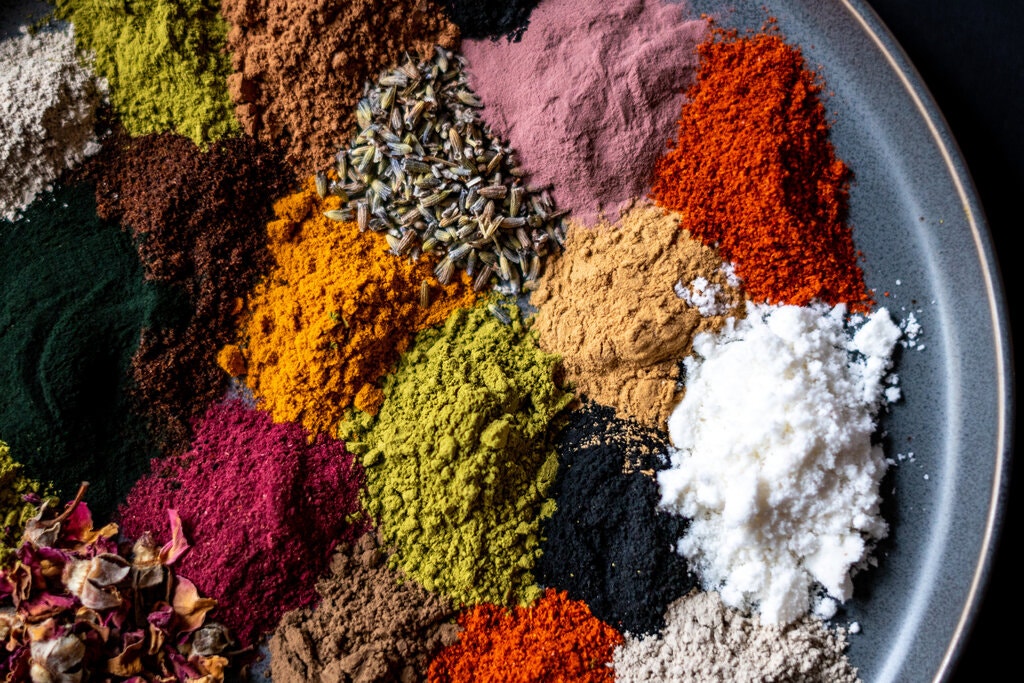
A selection of herbal and mushroom powders from Apothékary. Sarah Gurrity

So it goes with fungi. There are many fungi-focused posts on this platform, few of which would be seen as glamorizing. Surely we are trying to validate the topic by shining an attractive light on it. But we favor knowledge over visual stimulation. Aesthetics are not lost on us, nor is the intent to get more people interested in a topic we care about, so:

Are Mushrooms the Future of Wellness?

Long thought to have medicinal benefits, fungi including reishi, lion’s mane and chaga are gaining popularity in the wellness world.

Even before the onset of the pandemic, which has increased the demand for all manner of so-called organic immunity elixirs, wellness-minded Americans were warming to mushrooms. To be clear, mushrooms don’t cure Covid-19, but they are thought to provide a host of other benefits, from serving as an aphrodisiac to bolstering one’s defenses to toxins…

Not one, but two articles in the same issue, both with fabulous photography. The first, by Arden Fanning Andrews, deals with the health benefits of fungi; the second, by Ligaya Mishan, focuses on the culinary:

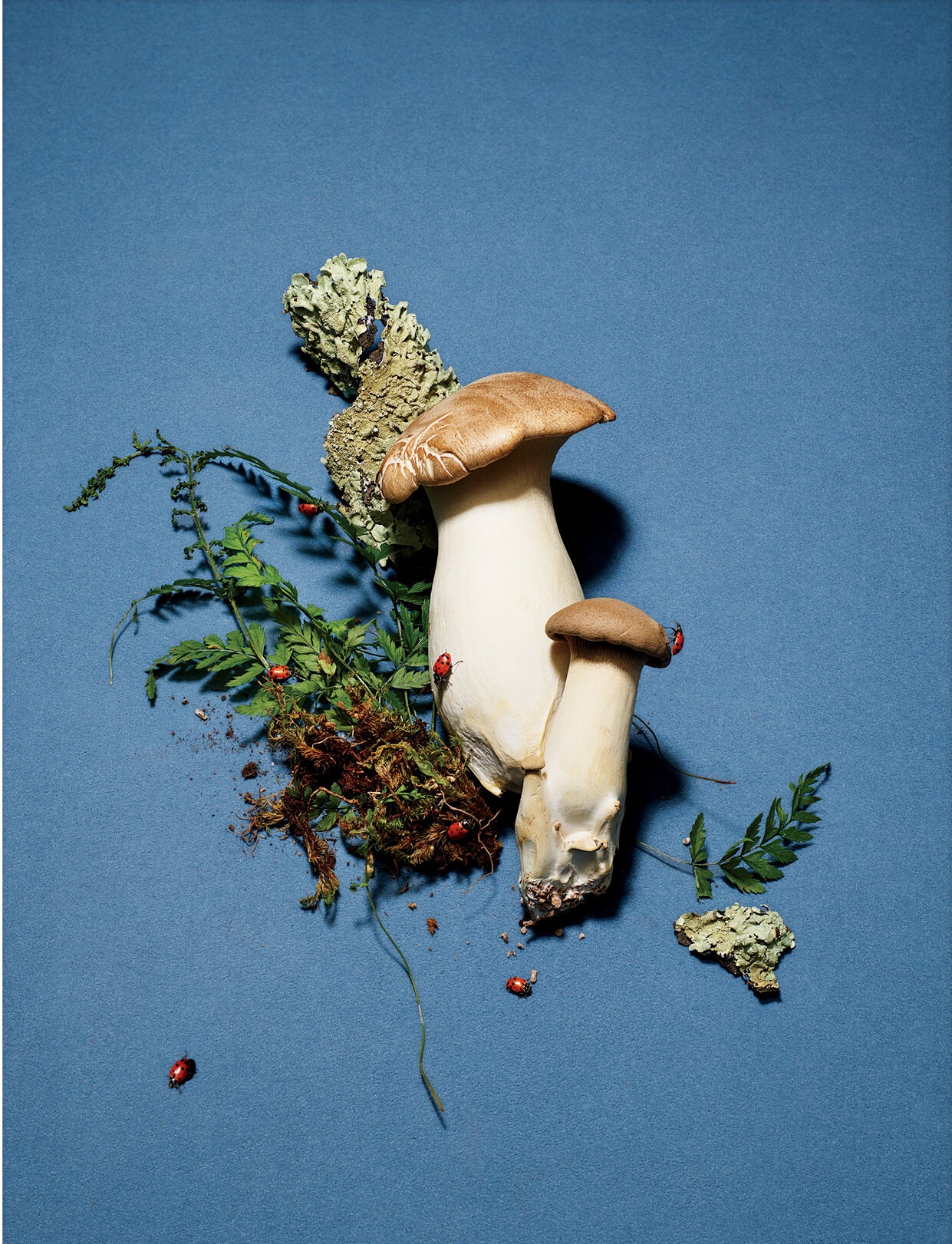
A duo of royal trumpet mushrooms alongside ladybugs, lichen and wild ferns.Credit…Mari Maeda and Yuji Oboshi

Mushrooms, the Last Survivors

Neither plant nor animal, mushrooms have confounded humans since ancient times. Now, they’re a reminder of our tenuous place in an uncertain world.

The mushrooms sit on high, behind glass, above bottles of Armagnac and mezcal in a bar at the Standard hotel in Manhattan’s East Village. They are barely recognizable at first, just eerie silhouettes resembling coral growths in an aquarium, blooming in laboratory-teal light: tightly branched clusters of oyster mushrooms in hot pink, yolk yellow and bruise blue, alongside lion’s mane mushrooms, shaggy white globes with spines like trailing hair…

Preparing For An Entangled Future

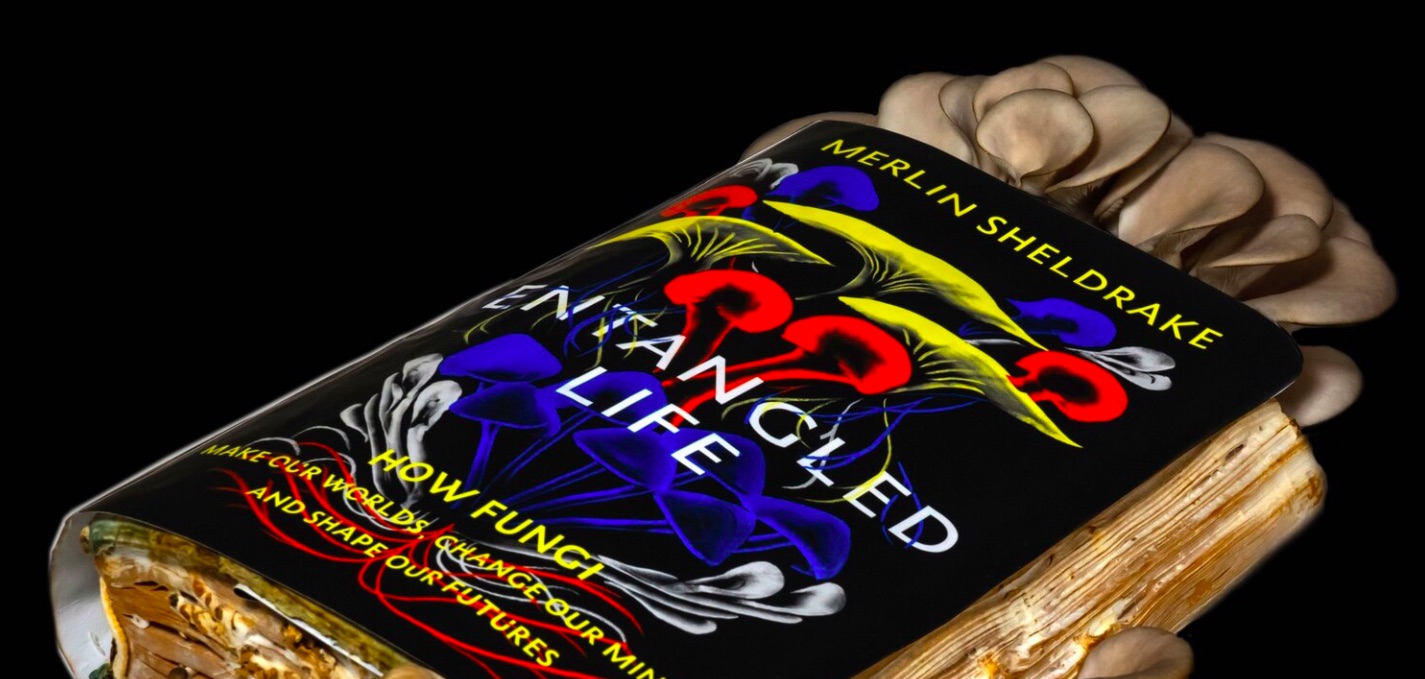
The Science section of the Guardian’s website has an article profiling an author and his new book (click above to find the book on the author’s website) that relate to a topic we care about as much as any we post about on this platform.

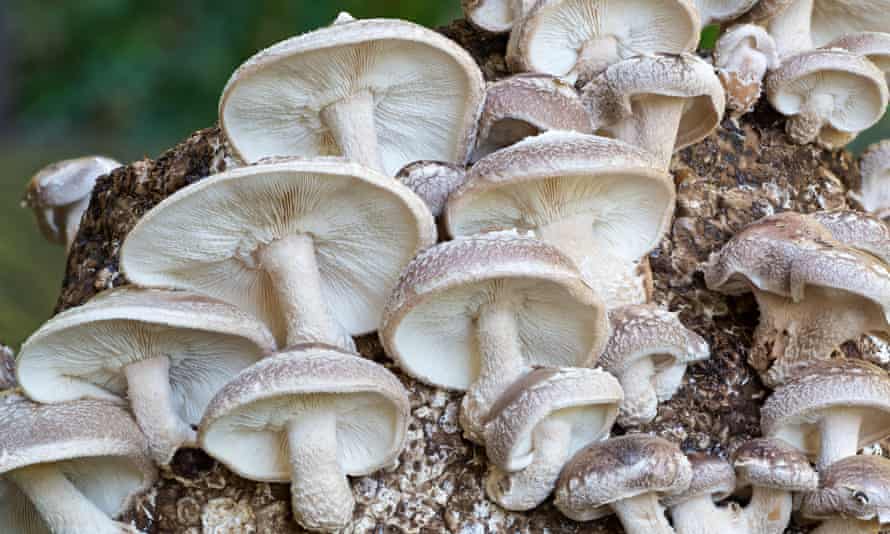
Shiitake mushrooms (Lentinula edodes) being home cultivated. Photograph: Gerry Bishop/Alamy

When Amie and Milo and I moved to Kerala, India in 2010 it was ostensibly for the sake of our client. But it was also for Milo. He was 16 years-old with a strong interest in mycology, and was motivated to translate his knowledge into practice. Within the first year he set up a small farming operation for culinary mushrooms.

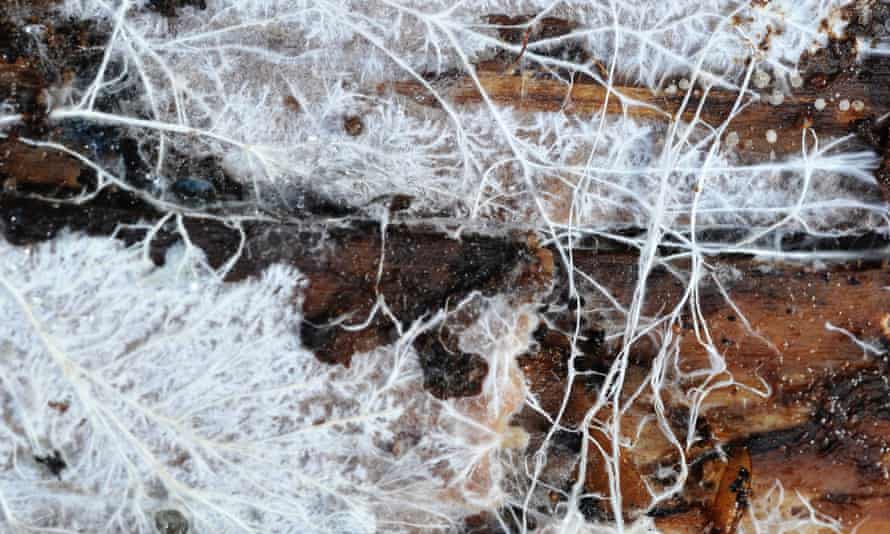
Underground network: a wood-rotting fungal mycelium exploring and consuming a log. Photograph: Alison Pouliot

He was adept at explaining the importance of complex networks like those in the image to the left, and made me a believer: the future is fungal, for culinary, medicinal, and bio-remediation purposes. When restoration of this coffee farm started, I built a berm with logs at the core, expecting a mycelium network to develop, creating a healthy border for the shade trees planted.

These days Milo has his own forest tract to continue these pursuits and I keep a lookout for related stories of interest. Merlin Sheldrake has my full attention today:

The future is fungal: why the ‘megascience’ of mycology is on the rise

The study of fungi has long been overshadowed by more glamorous scientific quests. But biologist Merlin Sheldrake is on a mission to change that

Merlin Sheldrake is convinced fungi will play a crucial role in our growing understanding of the environment. Photograph: Cosmo Sheldrake

As a boy, Merlin Sheldrake really loved the autumn. In the garden of his parents’ house – he grew up a few moments from Hampstead Heath, which is where he and I are walking right now, on an overcast summer morning – the leaves would fall from a big chestnut tree, forming gentle drifts into which he liked nothing more than to hurl himself. Wriggling around until he was fully submerged, Sheldrake would lie there, quite content, “buried in the rustle, lost in curious smells”. As he writes in his wondrous new book, Entangled Life, these autumnal piles were both places to hide and worlds to explore. Continue reading
Non-Gastronomic Mushroom Utility

6277

Thanks, as always, for the interesting news on creative use for mushrooms beyond the gastronomic, from the Guardian:

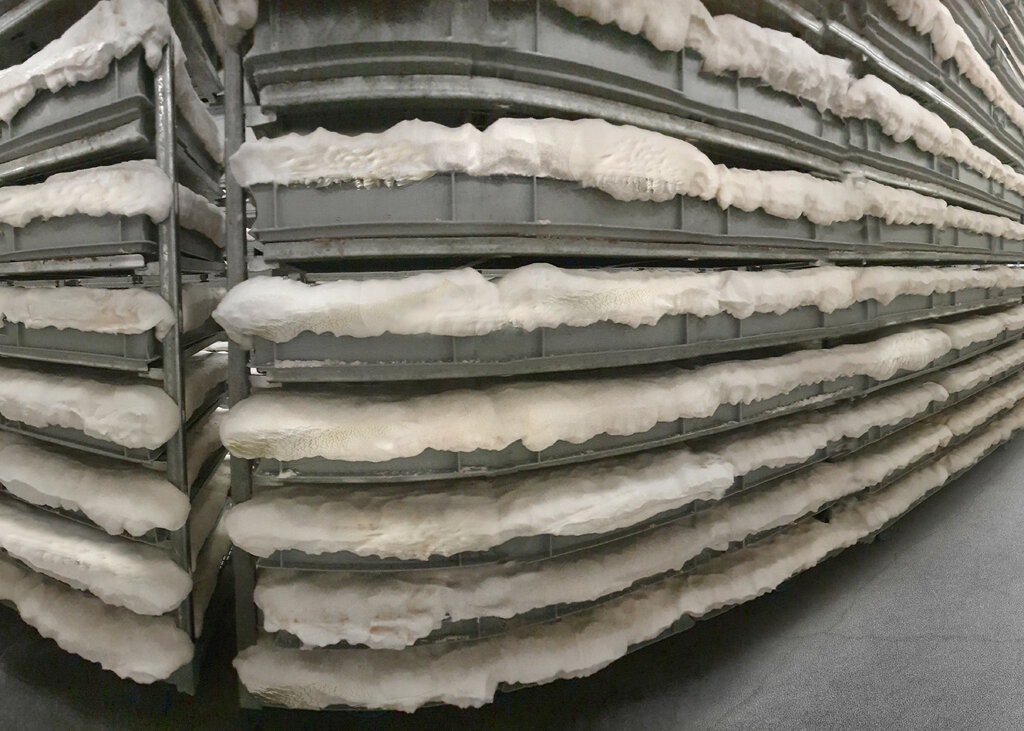
Mushrooms and orange peel: could biotech clean up the building industry?

A biotech startup is researching building materials that could revolutionise construction. Not only are they biodegradable – some also absorb toxins

Cocoa husks, dried orange peel, ground blue pea flowers: the ingredients read like a tasting menu. They are, in fact, waste products that are used to make Orb – a sustainable building material that is carbon neutral. It’s versatile enough to be used for furniture or as a substitute for a wood-based sheet material. Continue reading
Fungi, Bees & Future

30stamets-hope-jumbo.jpg

Lilli Carré

Fungi first appeared in our pages thanks to Milo. And the name of the essayist below was mentioned a couple times earlier as well. He deserves more attention, especially if his attention is focused on bees:

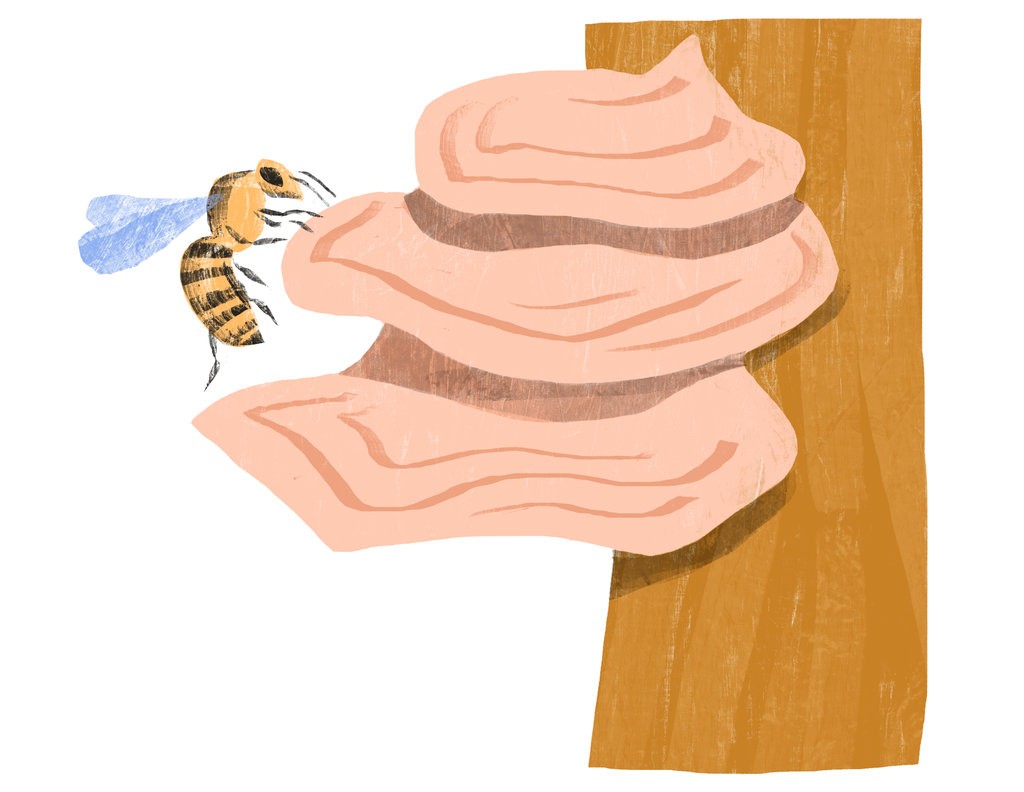
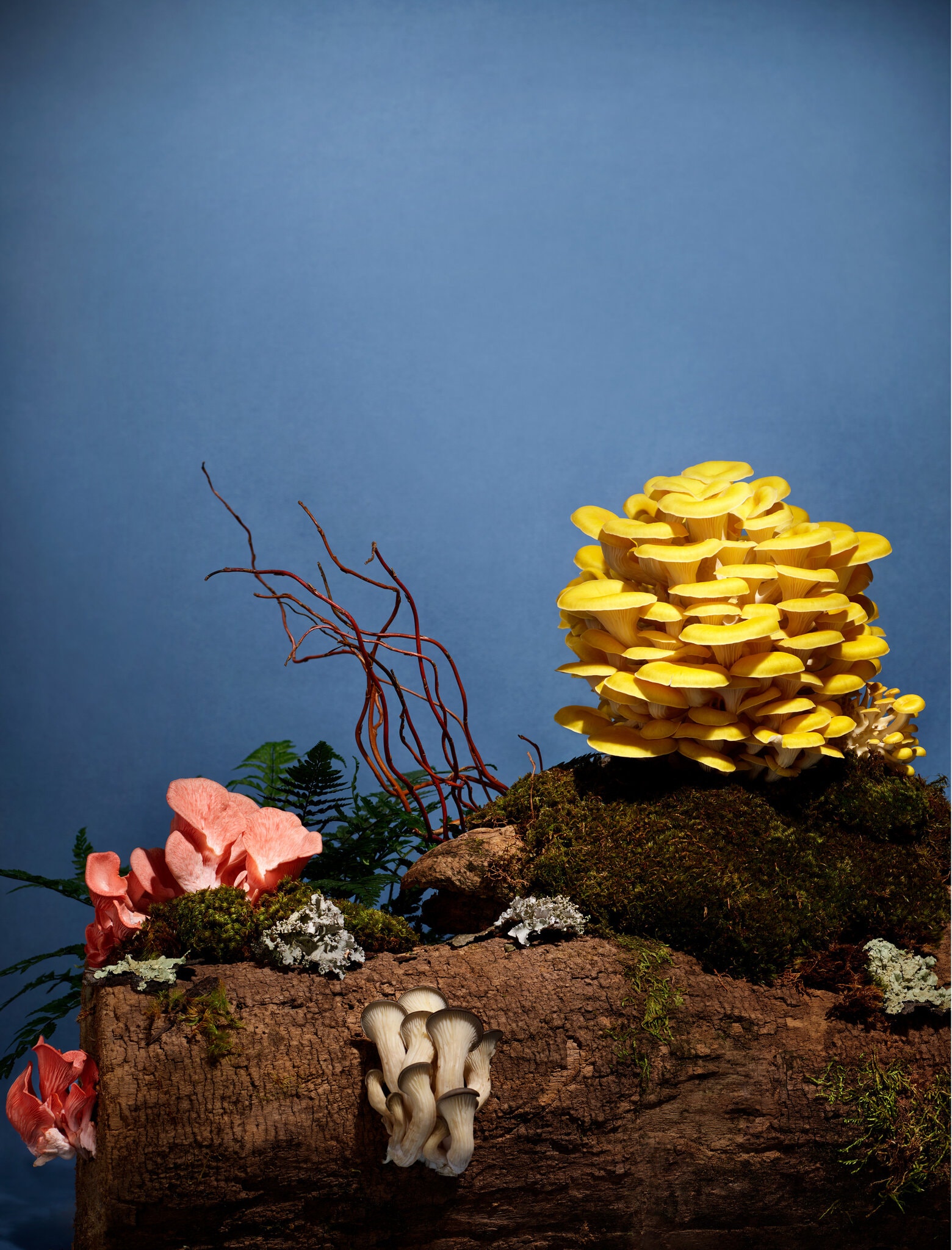
Will Mushrooms Be Magic for Threatened Bees?

We might be able to save honeybees from viruses transmitted by invasive parasites without chemical treatment.

By Paul Stamets

Mr. Stamets is a mycologist.

Sometime in the 1980s, microscopic mites that had been afflicting honeybees outside the United States found their way to Florida and Wisconsin and began wreaking havoc across the country. These parasites have invaded and decimated wild and domestic bee colonies. Along with other dangers facing bees, like pesticides and the loss of forage lands, the viruses these mites carry threaten the bees we rely on to pollinate many of the fruits, nuts and vegetables we eat. Continue reading