
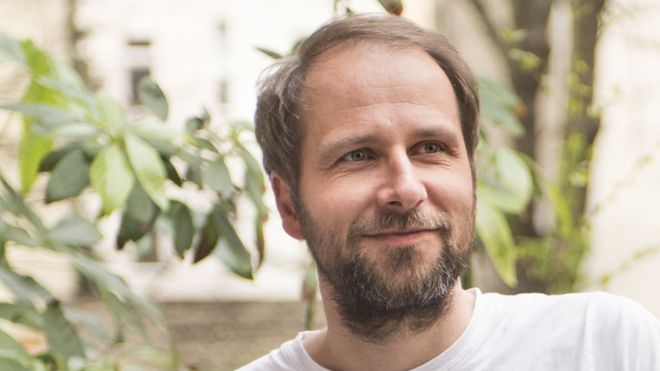
Zeynep Tufekci speaking at a conference in Munich. “I’ve just been struck by how right she has been,” said a Harvard epidemiologist. Credit: Felix Hörhager/Picture Alliance
By the time Zeynep Tufekci appeared in our pages last year I had been reading her analytical essays and op-eds for a while, and found her perspective on technology consistently clarifying. My instinctive apprehension about social media, which I could not explain, combined with my vague optimism about technology more broadly, which I also could not explain–found something to orient with in her writings. Now she makes an appearance through the lens of a keen observer of our media. What is keen about the observation is the attention to the sociological foundations of her perspective. With all that economics has done, for better and for worse, the influence of that dismal science has been ascendent for much of the modern era. Sociology has never had the prestige or influence in the USA that the field of economics has, and this profile hints at what this may have cost us:
How Zeynep Tufekci Keeps Getting the Big Things Right
Dr. Tufekci, a computer programmer who became a sociologist, sounded an early alarm on the need for protective masks. It wasn’t the first time she was right about something big.
Dr. Tufekci at a 2017 conference in Gothenburg, Sweden. Credit:Julia Reinhart/ Getty Images
When the Centers for Disease Control and Prevention told Americans in January that they didn’t need to wear masks, Dr. S. Vincent Rajkumar, a professor at the Mayo Clinic and the editor of the Blood Cancer Journal, couldn’t believe his ears.
But he kept silent until Zeynep Tufekci (pronounced ZAY-nep too-FEK-chee), a sociologist he had met on Twitter, wrote that the C.D.C. had blundered by saying protective face coverings should be worn by health workers but not ordinary people. Continue reading


















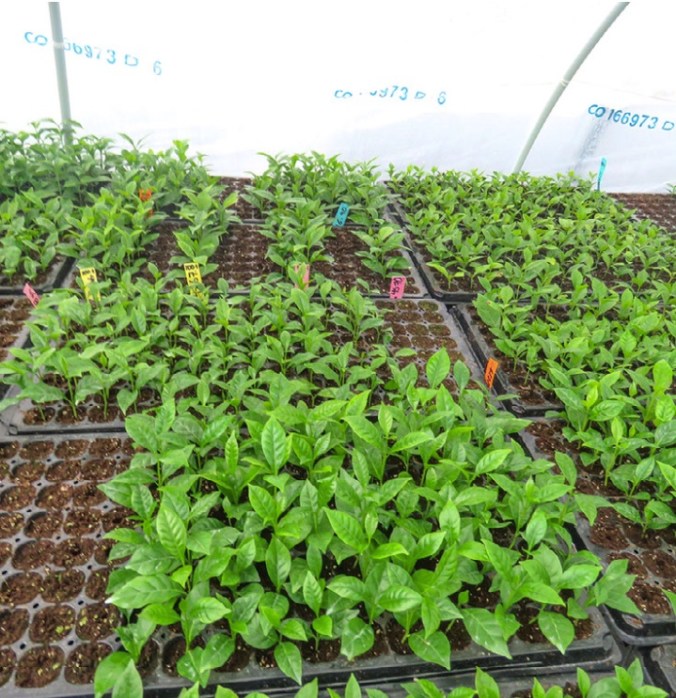
 If you have been following these pages for at least a few months, you know that we
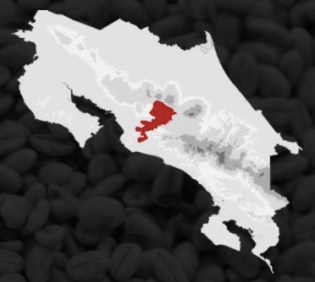
  This farm is unique in that it has Starmaya and Marsellesa cultivars which were both developed as a joint venture between ECOM and CIRAD (agricultural development in France). This lot of coffee displays how when Marsellesa, a Sarchimor type varietal is properly cared for, harvested and processed it can rival some of the most desirable varietals in the region. This coffee was produced in the Red Honey method which leaves some residual mucilage on the seed prior to drying. After drying, the parchment coffee appears red in color resulting in the “Red Honey” distinction. With this process, a bit of the coffee fruit flavors make their way into the cup as well.


 Organikos