Personal Statement
Really, Rishi?
As a non-Brit, I spared the world my opinion on the own-goalness of Brexit, and the follow-up own-goal of electing Boris Johnson. Not my circus, not my monkey. But as a speaker of the English language, among other reasons, I have always cared about and paid attention to the civic affairs of the UK more than I do those of many other countries. I was reflexively optimistic with the baton passing to Rishi Sunak. He could not possibly be as terrible as his two immediate predecessors, right? In some ways right, but in the way that matters most to the entire world, shame on him. The Economist weighs in heavily, as does the New Yorker’s correspondent in the UK, the great Sam Knight:
Rishi Sunak’s Self-Serving Climate Retreat
The British Prime Minister has rolled back the country’s policies on reducing emissions. To what end?
Since Rishi Sunak became Britain’s Prime Minister, almost a year ago, in the middle of a national financial breakdown, his premiership has been defined by trying to make things go away. Continue reading
Jill Lepore On Walter Isaacson’s Latest Biography
Among topics I would not have shared here previously, Elon Musk. But this is by one of our best biographers, and he has earned the benefit of our doubt. A review by one of our best historians captures my concerns about the system that Musk represents. By extension it raises questions about the biographer’s approach. So, I share:
How Elon Musk Went from Superhero to Supervillain
Walter Isaacson’s new biography depicts a man who wields more power than almost any other person on the planet but seems estranged from humanity itself.
In 2021, Elon Musk became the world’s richest man (no woman came close), and Time named him Person of the Year: “This is the man who aspires to save our planet and get us a new one to inhabit: clown, genius, edgelord, visionary, industrialist, showman, cad; a madcap hybrid of Thomas Edison, P. T. Barnum, Andrew Carnegie and Watchmen’s Doctor Manhattan, the brooding, blue-skinned man-god who invents electric cars and moves to Mars.” Continue reading
Stories from the Field: Andaman and Nicobar Islands
Year 2015 was special for Shashank Dalvi. It was his “Big Year” – a birder’s personal challenge to identify as many species as possible within that time period. I had the opportunity to bird with him and learn from him earlier in the year. He is truly devoted to nature and fills up your brain with tonnes of useful and jaw-dropping information on all creatures in the wild. He decided to wrap the year finding the Nicobar Megapod and was travelling to the Andaman and Nicobar Islands. He managed to obtain permission with several Government departments for himself and our group of 8 birders to travel to Central and Great Nicobars before closing the year in Gujarat.
We were to leave for Port Blair on 15th December, and the timing couldn’t have been worse. Chennai and the east coast of India was drowned in rains. Ominous clouds moved in fast-forward mode. It was like watching a horror movie.
Nature’s fury rendered people and their deities helpless. Bridges and dams tumbled down. People were stranded in higher floors. More than 15 feet of water covered the low-lying residential areas. The expedition was 5 days away.
I googled the weather pattern over Andamans and Nicobars. I could not see a bit of land. Just purple swirls. The first ever trip with legal documents to travel to any of the islands of Central and Great Nicobar might get washed out due to rains. Continue reading
The Coming Wave, Reviewed
The primary author of this book is one of the pioneers of AI, so what he has to say about it as a dilemma is relevant. From a recent conversation he had with Sam Harris my takeaway was that while I do not have much agency in the dilemma, it is better for me to understand it than ignore it. Containment is not, apparently, an option. So what can I do? In this book review, a quicker version of the same message, and the only option may be to ponder it:
The Coming Wave by Mustafa Suleyman review – a tech tsunami
The co-founder of DeepMind issues a terrifying warning about AI and synthetic biology – but how seriously should we take it?
On 22 February 1946, George Kennan, an American diplomat stationed in Moscow, dictated a 5,000-word cable to Washington. In this famous telegram, Kennan warned that the Soviet Union’s commitment to communism meant that it was inherently expansionist, and urged the US government to resist any attempts by the Soviets to increase their influence. This strategy quickly became known as “containment” – and defined American foreign policy for the next 40 years. Continue reading
Insect Respect

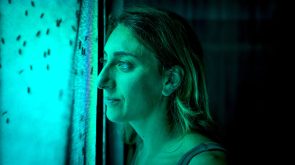
Agronomist Caterina Luppa watches black soldier flies reproduce at Bugslife, a firm in Perugia, Italy, that is turning fly larvae into animal feed. LUIGI AVANTAGGIATO
We have featured this subject a few times over the years, especially once we started showcasing one such product. I acknowledge I am still not a total convert to an insect-centric diet, but every story like this draws me in, however slowly:
Edible Insects: In Europe, a Growing Push for Bug-Based Food
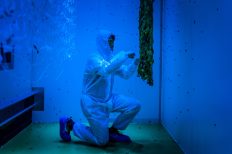
Marco Meneguz, an entomologist with BEF Biosystems in Casalnoceto, monitors black soldier flies as they mate. During mating, “the males gather in a courtship ritual characterized by fights and competitive displays,” he says. The blue light helps the flies see each other better. LUIGI AVANTAGGIATO
To rein in emissions, the E.U. is looking to insects as an alternate source of protein for livestock and people and is easing regulations and subsidizing makers of insect-derived food. In a photo essay, Luigi Avantaggiato explores the emerging bug food industry in northern Italy.
The European Union recognizes it has a meat problem. The bloc has no easy way to curb the climate impact of its livestock, which eat soybeans grown on deforested lands and belch heat-trapping gas. According to one estimate, Europe’s farm animals have a bigger carbon footprint than its cars.
Trent Barber, a technician at BEF Biosystems, vacuums up 200 pounds of fly larvae that are plump after two weeks of feeding on food scraps. The remaining food waste, now rich in excrement, will be sold as compost to farms. LUIGI AVANTAGGIATO
In this photo essay, Luigi Avantaggiato explores an unusual solution to this dilemma that is now gaining traction — feeding insects to livestock and, potentially, people. The European Commission says that insects could replace soy-based animal feed, helping to slow deforestation, or even supply an alternate source of protein for humans. Studies show that insects can furnish the same amount of protein as livestock while using as little as 10 percent of the land and producing as little as 1 percent of the emissions. Continue reading
Turmeric, Biopiracy & Fighting For What’s Right
During our seven years living in India, plenty of posts on this platform referred to turmeric due to its culinary value. Its value to our wellbeing is a more recent focus of attention, and we appreciate the fight to keep it accessible to all:
How one man fought a patent war over turmeric
Back in the 1990s, Dr. Raghunath Mashelkar was in his office in New Delhi when he came across a puzzling story in the newspaper. Some university scientists in the U.S. had apparently filed a patent for using turmeric to help heal wounds. Continue reading
Migratory Birds Across The Americas
I rarely read comments from other readers on articles, but for some reason I did on this one; they are almost as interesting as the article itself:
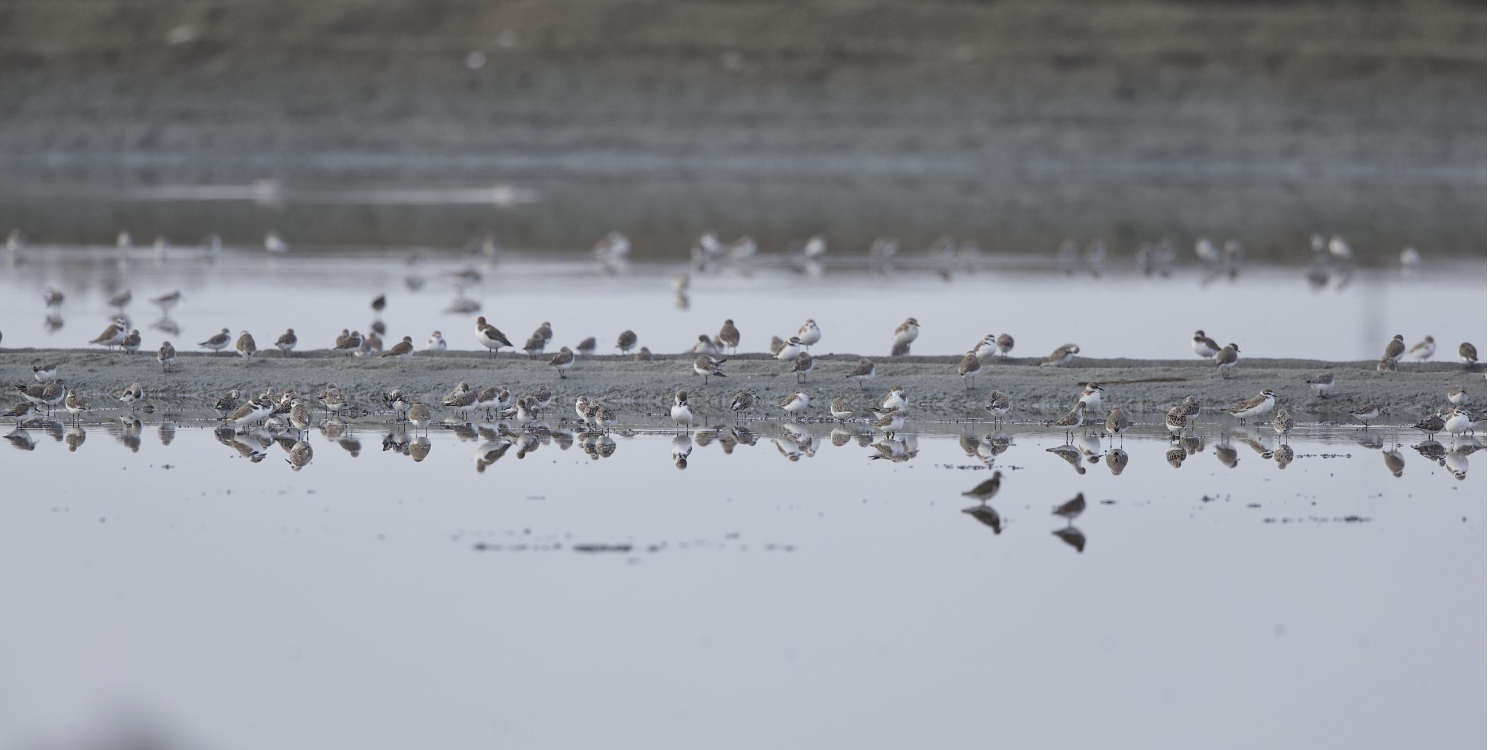
For Migrating Birds, It’s the Flight of Their Lives
America’s birds are in trouble. Since 1970, nearly 3 billion birds have vanished from the skies over North America. Continue reading
Archeologists + Cartographers = Dipylon
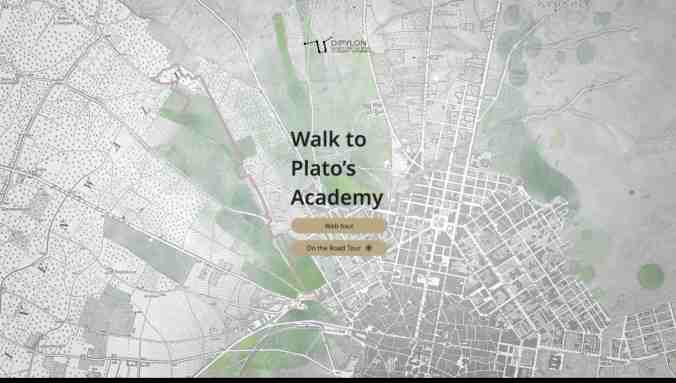
If you click on the image above you will experience through a short video what can happen when technically skilled map-makers, using GIS, combine forces with scholars of antiquity. Better yet, go straight to the software they have created. In advance of travel commemorating 40 years since two of us met, my daily omnivorous media diet brought me to Dipylon, via a profile by Nick Romeo, which I highly recommend (to better understand the origins and workings of Dipylon) whether or not you are planning to visit Athens:
The Hidden Archeologists of Athens
By collecting long-forgotten archeological data, a new project reveals the researchers who toiled unrecognized.
In Don DeLillo’s 1982 novel “The Names,” an American businessman living in Athens can’t quite bring himself to visit its most iconic monument. “For a long time I stayed away from the Acropolis,” he says. Continue reading
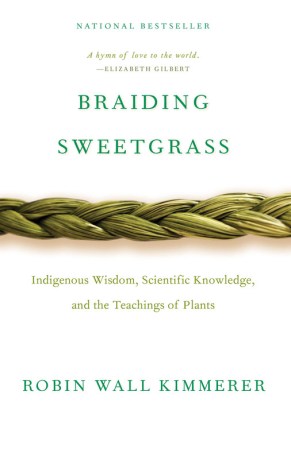
Braiding Sweetgrass
My daily news scanning, reading and listening diet are fairly omnivorous, but I am constantly reminded of how much I miss. This sounds like a book I should have read in 2015 when it was first published, but instead I only heard about it this morning. Listening to the author talk about it, I learned that she lives where I lived when I was a boy, in a region where my family history is partly rooted; the same region where I spent seven years to get to an idea that has guided my work ever since; where both our sons and our grand daughter were born. Which is to say, as she talks about nature in that conversation, I know that particular nature. Which is to say, I will find this book.
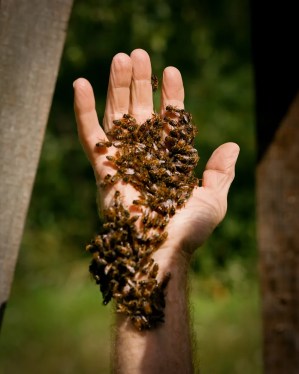
Bee Surprised, Again

Bees have long been held to be prophetic—messengers to another realm. Photographs by Alice Zoo for The New Yorker
When reading a couple of days ago that there could be such thing as too many beekeepers, the surprise was sufficient to make me go back through all earlier posts to see if I was merely forgetting having read this before. There were no previous mentions of too many, and if anything it was reasonable to assume from all my readings on colony collapse disorder that more beekeepers might be part of the solution. And now this article is full of more surprises, including the most fundamental question: Is Beekeeping Wrong?
Parasites and pesticides have brought chaos to bee colonies throughout the world. Natural beekeepers want to transform our relationship to the hive.
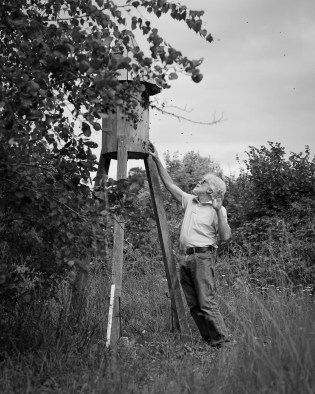
On a hot, pollen-dazed morning this summer, I stopped by the house of Gareth John, a retired agricultural ecologist, who lives on a quiet lane above a river in Oxfordshire, to take a look at his bees. In British beekeeping circles, John, who has a white beard and a sprightly, didactic manner, is well known as a “natural beekeeper,” although he acknowledged right off the bat that this was a problematic term. “It’s an oxymoron, right?” he said. John cares for perhaps half a million bees, but he does not think of himself as keeping anything. “I wouldn’t call myself a dog-keeper,” he said. “But I have a dog.” Continue reading
Planting Trees In New Haven

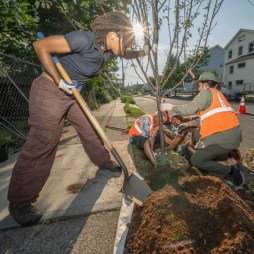
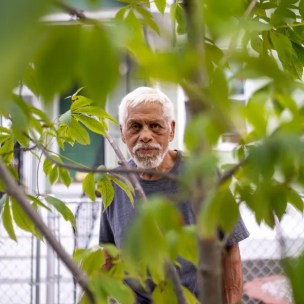
From left, Jess Jones, Ed Rodriguez, Zach Herring and Joshua De-Anda, planting a crab apple tree at 10 Wolcott Street in the Fair Haven neighborhood of New Haven, Conn. Tony Cenicola/The New York Times
Ed Rodriguez has a few years on me, but we have comparable tree counts. The caption of the second photo below captures my my own preference of activity on any given day. Having grown up in Connecticut and moved to Costa Rica decades ago, I note our reverse patterns of migration.
Colbi Edmonds, a member of the 2023-24 New York Times Fellowship class, reports from Seth’s previous hometown New Haven on an initiative I love reading about as much as I enjoy my own versions of the same kind of activity:
“I love to dig and mess around in the soil,” said Ed Rodriguez, who grew up in Puerto Rico but moved to Connecticut in the 1960s. Christopher Capozziello for The New York Times
One Neighborhood, 90 Trees and an 82-Year-Old Crusader
Ed Rodriguez is on a mission to convince his neighbors that they need trees to help combat summer heat — and to make the world a better place. It’s not always so easy.
Maria Gonzalez, who lives in New Haven, Conn., was envious of the other side of her street. It was lined with trees, offering some beauty as well as a shield from this summer’s unusual heat. But the sidewalk directly in front of her residence was bare, with trash littering patches of grass. Continue reading
Franzen On Motivating Nature Preservation
Yesterday a writer, whose care for nature is as famous as his books are popular, posted this:
To succeed—to get people to care about preserving the world—it can’t be only about nature.
The Bible is a foundational text in Western literature, ignored at an aspiring writer’s hazard, and when I was younger I had the ambition to read it cover to cover. After breezing through the early stories and slogging through the religious laws, which were at least of sociological interest, I chose to cut myself some slack with Kings and Chronicles, whose lists of patriarchs and their many sons seemed no more necessary to read than a phonebook. Continue reading
Cats Coming In From The Wild
Wild cats were a big part of our life in Belize, when our business included operating a lodge in the northwest of the country. As a “cat person” I appreciate this evolutionary biologist walking me through the adaptation from wild cats to domesticated:
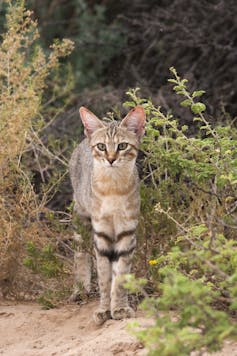
An African wildcat doesn’t look so different from a domestic cat. pum_eva/iStock via Getty Images Plus
Cats first finagled their way into human hearts and homes thousands of years ago – here’s how
A few years ago, I had the opportunity to go on safari in southern Africa. One of the greatest thrills was going out at night looking for predators on the prowl: lions, leopards, hyenas.
As we drove through the darkness, though, our spotlight occasionally lit up a smaller hunter – a slender, tawny feline, faintly spotted or striped. The glare would catch the small cat for a moment before it darted back into the shadows. Continue reading
Solidarity, Class Traitors & Ambiguity Management
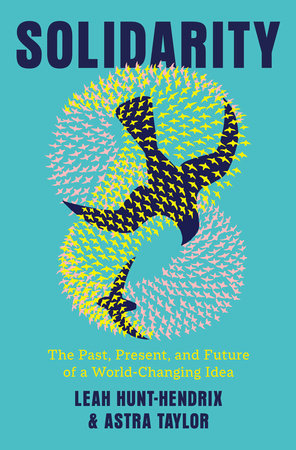
What Should You Do with an Oil Fortune?
The Hunt family owns one of the largest private oil companies in the country. Leah Hunt-Hendrix funds social movements that want to end the use of fossil fuels.
“Leah was clearly preoccupied with how a person of extreme privilege can live responsibly in the world,” her Ph.D. adviser said. Photograph by Platon for The New Yorker
Let’s say you were born into a legacy that is, you have come to believe, ruining the world. What can you do? You could be paralyzed with guilt. You could run away from your legacy, turn inward, cultivate your garden. If you have a lot of money, you could give it away a bit at a time—enough to assuage your conscience, and your annual tax burden, but not enough to hamper your life style—and only to causes (libraries, museums, one or both political parties) that would not make anyone close to you too uncomfortable. Or you could just give it all away—to a blind trust, to the first person you pass on the sidewalk—which would be admirable: a grand gesture of renunciation in exchange for moral purity. But, if you believe that the world is being ruined by structural causes, you will have done little to challenge those structures. Continue reading
Notes From A Pennsylvania Garden
The thoughts and images in this article inspire pre-dawn work on that soil I mentioned yesterday. We do not have the heat here that she does there, but the nudge to go out in the dark is welcome. My attention has been solely focused on regeneration below for the coffee that once thrived above ground. Time to start thinking of accent colors and other edibles:
What You Discover When You Garden at Night
Daytime heat forced a writer with a green thumb to change her routine. She found unexpected pleasures.
When it’s too hot to garden during the day, what is there to do but garden at night? Neither floppy hat nor gobs of sunscreen will lure me into the glare of a hot and humid, possibly record-breaking, 90-plus-degree day. Or, as our local meteorologist reports: one with a heat index of 103. So instead, I venture out into the garden after dinner, dogs in tow, surveying the raised beds in the coolness of evening.
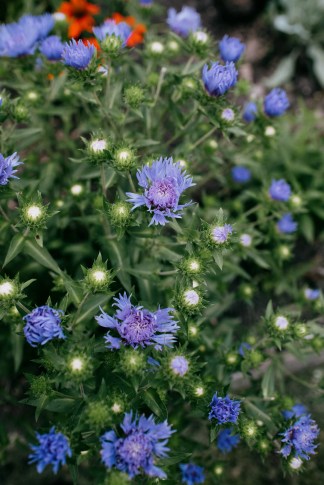
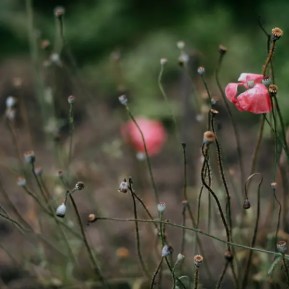
Poppies that have gone to seed, bringing to mind “the coming glory of red, white, and pink blooms” next season.
I carry a basket full of seeds, green string to tie the tomatoes higher, and wooden stakes and black markers to record once again what I have sown, some new crops and others a repeat of those planted earlier in the season. It is midsummer now and the lettuce, radishes, and shallots are fading, but the basil and tomatoes, beans and zucchini are finally coming into their own. A little more rain and warmth and I will be able to make my first tomato sandwich, one of the driving forces, no doubt, behind planting a vegetable garden. Continue reading
Among The Reasons To Regenerate Soil
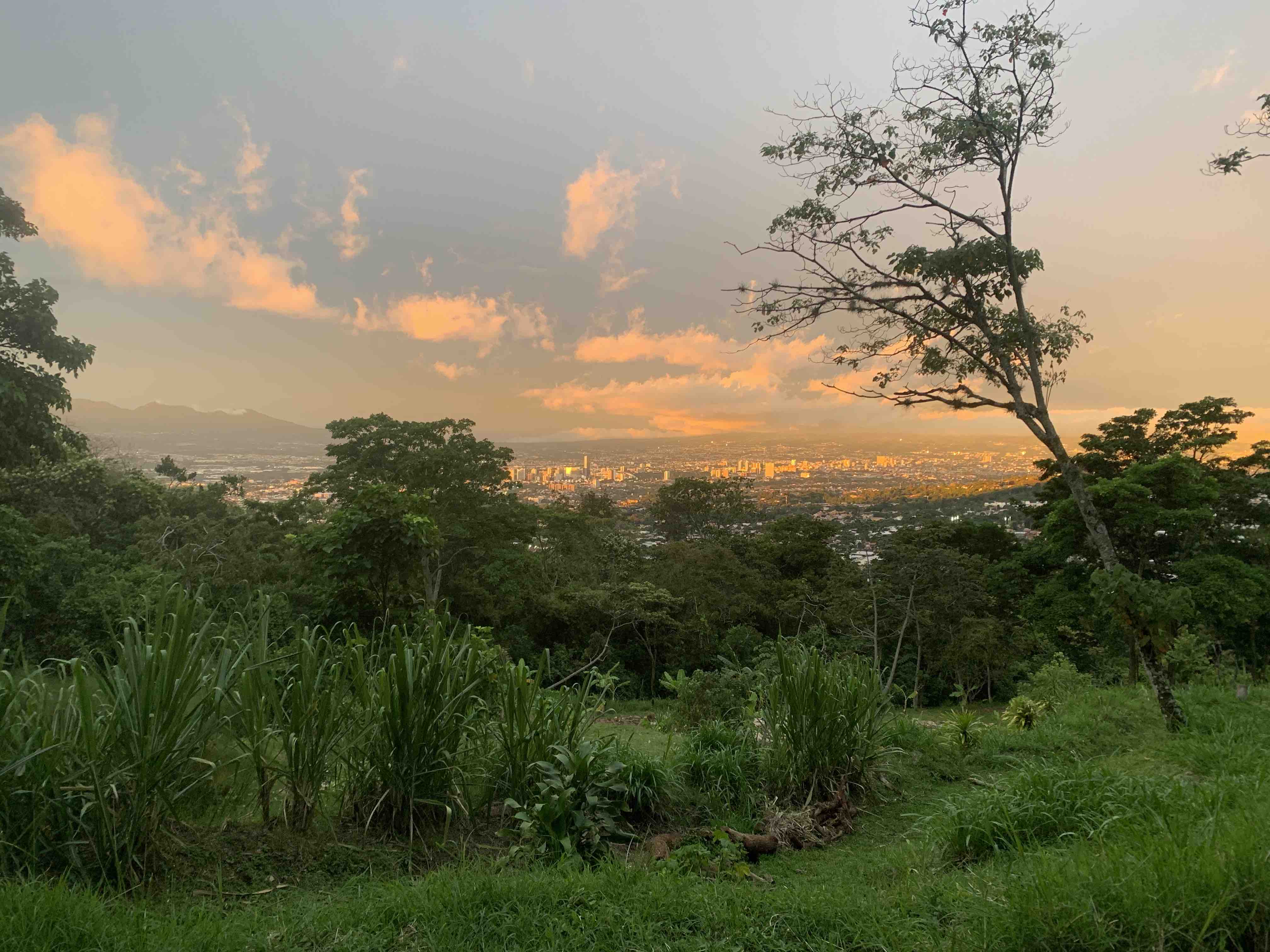
When we started the berm where the sugarcane grows now, we knew we had a multi-year project ahead of us. This morning, before the sun had risen enough to shine on the land, I snapped the photo above, looking down on the acreage where we have planted more than 100 trees to provide shade for coffee we will plant in the near future. Besides all that, plenty of good ideas for how and why to regenerate the quality of the soil on that land; here’s some more:
Nearly Two-Thirds of All Species Live in the Ground, Scientists Estimate
Soils are more rich in life than coral reefs or rainforest canopies, providing a home to nearly two-thirds of all species, according to a sprawling new analysis. Continue reading
Rural Lives & Other Options
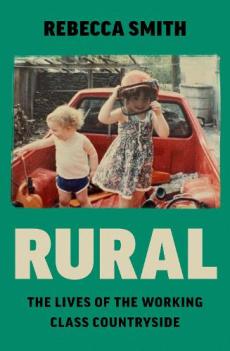
The reviews are in, and below is an excerpt. The book does not appear to be available through online booksellers in the USA, but I will be watching for it. The excerpt echoes my experience growing up in an equivalent place. A key difference between my youth and hers: my family’s income was modest but, due to my immigrant mother and father’s New England heritage I inherited a clear sense of mobility. I never had the oppressive sense of class boundaries that can dictate exclusion.
Instead I had the sense, and still do, that I could have chosen to earn the requisite fortune that would have afforded me the luxury of owning my own home in that town. But I chose otherwise, and for plenty of reasons I have no regrets whatsoever.
Jane Austen’s English Countryside Is Not Mine
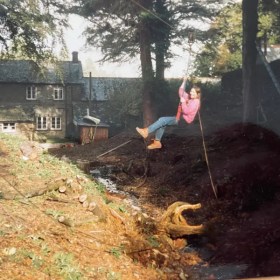
Often people assume I am someone I am not. My childhood was spent making dens in the hidden corners of the landscaped gardens of a grand country estate in the Lake District. I wandered woods full of baby pheasants being fattened up for the shoot. I roamed the hills listening to my Walkman like a modern Brontë sister. I had lakes to paddle in and a dinghy that we bumped down the path to a private beach.
But they weren’t my gardens. It wasn’t my beach.
Until the age of 18, I lived on three private country estates in England. First in Yorkshire, then in Bedford, then on Graythwaite Estate, in Cumbria in the Lake District. In each of these my dad had the job of forester, working his way up until he was head forester, overseeing 500 hectares of woodland at Graythwaite, where the job came with a three-bedroom lodge on the estate. Continue reading
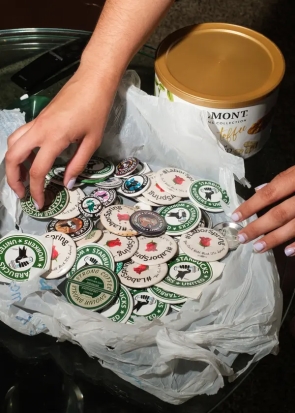
Starbucks Flexing Its Muscle
In the coffee business, we look up to the big players for inspiration. Sometimes we find something else. Starbucks can be a very admirable corporate citizen. It can also be rotten, as we are reminded in this op-ed by Megan K. Stack:
Inside Starbucks’ Dirty War Against Organized Labor
NOTTINGHAM, Md. — Agnes Torregoza came to this country when she was a toddler, brought from the Philippines by her parents. Her mother found a teaching job in the Baltimore County Public School District, and the family set about cobbling together a new life. Continue reading