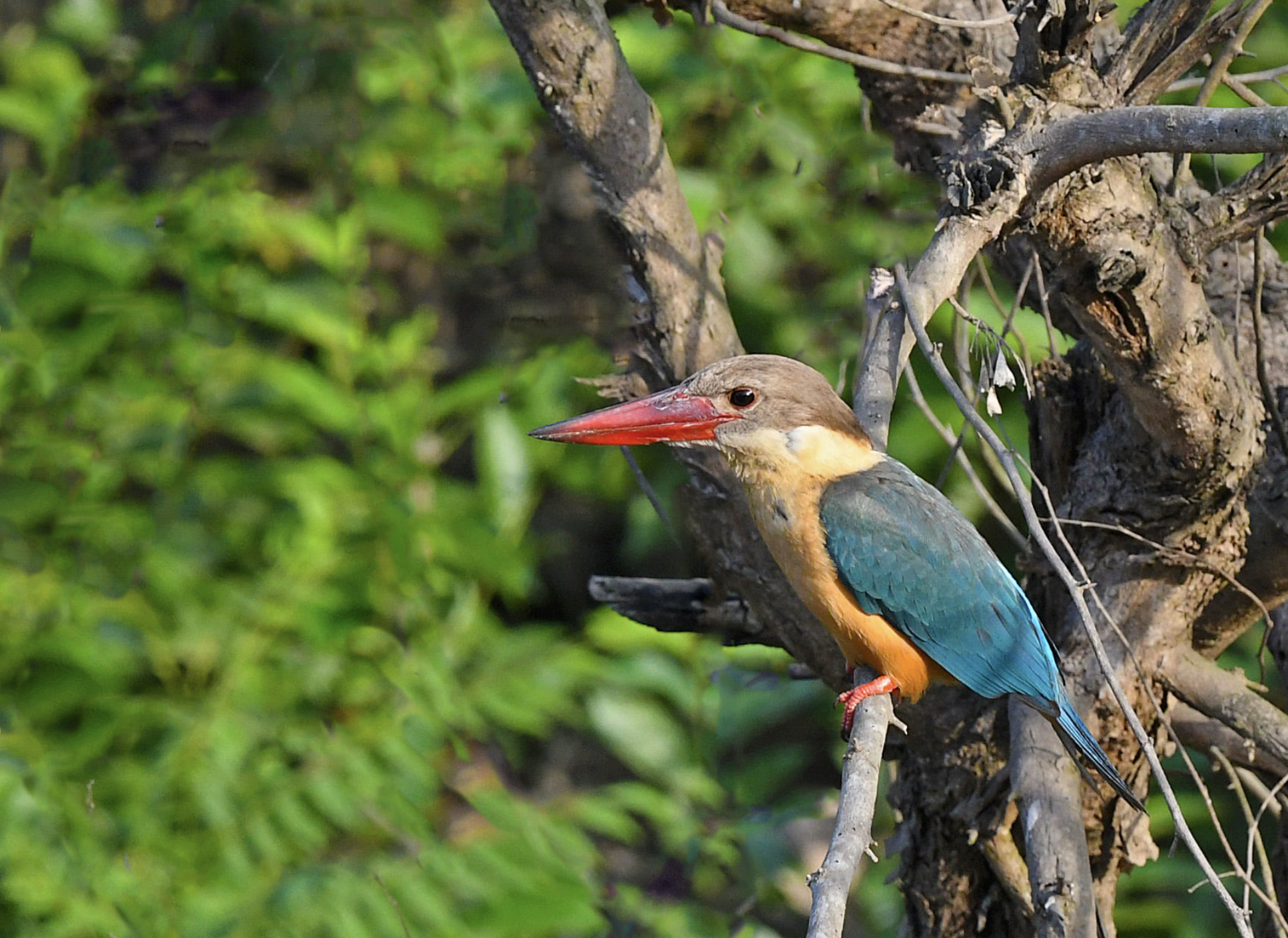
Rajaji National Park, Uttarakhand
Rajaji National Park, Uttarakhand
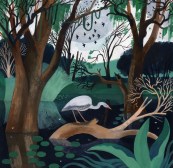
The U.S. once held a wealth of wetness, but the country’s treasury has shrivelled. Illustration by Carson Ellis
The word swamp does not have a pleasant ring to it. The thing itself, though, is something much more than pleasant. Essential to our future, Annie Proulx clarifies in a lovely manner, swamps should be treated with greater care:
Swamps Can Protect Against Climate Change,
If We Only Let Them
Wetlands absorb carbon dioxide and buffer the excesses of drought and flood, yet we’ve drained much of this land. Can we learn to love our swamps?It can be hell finding one’s way across an extensive boggy moor—the partially dry, rough ground and the absence of any landmarks let the eye rove helplessly into the monotype distance. Continue reading
 While working on my doctoral dissertation in the early 1990s I had a clear view into how big businesses, and industry associations, influence the creation of knowledge in research universities. The big science problem (not to be confused with the Big Science album) was clearly there, we all can see now. But I did not find it so problematic at the time. Bibi van der Zee‘s review in the Guardian makes clear why we should be more concerned about who funds the creation of knowledge, and what strings may be attached:
The Playbook by Jennifer Jacquet review – how big business takes on science and wins
A ‘guide’ for companies looking to counter unwelcome research exposes the corporate world’s dark arts
“Playbook” is a term that feels overused at the moment – mostly because of Vladimir Putin’s military adventures. Continue reading
Laguna de Lagarto Lodge, Costa Rica
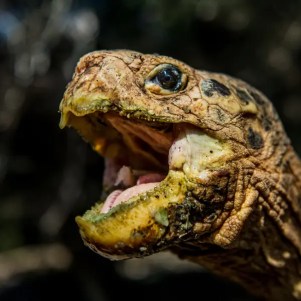
A giant Galápagos tortoise, only as old as it feels. Meridith Kohut for The New York Times
When I learn a new word–even if it is a word I cannot picture using in conversation but it represents a concept that is interesting and surprising, I consider that a good day. Jack Tamisiea, thanks for the science reporting here, and especially for the word senescence:
Centenarian Tortoises May Set the Standard for Anti-Aging
Tortoises and turtles don’t just live for a long time — they barely age while they live.
The black marsh turtles displayed negative rates of senescence, meaning their mortality risk decreased as they aged. iStock/Getty Images
For mammals like humans, aging is inevitable. No matter how many vitamins we take, skin sags, bones soften and joints stiffen over time. However, turtles and tortoises age more gracefully. Despite their wrinkled skin and toothless gums, species like Galápagos giant tortoises seem unscathed by the ravages of aging. Some show few signs of slowing down as they plod into their 100s.
To determine what drives these ageless wonders, two groups of researchers examined turtles, tortoises and their ectothermic, or coldblooded, brethren in a pair of studies published Thursday in the journal Science. Continue reading
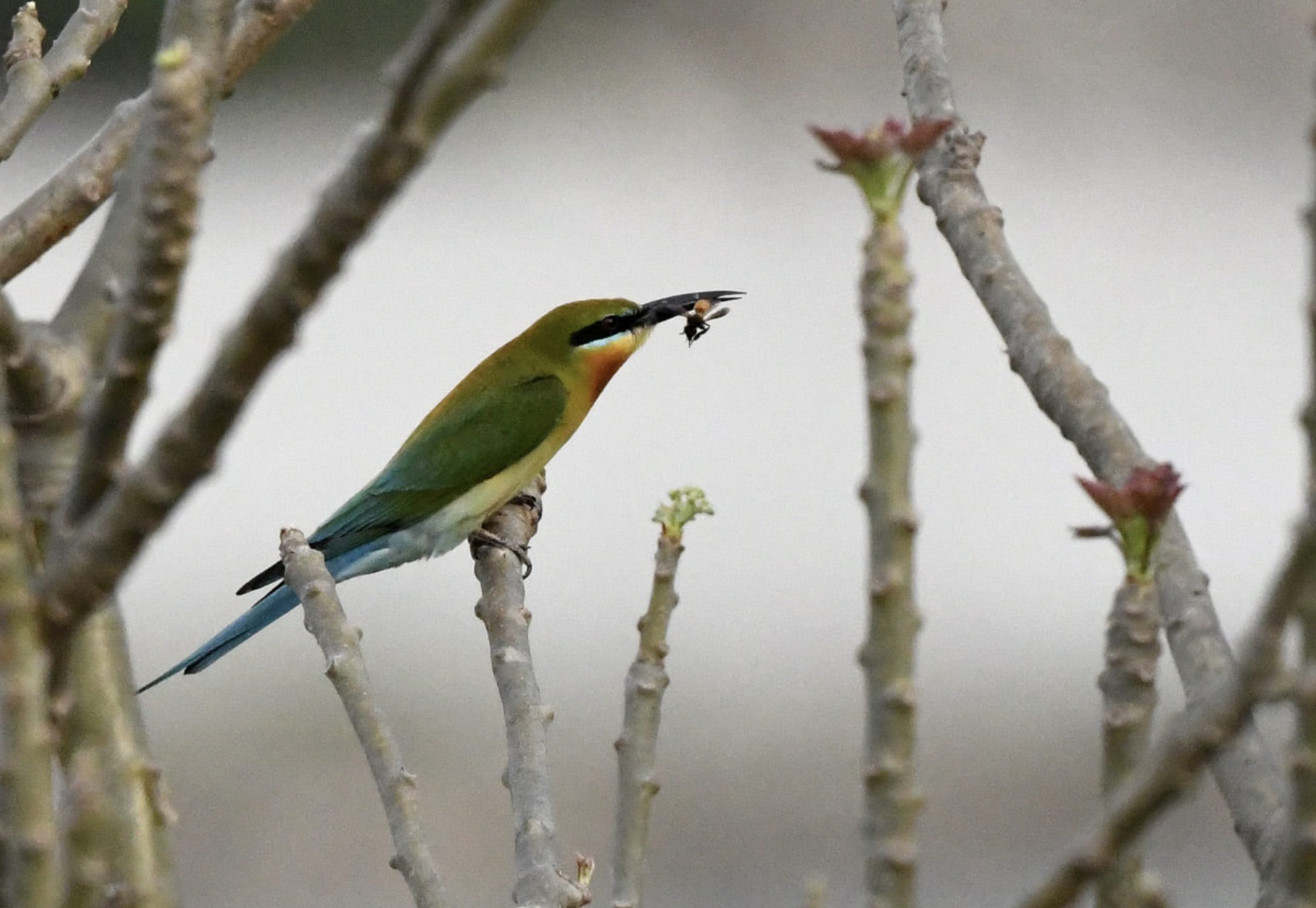
Rishikesh, Uttarakhand
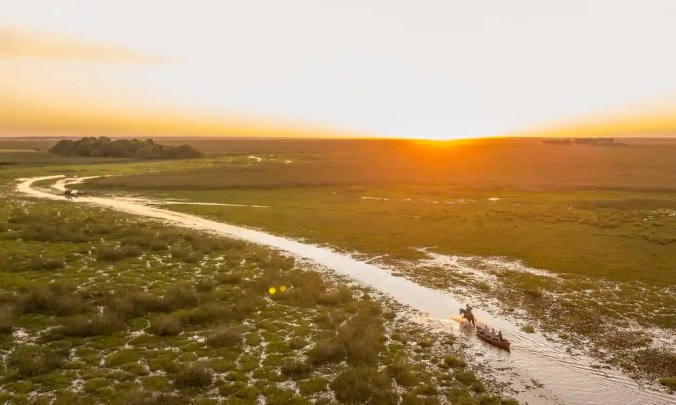
A horse and rider pull a tourist boat through the Iberá marshes
When we have linked to stories about conservation and efforts to rewild in the Southern Cone, it has been a mix of big cats and the efforts of Doug and Kris Tompkins. Our thanks to Patrick Greenfield and the Guardian for taking these themes long form:
El Impenetrable national park, home to thousands of charismatic plants, flowers and animals, including jaguars.
How to rewild a country: the story of Argentina
It began with a philanthropic couple buying a swamp but has become one of the world’s boldest experiments in restoring degraded habitats, bringing wildlife and landscapes back from the brink
Chapter one
The return of the jaguar
It took about three seconds for piranhas to devour part of her left foot, biologist Deborah Abregü recalls, as we sit waiting for pizzas to cook on an open fire in Argentina’s El Impenetrable national park. Continue reading

male
Williamson County, TX
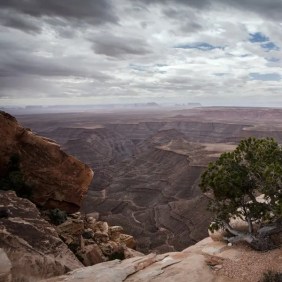
Muley Point in Bears Ears National Monument in Utah. Mark Holm for The New York Times
After plenty of contention, a move in the right direction, at last:
In a Return to the Land, Tribes Will Jointly Manage a National Monument
Five Native American tribes will work with the Bureau of Land Management to plan and conserve Bears Ears National Monument in Utah, officials said.
Bears Ears National Monument, whose red-rock landscape sprawls across more than 1.3 million acres in southeastern Utah, will be managed jointly by the federal government and Native American tribes in what administration officials said represents a “one-of-a-kind” model of cooperation. Continue reading
Etosha National Park, Namibia
Sally Deng
Ed Yong’s new book was already on our reading list, but just got notched up in the priority list:
Spectacle floods into my eyes whenever I watch a wildlife documentary. A vortex of small fish is gradually picked off by waves of oceanic predators. Snakes chase after marine iguanas. Giraffes clash at sunset. Continue reading
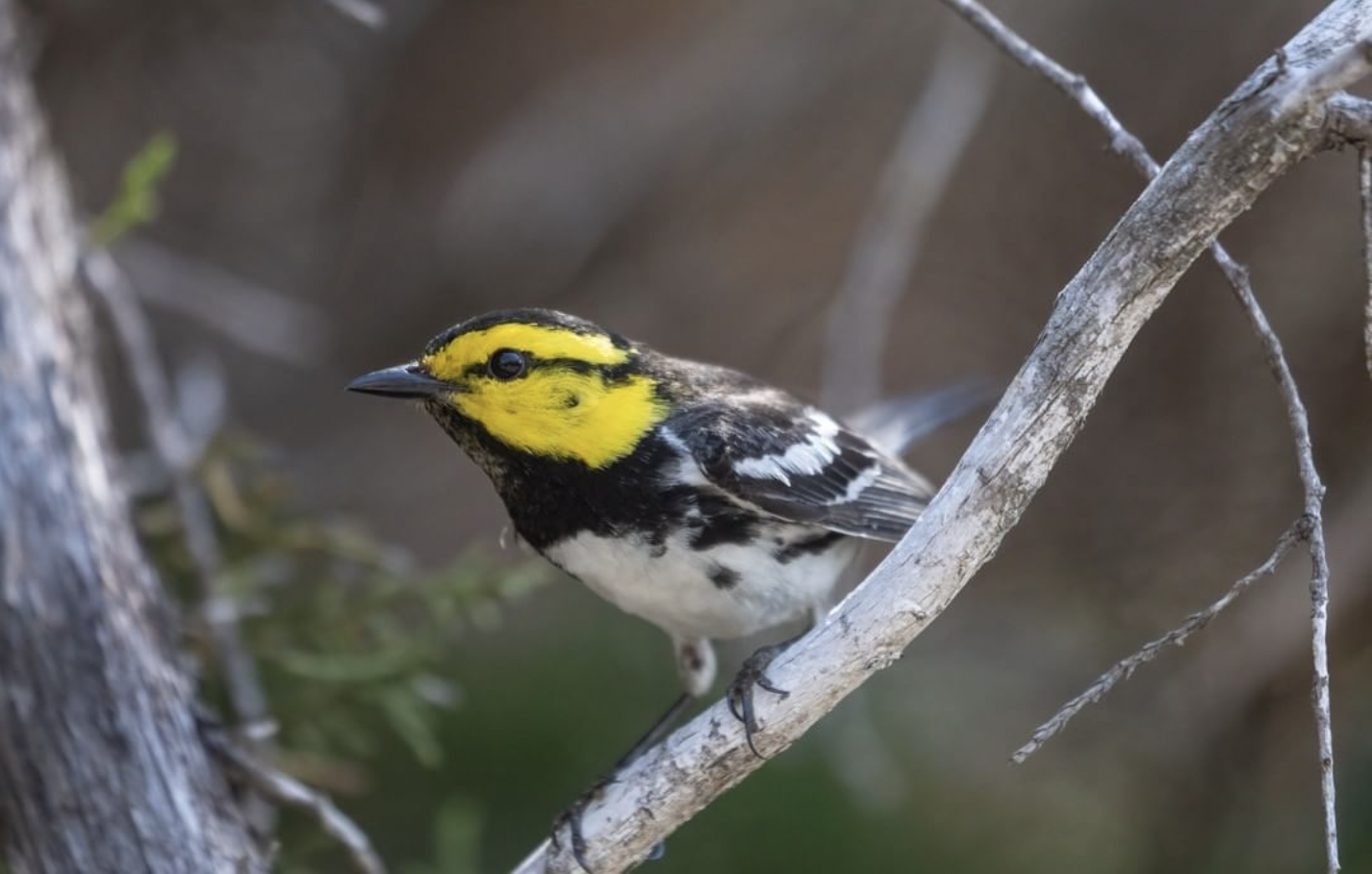
Burnet County, Texas

Ana Cabreira/InOssining.com/AP. Amy Hall, owner of Hudson Valley Books for Humanity in Ossining, N.Y., poses for a picture in her bookstore. Ms. Hall, who offers mostly used books that reflect economic and ethnic diversity, is one of many new bookstore owners who recently opened their own store.
We have a thing for independent bookstores. They are better in several important ways. We have a thing against one particular big online retailer, whose start in books was just one step in the wrong direction. Our thanks to Hillel Italie, the Associated Press and the CS Monitor for this story, and especially to the biblio-entrepreneurs showcased in this article:
Indie bookstore boom turns page to a more diverse America
The year 2021 saw a substantial increase in the number of independent bookstores in the United States. And a growing proportion of these stores is owned by individuals from diverse ethnic and racial backgrounds.
Laura Romani, a Chicago-area resident with a background in education and library science, had long been thinking of a new career. “I was at home a couple of years ago, reflecting on all the experience I gained and how I wanted to contribute to the Latino community, while also allowing myself to be on my own and make use of my love for books and passion for multilingualism,” she said. Continue reading
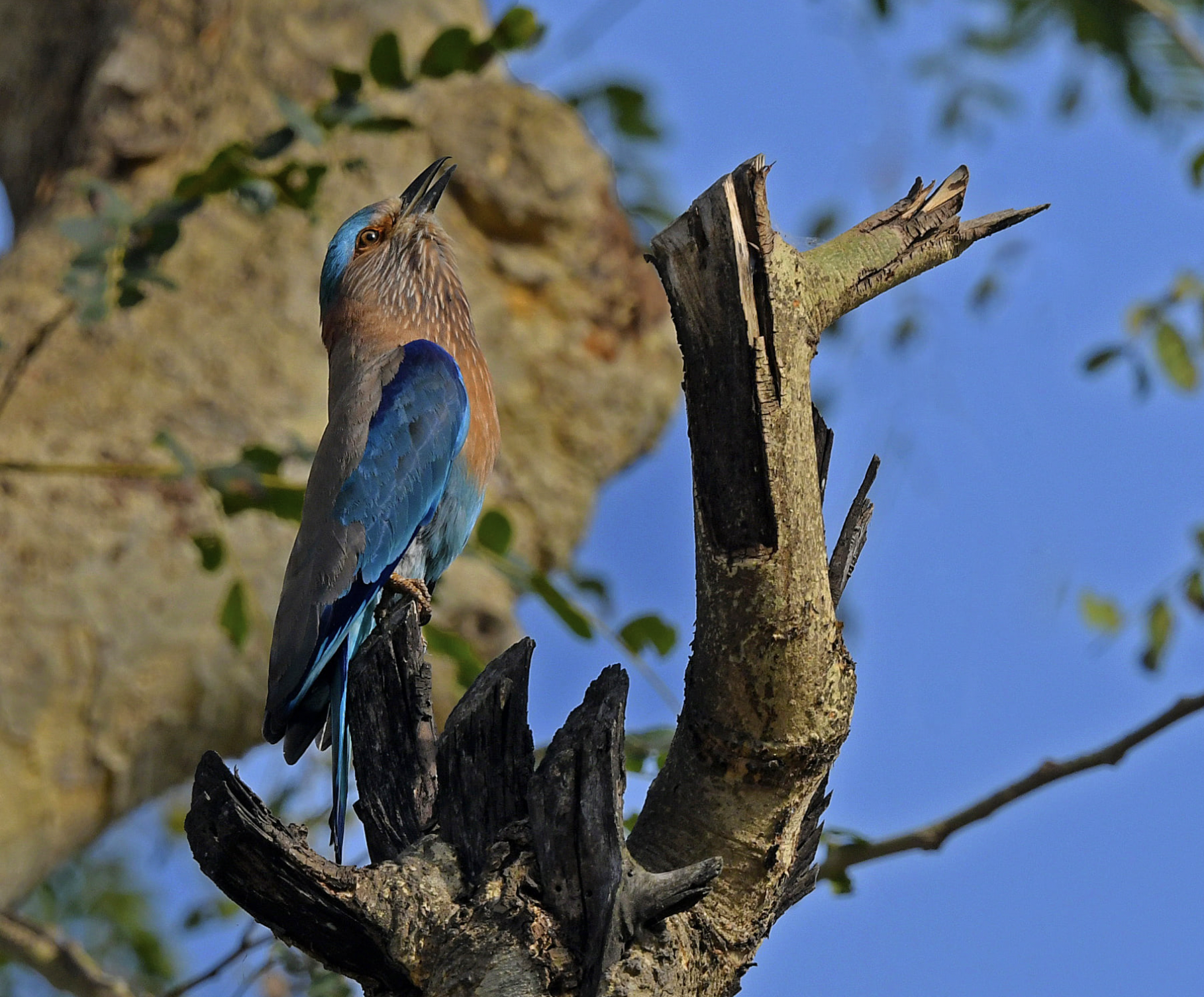
Rajaji National Park, Uttarakhand
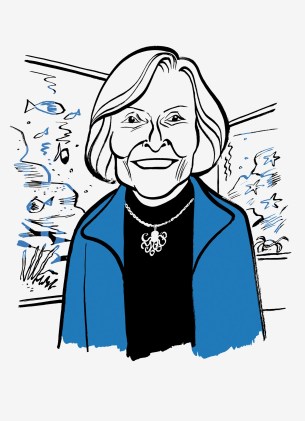
Sylvia Earle. Illustration by João Fazenda
Yesterday’s post got me looking back at our attention to marine science over the years, making me wonder whether we have given that topic its fair share. Yes, probably, but more is needed. I already knew this name because it has appeared in our pages a few times over the years. But just recently I heard her name from two different people who have had the chance to know her personally. One of them, when I mentioned the name, replied with Her Deepness replacing Sylvia Earle’s given name. Thanks to Dana Goodyear, who had me at puma, but who also knows a thing or two about water, now this:
Without Sylvia Earle, We’d Be Living on Google Dirt
The marine biologist and aquanaut evokes a Bond girl with a Ph.D. To save a species, she says, you have to know it.
Do you like to breathe?” This is a question that the marine biologist and deep-sea explorer Sylvia Earle asks frequently. The ocean produces half of the oxygen on Earth. If it dies, humanity can’t survive, so humans better pay attention to it. Continue reading
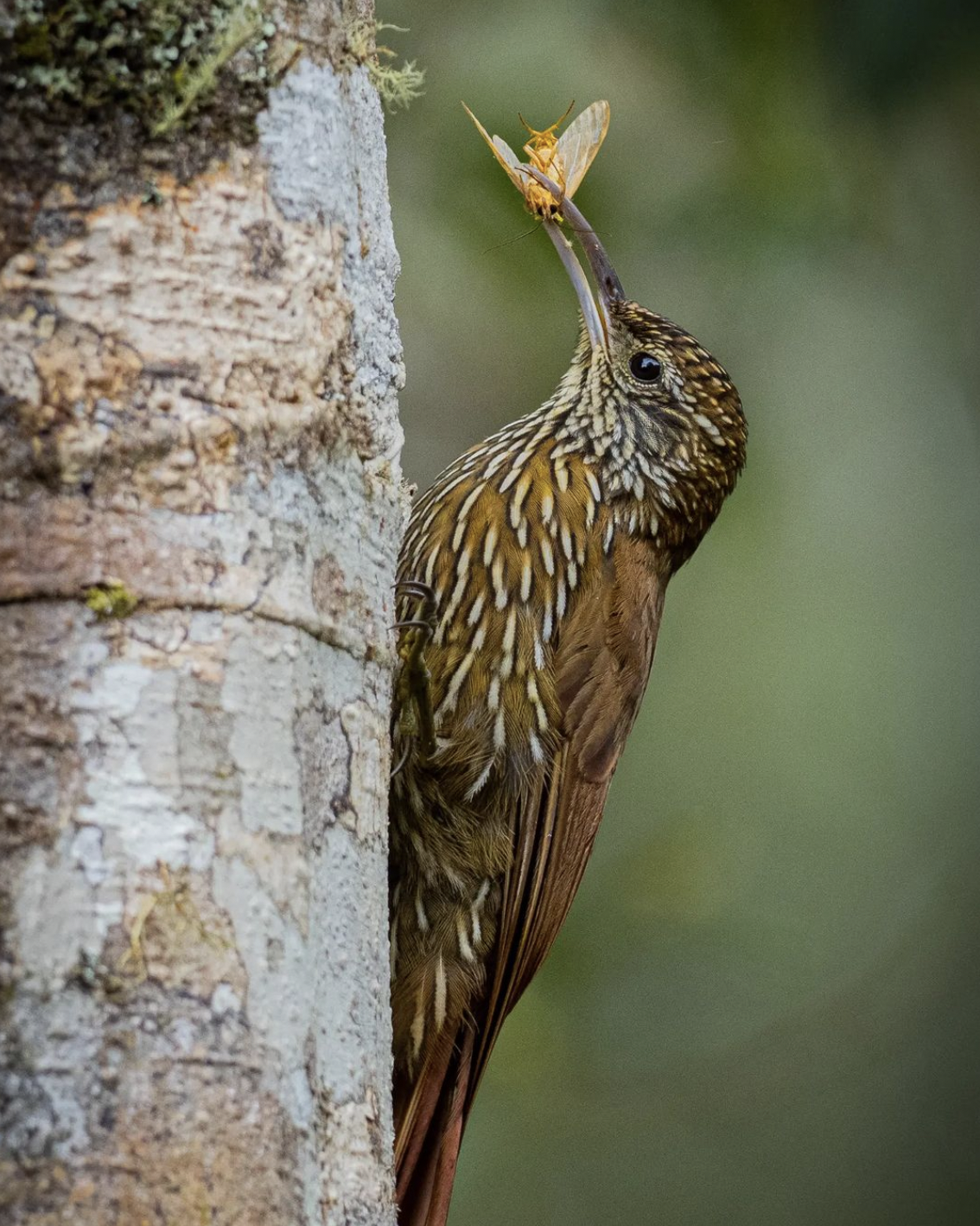
Cabañas de San Isidro, Ecuador
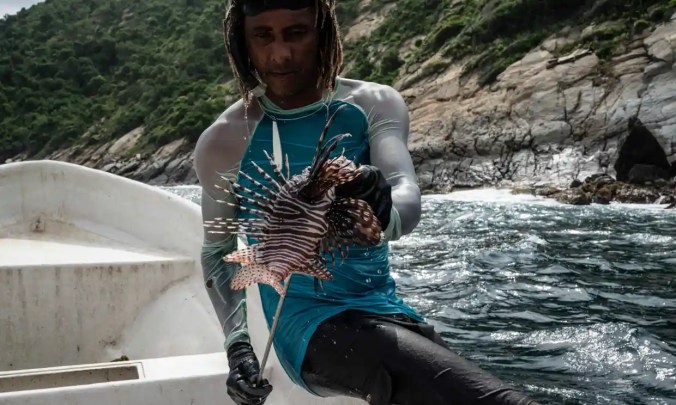
A lionfish caught off Venezuela, where the authorities organise sport fishing competitions to curb the dangerous proliferation of the invasive species. Photograph: Yuri Cortéz/AFP/Getty
Lionfish came to our attention in a series of posts starting in 2014. That year we came to see that fighting this invasive species would require innovative entrepreneurial conservation methods. We published more posts and series about initiatives in the years since then, but the problem continued to grow. For some reason the stories about initiatives started fading from our attention and then stopped with a post in 2018. Now, 22 posts since the first post and four years since the last one, lionfish are back in our thoughts thanks to Inversa’s innovation:
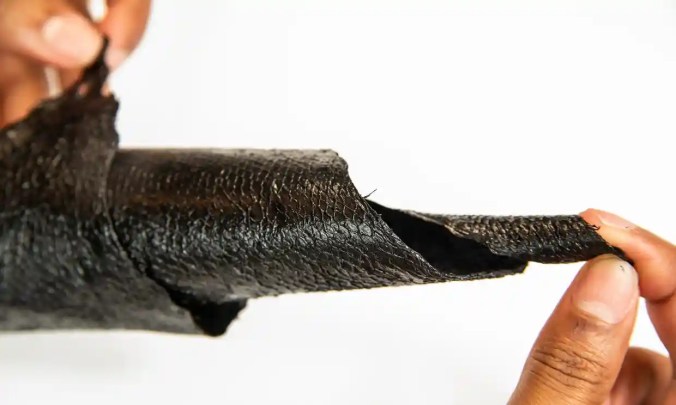
Lionfish leather. Inversa says it is helping to solve an environmental crisis by using an invasive species that eats lots of other fish but has no predators in much of its range. Photograph: Inversa
Fish leather is here, it’s sustainable – and it’s made from invasive species to boot
An avid diver saw how lionfish have devastated populations of Florida’s native tropical fish and resolved to help solve the problem
Aarav Chavda has been diving off the coast of Florida for years. Each time he became increasingly depressed by the ever-growing void, as colourful species of fish and coral reefs continued to disappear. Continue reading
El Paredon, Guatemala
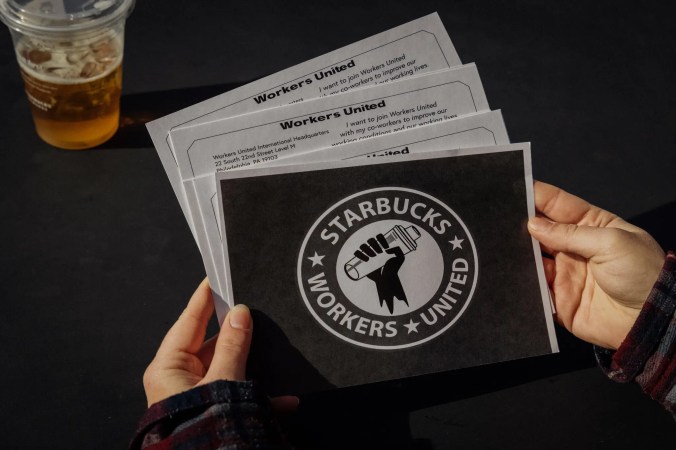
Maggie Carter, a Starbucks barista in Knoxville, Tenn., keeps a stack of union cards with her. Audra Melton for The New York Times
We wrote one time previously about the Starbucks union drive, wondering why Starbucks is against it. We know the typical corporate reasons, but Starbucks has represented itself as atypical. So, we wanted to know. And in related news, the company’s efforts to keep unionization at bay has a new leader. Today we consider a related question, this time from workers’ perspective:
Why a Rhodes Scholar’s Ambition Led Her to a Job at Starbucks
Jaz Brisack became a barista for the same reasons that talented young people have long chosen their career paths: a mix of idealism and ambition.
Most weekend mornings, Jaz Brisack gets up around 5, wills her semiconscious body into a Toyota Prius and winds her way through Buffalo, to the Starbucks on Elmwood Avenue. After a supervisor unlocks the door, she clocks in, checks herself for Covid symptoms and helps get the store ready for customers. Continue reading


 Organikos