Amaranth All Over

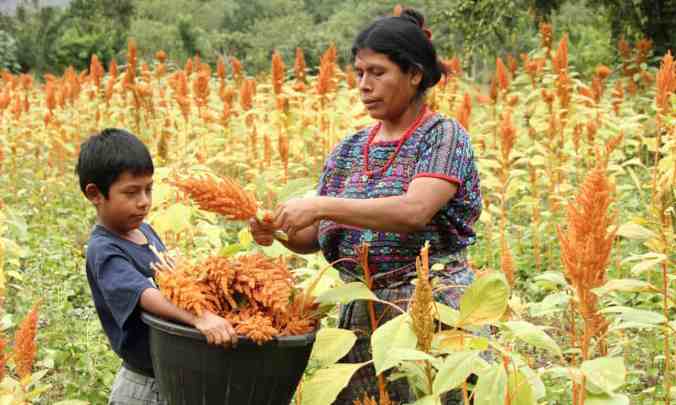
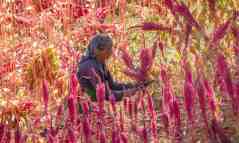
Blanca Marsella González, a member of Qachuu Aloom, harvests amaranth plants. Photograph: JC Lemus/Juan Carlos Lemus

We have been paying attention to amaranth plenty over the years. It should have occurred to me back in the early days of this platform to investigate its origins. Amaranth was so central to our diet in India that I assumed it was a native plant. Not so, but it grows all over the world:

‘It could feed the world’: amaranth, a health trend 8,000 years old that survived colonization

Indigenous women in North and Central America are coming together to share ancestral knowledge of amaranth, a plant booming in popularity as a health food

An elderly woman cuts an amaranth crop, in Uttarakhand, India. The plant is indigenous to North and Central America but also grown in China, India, Southeast Asia, West Africa and the Caribbean. Photograph: Hitendra Sinkar/Alamy Stock Photo

Just over 10 years ago, a small group of Indigenous Guatemalan farmers visited Beata Tsosie-Peña’s stucco home in northern New Mexico. In the arid heat, the visitors, mostly Maya Achì women from the forested Guatemalan town of Rabinal, showed Tsosie-Peña how to plant the offering they had brought with them: amaranth seeds.

Back then, Tsosie-Peña had just recently come interested in environmental justice amid frustration at the ecological challenges facing her native Santa Clara Pueblo – an Indigenous North American community just outside the New Mexico town of Española, which is downwind from the nuclear facilities that built the atomic bomb. Continue reading
Mycology’s Expansive Boundaries

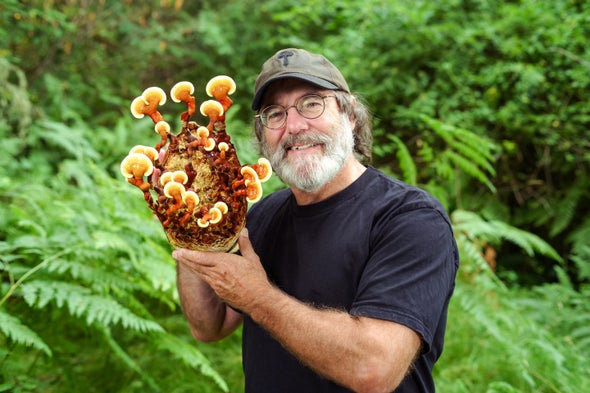
Paul Stamets. Credit: Trav Williams Broken Banjo Photography

In the media we scan for articles and podcasts to share here, some of the last year’s attention to fungi has been aimed at making them seem less alien by celebrating their very alien-ness. Up to now, this has all been earth-bound, but maybe that has been an arbitrary boundary. Thanks to Scientific American magazine for this conversation with the man who has been stretching fungi boundaries for much longer than we have been paying attention:

Future Space Travel Might Require Mushrooms

Mycologist Paul Stamets discusses the potential extraterrestrial uses of fungi, including terraforming planets, building human habitats—and providing psilocybin therapy to astronauts

The list of mycologists whose names are known beyond their fungal field is short, and at its apex is Paul Stamets. Educated in, and a longtime resident of, the mossy, moldy, mushy Pacific Northwest region, Stamets has made numerous contributions over the past several decades— perhaps the best summation of which can be found in his 2005 book Mycelium Running: How Mushrooms Can Help Save the World. But now he is looking beyond Earth to discover new ways that mushrooms can help with the exploration of space. Continue reading

Nature, Intervention & Protection

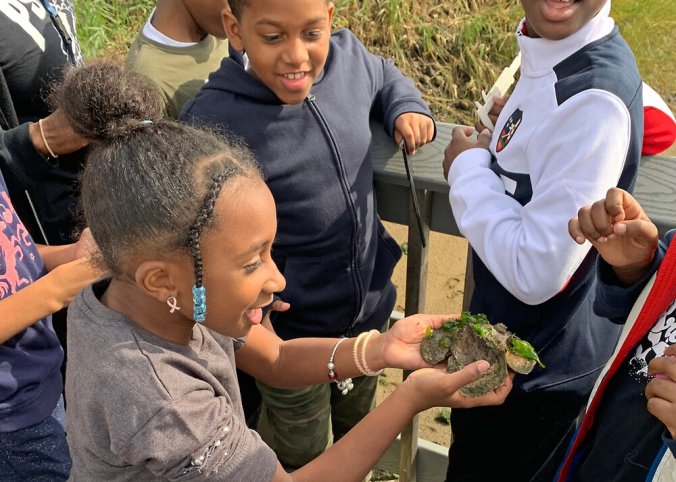
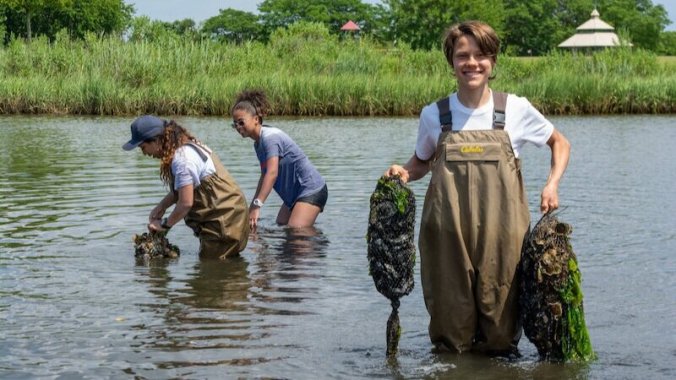
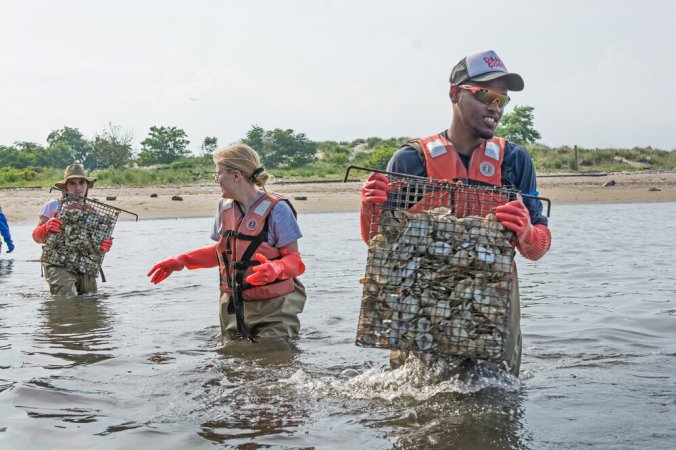
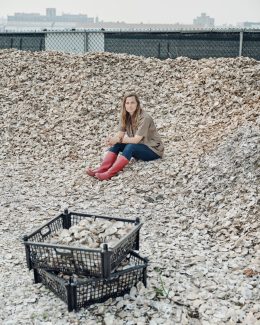
Discovery inspires.

Participation motivates.

Discovery + Participation + Organization =

Results

Click any of the images above to go to the website of this organization featured once before in our pages and now again in the article below. It will make more sense after reading the article. But do visit the site and consider volunteering. Take some kids along.

In New York, Kate Orff will use oyster reefs to mitigate storm surges. Photograph by Thomas Prior for The New Yorker

Eric Klinenberg‘s work on the topic of libraries provided a sense of common cause. After featuring so many stories about libraries and librarians (my more recent personal anecdote was purposely brief so did not relay how many ways my local library impacted my young life, a topic for another day), his book summed up much of why the institution matters to us. And then some. Advocating for libraries was something a talented academic could do on a larger scale than we could in these pages, especially with publications like those. Bravo. And now this.

After lots of attention to rewilding in these pages, plenty of it related to urban landscapes, the same author that further illuminated our understanding about the value of libraries has convinced me of how much more there is to learn on this topic:

The Seas Are Rising. Could Oysters Help?

How a landscape architect is enlisting nature to defend our coastal cities against climate change—and doing it on the cheap.

On a windy afternoon in April, the landscape architect Kate Orff stood on the open walkway of a container crane, some eighty feet above the Red Hook Terminal, in Brooklyn, and the Buttermilk Channel, a tidal strait on the southeast side of Governors Island. Continue reading

Art Of The National Parks

Click the image above if this is your kind of coffee table book. It is of course available elsewhere but please, support the publisher instead of the elsewhere option. We feature stories related to the national parks of the USA about as frequently as any other topic; here is a unique way to support the idea and the actions that flow from the idea.

Thanks to the Guardian’s feature on the book for bringing it to our attention:

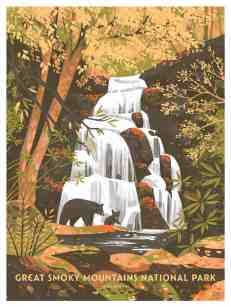
The art director JP Boneyard ’s favourite park is Montana’s Glacier national park. “It’s breathtaking, I’m smiling just thinking about it ,” he says. For his screen-print project Fifty-Nine Parks, now collected in a book, he asked modern artists to reinterpret America’s classic national park posters, commissioned by the government in the 1900s.

“I hope they inspire people to visit the parks and connect with nature, but, heck, it’d be awesome if the book inspired folks to pick up a squeegee and start printing too,” he says.

The National Parks Conservation Association has been mentioned in our pages a couple times before, but only in passing. Finding out more about this book led me to their website for the first time, and I already see a post on that topic is needed, but on another day.

Genetic Modification, In Moderation, Appeals

Levon Biss for The New York Times

Our work with coffee farmers in Costa Rica in recent years has convinced me that without hybridization there will not be much of a specialty coffee supply in the near future without it. Climate change and various pests essentially require it. On the other hand, I understand why genetic engineering causes fear. I have suffered mildly from that fear, but still read widely on the subject looking to allay those fears. The main appeal of the technology is obvious, and the reasons to be concerned are plenty, but here are some overlooked observations thanks very much to Jennifer Kahn:

Learning to Love G.M.O.s

Overblown fears have turned the public against genetically modified food. But the potential benefits have never been greater.

Bobby Doherty for The New York Times

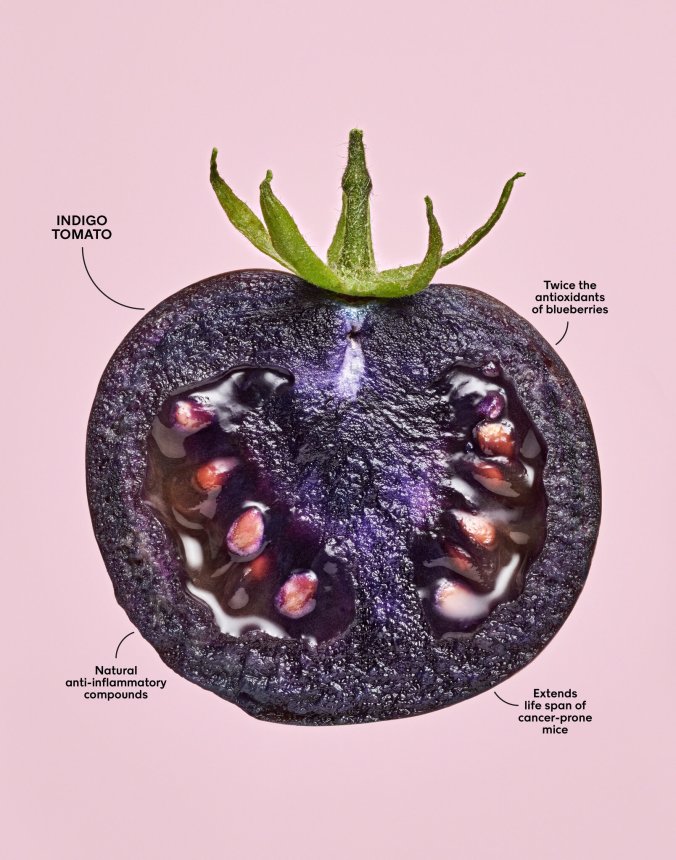
On a cold December day in Norwich, England, Cathie Martin met me at a laboratory inside the John Innes Centre, where she works. A plant biologist, Martin has spent almost two decades studying tomatoes, and I had traveled to see her because of a particular one she created: a lustrous, dark purple variety that is unusually high in antioxidants, with twice the amount found in blueberries.

At 66, Martin has silver-white hair, a strong chin and sharp eyes that give her a slightly elfin look. Continue reading
Practical Advice From Erik Vance

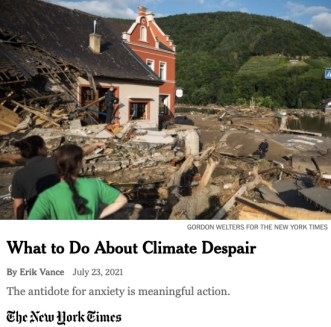
My first link to the work of Erik Vance came when I was re-writing the welcome to Chan Chich Lodge section of the property’s website. On another occasion his work took me to Madagascar, offering me a much-appreciated journey seven months into the isolation of pandemic. Today, I thank him again for a graphic feature with practical advice on the kinds of steps any of us can take to get some relief from the cataclysm that overshadows even the pandemic. Local variations to the steps he recommends, depending on where you live, might apply; the point is to find them and act on them.

If You Happen To Be In Berlin

The phased opening of Humboldt Forum, a museum in Berlin, includes this exhibit, and of course a beautiful book to boot.

An interesting feature, in the form of an editorial on the museum’s website can help put this exhibit in context. The goal of this museum is anti-colonial, among other things, according to the museum’s editorial:

According to the people behind the project, the partial reconstruction of Berlin’s historic palace was an expression of the power to mend, to repair the urban fabric and the historical associations enshrined in the space it occupies.

Which is unusual for a well-funded museum in a wealthy country to say. So, this book looks interesting from multiple angles, and the text describing the book is a hint at that:

The elephant is an admired but also endangered animal. In all times and cultures, the ivory of its tusks has been sought after. What kind of material is it, how is it used in history and the present, and what can be done today to protect the largest land mammals from poaching? This richly illustrated volume undertakes a cultural-historical journey and a current positioning. Ivory fascinates  and polarises. Continue reading
Recycling 2.0, Maine Gets It Done

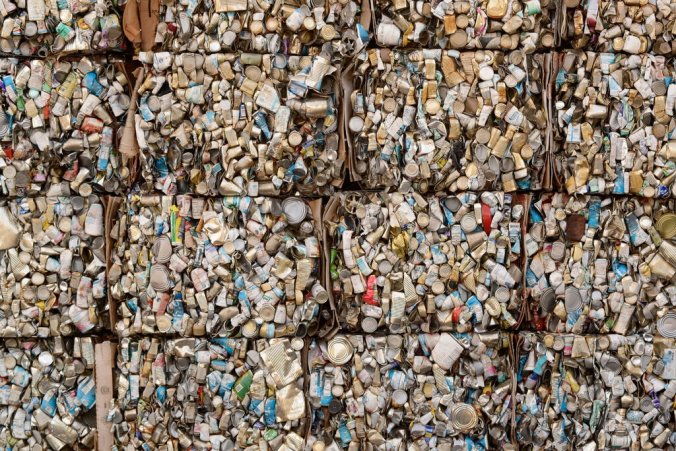
A collection facility in Bend, Ore. The state is expected to adopt a recycling law similar to Maine’s within weeks. Leon Werdinger/Alamy

When we were making decisions about coffee and chocolates that we would offer in the Authentica shops, which we knew to be best-selling categories for travelers wanting to take something home from Costa Rica, product quality was the top consideration. Packaging was a close second. Relative to what was sold in other shops, we radically reduced the carbon footprint of the packaging, and more recently took another step further down that road. We know that every little effort counts, but we also know that the big game is elsewhere, and we are happy to see a relatively small state making big strides in the USA:

Maine Will Make Companies Pay for Recycling. Here’s How It Works.

The law aims to take the cost burden of recycling away from taxpayers. One environmental advocate said the change could be “transformative.”

Gov. Janet Mills of Maine, a Democrat, signed the new recycling policies into law this month. Robert F. Bukaty/Associated Press

Recycling, that feel-good moment when people put their paper and plastic in special bins, was a headache for municipal governments even in good times. And, only a small amount was actually getting recycled.

Then, five years ago, China stopped buying most of America’s recycling, and dozens of cities across the United States suspended or weakened their recycling programs.

Now, Maine has implemented a new law that could transform the way packaging is recycled by requiring manufacturers, rather than taxpayers, to cover the cost. Nearly a dozen states have been considering similar regulations and Oregon is about to sign its own version in coming weeks. Continue reading

Looming Line 3 Battle

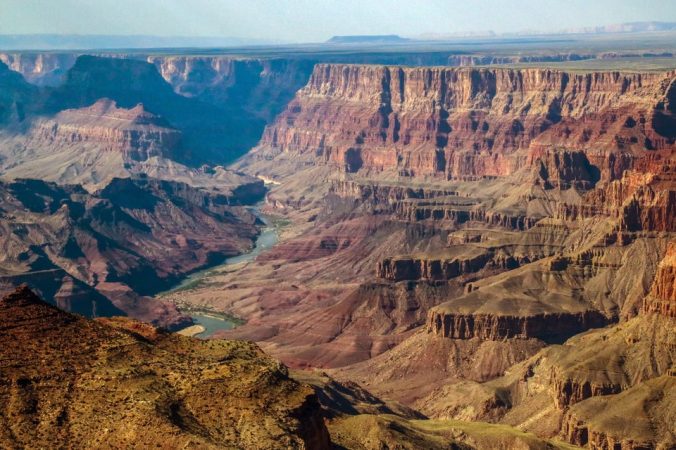
Only a small percentage of Americans visit the Grand Canyon, but its existence, as an ancient place of inestimable value, has a global psychological importance.Photograph by Jim Kidd / Alamy

The Line 3 story started for us last month, and continues today, with another essay by Bill McKibben, this time using the Grand Canyon for context:

Lessons from the Fight for the Grand Canyon

We once saved natural landmarks for their beauty—now it’s for survival, too.

To float down the Colorado River through the Grand Canyon is to meander through geologic time. As you descend, the formations you pass include the Coconino Sandstone, the Redwall Limestone, the Bright Angel Shale—by the time you reach the tortured-looking Vishnu Schist, you’re a couple billion years back in time. Continue reading

Greenland Ends Drilling For Oil

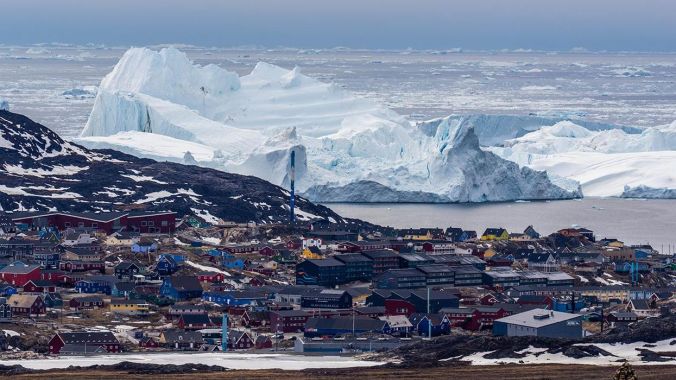
Icebergs near Ilulissat, Greenland. Climate change is having a profound effect in Greenland with glaciers and the Greenland ice cap retreating. Ulrik Pedersen / NurPhoto / Getty Images

Thanks to Ecowatch for publishing this story by Andrea Germanos:

‘Future Belongs to Renewable Energy’: Greenland Ditches All Oil Drilling

Greenland announced Thursday a halt on new oil and gas exploration, citing climate and other environmental impacts.

“Great news!” responded the Center for International Environmental Law.

The government of Greenland, an autonomous Danish dependent territory, framed the move as necessary to transition away from fossil fuels. Continue reading

Reflecting On The Water’s Simplicity & Its Surrounding Complexity

Photograph by Alejandro Cegarra for The New Yorker

My work in Costa Rica, motivated by previous work on my doctoral dissertation, started with an expectation that to protect nature we should search for entrepreneurial approaches that can complement regulatory and/or philanthropic efforts. Since then I am more convinced than ever that effective conservation depends on all three types of efforts.

So, after reading about the lagoon in the story below my thoughts wander into that territory, hoping that the author and her adopted community find a location-specific adaptation of that trifecta. A key insight of her story is the recognition of how easily perspective can be lost about the phenomenal beauty of some places in their natural state. We adjust, for better or worse:

How a Mexican Lagoon Lost Its Colors

Bacalar is poised to become one of the country’s great tourist destinations—if its ecosystem can survive.

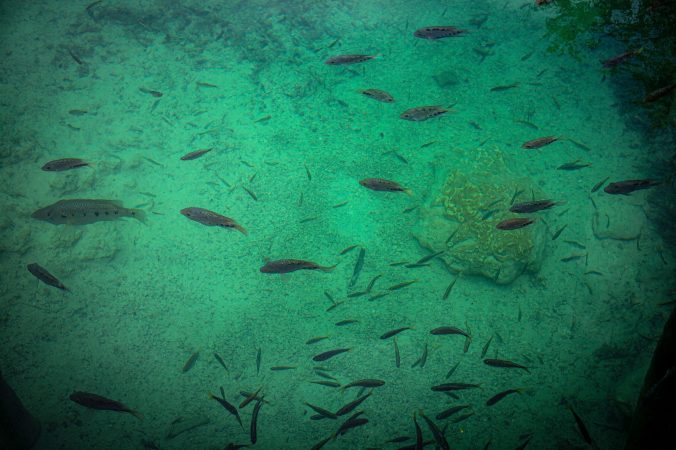
The water of the Bacalar Lagoon, on the east coast of Mexico’s Yucatán Peninsula, is as pure as glacial ice. It contains scant organic material: some of its oldest inhabitants are oligotrophic microorganisms, so called for their minimal diet. As a result, the lagoon puts on a spectacular display in the sunlight. It’s said that there are seven distinct shades of blue in the water, from deep-sea indigo to sunset violet. In English, Bacalar is sometimes called the Lagoon of Seven Colors; its original name in Mayan, Siyan Ka’an Bakjalal, translates roughly to “place surrounded by reeds where the sky is born.”…

Read the entire story here.

Rewilding In London

When we have linked to rewilding initiatives in the past the settings are usually but not always rural locations. Here is an urban exception worthy of note, as seen on the project’s overview page:

Hunted to extinction across the UK 400 years ago for their pelts and oil from their scent glands (known as castoreum), we have a vision for returning this charismatic animal back to London where it once thrived. In January 2021, working with the Beaver Trust, we brought together some of London’s key conservation organisations, community groups and environmental decision-makers in London to discuss the possibility of beavers in our Capital once again.

BACKGROUND

As the Rewilding movement continues to grow, species reintroductions are gathering pace, and beavers are now high on the agenda of many conservation strategies. As ecosystem engineers, they breathe life into ecosystems, damming up streams to create wetland habitats where wildlife can thrive. In addition to this, the wetland habitats they create are excellent for flood prevention, sequestering carbon and providing water during periods of drought. Continue reading
Urban Jungles & Biodiversity

A peregrine falcon flying over Leipzig, Germany. Peregrines survive and reproduce more easily in cities than in rural areas. SEBASTIAN WILLNOW / PICTURE ALLIANCE VIA GETTY IMAGES

We have frequently considered urban greening in reference to social justice and to agricultural innovation. Thanks to Janet Marinelli for this consideration of a more fundamental possibility:

Urban Refuge: How Cities Can Help Solve the Biodiversity Crisis

Cities have long been considered species deserts, devoid of wildlife beyond pigeons and squirrels. But with animals such as snowy owls, otters and bobcats now appearing in urban areas, scientists are recognizing that cities can play a significant role in fostering biodiversity.

Last year, as billions of people around the globe were in coronavirus lockdown, students of Queens College ecologist Bobby Habig discovered a bobcat roaming around the Bronx River in New York City, better known for its recent past as an open sewer and repository for automobile tires and rusted chassis than as a habitat for elusive wildcats. In January, a snowy owl, native to Canada’s Arctic tundra, touched down in Central Park for the first time in 130 years and spent more than a month supplementing its usual diet of boreal lemmings with choice urban fare such as mice and rats. For weeks a coyote was spotted in the Ramble, a 37-acre “wilderness” of rocky crags and hilly forest in the heart of Central Park. Continue reading

Canopy Equity

The number of urban trees is shrinking due to storms, construction and insects: at the moment, the US is facing a projected loss of 8.3% in urban tree cover by 2060. Photograph: Mary Altaffer/AP

Regardless of the viability of tree-planting as a solution to climate change, the need for more trees in some locations is overwhelming:

US needs 30m new trees to combat shade disparity, study finds

First ever nationwide tally of trees reveals how communities of color and poorer neighborhoods lack canopy

With vast swathes of the American west baking under a record-setting heatwave, a new study has revealed how unevenly trees are spread throughout cities in the United States and how much it disadvantages communities of color and the poor. Continue reading
Crazy Yellow Ants, Be Gone From This Island

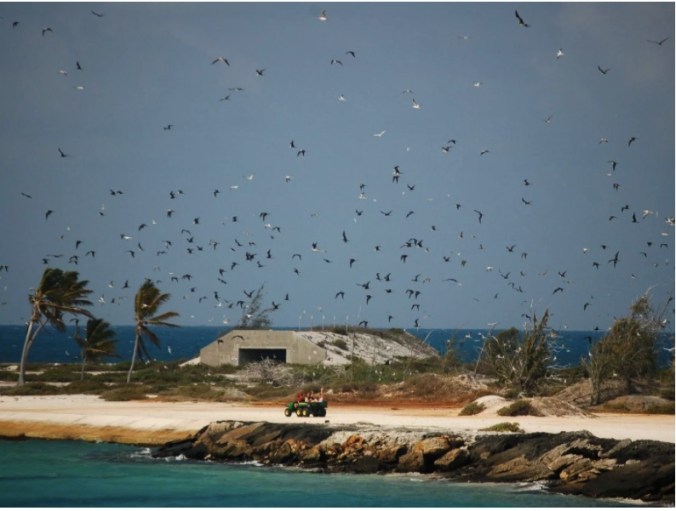
Hundreds of frigate birds and boobies fly over a Crazy Ant Strike Team crew of volunteers at Johnston Atoll NWR.
USFWS

In common language, they are called crazy. They terrorize birds on an island where they did not belong. On this platform we are always going to side with the birds. Full stop. But, even these lousy things ants do are impressive. They remind us that one day ants will rule the planet.

Yellow Crazy Ants, An Enemy To Seabirds, Have Been Wiped Out On A Remote Atoll

The yellow crazy ant was last spotted by Crazy Ant Strike Teams on the vital seabird nesting grounds in December 2017, but it was too soon to tell if they’d been fully extinguished because their colonies are found underground. Robert Peck/HCSU/USGS

After more than a decade, the terrorizing reign of the yellow crazy ant is over on the Johnston Atoll National Wildlife Refuge, part of the Pacific Remote Islands Marine National Monument.

The nonnative invasive insect had been threatening ground-nesting seabirds on the atoll since at least 2010, nearly wiping out the island’s red-tailed tropicbird colony in just a few years and wreaking havoc on other seabirds. But the U.S. Fish and Wildlife Service announced Wednesday that its campaign to eradicate the insects has been a success. Continue reading

When Renewables Are Less Expensive Than Coal…

A solar power plant in Gujarat, India. Renewable energy in the country would be cheaper than between 87% and 91% of new coal plants, the report says. Photograph: Amit Dave/Reuters

Looks like we are almost there:

Most new wind and solar projects will be cheaper than coal, report finds

Almost two-thirds of renewable energy schemes built globally last year expected to undercut coal costs

Almost two-thirds of wind and solar projects built globally last year will be able to generate cheaper electricity than even the world’s cheapest new coal plants, according to a report from the International Renewable Energy Agency (Irena). Continue reading

Methane Leaks Plugged With Help From Above

Thanks to Public Broadcasting Service (USA) for this:

Satellites seek out methane leaks from pipelines, oil fields, landfills and farms

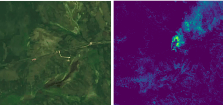
Satellite imagery shows a Russian gas pipeline (left) and highlights huge amounts of methane (right) being emitted from the pipeline on September 6, 2019. Kayrros and Modified Copernicus Data, 2019

The threat was invisible to the eye: tons of methane billowing skyward, blown out by natural gas pipelines snaking across Siberia. In the past, those plumes of potent greenhouse gas released by Russian petroleum operations last year might have gone unnoticed. But armed with powerful new imaging technology, a methane-hunting satellite sniffed out the emissions and tracked them to their sources.

Thanks to rapidly advancing technology, a growing fleet of satellites is now aiming to help close the valve on methane by identifying such leaks from space. The mission is critical, with a series of recent reports sounding an increasingly urgent call to cut methane emissions. Continue reading

Finnish Food Future

Solar Foods, a Finnish company, makes a weird promise on the landing page of its website; but still, thanks to the Guardian for this story behind the story:

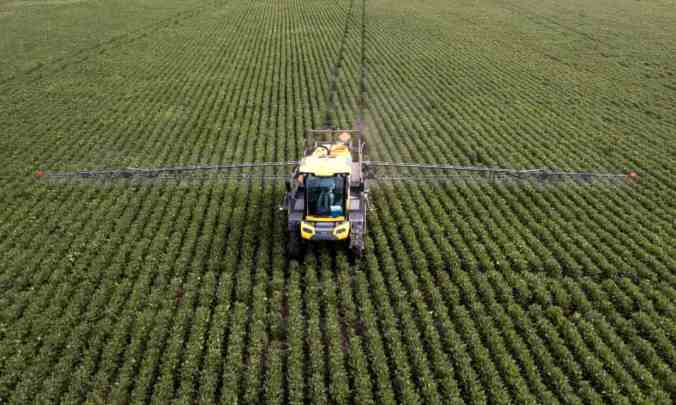
A soya bean field in Argentina. The study found a hectare of soya beans could feed 40 people, the solar-microbial process 520 per hectare. Photograph: Ivan Pisarenko/AFP/Getty Images

Microbes and solar power ‘could produce 10 times more food than plants’

The system would also have very little impact on the environment, in contrast to livestock farming, scientists say

Combining solar power and microbes could produce 10 times more protein than crops such as soya beans, according to a new study. Continue reading
One Of The Most Mind-blowing Discoveries In The History Of 20th- And 21st-Century Ornithology

Whimbrel returning to Deveaux Bank for their night roost. Photo: Damon Winter/The New York Times

We have not featured Deborah Cramer in our pages previously, but this seems like a fine time to start. She is a visiting scholar at M.I.T.’s Environmental Solutions Initiative and the author of the book to the right.  Accompanied by excellent photographs from Damon Winter as well as exceptionally lucid infographics, her interactive essay in the New York Times is a forceful plea for conservation of a sensitive bird habitat:

An Oystercatcher on the bank. Photo: Damon Winter/The New York Times

Leave This Wondrous Island to the Birds

An ever-changing spit of sand on the Carolina coast is a haven for multitudes of shorebirds. But nature and humans threaten it.

ABOUT 20 MILES south of Charleston, S.C., at the mouth of the North Edisto River, a small, horseshoe-shaped sandbar rises above the water. The claim of land is tenuous on Deveaux Bank, about a half-mile offshore. At high tide, it’s three-quarters submerged. Deveaux’s sand is continually shifting as swirling currents build it up and wash it away. In some years, the island disappears altogether. Continue reading

Botanical Migration

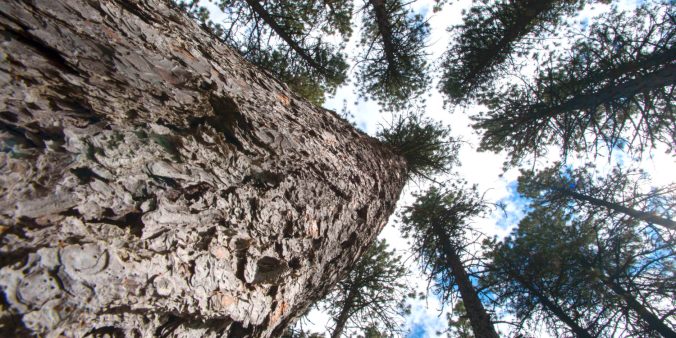
Ponderosa pine, now widely distributed in North America, were exceedingly rare during the last ice age. WOLFGANG KAEHLER / GETTY IMAGES

Thanks to Zach St. George for this:

As Climate Warms, a Rearrangement of World’s Plant Life Looms

Previous periods of rapid warming millions of years ago drastically altered plants and forests on Earth. Now, scientists see the beginnings of a more sudden, disruptive rearrangement of the world’s flora — a trend that will intensify if greenhouse gas emissions are not reined in. Continue reading