Gardens As Havens For Wildlife

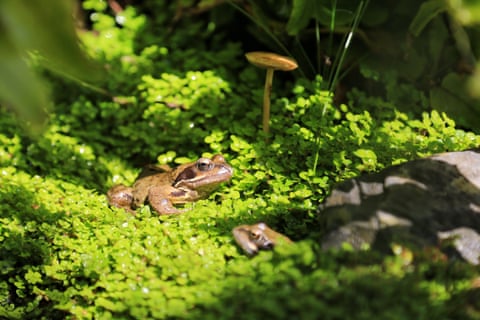
Two frogs in a garden pond enjoying the sunshine on a bed of weed.

Common frogs and other amphibians will spawn in the most modest of garden ponds. Photograph: Brendan Allis/Getty Images/iStockphoto

There are many variations on the theme of garden as haven in our pages over the years. The common thread is that at the scale of a garden, there is much that the individual can do to support conservation. Thanks to Jules Howard for adding to the theme:

The frogs may be gone, but life goes on: how I regained my faith in gardening for wildlife

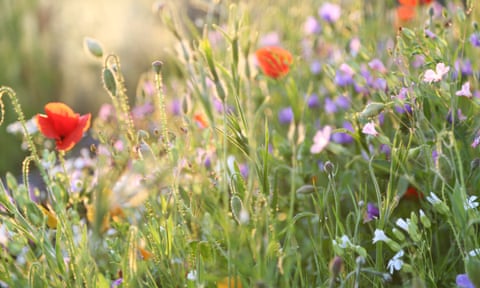
Wildflower field

Gardens allowed to grow a little wild can be a lifeline for struggling pollinator populations – in rural as well as urban areas. Photograph: kirin_photo/Getty Images/iStockphoto

The extremes of the climate crisis mean it’s harder than ever to provide a garden haven for birds, insects and other animals. Some gardeners are questioning whether trying to do the right thing is time well spent

More than two decades ago, I had the honour of running the world’s last (possibly only) frog telephone helpline. No, this is not a set-up for a punchline. Continue reading
Cultivation Of A Plot, Considered Further

A painting of two gardens one outside and one contained within a walled garden.

Illustration by Lauren Tamaki

There is more to The Garden Against Time than we appreciated with the first review we read, so thanks to Katie Kadue for this:

The Paradoxical Paradise of the Garden

Olivia Laing’s memoir of restoring a garden unearths the politics and history of cultivating a plot.

The reader of “Paradise Lost” encounters the Garden of Eden at the same time that Satan does. Having leapt over the garden wall, Milton’s athletic antihero flies up into a tree to survey his new surroundings. “Beneath him with new wonder now he views,” Milton writes, Continue reading

The Garden Against Time, Reviewed

It always comes back to the commons. Thanks to Naomi Huffman at The Atlantic for bringing this book to our attention:

What Gardens of the Future Should Look Like

In her new book, Olivia Laing argues that the lives of all people are enriched with access to land they can use freely.

On a Sunday afternoon in May, the Elizabeth Street Garden, a serene public park wedged between Manhattan’s SoHo and Little Italy neighborhoods, was filled with people undeterred by the gray sky and spitting rain. Visitors sat at tables among fuchsia azaleas and yellow irises, and in the shade of loping old trees, talking, eating pizza, and drinking iced coffee. A painter faced an easel at the back of the garden and composed a watercolor. Continue reading

New England Botanic Garden at Tower Hill, Chestnuts & Apples

This spring, 160 chestnuts resulting from crosses made from large, standing American chestnut trees with natural blight resistance were planted at the botanic garden. Troy Thompson

Growing up in New England, apples and chestnuts were part of why autumn was my favorite season. During seven years living in walking distance of the Cornell orchards, apples remained a highlight of autumn well into adulthood. We have family who live in Boylston, so a visit to see this restoration project is now on my wish list. Thanks as always to Margaret Roach for all the gardens on that list:

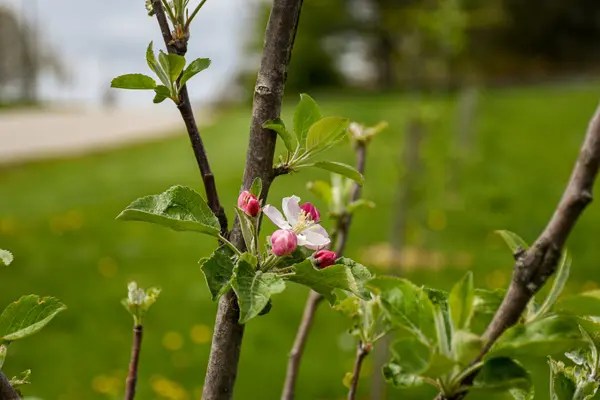
At the New England Botanic Garden at Tower Hill, in Boylston, Mass., the grafted heirloom apple trees are already big enough to bloom. But fruit isn’t expected for a few more years. New England Botanic Garden/Megan Stouffer

How Do You Restore a Chestnut Forest or an Apple Orchard? Very Slowly.

This botanic garden is determined to bring back the American chestnut tree and heirloom apples that taste like those grown 500 years ago. It won’t be easy.

“Explore what’s in bloom now,” exclaims a banner on the New England Botanic Garden at Tower Hill’s website. And, indeed, there is much to see. Continue reading
Hortus Arboretum & Botanical Gardens

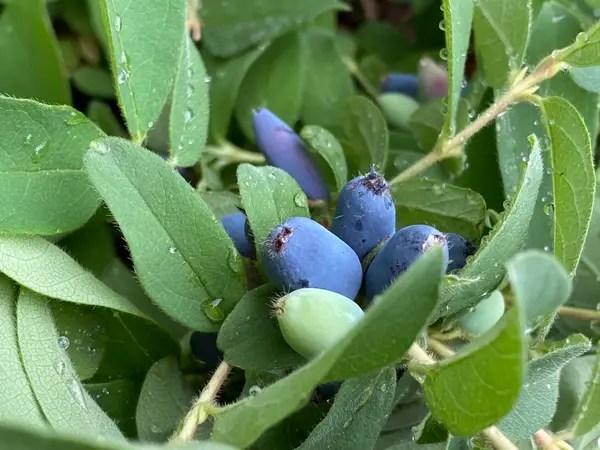
Allyson Levy and Scott Serrano describe their arboretum as “an aesthetically arranged experiment station to test interesting and useful plants” — like honeyberry, a honeysuckle relative with blue fruit that ripens very early. Hortus Arboretum & Botanical Gardens

Hortus is an inspiration. Our thanks, as always, to Margaret Roach for sharing on the broad and diverse topic of gardens and gardening:

Ms. Levy and Mr. Serrano are visual artists who moved to Stone Ridge, N.Y., 25 years ago. Hortus Arboretum & Botanical Gardens, their 21-acre undertaking, began as a backyard garden. Mia Allen

How One Couple Turned Their Backyard Into an Arboretum

Their passion for fruit you’ve never heard of started small. Now they have a botanical garden that’s open to the public.

This is what happens if you stay put, and keep digging holes: An effort that begins innocently enough — planting a garden at home — may grow on you. And it could morph into an arboretum. Continue reading
Garden Conservancy’s Open Days

One of “the marquee gardens” welcoming the public during the Garden Conservancy Open Days belongs to the interior designer Bunny Williams, in Falls Village, Conn. Courtesy of Bunny Williams

Eleanor Briggs’s garden in New Hampshire, designed some 30 years ago by the landscape architect Diane McGuire, includes long borders that offer places for new must-have plants. Eleanor Briggs

Margaret Roach, a wealth of information on gardens, offers another option to salve the doom-scrolling. She provides this link to get more information on the Garden Conservancy’s open days:

Your Chance to Snoop: It’s ‘Open Days’ Season in the Garden

This year, more than 360 private gardens across the country are opening to visitors. Don’t miss your chance to learn from some of the best.

Ms. Briggs has opened her garden at Skatutakee Farm, her updated 18th-century home, numerous times since 2005. The next tour date is Aug. 24. Eleanor Briggs

I was at my station, a folding table dressed up with a burlap cloth, checking in visitors at a Garden Conservancy Open Days event maybe 10 years ago and answering questions from those who had already explored my garden, when I saw someone across the yard taking a photograph.

But of what, I wondered — what’s over there? There was nothing in that spot, I felt certain. Continue reading

Get Your Hands Dirty

Gardening can provide people with a sense of meaning and purpose. “When you’re working with plants, you’re the nurturer,” said Emilee Weaver, the program manager of therapeutic horticulture at the North Carolina Botanical Garden. Jasmine Clarke for The New York Times

This is good reading following my morning routine in recent weeks, now that the rains have returned. Thanks to Dana G. Smith, who reported this story from Plant Hardiness Zone 8a for the New York Times:

Digging holes can be a workout and mood booster all rolled into one.

Last Saturday, I was covered in dirt, my back ached, the scream of a trillion cicadas rang in my ears, and, despite my best efforts, a sunburn was developing on the back of my neck.

I was in heaven.

Many gardeners say that when they get their hands in the soil, they feel stress “roll off their shoulders,” said Jill Litt, a professor of environmental health at the University of Colorado at Boulder. Ike Edeani for The New York Times

Over the course of the day, I planted my summer haul of annuals (a riot of reds, purples and yellows), transplanted some fall-blooming mums and pulled a Montauk daisy that had grown too big for the space. A neighbor took the daisy off my hands, and in return gifted me some iris and lamb’s ear that he needed to thin out of his yard.

For me, gardening is a workout, meditation and opportunity to socialize with my neighbors all rolled into one. And while I’m admittedly biased, research backs up some of my observations that gardening can have real benefits for your mind and body.

Shoveling mulch, pulling weeds and lugging around a watering can all qualify as moderate-intensity physical activities. And gardeners tend to report higher levels of physical activity overall, compared with non-gardeners. Continue reading
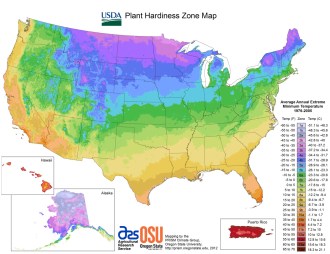
Newly Revised For Planting Plans

Source: U.S. Department of Agriculture

The topics of what to plant, when to plant, where to plant are constantly with us in Costa Rica.  Thanks to Julia Simon at National Public Radio (USA) for this note on gardeners in the USA using an online resource to rethink their planting plans:

‘It feels like I’m not crazy.’ Gardeners aren’t surprised as USDA updates key map

A newly updated government map has many of the nation’s gardeners rushing online, Googling what new plants they can grow in their mostly warming regions. Continue reading
Notes From A Pennsylvania Garden

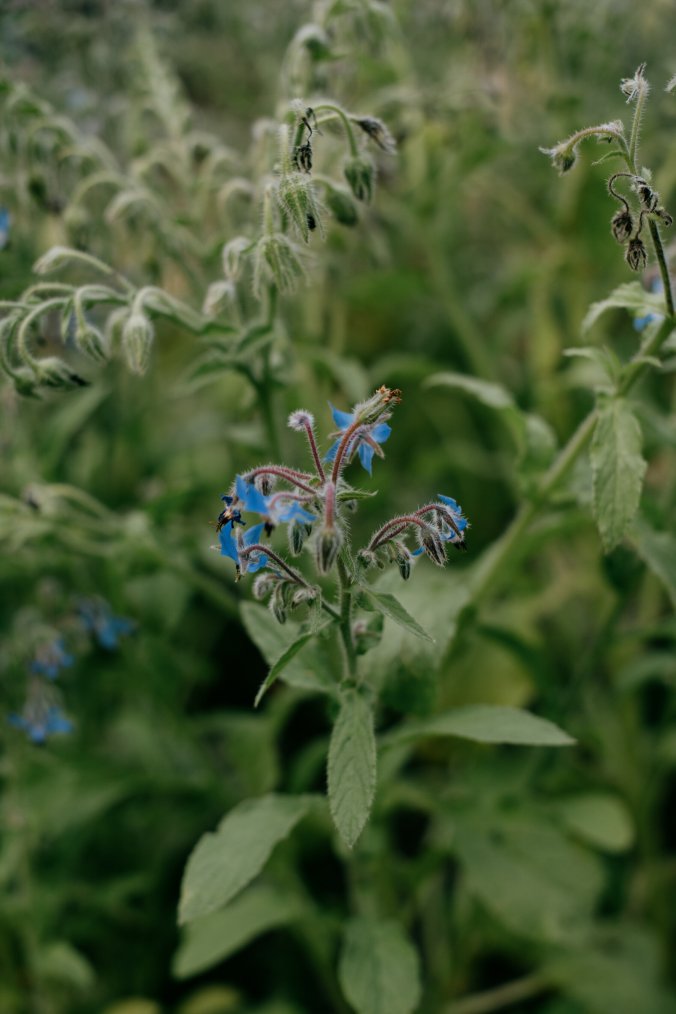
Borage

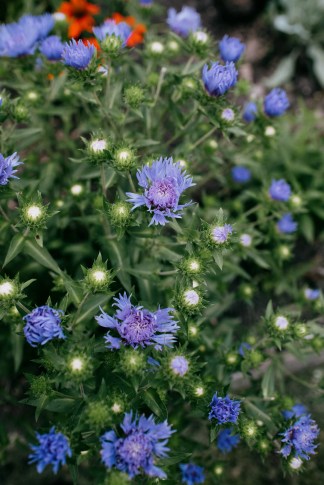
The thoughts and images in this article inspire pre-dawn work on that soil I mentioned yesterday. We do not have the heat here that she does there, but the nudge to go out in the dark is welcome. My attention has been solely focused on regeneration below for the coffee that once  thrived above ground. Time to start thinking of accent colors and other edibles:

Stokes asters

What You Discover When You Garden at Night

Daytime heat forced a writer with a green thumb to change her routine. She found unexpected pleasures.

When it’s too hot to garden during the day, what is there to do but garden at night? Neither floppy hat nor gobs of sunscreen will lure me into the glare of a hot and humid, possibly record-breaking, 90-plus-degree day. Or, as our local meteorologist reports: one with a heat index of 103. So instead, I venture out into the garden after dinner, dogs in tow, surveying the raised beds in the coolness of evening.

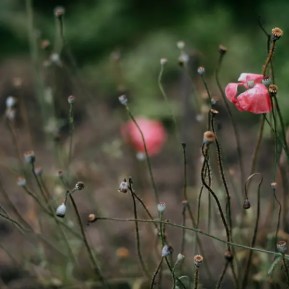
Poppies that have gone to seed, bringing to mind “the coming glory of red, white, and pink blooms” next season.

I carry a basket full of seeds, green string to tie the tomatoes higher, and wooden stakes and black markers to record once again what I have sown, some new crops and others a repeat of those planted earlier in the season. It is midsummer now and the lettuce, radishes, and shallots are fading, but the basil and tomatoes, beans and zucchini are finally coming into their own. A little more rain and warmth and I will be able to make my first tomato sandwich, one of the driving forces, no doubt, behind planting a vegetable garden. Continue reading
Replanting With Edibles

Your first taste of a ripe pawpaw, left, or American persimmon, right, may convince you to plant the trees, which can serve as the centerpiece of a permaculture food forest. J.B. Douglas

It is a relief, always, to read a Margaret Roach article when given the choice between her advice and any given news of the world:

Or just start by planting a few pawpaw or persimmon trees. Chances are, you’ll want more.

A long view of a food forest, with fruit trees growing in beds of companion plants.

At a permaculture site planted by Michael Judd, an edible landscape designer, each fruit tree is underplanted with beneficial companion plants, so “you’re not leaving your poor little fruit tree in a sea of grass,” he said. Michael Judd

Your first taste of a ripe pawpaw or persimmon can leave you hungry for more. That’s why Michael Judd is confident that he can persuade you to make room for several of these trees in your front yard — or even to surrender your lawn altogether.

Turning your yard into a meadow or blanketing it in an expanse of alternative ground covers aren’t the only ecologically viable options for replacing conventional grass. Continue reading
Planting For Foraging

Picking too many fiddleheads from a single ostrich fern plant can reduce its productivity. Jared Rosenbaum, a field botanist, never harvests more than one or two from any individual plant. (Also, cooking with fiddleheads can be toxic, so be sure to wash them well and never eat them raw: Always boil them before you sauté or cook them in any other way.) Jared Rosenbaum/Wild Ridge Plants

Margaret Roach delivers the goods when we need a dose of useful plant life information:

Why It’s Better to Plant Wild Greens Than to Forage for Them

This spring, don’t forage for wild edible plants. Instead, welcome them into your garden.

Jared Rosenbaum knows the primal thrill of foraging — a sense of interdependence with the natural world that he wants his son to experience, too.

But as a field botanist, he also understands that foraging is one of the many pressures on native-plant populations. And he has a proposition for gardeners: What if we gave back to the wild edible plants that tempt us on our springtime woodland hikes, by welcoming them into the landscapes we cultivate?

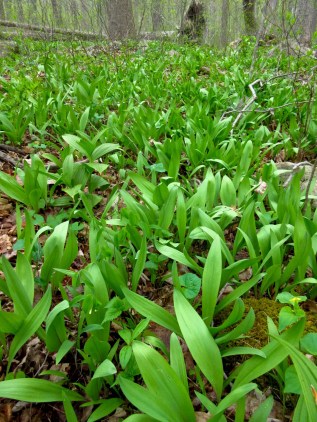
For a fleeting moment each spring, wild leeks (otherwise known as ramps) are a star of restaurant menus, creating a demand that has intensified the pressure on wild populations. Jared Rosenbaum/Wild Ridge Plants

It’s one layer of the habitat restoration and ecological design inspiration that he and his wife, Rachel Mackow, provide to clients of Wild Ridge Plants, in rural Pohatcong Township, N.J. And it’s reflected in many of their mail-order nursery’s plant choices, too.

In Mr. Rosenbaum’s recent book, “Wild Plant Culture: A Guide to Restoring Edible and Medicinal Native Plant Communities,” he revisits that idea: “The time has come to reconnect with our habitats, right where we live, work, and play,” he writes. “Not as museum pieces, but as vital, sustaining elements in our lives, livelihoods, and lifeways.”

That includes our gardens. Continue reading
UK Plant Prospecting & iNaturalist

While once gardening was somewhat of a battle against nature, people are now working with native plants and animals. Photograph: Kathy deWitt/Alamy

We are happy to see citizen scientists putting this technology to such use anywhere, but particularly gratified to know that a large organization is encouraging its use for such an important initiative:

RHS asks gardeners to find interesting ‘weeds’ that may be rare plants

People urged to submit specimens to an app as private gardens may be fresh source of scientific discovery

Record the “weeds” that pop up in your garden because they could be a rare plant, the Royal Horticultural Society has said. Continue reading
From Wales To The Tropics, Coppice

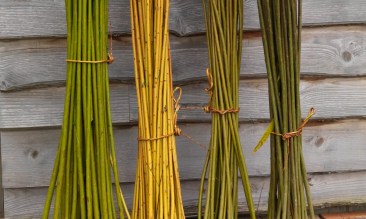
Bundles of newly coppiced Salix viminalis – willow stems harvested during late autumn and winter each year, to create living willow structures and woven items. Photograph: Compulsory Credit: GAP Photos/Nicola Stocken

In the tropics we use coppice to make berms that support new growth and channel water, while in Wales they do other practical things; thanks to the Guardian‘s  Alys Fowler (long time no see) for pointing the latter out to us:

Coppicing is great for your garden – and gives you lots of material to play with willow stems

Apart from the enjoyment of making household items out of stems, coppicing trees and shrubs has aesthetic and eco benefits for gardens

Back in late spring when we got the keys to our new house in Wales, I quickly coppiced a huge hazel to let some light into the back of the house. Continue reading
I Will Not Panic Over Leafminers

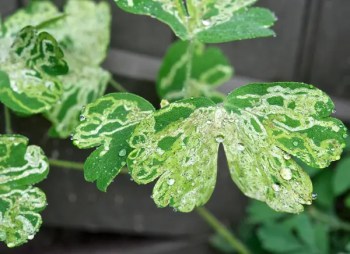
Charley Eiseman, a naturalist who conducts biodiversity surveys for conservation groups, became interested in leaf mines because of patterns like this one. It’s the handiwork of the moth Phyllocnistis populiella in a quaking aspen leaf (Populus tremuloides).

As soon as the sun is up, most days, I am outside. Even after 22 years working on this property I find surprises constantly. When Margaret Roach writes, I read; when she offers visual cues to complement her clear writing, all the better:

Leaf mines on columbine (Aquilegia) can be serpentine squiggles or blotches. Larvae of flies in the genus Phytomyza make these familiar markings when they feed between a leaf’s epidermal layers. Margaret Roach

Don’t jump to the conclusion that those mysterious marks are evidence of disease. They may be leaf mines or galls — and that’s a good thing.

During the early days of the coronavirus pandemic, some of us mastered bread-baking (if we could get our hands on flour) or devoted ourselves to nurturing some new mail-order houseplant. Continue reading

Cornell Botanic Gardens & Promises Fulfilled

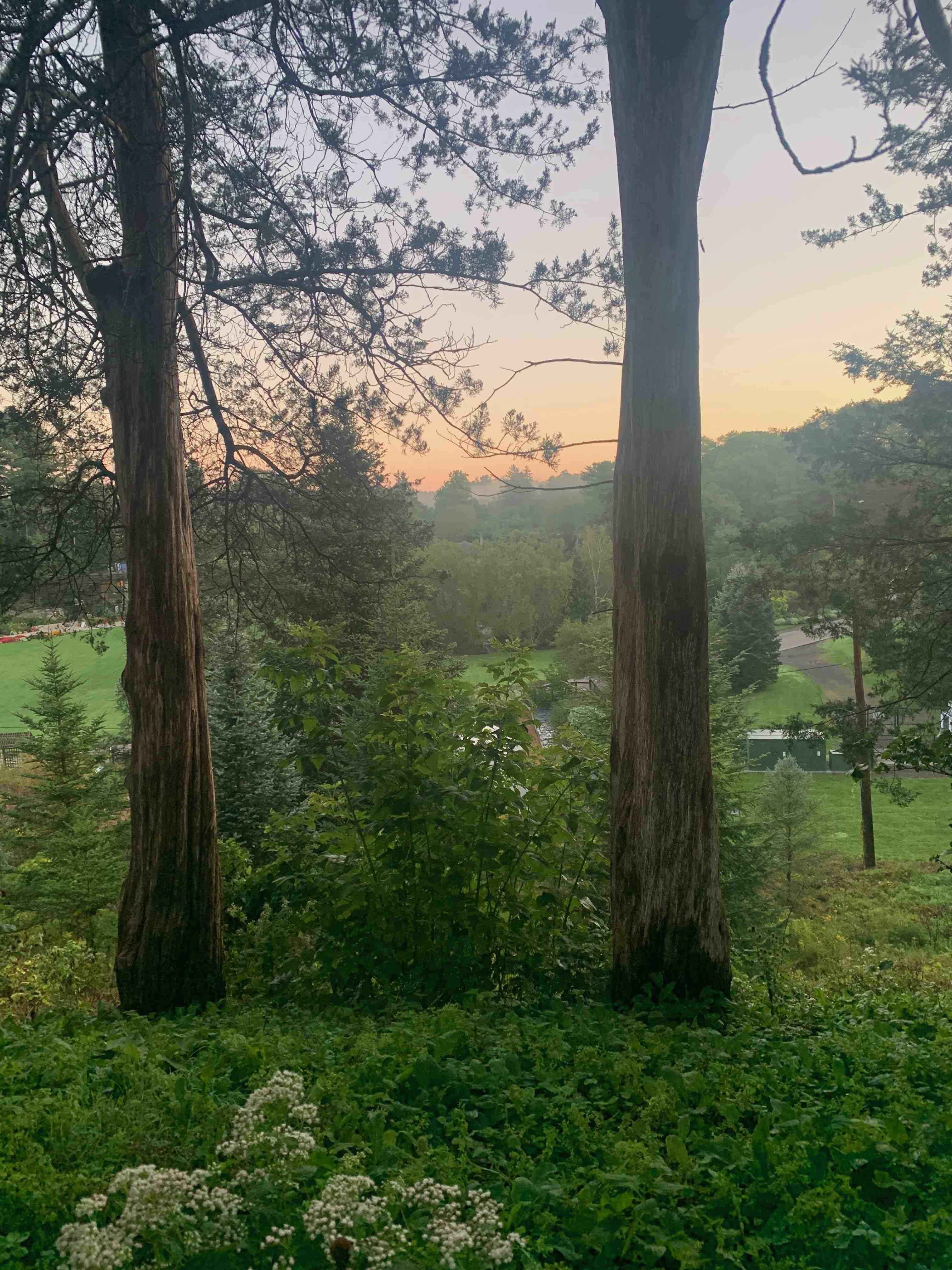
Picking up where I left off yesterday, this group of photos captures the essence of my morning walk. Destination: the Botanic Gardens on the campus of Cornell University. The photo above is from one of the main campus roads, looking down onto my destination. Continue reading

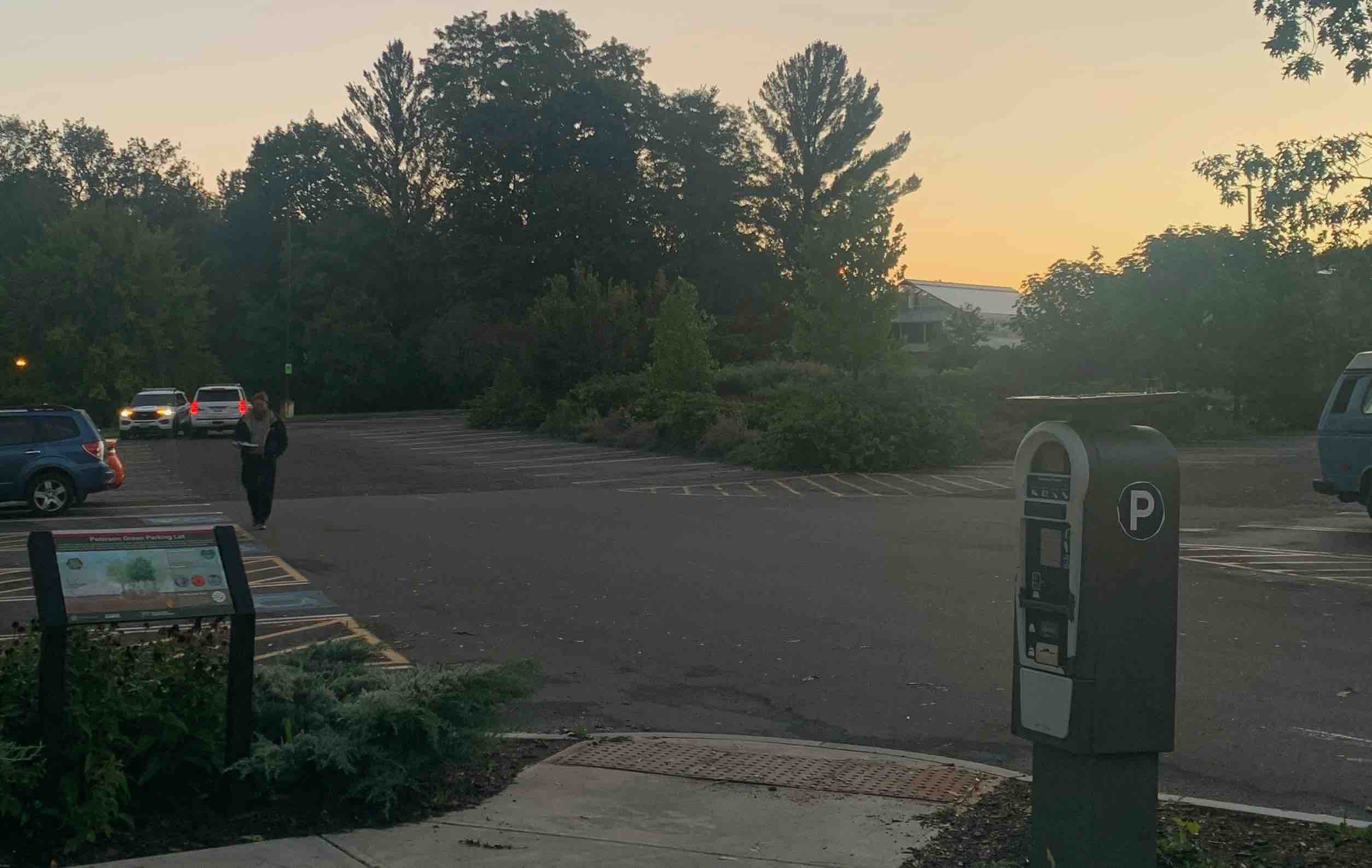
Cornell Parking Learning Hotspots

On my final morning of this visit to the Cornell campus I started a walk at sunrise. I discovered that parking lots around campus now have learning embedded in them. Continue reading
Bananas, Maturity & Gravity

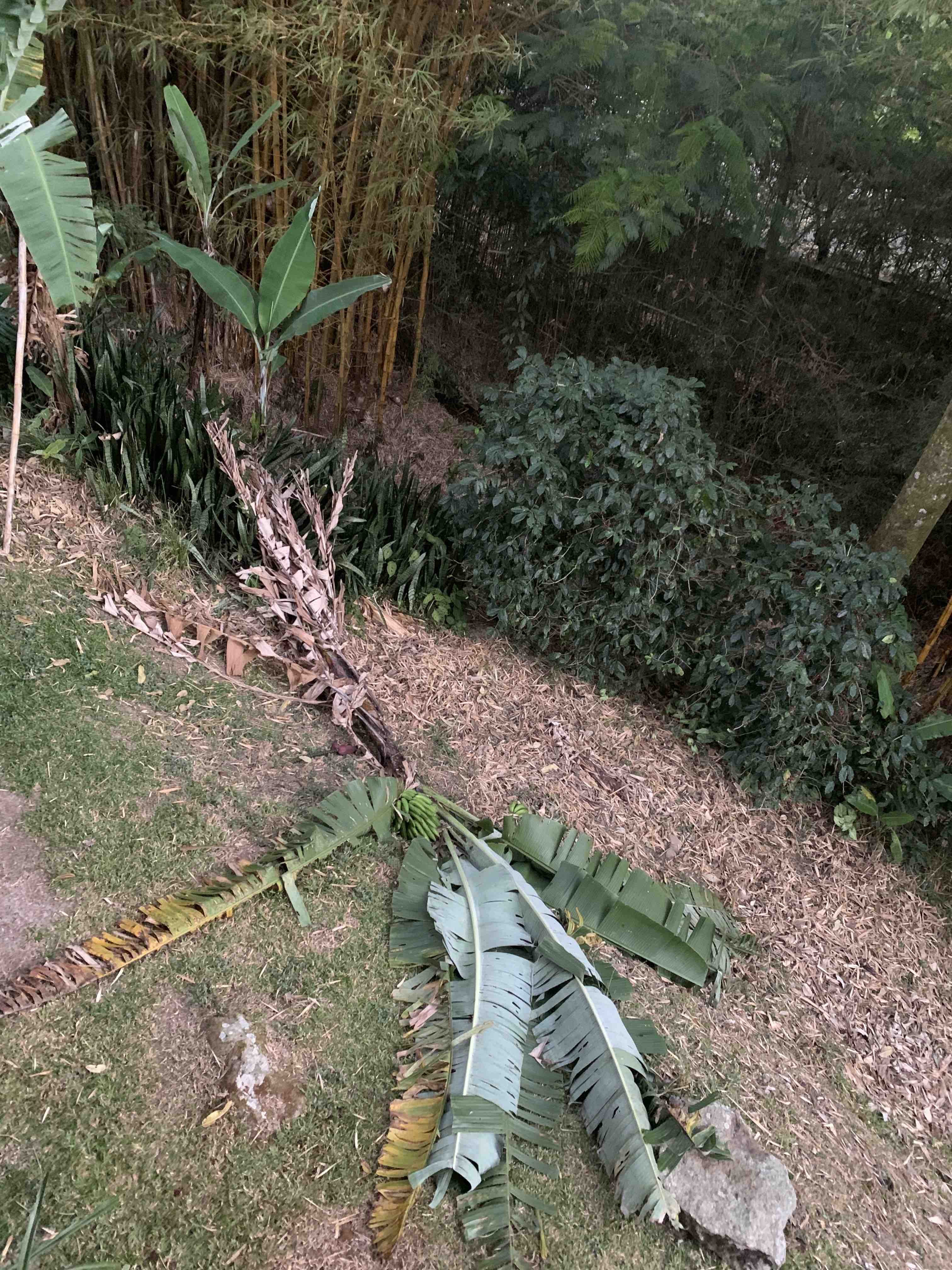
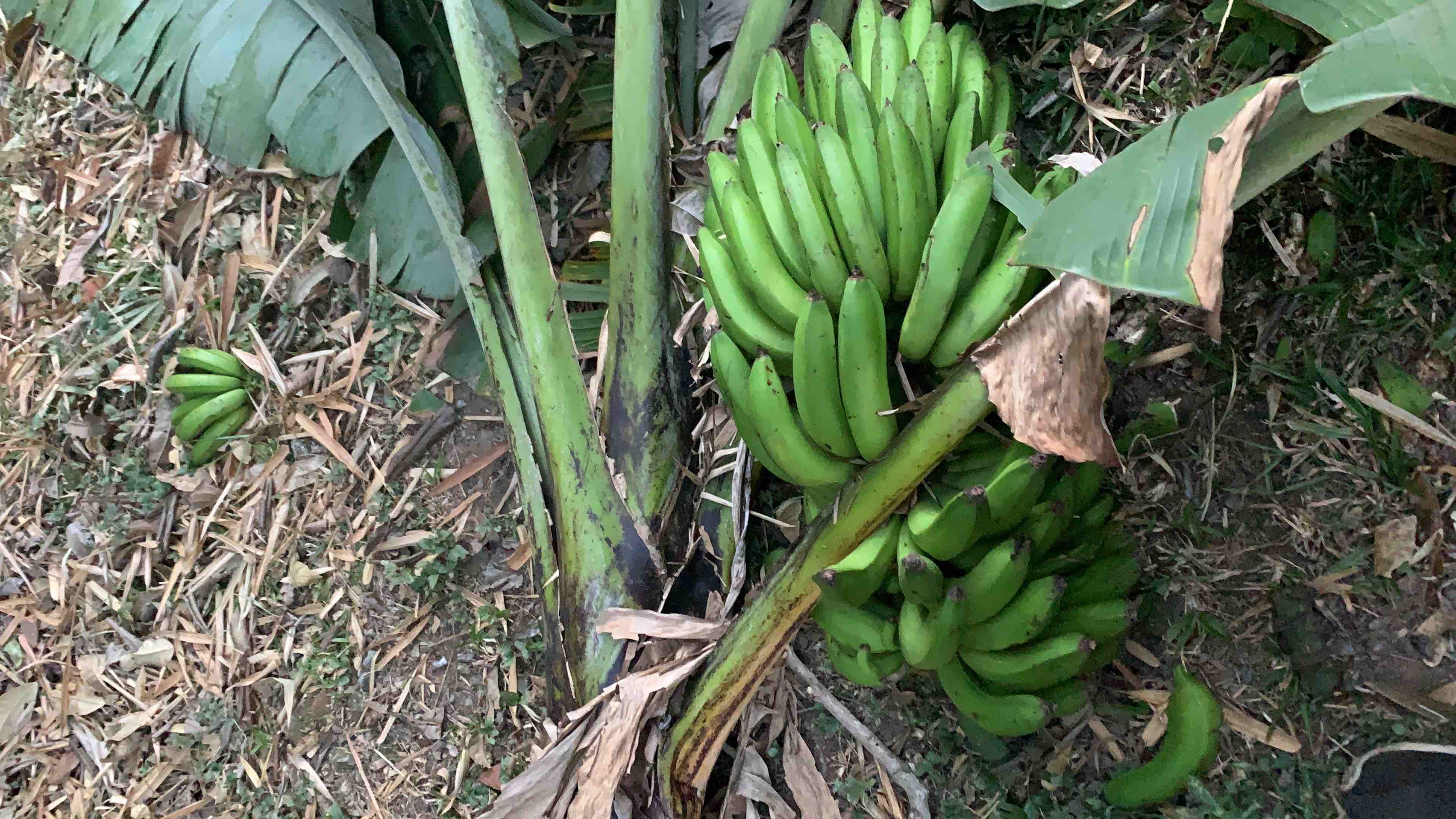
I had the intuition: if I do not harvest these bananas on my schedule, they would do it on their own. And so they did. I came home, looked out the kitchen window, and there was the entire story laid out. Maturity. Gravity pulled them down.

In these two images you can see what maturity means to a banana plant. The bananas are not ripe, but they are heavy enough to pull the entire plant down to the ground.

Normally I would have supported the bunch of bananas with a bamboo pole, then carefully chop the bottom of the trunk so the entire structure slowly makes its way down. Even then, no matter how careful I might be, the structure might come crashing down. And thankfully the bananas are still firm enough that almost no damage is done to them. A few got knocked off, but even those will be fine in a couple weeks when they all start turning yellow. Until then, that entire bunch sits in the dark of a tool shed.

Pruning & Planting Season

All in a day’s work

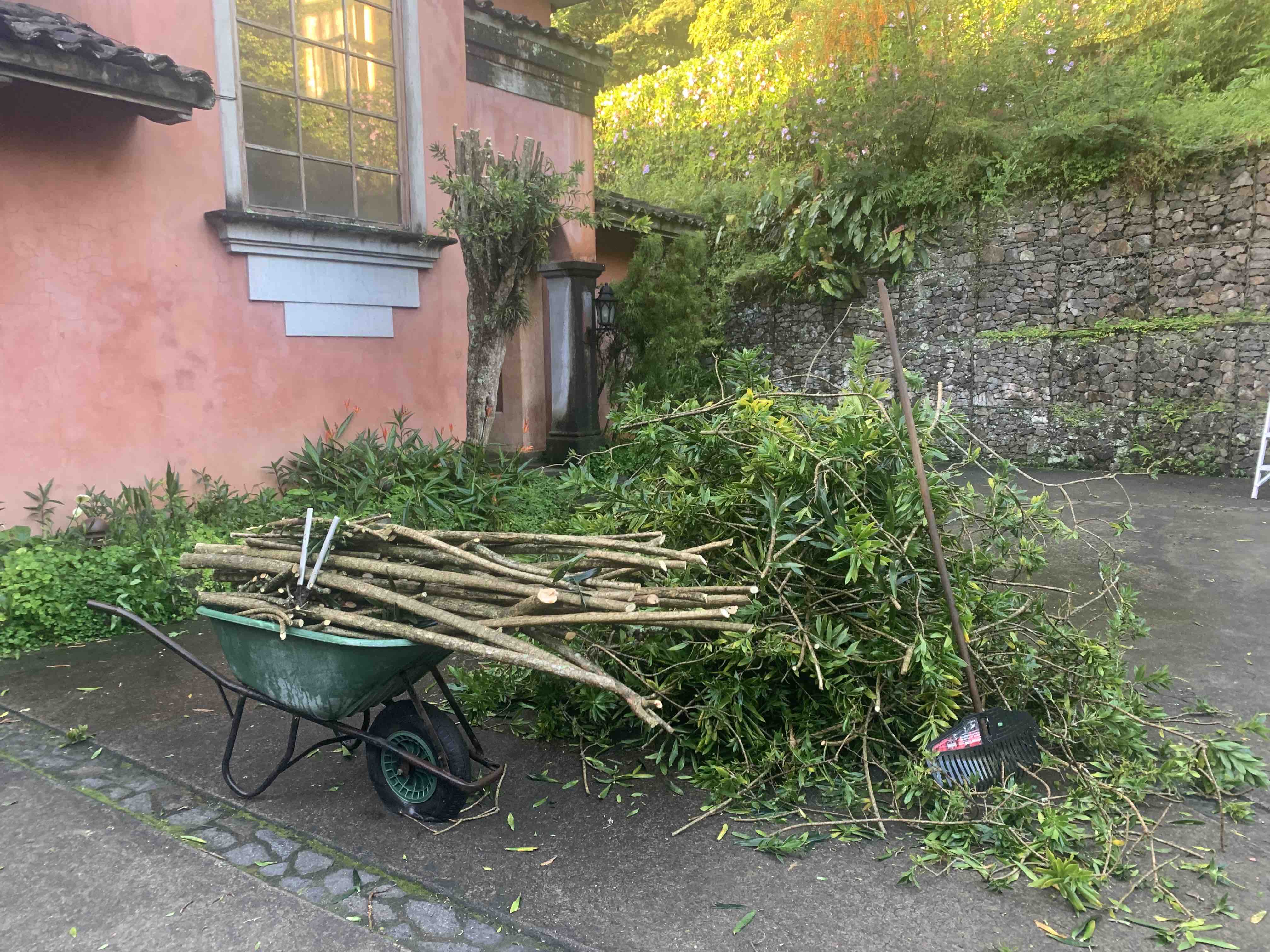
After 21 years since planting the sapling, this tree grew to be nearly two stories tall. Instead of one tall trunk with branches going horizontally and diagonally, there is one trunk that rises two meters from the ground up, and from there a dozen or so mini-trunks continue up vertically–those you can see in the foreground that are longer. I will now replant those tall stakes, plus another 100 or so smaller stakes cut from the top thinner sections of those branches. This is an unusual species of tree (more on that another time) so my hope is that planting all these cuttings will fortify the species. Birds love this tree, even though I have never seen fruit or any other edible that might attract them.

Admiring A Horticultural Refuge

Stella Kalinina

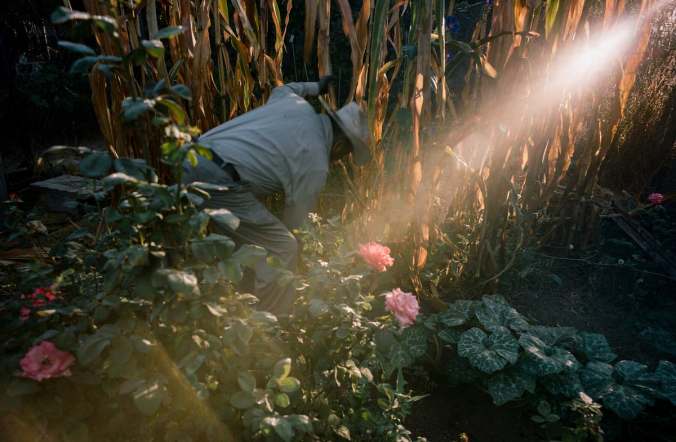
Community gardens have been a regular topic in our pages over the last decade. We never tire of the subject. I personally have a soft spot for roses, especially those found in unexpected places. So, Raúl Laly Fernández, you are my hero. I hope that the next time I am in Los Angeles I will find you in this garden and bear witness to the rose wonders I see in these photographs. Kudos to the writer/photographer Stella Kalinina for capturing this intersection between immigrant culture, working class refuge, and horticultural knowhow:

Mr. Fernández decorates a sitting area in his plot with roses that he grows.

In Los Angeles, Glimpses of an Oasis With Deep Immigrant Roots

The San Pedro Community Gardens have provided physical and spiritual nourishment for the past half a century to multiple generations of immigrant Angelenos.

Kimberly Mentlow received a plot in San Pedro after three years on a waiting list. “Being able to plant something or see something grow — it’s extremely therapeutic,” she said.

Ten minutes from my home, next to a decommissioned landfill, a freeway and the largest port in the country, sits an unlikely hillside oasis of vegetables and fruit trees.

Emerging like a mirage from its surroundings, the San Pedro Community Gardens occupy a six-acre parcel of city-owned land in the otherwise highly industrialized area of the blue-collar harbor community of San Pedro, in Los Angeles. Continue reading

The Unalloyed Joy Of Given Plants

Being a gardener has an odd way of attracting the kindness of strangers. Illustration by Daniel Salmieri

Charlotte Mendelson addresses a topic that we can relate to as we repopulate a one-time farm, primarily with coffee but plenty of other goodies as well, most of them gifted to us:

Give Me All Your Cuttings

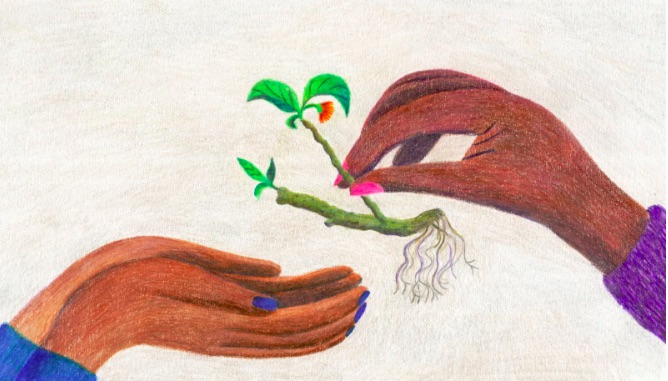
Free stuff is the zenith of the gardener’s life, the soil tender’s greatest thrill.

I may tell myself that I chat up my neighbors out of a post-quarantine craving for connection. I can pretend that I haul myself outside for a swift ten thousand steps because I’ve finally learned the value of tending myself, body and spirit. But the truth is that I have one motivation for every social interaction, city walk, or strenuous cycle ride: free stuff. Continue reading