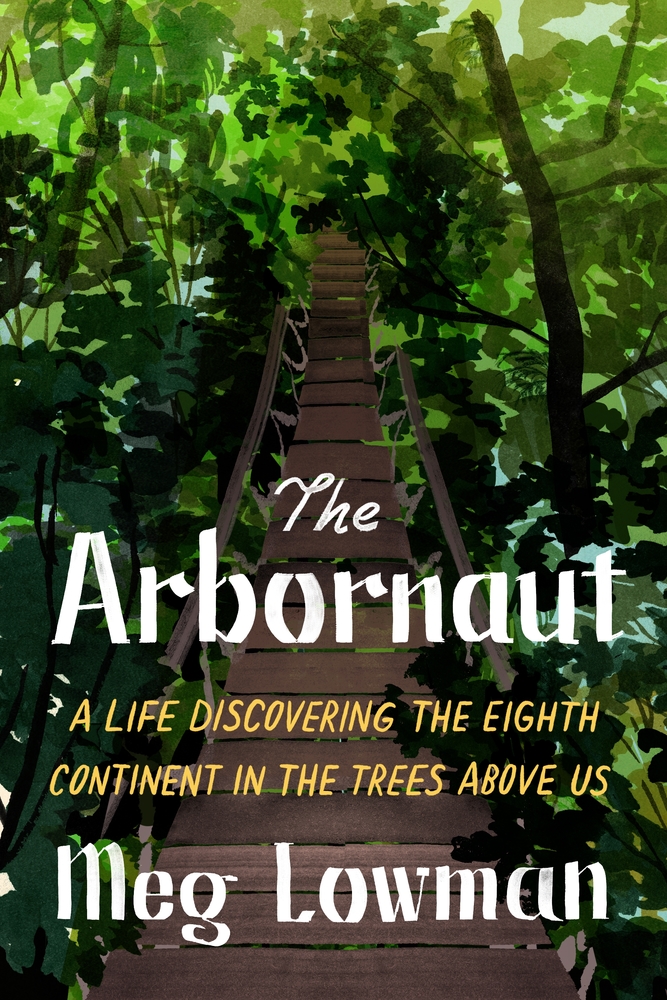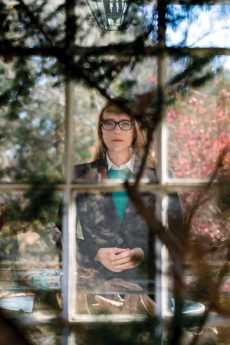
The Arbornaut

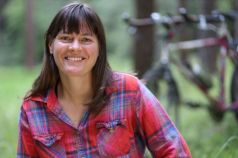
The author has been featured in these pages multiple times over the years. The publisher makes it easy to find an option that suits your shopping preferences (our preference is obvious). Her new book has received plenty of praise, according to an email she sent us:

Readers everywhere will be fascinated and inspired to learn more about nature, and especially about how we need to conserve the world’s forests.” ―Jane Goodall, PhD, DBE, founder of the Jane Goodall Institute, and United Nations Messenger of Peace Continue reading

Amaranth All Over

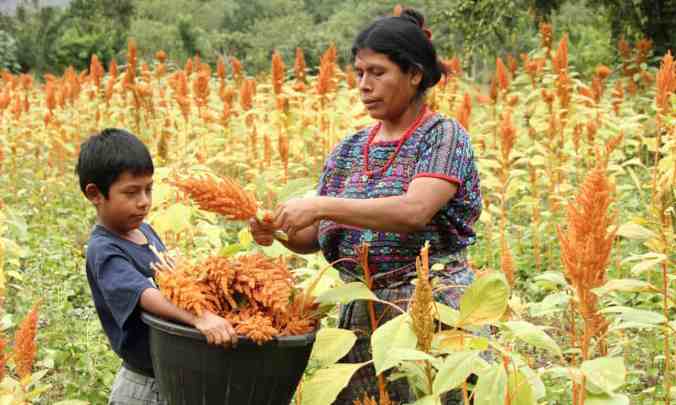
Blanca Marsella González, a member of Qachuu Aloom, harvests amaranth plants. Photograph: JC Lemus/Juan Carlos Lemus

We have been paying attention to amaranth plenty over the years. It should have occurred to me back in the early days of this platform to investigate its origins. Amaranth was so central to our diet in India that I assumed it was a native plant. Not so, but it grows all over the world:

‘It could feed the world’: amaranth, a health trend 8,000 years old that survived colonization

Indigenous women in North and Central America are coming together to share ancestral knowledge of amaranth, a plant booming in popularity as a health food

An elderly woman cuts an amaranth crop, in Uttarakhand, India. The plant is indigenous to North and Central America but also grown in China, India, Southeast Asia, West Africa and the Caribbean. Photograph: Hitendra Sinkar/Alamy Stock Photo

Just over 10 years ago, a small group of Indigenous Guatemalan farmers visited Beata Tsosie-Peña’s stucco home in northern New Mexico. In the arid heat, the visitors, mostly Maya Achì women from the forested Guatemalan town of Rabinal, showed Tsosie-Peña how to plant the offering they had brought with them: amaranth seeds.

Back then, Tsosie-Peña had just recently come interested in environmental justice amid frustration at the ecological challenges facing her native Santa Clara Pueblo – an Indigenous North American community just outside the New Mexico town of Española, which is downwind from the nuclear facilities that built the atomic bomb. Continue reading

Coffee & Plastic, Second Shift Footwear

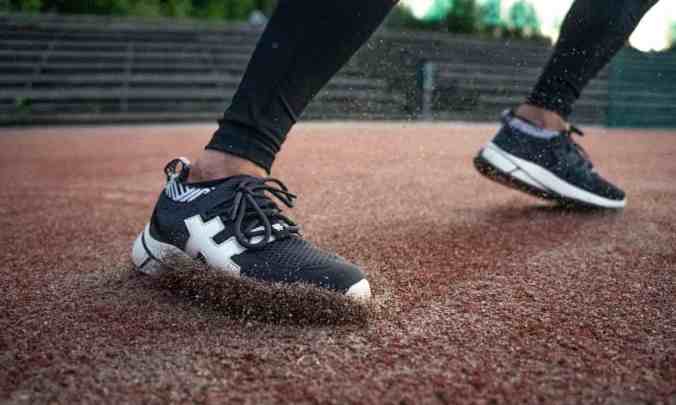
The company said the shoe, called Nomad, will be made from coffee waste and recycled bottles, while recycled polyester will be used to create the membrane to make the footwear waterproof. Photograph: c/o Rens

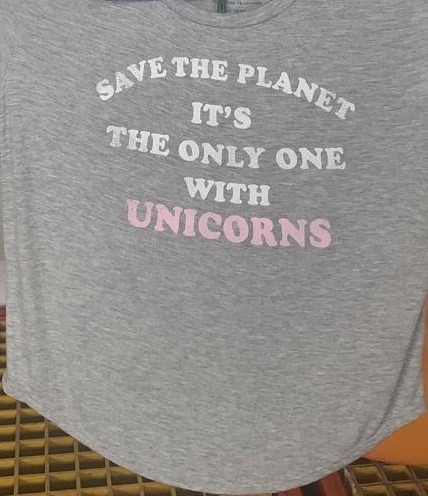
There is nothing particularly remarkable about the idea of using coffee bags a second time. But it was fun realizing how easy it is, and just doing it. Less easy and maybe lots more fun is the idea in the article below. Hats off to the creative founders who chose this path instead of chasing Silicon Valley unicorns (perhaps their success will demonstrate that unicorns thrive on a healthy planet, as expressed in this t-shirt I saw recently):

Firm seeks funding for ‘performance sneakers’ made from coffee waste

Finnish firm Rens says shoes made from used grounds and recycled plastic will be climate neutral

It is the typical morning routine for hundreds of thousands of Britons: have a cup of coffee and then slip on your trainers before heading for a jog. Upon returning, a quick drink of water to rehydrate before stepping into the shower.

Now, one firm has enabled one thing to beget another, by creating trainers made of recycled plastic bottles and used coffee beans.

Finnish footwear firm Rens launched an online fundraising campaign for its latest sustainable trainer on Tuesday, which it claims will be climate neutral in its production, packaging and transport. Continue reading

Nature, Intervention & Protection

Discovery inspires.

Participation motivates.

Discovery + Participation + Organization =

Results

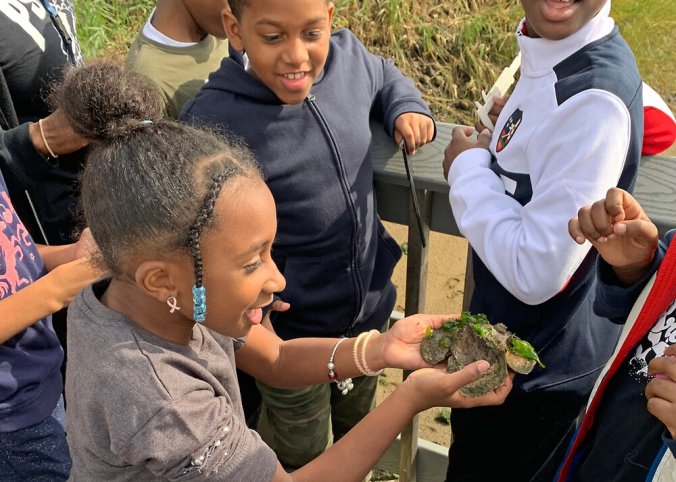
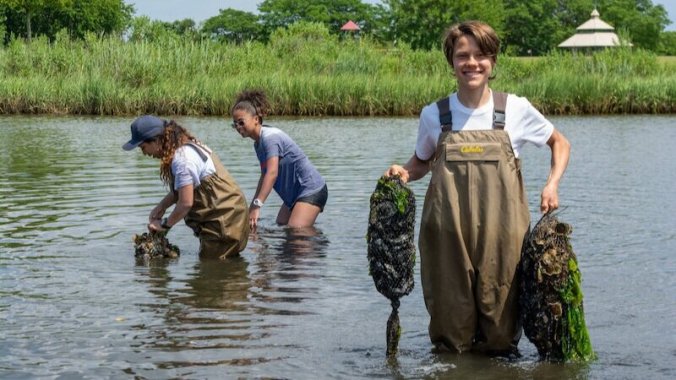
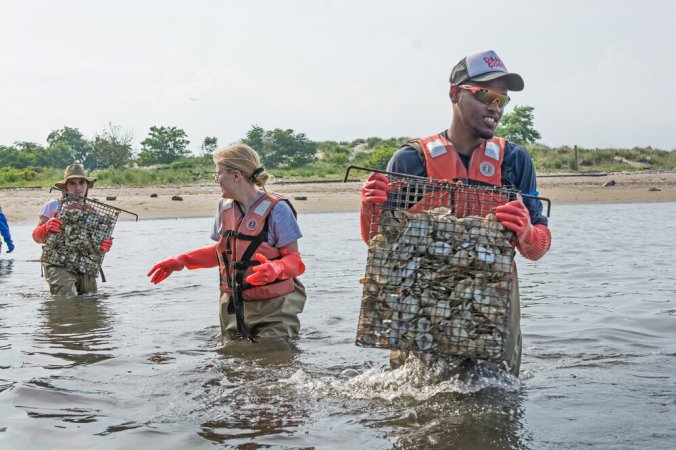
Click any of the images above to go to the website of this organization featured once before in our pages and now again in the article below. It will make more sense after reading the article. But do visit the site and consider volunteering. Take some kids along.

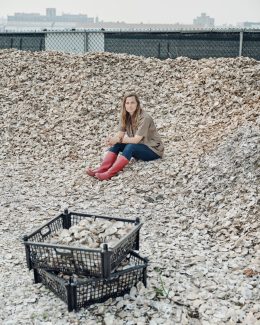
In New York, Kate Orff will use oyster reefs to mitigate storm surges. Photograph by Thomas Prior for The New Yorker

Eric Klinenberg‘s work on the topic of libraries provided a sense of common cause. After featuring so many stories about libraries and librarians (my more recent personal anecdote was purposely brief so did not relay how many ways my local library impacted my young life, a topic for another day), his book summed up much of why the institution matters to us. And then some. Advocating for libraries was something a talented academic could do on a larger scale than we could in these pages, especially with publications like those. Bravo. And now this.

After lots of attention to rewilding in these pages, plenty of it related to urban landscapes, the same author that further illuminated our understanding about the value of libraries has convinced me of how much more there is to learn on this topic:

The Seas Are Rising. Could Oysters Help?

How a landscape architect is enlisting nature to defend our coastal cities against climate change—and doing it on the cheap.

On a windy afternoon in April, the landscape architect Kate Orff stood on the open walkway of a container crane, some eighty feet above the Red Hook Terminal, in Brooklyn, and the Buttermilk Channel, a tidal strait on the southeast side of Governors Island. Continue reading

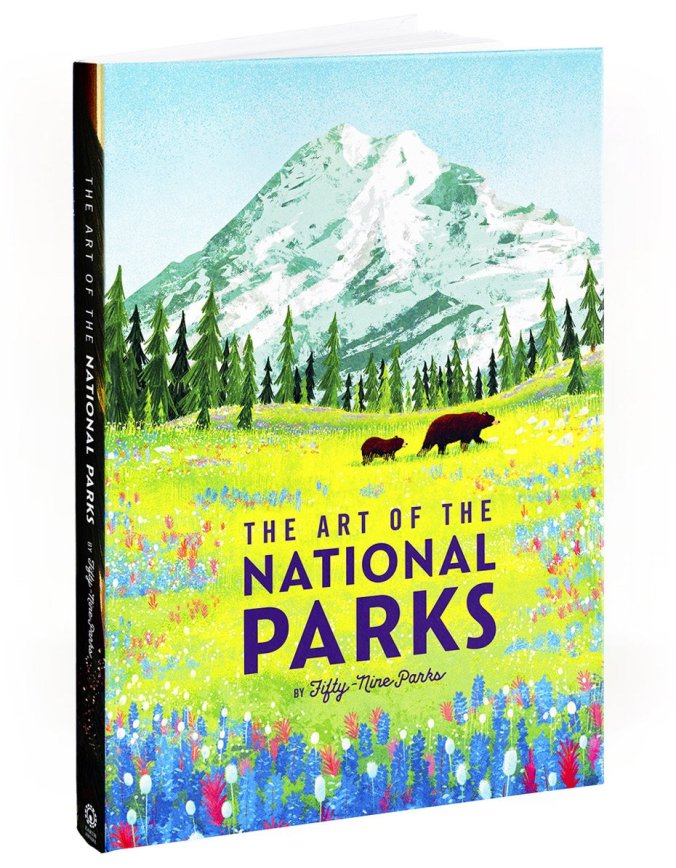
Art Of The National Parks

Click the image above if this is your kind of coffee table book. It is of course available elsewhere but please, support the publisher instead of the elsewhere option. We feature stories related to the national parks of the USA about as frequently as any other topic; here is a unique way to support the idea and the actions that flow from the idea.

Thanks to the Guardian’s feature on the book for bringing it to our attention:

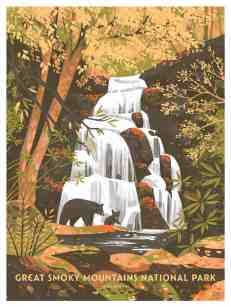
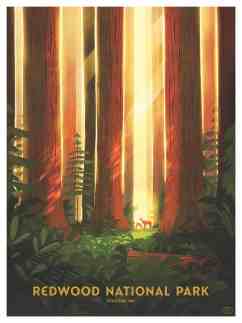
The art director JP Boneyard ’s favourite park is Montana’s Glacier national park. “It’s breathtaking, I’m smiling just thinking about it ,” he says. For his screen-print project Fifty-Nine Parks, now collected in a book, he asked modern artists to reinterpret America’s classic national park posters, commissioned by the government in the 1900s.

“I hope they inspire people to visit the parks and connect with nature, but, heck, it’d be awesome if the book inspired folks to pick up a squeegee and start printing too,” he says.

The National Parks Conservation Association has been mentioned in our pages a couple times before, but only in passing. Finding out more about this book led me to their website for the first time, and I already see a post on that topic is needed, but on another day.

Adventures In Blue

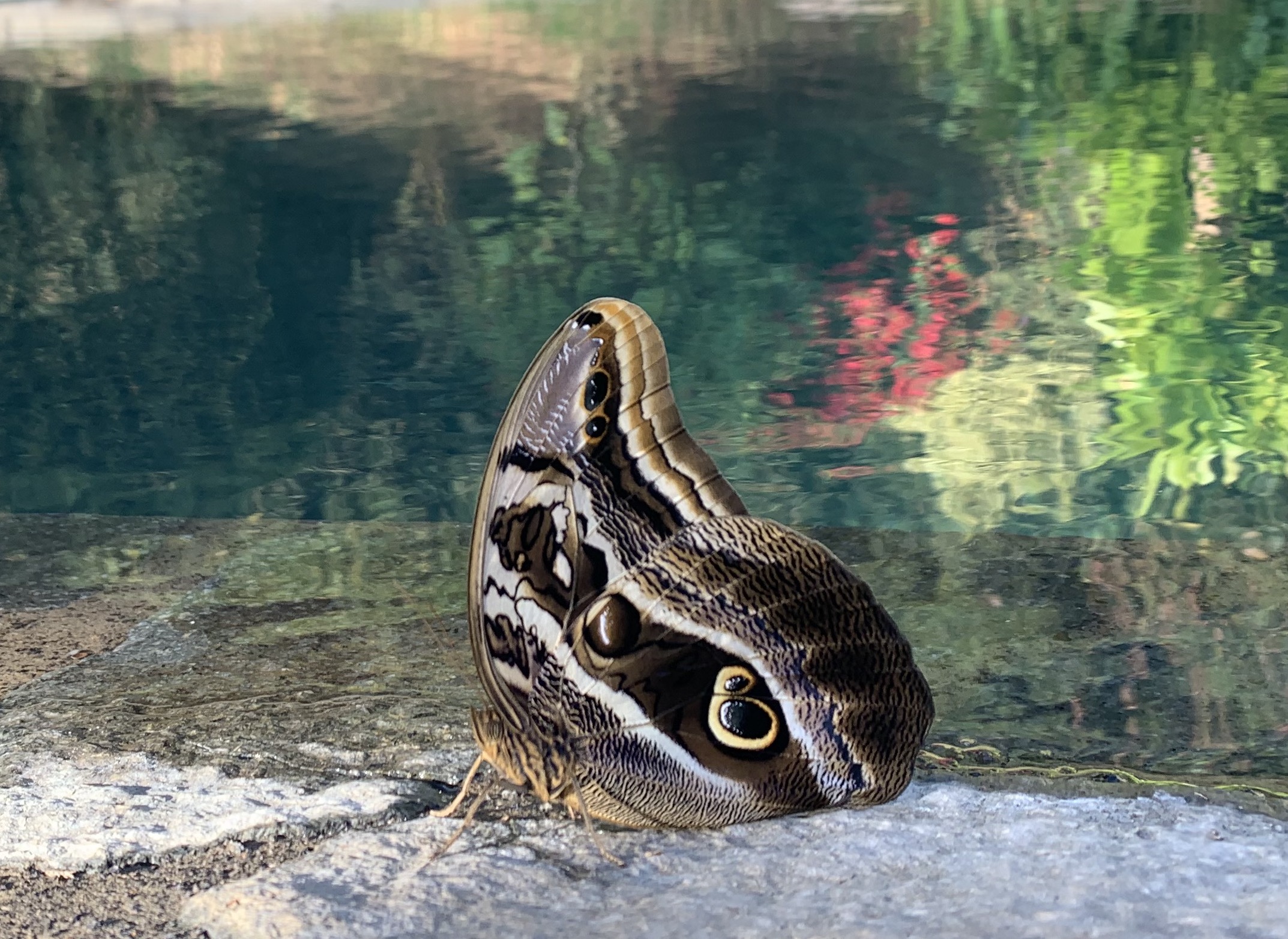
Blue morpho butterfly

The last time I posted about a blue insect you could see the blue. In the case of this butterfly above, all the blue is on the upper side of the wings, hidden in this view. To wrap up the thoughts started a couple days ago, I share a few more photos that for me qualify as visual micro-adventures.

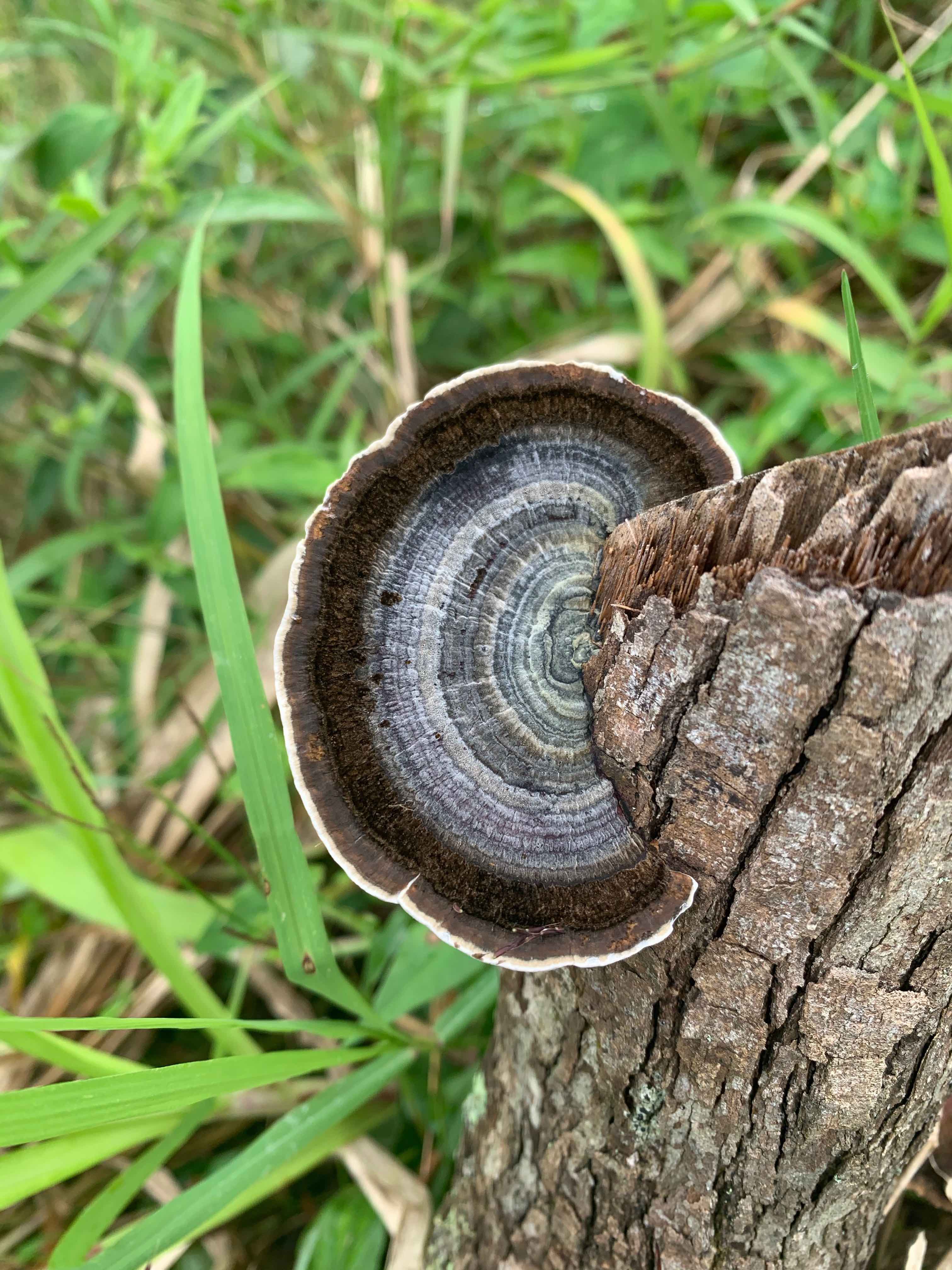
Probable identification: one of the 50 or so species of the Trametes genus of fungi

I do not know the species of this fungi, but I find it remarkable that it comes to my attention just after the surprise of seeing a blue morpho butterfly, not commonly seen on this land in Escazu. Remarkable because some of the colors in common, including an unexpected hint of blue.

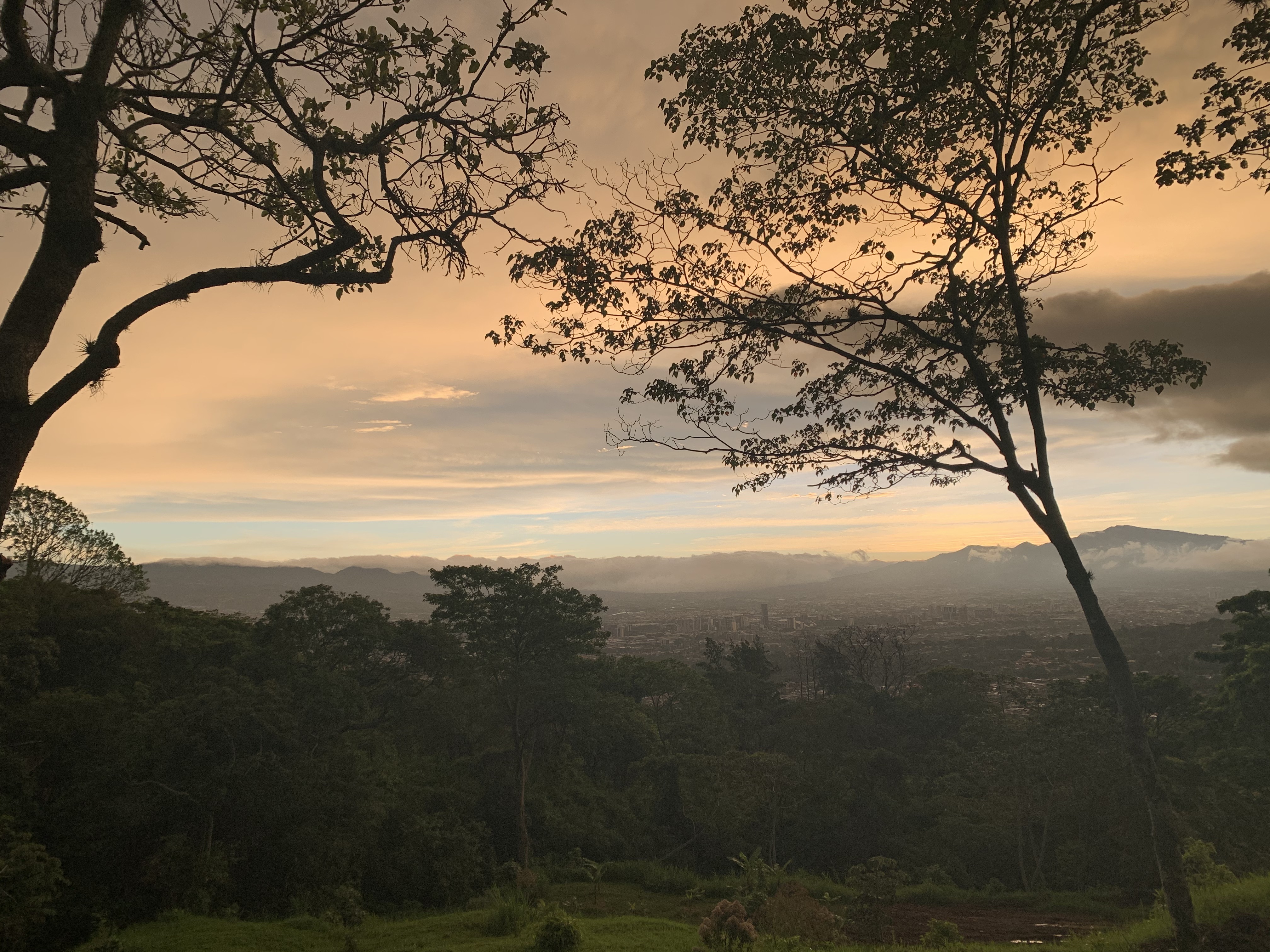
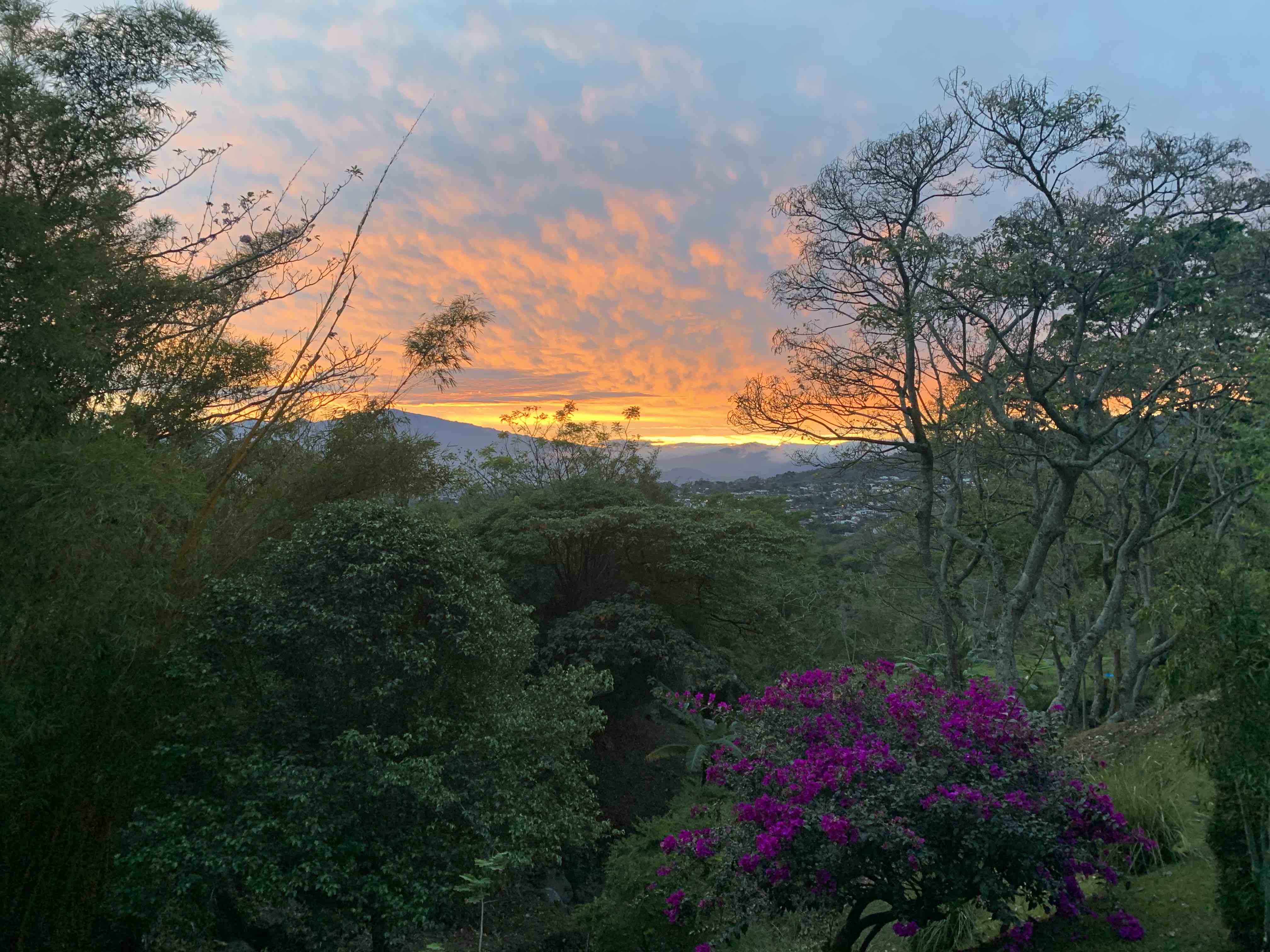
View to the east from Escazu as sun sets

Likewise, by the end of a day on this land, dusk may not produce a classical awe, but in the context of the various shades of brown it is something to still see some blue.

Micro Versus Macro

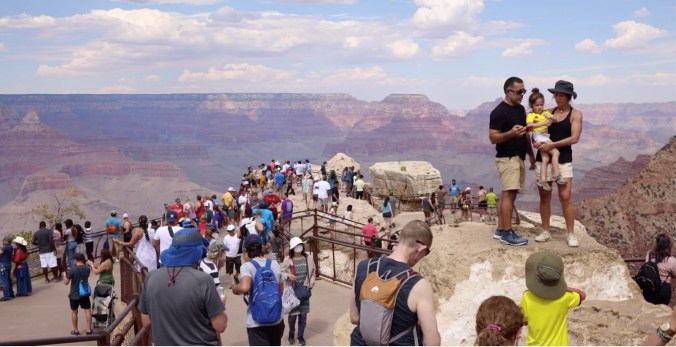
Mather Point, at Grand Canyon National Park, over the Fourth of July weekend.

Likely there is an algorithmic explanation for why the article I chose to riff on yesterday from one publication is followed by my coming across this article to riff on today as a follow-up:

PHOTO ESSAY

Americans are flocking to national parks in record numbers, in many cases leading to long lines and overcrowded facilities. Here’s what four parks looked like over the holiday weekend.

After so long being constrained from travel, and being socially distanced from others, I can imagine that all the people in all the crowded national parks are delighted by the combination of social and natural awe. As for me, I will continue the thoughts started yesterday, and share a few more images of a morning full of micro versus macro awe. About that ant I concluded with yesterday:

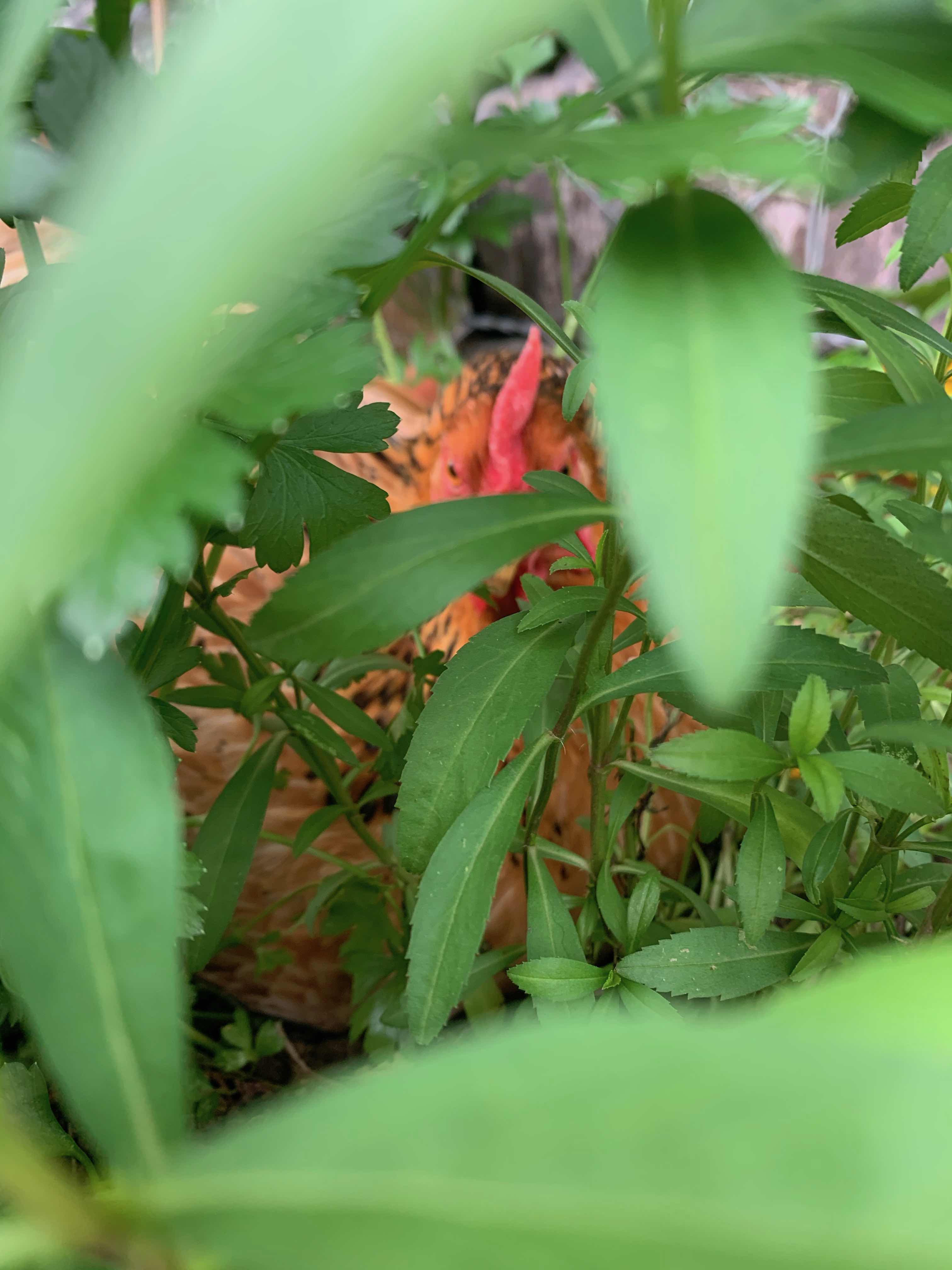
I have no clue about the species; but the herky-jerky movement is awesome. After that little parking lot observation, walking to the other side of the house, I see the hen again in a planter. I had shooed her away each recent morning, thinking that she was digging for worms or otherwise disrupting the growth of the herbs.

Hen again

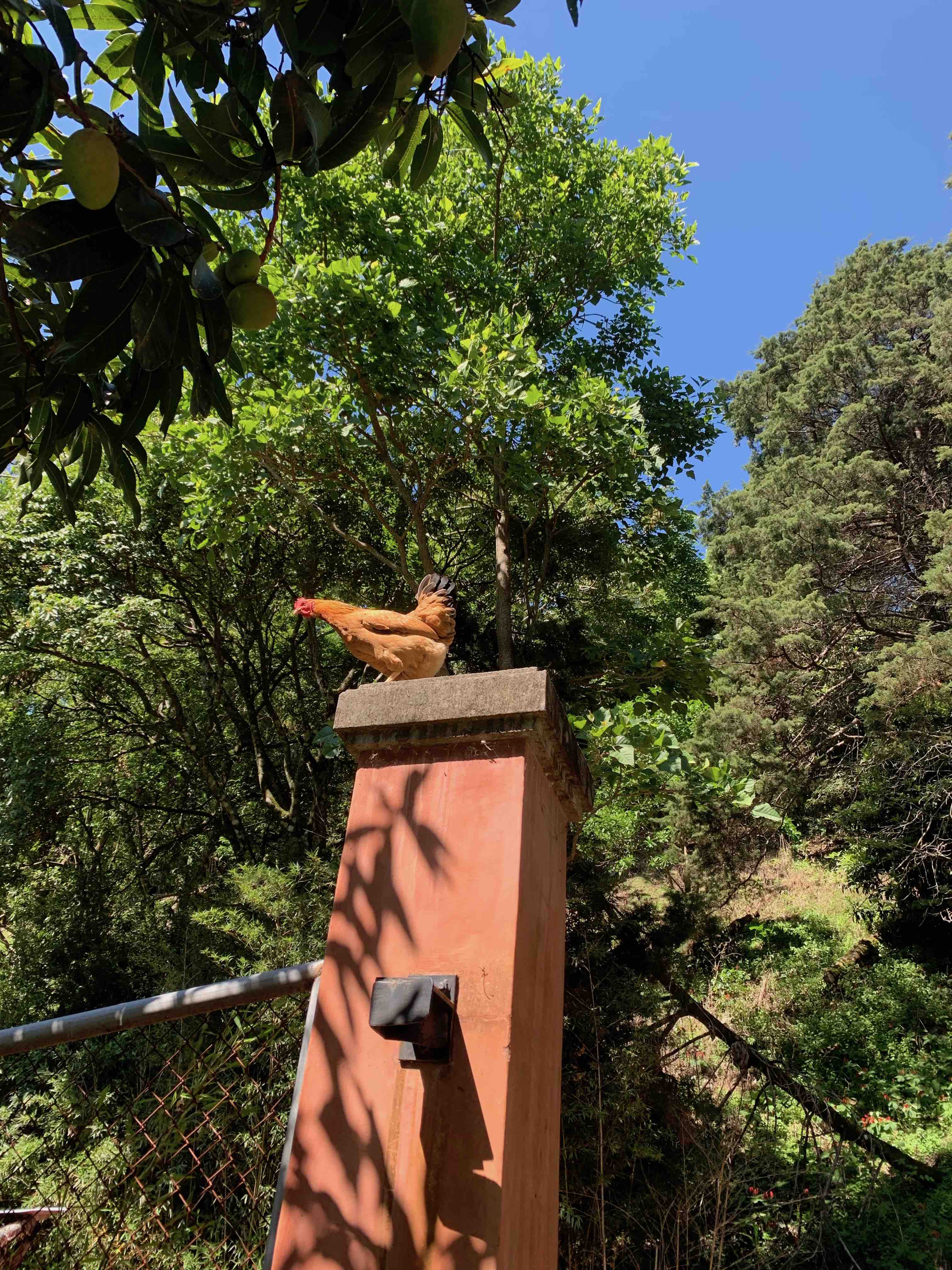
I got her to vacate with such enthusiasm that she scrambled to the top of a tall column next to a mango tree where she often spends the night.

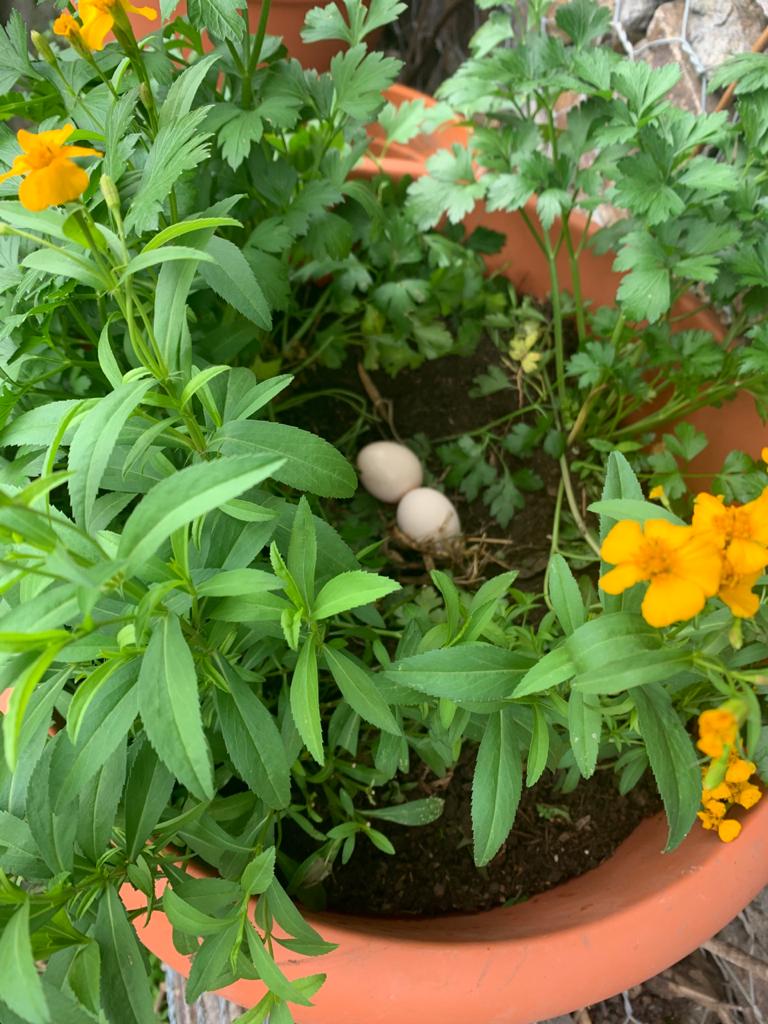
When I came back to inspect the damage to the herbs, I instead found what she was really doing there.

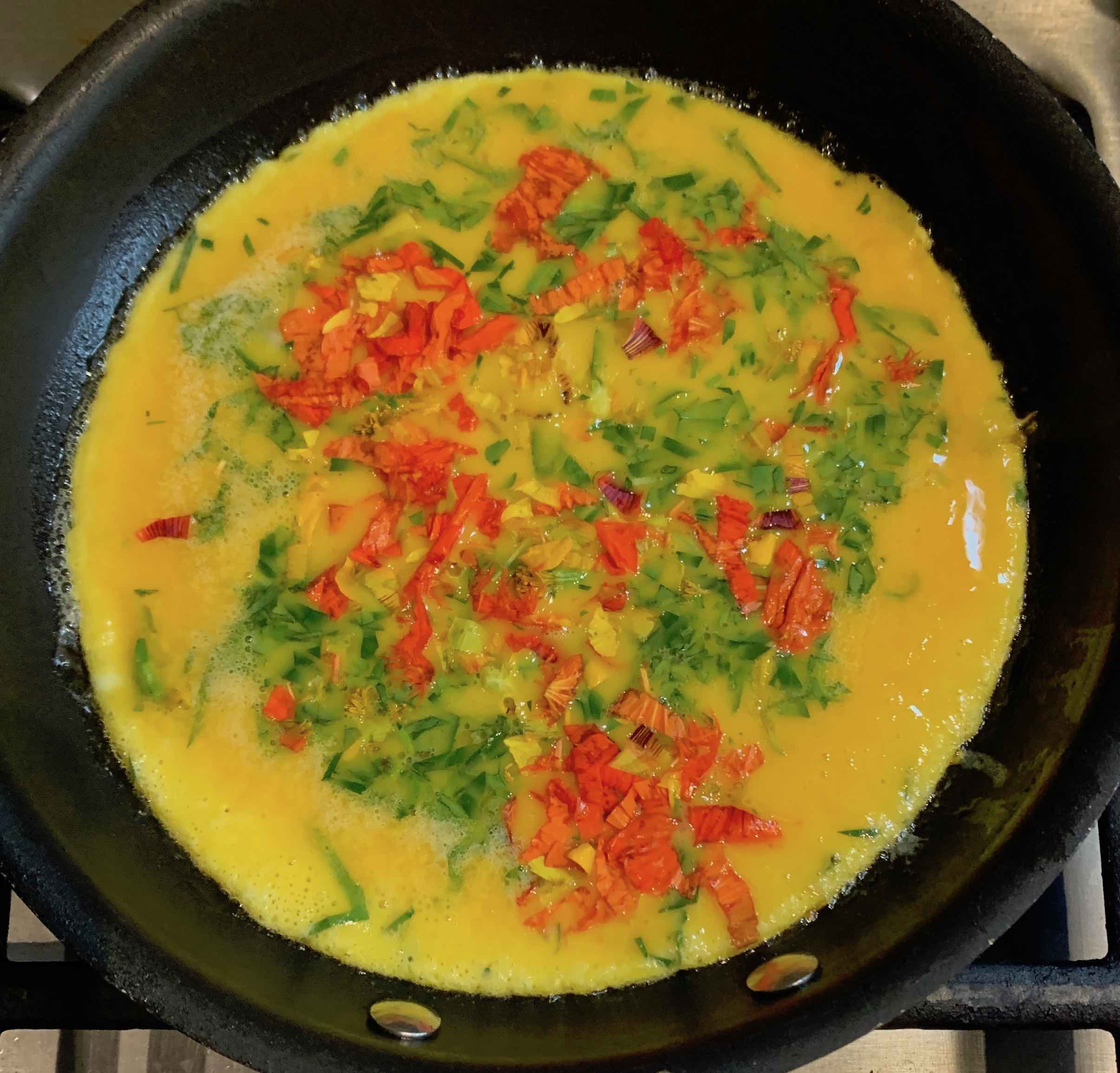
When your hen lays eggs in the tarragon and parsley bed, she is telling you something. Omelette

Not only not destructive; on the contrary, awesome breakfast.

All In A Day’s Microadventures

A New Hampshire lawn in June. John Tully for The New York Times

Emily Pennington has shared recommendations from some experienced folks about alternatives to the well-known spectacular adventures, such as hiking the Grand Canyon. She recommends trying microadventures in this article subtitled How to find a sense of awe and discover a miraculous world right outside your door. Early on she writes about what we are often looking for in the places we travel to :

…Researchers often describe awe as an emotion that combines an experience of vastness with both pleasure and a fear of the unknown. While many of us might consider these moments rare, ephemeral and tricky to reproduce, a few scientists are finding that this reverence is a skill that can be cultivated and has remarkable mental health benefits.

“Awe basically shuts down self-interest and self-representation and the nagging voice of the self,” said Dacher Keltner, a professor of psychology at the University of California, Berkeley. “That’s different from feeling pride or amusement or just feeling good. It’s like, ‘I’m after something sacred.’”

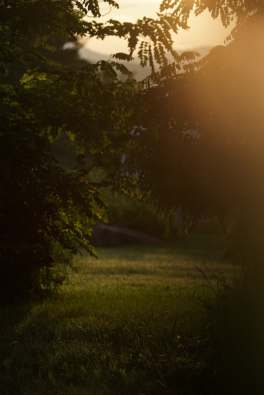
I have spent most days since early March 2020 looking for awe at or close to home, so I could relate immediately to what she was writing about in this article. A typical day starts with this view:

Start of a day’s microadventures

If you cannot imagine being awed by that, stop reading here. I will seek more awe as the day continues. Continue reading

Sugarcane On The Curvy Berm & Other Wonders

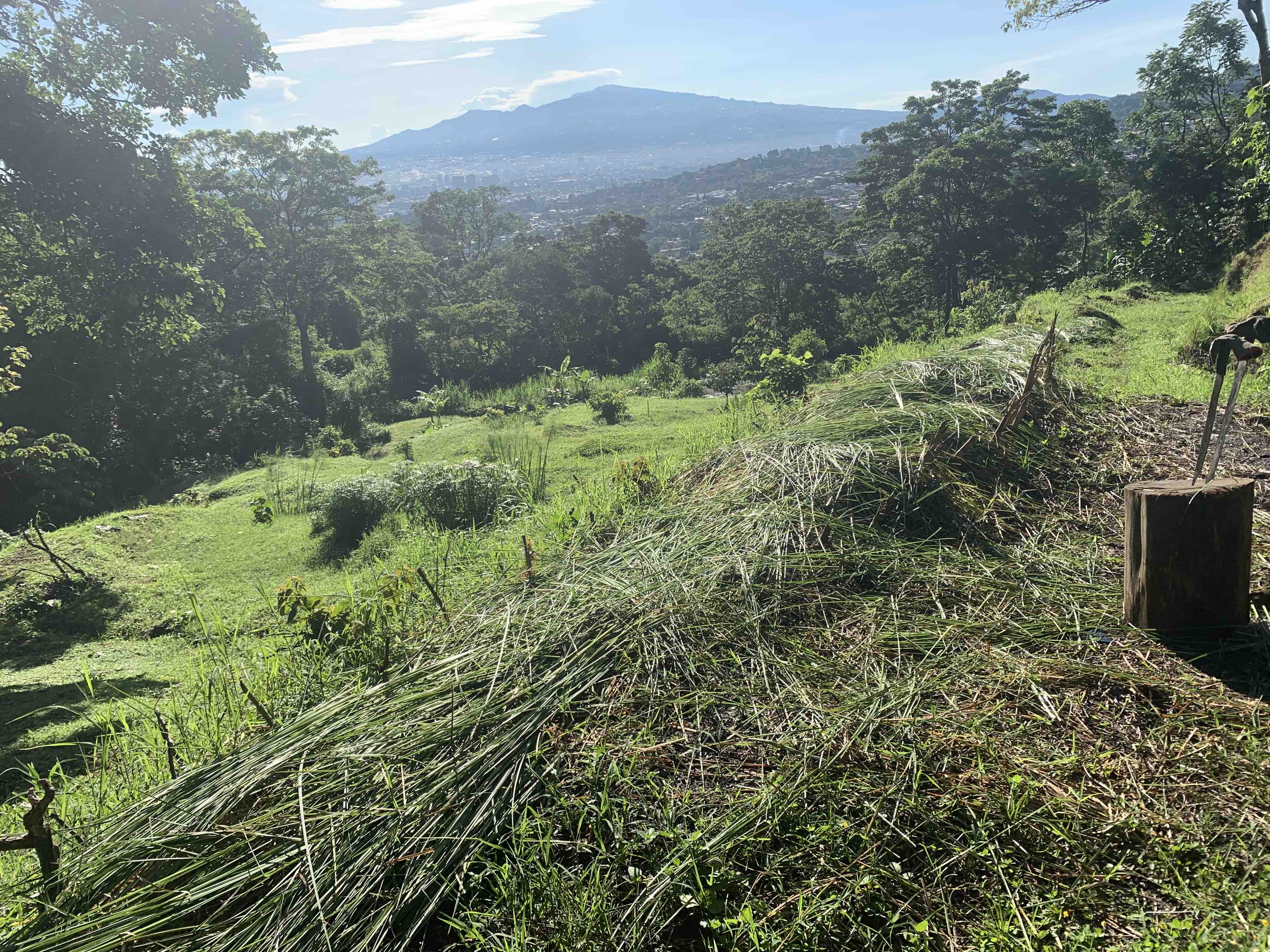
Sugarcane planted with vetiver grass mulching cover

The saving grace of the period from March, 2020 to the present day has been this few acres of land needing attention and care. Saving grace means that by giving attention and care to the land, I was simultaneously tending to my own wellbeing. The therapeutic value was such that by September, half a year of cloudy outlook was giving way to an urge to send postcards to the world. It was an urge urged by tending that land. As we began the second year of the venture that supports that land, all kinds of regenerative initiatives kept coming to my attention. And now it is nonstop planting around the curvy berm.

Urban Jungles & Biodiversity

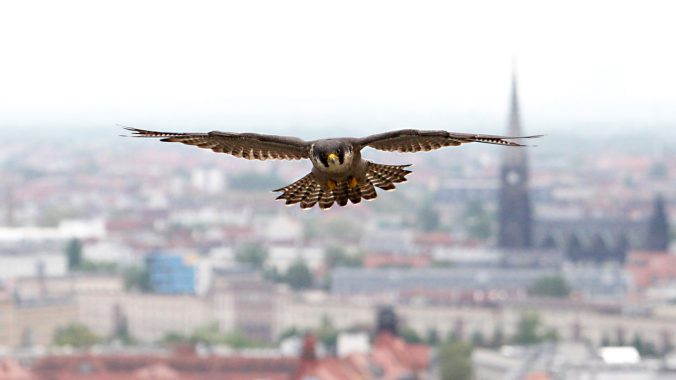
A peregrine falcon flying over Leipzig, Germany. Peregrines survive and reproduce more easily in cities than in rural areas. SEBASTIAN WILLNOW / PICTURE ALLIANCE VIA GETTY IMAGES

We have frequently considered urban greening in reference to social justice and to agricultural innovation. Thanks to Janet Marinelli for this consideration of a more fundamental possibility:

Urban Refuge: How Cities Can Help Solve the Biodiversity Crisis

Cities have long been considered species deserts, devoid of wildlife beyond pigeons and squirrels. But with animals such as snowy owls, otters and bobcats now appearing in urban areas, scientists are recognizing that cities can play a significant role in fostering biodiversity.

Last year, as billions of people around the globe were in coronavirus lockdown, students of Queens College ecologist Bobby Habig discovered a bobcat roaming around the Bronx River in New York City, better known for its recent past as an open sewer and repository for automobile tires and rusted chassis than as a habitat for elusive wildcats. In January, a snowy owl, native to Canada’s Arctic tundra, touched down in Central Park for the first time in 130 years and spent more than a month supplementing its usual diet of boreal lemmings with choice urban fare such as mice and rats. For weeks a coyote was spotted in the Ramble, a 37-acre “wilderness” of rocky crags and hilly forest in the heart of Central Park. Continue reading

Humpback Whale Rebound

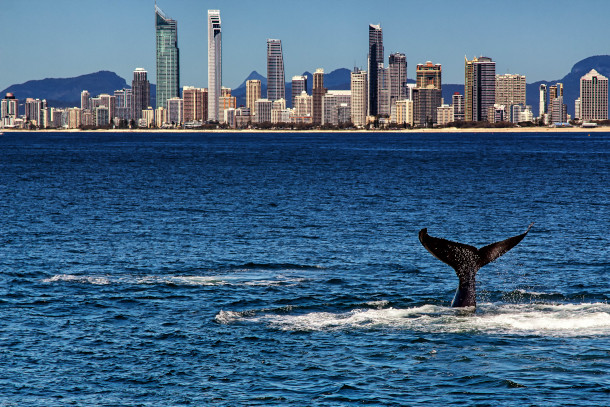
A humpback whale off the shore of the Gold Coast in Australia. (Photo: Steve Austin, Flickr, CC BY-ND 2.0)

Just absorb this (thanks to the Living on Earth podcast for this short segment):

…Experts estimate there are about 40,000 humpbacks that migrate each year between the southern oceans around Antarctica and the oceans around Australia. And there used to be 1500 a half century ago, mostly wiped out due to wailing. Continue reading

Year 9, Day 365

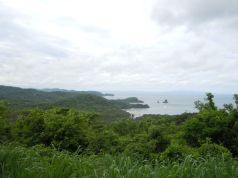
Seth’s photo of the view from the hill at Morgan’s Rock in Nicaragua

Today marks ten years since the first post on this platform. Seth’s description of a crab-eating little possum wandering by as he was reading, and a sloth-sighting together with two people visiting Nicaragua from the USA, reads like an entry in a travelogue. A later post about boarding down a volcano was the most viewed post of the first year.
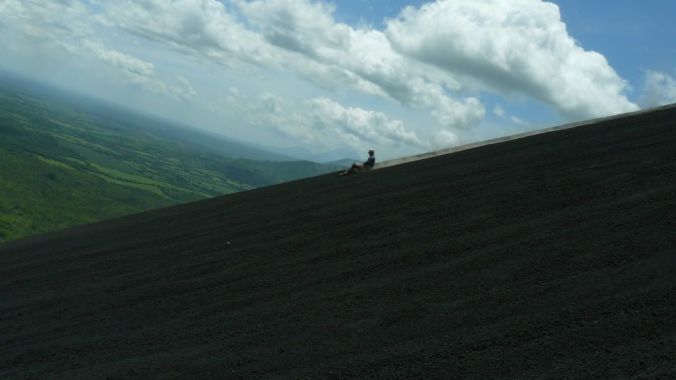
Seth sandboarding down Volcán Cerro Negro in Nicaragua

A man named Baba Ramdev, a yoga guru, was on a hunger strike to protest corruption when Michael, a senior at Amherst College, landed in India to begin an internship

Michael’s first post likewise starts as a travelogue, but veers into different territory as he reads the news about two men who are sacrificing comfort, and even life, for causes they believe in. The post goes on to identify drinking water as a cause worthy of the reader’s attention. Over the course of his time with us in India he wrote some of my personal favorites. He helped me better understand that the value of the internships we offered were as much about personal growth as about work experience.
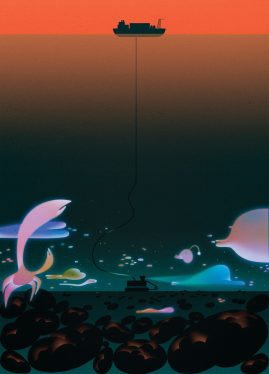
Within a few years, permits could be issued for commercial miners hoping to harvest the submerged wealth of the sea. Illustration by Sophi Miyoko Gullbrants

A decade was set in motion. This is our 10,286th post. Whatever meaning might be drawn from statistics, such as 827,462 views of our posts as of this writing, I find reasons to continue what those two started. Every day a bird is featured, thanks to Amie’s network of bird photographers. And every day I scan the news to share something enlightening, or I jot a note about a new idea we are trying out, always related to causes we care about. Today, on this rounding out of a decade, I mark the occasion by sharing the latest publication of a writer whose work rarely makes me happy but who I nonetheless link to often as a head-out-of-the-sand gesture:

The Deep Sea Is Filled with Treasure, but It Comes at a Price

We’ve barely explored the darkest realm of the ocean. With rare-metal mining on the rise, we’re already destroying it.

June 14, 2021

The International Seabed Authority is headquartered in Kingston, Jamaica, in a building that looks a bit like a prison and a bit like a Holiday Inn. The I.S.A., which has been described as “chronically overlooked” and is so obscure that even many Jamaicans don’t know it exists, has jurisdiction over roughly half the globe. Continue reading

Alan Taylor’s Photo Selections

Wild Asian elephants lie on the ground and rest in Jinning district of Kunming, Yunnan province, China June 7, 2021. A herd of 15 wild elephants has trekked hundreds of kilometres after leaving their forest habitat in Xishuangbanna National Nature Reserve, according to local media. Picture taken June 7, 2021 with a drone. China Daily via REUTERS

It has been awhile, too long, since we nodded to Alan Taylor’s photo selections, so here is to closing out the week with images:

An optical illusion at the Eiffel Tower, scenes from the French Open, a surfing competition in El Salvador, a presidential election in Peru, Olympic qualifying skateboarding trials in Italy, a giant sinkhole in Mexico, a sunrise annular eclipse seen in New York City, a platypus health check in Australia, and much more

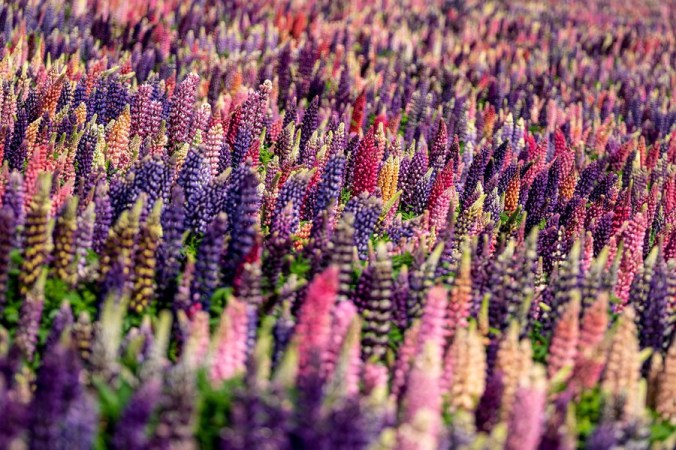
A Lupine field in full bloom is pictured near Sollested on Lolland island in Denmark on June 8, 2021. – Denmark OUT (Photo by Mads Claus Rasmussen / Ritzau Scanpix / AFP) / Denmark OUT (Photo by MADS CLAUS RASMUSSEN/Ritzau Scanpix/AFP via Getty Images)

Continue reading

Gustatory Floral Pleasure

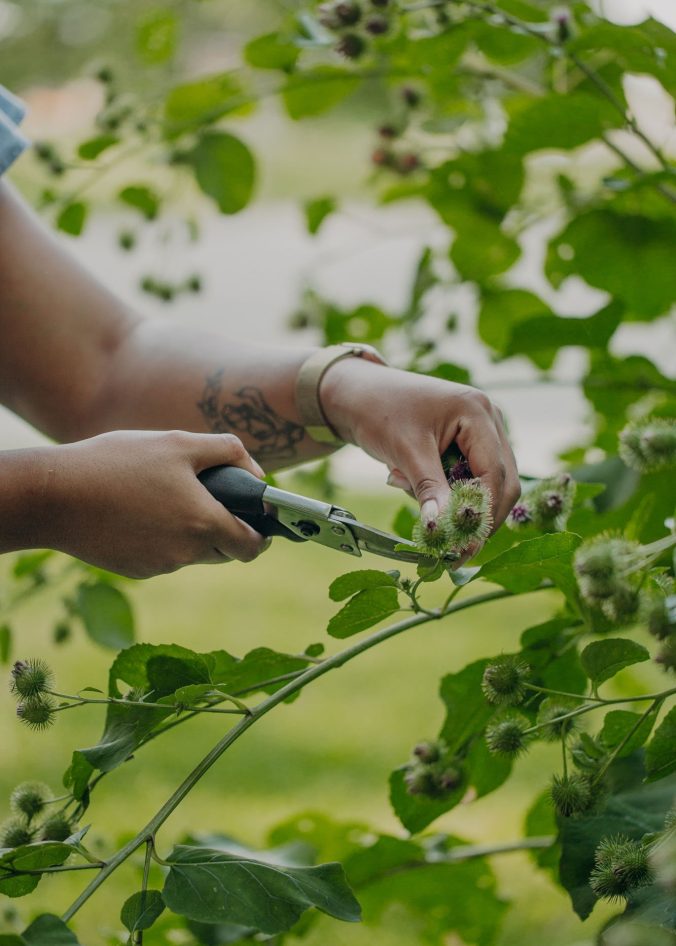
Nelson, picking burdock.

Most of us, top of mind, would mention visual and olfactory pleasures as the primary sensation that flowers wow us with. Thanks to Helen Rosner for reminding us, and to Alexis Nikole Nelson for demonstrating to us, the other sensory pleasures of (some) flowers:

The social-media star Alexis Nikole Nelson, a.k.a. BlackForager, is building an army of florivores.

Nothing takes me back to the Midwestern pastoral of my youth quite like the smells of springtime: freshly cut grass with an edge of lawnmower fuel, the sweet ozone of an imminent thunderstorm. Most of all, it’s lilac bushes, which grow stately and ragged in the hard soil of Chicago’s front yards, or peek over back fences to wave down the alleyways. In May, the tiny purple flowers would open; by June, their thick perfume hung in a haze around each bush, the barest breeze sending out intoxicating eddies of rich scent. When I left home and moved to the East Coast, I sometimes bought cheap lilac colognes—there are plenty of lilacs out here, too, but sometimes a person is a little homesick and needs a whiff on demand. Scent, so neurologically intertwined with memory, is an emotional catapult, and I found that even the clumsiest molecular facsimile of lilac would get the job done. Continue reading

Cycling With & For Monarch Butterflies

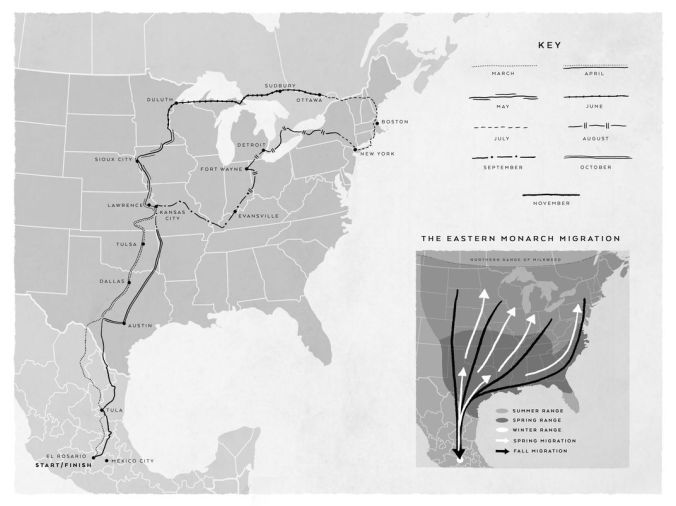
Sara Dykman biked from the monarchs’ overwintering grounds in Mexico to Canada and back, covering a total distance of 10,201 miles in 264 days. (Timber Press)

We have featured the plight of monarch butterflies plenty of times on this platform. And bicycle travelogues feature, together with bicycle activism, even more frequently. Today, at the intersection of butterflies and bicycles, we thank Sara Dykman for writing and Smithsonian for publishing this travel-with-a-cause story:

BIKING 10,000 MILES WITH MONARCHS

I set off to be the first person to cycle alongside the butterflies to raise awareness of their alarming decline

Dykman works in amphibian research and as an outdoor educator. (Tom Weistar)

The idea to bike from Mexico to Canada and back with the migrating monarch butterflies arose from a simple wish to visit them. In 2013, crossing Mexico by bike for the first time, a friend and I entertained the idea of visiting the monarchs at their overwintering sites. Because it was April and the monarchs had already begun migrating north, we decided to forego the side trip.

I spent the next few years idly daydreaming about returning. Continue reading

Scotland, Running On Almost 100% Renewables

GETTY IMAGES. Scotland’s renewables output has tripled in 10 years

Thanks to Scotland, for the ambition and demonstration; and to the BBC for reporting this:

Renewables met 97% of Scotland’s electricity demand in 2020

GETTY IMAGES. WWF Scotland is calling for an increased roll-out of electric vehicles

Scotland has narrowly missed a target to generate the equivalent of 100% of its electricity demand from renewables in 2020.

New figures reveal it reached 97.4% from renewable sources.

This target was set in 2011, when renewable technologies generated just 37% of national demand. Continue reading

Forest Solitude, A Germanic Tradition

With forest making up around 33% of Germany’s land area, woodlands have become a central part of German culture (Credit: Westend61/Getty Images)

Thanks to the BBC for this article about the Germanic tradition of waldeinsamkeit:

Waldeinsamkeit is an archaic German term for the feeling of “forest loneliness” (Credit: Marco Bottigelli/Getty Images)

Everybody is at it in Germany. They’re doing it in the trees in the Black Forest. Out in the magical Harz Mountains. In the national parks of Bavaria when silhouetted in the moonlight. And in the city centre woodlands of Berlin and Munich. Continue reading

Turtle Rescue, Texas Style

The South Padre Island Convention Center opened its doors and took in thousands of sea turtles cold-stunned during the Valentine’s Week Winter Storm. UT Marine Science Institute

Thanks to National Public Radio (USA) for this:

Texas ‘Cold-Stun’ Of 2021 Was Largest Sea Turtle Rescue In History, Scientists Say

Volunteers bringing in many lethargic turtles. John Faulk/Frontera Media

The Valentine’s Day winter storm of 2021 left Texans shivering in the dark, but that didn’t stop intrepid volunteers from heading out into the suddenly frigid waters of the Gulf Coast to save thousands of sea turtles at risk of dying. This is the story of the largest sea turtle “cold-stun” event in recorded history, according to scientists. Continue reading

Geographic Information Systems, Tool For Conservation

Burhans realized that the Church had lost track of its vast landholdings. Photograph by Isabel Magowan for The New Yorker

When I was a doctoral student I was introduced to geographic information systems. I became interested in how this tool might be of use in the hospitality industry. By the time I co-authored a second article about this, I already had my dissertation research focused on an entirely different topic, and I also had a job offer in Costa Rica to put that research to use. So, my GIS fascination was short-lived. But it was revived in the last couple of years as Seth focused his graduate school education on how to use this tool for land stewardship and natural resource management. So, reading this article by David Owen was a delight on multiple fronts. Foremost is the knowledge that the tool I found useful for business purposes has an equally powerful use for conservation:

How a Young Activist Is Helping Pope Francis Battle Climate Change

Molly Burhans wants the Catholic Church to put its assets—which include farms, forests, oil wells, and millions of acres of land—to better use. But, first, she has to map them.

The role of the cartographer, according to Molly Burhans, is not just data analytics. “It’s also storytelling,” she said. Photograph by Isabel Magowan for The New Yorker

In the summer of 2016, Molly Burhans, a twenty-six-year-old cartographer and environmentalist from Connecticut, spoke at a Catholic conference in Nairobi, and she took advantage of her modest travel stipend to book her return trip through Rome. When she arrived, she got a room in the cheapest youth hostel she could find, and began sending e-mails to Vatican officials, asking if they’d be willing to meet with her. She wanted to discuss a project she’d been working on for months: documenting the global landholdings of the Catholic Church. To her surprise, she received an appointment in the office of the Secretariat of State.

On the day of the meeting, she couldn’t find the entrance that she’d been told to use. She hadn’t bought a sim card for her phone, so she couldn’t call for help, and, in a panic, she ran almost all the way around Vatican City. The day was hot, and she was sweating. At last, she spotted a monk, and she asked him for directions. He gave her a funny look: the entrance was a few steps away. A pair of Swiss Guards, in their blue, red, and yellow striped uniforms, led her to an elevator. She took it to the third loggia of the Apostolic Palace, and walked down a long marble hallway. On the wall to her right were windows draped with gauzy curtains; to her left were enormous fresco maps, commissioned in the early sixteenth century, depicting the world as it was known then. Continue reading

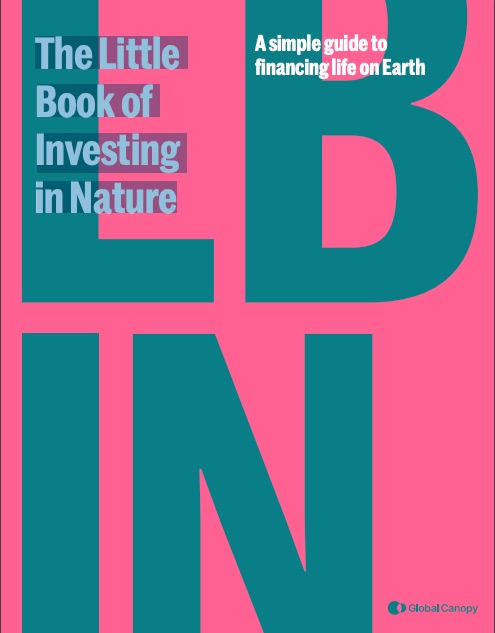
The Little Book of Investing in Nature

A pdf version of The Little Book of Investing in Nature is available and the case for why this might be of value to you is in the book’s forward section:

How does this book help? As the impacts of human activity on the natural world have become increasingly clear in recent years, alongside human dependences on a healthy environment, the conversation has shifted from “Should we save nature?” to “How do we pay for it?”. Few in government or business today doubt the inherent value of nature or the importance of managing it sustainably. The interest in halting the loss of biodiversity is enormous and is coming from unexpected quarters. Continue reading