Birds, Us, Past & Future

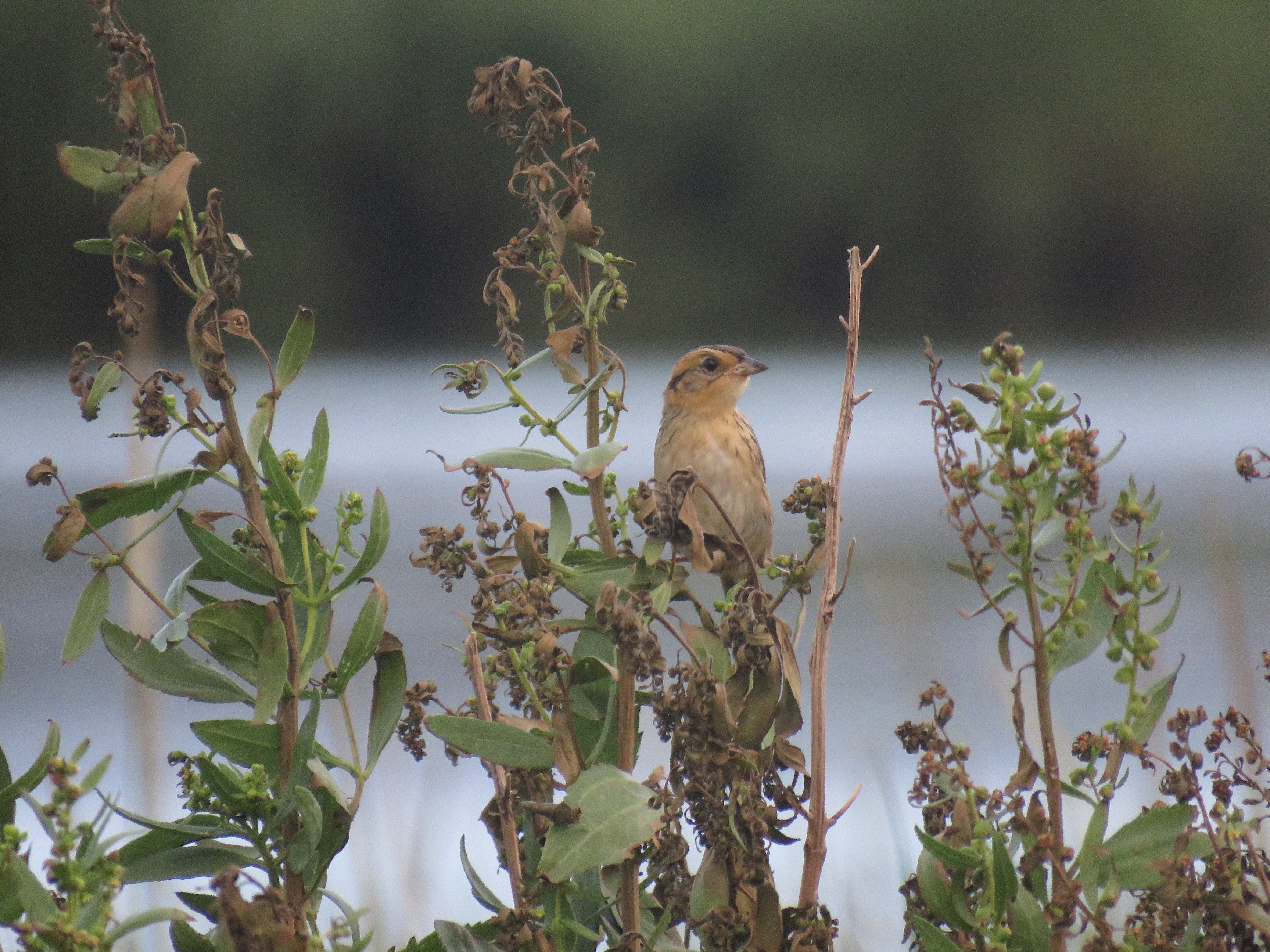
Our daily photo feature has been a long-running privilege for us to share from our various bird photographer friends who travel the world, and clearly a reason for some visitors to stay tuned here. We do what we can to ensure those birds are there for future generations to appreciate. The book featured above is likely to be of interest to many of those visitors. The author, seen only once before in our pages more than ten years ago, Tim Birkhead offers historical perspective that is well-reviewed and his publisher has this to say:

Since the dawn of human history, birds have stirred our imagination, inspiring and challenging our ideas about science, faith, art, and philosophy. Continue reading

Animal-Free Meat & Racing The Clock

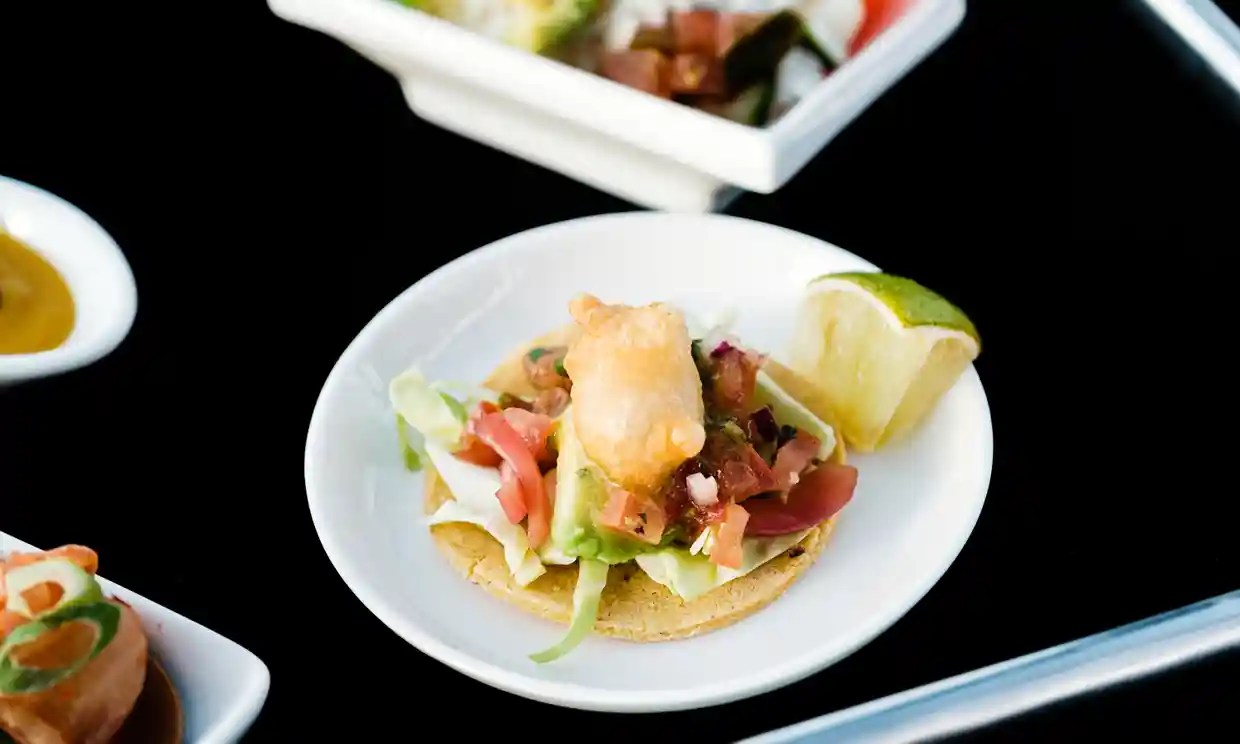
BlueNalu’s fried cell-cultured yellowtail amberjack fish taco. Photograph: Courtesy of BlueNalu

Whether the meat you eat is from land animals or from the ocean, the chances are high that you will be eating man-made versions sooner rather than later:

ā€˜Fishless fish’: the next big trend in the seafood industry

ā€˜Alternative seafood’ is having a moment, with the rise of companies like BlueNalu and Wildtype, which has the backing of Leonardo DiCaprio

In the middle of San Francisco, there’s a pilot production plant for Wildtype, one of a handful of cell-cultivated seafood companies in the US. Inside, it’s growing sushi-grade coho salmon in tanks similar to those found in breweries – no fishing or farming required. Continue reading

A Decade Of Reading Yale e360 & A Monday Perspective

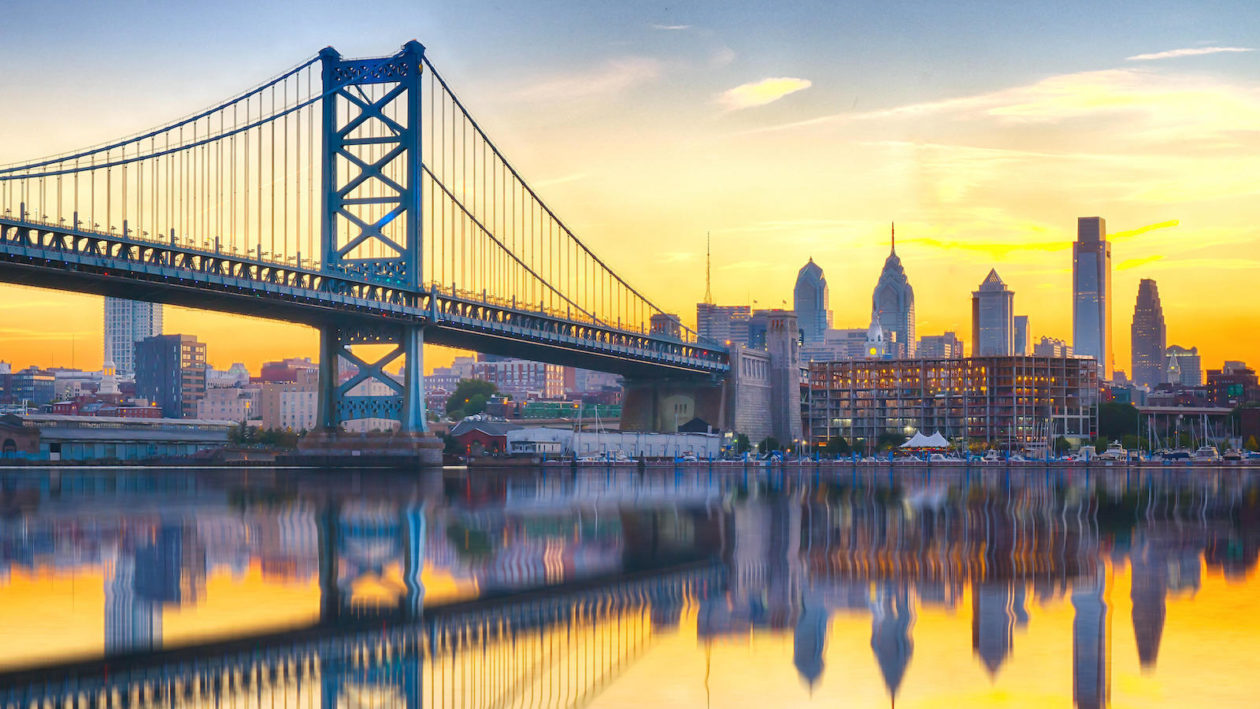
The Philadelphia skyline and Benjamin Franklin Bridge reflected in the Delaware River. PAUL BRADY / ALAMY

Monday mornings often have had their own theme in these pages. Fresh perspective to start the new work week on a new track. So here is my Monday morning contribution. For a brief history to immerse you in the bleak dark, I could send you here; but not today.

Following is an article that does something different, and more difficult to find recently. A look at five decades’ accomplishment on one environmental issue in one country, and a takeaway worthy of the photo above: complex, but inspiring. Our thanks as always after a decade relying on Yale e360 for environmental stories, and advocacy; in this case also for introducing us to Andrew S. Lewis, who will now be on our radar:

The Clean Water Act at 50: Big Successes, More to Be Done

Sparked by the 1970s environmental movement, the Clean Water Act — which marks its 50thĀ anniversary this month — transformed America’s polluted rivers. The Delaware, once an industrial cesspool, is one of the success stories, but its urban stretches remain a work in progress.
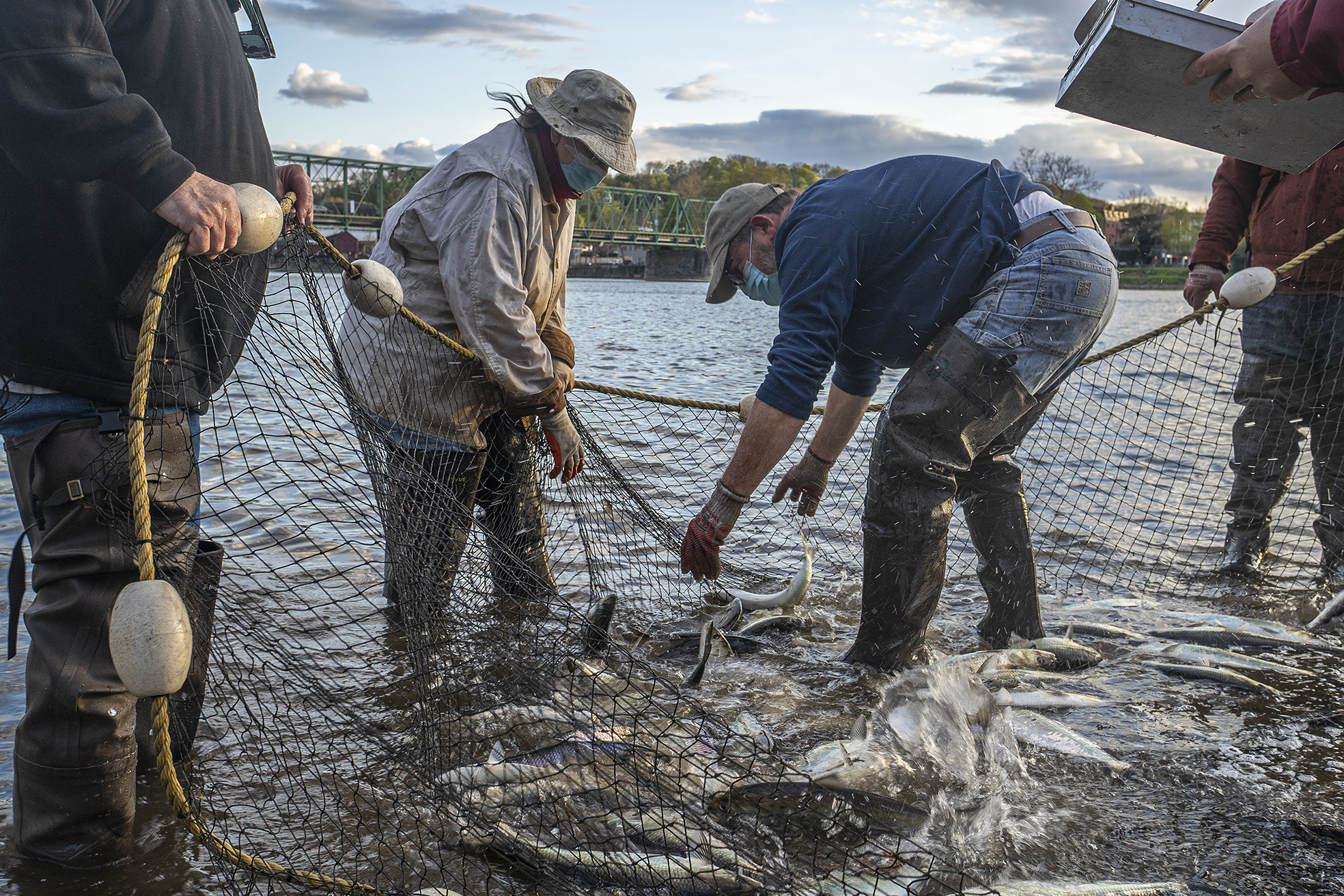
Steve Meserve (second from right) is a fourth-generation shad fisherman who operates the Lewis Fishery, the last commercial shad operation on the Delaware. ANDREW S. LEWIS

When Steve Meserve’s great-grandfather, Bill Lewis, started the Lewis Fishery in 1888, it was one of dozens of commercial outfits scattered up and down the Delaware River that seined for American shad during the spring spawn. At the time, the Delaware’s shad fishery hauled 3 to 4 million of the hard-fighting fish from the river and its tributaries every year. But, soon enough, Lewis discovered that he had gotten into the business just as the river — along with the species it supported — was entering a period of catastrophic decline. Continue reading

Peanuts, Soil Regeneration & Coffee

I will not blame Ruby TandohĀ for the link to the predatory bookseller in her essay; the magazine she writes for is responsible. Instead, I will just put a better link from the book image on the left to where you might purchase it. Bringing our attention to the book is enough of a good deed to overlook that link. Especially as I work on finding new ways to fix nitrogen in the soil we are prepping for coffee planting:

The Possibilities of the Peanut

I’ve made salads of peanut with watermelon and sumac, fries dunked in garlic-scented satay sauce, and more variations on my aunt’s Ghanaian groundnut stew than I can remember.

Illustration by Sophia Pappas

It would be hard to find a more devoted champion of the peanut than the agricultural scientist George Washington Carver. Born into slavery in Missouri around 1864, Carver studied at Iowa State University and then taught at the Tuskegee Institute, where he would spend much of the rest of his life learning to repair the environmental damage wrought by intensive cotton farming. Continue reading

British Rainforest Revival

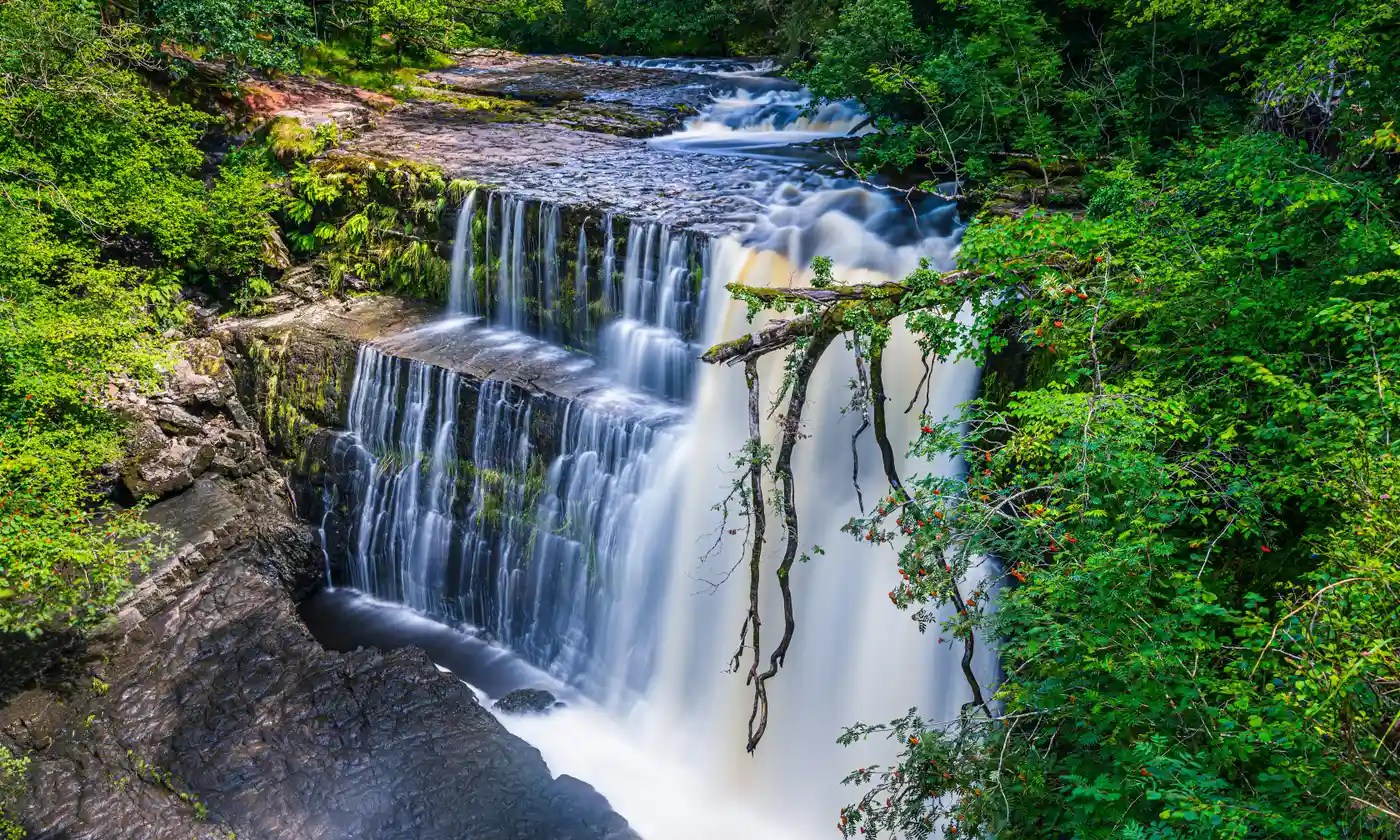
Human activity has impacted the amount of temperate rainforest in the UK but it still exists in a few places, such as the Brecon Beacons in Wales. Photograph: Henk Meijer/Alamy

We already knew that rainforests are not only tropical ecosystems. But when you live in the tropics, you can forget. Our thanks as always to Patrick Greenfield, and to the Guardian, for this reminder:

Exclusive: campaigners call for protection and careful tree-planting to help restore the temperate rainforests that once covered swathes of the country

Rainforest, which has been decimated over thousands of years, has the potential to be restored across a fifth of Great Britain, a new map reveals. Continue reading

Memo From Mr. Gates

We have only rarely linked to stories featuring or mentioning Mr. Gates.

This is not because we do not value his opinions; we think he is the smart money on multiple fronts. Climate change is one of them.

Even if we consider McKibben the more reliable scribe, and even if we give Malmo his due, this is still smart money territory:

The state of the energy transition

My annual memo about the journey to zero emissions.

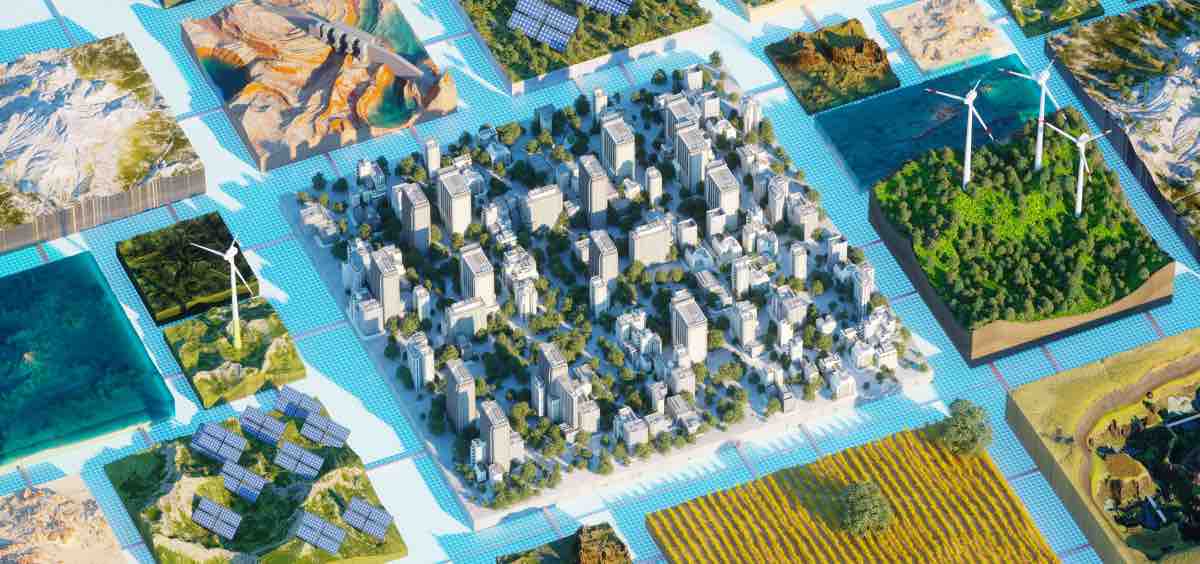
When I first started learning about climate change 15 years ago, I came to three conclusions. First, avoiding a climate disaster would be the hardest challenge people had ever faced. Second, the only way to do it was to invest aggressively in clean-energy innovation and deployment. And third, we needed to get going. Continue reading

Banana Genome Science

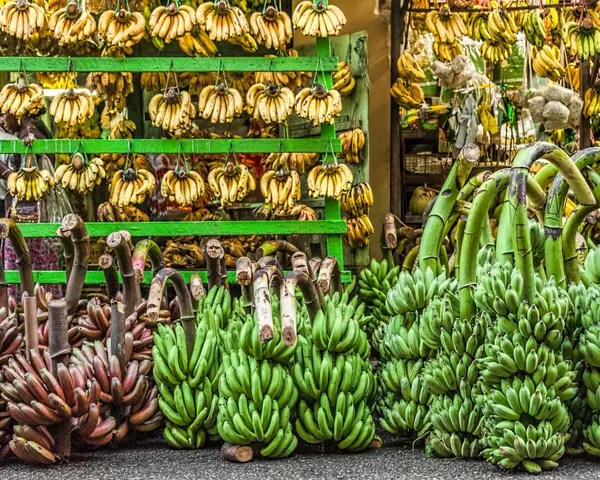
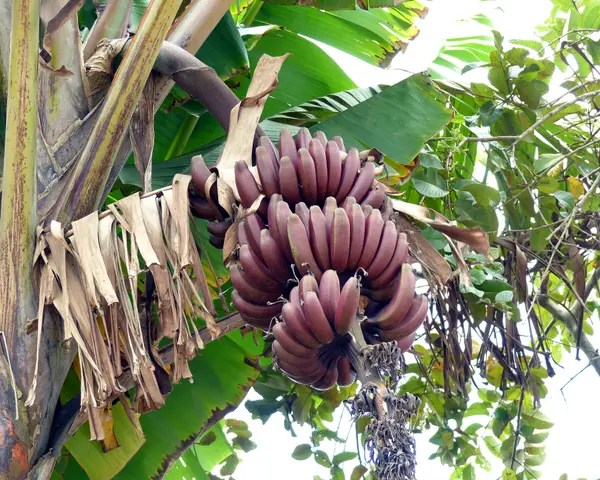
Imagine if you had all of these bananas to pick from every day. Beatrice Sirinuntananon/Shutterstock

We did not search for banana ancestors while living in India. We just found as many varietals as we could to support the genetic stock.Ā I have remained interested in doing the same ever since. They are more versatileĀ than most people are aware, so the outcome of this scientific search matters:

Red or blue, squat or bulbous, seeded or seedless: Bananas have a lot of diversity and scientists have identified genetic signals of varieties that have not yet been found in the wild. guentermanaus/Shutterstock

The Search Is on for Mysterious Banana Ancestors

A new study shows that domesticated bananas have genetic markers tying them to three types of wild bananas that have not yet been found.

Bananas, it turns out, are not what we thought they were.

Sure, most, when ripe, are yellow and sweet and delicious slathered in peanut butter. Continue reading

Sunscreen For Roads

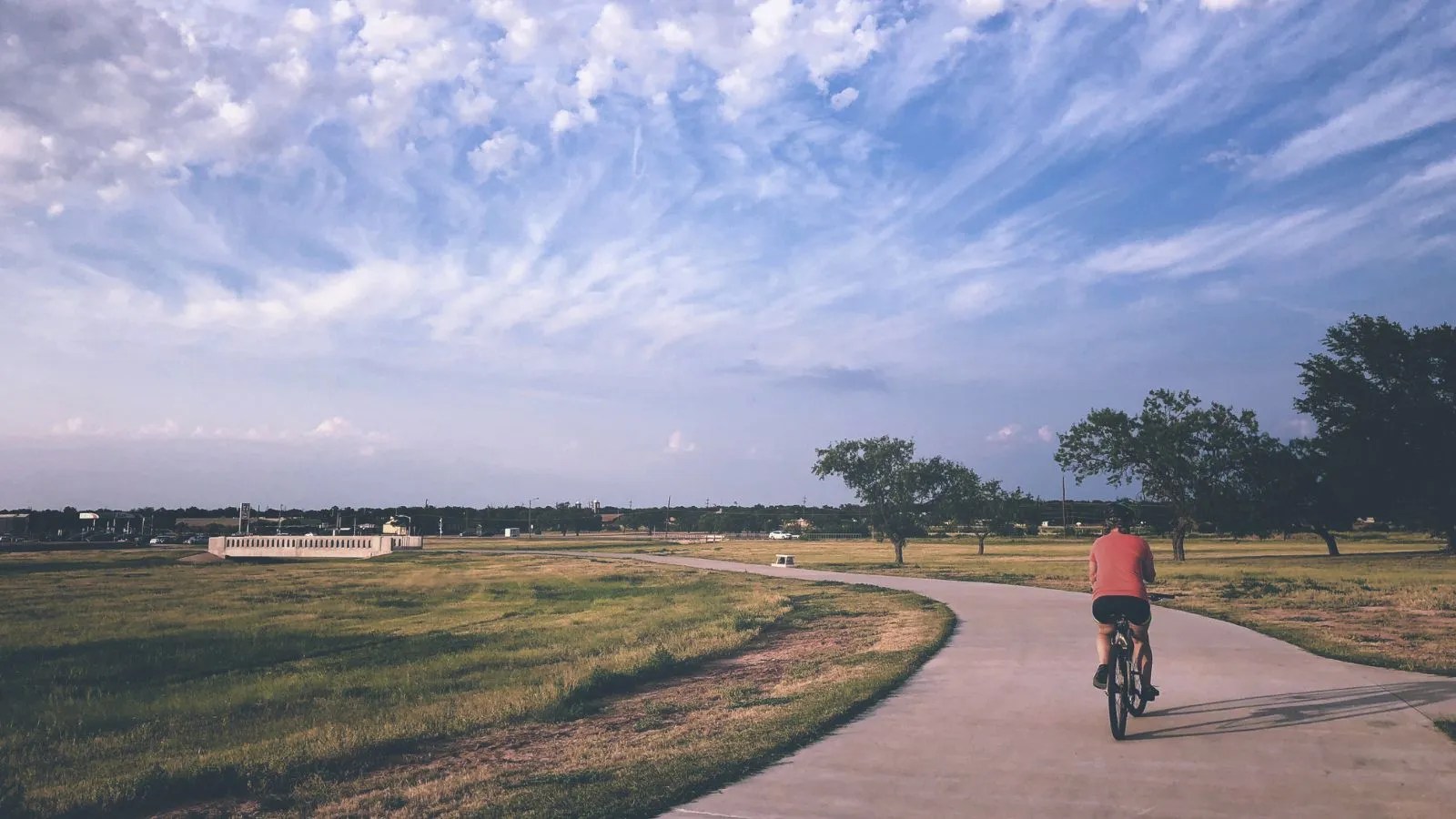
(Photo credit: Jonathan Cutrer / CC BY-NC 2.0)

Our thanks to Sarah Kennedy/ChavoBart Digital Media and Molly Matthews Multedo via Yale Climate Connections for keeping us ahead of the curve:

Titanium dioxide coating could keep roads and bike paths cooler

Like mineral sunscreen, it works by reflecting UVA and UVB rays from the sun.

Biking or walking on a hot day can make you feel like you’re in an oven because dark pavement absorbs and retains heat. But applying a special coating to streets and bike paths could help cool them off. Continue reading

Another Surprise From The Deep

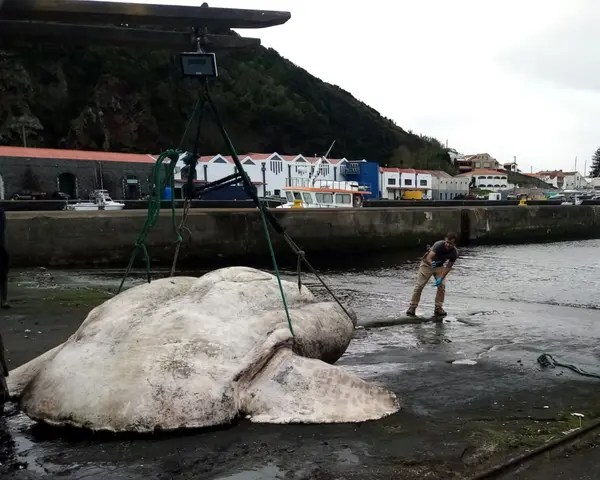
Researchers with a giant sunfish at the marina in Horta in the Azores in December. Atlantic Naturalist

We do not tire of the ocean surprises;Ā this one is of an entirely different magnitude:

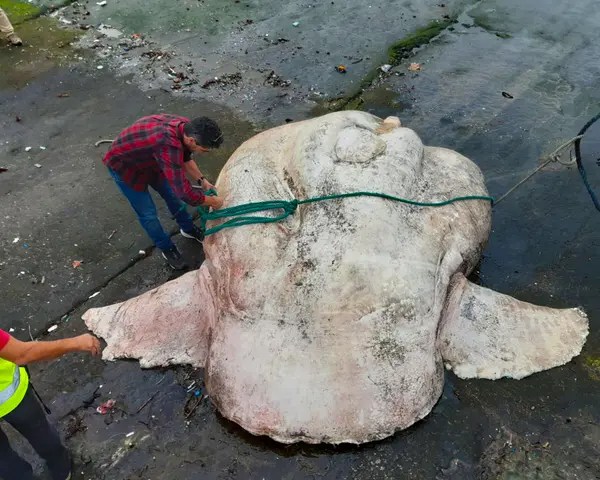
A sunfish found near the Azores in the Atlantic Ocean weighed as much as an S.U.V. Scientists say it’s a sign that the sea’s largest creatures can live if we let them.

The fish, at more than 6,000 pounds, is about the weight of a Chevrolet Suburban S.U.V. Atlantic Naturalist

It was easy for scientists to have doubts when they were told that the carcass of a colossal fish had been found floating just off the coast of Faial Island in Portugal’s Azores archipelago in the Mid-Atlantic Ocean in December 2021.

People do tend to exaggerate when it comes to the size of fish after all. However, their skepticism lifted the moment they laid eyes on the fish. It was the biggest bony fish they had ever seen. In fact, it might have been the biggest anyone had ever seen. Continue reading

Music For A Monday

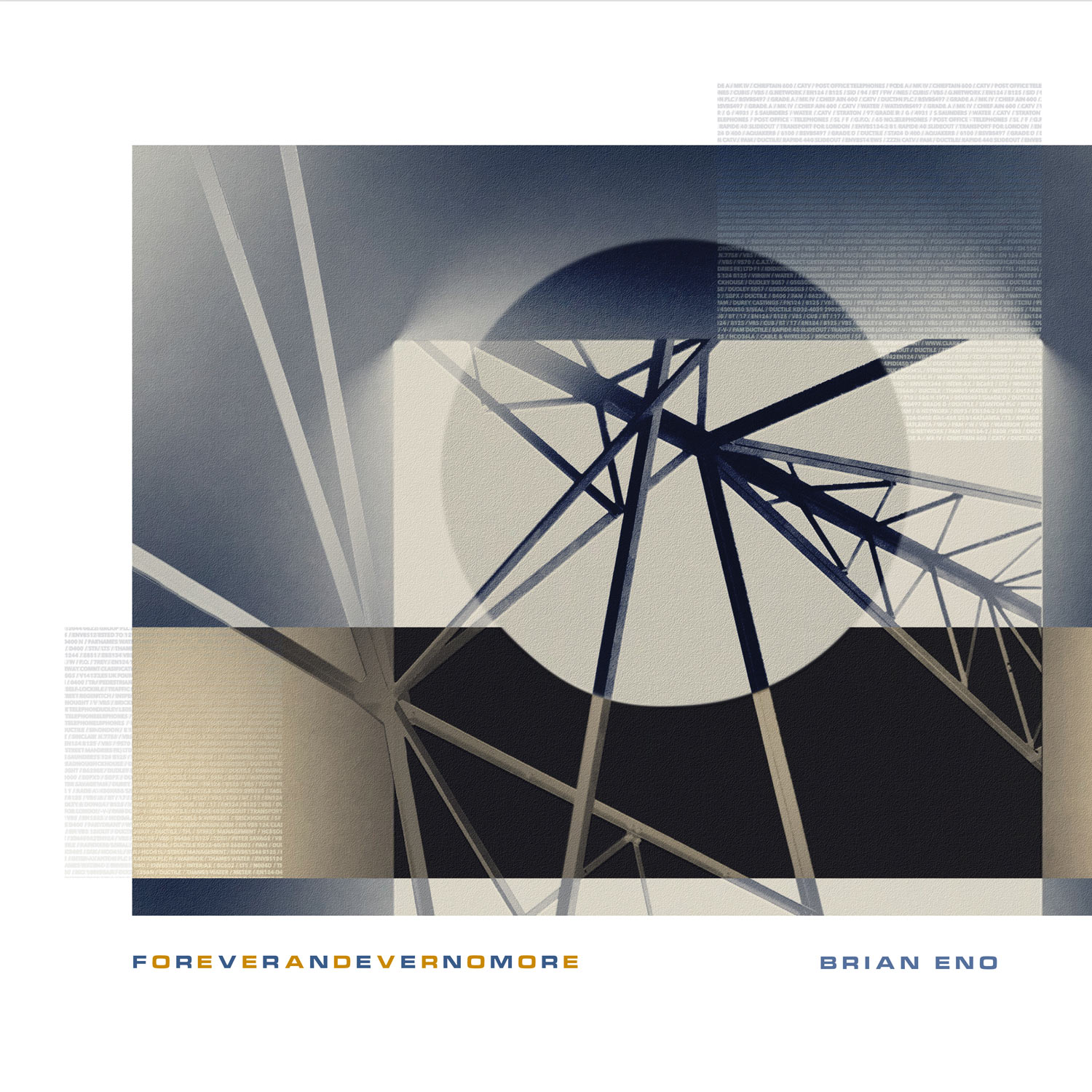
The music critic Jon Pareles gives Brian Eno’s album its due respect, but saying that the “musician and producer’s new songs meditate on folly and annihilation” does not really make you want to listen to it. This interview title from Wired has a different effect, at least on me:

Brian Eno on Why He Wrote a Climate Album With Deepfake Birdsongs

The ambient music pioneer is back with ForeverAndEverNoMore, an album that wants to get you in touch with your climate emergency feelings.

THE TITLE OF Brian Eno’s new album ForeverAndEverNoMore sounds fairly doom and gloom. Continue reading